Can Natural Remedies Tighten a Sagging Belly?
A sagging belly can happen after weight loss, pregnancy, aging, or changes in body size. It is also normal for skin and body shape to change over time.
Many online remedies promise to “tighten” loose abdominal skin with oils, drinks, herbs, or homemade mixtures. However, there is no proven natural remedy that can simply tighten loose abdominal skin or remove excess skin.
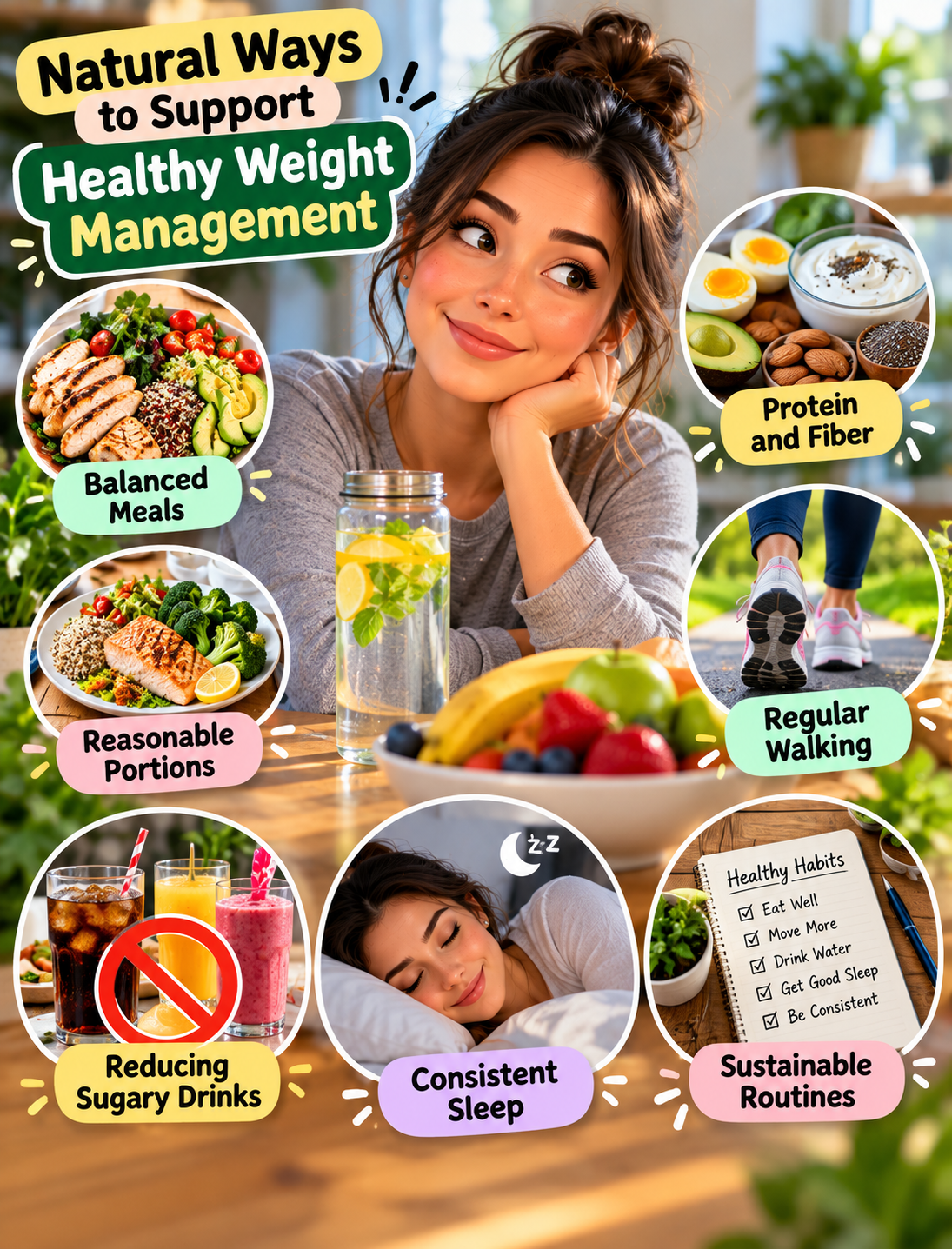
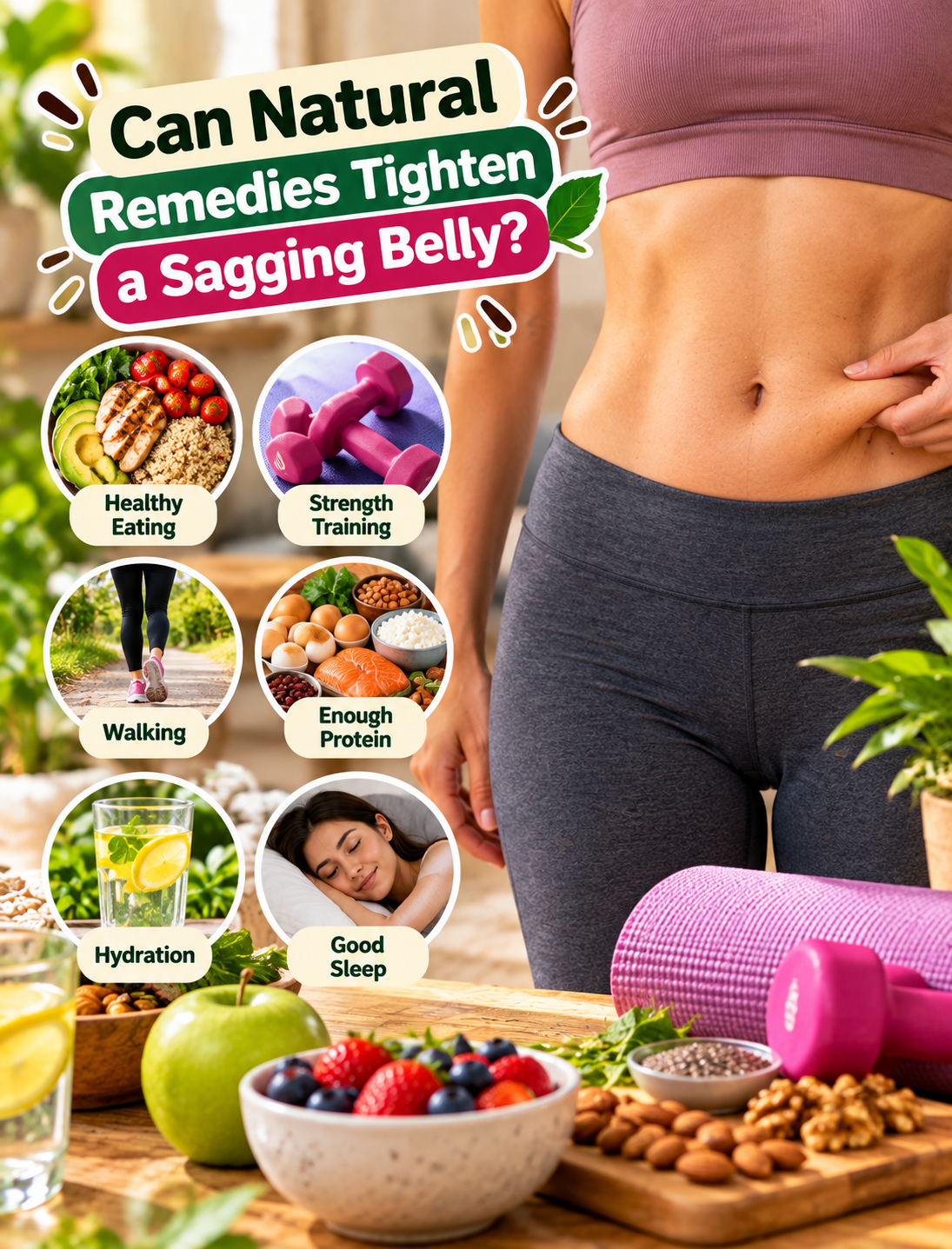
A more realistic approach focuses on healthy weight management, regular movement, resistance training, adequate protein, hydration, sleep, and patience. These habits can improve overall fitness and body composition, but they cannot guarantee that loose skin will disappear.
Can Natural Remedies Really Tighten a Sagging Belly?
Natural ingredients such as aloe vera, coconut oil, coffee, lemon, or herbal mixtures are sometimes promoted as skin-tightening remedies. Applying an oil or homemade mixture may temporarily moisturize the skin and make it feel smoother, but that is different from tightening excess skin.
Loose skin is affected by factors such as:
- Age
- Genetics
- Amount of weight lost
- How quickly weight was lost
- Pregnancy
- Sun exposure
- Skin elasticity
- How long the skin was stretched
Because these factors vary from person to person, there is no single home remedy that can predictably tighten abdominal skin.
If your goal is to improve your waistline and overall body composition, sustainable eating and physical activity are much more useful targets. The National Institute of Diabetes and Digestive and Kidney Diseases recommends combining healthy eating with regular physical activity for healthy weight management.
What Can Actually Help?
Instead of searching for one powerful remedy, build a routine that supports your whole body.
1. Focus on Gradual Weight Management
If you have excess body weight, gradual weight management can change your overall body shape and waist size.
The CDC notes that healthy weight management involves healthy eating patterns, regular physical activity, adequate sleep, and stress management. It also recommends gradual, steady weight loss rather than extreme approaches.
A sustainable approach may include:
- Eating mostly minimally processed foods
- Including vegetables and fruits regularly
- Choosing whole grains more often
- Adding protein-rich foods
- Watching portions without extreme restriction
- Limiting excess added sugar
- Reducing sugary drinks
- Building habits you can maintain
The goal is not to lose weight as quickly as possible. A routine that you can continue is more useful than a short-term crash diet.
2. Add Resistance Training
Resistance training is one of the most useful forms of exercise for improving muscle strength and maintaining muscle during weight management.
It does not directly shrink loose skin, but building muscle can improve strength and may change the way your body looks underneath the skin.
Useful options include:
- Squats
- Lunges
- Glute bridges
- Resistance-band exercises
- Push-ups
- Rows
- Planks
- Light weight training
You do not need an expensive gym membership to begin. Resistance bands, bodyweight exercises, or household items can provide resistance.
NIDDK recommends muscle-strengthening activities at least two days each week and advises working the major muscle groups, including the abdomen, legs, back, arms, chest, and shoulders.
3. Don’t Ignore Walking
Walking is simple, accessible, and easy to add to most routines.
A brisk walk can increase daily physical activity and support healthy weight management when combined with appropriate eating habits.
For generally healthy adults, U.S. physical activity guidance recommends at least 150 minutes of moderate-intensity aerobic activity each week, along with muscle-strengthening activity on at least two days.
You don’t have to complete all your activity in one session.
Try:
- A 10-minute walk after breakfast.
- Another 10-minute walk after lunch.
- A 10-minute evening walk.
Short sessions can add up throughout the day. NIDDK specifically notes that even 10- or 15-minute periods of activity count.
4. Eat Enough Protein
Protein is important for maintaining and building muscle.
Good food sources include:
- Eggs
- Greek yogurt
- Cottage cheese
- Fish
- Chicken
- Turkey
- Beans
- Lentils
- Tofu
- Tempeh
- Nuts and seeds
Rather than relying on a protein powder or supplement, start by including a protein source in your regular meals.
For example:
Breakfast: Eggs with whole-grain toast and fruit
Lunch: Chicken or beans with vegetables and brown rice
Snack: Greek yogurt with berries
Dinner: Fish, tofu, or lean meat with vegetables and a whole grain
NIDDK recommends protein foods such as lean meats, poultry, eggs, seafood, beans, peas, lentils, nuts, seeds, and soy products as part of a healthy eating pattern.
5. Stay Hydrated
Water does not tighten loose skin, but staying hydrated is an important part of overall health.
Instead of using sugary drinks as your main source of fluids, make water a regular choice throughout the day.
Simple habits include:
- Keep a reusable water bottle nearby.
- Drink water with meals.
- Have water before or after physical activity.
- Choose water instead of sugary drinks more often.
- Eat water-rich foods such as fruits and vegetables.
Hydration should be viewed as a basic healthy habit, not a quick solution for abdominal skin.
6. Build a Balanced Plate
You do not need a complicated diet to support healthy weight management.
A simple meal can include:
- Protein: chicken, fish, eggs, beans, lentils, tofu, or yogurt
- Vegetables: leafy greens, broccoli, peppers, tomatoes, carrots, or zucchini
- Whole-food carbohydrates: oats, brown rice, potatoes, quinoa, or whole-grain bread
- Healthy fats: avocado, nuts, seeds, or olive oil
NIDDK recommends vegetables, whole fruits, whole grains, protein foods, and appropriate dairy or fortified alternatives as part of a healthy eating plan.
This approach also gives you more flexibility than following a restrictive “belly-fat remedy” diet.
7. Give Your Body Time
One of the biggest mistakes people make is expecting visible changes within a few days.
Body composition changes gradually. Skin elasticity also differs greatly between people.
If you’ve recently lost a significant amount of weight, your skin may need time to adjust to your new body size. Some people see noticeable changes over time, while others continue to have loose skin.
Be careful with products that promise dramatic tightening in a few days or weeks.
A cream, oil, tea, or homemade drink may improve the appearance or feel of the skin temporarily, but that does not mean it has removed excess skin.
8. Don’t Rely on Abdominal Exercises Alone
Crunches, planks, and other core exercises can strengthen abdominal muscles, but they do not specifically remove loose skin from the belly.
A better exercise plan combines different types of movement.
Simple weekly structure
Monday: Strength training + short walk
Tuesday: Brisk walking
Wednesday: Strength training + easy movement
Thursday: Walking or another enjoyable aerobic activity
Friday: Strength training
Saturday: Longer walk or active hobby
Sunday: Rest or gentle movement
Adjust the routine to your fitness level and health needs.
A Simple Step-by-Step Plan
If your goal is to improve your waistline and overall fitness, start with these steps.
Step 1: Set a realistic goal
Focus on stronger muscles, better fitness, healthier eating, and sustainable weight management instead of promising yourself perfectly tight skin.
Step 2: Improve one meal at a time
Add vegetables and a protein source before making drastic dietary changes.
Step 3: Walk every day
Start with 10 minutes if you are currently inactive and gradually increase your activity.
Step 4: Strength train twice a week
Begin with basic movements such as squats, wall push-ups, glute bridges, rows, and modified planks.
Step 5: Drink more water
Replace some sugary drinks with water or another low-calorie beverage.
Step 6: Prioritize protein
Include a protein-rich food at breakfast, lunch, and dinner.
Step 7: Track progress realistically
Instead of checking your stomach every day, monitor habits, strength, walking time, energy, and changes over several weeks.
Step 8: Adjust slowly
If a routine feels impossible to maintain, make it easier rather than quitting completely.
What About Creams, Oils, and Homemade Remedies?
Moisturizing products can make dry skin feel softer and smoother, which may temporarily improve its appearance.
However, that is not the same as removing excess skin.
Be cautious with recipes that recommend applying:
- Lemon juice
- Undiluted essential oils
- Baking soda
- Strong acids
- Irritating spice mixtures
- Concentrated herbal extracts
These ingredients can irritate the skin and may cause burning, redness, or other reactions.
A simple moisturizer is generally a more sensible skin-care option than an aggressive homemade “tightening” mixture.
When Should You Talk With a Professional?
If you have significant loose skin after major weight loss, pregnancy, or another major body change, a healthcare professional can help you understand your options.
If you are considering substantial weight loss, it can also be useful to discuss your goal with a healthcare professional, especially if you have a chronic health condition or take medications.
For some people, loose skin remains even after reaching a stable, healthy weight. Lifestyle habits can support fitness and body composition, but they cannot guarantee that excess skin will disappear.
The Bottom Line
There is no proven natural remedy that can simply tighten a sagging belly.
Oils, herbs, drinks, and homemade mixtures may have a place in normal skin care, but they should not be promoted as solutions for loose abdominal skin.
The more realistic strategy is to build sustainable habits:
- Eat balanced meals.
- Get enough protein.
- Walk regularly.
- Perform resistance training.
- Stay hydrated.
- Get adequate sleep.
- Manage stress.
- Give your body time to adapt.
Regular physical activity and healthy eating work together to support healthy weight management, while strength training can help maintain muscle during weight changes.
Most importantly, don’t judge your progress by whether your belly becomes perfectly tight. A healthier body can still have natural skin folds, stretch marks, or loose skin.
FAQs
Can natural remedies tighten loose belly skin?
No single natural remedy has been proven to reliably tighten loose abdominal skin or remove excess skin.
Can drinking more water tighten a sagging belly?
Hydration supports normal body function, but drinking more water does not directly tighten loose abdominal skin.
Does walking help reduce belly fat?
Walking increases physical activity and can support weight management when combined with an appropriate eating pattern.
Can strength training tighten a sagging belly?
Strength training can build and maintain muscle, which may improve body composition, but it cannot directly remove loose skin.
How often should I strength train?
For generally healthy adults, U.S. guidance recommends muscle-strengthening activities on at least two days each week.
Can protein help with a sagging belly?
Adequate protein supports muscle maintenance and is useful as part of a balanced eating pattern, but it does not directly tighten loose skin.
How long does loose skin take to improve?
The timeline varies widely because age, genetics, weight change, skin elasticity, and other factors affect how skin responds.
What if I have a large amount of loose skin?
If substantial loose skin remains after major weight loss or pregnancy, discuss your concerns with a healthcare professional to understand appropriate options.