Crispy Parmesan Zucchini Potato Muffins

Crispy Parmesan Zucchini Potato Muffins

Description

These Crispy Parmesan Zucchini Potato Muffins are golden, cheesy, and irresistibly delicious. Made with freshly grated zucchini, tender potatoes, Parmesan cheese, eggs, and simple seasonings, they have crispy edges, a soft center, and a savory flavor that makes them perfect for breakfast, brunch, lunchboxes, or a satisfying side dish.

Unlike sweet muffins, these savory vegetable muffins are packed with comforting ingredients and plenty of cheesy goodness. The zucchini adds moisture and freshness, while the potatoes create a hearty texture. Parmesan cheese brings a salty, nutty flavor and helps develop a beautifully golden crust as the muffins bake.

They are an excellent way to use up extra zucchini and potatoes, especially during the summer when zucchini is plentiful. You can serve them fresh from the oven with sour cream, garlic yogurt sauce, or a simple tomato salad. They also make a convenient meal-prep option because they can be refrigerated, frozen, and reheated when needed.

The secret to making these muffins crispy rather than soggy is removing excess moisture from the zucchini and potatoes before mixing the ingredients. A hot oven, a well-greased muffin pan, and a little extra Parmesan on top help create their signature golden finish.

Whether you are preparing a family breakfast, looking for a creative vegetable side dish, or simply craving something cheesy and crunchy, these Parmesan zucchini potato muffins are easy to make and wonderfully versatile.

Recipe Details

  • Servings: 12 muffins
  • Prep Time: 20 minutes
  • Cook Time: 25–30 minutes
  • Total Time: Approximately 50 minutes
  • Cuisine: American-inspired
  • Cooking Method: Baking

Ingredients

For the Muffins

  • 2 medium zucchini, approximately 2 cups grated
  • 2 medium potatoes, approximately 2 cups grated
  • 2 large eggs
  • ¾ cup freshly grated Parmesan cheese
  • ¼ cup shredded mozzarella cheese, optional
  • ¼ cup all-purpose flour
  • 2 green onions, finely chopped
  • 2 cloves garlic, minced
  • 1 tablespoon chopped fresh parsley
  • ½ teaspoon Italian seasoning
  • ¼ teaspoon paprika
  • ½ teaspoon salt, plus more as needed
  • ¼ teaspoon freshly ground black pepper
  • 2 tablespoons olive oil

For the Topping

  • 2 tablespoons grated Parmesan cheese
  • 1 tablespoon chopped fresh parsley
  • A light drizzle of olive oil, optional

Instructions

Step 1: Preheat the Oven

Preheat your oven to 400°F (200°C).

Lightly grease a standard 12-cup muffin pan with olive oil or nonstick cooking spray. Make sure the bottoms and sides of each cup are coated.

You can also use silicone muffin cups, although lightly greasing a metal muffin pan generally helps create crispier edges.

Place the muffin pan on the middle rack of the oven when the muffins are ready to bake. Allow the oven to reach the correct temperature before placing the mixture inside.

Step 2: Grate the Zucchini

Wash the zucchini and trim off both ends.

Using the large holes of a box grater, grate the zucchini into a large bowl.

Sprinkle the grated zucchini with approximately half a teaspoon of salt and toss gently. Let it rest for 10 minutes.

Salt draws moisture from zucchini, which is important because excess liquid can make the muffins soft and prevent them from becoming crispy.

After resting, transfer the zucchini to a clean kitchen towel or several layers of paper towels. Squeeze firmly until most of the liquid has been removed.

Do not skip this step. Properly drained zucchini is one of the biggest secrets to successful savory vegetable muffins.

Step 3: Prepare the Potatoes

Peel the potatoes if desired, then grate them using the large holes of a box grater.

Place the grated potatoes in a bowl of cold water and swish them around briefly to remove some surface starch.

Drain thoroughly, then wrap the potatoes in a clean kitchen towel and squeeze out as much moisture as possible.

For the crispiest results, use the potatoes immediately after draining. If you leave grated potatoes exposed to air for too long, they may begin to discolor.

You can use Yukon Gold or Russet potatoes. Russet potatoes generally produce a crispier texture, while Yukon Gold potatoes give the muffins a slightly creamier center.

Step 4: Combine the Vegetables

Place the drained zucchini and potatoes in a large mixing bowl.

Add the chopped green onions, minced garlic, and fresh parsley.

Toss everything together so the vegetables are evenly distributed.

If the grated vegetables still appear wet, press them once more with a clean towel before continuing.

Removing excess moisture allows the mixture to hold together better and helps the muffin edges brown during baking.

Step 5: Add the Cheese and Seasonings

Add the grated Parmesan cheese, mozzarella if using, Italian seasoning, paprika, and black pepper.

Stir well to distribute the cheese and seasonings throughout the vegetables.

Parmesan is especially useful in this recipe because its savory flavor complements the mild zucchini and potatoes. It also develops a delicious golden crust as the muffins bake.

Mozzarella adds a softer, stretchier texture, but it is optional.

Because Parmesan is naturally salty, taste the mixture before adding any extra salt. If you used salted zucchini and rinsed it thoroughly, you may not need additional salt.

Step 6: Add the Eggs and Flour

In a separate small bowl, lightly beat the eggs with a fork.

Pour the beaten eggs into the vegetable mixture and add the flour.

Mix until the ingredients are evenly combined and the vegetables are lightly coated.

The eggs help bind the grated vegetables together, while the flour absorbs a little remaining moisture and gives the muffins structure.

The mixture should be thick and hold together when pressed with a spoon. It should not look like a liquid batter.

If it seems unusually wet, add another tablespoon of flour. Avoid adding too much, because excess flour can make the muffins dense.

Step 7: Fill the Muffin Pan

Divide the mixture evenly among the 12 prepared muffin cups.

Fill each cup nearly to the top, then gently press the mixture down with the back of a spoon.

Pressing helps the grated vegetables hold together and creates a more compact muffin with crisp edges.

Sprinkle the tops with the remaining Parmesan cheese.

For extra flavor, add a tiny pinch of paprika or a few chopped parsley leaves.

Drizzle lightly with olive oil if desired.

Step 8: Bake Until Golden

Place the muffin pan in the preheated oven.

Bake for 25–30 minutes, or until the tops are golden brown and the edges look crisp.

Cooking time may vary depending on the moisture content of the vegetables and the type of muffin pan used.

If the tops are browning too quickly, loosely cover the pan with foil during the final minutes.

To check for doneness, insert a small knife into the center of one muffin. The vegetables should feel tender, and the mixture should hold together rather than appear wet.

Step 9: Crisp the Tops

For extra-crispy tops, switch the oven to broil for approximately 1–2 minutes at the end of baking.

Watch carefully because Parmesan can brown quickly under the broiler.

This step is optional. If your muffins are already deeply golden, simply remove them from the oven.

Step 10: Let the Muffins Rest

Remove the muffin pan from the oven and allow the muffins to rest for approximately 5–10 minutes.

Run a thin silicone spatula or butter knife around the edges to loosen them gently.

Carefully lift each muffin out of the pan and transfer it to a wire rack.

Allowing the muffins to rest helps them firm up and makes them less likely to break apart.

For the crispiest texture, avoid leaving them inside the hot muffin pan for too long, as trapped steam can soften the bottoms.

Step 11: Serve

Arrange the warm muffins on a serving platter.

Sprinkle with fresh parsley and a little extra Parmesan cheese.

Serve immediately with garlic yogurt sauce, sour cream, marinara sauce, or a simple green salad.

These muffins are delicious on their own, but a cool, creamy dip creates a wonderful contrast with their crisp, cheesy edges.

Tips for Extra-Crispy Muffins

Remove excess moisture. Squeezing the zucchini and potatoes thoroughly is the most important step. Too much water can cause the muffins to steam instead of crisp.

Use freshly grated Parmesan. Freshly grated cheese melts and browns beautifully. Finely grated Parmesan also distributes evenly throughout the mixture.

Preheat the oven fully. Starting in a hot oven helps the exterior set and develop color.

Press the mixture firmly. Gently compacting the vegetables in each muffin cup helps them hold their shape.

Avoid excessive flour. Too much flour can create a heavy, bread-like texture instead of a tender vegetable muffin.

Cool on a rack. Moving the muffins out of the pan after resting allows steam to escape and keeps the bottoms from becoming soggy.

Delicious Variations

Cheddar Parmesan Muffins

Replace the mozzarella with ¼ cup shredded sharp cheddar. Cheddar creates a stronger cheese flavor and pairs beautifully with potatoes.

Garlic Herb Muffins

Add extra parsley, chives, and a little fresh thyme. These herbs create a fragrant flavor that pairs well with the Parmesan.

Spicy Zucchini Potato Muffins

Add ¼ teaspoon crushed red pepper flakes or a pinch of cayenne pepper for a subtle kick.

Mediterranean-Style Muffins

Add 2 tablespoons chopped sun-dried tomatoes and 2 tablespoons crumbled feta. Reduce the added salt because feta is already salty.

Broccoli and Potato Muffins

Replace one zucchini with approximately 1 cup finely chopped, lightly steamed broccoli. Drain the broccoli well before mixing it into the batter.

Gluten-Free Version

Replace the all-purpose flour with a suitable gluten-free all-purpose flour blend. Check that the blend is appropriate for baking and add a small amount at a time until the mixture holds together.

Serving Suggestions

These savory muffins are versatile enough to serve at almost any meal.

For breakfast, pair them with scrambled eggs, fresh fruit, or Greek yogurt.

For brunch, arrange them on a platter with sliced tomatoes, cucumber, olives, and a bowl of garlic yogurt dip.

For lunch, serve two muffins alongside a crisp green salad or tomato soup.

For dinner, use them as a side dish with grilled chicken, baked salmon, roasted vegetables, or a vegetarian grain bowl.

They are also suitable for potlucks and family gatherings because they are easy to portion and serve.

For an appetizer, make mini muffins using a mini muffin pan. Reduce the baking time and begin checking for doneness after approximately 12–18 minutes.

Creamy Garlic Yogurt Dip

This simple dip complements the crispy, cheesy muffins.

Ingredients

  • ½ cup plain Greek yogurt
  • 1 small garlic clove, finely grated
  • 1 tablespoon lemon juice
  • 1 tablespoon chopped fresh parsley or dill
  • Pinch of salt
  • Black pepper, to taste

Instructions

Combine the yogurt, garlic, lemon juice, parsley, salt, and pepper in a small bowl.

Stir until smooth, then refrigerate for 10 minutes to allow the flavors to develop.

Serve alongside the warm muffins.

For a milder flavor, use half a garlic clove. For a richer dip, stir in one teaspoon of olive oil.

Storage Instructions

Allow the muffins to cool completely before storing.

Place them in an airtight container and refrigerate for up to 3–4 days.

If stacking the muffins, place parchment paper between the layers to reduce sticking.

For the best texture, reheat them in an oven or air fryer rather than the microwave.

To reheat in the oven, place the muffins on a baking sheet at 350°F (175°C) for approximately 8–10 minutes.

In an air fryer, reheat at 325°F (160°C) for approximately 3–5 minutes, checking frequently to prevent excessive browning.

Microwave reheating is possible, but it will make the muffins softer rather than crispy.

Freezing Instructions

These muffins freeze well when stored correctly.

Allow them to cool completely, then arrange them in a single layer on a baking sheet and freeze until firm.

Transfer the frozen muffins to a freezer-safe bag or airtight container. Label the container with the date.

For the best quality, use them within 2–3 months.

To reheat, thaw overnight in the refrigerator or warm directly from frozen in a 350°F oven until heated through. Allow additional time when reheating from frozen.

An air fryer is particularly useful for restoring the crispy edges.

Make-Ahead Instructions

You can grate the zucchini and potatoes ahead of time, but potatoes may discolor if stored exposed to air.

For best results, prepare the vegetables shortly before mixing. If preparing in advance, store the grated potatoes submerged in cold water in the refrigerator, then drain and dry them very thoroughly before use.

You can also cook the muffins completely the day before serving.

Refrigerate them after cooling, then reheat in the oven just before serving. This makes the recipe convenient for brunches, parties, and busy weekdays.

Nutrition Information

Approximate nutrition per muffin, assuming 12 muffins and using the ingredients listed:

  • Calories: 110–140
  • Protein: 5–7g
  • Carbohydrates: 12–15g
  • Fat: 5–7g
  • Fiber: 1–2g
  • Sodium: Varies with the Parmesan and added salt

Actual values depend on the size of the vegetables, the amount of oil used, and the type of cheese.

Nutritional Benefits

Zucchini

Zucchini provides water, dietary fiber, and nutrients such as vitamin C. Its mild flavor blends easily with cheese and potatoes.

Potatoes

Potatoes provide carbohydrates for energy and contribute potassium and vitamin C. Leaving the skin on, when appropriate, can add extra fiber.

Parmesan Cheese

Parmesan provides protein and calcium while adding a concentrated savory flavor, so a moderate amount can make the muffins taste rich and satisfying.

Eggs

Eggs help bind the ingredients and contribute protein and several essential nutrients.

Homemade Ingredients

Preparing the muffins at home allows you to control the amount of salt, oil, and cheese. You can also adapt the recipe to suit personal tastes and dietary needs.

Frequently Asked Questions

Why are my zucchini potato muffins soggy?

The most common reason is excess moisture in the vegetables. Squeeze the zucchini and grated potatoes thoroughly, and make sure the oven is fully preheated before baking.

Can I make these without flour?

The flour helps bind the mixture and absorb moisture. You can experiment with fine breadcrumbs or a suitable gluten-free flour, but the texture may change.

Can I use frozen zucchini?

Fresh zucchini is preferable. Frozen zucchini releases a considerable amount of water, so thaw it completely and squeeze it very thoroughly before using.

Can I use sweet potatoes?

Yes. Grated sweet potatoes can replace regular potatoes, although they have a sweeter flavor and may brown more quickly.

Can I make the muffins without mozzarella?

Absolutely. The mozzarella is optional. Use additional Parmesan or another melting cheese if desired.

How do I stop the muffins from sticking?

Grease the muffin pan thoroughly and let the muffins rest for 5–10 minutes after baking before removing them.

Can I cook them in a skillet?

You can make a similar mixture in small patties and pan-fry them. Cook over medium heat until golden on both sides and cooked through.

Are these muffins suitable for meal prep?

Yes. They can be refrigerated for several days or frozen for longer storage. Reheat them in an oven or air fryer for the best texture.

Can I make them dairy-free?

You can experiment with dairy-free Parmesan-style cheese and omit the mozzarella. Since cheese contributes flavor and structure, the final texture may be different.

Common Mistakes to Avoid

Using wet vegetables: Excess liquid prevents browning and can make the muffins fall apart.

Overfilling the muffin cups: Filling them too loosely may produce muffins that do not hold together, while excessive filling can make cooking uneven. Divide the mixture evenly and press it gently.

Removing them too early: The muffins need enough time to set. If they break when removed, allow them to rest for a few more minutes.

Using too much oil: A light coating helps crisp the exterior, but excess oil can make the muffins greasy.

Skipping the resting period: A short rest helps the egg and cheese mixture firm up, making the muffins easier to remove from the pan.

Spinach, Lentil & Cheese Stuffed Flatbread

Spinach, Lentil & Cheese Stuffed Flatbread

Description

Spinach, Lentil & Cheese Stuffed Flatbread is a delicious homemade bread filled with tender lentils, fresh spinach, melted cheese, garlic, and aromatic herbs. The outside becomes beautifully golden and lightly crisp in a skillet, while the inside stays soft, warm, and packed with a savory, satisfying filling.

This recipe combines simple Mediterranean-inspired ingredients to create a comforting meal suitable for breakfast, lunch, dinner, or an afternoon snack. Lentils provide a hearty texture, spinach adds freshness, and cheese brings a creamy, savory richness to every bite. A touch of cumin, paprika, and black pepper enhances the filling without overpowering the natural flavors.

The flatbread dough is made with basic pantry ingredients and requires no oven. Each portion is rolled out, filled, sealed, and cooked in a skillet until golden brown. You can serve the finished flatbreads with Greek yogurt, cucumber salad, hummus, or a refreshing garlic-herb sauce.

These stuffed flatbreads are also excellent for meal preparation. Make a batch ahead of time, refrigerate or freeze them, and reheat whenever you need a quick homemade meal.

Recipe Details

  • Servings: 6 flatbreads
  • Prep Time: 30 minutes
  • Resting Time: 20 minutes
  • Cook Time: 25 minutes
  • Total Time: Approximately 1 hour 15 minutes
  • Cuisine: Mediterranean-inspired
  • Cooking Method: Stovetop

Ingredients

For the Flatbread Dough

  • 3 cups all-purpose flour
  • 1 teaspoon baking powder
  • 1 teaspoon salt
  • 2 tablespoons olive oil
  • 1 cup warm water, approximately
  • 2 tablespoons plain yogurt, optional
  • Extra flour for rolling

For the Spinach, Lentil, and Cheese Filling

  • 1 cup cooked brown or green lentils, drained
  • 3 cups fresh spinach, roughly chopped
  • 1 cup shredded mozzarella cheese
  • ½ cup crumbled feta cheese
  • 1 small onion, finely chopped
  • 2 cloves garlic, minced
  • 1 tablespoon olive oil
  • ½ teaspoon ground cumin
  • ½ teaspoon paprika
  • ¼ teaspoon ground black pepper
  • ¼ teaspoon salt, or to taste
  • 1 tablespoon chopped fresh parsley
  • 1 teaspoon lemon juice
  • ¼ teaspoon chili flakes, optional

For Cooking

  • 2–3 tablespoons olive oil or melted butter, as needed

Optional Garlic Yogurt Sauce

  • ½ cup plain Greek yogurt
  • 1 small garlic clove, finely grated
  • 1 tablespoon lemon juice
  • 1 tablespoon chopped fresh dill or parsley
  • Pinch of salt
  • 1–2 teaspoons water, if needed

Instructions

Step 1: Prepare the Lentils

If using dried lentils, rinse them thoroughly under cold water. Place them in a saucepan with water and bring to a boil. Reduce the heat and simmer until tender but not mushy, usually about 20–30 minutes, depending on the variety.

Drain thoroughly and allow them to cool slightly. You need approximately one cup of cooked lentils for this recipe.

If using canned lentils, drain and rinse them well. Pat them dry to remove excess moisture.

Lightly mash about one-third of the lentils with a fork. Leave the remaining lentils whole. This combination creates a filling that holds together without becoming completely smooth.

Step 2: Cook the Spinach

Heat one tablespoon of olive oil in a skillet over medium heat.

Add the chopped onion and cook for 4–5 minutes, stirring occasionally, until softened and translucent.

Add the minced garlic and cook for another 30 seconds until fragrant.

Add the spinach in handfuls. Stir until the leaves wilt, approximately 2–3 minutes.

If using frozen spinach, thaw it completely and squeeze out as much water as possible before adding it to the pan.

Cook away any remaining liquid. Excess moisture can make the flatbreads difficult to seal and may cause the dough to become soggy.

Step 3: Make the Filling

Add the cooked lentils to the spinach mixture.

Sprinkle in the cumin, paprika, black pepper, and salt. Stir well so the seasonings coat the ingredients evenly.

Remove the skillet from the heat and allow the mixture to cool for several minutes.

Once slightly cooled, stir in the mozzarella, feta, chopped parsley, and lemon juice. Add chili flakes if you prefer a little heat.

Taste the filling and adjust the seasoning if necessary. Remember that feta already contains salt, so add extra salt gradually.

The filling should be flavorful and moist but not wet. Set it aside while preparing the dough.

Step 4: Prepare the Dough

In a large mixing bowl, combine the flour, baking powder, and salt.

Add the olive oil and yogurt, if using. Gradually pour in the warm water while mixing with a spoon.

Continue adding water until a soft dough forms. Depending on the flour and humidity, you may need slightly more or less than one cup.

Transfer the dough to a lightly floured surface and knead for approximately 5–7 minutes, until smooth and elastic.

The dough should feel soft and pliable without sticking excessively to your hands. If it is too sticky, sprinkle in a little flour. If it feels dry or cracks when kneaded, add water one teaspoon at a time.

Step 5: Rest the Dough

Place the dough in a lightly oiled bowl and cover it with a clean kitchen towel.

Allow it to rest for 20 minutes.

Resting relaxes the gluten and makes the dough easier to roll without shrinking back.

While the dough rests, check that the filling has cooled sufficiently. A hot filling can soften the dough and make the flatbreads harder to shape.

Step 6: Divide the Dough

Transfer the rested dough to a lightly floured surface.

Divide it into six equal portions and shape each portion into a smooth ball.

Keep the unused dough balls covered while working so they do not dry out.

Take one dough ball and roll it into a circle approximately 7–8 inches in diameter. Aim for an even thickness so the flatbread cooks consistently.

Repeat with the remaining dough portions.

Step 7: Fill the Flatbreads

Place approximately ⅓ cup of filling in the center of each dough circle.

Spread the filling slightly, leaving a border of about 1 inch around the edges.

Do not overfill the dough. Too much filling can cause the flatbread to tear or leak during cooking.

Bring the edges together over the filling and pinch firmly to seal. Gently flatten the filled dough with your palm.

Turn it seam-side down and carefully roll it into a flat round approximately 6–7 inches wide.

Use gentle pressure so the filling remains inside. If a small tear appears, patch it with a little piece of dough and press the edges together.

Repeat with the remaining portions.

Step 8: Heat the Skillet

Place a large nonstick or cast-iron skillet over medium heat.

Lightly brush the surface with olive oil or melted butter.

The skillet should be hot enough to brown the bread, but not so hot that the outside burns before the inside warms through.

If the pan begins smoking, lower the heat slightly.

Step 9: Cook the Flatbreads

Carefully place one stuffed flatbread in the skillet.

Cook for approximately 3–4 minutes on the first side, until golden brown spots appear.

Flip carefully using a wide spatula and cook the other side for another 3–4 minutes.

Press very gently with the spatula to encourage even contact with the skillet. Avoid pressing too hard because this can force filling through the seams.

If the bread browns too quickly, reduce the heat to medium-low and allow it to cook more slowly.

Repeat with the remaining flatbreads, adding a small amount of oil to the skillet as needed.

Place the cooked flatbreads on a plate and cover loosely with a clean towel to keep them warm.

Step 10: Prepare the Garlic Yogurt Sauce

In a small bowl, combine the Greek yogurt, grated garlic, lemon juice, chopped dill or parsley, and a pinch of salt.

Stir until smooth.

Add one or two teaspoons of water if you prefer a thinner sauce.

Taste and adjust the lemon juice or seasoning according to your preference.

Refrigerate the sauce until ready to serve.

Step 11: Serve

Allow the flatbreads to rest for 2–3 minutes before cutting.

Slice each one into halves or wedges to reveal the colorful spinach, lentil, and cheese filling.

Arrange the flatbreads on a serving platter and sprinkle with fresh parsley.

Serve warm with garlic yogurt sauce, hummus, cucumber salad, or roasted vegetables.

For extra flavor, finish with a light drizzle of olive oil and a squeeze of fresh lemon juice.

Tips for Perfect Stuffed Flatbread

Keep the filling dry. Cook away excess moisture from the spinach and drain the lentils thoroughly. A wet filling can make the dough soggy and difficult to seal.

Let the filling cool. Warm filling is easier to handle than hot filling and helps prevent the dough from becoming soft before cooking.

Avoid overfilling. A moderate amount of filling allows the edges to seal securely and makes the flatbreads easier to turn.

Roll gently. After sealing, flatten the dough with gentle, even pressure. Rolling too aggressively can create thin spots or tears.

Control the heat. Medium heat allows the dough to cook through while developing a golden crust.

Use a cheese combination. Mozzarella provides stretch, while feta contributes a tangy, salty flavor. You can substitute another good melting cheese if preferred.

Delicious Variations

Mediterranean Chickpea Flatbread

Replace half the lentils with cooked chickpeas. Lightly mash them before combining with the spinach, herbs, and cheese.

Spicy Spinach and Lentil Flatbread

Add chili flakes, a pinch of cayenne, or finely chopped green chili to the filling for extra heat.

Mushroom and Spinach Flatbread

Sauté one cup of finely chopped mushrooms with the onion. Cook until their liquid evaporates before adding the spinach and lentils.

Whole-Wheat Flatbread

Replace half the all-purpose flour with whole-wheat flour. Add water gradually because whole-wheat flour may absorb more moisture.

Vegan Stuffed Flatbread

Use dairy-free yogurt in the dough if desired and replace the mozzarella and feta with plant-based cheese. You can also omit the cheese and add extra mashed lentils, sautéed mushrooms, and nutritional yeast for savory flavor.

Serving Suggestions

These stuffed flatbreads are versatile enough for many meals.

For breakfast or brunch, serve them with sliced tomatoes, cucumber, and plain yogurt.

For lunch, pair them with a fresh Greek salad or a bowl of tomato soup.

For dinner, serve alongside roasted vegetables, hummus, olives, and a lemony green salad.

They also work well as a shareable appetizer. Cut each flatbread into small wedges and arrange them around a bowl of garlic yogurt dip.

For a more filling meal, serve one or two flatbreads with a chickpea salad or lentil soup.

Storage Instructions

Allow leftover flatbreads to cool completely before storing.

Place them in an airtight container and refrigerate for up to 3–4 days.

For best results, reheat them in a dry skillet over medium-low heat for 2–3 minutes per side, until warmed through. An oven or air fryer can also restore some crispness.

Microwave reheating is convenient, but it may make the bread softer.

Freezing Instructions

These flatbreads freeze well.

Allow them to cool completely, then place parchment paper between individual flatbreads to prevent sticking.

Transfer them to a freezer-safe container or bag and freeze for up to 2 months for best quality.

For convenience, freeze them in individual portions.

Thaw overnight in the refrigerator or reheat from frozen over low heat in a covered skillet until the center is hot. Flip occasionally to warm both sides evenly.

Make-Ahead Instructions

You can prepare the filling one day in advance and store it in a covered container in the refrigerator.

The dough can also be prepared ahead and refrigerated, tightly covered, for up to 24 hours. Let it sit at room temperature briefly before rolling if it feels too firm.

For the freshest texture, assemble and cook the flatbreads shortly before serving. Alternatively, cook them completely and reheat them in a skillet when needed.

Nutrition Information

Approximate nutrition per flatbread, assuming six servings and using the listed ingredients:

  • Calories: 350–420
  • Protein: 13–17g
  • Carbohydrates: 43–50g
  • Fat: 12–18g
  • Fiber: 5–8g
  • Sodium: Varies with the cheese and added salt

These estimates depend on the flour, cheese, oil, and portion sizes used. Adding the optional yogurt sauce will increase the nutritional values slightly.

Nutritional Benefits

Lentils: Lentils provide plant-based protein, fiber, folate, and minerals. They help make the filling hearty and satisfying.

Spinach: Spinach contributes vitamins, minerals, and plant compounds. It also adds freshness and color.

Cheese: Mozzarella and feta contribute protein and calcium. Using a combination creates a balance of creamy and tangy flavors.

Olive oil: Olive oil provides unsaturated fats and adds moisture and flavor to the dough and filling.

Homemade preparation: Making flatbread at home allows you to control the amount of salt, oil, and cheese and adjust the ingredients to your needs.

Frequently Asked Questions

Can I use canned lentils?

Yes. Drain and rinse them well, then pat them dry. Mash a portion to help the filling hold together.

Can I use frozen spinach?

Absolutely. Thaw it completely and squeeze out as much water as possible before adding it to the skillet.

Which cheese works best?

Mozzarella provides a soft, melty texture, while feta adds a tangy Mediterranean flavor. Monterey Jack or mild cheddar can also work.

Why does my flatbread tear?

The dough may be too thin, the filling may be too wet, or the flatbread may be overfilled. Roll evenly and seal the edges firmly before cooking.

Can I bake these instead of pan-frying?

Yes. Place the assembled flatbreads on a parchment-lined baking sheet, brush lightly with olive oil, and bake at 400°F (200°C) for approximately 18–25 minutes, flipping halfway if needed. Cooking times vary with thickness, so check that the bread is golden and cooked through.

Can I make smaller flatbreads?

Yes. Divide the dough into 8–10 portions instead of six. Use less filling per piece and cook for slightly less time.

Are these suitable for meal prep?

Yes. Refrigerate cooked flatbreads for several days or freeze them individually. Reheat in a skillet for the best texture.

What can I serve instead of garlic yogurt sauce?

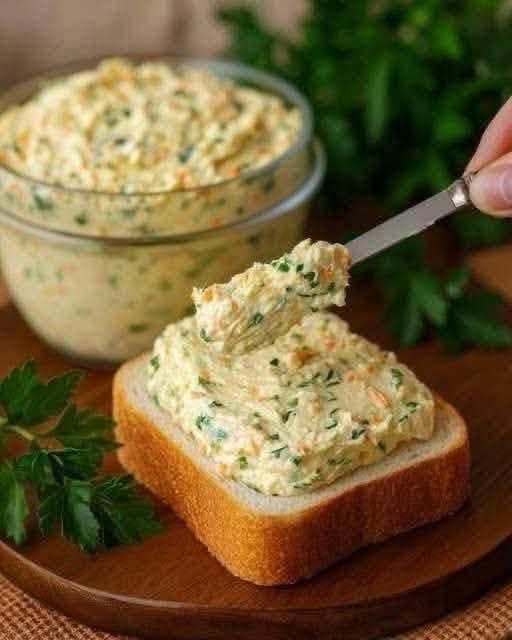
Creamy Carrot Cheese Spread

Creamy Carrot Cheese Spread

Ingredients

  • 2 medium carrots, finely grated
  • 200 g (7 oz) cream cheese, softened
  • 2 tbsp mayonnaise or Greek yogurt
  • 1–2 cloves garlic, finely minced
  • 2 tbsp fresh parsley or dill, finely chopped
  • Salt & black pepper, to taste
  • Optional:
    • ½ tsp paprika or chili flakes
    • 1–2 tbsp grated cheddar for extra richness

Instructions

  1. Peel and finely grate the carrots. If very juicy, lightly squeeze out excess moisture.
  2. In a bowl, mix cream cheese until smooth.
  3. Add mayonnaise (or yogurt) and mix well.
  4. Stir in grated carrots, garlic, herbs, salt, and pepper.
  5. Mix until creamy and evenly combined.
  6. Chill for 20–30 minutes to let flavors blend.

How to Serve

  • Spread on toast or sandwiches
  • Use as a cracker or veggie dip
  • Stuff into wraps or rolls
  • Serve with grilled bread or flatbread

Flavor Variations

  • Protein boost: add finely shredded chicken
  • Lighter version: use light cream cheese + Greek yogurt
  • Spicy: add cayenne or harissa
  • Mediterranean: add lemon zest + olive oil drizzle 🍋

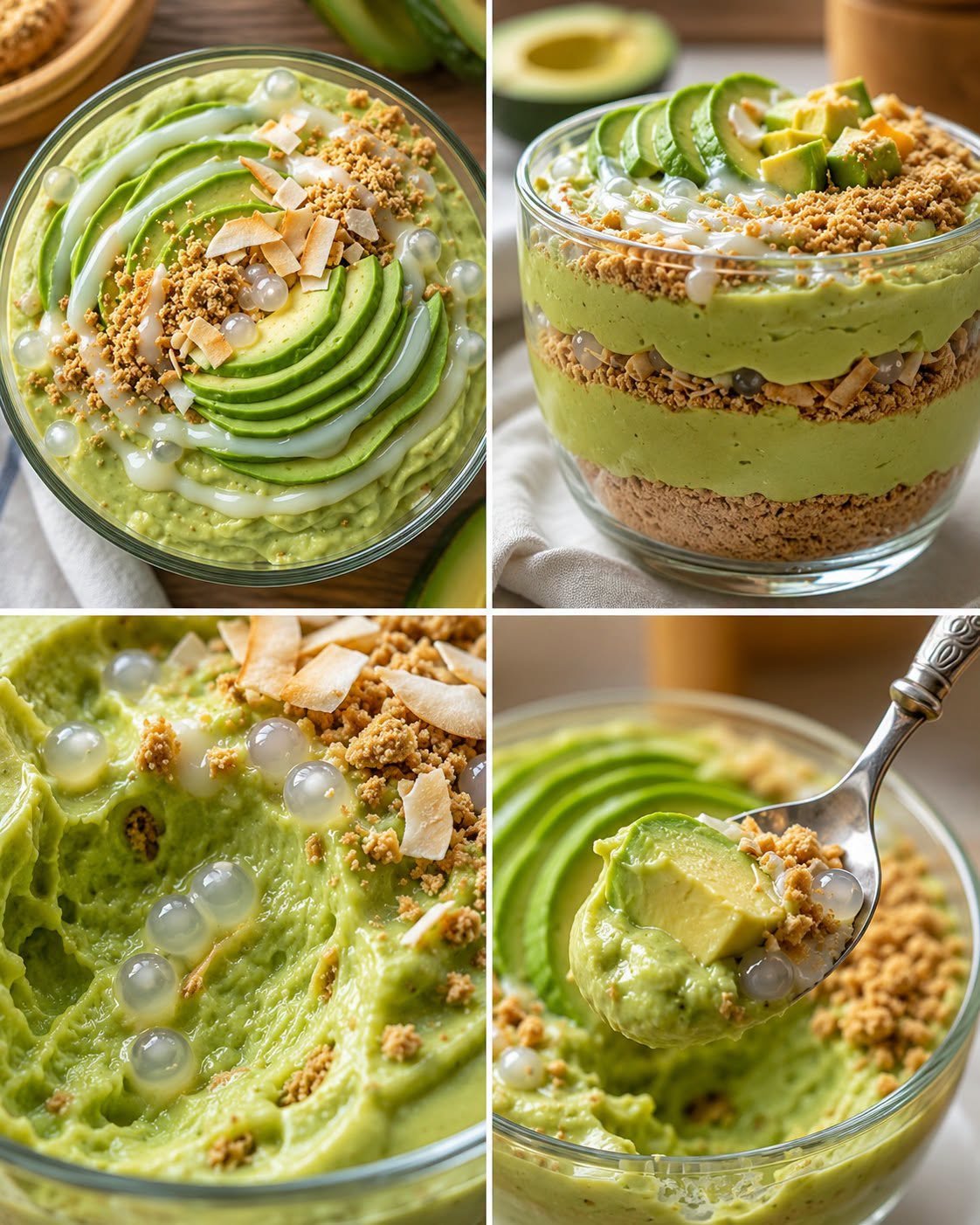
Craving ko Avocado Graham Dessert

Creamy Avocado Coconut Dessert Cups

Looking for a refreshing, creamy, and naturally delicious dessert? These Creamy Avocado Coconut Dessert Cups are rich, silky, and packed with healthy fats from ripe avocados and coconut milk. Layered with buttery cookie crumbs, topped with fresh avocado slices, toasted coconut flakes, and chewy tapioca pearls, this elegant no-bake dessert is as beautiful as it is satisfying. Perfect for summer gatherings, dinner parties, or whenever you want a unique treat that’s easy to prepare and irresistibly creamy.

Preparation Time

  • Prep Time: 20 minutes
  • Chill Time: 2 hours
  • Total Time: 2 hours 20 minutes

Servings

4 dessert cups

Ingredients

For the Avocado Cream

  • 2 ripe avocados
  • 1 cup (240ml) coconut cream
  • ½ cup (120g) cream cheese, softened
  • ¼ cup (60ml) sweetened condensed milk
  • 2 tablespoons honey or maple syrup
  • 1 teaspoon vanilla extract
  • 1 tablespoon fresh lime juice
  • Pinch of salt

Cookie Crumb Layer

  • 1½ cups graham cracker or digestive biscuit crumbs
  • 3 tablespoons melted butter

Toppings

  • ½ avocado, thinly sliced
  • 2 tablespoons toasted coconut flakes
  • ¼ cup cooked tapioca pearls (boba), chilled
  • 2 tablespoons crushed cookies
  • Sweetened condensed milk or coconut glaze for drizzling
  • Fresh mint leaves (optional)

Instructions

Step 1: Prepare the Cookie Base

Mix the cookie crumbs with melted butter until evenly coated. Divide a small amount among the serving glasses and gently press to create the first layer.

Step 2: Make the Avocado Cream

Place the avocados, coconut cream, cream cheese, condensed milk, honey, vanilla extract, lime juice, and a pinch of salt into a blender or food processor.

Blend until completely smooth, creamy, and free of lumps. Taste and add more honey if you prefer a sweeter dessert.

Step 3: Assemble the Layers

Spoon a generous layer of avocado cream over the cookie crumbs.

Add another layer of cookie crumbs, followed by more avocado cream until the glasses are nearly full.

Step 4: Decorate

Arrange thin avocado slices into a fan shape on top.

Sprinkle with toasted coconut flakes, crushed cookies, and chilled tapioca pearls.

Finish with a light drizzle of sweetened condensed milk or coconut glaze.

Step 5: Chill

Refrigerate for at least 2 hours before serving. This allows the dessert to firm up while the flavors blend together beautifully.

Tips for the Best Dessert

  • Use perfectly ripe avocados for the smoothest texture.
  • Chill the coconut cream overnight before using for extra richness.
  • Blend immediately after cutting the avocados to maintain their vibrant green color.
  • Add extra lime juice if preparing ahead to help prevent browning.
  • Serve well chilled for the creamiest consistency.

Delicious Variations

  • Add a layer of mango puree for a tropical twist.
  • Mix in matcha powder for a unique flavor.
  • Top with chopped pistachios or almonds for added crunch.
  • Replace cookie crumbs with granola for a healthier option.
  • Add mini chocolate chips for extra indulgence.

Storage

Store covered in the refrigerator for up to 2 days. Because avocado naturally oxidizes, this dessert is best enjoyed within the first 24 hours for the freshest flavor and brightest color.

Nutrition (Per Serving)

  • Calories: 430
  • Protein: 6g
  • Carbohydrates: 34g
  • Fat: 31g
  • Saturated Fat: 14g
  • Fiber: 8g
  • Sugar: 18g
  • Sodium: 170mg

These Creamy Avocado Coconut Dessert Cups are the perfect balance of rich, fresh, and refreshing. With silky avocado mousse, buttery cookie layers, chewy tapioca pearls, and toasted coconut in every bite, this no-bake dessert is guaranteed to impress both family and guests while offering a unique twist on classic creamy treats.

Lemon Cucumber Mint Detox Water

Lemon Cucumber Mint Detox Water

This refreshing Lemon Cucumber Mint Detox Water is a light, naturally flavored drink that’s perfect for staying hydrated throughout the day. Fresh lemon provides a bright citrus flavor, cucumber adds a crisp and cooling taste, while mint brings a refreshing finish. Although social media often claims that drinking two cups a day will make you “need smaller clothes in one week,” there is no scientific evidence that any drink alone can cause rapid fat loss or shrink belly fat. What this drink can do is help you stay hydrated, replace sugary beverages, and support healthy eating habits. When combined with a balanced diet, regular exercise, and adequate sleep, it can be part of a healthy weight-management routine.

Ingredients

For the Detox Water

  • 8 cups (2 liters) cold filtered water
  • 1 medium lemon, thinly sliced
  • ½ cucumber, thinly sliced
  • 10–12 fresh mint leaves
  • 1 tablespoon fresh lime juice (optional)
  • 1 teaspoon grated fresh ginger (optional)
  • Ice cubes

Optional Add-Ins

  • 1 cinnamon stick
  • Fresh basil leaves
  • Orange slices
  • Fresh rosemary sprigs
  • Sparkling water for serving

Step-by-Step Instructions

Step 1: Wash the lemon, cucumber, and mint thoroughly.

Step 2: Slice the lemon and cucumber into thin rounds.

Step 3: Add the lemon slices, cucumber slices, mint leaves, and optional ginger to a large pitcher.

Step 4: Pour in the cold filtered water.

Step 5: Lightly press the mint leaves with a wooden spoon to release their natural oils without crushing them.

Step 6: Refrigerate the pitcher for 2–4 hours, or overnight for the best flavor.

Step 7: Stir gently before serving.

Step 8: Fill glasses with ice and pour the infused water over the top. Garnish with a fresh lemon slice or mint sprig.

Tips

  • Use organic lemons if possible since the peel is infused into the water.
  • Refill the pitcher once or twice before replacing the fruit.
  • Drink chilled for the most refreshing taste.
  • Prepare a fresh batch every 24–48 hours.
  • Add sparkling water just before serving for a fizzy version.

Notes

  • This drink contains very few calories and is an excellent replacement for sugary sodas or juices.
  • Drinking enough water throughout the day may help reduce thirst-related snacking and support normal body functions.
  • If you have acid reflux or sensitivity to citrus, you may want to reduce the amount of lemon.

Q&A

Can this drink burn belly fat?
No. There is no evidence that lemon water, detox water, or any single beverage specifically burns belly fat. Sustainable fat loss comes from maintaining a calorie deficit, eating a balanced diet, and staying physically active.

How much should I drink?
Enjoy 1–2 glasses daily as part of your normal hydration. Drink additional plain water as needed throughout the day.

Can I drink it every day?
Yes. Most people can enjoy it daily, provided the ingredients agree with them and they don’t have medical reasons to limit citrus or certain herbs.

Can I reuse the fruit?
Yes. You can refill the pitcher once before replacing the fruit and herbs for the best flavor.

Can I make it ahead?
Absolutely. Prepare it the night before and keep it refrigerated for up to 2 days.

Servings

  • Makes: 8 cups
  • Serving Size: 1 cup

Nutrition (Approximate Per Serving)

  • Calories: 6
  • Carbohydrates: 2g
  • Protein: 0g
  • Fat: 0g
  • Fiber: 0.3g
  • Sugar: 1g
  • Sodium: 2mg
  • Vitamin C: 10% Daily Value

This Lemon Cucumber Mint Detox Water is a refreshing way to increase your daily water intake and can be a healthy alternative to sweetened beverages. While it won’t produce dramatic weight loss on its own, it fits well into an overall healthy lifestyle that supports long-term wellness and sustainable weight management.

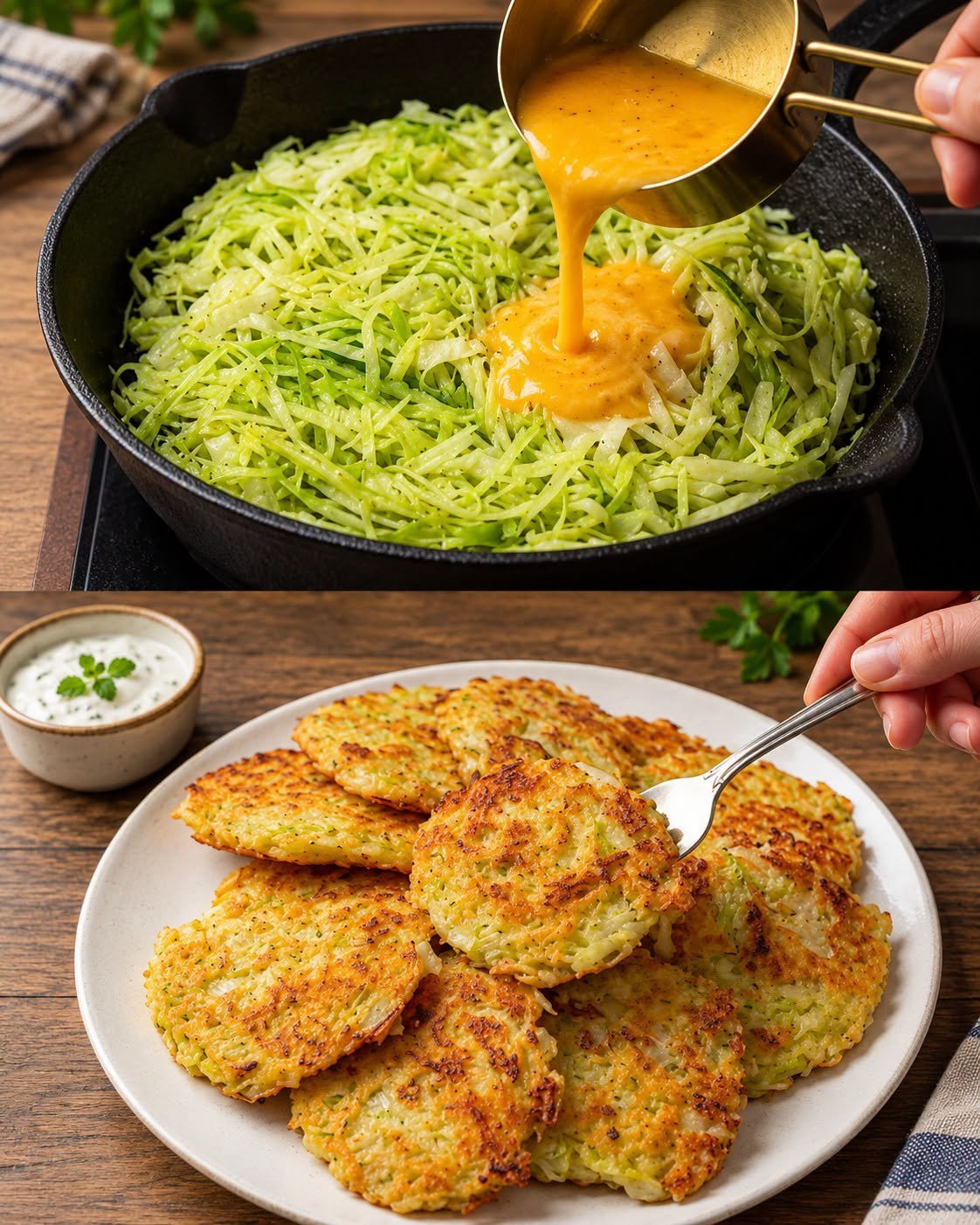
CRISPY CABBAGE FRITTERS RECIPE

CRISPY CABBAGE FRITTERS RECIPE

These Crispy Cabbage Fritters are golden and crunchy on the outside, tender and flavorful on the inside, and made with simple everyday ingredients. Finely shredded cabbage is mixed with eggs, flour, cheese, herbs, and seasonings, then pan-fried until beautifully crisp. Serve them as an appetizer, snack, breakfast, lunch, or easy side dish with a creamy herb dip.

Prep Time: 15 minutes
Cook Time: 20 minutes
Total Time: 35 minutes
Servings: 4
Yield: About 10–12 fritters

INGREDIENTS

For the Cabbage Fritters

4 cups finely shredded green cabbage
2 large eggs
1/2 cup all-purpose flour
1/2 cup shredded cheddar or mozzarella cheese
1/4 cup finely chopped green onions
2 tablespoons chopped fresh parsley
2 cloves garlic, minced
1/2 teaspoon salt
1/2 teaspoon black pepper
1/2 teaspoon paprika
1/4 teaspoon garlic powder
1/4 teaspoon onion powder
1/4 teaspoon red pepper flakes, optional
2–4 tablespoons milk, if needed
3 tablespoons olive oil or vegetable oil, for frying

For the Creamy Herb Dip

1/2 cup sour cream or Greek yogurt
1 tablespoon mayonnaise
1 tablespoon chopped fresh parsley or dill
1 teaspoon lemon juice
1/4 teaspoon garlic powder
Salt and black pepper to taste

INSTRUCTIONS

1. Prepare the Cabbage

Finely shred the cabbage using a sharp knife, mandoline, or food processor.

Place the shredded cabbage in a large mixing bowl.

Sprinkle with a small amount of salt and gently massage for 1–2 minutes.

Let the cabbage rest for about 5 minutes.

If the cabbage releases a lot of liquid, squeeze out the excess moisture with clean hands or a kitchen towel.

Removing excess liquid helps the fritters become crisp instead of soggy.

2. Prepare the Egg Mixture

Crack the eggs into a bowl and whisk until smooth.

Add black pepper, paprika, garlic powder, onion powder, minced garlic, and optional red pepper flakes.

Whisk until everything is well combined.

3. Make the Fritter Mixture

Pour the egg mixture over the shredded cabbage.

Add flour, shredded cheese, green onions, and parsley.

Mix thoroughly until the cabbage is evenly coated.

The mixture should be moist enough to hold together when pressed.

If it feels too dry, add milk one tablespoon at a time.

If it is too wet, add another tablespoon or two of flour.

Allow the mixture to rest for 5 minutes.

4. Heat the Skillet

Place a large nonstick or cast-iron skillet over medium heat.

Add 1–2 tablespoons of oil.

Allow the oil to become hot before adding the fritters.

5. Shape the Fritters

Scoop about 1/4 cup of the cabbage mixture into the hot skillet for each fritter.

Use the back of a spoon or spatula to gently flatten each fritter.

Keep them approximately 1/2-inch thick.

Do not overcrowd the pan.

6. Cook Until Golden

Cook the fritters for approximately 3–4 minutes on the first side.

Do not move them too early because they need time to develop a crisp crust.

Once the bottom is golden brown, carefully flip.

Cook for another 2–4 minutes until the second side is golden brown and the cabbage is tender.

Repeat with the remaining mixture.

Add more oil between batches if necessary.

7. Drain the Fritters

Transfer the cooked fritters to a wire rack or a plate lined with paper towels.

A wire rack helps maintain the crispy texture.

8. Make the Creamy Herb Dip

Combine sour cream or Greek yogurt, mayonnaise, parsley or dill, lemon juice, garlic powder, salt, and black pepper in a small bowl.

Mix until smooth and creamy.

Taste and adjust the seasoning as desired.

9. Serve

Serve the cabbage fritters immediately while hot and crispy.

Serve with the creamy herb dip on the side.

Garnish with fresh parsley, dill, or sliced green onions if desired.

TIPS FOR PERFECT CABBAGE FRITTERS

Finely shred the cabbage so it cooks quickly and holds together easily.

Remove excess cabbage moisture before making the batter.

Do not overcrowd the frying pan.

Cook over medium heat so the outside becomes golden without burning.

Flatten each fritter so the center cooks evenly.

Let the first side become properly browned before flipping.

Use a cast-iron skillet for especially crispy edges.

Add additional flour if the mixture becomes too watery.

Allow the batter to rest for several minutes before cooking.

RECIPE VARIATIONS

Cheesy Cabbage Fritters

Increase the cheese to 3/4 cup.

Try cheddar, mozzarella, Parmesan, Gouda, or Monterey Jack.

Spicy Cabbage Fritters

Add 1 finely chopped jalapeño.

Add 1/2 teaspoon chili flakes.

Add a pinch of cayenne pepper.

Serve with spicy mayonnaise or chili sauce.

Cabbage and Carrot Fritters

Replace approximately 1 cup of cabbage with shredded carrots.

The carrots add sweetness, color, and extra texture.

Cabbage and Zucchini Fritters

Add 1 cup grated zucchini.

Squeeze the zucchini very well before adding because it contains a lot of water.

Herb Cabbage Fritters

Add fresh dill, cilantro, parsley, chives, or a combination of herbs.

WHAT TO SERVE WITH CABBAGE FRITTERS

Creamy herb dip
Garlic yogurt sauce
Sour cream
Ranch dressing
Tzatziki
Spicy mayonnaise
Sweet chili sauce
Fresh tomato salad
Green salad
Grilled chicken
Grilled fish
Roasted vegetables
Fried eggs
Poached eggs

STORAGE

Allow leftover fritters to cool completely.

Place them in an airtight container.

Store in the refrigerator for up to 3–4 days.

Place parchment paper between layers if stacking them.

REHEATING

Skillet

Reheat over medium-low heat for about 2–3 minutes per side.

Oven

Bake at 375°F or 190°C for approximately 8–10 minutes.

Air Fryer

Air fry at 375°F or 190°C for approximately 4–6 minutes.

Microwave

Microwaving is possible, but the fritters will become softer rather than crispy.

FREEZING

Cook the cabbage fritters completely.

Allow them to cool.

Place them in a single layer on a baking sheet.

Freeze for 1–2 hours.

Transfer the frozen fritters to a freezer-safe container or bag.

Freeze for up to 2 months.

Reheat directly from frozen in the oven or air fryer.

BAKED CABBAGE FRITTERS

Preheat the oven to 425°F or 220°C.

Line a baking sheet with parchment paper.

Lightly brush or spray the parchment with oil.

Shape the cabbage mixture into fritters.

Place them on the prepared baking sheet.

Lightly brush the tops with oil.

Bake for approximately 18–24 minutes.

Flip halfway through cooking.

Bake until golden and crispy.

AIR FRYER CABBAGE FRITTERS

Preheat the air fryer to 375°F or 190°C.

Shape the mixture into small fritters.

Lightly spray the air fryer basket with oil.

Arrange the fritters in a single layer.

Do not overcrowd the basket.

Air fry for approximately 10–14 minutes.

Flip halfway through cooking.

Continue cooking until golden and crisp.

APPROXIMATE NUTRITION PER SERVING

Calories: 260
Protein: 11 g
Carbohydrates: 25 g
Fat: 14 g
Fiber: 4 g
Sugar: 5 g
Sodium: 430 mg

Nutrition values are approximate and will vary depending on the cheese, flour, oil, dipping sauce, and exact serving size used.

BENEFITS

Cabbage is naturally low in calories and provides fiber, vitamin C, vitamin K, folate, and beneficial plant compounds.

Eggs add protein and help make the fritters more satisfying.

Using Greek yogurt for the dipping sauce can add additional protein.

Cabbage fritters are also a tasty way to include more vegetables in everyday meals.

FREQUENTLY ASKED QUESTIONS

Why are my cabbage fritters falling apart?

The mixture may be too dry or may not contain enough binding ingredients.

Add a small amount of flour or an additional beaten egg if necessary.

Also allow the first side to develop a good crust before flipping.

Why are my cabbage fritters soggy?

Too much moisture is usually the main reason.

Squeeze excess water from the cabbage before mixing.

Make sure the skillet and oil are properly heated.

Do not overcrowd the pan.

Can I make cabbage fritters without cheese?

Yes.

Simply omit the cheese.

You may need to add an extra tablespoon of flour to help the fritters hold together.

Can I make them gluten-free?

Yes.

Replace regular flour with gluten-free all-purpose flour, chickpea flour, oat flour, or rice flour.

Can I bake them instead of frying?

Yes.

Bake them at 425°F or 220°C for approximately 18–24 minutes, flipping halfway through.

Can I cook them in an air fryer?

Yes.

Air fry at 375°F or 190°C for approximately 10–14 minutes, flipping halfway through.

Can I prepare the batter ahead of time?

It is best to combine the batter shortly before cooking.

Salt causes cabbage to release water over time, which can make the batter watery.

You can shred the cabbage and prepare the other ingredients separately ahead of time.

What type of cabbage is best?

Green cabbage works especially well because it has a firm texture and mild flavor.

Savoy cabbage is another good option and produces slightly softer fritters.

How can I make the fritters extra crispy?

Finely shred the cabbage.

Remove excess moisture.

Keep the fritters relatively thin.

Use enough oil to lightly coat the pan.

Cook until deeply golden before flipping.

Place cooked fritters on a wire rack instead of stacking them.

RECIPE NOTES

The exact amount of flour may vary because different cabbages contain different amounts of moisture.

If the batter looks watery, add flour one tablespoon at a time.

If the mixture seems too dry to hold together, add a small amount of milk or another beaten egg.

For the crispiest fritters, serve them immediately after cooking.

FINAL NOTE

These Crispy Cabbage Fritters turn simple cabbage into a delicious golden dish with crunchy edges and a tender, savory center. The combination of cabbage, eggs, cheese, herbs, and seasonings creates fritters that are easy to prepare and versatile enough for breakfast, lunch, dinner, or snacking. Serve them hot with creamy herb dip for the best flavor and texture.