Marinated Tomato Salad with Fresh Herbs – A Fresh, Flavorful Mediterranean Recipe

Marinated Tomato Salad with Fresh Herbs – A Fresh, Flavorful Mediterranean Recipe

Recipe Description

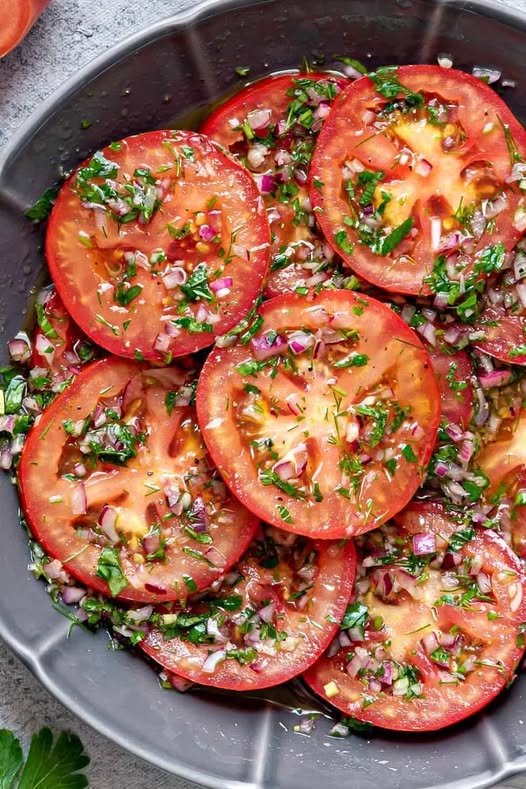
Marinated Tomato Salad with Fresh Herbs is a simple, colorful dish that celebrates the natural sweetness and juiciness of ripe tomatoes. Fresh tomatoes are tossed with extra-virgin olive oil, red wine vinegar, garlic, and a generous handful of fragrant herbs to create a refreshing salad bursting with Mediterranean flavor.

The secret to this recipe is allowing the tomatoes to marinate before serving. As they rest, their juices combine with the olive oil, vinegar, garlic, and herbs to create a light, flavorful dressing. The tomatoes become even more delicious as they absorb the seasoning, while the fresh herbs add brightness and aroma to every bite.

This salad is perfect for summer lunches, family dinners, picnics, barbecues, and Mediterranean-inspired meals. It requires no cooking, uses simple ingredients, and takes only a few minutes to prepare. You can serve it as a side dish, spoon it over toasted bread, or pair it with grilled chicken, fish, or roasted vegetables.

Whether you use juicy cherry tomatoes, colorful heirloom tomatoes, or classic garden tomatoes, this recipe is an easy way to make fresh produce the star of your table.

Recipe Information

  • Preparation Time: 15 minutes
  • Marinating Time: 30–60 minutes
  • Total Time: Approximately 45–75 minutes
  • Servings: 4–6
  • Course: Salad or side dish
  • Cuisine: Mediterranean-inspired
  • Cooking Method: No-cook
  • Difficulty: Easy
  • Flavor Profile: Fresh, tangy, herbaceous, and slightly sweet

Ingredients

For the Tomato Salad

  • 2 pounds ripe tomatoes, cut into wedges or bite-sized pieces
  • 1 cup cherry tomatoes, halved (optional, for extra color)
  • ¼ small red onion, thinly sliced
  • 2 tablespoons fresh parsley, finely chopped
  • 2 tablespoons fresh basil, torn or chopped
  • 1 tablespoon fresh oregano, chopped, or 1 teaspoon dried oregano
  • 1 tablespoon fresh chives, finely sliced (optional)
  • 1 small garlic clove, finely minced
  • ½ teaspoon sea salt, or to taste
  • ¼ teaspoon freshly ground black pepper

For the Marinade

  • ¼ cup extra-virgin olive oil
  • 2 tablespoons red wine vinegar
  • 1 tablespoon fresh lemon juice
  • 1 teaspoon Dijon mustard (optional)
  • ½ teaspoon honey, optional
  • ¼ teaspoon dried oregano
  • A small pinch of red pepper flakes, optional

Optional Additions

  • ½ cup crumbled feta cheese
  • ½ cup sliced Kalamata olives
  • 1 small cucumber, diced
  • ¼ cup thinly sliced green onions
  • 1 tablespoon capers, rinsed
  • Toasted sourdough or crusty bread, for serving

Choosing the Best Tomatoes

The quality of your tomatoes makes the biggest difference in this salad. Choose ripe tomatoes that feel slightly soft when gently pressed and have a fresh, pleasant aroma.

Heirloom tomatoes: These are excellent when you want a colorful salad. Their shapes, colors, and sweetness vary, creating an attractive presentation.

Roma tomatoes: Roma tomatoes have a firmer texture and fewer watery seed cavities than many other varieties. They are useful when you prefer a salad that holds its shape.

Cherry tomatoes: Small tomatoes provide concentrated sweetness and a juicy texture. Halve them before marinating so the dressing can reach their interiors.

Vine-ripened tomatoes: These are a convenient choice for everyday cooking and often have a good balance of sweetness and acidity when fully ripe.

You can use one variety or combine several types. A mixture of red, yellow, and orange tomatoes creates a beautiful dish with contrasting colors and flavors.

Step-by-Step Instructions

Step 1: Wash and Prepare the Tomatoes

Rinse the tomatoes thoroughly under cool running water and dry them with a clean kitchen towel.

Cut large tomatoes into bite-sized wedges or chunks. Slice smaller tomatoes in half lengthwise. Try to keep the pieces reasonably similar in size so the dressing coats them evenly.

If the tomatoes have very tough cores, remove those parts before cutting. There is usually no need to remove the seeds or peel the tomatoes because they contribute moisture, texture, and flavor.

Place the prepared tomatoes in a large mixing bowl. Choose a bowl that gives you enough room to toss the ingredients without crushing the delicate tomato pieces.

Step 2: Prepare the Red Onion

Peel the red onion and slice it very thinly. Thin slices blend more easily with the tomatoes and provide a gentle savory flavor without overwhelming the salad.

If you prefer a milder onion taste, soak the slices in cold water for about 5–10 minutes. Drain them thoroughly and pat them dry before adding them to the bowl.

Add the onion to the tomatoes and gently toss.

Step 3: Chop the Fresh Herbs

Wash the parsley, basil, oregano, and chives if using them. Dry the herbs well before chopping.

Finely chop the parsley and oregano. Tear the basil leaves by hand or slice them gently with a sharp knife. Thinly slice the chives.

Fresh herbs contribute much of the salad’s distinctive Mediterranean character. Parsley adds a clean, green flavor, basil brings a sweet aroma, and oregano provides a savory herbal note.

Add most of the herbs to the tomatoes, reserving a small amount for garnish just before serving.

Step 4: Make the Marinade

In a small bowl, whisk together the extra-virgin olive oil, red wine vinegar, and fresh lemon juice.

Add the minced garlic, Dijon mustard if desired, dried oregano, black pepper, and optional honey. Whisk until the ingredients are well combined.

The olive oil provides a smooth, fruity richness, while the vinegar and lemon juice supply acidity. Garlic adds savory depth, and Dijon mustard helps the dressing come together.

Taste the marinade before adding it to the tomatoes. If it seems too sharp, whisk in a little more olive oil or the optional honey. If it tastes too mild, add a small splash of vinegar or lemon juice.

Remember that the tomatoes will release their own juices during marinating, which will dilute and enrich the dressing naturally.

Step 5: Season the Tomatoes

Sprinkle the sea salt over the prepared tomatoes and onions. Add the marinade and toss gently using a large spoon.

Make sure the tomato pieces are coated without crushing them. The goal is to distribute the dressing evenly while keeping the tomatoes attractive and intact.

Add the chopped herbs and toss once more.

Salt draws moisture from the tomatoes, helping create a flavorful dressing at the bottom of the bowl. This is one reason the salad becomes especially delicious after resting.

Step 6: Allow the Salad to Marinate

Cover the bowl and let the salad rest for 30–60 minutes.

If your kitchen is warm or you plan to marinate the salad for longer, refrigerate it. For the best texture, avoid leaving cut tomatoes at room temperature for extended periods.

During the resting time, the tomatoes release their juices, the garlic infuses the oil, and the herbs mingle with the acidity of the vinegar and lemon.

If possible, gently toss the salad once halfway through the marinating time. This helps redistribute the dressing and ensures that the upper tomato pieces also absorb the flavors.

For a quick version, the salad can be served after 15 minutes, although a longer rest usually creates a more developed flavor.

Step 7: Taste and Adjust

After marinating, stir the salad gently and taste a tomato along with a little dressing.

Add more salt if needed, a small amount of black pepper for warmth, or extra lemon juice for brightness.

If the dressing seems too acidic, add a drizzle of olive oil. If the flavor seems flat, a small pinch of salt may bring the sweetness of the tomatoes forward.

Add the reserved fresh basil and parsley just before serving to preserve their color and aroma.

Step 8: Garnish and Serve

Transfer the salad to a shallow serving bowl or platter. Spoon the tomato juices and dressing over the top.

Finish with fresh herbs and, if desired, crumbled feta cheese or sliced Kalamata olives.

Serve at cool room temperature for the best flavor, but refrigerate the salad if it will not be eaten promptly. If chilled, let it sit briefly before serving so the olive oil and tomato flavors become more expressive.

Serve the salad with crusty bread to soak up the delicious juices.

Tips for the Best Marinated Tomato Salad

1. Use Ripe, Flavorful Tomatoes

Tomatoes that are ripe and fragrant create the best salad. If your tomatoes are bland, fresh herbs, garlic, and a balanced dressing can improve the overall flavor, but ripe seasonal tomatoes will always provide the best starting point.

2. Do Not Skip the Resting Time

Marinating allows the dressing to blend with the tomato juices. Even 30 minutes can make the salad noticeably more flavorful.

3. Add Fresh Basil Near Serving Time

Basil can darken when cut and exposed to air for a long period. Reserve some fresh basil for the final garnish to keep the salad looking vibrant.

4. Balance the Acidity

Tomatoes naturally contain acid, and vinegar and lemon add more. Taste the dressing before serving and adjust with olive oil, salt, or a small amount of honey as needed.

5. Avoid Overmixing

Tomatoes become soft when handled roughly. Toss gently and use a large bowl so the pieces have enough space to move.

6. Slice the Onion Thinly

Thin onion slices distribute their flavor throughout the salad. Large pieces can overpower the delicate sweetness of ripe tomatoes.

7. Save the Tomato Juices

The liquid at the bottom of the bowl is full of flavor. Spoon it over the salad when serving, or use it as a dressing for toasted bread.

8. Choose Good Olive Oil

Extra-virgin olive oil contributes a fruity, peppery flavor. Since the marinade is not cooked, use an olive oil you enjoy tasting on its own.

Delicious Variations

Mediterranean Tomato and Feta Salad

Add ½ cup of crumbled feta cheese and ½ cup of sliced Kalamata olives. The salty feta and briny olives complement the sweet tomatoes and fresh herbs.

This version pairs particularly well with grilled chicken, fish, roasted potatoes, or warm pita bread.

Tomato Cucumber Herb Salad

Add one diced cucumber. Remove excess seeds if the cucumber is especially watery. The cucumber provides a refreshing crunch and makes the salad even more suitable for warm weather.

Balsamic Marinated Tomato Salad

Replace the red wine vinegar with 1–2 tablespoons of balsamic vinegar. Balsamic vinegar adds a deeper, slightly sweet flavor. Because its taste can be more concentrated, begin with a smaller amount and adjust gradually.

Spicy Tomato Salad

Add a small pinch of red pepper flakes or finely chopped fresh chili to the marinade. The gentle heat contrasts nicely with the sweetness of ripe tomatoes.

Garlic Parmesan Tomato Salad

Sprinkle freshly grated Parmesan over the salad just before serving. The cheese adds a savory flavor that works beautifully with basil and olive oil.

Tomato and Avocado Salad

Add one ripe avocado, cut into chunks, just before serving. Toss carefully to prevent the avocado from becoming mushy. Because avocado softens quickly, this variation is best eaten soon after assembly.

Tomato and Chickpea Salad

Add one drained and rinsed can of chickpeas. The chickpeas contribute texture and protein, turning the salad into a more substantial lunch or light meal.

Italian-Inspired Tomato Salad

Add thinly sliced fresh mozzarella and extra basil. The combination of tomato, mozzarella, basil, and olive oil creates a fresh, Caprese-inspired variation.

What to Serve with Marinated Tomato Salad

Grilled chicken: Serve the salad beside grilled lemon-herb chicken for a fresh, balanced dinner.

Grilled fish: Its acidity complements white fish, salmon, and other simply seasoned seafood.

Roasted vegetables: Pair it with roasted zucchini, eggplant, bell peppers, or asparagus for a Mediterranean-style spread.

Pasta: Serve it alongside baked pasta, garlic spaghetti, or a simple olive-oil pasta dish.

Crusty bread: Spoon the tomatoes and their juices over toasted sourdough or rustic bread for a simple appetizer.

Grilled halloumi: The salty, firm cheese contrasts beautifully with juicy tomatoes.

Rice and grain bowls: Add the salad to bowls containing rice, couscous, quinoa, chickpeas, or grilled vegetables.

Picnic and barbecue meals: This salad makes a colorful side dish for grilled vegetables, burgers, kebabs, and other summer favorites. Keep it chilled when necessary for food safety.

Storage and Make-Ahead Instructions

Refrigeration

Store leftover salad in an airtight container in the refrigerator and use it within about 1–2 days for the best texture. Tomatoes soften as they sit in the dressing, so the salad may become juicier over time.

Make-Ahead Preparation

You can prepare the dressing, wash the tomatoes, and chop the onion several hours ahead. Store the dressing separately and refrigerate the prepared ingredients.

For the freshest texture, cut the tomatoes and combine everything closer to serving time. If you prefer a stronger marinated flavor, combine the ingredients in advance and refrigerate them until needed.

Freezing

Freezing is not recommended. Tomatoes become very soft after thawing, and the fresh herbs lose their texture. This recipe is best enjoyed fresh.

Food Safety

Refrigerate cut tomato salad promptly and do not leave it at room temperature for more than two hours, or more than one hour when the temperature is above 90°F (32°C).

If you have kept the salad chilled, remove only the portion you plan to serve and return the rest to the refrigerator.

Nutritional Information

The following estimates are for one serving when the recipe is divided into six portions, using the listed tomatoes, olive oil, vinegar, and herbs without optional cheese or other additions.

  • Calories: Approximately 140–180
  • Protein: Approximately 2–3 g
  • Carbohydrates: Approximately 8–12 g
  • Fat: Approximately 12–15 g
  • Saturated Fat: Approximately 2 g
  • Fiber: Approximately 2–3 g
  • Sodium: Varies according to the amount of salt added

These figures are estimates. Tomato size, olive oil quantity, and optional ingredients can change the nutritional values. Adding feta, mozzarella, chickpeas, or avocado will also affect the calories and nutrient content.

Benefits of the Main Ingredients

Tomatoes

Tomatoes provide vitamin C, potassium, and lycopene, a naturally occurring plant compound. They also contribute moisture and a sweet-tart flavor to the salad.

Fresh Herbs

Parsley, basil, oregano, and chives add aroma and flavor. Using fresh herbs helps create a satisfying dish without relying on heavy dressings.

Extra-Virgin Olive Oil

Olive oil supplies predominantly monounsaturated fat. It helps carry the flavors of the garlic and herbs and is a common ingredient in Mediterranean-style eating patterns.

Garlic

Garlic adds strong savory flavor and makes the marinade more complex. Its aroma allows the salad to taste flavorful with a relatively short ingredient list.

Red Onion

Red onion contributes crunch and a mild sharpness that contrasts with the sweetness of ripe tomatoes.

The salad can be part of a varied, balanced diet. Its overall nutritional value depends on portion size and what you serve alongside it.

Frequently Asked Questions

Can I make this salad the night before?

You can, but the tomatoes will become softer and release more liquid overnight. For the best texture, prepare the dressing and herbs in advance, then cut and marinate the tomatoes closer to serving time.

Which herbs work best?

Basil, parsley, and oregano are excellent choices. Chives add a mild onion flavor, while a small amount of fresh thyme can provide extra herbal depth.

Can I use dried herbs instead of fresh?

Yes. Use smaller quantities because dried herbs are more concentrated. A general starting point is about one teaspoon of dried herbs for every tablespoon of fresh herbs, although the best amount depends on the herb.

Why is my salad watery?

Salt draws liquid from tomatoes, and the dressing adds moisture as well. This is normal. If you want less liquid, remove some of the watery seed portions from very juicy tomatoes or serve the salad in a shallow bowl.

Can I use balsamic vinegar?

Absolutely. Balsamic vinegar adds a slightly sweet, rich flavor. Start with a small amount and adjust it to your preference.

Is this salad suitable for a Mediterranean diet?

Its tomatoes, herbs, and olive-oil dressing fit naturally into many Mediterranean-inspired meals. Serve it with beans, whole grains, fish, or lean protein for a more complete meal.

Can I add cheese?

Yes. Feta, fresh mozzarella, or Parmesan all work well. Add cheese just before serving for the best texture and presentation.

How can I make the salad more filling?

Add chickpeas, white beans, quinoa, or grilled chicken. These additions provide more protein and make the salad suitable as a light main course.

Should I refrigerate the salad while it marinates?

If marinating for more than a short period, especially in a warm kitchen, refrigerate it. Chilling also helps keep the ingredients fresh. Let the salad sit briefly before serving if you prefer a less-cold flavor.

Can I use only cherry tomatoes?

Yes. Use approximately 2–3 pounds of cherry or grape tomatoes, halved. Their small size makes them easy to serve, and cutting them helps the marinade coat the interiors.
Creamy Shrimp Bisque – Rich, Velvety, and Restaurant-Style

Creamy Shrimp Bisque – Rich, Velvety, and Restaurant-Style Seafood Soup

Recipe Description

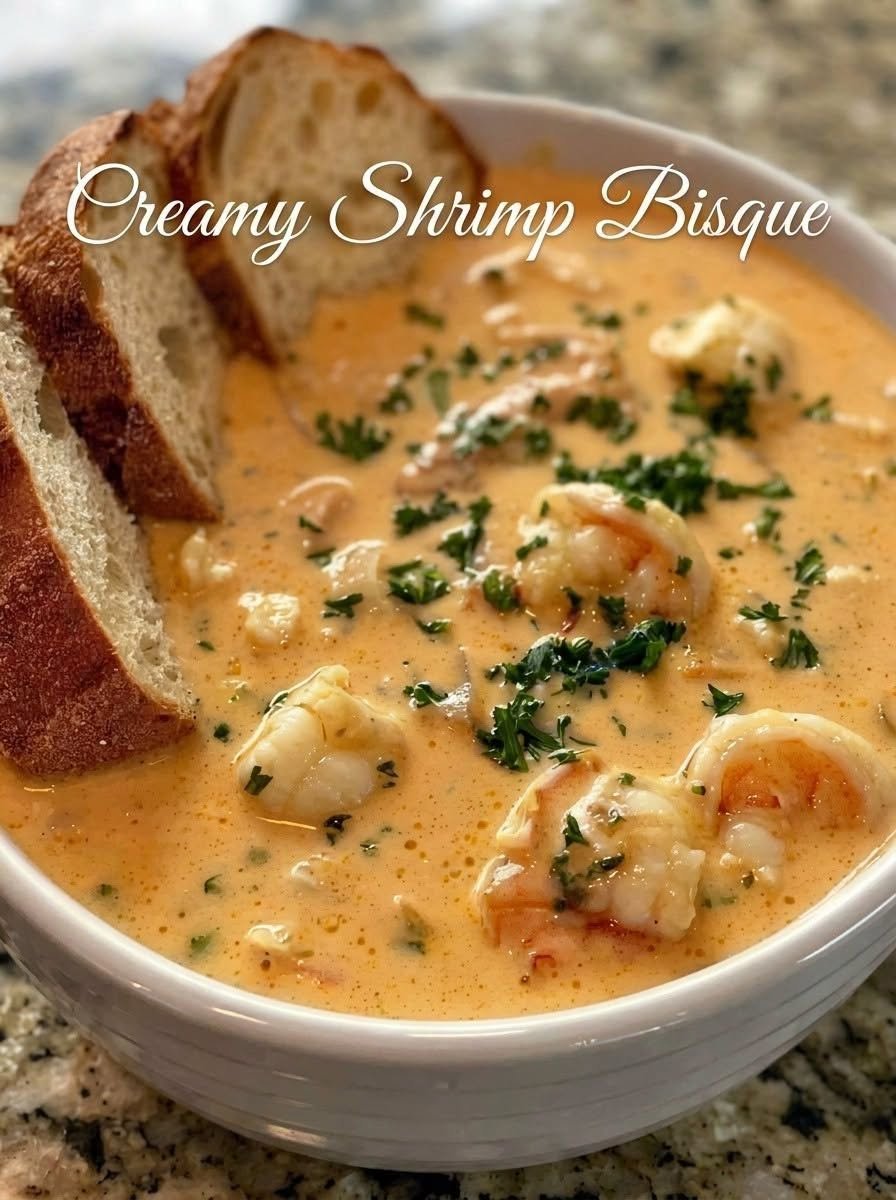
Creamy Shrimp Bisque is a luxurious seafood soup made with tender shrimp, aromatic vegetables, garlic, butter, seafood stock, and a smooth, creamy finish. This comforting dish combines the delicate sweetness of shrimp with the rich flavors of sautéed onions, celery, tomatoes, and herbs. Every spoonful delivers a velvety texture and a deep seafood flavor that feels elegant enough for a special dinner yet simple enough to prepare at home.

Traditional bisque is known for its smooth consistency and concentrated seafood flavor. This homemade version uses shrimp shells to build a flavorful stock, while a small amount of tomato paste adds depth and a beautiful warm color. Heavy cream gives the soup its signature richness, and a touch of lemon juice brightens the flavor without overpowering the seafood.

The best part about this recipe is that it uses everyday ingredients and straightforward cooking techniques. You can prepare the shrimp stock while chopping the vegetables, then blend the soup until smooth and finish it with cream and tender shrimp. The result is a restaurant-style soup that pairs beautifully with crusty bread, garlic toast, or a fresh green salad.

Whether you are planning a cozy family dinner, a holiday starter, or a seafood-inspired weekend meal, Creamy Shrimp Bisque is a delicious choice. Its silky texture, buttery aroma, and delicate seafood flavor make it a recipe worth saving and preparing again.

Recipe Information

  • Preparation Time: 20 minutes
  • Cooking Time: 40 minutes
  • Total Time: 60 minutes
  • Servings: 4–6
  • Cuisine: French-inspired
  • Course: Soup or appetizer
  • Cooking Method: Stovetop
  • Difficulty: Moderate
  • Main Ingredient: Shrimp
  • Texture: Smooth, creamy, and velvety

Ingredients

For the Shrimp and Stock

  • 1½ pounds large raw shrimp, peeled and deveined
  • Shrimp shells, reserved for stock
  • 5 cups seafood stock or low-sodium chicken stock
  • 1 tablespoon olive oil
  • 1 small onion, roughly chopped
  • 1 celery stalk, chopped
  • 1 small carrot, chopped
  • 2 garlic cloves, lightly crushed
  • 1 bay leaf
  • ½ teaspoon dried thyme
  • ½ teaspoon paprika
  • ¼ teaspoon black peppercorns
  • 1 tablespoon tomato paste

For the Bisque

  • 3 tablespoons unsalted butter
  • 1 tablespoon olive oil
  • 1 medium yellow onion, finely chopped
  • 1 celery stalk, finely chopped
  • 1 small carrot, finely diced
  • 3 garlic cloves, minced
  • 2 tablespoons tomato paste
  • 2 tablespoons all-purpose flour
  • ½ cup dry white wine, optional
  • 4 cups prepared shrimp stock
  • 1 cup crushed tomatoes
  • 1 teaspoon paprika
  • ½ teaspoon dried thyme
  • ¼ teaspoon cayenne pepper, optional
  • ¾ cup heavy cream
  • 1 tablespoon fresh lemon juice
  • Salt, to taste
  • Freshly ground black pepper, to taste

For Garnishing

  • 2 tablespoons chopped fresh parsley or chives
  • A drizzle of cream
  • A pinch of paprika
  • A few small cooked shrimp, reserved for topping
  • Freshly cracked black pepper
  • Lemon wedges, optional

Ingredient Notes and Substitutions

Shrimp: Large raw shrimp provide a sweet, delicate flavor and a satisfying texture. If possible, purchase shell-on shrimp because the shells are useful for preparing a flavorful stock. Frozen shrimp can also be used; thaw them safely in the refrigerator before cooking.

Seafood stock: Seafood stock gives the bisque its characteristic flavor. Homemade shrimp stock is excellent, but store-bought seafood stock is a convenient alternative. Low-sodium chicken stock can be used if seafood stock is unavailable, although the flavor will be milder.

Heavy cream: Heavy cream creates a rich, silky finish. For a lighter soup, use half-and-half, understanding that the bisque will be less rich and may require more careful heating.

Tomato paste: Tomato paste adds depth, a gentle sweetness, and a warm color. Cooking it briefly before adding liquid helps develop its flavor.

White wine: Dry white wine adds acidity and complexity. It is optional, so you can omit it and use extra stock instead.

Flour: A small amount of flour helps thicken the soup. If you need a gluten-free option, use a suitable gluten-free all-purpose flour blend or thicken the bisque by reducing it gently.

Lemon juice: A little fresh lemon juice balances the richness of the cream and butter. Add it gradually at the end and adjust according to taste.

Step-by-Step Instructions

Step 1: Prepare the Shrimp

If using frozen shrimp, thaw them in the refrigerator overnight or place them in a sealed bag under cold running water until thawed. Pat the shrimp dry with paper towels.

Peel and devein the shrimp if necessary, reserving the shells for the stock. Keep the raw shrimp refrigerated while preparing the other ingredients.

Set aside four to six small shrimp if you would like an attractive garnish. These will be cooked separately or briefly poached in the hot bisque near the end.

Cut the remaining shrimp into smaller pieces if you prefer them distributed throughout the soup. Alternatively, keep them whole for a more substantial seafood bisque.

Step 2: Build the Shrimp Stock

Heat one tablespoon of olive oil in a large saucepan over medium heat. Add the reserved shrimp shells and cook for 3–4 minutes, stirring occasionally, until they turn pink and become fragrant.

Add the roughly chopped onion, celery, carrot, and crushed garlic. Cook for another 3 minutes, stirring to prevent the vegetables from sticking.

Add the seafood stock, bay leaf, dried thyme, peppercorns, paprika, and tomato paste. Stir to distribute the tomato paste throughout the liquid.

Bring the mixture to a gentle simmer. Reduce the heat and cook uncovered for 20–25 minutes. Avoid boiling vigorously, because a gentle simmer helps develop flavor without making the stock cloudy or excessively concentrated.

Strain the stock through a fine-mesh sieve into a heatproof bowl, discarding the shells and vegetables. Press the solids gently with the back of a spoon to release some liquid, but do not force the solids through the sieve.

You should have approximately four cups of flavorful stock. If necessary, add a little additional stock or water to reach that amount.

For a quicker version, skip this step and use prepared seafood stock. The soup will still be delicious, although the flavor may be less concentrated.

Step 3: Sauté the Vegetables

Melt the butter with one tablespoon of olive oil in a large heavy-bottomed saucepan over medium heat.

Add the finely chopped onion, celery, and carrot. Cook for 6–8 minutes, stirring regularly, until the vegetables soften. They should become fragrant and tender without developing a dark brown color.

Add the minced garlic and cook for another 30–45 seconds. Stir constantly so the garlic does not burn.

Add the tomato paste and paprika. Cook for 1–2 minutes, stirring well. This short cooking step removes some of the raw taste of the tomato paste and allows its flavor to blend with the butter, vegetables, and spices.

If using cayenne pepper, add it now. Start with a small amount because the goal is to complement the sweetness of the shrimp rather than make the soup excessively spicy.

Step 4: Add the Flour

Sprinkle the flour evenly over the softened vegetables. Stir continuously for approximately 1–2 minutes until the flour is incorporated and no dry patches remain.

Cooking the flour briefly helps prevent a raw flour taste in the finished soup. The mixture may look thick at this stage, which is normal.

If you are making a gluten-free version, use an appropriate gluten-free flour blend or omit the flour and allow the soup to reduce slightly before blending.

Step 5: Deglaze with White Wine

If using white wine, pour it into the saucepan gradually. Stir while scraping the bottom of the pan to loosen any flavorful browned bits.

Allow the wine to simmer for 2–3 minutes so that some of the alcohol evaporates and the liquid reduces slightly.

If you prefer not to use wine, simply add a little stock and scrape the bottom of the pan. The recipe will still develop a rich flavor from the vegetables, tomato paste, and shrimp stock.

Step 6: Add the Stock and Tomatoes

Pour the prepared shrimp stock into the saucepan in stages, stirring after each addition to help prevent lumps from forming.

Add the crushed tomatoes and dried thyme. Stir until the vegetables, stock, and tomatoes are evenly combined.

Bring the mixture to a gentle simmer, then reduce the heat to medium-low. Cook uncovered for 15–20 minutes, stirring occasionally.

During this time, the vegetables will become very tender, and the flavors will blend together. If the soup begins to reduce too much, add a little extra stock.

Taste the liquid before adding much salt. Seafood stock, canned tomatoes, and prepared broth can contain different amounts of sodium, so it is best to season gradually.

Step 7: Blend Until Smooth

Remove the saucepan from the heat and remove the bay leaf if one was used in the bisque base.

Use an immersion blender to blend the soup until smooth and velvety. Move the blender slowly through the liquid, keeping the blade submerged to minimize splashing.

If using a countertop blender, work in small batches and follow the manufacturer’s instructions for blending hot liquids. Never fill the blender to the top with hot soup, and allow steam to escape according to the appliance’s instructions.

For an especially refined texture, pass the blended soup through a fine-mesh sieve. This step is optional but can remove tiny vegetable pieces and make the bisque feel more restaurant-like.

Return the smooth soup to the saucepan.

Step 8: Add the Cream

Reduce the heat to low and stir in the heavy cream. Warm the soup gently for 2–3 minutes, stirring occasionally.

Do not allow the bisque to boil vigorously after adding the cream. Gentle heating helps maintain a smooth texture and reduces the chance of separation.

The soup should now have a creamy, warm orange-pink color. If it is thicker than you prefer, add a little warm stock. If it is too thin, allow it to simmer gently for a few additional minutes before adding the shrimp.

Step 9: Cook the Shrimp

Add the raw shrimp to the warm bisque. Cook gently for approximately 3–5 minutes, depending on their size, until they are opaque and cooked through.

Avoid prolonged simmering, because shrimp can become rubbery if overcooked. For food safety, shrimp should reach an internal temperature of 145°F (63°C).

If you reserved shrimp for garnish, cook them separately in a small skillet with a little butter or poach them in the bisque until fully cooked.

If you prefer a completely smooth bisque, you can blend the vegetable and stock base before adding the cream and shrimp, as described above. Keep the shrimp whole or in pieces afterward so they retain their texture.

Step 10: Finish with Lemon and Seasoning

Turn off the heat. Stir in the fresh lemon juice and taste the soup.

Add salt and freshly ground black pepper as needed. If you want more warmth, add a tiny pinch of cayenne. If you prefer a brighter flavor, add a few extra drops of lemon juice.

Avoid adding too much lemon at once. Its purpose is to balance the creaminess and highlight the seafood, not overpower the shrimp.

Let the bisque rest for 2 minutes before serving. This short rest allows the flavors to settle while keeping the soup warm.

Step 11: Garnish and Serve

Ladle the hot bisque into warmed bowls. Place a few cooked shrimp in the center of each bowl, then sprinkle with chopped parsley or chives.

Add a light drizzle of cream, a pinch of paprika, and freshly cracked black pepper. A small lemon wedge on the side allows everyone to adjust the acidity to their preference.

Serve immediately with crusty bread, garlic toast, or a fresh green salad. The bread is particularly good for soaking up the rich, creamy soup.

Tips for the Best Creamy Shrimp Bisque

1. Use the Shrimp Shells

Shrimp shells contain a great deal of seafood flavor. Simmering them with vegetables and stock creates a more flavorful base than plain broth alone.

2. Keep the Stock at a Gentle Simmer

A rolling boil is unnecessary. Gentle simmering extracts flavor while helping the stock remain clean-tasting.

3. Cook the Tomato Paste

Allowing the tomato paste to cook for a minute or two gives the bisque a deeper, more rounded flavor.

4. Blend Carefully

Hot soup can cause serious splashes. An immersion blender is convenient, but keep its blade submerged. If using a countertop blender, work in small batches and follow the manufacturer’s safety instructions.

5. Add the Cream Near the End

Cream is best added after blending. Heat it gently to create a smooth finish without unnecessary boiling.

6. Do Not Overcook the Shrimp

Add shrimp near the end of cooking. They need only a few minutes, depending on size, to become opaque and tender.

7. Adjust the Thickness

For a thicker bisque, simmer the blended base before adding the shrimp and cream. For a thinner consistency, stir in warm seafood stock a little at a time.

8. Taste Before Serving

Stock and canned tomatoes vary in saltiness and acidity. Adjust the salt, pepper, and lemon juice gradually for the best balance.

Serving Suggestions

Crusty French bread: A warm baguette or rustic loaf complements the creamy texture and makes it easy to enjoy every drop of soup.

Garlic bread: Toasted bread with garlic and herbs adds a savory contrast to the delicate seafood flavor.

Fresh green salad: A salad with lettuce, cucumber, tomatoes, and a light vinaigrette balances the richness of the bisque.

Roasted asparagus: Tender asparagus with olive oil, black pepper, and lemon makes a simple side dish.

Roasted vegetables: Carrots, zucchini, or broccoli add color and texture to the meal.

Seafood dinner menu: Serve smaller bowls of bisque before grilled fish or baked salmon for an elegant seafood-inspired dinner.

Recipe Variations

Spicy Creamy Shrimp Bisque

Add extra cayenne pepper or a small pinch of chili flakes when sautéing the vegetables. Taste gradually so the heat complements rather than masks the shrimp.

Garlic Shrimp Bisque

Add one or two additional minced garlic cloves to the vegetable base. Cook the garlic gently until fragrant before adding the flour.

Coconut Shrimp Bisque

For a dairy-free variation, replace the butter with olive oil and use unsweetened coconut milk instead of heavy cream. The flavor will be different, with a subtle coconut note that pairs nicely with shrimp.

Lobster and Shrimp Bisque

Replace some of the shrimp with cooked lobster meat. Add the lobster near the end so it warms through without becoming tough.

Smoky Paprika Bisque

Use smoked paprika instead of regular paprika for a deeper, slightly smoky flavor. A small amount is enough to add character without overwhelming the seafood.

Vegetable-Rich Bisque

Add a small amount of finely chopped fennel with the onion and celery. Fennel has a gentle anise-like flavor that pairs well with seafood.

Storage and Reheating

Refrigeration: Allow leftovers to cool promptly and place them in an airtight container in the refrigerator within two hours of cooking. Consume within 3–4 days.

Freezing: Cream-based soups can change texture when frozen, and cooked shrimp may become softer after thawing. For best quality, freeze the soup base before adding the cream and shrimp. Store it in a freezer-safe container for up to 2–3 months for best flavor.

Reheating: Warm the bisque slowly in a saucepan over low heat, stirring frequently. Avoid vigorous boiling. If the soup has thickened, add a splash of stock or water to restore the desired consistency.

Leftover safety: Reheat leftovers to 165°F (74°C). If you froze the base separately, thaw it in the refrigerator, heat it thoroughly, then add cream and shrimp and cook the shrimp until fully done.

Do not leave seafood soup at room temperature for more than two hours, or more than one hour when the temperature is above 90°F (32°C).

Nutritional Information

The following values are estimates per serving when the recipe is divided into six portions. Actual nutrition depends on the shrimp size, stock, cream, butter, and amount of soup served.

  • Calories: Approximately 300–380
  • Protein: Approximately 22–30 g
  • Carbohydrates: Approximately 12–18 g
  • Fat: Approximately 17–25 g
  • Saturated Fat: Approximately 8–13 g
  • Fiber: Approximately 2–3 g
  • Sodium: Varies with the stock and added salt

These estimates do not include bread or other side dishes. Using half-and-half instead of heavy cream may reduce the fat and calorie content, while changing the flour or tomato quantity will also affect the nutrition.

Benefits of the Main Ingredients

Shrimp

Shrimp provides protein and nutrients such as vitamin B12, selenium, and iodine in varying amounts. Protein supports normal muscle maintenance and tissue repair as part of a balanced diet.

Carrots and Celery

Carrots provide beta-carotene, which the body can convert into vitamin A. Celery contributes flavor and small amounts of vitamins and minerals. Together, these vegetables build a flavorful soup base.

Tomatoes

Tomatoes contribute color, acidity, and compounds such as lycopene. Cooking tomatoes helps develop their flavor and blends their acidity into the soup.

Garlic and Herbs

Garlic, thyme, parsley, and paprika add flavor and aroma. These ingredients make the soup more interesting without relying entirely on salt.

Cream and Butter

Cream and butter provide richness and a silky texture. They also contribute saturated fat, so serving size and overall dietary pattern are worth considering.

This bisque can be part of a varied eating pattern, but its nutritional profile depends on the ingredients and portion size. People with shellfish allergies should avoid shrimp and any stock or ingredients containing shellfish.

Frequently Asked Questions

Can I use frozen shrimp?

Yes. Thaw frozen shrimp safely in the refrigerator or under cold running water in a sealed bag. Drain and pat dry before using. If the shrimp are already peeled, use seafood stock to build flavor instead of relying on the shells.

Can I make shrimp bisque without shrimp shells?

Absolutely. Use good-quality seafood stock or low-sodium chicken stock. The soup will still be flavorful, though homemade shrimp stock can provide a deeper seafood taste.

Why is my bisque too thin?

It may need more time to reduce. Simmer the blended base gently before adding the cream and shrimp. You can also use a little more flour when preparing the roux, but add it carefully to avoid a floury taste.

Why did my bisque become grainy?

The vegetables may not have been blended completely, or the cream may have been heated too aggressively. Blend the base thoroughly, strain if desired, and heat gently after adding cream.

Can I make this soup ahead of time?

Yes. Prepare the stock and blended soup base a day ahead, refrigerate promptly, and reheat gently. For the best shrimp texture, add the cream and shrimp shortly before serving.

Can I make it without wine?

Yes. Replace the wine with additional seafood stock. A small amount of lemon juice at the end can provide brightness without the wine.

Can I use milk instead of heavy cream?

You can, but the soup will be thinner and less rich. Whole milk is preferable to skim milk. Heat gently and avoid vigorous boiling.

Is shrimp bisque spicy?

This recipe is mildly seasoned rather than spicy. Cayenne pepper is optional, so you can leave it out for a milder soup or increase it slightly for more heat.

What is the difference between bisque and chowder?

Bisque is traditionally smooth and velvety, with a concentrated seafood flavor. Chowder is generally chunkier and often includes potatoes or other substantial ingredients. This recipe blends the vegetable base before adding the shrimp.

How can I make the bisque look restaurant-quality?

Use a smooth, evenly blended base, avoid overcooking the shrimp, and garnish each bowl with parsley, a light cream drizzle, and one or two cooked shrimp. Warm bowls also help the soup stay hot longer.

Lemon & Garlic Chicken Bites – A Juicy, Flavorful, and Easy Skillet

Lemon & Garlic Chicken Bites – A Juicy, Flavorful, and Easy Skillet Recipe

Recipe Description

Lemon & Garlic Chicken Bites are a delicious, easy-to-make meal featuring tender pieces of chicken cooked until golden brown and coated in a buttery lemon-garlic sauce. Every bite combines savory garlic, fresh lemon juice, fragrant herbs, and a rich buttery finish that makes this dish taste like something from a restaurant while remaining simple enough for a busy weeknight.

The chicken is cut into small, bite-sized pieces so it cooks quickly and develops a beautiful golden crust. Fresh garlic adds a deep, savory aroma, while lemon juice brings a bright, refreshing flavor that balances the richness of the butter. A little paprika, black pepper, and Italian seasoning create a well-rounded seasoning blend that complements the chicken without overpowering its natural taste.

This recipe uses basic ingredients that are easy to find at most grocery stores. You can prepare it in one skillet, which means less cleanup and more time to enjoy your meal. Serve the chicken bites over rice, toss them with pasta, pair them with roasted vegetables, or enjoy them with a crisp green salad.

Whether you need a quick family dinner, a protein-rich lunch, or a simple meal-prep option, Lemon & Garlic Chicken Bites are versatile, satisfying, and full of flavor.

Recipe Information

  • Preparation Time: 15 minutes
  • Cooking Time: 15 minutes
  • Total Time: 30 minutes
  • Servings: 4
  • Cuisine: American-inspired
  • Cooking Method: Skillet
  • Difficulty: Easy
  • Main Ingredient: Boneless, skinless chicken
  • Flavor Profile: Buttery, garlicky, lemony, savory, and slightly herby

Ingredients

For the Chicken

  • 1½ pounds boneless, skinless chicken breasts or thighs
  • 1 tablespoon olive oil
  • 1 teaspoon paprika
  • ½ teaspoon garlic powder
  • ½ teaspoon onion powder
  • ½ teaspoon Italian seasoning
  • ½ teaspoon salt, or to taste
  • ¼ teaspoon freshly ground black pepper
  • ¼ teaspoon chili flakes, optional

For the Lemon Garlic Butter Sauce

  • 3 tablespoons unsalted butter
  • 5–6 garlic cloves, finely minced
  • 3 tablespoons freshly squeezed lemon juice
  • 1 teaspoon lemon zest
  • ¼ cup chicken broth
  • 1 tablespoon chopped fresh parsley
  • 1 tablespoon grated Parmesan cheese, optional
  • 1 teaspoon honey, optional, for a slightly balanced flavor
  • Extra lemon wedges, for serving

Optional Garnishes

  • Fresh parsley
  • Thin lemon slices
  • A little extra Parmesan cheese
  • Freshly cracked black pepper
  • A light sprinkle of chili flakes

Ingredient Notes and Substitutions

Chicken breasts: Boneless, skinless chicken breasts are ideal when you want lean, tender bites that cook quickly. Cut them into similarly sized pieces to help them cook evenly.

Chicken thighs: Boneless, skinless thighs are a wonderful alternative. They contain more fat than chicken breasts and tend to remain juicy, making them especially forgiving if you accidentally cook them a little longer.

Fresh garlic: Freshly minced garlic provides the strongest, most delicious flavor. Garlic powder is useful for seasoning the chicken, but fresh garlic creates the signature sauce.

Fresh lemon: Freshly squeezed lemon juice gives the sauce a bright, clean taste. Bottled lemon juice can work in a pinch, but fresh lemon generally provides better aroma and flavor.

Butter and olive oil: Olive oil helps the chicken brown, while butter adds richness to the sauce. Using both gives you flavor and helps prevent the butter from browning too quickly.

Chicken broth: Broth loosens the sauce and brings the ingredients together. You can use low-sodium broth to control the salt level. Vegetable broth is also suitable.

Italian seasoning: This blend usually includes herbs such as oregano, basil, thyme, and rosemary. If you do not have Italian seasoning, use a small pinch of dried oregano and thyme.

Parmesan cheese: Parmesan is optional, but it adds a subtle savory flavor. For a lighter, brighter sauce, simply leave it out.

Step-by-Step Cooking Instructions

Step 1: Prepare the Chicken

Pat the chicken dry with paper towels. Removing excess moisture is important because dry chicken browns more effectively than wet chicken.

Cut the chicken into bite-sized cubes, approximately 1 inch in size. Try to keep the pieces similar in size so that smaller pieces do not dry out before larger pieces finish cooking.

Place the chicken in a mixing bowl. Add paprika, garlic powder, onion powder, Italian seasoning, salt, black pepper, and optional chili flakes. Toss thoroughly until every piece is coated with seasoning.

Drizzle in the olive oil and toss again. The oil helps distribute the spices and encourages an attractive golden-brown exterior.

Allow the seasoned chicken to rest for about 5 minutes while you prepare the garlic, lemon juice, lemon zest, parsley, and broth.

Step 2: Heat the Skillet

Place a large skillet over medium-high heat. Allow it to warm for a minute, then add a small drizzle of olive oil if needed.

A large skillet is preferable because the chicken needs enough room to brown. If the pan is overcrowded, the chicken releases moisture and steams instead of developing a golden crust.

If your skillet is small, cook the chicken in two batches. This simple adjustment can make a noticeable difference in both appearance and texture.

Step 3: Sear the Chicken Bites

Arrange the seasoned chicken pieces in a single layer in the hot skillet. Leave a little space between the pieces whenever possible.

Cook without moving them for approximately 2–3 minutes, allowing the first side to develop a golden-brown color. Turn the pieces and continue cooking for another 2–3 minutes.

The exact cooking time depends on the size of the pieces, the type of chicken, and the heat of your skillet. The chicken may need a little longer to cook through.

For food safety, check the thickest pieces with a food thermometer. Chicken should reach an internal temperature of 165°F (74°C).

Transfer the cooked chicken to a clean plate. If the pieces are not fully cooked, return them to the skillet later and finish cooking them in the sauce. Do not place cooked chicken on a plate that held raw chicken unless the plate has been thoroughly washed.

Step 4: Make the Garlic Butter Base

Reduce the heat to medium-low. Add the butter to the same skillet and allow it to melt.

Use a wooden spoon or spatula to gently loosen the browned bits from the bottom of the pan. These bits contain concentrated flavor from the chicken and will enrich the sauce.

Add the minced garlic and stir for approximately 30–45 seconds, just until fragrant.

Keep a close eye on the garlic. It should become aromatic without turning dark brown, because burnt garlic can make the sauce taste bitter.

If you enjoy a little heat, add a small pinch of chili flakes at this stage. For a milder family-friendly version, leave them out.

Step 5: Add the Lemon and Broth

Pour the chicken broth into the skillet carefully. Stir to combine it with the melted butter and garlic.

Add the freshly squeezed lemon juice and lemon zest. The juice provides tanginess, while the zest contributes fragrant lemon oils that make the sauce taste brighter.

Allow the mixture to simmer gently for 1–2 minutes. This gives the flavors time to combine and lets the sauce reduce slightly.

Taste a small amount of the sauce. If it seems too sharp, add the optional teaspoon of honey. The honey should not make the sauce noticeably sweet; it simply softens the acidity.

If the sauce tastes too rich, add a little more lemon juice. If it tastes too tart, add a splash of broth or a small amount of butter.

Step 6: Return the Chicken to the Skillet

Return the chicken bites and any accumulated juices to the skillet.

Toss the chicken gently so that each piece becomes coated with the lemon-garlic butter sauce. Let everything simmer for another 1–3 minutes, or until the chicken is fully cooked and the sauce lightly clings to the pieces.

If the sauce reduces too quickly, add a tablespoon or two of broth. If it is too thin, allow it to simmer briefly without a lid.

Avoid prolonged cooking, especially if you are using chicken breast. Once the chicken reaches 165°F (74°C), remove the skillet from the heat to help preserve its juiciness.

Step 7: Finish with Herbs and Parmesan

Turn off the heat and stir in the chopped fresh parsley.

If desired, sprinkle in the grated Parmesan cheese. Stir gently until it is incorporated into the warm sauce. The cheese adds a savory finish, although it is not necessary for a delicious result.

Taste one chicken bite and adjust the seasoning with additional black pepper, salt, or lemon juice as needed.

Finish with a few lemon slices, extra parsley, and a light sprinkle of Parmesan. Serve immediately while the chicken is warm and the sauce is glossy.

Tips for the Best Lemon & Garlic Chicken Bites

1. Cut the Chicken Evenly

Uniform pieces cook at a similar rate. Aim for bite-sized cubes around 1 inch across rather than mixing tiny pieces with large chunks.

2. Dry the Chicken Before Seasoning

Moisture on the surface prevents effective browning. Patting the chicken dry helps it develop a flavorful golden crust.

3. Avoid Overcrowding the Pan

Give the chicken enough space to sear. Cook in batches if necessary, and allow the skillet to regain its heat between batches.

4. Do Not Burn the Garlic

Garlic cooks quickly. Add it after reducing the heat and stir continuously. Once it smells fragrant, move to the next step.

5. Balance the Lemon Flavor

Lemon juice varies in acidity. Start with the recommended amount, taste the sauce, and adjust gradually. Lemon zest adds fragrance without requiring too much additional juice.

6. Use a Thermometer

Chicken can look golden on the outside before it is safely cooked in the center. Check that it reaches 165°F (74°C) for food safety.

7. Let the Sauce Coat the Chicken

A brief simmer after returning the chicken to the pan helps the pieces absorb the garlic, lemon, and herb flavors. Avoid boiling the sauce aggressively.

8. Finish with Fresh Parsley

Fresh parsley brings color and a clean herbal flavor. Add it at the end rather than cooking it for a long time.

Delicious Serving Suggestions

Lemon & Garlic Chicken Bites pair well with a variety of side dishes, so you can create a different meal each time.

Steamed rice: Serve the chicken over fluffy white or brown rice. Spoon the extra lemon-garlic sauce over the rice so it absorbs the buttery flavor.

Pasta: Toss the chicken and sauce with cooked spaghetti, linguine, or penne. Add a splash of pasta water if you want the sauce to coat the noodles more evenly.

Roasted potatoes: Crispy roasted potatoes provide a satisfying contrast to the tender chicken and buttery sauce.

Mashed potatoes: Creamy mashed potatoes are perfect for soaking up the lemon-garlic sauce.

Roasted vegetables: Broccoli, zucchini, asparagus, bell peppers, and green beans all complement the bright lemon flavor.

Fresh salad: Pair the chicken with a green salad containing cucumber, tomatoes, and a simple lemon-olive-oil dressing.

Warm flatbread: Use warm pita or flatbread to scoop up the chicken and sauce for an easy, casual meal.

Low-carb option: Serve the chicken with cauliflower rice, sautéed spinach, or zucchini noodles.

Variations to Try

Creamy Lemon Garlic Chicken Bites

For a creamy version, stir ¼ cup of heavy cream into the sauce after adding the broth and lemon juice. Simmer gently until slightly thickened, then return the chicken to the pan. Avoid boiling the cream vigorously.

Spicy Lemon Garlic Chicken

Add extra chili flakes or a small pinch of cayenne pepper to the chicken seasoning. You can also finish the dish with a little freshly cracked black pepper for extra warmth.

Mediterranean-Style Chicken Bites

Add halved cherry tomatoes, sliced Kalamata olives, and a handful of baby spinach to the skillet. Let the tomatoes soften before returning the chicken to the sauce. Finish with crumbled feta cheese if desired.

Honey Lemon Garlic Chicken

Increase the honey to 1–2 teaspoons for a slightly sweeter sauce. This variation is especially tasty with roasted vegetables or rice.

Parmesan Lemon Chicken

Add extra finely grated Parmesan at the end and stir until it melts into the warm sauce. A little additional parsley creates a delicious finishing touch.

Air Fryer Chicken Bites

Season the chicken as directed and arrange the pieces in a single layer in the air fryer basket. Air-fry at 400°F (200°C), checking and shaking the basket partway through, until the chicken reaches 165°F (74°C). Cooking time varies with the appliance and piece size. Prepare the lemon-garlic butter sauce separately in a skillet, then toss the cooked chicken in the sauce.

Storage and Reheating

Refrigeration: Allow leftovers to cool and place them in an airtight container within 2 hours of cooking. Refrigerate for up to 3–4 days.

Freezing: For best texture, freeze the cooked chicken and sauce in a freezer-safe container for up to 2–3 months. The butter sauce may change texture slightly after thawing, but gentle reheating and stirring can help bring it back together.

Reheating on the stove: Place the chicken and sauce in a skillet over low to medium-low heat. Add a splash of broth or water and stir gently until hot throughout.

Reheating in the microwave: Place a portion in a microwave-safe dish, cover loosely, and heat in short intervals, stirring between intervals. Avoid overheating because chicken breast can become dry.

For food safety, reheat leftovers to 165°F (74°C). Refrigerate promptly and discard food that has been left at room temperature for more than 2 hours, or more than 1 hour in temperatures above 90°F (32°C).

Nutritional Information

The following figures are estimates for one serving when the recipe is divided into four portions. Actual nutrition depends on the chicken cut, amount of butter consumed, optional ingredients, and serving size.

  • Calories: Approximately 350–430
  • Protein: Approximately 38–45 g
  • Carbohydrates: Approximately 3–7 g
  • Fat: Approximately 18–25 g
  • Saturated Fat: Approximately 8–12 g
  • Fiber: Approximately 0–1 g
  • Sodium: Varies according to the salt and broth used

These estimates are for the chicken and sauce alone and do not include rice, pasta, potatoes, bread, or other side dishes.

Health and Nutrition Benefits

1. Provides Protein

Chicken supplies complete protein, which contributes amino acids needed for muscle maintenance, tissue repair, and many normal body functions. Protein can also help make a meal satisfying.

2. Includes Garlic

Garlic contains sulfur-containing compounds and contributes flavor without requiring a large amount of added salt. It can be part of a balanced eating pattern, although this recipe should not be considered a treatment for any health condition.

3. Adds Lemon Flavor

Lemon juice provides freshness and a small amount of vitamin C. The amount in one serving is modest, but lemon is a useful way to brighten food and reduce the need for heavy sauces.

4. Can Fit Different Eating Styles

The chicken and sauce are relatively low in carbohydrates when served without starchy sides. Pair the dish with vegetables for a lower-carbohydrate meal, or add whole grains for more fiber and energy.

5. Offers Flexible Portion Choices

You can adjust the amount of butter, Parmesan, and salt to suit your preferences. Adding vegetables and choosing a suitable side dish can help create a more balanced plate.

The overall nutritional value depends on the portion size and the foods served alongside the chicken. No single recipe guarantees a particular health outcome.

Frequently Asked Questions

Can I use chicken thighs instead of chicken breasts?

Yes. Boneless, skinless chicken thighs work very well and often remain especially juicy. Cut them into evenly sized pieces and cook until they reach an internal temperature of 165°F (74°C).

Can I prepare the chicken ahead of time?

You can cut and season the chicken several hours in advance. Keep it covered in the refrigerator until you are ready to cook. For the best texture, make the sauce and finish the chicken close to serving time.

Why did my chicken turn out dry?

The chicken may have been overcooked, cut into very small pieces, or cooked for too long after the sauce was added. Use similarly sized pieces, check the internal temperature, and remove the chicken from the heat once it reaches 165°F (74°C).

How can I make the sauce thicker?

Let the sauce simmer briefly to reduce it. You can also stir in a little Parmesan. If you prefer a creamy sauce, add a small amount of heavy cream and simmer gently.

What if the sauce is too sour?

Add a splash of chicken broth and a small amount of butter. You may also add up to 1 teaspoon of honey to soften the acidity. Adjust a little at a time and taste as you go.

Can I make this recipe without butter?

Yes. Use olive oil in place of the butter. The flavor will be less rich but still delicious, especially with fresh garlic, lemon zest, and parsley.

Is this recipe suitable for meal prep?

Yes. Divide the cooked chicken into airtight containers with your chosen sides. Refrigerate promptly and consume within 3–4 days. Keep the sauce with the chicken to help maintain moisture when reheating.

Can I use bottled lemon juice?

Yes, but fresh lemon juice and zest generally provide a brighter flavor. If using bottled juice, start with a little less and adjust after tasting.

What vegetables work best with this dish?

Broccoli, asparagus, spinach, zucchini, green beans, and bell peppers all work well. You can serve them on the side or add quick-cooking vegetables to the skillet.

Can I make it dairy-free?

Yes. Replace the butter with olive oil and omit the Parmesan. Check the chicken broth label to ensure it suits your dietary needs.

How do I know when the chicken is cooked?

Use a food thermometer to check the thickest pieces. Chicken should reach 165°F (74°C). Color alone is not a reliable way to determine whether it is fully cooked.

Greek Orzo Skillet with Olives, Tomatoes, and Feta

Greek Orzo Skillet with Olives, Tomatoes, and Feta

Introduction

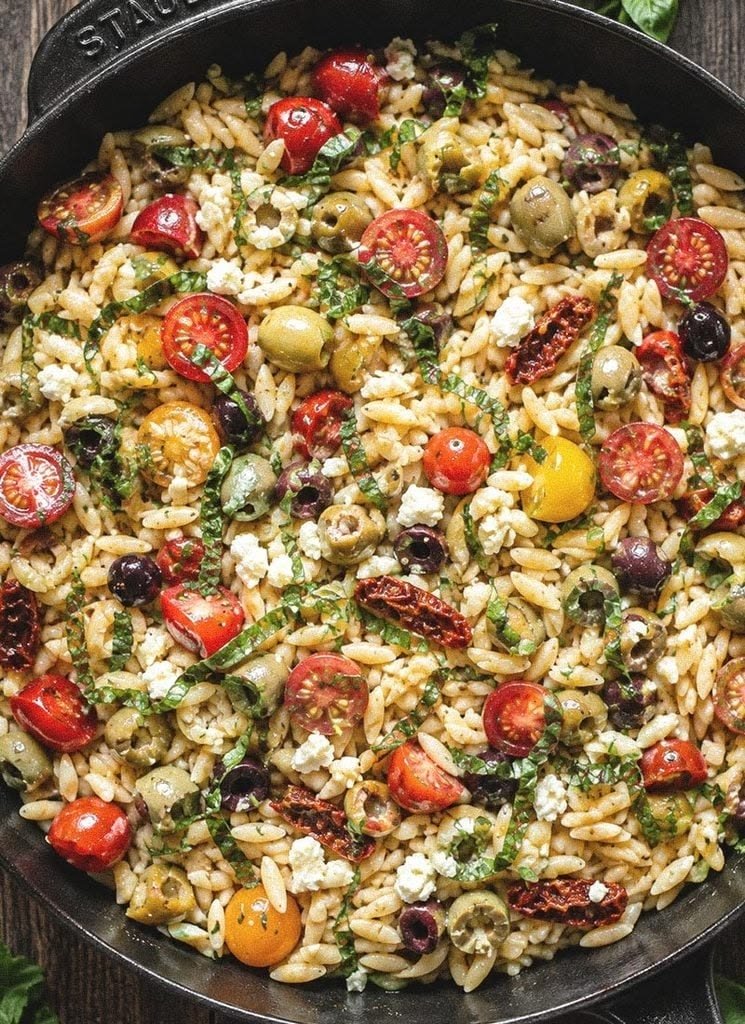
Greek Orzo Skillet with Olives, Tomatoes, and Feta is a delicious Mediterranean-inspired dish that brings together tender orzo pasta, juicy cherry tomatoes, briny Kalamata olives, fragrant garlic, and creamy, tangy feta cheese. Everything cooks in one skillet, allowing the pasta to absorb the flavors of the vegetables, herbs, and broth.

This recipe is ideal for busy weeknights when you want something comforting, colorful, and easy to prepare without using several pots and pans. The tomatoes soften into a light, savory sauce, while the olives add a distinctive salty flavor and the feta provides a creamy finish. Fresh parsley and lemon juice brighten the entire dish.

Serve this orzo skillet as a satisfying vegetarian main course or pair it with grilled chicken, roasted fish, or warm pita bread. Its vibrant Mediterranean flavors make it suitable for family dinners, casual lunches, and meal preparation.

Recipe Information

  • Prep Time: 10 minutes
  • Cook Time: 20 minutes
  • Total Time: 30 minutes
  • Servings: 4
  • Cuisine: Greek-inspired Mediterranean
  • Course: Main dish or side dish
  • Difficulty: Easy
  • Cooking Method: One-skillet stovetop

Ingredients

For the Orzo Skillet

  • 1 cup dry orzo pasta
  • 2 tablespoons extra-virgin olive oil
  • 1 small red onion, finely chopped
  • 3 garlic cloves, minced
  • 1 pint cherry tomatoes, halved
  • ½ cup Kalamata olives, pitted and halved
  • 2½ cups vegetable broth, preferably low-sodium
  • ½ teaspoon dried oregano
  • ½ teaspoon paprika
  • ¼ teaspoon dried thyme
  • ¼ teaspoon red pepper flakes, optional
  • ½ teaspoon freshly ground black pepper
  • Salt, to taste
  • ½ cup crumbled feta cheese
  • 2 tablespoons fresh parsley, chopped
  • 1 tablespoon fresh lemon juice
  • Lemon wedges, for serving

Optional Ingredients

  • 2 cups fresh baby spinach
  • ½ cup canned chickpeas, rinsed and drained
  • ¼ cup sun-dried tomatoes, chopped
  • 1 tablespoon capers, rinsed
  • Extra crumbled feta for garnish
  • Fresh dill or basil for additional flavor

Instructions

Step 1: Prepare the Ingredients

Begin by washing the cherry tomatoes and fresh parsley. Cut the tomatoes in half, finely chop the red onion, and mince the garlic. If the Kalamata olives are whole, remove the pits and slice them in half.

Measure the orzo, vegetable broth, olive oil, and seasonings before starting. Having everything ready makes the cooking process easier because orzo absorbs liquid quickly and needs occasional stirring.

If using canned chickpeas, rinse and drain them thoroughly. Crumble the feta into small pieces and set aside. Keep the lemon juice and fresh herbs ready for the finishing stage.

Step 2: Sauté the Red Onion

Heat the olive oil in a large, deep skillet over medium heat. Add the chopped red onion and cook for approximately 3–4 minutes, stirring occasionally, until it softens and becomes slightly translucent.

Avoid browning the onion too aggressively. The goal is to develop a sweet, savory base without burning it.

Add the minced garlic and cook for another 30–45 seconds until fragrant. Stir continuously because garlic can burn quickly and develop a bitter taste.

Step 3: Add the Cherry Tomatoes

Add the halved cherry tomatoes to the skillet. Stir them into the onion and garlic mixture and cook for approximately 3–4 minutes.

As the tomatoes heat, their skins begin to soften and their juices release into the pan. Gently press a few tomatoes with the back of a spoon to create a light, naturally sweet sauce while leaving the remaining pieces intact.

Add the Kalamata olives, dried oregano, paprika, thyme, black pepper, and optional red pepper flakes. Stir well to distribute the seasonings evenly.

Taste the mixture before adding salt. Kalamata olives, feta cheese, and vegetable broth can already contain substantial sodium.

Step 4: Toast the Orzo

Add the dry orzo directly to the skillet. Stir it through the tomato mixture for approximately 1–2 minutes.

Lightly toasting the pasta helps develop its flavor and allows it to become coated with the olive oil, garlic, herbs, and tomato juices.

Make sure the orzo is distributed evenly across the bottom of the skillet. This helps it cook more consistently once the broth is added.

Step 5: Add the Vegetable Broth

Pour the vegetable broth into the skillet and stir thoroughly, scraping the bottom gently to loosen any flavorful bits.

Increase the heat slightly and bring the liquid to a gentle boil. Once bubbling, reduce the heat to medium-low so the mixture simmers steadily rather than boiling aggressively.

Leave the skillet uncovered or partially covered according to your preferred texture and the manufacturer’s orzo cooking instructions. Stir frequently, particularly along the bottom and edges, because orzo can stick as the liquid reduces.

Step 6: Simmer Until Tender

Cook for approximately 10–12 minutes, or until the orzo is tender but still has a slight bite. Cooking time can vary depending on the pasta brand and skillet.

The broth should gradually be absorbed, while the tomato juices create a glossy sauce around the pasta. If the skillet becomes too dry before the orzo is tender, add a small splash of warm broth or water and continue cooking.

If the pasta is cooked but excess liquid remains, simmer for another minute or two while stirring gently. Remember that the mixture will thicken slightly as it rests.

Avoid cooking the orzo until it becomes mushy. A tender, slightly firm texture gives the finished dish the best result.

Step 7: Add Optional Vegetables

If you want extra vegetables, stir in the fresh baby spinach during the final 1–2 minutes of cooking. The residual heat will wilt it into the pasta.

For a more substantial vegetarian meal, add the rinsed chickpeas during the final 3–4 minutes so they heat through. Sun-dried tomatoes can also be stirred in at this stage for a deeper, more concentrated flavor.

These additions are optional, and the original combination of orzo, cherry tomatoes, Kalamata olives, and feta is delicious on its own.

Step 8: Finish With Lemon and Fresh Herbs

Once the orzo is tender, remove the skillet from the heat. Stir in the fresh lemon juice and chopped parsley.

The lemon brightens the rich, savory flavors and balances the salty olives and tangy feta. Taste the pasta and adjust the black pepper, lemon juice, or salt as needed.

If the skillet looks slightly thick, add one or two tablespoons of warm broth to loosen the sauce. If it seems too watery, let it stand for a couple of minutes before serving.

Step 9: Add the Feta Cheese

Sprinkle the crumbled feta evenly over the warm orzo. You can gently fold in a small portion for a creamier texture while leaving the rest on top for a beautiful presentation.

The feta softens slightly from the heat without needing to melt completely. Its tangy, salty flavor complements the sweet tomatoes, fragrant herbs, and briny olives.

Finish with additional chopped parsley, a little freshly ground black pepper, and lemon wedges.

Step 10: Serve and Enjoy

Allow the skillet to rest for approximately 2 minutes so the flavors settle and the sauce thickens slightly.

Serve the orzo directly from the skillet for a relaxed family-style meal, or transfer it to individual bowls. Garnish with extra feta and fresh herbs just before serving.

The finished dish should look glossy and colorful, with tender pasta, softened tomatoes, dark olives, and bright green herbs throughout.

Tips for the Best Greek Orzo Skillet

Use a large skillet. A wide skillet gives the pasta room to cook evenly and makes stirring easier.

Choose good-quality olives. Kalamata olives contribute the characteristic briny Mediterranean flavor. If they taste particularly salty, rinse them briefly before adding them.

Use fresh garlic. Freshly minced garlic creates a stronger, more aromatic flavor than garlic powder.

Control the heat. A gentle simmer helps the orzo absorb the broth without cooking too quickly on the outside.

Stir regularly. Orzo releases starch and can stick to the bottom of the pan. Frequent stirring helps prevent scorching and promotes an evenly creamy texture.

Add feta at the end. Adding feta after cooking preserves its tangy flavor and attractive texture.

Balance the seasoning. Taste before adding extra salt because olives, feta, and broth may already provide enough.

Finish with lemon. A little fresh lemon juice makes the dish taste brighter and balances the richness of the olive oil and cheese.

Recipe Variations

1. Greek Orzo With Spinach

Add two cups of fresh baby spinach during the final two minutes of cooking. Allow it to wilt into the warm pasta. Spinach adds color and complements the tomatoes and feta.

2. Chickpea and Orzo Skillet

Add half a cup to one cup of rinsed, drained chickpeas. They make the dish more substantial and provide additional plant-based protein and fiber.

3. Spicy Mediterranean Orzo

Increase the red pepper flakes or add a little chopped fresh chili. The gentle heat works well with the sweetness of the tomatoes and the salty feta.

4. Sun-Dried Tomato Orzo

Add chopped sun-dried tomatoes for a deeper, more concentrated tomato flavor. If they are packed in oil, drain them first and consider using a small amount of their oil in place of some olive oil.

5. Lemon Herb Chicken Orzo

Serve the orzo with sliced grilled chicken seasoned with garlic, oregano, olive oil, and lemon. This turns the vegetarian base into a hearty main course.

6. Mediterranean Seafood Orzo

Add cooked shrimp during the final few minutes, just long enough to heat through. Alternatively, cook the shrimp separately and arrange them on top when serving.

7. Fresh Herb Orzo

Replace some of the parsley with fresh dill or basil. Add delicate fresh herbs after cooking to preserve their aroma.

8. Dairy-Free Version

Omit the feta or replace it with a suitable dairy-free alternative. The olives, tomatoes, lemon, and herbs still provide plenty of flavor.

What to Serve With Greek Orzo

This skillet can be served as a complete vegetarian meal, but it also pairs well with several Mediterranean-inspired sides.

  • Greek salad: Crisp cucumber, tomatoes, red onion, and a lemon-olive oil dressing complement the warm pasta.
  • Warm pita bread: Useful for scooping up the tomato and herb sauce.
  • Grilled chicken: Adds extra protein while maintaining the Mediterranean flavor profile.
  • Roasted vegetables: Zucchini, eggplant, and bell peppers make excellent accompaniments.
  • Grilled fish: Lemon-herb fish works especially well with the olives and feta.
  • Hummus: A small serving adds a creamy contrast to the savory pasta.

For a simple dinner, serve the skillet with a fresh green salad and lemon wedges.

Storage and Reheating

Allow leftovers to cool slightly and refrigerate them in an airtight container within two hours of cooking. Properly refrigerated leftovers are generally best used within 3–4 days.

The orzo will absorb more liquid as it sits, so it may become thicker after refrigeration. To reheat, place a portion in a skillet over medium-low heat with one or two tablespoons of water or vegetable broth.

Stir gently until warmed through. You can also reheat it in the microwave in short intervals, stirring between each interval.

Add a little fresh lemon juice, parsley, or feta after reheating to refresh the flavors.

Freezing is possible, but the pasta and tomatoes may soften and change texture after thawing. For the best results, enjoy this dish fresh or refrigerated.

Make-Ahead Instructions

To prepare ahead, chop the onion, garlic, tomatoes, and parsley, and measure the seasonings. Store the prepared ingredients separately in the refrigerator.

You can also crumble the feta and prepare lemon wedges in advance. For the best pasta texture, cook the orzo shortly before serving because it continues absorbing liquid as it rests.

If you need to cook the entire dish ahead, reserve a little extra broth and stir it in during reheating. Add fresh herbs and a little feta just before serving.

Estimated Nutritional Information

The following figures are approximate for one serving when the recipe is divided into four portions. Actual values depend on the pasta brand, broth, feta, olives, and amount of olive oil used.

  • Calories: 350–450
  • Protein: 10–15 grams
  • Carbohydrates: 45–55 grams
  • Fat: 12–20 grams
  • Fiber: 3–6 grams
  • Sodium: Variable, especially depending on the olives, broth, and feta

For a more accurate estimate, calculate the nutrition using the specific products and quantities used in your kitchen.

Ingredient Benefits

Tomatoes: Cherry tomatoes provide vitamin C and lycopene, a naturally occurring antioxidant. Their juices also help form the sauce.

Olive oil: Extra-virgin olive oil contributes flavor and predominantly monounsaturated fats.

Garlic: Garlic adds a distinctive aroma and depth of flavor to the skillet.

Olives: Kalamata olives provide the briny, savory flavor characteristic of many Mediterranean dishes.

Feta cheese: Feta adds tanginess, protein, and calcium, although it can be high in sodium.

Parsley: Fresh parsley brings a clean, herbal flavor and provides small amounts of vitamins.

Lemon: Lemon juice adds freshness and balances the salty and savory ingredients.

Orzo: Orzo supplies carbohydrates that provide energy. Whole-grain alternatives, where available, may offer more fiber.

This dish can be enjoyed as part of a varied, balanced eating pattern. Its nutritional value depends on portion size and the ingredients selected.

Frequently Asked Questions

1. Is orzo rice or pasta?

Orzo is a small, rice-shaped pasta made from wheat. Although it looks like rice, it cooks like pasta and contains gluten unless a specifically gluten-free version is used.

2. Can I use a different type of olive?

Yes. Green olives or other pitted olives can be substituted, although Kalamata olives provide the most recognizable Greek-inspired flavor.

3. Can I make this recipe gluten-free?

Yes, if you use gluten-free orzo and confirm that your broth and other ingredients are gluten-free. Follow the package instructions because cooking time and liquid requirements may differ.

4. Why is my orzo too dry?

Orzo absorbs liquid as it cooks and continues thickening while resting. Add a little warm broth or water and stir until the desired consistency returns.

5. Why is my orzo mushy?

It may have cooked too long or absorbed too much liquid. Follow the package timing, simmer gently, and begin checking the pasta a little before the suggested cooking time ends.

6. Can I use chicken broth instead of vegetable broth?

Yes. Chicken broth adds a deeper savory flavor. Use vegetable broth if you want to keep the dish vegetarian.

7. Can I omit the feta?

Absolutely. The dish will still be flavorful from the tomatoes, garlic, olives, herbs, and lemon. You can replace it with a dairy-free alternative if desired.

8. How do I make it more filling?

Add chickpeas, white beans, grilled chicken, or cooked shrimp. You can also serve it with a side salad and warm pita bread.

9. Can I use canned tomatoes?

Yes. Use approximately one cup of drained diced canned tomatoes if fresh cherry tomatoes are unavailable. The flavor and texture will be slightly different.

10. Can I make the dish less salty?

Use low-sodium broth, rinse the olives if necessary, and choose a smaller amount of feta. Taste the skillet before adding extra salt.

Mediterranean Lemon Herb Chicken Couscous Bowl with Creamy Feta Sauce

Mediterranean Lemon Herb Chicken Couscous Bowl with Creamy Feta Sauce

Introduction

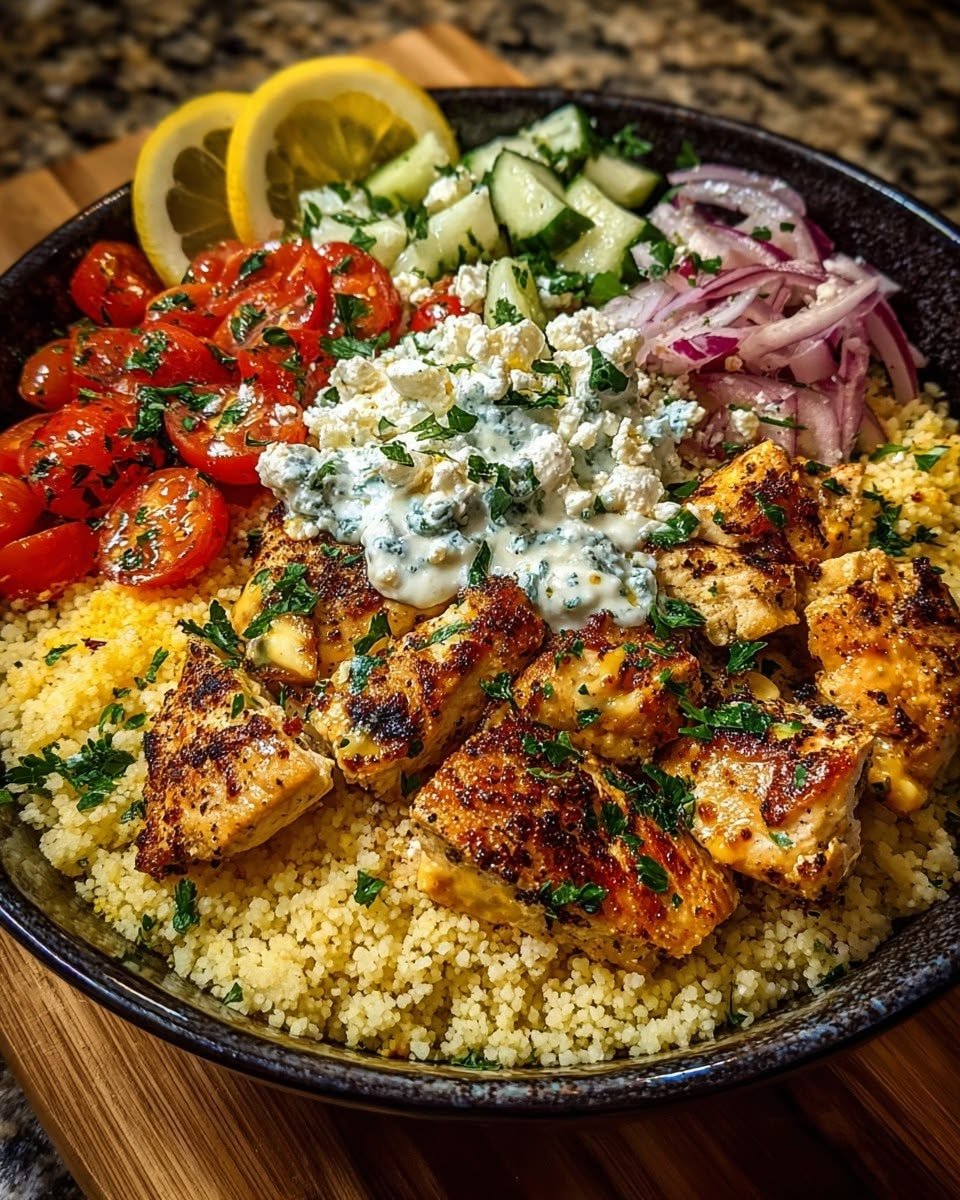
Mediterranean Lemon Herb Chicken Couscous Bowl with Creamy Feta Sauce is a colorful, flavorful meal featuring juicy seasoned chicken, fluffy couscous, fresh vegetables, crumbled feta cheese, and a tangy homemade dressing. Inspired by Mediterranean cooking, this recipe combines fresh ingredients, aromatic herbs, bright lemon, and creamy textures in one satisfying dish.

The golden chicken provides a savory center, while the couscous absorbs the lemony juices and complements the crisp cucumber, sweet cherry tomatoes, and sharp red onion. The creamy feta sauce brings everything together with a refreshing combination of Greek yogurt, garlic, lemon, and fresh herbs.

This recipe is perfect for lunch, dinner, meal preparation, or a family gathering. It looks beautiful served in a wide bowl or on a large platter, making it especially appealing for food photography and recipe videos.

Recipe Information

  • Prep Time: 20 minutes
  • Cook Time: 20 minutes
  • Total Time: 40 minutes
  • Servings: 4
  • Cuisine: Mediterranean-inspired
  • Course: Lunch or dinner
  • Difficulty: Easy
  • Cooking Method: Stovetop

Ingredients

For the Lemon Herb Chicken

  • 1½ pounds boneless, skinless chicken breasts or thighs
  • 2 tablespoons olive oil
  • 3 garlic cloves, minced
  • 2 tablespoons fresh lemon juice
  • 1 teaspoon lemon zest
  • 1 teaspoon dried oregano
  • 1 teaspoon paprika
  • ½ teaspoon ground cumin
  • ½ teaspoon dried thyme
  • ¾ teaspoon salt, or to taste
  • ½ teaspoon black pepper
  • ¼ teaspoon chili flakes, optional

For the Couscous

  • 1 cup dry couscous
  • 1 cup hot chicken or vegetable broth, adjusted according to package directions
  • 1 tablespoon olive oil
  • 1 tablespoon lemon juice
  • 2 tablespoons chopped fresh parsley
  • Salt and pepper, as needed

For the Fresh Vegetable Topping

  • 1 cup cherry tomatoes, halved
  • 1 medium cucumber, diced
  • ½ small red onion, thinly sliced
  • ½ cup crumbled feta cheese
  • 2 tablespoons fresh parsley, chopped
  • 1 tablespoon fresh dill, optional
  • Lemon wedges, for serving

For the Creamy Feta Sauce

  • ½ cup crumbled feta cheese
  • ½ cup plain Greek yogurt
  • 1 tablespoon olive oil
  • 1–2 tablespoons fresh lemon juice
  • 1 small garlic clove, minced
  • 1–3 tablespoons water, as needed
  • 1 tablespoon chopped fresh parsley or dill
  • Black pepper, to taste

Step-by-Step Instructions

Step 1: Prepare the Chicken

Pat the chicken dry with paper towels. If the chicken breasts are thick, slice them horizontally or gently pound them to an even thickness. This helps the chicken cook evenly and develop a golden exterior without drying out.

In a bowl, combine olive oil, minced garlic, lemon juice, lemon zest, oregano, paprika, cumin, thyme, salt, black pepper, and optional chili flakes. Mix well to create a fragrant marinade.

Add the chicken and coat every piece thoroughly. Cover and refrigerate for 15–30 minutes if time allows. If you are preparing a quick dinner, you can cook the chicken immediately after seasoning.

Keep raw chicken refrigerated while marinating, and avoid reusing marinade that has touched raw chicken unless it is thoroughly cooked.

Step 2: Cook the Chicken

Heat a large skillet over medium-high heat. Add a small drizzle of olive oil if needed.

Place the chicken in the hot skillet in a single layer. Avoid overcrowding the pan, as this can cause the chicken to steam rather than brown. Cook for approximately 5–7 minutes per side for average-sized chicken breasts, adjusting the time for thickness and the type of chicken used.

Turn the chicken when the first side is golden brown. Continue cooking until the center reaches 165°F (74°C) on a food thermometer.

If the chicken begins browning too quickly, lower the heat slightly and continue cooking until done. Transfer the chicken to a clean plate and allow it to rest for about 5 minutes before slicing.

Cut the chicken into strips or bite-sized pieces. Spoon any safe, cooked pan juices over the chicken to add extra flavor.

Step 3: Prepare the Couscous

Prepare the couscous according to the package directions. For standard quick-cooking couscous, bring the recommended amount of chicken or vegetable broth to a boil.

Remove the saucepan from the heat, stir in the couscous and olive oil, cover, and allow it to stand for the time specified on the package, usually around 5 minutes.

Fluff the couscous gently with a fork to separate the grains. Add lemon juice and chopped parsley, then taste and adjust the seasoning.

For a more aromatic flavor, add a little lemon zest or another small drizzle of olive oil. Avoid adding too much liquid because the couscous should remain light and fluffy rather than wet or clumpy.

Step 4: Make the Creamy Feta Sauce

Place the crumbled feta, Greek yogurt, olive oil, lemon juice, garlic, and black pepper in a blender or food processor.

Blend until smooth and creamy. Add water gradually, one tablespoon at a time, until the sauce reaches a consistency that can be drizzled easily over the chicken.

Stir in the chopped parsley or dill. Taste before adding extra salt because feta cheese is naturally salty.

If you do not have a blender, mash the feta with a fork and whisk it together with the yogurt, lemon juice, garlic, olive oil, and a little water. The sauce may be more textured, but it will still taste delicious.

Refrigerate the sauce while preparing the vegetables.

Step 5: Prepare the Vegetables

Wash and dry the cherry tomatoes, cucumber, and herbs. Slice the tomatoes in half, dice the cucumber, and thinly slice the red onion.

Place the vegetables in a bowl. Add a small squeeze of lemon juice, a drizzle of olive oil, and a little chopped parsley. Toss gently to combine.

Keep the vegetables crisp and fresh. Avoid adding too much dressing, which can release excess moisture and make the couscous soggy.

If the red onion has a strong flavor, soak the slices in cold water for 5–10 minutes. Drain and dry them thoroughly before adding them to the bowl.

Step 6: Assemble the Bowls

Divide the warm couscous between four serving bowls.

Arrange the sliced chicken over the couscous. Add the cherry tomatoes, diced cucumber, and red onion around the chicken in colorful sections.

Drizzle the creamy feta sauce generously over the chicken. Sprinkle crumbled feta cheese and fresh parsley over the top.

Finish with lemon wedges and fresh dill if desired. Serve immediately while the chicken and couscous are warm and the vegetables remain crisp.

Expert Tips for the Best Results

Use evenly sized chicken pieces. Uniform thickness helps the chicken cook at the same rate and reduces the chance of dry edges.

Allow the chicken to brown. Avoid moving it constantly while it cooks. A good sear develops flavor and gives the finished bowl an appetizing golden appearance.

Rest before slicing. A short resting period helps the chicken remain juicy when cut.

Fluff the couscous properly. Use a fork rather than a spoon to separate the grains after cooking.

Adjust the feta sauce gradually. Add water little by little to achieve a creamy, drizzle-friendly consistency.

Balance the flavors. Lemon adds brightness, feta brings saltiness, and Greek yogurt adds tang. Taste the individual components before combining them.

Keep vegetables separate until serving. This preserves their texture, especially when preparing the recipe in advance.

Use fresh herbs when possible. Parsley and dill bring freshness that complements the garlic, lemon, and oregano.

Recipe Variations

Spicy Lemon Herb Chicken Bowl

Add extra chili flakes, cayenne pepper, or a small amount of hot sauce to the chicken marinade. Keep the feta sauce mild to balance the heat.

Low-Carbohydrate Version

Replace the couscous with cauliflower rice or shredded cabbage. The chicken, fresh vegetables, and creamy feta sauce can remain the same.

Vegetarian Mediterranean Bowl

Replace the chicken with roasted chickpeas, grilled halloumi, or seasoned roasted cauliflower. Use vegetable broth for the couscous.

Extra Vegetable Bowl

Add roasted zucchini, bell peppers, baby spinach, or grilled eggplant. These vegetables complement the lemon, garlic, and feta flavors.

Whole-Wheat Couscous Bowl

Use whole-wheat couscous for a nuttier flavor and potentially more fiber than regular couscous. Follow the package instructions for the correct liquid ratio.

Creamier Dressing

For a richer sauce, add an extra spoonful of Greek yogurt or a small drizzle of olive oil. Blend until smooth and adjust the lemon juice to taste.

Serving Suggestions

Serve this bowl with warm pita bread, hummus, roasted vegetables, or a simple green salad. Olives, tzatziki, or grilled flatbread also complement the Mediterranean flavors.

For a family-style meal, arrange the couscous and chicken on a large platter and place the vegetables around the edges. Serve the sauce separately so everyone can add their preferred amount.

For a beautiful presentation, use a dark serving bowl and arrange the ingredients in distinct sections. Finish with a controlled drizzle of white feta sauce, a sprinkle of green parsley, and two lemon slices.

Storage and Meal Preparation

Store cooked chicken and couscous in airtight containers in the refrigerator within two hours of cooking. Properly refrigerated leftovers are generally best used within 3–4 days.

Keep the feta sauce in a separate sealed container and use it within approximately 3–4 days, assuming fresh ingredients and safe handling. Store the chopped vegetables separately to maintain their crispness.

When reheating, warm the chicken and couscous until steaming hot. Add a small splash of broth or water if the couscous becomes dry. Add the fresh vegetables and feta sauce after reheating.

For meal preparation, divide the chicken and couscous into individual containers and keep the sauce and vegetables separate. Assemble just before eating for the best flavor and texture.

Estimated Nutritional Information

The following figures are approximate and will vary with the ingredients, portion sizes, and amount of sauce used.

  • Calories: 500–650 per serving
  • Protein: 40–50 grams
  • Carbohydrates: 40–55 grams
  • Fat: 18–28 grams
  • Fiber: 3–6 grams
  • Sodium: Varies according to feta, broth, and added salt

For accurate nutrition information, calculate the recipe using the specific products and quantities you use.

Benefits of the Ingredients

Chicken: Provides protein, which helps maintain muscle and supports a satisfying meal.

Couscous: Supplies carbohydrates that provide energy. Whole-wheat couscous may provide more fiber than regular couscous.

Tomatoes: Contain vitamin C and lycopene, a naturally occurring antioxidant.

Cucumber: Adds water, freshness, and crunch.

Olive oil: Provides predominantly monounsaturated fats and is commonly used in Mediterranean-style cooking.

Greek yogurt: Adds protein and creaminess to the feta sauce.

Feta cheese: Contributes flavor, protein, and calcium, although it can also be high in sodium.

Lemon and herbs: Bring bright flavor to the dish and can help reduce the need for additional salt.

This recipe can be part of a balanced eating pattern when enjoyed with a variety of foods and suitable portions. Individual nutritional needs vary, and no single meal guarantees a particular health outcome.

Frequently Asked Questions

1. Can I use chicken thighs instead of chicken breasts?

Yes. Boneless, skinless thighs are delicious and often remain juicy. Cooking time depends on their size and thickness, so use a thermometer to confirm that the thickest part reaches 165°F (74°C).

2. Can I make this recipe ahead of time?

Yes. Cook the chicken and couscous in advance, prepare the sauce, and chop the vegetables. Store each component separately in the refrigerator and assemble shortly before serving.

3. What can I use instead of couscous?

Quinoa, bulgur, brown rice, or cauliflower rice are suitable alternatives. Cooking methods and nutritional values will differ.

4. Can I prepare the feta sauce without a blender?

Yes. Mash the feta thoroughly with a fork, then whisk it with Greek yogurt, garlic, lemon juice, and a little water until creamy.

5. Is this recipe spicy?

The standard recipe is mild. Chili flakes are optional, so leave them out for a gentler flavor or increase them if you prefer a little heat.

6. How do I keep the chicken from drying out?

Cook evenly sized pieces, avoid excessive cooking, and check the internal temperature with a thermometer. Rest the chicken briefly before slicing.

7. Can I use store-bought sauce?

Yes. Lemon-herb dressing or tzatziki can work as alternatives, although the homemade feta sauce gives this bowl its signature creamy flavor.

8. Is this recipe good for meal prep?

Yes. Store the warm components separately from the vegetables and sauce. Add the fresh toppings after reheating the chicken and couscous.

9. Can I make it dairy-free?

Use suitable dairy-free yogurt and feta alternatives. The texture and flavor may differ from the original version.

10. How can I make the bowl look more attractive?

Use a wide bowl, spread the couscous evenly, and arrange the chicken and vegetables in colorful sections. Finish with a creamy sauce drizzle, chopped parsley, and fresh lemon wedges.

Mediterranean Ground Beef Wrap with Garlic Hot Honey Feta Cream

Mediterranean Ground Beef Wrap with Garlic Hot Honey Feta Cream

Description

This Mediterranean Ground Beef Wrap with Garlic Hot Honey Feta Cream is a flavor-packed meal featuring juicy, warmly seasoned ground beef, crisp vegetables, soft flatbread, and an irresistible creamy feta sauce with garlic and a touch of spicy honey. Every bite combines savory, tangy, sweet, and spicy flavors for a satisfying Mediterranean-inspired wrap that feels restaurant-worthy but is easy to make at home.

The ground beef is cooked with garlic, smoked paprika, cumin, oregano, and a squeeze of lemon juice. These seasonings create a rich, aromatic filling that pairs beautifully with crunchy cucumbers, juicy tomatoes, crisp red onion, and fresh parsley. The star of the recipe is the garlic hot honey feta cream: a smooth blend of feta cheese, Greek yogurt, garlic, lemon, honey, and chili flakes.

The feta cream has a tangy, salty flavor, while the honey adds sweetness and the chili flakes bring a gentle heat. Together, they balance the savory beef and fresh vegetables perfectly.

Serve these wraps for lunch, dinner, meal prep, or a casual gathering. You can customize them with hummus, shredded lettuce, pickled onions, or roasted vegetables. Whether you prefer a little spice or plenty of heat, this recipe is easy to adjust to your taste.

Recipe Details

  • Servings: 4 wraps
  • Prep Time: 20 minutes
  • Cook Time: 15 minutes
  • Total Time: 35 minutes
  • Cuisine: Mediterranean-inspired
  • Cooking Method: Stovetop

Ingredients

For the Ground Beef

  • 1 pound lean ground beef
  • 1 tablespoon olive oil, if needed
  • 1 small red onion, finely chopped
  • 3 cloves garlic, minced
  • 1 teaspoon smoked paprika
  • 1 teaspoon ground cumin
  • 1 teaspoon dried oregano
  • ½ teaspoon ground coriander
  • ½ teaspoon black pepper
  • ½ teaspoon salt, or to taste
  • ¼ teaspoon chili flakes, optional
  • 1 tablespoon tomato paste
  • 1 tablespoon fresh lemon juice
  • 2 tablespoons chopped fresh parsley

For the Garlic Hot Honey Feta Cream

  • 6 ounces feta cheese
  • ½ cup plain Greek yogurt
  • 1 small garlic clove, minced
  • 1 tablespoon fresh lemon juice
  • 1 tablespoon olive oil
  • 1–2 tablespoons honey
  • ¼–½ teaspoon chili flakes, to taste
  • 1–2 tablespoons warm water, as needed
  • Black pepper, to taste

For the Wraps

  • 4 large flour tortillas, pita wraps, or Mediterranean flatbreads
  • 1 cup shredded romaine lettuce
  • 1 medium cucumber, diced
  • 1 cup cherry tomatoes, quartered
  • ½ small red onion, thinly sliced
  • ¼ cup chopped fresh parsley
  • ¼ cup crumbled feta, optional
  • 1 tablespoon lemon juice
  • 1 teaspoon olive oil

Optional Toppings

  • Hummus
  • Pickled red onions
  • Sliced olives
  • Roasted red peppers
  • Fresh mint
  • Extra hot honey
  • Toasted sesame seeds

Instructions

Step 1: Prepare the Vegetables

Wash and dry the cucumber, tomatoes, lettuce, and parsley.

Dice the cucumber into small pieces and quarter the cherry tomatoes. Thinly slice the red onion and shred the lettuce into bite-sized strips.

Place the cucumber, tomatoes, red onion, and parsley in a bowl. Add the lemon juice, olive oil, and a small pinch of salt and black pepper.

Toss gently to combine.

Set the vegetables aside while preparing the beef and feta cream. Keeping the vegetables fresh and lightly dressed gives the wrap a crisp texture that contrasts beautifully with the warm filling.

Step 2: Heat the Skillet

Place a large skillet over medium-high heat.

If the ground beef is very lean, add one tablespoon of olive oil. If the beef contains enough fat, you may not need additional oil.

Allow the skillet to heat before adding the meat. A hot pan helps the beef brown rather than steam.

Step 3: Brown the Ground Beef

Add the ground beef to the skillet.

Break it into small pieces using a wooden spoon or spatula. Cook for approximately 5–7 minutes, stirring occasionally, until browned and no longer pink.

If the beef releases a large amount of fat, carefully drain the excess while retaining a little for flavor.

Add the finely chopped red onion and cook for another 2–3 minutes until softened.

Step 4: Add Garlic and Seasonings

Stir in the minced garlic, smoked paprika, cumin, coriander, oregano, black pepper, salt, and chili flakes if using.

Cook for approximately 30–60 seconds until the garlic becomes fragrant.

Add the tomato paste and stir thoroughly so it coats the beef.

Cook for another minute to deepen the flavor.

Pour in the lemon juice and add the chopped parsley. Stir everything together and cook for another 1–2 minutes.

The finished beef should be moist, richly seasoned, and aromatic without being excessively oily. Remove the skillet from the heat and set the filling aside.

For food safety, cook ground beef to an internal temperature of 160°F (71°C).

Step 5: Prepare the Garlic Hot Honey

In a small bowl, combine the honey, chili flakes, and half of the olive oil.

For a stronger garlic flavor, add a small pinch of finely minced garlic. If you prefer a milder sauce, leave the garlic flavor to the feta cream instead.

Stir thoroughly.

For a more pronounced spicy flavor, allow the mixture to sit for a few minutes so the chili flakes infuse the honey.

You can adjust the heat by adding more chili flakes or keep it mild with a smaller amount.

Step 6: Make the Feta Cream

Place the feta cheese, Greek yogurt, garlic, lemon juice, remaining olive oil, and a pinch of black pepper in a food processor or blender.

Blend until smooth and creamy.

If the mixture is too thick, add warm water one tablespoon at a time until it reaches a spreadable consistency.

Taste the feta cream before adding salt because feta is naturally salty.

Transfer the cream to a small bowl.

Drizzle in the prepared hot honey and gently swirl it through the cream. You can reserve a little honey mixture for the finished wraps.

The final sauce should be creamy, tangy, slightly sweet, garlicky, and pleasantly spicy.

Step 7: Warm the Flatbreads

Warm the tortillas or flatbreads in a dry skillet over medium heat for approximately 20–30 seconds per side.

Alternatively, wrap them in foil and warm them in a 300°F (150°C) oven for several minutes.

Warm flatbreads are more flexible and less likely to tear when folded.

Keep them covered with a clean kitchen towel until you are ready to assemble the wraps.

Step 8: Spread the Feta Cream

Lay one warm flatbread on a clean work surface.

Spread a generous spoonful of garlic hot honey feta cream down the center, leaving a border around the edges.

Avoid spreading the sauce all the way to the edges because some may escape while rolling.

The creamy feta mixture acts as the flavor-packed base for the beef and vegetables.

Step 9: Add the Ground Beef

Spoon a portion of the warm seasoned ground beef over the feta cream.

Spread it evenly along the center of the wrap.

Do not overload the flatbread. Leaving enough room around the edges makes the wrap easier to fold and eat.

If desired, sprinkle a little extra feta over the beef.

Step 10: Add Fresh Vegetables

Top the beef with shredded lettuce, cucumber, tomatoes, sliced red onion, and chopped parsley.

Add olives, roasted red peppers, or pickled onions if you enjoy extra Mediterranean flavor.

For a little more sweetness and heat, drizzle a small amount of the remaining hot honey over the filling.

The contrast between warm beef, cool vegetables, and creamy feta is what makes this wrap especially delicious.

Step 11: Fold the Wrap

Fold the left and right sides of the flatbread inward.

Then fold the bottom edge up over the filling and roll tightly toward the top.

Keep the filling tucked inside as you roll.

If the flatbread is large, you can secure it with parchment paper or cut it in half before serving.

Repeat with the remaining ingredients.

Step 12: Toast for a Crispy Finish

For an optional restaurant-style finish, place the assembled wraps seam-side down in a lightly oiled skillet over medium heat.

Cook for approximately 1–2 minutes per side, turning carefully, until the exterior is lightly golden and crisp.

Do not press too hard because the feta cream may squeeze out.

This step warms the filling, lightly toasts the bread, and gives the wrap a satisfying texture.

Serve immediately with extra feta cream on the side.

Tips for the Best Mediterranean Beef Wraps

Brown the beef properly. Allow the meat to develop golden-brown edges before adding the seasonings. Browning creates a deeper, more savory flavor.

Drain excess fat. A little fat adds flavor, but too much can make the wrap greasy.

Blend the feta cream thoroughly. A food processor creates a smoother sauce. If you prefer a rustic texture, mash the ingredients together with a fork.

Balance the hot honey. Feta is salty and tangy, so a small amount of honey helps balance the flavor. Add chili flakes gradually until the heat suits your preference.

Keep the vegetables fresh. Add the cucumber, tomatoes, and lettuce just before assembling to preserve their crunch.

Do not overfill. A generously filled wrap should still fold comfortably without splitting.

Toast carefully. Use medium heat so the flatbread becomes crisp without burning before the filling is warm.

Delicious Variations

Spicy Mediterranean Beef Wrap

Add extra chili flakes, a little cayenne pepper, and a drizzle of spicy honey. Serve with sliced jalapeños if you enjoy a stronger kick.

Greek-Style Beef Wrap

Season the beef with extra oregano, lemon zest, and parsley. Add cucumber, tomato, red onion, Kalamata olives, and feta for a Greek-inspired flavor profile.

Beef and Hummus Wrap

Spread two tablespoons of hummus over the flatbread before adding the feta cream and beef. The hummus adds a creamy, earthy flavor.

Low-Carb Beef Bowl

Skip the tortilla and serve the beef over lettuce, cucumber, tomatoes, and red onion. Add feta cream and hot honey on top for a lower-carbohydrate alternative.

Chicken Version

Replace the ground beef with ground chicken or finely chopped cooked chicken. Adjust the cooking time as needed and cook ground chicken to 165°F (74°C).

Vegetarian Version

Replace the ground beef with cooked lentils, crumbled plant-based mince, or roasted chickpeas. Season with the same garlic, cumin, paprika, and oregano mixture.

Roasted Vegetable Wrap

Add roasted zucchini, bell peppers, and red onion for extra Mediterranean flavor and texture.

What to Serve with These Wraps

These wraps are filling on their own, but they pair beautifully with simple sides.

  • Greek salad: Fresh tomatoes, cucumber, olives, and feta complement the beef and feta cream.
  • Roasted potatoes: Crispy lemon-herb potatoes make a satisfying side.
  • Hummus and pita chips: A Mediterranean-inspired option for sharing.
  • Cucumber yogurt salad: Cool, creamy flavors balance the spicy honey.
  • Roasted vegetables: Bell peppers, zucchini, and eggplant add color and extra vegetables.
  • Lentil soup: A warm bowl of soup turns the wraps into a hearty dinner.

For entertaining, cut each wrap diagonally and arrange the halves on a platter with small bowls of feta cream and hot honey.

Storage Instructions

For the best texture, store the cooked beef, feta cream, and chopped vegetables separately rather than storing fully assembled wraps.

Refrigerate the cooked beef in an airtight container within two hours of cooking. Use it within 3–4 days.

Store the feta cream in a covered container in the refrigerator and use it within approximately 3–4 days, provided the ingredients are fresh and handled safely.

Keep chopped vegetables refrigerated in a separate container. For the best quality, use them within 2–3 days.

When ready to serve, reheat the beef until steaming hot, warm a fresh flatbread, and assemble the wrap with the cold sauce and vegetables.

Freezing Instructions

The seasoned ground beef can be frozen separately for convenient meal preparation.

Allow it to cool promptly, then transfer it to a freezer-safe container or bag. Freeze for up to 3 months for best quality.

Thaw overnight in the refrigerator and reheat thoroughly before assembling the wraps.

The feta cream and fresh vegetables are not ideal for freezing because their textures can change. Prepare those components fresh for the best results.

Meal Prep Tips

These wraps are excellent for busy weekdays when the components are prepared in advance.

Cook a batch of seasoned ground beef and divide it into individual portions. Prepare the feta cream and store it separately.

Wash and chop the vegetables, keeping moisture-sensitive ingredients refrigerated.

For packed lunches, carry the flatbread, beef, sauce, and vegetables separately if possible. Assemble shortly before eating to prevent the bread from becoming soggy.

If you prefer to assemble the wraps in advance, leave out the lettuce and tomatoes until serving and avoid adding too much sauce.

Nutrition Information

Approximate nutrition per wrap, assuming four servings and using the listed ingredients:

  • Calories: 600–750
  • Protein: 30–38g
  • Carbohydrates: 45–60g
  • Fat: 28–40g
  • Fiber: 4–7g
  • Sodium: Varies with the feta, tortillas, and added salt

These values are estimates, not laboratory measurements. Actual nutrition will vary depending on the fat content of the beef, size of the flatbread, amount of feta cream, and optional toppings.

To reduce calories, use lean ground beef, smaller flatbreads, and a little less olive oil. To increase fiber, choose whole-wheat wraps and add extra vegetables.

Nutritional Benefits

Protein from Ground Beef

Ground beef provides protein, iron, zinc, and vitamin B12. Protein helps build and maintain body tissues and contributes to meal satisfaction.

Fresh Vegetables

Cucumbers, tomatoes, lettuce, and red onions add freshness, water, fiber, and a range of vitamins and plant compounds.

Feta and Greek Yogurt

Feta adds calcium and protein, while Greek yogurt makes the sauce creamy and contributes additional protein.

Olive Oil

Extra-virgin olive oil provides unsaturated fats and brings a characteristic Mediterranean flavor.

Herbs and Spices

Garlic, oregano, cumin, paprika, parsley, and lemon create layers of flavor without requiring a complicated sauce.

Frequently Asked Questions

Can I make the feta cream ahead of time?

Yes. Prepare it up to 2–3 days ahead and refrigerate it in an airtight container. Stir before serving. Add the hot honey just before assembly if you want a distinct sweet-spicy swirl.

Is the hot honey very spicy?

Not necessarily. The heat depends on the amount and type of chili flakes. Start with a small amount and increase gradually.

Can I use store-bought hot honey?

Absolutely. Use approximately 1–2 tablespoons and adjust according to taste. You can still add garlic to the feta cream.

Can I use ground turkey instead of beef?

Yes. Ground turkey works well with the same seasonings. Cook it thoroughly to 165°F (74°C).

Which flatbread works best?

Large flour tortillas are easy to fold, while Greek-style flatbreads and lavash provide a more Mediterranean-inspired presentation. Choose a flexible flatbread that can hold the filling without tearing.

How do I stop the wrap from becoming soggy?

Drain excess fat from the beef, avoid watery vegetables, and do not add the sauce too far in advance. Assemble shortly before serving.

Can I make it without garlic?

Yes. Omit the garlic from the beef and feta cream, or use a small amount of garlic-infused olive oil for a milder flavor.

Can I make it dairy-free?

Use a dairy-free feta alternative and an unsweetened plant-based yogurt. The flavor and texture will differ slightly, but the wrap can still be delicious.

Can I serve it cold?

Yes. The wrap can be eaten cold, especially for lunch, but the warm beef and toasted flatbread provide the best contrast with the cool feta cream and crisp vegetables.