Fresh Garden Vegetable Salad

Fresh Garden Vegetable Salad

Introduction

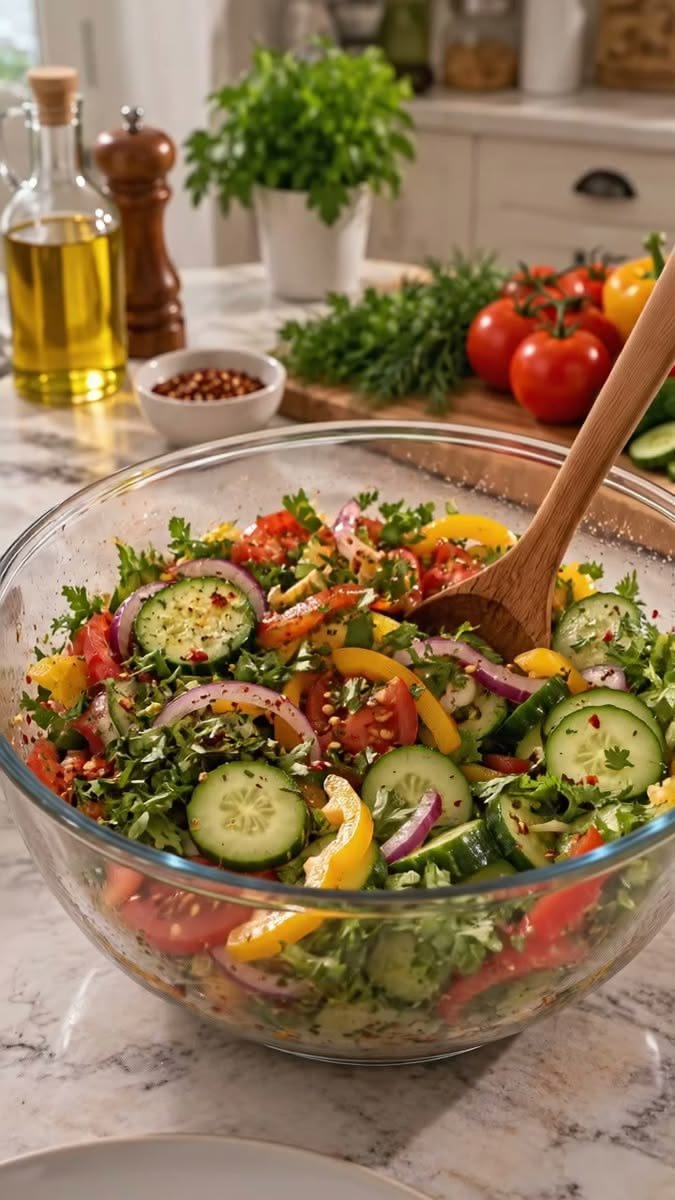
Fresh Garden Vegetable Salad is a colorful, crisp, and refreshing dish made with a delicious combination of fresh vegetables, fragrant herbs, and a light homemade dressing. Packed with vibrant greens, juicy tomatoes, crunchy cucumbers, sweet bell peppers, and thinly sliced red onions, this salad is perfect for everyday meals, summer gatherings, picnics, and healthy lunches.

What makes this salad special is its simplicity. You don’t need complicated cooking techniques or expensive ingredients to create something flavorful and satisfying. Fresh vegetables provide natural sweetness, crunch, and color, while a tangy lemon-olive oil dressing brings everything together beautifully.

This versatile salad pairs wonderfully with grilled chicken, baked fish, roasted vegetables, sandwiches, wraps, and pasta dishes. You can also customize it with chickpeas, feta cheese, avocado, or sunflower seeds to create a more filling meal.

Whether you’re preparing a quick lunch, planning a family dinner, or looking for a refreshing side dish, Fresh Garden Vegetable Salad is an easy recipe worth making again and again.

Recipe Overview

  • Prep Time: 20 minutes

  • Cook Time: 0 minutes

  • Total Time: 20 minutes

  • Servings: 4–6

  • Course: Salad or side dish

  • Cuisine: Garden-inspired, Mediterranean-style

  • Difficulty: Easy

Ingredients

For the Salad

  • 4 cups fresh romaine lettuce or mixed salad greens

  • 2 medium ripe tomatoes, chopped

  • 1 large cucumber, sliced

  • 1 medium green bell pepper, chopped

  • 1 medium red bell pepper, chopped

  • 1/2 medium red onion, thinly sliced

  • 1 medium carrot, peeled and grated

  • 1/2 cup shredded purple cabbage

  • 1/4 cup fresh parsley, chopped

  • 1/4 cup sweet corn, cooked and cooled

  • 1/4 cup sliced black or Kalamata olives (optional)

  • 1/3 cup crumbled feta cheese (optional)

For the Homemade Dressing

  • 3 tablespoons extra-virgin olive oil

  • 2 tablespoons fresh lemon juice

  • 1 tablespoon red wine vinegar

  • 1 teaspoon Dijon mustard

  • 1 teaspoon honey, optional

  • 1 small garlic clove, finely minced

  • 1/2 teaspoon dried oregano

  • 1/4 teaspoon freshly ground black pepper

  • 1/4 teaspoon salt, or to taste

Equipment Needed

  • A large salad bowl

  • A small bowl or jar for the dressing

  • A sharp kitchen knife

  • A cutting board

  • A vegetable peeler or grater

  • A salad spinner or clean kitchen towel

  • A whisk or spoon

Instructions

Step 1: Wash and Prepare the Vegetables

Begin by washing all the vegetables thoroughly under cool running water. Remove any damaged leaves from the lettuce and discard them.

If using lettuce, dry it well with a salad spinner or clean kitchen towel. Excess water can dilute the dressing and make the salad less flavorful.

Chop the lettuce into bite-sized pieces and place it in a large salad bowl. Slice the cucumber, chop the tomatoes and bell peppers, thinly slice the red onion, and grate the carrot.

Cutting the vegetables into reasonably similar sizes makes the salad easier to eat and ensures that each serving contains a balanced combination of ingredients.

Step 2: Prepare the Lettuce and Cabbage

Add the chopped lettuce and shredded purple cabbage to the salad bowl.

Romaine lettuce provides a crisp texture, while purple cabbage adds a slightly sweet flavor and attractive color. If you prefer a softer salad, substitute baby spinach or mixed spring greens for some of the lettuce.

Avoid cutting the lettuce too far in advance if you want it to remain especially crisp. Store washed greens in the refrigerator until you’re ready to assemble the salad.

Step 3: Add the Fresh Vegetables

Add the chopped tomatoes, cucumber slices, green bell pepper, red bell pepper, grated carrot, and thinly sliced red onion to the bowl.

Scatter the sweet corn over the vegetables, followed by the chopped parsley.

The tomatoes contribute juicy sweetness, cucumbers provide refreshing crunch, and bell peppers add a pleasant crispness. Carrots and cabbage contribute additional texture, making every bite colorful and satisfying.

If using olives, add them at this stage. Their salty, savory flavor complements the fresh vegetables beautifully.

Step 4: Prepare the Lemon-Olive Oil Dressing

In a small bowl, combine the extra-virgin olive oil, lemon juice, red wine vinegar, Dijon mustard, honey, minced garlic, dried oregano, salt, and black pepper.

Whisk until the ingredients are well combined and the dressing looks slightly emulsified.

Alternatively, place all the dressing ingredients in a small jar, secure the lid, and shake vigorously for 20–30 seconds.

Taste the dressing before adding it to the salad. If you prefer a tangier flavor, add a little more lemon juice. For a milder dressing, add a small amount of olive oil. If your tomatoes and carrots are already very sweet, you may not need the honey.

Step 5: Combine the Salad and Dressing

Just before serving, drizzle the dressing over the vegetables.

Using salad tongs or two large spoons, gently toss everything together until the vegetables are lightly coated.

Avoid adding all the dressing at once if you prefer a lightly dressed salad. Start with about half, toss, and add more according to your taste.

For the best texture, dress the salad shortly before serving. This helps prevent the lettuce from wilting and keeps the vegetables crisp.

Step 6: Add the Optional Toppings

If using feta cheese, sprinkle it over the salad after tossing. The creamy, salty cheese adds richness and pairs especially well with the lemon dressing.

You can also add toasted sunflower seeds, pumpkin seeds, or chopped walnuts for extra crunch.

For a more filling version, add drained chickpeas, white beans, diced avocado, or grilled chicken. If including avocado, cut it just before serving to help maintain its color and texture.

Step 7: Garnish and Serve

Finish the salad with a little extra chopped parsley, freshly ground black pepper, or a light squeeze of lemon juice.

Serve immediately in a large bowl or arrange the vegetables on a wide platter for an attractive presentation.

For individual servings, place a generous portion of greens and vegetables on each plate, then distribute the dressing and toppings evenly.

Tips for the Best Fresh Garden Vegetable Salad

1. Choose fresh, seasonal vegetables. Fresh ingredients provide the best flavor and texture. Select firm cucumbers, crisp peppers, vibrant greens, and ripe but not mushy tomatoes.

2. Dry the lettuce thoroughly. Water clinging to the leaves can dilute the dressing and prevent it from coating the greens properly.

3. Cut vegetables evenly. Bite-sized pieces make the salad easier to eat and help distribute the ingredients throughout each serving.

4. Prepare the dressing separately. Mixing the dressing in a small bowl or jar allows you to adjust the flavor before adding it to the salad.

5. Dress just before serving. Lemon juice and salt draw moisture from vegetables, while dressing can soften lettuce if added too early.

6. Balance the flavors. The best dressing combines acidity, richness, and a little sweetness. Adjust the lemon juice, olive oil, and honey according to your taste.

7. Add toppings thoughtfully. Feta, olives, seeds, and nuts provide additional flavor, but a few well-chosen toppings usually work better than adding everything at once.

8. Keep ingredients cold. Refrigerated vegetables are especially refreshing in a summer salad. However, avoid freezing fresh vegetables because it damages their texture.

Delicious Variations

1. Mediterranean Garden Salad

Add Kalamata olives, crumbled feta cheese, sliced cucumber, and dried oregano. Use lemon juice and extra-virgin olive oil for a classic Mediterranean-inspired flavor.

2. Garden Salad with Avocado

Add one ripe avocado, diced just before serving. Its creamy texture complements the crisp vegetables and tangy dressing. You can also add toasted pumpkin seeds for crunch.

3. High-Protein Garden Salad

Add grilled chicken breast, boiled eggs, chickpeas, or white beans. These ingredients make the salad more substantial and provide additional protein.

4. Creamy Garden Vegetable Salad

Replace the vinaigrette with a dressing made from plain Greek yogurt, lemon juice, Dijon mustard, garlic, and chopped herbs. Add a little water to thin it to your preferred consistency.

5. Sweet Corn and Pepper Salad

Increase the sweet corn and add extra red bell pepper. This variation has a naturally sweeter flavor and works well with grilled chicken, fish, or barbecue dishes.

6. Crunchy Cabbage Garden Salad

Use a combination of shredded green cabbage, purple cabbage, carrots, cucumber, and bell peppers. This version holds its texture longer than a salad made entirely with delicate lettuce.

7. Garden Salad with Apples and Nuts

Add thin apple slices and chopped walnuts or pecans. The sweetness of the apple and the crunch of the nuts create an appealing contrast with the tangy dressing.

8. Spicy Garden Salad

Add finely sliced jalapeño or a pinch of red pepper flakes to the dressing. The gentle heat adds excitement without overwhelming the fresh vegetable flavors.

What to Serve with Fresh Garden Vegetable Salad

Fresh Garden Vegetable Salad complements a wide range of meals.

  • Grilled chicken: The crisp vegetables and tangy dressing balance the savory flavor of grilled chicken.

  • Baked fish: Serve alongside lemon-herb salmon, cod, or other baked fish for a light meal.

  • Roasted vegetables: Pair it with roasted potatoes, zucchini, eggplant, or carrots.

  • Sandwiches and wraps: Enjoy it with chicken sandwiches, turkey wraps, or grilled vegetable pita.

  • Pasta dishes: The freshness of the salad balances creamy pasta and rich tomato sauces.

  • Rice bowls: Serve beside seasoned rice, grilled protein, and roasted vegetables.

  • Burgers: A generous serving provides a refreshing contrast to a hearty burger.

  • Soup: Pair it with vegetable soup, chicken soup, or creamy wild rice soup for a comforting lunch.

For an easy, balanced dinner, serve the salad with grilled chicken, roasted potatoes, and a slice of whole-grain bread.

Storage and Make-Ahead Instructions

Fresh Garden Vegetable Salad is best enjoyed immediately after dressing, but you can prepare several components ahead of time.

Wash and dry the lettuce, chop sturdy vegetables, and prepare the dressing separately. Store the vegetables in an airtight container in the refrigerator, keeping delicate greens away from excess moisture.

For the best quality, assemble the salad within about 1–2 days. Add tomatoes, avocado, feta, and dressing closer to serving time whenever possible.

If you have already dressed the salad, refrigerate leftovers promptly in an airtight container and consume them within about one day for the best texture. The lettuce may soften as it absorbs the dressing.

Do not leave the salad at room temperature for more than two hours, or more than one hour in temperatures above 90°F (32°C). If it contains chicken, eggs, or dairy-based dressing, keep it refrigerated and follow the same food-safety limits.

Freezing is not recommended because lettuce, cucumbers, and tomatoes become watery and lose their crisp texture after thawing.

Approximate Nutritional Information

The following estimates are for one serving when the recipe is divided into six portions, using the olive oil dressing and excluding optional feta and olives.

  • Calories: 120–160

  • Protein: 3–4 g

  • Carbohydrates: 10–14 g

  • Fat: 9–12 g

  • Fiber: 3–5 g

  • Sugar: 5–8 g

  • Sodium: Varies with added salt and toppings

These figures are estimates. Actual nutrition depends on vegetable sizes, the quantity of dressing consumed, and any optional ingredients.

Ingredient Benefits

Lettuce and leafy greens: These vegetables provide water, fiber, folate, and vitamin K. They add volume and freshness to the salad.

Tomatoes: Tomatoes contain vitamin C, potassium, and lycopene, a naturally occurring plant compound with antioxidant properties.

Cucumbers: Cucumbers have a high water content and provide a cool, refreshing crunch.

Bell peppers: Red and green peppers supply vitamin C and other plant compounds. Red peppers generally have a sweeter flavor than green peppers.

Carrots: Carrots provide beta-carotene, which the body can convert into vitamin A, an important nutrient for normal vision and immune function.

Purple cabbage: Purple cabbage contributes fiber, vitamin C, and colorful plant compounds called anthocyanins.

Olive oil: Extra-virgin olive oil provides unsaturated fats and antioxidant compounds. It also helps carry the flavors of the dressing.

Fresh parsley: Parsley adds a fresh herbal flavor and small amounts of vitamins and minerals.

Together, these ingredients provide a variety of nutrients and can help make everyday meals more colorful and satisfying. The salad’s overall nutritional value depends on portion size, dressing, and additional toppings.

Frequently Asked Questions

1. Can I make Fresh Garden Vegetable Salad ahead of time?

Yes. Wash and dry the vegetables and prepare the dressing in advance. Keep everything refrigerated separately and toss the salad shortly before serving to preserve its freshness.

2. What vegetables can I substitute?

You can use baby spinach, arugula, radishes, cherry tomatoes, zucchini ribbons, or shredded cabbage. Choose vegetables that you enjoy and that are fresh and crisp.

3. Can I make the salad without lettuce?

Absolutely. Replace the lettuce with extra cucumber, tomatoes, bell peppers, and cabbage. This creates a crunchy vegetable salad that holds up well for a little longer.

4. How can I make this salad more filling?

Add grilled chicken, boiled eggs, chickpeas, white beans, quinoa, avocado, or feta cheese. These additions provide extra protein, healthy fats, or carbohydrates.

5. Can I use bottled dressing?

Yes. A store-bought vinaigrette can save time. Choose one you enjoy and add it gradually so the vegetables do not become overly dressed.

6. How do I keep lettuce crisp?

Wash the lettuce, dry it thoroughly, and store it in a sealed container with a clean paper towel to absorb excess moisture. Keep the dressing separate until serving.

7. Is this salad suitable for vegetarians?

Yes. The basic recipe is vegetarian. If adding cheese or packaged dressing, check the ingredients if you follow specific dietary requirements.

8. Can I make it vegan?

Yes. Omit the feta cheese and use maple syrup instead of honey if you want a sweetener. Check the mustard and other packaged ingredients to ensure they meet your preferences.

9. What dressing works best?

A lemon-olive oil vinaigrette is a simple, refreshing choice. You can also use balsamic vinaigrette, apple cider vinegar dressing, or a creamy yogurt dressing.

10. Why does my salad become watery?

Tomatoes and cucumbers naturally release moisture, especially after being cut and salted. Dry the vegetables well, add the dressing just before serving, and avoid adding too much salt too early.
Cozy Autumn Wild Rice Soup

Cozy Autumn Wild Rice Soup

Introduction

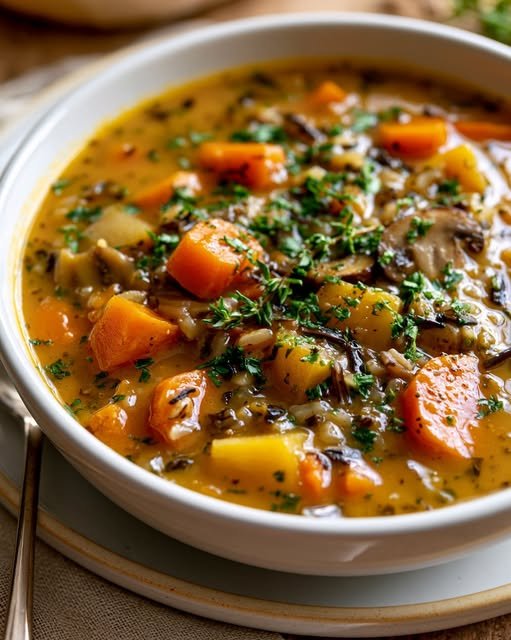
Cozy Autumn Wild Rice Soup is the perfect comforting meal for chilly evenings, crisp fall afternoons, and cozy family dinners. This hearty soup combines nutty wild rice, tender vegetables, aromatic herbs, and a rich, creamy broth to create a satisfying dish that feels warm and nourishing in every spoonful.

Carrots, celery, onions, garlic, and mushrooms bring layers of flavor, while wild rice adds a pleasantly chewy texture. A creamy broth made with milk or cream gives the soup a silky finish without overpowering the earthy taste of the rice and vegetables. Thyme, rosemary, and black pepper provide the comforting aromas that make this recipe especially wonderful during autumn and winter.

This soup is versatile enough to serve as a vegetarian main course or adapt with shredded chicken for extra protein. It pairs beautifully with crusty bread, warm dinner rolls, or a fresh green salad. Best of all, it uses simple ingredients and can be prepared in one pot, making cleanup easy.

Whether you’re preparing a family meal, planning a cozy weekend dinner, or looking for a comforting recipe to share on your recipe page, this Cozy Autumn Wild Rice Soup is a delicious choice.

Recipe Overview

  • Prep Time: 15 minutes

  • Cook Time: 50–65 minutes

  • Total Time: Approximately 1 hour to 1 hour 20 minutes

  • Servings: 6

  • Cuisine: American-inspired comfort food

  • Course: Soup, lunch, or dinner

  • Difficulty: Easy to moderate

Ingredients

For the Soup

  • 1 cup uncooked wild rice blend

  • 2 tablespoons olive oil or butter

  • 1 medium yellow onion, diced

  • 2 medium carrots, peeled and sliced

  • 2 celery stalks, chopped

  • 8 ounces mushrooms, sliced

  • 3 garlic cloves, minced

  • 6 cups vegetable broth or chicken broth

  • 1 teaspoon dried thyme

  • 1/2 teaspoon dried rosemary

  • 1/2 teaspoon dried sage

  • 1/2 teaspoon paprika

  • 1/4 teaspoon freshly ground black pepper

  • Salt, to taste

  • 1 bay leaf

  • 1 cup whole milk

  • 1/2 cup heavy cream

  • 2 tablespoons all-purpose flour

  • 1 cup chopped fresh spinach or kale

  • 1 tablespoon fresh lemon juice, optional

  • 2 tablespoons chopped fresh parsley, for garnish

Optional Additions

  • 1 1/2 cups cooked shredded chicken

  • 1/2 cup frozen peas

  • 1 small sweet potato, diced

  • A pinch of red pepper flakes

  • Extra fresh thyme for serving

Instructions

Step 1: Rinse the Wild Rice

Place the wild rice blend in a fine-mesh strainer and rinse it under cool running water. This removes surface starch and any dust or debris.

Check the package instructions because wild rice blends can have different cooking times. Some blends contain white or brown rice, while others contain mostly wild rice. The exact cooking time will depend on the variety.

Set the rinsed rice aside while you prepare the vegetables.

Step 2: Prepare the Vegetables

Dice the onion into small pieces. Peel and slice the carrots, chop the celery, and slice the mushrooms. Mince the garlic.

Try to cut the vegetables into similar-sized pieces so they cook evenly. Smaller carrot pieces will soften faster, while slightly thicker slices will retain more texture.

Keep the garlic separate from the other vegetables because it cooks quickly and can burn if added too early.

Step 3: Sauté the Onion, Carrots, and Celery

Heat the olive oil or butter in a large heavy-bottomed soup pot or Dutch oven over medium heat.

Add the diced onion, carrots, and celery. Cook for approximately 5–7 minutes, stirring occasionally, until the onion becomes translucent and the vegetables begin to soften.

This step creates the flavorful foundation of the soup. Allowing the vegetables to cook gently helps release their natural sweetness and develops a deeper flavor.

Step 4: Add the Mushrooms and Garlic

Add the sliced mushrooms to the pot. Cook for another 5–7 minutes, stirring occasionally, until the mushrooms soften and release their moisture.

Continue cooking until some of the liquid evaporates and the mushrooms begin to brown lightly. This adds a richer, more savory taste.

Stir in the minced garlic, dried thyme, rosemary, sage, paprika, and black pepper. Cook for about 30–60 seconds until fragrant.

Avoid cooking the garlic for too long because it can develop a bitter taste.

Step 5: Add the Wild Rice and Broth

Pour the vegetable or chicken broth into the pot. Add the rinsed wild rice and bay leaf, then stir everything together.

Increase the heat until the mixture reaches a gentle boil. Once boiling, reduce the heat to low and cover the pot partially with a lid.

Simmer for approximately 40–55 minutes, or according to the rice package directions, until the wild rice is tender but still pleasantly chewy.

Stir occasionally to prevent the rice from sticking to the bottom. If the soup becomes too thick before the rice is ready, add a little more broth or water.

Important: If your wild rice blend cooks faster than pure wild rice, begin checking it according to the package’s recommended time.

Step 6: Prepare the Creamy Mixture

While the rice cooks, whisk the flour into the milk in a separate bowl until smooth and free of lumps.

Once the rice is tender, reduce the heat to low. Slowly pour the milk-and-flour mixture into the soup while stirring continuously.

Allow the soup to simmer gently for 3–5 minutes, stirring frequently, until the broth begins to thicken.

Add the heavy cream and stir until incorporated. Keep the heat low and avoid allowing the soup to boil vigorously after adding the dairy, as high heat may cause an undesirable texture.

For a lighter soup, use additional milk instead of heavy cream. The result will be less rich but still creamy and comforting.

Step 7: Add Spinach or Kale

Stir in the chopped spinach and allow it to wilt for 1–2 minutes. If using kale, simmer for an additional 3–5 minutes, or until tender.

Add frozen peas at this stage if desired. They generally need only a few minutes to heat through.

If you’re adding cooked shredded chicken, stir it into the soup and simmer gently until heated thoroughly.

Step 8: Adjust the Seasoning

Remove the bay leaf from the pot.

Taste the soup and add salt as needed. The amount required will depend on the saltiness of your broth, so add it gradually.

For a brighter flavor, stir in a tablespoon of fresh lemon juice. This optional addition balances the richness of the cream and highlights the earthy flavor of the mushrooms and herbs.

If the soup is too thick, add a splash of warm broth or milk. If it is too thin, let it simmer gently for a few additional minutes, stirring frequently.

Step 9: Garnish and Serve

Ladle the hot soup into bowls and garnish with chopped fresh parsley and a sprinkle of black pepper.

For an extra-cozy presentation, add a small drizzle of olive oil or a few fresh thyme leaves.

Serve immediately with warm crusty bread, garlic toast, or soft dinner rolls. The bread is perfect for soaking up the creamy broth.

Tips for the Best Wild Rice Soup

1. Choose the right rice. Wild rice has a nutty flavor and chewy texture that makes this soup distinctive. Blends work well, but cooking times vary, so check the package directions.

2. Brown the mushrooms. Allowing mushrooms to release their moisture and develop a little color creates a deeper, more savory flavor.

3. Use fresh aromatics. Fresh garlic, onion, celery, and carrots provide the foundation for a flavorful broth.

4. Add dairy near the end. Stirring in the milk and cream after the rice has cooked helps prevent the dairy from becoming overheated during the long simmer.

5. Adjust the thickness. Wild rice absorbs liquid as it cooks and continues absorbing it during storage. Keep extra broth available to thin the soup when reheating.

6. Season gradually. Broths can contain varying amounts of sodium. Taste the soup before adding extra salt.

7. Don’t rush the simmer. Gentle cooking allows the rice to become tender and gives the vegetables and herbs time to develop their flavors.

8. Make it your own. Add cooked chicken, white beans, sweet potatoes, or extra leafy greens to suit your family’s preferences.

Delicious Variations

1. Chicken Wild Rice Soup

Add 1 1/2 to 2 cups of cooked shredded chicken. Rotisserie chicken is a convenient option. Stir it in after the rice is tender and allow it to heat through before serving.

2. Vegetarian Wild Rice Soup

Use vegetable broth and omit the chicken. Add extra mushrooms, white beans, or chickpeas for a more substantial vegetarian meal. Check the broth ingredients if preparing the soup for someone who avoids animal products.

3. Vegan Wild Rice Soup

Replace butter with olive oil, use vegetable broth, and substitute unsweetened oat milk or another suitable plant-based milk for dairy. For extra creaminess, blend a portion of cooked white beans with broth and stir it into the soup. Use a suitable plant-based thickener if needed.

4. Sweet Potato and Wild Rice Soup

Add one small diced sweet potato along with the carrots and celery. Its natural sweetness pairs beautifully with rosemary, sage, and wild rice.

5. Spinach and Mushroom Wild Rice Soup

Increase the mushrooms to 12 ounces and use two cups of spinach. This variation emphasizes the earthy mushroom flavor and adds extra vegetables.

6. Extra-Herby Autumn Soup

Add a little fresh thyme, rosemary, and sage near the end of cooking. Fresh herbs can have a stronger aroma than dried herbs, so begin with small amounts and adjust to taste.

What to Serve with Cozy Autumn Wild Rice Soup

This soup can be served as a complete meal or paired with simple sides.

  • Crusty artisan bread: Perfect for dipping into the creamy broth.

  • Garlic dinner rolls: Soft, buttery rolls complement the earthy herbs.

  • Fresh green salad: A salad with mixed greens, apples, walnuts, and a light vinaigrette adds freshness.

  • Roasted Brussels sprouts: Their caramelized edges pair nicely with the nutty rice.

  • Roasted root vegetables: Carrots, parsnips, and sweet potatoes reinforce the autumn flavors.

  • Grilled cheese sandwiches: A crispy cheese sandwich makes this soup an especially comforting lunch.

  • Baked chicken: Serve smaller bowls alongside baked chicken for a hearty family dinner.

For a simple seasonal menu, pair the soup with warm whole-grain bread and a crisp apple salad.

Storage and Reheating

Allow leftover soup to cool slightly before transferring it to shallow, airtight containers. Refrigerate within two hours of cooking.

Store in the refrigerator for 3–4 days. The wild rice will continue absorbing liquid, so the soup may become thicker after chilling.

To reheat, place a portion in a saucepan over medium-low heat. Add a splash of broth or milk and stir gently until hot throughout. Avoid vigorous boiling, especially because the soup contains dairy.

You can also reheat individual portions in the microwave in a microwave-safe bowl, stirring at intervals to distribute the heat evenly.

For freezing, the best option is to freeze the soup before adding the milk and cream. Thaw it in the refrigerator, reheat it thoroughly, and then add the dairy mixture. This helps maintain a smoother texture.

A fully prepared dairy-based soup can sometimes be frozen, but the texture may separate slightly after thawing. Stirring during gentle reheating can help improve the consistency.

Approximate Nutritional Information

The following estimates are per serving, assuming six servings and using olive oil, whole milk, heavy cream, and vegetable broth, without optional chicken or cheese.

  • Calories: 280–350

  • Protein: 7–10 g

  • Carbohydrates: 35–42 g

  • Fat: 11–17 g

  • Fiber: 4–6 g

  • Sugar: 5–8 g

  • Sodium: Varies with the broth and added salt

These values are approximate and depend on the specific ingredients, serving sizes, and amount of cream used.

Ingredient Benefits

Wild rice: Wild rice provides complex carbohydrates, fiber, and plant-based protein. Its nutty flavor and chewy texture make the soup filling and satisfying.

Carrots: Carrots contain beta-carotene, which the body can convert into vitamin A. They also contribute natural sweetness and color.

Mushrooms: Mushrooms add a savory, earthy flavor and provide nutrients such as B vitamins. Some varieties also provide vitamin D when appropriately exposed to ultraviolet light.

Spinach or kale: These leafy greens contribute vitamins, minerals, and fiber while adding freshness and color.

Garlic and onions: These aromatic vegetables provide flavor and contain naturally occurring plant compounds.

Olive oil: Olive oil provides unsaturated fats and helps sauté the vegetables while adding richness.

Milk and cream: Dairy products contribute calcium and protein, although the amount depends on the type and quantity used.

Together, these ingredients create a comforting soup that can fit into a balanced eating pattern. To increase protein, add chicken or white beans; to reduce richness, use less cream or replace it with additional milk.

Frequently Asked Questions

1. Can I use regular rice instead of wild rice?

Yes, but the texture and cooking time will change. Brown rice offers a nutty flavor, while white rice cooks more quickly and has a softer texture. Follow the package instructions and adjust the liquid as needed.

2. Can I make this soup ahead of time?

Yes. Prepare it a day ahead and refrigerate it promptly. The flavors often blend beautifully overnight, although the rice will absorb more broth. Add extra liquid when reheating.

3. How can I make the soup thicker?

Allow it to simmer gently for a few extra minutes, or add a little additional flour mixed with cold milk. Another option is to blend a small portion of the vegetables and broth, then stir it back into the pot.

4. How do I make it dairy-free?

Use olive oil instead of butter and substitute unsweetened plant-based milk for dairy milk. Blend some cooked white beans into the broth for a creamy texture without heavy cream.

5. Can I add chicken?

Absolutely. Add cooked shredded chicken near the end of cooking and simmer until thoroughly heated. This makes the soup more protein-rich and turns it into a heartier main course.

6. Why is my soup too thick the next day?

Wild rice continues absorbing liquid as it sits. Stir in a little broth or milk while reheating until the desired consistency returns.

7. Can I cook this soup in a slow cooker?

Yes. Combine the broth, rice, vegetables, and seasonings in a slow cooker and cook until the rice is tender according to your appliance and rice type. Add the milk, cream, flour mixture, and spinach near the end. Avoid adding dairy at the beginning of a long cooking period.

8. Is wild rice gluten-free?

Wild rice itself is naturally gluten-free. However, all-purpose flour is not. To make the recipe gluten-free, use a suitable gluten-free flour or cornstarch slurry and verify that the broth and other packaged ingredients are gluten-free.

Honey Roasted Carrots with Feta, Cranberries & Walnuts

Honey Roasted Carrots with Feta, Cranberries & Walnuts

These Honey Roasted Carrots with Feta, Cranberries, and Walnuts are a beautiful combination of sweet, savory, tangy, and crunchy flavors. Tender whole carrots are roasted until caramelized, coated in a delicious honey-garlic glaze, and topped with creamy feta cheese, dried cranberries, toasted walnuts, and fresh herbs. This colorful Mediterranean-inspired side dish is perfect for holiday dinners, family gatherings, or an easy weeknight meal.

Prep Time: 15 minutes Cook Time: 30–35 minutes Total Time: 45–50 minutes Servings: 4–6

Ingredients

For the Roasted Carrots

  • 2 lbs (900 g) whole carrots, peeled

  • 3 tablespoons extra virgin olive oil

  • 2 tablespoons honey

  • 1 tablespoon balsamic vinegar

  • 3 garlic cloves, minced

  • 1 teaspoon dried thyme

  • ½ teaspoon smoked paprika

  • ½ teaspoon salt

  • ¼ teaspoon black pepper

For the Toppings

  • ½ cup crumbled feta cheese

  • ⅓ cup dried cranberries

  • ½ cup walnuts, roughly chopped

  • 2 tablespoons fresh parsley, chopped

  • 1 teaspoon fresh rosemary, finely chopped

  • 1 tablespoon honey, for drizzling

  • 1 teaspoon fresh lemon juice (optional)

Step-by-Step Instructions

Step 1: Prepare the Carrots

Preheat your oven to 400°F (200°C). Line a large baking sheet with parchment paper.

Wash and peel the carrots. Trim the tops, leaving about an inch of green stems if you want a beautiful restaurant-style presentation.

If some carrots are much thicker than others, slice them lengthwise so they roast evenly.

Pat the carrots dry with a paper towel. This helps them caramelize rather than steam.

Step 2: Make the Honey Garlic Glaze

In a small bowl, combine the olive oil, honey, balsamic vinegar, minced garlic, dried thyme, smoked paprika, salt, and black pepper.

Whisk until the ingredients are well combined.

The honey provides sweetness, while the balsamic vinegar adds a slightly tangy flavor that balances the natural sweetness of the carrots.

Step 3: Roast the Carrots

Arrange the carrots in a single layer on the prepared baking sheet.

Pour the honey-garlic mixture over the carrots and toss gently until evenly coated.

Roast for 25–35 minutes, turning halfway through cooking.

The carrots should become tender when pierced with a fork, with slightly crispy edges and a beautiful golden-brown glaze.

For extra caramelization, broil for the final 1–2 minutes, watching carefully to prevent burning.

Step 4: Toast the Walnuts

While the carrots roast, heat a small dry skillet over medium-low heat.

Add the chopped walnuts and toast for 3–5 minutes, stirring frequently.

Once fragrant and lightly golden, remove them from the heat and allow them to cool.

Toasting brings out their rich, nutty flavor and adds a delicious crunch.

Step 5: Add the Toppings

Transfer the roasted carrots to a large white serving platter.

Drizzle any remaining glaze from the baking sheet over the carrots.

While they are still warm, sprinkle the crumbled feta cheese evenly over the top.

Add the dried cranberries and toasted walnuts.

Finish with chopped parsley, fresh rosemary, and an additional drizzle of honey.

For a little extra freshness, squeeze a small amount of lemon juice over the finished dish.

Step 6: Serve and Enjoy

Serve the honey roasted carrots warm while the feta is slightly softened and the walnuts are crunchy.

The combination of sweet caramelized carrots, salty feta, tart cranberries, and toasted walnuts makes every bite delicious.

This dish pairs wonderfully with roasted chicken, grilled salmon, turkey, lamb, or Mediterranean rice.

Tips and Notes

Choose fresh carrots: Medium-sized carrots work best because they roast evenly and become beautifully tender without falling apart.

Avoid overcrowding: Spread the carrots in a single layer. If they are too close together, they will steam instead of caramelize.

Use good-quality honey: Natural honey creates a delicious glaze and gives the carrots their glossy finish.

Add feta after roasting: Do not roast the feta with the carrots if you want the creamy, crumbly texture shown in the picture.

Adjust the sweetness: For a less sweet version, reduce the honey to 1 tablespoon in the glaze.

Make it ahead: You can peel the carrots and prepare the glaze one day in advance. Store them separately in the refrigerator until ready to cook.

Storage: Refrigerate leftovers in an airtight container for up to 3–4 days. For the best texture, store the feta and walnuts separately.

Frequently Asked Questions

Can I use baby carrots?

Yes! Baby carrots work well in this recipe. Depending on their thickness, they may need slightly less roasting time.

Can I replace feta cheese?

Absolutely. Goat cheese is an excellent alternative because it offers a similar creamy, tangy flavor.

Can I make this recipe without honey?

Yes. Pure maple syrup works as a substitute and creates a delicious caramelized coating.

Can I use pecans instead of walnuts?

Yes! Toasted pecans are another excellent option and pair beautifully with the honey glaze and cranberries.

Can I prepare this for Thanksgiving or Christmas?

Definitely. The colorful combination of orange carrots, red cranberries, white feta, and green herbs makes this an attractive holiday side dish.

Servings and Nutrition

Servings: 6

Estimated nutrition per serving:

  • Calories: 290 kcal

  • Protein: 5 g

  • Carbohydrates: 33 g

  • Fat: 17 g

  • Fiber: 5 g

  • Sugar: 23 g

Nutritional values are approximate and depend on the ingredients and portion sizes used.

Final Tip: For the same beautiful presentation as the photo, use whole roasted carrots, arrange them diagonally on a white rectangular platter, and generously scatter feta, cranberries, walnuts, and fresh rosemary over the top. Finish with a light drizzle of honey glaze for that irresistible glossy appearance.

Marinated Tomato & Red Onion Salad 

Marinated Tomato & Red Onion Salad 

Introduction

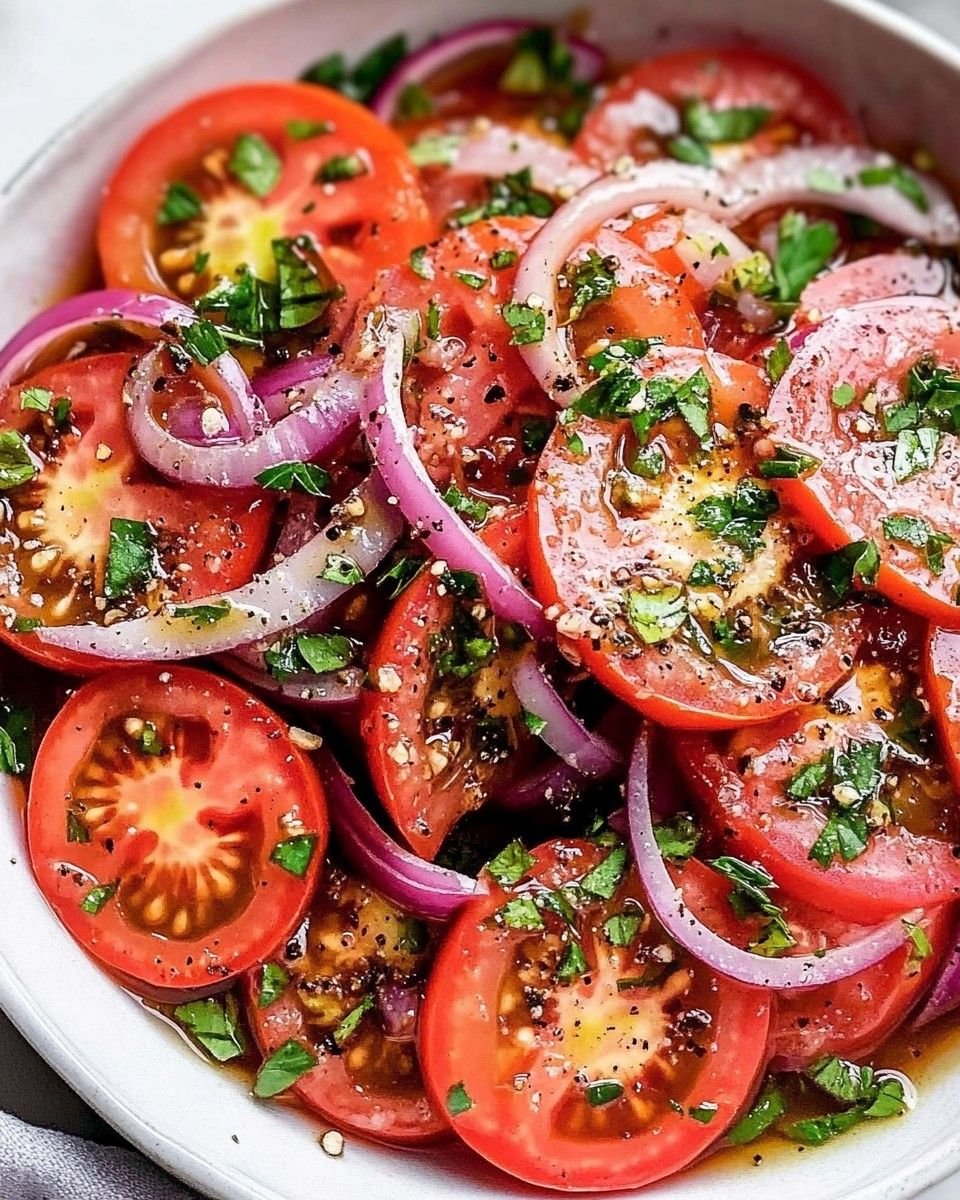
Marinated Tomato & Red Onion Salad is a fresh, colorful, and flavorful dish that combines juicy tomatoes, thinly sliced red onions, fragrant herbs, and a simple homemade dressing. The tomatoes release their natural juices as they marinate, creating a delicious mixture of olive oil, vinegar, garlic, and seasonings that coats every ingredient beautifully.

This easy Mediterranean-inspired salad is perfect for summer lunches, family dinners, backyard barbecues, picnics, and potlucks. It requires no cooking, uses simple everyday ingredients, and becomes even more flavorful after resting in the refrigerator. The combination of sweet tomatoes, slightly sharp onions, tangy vinegar, and rich extra-virgin olive oil creates a balance of flavors that makes this salad incredibly satisfying.

Serve it alongside grilled chicken, baked fish, roasted vegetables, sandwiches, or crusty bread. You can also enjoy it on its own as a light appetizer or refreshing side dish.

Prep Time: 15 minutes Marinating Time: 20–30 minutes Cook Time: 0 minutes Total Time: 35–45 minutes Servings: 4–6 Cuisine: Mediterranean-inspired Difficulty: Easy

Ingredients

For the Salad

  • 4 large ripe tomatoes, cut into wedges or thick slices

  • 1 medium red onion, thinly sliced

  • 1 small cucumber, thinly sliced (optional)

  • 2 tablespoons freshly chopped parsley

  • 1 tablespoon fresh basil leaves, chopped

  • 1 small garlic clove, finely minced

  • 2 tablespoons crumbled feta cheese (optional)

  • A few fresh basil or parsley leaves for garnish

For the Marinade

  • 4 tablespoons extra-virgin olive oil

  • 2 tablespoons red wine vinegar

  • 1 tablespoon fresh lemon juice

  • 1 teaspoon honey or maple syrup (optional)

  • 1 teaspoon dried oregano

  • 1/2 teaspoon sea salt, or to taste

  • 1/4 teaspoon freshly ground black pepper

  • 1/4 teaspoon red pepper flakes (optional)

Equipment Needed

  • A large mixing bowl

  • A small bowl or jar for the dressing

  • A sharp knife

  • A cutting board

  • A whisk or spoon

  • A serving platter or salad bowl

Instructions

Step 1: Prepare the Tomatoes

Wash the tomatoes thoroughly under cool running water and pat them dry. Remove the stems and cut the tomatoes into wedges or thick slices, depending on your preferred presentation.

Choose ripe but firm tomatoes that feel slightly soft when gently pressed. They should be juicy and fragrant without being mushy. Cherry tomatoes can also be used; simply cut them in half.

Place the prepared tomatoes in a large mixing bowl. Keeping the tomato pieces relatively large helps them retain their shape while marinating.

Step 2: Slice the Red Onion

Peel the red onion and cut it into thin slices. Thin slices distribute the onion flavor throughout the salad without overpowering the sweetness of the tomatoes.

If you prefer a milder onion flavor, place the sliced onion in a bowl of cold water for 5–10 minutes. Drain and pat dry before adding it to the salad.

Add the sliced onion to the tomatoes and gently toss to combine.

Step 3: Add the Fresh Herbs

Finely chop the parsley and basil. Add them to the tomato and onion mixture.

Parsley provides a fresh, slightly peppery flavor, while basil contributes a sweet, aromatic note that complements ripe tomatoes beautifully.

If you enjoy a more herbaceous flavor, add a little fresh oregano or dill. However, avoid using too many herbs at once because the natural tomato flavor should remain the star of the dish.

Step 4: Prepare the Marinade

In a small bowl, combine the extra-virgin olive oil, red wine vinegar, fresh lemon juice, minced garlic, dried oregano, salt, black pepper, and optional red pepper flakes.

Add honey or maple syrup if your tomatoes are particularly tart or you prefer a slightly sweeter dressing.

Whisk everything together until the ingredients are well combined. Alternatively, place the ingredients in a small jar, close the lid securely, and shake until emulsified.

Taste the dressing and adjust the seasoning. Add more vinegar for extra tanginess, olive oil for a smoother flavor, or lemon juice for additional freshness.

Step 5: Combine the Salad and Dressing

Pour the prepared marinade over the tomatoes, red onions, and herbs.

Using a large spoon, gently toss the ingredients until the vegetables are evenly coated. Be careful not to crush the tomatoes, as they should remain attractive and retain their texture.

Make sure the dressing reaches the bottom of the bowl, where the tomato juices will begin to collect.

Step 6: Allow the Salad to Marinate

Cover the bowl and let the salad rest for 20–30 minutes at room temperature if serving promptly.

During this time, the tomatoes release their natural juices, the onions soften slightly, and the herbs infuse the dressing with their aroma. The olive oil, vinegar, and lemon juice combine with the tomato juices to create a delicious marinade.

For food safety, do not leave the salad at room temperature for more than two hours, or one hour when temperatures exceed 90°F (32°C). If preparing it ahead, refrigerate it promptly.

Step 7: Taste and Adjust

After marinating, gently toss the salad again and taste a small portion.

Add a pinch of salt if the tomatoes need more flavor, another squeeze of lemon juice for brightness, or a little olive oil if the dressing tastes too sharp.

Remember that the tomatoes release additional liquid as they rest, so the dressing may become more abundant and flavorful over time.

Step 8: Garnish and Serve

Transfer the salad to a shallow serving platter or a clean bowl. Spoon the flavorful marinade over the top.

Garnish with fresh basil leaves, chopped parsley, or optional crumbled feta cheese. Serve immediately with grilled meats, fish, roasted vegetables, or slices of crusty bread to soak up the delicious dressing.

For the prettiest presentation, arrange the tomato wedges in overlapping layers and scatter the onion slices and herbs throughout.

Tips for the Best Marinated Tomato & Red Onion Salad

1. Choose flavorful tomatoes. Ripe, seasonal tomatoes generally provide the best sweetness, juiciness, and aroma. Roma, beefsteak, heirloom, and vine-ripened tomatoes are all excellent choices.

2. Slice onions thinly. Thin slices blend easily with the tomatoes and allow the marinade to soften their sharp flavor.

3. Use quality olive oil. Extra-virgin olive oil contributes a rich, fruity flavor that makes a noticeable difference in a simple salad.

4. Let the salad rest. Even 20 minutes of marinating allows the flavors to develop. Avoid marinating for too long if you want the tomatoes to retain a firmer texture.

5. Balance the acidity. Vinegar and lemon juice provide freshness, but too much can overwhelm the tomatoes. Start with the recommended quantities and adjust gradually.

6. Add salt thoughtfully. Salt draws moisture from tomatoes and enhances their flavor. Add it shortly before marinating and adjust again before serving.

7. Avoid overmixing. Tomatoes can become mushy when stirred too vigorously. Fold the ingredients together gently.

8. Serve at the right temperature. The salad tastes best when the tomatoes are not ice-cold. If refrigerated, allow it to sit briefly before serving, while observing safe food-handling limits.

Delicious Variations

1. Greek-Style Tomato Salad

Add Kalamata olives, cucumber slices, and crumbled feta cheese. Replace the lemon juice with a little extra red wine vinegar and finish with dried oregano for a Greek-inspired variation.

2. Cucumber and Tomato Salad

Add one or two cucumbers for extra crunch and freshness. English cucumbers work especially well because they have relatively few seeds and tender skin.

3. Tomato Mozzarella Salad

Add fresh mozzarella pearls or sliced mozzarella and extra basil. This creates a Caprese-inspired salad with a creamy texture and fragrant flavor.

4. Spicy Marinated Tomato Salad

Add finely chopped fresh chili or extra red pepper flakes to the dressing. The gentle heat contrasts nicely with the sweet tomatoes and tangy marinade.

5. Balsamic Tomato and Onion Salad

Replace the red wine vinegar with balsamic vinegar. This produces a deeper, slightly sweeter dressing that pairs particularly well with grilled vegetables and roasted chicken.

6. Chickpea Tomato Salad

Add one cup of drained and rinsed chickpeas. They provide extra texture, fiber, and plant-based protein, making the salad more substantial for lunch.

7. Avocado Tomato Salad

Fold in one diced avocado immediately before serving. Its creamy texture complements the acidity of the dressing. Handle the avocado gently to prevent it from becoming mashed.

8. Mediterranean Herb Salad

Combine parsley, basil, oregano, and a small amount of fresh mint. This herb-forward variation is especially refreshing alongside grilled fish, chicken skewers, or flatbread.

What to Serve with Marinated Tomato & Red Onion Salad

This versatile salad pairs well with many everyday meals.

  • Grilled chicken: The fresh acidity balances smoky, savory chicken.

  • Baked fish: Serve it with lemon-herb cod, salmon, or white fish for a light Mediterranean-inspired meal.

  • Grilled vegetables: Pair it with zucchini, eggplant, bell peppers, and mushrooms.

  • Sandwiches and wraps: Use it as a refreshing side for chicken wraps, burgers, and pita sandwiches.

  • Rice and grain bowls: Spoon it over couscous, quinoa, or rice for extra freshness.

  • Crusty bread: Use bread to soak up the tomato juices and olive oil dressing.

  • Roasted potatoes: The bright marinade complements the crispy edges and soft centers of roasted potatoes.

For a simple lunch, serve a generous portion with warm pita bread and a little feta cheese. For dinner, combine it with grilled chicken and roasted potatoes.

Storage and Make-Ahead Instructions

Store leftover salad in an airtight container in the refrigerator and consume it within about 1–2 days for the best texture and quality.

Tomatoes naturally soften and release liquid as they sit, so the salad may become juicier after refrigeration. This is normal, although the vegetables will gradually lose their crispness.

If preparing the recipe ahead, you can slice the onions, wash the herbs, and mix the dressing separately. Keep the components refrigerated and combine them with the tomatoes closer to serving time.

Avoid freezing this salad. Freezing changes the texture of fresh tomatoes and onions, making them soft and watery after thawing.

If the salad has been sitting at room temperature for more than two hours, discard it rather than refrigerating it for later use.

Approximate Nutritional Information

The following estimates are for one serving when the recipe is divided into six portions, without optional feta cheese or cucumber.

  • Calories: 130–160

  • Protein: 2 g

  • Carbohydrates: 8–10 g

  • Fat: 11–14 g

  • Fiber: 2–3 g

  • Sugar: 5–7 g

  • Sodium: Varies according to added salt

Actual nutrition will vary depending on tomato size, the amount of olive oil consumed, and the specific ingredients used.

Health and Ingredient Benefits

Tomatoes: Tomatoes provide vitamin C, potassium, and lycopene, a naturally occurring antioxidant. Their water content also contributes to hydration.

Red onions: Red onions contain fiber and plant compounds, including quercetin. They contribute sharp flavor and beneficial nutrients to a balanced diet.

Extra-virgin olive oil: Olive oil supplies unsaturated fats and antioxidant compounds. Replacing some saturated fats with unsaturated fats can support a heart-healthy eating pattern.

Fresh herbs: Parsley and basil add aroma and small amounts of vitamins and other plant compounds without requiring heavy sauces.

Garlic: Garlic adds flavor and contains sulfur-containing compounds. Its main benefit in this recipe is that it enhances taste without needing complicated seasonings.

Lemon juice and vinegar: These ingredients provide acidity that brightens the salad. They help create a flavorful dressing, although they should not be considered a detox or weight-loss treatment.

Overall, this salad is a fresh addition to a balanced diet. Its nutritional value depends on the portion size and what it is served with.

Frequently Asked Questions

1. Can I make Marinated Tomato & Red Onion Salad ahead of time?

Yes. You can prepare the dressing and slice the onion ahead of time. For the freshest texture, combine everything about 20–30 minutes before serving. If fully prepared in advance, refrigerate it promptly.

2. Which tomatoes work best?

Ripe beefsteak, Roma, heirloom, and vine-ripened tomatoes are all suitable. Choose tomatoes that are flavorful and firm enough to hold their shape when sliced.

3. How can I make the onions taste milder?

Soak the sliced onions in cold water for 5–10 minutes, then drain and dry them before adding them to the salad.

4. Can I make this recipe without vinegar?

Yes. Replace the vinegar with additional lemon juice. The flavor will be slightly different but still fresh and delicious.

5. Is feta cheese necessary?

No. Feta is entirely optional. The basic recipe is dairy-free when prepared without cheese, making it suitable for people avoiding dairy, provided all other ingredients meet their dietary needs.

6. Can I add protein?

Absolutely. Chickpeas, grilled chicken, or cooked shrimp can turn the salad into a more filling meal. Add cooked ingredients after they have cooled appropriately.

7. Why does my salad become watery?

Tomatoes naturally release moisture when cut and salted. This liquid mixes with the marinade and creates additional dressing. Using firm tomatoes and serving the salad soon after marinating helps maintain a better texture.

8. Can I use dried herbs instead of fresh herbs?

Yes. Dried oregano is particularly suitable. However, fresh parsley and basil provide a brighter flavor and more appealing finish.

9. Is this salad suitable for meal prep?

It can be prepared ahead, but it is best eaten within a day or two. For meal prep, store the dressing separately and slice the tomatoes closer to serving time.

10. How can I make the salad more filling?

Add chickpeas, white beans, quinoa, grilled chicken, or feta cheese. Serve with whole-grain bread for a more substantial meal.

Beetroot, Cucumber, Ginger & Pineapple Detox Juice

Beetroot, Cucumber, Ginger & Pineapple Detox Juice

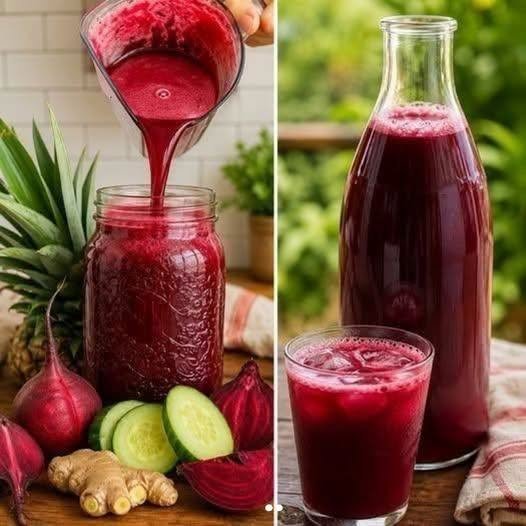
Based on the image, this appears to be a fresh homemade juice made with beetroot, cucumber, ginger, pineapple, and lemon. Here’s a delicious and refreshing recipe.

📝 Description

This vibrant Beetroot Detox Juice is naturally sweet, refreshing, and packed with vitamins, antioxidants, and hydration. Beetroot provides nitrates that support healthy blood flow, cucumber adds freshness, pineapple brings natural sweetness, and ginger gives it a zesty kick. It’s perfect as a morning energizer or a healthy afternoon drink.


🥣 Ingredients (Serves 4)

  • 2 medium beetroots, peeled and chopped
  • 1 large cucumber, chopped
  • 2 cups fresh pineapple chunks
  • 1-inch piece fresh ginger, peeled
  • Juice of 1 lemon
  • 2–3 cups cold water (adjust for desired consistency)
  • 1–2 tablespoons honey (optional)
  • Ice cubes, for serving
  • Fresh mint leaves (optional garnish)

👩‍🍳 Instructions

  1. Wash and peel the beetroot and ginger.
  2. Chop the beetroot, cucumber, and pineapple into small pieces.
  3. Add the beetroot, cucumber, pineapple, ginger, lemon juice, and water to a high-speed blender.
  4. Blend for 2–3 minutes until completely smooth.
  5. For a smooth juice, strain through a fine mesh sieve or cheesecloth. (Skip straining if you prefer extra fiber.)
  6. Stir in honey if you’d like a sweeter drink.
  7. Chill in the refrigerator for at least 30 minutes.
  8. Serve over ice and garnish with fresh mint if desired.

🍽️ Tips

  • Add a green apple for extra sweetness.
  • Use coconut water instead of plain water for additional electrolytes.
  • Store in an airtight glass bottle in the refrigerator for up to 2 days.
  • Shake well before serving, as natural separation is normal.

🥗 Nutrition (Approx. Per Serving)

  • Calories: 95
  • Carbohydrates: 23g
  • Protein: 2g
  • Fat: 0g
  • Fiber: 3g
  • Vitamin C: High
  • Potassium: Good source

Crumbl Pumpkin Pie Cookies

Ingredients:

1 stick butter, softened

⅓ cup vegetable oil

½ cup granulated sugar

¼ cup powdered sugar

1 egg

1 tsp vanilla extract

2 ⅓ cups flour

¼ tsp salt

¾ tsp baking powder

Pumpkin Pie Filling:

3 oz cream cheese, softened

½ cup brown sugar

5 oz pumpkin puree

⅔ cup heavy cream

1 tbsp white sugar

1 tsp vanilla extract

2 tsp pumpkin pie spice

Orange gel food coloring

Directions:

Preheat oven to 350°F. Line a baking sheet with parchment paper.

Cream butter, oil, sugars, egg, and vanilla until smooth. Add flour, salt, and baking powder. Form 9 cookies, flatten slightly, and indent the center.

Bake for 8-9 minutes.

For the filling, whip cream cheese, brown sugar, and pumpkin puree. Fold in whipped cream, sugar, and vanilla.

Pipe filling into the cookie centers, top with whipped cream, and serve.

Prep Time: 25 minutes | Cooking Time: 8 minutes | Total Time: 33 minutes

Kcal: 498 kcal | Servings: 9 cookies