Blackened Fish Fillets with Creamy Lemon-Herb Sauce 

Blackened Fish Fillets with Creamy Lemon-Herb Sauce 

Introduction

Blackened Fish Fillets with Creamy Lemon-Herb Sauce is a flavorful seafood dish that combines perfectly seasoned fish with a rich, tangy, and refreshing sauce. The fish is coated with a bold blend of paprika, garlic, onion, thyme, oregano, and black pepper, then pan-seared until the outside develops a beautifully dark, aromatic crust while the inside remains tender and flaky.

The creamy lemon-herb sauce brings everything together with its smooth texture, fresh citrus flavor, and fragrant herbs. Every bite offers a delicious balance of smoky spices, buttery richness, and bright lemon. This recipe is perfect for weeknight dinners, weekend gatherings, or whenever you want a restaurant-style seafood meal at home.

You can prepare this dish using cod, tilapia, haddock, or another firm white fish. Serve it with roasted vegetables, fluffy rice, mashed potatoes, or a fresh green salad for a satisfying meal.

Recipe Information

  • Prep Time: 15 minutes

  • Cook Time: 15 minutes

  • Total Time: 30 minutes

  • Servings: 4

  • Cuisine: American-inspired seafood

  • Course: Main Course

  • Cooking Method: Pan-seared

  • Difficulty: Easy

Ingredients

For the Blackened Fish

  • 4 white fish fillets, approximately 5–6 ounces each

  • 2 tablespoons olive oil or melted butter

  • 1 teaspoon smoked paprika

  • 1 teaspoon sweet paprika

  • ½ teaspoon garlic powder

  • ½ teaspoon onion powder

  • ½ teaspoon dried thyme

  • ½ teaspoon dried oregano

  • ¼ teaspoon cayenne pepper, or to taste

  • ½ teaspoon freshly ground black pepper

  • ¾ teaspoon salt, or to taste

  • ½ teaspoon lemon zest

  • 1 tablespoon fresh lemon juice

For the Creamy Lemon-Herb Sauce

  • ½ cup mayonnaise

  • ¼ cup sour cream or plain Greek yogurt

  • 1 tablespoon fresh lemon juice

  • 1 teaspoon Dijon mustard

  • 1 garlic clove, finely minced

  • 1 tablespoon fresh parsley, chopped

  • 1 tablespoon fresh dill, chopped

  • 1 tablespoon fresh chives, chopped

  • 1–2 tablespoons water or milk, as needed

  • ¼ teaspoon black pepper

  • Salt, to taste

Optional Garnishes

  • Fresh parsley

  • Lemon wedges

  • Thinly sliced chives

  • A small drizzle of olive oil

  • A pinch of paprika

Instructions

Step 1: Prepare the Fish

Start by patting the fish fillets dry with paper towels. Removing excess moisture helps the seasoning stick and encourages a flavorful crust when the fish hits the hot pan.

Check each fillet for any remaining bones and remove them carefully if necessary. If the fillets vary significantly in thickness, consider cutting them into similar-sized portions so they cook more evenly.

Place the fish on a clean plate and brush both sides lightly with olive oil or melted butter. The fat helps the spices adhere and contributes to the fish’s rich flavor.

Step 2: Mix the Blackening Seasoning

In a small bowl, combine the smoked paprika, sweet paprika, garlic powder, onion powder, dried thyme, oregano, cayenne pepper, black pepper, salt, and lemon zest.

Stir thoroughly until the spices are evenly distributed. The paprika creates the characteristic deep color, while the herbs provide an earthy aroma. Cayenne adds a gentle kick, but you can reduce or omit it if you prefer a milder dish.

Sprinkle the seasoning mixture generously over both sides of each fish fillet. Gently press the spices into the surface to help them adhere.

For a stronger flavor, let the seasoned fish rest in the refrigerator for about 10 minutes while you prepare the sauce. Avoid leaving raw fish at room temperature for an extended period.

Step 3: Prepare the Creamy Lemon-Herb Sauce

In a medium bowl, combine the mayonnaise, sour cream or Greek yogurt, lemon juice, Dijon mustard, and minced garlic.

Whisk until the mixture becomes smooth and creamy. Add the chopped parsley, dill, chives, and black pepper. Stir again until the herbs are evenly distributed throughout the sauce.

Taste and adjust the seasoning. Add a little more lemon juice for extra brightness, or a small pinch of salt if needed.

If the sauce is too thick, stir in one teaspoon of water or milk at a time until it reaches your preferred consistency. It should be creamy enough to coat the back of a spoon but easy to drizzle over the fish.

Cover and refrigerate the sauce until serving. Chilling it briefly allows the garlic, lemon, and fresh herbs to blend together.

Helpful tip: If you prefer a lighter sauce, use plain Greek yogurt in place of the mayonnaise and sour cream. The result will be tangier and slightly less rich.

Step 4: Heat the Skillet

Choose a heavy skillet, preferably cast iron or stainless steel. Place it over medium-high heat and allow it to become hot before adding the fish.

Add the remaining olive oil or butter. Swirl the pan gently to coat the cooking surface.

Blackening seasoning can darken quickly, so avoid heating the pan until it is smoking excessively. The goal is a hot surface that creates a flavorful crust without burning the spices.

If using butter, watch it carefully because butter solids can burn at high temperatures. A combination of olive oil and a small amount of butter is another option for balancing flavor and heat tolerance.

Step 5: Cook the Fish Fillets

Carefully place the seasoned fillets in the hot skillet, leaving space between them. If your skillet is small, cook the fish in batches rather than overcrowding the pan.

Cook the first side for approximately 3–5 minutes, depending on the thickness of the fillets. Resist the urge to move the fish too soon. Allowing it to sear undisturbed helps develop a flavorful, dark crust.

When the underside is deeply golden-brown and the fish releases relatively easily from the pan, carefully flip each fillet using a thin spatula.

Cook the second side for another 3–5 minutes, or until the fish is opaque and flakes easily with a fork. Thick fillets may require additional time, while thinner pieces cook more quickly.

For food safety, check the thickest part of the fish with a food thermometer. Fish should reach an internal temperature of 145°F (63°C).

Avoid pressing down on the fillets while cooking, as this can squeeze out moisture and make the fish dry. Once cooked, transfer the fillets to a clean serving plate and let them rest for 1–2 minutes.

Step 6: Add Fresh Lemon Flavor

While the fish is still warm, drizzle the fresh lemon juice over the fillets. Use a light touch so the citrus enhances the blackened spices without overpowering them.

If desired, sprinkle a little additional chopped parsley over the fish. The fresh green herbs provide color and a pleasant contrast to the dark spice crust.

Be careful not to pour too much lemon juice directly onto the crust, as excess liquid can soften its texture.

Step 7: Serve with Creamy Lemon-Herb Sauce

Spoon the chilled lemon-herb sauce onto each plate or serve it in a small bowl on the side.

Place one blackened fish fillet on each plate and add a generous spoonful of sauce over the top or alongside the fish. Garnish with lemon wedges, parsley, and chopped chives.

For a beautiful presentation, serve the fish over a bed of rice or alongside colorful roasted vegetables. The contrast between the dark, seasoned fish and the pale, herb-speckled sauce makes the dish especially appealing.

Serve immediately while the fish is warm and tender.

Tips for Perfect Blackened Fish

Choose firm fish. Cod, tilapia, haddock, and pollock are suitable choices. Salmon can also work if you prefer a richer flavor.

Dry the fillets thoroughly. Excess moisture can prevent the seasoning from forming a good crust.

Adjust the heat. Paprika and garlic can burn if the skillet becomes too hot. Medium-high heat is a useful starting point, but reduce it if the spices darken too quickly.

Avoid overcrowding. Too many fillets in the skillet lower the temperature and can cause the fish to steam rather than sear.

Customize the spice level. Reduce the cayenne for a mild flavor or increase it slightly if you enjoy spicy seafood.

Make the sauce ahead. The creamy lemon-herb sauce can be prepared a day in advance and stored covered in the refrigerator.

Do not overcook the fish. Remove it from the heat once it reaches 145°F (63°C). Cooking beyond that point can make lean white fish dry.

What to Serve with Blackened Fish

This versatile recipe pairs well with simple sides that complement the smoky seasoning and creamy sauce.

  • Lemon rice: Fluffy rice with lemon zest and parsley absorbs the sauce beautifully.

  • Roasted potatoes: Crispy potatoes seasoned with garlic and herbs provide a satisfying texture.

  • Steamed broccoli: Fresh broccoli adds color and pairs well with the lemon flavor.

  • Roasted asparagus: Tender asparagus with a little olive oil and lemon makes an elegant side.

  • Creamy mashed potatoes: Their smooth texture balances the bold seasoning.

  • Fresh garden salad: Lettuce, cucumber, cherry tomatoes, and a light vinaigrette keep the meal refreshing.

  • Grilled vegetables: Zucchini, bell peppers, and red onions add sweetness and color.

  • Warm flatbread: Bread is useful for enjoying any extra sauce.

For a balanced dinner, serve one fish fillet with vegetables and a moderate portion of rice or potatoes.

Variations and Substitutions

Make It Dairy-Free

Use olive oil instead of butter when cooking the fish. For the sauce, choose a dairy-free mayonnaise and replace the sour cream or yogurt with an appropriate dairy-free alternative.

Make It Spicier

Increase the cayenne pepper slightly or add a pinch of chili powder to the seasoning. Taste the seasoning blend before applying it to the fish so you can control the heat.

Use a Different Fish

Salmon, haddock, tilapia, and cod can all work well. Cooking time depends on the thickness of the fillets, so use the internal temperature rather than time alone to judge doneness.

Add Capers to the Sauce

For a briny, Mediterranean-inspired twist, add one teaspoon of finely chopped capers to the lemon-herb sauce. They complement the citrus and fresh herbs beautifully.

Make the Sauce Lighter

Replace the mayonnaise and sour cream with plain Greek yogurt. Add a little water or lemon juice if needed to achieve a smooth consistency.

Storage and Reheating

Store leftover fish in an airtight container in the refrigerator within two hours of cooking. Properly refrigerated cooked fish is generally best consumed within 3–4 days.

Store the sauce separately so the fish’s crust does not become unnecessarily soggy. Keep the sauce refrigerated and use a clean spoon whenever serving it.

To reheat the fish, place it in an oven-safe dish and warm it in a 300°F (150°C) oven until heated through. Covering the dish loosely can help prevent the fish from drying out. You can also reheat it in a skillet over low heat with a small splash of water, although this may soften the crust.

Avoid repeatedly reheating the same portion. Discard fish or sauce that has been left at room temperature for more than two hours, or one hour in temperatures above 90°F (32°C).

For the best texture, prepare the sauce fresh or keep it chilled until the fish is ready to serve.

Nutritional Information

The following values are approximate per serving, assuming four servings and a moderate amount of sauce. Actual nutrition varies according to the type of fish, cooking fat, and sauce portions.

  • Calories: 320–420

  • Protein: 30–38 g

  • Carbohydrates: 3–6 g

  • Fat: 18–28 g

  • Fiber: 1–2 g

  • Sodium: 450–750 mg

Fish provides high-quality protein, while the herbs, lemon, and spices contribute flavor without requiring a heavy breading. The sauce contributes much of the fat and calories, so using Greek yogurt or serving a smaller portion can reduce the overall richness.

Frequently Asked Questions

1. What does blackened fish mean?

Blackened fish is coated in a bold seasoning blend and cooked in a hot skillet until the spices form a dark, flavorful crust. The dark appearance should come from the toasted seasoning, not from excessively burned fish.

2. Can I bake the fish instead of pan-searing it?

Yes. Arrange the seasoned fillets in a lightly oiled baking dish and bake at 400°F (200°C) until opaque and cooked through. The fish will still taste delicious, although it may have a less pronounced crust than skillet-cooked fish.

3. Can I prepare the sauce in advance?

Yes. Mix the sauce up to one day ahead and store it in a covered container in the refrigerator. Stir before serving and adjust the lemon juice or consistency if necessary.

4. Is the recipe very spicy?

The recipe has a mild-to-moderate kick from the cayenne pepper. Reduce or omit it for a milder dish, or adjust it according to your preference.

5. How can I prevent the fish from sticking?

Pat the fillets dry, preheat the skillet properly, add enough cooking fat, and allow the fish to develop a crust before attempting to flip it. A thin spatula can help lift delicate fillets without breaking them.

6. Can I use dried herbs in the sauce?

Fresh herbs provide the brightest flavor, but dried herbs can work in a pinch. Use smaller quantities because dried herbs are more concentrated, and allow the sauce to rest so their flavor can develop.
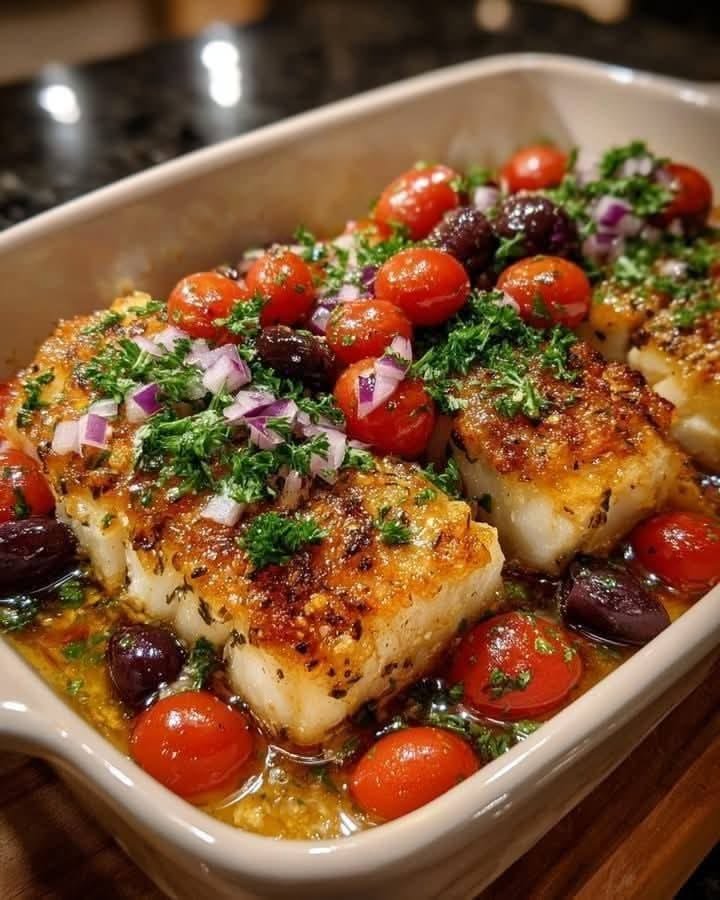
Mediterranean Baked Cod with Tomato & Olive Relish 

Mediterranean Baked Cod with Tomato & Olive Relish 

Introduction

Mediterranean Baked Cod with Tomato & Olive Relish is a fresh, flavorful seafood dish inspired by the simple ingredients and vibrant flavors of Mediterranean cooking. Tender, flaky cod fillets are seasoned with lemon, garlic, olive oil, and fragrant herbs, then baked until perfectly cooked. A colorful relish made with juicy tomatoes, briny Kalamata olives, red onion, fresh parsley, and lemon juice adds a bright, tangy finish to every bite.

This recipe is perfect for anyone looking for a delicious dinner that feels elegant without requiring complicated cooking techniques. Cod has a mild flavor that pairs beautifully with bold Mediterranean ingredients, making it an excellent choice for seafood lovers and people who prefer lighter meals. The tomato and olive relish brings freshness and texture, while the baked fish remains moist, delicate, and satisfying.

Whether you are preparing a weeknight family dinner, hosting guests, or planning a Mediterranean-inspired meal, this recipe is easy to prepare and looks beautiful on the plate. Serve it with roasted vegetables, lemon rice, couscous, or a crisp green salad for a complete meal.

Recipe Information

  • Prep Time: 20 minutes

  • Cook Time: 15–20 minutes

  • Total Time: Approximately 40 minutes

  • Servings: 4

  • Cuisine: Mediterranean

  • Course: Main Course

  • Cooking Method: Oven-baked

  • Difficulty: Easy

Ingredients

For the Baked Cod

  • 4 cod fillets, approximately 5–6 ounces each

  • 2 tablespoons extra-virgin olive oil

  • 3 garlic cloves, minced

  • 1 tablespoon fresh lemon juice

  • 1 teaspoon lemon zest

  • 1 teaspoon dried oregano

  • ½ teaspoon smoked paprika

  • ½ teaspoon sea salt, or to taste

  • ¼ teaspoon freshly ground black pepper

  • ½ teaspoon dried thyme

  • 2 lemon slices, plus extra for serving

For the Tomato and Olive Relish

  • 2 cups cherry tomatoes, quartered

  • ½ cup Kalamata olives, pitted and halved

  • ¼ cup red onion, finely diced

  • 2 tablespoons extra-virgin olive oil

  • 1 tablespoon fresh lemon juice

  • 1 tablespoon fresh parsley, chopped

  • 1 teaspoon capers, rinsed and drained (optional)

  • ½ teaspoon dried oregano

  • Salt and black pepper, to taste

Optional Garnishes

  • Fresh parsley leaves

  • Thinly sliced green onions

  • Extra lemon wedges

  • A light drizzle of extra-virgin olive oil

  • A small pinch of red pepper flakes

Instructions

Step 1: Prepare the Oven and Baking Dish

Preheat your oven to 400°F (200°C). Lightly grease a baking dish with olive oil or line it with parchment paper for easier cleanup.

Choose a dish large enough to hold the cod fillets in a single layer without crowding them. Giving the fish enough space helps it cook evenly and prevents excess moisture from collecting around the fillets.

Remove the cod from the refrigerator while preparing the other ingredients. Pat each fillet dry with paper towels. Removing surface moisture helps the seasonings adhere properly and allows the fish to bake without becoming unnecessarily watery.

Check the fillets for any remaining pin bones and remove them carefully with clean tweezers if necessary.

Step 2: Season the Cod

In a small bowl, combine the olive oil, minced garlic, lemon juice, lemon zest, dried oregano, smoked paprika, thyme, salt, and black pepper.

Mix until the ingredients form a fragrant seasoning mixture.

Arrange the cod fillets in the prepared baking dish. Brush the olive oil mixture over the top and sides of each fillet, distributing the garlic and herbs evenly.

Place a lemon slice on or beside each piece of fish. The lemon adds fresh citrus aroma as the cod cooks and complements the savory olive and tomato relish.

Allow the seasoned fish to rest for approximately 5–10 minutes while you prepare the relish. Avoid leaving raw fish at room temperature for an extended period.

Step 3: Make the Tomato and Olive Relish

Place the quartered cherry tomatoes in a medium mixing bowl. Add the halved Kalamata olives and finely diced red onion.

In a small bowl, whisk together the olive oil, lemon juice, dried oregano, a little black pepper, and a small pinch of salt. Remember that Kalamata olives and capers can already be quite salty, so season lightly at first.

Pour the dressing over the tomato mixture. Add the chopped parsley and optional capers.

Gently toss everything together until the vegetables are lightly coated.

Let the relish sit for about 10–15 minutes if time allows. During this resting period, the tomatoes release some of their juices, the onion softens slightly, and the olives contribute their rich, briny flavor.

Taste the relish before serving. Add more lemon juice for brightness, parsley for freshness, or black pepper for a little extra warmth.

For the best texture, do not mash the tomatoes while mixing. The relish should remain chunky, colorful, and fresh.

Step 4: Bake the Cod

Place the baking dish in the preheated oven and bake for approximately 12–18 minutes, depending on the thickness of the fillets.

Thin pieces may finish sooner, while thicker fillets may require additional cooking time. Avoid relying on time alone because cod can overcook quickly once it becomes opaque.

The fish is ready when it turns opaque, separates easily into flakes with a fork, and reaches an internal temperature of 145°F (63°C) at its thickest point.

If your fillets are particularly thick, continue baking in short intervals and check the temperature again.

Once cooked, remove the dish from the oven and allow the fish to rest for 2–3 minutes. This brief rest helps the juices settle while the delicate flesh remains tender.

Do not overbake the cod. Excessive cooking can make it dry and cause it to break apart before serving.

Step 5: Add the Mediterranean Relish

Transfer the baked cod carefully to serving plates using a thin spatula.

Spoon a generous amount of tomato and olive relish over each fillet. Include some of the flavorful dressing and tomato juices, which combine beautifully with the lemon-garlic seasoning on the fish.

For a warm relish, you can spoon it over the cod immediately after baking. If you prefer a fresher contrast, serve the relish at cool room temperature rather than heating it.

Finish each plate with chopped parsley, an additional squeeze of lemon, and a small drizzle of extra-virgin olive oil if desired.

The finished dish should feature tender white fish topped with vibrant red tomatoes, dark olives, fresh green herbs, and bright lemon.

Tips for Perfect Mediterranean Baked Cod

Choose similar-sized fillets. Pieces with similar thickness cook more evenly, making it easier to serve perfectly cooked fish to everyone at the table.

Dry the fish thoroughly. Excess moisture can dilute the seasoning and release too much liquid into the baking dish.

Use fresh lemon. Fresh lemon juice and zest provide a brighter flavor than bottled juice and complement the delicate taste of cod.

Do not over-season with salt. Olives and capers contribute plenty of savory flavor. Taste the relish before adding extra salt.

Prepare the relish ahead. You can mix the tomato and olive relish shortly before dinner or prepare it a few hours ahead and refrigerate it. For the freshest texture, add delicate herbs closer to serving.

Avoid overcooking. Cod is naturally lean, so keeping a close eye on its internal temperature helps preserve its moist, flaky texture.

Use fresh or properly thawed frozen cod. If using frozen fillets, thaw them safely in the refrigerator and pat them dry before seasoning.

What to Serve with Mediterranean Baked Cod

This versatile dish pairs well with a variety of Mediterranean-inspired sides.

  • Lemon rice: Fluffy rice with lemon zest and parsley absorbs the flavorful juices from the fish and relish.

  • Roasted vegetables: Zucchini, bell peppers, eggplant, and red onion complement the tomato and olive flavors.

  • Couscous: Light, fluffy couscous makes an easy side dish and can be seasoned with olive oil, lemon, and herbs.

  • Greek salad: Cucumber, tomatoes, red onion, feta, and olives create a refreshing accompaniment.

  • Roasted potatoes: Crispy potatoes seasoned with garlic, oregano, and lemon make the meal heartier.

  • Steamed green beans: Their fresh, slightly crisp texture balances the tender fish.

  • Crusty bread: Serve warm bread to soak up the olive oil, lemon, and tomato juices.

For a balanced dinner, combine one cod fillet with a generous portion of vegetables and a serving of rice, couscous, or potatoes.

Variations and Substitutions

Use Another White Fish

If cod is unavailable, try haddock, pollock, or another firm white fish. Cooking times may vary depending on the thickness of the fillets, so check for doneness rather than following the clock alone.

Add Feta Cheese

For a Greek-inspired variation, sprinkle a small amount of crumbled feta over the relish just before serving. Its creamy, salty flavor pairs especially well with the tomatoes, olives, and lemon.

Make It Spicy

Add a pinch of red pepper flakes to the seasoning mixture or relish. This creates gentle heat without overpowering the delicate fish.

Include More Vegetables

Finely diced cucumber can add crunch to the relish, while chopped roasted red peppers contribute sweetness. Add cucumber shortly before serving to preserve its crisp texture.

Make It Dairy-Free

The basic recipe contains no dairy. Simply avoid optional feta cheese to keep the dish dairy-free.

Try Fresh Herbs

Fresh oregano, basil, or dill can be used alongside or instead of parsley. Basil creates a sweeter, aromatic flavor, while dill gives the dish a fresh seafood-friendly finish.

Storage and Reheating

Allow leftover cod to cool promptly, then place it in an airtight container and refrigerate within two hours of cooking. Store the fish and relish separately when possible to help preserve the texture.

Cooked cod is generally best consumed within 3–4 days when refrigerated at 40°F (4°C) or below. Discard leftovers that have been left at room temperature for more than two hours, or one hour in temperatures above 90°F (32°C).

To reheat, place the fish in an oven-safe dish, cover loosely, and warm in a 300°F (150°C) oven until heated through. Reheat gently to avoid drying out the cod. A microwave can also be used in short intervals at reduced power.

Add the tomato and olive relish after reheating for a fresher flavor. For best quality, avoid repeatedly heating and cooling the same portion.

You can also freeze cooked cod, although its texture may become softer after thawing. The fresh tomato relish is not ideal for freezing because the tomatoes and onions can become watery.

Nutritional Information

The following values are estimates per serving, assuming the recipe serves four and includes the cod, olive oil, and tomato-olive relish. Actual nutrition will vary depending on the size of the fillets and the amount of dressing consumed.

  • Calories: 300–360

  • Protein: 32–38 g

  • Carbohydrates: 7–10 g

  • Fat: 15–20 g

  • Fiber: 2–3 g

  • Sodium: 500–750 mg

Cod provides lean protein, while olive oil contributes unsaturated fats. Tomatoes supply vitamin C and other beneficial plant compounds, and olives contribute flavor along with fats and sodium. These estimates do not include optional sides or additional garnishes.

Potential Benefits of This Recipe

Provides lean protein: Cod is a source of high-quality protein, which helps support muscle maintenance and normal body functions.

Includes vegetables and herbs: Tomatoes, red onion, parsley, and lemon contribute a variety of vitamins, minerals, and plant compounds.

Features olive oil: Extra-virgin olive oil provides predominantly monounsaturated fat and is commonly used in Mediterranean-style eating patterns.

Offers a flavorful alternative to fried fish: Baking the cod requires no deep-frying and allows the delicate fish flavor to shine.

Easy to adapt: The recipe can be paired with vegetables or whole grains, depending on your appetite and dietary preferences.

No single meal guarantees a particular health outcome, but this dish can fit into a varied, balanced eating pattern.

Frequently Asked Questions

1. Can I prepare the tomato and olive relish in advance?

Yes. Prepare it several hours ahead and refrigerate it in a covered container. Stir before serving and add fresh parsley if needed. For the brightest flavor, serve it slightly chilled or allow it to sit briefly at room temperature.

2. How do I know when cod is cooked?

The flesh should be opaque and separate easily into flakes. For a reliable check, use a food thermometer and confirm that the thickest part reaches 145°F (63°C).

3. Can I use frozen cod?

Yes. Thaw it in the refrigerator, remove excess moisture with paper towels, and season as directed. Baking directly from frozen may require additional cooking time and can produce more liquid, so thawing first generally gives better results.

4. Are Kalamata olives necessary?

No. You can use green olives or another pitted olive variety. Kalamata olives provide a distinctive briny, fruity flavor, but the recipe remains delicious with substitutions.

5. Is this recipe suitable for meal prep?

Yes. Store the cooked fish, relish, and side dishes in separate containers. Refrigerate promptly and reheat only the portion you plan to eat. The relish is best added after reheating.

6. Can I make this recipe without an oven?

Yes. Season the cod and cook it in a covered skillet over medium-low heat with a little olive oil. Cooking time depends on the thickness of the fish. Check that it reaches 145°F (63°C), then top with the prepared relish.

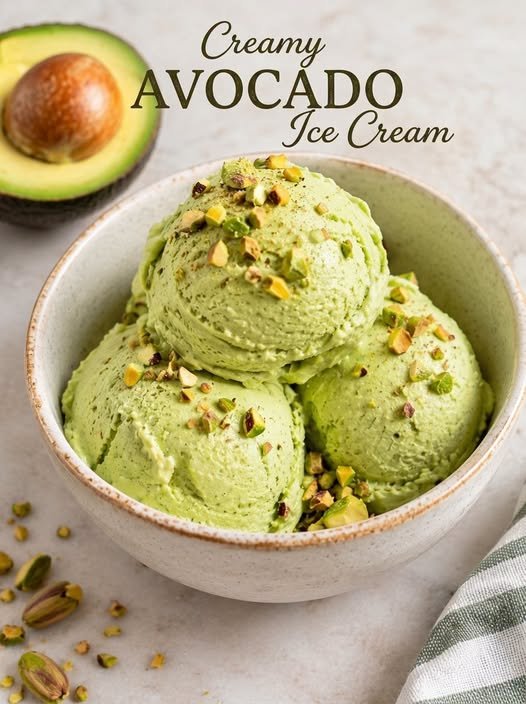
Creamy Avocado Ice Cream

Creamy Avocado Ice Cream served in a ceramic bowl with three pale-green scoops topped with chopped pistachios.
Creamy Avocado Ice Cream – Easy 6-Ingredient No-Churn Recipe

This Creamy Avocado Ice Cream is a deliciously smooth, rich, and refreshing homemade dessert made with just six simple ingredients. No ice cream maker, no complicated techniques, and no special equipment required!

Ripe avocados create an incredibly creamy texture, while sweetened condensed milk, heavy cream, and a touch of lime bring everything together. The result is a beautiful pale-green ice cream with a velvety consistency and a delicate tropical flavor.

Top it with crunchy chopped pistachios for a beautiful presentation, just like the picture. It’s perfect for summer afternoons, family gatherings, or whenever you’re craving a unique frozen treat.

Prep Time: 15 minutes Freezing Time: 6–8 hours Total Time: Approximately 6 hours 15 minutes Servings: 8

Ingredients

For the Avocado Ice Cream

  • 2 large ripe avocados, peeled and pitted

  • 1 cup (240 ml) heavy whipping cream, chilled

  • ½ cup (120 ml) sweetened condensed milk

  • ½ cup (120 ml) full-fat coconut milk

  • 2 tablespoons fresh lime juice

  • 1 teaspoon pure vanilla extract

Optional Toppings

  • ¼ cup chopped pistachios

  • Fresh mint leaves

  • Toasted coconut flakes

  • A drizzle of honey

Step-by-Step Instructions

Step 1: Prepare the Avocados

Choose two large, ripe avocados that feel slightly soft when gently pressed.

Cut each avocado in half, remove the pit, and scoop the flesh into a blender or food processor.

Make sure there are no brown or damaged areas, as these can affect the flavor and color of the ice cream.

Add the fresh lime juice immediately to help slow browning and preserve the beautiful green color.

Step 2: Blend the Avocado Mixture

Add the coconut milk, sweetened condensed milk, and vanilla extract to the blender.

Blend for approximately 1–2 minutes until the mixture becomes completely smooth and creamy.

Scrape down the sides of the blender if necessary.

The mixture should have a silky consistency without any avocado lumps.

Taste the mixture and adjust the sweetness if desired, although adding another sweetener would increase the ingredient count.

Step 3: Whip the Heavy Cream

Pour the chilled heavy whipping cream into a large mixing bowl.

Using an electric hand mixer, beat the cream on medium-high speed for approximately 2–3 minutes until soft peaks form.

Avoid overwhipping, as the cream can become grainy.

Whipped cream helps create a lighter, smoother frozen dessert without an ice cream machine.

Step 4: Combine Everything

Gently fold the avocado mixture into the whipped cream using a spatula.

Use slow, sweeping motions to preserve as much air as possible.

Continue folding until the mixture is evenly combined and has a beautiful pale-green color.

The finished mixture should look thick, smooth, and fluffy.

Step 5: Transfer to a Freezer Container

Pour the avocado ice cream mixture into a freezer-safe loaf pan or airtight container.

Spread the surface evenly with a spatula.

Press a piece of parchment paper or plastic wrap directly against the surface to reduce ice crystal formation.

Cover the container tightly with a lid or aluminum foil.

Step 6: Freeze Until Firm

Place the container in the freezer for approximately 6–8 hours, or until completely frozen.

For the best texture, freeze overnight.

Avoid repeatedly opening the container while freezing.

Because this is a homemade no-churn ice cream, it may become firmer than commercial ice cream after extended freezing.

Step 7: Scoop and Serve

Remove the ice cream from the freezer and allow it to sit at room temperature for approximately 5–10 minutes.

This helps soften the texture and makes scooping easier.

Using an ice cream scoop, serve two or three generous scoops in a beautiful ceramic bowl.

Sprinkle chopped pistachios over the top for extra crunch and a lovely green-and-gold appearance.

Serve immediately and enjoy!

Tips and Notes

Use perfectly ripe avocados: Ripe avocados are essential for a smooth, creamy texture. Underripe avocados can taste bitter and produce a less silky mixture.

Choose full-fat ingredients: Heavy cream and full-fat coconut milk create a richer, softer frozen dessert.

Do not skip lime juice: Lime adds a refreshing flavor and helps slow avocado browning.

Blend until completely smooth: Any remaining avocado chunks may become noticeable after freezing.

Whip the cream properly: Soft peaks help make the ice cream lighter and easier to scoop.

Avoid overmixing: Gently folding the avocado mixture into the whipped cream helps preserve its airy texture.

Use an airtight container: Proper storage reduces freezer odors and ice crystal formation.

Add pistachios before serving: This keeps the nuts crunchy and creates a beautiful presentation.

Storage: Keep the ice cream in an airtight freezer-safe container for up to 2 weeks for the best flavor and texture.

Frequently Asked Questions

Does avocado ice cream taste like avocado?

Yes, it has a mild avocado flavor, but the condensed milk, coconut milk, vanilla, and lime create a sweet, creamy dessert that balances the avocado’s natural taste.

Can I make avocado ice cream without an ice cream maker?

Absolutely! This recipe is specifically designed as a no-churn ice cream. A blender and hand mixer are all you need.

Can I make this recipe dairy-free?

Yes. Replace the heavy cream with chilled, whip-friendly coconut cream and use dairy-free sweetened condensed coconut milk. The flavor and texture may change slightly.

Can I make avocado ice cream without condensed milk?

Yes, but you will need another sweetener and may need to adjust the liquid ingredients. Condensed milk helps provide sweetness and a smoother frozen texture.

Why did my avocado ice cream turn brown?

Avocados naturally darken when exposed to oxygen. Fresh lime juice and proper airtight storage help slow this process.

Can I add chocolate chips?

Yes! Fold in ¼ cup mini chocolate chips before freezing for a delicious chocolate-avocado combination.

Is avocado ice cream healthy?

Avocados provide unsaturated fats and fiber. However, this dessert also contains heavy cream and sweetened condensed milk, making it relatively high in calories, saturated fat, and added sugar. Enjoy it in moderation as a dessert.

Can I use frozen avocados?

Yes. Thaw frozen avocado pieces until soft enough to blend, then drain any excess liquid before using.

Servings and Nutrition

Servings: 8

Estimated nutrition per serving:

Nutrient Amount
Calories 275 kcal
Protein 3 g
Carbohydrates 16 g
Fat 23 g
Fiber 4 g
Sugar 12 g
Saturated Fat 12 g

Nutrition values are approximate and exclude optional toppings.

Serving Suggestions

For an elegant presentation like the picture, scoop the ice cream into a rustic white ceramic bowl and sprinkle generously with finely chopped pistachios.

You can also serve it with fresh strawberries, toasted coconut, or a small drizzle of melted dark chocolate.

For a tropical dessert, pair it with fresh mango or pineapple slices.

Final Thoughts

This Creamy Avocado Ice Cream is proof that homemade frozen desserts can be both easy and delicious. With only six ingredients and no ice cream maker, you can prepare a smooth, refreshing treat that looks beautiful and tastes wonderfully creamy.

The combination of rich avocado, sweet condensed milk, coconut milk, and refreshing lime makes every spoonful satisfying.

Would you try this unique homemade dessert? Tell us YES or NO in the comments!

Sugar-Free Almond Flour Cookies

ext: Sugar-Free Almond Flour Chocolate Chip Cookies arranged on a serving tray.
3-Ingredient Sugar-Free Almond Flour Chocolate Chip Cookies (Low-Carb Dessert)

These 3-Ingredient Sugar-Free Almond Flour Chocolate Chip Cookies are a simple, delicious treat made with just three ingredients. They have lightly golden edges, soft, tender centers, and plenty of rich chocolate flavor. No traditional flour, no added sugar, and no complicated baking steps!

Made with almond flour, butter, and sugar-free chocolate chips, these homemade cookies are perfect for anyone looking for a lower-carb alternative to classic chocolate chip cookies. They are naturally gluten-free when prepared with certified gluten-free ingredients and are easy enough for beginners.

These cookies are also suitable for people watching their carbohydrate intake, although anyone managing diabetes should consider portion sizes and the total carbohydrates in their chosen chocolate chips.

Prep Time: 10 minutes Chilling Time: 20 minutes Baking Time: 12–15 minutes Total Time: 42–45 minutes Servings: 16 cookies

Ingredients

For the Cookies

  • 2 cups (200 g) superfine blanched almond flour

  • ⅓ cup (75 g) unsalted butter, softened

  • ½ cup (85 g) sugar-free chocolate chips, preferably sweetened with stevia or monk fruit

That’s it! Just three simple ingredients.

Step-by-Step Instructions

Step 1: Preheat the Oven

Preheat your oven to 350°F (175°C).

Line a large baking sheet with parchment paper to prevent the cookies from sticking.

Make sure the oven is fully preheated before baking to help the cookies cook evenly.

Step 2: Prepare the Cookie Dough

In a large mixing bowl, add the superfine almond flour and softened butter.

Using a spatula or your hands, mix until the ingredients form a soft, slightly crumbly dough that holds together when pressed.

Almond flour behaves differently from regular wheat flour, so the dough may feel more delicate.

If the dough seems dry, continue mixing and pressing it together until the butter is evenly distributed.

Step 3: Add the Chocolate Chips

Add the sugar-free chocolate chips to the almond flour mixture.

Gently fold them into the dough until evenly distributed.

Make sure every portion contains plenty of chocolate chips for a delicious chocolate flavor in every bite.

Step 4: Chill the Dough

Cover the mixing bowl and refrigerate the dough for approximately 20 minutes.

Chilling helps firm up the butter and makes the cookies easier to shape.

This step also helps prevent excessive spreading during baking.

Step 5: Shape the Cookies

Using a tablespoon or small cookie scoop, divide the dough into approximately 16 equal portions.

Roll each portion gently into a ball and place it on the prepared baking sheet, leaving about 2 inches between cookies.

Lightly flatten each dough ball into a round cookie shape.

These almond flour cookies will not spread as much as traditional chocolate chip cookies, so shaping them before baking is important.

Step 6: Bake Until Golden

Place the baking sheet in the preheated oven.

Bake for 12–15 minutes, or until the edges become lightly golden brown.

The centers may still appear slightly soft, which is normal.

Avoid overbaking because almond flour cookies can become dry and crumbly.

Step 7: Cool Completely

Remove the baking sheet from the oven.

Allow the cookies to cool on the baking sheet for at least 15 minutes before moving them.

Freshly baked almond flour cookies are delicate, but they become firmer as they cool.

Once cooled, transfer them carefully to a wire rack.

Step 8: Serve and Enjoy

Enjoy these homemade sugar-free chocolate chip cookies with coffee, tea, or a glass of unsweetened almond milk.

They have a rich, buttery almond flavor with delicious pockets of chocolate.

For the presentation shown in the picture, arrange the cookies in neat overlapping rows on a serving tray.

Tips and Notes

Use superfine almond flour: Blanched almond flour creates a smoother, softer cookie texture. Coarse almond meal produces a grainier result.

Soften the butter: The butter should be soft but not melted. Softened butter mixes more evenly with almond flour.

Choose the right chocolate chips: Look for sugar-free chocolate chips with a sweetener you enjoy. Different brands vary in sweetness, carbohydrates, and texture.

Expect a less sweet cookie: Because this three-ingredient recipe does not contain a separate sweetener, the sweetness comes primarily from the chocolate chips.

Do not skip chilling: Chilling helps the cookies hold their shape during baking.

Avoid overbaking: Remove the cookies once the edges are lightly golden.

Let them cool: Almond flour cookies are fragile while warm. Cooling helps them firm up.

Storage: Store cooled cookies in an airtight container in the refrigerator for up to 5–7 days.

Freezing: Freeze baked cookies in a freezer-safe container for up to 2 months. Thaw before serving.

Frequently Asked Questions

Are these cookies completely sugar-free?

They contain no added table sugar, provided you use sugar-free chocolate chips. However, almond flour and other ingredients naturally contain small amounts of carbohydrates and sugars. Always check the chocolate chip label.

Are these cookies diabetic-friendly?

They may be a lower-carbohydrate alternative to traditional cookies. However, people with diabetes should consider total carbohydrates, portion size, and their individual dietary needs.

Can I replace butter with coconut oil?

Yes. Use approximately the same amount of softened coconut oil. However, the cookies may have a slightly different texture and coconut flavor.

Can I use regular flour instead of almond flour?

Not as a direct substitution. Wheat flour absorbs moisture differently, so the recipe would require adjustments.

Why are my cookies falling apart?

Almond flour does not contain gluten, which helps traditional cookies hold together. Allowing the cookies to cool completely before handling them will help.

Can I make these cookies crispy?

Yes. Flatten the dough slightly thinner before baking and allow the edges to become golden. Keep a close eye on them to prevent burning.

Can I add vanilla extract?

Yes, ½ teaspoon vanilla extract would add extra flavor, although the recipe would then contain four ingredients.

Servings and Nutrition

Yield: Approximately 16 cookies

Estimated nutrition per cookie:

Nutrient Amount
Calories 155 kcal
Protein 3.5 g
Total Carbohydrates 7 g
Fiber 2 g
Net Carbohydrates Varies by chocolate brand
Fat 14 g
Sugar Approximately 1 g

Nutrition is an estimate. Sugar alcohols, fiber, and carbohydrate content vary significantly between brands of sugar-free chocolate chips. Check the product label when calculating net carbs.

Final Thoughts

These 3-Ingredient Sugar-Free Almond Flour Chocolate Chip Cookies are an easy homemade dessert for anyone who loves chocolate chip cookies but wants to reduce traditional flour and added sugar.

With their buttery almond flavor, golden edges, and rich chocolate chips, they make a satisfying treat without requiring a long ingredient list.


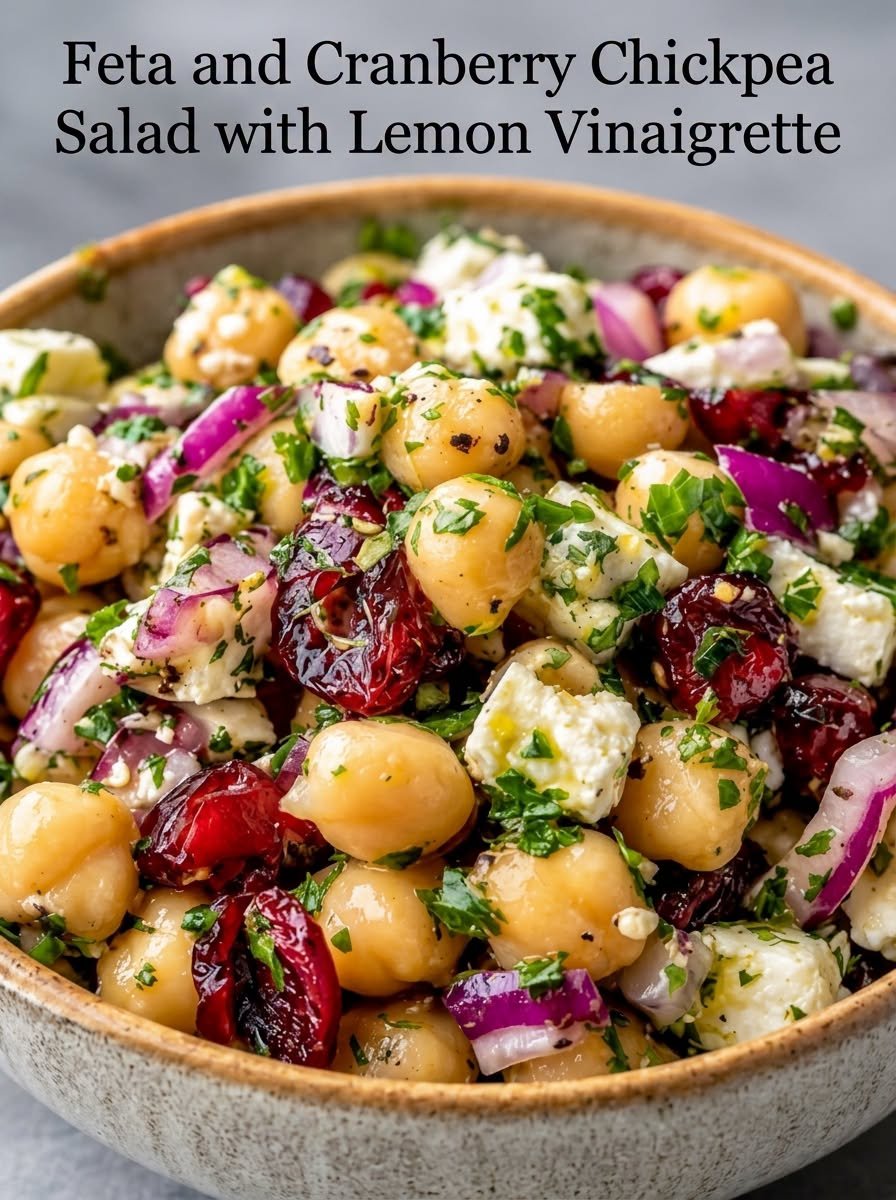
Feta & Cranberry Chickpea Salad with Lemon Vinaigrette

Cranberry Chickpea Salad with feta, cucumber, dried cranberries, chickpeas, fresh herbs, and lemon vinaigrette

Feta & Cranberry Chickpea Salad with Lemon Vinaigrette

Cranberry Chickpea Salad is a fresh, colorful Mediterranean-inspired dish made with chickpeas, creamy feta, sweet dried cranberries, crisp cucumber, red onion, herbs, and a bright lemon vinaigrette. It is simple enough for lunch yet attractive enough for potlucks, picnics, holiday tables, and meal prep.

This Cranberry Chickpea Salad combines creamy, tangy, sweet, and savory flavors in every bite. The chickpeas provide a hearty base, while feta adds richness and the lemon dressing keeps the salad light and refreshing.

Prep Time: 15 minutes
Cook Time: 0 minutes
Total Time: 15 minutes
Servings: 4 to 6

Ingredients

For the Salad

  • 2 cans chickpeas, 15 ounces each, drained and rinsed
  • 1 cup cucumber, diced
  • 1/2 cup red onion, finely diced
  • 3/4 cup dried cranberries
  • 3/4 cup crumbled feta cheese
  • 1/3 cup chopped fresh parsley
  • 2 tablespoons chopped fresh mint
  • 1/3 cup toasted walnuts or pecans, optional
  • 1/4 teaspoon black pepper

For the Lemon Vinaigrette

  • 1/4 cup extra virgin olive oil
  • 3 tablespoons fresh lemon juice
  • 1 teaspoon lemon zest
  • 1 tablespoon honey or maple syrup
  • 1 teaspoon Dijon mustard
  • 1 small garlic clove, finely grated
  • 1/2 teaspoon dried oregano
  • 1/4 teaspoon salt
  • 1/4 teaspoon black pepper

Why You’ll Love This Recipe

Cranberry Chickpea Salad is quick, nutritious, and easy to prepare without turning on the stove. It combines pantry staples with fresh ingredients, making it useful when you need a fast meal or side dish.

Another reason to love Cranberry Chickpea Salad is the balance of textures. Chickpeas are tender and hearty, cucumber brings crunch, cranberries add chewiness and sweetness, and feta gives the salad a creamy, salty finish.

It is also easy to customize with different herbs, nuts, greens, or extra vegetables.

How to Make Cranberry Chickpea Salad

Step 1: Drain and Rinse the Chickpeas

Pour the chickpeas into a colander and rinse them thoroughly under cold water.

Drain well and pat them dry with a clean kitchen towel or paper towels.

Removing excess water helps the dressing cling better to the ingredients.

Step 2: Prepare the Vegetables

Dice the cucumber into small bite-size pieces.

Finely chop the red onion.

If the onion tastes too sharp, soak it in cold water for 5 to 10 minutes, then drain and pat dry.

Step 3: Chop the Herbs

Chop the parsley and mint.

Fresh herbs give Cranberry Chickpea Salad a brighter flavor and help balance the sweetness of the dried cranberries.

Step 4: Make the Lemon Vinaigrette

In a small bowl or jar, combine olive oil, lemon juice, lemon zest, honey, Dijon mustard, grated garlic, oregano, salt, and black pepper.

Whisk until the dressing looks smooth and lightly emulsified.

Taste and adjust the lemon, honey, salt, or pepper if needed.

Step 5: Combine the Salad

In a large mixing bowl, add the chickpeas, cucumber, red onion, dried cranberries, parsley, and mint.

Gently toss to distribute the ingredients evenly.

Step 6: Add the Feta

Add the crumbled feta to the bowl.

Fold it in gently so the pieces stay mostly intact.

The feta gives Cranberry Chickpea Salad a creamy, tangy contrast to the sweet cranberries.

Step 7: Add the Dressing

Pour the lemon vinaigrette over the salad.

Toss gently until everything is lightly coated.

Do not overmix, especially after adding feta.

Step 8: Add Nuts

If using walnuts or pecans, toast them briefly in a dry skillet over medium-low heat until fragrant.

Cool them before adding them to the salad.

The nuts give Cranberry Chickpea Salad an extra layer of crunch and richness.

Step 9: Let the Salad Rest

Let the salad sit for 10 to 15 minutes before serving.

This short resting time allows the chickpeas to absorb some of the lemon dressing.

Step 10: Taste and Serve

Taste the Cranberry Chickpea Salad and add more lemon juice, black pepper, or feta if desired.

Serve chilled, slightly cool, or at room temperature.

Serving Suggestions

Cranberry Chickpea Salad works well as a light lunch, refreshing side dish, or part of a Mediterranean-style spread.

Serve Cranberry Chickpea Salad with grilled chicken, baked salmon, roasted vegetables, pita bread, hummus, or a simple soup.

You can also spoon it over mixed greens or arugula to turn it into a larger salad bowl.

For a picnic or potluck, serve it in a wide bowl and garnish with extra feta, cranberries, herbs, and toasted nuts.

For a rich dessert option, try our Dubai Chocolate Bar with creamy pistachio filling, crispy kataifi, tahini, and a smooth chocolate shell.

Recipe Tips

Drain the chickpeas very well before mixing the salad. Extra water can dilute the vinaigrette.

Use fresh lemon juice for the brightest flavor.

Cut the cucumber and onion into small pieces so each bite has a good balance of ingredients.

Add the feta near the end and toss gently to keep it from breaking down too much.

For the best Cranberry Chickpea Salad, let it rest briefly before serving so the flavors have time to blend.

If making it ahead, keep the nuts separate until serving so they stay crunchy.

Taste before adding extra salt because feta is naturally salty.

Easy Variations

Cranberry Chickpea Salad is easy to customize depending on what you have available.

Add diced avocado for extra creaminess.

Use baby spinach, arugula, or chopped romaine to create a leafy salad.

Replace dried cranberries with chopped dried apricots, raisins, or pomegranate seeds.

Swap feta for goat cheese if you prefer a softer, tangier flavor.

For more crunch, add chopped celery, bell pepper, or radishes.

You can also add quinoa, couscous, or bulgur to turn Cranberry Chickpea Salad into a more filling grain bowl.

For extra protein, add grilled chicken, tuna, or hard-boiled eggs.

A vegan variation can be made by leaving out the feta and using maple syrup instead of honey in the dressing.

You may also enjoy our Creamy Cauliflower Vegetable Soup for a warm and comforting meal made with tender cauliflower, potatoes, carrots, celery, and herbs.

Make-Ahead Instructions

Cranberry Chickpea Salad is a useful make-ahead recipe because the chickpeas hold their texture well.

You can prepare the salad up to one day in advance and refrigerate it in an airtight container.

For the freshest appearance, add the feta, herbs, and nuts shortly before serving.

The lemon vinaigrette can be made up to four days ahead and stored in a sealed jar in the refrigerator. Shake or whisk it again before using.

Storage

Store leftovers in an airtight container in the refrigerator for up to 3 days.

The salad may release a little liquid as it sits, especially if the cucumber contains a lot of moisture.

Stir gently before serving again.

If the flavor seems muted after refrigeration, add a fresh squeeze of lemon juice and a little black pepper.

Freezing is not recommended because cucumber, feta, and herbs lose their best texture after thawing.

Nutrition Information

Approximate nutrition per serving:

Calories: 320
Protein: 11 g
Carbohydrates: 39 g
Fat: 15 g
Saturated Fat: 4 g
Fiber: 8 g
Sugar: 14 g
Sodium: 510 mg

Nutrition values are estimates and may vary depending on the chickpeas, feta, cranberries, nuts, dressing ingredients, and portion size.

Frequently Asked Questions

Can I use dried chickpeas instead of canned chickpeas?

Yes. Cook dried chickpeas until tender, cool them completely, and use about 3 cups cooked chickpeas in the recipe.

Can I make this salad vegan?

Yes. Omit the feta or use a dairy-free alternative, and replace honey with maple syrup.

Can I use fresh cranberries?

Fresh cranberries are much more tart and firm. Dried cranberries work better because they add sweetness and a chewy texture.

What can I use instead of feta?

Goat cheese, ricotta salata, or a dairy-free feta-style cheese can be used.

Can I add greens?

Yes. Spinach, arugula, kale, or romaine all pair especially well with this fresh, hearty salad.

Can I make this ahead for a party?

Yes. Prepare the main salad and dressing ahead, then add herbs, feta, and nuts closer to serving time.

Final Thoughts

Cranberry Chickpea Salad is a simple way to combine protein-rich chickpeas, creamy feta, sweet cranberries, fresh vegetables, herbs, and lemon vinaigrette in one colorful dish.

Because Cranberry Chickpea Salad requires no cooking and can be prepared ahead, it is ideal for busy lunches, potlucks, picnics, holidays, and meal prep.

Keep this Cranberry Chickpea Salad recipe handy whenever you want something fresh, satisfying, and easy to assemble.

With tender chickpeas, crisp cucumber, tangy feta, sweet cranberries, fresh herbs, and bright lemon dressing, Cranberry Chickpea Salad delivers a balanced mix of flavor and texture in every serving.

Fresh herbs and toasted nuts make an attractive finishing touch.

Creamy Cauliflower Vegetable Soup

Cauliflower Vegetable Soup with cauliflower, potatoes, carrots, celery, herbs, and creamy broth

Creamy Cauliflower Vegetable Soup

Cauliflower Vegetable Soup is a warm, creamy, and nourishing one-pot meal made with cauliflower, carrots, celery, potatoes, garlic, herbs, and a light creamy broth. It is simple enough for a weeknight dinner but comforting enough for chilly evenings when you want something hearty without feeling too heavy. This Cauliflower Vegetable Soup gets its smooth texture from partially blending the cooked vegetables, so you can make it rich and creamy without relying on a large amount of cream.

Prep Time: 15 minutes
Cook Time: 35 minutes
Total Time: About 50 minutes
Servings: 6

Ingredients

For the Soup Base

  • 2 tablespoons olive oil
  • 1 tablespoon unsalted butter
  • 1 medium yellow onion, diced
  • 2 medium carrots, peeled and diced
  • 2 celery stalks, diced
  • 3 garlic cloves, minced
  • 1 large head cauliflower, cut into small florets
  • 2 medium Yukon Gold potatoes, peeled and diced
  • 5 cups low-sodium vegetable broth
  • 1 teaspoon dried thyme
  • 1 teaspoon Italian seasoning
  • 1/2 teaspoon smoked paprika
  • 1/2 teaspoon salt, or to taste
  • 1/4 teaspoon black pepper
  • 1 bay leaf

For the Creamy Finish

  • 1 cup whole milk or half-and-half
  • 1/3 cup grated Parmesan cheese, optional
  • 1 tablespoon fresh lemon juice
  • 2 tablespoons chopped fresh parsley
  • Extra black pepper, for serving

Why You’ll Love This Recipe

Cauliflower Vegetable Soup is easy to prepare, budget-friendly, and full of everyday vegetables. The cauliflower and potatoes create a naturally creamy texture, while carrots and celery add sweetness and depth.

Another reason to love this recipe is that it can be made as smooth or chunky as you prefer. Blend only part of the pot for texture, or blend most of it for a velvety finish.

How to Make Cauliflower Vegetable Soup

Step 1: Prepare the Vegetables

Wash and dry all of the vegetables.

Cut the cauliflower into small florets so they cook evenly. Dice the onion, carrots, celery, and potatoes into similar-size pieces.

Step 2: Sauté the Aromatics

Place a large soup pot or Dutch oven over medium heat.

Add the olive oil and butter.

Once the butter melts, add the onion, carrots, and celery.

Cook for 5 to 6 minutes, stirring occasionally, until the onion becomes translucent and the vegetables begin to soften.

Step 3: Add the Garlic and Seasonings

Add the minced garlic, thyme, Italian seasoning, smoked paprika, salt, and black pepper.

Cook for about 30 seconds, stirring constantly.

Step 4: Add Cauliflower and Potatoes

Add the cauliflower florets and diced potatoes to the pot.

Stir well so the vegetables are coated with the seasoned onion mixture.

The combination of cauliflower and potato gives Cauliflower Vegetable Soup its thick, creamy body after blending.

Step 5: Add the Broth

Pour in the vegetable broth and add the bay leaf.

Stir everything together and increase the heat to medium-high.

Bring the soup to a gentle boil.

Step 6: Simmer Until Tender

Once boiling, reduce the heat to medium-low.

Cover the pot partially and simmer for 20 to 25 minutes.

The cauliflower and potatoes should be very tender when pierced with a fork.

This soft texture is important because it allows Cauliflower Vegetable Soup to blend smoothly without leaving hard vegetable pieces.

Step 7: Remove the Bay Leaf

Take the bay leaf out of the pot and discard it.

Taste the broth and adjust the salt or black pepper if needed.

Step 8: Blend Part of the Soup

Use an immersion blender to blend about half of the soup directly in the pot.

Leave some vegetables whole for texture.

If you prefer an extra-smooth Cauliflower Vegetable Soup, blend most or all of the mixture.

If using a countertop blender, work in small batches and be careful with hot liquid.

Step 9: Add Milk

Reduce the heat to low.

Stir in the milk or half-and-half.

Heat gently for 3 to 4 minutes, but do not let the soup boil aggressively after adding the dairy.

Step 10: Add Parmesan

Stir in the Parmesan if using.

Continue stirring until the cheese melts into the broth.

Parmesan gives Cauliflower Vegetable Soup a savory, slightly nutty flavor and makes the creamy texture feel richer.

Step 11: Finish with Lemon

Remove the pot from the heat.

Stir in the fresh lemon juice.

Step 12: Garnish and Serve

Ladle Cauliflower Vegetable Soup into bowls.

Top with parsley, black pepper, extra Parmesan, croutons, or a small drizzle of olive oil.

Serve warm.

Serving Suggestions

Cauliflower Vegetable Soup is satisfying on its own, but a few simple sides can turn it into a fuller meal.

Serve Cauliflower Vegetable Soup with warm crusty bread, garlic toast, grilled cheese, a turkey sandwich, or a fresh green salad.

For an easy no-bake dessert, try our 3-Ingredient Banana Chocolate Mousse for a creamy, chocolatey treat made with simple ingredients.

Recipe Tips

Cut the vegetables into similar-size pieces so they cook evenly.

Do not rush the sautéing step. Softening the onion, carrots, and celery first gives the broth more flavor.

Use Yukon Gold potatoes for a naturally creamy texture, although Russet potatoes also work.

Blend only part of Cauliflower Vegetable Soup if you enjoy visible pieces of cauliflower and vegetables.

Add the milk over low heat to reduce the chance of curdling.

If the soup becomes too thick, stir in extra broth or milk until it reaches your preferred consistency.

For a thicker soup, simmer uncovered for a few additional minutes after blending.

Taste again before serving because potatoes and cauliflower can absorb seasoning as they cook.

Easy Variations

Cauliflower Vegetable Soup can be changed easily depending on what is already in your refrigerator.

Add a few handfuls of baby spinach during the final minutes of cooking.

Broccoli florets, peas, corn, zucchini, or chopped green beans can also be added for extra vegetables.

For more protein, stir in white beans, chickpeas, shredded chicken, or cooked turkey.

Turn it into a cheesy version by adding shredded cheddar along with the Parmesan.

For a lightly spicy version, add red pepper flakes, cayenne pepper, or a small amount of hot sauce.

If you prefer a dairy-free soup, replace the butter with olive oil and use unsweetened oat milk, almond milk, or coconut milk. Skip the Parmesan or use a dairy-free alternative.

You may also enjoy our Creamy Spinach & Sun-Dried Tomato Pasta for a rich and comforting dinner with spinach, sun-dried tomatoes, garlic, Parmesan, and creamy sauce.

Make-Ahead Instructions

Cauliflower Vegetable Soup is an excellent make-ahead meal because the flavor develops even more after resting.

Cool the soup completely, transfer it to an airtight container, and refrigerate.

When ready to serve, reheat it gently over medium-low heat, stirring occasionally.

If the soup thickens in the refrigerator, add a splash of broth or milk during reheating.

Storage and Reheating

Store leftover Cauliflower Vegetable Soup in an airtight container in the refrigerator for up to 4 days.

For larger portions, reheat the soup in a saucepan over medium-low heat.

Avoid bringing it to a hard boil if the soup contains milk or cream.

You can freeze the soup for up to 2 months, although dairy-based soups can sometimes change texture slightly after thawing. For best results, freeze the soup before adding milk, then add the dairy while reheating.

Nutrition Information

Approximate nutrition per serving:

Calories: 275
Protein: 9 g
Carbohydrates: 35 g
Fat: 12 g
Saturated Fat: 5 g
Fiber: 7 g
Sugar: 8 g
Sodium: 590 mg

Nutrition values are estimates and may vary depending on the broth, milk, Parmesan, potatoes, and serving size.

Frequently Asked Questions

Can I make this soup without potatoes?

Yes. Leave out the potatoes and add extra cauliflower. The soup will still become creamy when blended, although it may be slightly lighter.

Can I use frozen cauliflower?

Yes. Frozen florets work well and can be added directly to the pot. They may cook slightly faster than fresh cauliflower.

Can I make it completely smooth?

Yes. Blend the entire pot until silky. Add a little extra broth if the texture becomes too thick.

Can I use chicken broth instead of vegetable broth?

Yes, if the soup does not need to be vegetarian.

How can I add more protein?

White beans, chickpeas, shredded chicken, or cooked turkey are easy additions.

Can I make it vegan?

Yes. Use olive oil instead of butter, plant-based milk, and skip the Parmesan.

Final Thoughts

Cauliflower Vegetable Soup is a simple, comforting way to turn everyday vegetables into a creamy meal that works for lunch or dinner.

Because Cauliflower Vegetable Soup can be customized with extra vegetables, beans, chicken, cheese, or herbs, it is easy to adapt to different tastes and ingredients.

Keep this Cauliflower Vegetable Soup recipe handy whenever you want a warm, wholesome one-pot meal with minimal cleanup.

With tender cauliflower, potatoes, carrots, celery, garlic, herbs, and a creamy finish, Cauliflower Vegetable Soup delivers satisfying comfort while keeping vegetables at the center of the meal.