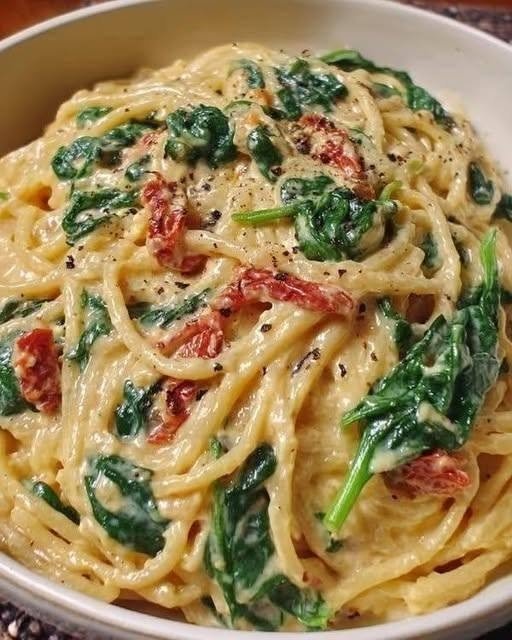
Creamy Spinach & Sun-Dried Tomato Pasta

Spinach Tomato Pasta with baby spinach, sun-dried tomatoes, creamy Parmesan sauce, garlic, and tender pasta

Creamy Spinach & Sun-Dried Tomato Pasta

Spinach Tomato Pasta is a creamy, comforting dinner made with tender pasta, baby spinach, sun-dried tomatoes, garlic, Parmesan, and a silky cream sauce. It comes together with simple ingredients but still feels rich and restaurant-style. Spinach Tomato Pasta is perfect for busy weeknights, cozy weekends, or an easy meatless meal when you want something satisfying without a lot of prep.

The sweetness of sun-dried tomatoes balances the creamy sauce, while spinach adds freshness and color. A little garlic, Italian seasoning, and Parmesan bring everything together.

Prep Time: 15 minutes
Cook Time: 25 minutes
Total Time: About 40 minutes
Servings: 4 to 6

Ingredients

For the Pasta

  • 12 ounces penne, fettuccine, rigatoni, or rotini
  • 1 tablespoon salt for the pasta water

For the Creamy Sauce

  • 2 tablespoons olive oil
  • 1 tablespoon unsalted butter
  • 4 garlic cloves, minced
  • 3/4 cup sun-dried tomatoes, drained and sliced
  • 2 tablespoons all-purpose flour
  • 1 1/2 cups whole milk
  • 3/4 cup heavy cream
  • 1 cup freshly grated Parmesan cheese
  • 1 teaspoon Italian seasoning
  • 1/2 teaspoon smoked paprika
  • 1/4 teaspoon red pepper flakes, optional
  • 1/2 teaspoon salt, or to taste
  • 1/4 teaspoon black pepper
  • 4 cups baby spinach
  • 1/2 cup reserved pasta water, as needed
  • 1 tablespoon fresh lemon juice
  • 2 tablespoons chopped fresh parsley or basil

Why You’ll Love This Recipe

Spinach Tomato Pasta is creamy, colorful, and easy to make with ingredients that are available in most grocery stores. The sauce is rich without being overly heavy, and the sun-dried tomatoes add concentrated flavor to every bite.

Another reason to love Spinach Tomato Pasta is how flexible it is. You can add chicken, shrimp, mushrooms, artichokes, or extra vegetables, or keep it simple for a vegetarian dinner.

The entire dish comes together in one pan after the pasta is cooked, which means less cleanup and an easier dinner routine.

How to Make Spinach Tomato Pasta

Step 1: Cook the Pasta

Bring a large pot of salted water to a boil.

Add the pasta and cook according to the package directions until al dente.

Before draining, reserve about 1 cup of pasta water.

Drain the pasta and set it aside.

Step 2: Prepare the Sun-Dried Tomatoes

If your sun-dried tomatoes are packed in oil, drain them well and slice them into thin strips.

If they are very large, chop them into smaller pieces so they distribute evenly throughout the sauce.

Step 3: Sauté the Garlic

Heat the olive oil and butter in a large skillet over medium heat.

Add the minced garlic and cook for about 30 seconds, stirring constantly.

Do not let the garlic brown.

Step 4: Add the Sun-Dried Tomatoes

Add the sliced sun-dried tomatoes to the skillet.

Cook for 1 to 2 minutes so they soften slightly and release their flavor into the oil.

This step gives Spinach Tomato Pasta a deeper, richer tomato flavor.

Step 5: Add the Flour

Sprinkle the flour over the garlic and tomatoes.

Stir constantly for about 1 minute.

This creates a light roux that helps thicken the sauce.

Step 6: Add Milk and Cream

Slowly pour in the milk while whisking or stirring.

Add the heavy cream and continue stirring until the mixture is smooth.

Cook for 3 to 4 minutes, or until the sauce begins to thicken.

Step 7: Season the Sauce

Add Italian seasoning, smoked paprika, red pepper flakes, salt, and black pepper.

Stir well and reduce the heat to low.

Step 8: Add the Parmesan

Add the grated Parmesan a little at a time.

Stir continuously until the cheese melts into the sauce.

The sauce for Spinach Tomato Pasta should be smooth, creamy, and thick enough to coat the back of a spoon.

Step 9: Add the Spinach

Add the baby spinach in batches.

Stir after each addition until the leaves wilt into the sauce.

This usually takes only 2 to 3 minutes.

Step 10: Add the Pasta

Add the cooked pasta to the skillet.

Toss gently until every piece is coated in the creamy sauce.

If the sauce is too thick, add a splash of reserved pasta water.

Spinach Tomato Pasta should look creamy and glossy rather than dry.

Step 11: Add Lemon Juice

Stir in the fresh lemon juice.

The acidity helps balance the richness of the cream and Parmesan.

Taste and adjust the salt, pepper, or red pepper flakes if needed.

Step 12: Garnish and Serve

Remove the skillet from the heat.

Sprinkle with chopped parsley or basil and extra Parmesan.

Serve Spinach Tomato Pasta immediately while the sauce is warm and creamy.

Serving Suggestions

Spinach Tomato Pasta is filling enough to serve on its own, but fresh sides help balance the richness.

Serve Spinach Tomato Pasta with a crisp green salad, Caesar salad, roasted asparagus, steamed broccoli, or garlic bread.

For extra protein, serve it with grilled chicken, baked salmon, shrimp, or sliced Italian sausage.

A simple tomato cucumber salad also pairs well with the creamy sauce.

For an easy no-bake dessert, try our No Bake Twix Bars with a buttery biscuit base, gooey caramel, and smooth chocolate topping.

Recipe Tips

Use freshly grated Parmesan whenever possible because it melts more smoothly than pre-shredded cheese.

Cook the pasta only until al dente so it stays firm after being tossed with the hot sauce.

Reserve pasta water before draining. The starchy water is useful for loosening the sauce without making it watery.

Add the spinach gradually so it wilts evenly.

For the best texture, keep the heat low after adding Parmesan. High heat can cause creamy cheese sauces to separate.

Drain oil-packed sun-dried tomatoes well so the finished dish does not become greasy.

Taste before adding extra salt because Parmesan and sun-dried tomatoes can both be salty.

Easy Variations

Spinach Tomato Pasta is easy to customize with different proteins and vegetables.

Add cooked chicken breast for a heartier meal.

Shrimp also works well and pairs naturally with the garlic cream sauce.

For extra vegetables, add mushrooms, zucchini, roasted red peppers, peas, or artichoke hearts.

You can turn Spinach Tomato Pasta into a spicy version by adding more red pepper flakes or a little cayenne pepper.

For extra tang, add a spoonful of cream cheese or a small amount of crumbled feta.

If you want a lighter sauce, replace part of the heavy cream with whole milk.

You can also use whole-wheat pasta, chickpea pasta, or gluten-free pasta.

You may also enjoy our Comfort Food Stuffed Eggplant Bake for a hearty dinner with tender eggplant, savory beef, tomatoes, ricotta, and melted cheese.

Make-Ahead Instructions

Spinach Tomato Pasta is best served fresh, but several parts can be prepared in advance.

Slice the sun-dried tomatoes and grate the Parmesan up to two days ahead.

The sauce can be made several hours ahead and stored in the refrigerator. Reheat it gently over low heat with a splash of milk before adding the pasta.

If making the entire dish ahead, slightly undercook the pasta so it does not become too soft when reheated.

Storage and Reheating

Store leftover Spinach Tomato Pasta in an airtight container in the refrigerator for up to 3 days.

Reheat it gently in a skillet over medium-low heat.

Add a small splash of milk, cream, or water to loosen the sauce as it warms.

You can also microwave individual portions in short intervals, stirring between each interval.

Avoid overheating because creamy sauces can separate if they become too hot.

Nutrition Information

Approximate nutrition per serving:

Calories: 570
Protein: 19 g
Carbohydrates: 60 g
Fat: 29 g
Saturated Fat: 15 g
Fiber: 5 g
Sugar: 8 g
Sodium: 720 mg

Nutrition values are estimates and may vary depending on the pasta, cream, Parmesan, sun-dried tomatoes, and serving size.

Frequently Asked Questions

Can I use frozen spinach?

Yes. Thaw it completely and squeeze out as much liquid as possible before adding it to the sauce.

Can I make this without heavy cream?

Yes. Use whole milk or half-and-half, but the sauce will be slightly lighter.

What pasta shape works best?

Penne, rigatoni, rotini, farfalle, and fettuccine all work well because they hold the creamy sauce nicely.

Can I add chicken?

Yes. Sliced grilled or sautéed chicken makes the dish more filling and adds extra protein.

Why did my sauce become too thick?

The sauce naturally thickens as it sits. Add reserved pasta water or milk a little at a time until the desired consistency returns.

Can I make this spicy?

Yes. Add more red pepper flakes, cayenne pepper, or chili oil.

Can I freeze it?

Cream sauces can change texture after freezing, so refrigerated leftovers are usually better.

Final Thoughts

Spinach Tomato Pasta is a simple way to turn pantry staples and fresh spinach into a creamy, satisfying dinner.

Because Spinach Tomato Pasta can be customized with chicken, shrimp, vegetables, or different pasta shapes, it is easy to adapt for different meals and occasions.

Keep this Spinach Tomato Pasta recipe handy whenever you want a quick meatless dinner that still feels rich and comforting.

With tender pasta, garlicky cream sauce, sweet sun-dried tomatoes, fresh spinach, and Parmesan, Spinach Tomato Pasta delivers cozy flavor with very little effort.
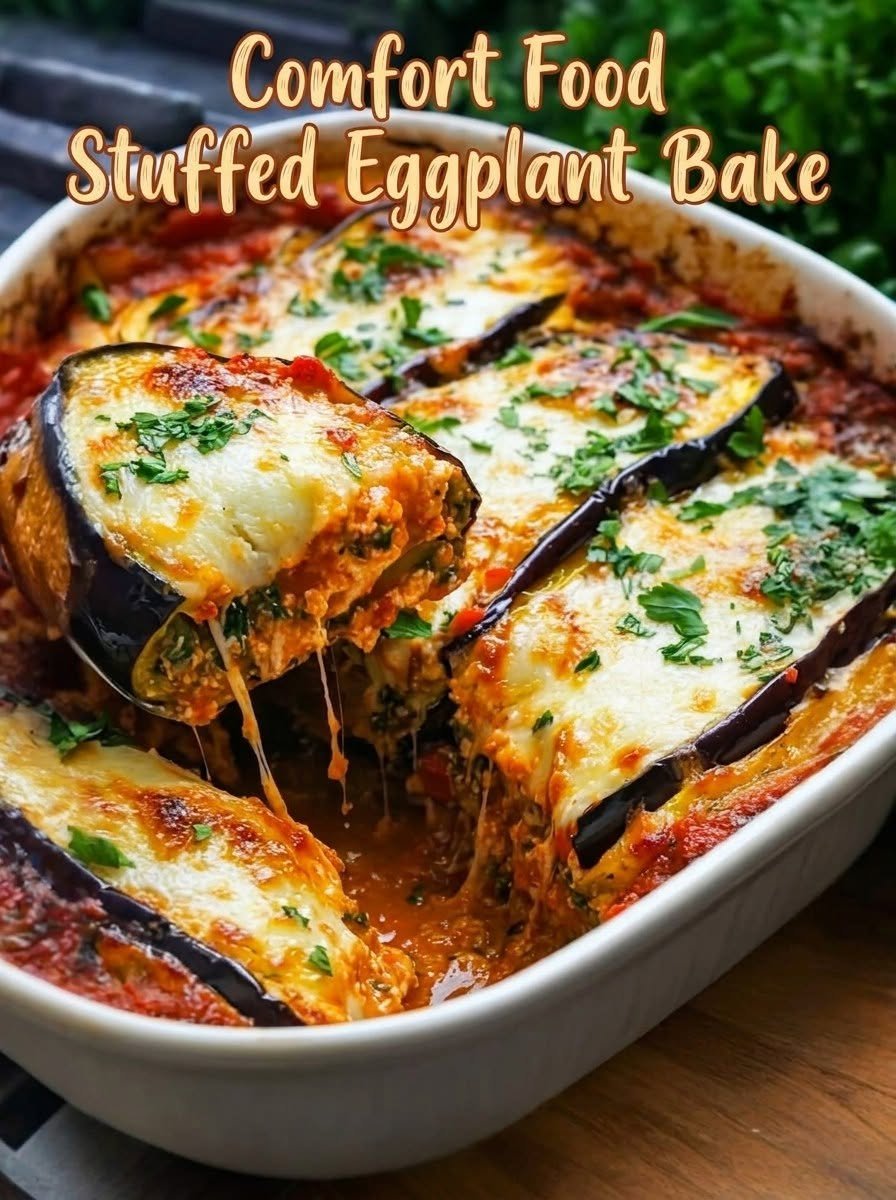
Comfort Food Stuffed Eggplant Bake

Stuffed Eggplant Bake with roasted eggplant, savory ground beef, tomatoes, ricotta, mozzarella, and fresh herbs

Comfort Food Stuffed Eggplant Bake

Stuffed Eggplant Bake is a warm, hearty dinner made with tender roasted eggplant, savory ground beef, tomatoes, onions, garlic, herbs, and plenty of melted cheese. It is cozy enough for family dinners yet attractive enough for casual entertaining. The filling is rich and flavorful, the eggplant becomes soft and creamy, and the cheese topping turns golden and bubbly in the oven.

Prep Time: 20 minutes
Cook Time: 50 minutes
Total Time: About 1 hour 10 minutes
Servings: 4 to 6

Ingredients

For the Eggplant

  • 3 medium eggplants
  • 2 tablespoons olive oil
  • 1/2 teaspoon salt
  • 1/4 teaspoon black pepper

For the Savory Filling

  • 1 pound ground beef
  • 1 small onion, finely chopped
  • 3 garlic cloves, minced
  • 1 red bell pepper, diced
  • 1 can diced tomatoes, 14.5 ounces
  • 2 tablespoons tomato paste
  • 1 teaspoon dried oregano
  • 1 teaspoon dried basil
  • 1/2 teaspoon smoked paprika
  • 1/4 teaspoon red pepper flakes, optional
  • 1/2 teaspoon salt
  • 1/4 teaspoon black pepper
  • 2 tablespoons chopped fresh parsley

Ingredients For the Creamy Cheese Layer

  • 1 cup ricotta cheese
  • 1/2 cup grated Parmesan cheese
  • 1 large egg
  • 1 tablespoon chopped parsley
  • 1/4 teaspoon black pepper

For the Topping

  • 1 1/2 cups shredded mozzarella cheese
  • 1/4 cup grated Parmesan cheese
  • Fresh parsley or basil, for garnish

Why You’ll Love This Recipe

Stuffed Eggplant Bake brings together the rich flavor of a classic baked casserole with plenty of vegetables and protein. The roasted eggplant turns tender and slightly sweet, while the beef and tomato filling adds a savory, satisfying center.

It is also flexible. You can use beef, turkey, chicken, lentils, or mushrooms and adjust the cheese to suit what you have. Leftovers reheat well for next-day lunches.

How to Make Stuffed Eggplant Bake

Step 1: Preheat the Oven

Preheat the oven to 400°F or 200°C.

Lightly grease a large baking dish with olive oil or cooking spray.

Step 2: Prepare the Eggplant

Cut the eggplants in half lengthwise.

Use a small knife to score the flesh in a crisscross pattern, being careful not to cut through the skin.

Brush the cut sides with olive oil and season with salt and black pepper.

Arrange them cut-side up on a baking sheet.

Step 3: Roast the Eggplant

Roast for 20 to 25 minutes, or until the flesh becomes soft and lightly golden.

Remove from the oven and let the eggplants cool for several minutes.

Roasting first gives Stuffed Eggplant Bake a soft, creamy texture and helps prevent the finished dish from tasting watery.

Step 4: Scoop Out the Centers

Use a spoon to carefully scoop out most of the softened eggplant flesh, leaving a sturdy border around the skin.

Chop the removed flesh into small pieces and set it aside.

Arrange the hollowed eggplant halves in the prepared baking dish.

Step 5: Brown the Ground Beef

Heat a large skillet over medium-high heat.

Add the ground beef and cook for 6 to 8 minutes, breaking it apart with a wooden spoon.

Once browned, drain excess grease if necessary.

Step 6: Cook the Vegetables

Add the onion and bell pepper to the beef.

Cook for 4 to 5 minutes, or until the vegetables begin to soften.

Add the garlic and cook for another 30 seconds.

Step 7: Add Tomatoes and Seasonings

Stir in the diced tomatoes, tomato paste, oregano, basil, smoked paprika, red pepper flakes, salt, and black pepper.

Add the chopped eggplant flesh and mix well.

Simmer the filling for 8 to 10 minutes so the flavors combine and excess liquid reduces.

The filling for Stuffed Eggplant Bake should be thick and spoonable rather than watery.

Step 8: Make the Ricotta Mixture

In a medium bowl, combine ricotta, Parmesan, egg, parsley, and black pepper.

Mix until smooth.

Step 9: Fill the Eggplant

Spoon a layer of the beef mixture into each roasted eggplant half.

Add a spoonful of the ricotta mixture, then top with more beef filling.

Continue until all of the filling has been used.

Step 10: Add the Cheese Topping

Sprinkle mozzarella and Parmesan generously over the top.

At this stage, Stuffed Eggplant Bake should be completely filled and covered with an even layer of cheese.

Step 11: Bake

Reduce the oven temperature to 375°F or 190°C.

Bake uncovered for 20 to 25 minutes.

The filling should be hot and bubbling, and the cheese should be melted.

Step 12: Broil for Extra Color

If you want a deeper golden top, switch the oven to broil for 1 to 2 minutes.

Watch carefully because the cheese can brown quickly.

Step 13: Rest Before Serving

Remove Stuffed Eggplant Bake from the oven and let it rest for 8 to 10 minutes.

This resting time helps the filling settle and makes the eggplant easier to serve.

Step 14: Garnish and Serve

Sprinkle with chopped parsley or basil.

Serve Stuffed Eggplant Bake warm with your favorite side dishes.

Serving Suggestions

Stuffed Eggplant Bake is filling enough to serve as a complete meal, but lighter sides pair especially well with the rich filling.

Serve Stuffed Eggplant Bake with a crisp green salad, cucumber tomato salad, roasted vegetables, garlic bread, or warm crusty bread.

For a cozy dessert option, try our Toasted Marshmallow Pumpkin Chocolate Bars with pumpkin, warm spices, chocolate, and gooey toasted marshmallows.

Recipe Tips

Choose medium eggplants that feel firm and heavy for their size.

Roast the eggplant before stuffing it so the flesh becomes tender and easy to scoop.

Do not remove too much flesh from the eggplant skins. Leaving a sturdy border helps them hold their shape during baking.

Reduce the tomato mixture until it is fairly thick. A watery filling can make Stuffed Eggplant Bake difficult to serve.

Use freshly shredded mozzarella for better melting.

Allow the finished casserole to rest before serving so the cheese and filling can set slightly.

Easy Variations

Stuffed Eggplant Bake can easily be adapted to suit different tastes.

Replace the ground beef with ground turkey, ground chicken, or Italian sausage.

For a vegetarian version, use cooked lentils, chickpeas, chopped mushrooms, or a combination of vegetables instead of meat.

You can add spinach, zucchini, mushrooms, or chopped artichoke hearts to the filling for extra vegetables.

For a spicy Stuffed Eggplant Bake, add more red pepper flakes, cayenne pepper, or chopped jalapeño.

Feta can replace part of the mozzarella or ricotta for a tangier Mediterranean flavor.

You can also add cooked rice, quinoa, or couscous to the filling if you want to stretch the recipe into more servings.

You may also enjoy our Cheesy Potato Meatball Casserole for a hearty family dinner with tender potatoes, juicy meatballs, creamy sauce, and melted cheese.

Make-Ahead Instructions

Stuffed Eggplant Bake is a convenient make-ahead dinner.

Roast the eggplant and prepare the filling up to one day in advance.

Assemble the casserole, cover it tightly, and refrigerate until you are ready to bake.

When baking directly from the refrigerator, add about 5 to 10 minutes to the cooking time.

Storage and Reheating

Store leftover Stuffed Eggplant Bake in an airtight container in the refrigerator for up to 3 days.

For the best texture, reheat portions in a 350°F or 175°C oven until thoroughly hot.

You can also microwave individual portions in short intervals.

Nutrition Information

Approximate nutrition per serving:

Calories: 430
Protein: 28 g
Carbohydrates: 24 g
Fat: 26 g
Saturated Fat: 12 g
Fiber: 7 g
Sugar: 10 g
Sodium: 720 mg

Nutrition values are estimates and will vary according to the ground beef, cheeses, eggplant size, and exact portion size.

Frequently Asked Questions

Do I need to peel the eggplant?

No. The skin helps the eggplant halves hold their shape during roasting and baking.

Can I make this without meat?

Yes. Lentils, mushrooms, chickpeas, or a combination of vegetables can replace the ground beef.

Why is my filling watery?

The tomatoes and eggplant may have released too much moisture. Simmer the filling uncovered until the excess liquid evaporates before stuffing the eggplant.

Can I use cottage cheese instead of ricotta?

Yes. Drain it well first if it contains a lot of liquid.

Can I freeze it?

Yes, although the eggplant may become slightly softer after thawing. For the best texture, refrigerate and enjoy within a few days.

Final Thoughts

This recipe is a comforting way to turn eggplant into a satisfying family dinner with layers of savory beef, tomatoes, creamy ricotta, herbs, and melted cheese.

Because Stuffed Eggplant Bake can be customized with different meats, vegetables, and cheeses, it is easy to adapt for weeknight dinners, meal prep, or casual entertaining.

Keep this Stuffed Eggplant Bake recipe handy whenever you want a cozy oven-baked meal that feels hearty without relying on pasta.

With tender roasted eggplant, rich tomato-beef filling, creamy ricotta, and bubbling mozzarella, Stuffed Eggplant Bake delivers classic comfort-food flavor in every serving.

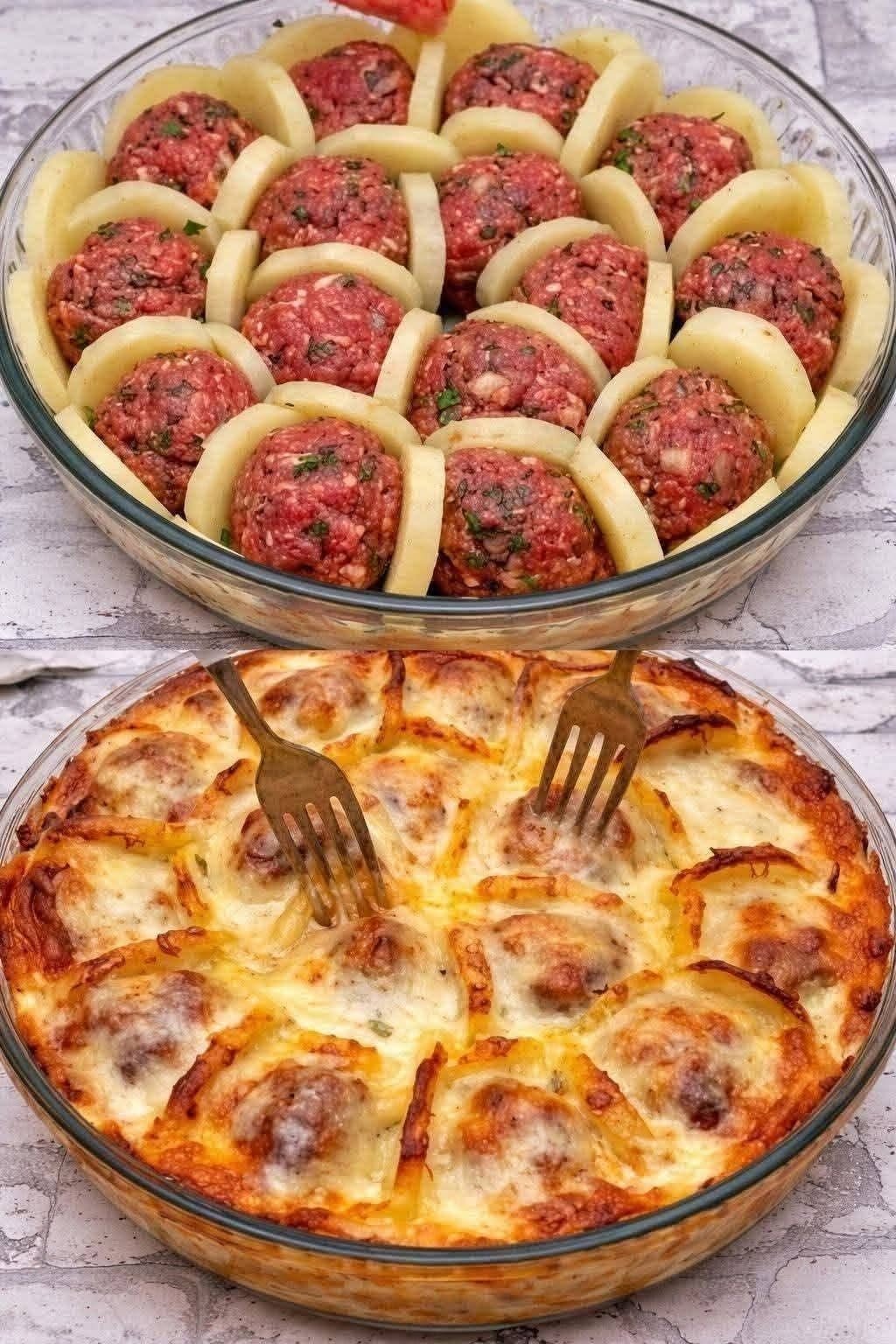
Cheesy Potato Meatball Casserole

Potato Meatball Casserole with juicy meatballs, sliced potatoes, creamy cheese sauce, mozzarella, and Parmesan

Cheesy Potato Meatball Casserole

Potato Meatball Casserole is a hearty oven-baked dinner made with tender potato slices, juicy seasoned meatballs, creamy sauce, and plenty of melted cheese. It is the kind of comfort-food meal that looks impressive in the baking dish but uses simple ingredients that are easy to find. It works especially well for family dinners, potlucks, weekends, and make-ahead meals.

The potatoes turn tender, the meatballs stay juicy, and the creamy cheese sauce ties everything together beneath a golden mozzarella topping.

Prep Time: 25 minutes
Cook Time: 50 minutes
Total Time: About 1 hour 15 minutes
Servings: 6

Ingredients

the Meatballs

  • 1 1/2 pounds ground beef
  • 1/3 cup breadcrumbs
  • 1 large egg
  • 1/4 cup finely grated Parmesan cheese
  • 2 garlic cloves, minced
  • 2 tablespoons chopped fresh parsley
  • 1 teaspoon Italian seasoning
  • 1 teaspoon paprika
  • 3/4 teaspoon salt
  • 1/2 teaspoon black pepper

the Potatoes

  • 4 large potatoes, peeled
  • 1 tablespoon olive oil
  • 1/2 teaspoon salt
  • 1/4 teaspoon black pepper

the Creamy Sauce

  • 2 tablespoons unsalted butter
  • 2 tablespoons all-purpose flour
  • 2 cups whole milk
  • 1/2 cup heavy cream
  • 1/2 teaspoon garlic powder
  • 1/2 teaspoon onion powder
  • 1/2 teaspoon Italian seasoning
  • Salt and black pepper, to taste
  • 1 cup shredded mozzarella cheese
  • 1/2 cup shredded cheddar cheese

For the Topping

  • 1 cup shredded mozzarella cheese
  • 1/4 cup grated Parmesan cheese
  • 1 tablespoon chopped parsley

Why You’ll Love This Recipe

Potato Meatball Casserole gives you protein, potatoes, creamy sauce, and melted cheese in one baking dish. The arrangement of meatballs between potato slices makes it attractive enough for guests while still feeling casual and family-friendly.

It is also easy to customize with different cheeses, meats, vegetables, and seasonings, and most of the preparation can be completed before baking.

How to Make Potato Meatball Casserole

Step 1: Preheat the Oven

Preheat the oven to 375°F or 190°C.

Lightly grease a large round or rectangular baking dish with olive oil or cooking spray.

Step 2: Prepare the Potatoes

Peel the potatoes and cut them into slices about 1/4 inch thick.

Place the potato slices in a bowl and toss them with olive oil, salt, and black pepper.

Step 3: Make the Meatball Mixture

In a large bowl, combine the ground beef, breadcrumbs, egg, Parmesan, garlic, parsley, Italian seasoning, paprika, salt, and black pepper.

Mix just until combined; overmixing can make the meatballs dense.

Step 4: Shape the Meatballs

Roll the mixture into medium-size meatballs, using about 2 tablespoons of mixture for each one.

Aim for 16 to 18 evenly sized meatballs.

Step 5: Arrange the Casserole

Stand some of the potato slices upright around the edge of the baking dish.

Place a meatball next to the potatoes, followed by more potato slices.

Continue alternating until the dish is filled.

You can arrange Potato Meatball Casserole in circles if using a round dish or in rows if using a rectangular dish.

Step 6: Start the Sauce

Melt the butter in a medium saucepan over medium heat.

Add the flour and whisk continuously for about 1 minute.

Step 7: Add Milk and Cream

Slowly pour in the milk while whisking constantly.

Add the heavy cream, garlic powder, onion powder, Italian seasoning, salt, and black pepper.

Cook for 3 to 5 minutes, stirring frequently, until the sauce begins to thicken.

Step 8: Add the Cheese

Reduce the heat to low.

Stir in 1 cup mozzarella and the cheddar cheese.

Continue stirring until the cheese melts and the sauce is smooth.

The sauce for Potato Meatball Casserole should be creamy and pourable rather than extremely thick.

Step 9: Pour Over the Casserole

Slowly pour the cheese sauce over the potatoes and meatballs.

Pour evenly between the layers, gently shaking the dish to help the sauce settle.

Step 10: Cover and Bake

Cover the baking dish tightly with aluminum foil.

Bake for 30 minutes.

Step 11: Add the Cheese Topping

Carefully remove the foil.

Sprinkle the remaining mozzarella and Parmesan over the top.

At this stage, Potato Meatball Casserole should be bubbling around the edges, and the potatoes should be beginning to soften.

Step 12: Finish Baking

Return the uncovered dish to the oven.

Bake for another 18 to 22 minutes, or until the meatballs are cooked through, the potatoes are tender, and the cheese is golden.

Step 13: Rest Before Serving

Remove Potato Meatball Casserole from the oven and let it rest for 10 minutes.

This helps the sauce thicken slightly and makes the casserole easier to serve.

Step 14: Garnish and Serve

Sprinkle with parsley and serve warm.

Serving Suggestions

Potato Meatball Casserole is rich enough to serve as a complete dinner, but fresh sides can balance the creamy sauce.

Pair Potato Meatball Casserole with a crisp green salad, tomato cucumber salad, roasted broccoli, steamed green beans, or sautéed spinach.

A vinaigrette-based salad balances the rich cheese sauce, while garlic bread makes the meal more substantial.

For another creamy meatball dinner, try our Chicken Ricotta Meatballs with Spinach Alfredo Sauce for a rich, tender, and comforting meal.


Recipe Tips

Use Russet or Yukon Gold potatoes for a tender texture.

Do not make the meatballs too large because smaller meatballs cook more evenly between the potato slices.

Use freshly shredded cheese when possible for a smoother sauce.

If the cheese browns too quickly, loosely cover the top with foil.

Easy Variations

Potato Meatball Casserole can be changed in several ways depending on what you have available.

Use ground turkey or ground chicken instead of beef for a lighter version.

Add thinly sliced zucchini, onions, bell peppers, or mushrooms between the potatoes to give Potato Meatball Casserole extra vegetables.

You can also make Potato Meatball Casserole slightly spicy by adding crushed red pepper flakes, cayenne pepper, or chopped jalapeño.

Swap cheddar for Monterey Jack, Gruyère, provolone, or an Italian cheese blend.

For a tomato-based variation, spread a thin layer of marinara sauce in the bottom of the baking dish before arranging the potatoes and meatballs.

Make-Ahead Instructions

Potato Meatball Casserole can be assembled several hours before baking.

Prepare the meatballs, slice the potatoes, arrange everything in the baking dish, and make the sauce.

Pour the sauce over the casserole, cover tightly, and refrigerate for up to 8 hours.

Let the dish sit at room temperature while the oven preheats, then add 5 to 10 minutes to the covered baking time if needed.

Storage and Reheating

Store leftover Potato Meatball Casserole in an airtight container in the refrigerator for up to 3 days.

Reheat individual portions in the microwave until thoroughly hot.

For the best texture, cover leftovers loosely with foil and warm at 350°F or 175°C for about 15 minutes. Add a splash of milk if the sauce seems thick.

Nutrition Information

Approximate nutrition per serving:

Calories: 610
Protein: 34 g
Carbohydrates: 42 g
Fat: 35 g
Saturated Fat: 17 g
Fiber: 4 g
Sugar: 6 g
Sodium: 820 mg

Nutrition values are estimates and may vary depending on the beef, potatoes, cheese, milk, and serving size.

Frequently Asked Questions

Do I need to cook the meatballs first?

No. They cook directly in the casserole; just make sure they are fully cooked before serving.

Can I use frozen meatballs?

Yes. Fully cooked frozen meatballs can be used. Thaw them first for more even heating.

Can I leave out the heavy cream?

Yes. Replace it with additional whole milk for a lighter sauce.

What cheese works best?

Mozzarella gives good melt and stretch, while cheddar adds stronger flavor. Using both gives Potato Meatball Casserole the best balance.

Why are my potatoes still firm?

They may be too thick. Cover and bake another 10 minutes, then check again.

Can I add vegetables?

Yes. Mushrooms, zucchini, spinach, bell peppers, and onions are all good additions.

Can I freeze the casserole?

Yes, although the potatoes and cream sauce may soften slightly after thawing.

Final Thoughts

Potato Meatball Casserole turns simple ingredients into a comforting dinner with plenty of flavor, texture, and melted cheese.

Because Potato Meatball Casserole combines juicy meatballs, tender potatoes, creamy sauce, and a golden cheese topping, it is especially satisfying on cooler evenings or when you need a filling family meal.

Keep this Potato Meatball Casserole recipe handy for weekends, potlucks, meal prep, or any night when you want an easy oven-baked dinner.

With savory beef, soft potatoes, creamy cheese sauce, and bubbling mozzarella, Potato Meatball Casserole delivers classic comfort-food flavor in every serving.

You may also enjoy our Slow Cooker Meatballs and Potatoes Recipe for an easy, hearty dinner with tender potatoes and flavorful meatballs.

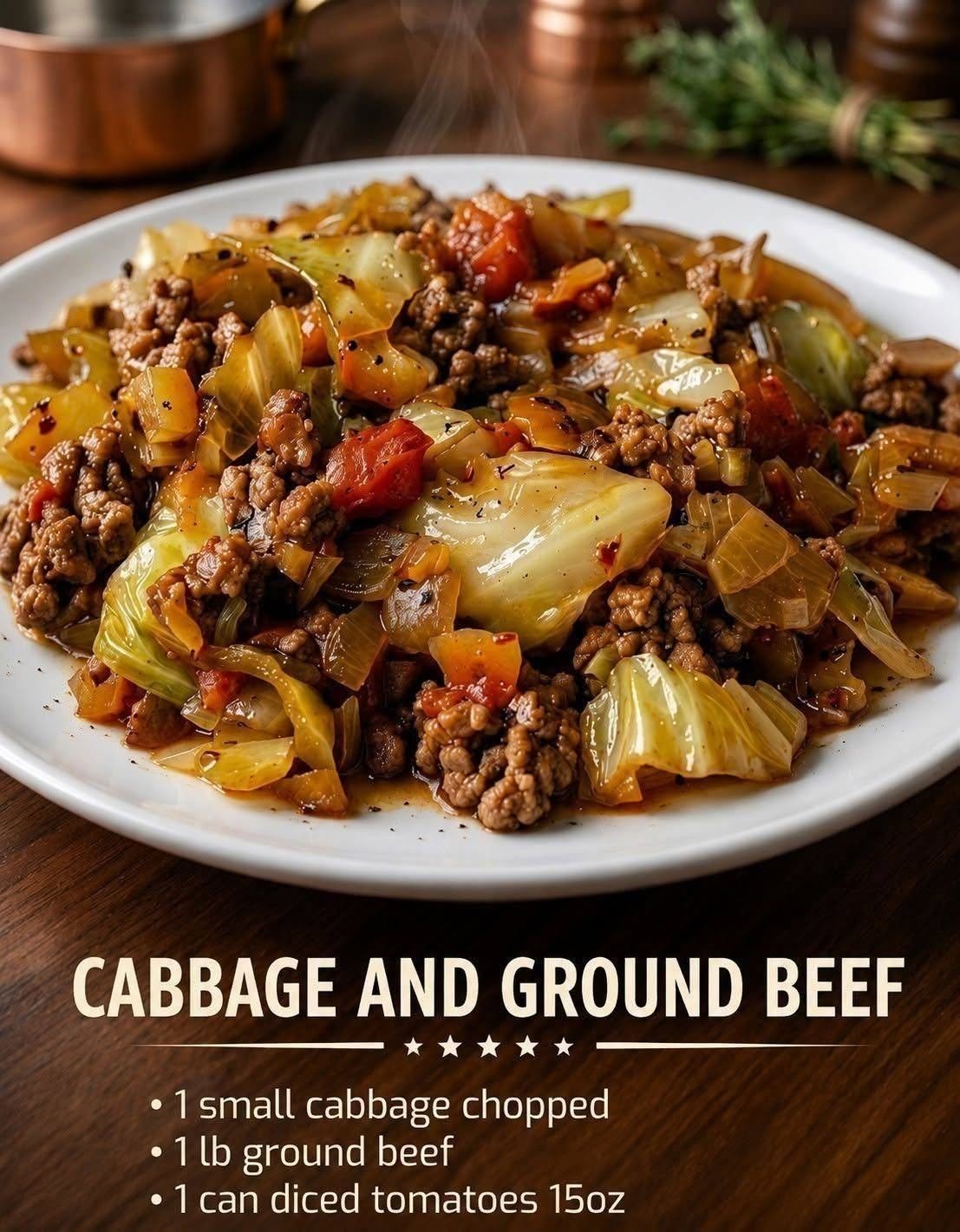
Cabbage and Ground Beef

Cabbage Ground Beef with tender cabbage, savory ground beef, tomatoes, onions, garlic, and simple seasonings

Cabbage and Ground Beef

Cabbage Ground Beef is a hearty one-pan dinner made with tender cabbage, savory ground beef, onions, tomatoes, garlic, and simple pantry seasonings. It is warm, filling, budget-friendly, and easy enough for busy weeknights. Cabbage Ground Beef also works well for meal prep because the flavors deepen as the dish rests, making leftovers especially satisfying.

This recipe gives you plenty of vegetables and protein in one skillet without requiring complicated ingredients or a long cooking time.

Prep Time: 15 minutes
Cook Time: 30 minutes
Total Time: About 45 minutes
Servings: 6

Ingredients

For the Skillet

  • 1 pound ground beef
  • 1 small green cabbage, chopped
  • 1 medium yellow onion, diced
  • 3 garlic cloves, minced
  • 1 can diced tomatoes, 15 ounces
  • 2 tablespoons tomato paste
  • 1 tablespoon olive oil, if needed
  • 1 teaspoon smoked paprika
  • 1 teaspoon Italian seasoning
  • 1/2 teaspoon onion powder
  • 1/2 teaspoon garlic powder
  • 1/4 teaspoon red pepper flakes, optional
  • 3/4 teaspoon salt, or to taste
  • 1/2 teaspoon black pepper
  • 1/2 cup beef broth
  • 1 teaspoon Worcestershire sauce, optional
  • 1 tablespoon chopped fresh parsley

Why You’ll Love This Recipe

Cabbage Ground Beef is simple, comforting, and made with ingredients that are easy to find. The beef brings rich savory flavor while cabbage becomes tender and slightly sweet as it cooks.

Another reason to love Cabbage Ground Beef is that everything cooks in one large skillet. That means less cleanup and an easier dinner routine.

It is also flexible. You can add carrots, bell peppers, potatoes, rice, beans, or extra tomatoes depending on what you have available.

How to Make Cabbage Ground Beef

Step 1: Prepare the Vegetables

Remove any damaged outer leaves from the cabbage.

Cut the cabbage into quarters, remove the tough core, and chop the leaves into bite-size pieces.

Dice the onion and mince the garlic.

Preparing everything before you start cooking keeps the recipe moving quickly once the skillet is hot.

Step 2: Brown the Ground Beef

Place a large deep skillet or Dutch oven over medium-high heat.

Add the ground beef and break it apart with a wooden spoon or spatula.

Cook for 6 to 8 minutes, stirring occasionally, until the beef is browned and no pink remains.

If there is a large amount of excess grease, carefully drain most of it while leaving a small amount in the pan for flavor.

Step 3: Cook the Onion

Add the diced onion to the browned beef.

Cook for 3 to 4 minutes, stirring occasionally, until the onion begins to soften and turn translucent.

If your beef is very lean and the skillet looks dry, add a tablespoon of olive oil.

Step 4: Add the Garlic and Seasonings

Stir in the minced garlic, smoked paprika, Italian seasoning, onion powder, garlic powder, red pepper flakes, salt, and black pepper.

Cook for about 30 seconds.

This brief cooking step wakes up the spices and gives Cabbage Ground Beef a deeper savory aroma.

Step 5: Add the Tomatoes

Pour in the diced tomatoes with their juices.

Add the tomato paste and Worcestershire sauce, if using.

Stir well until the tomato paste is evenly distributed through the beef mixture.

Cook for 2 minutes so the tomato flavor becomes richer.

Step 6: Add the Cabbage

Add the chopped cabbage in batches.

The skillet may look very full at first, but the cabbage will shrink significantly as it cooks.

Gently stir after each addition so the cabbage mixes with the beef and tomato mixture.

Step 7: Add the Broth

Pour in the beef broth.

Stir everything together, cover the skillet, and reduce the heat to medium-low.

Cook for 10 minutes.

The steam helps soften the cabbage while keeping Cabbage Ground Beef juicy and flavorful.

Step 8: Finish Uncovered

Remove the lid and stir.

Continue cooking uncovered for another 8 to 10 minutes, or until the cabbage reaches your preferred tenderness.

If there is too much liquid in the skillet, increase the heat slightly and let it simmer uncovered for a few additional minutes.

Step 9: Taste and Adjust

Taste the mixture.

Add more salt, black pepper, smoked paprika, or red pepper flakes if needed.

For a brighter finish, you can stir in a small splash of lemon juice or apple cider vinegar.

Step 10: Garnish and Serve

Remove the skillet from the heat.

Sprinkle with fresh parsley.

Serve Cabbage Ground Beef hot while the cabbage is tender and the beef is coated in the tomato-rich sauce.

Serving Suggestions

Cabbage Ground Beef can be served on its own as a complete low-fuss meal.

For a heartier dinner, spoon Cabbage Ground Beef over mashed potatoes, steamed rice, brown rice, quinoa, or buttered egg noodles.

Crusty bread or garlic bread is another good option because it can soak up the savory juices from the skillet.

For another hearty Mediterranean-inspired meal, try our Mediterranean Mushroom Stir Fry with Lentils packed with earthy mushrooms, tender lentils, vegetables, herbs, and lemon.

Recipe Tips

Use a large skillet or Dutch oven because the uncooked cabbage takes up plenty of space before it softens.

Cut the cabbage into similar-size pieces so it cooks evenly.

Brown the beef well before adding liquids. The caramelized bits on the bottom of the skillet add extra depth to Cabbage Ground Beef.

Do not overcook the cabbage unless you prefer a very soft texture. It should be tender but still have a little structure.

Use lean ground beef if you want less grease, or choose a slightly higher-fat beef for a richer flavor.

If the dish tastes too acidic from the tomatoes, add a small pinch of sugar.

Let the skillet rest for 5 minutes before serving so the flavors settle.

Easy Variations

Cabbage Ground Beef is easy to change depending on your preferences.

For a more filling meal, add 2 cups of diced cooked potatoes or cooked rice near the end.

Add sliced bell peppers, carrots, celery, zucchini, or mushrooms for extra vegetables.

For a Tex-Mex variation, replace the Italian seasoning with cumin and chili powder, then top with shredded cheddar cheese.

You can also make a cheesy Cabbage Ground Beef by sprinkling mozzarella or cheddar over the top and covering the skillet for a few minutes until melted.

Ground turkey or ground chicken can replace the beef if desired.

For extra heat, add diced jalapeño, cayenne pepper, or additional red pepper flakes.

You may also enjoy our Pear, Brie & Cranberry Crostini with Thyme Honey for an elegant sweet-and-savory appetizer with creamy Brie, fresh pear, cranberries, walnuts, and honey.

Make-Ahead Instructions

Cabbage Ground Beef is a practical make-ahead recipe because it reheats well.

You can chop the cabbage and onion up to one day ahead and keep them refrigerated in separate airtight containers.

The entire dish can also be cooked in advance, cooled, and refrigerated.

When you are ready to serve, reheat it gently on the stovetop with a small splash of broth or water.

Storage and Reheating

Store leftover Cabbage Ground Beef in an airtight container in the refrigerator for up to 4 days.

Reheat it in a skillet over medium-low heat until thoroughly hot.

Add a tablespoon or two of broth if the mixture looks dry.

Individual servings can also be reheated in the microwave in short intervals, stirring halfway through.

Nutrition Information

Approximate nutrition per serving:

Calories: 310
Protein: 22 g
Carbohydrates: 18 g
Fat: 17 g
Saturated Fat: 6 g
Fiber: 6 g
Sugar: 9 g
Sodium: 610 mg

Nutrition values are estimates and may vary depending on the ground beef, broth, tomatoes, and exact serving size.

Frequently Asked Questions

Can I use red cabbage instead of green cabbage?

Yes. Red cabbage will work, but it has a slightly stronger flavor and may change the color of the finished dish.

Can I make this with ground turkey?

Yes. Ground turkey works well. You may want to add a little extra olive oil because turkey is usually leaner than beef.

Can I add rice directly to the skillet?

Yes, but you will need additional broth and a longer cooking time. Using already cooked rice is the easiest option.

Why is my cabbage watery?

Cabbage naturally releases moisture as it cooks. Continue simmering uncovered until the excess liquid reduces.

Can I make this low carb?

Yes. The basic recipe is already relatively low in carbohydrates. Serve it on its own or with cauliflower rice.

Can I use fresh tomatoes?

Yes. Replace canned tomatoes with about 2 cups of chopped ripe tomatoes.

Final Thoughts

Cabbage Ground Beef is a straightforward skillet dinner that turns basic ingredients into a warm, comforting family meal.

Because Cabbage Ground Beef is inexpensive, flexible, and easy to prepare, it is a useful recipe for weeknight cooking and meal prep.

Keep this Cabbage Ground Beef recipe handy whenever you need a filling dinner that combines vegetables and protein without a lot of cleanup.

With tender cabbage, browned beef, tomatoes, onions, garlic, and savory seasonings, Cabbage Ground Beef delivers classic comfort-food flavor in one simple skillet.

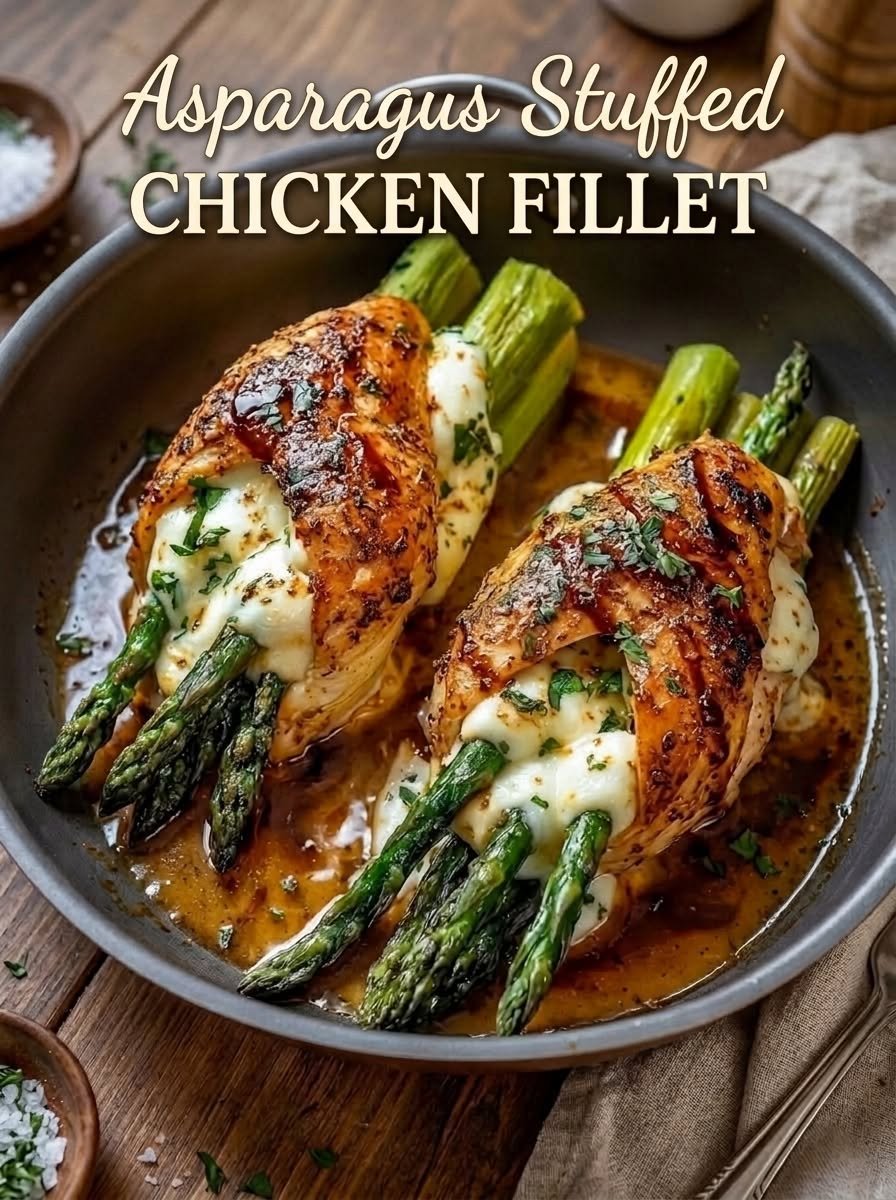
Asparagus Stuffed Chicken Fillet with Creamy Mozzarella & Garlic Butter Sauce

Asparagus Stuffed Chicken Fillet with Creamy Mozzarella & Garlic Butter Sauce

This Asparagus Stuffed Chicken Fillet is a delicious, restaurant-style dinner featuring juicy, golden-brown chicken breasts filled with tender asparagus, melted mozzarella cheese, and a creamy garlic filling. The chicken is seasoned with aromatic herbs, pan-seared until beautifully golden, and baked in a rich garlic butter sauce.

The combination of tender chicken, fresh green asparagus, and gooey melted cheese makes this dish perfect for family dinners, special occasions, or a satisfying low-carb meal.

Prep: 15 min
Cook: 30 min
Serves: 4

Ingredients

For the Chicken

  • 4 large boneless, skinless chicken breasts (about 6–8 oz each)

  • 16–20 fresh asparagus spears, woody ends trimmed

  • 1 cup shredded mozzarella cheese

  • ¼ cup grated Parmesan cheese

  • 3 tablespoons cream cheese, softened

  • 2 tablespoons olive oil

  • 1 teaspoon smoked paprika

  • 1 teaspoon Italian seasoning

  • ½ teaspoon garlic powder

  • ½ teaspoon onion powder

  • ¾ teaspoon salt, or to taste

  • ½ teaspoon freshly ground black pepper

For the Garlic Butter Sauce

  • 3 tablespoons unsalted butter

  • 4 garlic cloves, minced

  • ½ cup low-sodium chicken broth

  • ¼ cup heavy cream

  • 1 tablespoon fresh lemon juice

  • ½ teaspoon dried oregano

  • ¼ teaspoon red pepper flakes (optional)

  • 2 tablespoons fresh parsley, chopped

For Garnishing

  • Fresh parsley

  • Fresh thyme

  • Lemon wedges

  • Extra grated Parmesan cheese (optional)

Step-by-Step Instructions

Step 1: Prepare the Chicken Breasts

Preheat your oven to 375°F (190°C).

Place each chicken breast on a clean cutting board. Using a sharp knife, carefully slice horizontally into the thickest side of each breast to create a deep pocket.

Be careful not to cut all the way through the chicken. The pocket should be large enough to hold the asparagus and cheese filling.

Pat the chicken dry using paper towels. This helps the outside develop a beautiful golden crust when seared.

Step 2: Season the Chicken

In a small bowl, combine the smoked paprika, Italian seasoning, garlic powder, onion powder, salt, and black pepper.

Rub the seasoning mixture evenly over both sides of each chicken breast, including the inside of the pockets.

Allow the seasoned chicken to rest for 5 minutes while preparing the filling.

Step 3: Prepare the Creamy Cheese Filling

In a medium mixing bowl, combine the softened cream cheese, shredded mozzarella, and grated Parmesan cheese.

Mix until the cheeses are evenly combined.

This creamy mixture will melt beautifully inside the chicken, creating the delicious cheesy filling shown in the picture.

For extra flavor, you can add a pinch of garlic powder or freshly chopped parsley to the cheese mixture.

Step 4: Prepare the Asparagus

Wash the asparagus and trim off the tough, woody ends.

If the asparagus spears are very thick, blanch them in boiling water for 1–2 minutes, then transfer them to cold water and pat dry.

Thin asparagus spears can be used without blanching.

The asparagus should remain slightly firm so it does not become mushy during baking.

Step 5: Stuff the Chicken Breasts

Open each chicken pocket and spread approximately 2 tablespoons of the cheese mixture inside.

Place 4–5 asparagus spears into each pocket, allowing the green tips to extend slightly beyond the chicken.

Add a little more mozzarella over the asparagus if desired.

Gently close the chicken around the filling.

Secure the openings with toothpicks if necessary to prevent the filling from escaping during cooking.

Step 6: Sear the Chicken Until Golden

Heat 2 tablespoons of olive oil in a large oven-safe skillet over medium-high heat.

Carefully place the stuffed chicken breasts into the hot skillet.

Sear for approximately 3–4 minutes on each side until the outside develops a beautiful golden-brown crust.

Avoid moving the chicken too frequently because this can prevent proper browning.

The chicken does not need to be fully cooked at this stage. It will finish cooking in the oven.

Transfer the chicken to a plate temporarily.

Step 7: Prepare the Garlic Butter Sauce

Reduce the skillet heat to medium.

Add the unsalted butter and allow it to melt.

Stir in the minced garlic and cook for approximately 30 seconds until fragrant.

Pour in the chicken broth and gently scrape the bottom of the skillet to release the flavorful browned bits.

Add the heavy cream, lemon juice, dried oregano, and optional red pepper flakes.

Stir everything together and simmer for 2–3 minutes until the sauce begins to thicken slightly.

Taste and adjust the seasoning if necessary.

Step 8: Bake the Stuffed Chicken

Return the seared chicken breasts to the skillet, placing them directly into the garlic butter sauce.

Spoon a little sauce over the chicken.

Transfer the oven-safe skillet to the preheated oven.

Bake uncovered for 15–20 minutes, depending on the thickness of the chicken breasts.

The chicken is fully cooked when its thickest meat portion reaches an internal temperature of 165°F (74°C).

Check the temperature in the chicken meat rather than the cheese filling.

The mozzarella should be beautifully melted, and the asparagus should be tender.

Step 9: Rest and Garnish

Remove the skillet from the oven.

Allow the chicken to rest for approximately 5 minutes before serving.

Remove any toothpicks used to secure the filling.

Spoon the warm garlic butter sauce over each chicken breast.

Sprinkle with freshly chopped parsley, thyme, and a little Parmesan cheese.

For a beautiful presentation like the picture, serve two stuffed chicken fillets in a shallow ceramic bowl with the asparagus tips visible and the golden garlic butter sauce surrounding them.

Tips and Notes

Choose large chicken breasts: Thick chicken breasts are easier to cut into pockets and hold the asparagus and cheese filling.

Use fresh asparagus: Fresh, firm asparagus provides the best texture and flavor. Avoid asparagus that is wilted or overly soft.

Do not overstuff: Adding too much filling can cause the cheese to leak out while cooking.

Sear before baking: Pan-searing gives the chicken its golden-brown crust and enhances the flavor of the finished dish.

Use freshly grated cheese: Freshly shredded mozzarella melts more smoothly than some pre-shredded varieties.

Keep the chicken juicy: Use a meat thermometer and avoid cooking beyond the safe temperature unnecessarily.

Make it ahead: Prepare and stuff the chicken up to 24 hours in advance. Store it covered in the refrigerator and cook when ready.

Storage: Refrigerate cooked leftovers in an airtight container for 3–4 days.

Reheating: Reheat gently in a covered skillet with a splash of chicken broth until the chicken is heated thoroughly.

Frequently Asked Questions

Can I use another cheese instead of mozzarella?

Yes! Provolone, Swiss cheese, or Monterey Jack are excellent alternatives. Each provides a slightly different flavor while melting beautifully.

Can I make this recipe without cream cheese?

Absolutely. You can use mozzarella and Parmesan alone. The filling will still be cheesy, although slightly less creamy.

Can I cook this entirely in the oven?

Yes. Place the stuffed chicken breasts in a lightly greased baking dish and bake at 375°F (190°C) for approximately 25–35 minutes, or until the chicken reaches 165°F internally. Cooking time depends on thickness.

Can I replace asparagus with another vegetable?

Yes. Fresh spinach, broccoli florets, or sautéed mushrooms work well. Cook watery vegetables first and remove excess moisture before stuffing.

Is asparagus stuffed chicken keto-friendly?

This recipe is generally suitable for a low-carb or keto-style eating plan because it contains chicken, asparagus, cheese, and a relatively small amount of carbohydrates. Always check the nutritional values of your specific ingredients.

What should I serve with asparagus stuffed chicken?

This dish pairs beautifully with garlic mashed potatoes, cauliflower rice, roasted vegetables, Mediterranean salad, or buttery rice.

Servings and Nutrition

Servings: 4

Estimated nutrition per serving:

  • Calories: 620 kcal

  • Protein: 65 g

  • Carbohydrates: 7 g

  • Fat: 36 g

  • Fiber: 2 g

  • Sugar: 3 g

Nutritional values are approximate and will vary with chicken breast size, cheese brands, and the amount of sauce consumed.

Final Serving Suggestion: For the same beautiful restaurant-style appearance as the picture, use large golden-seared chicken breasts with asparagus spears extending from the filling. Let the melted mozzarella remain visible, spoon plenty of garlic butter sauce around the chicken, and finish with fresh parsley. Serve immediately while the cheese is warm and creamy.

Pear, Brie & Cranberry Crostini with Thyme Honey

Pear Brie Crostini with creamy Brie, sliced pears, cranberries, walnuts, fresh thyme, and honey on toasted baguette

Pear, Brie & Cranberry Crostini with Thyme Honey

Pear Brie Crostini is an elegant holiday appetizer made with crisp toasted baguette slices, creamy Brie, thin pear slices, tart cranberries, crunchy walnuts, fresh thyme, and warm honey. It looks impressive on a serving board but comes together with simple ingredients and very little preparation. Pear Brie Crostini is ideal for Christmas parties, Thanksgiving gatherings, New Year celebrations, wine nights, or any occasion that needs a quick sweet-and-savory bite.

The crostini can be assembled just before serving, and most of the components can be prepared in advance.

Prep Time: 15 minutes
Cook Time: 10 minutes
Total Time: About 25 minutes
Servings: 10 to 12

Ingredients

For the Crostini

  • 1 French baguette, cut into 1/2-inch slices
  • 2 tablespoons olive oil
  • 8 ounces Brie cheese
  • 2 ripe but firm pears
  • 1/3 cup dried cranberries
  • 1/3 cup walnuts, roughly chopped
  • 1 tablespoon fresh thyme leaves
  • 1/4 teaspoon black pepper
  • Pinch of flaky sea salt, optional

For the Thyme Honey

  • 1/3 cup honey
  • 3 to 4 fresh thyme sprigs
  • 1 teaspoon lemon juice
  • 1/2 teaspoon lemon zest, optional

Why You’ll Love This Recipe

Pear Brie Crostini delivers a restaurant-style presentation without complicated cooking. The contrast between crisp bread and warm Brie makes each bite satisfying, while pear and cranberry keep the appetizer from tasting overly rich.

Another reason to love this appetizer is its flexibility. You can use different pears, swap walnuts for pecans, add prosciutto for a savory variation, or replace dried cranberries with pomegranate seeds.

How to Make Pear Brie Crostini

Step 1: Preheat the Oven

Preheat the oven to 400°F or 200°C.

Line a large baking sheet with parchment paper for easier cleanup.

Step 2: Slice the Baguette

Cut the baguette diagonally into slices about 1/2 inch thick.

Arrange the slices in a single layer on the prepared baking sheet.

Brush each piece lightly with olive oil.

Step 3: Toast the Bread

Bake the baguette slices for 5 to 7 minutes, or until the edges are lightly golden and the surface feels crisp.

Flip them halfway through if you prefer both sides evenly toasted.

The crostini should be crisp enough to support the toppings without becoming hard.

Step 4: Prepare the Thyme Honey

While the bread is toasting, place the honey and thyme sprigs in a small saucepan over low heat.

Warm gently for 3 to 4 minutes. Do not boil the honey.

Remove the pan from the heat, stir in the lemon juice and optional lemon zest, and let the thyme infuse while you prepare the remaining ingredients.

Thyme honey gives Pear Brie Crostini a fragrant finish that complements both the cheese and fruit.

Step 5: Slice the Brie

Cut the Brie into small pieces or thin slices sized to fit the toasted baguette.

You can leave the rind on because it is edible and helps the cheese hold its shape.

Step 6: Prepare the Pears

Core the pears and slice them very thinly.

A ripe but firm pear works best because it stays neat on the crostini and does not become mushy in the oven.

If preparing the pears ahead, toss them lightly with a few drops of lemon juice to reduce browning.

Step 7: Assemble the Crostini

Place one piece of Brie on each toasted baguette slice.

Top the Brie with two or three thin pear slices.

At this stage, Pear Brie Crostini should have a neat layered appearance with the pear slightly overlapping the cheese.

Step 8: Warm the Brie

Return the assembled crostini to the oven for 3 to 5 minutes.

Bake just until the Brie begins to soften and looks glossy.

Avoid baking too long because fully melted Brie can run off the toast.

Step 9: Add Cranberries and Walnuts

Remove the tray from the oven.

Sprinkle each piece with chopped dried cranberries and walnuts.

The cranberries add color and tartness, while the walnuts bring extra crunch to Pear Brie Crostini.

Step 10: Drizzle with Thyme Honey

Remove the thyme sprigs from the honey.

Drizzle a small amount of warm thyme honey over each crostini.

Finish with fresh thyme leaves, black pepper, and a tiny pinch of flaky sea salt if desired.

Step 11: Serve

Transfer the crostini to a serving platter.

Serve Pear Brie Crostini warm or at room temperature while the Brie is still soft and creamy.

Serving Suggestions

Pear Brie Crostini works beautifully as part of a holiday appetizer board.

Arrange it with fresh grapes, apple slices, roasted nuts, olives, crackers, and additional cheese for an elegant grazing platter.

Pear Brie Crostini also pairs well with soups, salads, and light brunch dishes when you want a smaller savory-sweet side.

For another festive cheese appetizer, try our Crispy Halloumi & Feta Bites with Hot Honey Cranberry Dip for a crunchy, creamy, sweet-and-spicy holiday bite.

Recipe Tips

Choose pears that are ripe enough to be sweet but still firm enough to slice thinly.

Toast the baguette before adding the cheese so the base stays crisp.

Slice the Brie while it is cold. Cold Brie is much easier to cut neatly.

Use good-quality honey because its flavor is noticeable in Pear Brie Crostini.

Warm the honey gently rather than boiling it to preserve its smooth texture.

Do not overload the crostini with toppings. A balanced amount of Brie, pear, cranberries, and walnuts makes each piece easier to eat.

Serve soon after assembling for the best contrast between crisp bread and creamy cheese.

Easy Variations

Pear Brie Crostini can be adapted with many different toppings.

Replace walnuts with pecans, almonds, or pistachios.

Use apple slices instead of pears for a slightly firmer fruit topping.

Add a thin piece of prosciutto before the pear for a salty, savory variation.

For extra holiday color, replace dried cranberries with fresh pomegranate arils.

You can also add a small spoonful of cranberry sauce to Pear Brie Crostini for a richer seasonal flavor.

For a stronger cheese profile, use Camembert instead of Brie.

A balsamic glaze can replace the thyme honey if you prefer a tangier finish.

Make-Ahead Instructions

This appetizer is best assembled near serving time, but most of the preparation can be completed ahead.

Toast the baguette slices up to one day in advance. Once completely cool, keep them in an airtight container at room temperature.

The walnuts can also be chopped and toasted ahead.

Prepare the thyme honey several days in advance and store it covered at room temperature. If it thickens, warm it briefly before serving.

Slice the pears shortly before assembling to keep them fresh and attractive.

Storage and Reheating

Store leftover Pear Brie Crostini in an airtight container in the refrigerator for up to 2 days.

The bread will soften during storage, so leftovers are best reheated in the oven.

Place them on a baking sheet and warm at 350°F or 175°C for about 5 to 7 minutes.

Add a fresh drizzle of honey after reheating.

Microwaving is not recommended because it can make the bread chewy.

Nutrition Information

Approximate nutrition per serving:

Calories: 210
Protein: 6 g
Carbohydrates: 26 g
Fat: 10 g
Saturated Fat: 4 g
Fiber: 2 g
Sugar: 11 g
Sodium: 240 mg

Nutrition values are estimates and may vary depending on the baguette, Brie, honey, nuts, and serving size.

Frequently Asked Questions

What type of pear works best?

Bosc and Anjou pears are excellent because they hold their shape well. Bartlett pears also work if they are still firm.

Do I need to remove the Brie rind?

No. The rind is edible and can be left on.

Can I make these without nuts?

Yes. Simply omit the walnuts or replace them with toasted pumpkin seeds if suitable for your needs.

Can I use fresh cranberries?

Fresh cranberries are very tart and firm. Dried cranberries or cranberry sauce work better for this recipe.

Can I serve them cold?

Yes, but gently warming the Brie creates the creamiest texture.

How do I keep the pears from turning brown?

Brush or toss the slices lightly with lemon juice if they will sit for more than a few minutes.

Can I make Pear Brie Crostini for a large party?

Yes. Double or triple the ingredients and toast the bread in batches. Assemble shortly before guests arrive.

Final Thoughts

Pear Brie Crostini is an easy appetizer that combines crisp bread, creamy cheese, fresh fruit, tart cranberries, walnuts, and fragrant thyme honey in every bite.

Because Pear Brie Crostini looks elegant but requires only simple steps, it is a dependable choice for holiday entertaining, dinner parties, brunches, and casual gatherings.

Keep this Pear Brie Crostini recipe handy whenever you need a quick appetizer that feels festive without requiring hours in the kitchen.

With golden toast, warm Brie, thin pears, colorful cranberries, crunchy walnuts, and a delicate honey drizzle, Pear Brie Crostini delivers a balanced sweet-and-savory flavor that looks just as good as it tastes.

You may also enjoy our Honey Walnut Brie Crostini with Cranberries for another elegant appetizer with creamy Brie, crunchy walnuts, sweet honey, and tart cranberries.