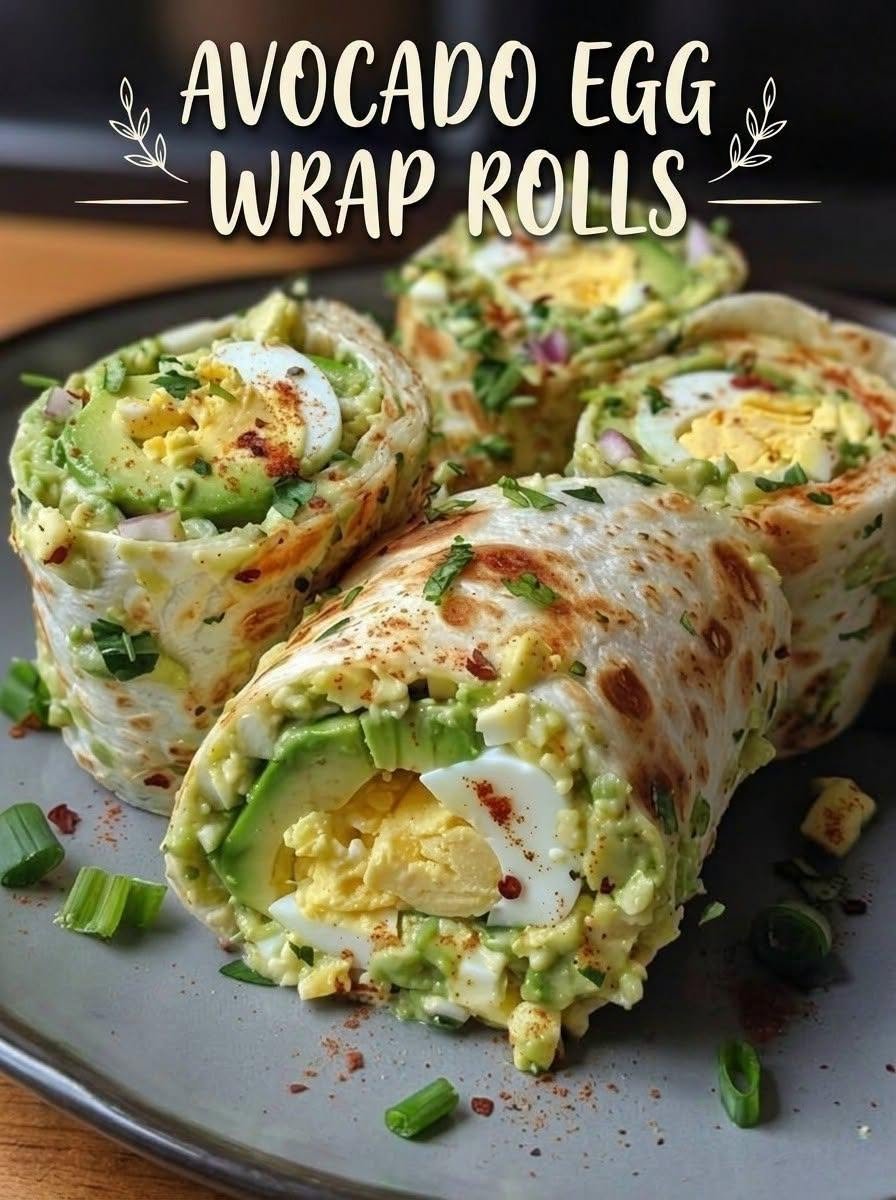
Avocado Egg Wrap Rolls 

Avocado Egg Wrap Rolls 

1. Recipe Description

Avocado Egg Wrap Rolls are a delicious, satisfying, and easy-to-make meal featuring creamy avocado, fluffy scrambled eggs, fresh vegetables, and soft tortillas rolled into convenient, flavorful wraps. This recipe combines the rich texture of ripe avocado with protein-packed eggs, creating a balanced option for breakfast, brunch, lunch, or a quick snack.

These wraps are perfect for busy mornings because they require simple ingredients and take only about 20 minutes to prepare. A squeeze of fresh lemon juice, a pinch of black pepper, and a little garlic powder enhance the natural flavors of the eggs and avocado. You can also add spinach, tomatoes, shredded cheese, or your favorite herbs to customize each roll.

Avocado Egg Wrap Rolls are versatile enough for meal preparation, family breakfasts, lunchboxes, and light dinners. Serve them fresh and soft, or lightly toast them in a skillet for a golden exterior and a warm, creamy filling.

2. Recipe Information

  • Preparation time: 10 minutes

  • Cooking time: 10 minutes

  • Total time: 20 minutes

  • Servings: 4 wrap rolls

  • Cuisine: Modern, American-inspired

  • Course: Breakfast, brunch, lunch, or snack

  • Cooking method: Stovetop

  • Difficulty: Easy

  • Dietary options: Vegetarian; gluten-free if made with certified gluten-free wraps

3. Ingredients

For the egg filling

  • 6 large eggs

  • 1 tablespoon milk or water

  • 1 tablespoon olive oil or butter

  • ¼ teaspoon salt, or to taste

  • ¼ teaspoon freshly ground black pepper

  • ¼ teaspoon garlic powder

  • ¼ teaspoon paprika

For the avocado mixture

  • 2 ripe avocados

  • 1 tablespoon fresh lemon or lime juice

  • ¼ teaspoon salt

  • ¼ teaspoon black pepper

  • 1 tablespoon chopped fresh cilantro or parsley

For assembling the wraps

  • 4 medium flour tortillas or whole-wheat wraps

  • 1 cup fresh baby spinach

  • 1 medium tomato, diced and excess moisture removed

  • ½ cup shredded cheddar or mozzarella cheese

  • ¼ small red onion, thinly sliced

  • 2 tablespoons plain Greek yogurt, optional

  • A pinch of chili flakes, optional

4. Step-by-Step Instructions

Step 1: Prepare the avocados

Cut the avocados in half lengthwise and carefully remove the pits. Scoop the flesh into a medium bowl using a spoon.

Mash the avocado with a fork until it reaches your preferred consistency. For a creamy wrap, mash it until mostly smooth while leaving a few small chunks for texture.

Add the lemon or lime juice, salt, black pepper, and chopped cilantro or parsley. Mix until everything is evenly combined.

The citrus juice adds freshness and helps slow the browning of the avocado. Taste the mixture and adjust the seasoning as needed.

Set aside while you prepare the eggs.

Step 2: Prepare the egg mixture

Crack the eggs into a mixing bowl. Add the milk or water, salt, black pepper, garlic powder, and paprika.

Whisk thoroughly until the yolks and whites are fully combined and the mixture looks uniform.

Adding a small amount of milk or water can help produce soft eggs, although it is not essential. Avoid over-seasoning because the cheese and other fillings may contribute additional salt.

Step 3: Cook the eggs

Heat the olive oil or butter in a nonstick skillet over medium-low heat.

Pour in the egg mixture and allow it to sit briefly until the edges begin to set. Using a silicone spatula, gently move the eggs from the edges toward the center.

Continue cooking slowly, folding the eggs as they form soft curds. Cook for approximately 3–5 minutes, or until the eggs are fully cooked but still moist.

Avoid using high heat, which can make scrambled eggs dry and rubbery.

Remove the skillet from the heat and allow the eggs to cool slightly before assembling the wraps.

Step 4: Warm the tortillas

Place a clean skillet over low heat. Warm each tortilla for approximately 15–30 seconds on each side until soft and flexible.

You can also warm the tortillas in the microwave between slightly damp paper towels for about 15–20 seconds, depending on your microwave.

Warm tortillas are easier to roll and less likely to crack.

Keep them covered with a clean towel while preparing the filling.

Step 5: Prepare the fresh vegetables

Wash and dry the spinach thoroughly. Dice the tomato and remove excess juice so the wraps do not become soggy.

Thinly slice the red onion. If you prefer a milder onion flavor, soak the slices in cold water for a few minutes and drain them well.

Prepare the shredded cheese and Greek yogurt, if using, so everything is ready for assembly.

Step 6: Assemble the wraps

Place one warm tortilla on a clean cutting board.

Spread approximately one-quarter of the avocado mixture across the center of the tortilla, leaving a border around the edges.

Add a small handful of spinach, followed by a portion of scrambled eggs. Sprinkle with diced tomatoes, red onion, and shredded cheese.

Add a little Greek yogurt if desired. Keep the filling in a compact strip rather than spreading it across the entire tortilla. This makes the wrap easier to roll and helps prevent the ingredients from falling out.

Repeat the process with the remaining tortillas and filling.

Step 7: Roll the wraps securely

Fold the left and right sides of the tortilla inward over the filling.

Starting from the edge closest to you, fold the bottom of the tortilla over the ingredients and roll tightly away from yourself.

Keep gentle pressure on the filling as you roll, but do not pull so tightly that the tortilla tears.

Place each wrap seam-side down to help it stay closed.

You can serve the wraps whole or cut each one diagonally in half for an attractive presentation.

Step 8: Toast the wrap rolls (optional)

For a warm, lightly crispy exterior, heat a nonstick skillet over medium-low heat.

Place each wrap seam-side down in the dry skillet. Toast for 1–2 minutes on each side, turning carefully until the tortilla becomes lightly golden.

The cheese will soften, the filling will warm through, and the outside will develop a pleasant toasted texture.

Avoid pressing too firmly with a spatula because this can squeeze the avocado and eggs out of the wrap.

Step 9: Serve immediately

Transfer the wraps to serving plates. Garnish with fresh parsley or cilantro and serve with lemon wedges if desired.

Pair them with fresh fruit, a green salad, roasted potatoes, or a small bowl of yogurt dip.

For an extra touch of flavor, serve with salsa, hot sauce, or a light garlic-yogurt dressing.

5. Tips for Perfect Avocado Egg Wrap Rolls

Choose ripe avocados. A ripe avocado gives the filling a creamy texture. It should yield slightly when gently pressed but should not feel mushy.

Cook eggs over moderate heat. Gentle cooking helps keep the eggs soft and tender.

Remove excess tomato moisture. Wet fillings can make the tortillas soggy and difficult to roll.

Do not overfill the tortillas. Using too much filling makes the rolls harder to close and more likely to split.

Warm the wraps first. Soft, warm tortillas are more flexible and easier to fold.

Add citrus juice. Lemon or lime balances the rich avocado and enhances the overall flavor.

Toast just before serving. If you want a crispy exterior, toast the wraps after assembly rather than storing them toasted.

Season in layers. Taste the avocado mixture and eggs separately so the final wraps have balanced flavor.

6. Delicious Recipe Variations

Spicy Avocado Egg Wrap Rolls

Add finely chopped jalapeño, chili flakes, or a dash of hot sauce to the avocado mixture. You can also use pepper jack cheese for extra heat.

High-Protein Avocado Egg Wraps

Add extra egg whites or a few spoonfuls of plain Greek yogurt. You can also include black beans or cottage cheese for additional protein and a more substantial filling.

Mediterranean Avocado Egg Wraps

Replace cheddar with crumbled feta cheese and add cucumber, spinach, cherry tomatoes, and chopped parsley. A little dried oregano gives these wraps a Mediterranean-inspired flavor.

Avocado Egg and Turkey Wraps

Add slices of cooked turkey breast for a heartier meal. This variation works especially well for lunch and provides additional protein.

Cheesy Avocado Egg Rolls

Use mozzarella or cheddar and toast the wraps in a skillet until the cheese melts. For a richer flavor, add a light spread of cream cheese to the tortilla before assembling.

Low-Carbohydrate Version

Use low-carbohydrate tortillas or large lettuce leaves instead of regular flour wraps. Lettuce leaves are more delicate, so use a smaller amount of filling and serve immediately.

Avocado Egg Breakfast Burrito

Add black beans, corn, salsa, and a little shredded cheese. Roll the ingredients into a larger tortilla for a more substantial breakfast burrito.

7. Serving Suggestions

Avocado Egg Wrap Rolls can be served in several ways depending on the occasion.

For breakfast, pair them with fresh berries, orange slices, or a banana. For brunch, serve with roasted potatoes and a fresh fruit salad.

For lunch, combine a wrap with a crisp cucumber and lettuce salad. A simple dressing made with olive oil, lemon juice, salt, and black pepper complements the creamy filling.

For a quick snack, prepare smaller wraps and cut them into bite-sized pinwheels. Secure each piece with a toothpick if serving at a gathering.

For a more filling dinner, serve with black bean salad, roasted vegetables, or a bowl of vegetable soup.

A yogurt-based dip, mild salsa, or homemade guacamole can also accompany the wraps, although the avocado filling already provides plenty of creaminess.

8. Storage and Meal Preparation

Avocado Egg Wrap Rolls taste best when freshly assembled because avocado can brown and the tortillas can absorb moisture from the vegetables.

Refrigeration: Store leftovers in an airtight container in the refrigerator and consume within 1–2 days for best quality. Keep them chilled, particularly because they contain cooked eggs.

Prevent browning: Fresh lemon or lime juice helps slow avocado browning. Pressing food-safe wrap directly against the exposed filling can also reduce contact with air.

Meal preparation: You can cook the eggs ahead of time and refrigerate them separately in a covered container. Prepare the avocado mixture shortly before serving for the freshest color and flavor.

Reheating: If the wraps are already assembled, warm them gently in a skillet over low heat. Avoid overheating, which can dry out the eggs and soften the avocado excessively.

Freezing: Freezing fully assembled avocado wraps is not recommended because avocado and fresh vegetables can become watery or change texture after thawing.

For food safety, refrigerate perishable ingredients promptly and do not leave egg-filled wraps at room temperature for more than two hours, or one hour when temperatures exceed 90°F (32°C).

9. Nutritional Information

The following values are estimates for one wrap, assuming four servings and the ingredients listed above.

Nutrient Approximate amount per wrap
Calories 400–480 kcal
Protein 18–22 g
Carbohydrates 30–38 g
Total fat 23–29 g
Saturated fat 6–9 g
Fiber 7–10 g
Sugar 3–5 g
Sodium 450–650 mg

Actual nutritional values depend on the tortilla size, type of cheese, amount of avocado, and whether optional yogurt is included.

10. Health Benefits

Protein from eggs

Eggs provide complete protein containing all nine essential amino acids. Protein supports muscle maintenance, tissue repair, and normal body functions.

Healthy fats from avocado

Avocados contain predominantly monounsaturated fats, along with fiber and several important nutrients. These fats can contribute to a balanced eating pattern when used in place of some sources of saturated fat.

Vitamins and minerals

Eggs provide nutrients such as vitamin B12 and choline. Avocados contribute potassium, folate, and vitamin E, while spinach adds folate, vitamin K, and other micronutrients.

Fiber for digestive health

Avocado and vegetables provide dietary fiber, which supports normal digestion and can help make meals more satisfying.

A balanced, convenient meal

Combining eggs, avocado, vegetables, and a tortilla provides protein, fat, carbohydrates, and fiber in one convenient meal. Adjusting the wrap size and fillings allows you to suit your preferences and energy needs.

No single meal guarantees weight loss or prevents disease. Overall dietary variety, portion sizes, and lifestyle habits remain important.

11. Frequently Asked Questions

Q1. Can I make Avocado Egg Wrap Rolls ahead of time?

Yes. For the best results, prepare the eggs ahead and store them separately. Mash the avocado and assemble the wraps closer to serving time to maintain freshness.

Q2. How do I keep avocado from turning brown?

Add lemon or lime juice and limit the mixture’s exposure to air. Some browning may still occur, but it does not necessarily mean the avocado is unsafe if it has been stored properly.

Q3. Can I use boiled eggs instead of scrambled eggs?

Absolutely. Chop hard-boiled eggs and mix them with the mashed avocado, seasoning, and herbs. This creates a slightly firmer filling and eliminates the need to cook eggs in a skillet.

Q4. Which tortillas work best?

Flour and whole-wheat tortillas are flexible and easy to roll. High-fiber or gluten-free wraps also work, although some varieties may need extra warming to prevent cracking.

Q5. Can I make this recipe dairy-free?

Yes. Use olive oil instead of butter, skip the cheese and Greek yogurt, and choose a dairy-free tortilla. The avocado and eggs provide plenty of flavor without dairy.

Q6. How can I add more vegetables?

Add finely chopped bell peppers, grated carrots, mushrooms, or extra spinach. Cook watery vegetables before assembling the wraps to prevent excess moisture.

Q7. Are these wraps suitable for lunchboxes?

Yes, provided they are packed in an insulated lunch bag with an ice pack and kept cold. For the best texture, assemble them shortly before packing.

Q8. Can I make the wraps without cooking?

You can use previously cooked, refrigerated eggs or hard-boiled eggs. However, raw eggs should not be used in this recipe unless they are specifically pasteurized and intended for that purpose.
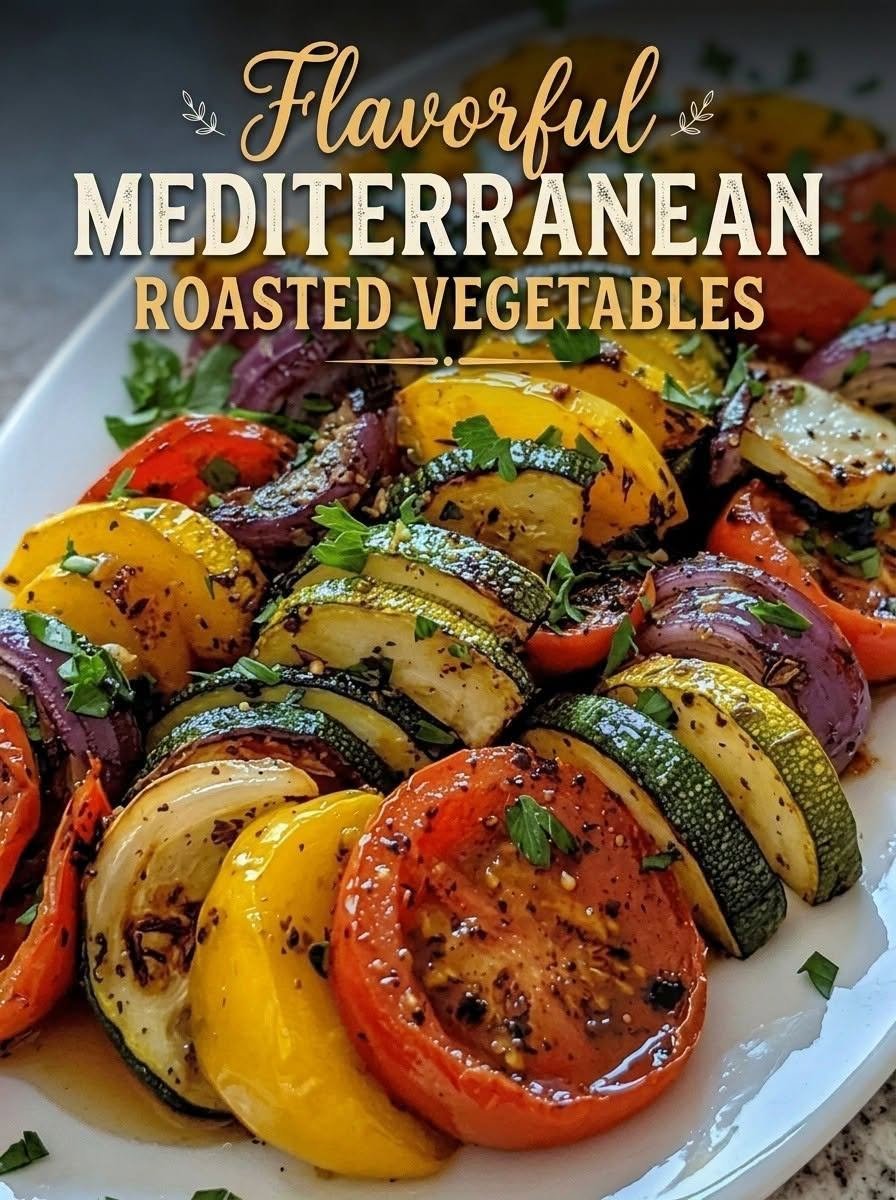
Flavorful Mediterranean Roasted Vegetables 

Flavorful Mediterranean Roasted Vegetables 

1. Recipe Description

Flavorful Mediterranean Roasted Vegetables are a colorful, delicious, and healthy side dish made with fresh zucchini, bell peppers, red onions, cherry tomatoes, eggplant, and garlic, all tossed in extra-virgin olive oil and seasoned with aromatic Mediterranean herbs. Roasting brings out the natural sweetness of the vegetables while creating beautifully caramelized edges and tender centers.

This easy oven-roasted vegetable recipe is perfect for busy weeknight dinners, weekend family meals, meal preparation, or special gatherings. The combination of oregano, thyme, paprika, garlic, and lemon creates a wonderful balance of savory, smoky, and fresh flavors.

These roasted vegetables are naturally vegetarian, vegan, and gluten-free. They pair beautifully with grilled chicken, baked fish, roasted salmon, rice bowls, couscous, pasta, or warm pita bread. You can also serve them as a main meal with chickpeas, white beans, or crumbled feta cheese.

The best part is that this recipe requires minimal preparation. Simply chop the vegetables, season them, spread them on a baking sheet, and let the oven do the work. The result is a satisfying Mediterranean-inspired dish packed with color, flavor, and wholesome ingredients.

2. Recipe Information

  • Preparation time: 20 minutes

  • Cooking time: 35–45 minutes

  • Total time: Approximately 55–65 minutes

  • Servings: 6 people

  • Cuisine: Mediterranean-inspired

  • Course: Side dish or vegetarian main

  • Cooking method: Oven roasting

  • Difficulty: Easy

  • Dietary options: Vegan, vegetarian, and gluten-free when prepared with suitable ingredients

3. Ingredients

For the roasted vegetables

  • 2 medium zucchini, sliced into thick half-moons

  • 1 medium eggplant, cut into bite-sized cubes

  • 2 red bell peppers, cut into chunks

  • 1 yellow bell pepper, cut into chunks

  • 1 large red onion, cut into wedges

  • 2 cups cherry tomatoes

  • 1 medium red onion, if you prefer extra onion, cut into wedges

  • 4 garlic cloves, finely minced

  • 3 tablespoons extra-virgin olive oil

  • 1 teaspoon dried oregano

  • 1 teaspoon dried thyme

  • 1 teaspoon paprika

  • ½ teaspoon garlic powder

  • ½ teaspoon onion powder

  • ¾ teaspoon salt, or to taste

  • ½ teaspoon freshly ground black pepper

  • ¼ teaspoon red pepper flakes, optional

  • 1 tablespoon fresh lemon juice

  • 1 teaspoon lemon zest

  • 2 tablespoons fresh parsley, chopped

Optional ingredients

  • ½ cup Kalamata olives, pitted

  • ½ cup crumbled feta cheese

  • 1 tablespoon balsamic vinegar

  • 1 tablespoon fresh basil, chopped

  • 1 can chickpeas, drained and rinsed

  • 2 tablespoons grated Parmesan cheese

  • 1 tablespoon toasted pine nuts

Note: The ingredient list includes one large red onion as the standard amount. Use only one unless you particularly enjoy extra onion.

4. Choosing the Best Vegetables

The quality and freshness of your vegetables make a significant difference to the final dish.

Zucchini: Choose firm zucchini with smooth, shiny skin. It becomes tender and lightly caramelized during roasting.

Eggplant: Look for eggplant with glossy skin and a firm texture. It absorbs olive oil and seasonings well, developing a soft, creamy interior.

Bell peppers: Red and yellow peppers add sweetness, while green peppers provide a slightly more earthy flavor. Using several colors makes the finished dish especially attractive.

Cherry tomatoes: These become juicy and sweet when roasted, creating a natural sauce that coats the other vegetables.

Red onion: Red onion adds a mild sweetness and develops delicious caramelized edges as it cooks.

Garlic: Fresh garlic provides a distinctive Mediterranean aroma. Minced garlic can brown quickly, so toss it evenly with the vegetables and avoid exposing large pieces directly to excessive heat.

You can also include mushrooms, asparagus, cauliflower, broccoli, or carrots. Keep in mind that firmer vegetables may need a head start in the oven.

5. Step-by-Step Instructions

Step 1: Preheat the oven

Preheat your oven to 425°F (220°C). Line a large rimmed baking sheet with parchment paper if desired.

A hot oven is essential for roasting vegetables properly. The high temperature helps evaporate surface moisture, producing golden edges rather than soft, steamed vegetables.

If your baking sheet is small, prepare two trays. Overcrowding vegetables causes them to release moisture and prevents proper caramelization.

Step 2: Wash and prepare the vegetables

Wash all vegetables under cool running water and dry them thoroughly with a clean kitchen towel.

Cut the zucchini into thick half-moons, the eggplant into bite-sized cubes, and the bell peppers into similarly sized chunks. Cut the red onion into wedges and leave the cherry tomatoes whole.

Try to keep the pieces reasonably uniform so they cook at a similar rate.

If the zucchini or eggplant is particularly watery, drying the cut pieces carefully helps improve the roasted texture.

Place all the prepared vegetables in a large mixing bowl.

Step 3: Prepare the Mediterranean seasoning

In a small bowl, combine the olive oil, dried oregano, dried thyme, paprika, garlic powder, onion powder, salt, black pepper, and optional red pepper flakes.

Stir well to distribute the seasonings evenly through the oil.

Pour the mixture over the vegetables. Add the minced garlic and toss thoroughly with a large spoon or clean hands until every piece is lightly coated.

The olive oil helps the vegetables brown while carrying the flavor of the herbs and spices.

Avoid adding too much oil. A light, even coating is sufficient.

Step 4: Arrange the vegetables on the baking sheet

Spread the seasoned vegetables in a single layer on the prepared baking sheet.

Keep some space between the pieces wherever possible. The vegetables should not be piled on top of one another.

Arrange the eggplant and peppers across the tray, distribute the zucchini and onion wedges, and leave the cherry tomatoes scattered throughout.

If you have a large quantity of vegetables, divide them between two baking sheets rather than crowding one.

This simple step is one of the most important secrets to achieving flavorful roasted vegetables with golden edges.

Step 5: Begin roasting

Place the baking sheet in the preheated oven and roast for approximately 20 minutes.

During this stage, the vegetables begin to soften, and their natural sugars develop a deeper flavor.

The zucchini becomes tender, the peppers begin to brown, and the eggplant absorbs the seasoning while developing a creamy interior.

After 20 minutes, remove the tray carefully and turn the vegetables with a spatula.

Rotate the baking sheet if your oven has hot spots.

Step 6: Continue roasting until golden

Return the baking sheet to the oven and roast for another 15–25 minutes.

The exact cooking time depends on the size of the vegetable pieces and your oven.

Look for softened vegetables with lightly browned edges, tender eggplant, and tomatoes that have started to blister and release their juices.

If you prefer firmer vegetables, check them after an additional 10–15 minutes. If you enjoy deeper caramelization, allow them to roast a little longer while watching carefully to prevent burning.

The vegetables should be tender but not completely mushy.

Step 7: Add lemon and fresh herbs

Remove the tray from the oven when the vegetables are cooked to your liking.

Drizzle the fresh lemon juice over the warm vegetables and sprinkle with lemon zest and chopped parsley.

Toss gently to distribute the fresh flavors without crushing the softened tomatoes.

Lemon juice adds brightness and balances the sweetness created during roasting. Fresh parsley brings a clean, herbal finish.

For extra Mediterranean character, add fresh basil or a small handful of pitted Kalamata olives.

Step 8: Add optional toppings

If you enjoy a creamy, salty contrast, sprinkle crumbled feta cheese over the warm vegetables.

For a dairy-free version, use toasted pine nuts or a handful of chopped fresh herbs instead.

A small drizzle of balsamic vinegar also works well, especially if you prefer a slightly sweet and tangy finish.

If adding Parmesan, use it sparingly so that it enhances rather than overwhelms the natural vegetable flavors.

Step 9: Serve immediately

Transfer the roasted vegetables to a serving platter or serve directly from the baking sheet.

Arrange the colorful peppers, zucchini, eggplant, tomatoes, and onion wedges evenly. Spoon the flavorful juices from the tray over the vegetables.

Finish with another small drizzle of olive oil and fresh parsley if desired.

Serve while warm for the best texture and flavor.

6. Tips for Perfect Mediterranean Roasted Vegetables

Use a high oven temperature. Roasting at 425°F (220°C) encourages browning and caramelization.

Dry vegetables thoroughly. Excess water can prevent the vegetables from browning properly.

Avoid overcrowding. Use two baking sheets if necessary to ensure that the vegetables roast instead of steam.

Cut vegetables evenly. Similar-sized pieces cook more consistently.

Add delicate ingredients at the right time. Cherry tomatoes can roast with the other vegetables, but fresh herbs and lemon juice are best added at the end.

Turn the vegetables once. Turning them halfway through cooking encourages more even browning.

Adjust the seasoning. Add salt gradually, especially if you plan to use feta, olives, or Parmesan.

Use good olive oil. Extra-virgin olive oil adds rich flavor and complements the Mediterranean herbs.

Choose vegetables according to the season. Summer zucchini and tomatoes work beautifully, while cauliflower, carrots, and Brussels sprouts are excellent alternatives during cooler months.

7. Delicious Recipe Variations

Mediterranean roasted vegetables with chickpeas

Add one drained and rinsed can of chickpeas to the vegetables before roasting. Toss everything with the olive oil and seasonings.

The chickpeas provide additional plant-based protein and fiber, making the dish more substantial as a vegetarian main course.

Roasted vegetables with feta

Add crumbled feta after the vegetables finish roasting. Its salty, creamy flavor complements the sweet tomatoes and caramelized peppers.

For a warmer cheese topping, add the feta during the final 5 minutes of cooking.

Garlic and herb roasted vegetables

Increase the oregano and thyme slightly, then finish with freshly chopped parsley and basil.

For the best garlic flavor, avoid letting minced garlic burn on the baking sheet.

Spicy Mediterranean vegetables

Add extra red pepper flakes or a small amount of cayenne pepper to the olive oil seasoning.

This version pairs especially well with grilled chicken, fish, couscous, or rice bowls.

Balsamic roasted vegetables

Drizzle one tablespoon of balsamic vinegar over the vegetables during the final 5–10 minutes of roasting.

The vinegar adds sweetness and acidity, making the vegetables especially delicious with roasted meats or lentils.

Lemon herb vegetable bowls

Serve the roasted vegetables over brown rice, quinoa, or couscous. Add chickpeas, fresh parsley, and a lemon-tahini dressing for a satisfying bowl.

8. Serving Suggestions

Flavorful Mediterranean Roasted Vegetables are versatile enough to accompany many meals.

  • With grilled chicken: Serve alongside lemon-herb chicken breast or grilled chicken thighs.

  • With fish: Pair with baked cod, salmon, or sea bass.

  • With grains: Spoon over brown rice, quinoa, or couscous.

  • With pasta: Toss the vegetables with cooked fusilli, penne, olive oil, and Parmesan or feta.

  • With pita bread: Serve with warm pita, hummus, and a cucumber salad.

  • As a vegetarian meal: Combine with chickpeas or white beans and finish with a lemon dressing.

  • As a salad topping: Allow the vegetables to cool slightly and add them to leafy greens with a light vinaigrette.

For a Mediterranean-inspired platter, arrange the vegetables alongside hummus, olives, whole-grain pita, and a small bowl of yogurt sauce.

9. Storage and Reheating

Refrigeration

Allow the vegetables to cool slightly before placing them in an airtight container. Refrigerate within two hours of cooking and consume within 3–4 days.

Reheating in the oven

Spread the vegetables on a baking sheet and heat at 375°F (190°C) for approximately 8–12 minutes, or until thoroughly warmed.

The oven helps restore some of the roasted texture.

Reheating in a skillet

Heat a nonstick skillet over medium heat with a small drizzle of olive oil. Add the vegetables and cook for 4–6 minutes, stirring occasionally.

This method works well for small portions.

Microwave reheating

Place the vegetables in a microwave-safe dish and heat in short intervals until warm. They may become softer than when freshly roasted.

Freezing

Roasted vegetables can be frozen in airtight containers for approximately 2–3 months for best quality. However, zucchini, eggplant, and tomatoes may become softer after thawing.

For better texture, use thawed vegetables in soups, pasta sauces, grain bowls, or casseroles.

10. Nutritional Information

The following values are estimates for one serving, assuming six servings and the basic recipe with three tablespoons of olive oil, without optional cheese or chickpeas.

Nutrient Approximate amount per serving
Calories 140–180 kcal
Protein 3–4 g
Carbohydrates 15–20 g
Total fat 8–10 g
Saturated fat 1–2 g
Fiber 5–7 g
Sugar 7–10 g
Sodium 300–450 mg

Actual nutrition will vary according to the size of the vegetables, amount of oil, salt, and optional toppings.

Adding feta, Parmesan, or chickpeas will change the nutritional values.

11. Health Benefits

Rich in vitamins and minerals

Bell peppers and tomatoes provide vitamin C, while zucchini and eggplant contribute a range of vitamins, minerals, and plant compounds.

Eating a variety of colorful vegetables helps supply a broad range of nutrients.

Provides dietary fiber

Eggplant, zucchini, peppers, onions, and tomatoes contribute fiber, which supports normal digestion and can help meals feel more satisfying.

Contains beneficial plant compounds

Tomatoes contain lycopene, while colorful peppers provide carotenoids and other antioxidant compounds. The amounts available to the body vary with preparation and the overall meal.

Includes unsaturated fats

Extra-virgin olive oil is rich in monounsaturated fats. Using moderate amounts of olive oil is consistent with a Mediterranean-style eating pattern.

Supports balanced eating

These vegetables can help add variety, color, and nutrients to everyday meals. Pairing them with beans, lentils, fish, chicken, or another protein source creates a more complete meal.

Although this recipe can fit into many healthy eating patterns, no single food guarantees weight loss or prevents illness. Overall dietary habits and portion sizes matter most.

12. Frequently Asked Questions

Q1. Can I use frozen vegetables?

Yes, but frozen vegetables generally release more moisture. Roast them directly from frozen when appropriate, spread them out well, and expect a softer texture. Fresh vegetables usually give the best caramelization.

Q2. Do I need to peel the eggplant?

No. The skin helps the eggplant maintain its shape and contains fiber. Simply wash it and remove the stem before cutting.

Q3. Why are my vegetables soggy?

The most common reasons are overcrowding, excess moisture, too much oil, or an oven temperature that is too low. Dry the vegetables well, spread them in a single layer, and roast at a sufficiently high temperature.

Q4. Can I prepare the vegetables ahead of time?

Yes. Wash and chop the vegetables up to a day ahead and refrigerate them in covered containers. For the freshest roasted texture, toss them with the seasoning and roast shortly before serving.

Q5. Can I make this recipe without olive oil?

Yes. You can use another suitable cooking oil, although the flavor will differ. A small amount of oil generally helps with browning and seasoning distribution.

Q6. Is this recipe vegan?

Yes. The basic recipe is vegan. Simply omit feta and Parmesan, and check any packaged seasonings or optional ingredients to ensure they are suitable.

Q7. Can I add potatoes?

Absolutely. Cut the potatoes into small, evenly sized pieces and roast them for about 15–20 minutes before adding the quicker-cooking vegetables.

Q8. What herbs work best?

Oregano and thyme are excellent dried herbs for roasting. Fresh parsley and basil are ideal finishing herbs. Rosemary also works well with potatoes, eggplant, and peppers.

Q9. How can I make this a complete meal?

Add chickpeas, white beans, or lentils for a plant-based meal, or serve the vegetables with chicken, fish, or another protein source. Grain bowls are another easy option.

Q10. Can I serve the vegetables cold?

Yes. Allow them to cool and toss them with fresh lemon juice and herbs. They make a delicious addition to pasta salads, grain salads, and Mediterranean lunch bowls.

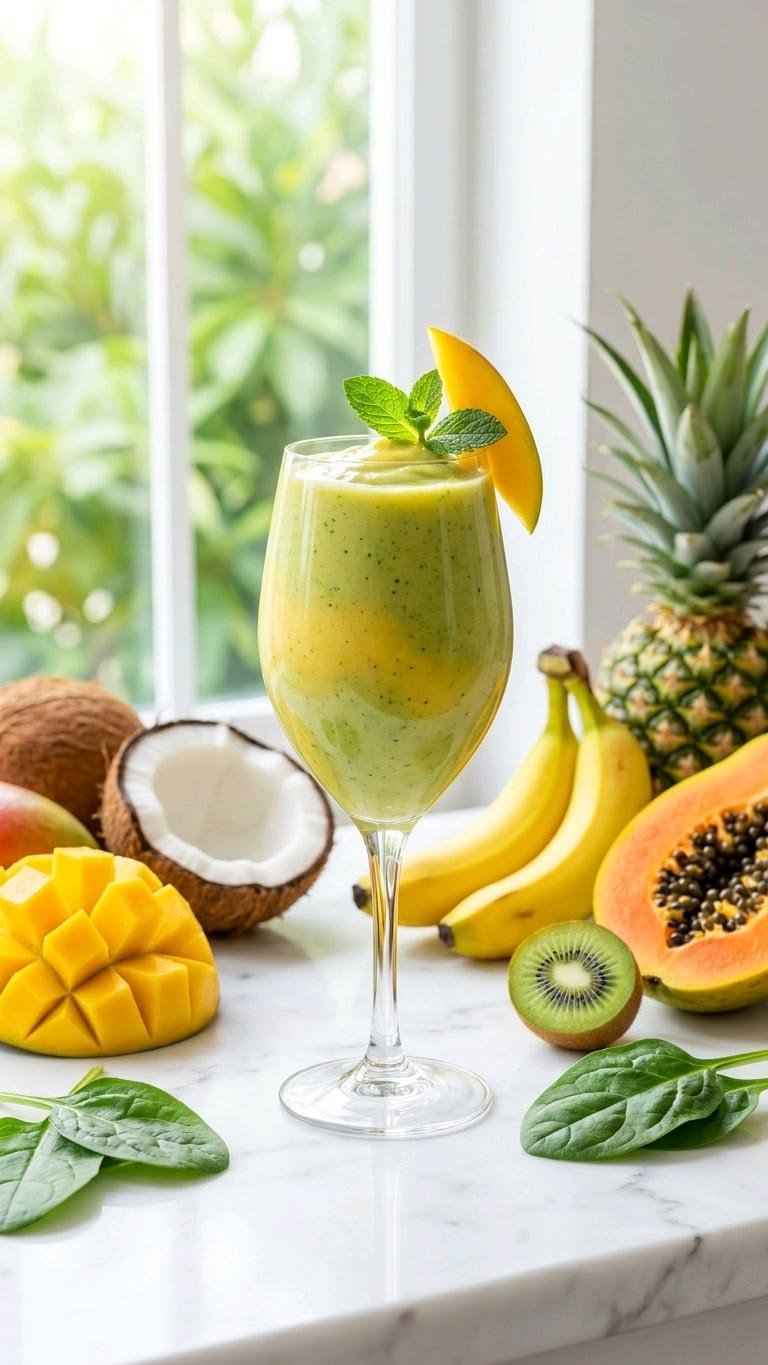
Tropical Green Mango Smoothie Recipe

Tropical Green Mango Smoothie Recipe

Description

This refreshing Tropical Green Mango Smoothie is packed with vitamins, natural sweetness, and vibrant colors. It blends tropical fruits like mango, pineapple, papaya, banana, kiwi, and fresh spinach with coconut water to create a nourishing and energetic drink.

Ingredients

  • 1 cup frozen or fresh mango chunks

  • 1/2 cup ripe pineapple pieces

  • 1/2 cup ripe papaya cubes

  • 1 ripe banana

  • 1 peeled kiwi fruit

  • 1 cup fresh spinach leaves

  • 1/2 cup coconut water or coconut milk

  • 1 tbsp fresh mint leaves (for blending and garnish)

  • Ice cubes (optional)

Step-by-Step Instructions

  1. Prepare the Fruit Layer: In a high-speed blender, add half of the mango chunks, banana, and a splash of coconut water. Blend until completely smooth and thick. Pour this yellow tropical layer into the bottom of your serving glass.

  2. Prepare the Green Layer: In the same blender, combine the remaining mango, spinach leaves, kiwi, pineapple, papaya, fresh mint, and the rest of the coconut water. Blend on high speed until a rich green color and creamy consistency is achieved.

  3. Assemble the Layered Smoothie: Gently pour the green mixture over the mango base in the glass to create a beautiful two-tone layered effect.

  4. Garnish and Serve: Top the glass with a slice of fresh mango and a sprig of fresh mint leaves. Serve immediately cold with a straw.

Chef’s Helpful Tips

  • Use Frozen Fruits: Using frozen mango and banana gives the smoothie a thick, ice-cream-like consistency without watering it down with extra ice.

  • Adjust Sweetness Naturally: If your fruits are slightly tart, add a teaspoon of raw honey or maple syrup instead of refined sugar.

  • Liquid Adjustments: If the smoothie is too thick to blend, add small extra splashes of coconut water until the blades spin freely.

Frequently Asked Questions (Q&A)

  • Q1: Can I make this smoothie in advance?

    • Answer: It is best enjoyed fresh to retain its bright green color and optimal vitamins. However, you can store it in an airtight jar in the refrigerator for up to 24 hours. Give it a good shake before drinking.

  • Q2: Can I substitute spinach with another green ingredient?

    • Answer: Yes, kale or baby arugula can be used. Mild spinach is recommended because its flavor is easily masked by sweet fruits like mango and banana.

  • Q3: Is this smoothie suitable for a vegan diet?

    • Answer: Absolutely! Using natural coconut water or plant-based milks makes this recipe 100% vegan and dairy-free.

🍌 Creamy Banana Crunch Milkshake Recipe

🍌 Creamy Banana Crunch Milkshake Recipe

Ingredients:

  • For the Milkshake:

    • 2 ripe bananas (preferably frozen for extra thickness)

    • 2 cups cold full-cream milk

    • 2 scoops vanilla or banana ice cream

    • 1 tablespoon honey or caramel syrup

    • 1/4 teaspoon vanilla extract

    • 3-4 crushed digestive biscuits or crunchy cookies

  • For Topping & Garnish:

    • Whipped cream

    • Fresh banana slices

    • Crushed chocolate chunks or cookie bits

    • Caramel sauce drizzle

Instructions:

  1. Prepare the Glass: Take your serving glasses and drizzle caramel syrup inside along the walls to create a beautiful presentation. Place the glasses in the freezer for about 5 minutes to chill.

  2. Blend the Base: In a blender, add the frozen bananas, cold full-cream milk, vanilla ice cream, honey, and vanilla extract. Blend on high speed until completely smooth and creamy.

  3. Add the Crunch: Toss in the crushed digestive biscuits or cookies into the blender and pulse for just 3 to 5 seconds. This ensures a wonderful crunchy texture in every sip without turning the cookies into powder.

  4. Pour and Assemble: Take the chilled glasses out of the freezer and pour the rich banana milkshake evenly into them.

  5. Garnish Generously: Pipe a generous amount of whipped cream on top of each milkshake. Sprinkle the crushed chocolate bits, cookie crumbs, and arrange fresh banana slices neatly. Finish with a drizzle of caramel syrup and serve immediately with a colorful straw!

❓ Frequently Asked Questions (Q&A)

Q1: Kya main frozen banana ki jagah normal fresh banana use kar sakta hoon? Answer: Haan, aap bilkul fresh banana use kar sakte hain. Lekin frozen banana use karne se milkshake ka texture bahut zyada thick, creamy aur café jaisa banta hai.

Q2: Agar mere paas whipped cream available na ho toh kya alternative use karein? Answer: Agar whipped cream nahi hai, toh aap upar se ek extra scoop vanilla ice cream ya fir thoda sa thick malai bhi use kar sakte hain jo taste mein bahut acchi lagti hai.

Q3: Kya is milkshake mein extra sugar dalni zaroori hai? Answer: Bilkul nahi! Ripe bananas aur ice cream mein pehle se hi sufficient natural sweetness hoti hai. Agar aapko aur meetha pasand hai tabhi honey ya caramel add karein.

💡 Helpful Tips for Best Results

  • Choose Ripe Bananas: Hamesha ache se pake hue bananas select karein, unpar jitne dark spots honge, flavour utna hi rich aur sweet hoga.

  • Keep Everything Chilled: Milk aur ice cream dono well-chilled hone chahiye taaki blender mein chalne ke baad bhi milkshake thanda aur thick rahe.

  • Serve Instantly: Milkshake banane ke turant baad serve karein kyunki whipped cream aur ice cream jaldi melt ho sakti hain.

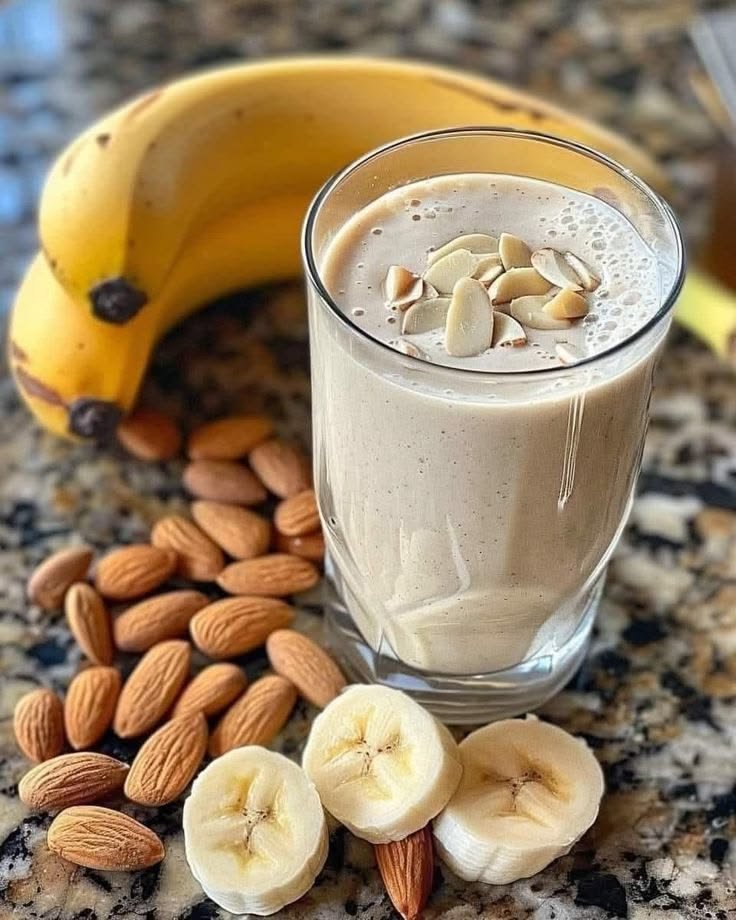
Almond Banana Smoothie

Almond Banana Smoothie

Yeh Almond Banana Smoothie ek behad swadisht, creamy aur poshak tatvo se bharpoor drink hai jo subah ke nashte ya din ke kisi bhi samay energy boost ke liye ek behtareen vikalp hai. Ise banana behad aasan hai aur kuch hi minutes mein yeh tayar ho jati hai.

Ingredients

  • 2 ripe bananas (pake hue kele): Thandi aur thick consistency ke liye frozen kele sabse acche rehte hain.

  • 10–12 raw almonds (kachhe badam): Inhe 15 se 20 minutes ke liye garm paani mein bhigo kar chhilka utaar lein.

  • 1 cup milk (doodh): Aap regular doodh ya almond milk / oat milk ka istemal kar sakte hain.

  • 1 tablespoon honey (shahad): Agar aapko zyada meetha pasand hai toh natural sweetener ke roop mein add karein.

  • 1/4 teaspoon cinnamon powder (dalchini powder): Ek behtareen khushboo aur swad ke liye.

  • Ice cubes: Thanda serve karne ke liye optional taur par.

  • Sliced almonds: Upar se garnishing ke liye.

Step-by-Step Instructions

  1. Badam bhigona aur chhilna: Kachhe badam ko garm paani mein bhigo kar unka chhilka nikal lein taaki smoothie bilkul smooth bane.

  2. Kele kaatna: Pake hue kelo ko chhote gol tukdo mein kaat lein.

  3. Blend karna: Ek blender mein kate hue kele, bhige hue badam, doodh, shahad aur cinnamon powder dalein.

  4. Smooth mix banana: Blender ko high speed par 45 se 60 seconds tak chalayein jab tak sabhi cheezein aapas mein achhi tarah mil kar ek creamy texture na ban jayein.

  5. Serve karna: Is creamy shake ko ek lambe glass mein dalein aur upar se sliced almonds se garnish karke thanda thanda serve karein.

Chef’s Tips

  • Thick Texture ke liye: Frozen bananas ka istemal karein taaki bina zyadatar ice ke bhi shake kaafi thick bane.

  • Badam bhigona zaroori hai: Badam bhigane se woh asani se blend ho jate hain aur digestion ke liye bhi acche rehte hain.

  • Natural Sweetness: Agar kele acche se pake hue hain aur unpar halki spots hain, toh aapko extra shahad ki zaroorat nahi padegi kyunki woh pehle se meethe hote hain.

Frequently Asked Questions (FAQs)

Q1: Kya hum ise pehle se bana kar rakh sakte hain?

Answer: Ise taza peena hi sabse accha hota hai, lekin agar zaroorat ho toh airtight bottle mein 12 ghante tak fridge mein rakh sakte hain. Peene se pehle bottle ko achhi tarah shake kar lein.

Q2: Kya yeh vegan recipe hai?

Answer: Haan, agar aap regular doodh ki jagah plant-based milk (jaise almond ya oat milk) aur shahad ki jagah maple syrup ka istemal karein toh yeh puri tarah vegan ban jati hai.

Q3: Kya isme protein powder mila sakte hain?

Answer: Bilkul, fitness goals ke liye aap isme apne pasand ka ek scoop protein powder bhi aasani se add kar sakte hain.

Perfect Potato Pancakes Recipe

Perfect Potato Pancakes Recipe

4 cups frozen potatoes
5 slices bacon
1/2 teaspoon onion powder
1/2 teaspoon salt
1/2 teaspoon black pepper
2 eggs, well beaten
1/2 teaspoon grated cheese

Cook bacon in a large skillet over medium heat until smooth and tender, about 10 minutes. Don’t forget to turn the pieces occasionally.
When the bacon is cooked, remove it from the pan and break it into pieces. Set aside, but retain the bacon drippings in the pan.
In a mixing bowl, combine the hash browns, beaten eggs, onion powder, salt and pepper. Stir in crumbled bacon and cheddar cheese until well combined.
Divide the mixture into 8 parts.
Heat the drippings in a pan over medium heat. Fry the potato skins on both sides until lightly browned and golden, usually about 4 minutes per side.
After cooking these sweet potato baskets, serve and enjoy!