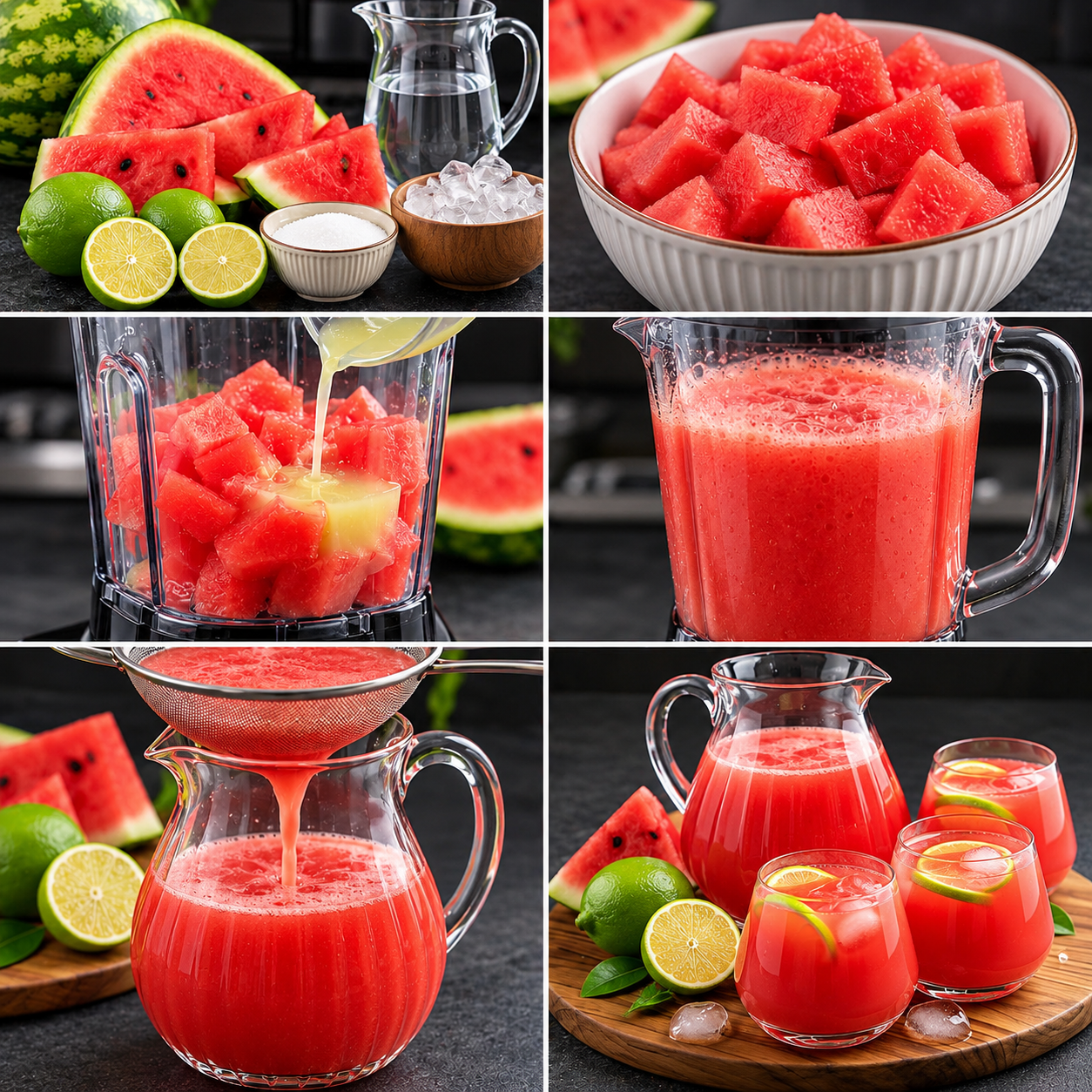
Homemade Watermelon Lime Juice

Homemade Watermelon Lime Juice – Easy, Fresh & Refreshing Summer Drink

Description

Homemade Watermelon Lime Juice is a refreshing, naturally sweet, and delicious summer drink made with fresh watermelon, tangy lime juice, and a few simple ingredients. This easy homemade juice recipe is perfect for hot summer days, family gatherings, outdoor parties, picnics, or whenever you want something cool and hydrating.

The natural sweetness of ripe watermelon combines beautifully with the bright citrus flavor of fresh lime juice, creating a refreshing drink without the need for artificial flavors or preservatives. Unlike many store-bought fruit drinks, this homemade version allows you to control the amount of added sugar and adjust the flavor according to your preference.

One of the best things about Homemade Watermelon Lime Juice is how simple it is to prepare. You only need fresh watermelon, lime juice, a blender, and a few minutes of preparation. You can enjoy it with its natural pulp for a slightly thicker texture or strain it for a smoother, lighter drink.

Watermelon naturally contains a high percentage of water, making it an excellent ingredient for refreshing summer beverages. It also provides vitamin C, potassium, and lycopene, a naturally occurring antioxidant responsible for its beautiful red color.

Whether served in tall glasses with ice cubes or presented in a large glass pitcher with fresh lime slices, this Homemade Watermelon Lime Juice is a colorful and refreshing addition to any occasion.

Ingredients

This easy watermelon juice recipe uses simple, fresh ingredients that are widely available during the summer season.

Main Ingredients

  • 6 cups fresh watermelon (approximately 900 g), cubed

  • ¼ cup fresh lime juice (60 ml)

  • ½ cup cold water (120 ml), optional

  • 1–2 tablespoons sugar or honey, optional

  • 1 cup ice cubes (approximately 140 g)

  • Fresh lime slices, for garnishing

Optional Ingredients for Extra Flavor

  • 4–5 fresh mint leaves

  • ½ teaspoon finely grated lime zest

  • A small pinch of sea salt

  • ½ cup chilled sparkling water

  • Extra watermelon cubes for serving

These optional additions can enhance the flavor without changing the refreshing character of the drink.

Step-by-Step Instructions

Step 1: Prepare the Fresh Watermelon

Start by washing the outside of the watermelon thoroughly under running water before cutting it.

Place the watermelon on a clean cutting board and carefully slice it into manageable sections using a sharp knife.

Remove the thick green rind and cut the red watermelon flesh into small, evenly sized cubes.

If your watermelon contains large black seeds, remove them before blending. Small, soft white seeds are generally fine to blend.

Measure approximately 6 cups of watermelon cubes.

For the best flavor, choose a ripe watermelon that tastes naturally sweet. This will reduce or eliminate the need for added sugar.

Step 2: Prepare the Fresh Lime Juice

Wash the limes thoroughly and cut them in half.

Squeeze enough fresh lime juice to measure approximately ¼ cup.

Remove any seeds from the juice before adding it to the blender.

Freshly squeezed lime juice is recommended because it provides a bright, natural citrus flavor that complements the sweetness of watermelon.

Bottled lime juice can be used if necessary, but the flavor may be slightly different.

Step 3: Add the Ingredients to the Blender

Place the prepared watermelon cubes into a clean blender.

Pour the fresh lime juice over the watermelon.

If your watermelon is very juicy, you may not need additional water. However, if the mixture is too thick for your blender, add a small amount of cold water.

Start with 2–3 tablespoons of water and increase gradually if necessary.

Avoid adding too much water because it can dilute the natural watermelon flavor.

Step 4: Blend Until Smooth

Secure the blender lid and blend the watermelon mixture for approximately 30–60 seconds, or until smooth.

The watermelon should break down into a bright red liquid with a light, naturally frothy texture.

If you prefer a stronger citrus flavor, add a little extra lime juice.

For a refreshing herbal twist, add a few fresh mint leaves before blending.

Avoid over-blending unnecessarily, as watermelon becomes liquid very quickly.

Step 5: Strain the Juice (Optional)

If you prefer a smooth, pulp-free drink, place a fine-mesh strainer over a large bowl or pitcher.

Slowly pour the blended watermelon mixture through the strainer.

Use a spoon to gently press the pulp and extract the remaining juice.

This step creates a lighter, smoother texture.

However, if you enjoy a thicker drink and want to retain more of the fruit’s natural fiber, skip the straining process.

Both versions taste delicious, so choose the texture you prefer.

Step 6: Adjust the Sweetness

Taste the freshly blended watermelon lime juice.

If the watermelon is naturally sweet, additional sugar may not be necessary.

If you prefer a sweeter drink, add 1–2 tablespoons of sugar or honey.

Stir thoroughly or return the mixture to the blender for a few seconds to combine.

You can also adjust the lime juice depending on whether you prefer a sweeter or tangier drink.

The goal is to create a balanced flavor where the watermelon remains the main ingredient and the lime provides a refreshing citrus finish.

Step 7: Chill the Juice

Transfer the prepared juice into a clean glass pitcher or covered jug.

Place it in the refrigerator for approximately 30 minutes, or until thoroughly chilled.

Chilling helps enhance the refreshing taste, especially during hot weather.

If you are short on time, you can serve the juice immediately over ice cubes.

Step 8: Serve and Garnish

Fill serving glasses with fresh ice cubes.

Pour the chilled Homemade Watermelon Lime Juice into each glass.

Garnish with thin lime slices, fresh mint leaves, or small watermelon wedges.

Serve immediately while cold.

For parties or gatherings, present the juice in a large glass pitcher surrounded by fresh watermelon slices and lime wedges.

Tips and Notes

1. Choose a Ripe Watermelon

The sweetness of the watermelon is the most important factor in this recipe.

Choose a watermelon that feels heavy for its size and has a creamy yellow field spot. These signs can help identify a ripe fruit, although they do not guarantee sweetness.

2. Chill the Watermelon Before Blending

Refrigerating the watermelon before preparation helps create a naturally cold and refreshing drink.

This also reduces the amount of ice needed when serving.

3. Use Fresh Lime Juice

Fresh lime juice provides a brighter flavor than many bottled alternatives.

For the best taste, squeeze the limes immediately before preparing the juice.

4. Avoid Adding Too Much Water

Watermelon naturally contains plenty of liquid.

Adding excessive water can weaken its sweetness and flavor.

Only add water when necessary to help the blender process the fruit.

5. Keep the Natural Pulp

If you prefer a slightly thicker juice, skip straining.

Keeping the pulp helps retain more of the fruit’s natural fiber, although watermelon juice is not a particularly high-fiber beverage.

6. Adjust the Sweetness Naturally

Ripe watermelon often provides enough sweetness without added sugar.

Taste the drink before adding honey or sugar.

7. Add Fresh Mint

Fresh mint leaves create a cooling herbal flavor that pairs beautifully with watermelon and lime.

Add a few leaves during blending or use them as a garnish.

8. Serve Immediately for the Best Flavor

Although the juice can be refrigerated, its fresh flavor and appearance are generally best shortly after preparation.

Stir the juice before serving if natural separation occurs.

Health Benefits of Homemade Watermelon Lime Juice

Homemade Watermelon Lime Juice contains several naturally occurring nutrients and can be enjoyed as part of a balanced diet.

1. Helps Support Hydration

Watermelon contains approximately 92% water, making it a hydrating fruit.

When blended into juice, it creates a refreshing beverage that contributes to daily fluid intake.

This makes it particularly enjoyable during warm weather or after spending time outdoors.

However, plain water should remain a primary source of hydration.

2. Provides Vitamin C

Both watermelon and lime contain vitamin C.

Vitamin C supports normal immune system function, helps the body produce collagen, and contributes to the protection of cells from oxidative stress.

3. Contains Lycopene

Watermelon is a natural source of lycopene, a carotenoid pigment responsible for its red color.

Lycopene acts as an antioxidant, although drinking watermelon juice should not be considered a treatment or prevention method for specific diseases.

4. Provides Potassium

Watermelon contains potassium, an essential mineral that supports normal muscle function, nerve signaling, and fluid balance.

5. Can Be Made Without Added Sugar

One of the biggest advantages of preparing watermelon juice at home is that you can control the ingredients.

When made with ripe watermelon, the drink may be naturally sweet enough without additional sugar or honey.

Keep in mind that watermelon still contains naturally occurring sugars.

6. Offers a Refreshing Alternative to Sugary Drinks

Homemade watermelon lime juice can be a flavorful alternative to many sweetened beverages, especially when prepared without added sugar.

It is best enjoyed in moderate portions as part of a varied diet.

Storage and Make-Ahead Instructions

Refrigerator Storage

Pour leftover juice into a clean, airtight glass bottle or covered pitcher.

Refrigerate promptly at 40°F (4°C) or below.

For the best quality, consume within 24 hours. Properly refrigerated juice may remain suitable for up to 2–3 days, but freshness and flavor gradually decline.

Discard the juice if it develops an unusual odor, visible mold, or other signs of spoilage.

Why Does Watermelon Juice Separate?

Fresh watermelon juice may naturally separate into layers during refrigeration.

This happens because the fruit pulp and liquid settle at different rates.

Simply shake or stir the juice before serving.

Can You Freeze Watermelon Lime Juice?

Yes. Pour the juice into ice cube trays or freezer-safe containers, leaving room for expansion.

Once frozen, use the cubes in smoothies, chilled drinks, or flavored water.

Frozen juice may have a slightly different texture after thawing.

Can You Prepare It in Advance?

Yes. You can cube the watermelon ahead of time and keep it refrigerated in a covered container.

Blend the juice closer to serving time for the freshest flavor.

Frequently Asked Questions

1. Can I Make Watermelon Lime Juice Without Sugar?

Yes. Ripe watermelon naturally contains sugar, so additional sweeteners are often unnecessary.

Taste the drink before deciding whether to add honey or sugar.

2. Do I Need to Remove Watermelon Seeds?

Large, hard black seeds are best removed before blending.

Seedless watermelon is a convenient option for making juice.

3. Can I Make This Juice Without a Blender?

Yes. You can mash very ripe watermelon using a fork or potato masher and then strain it through a fine-mesh sieve.

However, a blender produces a smoother consistency with less effort.

4. Can I Use Lemon Instead of Lime?

Absolutely. Fresh lemon juice is a delicious alternative.

It creates a slightly different citrus flavor but still complements the natural sweetness of watermelon.

5. Is Watermelon Lime Juice Good for Hot Weather?

Yes. Its high water content and refreshing flavor make it an enjoyable beverage during hot weather.

However, it should not replace appropriate hydration or medical care for heat-related illness.

6. Can Children Drink Homemade Watermelon Lime Juice?

Yes, older children can enjoy small portions of this drink as part of a balanced diet.

For young children, whole fruit and water are generally preferable to frequent servings of juice. Avoid adding unnecessary sugar, and do not give honey to infants under 12 months.

7. Can I Add Sparkling Water?

Yes. Adding a small amount of chilled sparkling water just before serving creates a refreshing, lightly fizzy watermelon drink.

8. Is This Recipe Vegan?

The basic recipe is vegan when prepared with watermelon, lime juice, water, and sugar.

If you want a fully vegan version, avoid honey or replace it with a plant-based sweetener.

9. Can I Use Frozen Watermelon?

Yes. Frozen watermelon cubes can be blended with fresh lime juice to create a thicker, slushy drink.

You may need a small amount of water to help the blender process the frozen fruit.

10. Is Watermelon Lime Juice Suitable for Weight Management?

It can fit into a balanced eating plan when consumed in appropriate portions.

However, watermelon juice contains natural sugars and calories. Eating whole watermelon generally provides greater satiety and retains more fiber than strained juice.

Serving Suggestions

Homemade Watermelon Lime Juice is versatile and pairs beautifully with a variety of foods.

Summer Breakfast: Serve a small glass alongside oatmeal, eggs, yogurt, or whole-grain toast.

Outdoor Barbecues: Pair the juice with grilled chicken, vegetable skewers, or fresh salads.

Family Gatherings: Prepare a large pitcher and garnish it with watermelon cubes, lime slices, and mint leaves.

Picnics: Transport the juice in a well-chilled, sealed bottle and keep it cold until serving.

Summer Parties: Serve it in decorative glasses with ice and fresh citrus slices for a colorful presentation.

You can also freeze the juice in ice pop molds for a refreshing homemade frozen treat.

Servings and Nutrition

This Homemade Watermelon Lime Juice recipe makes approximately 4–5 servings, depending on the amount of water added, whether the juice is strained, and the size of the serving glasses.

The following nutritional values are approximate and based on five servings without added sugar or honey, using 900 g watermelon and 60 ml lime juice.

Nutrient Approximate Amount per Serving
Calories 57 kcal
Protein 1.1 g
Carbohydrates 14.5 g
Natural Sugars 11.5 g
Fat 0.3 g
Fiber 0.8 g
Sodium 2 mg

Nutritional values may vary depending on the watermelon variety, portion size, and whether the juice is strained. Adding honey or sugar will increase the calorie and sugar content.

Conclusion

Homemade Watermelon Lime Juice is a simple, refreshing, and naturally flavorful beverage that requires only a handful of ingredients. The sweetness of fresh watermelon and the bright citrus flavor of lime create a delicious combination that is especially enjoyable during warm weather.

With its quick preparation, customizable sweetness, and attractive presentation, this homemade drink is perfect for everyday refreshment, summer parties, picnics, and family gatherings.

Whether you prefer it smooth and strained or slightly thick with natural fruit pulp, this easy watermelon lime juice recipe is a wonderful way to enjoy fresh seasonal fruit.
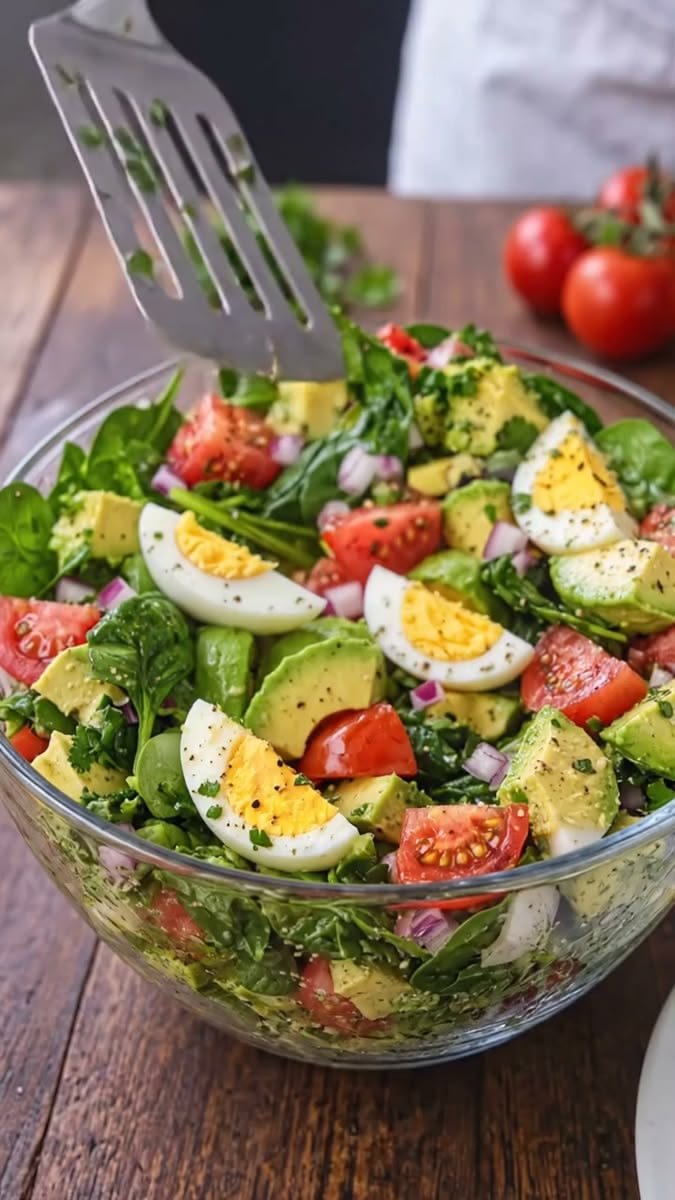
Avocado, Egg & Tomato Salad 

Avocado, Egg & Tomato Salad 

Introduction

Avocado, Egg & Tomato Salad is a fresh, creamy, and nutritious dish that combines buttery avocado, protein-rich eggs, and juicy tomatoes with a simple lemon dressing. This colorful salad is perfect for breakfast, lunch, a light dinner, or a healthy side dish. It is easy to prepare, requires minimal cooking, and uses everyday ingredients to create a satisfying meal.

The creamy avocado pairs beautifully with tender boiled eggs, while fresh tomatoes add sweetness and a refreshing burst of flavor. Red onion provides a little crunch, and lemon juice brings everything together with a bright, tangy finish. Whether you follow a low-carb lifestyle, enjoy Mediterranean-inspired meals, or simply want to eat more fresh foods, this salad is a delicious option.

Preparation Time: 15 minutes

Cooking Time: 10 minutes

Total Time: 25 minutes

Servings: 2

Course: Breakfast, Lunch, or Salad

Cuisine: Mediterranean-inspired

Dietary Style: Gluten-free, low-carb, and vegetarian

Ingredients

For the Salad

  • 2 ripe avocados, peeled, pitted, and diced

  • 3 large eggs

  • 1 cup cherry tomatoes, halved

  • ¼ small red onion, thinly sliced

  • 2 tablespoons fresh parsley or cilantro, chopped

  • ½ small cucumber, diced (optional)

  • ¼ teaspoon salt, or to taste

  • ¼ teaspoon freshly ground black pepper

For the Lemon Dressing

  • 2 tablespoons extra-virgin olive oil

  • 1 tablespoon fresh lemon juice

  • 1 teaspoon Dijon mustard (optional)

  • ½ teaspoon garlic powder

  • A small pinch of salt

  • A pinch of black pepper

Instructions

Step 1: Boil the Eggs

Place the eggs in a saucepan and cover them with cold water. Bring the water to a boil over medium-high heat. Once boiling, reduce the heat slightly and cook the eggs for approximately 9–12 minutes, depending on how firm you prefer the yolks.

Transfer the eggs immediately to a bowl of ice water and allow them to cool for about 5 minutes. This makes peeling easier and prevents them from continuing to cook.

Peel the eggs carefully and cut them into quarters or bite-sized pieces. Set aside.

Step 2: Prepare the Vegetables

Wash the cherry tomatoes and cut them in half. If using larger tomatoes, remove the stems and chop them into bite-sized pieces.

Thinly slice the red onion so that its flavor blends well with the other ingredients without overpowering them. If you prefer a milder onion taste, soak the slices in cold water for five minutes, then drain and pat dry.

If using cucumber, wash it thoroughly and cut it into small cubes. Chop the parsley or cilantro and set it aside.

Step 3: Prepare the Avocados

Cut each avocado lengthwise around the pit. Twist the halves apart, remove the pit carefully, and scoop the flesh out with a spoon.

Dice the avocado into medium-sized cubes and place them in a large mixing bowl. Immediately drizzle with a little lemon juice to help slow browning and maintain its fresh appearance.

Choose avocados that yield gently when pressed but are not mushy. Overripe avocados can become difficult to mix without turning the salad into a puree.

Step 4: Make the Lemon Dressing

In a small bowl, combine the olive oil, lemon juice, Dijon mustard, garlic powder, salt, and black pepper.

Whisk until the ingredients are well combined. The dressing should taste fresh, slightly tangy, and balanced.

Taste it before adding it to the salad. Add more lemon juice if you prefer a brighter flavor, or a little extra olive oil if you want a smoother, milder dressing.

Step 5: Combine the Ingredients

Add the halved tomatoes, sliced red onion, and optional cucumber to the bowl containing the avocado.

Pour the dressing over the vegetables and gently toss with a large spoon. Use a light hand to keep the avocado pieces intact.

Add the boiled eggs and sprinkle with chopped parsley or cilantro. Season with additional salt and black pepper if needed.

Step 6: Serve Fresh

Transfer the salad to a serving plate or shallow bowl. Arrange the egg pieces and tomatoes attractively on top, then finish with a few fresh herbs and an optional drizzle of olive oil.

Serve immediately for the best texture and flavor. The avocado should remain creamy, the tomatoes juicy, and the eggs tender.

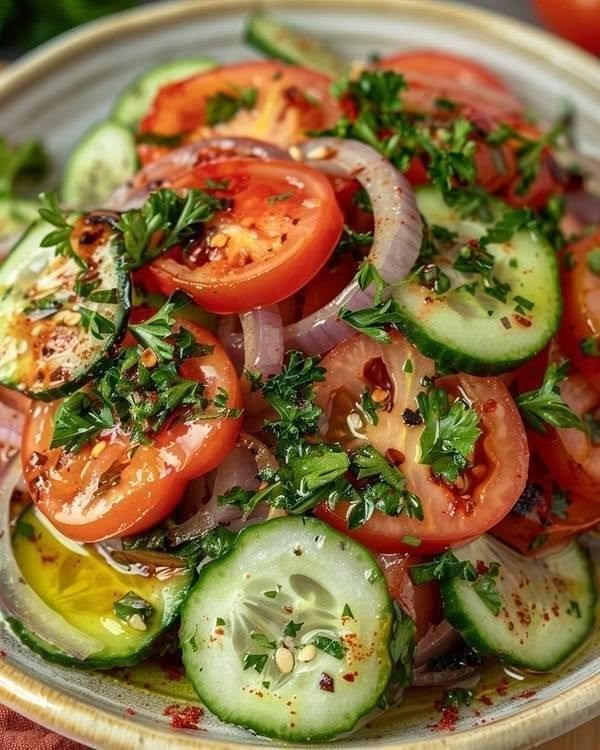
Fresh Cucumber, Tomato & Red Onion Salad

Fresh Cucumber, Tomato & Red Onion Salad

Recipe Description

Fresh Cucumber, Tomato & Red Onion Salad is a refreshing, colorful, and easy-to-make salad that brings together crisp cucumbers, juicy tomatoes, and thinly sliced red onions in a simple homemade dressing. Fresh herbs, extra-virgin olive oil, and tangy lemon juice enhance the natural flavors of the vegetables, creating a light dish that is perfect for warm-weather meals, family gatherings, picnics, and everyday lunches.

This Mediterranean-inspired salad is made with everyday ingredients but delivers wonderful flavor and texture. Cucumbers provide a cool, crunchy bite, tomatoes add natural sweetness and juiciness, and red onions contribute a mild sharpness that balances the dressing. Fresh parsley or basil adds a fragrant finishing touch.

One of the best things about this recipe is its versatility. Serve it alongside grilled chicken, baked fish, roasted vegetables, burgers, or sandwiches. You can also add feta cheese, olives, chickpeas, or avocado to create a more substantial salad.

The salad requires minimal preparation, does not need cooking, and can be assembled in approximately 15 minutes. It is an excellent option when you want a fresh side dish without spending much time in the kitchen.

Recipe Information

  • Preparation Time: 15 minutes

  • Cooking Time: None

  • Total Time: 15 minutes

  • Servings: 4

  • Course: Salad or Side Dish

  • Cuisine: Mediterranean-Inspired

  • Difficulty: Easy

  • Dietary Style: Vegetarian, vegan, and dairy-free

  • Best Served: Fresh or lightly chilled

Ingredients

For the Salad

  • 2 large cucumbers

  • 3 medium ripe tomatoes

  • 1 medium red onion

  • ¼ cup fresh parsley, chopped

  • 2 tablespoons fresh basil or mint, optional

  • ¼ cup crumbled feta cheese, optional

  • ¼ cup Kalamata olives, optional

For the Dressing

  • 3 tablespoons extra-virgin olive oil

  • 2 tablespoons fresh lemon juice

  • 1 tablespoon red wine vinegar

  • 1 small garlic clove, finely minced

  • ½ teaspoon dried oregano

  • ½ teaspoon salt, or to taste

  • ¼ teaspoon freshly ground black pepper

  • ½ teaspoon honey, optional

Instructions

Step 1: Wash and Prepare the Vegetables

Wash the cucumbers, tomatoes, red onion, and fresh herbs thoroughly under cool running water. Dry them with a clean kitchen towel.

Choose firm cucumbers and ripe tomatoes for the best texture and flavor. English cucumbers are particularly convenient because they have thin skin and relatively few seeds, but regular garden cucumbers work equally well.

Trim the ends of the cucumbers. You can peel them completely, partially peel them for a striped appearance, or leave the skin on if it is tender and pleasant to eat.

Remove the stem ends of the tomatoes and prepare the red onion for slicing.

Good preparation makes a noticeable difference in a simple salad because each ingredient contributes directly to the finished flavor.

Step 2: Slice the Cucumbers

Cut the cucumbers into thin rounds or half-moons, depending on their size.

For a rustic salad, slices approximately ¼ inch thick work well. If you prefer a more delicate texture, cut them slightly thinner.

Place the cucumber slices in a large mixing bowl.

If your cucumbers contain many seeds or seem particularly watery, you can remove the seeds with a spoon before slicing. This is optional, but it may help prevent excess liquid from collecting at the bottom of the salad.

Avoid slicing the cucumbers too far in advance unless you plan to store them separately. Freshly cut cucumbers retain their crunch best when assembled shortly before serving.

Step 3: Prepare the Tomatoes

Cut the tomatoes into bite-sized wedges or medium-sized chunks. Cherry tomatoes can also be used; simply cut them in half.

Add the tomatoes to the bowl with the cucumbers.

Ripe tomatoes provide natural sweetness and a juicy texture that complements the crisp cucumbers. Choose tomatoes that feel slightly firm but yield gently when pressed.

If the tomatoes are extremely watery, remove some of the seeds and excess juice before adding them to the bowl. Do not discard the tomato flesh, as it contains much of the flavor.

Heirloom tomatoes, Roma tomatoes, and vine-ripened tomatoes are all suitable options.

Step 4: Slice the Red Onion

Peel the red onion and cut it in half from top to bottom. Place each half flat-side down on a cutting board and slice it thinly.

Separate the onion slices with your fingers and add them to the salad bowl.

Red onion gives the salad a sharp, slightly sweet flavor that balances the mild cucumber and juicy tomatoes.

If you prefer a gentler onion taste, place the sliced onion in a bowl of cold water for 5–10 minutes. Drain thoroughly and pat dry before adding it to the salad.

This simple step reduces some of the onion’s pungency without removing all its flavor.

Step 5: Chop the Fresh Herbs

Finely chop the parsley and, if using, the basil or mint.

Parsley gives the salad a clean, fresh flavor, while basil adds a sweet, aromatic note. Mint creates a particularly refreshing variation that pairs well with cucumber and lemon.

Add most of the herbs to the vegetables, reserving a small amount for garnish.

Use fresh herbs whenever possible. If fresh herbs are unavailable, a small pinch of dried oregano in the dressing can still provide plenty of flavor.

Step 6: Prepare the Lemon-Olive Oil Dressing

In a small bowl, combine the extra-virgin olive oil, lemon juice, red wine vinegar, minced garlic, dried oregano, salt, and black pepper.

If you prefer a slightly sweeter dressing, add the optional honey.

Whisk the ingredients together until the oil and acidic ingredients are well combined. Alternatively, place everything in a small jar with a tight-fitting lid and shake until mixed.

Taste the dressing and adjust it according to your preference. Add extra lemon juice for brightness, more olive oil for a milder taste, or a little additional pepper for warmth.

The dressing should taste bright and balanced rather than overwhelmingly sour or oily.

Step 7: Combine the Salad

Pour the dressing over the cucumbers, tomatoes, and red onion.

Using two large spoons, gently toss the vegetables until they are lightly coated. Avoid stirring too aggressively because ripe tomatoes can break apart and release excessive juice.

Add the chopped parsley and basil or mint, then toss again.

If you are including Kalamata olives, add them now. Their salty, savory flavor complements the fresh vegetables and gives the salad a stronger Mediterranean character.

Taste a small portion and adjust the seasoning if needed. Since tomatoes release moisture, the dressing may become slightly milder after mixing.

Step 8: Add Optional Feta Cheese

If desired, sprinkle crumbled feta cheese over the salad.

Feta adds a creamy, tangy, and salty element that works particularly well with cucumber, tomato, red onion, oregano, and olive oil.

Fold it in gently or leave it on top for a more attractive presentation.

For a dairy-free version, simply omit the feta. You can add chickpeas, olives, or avocado instead, depending on your preference.

If you are serving the salad to guests, consider offering feta separately so everyone can customize their portion.

Step 9: Let the Flavors Develop

You can serve the salad immediately or let it rest in the refrigerator for approximately 10–15 minutes.

A brief resting period allows the herbs, garlic, lemon, and olive oil to mingle. However, avoid leaving the salad dressed for too long because the cucumbers and tomatoes gradually release water and become softer.

If preparing the salad ahead, keep the dressing separate and combine everything shortly before serving.

Before serving a chilled salad, give it a gentle toss and taste the dressing again. Add a little fresh lemon juice or a pinch of black pepper if the flavor needs refreshing.

Step 10: Garnish and Serve

Transfer the salad to a large serving bowl or individual plates.

Sprinkle the reserved parsley over the top and add a few fresh basil leaves if desired. Finish with a small drizzle of extra-virgin olive oil and freshly ground black pepper.

Serve immediately alongside grilled chicken, fish, sandwiches, roasted vegetables, or warm pita bread.

The finished salad should look colorful and fresh, with crisp cucumber slices, juicy tomato pieces, thin red onion, and green herbs evenly distributed throughout.

Tips for the Best Cucumber, Tomato & Red Onion Salad

Choose ripe, flavorful tomatoes. Since the recipe uses only a few ingredients, good tomatoes make a significant difference. Vine-ripened or heirloom tomatoes are excellent choices.

Keep the cucumber crisp. Slice it shortly before serving and avoid leaving the dressed salad in the refrigerator for extended periods.

Balance the onion flavor. Thin slices distribute the flavor more evenly. Soaking the onion briefly in cold water helps reduce its sharpness.

Use good-quality olive oil. Extra-virgin olive oil adds fruity, peppery notes that complement the vegetables and lemon.

Season gradually. Salt draws moisture from vegetables, so add it close to serving time if you want to preserve their crunch.

Do not overdress the salad. The vegetables should be lightly coated rather than swimming in liquid.

Customize the herbs. Parsley, basil, dill, and mint all work well. Choose one or two herbs so their flavors complement rather than overpower the vegetables.

Serving Suggestions

  • With grilled chicken: Serve alongside lemon-herb chicken for a fresh Mediterranean-style dinner.

  • With baked fish: Pair with roasted white fish or salmon for a light, flavorful meal.

  • With pita bread: Add warm pita and hummus for a simple vegetarian lunch.

  • With grilled meat: Use it as a refreshing side dish for grilled beef, lamb, or chicken.

  • With grains: Serve over quinoa, couscous, or bulgur wheat to create a more filling salad.

  • With legumes: Add chickpeas or white beans for extra protein and fiber.

  • With sandwiches: Serve alongside wraps, burgers, or toasted sandwiches to add freshness and crunch.

For a traditional Mediterranean-inspired presentation, arrange the salad on a shallow platter, scatter olives and feta over the top, and finish with oregano and olive oil.

Storage and Make-Ahead Instructions

This salad tastes best when freshly prepared.

If you have leftovers, transfer them to an airtight container and refrigerate promptly. For the best quality, consume within 24 hours. The vegetables may release liquid and become softer as they sit.

If you want to prepare the salad ahead, wash and dry the vegetables, slice the onion, and prepare the dressing separately. Store the prepared ingredients in separate airtight containers in the refrigerator.

Cut the cucumbers and tomatoes and combine them with the dressing shortly before serving. Add the fresh herbs and feta at the end for the best flavor and texture.

Do not freeze this salad. Cucumbers and tomatoes contain substantial water and become soft and watery after thawing.

Nutritional Information

Estimated nutrition per serving, assuming four servings and excluding optional feta and olives:

  • Calories: 130–170

  • Protein: 2–3 g

  • Carbohydrates: 8–12 g

  • Dietary Fiber: 2–4 g

  • Fat: 11–14 g

  • Saturated Fat: 1–2 g

  • Sugar: 4–7 g

  • Sodium: 250–400 mg

Actual values depend on the size of the vegetables, the quantity of dressing consumed, and the amount of salt used. Adding feta or olives will increase the sodium content.

Potential Health Benefits

Supports hydration: Cucumbers and tomatoes contain a high proportion of water, helping contribute to daily fluid intake.

Provides vitamins and plant compounds: Tomatoes contain vitamin C and lycopene, while cucumbers contribute small amounts of several vitamins and minerals.

Contains dietary fiber: The vegetables provide fiber, which contributes to digestive health as part of an overall balanced diet.

Includes unsaturated fats: Olive oil supplies predominantly unsaturated fats and helps create a flavorful dressing.

Encourages vegetable variety: This salad combines several fresh vegetables in an easy-to-enjoy form, making it a convenient addition to meals.

These benefits depend on the overall diet and portion size. The salad is nutritious, but it is not a substitute for a varied eating pattern.

Frequently Asked Questions

1. Can I make this salad ahead of time?

Yes. Prepare the dressing and wash the vegetables in advance, but store them separately. Slice and dress the vegetables shortly before serving to preserve their freshness.

2. Should I peel the cucumbers?

Peeling is optional. English cucumbers often have tender skin that can be left on, while regular cucumbers may benefit from partial or complete peeling if their skin is tough.

3. Can I use apple cider vinegar instead of red wine vinegar?

Yes. Apple cider vinegar works well, although it has a slightly different flavor. Start with a smaller amount and adjust to taste.

4. How can I make the salad more filling?

Add chickpeas, white beans, cooked quinoa, avocado, or feta cheese. You can also serve it with grilled chicken or fish.

5. Can I make this recipe without onions?

Absolutely. Leave out the red onion or replace it with sliced green onions for a milder flavor.

6. Why does my salad become watery?

Cucumbers and tomatoes naturally release liquid, especially after salt and dressing are added. Use firm vegetables, remove excess tomato seeds if necessary, and dress the salad shortly before serving.

7. Is this salad suitable for a vegan diet?

Yes. The basic recipe is vegan as long as you omit the optional feta cheese and use a plant-based sweetener if adding honey.

The Viral Smashed Gnocchi and Burrata Skillet

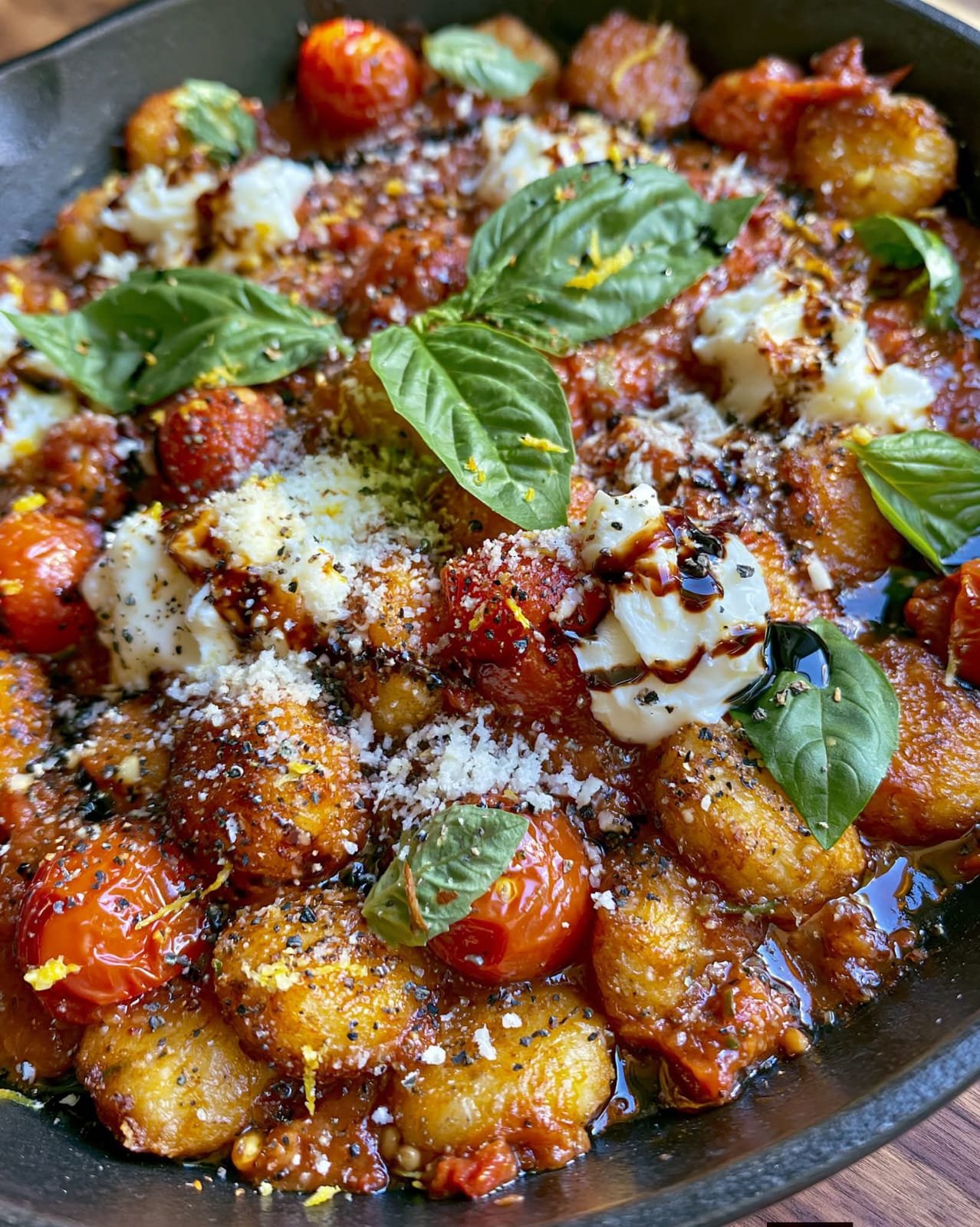
Smashed Gnocchi Skillet with crispy golden gnocchi, cherry tomatoes, creamy burrata, Parmesan, basil, and balsamic glaze

The Viral Smashed Gnocchi and Burrata Skillet

Smashed Gnocchi Skillet is a crispy, creamy, tomato-rich dinner made with golden gnocchi, juicy cherry tomatoes, garlic, burrata, Parmesan, fresh basil, and a glossy balsamic finish.

This Smashed Gnocchi Skillet is perfect for busy weeknights, casual entertaining, or any time you want a restaurant-style meal without complicated steps. The gnocchi are lightly smashed so their edges become crisp, while the centers stay soft and pillowy.

Prep Time: 15 minutes
Cook Time: 25 minutes
Total Time: 40 minutes
Servings: 4

Ingredients

the Gnocchi

  • 1 pound shelf-stable or refrigerated potato gnocchi
  • 2 tablespoons olive oil
  • 1/2 teaspoon salt
  • 1/4 teaspoon black pepper
  • 1/2 teaspoon garlic powder
  • 1/2 teaspoon Italian seasoning

 the Tomato Skillet

  • 2 cups cherry or grape tomatoes
  • 3 garlic cloves, minced
  • 1 tablespoon tomato paste
  • 1/2 cup crushed tomatoes
  • 1/4 teaspoon red pepper flakes, optional
  • 1 tablespoon olive oil
  • 1/2 teaspoon dried oregano
  • Salt and black pepper, to taste

the Creamy Finish

  • 8 ounces burrata cheese
  • 1/3 cup grated Parmesan cheese
  • 1/4 cup fresh basil leaves
  • 1 teaspoon lemon zest
  • 1 tablespoon balsamic glaze
  • 2 tablespoons toasted pine nuts, optional

Why You’ll Love This Recipe

Smashed Gnocchi Skillet brings together crisp edges, tender centers, creamy burrata, and bright tomato flavor in every bite.

Another reason to love Smashed Gnocchi Skillet is its simple ingredient list and impressive presentation.

How to Make Smashed Gnocchi Skillet

Step 1: Cook the Gnocchi Briefly

Bring a large pot of salted water to a boil.

Add the gnocchi and cook only until they float to the surface, usually 2 to 3 minutes.

Drain immediately and let them sit for several minutes so excess moisture can evaporate.

Step 2: Smash the Gnocchi

Place the cooked gnocchi on a cutting board or tray.

Use the bottom of a glass or a flat spatula to press each piece gently until slightly flattened.

Do not press too hard or the gnocchi may fall apart.

This simple step gives Smashed Gnocchi Skillet its signature crisp texture.

Step 3: Season the Gnocchi

Drizzle the flattened gnocchi with olive oil.

Sprinkle with salt, black pepper, garlic powder, and Italian seasoning.

Toss carefully so the pieces stay intact.

Step 4: Crisp the First Side

Heat a large cast-iron or heavy skillet over medium-high heat.

Add the seasoned gnocchi in a single layer.

Cook for 3 to 4 minutes without moving them too much, allowing the bottoms to develop a deep golden crust.

Step 5: Flip and Finish Crisping

Turn the gnocchi and cook the second side for another 2 to 3 minutes.

Transfer them to a plate once both sides are crisp.

Working in batches may be necessary if your skillet is small.

Crowding the pan can cause steaming, which prevents Smashed Gnocchi Skillet from becoming properly golden.

Step 6: Cook the Tomatoes

Lower the heat to medium.

Add olive oil and cherry tomatoes to the same skillet.

Cook for 5 to 6 minutes, stirring occasionally, until the tomatoes begin to blister and soften.

Press a few tomatoes with the back of a spoon so their juices release into the pan.

Step 7: Add Garlic and Tomato Paste

Stir in the minced garlic and cook for about 30 seconds.

Add tomato paste and cook for 1 minute.

Then stir in crushed tomatoes, oregano, red pepper flakes, salt, and black pepper.

Simmer for 4 to 5 minutes until the sauce looks glossy and slightly thickened.

Step 8: Return the Gnocchi

Add the crispy gnocchi back to the skillet.

Toss gently until the pieces are coated with tomato sauce while some crisp surfaces remain exposed.

This balance of saucy and crisp textures makes Smashed Gnocchi Skillet especially satisfying.

Step 9: Add Parmesan

Sprinkle Parmesan over the gnocchi and tomatoes.

Allow it to melt slightly into the hot sauce.

You can also place the skillet under the broiler for 1 to 2 minutes if you want extra browning, but watch carefully.

Step 10: Add the Burrata

Remove the skillet from the heat.

Tear the burrata into large pieces and place them across the top.

The residual heat will soften the cheese without making it disappear completely into the sauce.

Step 11: Finish with Fresh Toppings

Scatter basil leaves, lemon zest, pine nuts, and extra Parmesan over the skillet.

Drizzle lightly with balsamic glaze.

Smashed Gnocchi Skillet is best served immediately while the gnocchi still have crisp edges and the burrata is soft and creamy.

Serving Suggestions

Smashed Gnocchi Skillet is hearty enough to serve as a complete dinner, but simple sides can make the meal feel more balanced.

Pair it with a crisp green salad, arugula salad, roasted broccoli, green beans, or grilled zucchini.

Garlic bread or toasted ciabatta also works well for scooping up tomato sauce and burrata.

For extra protein, serve Smashed Gnocchi Skillet with grilled chicken, shrimp, Italian sausage, or white beans.

For another burrata-inspired dish, try our Charred Peach & Burrata Flatbread with Black Lava Salt & Hot Honey for a sweet, creamy, and savory combination.

Recipe Tips

Dry the boiled gnocchi well before smashing so they crisp more easily.

Use a heavy skillet that holds heat evenly.

Do not overcrowd the pan while browning.

Let each side cook undisturbed long enough to form a crust.

Use ripe cherry tomatoes for the sweetest flavor.

Add burrata only after removing the skillet from the heat.

For the best Smashed Gnocchi Skillet texture, serve it right away rather than letting it sit too long in the sauce.

Easy Variations

Smashed Gnocchi Skillet is easy to customize with different vegetables, cheeses, and proteins.

Add sautéed mushrooms, spinach, roasted peppers, or zucchini for more vegetables.

Swap burrata for fresh mozzarella, ricotta, goat cheese, or feta.

For extra heat, add more red pepper flakes or a spoonful of chili crisp.

A pesto variation is also delicious. Stir a spoonful of basil pesto into the tomato sauce or drizzle pesto over the finished skillet.

You can also add crispy pancetta, cooked sausage, or shredded chicken if you want a heartier version.

If you love creamy burrata recipes, you may also like our Baked Burrata with Roasted Cherry Tomatoes.

Make-Ahead Instructions

Smashed Gnocchi Skillet is best served fresh, but several components can be prepared ahead.

Boil and drain the gnocchi up to one day in advance. Toss lightly with olive oil and refrigerate in an airtight container.

The tomato sauce can also be prepared ahead and stored separately.

When ready to serve, smash and crisp the gnocchi, reheat the sauce, combine everything, and add the burrata and fresh toppings at the end.

Storage and Reheating

Store leftover Smashed Gnocchi Skillet in an airtight container in the refrigerator for up to 3 days.

Reheat the gnocchi in a skillet over medium heat with a small splash of water or tomato sauce.

Nutrition Information

Approximate nutrition per serving:

Calories: 540
Protein: 20 g
Carbohydrates: 62 g
Fat: 24 g
Saturated Fat: 11 g
Fiber: 6 g
Sugar: 9 g
Sodium: 790 mg

Nutrition values are estimates and may vary depending on the gnocchi, burrata, Parmesan, tomato sauce, and serving size.

Frequently Asked Questions

Can I use frozen gnocchi?

Yes. Cook according to package directions, drain very well, and let the pieces dry slightly before smashing.

Do I have to boil the gnocchi first?

Brief boiling makes the centers soft and fluffy before crisping. Some shelf-stable gnocchi can be pan-cooked directly, but the texture may be denser.

Can I make this without burrata?

Yes. Fresh mozzarella, ricotta, goat cheese, or feta can all work.

Why are my gnocchi not crispy?

They may be too wet or crowded in the pan. Dry them well and cook in batches if needed.

Can I make this vegetarian?

Yes. Smashed Gnocchi Skillet is vegetarian as written, provided your Parmesan is made without animal rennet if that matters for your diet.

Can I add protein?

Yes. Grilled chicken, shrimp, sausage, white beans, or chickpeas all work well.

Can I use pesto instead of tomato sauce?

Yes. Use pesto as the main sauce or combine a smaller amount with tomatoes for a fresh basil flavor.

Final Thoughts

Smashed Gnocchi Skillet is an easy way to turn simple potato gnocchi into a crispy, creamy, restaurant-style dinner with tomatoes, burrata, basil, and Parmesan.

Because Smashed Gnocchi Skillet comes together in one pan and can be customized with vegetables, pesto, or extra protein, it works well for weeknight dinners, date nights, and casual entertaining.

Keep this Smashed Gnocchi Skillet recipe handy whenever you want a comforting meal with golden edges, soft centers, juicy tomatoes, and creamy cheese.

With crisp gnocchi, jammy tomatoes, fresh basil, burrata, Parmesan, and balsamic glaze, Smashed Gnocchi Skillet delivers a beautiful mix of texture and flavor in every serving.

For another easy side dish, try our Air Fryer Butternut Squash Fries with Garlic Aioli for a crispy and flavorful pairing.

Air Fryer Hot Honey Chicken Tenders with Feta Sauce

Hot Honey Chicken Tenders with crispy panko coating, sweet-spicy honey glaze, fresh herbs, lemon, and creamy feta sauce

Air Fryer Hot Honey Chicken Tenders with Feta Sauce

Hot Honey Chicken Tenders are crispy, juicy, and coated in a sweet-spicy glaze that gives every bite bold flavor. These air fryer chicken tenders are breaded with seasoned panko, cooked until golden, and finished with warm hot honey. A cool, creamy feta sauce on the side balances the heat and makes the dish feel extra special.

This Hot Honey Chicken Tenders recipe is perfect for weeknight dinners, game-day snacks, or family meals. The air fryer keeps the coating crisp while the chicken stays tender inside.

Prep Time: 20 minutes
Cook Time: 12–14 minutes
Total Time: About 35 minutes
Servings: 4

Ingredients

the Chicken Tenders

  • 1 1/2 pounds chicken tenders
  • 1/2 cup all-purpose flour
  • 2 large eggs
  • 1 tablespoon milk
  • 1 1/2 cups panko breadcrumbs
  • 1 teaspoon garlic powder
  • 1 teaspoon smoked paprika
  • 1/2 teaspoon onion powder
  • 1/2 teaspoon dried oregano
  • 1/2 teaspoon salt
  • 1/4 teaspoon black pepper
  • Olive oil spray

the Hot Honey

  • 1/3 cup honey
  • 1 teaspoon red pepper flakes
  • 1/2 teaspoon hot sauce, optional
  • 1 teaspoon apple cider vinegar or lemon juice
  • Pinch of salt

the Feta Sauce

  • 3/4 cup plain Greek yogurt
  • 1/2 cup crumbled feta cheese
  • 1 tablespoon olive oil
  • 1 tablespoon fresh lemon juice
  • 1 small garlic clove, finely grated
  • 1 tablespoon chopped fresh parsley or dill
  • 1 to 2 tablespoons water, as needed
  • Black pepper, to taste

For Serving

  • Lemon wedges
  • Fresh parsley
  • Extra red pepper flakes
  • Cucumber slices or salad greens, optional

Why You’ll Love This Recipe

Hot Honey Chicken Tenders give you the crunch of fried chicken with much less oil. The panko coating becomes crisp and golden in the air fryer, while the chicken cooks quickly and stays juicy.

Another reason to love Hot Honey Chicken Tenders is the contrast between sweet-spicy honey and tangy feta sauce. The cool sauce balances the heat beautifully.

You can also adjust the spice level, use gluten-free breadcrumbs, or serve the tenders in wraps and bowls.

How to Make Hot Honey Chicken Tenders

Step 1: Prepare the Chicken

Pat the chicken tenders dry with paper towels.

If some pieces are much thicker than others, gently pound them to an even thickness. This helps Hot Honey Chicken Tenders cook at the same rate and prevents smaller pieces from drying out.

Step 2: Set Up the Breading Station

Place the flour in one shallow bowl.

Whisk the eggs and milk together in a second bowl.

In a third bowl, combine panko, garlic powder, smoked paprika, onion powder, oregano, salt, and black pepper.

Step 3: Bread the Chicken

Coat each chicken tender lightly in flour and shake off the excess.

Dip it into the egg mixture, then press it firmly into the seasoned panko so the crumbs adhere to every side.

Set the breaded pieces on a clean tray.

For extra-crispy Hot Honey Chicken Tenders, press a little additional panko onto any bare spots before cooking.

Step 4: Preheat the Air Fryer

Preheat the air fryer to 390°F or 200°C for about 3 minutes.

A preheated basket helps the coating start crisping immediately.

Step 5: Arrange the Chicken

Lightly spray the air fryer basket with olive oil.

Arrange the breaded chicken in a single layer with a little space between each piece.

Spray the tops lightly with oil.

Do not overcrowd the basket. Cook in batches if necessary.

Step 6: Air Fry Until Golden

Air fry for 6 minutes.

Flip the tenders, lightly spray the second side, and continue cooking for another 5 to 7 minutes.

Hot Honey Chicken Tenders are ready when the coating is crisp and the thickest part of the chicken reaches 165°F or 74°C.

Step 7: Make the Hot Honey

While the chicken cooks, add honey and red pepper flakes to a small saucepan over low heat.

Warm gently for 2 to 3 minutes.

Remove from the heat and stir in hot sauce if using, apple cider vinegar or lemon juice, and a pinch of salt.

Do not boil the honey. Gentle heat is enough to blend the flavors.

Step 8: Make the Feta Sauce

Add Greek yogurt, feta, olive oil, lemon juice, garlic, herbs, and black pepper to a small food processor or blender.

Blend until mostly smooth.

Add one tablespoon of water at a time until the sauce reaches your preferred consistency.

The cool feta sauce is an excellent match for Hot Honey Chicken Tenders because it adds tangy creaminess without overpowering the chicken.

Step 9: Glaze the Chicken

Transfer the cooked tenders to a serving platter.

Drizzle warm hot honey over the top while the breading is still crisp.

Step 10: Garnish and Serve

Sprinkle Hot Honey Chicken Tenders with chopped parsley and a few extra red pepper flakes if desired.

Serve immediately with feta sauce and lemon wedges.

Serving Suggestions

Hot Honey Chicken Tenders work well as a main dish or appetizer.

Pair them with roasted potatoes, sweet potato fries, coleslaw, corn salad, cucumber salad, or a crisp green salad.

For a bowl-style meal, serve Hot Honey Chicken Tenders over rice or quinoa with cucumber, tomatoes, avocado, greens, and a spoonful of feta sauce.

For another crispy air fryer appetizer, try our Air Fryer Crispy Feta Bites with Hot Honey for a salty, creamy, and sweet-spicy bite.

Recipe Tips

Pat the chicken dry before breading so the coating sticks better.

Use panko for a light, crisp crust.

Preheat the air fryer and leave space between pieces so hot air can circulate.

A light oil spray helps the breading brown evenly.

For the best Hot Honey Chicken Tenders texture, add the honey after air frying instead of before. Honey can burn if exposed to high heat for too long.

Use a meat thermometer to avoid overcooking the chicken.

If you prefer a thicker feta sauce, use less water. For a thinner drizzle, add a little more.

Easy Variations

Hot Honey Chicken Tenders can be adapted in several easy ways.

For extra heat, increase the red pepper flakes or add cayenne to the panko.

A milder version can use plain honey with just a pinch of chili.

For a Mediterranean twist, add oregano and lemon zest to the breadcrumbs.

Crushed cornflakes can replace panko, while gluten-free flour and breadcrumbs make an easy gluten-free version.

If you enjoy sweet and spicy air fryer sides, you may also like our Air Fryer Honey Sriracha Glazed Brussels Sprouts.

Make-Ahead Instructions

Hot Honey Chicken Tenders can be prepared several hours ahead.

Bread the chicken, arrange it on a tray, cover loosely, and refrigerate until ready to cook.

The feta sauce can be made up to 2 days ahead and refrigerated.

The hot honey can also be prepared in advance. Air fry the chicken shortly before serving so the coating stays crisp.

Storage and Reheating

Store leftover Hot Honey Chicken Tenders in an airtight container in the refrigerator for up to 3 days.

Keep the feta sauce and hot honey separate.

Reheat the chicken in the air fryer at 350°F or 175°C for 4 to 6 minutes until crisp. An oven also works well.

Nutrition Information

Approximate nutrition per serving:

Calories: 465
Protein: 38 g
Carbohydrates: 44 g
Fat: 16 g
Saturated Fat: 5 g
Fiber: 2 g
Sugar: 19 g
Sodium: 760 mg

Nutrition values are estimates and vary by ingredients and portion size.

Frequently Asked Questions

Can I use chicken breast instead of tenders?

Yes. Slice chicken breasts into even strips so they cook quickly and evenly.

Can I make this without an air fryer?

Yes. Bake the breaded chicken at 425°F or 220°C for about 18 to 22 minutes, flipping halfway through.

How spicy is the hot honey?

The heat is moderate with one teaspoon of red pepper flakes. Add more or less depending on your preference.

Can I use regular breadcrumbs?

Yes, but panko gives Hot Honey Chicken Tenders a crispier and lighter coating.

Can I make the feta sauce without a blender?

Yes. Mash the feta very finely with a fork, then stir it into the yogurt, lemon juice, olive oil, garlic, and herbs.

Can I freeze the chicken tenders?

Yes. Freeze cooked tenders without the glaze for up to 2 months. Reheat in the air fryer and add hot honey afterward.

What can I use instead of feta sauce?

Greek yogurt ranch, tzatziki, garlic yogurt sauce, or a simple lemon-herb dip all work well.

Final Thoughts

Hot Honey Chicken Tenders are an easy way to combine crispy breaded chicken with a sweet-spicy glaze and cool, creamy feta sauce.

Because Hot Honey Chicken Tenders cook quickly and work as a main dish, appetizer, wrap, or bowl, they are useful for busy weeknights and family dinners.

Keep this Hot Honey Chicken Tenders recipe handy whenever you want crispy chicken with bold flavor and minimal oil.

With crunchy panko, juicy chicken, glossy hot honey, and tangy feta sauce, these tenders deliver a satisfying mix of sweet, spicy, crispy, and creamy flavors in every bite.

For another easy air fryer favorite, try our Air Fryer Crispy Pesto Gnocchi with golden edges and bold pesto flavor.

Golden Sweet Potato & Zucchini Rosti Muffins with Feta, Butternut, Spinach & Sage Brown Butter + Pine Nuts & Cranberry

Sweet Potato Rosti Muffins with zucchini, butternut squash, feta, spinach, pine nuts, cranberries, and sage brown butter

Golden Sweet Potato & Zucchini Rosti Muffins with Feta, Butternut, Spinach & Sage Brown Butter + Pine Nuts & Cranberry

Sweet Potato Rosti Muffins are crisp outside, tender inside, and packed with sweet potato, zucchini, butternut squash, creamy feta, spinach, toasted pine nuts, dried cranberries, and fragrant sage brown butter.

These Sweet Potato Rosti Muffins combine sweet vegetables with salty cheese, earthy sage, and a touch of cranberry sweetness. Baking the mixture in a muffin tin creates individual portions with golden edges and soft, flavorful centers.

Prep Time: 25 minutes
Cook Time: 35–40 minutes
Total Time: About 1 hour
Servings: 12 muffins

Ingredients

the Rosti Mixture

  • 2 medium sweet potatoes, peeled and coarsely grated
  • 1 medium zucchini, coarsely grated
  • 2 cups butternut squash, peeled and finely diced
  • 2 large eggs
  • 1/3 cup grated Parmesan cheese
  • 1/2 cup crumbled feta cheese
  • 1/3 cup fine breadcrumbs
  • 1 teaspoon garlic powder
  • 1/2 teaspoon smoked paprika
  • 1/2 teaspoon dried thyme
  • 1/2 teaspoon salt
  • 1/4 teaspoon black pepper

the Spinach Filling

  • 2 cups baby spinach
  • 1 teaspoon olive oil
  • 1 small garlic clove, minced
  • 1/2 cup crumbled feta cheese
  • 2 tablespoons chopped fresh parsley
  • 1/4 teaspoon black pepper

the Sage Brown Butter

  • 4 tablespoons unsalted butter
  • 8 fresh sage leaves
  • 1 teaspoon honey
  • 1 teaspoon lemon juice
  • Pinch of salt

the Topping

  • 1/3 cup toasted pine nuts
  • 1/3 cup dried cranberries
  • 2 tablespoons chopped fresh parsley
  • Extra crumbled feta, optional

Why You’ll Love This Recipe

Sweet Potato Rosti Muffins are a great choice when you want a savory vegetable dish that looks special but uses familiar ingredients. Sweet potato and butternut bring sweetness, zucchini keeps the centers tender, and feta adds a creamy, salty contrast.

The grated vegetables crisp around the edges, the spinach filling stays soft, and pine nuts add crunch. Sage brown butter gives the finished muffins a warm, nutty flavor.

How to Make Sweet Potato Rosti Muffins

Step 1: Preheat the Oven

Preheat the oven to 400°F or 200°C.

Grease a 12-cup muffin tin generously with olive oil or cooking spray.

Step 2: Prepare the Butternut Squash

Cut the butternut squash into very small cubes.

Spread them on a baking tray, drizzle lightly with olive oil, and roast for 12 to 15 minutes until just tender.

The squash will continue cooking inside Sweet Potato Rosti Muffins.

Step 3: Grate the Vegetables

Coarsely grate the sweet potatoes and zucchini using a box grater or food processor.

Transfer them to a clean kitchen towel.

Step 4: Remove Excess Moisture

Gather the towel around the vegetables and squeeze firmly over the sink.

Remove as much liquid as possible, especially from the zucchini. Excess moisture can make Sweet Potato Rosti Muffins soft instead of crisp.

Step 5: Prepare the Spinach

Heat olive oil in a skillet over medium heat.

Add spinach and cook for 1 to 2 minutes until wilted. Stir in garlic and cook for 30 seconds.

Cool slightly, then chop.

Step 6: Make the Spinach-Feta Filling

Combine the spinach with feta, parsley, and black pepper.

Mix gently and set aside.

Step 7: Mix the Rosti Base

Place the squeezed sweet potato and zucchini in a large bowl.

Add roasted butternut squash, eggs, Parmesan, feta, breadcrumbs, garlic powder, smoked paprika, thyme, salt, and black pepper.

Mix until evenly combined and the mixture holds together when pressed.

Step 8: Fill the Muffin Cups

Add a spoonful of rosti mixture to each muffin cup and press it into the bottom.

Place a small spoonful of spinach-feta filling in the center, then cover with more vegetable mixture and press gently.

Keeping Sweet Potato Rosti Muffins compact helps them hold their shape after baking.

Step 9: Bake Until Golden

Bake for 30 to 35 minutes, or until the tops and edges are deeply golden.

Step 10: Make the Sage Brown Butter

While the muffins bake, melt the butter in a small saucepan over medium-low heat.

Add sage leaves and cook until the butter turns golden brown and smells nutty, about 3 to 4 minutes.

Remove from heat and stir in honey, lemon juice, and salt.

Step 11: Cool Briefly

Let Sweet Potato Rosti Muffins rest in the tin for 5 to 8 minutes.

Run a thin knife around the edges if needed, then gently lift each muffin onto a platter.

Step 12: Add the Toppings

Spoon a little sage brown butter over each muffin.

Scatter toasted pine nuts and dried cranberries over the top.

Serve warm.

Serving Suggestions

Sweet Potato Rosti Muffins are versatile enough for breakfast, brunch, or dinner.

Serve them with poached eggs, scrambled eggs, or Greek yogurt for brunch.

pair Sweet Potato Rosti Muffins with a crisp green salad, tomato-cucumber salad, lentil salad, or roasted vegetables.

when entertaining, arrange the muffins on a platter with extra sage brown butter, pine nuts, cranberries, and herbs.

For another veggie-packed muffin idea, try our Carrot Apple Zucchini Muffins with Cream Cheese Frosting for a soft, lightly sweet breakfast or snack.

Recipe Tips

Squeeze the grated zucchini very thoroughly because it holds a lot of water.

Grate the sweet potato coarsely so the edges become crisp.

Cut the butternut squash into small pieces so it cooks evenly.

Do not overfill the muffin cups.

Use block feta and crumble it yourself for better texture.

Toast the pine nuts before serving with Sweet Potato Rosti Muffins.

Let Sweet Potato Rosti Muffins rest before removing them from the pan so they keep their shape.

Add the sage brown butter just before serving.

Easy Variations

Sweet Potato Rosti Muffins can be customized with different vegetables, cheeses, and toppings.

Swap pine nuts for walnuts, pecans, pistachios, or pumpkin seeds.

Use goat cheese instead of feta for a softer, tangier filling.

Rosemary or extra thyme works well with the sage.

You can replace dried cranberries with chopped dried cherries or golden raisins.

For extra heat, add chili flakes, cayenne pepper, or a drizzle of hot honey.

If you enjoy savory rosti-style recipes, you may also like our Crispy Sweet Potato & Butternut Rosti Rolls with Feta, Spinach, Walnuts & Hot Honey Sage Butter.

Make-Ahead Instructions

Sweet Potato Rosti Muffins are excellent for meal prep because they reheat well.

Prepare the vegetable mixture and spinach filling one day ahead and refrigerate separately.

You can also bake the muffins, cool them.

Prepare the sage brown butter separately and reheat gently before serving.

Add pine nuts and cranberries after reheating so they stay fresh and crisp.

Storage and Reheating

Store leftover Sweet Potato Rosti Muffins in an airtight container in the refrigerator for up to 4 days.

Reheat in a 375°F or 190°C oven for 8 to 10 minutes. An air fryer also works well.

Microwaving is faster, but the outside will be softer.

For longer storage, freeze cooled muffins for up to 2 months. Thaw overnight in the refrigerator and reheat before serving.

Nutrition Information

Approximate nutrition per muffin:

Calories: 185
Protein: 6 g
Carbohydrates: 20 g
Fat: 10 g
Saturated Fat: 4 g
Fiber: 3 g
Sugar: 6 g
Sodium: 300 mg

Nutrition values are estimates and may vary.

Frequently Asked Questions

Can I use only sweet potato?

Yes. Replace the zucchini and butternut with extra sweet potato, although the texture will be slightly denser.

Can I use frozen spinach?

Yes. Thaw it and squeeze out as much liquid as possible before mixing with feta.

Why are my muffins falling apart?

Too much vegetable moisture is usually the cause. Squeeze the vegetables well and let the muffins rest before removing them.

Can I make these without feta?

Yes. Goat cheese, ricotta, or a dairy-free cheese alternative can work.

Can I use another nut?

Yes. Walnuts, pecans, pistachios, or pumpkin seeds can replace the pine nuts.

Can I make them ahead for brunch?

Yes. Sweet Potato Rosti Muffins can be baked a day ahead and reheated just before serving.

Can I freeze them?

Yes. Freeze the cooled muffins without the final toppings, then thaw and reheat before adding brown butter, nuts, and cranberries.

Final Thoughts

Sweet Potato Rosti Muffins are a colorful way to turn sweet potato, zucchini, butternut squash, spinach, and feta into crisp individual portions with plenty of flavor.

Because Sweet Potato Rosti Muffins can be prepared ahead and served for brunch, dinner, holidays, or parties, they are a versatile recipe to keep in your collection.

With golden edges, creamy feta, tender spinach, toasted pine nuts, dried cranberries, and fragrant sage brown butter, Sweet Potato Rosti Muffins bring together sweet, savory, creamy, and crunchy flavors in every bite

For a sweeter make-ahead bake, try our Blueberry Cream Cheese Loaf with juicy blueberries and a creamy, tender texture.