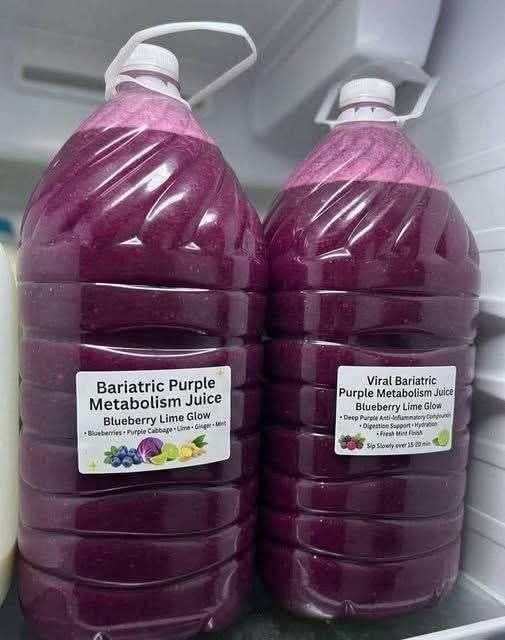
Viral Purple Berry Glow Juice.

The “Clean Glow” Method (Juicer)

Best for: Maximum lightness and that vibrant, translucent café look.

Ingredients:

  • 1/2 Head Purple Cabbage (Medium-sized)

  • 2 cups Fresh Blueberries

  • 2 Limes (Peeled)

  • 1-inch piece Fresh Ginger

  • 1 bunch Fresh Mint (Stems and all)

Instructions:

  1. Prep: Wash all produce thoroughly. Cut the cabbage into wedges that fit your juicer chute.

  2. Juice: Alternate between the cabbage, blueberries, and ginger. Save the mint and lime for the end to “flush” the remaining juice through.

  3. Dilute: This will produce a very concentrated “shot.” Pour the juice into a large pitcher and add 4–6 cups of cold filtered water (or sparkling water for a mocktail feel).

  4. Serve: Stir well and pour over ice.


🌪️ Option 2: The “Whole Food” Method (Blender)

Best for: Utilizing all the antioxidants, but requires straining for a “pouch-friendly” texture.

Ingredients:

  • 1 cup Purple Cabbage (Chopped)

  • 1 cup Frozen Blueberries

  • Juice of 2 Limes

  • 1/2-inch piece Fresh Ginger (Peeled)

  • 5-6 Mint Leaves

  • 3 cups Filtered Water

Instructions:

  1. Combine: Add all ingredients into a high-speed blender.

  2. Liquefy: Blend on the highest setting for 60–90 seconds until there are no visible chunks.

  3. The Crucial Step: To keep it light and avoid bloating from the cabbage fiber, pour the mixture through a nut milk bag or a very fine mesh strainer into a pitcher. Squeeze out all the liquid and discard the pulp.

  4. Chill: Refrigerate for at least an hour to let the flavors marry.


💡 The “Pro” Secret for Bariatric Sipping

Because this is bariatric-friendly, the goal is steady hydration.

Benefit Ingredient Responsibility
Anti-Bloat Ginger & Mint soothe the digestive tract.
The “Glow” Anthocyanins in cabbage and berries fight oxidative stress.
Energy Vitamin C from the lime helps with iron absorption and steady metabolism.

Nutritional Profile

Beetroot is a nutrient-dense root vegetable that offers a variety of vitamins and minerals to support daily bodily functions. It is frequently used in juices and salads to promote natural wellness and vitality.

Nutritional Profile

Beetroot contains several key nutrients that contribute to different aspects of health:

  • Vitamin A: Helps maintain healthy vision.

  • Vitamin C: Supports the immune system.

  • Fiber: Promotes healthy digestion and gut health.

  • Iron & Folate: Support blood cell production and oxygen transport.

  • Betalains & Nitrates: Antioxidants and compounds that support cellular health and circulation.

Potential Wellness Benefits

When included as part of a balanced diet, beetroot may offer the following supportive benefits:

  • Digestive & Liver Support: Helps promote liver wellness and digestive comfort.

  • Circulation & Heart Health: Assists in maintaining healthy circulation and balanced blood pressure levels.

  • Energy & Performance: Helps reduce feelings of fatigue and supports physical performance.

  • Cognitive Function: May support brain function and memory.


Natural Beetroot Drink Recipe

This simple recipe is designed to support digestive and liver wellness.

Ingredients

  • 1 medium beetroot

  • 1 carrot

  • 1 orange and ½ lemon

  • 1 teaspoon grated ginger

  • 1 cup of water

Preparation

  1. Clean: Wash all ingredients thoroughly and peel the beetroot and carrot.

  2. Chop: Cut the vegetables into small pieces.

  3. Juice: Squeeze the juice from the orange and lemon.

  4. Blend: Combine all ingredients and water in a blender; blend for 1 minute until smooth.

  5. Serve: Strain the mixture if you prefer a thinner consistency.

Usage Guidelines

  • Frequency: Drink one glass 3–4 times per week, ideally in the morning before breakfast.

  • Duration: Follow this routine for 2–3 weeks alongside a balanced diet for best results.

⚠️ Important Considerations

  • Kidney Health: Individuals with kidney stones or conditions should consult a healthcare professional before increasing beetroot intake.

  • Blood Pressure: Those with low blood pressure should consume beetroot in moderation.

  • Natural Changes: It is normal for beetroot to temporarily change the color of urine or stool.

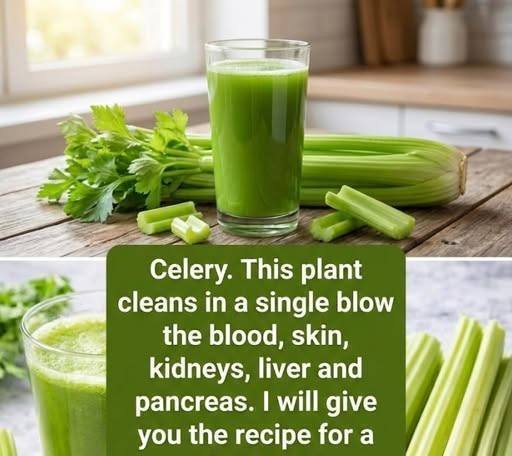
Simple Celery Hydration Juice

Simple Celery Hydration Juice

 Description

A fresh, light vegetable juice that supports hydration, digestion, and provides antioxidants and minerals. Best used as a morning hydration drink, not a detox cure.

 Ingredients (1 serving)

  • 6–8 fresh celery stalks (organic if possible)

  • ½ cup water (optional, if blending)

  • Optional add-ins (gentle, not detox):

    • ½ cucumber

    • Small squeeze of lemon (for taste, not “cleansing”)

 Instructions

  1. Wash celery thoroughly.

  2. Juicer method: Juice celery directly.
    Blender method: Blend with water, then strain.

  3. Drink immediately for best taste and nutrient retention.

 How to Use It (this matters)

  • Drink on an empty stomach if it feels good to you

  • 1 small glass (200–250 ml) is enough

  • Not more than 3–4 times per week

  • Stop if you experience bloating, dizziness, or diarrhea

Servings

  • 1 serving per recipe

 Approximate Nutritional Info (per serving)

  • Calories: ~40

  • Water: ~95%

  • Fiber: Low (most removed during juicing)

  • Potassium: Moderate

  • Vitamin K: High

  • Antioxidants: Present (flavonoids)

 Real Benefits (no exaggeration)

✔ Supports hydration
✔ May help reduce bloating (for some people)
✔ Provides antioxidants that support general skin health
✔ Low-calorie, sugar-light vegetable option

❌ Does NOT detox organs
❌ Does NOT cure disease
❌ Does NOT replace medical treatment

 Who Should Be Careful

  • Kidney disease (high potassium risk)

  • Low blood pressure

  • On diuretics

  • History of kidney stones (celery contains oxalates)

If that’s you → talk to a doctor first

 Q & A

Q: Does celery juice clean the blood?
A: No. Your liver and kidneys already do that job 24/7.

Warm Ginger & Clove Tonic

Warm Ginger & Clove Tonic

This recipe is designed to be a concentrated infusion. You can drink it warm as a tea, or let it cool and dilute it with sparkling water for a refreshing botanical drink.

Ingredients

  • Ginger: 1 large knob (about 3–4 inches), sliced or roughly chopped.

  • Whole Cloves: 1 tablespoon.

  • Fresh Mint: 2–3 sprigs (plus extra for garnish).

  • Water: 4 cups (approx. 1 liter).

  • Optional: 1–2 tablespoons of honey or a squeeze of fresh lemon.

Instructions

  1. Prep the Ginger: Wash the ginger well. You don’t need to peel it, but slicing it thinly or bruising it with a heavy knife will help release more of its natural oils.

  2. Simmer: Place the water, ginger slices, and whole cloves in a pot. Bring to a gentle boil, then reduce the heat and let it simmer for 10–15 minutes. The longer it simmers, the “spicier” it will be.

  3. Infuse the Mint: Turn off the heat. Add the fresh mint leaves to the pot. Cover and let it steep for another 5 minutes.

  4. Strain and Serve: Strain the liquid into a mug or a glass bottle.

  5. Sweeten: Add honey or lemon to taste while the liquid is still warm.

A Few Tips

  • Strength: If you find the clove flavor too intense, start with just 5–6 cloves the first time.

  • Storage: This infusion keeps well in the fridge for up to 3 days. It’s excellent served cold over ice!

  • Safety Note: While ginger and cloves are generally great, they can be quite potent. If you have specific health conditions or are on blood-thinning medication, it’s always a good idea to check with a doctor before making this a daily habit.

Guava Leaf Tea for Blood Sugar Control

Guava Leaf Tea for Blood Sugar Control

Description:
Guava leaves have been traditionally used in herbal medicine to help manage blood sugar levels. This tea is simple, natural, and can be a healthy addition to your morning routine.

Ingredients

  • 5–6 fresh guava leaves (or 2–3 tsp dried guava leaves)

  • 2 cups of water

  • Optional: Honey or lemon for taste

Instructions / Method

  1. Rinse the leaves thoroughly to remove any dust or impurities.

  2. Boil water in a small pot.

  3. Add the guava leaves to the boiling water.

  4. Simmer for 10 minutes on low heat.

  5. Turn off the heat and let it steep for another 5 minutes.

  6. Strain the tea into a cup.

  7. Add honey or lemon if desired, though it’s best consumed plain for maximum effect.

Notes & Tips

  • Use fresh leaves whenever possible for stronger flavor and potency.

  • Do not add sugar; it will counteract the blood sugar benefits.

  • Regular consumption is recommended for noticeable benefits, but always consult your healthcare provider.

  • Can be consumed once or twice daily.

Servings

  • Makes 2 cups of tea. Each serving is approximately 1 cup.

Nutritional Info (per cup, plain)

  • Calories: 2–5 kcal

  • Carbohydrates: 0–1 g

  • Fat: 0 g

  • Protein: 0 g

Benefits

  • May help regulate blood sugar levels.

  • Supports digestion.

  • Rich in antioxidants.

  • May aid in weight management.

Q/A for Guava Leaf Tea

Q: Can I use dried guava leaves?
A: Yes, 2–3 tsp of dried leaves is equivalent to 5–6 fresh leaves.

Q: How often should I drink it?
A: 1–2 cups daily is generally safe, but consult your doctor if you have underlying health conditions.

Q: Are there side effects?
A: Rare, but excessive consumption might cause mild digestive discomfort.

Q: Can children drink it?
A: It’s safe in small quantities, but check with a pediatrician.

Golden Vegetable & Cheese Fritters

Golden Vegetable & Cheese Fritters

Ingredients

  • The Liquid Base: 1 egg, 200 ml warm milk, 200 ml warm water.

  • The Yeast Mix: 10 g dry yeast, 20 g granulated sugar, 8 g salt.

  • The Flour: 540 g all-purpose flour (sifted).

  • The Garden Mix: 1 potato (finely diced), 1 red pepper (finely diced), 2 green peppers (finely diced), 1 onion (finely chopped), and a handful of fresh parsley (finely chopped).

  • The Cheese: 80 g Tulum cheese (or any crumbly, salty cheese like Feta).

  • For Frying: 400 ml vegetable oil.

Step-by-Step Instructions

  1. Activate the Yeast: In a large mixing bowl, combine the warm milk, warm water, sugar, and dry yeast. Whisk together and let it sit for about 5 minutes until it starts to foam.

  2. Form the Batter: Add the egg and salt to the yeast mixture. Gradually whisk in the flour until a thick, sticky dough forms.

  3. The Rise: Cover the bowl with plastic wrap or a clean towel and let it rest in a warm place for 45–60 minutes until it has doubled in size and looks bubbly and stretchy (as seen in the glass bowl in your photo).

  4. Add the Flavor: Once risen, deflate the dough slightly and stir in the diced potato, peppers, onion, parsley, and crumbled cheese. Mix well so the vegetables are evenly distributed.

  5. Heat the Oil: In a deep skillet or pot, heat the 400 ml of oil over medium heat.

  6. Fry until Golden: Use a spoon (or two) to drop small mounds of the dough into the hot oil. Fry in batches for 3–4 minutes per side. They will puff up beautifully.

  7. Drain: Once they reach a deep golden brown, remove them with a slotted spoon and place them on a paper towel to absorb any excess oil.


Recipe Q&A: Vegetable Fritters

Q: Do I need to cook the potato before adding it to the dough? A: No, but you must dice the potato very finely. Because the fritters are small and fried in hot oil, the tiny potato bits will steam and cook perfectly inside the dough while the outside crisps up.

Q: Can I use a different cheese if I can’t find Tulum? A: Yes! Feta cheese is a great substitute because it has a similar saltiness and crumbly texture. Sharp white cheddar or even crumbled goat cheese would also work well.

Q: Why is my dough too sticky to handle? A: This dough is meant to be very soft and sticky—it shouldn’t be kneaded like bread. Using two oiled spoons to drop the batter into the pan is the easiest way to handle it without a mess.

Q: How do I know if my oil is the right temperature? A: Drop a tiny bit of batter into the oil; if it sizzles and rises to the surface immediately, the oil is ready. If it browns too quickly, turn the heat down slightly so the inside has time to cook through.