Cheesy Beef Pizza Casserole Recipe

Cheesy Beef Pizza Casserole Recipe

A perfect family dinner—loaded with flavor, melty cheese, and pizza vibes in every bite!


Ingredients:

  • 500g ground beef (or lamb for a richer flavor)

  • 1 small onion, finely diced

  • 2 cloves garlic, minced

  • 1 tsp Italian seasoning

  • 1/2 tsp salt (adjust to taste)

  • 1/2 tsp black pepper

  • 1 1/2 cups pizza or marinara sauce

  • 1 cup pasta (elbow, penne, or fusilli) – cooked and drained

  • 1 1/2 cups shredded mozzarella cheese

  • 1/2 cup shredded cheddar cheese (optional, for extra flavor)

  • 10–12 slices of pepperoni (optional, or use olives/mushrooms for veg version)

  • Fresh basil or parsley, chopped (for garnish)


Instructions:

    1. Preheat oven to 180°C (350°F). Grease a medium baking dish.

    1. Cook pasta in salted boiling water until just al dente. Drain and set aside.

    2. Brown the beef:

        • In a large skillet, add ground beef and cook over medium heat.

        • Add diced onion and sauté until translucent.

        • Stir in garlic, Italian seasoning, salt, and pepper. Cook until meat is browned and fully cooked.

    3. Add the sauce:

        • Pour in the pizza/marinara sauce and mix well.

        • Let it simmer on low for 5 minutes.

    4. Mix pasta & beef:

        • In a large bowl or directly in the baking dish, combine cooked pasta with the beef mixture. Mix until evenly coated.

    5. Assemble the casserole:

        • Spread mixture evenly in the baking dish.

        • Top with mozzarella and cheddar cheeses.

        • Arrange pepperoni slices or any toppings you love over the cheese.

    6. Bake:

        • Bake uncovered for 15–20 minutes or until the cheese is melted, bubbly, and golden on top.

    7. Garnish & Serve:

      • Sprinkle chopped fresh basil or parsley before serving.


Serving Ideas:

    • Serve with a side salad or garlic bread for a complete meal.

    • Kids love it! It reheats beautifully too—perfect for leftovers.


Tips & Variations:

    • Swap ground beef with chicken mince or even mushroom-lentil mix for a vegetarian option.

    • Want it spicy? Add chili flakes or jalapeños!

  • For extra “pizza” flavor, mix in a few chopped black olives or green capsicum.


Creamy Green Strawberry Banana Oat Smoothie Recipe

Creamy Green Strawberry Banana Oat Smoothie Recipe

Creamy Green Strawberry Banana Oat Smoothie Recipe

This creamy green strawberry banana oat smoothie is a nourishing, refreshing, and naturally flavorful drink that brings together fresh fruits, leafy greens, and wholesome grains. It is perfect for breakfast, a midday refreshment, or a light evening option. The combination of strawberries, banana, spinach, and oats creates a smooth texture with a balanced taste that is lightly sweet, fresh, and comforting. This smoothie is easy to prepare, visually appealing, and suitable for everyday enjoyment.

Ingredients

  • 1 ripe banana, peeled and sliced

  • 1 cup fresh strawberries, washed and stems removed

  • 1 cup fresh spinach leaves

  • ¼ cup rolled oats

  • 1 cup milk of your choice (dairy or plant-based)

  • ½ cup chilled water or ice cubes (adjust as needed)

  • 1 teaspoon honey or natural sweetener (optional)

  • ½ teaspoon vanilla essence (optional)

Preparation Steps

Begin by preparing all your ingredients. Wash the strawberries and spinach thoroughly under clean running water. Slice the banana into small pieces to make blending easier. Measure the rolled oats and set them aside. If you prefer a smoother texture, you can soak the oats in water for 10 minutes before blending, though this step is optional.

Place the rolled oats into the blender first. Adding dry ingredients at the bottom helps them blend evenly. Next, add the spinach leaves, followed by the banana slices and strawberries. Pour in the milk of your choice, then add the chilled water or ice cubes. If you enjoy a slightly sweeter taste, add honey or a natural sweetener at this stage. For extra aroma, include vanilla essence.

Secure the blender lid tightly and blend on medium speed for about 30 seconds. Pause briefly, then blend again on high speed for another 30–45 seconds until the mixture becomes smooth and creamy. The color should be a vibrant green, and the texture should be thick yet pourable. If the smoothie feels too thick, add a small amount of water or milk and blend again until you reach your desired consistency.

Serving

Once blended, gently pour the smoothie into a clean glass. The smooth, glossy texture should flow easily, creating a rich and inviting appearance. You can garnish with a few oats or a sliced strawberry on the side if desired. Serve immediately for the freshest taste and best texture.

Taste and Texture

This smoothie has a naturally pleasant sweetness from the banana and strawberries, while the spinach adds freshness without overpowering the flavor. The oats provide a comforting, creamy body, making the smoothie satisfying and smooth. Each sip feels balanced and refreshing, with no single ingredient dominating the overall taste.

Helpful Tips

  • Use ripe bananas for better sweetness and creaminess.

  • Frozen strawberries can be used if fresh ones are not available; they also help keep the smoothie chilled.

  • Adjust the liquid amount depending on how thick or light you prefer your smoothie.

  • Blend thoroughly to ensure the oats are fully incorporated for a silky finish.

Storage Advice

This smoothie is best enjoyed fresh. However, if needed, it can be stored in a sealed container in the refrigerator for up to 12 hours. Shake well before drinking, as natural separation may occur.

Final Thoughts

This creamy green strawberry banana oat smoothie is a wonderful way to enjoy fresh ingredients in a simple and enjoyable form. It is easy to prepare, visually appealing, and versatile enough to suit different preferences. Whether you are starting your day or taking a refreshing break, this smoothie offers a delightful blend of flavor, texture, and freshness in every glass.

“Fluffy Egg Muffins — A Quick, Healthy, and Make-Ahead Breakfast Idea”

  • Servings: 6–8 muffins
  • Total Time: 20 minutes
  • Difficulty: Easy
  • Calories per Muffin: ~110 kcal
  • Macros (Per Muffin): 9g Protein / 2g Net Carbs / 7g Fat / 1g Fiber

Introduction

These Healthy Egg Muffins are a game-changer for busy mornings, meal prep, or on-the-go snacks. Packed with protein, vegetables, and a hint of cheese, they’re fluffy, flavorful, and customizable to your diet preferences.

Perfect for Keto, Slimming , Weight Watchers, High-Protein, and Mediterranean lifestyles, these muffins are low in carbs, high in nutrients, and entirely freezer-friendly — making your weekly meal planning effortless.

Whether you’re looking for a quick breakfast, a lunchbox addition, or a protein-packed snack, these muffins deliver flavor, convenience, and nutrition in every bite.


Look at the Recipe

  • Texture & Visual: Fluffy, golden on top, tender inside with colorful vegetable bits.
  • Flavor Highlight: Savory eggs enhanced with cheese, herbs, and fresh vegetables.
  • Diet Benefit: High in protein, low-carb, gluten-free, and easily adapted for Mediterranean diets.

Ingredients Needed

Base Ingredients

  • 6 large eggs
  • ½ cup Greek yogurt or cottage cheese (for added protein and fluffiness)
  • ¼ cup shredded cheese (cheddar, feta, or mozzarella)
  • ½ tsp salt
  • ¼ tsp black pepper

Vegetable Mix (Choose your favorites)

  • ½ cup diced bell peppers
  • ¼ cup chopped spinach or kale
  • 2 tbsp chopped onion
  • 2 tbsp cherry tomatoes, halved
  • 1–2 tbsp fresh herbs (parsley, chives, or basil)

Optional Add-Ins

  • ¼ cup cooked bacon or ham cubes (Keto/High-Protein)
  • 1 tsp paprika or chili flakes for spice
  • 1 tsp olive oil for greasing

How to Make Our Healthy Egg Muffins

  1. Preheat oven & prep pan:
    Preheat your oven to 375°F (190°C). Grease a 6–8 cup muffin tin with olive oil or line with silicone liners.
  2. Whisk eggs:
    In a large bowl, whisk eggs, Greek yogurt, salt, and pepper until smooth.
  3. Add vegetables & cheese:
    Fold in the diced bell peppers, spinach, onion, tomatoes, herbs, and shredded cheese. Add optional meat or spices if using.
  4. Fill muffin cups:
    Pour the mixture evenly into muffin cups, filling about ¾ full.
  5. Bake:
    Bake for 15–18 minutes, or until muffins are set and lightly golden on top.
  6. Cool & serve:
    Allow muffins to cool for 5 minutes before removing from tin. Serve warm or store for meal prep.

Storage & Serving Suggestions

  • Store: Refrigerate in an airtight container for up to 4 days.
  • Freeze: Freeze individually wrapped muffins for up to 2 months. Reheat in microwave or oven before eating.
  • Serving Ideas:
    • Pair with avocado slices or a side salad for a balanced breakfast.
    • Serve as a snack with hummus or tzatziki for Mediterranean flair.
    • Enjoy for a post-workout protein boost.

Tips & FAQs

1. Can I make this Slimming -friendly?
Yes! Use fat-free Greek yogurt or cottage cheese and omit cheese if desired. Each muffin is roughly 1–2 syns depending on ingredients.

2. How many Weight Watchers points per muffin?
Approximately 2–3 WW points per muffin when using low-fat cheese and yogurt.

3. Can I make these dairy-free?
Yes — replace Greek yogurt and cheese with coconut yogurt and dairy-free cheese.

4. How can I make it Keto-friendly?
Stick to full-fat cheese, Greek yogurt, and low-carb vegetables like spinach and peppers.

5. Can I add more vegetables or proteins?
Absolutely! Egg muffins are highly versatile — zucchini, mushrooms, or cooked chicken all work well.

Banana Pudding Parfaits (Healthy, Creamy & Guilt-Free)

Introduction

Indulgent yet guilt-free, these Banana Pudding Parfaits are the perfect healthy dessert or snack. Creamy layers of Greek yogurt, ripe bananas, and a touch of natural sweetness make every spoonful feel like a treat — without derailing your diet.

Ideal for Keto-adapted, Low Carb, Slimming, Weight Watchers, Mediterranean, and High-Protein lifestyles, these parfaits are naturally nourishing, easy to assemble, and satisfyingly creamy. They’re an effortless way to enjoy dessert while keeping your macros in check.

Perfect for quick meal prep or a wholesome snack, these parfaits deliver comfort, flavor, and nutrition all in one glass.

Look at the Recipe

  • Texture: Creamy yogurt layered with soft banana and crunchy optional toppings.
  • Flavor: Sweet banana, light vanilla, and a hint of cinnamon for extra warmth.
  • Diet Benefit: High-protein, low-sugar, and naturally nutrient-rich.

Ingredients Needed

Parfait Base

  • 2 cups Greek yogurt (full-fat or low-fat depending on diet)
  • 2 tsp vanilla extract
  • 2–3 tbsp honey or maple syrup (adjust to taste)

Fruit Layer

  • 2 ripe bananas, sliced
  • ½ tsp ground cinnamon (optional)

Optional Crunch Topping

  • 2–3 tbsp granola (low-carb for Keto/Low-Carb versions)
  • 1 tbsp chopped nuts (almonds, walnuts, or pecans)

How to Make Our Banana Pudding Parfaits

  1. Mix yogurt: In a bowl, combine Greek yogurt, vanilla extract, and honey until smooth.
  2. Layer parfaits: In 4 serving glasses, start with a layer of yogurt, followed by banana slices. Repeat layers until glasses are full.
  3. Add crunch: Top with granola or chopped nuts if desired. Sprinkle cinnamon over the top for extra flavor.
  4. Serve: Enjoy immediately or refrigerate for 10–15 minutes for a slightly chilled parfait.

Storage & Serving Suggestions

  • Store: Keep in the fridge for up to 2 days. Best enjoyed fresh to maintain banana texture.
  • Make-Ahead: Assemble the yogurt base and banana slices separately; layer before serving.
  • Serve With: Add a drizzle of sugar-free chocolate or a few fresh berries for variation.

Meal Prep Tip

Prepare multiple parfaits in mason jars for an easy grab-and-go breakfast or snack throughout the week.

Macros & Plan Compatibility

Plan Notes
Keto & Low-Carb ~5–6g net carbs per serving using low-carb sweetener; avoid granola for strict Keto.
Slimming About 0–0.5 Syns per parfait using fresh banana and natural sweetener; mostly Free Food.
High-Protein ~8g protein per serving; increase Greek yogurt or add protein powder for more.
Weight Watchers ~2 SmartPoints per serving using minimal honey and optional toppings.
Mediterranean Nutrient-dense and heart-healthy; emphasizes fresh fruit, Greek yogurt, and nuts.

Tips & FAQs

Can I use a different yogurt?
Yes — plant-based Greek-style yogurt works for a dairy-free option.

How can I make it lower in sugar for Keto?
Use a low-carb sweetener like stevia or erythritol instead of honey or maple syrup.

Can I add protein powder?
Yes — mix in 1–2 scoops of protein powder into the yogurt for a high-protein version.

Can this be frozen?
Bananas may brown when frozen; best enjoyed fresh or refrigerated.

How do I make it more crunchy?
Add toasted nuts, low-carb granola, or cacao nibs just before serving.

Summary

These Banana Pudding Parfaits are creamy, healthy, and guilt-free! Made with Greek yogurt, ripe bananas, and optional granola, they’re perfect for Keto, High-Protein, Slimming, Weight Watchers, and Mediterranean meal plans. Quick, easy, and nutrient-rich!

Creamy Peanut Butter Banana Smoothie

Creamy Peanut Butter Banana Smoothie

Prep time: 5 minutes | Servings: 1

Ingredients

  • 1 large banana (frozen is best for that thick, creamy texture)

  • 1 cup milk of choice (dairy, almond, oat, or soy)

  • 2 tablespoons creamy peanut butter

  • 1/4 cup Greek yogurt (plain or vanilla for extra thickness and protein)

  • 1/2 teaspoon ground cinnamon (to match the dusting on top)

  • 1 teaspoon honey or maple syrup (optional, for extra sweetness)

  • A handful of ice (only if using a fresh banana instead of frozen)

Instructions

  1. Prep the Fruit: If you have time, peel and slice your banana and freeze it for at least 2 hours. If you’re in a hurry, a fresh banana works too!

  2. Combine: Add the milk, peanut butter, yogurt, banana, and cinnamon into a high-speed blender.

  3. Blend: Start on low speed and gradually increase to high. Blend for about 45–60 seconds until the mixture is completely smooth and no lumps remain.

  4. Check Consistency: If it’s too thick, add a splash more milk. If it’s too thin, add a couple more ice cubes or a piece of frozen fruit.

  5. Garnish: Pour into a tall glass. Drizzle a small amount of melted peanut butter on top, sprinkle with extra cinnamon, and finish with a fresh banana slice on the rim, just like in the photo.


Don’t Eat Sweet Potatoes Until You Know These 13 Important Facts!

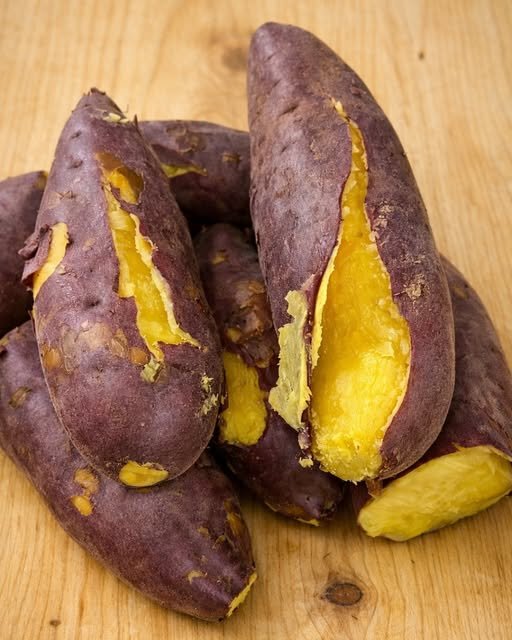
weet potatoes are everywhere – in fitness meals, weight-loss plans, baby food, and even desserts. They’re praised as a “superfood,” but the truth is more complex.

Before you add another serving to your plate, there are 13 important facts about sweet potatoes you really should know.

Some may surprise you. A few might change how you eat them forever.

Let’s get into it.


1. Sweet Potatoes Are Not the Same as Yams (and That Matters)

Despite what grocery stores label, most “yams” sold in supermarkets are actually sweet potatoes.
True yams are starchier, drier, and much less sweet. Sweet potatoes are softer, sweeter, and higher in beta-carotene.

Why this matters: their blood sugar impact, digestion, and cooking behavior are very different. If you’re managing blood sugar, confusing the two can lead to bad choices.


2. They Can Spike Blood Sugar More Than You Think

Sweet potatoes are often recommended for diabetics, but preparation method changes everything.

  • Boiled: lower glycemic impact

  • Baked or roasted: much higher glycemic index

  • Mashed: spikes fastest

If you’re insulin resistant or prediabetic, eating large baked sweet potatoes regularly can quietly push blood sugar higher than expected.


3. They Are Loaded with Vitamin A – Sometimes Too Much

Sweet potatoes are one of the richest sources of beta-carotene (vitamin A precursor) in nature. That’s great… in moderation.

Too much vitamin A over time may cause:

  • Headaches

  • Dry skin

  • Nausea

  • Liver stress (in extreme cases)

If you already take multivitamins or eat lots of carrots, pumpkin, and spinach, it’s easy to overdo it.


4. Not Always “Weight-Loss Friendly”

Sweet potatoes are often marketed as a diet food, but one medium sweet potato can contain 100–120 calories and 20–25g of carbs.

That’s not bad — but if you’re:

  • on keto

  • low-carb

  • insulin-sensitive

  • trying to lose stubborn belly fat

…they may slow progress if eaten daily.

They are clean carbs, not free carbs.


5. They Can Cause Bloating and Gas

Many people experience:

  • bloating

  • stomach pressure

  • gas

  • mild cramps

after eating sweet potatoes.

Why?
They contain raffinose and resistant starch, which ferment in the gut. If your digestion is sensitive, you’ll feel it.

Pro tip: boiling them and eating smaller portions reduces this effect.


6. The Skin Is Nutrient-Rich – But Also Risky

Sweet potato skins contain fiber and antioxidants, but they also trap:

  • pesticides

  • dirt

  • bacteria

If not thoroughly washed or organic, eating the skin may do more harm than good.

If you buy non-organic, peeling is often the safer option.


7. They May Interfere with Thyroid Function (in Large Amounts)

Sweet potatoes contain goitrogens – compounds that can interfere with iodine absorption.

For most people, this is irrelevant.
But if you have hypothyroidism or iodine deficiency, eating very large amounts regularly could worsen symptoms.

Cooking reduces goitrogen levels, but they’re not eliminated entirely.


8. They Can Trigger Migraines in Some People

Sweet potatoes are naturally high in tyramine, a compound known to trigger migraines in sensitive individuals.

If you notice headaches after eating:

  • sweet potatoes

  • aged foods

  • bananas

  • avocados

…this could be the connection.


9. Not Ideal for Kidney Stone Formers

Sweet potatoes are high in oxalates, which contribute to kidney stone formation in susceptible people.

If you’ve had calcium oxalate stones before, it’s wise to:

  • limit portions

  • avoid daily consumption

  • drink plenty of water when eating them


10. They Are Extremely High in Potassium

Potassium is essential for:

  • heart rhythm

  • muscle function

  • blood pressure control

But too much potassium can be dangerous for people with:

  • kidney disease

  • adrenal issues

  • certain heart conditions

One large sweet potato can contain over 700 mg of potassium. That adds up fast.


11. Sweet Potatoes Change Nutritionally When Stored

As sweet potatoes sit in storage, their starch converts to sugar.
That means:

  • older sweet potatoes = sweeter taste

  • higher sugar content

  • stronger blood sugar response

So that “extra sweet” potato might not be the healthiest choice.


12. Purple and White Varieties Are Not the Same

Most people only eat orange sweet potatoes, but there are:

  • Purple sweet potatoes – higher in anthocyanins (anti-inflammatory, antioxidant)

  • White sweet potatoes – lower sugar, milder impact on blood glucose

If blood sugar or inflammation is a concern, white or purple varieties are often better options.


13. They Are Healthy – But Not a “Daily Food” for Everyone

This is the biggest truth most people miss.

Sweet potatoes are:

  • nutritious

  • natural

  • full of vitamins and fiber

But they are not ideal as a daily staple for every body type.

Depending on your:

  • metabolism

  • hormones

  • digestion

  • activity level

  • health conditions

…they may be perfect, or they may quietly cause weight gain, bloating, fatigue, or blood sugar swings.


The Bottom Line

Sweet potatoes are not bad.
They are not magic.
And they are definitely not one-size-fits-all.