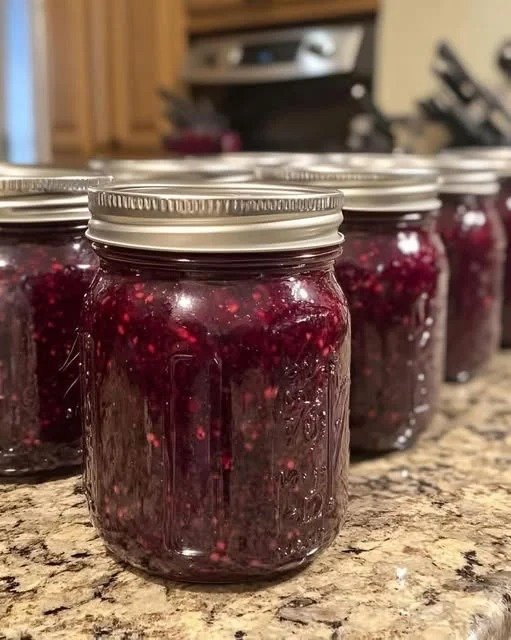
Amish Sweet Pepper Relish – Old-Fashioned Jar
This old-fashioned Amish Sweet Pepper Relish brings together colorful bell peppers, onions, vinegar, sugar, and classic pickling spices for a sweet, tangy, and pleasantly crisp condiment. It is wonderful spooned over grilled meats, hot dogs, sausages, burgers, sandwiches, or even served alongside cheese and crackers. The combination of mustard seeds, celery seeds, and turmeric gives this homemade relish its traditional flavor and beautiful golden hue.
Prep Time: 30 minutes
Salting Time: 1 hour
Cook Time: 15–20 minutes
Total Time: About 2 hours
Yield: Approximately 5–6 cups
Ingredients
Produce
6 cups finely chopped sweet bell peppers, preferably a mix of red, green, and yellow
2 cups finely chopped onions
2 cloves garlic, minced, optional
Brine & Pantry Staples
1½ cups granulated sugar
1½ cups white vinegar or apple cider vinegar
½ cup water
1 tablespoon pickling or kosher salt
Classic Old-Fashioned Spices
1 teaspoon mustard seeds
1 teaspoon celery seeds
½ teaspoon ground turmeric
Instructions
Begin by preparing the vegetables. Wash the bell peppers thoroughly, remove the stems and seeds, and finely chop them. For the best relish texture, aim for small, even pieces rather than large chunks. Peel and finely chop the onions as well. If using garlic, mince it very finely.
Place the chopped peppers and onions in a large nonreactive bowl. Sprinkle the vegetables with the pickling or kosher salt and toss thoroughly so the salt is evenly distributed.
Cover the bowl and let the vegetables stand for about 1 hour. This traditional step helps draw out some of the excess moisture from the peppers and onions, which allows the finished relish to maintain a pleasant texture rather than becoming watery.
After the resting period, transfer the vegetables to a fine-mesh colander and drain thoroughly. Rinse them briefly with cool water if you prefer a milder salty flavor, then drain again. Gently press the vegetables to remove excess liquid, but do not mash them.
Prepare the cooking brine. In a large stainless-steel or other nonreactive saucepan, combine the granulated sugar, vinegar, water, mustard seeds, celery seeds, and turmeric. If using garlic, add it at this stage as well.
Place the saucepan over medium heat and stir until the sugar has completely dissolved. Bring the mixture to a gentle simmer.
Add the drained peppers and onions to the hot brine. Stir carefully to make sure all the vegetables are coated with the vinegar mixture.
Return the mixture to a gentle simmer and cook for approximately 10–15 minutes, stirring occasionally. The vegetables should soften slightly while still retaining some texture. Avoid cooking them for too long because overcooking can turn the relish soft and mushy.
Taste the relish carefully once it has cooked. If needed, adjust the seasoning according to your preference. Remember that the flavors will become more balanced as the relish cools.
Remove the saucepan from the heat and let the relish cool slightly. The mixture will thicken a little as it cools, while the vegetables will continue absorbing the sweet-and-tangy brine.
For refrigerator relish, spoon the warm mixture into clean jars, leaving some headspace. Allow the jars to cool before sealing and refrigerating.
For shelf-stable canning, use a tested canning recipe and follow current USDA or National Center for Home Food Preservation guidance for processing times and acidity requirements. Do not assume that simply filling hot jars makes a relish shelf-stable.
Once refrigerated, allow the relish to rest for at least several hours before serving. Overnight is even better because the flavors have more time to develop.
Serve chilled or at room temperature with burgers, grilled meats, sausages, sandwiches, hot dogs, cheese, crackers, or your favorite savory dishes.
Tips
Chop the vegetables evenly: Small, consistent pieces give the relish a better texture and make every spoonful balanced.
Use colorful peppers: A combination of red, yellow, and green peppers creates an attractive traditional appearance and gives the relish a pleasant mixture of mild pepper flavors.
Do not skip the salting step: Allowing the vegetables to sit with salt helps remove excess water and improves the final consistency.
Drain thoroughly: Excess vegetable liquid can dilute the vinegar brine and leave the relish thinner than desired.
Use a nonreactive saucepan: Stainless steel or enamel cookware is a good choice for vinegar-based recipes. Avoid reactive cookware such as unlined aluminum or copper.
Keep some texture: The peppers and onions should soften but still have a slight bite. Overcooking can turn a crisp relish into a soft vegetable spread.
Use fresh spices: Mustard seeds and celery seeds provide much of the classic relish character, so fresher spices will give the best flavor.
Balance the sweetness: The sugar helps balance the acidity of the vinegar. Avoid making major reductions to the sugar or vinegar in a canning recipe because acidity and ingredient ratios are important for food safety.
Let the flavors develop: Freshly cooked relish tastes good, but resting it in the refrigerator allows the vinegar, spices, peppers, and onions to blend more thoroughly.
Keep refrigerated unless properly canned: If you are not following a tested shelf-stable canning procedure, treat the relish as a refrigerator condiment and keep it refrigerated.
Variations
Extra Colorful Relish: Use mostly red and yellow bell peppers for a brighter, sweeter-looking relish.
Classic Green Pepper Relish: Use green bell peppers as the dominant pepper for a more traditional savory flavor.
Apple Cider Version: Replace the white vinegar with apple cider vinegar for a slightly fruitier, deeper tang.
Garlic Relish: Include the optional minced garlic for an extra savory note.
Spicy Pepper Relish: Add a small amount of finely chopped jalapeño or another hot pepper. If preparing for canning, use a tested recipe rather than changing ingredient ratios on your own.
Extra Mustard Flavor: Increase the mustard-seed presence in a refrigerator version if you enjoy a stronger pickled flavor.
Sweeter Relish: For refrigerator relish, you can adjust sweetness to taste. For shelf-stable canning, follow a tested formula exactly.
Herb-Infused Relish: Add fresh herbs when serving rather than during long cooking. Parsley or dill can provide a fresh finishing note.
Chunkier Relish: Chop the peppers and onions slightly larger if you prefer more texture. Keep the cooking time short enough to prevent them from becoming mushy.
Q&A
What is Amish Sweet Pepper Relish used for?
It can be served with burgers, hot dogs, sausages, grilled meats, sandwiches, cheese, crackers, and many other savory foods.
Can I use only one color of bell pepper?
Yes. Red, green, or yellow peppers can be used alone, although a combination creates more color and flavor variety.
Can I use apple cider vinegar instead of white vinegar?
Yes. Apple cider vinegar gives the relish a slightly fruitier flavor while maintaining the characteristic tang.
Why do I need to salt the vegetables first?
Salting draws out excess moisture from the peppers and onions, helping produce a more concentrated relish with better texture.
Can I skip the garlic?
Absolutely. Garlic is optional and can be omitted for a more traditional simple pepper-and-onion profile.
How long should the relish rest before eating?
It can be eaten once cooled, but allowing it to rest for several hours or overnight gives the flavors more time to blend.
How should I store homemade relish?
If you are making refrigerator relish, store it in clean, sealed jars in the refrigerator. For shelf-stable storage, follow a tested canning recipe and current food-safety guidance.
Can I freeze pepper relish?
It is possible, but freezing can soften the vegetables and change the texture. Refrigeration is generally preferable for maintaining the characteristic relish consistency.
Why is my relish watery?
The vegetables may not have been drained thoroughly enough, or they may have been cooked before releasing enough moisture. Proper salting and draining help produce a thicker relish.
Can I make the relish less sweet?
For refrigerator relish, you can adjust sweetness according to taste. For canning, do not alter the sugar, vinegar, or vegetable ratios unless using a tested recipe that specifically permits the change.
Nutrition
Approximate nutrition per 2-tablespoon serving:
Calories: 45–55 kcal
Protein: 0–1 g
Carbohydrates: 11–13 g
Fat: 0 g
Fiber: 0–1 g
Sugar: 10–12 g
Sodium: 120–160 mg
Nutrition values are estimates and can vary depending on the exact ingredients, serving size, and preparation method.
Conclusion
This homemade Amish Sweet Pepper Relish is a flavorful way to preserve the fresh taste of colorful peppers and onions in a sweet, tangy condiment. Its traditional spices give it plenty of character, while the crisp vegetables make every bite satisfying. Keep a jar in the refrigerator and use it to instantly brighten burgers, sandwiches, grilled meats, or simple cheese-and-cracker plates.
#AmishRelish #PepperRelish #HomemadeRelish #PicklingRecipes #OldFashionedRecipes