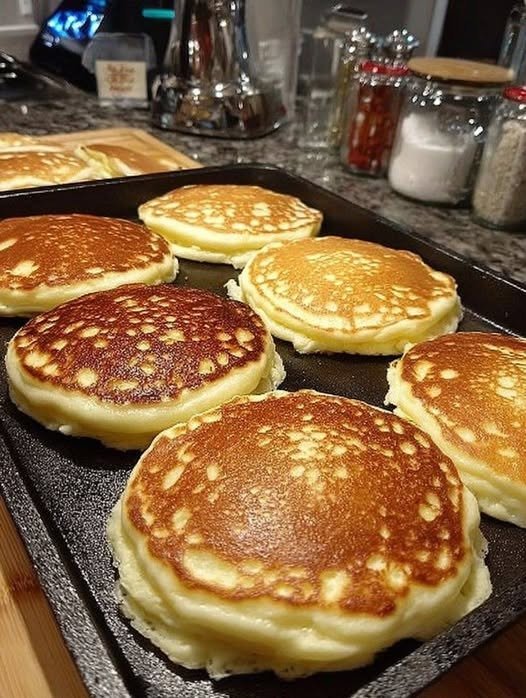
Classic Fluffy Buttermilk Pancakes
Description
Nothing beats a stack of Classic Fluffy Buttermilk Pancakes for a comforting breakfast. These pancakes are golden brown on the outside, soft and tender in the center, and wonderfully light and fluffy. They have those beautiful little bubbles and a delicate crisp edge that make homemade pancakes so irresistible.
The secret is a simple combination of buttermilk, eggs, melted butter, and a little baking powder and baking soda. Buttermilk adds a gentle tang and helps create a tender texture, while the leavening agents give the pancakes their impressive height.
Serve them warm with butter and maple syrup, or make them extra special with fresh berries, sliced bananas, whipped cream, honey, powdered sugar, or toasted nuts.
This recipe is ideal for weekend breakfasts, brunch, family gatherings, holidays, or whenever you’re craving a comforting homemade breakfast.
Recipe Information
Recipe Name: Classic Fluffy Buttermilk Pancakes
Category: Breakfast / Brunch
Cuisine: American-inspired
Prep Time: 10 minutes
Cook Time: 15 minutes
Total Time: About 25 minutes
Servings: 6
Yield: Approximately 12 medium pancakes
Difficulty: Easy
Ingredients
For the Pancake Batter
- 2 cups all-purpose flour
- 2 tablespoons granulated sugar
- 2 teaspoons baking powder
- ½ teaspoon baking soda
- ½ teaspoon salt
- 2 large eggs
- 1¾ cups buttermilk
- 4 tablespoons unsalted butter, melted and slightly cooled
- 1 teaspoon pure vanilla extract
For Cooking
- 1–2 tablespoons butter or neutral cooking oil
For Serving
- Butter
- Pure maple syrup
- Fresh berries
- Sliced bananas
- Powdered sugar, optional
- Whipped cream, optional
- Chopped walnuts or pecans, optional
How to Make Fluffy Buttermilk Pancakes
Step 1: Prepare the Dry Ingredients
In a large mixing bowl, whisk together:
- Flour
- Sugar
- Baking powder
- Baking soda
- Salt
Mixing the dry ingredients first helps distribute the leavening agents evenly throughout the flour.
This is important because you want every pancake to rise evenly.
Step 2: Prepare the Wet Ingredients
In a separate bowl, whisk together the eggs, buttermilk, melted butter, and vanilla extract.
Make sure the melted butter has cooled slightly before adding it.
Very hot butter can partially cook the eggs, which isn’t what you want.
Step 3: Combine Wet and Dry Ingredients
Pour the wet mixture into the bowl containing the dry ingredients.
Using a whisk or rubber spatula, gently stir until the ingredients are just combined.
Do not overmix.
A few small lumps in the batter are completely fine.
Overmixing develops gluten in the flour, which can make pancakes dense, chewy, or tough rather than light and fluffy.
Step 4: Let the Batter Rest
Allow the batter to rest for approximately 5–10 minutes.
This gives the flour time to hydrate and allows the leavening agents to begin working.
The batter should be thick but pourable.
If it seems extremely thick, add a small splash of buttermilk.
If it seems too thin, allow it to rest for a few minutes before deciding whether additional flour is necessary.
Step 5: Heat the Pan
Place a nonstick skillet, griddle, or cast-iron pan over medium heat.
Allow it to become properly heated before cooking.
Lightly grease the surface with butter or a little neutral oil.
Avoid using too much butter because excessive butter can cause uneven browning.
Step 6: Cook the Pancakes
Pour approximately ¼ cup of batter onto the hot cooking surface for each pancake.
Leave enough space between pancakes so you can easily flip them.
Cook until bubbles begin appearing across the surface and the edges look set.
This usually takes approximately 2–3 minutes.
Step 7: Flip Carefully
Slide a spatula underneath the pancake.
Flip it confidently in one motion.
Cook the second side for approximately 1–2 minutes, or until golden brown and cooked through.
Try not to press down on the pancake with the spatula.
Pressing can force out the air that gives your pancakes their fluffy texture.
Step 8: Continue Cooking
Repeat with the remaining batter.
Lightly grease the pan between batches if necessary.
Adjust the heat as needed.
If the pancakes become dark before the centers are cooked, reduce the heat slightly.
If they remain pale and take too long to cook, increase the heat a little.
Step 9: Serve Immediately
Stack the warm pancakes on a serving plate.
Add a small pat of butter on top.
Pour warm maple syrup over the stack.
Garnish with fresh berries or your favorite toppings.
Serve immediately for the best texture.
Why You’ll Love This Recipe
Incredibly Fluffy
The combination of buttermilk, baking powder, and baking soda produces beautifully thick pancakes.
Golden Brown
Cooking over moderate heat creates a delicious golden exterior.
Soft and Tender
Buttermilk gives the pancakes a delicate texture and subtle tang.
Simple Ingredients
Most ingredients are basic pantry and refrigerator staples.
Family-Friendly
Both children and adults love a warm stack of homemade pancakes.
Easy to Customize
You can add blueberries, chocolate chips, cinnamon, bananas, nuts, or other favorite ingredients.
Perfect for Brunch
Serve them with eggs, fruit, yogurt, sausage, or crispy bacon for a complete breakfast spread.
Important Recipe Notes
Don’t Overmix the Batter
This is one of the most important rules.
Mix only until the flour is incorporated.
A slightly lumpy batter usually produces better pancakes than a completely smooth, heavily mixed batter.
Use Medium Heat
High heat may burn the outside before the center cooks.
Medium or medium-low heat gives you better control.
Don’t Flatten the Pancakes
Let the pancakes naturally rise.
Pressing them down removes air and can make them less fluffy.
Don’t Flip Too Early
Wait until bubbles appear and the edges begin to look set.
Don’t Flip Multiple Times
One good flip is generally enough.
Repeated flipping can interfere with the pancakes’ rise and texture.
Tips for Extra-Fluffy Pancakes
Tip 1: Use Fresh Baking Powder and Baking Soda
Old leavening agents may not provide enough lift.
Tip 2: Don’t Skip the Buttermilk
Its acidity works with the baking soda to help create a lighter texture.
Tip 3: Let the Batter Rest
Even a short resting period can improve the texture.
Tip 4: Avoid Excess Flour
Too much flour can produce heavy pancakes.
For the most consistent results, measure flour carefully.
Tip 5: Use a Consistent Scoop
A ¼-cup measure helps create evenly sized pancakes that cook at the same rate.
Tip 6: Keep Finished Pancakes Warm
If making a large batch, place cooked pancakes on a warm plate while you finish the rest.
Buttermilk Substitute
If you don’t have buttermilk, you can make a quick substitute.
Add 1 tablespoon of lemon juice or white vinegar to a measuring cup.
Add enough milk to reach 1¾ cups.
Stir and let it stand for approximately 5–10 minutes.
The milk may appear slightly curdled.
That’s normal.
Use it in the recipe as a buttermilk substitute.
The flavor may be slightly different from traditional cultured buttermilk, but the pancakes will still be delicious.
Delicious Topping Ideas
The classic butter-and-maple-syrup combination is hard to beat, but there are countless ways to customize these pancakes.
Fresh Berry Pancakes
Top with:
- Strawberries
- Blueberries
- Raspberries
- Blackberries
Add maple syrup and powdered sugar.
Banana Walnut Pancakes
Add sliced bananas and toasted walnuts.
Drizzle with maple syrup.
Chocolate Pancakes
Fold chocolate chips into the batter before cooking.
Top with strawberries and a little whipped cream.
Cinnamon Sugar
Sprinkle the pancakes with cinnamon and powdered sugar.
Honey Butter
Combine softened butter with a little honey and spread it over the warm pancakes.
Peanut Butter Banana
Spread peanut butter over the pancakes and top with banana slices.
Apple Cinnamon
Top with sautéed apples, cinnamon, and maple syrup.
Optional Add-Ins
You can add ingredients directly to the batter.
Try:
- ½ cup blueberries
- ½ cup chocolate chips
- ½ cup chopped strawberries
- ½ cup chopped pecans
- 1 mashed banana
- 1 teaspoon cinnamon
- ½ teaspoon nutmeg
- 1 tablespoon lemon zest
For delicate ingredients such as berries, gently fold them in after preparing the batter.
What to Serve With Pancakes
Create a complete breakfast by serving these pancakes with:
- Scrambled eggs
- Fried eggs
- Omelets
- Turkey sausage
- Fresh fruit
- Greek yogurt
- Cottage cheese
- Roasted potatoes
- Crispy bacon
- Breakfast vegetables
- Fresh orange juice
- Coffee or tea
For a brunch table, arrange pancakes on a large platter with several toppings so everyone can customize their own stack.
How to Get the Beautiful Golden-Brown Surface
The pancakes in the photo have a gorgeous golden-brown surface.
To achieve that appearance, make sure the pan is properly preheated.
Use a moderate amount of butter or oil.
Don’t overcrowd the pan.
Let each pancake cook undisturbed until the first side develops a golden crust.
The exact browning time depends on the temperature of your cooking surface.
If the first pancake is too dark, lower the heat.
If it is too pale, increase the heat slightly.
How to Tell When a Pancake Is Ready to Flip
Look for three signs:
- Bubbles appear across the surface.
- Edges look slightly dry and set.
- The underside should be golden brown when you carefully lift one edge.
Once you see these signs, flip the pancake.
If the batter is still very wet across the entire surface, give it another 20–30 seconds.
Storage Instructions
Allow leftover pancakes to cool.
Place them in an airtight container or stack them with parchment paper between each pancake.
Refrigerate for approximately 3–4 days.
For longer storage, freeze them.
How to Freeze Pancakes
Let pancakes cool completely.
Place parchment paper between individual pancakes.
Transfer them to a freezer-safe bag or airtight container.
Freeze for up to approximately 2–3 months for best quality.
This makes homemade pancakes extremely convenient for busy mornings.
How to Reheat Pancakes
Microwave
Place one or two pancakes on a microwave-safe plate.
Heat for approximately 20–30 seconds.
Add additional time if needed.
Oven
Place pancakes on a baking sheet.
Cover loosely with foil.
Warm at approximately 300°F / 150°C until heated through.
Toaster
Frozen pancakes can also be reheated in a toaster if they fit safely.
This can give the outside a slightly crisp texture.
Nutritional Information
Approximate nutrition per pancake, assuming 12 pancakes and excluding toppings:
- Calories: 150–170 kcal
- Protein: 4–5 g
- Carbohydrates: 21–24 g
- Fat: 5–6 g
- Fiber: 1 g
- Sugar: 4–5 g
- Sodium: Approximately 200–250 mg
A serving of two pancakes with toppings will naturally contain more calories, especially when adding butter, syrup, whipped cream, chocolate, or nuts.
Nutrition varies depending on the specific ingredients and brands used.
Potential Nutritional Benefits
Eggs
Eggs provide protein and several essential nutrients.
Buttermilk
Buttermilk contributes protein and calcium.
Flour
Flour provides carbohydrates, which are an important energy source.
Butter
Butter contributes fat and flavor.
Fresh Fruit
Adding berries or bananas increases the nutritional value of the meal by contributing fiber, vitamins, minerals, and naturally occurring plant compounds.
Nuts
Walnuts and pecans can contribute healthy unsaturated fats, protein, and minerals.
These are general nutritional observations and are not medical advice.
Easy Ingredient Substitutions
All-Purpose Flour
You can replace part of the flour with whole-wheat flour.
Because whole-wheat flour absorbs more liquid, you may need a small additional amount of buttermilk.
Sugar
Use honey or maple syrup if desired, although liquid sweeteners can slightly change the batter consistency.
Butter
Use melted coconut oil or another neutral oil.
Buttermilk
Use the homemade buttermilk substitute described above.
Vanilla
Vanilla can be omitted, although it adds a pleasant aroma.
Whole-Wheat Pancake Option
For a more hearty pancake, replace approximately half of the all-purpose flour with whole-wheat flour.
Add a small splash of additional buttermilk if the batter becomes too thick.
Whole-wheat pancakes tend to be slightly denser than traditional pancakes but have a pleasant nutty flavor.
Frequently Asked Questions
1. Why are my pancakes not fluffy?
The most common causes are overmixing, old baking powder or baking soda, overly thin batter, or cooking at an unsuitable temperature.
2. Can I make these without buttermilk?
Yes. Use the milk-and-lemon-juice or vinegar substitute.
3. Can I prepare the batter the night before?
For the best rise, it’s preferable to cook the batter relatively soon after mixing because the leavening agents begin reacting once combined with liquid.
4. Can I use milk instead?
Yes, but the flavor and texture may be slightly different. Adding an acidic ingredient to create a buttermilk substitute gives better results.
5. Why is my pancake raw in the center?
The pan may be too hot, causing the exterior to brown before the center cooks.
Reduce the heat slightly and use a smaller amount of batter per pancake.
6. Why are my pancakes flat?
Check the freshness of your baking powder and baking soda and make sure you aren’t overmixing.
7. Should pancake batter be completely smooth?
No.
Small lumps are perfectly acceptable.
8. How thick should the batter be?
It should be thick enough to slowly spread when poured onto the pan but still easy to scoop.
9. Can I add blueberries?
Absolutely.
Fresh or frozen blueberries both work.
10. Can I add chocolate chips?
Yes. Sprinkle them onto the pancake shortly after pouring the batter onto the pan.
11. Can I make mini pancakes?
Yes. Use approximately 1–2 tablespoons of batter per pancake and reduce the cooking time.
12. Can I make large pancakes?
Yes, but larger pancakes can be more difficult to flip and may require slightly lower heat.
13. Can I freeze them?
Yes. Separate pancakes with parchment paper before freezing.
14. How long do pancakes last in the refrigerator?
For best quality and food safety, consume refrigerated leftovers within approximately 3–4 days.
15. What is the best syrup?
Pure maple syrup provides excellent flavor, but honey, fruit syrup, or other toppings can also be used.