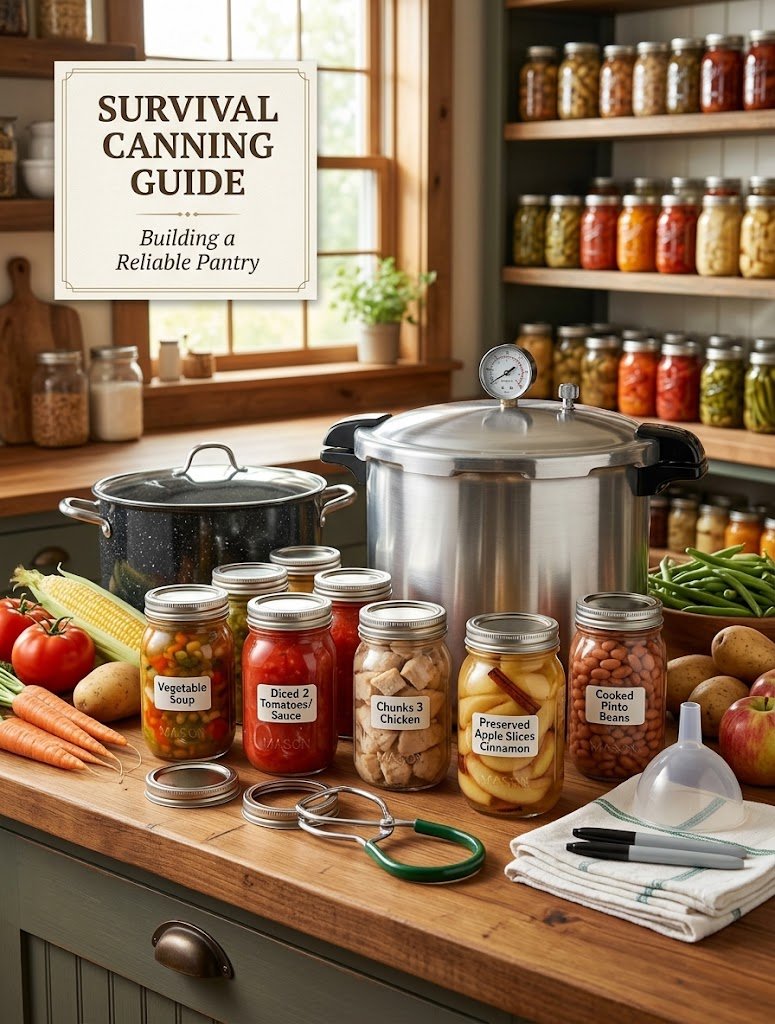
Canning Recipes That Will Help You Survive
A Complete Guide to Preserving Food for Emergencies, Homesteading & Everyday Life
Canning has been a trusted food preservation method for generations, especially among families who value self-sufficiency, emergency preparedness, and having a well-stocked pantry. In uncertain times, a shelf full of homemade canned foods can provide comfort, nutrition, and security. Whether you are preparing for storms, power outages, economic challenges, or simply want to reduce grocery costs, learning how to can food is a valuable skill.
Unlike store-bought canned products, homemade canned foods allow you to control the ingredients, reduce preservatives, save money, and preserve seasonal produce when it is at its freshest. From hearty soups and savory meats to garden vegetables, fruits, sauces, and jams, there are countless recipes that can help you build a long-lasting food supply.
This guide covers essential survival canning recipes that are practical, delicious, and perfect for American households looking to create a reliable pantry.
Why Canning Is an Essential Survival Skill
Food shortages, natural disasters, supply chain problems, and unexpected emergencies can happen at any time. Having preserved food at home gives you independence and peace of mind.
Canned foods can:
Last for months or even years when stored properly
Reduce dependence on grocery stores
Help save money by buying seasonal ingredients in bulk
Provide quick meals during emergencies
Reduce food waste by preserving extra produce
A properly prepared canning pantry is like having a personal grocery store at home.
Essential Canning Equipment
Before starting, it is important to have the right tools:
Water Bath Canner
Used for high-acid foods such as:
Fruits
Pickles
Jams
Jellies
Salsa
Tomato products with added acid
Pressure Canner
Required for low-acid foods including:
Meat
Poultry
Beans
Vegetables
Soups and stews
Pressure canning reaches higher temperatures needed to safely preserve foods that can support harmful bacteria.
Other Supplies
Mason jars
New canning lids
Jar rings
Jar lifter
Funnel
Bubble remover tool
Clean towels
Labels and markers
Always follow tested food safety guidelines when preserving foods.
Recipe 1: Survival Vegetable Soup (Pressure Canned)
A homemade vegetable soup is one of the most useful foods to have stored. It provides a complete meal option that can be heated quickly during emergencies.
Ingredients
6 cups chopped tomatoes
4 cups diced carrots
4 cups chopped potatoes
3 cups green beans
3 cups corn kernels
2 cups chopped celery
2 cups chopped onions
8 cups vegetable broth
2 teaspoons salt
1 teaspoon black pepper
2 teaspoons dried Italian seasoning
Instructions
Wash and prepare all vegetables by cutting them into similar-sized pieces.
Combine vegetables, broth, and seasonings in a large stockpot.
Simmer for approximately 10 minutes until vegetables slightly soften.
Fill sterilized jars, leaving proper headspace.
Remove air bubbles and clean jar edges.
Apply lids and process using a pressure canner according to tested guidelines.
Allow jars to cool completely before checking seals.
This soup can become the base for quick dinners by adding rice, pasta, shredded chicken, or beans.
Recipe 2: Homemade Canned Tomato Sauce
A pantry staple, tomato sauce can transform simple ingredients into comforting meals.
Ingredients
20 pounds ripe tomatoes
4 tablespoons lemon juice per quart jar
2 tablespoons olive oil
4 cloves garlic
2 tablespoons dried basil
1 tablespoon oregano
Salt to taste
Instructions
Wash tomatoes and remove damaged areas.
Cook tomatoes until soft.
Blend or strain tomatoes to create a smooth sauce.
Simmer sauce until desired thickness.
Add herbs and seasoning.
Add lemon juice to jars for safe acidity.
Fill jars and process using a water bath canner following approved times.
This sauce is perfect for:
Pasta dishes
Pizza
Soups
Casseroles
Slow cooker meals
Recipe 3: Canned Chicken for Emergency Meals
Canned chicken is one of the most versatile survival foods. It can quickly become sandwiches, soups, casseroles, or protein-packed meals.
Ingredients
Fresh boneless chicken
Salt
Optional herbs
Instructions
Cut chicken into chunks.
Pack raw chicken into clean jars.
Add salt if desired.
Leave recommended headspace.
Remove air bubbles.
Process jars using a pressure canner.
Store canned chicken in a cool, dark pantry.
Recipe 4: Sweet Survival Apple Canning
Preserved apples are excellent for breakfasts and desserts.
Ingredients
Fresh apples
Sugar
Cinnamon
Lemon juice
Water
Instructions
Peel and slice apples.
Prepare a light syrup using water and sugar.
Add apples and lemon juice.
Pack into jars.
Process using a water bath canner.
Use canned apples for:
Apple pie filling
Oatmeal toppings
Pancakes
Desserts
Recipe 5: Canned Pinto Beans
Beans are affordable, nutritious, and extremely valuable for long-term food storage.
Ingredients
Dry pinto beans
Water
Salt
Instructions
Wash beans thoroughly.
Soak overnight or use a quick soak method.
Cook beans until partially tender.
Fill jars with beans and cooking liquid.
Process using a pressure canner.
Beans provide:
Protein
Fiber
Long-lasting energy
Building a Survival Canning Pantry
A balanced emergency pantry should include different food categories.
Protein Sources
Store:
Chicken
Beef
Beans
Chili
Fish
Vegetables
Include:
Green beans
Corn
Carrots
Potatoes
Mixed vegetables
Fruits
Examples:
Peaches
Apples
Pears
Berries
Ready Meals
Prepare:
Soups
Stews
Pasta sauces
Chili
A variety of foods prevents meal boredom and ensures better nutrition.
Storage Tips for Long-Term Canned Foods
Proper storage is important for maintaining quality.
Keep Jars Cool
Store canned foods away from heat sources and sunlight.
Label Everything
Write:
Food name
Date canned
Batch information
Use older jars first.
Check Before Eating
Do not use jars that show:
Bulging lids
Strange smells
Leakage
Mold
Broken seals
Food safety should always come first.
Beginner Canning Mistakes to Avoid
Many beginners make simple mistakes that affect quality.
Avoid:
Using damaged jars
Reusing old lids
Skipping proper processing times
Guessing measurements
Ignoring acidity requirements
Storing jars before they cool completely
Successful canning requires patience and attention to detail.
Conclusion
Canning is more than a cooking method; it is a valuable life skill that provides independence, savings, and security. A well-prepared pantry filled with homemade canned foods can help families handle emergencies while still enjoying comforting, nutritious meals.
Whether you are starting with a few jars of tomato sauce or creating a full survival pantry, every batch brings you one step closer to self-reliance. With fresh ingredients, proper equipment, and safe preservation practices, you can create a food supply that supports your family through every season.
A strong pantry is not built overnight. Start small, learn the process, and gradually build a collection of homemade canned foods that your future self will appreciate.