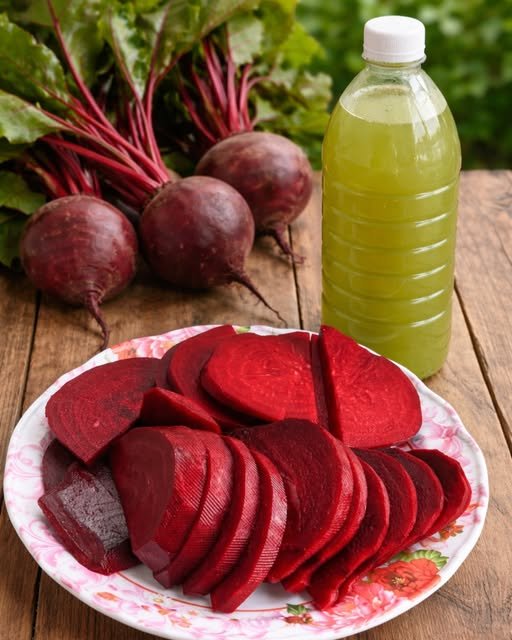
eetroot, often recognized by its deep red color and earthy flavor, is more than just a vibrant addition to your plate. According to health experts and nutritionists, regularly consuming beetroot can bring powerful benefits to your body—ranging from improved heart health to better digestion and enhanced energy levels.
If you’ve ever wondered whether beetroot is truly worth adding to your daily diet, the answer is a strong yes. Let’s explore what doctors reveal about this natural superfood.

🥗 What Makes Beetroot So Powerful?
Beetroot is packed with essential nutrients that support overall health. It contains:
-
Vitamins: Especially vitamin C, B6, and folate
-
Minerals: Iron, potassium, and magnesium
-
Antioxidants: Betalains, which give beetroot its red color
-
Nitrates: Natural compounds that improve blood flow
These components work together to boost your body’s performance and protect against various health issues.
❤️ 1. Supports Heart Health
Doctors emphasize that beetroot is excellent for cardiovascular health. The natural nitrates found in beetroot help:
-
Relax and widen blood vessels
-
Improve blood circulation
-
Lower high blood pressure
Studies suggest that drinking beetroot juice can significantly reduce systolic blood pressure within hours.
⚡ 2. Boosts Energy and Physical Performance
If you often feel tired or low on energy, beetroot can help.
The nitrates in beetroot improve oxygen delivery to muscles, making it a favorite among athletes. Regular consumption may:
-
Increase stamina
-
Reduce fatigue
-
Improve endurance during workouts
That’s why many people drink beetroot juice before exercising.
🧠 3. Enhances Brain Function
Better blood flow doesn’t just benefit the heart—it also supports the brain.
Beetroot helps increase blood supply to the brain, which may:
-
Improve concentration
-
Support memory
-
Reduce the risk of cognitive decline
This makes it especially beneficial for older adults.
🌿 4. Aids Digestion and Detoxification
Beetroot is rich in fiber, which promotes healthy digestion and prevents constipation.
Additionally, it supports liver function by helping the body eliminate toxins. Doctors often recommend beetroot as part of a natural detox routine.
🩸 5. Helps Prevent Anemia
Due to its iron content and ability to support red blood cell production, beetroot is helpful for people with low hemoglobin levels.
Regular consumption may:
-
Improve oxygen transport in the body
-
Reduce symptoms of fatigue and weakness
⚖️ 6. Supports Weight Management
Low in calories but high in nutrients, beetroot is ideal for those looking to maintain or lose weight.
Its fiber content keeps you feeling full longer, reducing unnecessary snacking.
⚠️ Are There Any Side Effects?
While beetroot is generally safe, doctors note a few things to keep in mind:
-
It may cause red or pink urine (harmless but surprising)
-
Excess consumption may lead to kidney stone risk in some individuals due to oxalates
-
People with low blood pressure should consume it in moderation
🥤 Best Ways to Consume Beetroot
You can enjoy beetroot in many delicious ways:
-
Fresh juice
-
Salads (raw or cooked)
-
Smoothies
-
Roasted or steamed dishes
Combining beetroot with ingredients like carrots, apples, or ginger can enhance both flavor and health benefits.
✅ Final Thoughts
Doctors agree: beetroot is a natural, affordable, and powerful addition to a healthy diet. From boosting heart health and energy to supporting digestion and brain function, its benefits are too significant to ignore.
Adding just a small amount of beetroot to your daily routine could make a noticeable difference in your overall well-being.