Baked Pears with Feta and Cranberries

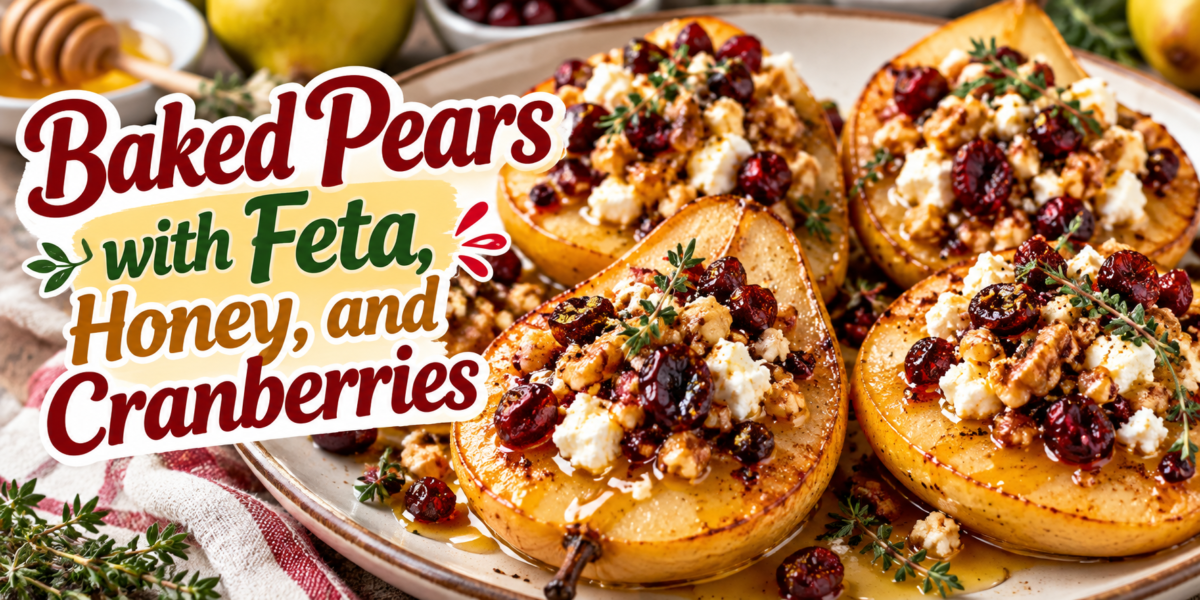
Baked pears topped with feta cheese, dried cranberries, walnuts, honey, and fresh thyme

Baked Pears with Feta and Cranberries

Baked Pears with feta and cranberries are a delicious combination of sweet, salty, creamy, and crunchy flavors. Ripe but firm pears are roasted until tender, then topped with creamy feta cheese, tart dried cranberries, crunchy walnuts, fresh thyme, and a generous drizzle of honey.

These Baked Pears make a beautiful appetizer, side dish, light dessert, or brunch recipe. The natural sweetness of the pears becomes richer in the oven, while the feta adds a pleasant salty contrast. Cranberries bring a chewy texture and bright flavor, while walnuts add a satisfying crunch.

The recipe is simple enough for a weekday meal but attractive enough for a holiday table. It also requires only a handful of everyday ingredients.

Prep Time: 10 minutes
Cook Time: 25 minutes
Total Time: 35 minutes
Servings: 4 servings

Ingredients

For the Pears

4 ripe but firm pears, halved and cored

1 tablespoon olive oil

1/2 teaspoon ground cinnamon

1/4 teaspoon black pepper

1/4 teaspoon salt

For the Topping

1/2 cup crumbled feta cheese

1/2 cup dried cranberries

1/3 cup chopped walnuts

3 tablespoons honey

1 teaspoon fresh thyme leaves

1 tablespoon fresh lemon juice

1/2 teaspoon lemon zest

Optional Additions

1 tablespoon maple syrup

2 tablespoons chopped pecans

1/4 teaspoon red pepper flakes

2 tablespoons fresh mint

1 tablespoon balsamic glaze

Step-by-Step Instructions

Prepare the Pears

Start by preheating the oven to 375°F (190°C).

Wash the pears thoroughly and dry them with a clean kitchen towel.

Cut each pear in half lengthwise.

Use a small spoon or melon baller to remove the seeds and core from the center.

Try to keep a small cavity in each pear. This space will hold the feta, cranberries, and walnuts later.

Place the pear halves cut-side up in a baking dish.

Brush the pears lightly with olive oil.

Sprinkle them with cinnamon, salt, and black pepper.

Add fresh lemon juice over the pears.

The lemon juice adds brightness and also balances the natural sweetness of the fruit.

Firm pears work best because they soften during baking without falling apart.

For particularly sweet and tender Baked Pears, choose pears that are ripe but still firm when gently pressed.

Prepare the Topping

While the oven heats, prepare the topping.

Place the crumbled feta in a small bowl.

Add the dried cranberries and chopped walnuts.

Add the fresh thyme leaves and lemon zest.

Mix the ingredients gently.

Do not overmix the feta because you want some larger pieces to remain visible after baking.

The salty feta, sweet cranberries, and crunchy walnuts create a balanced topping.

If you prefer a sweeter flavor, add one teaspoon of maple syrup to the mixture.

For a more savory version, add a small pinch of black pepper.

Fill the Pears

Spoon the feta and cranberry mixture into the center of each pear half.

Do not pack the filling too tightly.

A light mound over each pear creates a beautiful presentation and allows the cheese to warm evenly.

Arrange the filled pears in the baking dish with a little space between each piece.

Drizzle approximately one tablespoon of honey over the pears.

Reserve the remaining honey for serving.

The honey will become warm and glossy as the pears bake.

This simple combination gives Baked Pears their signature sweet and savory flavor.

Bake the Pears

Place the baking dish in the preheated oven.

Bake for approximately 20 to 25 minutes.

The exact cooking time depends on the size and firmness of the pears.

Check them after 20 minutes.

The pears should become tender when pierced with a fork.

The feta should be warm, and the cranberries should become slightly plump.

The walnuts should develop a lightly toasted aroma.

Avoid overbaking the fruit.

Very soft pears can lose their shape and become difficult to serve.

The ideal texture is tender enough to cut easily while still holding the pear half together.

Add the Final Honey

Remove the baking dish from the oven.

Allow the pears to rest for approximately 5 minutes.

Drizzle the remaining honey over the top.

Add a few fresh thyme leaves.

For an extra elegant finish, add a small amount of lemon zest.

You can also drizzle a little balsamic glaze over the finished dish.

The combination of warm fruit, creamy feta, tart cranberries, and honey makes these Baked Pears especially delicious when served warm.

Tips for the Best Results

Choose pears that are ripe but firm.

Very soft pears can become mushy during baking.

Bosc, Anjou, and Bartlett pears can all work well. Choose pears that hold their shape when cooked.

Cut the pears evenly so they finish baking at approximately the same time.

Do not remove too much of the center when coring.

A small cavity gives the filling somewhere to sit.

Use good-quality feta for the best flavor.

Fresh thyme provides a bright herbal note, but dried thyme can be used when fresh herbs are unavailable.

Add honey according to your preferred sweetness.

If your pears are naturally very sweet, use a smaller amount of honey.

For a more savory dish, increase the black pepper slightly.

These simple tips help ensure that your Baked Pears are tender, flavorful, and attractive.

Easy Variations

Apple and Pear Version

Use a mixture of pear and apple halves.

Choose firm apples that hold their shape during baking.

The combination creates a delicious fruit variation with different textures.

Pecan Version

Replace the walnuts with chopped pecans.

Pecans have a naturally buttery flavor that works beautifully with honey and feta.

Maple Version

Replace the honey with pure maple syrup.

Maple syrup provides a warm flavor that pairs especially well with cinnamon.

Spicy Version

Add a tiny pinch of red pepper flakes to the feta mixture.

The mild heat creates an interesting contrast with the sweet fruit.

Herb Version

Add fresh rosemary or mint alongside the thyme.

Use herbs lightly so they do not overpower the pears.

Extra Creamy Version

Add a small amount of soft goat cheese with the feta.

The combination creates a richer filling.

These variations allow you to customize Baked Pears for different occasions and flavor preferences.

Serving Suggestions

Serve the warm pears as an appetizer before dinner.

They also make an excellent side dish for roasted chicken or turkey.

For brunch, place them on a large serving platter with fresh herbs.

You can serve them with warm crusty bread.

The bread is excellent for soaking up the honey and juices that collect in the baking dish.

For a lighter meal, pair the pears with a simple green salad.

A salad with arugula, cucumber, and lemon dressing provides a refreshing contrast.

You can also serve the pears as a dessert.

For dessert, add a small spoonful of Greek yogurt alongside each pear.

A little extra honey creates a naturally sweet finish.

These Baked Pears are especially attractive during autumn and winter gatherings.

Holiday Serving Ideas

This recipe works beautifully for Thanksgiving, Christmas, family dinners, and holiday brunches.

Arrange the pears on a large white serving platter.

Scatter extra cranberries and walnuts around the edges.

Add fresh thyme sprigs for decoration.

Drizzle honey over the entire platter just before serving.

You can also add a few thin pear slices around the cooked halves.

The warm golden color of the pears looks beautiful against the white feta and deep red cranberries.

For a festive presentation, use a combination of red and green herbs around the serving platter.

The simple presentation makes Baked Pears look more elaborate than they actually are.

Make-Ahead Instructions

You can prepare several parts of the recipe ahead of time.

Wash and halve the pears.

Remove the cores and brush them lightly with lemon juice.

Prepare the feta, cranberry, and walnut mixture.

Keep the components covered in the refrigerator.

When ready to cook, fill the pears and place them in the baking dish.

Bake shortly before serving.

For the best texture, avoid baking the pears several hours before you plan to serve them.

Freshly baked fruit has a better texture and aroma.

If you need to reheat leftovers, use a moderate oven rather than high heat.

Storage Instructions

Allow leftover pears to cool before storing.

Place them in an airtight container.

Refrigerate for up to 3 days.

Keep the pears covered to prevent them from absorbing odors from other foods.

When ready to serve, gently reheat them in a 350°F oven.

Heat until the center is warm.

Avoid overheating because the feta can become dry and the pears can become too soft.

Add fresh honey and thyme after reheating.

The fresh toppings will make leftover Baked Pears taste brighter.

Health and Nutrition Notes

Pears provide fiber and naturally occurring carbohydrates.

Cranberries contribute flavor and texture, although dried cranberries can contain added sugar.

Feta provides protein and calcium but can also contain a significant amount of sodium.

Walnuts contribute healthy fats and a pleasant crunch.

Honey provides sweetness, so the amount can be adjusted according to taste.

For a lighter version, reduce the honey and use a smaller amount of feta.

You can also increase the walnuts and herbs while reducing the sweet toppings.

Serving the pears with a green salad creates a balanced meal with fruit, vegetables, protein, and healthy fats.

These Baked Pears can be enjoyed as part of a varied and balanced eating pattern.

Common Mistakes to Avoid

Do not use pears that are already very soft.

Avoid cutting the pears into uneven sizes.

Do not overfill the pear cavities.

Too much filling can fall off during baking.

Avoid using excessive honey before baking because it can become too dark.

Do not bake the pears at an extremely high temperature.

High heat can soften the fruit too quickly.

Allow the pears to rest briefly after baking.

This helps the filling settle and makes them easier to serve.

Adding fresh herbs after baking keeps their color and flavor brighter.

Frequently Asked Questions

What are the best pears for baking?

Bosc, Anjou, and firm Bartlett pears are excellent choices. They soften during baking while still maintaining their shape.

Can I use soft pears?

You can, but very soft pears may become mushy. Firm pears provide a better texture.

Can I replace feta cheese?

Yes. Goat cheese, ricotta, or soft cream cheese can be used. Feta provides the strongest salty contrast.

Can I use fresh cranberries?

Yes, but dried cranberries provide a sweeter and chewier texture. Fresh cranberries will be more tart.

Can I replace walnuts?

Absolutely. Pecans, almonds, hazelnuts, or pistachios can all work well.

Can I make this recipe without honey?

Yes. Maple syrup can replace honey, or you can reduce the sweetener if your pears are naturally sweet.

Can I serve the pears cold?

Yes. They can be served at room temperature or chilled, although they are particularly enjoyable when warm.

Can I make Baked Pears for a party?

Yes. Prepare several pear halves and arrange them on a large platter just before serving.

Can I add cinnamon?

Yes. Cinnamon works beautifully with pears, cranberries, walnuts, and honey.

What can I serve with Baked Pears?

Green salad, crusty bread, roasted chicken, turkey, Greek yogurt, or a light grain dish all pair well.

Nutrition Information

Approximate nutrition per serving:

Calories: 285 kcal

Protein: 7g

Carbohydrates: 39g

Fat: 12g

Fiber: 6g

Sugar: 27g

Sodium: 330mg

Nutrition values are estimates and may vary depending on the pear size, feta, honey, cranberries, and walnuts used.

Why This Recipe Works

The success of this recipe comes from its balance of contrasting flavors.

Pears provide natural sweetness and a tender texture.

Feta contributes saltiness and creaminess.

Cranberries add tartness and chewiness.

Walnuts provide crunch.

Honey adds a smooth sweetness that brings the ingredients together.

Thyme adds an earthy herbal note.

Lemon prevents the dish from becoming overly sweet.

The oven brings all of these ingredients together while gently softening the pears.

The result is a dish that feels elegant but requires very little preparation.

Another advantage is its versatility.

You can serve Baked Pears as an appetizer, side dish, brunch recipe, or dessert.

The same basic recipe can also be adjusted with different nuts, cheeses, herbs, and sweeteners.

Final Thoughts

Baked Pears with feta and cranberries are a simple yet impressive recipe that combines sweet fruit with savory and salty ingredients.

The pears become tender and fragrant in the oven, while the feta warms and the cranberries become slightly plump.

Walnuts add a delicious crunch, and honey creates a glossy finish.

Fresh thyme and lemon keep the flavors balanced.

The recipe is easy enough for a normal weeknight but elegant enough for holiday dinners and special occasions.

You can serve the pears alongside roasted meats, add them to a brunch spread, or enjoy them as a light dessert with Greek yogurt.

For extra flavor, experiment with pecans, maple syrup, goat cheese, cinnamon, or fresh mint.

When choosing pears, remember that firm fruit gives the best results.

Allow the pears to bake until tender but not mushy.

Finish them with fresh honey and herbs immediately before serving.

With their beautiful colors and contrasting flavors, Baked Pears are a wonderful way to turn simple ingredients into an eye-catching dish.

Whether you serve them as an appetizer, side, brunch recipe, or dessert, Baked Pears offer a delicious combination of warm fruit, creamy feta, tart cranberries, crunchy nuts, and sweet honey in every bite.
Spicy Pepper Chicken

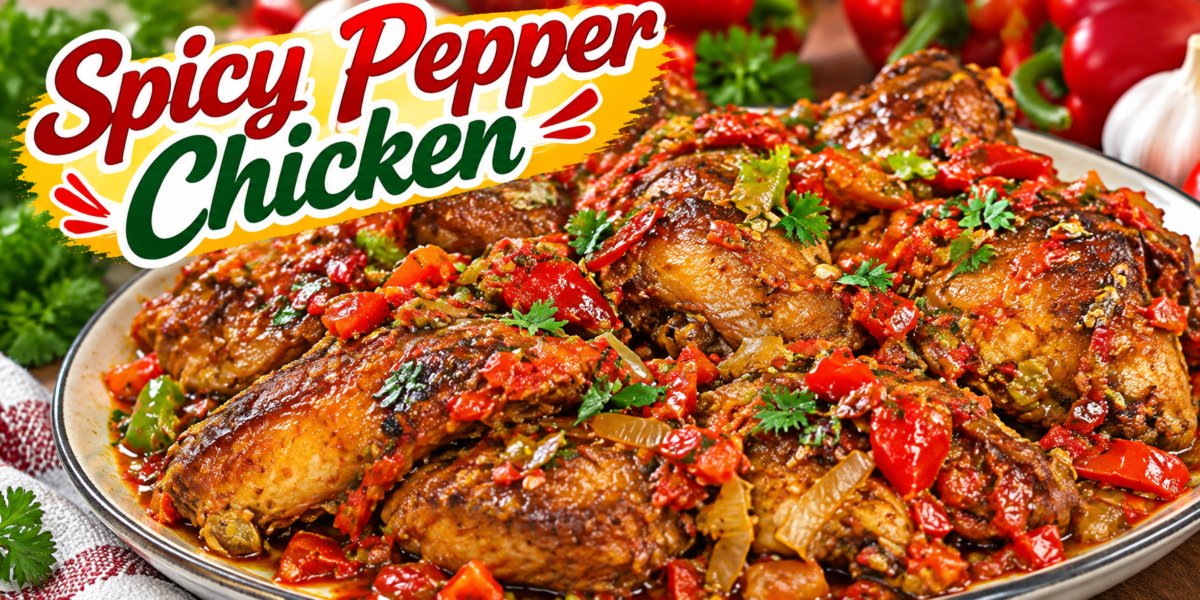
Spicy Pepper Chicken with golden chicken pieces, red and green peppers, tomatoes, onions, fresh herbs, and savory sauce

Spicy Pepper Chicken

Spicy Pepper Chicken is a rich, flavorful chicken dish made with tender chicken, colorful bell peppers, onions, garlic, tomatoes, and aromatic spices. The chicken is browned until golden and then cooked with a savory pepper sauce that coats every piece.

This recipe is inspired by the delicious, glossy chicken dish shown in your reference image. It has a beautiful combination of roasted color, tender meat, sweet peppers, mild heat, and fresh herbs.

The secret to great Spicy Pepper Chicken is building flavor in layers. First, season and brown the chicken. Then sauté the onions, peppers, garlic, and tomatoes until they become soft and fragrant. Finally, combine everything and let the chicken simmer gently so it absorbs the flavorful sauce.

You can serve this dish with white rice, brown rice, mashed potatoes, couscous, flatbread, or a simple salad. It also works beautifully for family dinners because the ingredients are simple and the preparation is straightforward.

Prep Time: 20 minutes
Cook Time: 40 minutes
Total Time: 1 hour
Servings: 6 servings

Ingredients

For the Chicken

1 teaspoon smoked paprika

2 1/2 pounds bone-in chicken thighs and drumsticks

1/2 teaspoon garlic powder

1 teaspoon black pepper

3 tablespoons olive oil

1 teaspoon salt

1 teaspoon paprika

1/2 teaspoon onion powder

1/2 teaspoon dried oregano

1/4 teaspoon cayenne pepper, optional

1/2 teaspoon dried thyme

For the Pepper Sauce

1 large onion, chopped

1 yellow bell pepper, chopped

4 cloves garlic, minced

1 green bell pepper, chopped

2 medium tomatoes, diced

1 red bell pepper, chopped

1/2 teaspoon salt

2 tablespoons tomato paste

1 cup chicken broth

1/2 teaspoon ground cumin

1 teaspoon smoked paprika

1/2 teaspoon dried oregano

1 tablespoon fresh lemon juice

1/2 teaspoon black pepper

2 tablespoons fresh parsley, chopped

1/2 teaspoon red pepper flakes

2 tablespoons fresh cilantro, optional

Step-by-Step Instructions

Season the Chicken

Pat the chicken pieces dry with paper towels. Removing excess moisture helps the skin and surface develop a beautiful golden-brown color.

Place the chicken in a large bowl.

Add salt, black pepper, paprika, smoked paprika, garlic powder, onion powder, thyme, oregano, and cayenne pepper if you want extra heat.

Rub the seasoning over every piece.

Allow the chicken to rest for 10 minutes while you prepare the vegetables.

This seasoning mixture gives the Spicy Pepper Chicken its deep color and savory flavor.

Brown the Chicken

Heat a large, heavy skillet or Dutch oven over medium-high heat.

Add the olive oil.

Once the oil is hot, carefully place the chicken pieces into the pan.

Cook the chicken for about 4 to 5 minutes on each side.

The goal is not to cook the chicken completely at this stage. Instead, brown the outside and develop a flavorful crust.

Avoid overcrowding the pan. If necessary, brown the chicken in two batches.

Transfer the browned chicken to a clean plate.

The browned pieces create a flavorful base for Spicy Pepper Chicken and give the finished dish a richer appearance.

Cook the Onion and Peppers

Reduce the heat to medium.

Add the chopped onion to the same pan.

Cook for 3 to 4 minutes until the onion begins to soften.

Add the red, green, and yellow bell peppers.

Stir everything together.

Cook for another 5 to 6 minutes.

The peppers should become tender while still retaining some texture.

Add the minced garlic and cook for about 30 seconds.

The garlic should become fragrant without burning.

This colorful mixture forms the vegetable base of the Spicy Pepper Chicken.

Add the Tomatoes

Add the diced tomatoes to the pan.

Stir in the tomato paste.

Add smoked paprika, cumin, oregano, black pepper, salt, and red pepper flakes.

Cook for about 3 minutes.

The tomatoes will begin releasing their juices while the tomato paste becomes richer and slightly caramelized.

Stir frequently so nothing sticks to the bottom of the pan.

The combination of tomatoes and peppers creates a thick, flavorful sauce for Spicy Pepper Chicken.

Add the Chicken Broth

Pour the chicken broth into the pan.

Use a wooden spoon to gently scrape the bottom of the skillet.

Those browned bits contain plenty of flavor.

Stir the sauce until the tomato paste is fully incorporated.

Bring the mixture to a gentle simmer.

The sauce should look rich and slightly thick.

Return the Chicken

Place the browned chicken pieces back into the pan.

Arrange them so the pieces are partially surrounded by the pepper and tomato sauce.

Cover the skillet with a lid.

Reduce the heat to low.

Allow the chicken to simmer for about 25 to 30 minutes.

Turn the chicken once halfway through cooking.

The chicken should become tender and fully cooked.

For food safety, poultry should reach an internal temperature of 165°F (74°C) at the thickest part.

The slow simmer allows the chicken to absorb the flavors from the peppers, tomatoes, garlic, and spices.

Finish the Sauce

Remove the lid during the final 5 minutes.

Allow some of the liquid to evaporate.

The sauce should become thick enough to coat the chicken without becoming dry.

Taste the sauce.

Add more salt, black pepper, or red pepper flakes if needed.

Add fresh lemon juice just before turning off the heat.

The lemon brightens the rich sauce and balances the smoky spices.

This final step makes the Spicy Pepper Chicken taste fresher and more balanced.

Garnish and Serve

Turn off the heat.

Sprinkle fresh parsley and cilantro over the chicken.

Allow the dish to rest for about 5 minutes before serving.

The short resting period allows the juices to settle and gives the sauce time to thicken slightly.

Serve the chicken warm with plenty of the pepper sauce spooned over the top.

Tips for the Best Results

Use bone-in chicken pieces for deeper flavor and a tender texture.

Pat the chicken dry before seasoning.

Brown the chicken properly before adding the vegetables.

Do not rush the onion and pepper step because softened vegetables create a better sauce.

Fresh garlic gives the dish a stronger aroma.

Use a mixture of red, green, and yellow peppers for a colorful presentation.

Adjust the red pepper flakes according to your preferred level of heat.

For a milder version, skip the cayenne and reduce the red pepper flakes.

For extra heat, add sliced fresh chili peppers.

A small amount of lemon juice at the end keeps the flavors bright.

These simple techniques help create tender, flavorful Spicy Pepper Chicken every time. Fresh peppers and herbs can make Spicy Pepper Chicken taste even brighter.

Easy Variations

Extra Spicy Version

Add sliced jalapeños or fresh red chilies with the bell peppers.

You can also increase the cayenne pepper.

Creamy Version

Stir in 1/4 cup of heavy cream during the final few minutes.

The cream creates a smoother sauce and balances the heat.

Mediterranean Version

Add sliced olives, oregano, fresh parsley, and a little feta cheese before serving.

Tomato-Rich Version

Add another cup of diced tomatoes or crushed tomatoes for a saucier dish.

Boneless Version

Boneless chicken thighs can replace bone-in pieces.

Reduce the cooking time and check the chicken earlier to prevent overcooking.

Each variation gives Spicy Pepper Chicken a slightly different character while keeping the basic recipe easy.

Serving Suggestions

Serve the chicken over fluffy white rice to soak up the flavorful sauce.

Brown rice also works well for a heartier meal.

Warm naan, pita, or another flatbread is perfect for scooping up the pepper sauce.

You can also serve the chicken with mashed potatoes.

For a lighter meal, pair it with a fresh cucumber and tomato salad.

Roasted vegetables are another excellent side.

Couscous or quinoa can also be used as a grain base.

For entertaining, arrange the chicken on a large serving platter and spoon the colorful pepper sauce around the pieces.

The vibrant vegetables make Spicy Pepper Chicken especially attractive on a dinner table. Serve Spicy Pepper Chicken with rice or warm bread to soak up the flavorful sauce.

Storage and Reheating

Allow leftovers to cool before storing.

Place the chicken and sauce in an airtight container.

Refrigerate for up to 4 days.

For the best texture, reheat the chicken gently in a covered skillet.

Add a small splash of chicken broth if the sauce has become too thick.

You can also reheat individual portions in the microwave.

Heat until the chicken is completely warmed through.

Avoid repeatedly reheating the entire batch.

The flavors often become even richer after resting overnight, making Spicy Pepper Chicken a useful make-ahead dinner. Leftover Spicy Pepper Chicken can be enjoyed again after gentle reheating.

Frequently Asked Questions

Can I use chicken breast?

Yes. Chicken breasts can be used, but they cook faster than thighs. Watch them carefully so they remain tender.

Can I make this recipe without spicy peppers?

Yes. Reduce or remove the cayenne and red pepper flakes for a mild version.

Can I use frozen peppers?

Yes. Frozen peppers can work, although fresh peppers provide better texture.

Can I make this recipe ahead of time?

Yes. Prepare the dish, cool it properly, and refrigerate it. Reheat gently before serving.

What can I serve with it?

Rice, couscous, quinoa, potatoes, naan, pita, and fresh salads all pair well with the chicken.

Can I use boneless chicken thighs?

Absolutely. Boneless thighs are tender and flavorful. Adjust the cooking time because they cook faster.

How can I make the sauce thicker?

Simmer the dish uncovered for several minutes until some of the liquid evaporates.

How can I make it hotter?

Add fresh chilies, cayenne pepper, or additional red pepper flakes.

Can I add cheese?

Yes. A small amount of feta can provide a delicious salty contrast.

Nutrition Information

Approximate nutrition per serving:

Calories: 430 kcal

Protein: 38g

Carbohydrates: 13g

Fat: 25g

Fiber: 3g

Sugar: 6g

Sodium: 720mg

Nutrition values are estimates and can vary depending on the chicken pieces, amount of oil, and serving size.

Why You Will Love This Recipe

This recipe brings together tender chicken and colorful vegetables in one flavorful skillet.

The browned chicken provides a rich foundation.

Bell peppers add sweetness and color.

Tomatoes create a naturally flavorful sauce.

Garlic adds savory depth.

Smoked paprika gives the dish a warm, smoky character.

Fresh lemon juice balances the richness at the end.

The recipe also uses everyday ingredients, so you do not need a long shopping list.

It is easy to adjust the heat, making it suitable for both mild and spicy food lovers.

Another advantage is its versatility. You can serve Spicy Pepper Chicken with rice for a complete dinner or with warm bread for a more casual meal.

Final Thoughts

Spicy Pepper Chicken is a comforting, colorful, and flavorful meal that brings together golden chicken, sweet peppers, tomatoes, onions, garlic, and warm spices.

The chicken is first browned to create a rich exterior. The vegetables are then cooked until tender and fragrant. Finally, everything simmers together in a savory tomato-pepper sauce.

The result is juicy chicken coated in a glossy sauce with plenty of colorful peppers in every bite.

Serve it over rice, with warm bread, or alongside a fresh salad.

You can also adjust the spice level, use different chicken cuts, or add your favorite vegetables.

Whether you are preparing a family dinner or looking for a flavorful meal for guests, Spicy Pepper Chicken is a simple recipe with plenty of bold flavor. Spicy Pepper Chicken is a delicious option for family dinners, weekend meals, and casual entertaining.

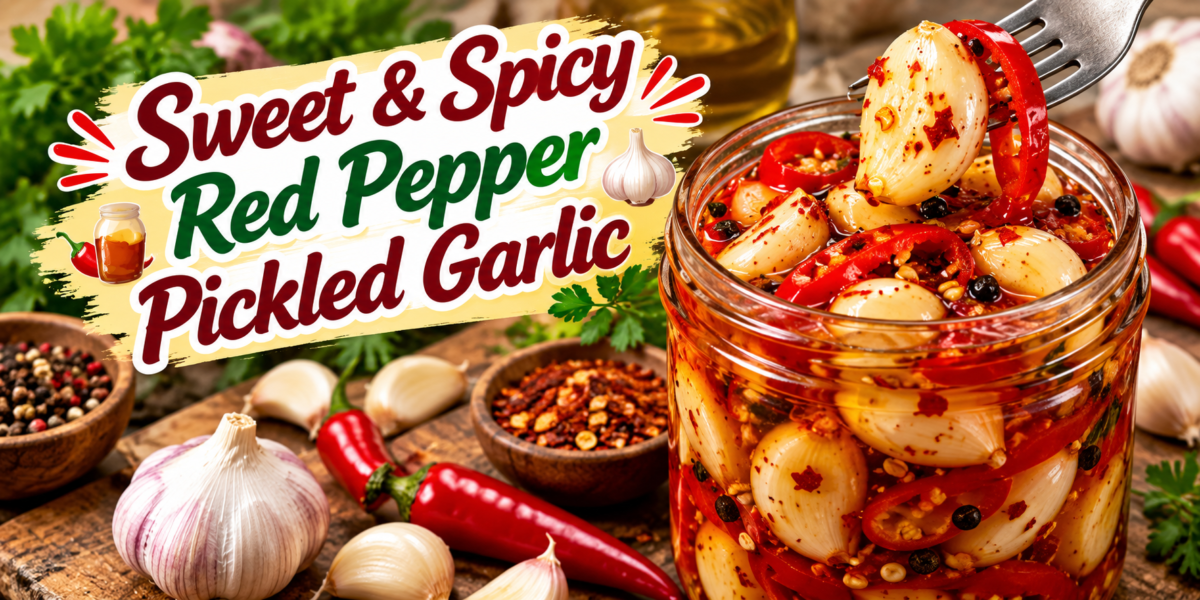
Sweet & Spicy Red Pepper Pickled Garlic

Sweet and spicy pickled garlic cloves with red pepper slices, vinegar, chili flakes, and herbs in a glass jar

Sweet & Spicy Red Pepper Pickled Garlic

Pickled Garlic is a sweet, tangy, crunchy, and spicy refrigerator condiment made with fresh garlic cloves, red peppers, vinegar, sugar, and simple seasonings. The garlic becomes flavorful and tender while keeping a pleasant bite.

This Pickled Garlic recipe is inspired by the sweet-and-spicy garlic shown in your reference image. It is delicious straight from the refrigerator and works beautifully with sandwiches, salads, grilled meats, cheese boards, burgers, wraps, and rice bowls.

The combination of vinegar and sugar creates a balanced sweet-and-sour flavor. Red pepper adds warmth without overpowering the garlic, while a few simple spices give the brine extra depth.

Because this is a refrigerator pickle, it should be kept refrigerated rather than treated as a shelf-stable canned product. Properly acidified pickled foods can be stored safely in the refrigerator, while shelf-stable preservation requires a tested canning recipe and process.

Prep Time: 15 minutes
Cook Time: 5 minutes
Pickling Time: 24 hours
Total Time: About 25 minutes plus chilling

Ingredients

For the Pickled Garlic

2 cups fresh garlic cloves, peeled

1 cup white vinegar, preferably 5% acidity

1/2 cup water

1/3 cup granulated sugar

1 teaspoon salt

1/2 cup thinly sliced red chili peppers or red bell peppers

1 teaspoon black peppercorns

1/2 teaspoon red pepper flakes

1 teaspoon mustard seeds

1/2 teaspoon dried oregano

1 bay leaf

1/2 teaspoon smoked paprika

Optional Additions

1 tablespoon honey for a softer sweetness

1/2 teaspoon chili flakes for extra heat

2 tablespoons sliced jalapeños

1 small strip of lemon peel

1 tablespoon fresh parsley for serving

Step-by-Step Instructions

Prepare the Garlic

Start by separating the garlic cloves from the bulb.

Remove the loose outer skin.

Peel each clove carefully and trim away any damaged areas.

Wash the cloves briefly under cool running water and dry them thoroughly.

For larger cloves, you can leave them whole. Smaller cloves can also remain whole because they will absorb the pickling liquid gradually.

Fresh garlic gives Pickled Garlic its best flavor and texture, so choose firm cloves without soft spots, mold, or bruising.

Prepare the Red Peppers

Wash the red peppers and remove the stems.

Slice them into thin rings.

If you prefer a milder pickle, remove most of the seeds.

Keep some seeds if you enjoy a stronger spicy flavor.

The red peppers add beautiful color and create the sweet-and-spicy character of the finished Pickled Garlic.

Make the Pickling Liquid

Place the white vinegar, water, sugar, and salt in a small saucepan.

Add the black peppercorns, mustard seeds, red pepper flakes, oregano, smoked paprika, and bay leaf.

Stir the mixture gently.

Bring it to a gentle simmer over medium heat.

Continue heating until the sugar and salt dissolve completely.

Do not boil the mixture aggressively for a long time.

The goal is simply to create a hot, well-mixed brine.

A vinegar-based brine is an important part of pickling because acidification lowers the pH of the food. Research-based guidance emphasizes using appropriate acid levels for safe preservation.

Add the Garlic

Add the peeled garlic cloves to the warm pickling liquid.

Let them simmer gently for about 2 minutes.

Do not cook the garlic until completely soft.

A short heating time helps take away some of the raw sharpness while keeping the cloves pleasantly firm.

Add the sliced red peppers during the final minute.

Turn off the heat.

The garlic should still have some texture because it will continue absorbing flavor while it chills.

This quick step gives Pickled Garlic a balanced texture instead of making the cloves mushy.

Fill the Jar

Use a clean glass jar with a tight-fitting lid.

Carefully transfer the garlic and peppers into the jar.

Pour the warm pickling liquid over the garlic until the cloves are completely covered.

Leave a little space at the top of the jar.

Make sure there are no large air pockets trapped between the garlic cloves.

Allow the jar to cool briefly.

Close the lid securely.

Place the jar in the refrigerator once it has cooled.

For refrigerator pickles, clean jars and utensils help reduce the risk of contamination because the filled jars are not being processed as shelf-stable canned foods.

Let the Flavors Develop

For the best flavor, let the Pickled Garlic chill for at least 24 hours before serving.

The garlic will gradually absorb the vinegar, sugar, pepper, and herbs.

After 24 hours, the flavor will be tangy, slightly sweet, savory, and spicy.

After several days, the flavor becomes even more developed.

Always use a clean utensil when removing garlic from the jar.

Tips for the Best Pickled Garlic

Choose firm, fresh garlic cloves.

Avoid cloves with mold, soft areas, or visible damage.

Use vinegar with a clearly stated acidity, preferably 5% acidity, rather than an unknown homemade vinegar.

Keep the garlic completely covered by the pickling liquid.

Do not add fresh oil to the jar.

Store the finished pickle in the refrigerator.

Use a clean fork or spoon each time you remove garlic.

If you want more heat, increase the red pepper flakes or add sliced chili peppers.

For a sweeter flavor, slightly increase the sugar.

A little honey can also be added for flavor, although sugar is not the food-safety component of the pickle.

How to Serve Pickled Garlic

There are many delicious ways to enjoy this recipe.

Serve Pickled Garlic directly from the refrigerator as a snack.

Add chopped cloves to sandwiches for a sharp, tangy bite.

Mix sliced garlic into green salads.

Serve it alongside grilled chicken or steak.

Add it to burgers and wraps.

Place it on a Mediterranean-style cheese board with olives, feta, and fresh vegetables.

Chop the cloves and stir them into hummus.

Add them to grain bowls with rice, quinoa, cucumber, and tomatoes.

The sweet-and-spicy flavor also works well with roasted vegetables.

Flavor Variations

Extra Spicy

For a hotter version, use fresh red chilies and increase the red pepper flakes.

Mild and Sweet

Remove most of the pepper seeds and add a little extra sugar.

Mediterranean Style

Add oregano, thyme, lemon peel, and a few black peppercorns.

Smoky Version

Increase the smoked paprika slightly.

Honey Garlic Pickle

Add a small amount of honey after removing the brine from the heat.

These variations allow you to create different versions of Pickled Garlic without changing the basic method.

Storage Instructions

Keep the finished jar refrigerated at 40°F (4°C) or below.

This recipe is intended as a refrigerator pickle, not a shelf-stable canned product. Refrigerator pickles are specifically different from properly processed canned pickles.

Do not store the jar at room temperature.

Do not place the jar in a pantry or cupboard.

Keep the garlic covered with the brine.

Always use clean utensils when serving.

If you notice mold, unusual bubbling, an off smell, leaking, or another unexpected change, discard the product without tasting it. USDA guidance also recommends avoiding questionable foods rather than tasting them to determine safety.

For this homemade version, making smaller batches is a practical way to maintain quality.

Important Food Safety Note

Garlic preservation needs extra care because garlic is a low-acid vegetable. Vinegar-based pickling can make foods safer by lowering their pH, but safe shelf-stable canning requires a research-tested recipe and processing method.

This recipe is therefore written as a refrigerator pickle.

Do not leave the finished jar sitting on the counter for extended periods.

Do not add oil to the jar for storage. USDA specifically warns about the risks associated with garlic stored in oil at room temperature

If you want to make a shelf-stable canned product, use a tested preservation recipe from a recognized food-preservation authority rather than adapting a refrigerator recipe.

Frequently Asked Questions

How long does Pickled Garlic need before eating?

You can taste it after about 24 hours. The flavor becomes stronger as the garlic continues to sit in the brine.

Does Pickled Garlic need to be refrigerated?

Yes. This recipe is designed specifically for refrigerator storage.

Can I use apple cider vinegar?

You can use it for flavor if it has the appropriate labeled acidity, but white vinegar provides a cleaner color and sharper traditional pickle flavor.

Can I make the garlic less spicy?

Yes. Reduce the red pepper flakes and remove the seeds from the fresh peppers.

Can I make it sweeter?

Yes. Add a little more sugar according to your taste.

Can I use peeled store-bought garlic?

Yes, provided the garlic is fresh and in good condition.

Why does the garlic change color?

Garlic can sometimes develop a blue or green tint during pickling because of natural compounds reacting to acidity. Color changes can occur during pickling and do not automatically mean spoilage, but always discard food showing mold, unusual odors, or other signs of spoilage.

Can I use Pickled Garlic in salads?

Absolutely. Chop the cloves finely and mix them with lettuce, tomatoes, cucumber, olives, and feta.

Can I serve it with grilled meat?

Yes. The tangy flavor works particularly well alongside grilled chicken, beef, lamb, or vegetables.

Can I add onions?

Yes. Thinly sliced red onions can be added to the jar for extra sweetness and crunch.

Nutrition Information

Approximate nutrition per serving:

Calories: 45 kcal

Protein: 1g

Carbohydrates: 9g

Fat: 0g

Fiber: 1g

Sugar: 7g

Sodium: 190mg

Nutrition values are estimates and can vary depending on the exact amount of sugar, garlic, vinegar, and peppers used.

Why You Will Love This Recipe

Pickled Garlic is one of those simple homemade condiments that can transform everyday meals.

The cloves are tangy from vinegar, slightly sweet from sugar, and spicy from red peppers.

They add a powerful flavor without requiring a complicated cooking process.

The recipe is also flexible. You can adjust the sweetness and heat according to your preference.

Another advantage is that the garlic can be prepared ahead of time. Once it has chilled and absorbed the brine, you can add it to meals whenever you need an extra burst of flavor.

The combination of garlic and red pepper is especially good with rich foods because the acidity helps provide contrast.

Try it with grilled meats, creamy dips, sandwiches, roasted vegetables, or a simple salad.

Final Thoughts

Sweet and Spicy Pickled Garlic is a flavorful refrigerator condiment that combines fresh garlic, vinegar, sweetness, red peppers, and aromatic spices.

The preparation is straightforward. Prepare the garlic, make the brine, warm the cloves briefly, transfer everything to a clean jar, and refrigerate.

After the garlic rests, the cloves develop a delicious combination of tangy, sweet, savory, and spicy flavors.

This Pickled Garlic can become a useful addition to your refrigerator because a small amount can add plenty of character to everyday meals.

Use it on sandwiches, salads, burgers, rice bowls, grilled meats, cheese boards, or simply enjoy a chilled clove when you want a bold snack.

For best results, remember that this is a refrigerator recipe rather than a shelf-stable canning recipe. Keep it cold, use clean utensils, and discard it if you notice signs of spoilage.

With its bright red peppers, tender garlic cloves, and flavorful vinegar brine, this Pickled Garlic is an easy homemade condiment that brings a sweet and spicy kick to almost any meal.

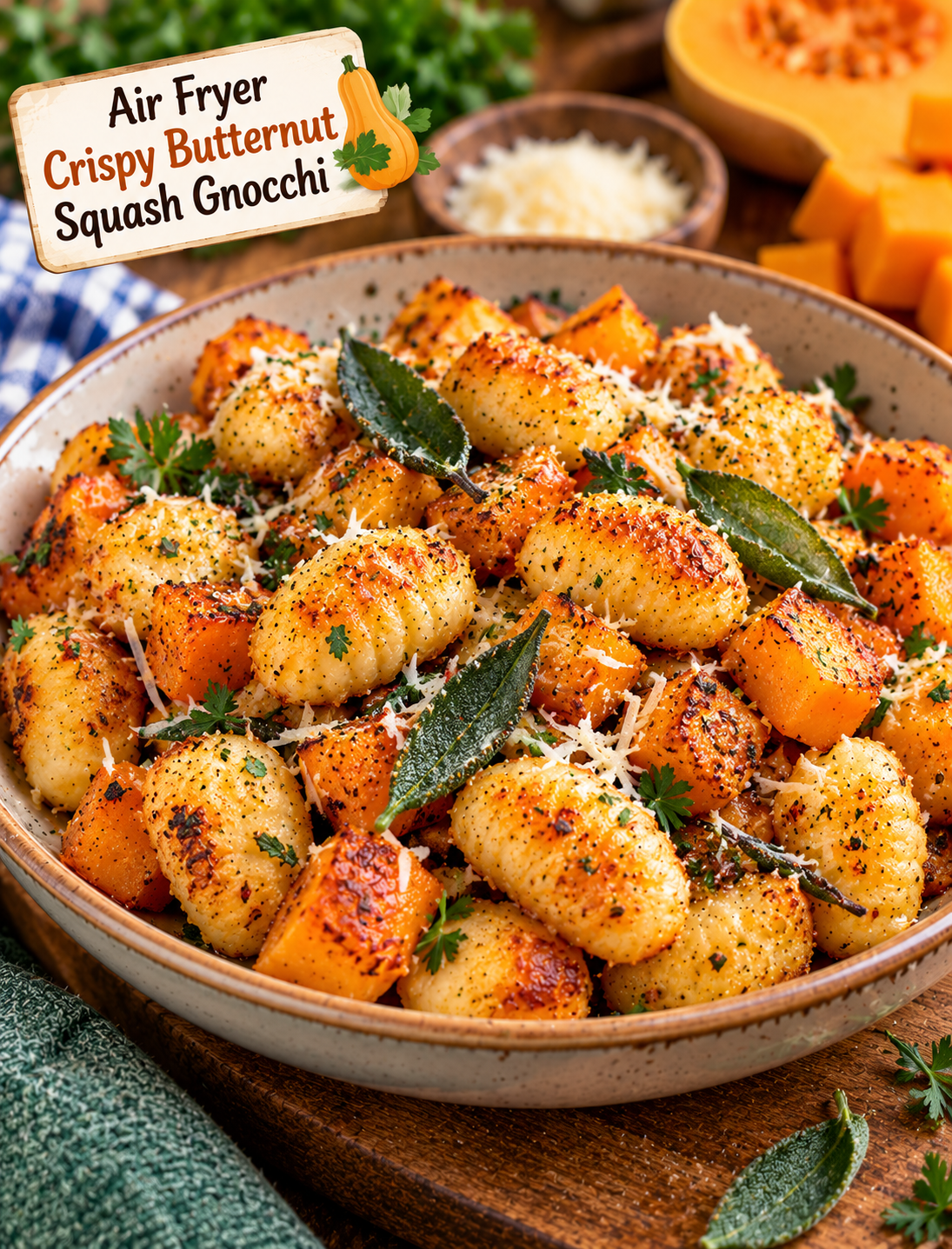
Air Fryer Crispy Butternut Squash Gnocchi

Crispy air fryer butternut squash gnocchi with Parmesan, sage, and roasted squash

Air Fryer Crispy Butternut Squash Gnocchi

When you want a cozy fall dinner without spending a lot of time in the kitchen, Air Fryer Crispy Butternut Squash Gnocchi is an easy recipe to keep on hand. Soft potato gnocchi turns golden and crisp in the air fryer, while roasted butternut squash adds a sweet, tender bite.

The combination of savory garlic, fresh herbs, Parmesan, and naturally sweet squash makes this dish comforting without feeling heavy. It works as a quick weeknight meal, a seasonal side dish, or an easy vegetarian lunch.

Unlike boiled gnocchi, this method skips the large pot of water. The gnocchi goes straight into the air fryer with a little oil and seasoning, which helps create crisp edges while keeping the inside tender.

Why You’ll Love This Recipe

  • Crispy texture: Air frying gives the gnocchi golden edges without deep frying.
  • Easy preparation: Most of the work involves tossing the ingredients with simple seasonings.
  • Fall-friendly flavor: Butternut squash, sage, garlic, and Parmesan create a classic seasonal combination.
  • Vegetarian: The recipe is naturally meat-free and works well as a hearty side or main dish.
  • Quick cleanup: Everything cooks in the air fryer with minimal kitchen mess.
  • Flexible ingredients: You can use fresh or shelf-stable gnocchi and adjust the herbs to your taste.
  • Family-friendly: The mild sweetness of squash balances the savory seasoning and cheese.

Ingredients You’ll Need

Main Ingredients

  • 1 pound shelf-stable or refrigerated potato gnocchi
  • 2 cups peeled butternut squash, cut into small ½-inch cubes
  • 1½ tablespoons olive oil
  • 2 cloves garlic, finely minced
  • ½ teaspoon Italian seasoning
  • ½ teaspoon smoked paprika
  • ¼ teaspoon black pepper
  • ¼ teaspoon salt
  • ½ teaspoon fresh or dried sage
  • ⅓ cup grated Parmesan cheese
  • 1 tablespoon chopped fresh parsley

Optional Finishing Ingredients

  • 1 tablespoon melted butter
  • Extra Parmesan
  • Fresh sage leaves
  • A small drizzle of maple syrup
  • Pinch of red pepper flakes
  • Toasted pumpkin seeds

Cutting the squash into small, even pieces is important because it allows the vegetables to cook at nearly the same rate as the gnocchi.

How to Make Air Fryer Crispy Butternut Squash Gnocchi

Step 1: Prepare the Butternut Squash

Peel the butternut squash and remove the seeds.

Cut the squash into small cubes that are roughly ½ inch in size.

Try to keep the pieces similar in size so they cook evenly.

Place the cubes in a large bowl.

Add 1 tablespoon of olive oil, salt, black pepper, smoked paprika, and sage.

Toss until every piece is lightly coated.

Step 2: Season the Gnocchi

Add the gnocchi to a separate bowl.

Do not boil the gnocchi first. Using it directly from the package helps the pieces develop a crisp exterior in the air fryer.

Add the remaining olive oil, minced garlic, and Italian seasoning.

Toss gently until the gnocchi is evenly coated.

Step 3: Preheat the Air Fryer

Preheat your air fryer to 400°F (200°C) for about 3 minutes.

A preheated basket helps the gnocchi begin browning quickly and promotes better crisping.

Lightly spray the basket if your air fryer tends to stick.

Step 4: Cook the Butternut Squash

Place the seasoned squash in the air fryer basket.

Spread it into as close to a single layer as possible.

Air fry at 400°F for 8 minutes.

Shake the basket once halfway through cooking.

The squash should begin to soften and develop lightly browned edges.

Step 5: Add the Gnocchi

Add the seasoned gnocchi to the basket with the partially cooked squash.

Toss or shake the basket carefully so the ingredients are distributed evenly.

Continue air frying at 400°F for another 7–10 minutes.

Shake the basket every 3–4 minutes to encourage even browning.

The gnocchi should look golden and crisp on the outside, while the squash should be tender when pierced with a fork.

Step 6: Add Parmesan

Transfer the hot gnocchi and squash to a large bowl.

Immediately sprinkle the Parmesan cheese over the top.

Toss gently so the cheese sticks to the warm ingredients.

For a richer finish, add 1 tablespoon of melted butter before tossing.

Step 7: Finish and Serve

Add fresh parsley and a few thinly sliced sage leaves.

For a sweet-savory fall flavor, add a very small drizzle of maple syrup.

If you enjoy heat, finish with a pinch of red pepper flakes.

Serve immediately while the gnocchi is crisp and the squash is warm.

Tips for Extra-Crispy Gnocchi

Do not boil the gnocchi first.
Shelf-stable and refrigerated gnocchi can cook directly in the air fryer, which helps the outside become crisp.

Avoid overcrowding.
Spread the ingredients into a loose layer so hot air can circulate around each piece.

Cut the squash small.
Large cubes take longer to become tender and may finish after the gnocchi.

Use enough oil to coat.
A light coating helps the surfaces brown without making the dish greasy.

Shake during cooking.
Moving the ingredients exposes different sides to the hot air and improves browning.

Add Parmesan at the end.
Adding it too early can cause the cheese to burn before the squash is tender.

How to Choose the Right Gnocchi

Shelf-stable potato gnocchi is convenient because it can be stored in the pantry and added directly to the air fryer.

Refrigerated gnocchi also works well and may have a softer texture before cooking.

Frozen gnocchi can be used, but it may require a few additional minutes of cooking time. Check the package and watch the texture closely during the final minutes.

For this recipe, potato gnocchi gives the best contrast between a crisp exterior and tender center.

Easy Flavor Variations

Garlic Butter Parmesan

Replace some of the olive oil with melted butter and add extra garlic. Finish with Parmesan and chopped parsley.

Maple Sage

Add 1 teaspoon of pure maple syrup after cooking and toss with fresh sage. The maple complements the natural sweetness of the squash.

Spicy Parmesan

Add ¼ teaspoon of red pepper flakes with the seasoning for a gentle kick.

Cranberry Pecan

After cooking, toss in a small handful of dried cranberries and toasted chopped pecans for a festive fall side dish.

Mediterranean Style

Skip the sage and add oregano, feta cheese, sun-dried tomatoes, and fresh parsley for a brighter flavor profile.

What to Serve With Crispy Butternut Squash Gnocchi

This dish can be served as a vegetarian main course or paired with a protein for a larger meal.

Good pairings include:

  • Roasted chicken breast
  • Air fryer turkey meatballs
  • Grilled salmon
  • Garlic green beans
  • Simple arugula salad
  • Roasted Brussels sprouts
  • Steamed broccoli
  • Cranberry walnut salad

For a complete fall dinner, serve the gnocchi alongside roasted chicken and a simple green salad.

How to Store Leftovers

Allow leftovers to cool before transferring them to an airtight container.

Refrigerate for up to 3 days.

For the best texture, reheat the leftovers in the air fryer at 375°F for 3–5 minutes.

Avoid reheating them in the microwave if you want to keep the gnocchi crisp.

If the leftovers seem dry, add a small amount of olive oil before reheating.

Can You Make This Recipe Ahead?

You can prepare the squash in advance by peeling and cutting it up to one day before cooking.

Store the prepared squash in an airtight container in the refrigerator.

The gnocchi can remain sealed until you are ready to cook.

For the best texture, season and air fry the ingredients shortly before serving rather than fully cooking them hours ahead.

Common Mistakes to Avoid

Using large squash cubes: They may remain firm while the gnocchi becomes too dark.

Overloading the basket: Crowding traps moisture and reduces crisping.

Using too much oil: Excess oil can make the gnocchi heavy instead of crisp.

Adding Parmesan too early: The cheese can brown too quickly.

Skipping the shake: Ingredients can cook unevenly if they stay in the same position.

Overcooking the gnocchi: Check it during the final few minutes because air fryer models vary.

Frequently Asked Questions

Can you air fry gnocchi without boiling it?

Yes. Shelf-stable and refrigerated potato gnocchi can be seasoned and cooked directly in the air fryer for a crisp exterior.

Do I need to peel butternut squash?

Yes, removing the tough outer skin gives the squash a tender texture and helps the seasoning coat the flesh evenly.

What temperature is best for crispy gnocchi?

Cooking at 400°F (200°C) provides enough heat to brown the gnocchi and roast the squash efficiently.

Can I use frozen butternut squash?

Yes. Frozen cubes can be used, but they may release more moisture and require a few extra minutes to brown.

Can I use frozen gnocchi?

Yes, although frozen gnocchi may need additional cooking time; check it frequently near the end.

Is this recipe vegetarian?

Yes, the recipe is vegetarian when prepared with Parmesan made without animal rennet; check the cheese label if this matters to you.

How do I make the gnocchi crispier?

Avoid overcrowding the basket, use a light coating of oil, and shake the basket several times during cooking.

Can I make this recipe without Parmesan?

Yes. You can replace Parmesan with nutritional yeast, crumbled feta, or another hard cheese depending on the flavor you want.

Final Thoughts

Air Fryer Crispy Butternut Squash Gnocchi is an easy way to turn a few simple ingredients into a cozy fall dish. The potato gnocchi develops crisp, golden edges while the butternut squash becomes tender and lightly caramelized.

Garlic, sage, Italian seasoning, and Parmesan bring savory flavor, while the natural sweetness of the squash adds balance. A small maple drizzle makes the dish even more seasonal without overpowering the other ingredients.

Because the recipe takes little prep and uses the air fryer instead of several pans, it is especially useful for busy weeknight dinners. Serve it as a vegetarian main dish, a holiday side, or a warm addition to a fall family meal.


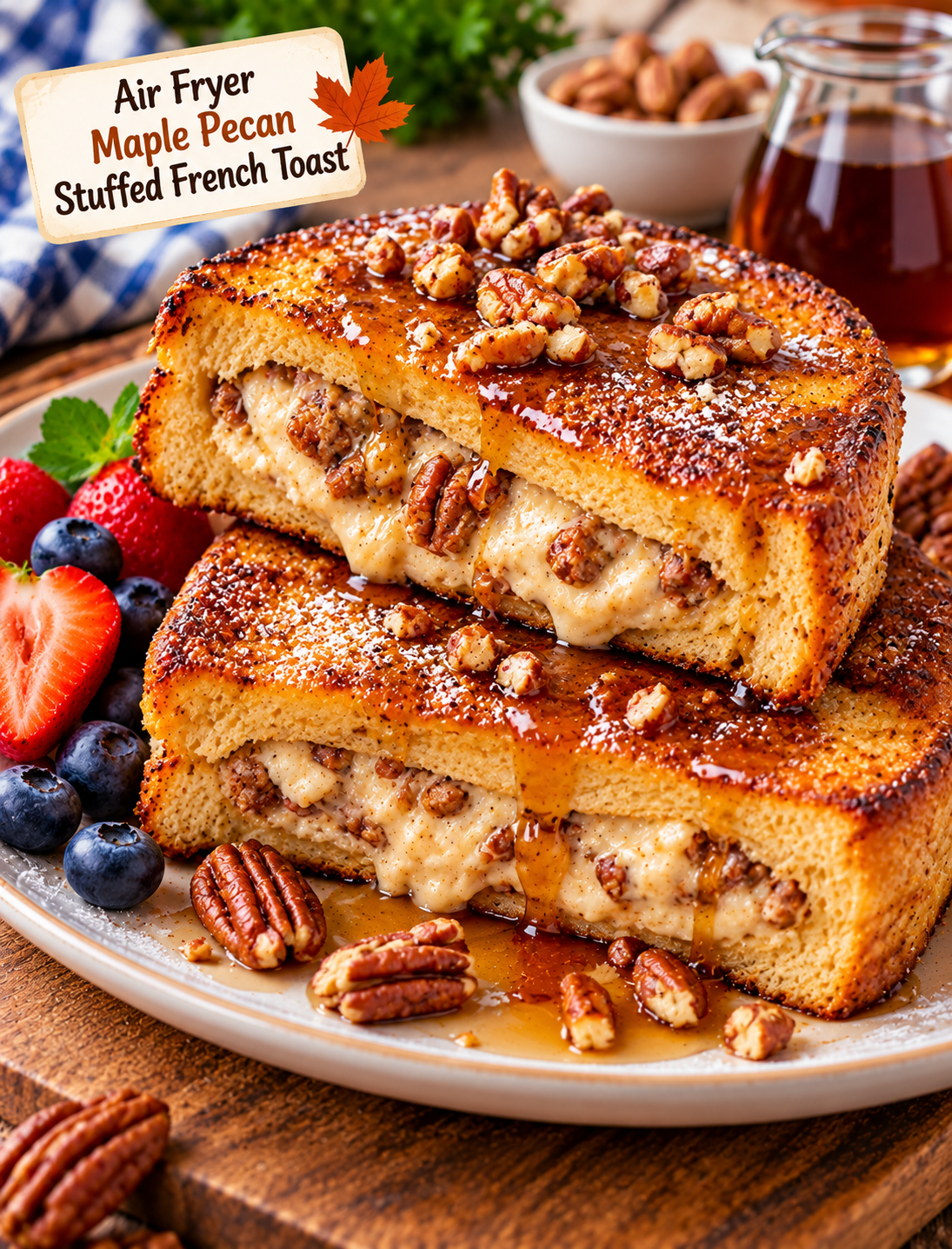
Air Fryer Maple Pecan Stuffed French Toast

Air fryer maple pecan stuffed French toast with golden brioche, maple syrup, and chopped pecans

Air Fryer Maple Pecan Stuffed French Toast

If you love warm French toast with crispy edges, sweet maple flavor, and crunchy pecans, this Air Fryer Maple Pecan Stuffed French Toast is worth trying. Thick slices of bread are filled with a creamy maple-pecan mixture, dipped in a cinnamon egg custard, and cooked in the air fryer until golden on the outside.

The center stays soft and rich while the edges become lightly crisp. A drizzle of warm maple syrup adds the perfect finishing touch.

This stuffed French toast is easy enough for a weekend breakfast but special enough for a holiday brunch. It also gives you the cozy flavors of maple, cinnamon, brown sugar, and toasted pecans in every bite.

Why You’ll Love This Recipe

  • Crispy outside: The air fryer creates golden edges without deep frying.
  • Creamy center: The maple pecan filling melts into the warm bread.
  • Easy ingredients: Most ingredients are common pantry and refrigerator staples.
  • Quick preparation: The filling and custard come together in minutes.
  • Perfect for brunch: It works well for weekend breakfasts, family brunches, and fall gatherings.
  • Customizable: You can add fruit, spices, or your favorite breakfast toppings.
  • Less mess: Air frying keeps the cooking process simple and contained.

Ingredients You’ll Need

For the Maple Pecan Filling

  • 4 oz cream cheese, softened
  • 2 tablespoons pure maple syrup
  • 1 tablespoon brown sugar
  • ½ teaspoon vanilla extract
  • ⅓ cup finely chopped pecans
  • ¼ teaspoon ground cinnamon
  • Pinch of salt

French Toast

  • 8 thick slices brioche or Texas toast
  • 2 large eggs
  • ½ cup whole milk
  • 1 tablespoon pure maple syrup
  • 1 teaspoon vanilla extract
  • ½ teaspoon ground cinnamon
  • ¼ teaspoon ground nutmeg
  • Pinch of salt
  • Cooking spray

Serving

  • Warm maple syrup
  • Chopped toasted pecans
  • Powdered sugar
  • Fresh berries, optional
  • Sliced banana, optional

Best Bread for Stuffed French Toast

Thick bread works best because it can hold the filling without becoming too soft. Brioche gives the French toast a rich, buttery texture, while Texas toast creates a sturdy, classic breakfast-style result.

Challah is another excellent choice because its slightly sweet flavor pairs well with maple and pecans.

Avoid very thin sandwich bread because it can tear when you add the filling or dip it into the egg mixture.

If your bread is very fresh and soft, leave the slices uncovered for 30 to 60 minutes before preparing the recipe. Slightly firm bread absorbs the custard better without falling apart.

How to Make Air Fryer Maple Pecan Stuffed French Toast

Step 1: Make the Maple Pecan Filling

Add the softened cream cheese, maple syrup, brown sugar, vanilla, cinnamon, and salt to a small bowl.

Mix until smooth and creamy.

Fold in the finely chopped pecans until evenly distributed.

The filling should be thick enough to spread without running out of the bread.

Step 2: Prepare the Bread

Lay the bread slices on a clean cutting board.

Spread about 1½ tablespoons of the maple pecan mixture over four slices.

Leave a small border around the edges so the filling does not squeeze out when the bread is pressed together.

Place another slice of bread on top of each filled slice.

Press the edges gently to help seal the sandwich.

Step 3: Make the Egg Custard

Whisk the eggs, milk, maple syrup, vanilla, cinnamon, nutmeg, and salt in a shallow bowl.

Mix until the eggs are completely blended and the spices are evenly distributed.

A shallow dish makes it easier to coat both sides of the stuffed bread evenly.

Step 4: Dip the Stuffed Bread

Dip each stuffed sandwich into the egg mixture.

Coat both sides quickly and evenly.

Do not soak the bread for too long because excess custard can make the sandwich difficult to handle and may cause the filling to leak.

Let any extra egg mixture drip back into the bowl.

Step 5: Preheat the Air Fryer

Preheat the air fryer to 350°F (175°C) for about 3 minutes.

Lightly spray the air fryer basket with cooking spray.

Preheating helps the bread begin crisping as soon as it enters the basket.

Step 6: Air Fry the French Toast

Place the stuffed French toast in the basket in a single layer.

Leave a little space between each piece so hot air can circulate around the bread.

Lightly spray the tops with cooking spray.

Air fry at 350°F for 8 to 10 minutes, flipping carefully halfway through.

Cook until both sides are golden brown and the center is hot.

Air fryer models can vary, so begin checking around the 8-minute mark.

Step 7: Add the Toppings

Transfer the French toast to serving plates.

Drizzle with warm maple syrup and sprinkle with chopped pecans.

Add a light dusting of powdered sugar if desired.

Fresh berries or sliced bananas also make a great topping.

Serve immediately while the outside is crisp and the maple pecan filling is warm.

Tips for Perfect Stuffed French Toast

Use softened cream cheese.
Soft cream cheese blends more easily with the maple syrup and prevents lumps in the filling.

Do not overfill the bread.
Too much filling can leak during cooking and make the outside difficult to crisp.

Use thick bread.
Brioche, challah, and Texas toast provide enough structure for stuffing.

Dip quickly.
A short dip gives the bread enough custard flavor without making it soggy.

Leave space in the basket.
Overcrowding blocks airflow and can prevent the bread from becoming evenly crisp.

Flip carefully.
Use a wide spatula or silicone turner to keep the stuffed slices intact.

Watch the final minutes.
The maple and brown sugar can brown quickly, so check the French toast near the end of cooking.

Easy Variations

Apple Maple Pecan

Add 2 tablespoons of finely diced, sautéed apple to the cream cheese filling. The apple adds a soft texture and pairs naturally with maple and cinnamon.

Cinnamon Roll Style

Add ½ teaspoon of extra cinnamon to the filling and drizzle the finished French toast with a simple powdered sugar glaze.

Chocolate Pecan

Mix 1 tablespoon of mini chocolate chips into the maple pecan filling for a richer dessert-style breakfast.

Banana Maple

Add thin banana slices inside the sandwich and serve with extra banana on top.

Holiday Version

Add a small pinch of ground ginger and cloves to the custard for a warmer holiday spice profile.

What to Serve With Maple Pecan Stuffed French Toast

This recipe is filling on its own, but a few simple sides can turn it into a complete brunch.

Serve it with:

  • Fresh strawberries or blueberries
  • Sliced bananas
  • Greek yogurt
  • Turkey sausage
  • Scrambled eggs
  • Crispy breakfast potatoes
  • Fresh orange slices
  • Hot coffee
  • Apple cider
  • Cinnamon tea

For a holiday breakfast, serve the French toast with fresh berries and warm maple syrup for a colorful presentation.

How to Store Leftovers

Allow leftover French toast to cool completely before storing.

Place the pieces in an airtight container and refrigerate for up to 3 days.

For the best texture, reheat them in the air fryer at 325°F for 3 to 5 minutes. This helps restore some of the crispness without drying out the center.

Avoid microwaving for too long because the bread can become soft and chewy.

Can You Freeze Stuffed French Toast?

Yes. Allow the cooked French toast to cool completely, then wrap each piece individually in parchment paper or plastic wrap.

Place the wrapped pieces in a freezer-safe bag or container and freeze for up to 2 months.

When ready to eat, reheat from frozen in a preheated air fryer at 325°F for about 8 to 10 minutes, checking the center before serving.

Common Mistakes to Avoid

Using thin bread: Thin slices can break when stuffed and dipped.

Adding too much filling: A thick layer can spill out during cooking.

Soaking the bread: Long soaking makes the bread fragile and can lead to a soggy texture.

Overcrowding the basket: Proper airflow is important for crisp edges.

Skipping the flip: Flipping helps both sides brown evenly.

Using too much syrup before cooking: Keep the maple syrup mainly for the filling and finishing drizzle so the bread can crisp properly.

Frequently Asked Questions

Can I use regular sandwich bread?

Yes, but thick-cut bread is better because it holds the filling and custard more securely.

What temperature should I use for air fryer French toast?

Cook stuffed French toast at 350°F (175°C) for about 8 to 10 minutes, flipping halfway through.

Can I make this recipe without cream cheese?

Yes. Mashed ricotta or a thick mascarpone-style filling can be used, although the texture will be slightly different.

Can I use walnuts instead of pecans?

Yes. Chopped walnuts work well and provide a similar crunchy texture.

Can I prepare the stuffed French toast ahead of time?

Yes. Assemble the sandwiches and refrigerate them covered for up to several hours before dipping and air frying.

How do I keep the filling from leaking?

Use a moderate amount of filling, leave a small border around the bread, and press the edges together firmly before dipping.

What is the best maple syrup for this recipe?

Pure maple syrup provides the strongest natural maple flavor and pairs especially well with pecans and cinnamon.

Final Thoughts

This Air Fryer Maple Pecan Stuffed French Toast combines everything that makes a cozy breakfast satisfying: crisp golden bread, creamy filling, toasted pecans, warm cinnamon, and real maple flavor.

The air fryer makes the cooking process simple while giving the outside a deliciously crisp finish. Serve it fresh with warm maple syrup and your favorite fruit for an easy breakfast that feels special without requiring complicated preparation.

If you enjoy classic French toast but want something more indulgent and fun, these stuffed slices are a delicious way to change up your breakfast routine.


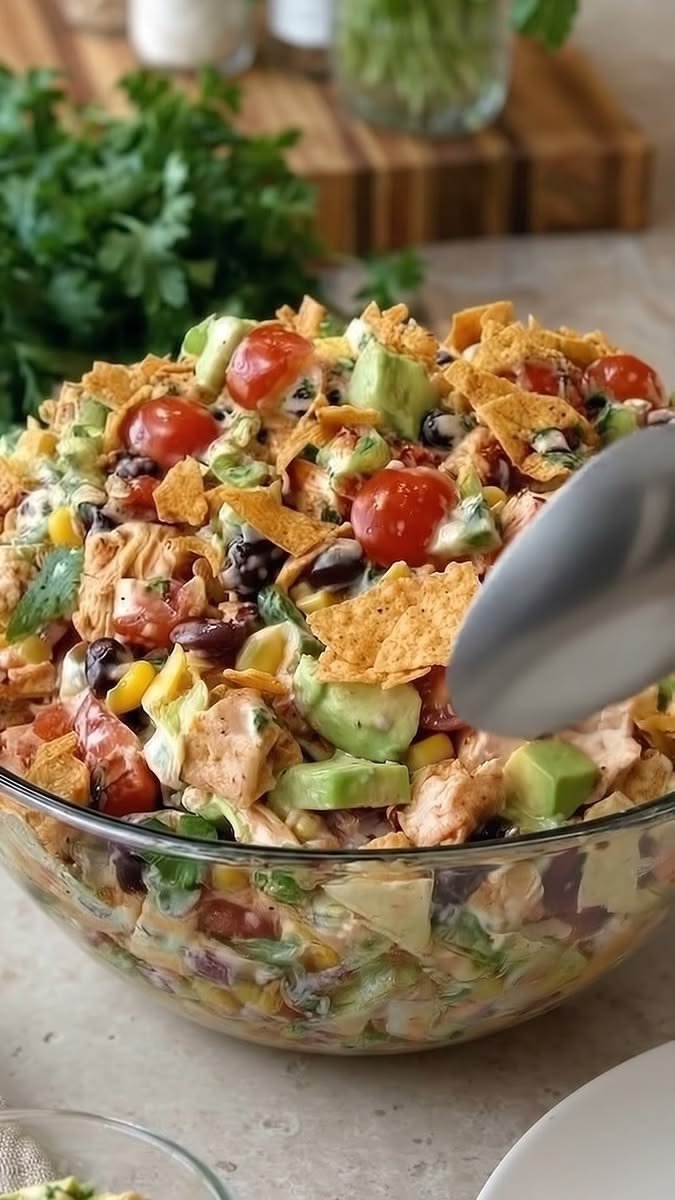
Southwest Chicken & Tortilla Salad

Southwest Chicken & Tortilla Salad

This Southwest Chicken & Tortilla Salad is a colorful, satisfying meal packed with tender seasoned chicken, crisp lettuce, sweet corn, black beans, juicy tomatoes, creamy avocado, and crunchy tortilla strips. A zesty lime dressing brings everything together with fresh cilantro and a touch of spice. It’s hearty enough for lunch or dinner while still tasting fresh and vibrant.

Ingredients

For the Chicken

  • 1½ pounds boneless, skinless chicken breasts
  • 1 tablespoon olive oil
  • 1 teaspoon chili powder
  • 1 teaspoon smoked paprika
  • ½ teaspoon ground cumin
  • ½ teaspoon garlic powder
  • ½ teaspoon onion powder
  • ½ teaspoon salt
  • ¼ teaspoon black pepper
  • Juice of ½ lime

For the Salad

  • 6 cups chopped romaine lettuce
  • 1 cup black beans, drained and rinsed
  • 1 cup sweet corn
  • 1 cup cherry tomatoes, halved
  • 1 large avocado, diced
  • ½ red onion, finely sliced
  • ½ cup shredded cheddar or Monterey Jack cheese
  • ¼ cup fresh cilantro, chopped
  • ½ cup tortilla strips
  • 1 jalapeño, thinly sliced, optional

For the Lime Dressing

  • ⅓ cup olive oil
  • 3 tablespoons fresh lime juice
  • 1 tablespoon honey
  • 1 teaspoon Dijon mustard
  • 1 small garlic clove, minced
  • ½ teaspoon chili powder
  • ¼ teaspoon ground cumin
  • ¼ teaspoon salt
  • ¼ teaspoon black pepper

Prepare the Chicken

Pat the chicken breasts dry with paper towels. If they are very thick, gently pound them to an even thickness so they cook evenly.

In a small bowl, combine chili powder, smoked paprika, cumin, garlic powder, onion powder, salt, and black pepper. Rub the chicken with olive oil, then coat both sides generously with the spice mixture. Finish with fresh lime juice.

Heat a large skillet or grill pan over medium-high heat. Cook the chicken for approximately 5–7 minutes per side, depending on thickness, until browned and cooked through. The chicken should reach a safe internal temperature of 165°F (74°C).

Transfer the chicken to a cutting board and allow it to rest for 5 minutes. Slice it into strips or bite-sized pieces.

Make the Lime Dressing

While the chicken rests, prepare the dressing. Add olive oil, lime juice, honey, Dijon mustard, minced garlic, chili powder, cumin, salt, and black pepper to a small jar or bowl.

Whisk vigorously until the dressing becomes smooth and slightly creamy. Taste and adjust the seasoning. Add more lime juice for extra tanginess or a little more honey if you prefer a sweeter dressing.

Assemble the Salad

Place the chopped romaine lettuce in a large serving bowl. Add the black beans, sweet corn, cherry tomatoes, red onion, avocado, shredded cheese, cilantro, and jalapeño if using.

Add the sliced Southwest chicken on top. Drizzle with some of the lime dressing and gently toss everything together.

For the best texture, add the tortilla strips right before serving. This keeps them crisp and prevents them from becoming soggy.

Finish with extra cilantro, a few slices of avocado, and fresh lime wedges.

Homemade Tortilla Strips

For an extra-special salad, you can make your own tortilla strips. Cut 3–4 small corn tortillas into thin strips. Toss them with a teaspoon of olive oil and a pinch of salt.

Spread them in a single layer on a baking sheet and bake at 400°F (200°C) for approximately 6–8 minutes, turning once halfway through. Remove them when golden and crisp, then allow them to cool before adding them to the salad.

You can also use an air fryer for approximately 3–5 minutes at 375°F (190°C), checking frequently because thin tortilla strips can brown quickly.

Flavor and Texture Tips

The secret to a great Southwest salad is balancing different textures and flavors. The romaine should be crisp, the chicken juicy and smoky, the beans creamy, the corn slightly sweet, and the tortilla strips crunchy.

For even more flavor, grill the chicken instead of cooking it in a skillet. Lightly charred edges add a delicious smoky taste.

Fresh lime juice is highly recommended for the dressing because it provides a brighter flavor than bottled juice. Fresh cilantro also gives the salad its classic Southwest character.

If you like heat, add extra jalapeño, cayenne pepper, chipotle powder, or a few drops of your favorite hot sauce to the dressing.

Variations

This recipe is easy to customize based on what you have available.

For a creamy version, add a spoonful of sour cream or Greek yogurt to the lime dressing. You can also drizzle the finished salad with avocado-lime crema.

For extra protein, add grilled shrimp, sliced steak, or additional black beans.

If you prefer a vegetarian meal, omit the chicken and add extra beans, grilled peppers, roasted sweet potatoes, or quinoa.

You can replace cheddar with Monterey Jack, pepper Jack, cotija, or another cheese you enjoy.

For additional sweetness and color, add diced mango or pineapple. The sweet fruit pairs beautifully with the spicy lime dressing.

Make-Ahead Instructions

This salad works well for meal preparation, but it is best to store the components separately.

Cook and slice the chicken, then refrigerate it in an airtight container. Prepare the dressing and keep it refrigerated in a sealed jar. Store the chopped vegetables, beans, and corn separately if possible.

Keep the tortilla strips at room temperature in an airtight container so they remain crisp.

When ready to eat, assemble the salad, add the dressing, and finish with tortilla strips. This method keeps everything fresh and crunchy.

Serving Suggestions

Serve this salad as a complete lunch or dinner with lime wedges on the side. It also makes an excellent addition to summer cookouts, family gatherings, or casual entertaining.

Pair it with homemade salsa, guacamole, grilled corn, or warm tortillas for a larger Southwest-inspired meal.

For individual servings, divide the lettuce and toppings between bowls, arrange the sliced chicken over each portion, drizzle with dressing, and finish with tortilla strips and cilantro.

Storage

Once dressed, the salad is best enjoyed immediately because the lettuce and tortilla strips will gradually soften.

Undressed leftovers can be stored in the refrigerator for up to 2 days, although avocado is best added fresh when serving. Keep the dressing separate until ready to eat.

Always refrigerate cooked chicken promptly and keep the salad chilled until serving.

Nutrition Notes

Nutritional values will vary depending on the exact ingredients and portion sizes. This salad provides protein from the chicken and beans, healthy fats from avocado and olive oil, carbohydrates from corn and tortilla strips, and a variety of vegetables.

Using Greek yogurt in the dressing or reducing the amount of cheese can make the salad lighter while maintaining plenty of flavor.

Recipe Summary

Servings: 4–6
Prep Time: 25 minutes
Cook Time: 15 minutes
Total Time: About 40 minutes

This Southwest Chicken & Tortilla Salad delivers everything you want in a satisfying meal: juicy seasoned chicken, crisp vegetables, creamy avocado, hearty beans, sweet corn, tangy lime dressing, and crunchy tortilla strips. It is colorful, easy to customize, and perfect for a quick lunch or flavorful family dinner.

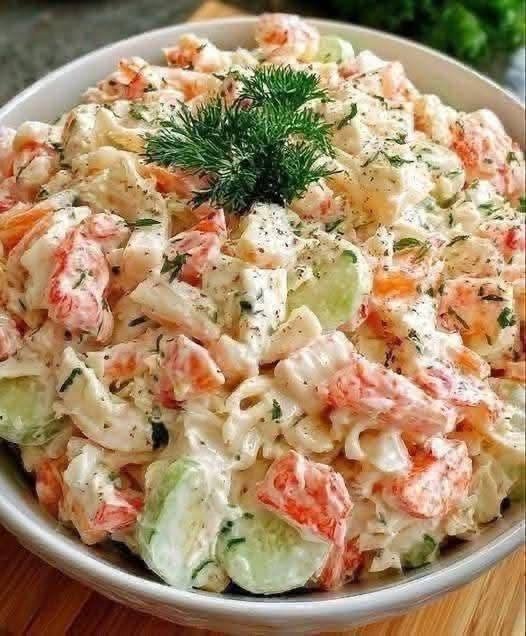
Creamy Seafood & Cucumber Salad

Creamy Seafood & Cucumber Salad

Creamy Seafood & Cucumber Salad is a refreshing, flavorful dish that combines tender seafood, crisp cucumbers, fresh herbs, and a creamy, tangy dressing. It is light enough for a warm-weather lunch but satisfying enough to serve as a side dish with dinner. The combination of cool cucumber and savory seafood creates a delicious contrast, while lemon, dill, and garlic brighten every bite.

This salad is especially convenient when you want something that can be prepared ahead of time. Serve it chilled with crusty bread, grilled vegetables, or alongside a larger seafood dinner.

Ingredients

For the Salad

  • 1 pound cooked shrimp, peeled, deveined, and chopped
  • 8 ounces imitation crab meat or cooked crab meat, chopped
  • 2 large English cucumbers, thinly sliced
  • ½ cup finely chopped celery
  • ¼ cup finely chopped red onion
  • ¼ cup fresh dill, chopped
  • 2 tablespoons fresh parsley, chopped
  • 2 tablespoons green onions, thinly sliced
  • 1 tablespoon capers, optional
  • ½ teaspoon salt
  • ¼ teaspoon black pepper

For the Creamy Dressing

  • ½ cup mayonnaise
  • ½ cup Greek yogurt or sour cream
  • 1 tablespoon Dijon mustard
  • 1½ tablespoons fresh lemon juice
  • 1 teaspoon lemon zest
  • 1 small garlic clove, finely minced
  • 1 teaspoon honey
  • ½ teaspoon dried dill
  • ¼ teaspoon paprika
  • ¼ teaspoon black pepper
  • Salt, to taste

Preparing the Seafood

If using raw shrimp, bring a pot of lightly salted water to a gentle boil. Add the shrimp and cook for approximately 2–3 minutes, or until they become opaque and are cooked through. Immediately transfer them to a bowl of ice water to stop the cooking process.

Drain the shrimp thoroughly and pat them dry with paper towels. Chop them into bite-sized pieces. If using pre-cooked shrimp, simply thaw them completely, drain well, and pat them dry.

For the crab, use either cooked fresh crab meat or imitation crab. Check the seafood carefully and remove any unwanted shell pieces before chopping.

The key is to remove as much excess moisture as possible. Excess water can make the creamy dressing thin and dilute the flavor.

Preparing the Cucumbers

Wash the cucumbers thoroughly and slice them thinly. English cucumbers work particularly well because their skins are tender and they contain fewer seeds.

Place the cucumber slices in a colander and sprinkle them lightly with salt. Let them sit for about 10–15 minutes. This draws out excess moisture and helps keep the finished salad creamy rather than watery.

After resting, gently pat the cucumbers dry with paper towels. Do not squeeze them aggressively because you still want them to remain crisp.

Making the Creamy Dressing

In a medium bowl, whisk together the mayonnaise, Greek yogurt or sour cream, Dijon mustard, lemon juice, lemon zest, minced garlic, honey, dried dill, paprika, and black pepper.

Taste the dressing and adjust the seasoning as needed. Add a little more lemon juice for extra brightness, or a small amount of honey if you prefer a slightly sweeter balance.

For a lighter dressing, increase the Greek yogurt and reduce the mayonnaise. For an especially rich salad, use full-fat sour cream.

The dressing should be creamy but loose enough to coat the seafood and vegetables evenly.

Combining the Salad

Place the chopped shrimp and crab in a large mixing bowl. Add the prepared cucumber slices, celery, red onion, fresh dill, parsley, green onions, and capers if using.

Pour the creamy dressing over the mixture. Using a large spoon or rubber spatula, gently fold everything together.

Be careful not to stir too aggressively. Gentle mixing keeps the seafood intact and prevents the cucumber slices from breaking.

Once everything is evenly coated, cover the bowl and refrigerate for at least 30 minutes. For the best flavor, allow it to chill for about 1 hour.

During this time, the herbs, lemon, seafood, and creamy dressing blend together beautifully.

Serving Suggestions

Serve the salad chilled as a light lunch, appetizer, or side dish. It pairs wonderfully with toasted baguette slices, crackers, garlic bread, or warm pita.

For a complete meal, serve it alongside grilled fish, roasted vegetables, or a simple green salad. You can also spoon the seafood mixture into lettuce cups for a fresh and elegant presentation.

For a beautiful presentation, arrange the salad on a platter and garnish with fresh dill, parsley, lemon wedges, and a light sprinkle of paprika.

Helpful Tips

Keep the seafood cold: Seafood should be properly chilled before mixing with the dressing. This also makes the salad more refreshing.

Dry everything well: Cucumbers and seafood naturally contain water. Removing excess moisture helps prevent a watery salad.

Don’t overdress: Start with most of the dressing and add more if necessary. This gives you better control over the consistency.

Adjust the herbs: Fresh dill is especially delicious with seafood, but you can also add fresh basil, chives, or cilantro according to your preference.

Add some crunch: Celery, red onion, cucumber, and green onions provide excellent texture. Chopped bell peppers can also be added.

Make it spicy: Add a pinch of cayenne pepper, red pepper flakes, or a small amount of hot sauce to the dressing.

Use fresh lemon: Fresh lemon juice gives the salad a brighter flavor than bottled lemon juice.

Variations

There are many ways to customize this creamy seafood salad. For a shrimp-only version, use about 1½ pounds of cooked shrimp and omit the crab.

For a more luxurious salad, add cooked lobster or scallops. Smoked salmon can also be added in small pieces for a different flavor.

You can make a Mediterranean-inspired variation by adding chopped tomatoes, Kalamata olives, feta cheese, oregano, and a little extra lemon.

For a lighter version, replace most or all of the mayonnaise with Greek yogurt. The result will have a fresher, tangier flavor while remaining creamy.

If you enjoy a little sweetness, add finely diced apple or a small amount of sweet corn.

Make-Ahead and Storage

This salad can be prepared several hours before serving, making it convenient for gatherings and meal preparation. Keep it covered in the refrigerator until ready to serve.

For the best texture, consume it within 1–2 days, especially because it contains seafood and fresh vegetables. Keep the salad refrigerated and do not leave it at room temperature for extended periods.

If the salad releases a little liquid after chilling, gently stir it before serving. If needed, add a small spoonful of Greek yogurt or mayonnaise to restore the creamy consistency.

Nutrition Notes

The nutritional content will vary depending on the type and amount of seafood, mayonnaise, and yogurt used. Shrimp and crab provide protein, while cucumber, celery, herbs, and lemon add freshness and micronutrients. Using Greek yogurt in place of some mayonnaise can increase the protein content and reduce the richness of the dressing.

Recipe Summary

Prep Time: 25 minutes
Cook Time: 5 minutes if using raw shrimp
Chill Time: 30–60 minutes
Total Time: About 1 hour
Servings: 6

This Creamy Seafood & Cucumber Salad is a delicious combination of tender seafood, crisp vegetables, fresh herbs, and a bright creamy dressing. It is easy to prepare, refreshing, and versatile enough for everything from casual lunches to summer gatherings. For the best results, keep the seafood and salad well chilled, drain the cucumbers thoroughly, and give the finished salad enough time to rest so all the flavors can come together.

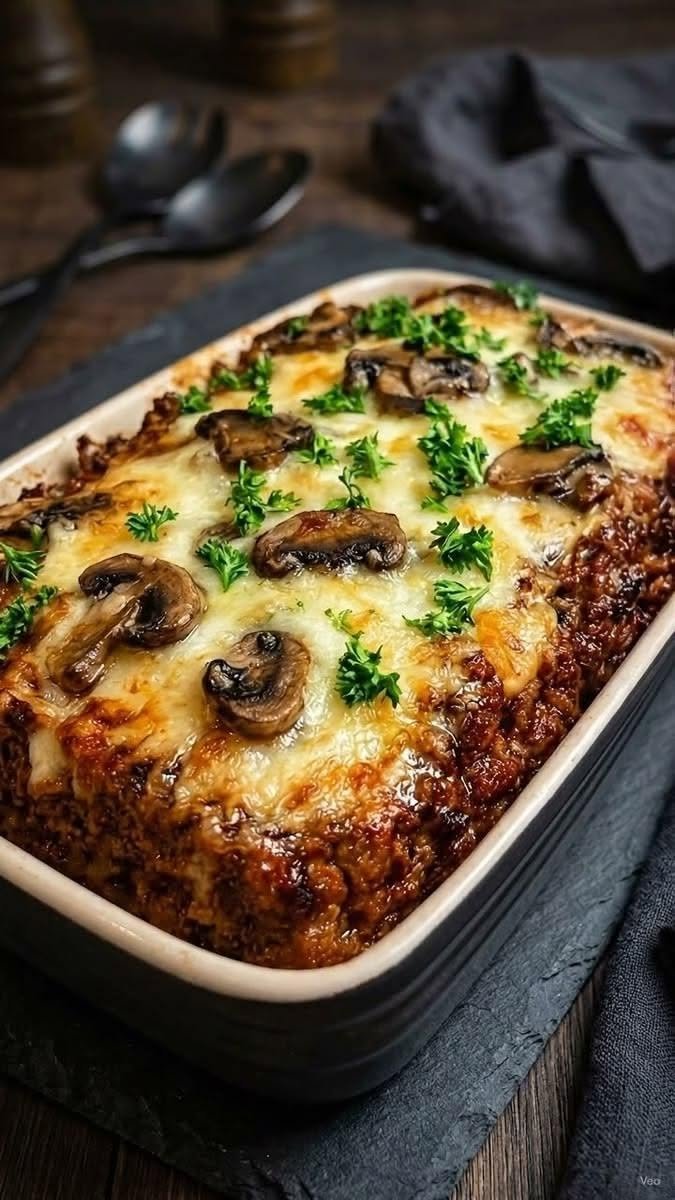
Cheesy Mushroom & Meat Casserole

Cheesy Mushroom & Meat Casserole

Ingredients

1½ pounds ground beef
2 cups sliced mushrooms
1 small onion, finely chopped
3 cloves garlic, minced
1 tablespoon olive oil
1 teaspoon Italian seasoning
½ teaspoon paprika
½ teaspoon salt
½ teaspoon black pepper
1 cup sour cream
½ cup cream cheese, softened
½ cup beef broth
1 tablespoon Worcestershire sauce
1½ cups shredded mozzarella cheese
½ cup shredded cheddar cheese
2 tablespoons fresh parsley, chopped

Instructions

Preheat your oven to 375°F (190°C) and lightly grease a medium-sized casserole dish.
Heat olive oil in a large skillet over medium-high heat. Add the chopped onion and mushrooms and cook for 4–5 minutes, stirring occasionally, until the mushrooms are tender and the onion begins to soften. Add the minced garlic and cook for another 30 seconds.
Add the ground beef to the skillet. Cook for 6–8 minutes, breaking it apart with a spoon, until browned and fully cooked. Drain excess grease if necessary.
Season the beef mixture with Italian seasoning, paprika, salt, and black pepper. Stir in the Worcestershire sauce.
Reduce the heat to low. Add the sour cream, softened cream cheese, and beef broth. Stir until the cream cheese melts and the mixture becomes smooth and creamy. Simmer gently for 2–3 minutes.
Transfer the creamy mushroom and meat mixture to the prepared casserole dish. Sprinkle the mozzarella and cheddar evenly over the top.
Bake uncovered for 20–25 minutes, or until the cheese is completely melted, bubbling, and lightly golden around the edges.
Remove from the oven and let the casserole rest for 5 minutes. Garnish with fresh parsley before serving.
Serving Suggestions
Serve this casserole with roasted vegetables, steamed green beans, a crisp garden salad, or warm garlic bread. For a heartier meal, spoon it over mashed potatoes, rice, or egg noodles.v

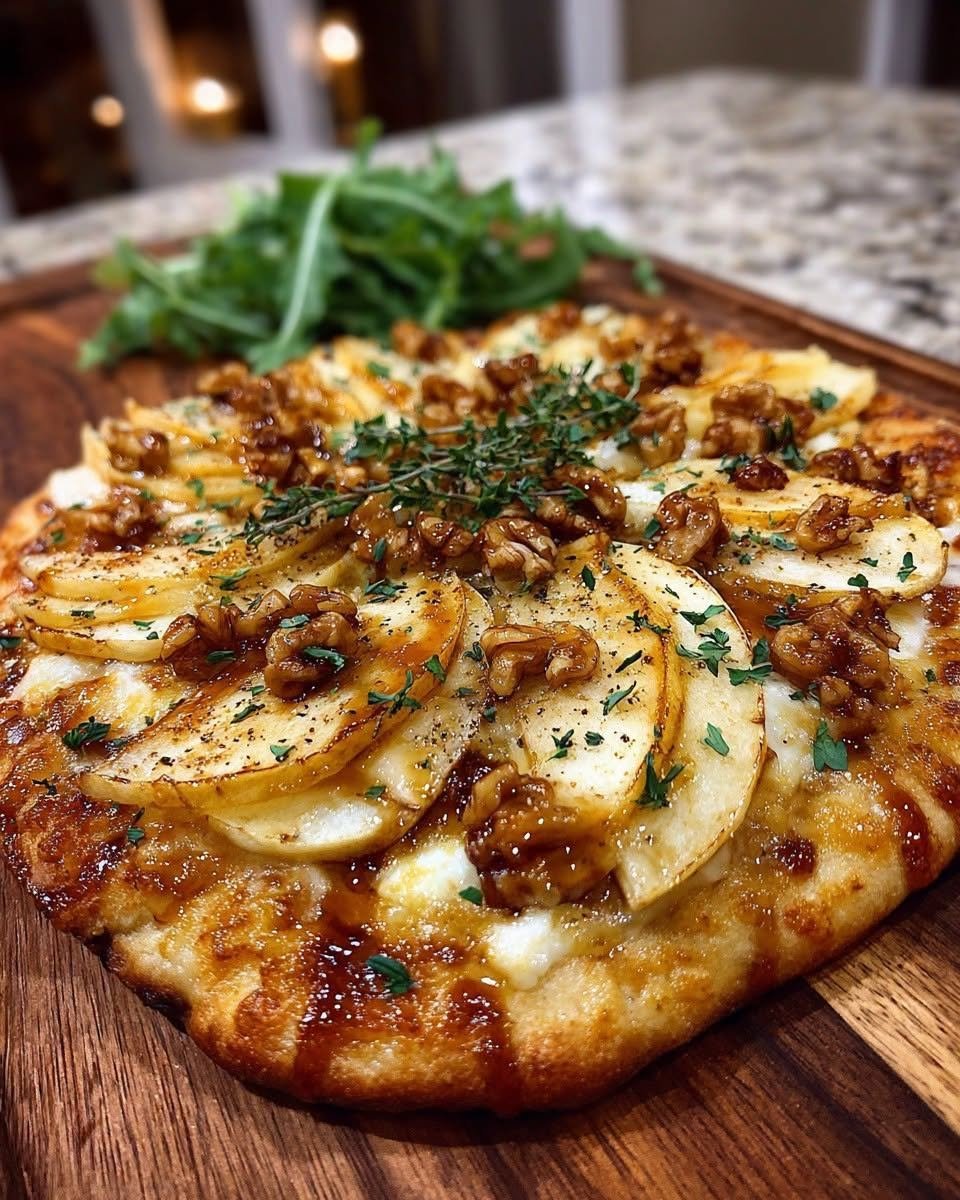
Crispy Flatbread with Brie, Apples, Walnuts & Maple Glaze

Crispy Flatbread with Brie, Apples, Walnuts & Maple Glaze

Ingredients

Flatbread Base
1 large flatbread or naan bread
1 tablespoon extra virgin olive oil
Toppings
1 crisp apple, thinly sliced
6 ounces brie cheese, sliced
1/3 cup walnuts, roughly chopped
1 teaspoon fresh thyme leaves
1/4 teaspoon freshly ground black pepper
Maple Glaze
2 tablespoons pure maple syrup
1 teaspoon unsalted butter, melted
1/2 teaspoon ground cinnamon
Optional Garnish
Fresh arugula
Extra walnuts
Fresh thyme
Additional maple drizzle
Cracked black pepper

Directions

Preheat the oven to 400°F (200°C). Line a baking sheet with parchment paper.
Place the flatbread on the prepared baking sheet and brush evenly with olive oil.
Arrange the brie slices evenly over the flatbread.
Top with the thinly sliced apples and chopped walnuts.
Sprinkle with fresh thyme leaves and black pepper.
Bake for 10–12 minutes, or until the brie is melted and bubbly and the flatbread edges are golden and crisp.
Meanwhile, whisk together maple syrup, melted butter, and cinnamon in a small bowl.
Remove the flatbread from the oven and drizzle generously with the maple glaze.
Garnish with fresh arugula, extra walnuts, thyme, and cracked black pepper if desired.
Slice and serve warm as an appetizer, brunch dish, or light meal.
Nutritional Information
Calories: ~390 per serving
Carbohydrates: 31g
Fat: 25g
Protein: 11g
Fiber: 3g
Sugar: 14g

Creamy Herb Potato Salad

Creamy Herb Potato Salad

Ingredients

2 pounds baby potatoes, halved
½ cup mayonnaise
¼ cup sour cream or Greek yogurt
1 tablespoon Dijon mustard
1 tablespoon fresh lemon juice
1 teaspoon honey
2 cloves garlic, minced
¼ cup fresh parsley, finely chopped
2 tablespoons fresh dill, chopped
2 tablespoons fresh chives, chopped
½ cup finely chopped celery
¼ cup finely chopped red onion
½ teaspoon salt
½ teaspoon black pepper

Instructions

Place the potatoes in a large pot and cover them with cold water. Add a generous pinch of salt and bring to a boil. Reduce the heat and cook for 10–15 minutes, or until the potatoes are fork-tender but still firm enough to hold their shape.
Drain the potatoes well and allow them to cool for several minutes. For extra flavor, toss the warm potatoes with the lemon juice while they are still slightly warm.
Meanwhile, prepare the creamy herb dressing. In a large bowl, whisk together mayonnaise, sour cream or Greek yogurt, Dijon mustard, honey, minced garlic, salt, and black pepper until smooth and creamy.
Add the cooled potatoes, celery, red onion, parsley, dill, and chives to the bowl. Gently toss everything together until the potatoes are evenly coated with the dressing. Be careful not to overmix, as the potatoes can become mushy.
Cover the salad and refrigerate for at least 30 minutes before serving. This allows the herbs and dressing to soak into the potatoes and creates a richer flavor.
Before serving, taste and adjust the seasoning with extra salt, pepper, or lemon juice if needed. Garnish with additional fresh dill and parsley.

Crispy Parmesan Zucchini Potato Muffins

Crispy Parmesan Zucchini Potato Muffins

Ingredients

6 large eggs
1 medium zucchini, shredded
1 cup shredded cheddar cheese
1/4 cup grated Parmesan cheese
1/4 cup milk
1/2 small onion, finely diced
1 clove garlic, minced
1 tablespoon olive oil
1/2 teaspoon salt
1/4 teaspoon black pepper
1/2 teaspoon dried oregano or Italian seasoning
1/4 teaspoon paprika (optional)
1 tablespoon chopped parsley or green onions

Optional Add-Ins

Cooked turkey bacon or chicken sausage
Spinach
Bell peppers
Mushrooms
Chili flakes
Feta or mozzarella cheese
Equipment Needed
Muffin tin
Mixing bowls
Grater
Whisk
Measuring cups/spoons
Step-by-Step Instructions
Step 1: Prepare the Zucchini
Wash and shred the zucchini using a grater. Place it in a clean kitchen towel and squeeze out as much moisture as possible. This prevents soggy muffins.
Step 2: Preheat the Oven
Preheat your oven to 375°F (190°C). Lightly grease a 12-cup muffin tin or use silicone liners.
Step 3: Cook Aromatics
Heat olive oil in a small pan over medium heat. Sauté onion for 2–3 minutes until soft. Add garlic and cook for another 30 seconds.
Step 4: Mix the Egg Batter
In a large bowl, whisk together:
Eggs
Milk
Salt
Pepper
Oregano
Paprika
Stir in:
Zucchini
Cheddar cheese
Parmesan
Onion mixture
Parsley
Step 5: Fill Muffin Cups
Pour the mixture evenly into the muffin cups, filling each about 3/4 full.
Step 6: Bake
Bake for 20–25 minutes or until the tops are golden and the centers are set.
Step 7: Cool and Serve
Let the muffins cool for 5 minutes before removing from the pan. Serve warm.

Mediterranean Shrimp & Avocado Rice Bowls with Lemon-Herb Tahini Sauce

Mediterranean shrimp rice bowl with avocado, tomatoes, cucumber, chickpeas, feta, herbs, and lemon-herb tahini sauce


Mediterranean Shrimp & Avocado Rice Bowls with Lemon-Herb Tahini Sauce

Mediterranean Shrimp & Avocado Rice Bowls with Lemon-Herb Tahini Sauce are fresh, colorful, and satisfying. This easy meal combines tender garlic shrimp, fluffy rice, creamy avocado, crisp cucumber, juicy tomatoes, fresh herbs, and a bright tahini sauce.

These Shrimp Rice Bowls are perfect for lunch, dinner, meal prep, or a quick family meal. The ingredients are simple, but the combination creates layers of flavor and texture in every bite.

The shrimp cook quickly in a skillet with olive oil, garlic, paprika, oregano, lemon, and black pepper. The rice creates a hearty base, while avocado adds creamy richness. Fresh vegetables bring crunch and brightness to the bowl.

The lemon-herb tahini sauce ties everything together. Tahini gives the sauce a creamy texture, while lemon juice adds freshness. Parsley, dill, and garlic create a Mediterranean-inspired flavor that works beautifully with shrimp and vegetables.

One of the best things about these Shrimp Rice Bowls is how easy they are to customize. You can use white rice, brown rice, quinoa, couscous, or cauliflower rice. You can also add chickpeas, olives, roasted vegetables, or feta cheese.

This recipe is also excellent for meal preparation. Cook the shrimp and rice ahead, prepare the sauce, and keep the avocado and fresh vegetables separate until serving.

The finished bowl looks colorful and inviting. It is also filling without being overly complicated. Every ingredient brings something useful to the dish, from the protein-rich shrimp to the healthy fats in avocado and tahini.

Prep Time: 20 minutes
Cook Time: 20 minutes
Total Time: 40 minutes
Servings: 4 servings

Ingredients

For the Rice

1 1/2 cups long-grain white rice

3 cups water or low-sodium vegetable broth

1/2 teaspoon salt

1 tablespoon olive oil

1 tablespoon fresh lemon juice

2 tablespoons chopped fresh parsley

For the Shrimp

1 1/2 pounds large shrimp, peeled and deveined

2 tablespoons olive oil

1/2 teaspoon ground cumin

4 cloves garlic, minced

1 teaspoon smoked paprika

1/2 teaspoon salt

1 tablespoon fresh lemon juice

1 teaspoon dried oregano

1/2 teaspoon red pepper flakes, optional

1 tablespoon chopped fresh parsley

1/2 teaspoon black pepper

For the Vegetables

2 ripe avocados, sliced

1 large cucumber, diced

1 cup cherry tomatoes, halved

1/2 small red onion, thinly sliced

1/2 cup chickpeas, drained and rinsed

1/4 cup fresh parsley, chopped

2 tablespoons fresh dill, chopped

1/4 cup crumbled feta cheese, optional

1/4 cup Kalamata olives, sliced, optional

For the Lemon-Herb Tahini Sauce

1/2 cup tahini

1/4 cup fresh lemon juice

1 tablespoon chopped fresh parsley

1 small garlic clove, finely minced

3 tablespoons cold water

1 tablespoon extra virgin olive oil

1/4 teaspoon salt

1/4 teaspoon black pepper

1 tablespoon chopped fresh dill

1/2 teaspoon honey, optional

Step-by-Step Instructions

Cook the Rice

Rinse the rice under cool running water until the water becomes mostly clear. This helps remove excess starch and creates lighter, fluffier rice.

Place the rice, water or vegetable broth, salt, and olive oil in a medium saucepan.

Bring the mixture to a gentle boil.

Reduce the heat to low and cover the saucepan with a tight-fitting lid.

Cook for about 15 minutes, or follow the cooking time listed on your rice package.

Turn off the heat and let the rice rest for 5 minutes with the lid still closed.

Fluff the rice gently with a fork.

Add fresh lemon juice and chopped parsley.

Stir lightly and set the rice aside.

The lemon and parsley give the rice a fresh flavor that works especially well in Shrimp Rice Bowls.

Prepare the Shrimp

Pat the shrimp dry with paper towels. Removing excess moisture helps them brown instead of steaming.

Place the shrimp in a medium bowl.

Add olive oil, minced garlic, smoked paprika, dried oregano, cumin, black pepper, salt, lemon juice, parsley, and red pepper flakes if using.

Toss gently until every shrimp is coated with the seasoning.

Let the shrimp rest for about 5 minutes.

Do not marinate them for too long in lemon juice because the acid can affect their texture.

Cook the Shrimp

Heat a large skillet over medium-high heat.

Add the seasoned shrimp in a single layer.

Cook for about 2 minutes on the first side.

Turn each shrimp and cook for another 1 to 2 minutes.

The shrimp are ready when they become opaque and reach a safe internal temperature of 145°F.

Avoid overcooking because shrimp can become rubbery when left on the heat too long.

Remove the skillet from the heat.

Add another small squeeze of fresh lemon juice if desired.

The warm, garlicky shrimp provide the main protein for these Shrimp Rice Bowls.

Prepare the Vegetables

Wash and dry all fresh vegetables before chopping.

Dice the cucumber into small, bite-sized pieces.

Cut the cherry tomatoes in half.

Slice the red onion very thinly.

Drain and rinse the chickpeas.

Slice the avocados just before assembling the bowls.

Place the cucumber, tomatoes, red onion, chickpeas, parsley, and dill in a large bowl.

Toss gently.

If you are using feta cheese or Kalamata olives, keep them ready for assembly.

The combination of fresh vegetables adds crunch, color, and brightness to Shrimp Rice Bowls.

Make the Tahini Sauce

Add tahini to a small bowl.

Whisk in fresh lemon juice.

The mixture may become thick at first. This is normal.

Slowly add cold water while whisking continuously.

Continue adding water until the sauce becomes smooth and creamy.

Add garlic, olive oil, parsley, dill, salt, and black pepper.

Whisk again.

If you prefer a slightly sweeter sauce, add a small amount of honey.

Taste the sauce and adjust the lemon juice or salt as needed.

The finished sauce should be creamy but pourable.

If it is too thick, add another teaspoon of water.

If it becomes too thin, whisk in a little more tahini.

This lemon-herb tahini sauce gives Shrimp Rice Bowls a creamy and tangy finish.

Assemble the Bowls

Divide the warm rice between four serving bowls.

Arrange the cooked shrimp over the rice.

Add sliced avocado, cucumber, cherry tomatoes, red onion, and chickpeas.

Sprinkle fresh parsley and dill over the top.

Add feta cheese and Kalamata olives if desired.

Drizzle the lemon-herb tahini sauce over each bowl.

You can also serve the sauce on the side.

Finish with fresh lemon wedges.

For a beautiful presentation, keep each ingredient in its own section before serving.

The combination of warm rice, tender shrimp, creamy avocado, crunchy vegetables, and smooth tahini makes these Shrimp Rice Bowls satisfying and colorful.

Tips for the Best Recipe

Use large shrimp when possible. They are easier to cook without becoming dry.

Pat the shrimp dry before seasoning.

Do not overcrowd the skillet. Cook the shrimp in batches if necessary.

Use fresh garlic for the best flavor.

Fresh lemon juice tastes brighter than bottled lemon juice.

Choose ripe but firm avocados. Very soft avocados can become difficult to slice.

Prepare the avocado shortly before serving to reduce browning.

Use fresh parsley and dill for the sauce.

Adjust the tahini sauce to your preferred consistency.

Add the sauce gradually rather than covering the entire bowl at once.

These simple steps help make Shrimp Rice Bowls fresh, flavorful, and easy to serve.

Easy Ingredient Variations

Use Brown Rice

Brown rice adds a nutty flavor and extra texture. Follow the cooking instructions on the package because cooking times vary.

Use Quinoa

Quinoa is a great alternative when you want a lighter grain base.

Use Couscous

Couscous cooks quickly and pairs beautifully with Mediterranean ingredients.

Use Cauliflower Rice

For a lower-carbohydrate option, use cooked cauliflower rice instead of traditional rice.

Add Roasted Vegetables

Roasted zucchini, bell peppers, eggplant, or broccoli can add extra flavor.

Add More Chickpeas

Increase the chickpeas for extra plant-based protein and fiber.

Add Feta

Creamy feta provides a salty contrast to the sweet tomatoes and rich avocado.

Add Olives

Kalamata olives add a bold Mediterranean flavor.

These changes make Shrimp Rice Bowls flexible enough for different preferences and pantry ingredients.

Serving Suggestions

Serve the bowls immediately after assembly.

A side of warm pita bread works beautifully with the tahini sauce.

You can also serve a simple cucumber and tomato salad on the side.

For a larger Mediterranean meal, add hummus, olives, roasted vegetables, or a small bowl of Greek yogurt.

Fresh fruit can also provide a refreshing finish.

Watermelon, grapes, berries, or melon pair well with the savory flavors.

For a casual dinner, place all ingredients on the table and allow everyone to build their own bowl.

This makes Shrimp Rice Bowls especially useful for family meals.

Meal Prep Instructions

These bowls are easy to prepare ahead.

Cook the rice and allow it to cool before storing.

Cook the shrimp and refrigerate them in an airtight container.

Prepare the tahini sauce separately.

Chop the cucumber, tomatoes, onion, and herbs.

Store the avocado whole until you are ready to eat.

For meal prep, divide the rice between four containers.

Add the shrimp and sturdy vegetables.

Keep the avocado and sauce in separate containers.

Add the avocado and tahini sauce just before serving.

For the best quality, consume prepared Shrimp Rice Bowls within 3 to 4 days when properly refrigerated.

Storage and Reheating

Store cooked shrimp and rice in separate airtight containers when possible.

Refrigerate them promptly after cooking.

Reheat the rice and shrimp gently.

A microwave works well for individual portions.

Heat in short intervals and stir between intervals.

Do not overheat the shrimp because they can become tough.

Keep fresh vegetables and avocado cold.

Do not heat the tahini sauce.

Instead, let it sit at room temperature for a few minutes and whisk before serving.

Add fresh lemon juice if the sauce becomes too thick.

Proper storage keeps the texture and flavor of Shrimp Rice Bowls fresh.

Health and Nutrition Benefits

Shrimp is a lean source of protein and provides several important nutrients.

Avocado provides monounsaturated fats and fiber.

Chickpeas provide plant-based protein and fiber.

Fresh tomatoes and cucumber add water, vitamins, and minerals.

Tahini is made from sesame seeds and provides healthy fats and minerals.

Olive oil contributes unsaturated fats.

Fresh herbs add flavor without requiring large amounts of salt.

The combination of protein, carbohydrates, vegetables, and healthy fats creates a satisfying meal.

For a lighter version, use cauliflower rice and reduce the amount of tahini sauce.

For more fiber, choose brown rice or quinoa.

These Shrimp Rice Bowls can be part of a balanced meal when combined with a variety of vegetables and appropriate portions.

Common Mistakes to Avoid

Do not overcook the shrimp.

Avoid leaving the shrimp in lemon juice for an extended period before cooking.

Do not add too much water to the tahini sauce at once.

Avoid cutting avocado too early.

Do not overcrowd the skillet.

Avoid adding the dressing too far in advance when preparing meals for later.

Do not forget to rinse canned chickpeas.

Avoid adding too much salt before tasting the feta and olives.

Keeping these points in mind will help you prepare flavorful Shrimp Rice Bowls with good texture.

Flavor Variations

For a spicy version, add extra red pepper flakes to the shrimp.

A smoky version works well with a little extra smoked paprika.

Fresh parsley, dill, and mint create a bright herb-forward flavor.

Add lemon zest to the rice when you want a stronger citrus taste.

A spoonful of Greek yogurt alongside the tahini sauce gives the bowl a creamier finish.

Olives, feta, roasted peppers, and oregano create a stronger Mediterranean flavor.

For a slightly sweeter sauce, stir a small amount of honey into the tahini dressing.

Each variation keeps the basic structure simple while giving Shrimp Rice Bowls a fresh flavor profile.

Frequently Asked Questions

Can I use frozen shrimp?

Yes. Thaw the shrimp completely and pat them dry before seasoning.

Can I use pre-cooked shrimp?

Yes, but add them near the end of cooking. They only need enough heat to warm through.

Can I use another grain?

Yes. Quinoa, couscous, bulgur, farro, and brown rice all work well.

Can I make the tahini sauce ahead?

Yes. Store it in an airtight container in the refrigerator for up to 4 days. Whisk before serving.

How can I prevent avocado from browning?

Add a little fresh lemon juice to the cut avocado and store it in an airtight container.

Can I make this recipe dairy-free?

Yes. Simply leave out the feta cheese.

Can I make it gluten-free?

Yes. Rice, shrimp, vegetables, chickpeas, and tahini are naturally gluten-free. Check packaged seasonings for gluten-containing ingredients.

Can I use chicken instead of shrimp?

Yes. Cooked chicken can replace the shrimp, although the cooking time will be longer.

Can I add hummus?

Absolutely. A spoonful of hummus adds extra creaminess and Mediterranean flavor.

Can I make these bowls spicy?

Yes. Add red pepper flakes, cayenne, or a little hot sauce.

Nutrition Information

Approximate nutrition per serving:

Calories: 610 kcal

Protein: 38g

Carbohydrates: 58g

Fat: 27g

Fiber: 11g

Sugar: 7g

Sodium: 760mg

Nutrition values are estimates and can vary based on rice, shrimp size, tahini quantity, feta, and serving size.

Why This Recipe Works

The recipe works because each ingredient provides a different texture and flavor.

Rice creates a warm and filling base.

Shrimp add lean protein with a delicate savory flavor.

Avocado provides creamy richness.

Cucumber and tomatoes add freshness and crunch.

Chickpeas provide extra texture and fiber.

Feta and olives add salty Mediterranean notes.

The lemon-herb tahini sauce connects all the ingredients.

Garlic, oregano, paprika, parsley, dill, and lemon create a bright flavor profile without complicated cooking techniques.

Another benefit is the flexibility of the recipe. You can prepare the components separately and build the bowl according to your preferences.

That makes Shrimp Rice Bowls useful for both family dinners and meal preparation.

Final Thoughts

Mediterranean Shrimp & Avocado Rice Bowls with Lemon-Herb Tahini Sauce are a fresh and satisfying meal that combines simple ingredients with bold Mediterranean flavor.

Tender garlic shrimp sit over fluffy lemon-parsley rice and are surrounded by creamy avocado, crisp cucumber, juicy tomatoes, chickpeas, fresh herbs, and optional feta and olives.

The lemon-herb tahini sauce adds a smooth, nutty, and tangy finish that brings the entire bowl together.

These Shrimp Rice Bowls are easy enough for a weeknight dinner but colorful enough for entertaining.

You can prepare the rice, shrimp, vegetables, and sauce ahead of time and assemble each bowl when needed.

The recipe also adapts easily to different dietary preferences. Use brown rice, quinoa, or cauliflower rice. Add more vegetables, chickpeas, or herbs. Leave out the feta for a dairy-free version.

For the best result, keep the avocado and sauce separate until serving.

Add fresh lemon juice and herbs at the end to brighten the flavors.

With tender shrimp, creamy avocado, fluffy rice, crisp vegetables, and a flavorful tahini sauce, these Shrimp Rice Bowls offer a balanced combination of textures and flavors in every bite.

Whether you need a quick lunch, a healthy family dinner, or a convenient meal-prep option, this Mediterranean-inspired bowl is an easy recipe to keep in your regular rotation.

Pepperoni and Cheese Crisps

Crispy pepperoni and cheese crisps with golden Parmesan, melted mozzarella, herbs, and marinara dipping sauce

Pepperoni and Cheese Crisps

Pepperoni and Cheese Crisps are a quick, crispy, and flavorful snack made with melted cheese, savory pepperoni, and simple seasonings. They are perfect when you want something crunchy without preparing a complicated appetizer.

These Cheese Crisps have golden edges, a crisp texture, and a delicious combination of cheesy and savory flavors. The pepperoni adds a smoky, slightly spicy taste that pairs beautifully with melted Parmesan and mozzarella.

The recipe needs only a few basic ingredients. You can prepare the crisps in the oven in less than 20 minutes. They are excellent for parties, movie nights, lunchboxes, game-day snacks, or a quick afternoon bite.

One of the best things about these crisps is how easy they are to customize. You can use cheddar, Parmesan, mozzarella, or a combination of your favorite cheeses. Add Italian seasoning, garlic powder, crushed red pepper, or dried herbs for extra flavor.

These Cheese Crisps can also be served with marinara sauce, ranch dressing, pizza sauce, or a creamy garlic dip. The crisp texture makes them perfect for dipping.

If you enjoy pizza flavors but want a quick snack, this recipe brings together the familiar taste of pepperoni and cheese in a crunchy bite. There is no dough to prepare, no complicated sauce, and no long cooking process.

The cheese melts around the pepperoni and becomes golden as it bakes. Once cooled, the edges become crisp and the center develops a satisfying crunch.

Prep Time: 10 minutes
Cook Time: 10–12 minutes
Cooling Time: 5 minutes
Total Time: 25 minutes
Servings: 6 servings

Ingredients

For the Crisps

2 cups shredded Parmesan cheese

1 cup shredded mozzarella cheese

24 small pepperoni slices

1 teaspoon Italian seasoning

1/2 teaspoon garlic powder

1/4 teaspoon smoked paprika

1/4 teaspoon black pepper

1/4 teaspoon red pepper flakes, optional

For Serving

1/2 cup warm marinara sauce

2 tablespoons fresh parsley, chopped

1 tablespoon grated Parmesan

1/2 teaspoon dried oregano

Step-by-Step Instructions

Prepare the Oven

Preheat the oven to 400°F (200°C).

Line a large baking sheet with parchment paper.

You can also use a silicone baking mat if preferred.

Avoid placing the cheese directly on a bare baking sheet. Melted cheese can stick strongly and become difficult to remove.

Make sure the baking sheet is completely dry before beginning.

Prepare the Cheese Mixture

Place the shredded Parmesan and mozzarella in a medium bowl.

Add Italian seasoning, garlic powder, smoked paprika, and black pepper.

If you enjoy spicy flavors, add red pepper flakes.

Mix everything gently until the seasonings are distributed evenly.

The combination of Parmesan and mozzarella creates a good balance. Parmesan helps provide a crisp finish, while mozzarella adds a mild and stretchy cheese flavor.

For extra-crispy Cheese Crisps, use finely shredded Parmesan and avoid adding too much moisture.

Arrange the Cheese

Scoop about 2 tablespoons of the cheese mixture onto the prepared baking sheet.

Leave enough space between each portion because the cheese will spread as it melts.

Gently flatten each mound into a small circle.

Do not make the circles too thin. A moderate layer helps create crisp edges while keeping enough structure for the pepperoni.

Repeat with the remaining cheese mixture.

Try to make each portion similar in size so the crisps finish baking at the same time.

Add the Pepperoni

Place one or two pepperoni slices in the center of each cheese circle.

Press them gently into the cheese.

If the pepperoni slices are large, cut them into smaller pieces before adding them.

The pepperoni should sit mostly on top of the cheese rather than underneath it.

As the cheese melts, it will spread around the pepperoni and create a golden border.

This simple combination gives Cheese Crisps their signature pizza-inspired flavor.

Bake the Crisps

Place the baking sheet in the preheated oven.

Bake for 8 to 10 minutes.

Watch the crisps carefully during the final few minutes.

The cheese should become melted and golden around the edges. The pepperoni should look lightly browned.

Do not remove them too early because they may still be soft.

At the same time, avoid overbaking because burnt cheese can become bitter.

Ovens vary, so begin checking around the 8-minute mark.

Cool the Crisps

Remove the baking sheet from the oven.

Let the crisps rest on the baking sheet for about 3 minutes.

They will continue to firm up as they cool.

Once they are easier to handle, transfer them to a wire rack or a plate lined with paper towels.

The cooling stage is important because the cheese becomes noticeably crisp as its temperature drops.

This is when the Cheese Crisps develop their final crunchy texture.

Tips for Crispy Results

Use finely shredded Parmesan for a crispier finish.

Freshly shredded cheese often melts more evenly than very thick pre-shredded cheese.

Do not place the cheese portions too close together.

Give each crisp enough room to spread.

Use parchment paper or a silicone baking mat to make removal easier.

Keep an eye on the oven because cheese can go from golden to burnt quickly.

Allow the crisps to cool before moving them.

If they are still soft after cooling, they may need another minute or two in the oven.

Do not stack warm crisps because trapped steam can soften them.

For the crunchiest Cheese Crisps, allow them to cool completely before storing.

Choosing the Best Cheese

Parmesan is one of the best choices for crispy baked cheese snacks.

It has a strong flavor and becomes firm as it cools.

Mozzarella provides a softer texture and mild flavor.

Cheddar can also be used for a stronger, richer taste.

Provolone works well if you want a pizza-inspired flavor.

A combination of Parmesan and cheddar creates a deeper savory taste.

You can also add a small amount of Asiago or Romano cheese.

Avoid using only very soft cheese because it may not produce the same crisp texture.

A balanced cheese mixture helps create Cheese Crisps that are flavorful and sturdy.

Pepperoni Tips

Choose thin pepperoni slices because they cook quickly.

If your pepperoni releases a lot of oil, pat the slices lightly with paper towels before using them.

Turkey pepperoni can be used if you prefer it.

For extra flavor, try spicy pepperoni.

You can also chop the pepperoni into small pieces and mix it directly into the cheese.

Another option is to place several small pieces on each crisp instead of using one whole slice.

This creates a more even distribution of pepperoni.

If you prefer a milder snack, use regular pepperoni and skip the red pepper flakes.

Flavor Variations

Garlic Herb Crisps

Add extra garlic powder, dried parsley, and Italian seasoning.

These flavors create a classic garlic-herb combination.

Spicy Pepperoni Crisps

Use spicy pepperoni and add crushed red pepper.

A pinch of cayenne can provide even more heat.

Cheddar Pepperoni Crisps

Replace some of the mozzarella with shredded cheddar.

The cheddar creates a deeper and richer cheese flavor.

Parmesan Herb Crisps

Use mostly Parmesan and add oregano, basil, parsley, and black pepper.

This version has a stronger Italian-inspired flavor.

Jalapeño Crisps

Add finely diced jalapeño to each cheese portion before baking.

Make sure the pieces are small so they cook evenly.

Bacon and Cheese Crisps

Replace some of the pepperoni with finely chopped cooked bacon.

Pat the bacon dry before adding it.

These variations allow you to make Cheese Crisps with different flavors while keeping the same easy baking method.

Serving Suggestions

Serve the crisps warm or at room temperature.

Marinara sauce is one of the best dipping options because it complements the pepperoni and cheese.

Pizza sauce also works well.

For a creamy option, serve them with ranch dressing.

Garlic aioli provides a rich and savory dip.

You can also serve them with tomato basil sauce.

For parties, arrange the crisps on a large serving platter.

Place small bowls of different dipping sauces around them.

Fresh parsley or basil can be sprinkled over the top before serving.

These Cheese Crisps are especially good for game-day gatherings, family movie nights, and casual parties.

Storage Instructions

Allow the crisps to cool completely before storing.

Place them in an airtight container.

Separate layers with parchment paper if necessary.

Store at room temperature for up to 2 days for the best texture.

If the weather is warm or humid, refrigeration may be preferable.

Keep in mind that refrigeration can soften the crisps slightly.

To restore their texture, place them in a 350°F (175°C) oven for 2 to 3 minutes.

Let them cool again before serving.

Do not store warm crisps in a sealed container because trapped steam can make them soft.

For the best results, prepare only the amount you plan to eat.

Make-Ahead Instructions

You can prepare the cheese mixture and seasonings several hours ahead.

Keep the mixture covered in the refrigerator.

When ready to bake, allow it to sit at room temperature for a few minutes.

Prepare the baking sheet and arrange the cheese portions just before baking.

Do not assemble the raw crisps too far in advance because moisture can affect the texture.

For parties, bake the crisps shortly before guests arrive.

You can also prepare the dipping sauces ahead and refrigerate them.

This makes the final preparation quick and simple.

Common Mistakes to Avoid

Do not use too much cheese for each crisp.

Large piles of cheese may remain soft in the center.

Avoid overcrowding the baking sheet.

Crowding can cause the cheese circles to merge.

Do not use wet ingredients directly on the cheese.

Fresh vegetables can release moisture and prevent crisping.

Avoid adding too much seasoning because Parmesan and pepperoni already provide strong flavor.

Do not move the crisps immediately after baking.

They are delicate while hot and become stronger as they cool.

Do not leave them unattended during the final minutes.

The difference between golden and burnt cheese can happen quickly.

Following these steps will help you make crisp, evenly baked Cheese Crisps every time.

Health and Nutrition Notes

These crisps are naturally low in carbohydrates because they do not require flour or a traditional dough.

Cheese provides protein and calcium.

Pepperoni adds protein but can also be high in sodium and saturated fat.

For a lighter version, use turkey pepperoni and reduce the amount of cheese.

You can also serve smaller portions alongside fresh vegetables.

A colorful salad makes a refreshing side.

For extra fiber, serve the crisps with sliced cucumber, bell peppers, tomatoes, or carrots.

Because the recipe is rich and concentrated, a small serving can work well as a snack or appetizer.

These Cheese Crisps can fit into a balanced eating pattern when enjoyed in appropriate portions.

Cooking Notes

The exact baking time depends on the thickness of the cheese circles.

Thin circles usually become crisp faster.

Thicker circles may need additional time.

Use a light-colored baking sheet if possible because dark pans can brown the cheese faster.

Keep the oven temperature consistent.

If the first batch becomes too dark, reduce the cooking time slightly for the next batch.

Let each batch cool completely before deciding whether the texture is right.

If you want a very crisp result, use Parmesan as the main cheese.

For a softer center, add more mozzarella.

Frequently Asked Questions

Can I make Cheese Crisps without pepperoni?

Yes. Simply omit the pepperoni and add herbs, spices, or another topping.

What cheese makes the crispiest result?

Parmesan usually produces one of the crispest textures because it becomes firm as it cools.

Can I use pre-shredded cheese?

Yes, although freshly shredded cheese may melt more smoothly.

Why are my crisps soft?

They may need more baking time or additional cooling. Humidity can also affect their texture.

Can I make them with cheddar?

Yes. Cheddar works well and gives the crisps a stronger flavor.

Can I add vegetables?

Yes, but use small amounts of low-moisture vegetables. Excess moisture can prevent the cheese from becoming crisp.

Can I use turkey pepperoni?

Yes. Turkey pepperoni is a good alternative.

Can I freeze the crisps?

Freezing is not recommended because the texture can change after thawing.

What should I serve with them?

Marinara, pizza sauce, ranch, garlic aioli, or tomato basil sauce are excellent options.

Are Cheese Crisps suitable for meal prep?

They can be prepared ahead, but they taste best shortly after baking.

Nutrition Information

Approximate nutrition per serving:

Calories: 285 kcal

Protein: 17g

Carbohydrates: 3g

Fat: 23g

Fiber: 0g

Sugar: 1g

Sodium: 620mg

Nutrition values are estimates and depend on the exact cheese, pepperoni, and serving size used.

Why This Recipe Is Perfect for Parties

Pepperoni and cheese are familiar flavors that appeal to many people.

The small size makes the crisps easy to pick up and eat.

There is no need for forks or plates when serving them as an appetizer.

They can be arranged on a platter with several dipping sauces.

The recipe is also easy to scale. Simply prepare more cheese portions when you need a larger batch.

For a party, make several varieties using different cheeses and seasonings.

You can create spicy, herb, cheddar, and classic versions on the same baking sheet.

This gives guests different flavors without requiring several complicated recipes.

Final Thoughts

Pepperoni and Cheese Crisps are an easy way to turn a few everyday ingredients into a crunchy and satisfying snack.

The combination of golden Parmesan, mild mozzarella, savory pepperoni, and Italian herbs creates a pizza-inspired flavor without using dough.

The recipe is quick enough for a weekday snack and versatile enough for parties, game days, movie nights, and casual gatherings.

You can keep the recipe simple or experiment with cheddar, jalapeños, bacon, herbs, or spicy seasonings.

Serve the crisps with warm marinara or your favorite dipping sauce for an extra layer of flavor.

The most important step is allowing the crisps to cool after baking. This gives the melted cheese time to firm up and develop its signature crunch.

With the right baking temperature, enough space between portions, and a short cooling period, these Cheese Crisps are simple to prepare and easy to enjoy.

They are a great choice whenever you want a quick savory snack with bold flavor and plenty of crunch.

Baked Feta with Roasted Chickpeas and Cherry Tomatoes

Baked feta with roasted chickpeas, cherry tomatoes, red onion, garlic, olive oil, and fresh Mediterranean herbs

Baked Feta with Roasted Chickpeas and Cherry Tomatoes

Baked Feta with Roasted Chickpeas and Cherry Tomatoes is a simple Mediterranean-inspired dish packed with creamy cheese, crispy chickpeas, juicy tomatoes, garlic, olive oil, and fresh herbs. Everything comes together in one baking dish, making this recipe easy enough for a busy weeknight and special enough for a casual dinner with family or friends.

This Baked Feta recipe combines creamy and crispy textures in every bite. The feta becomes warm and soft as it bakes, while the chickpeas develop golden edges. Cherry tomatoes roast until they become juicy and slightly caramelized. Garlic, oregano, lemon, and olive oil bring all the flavors together.

The recipe can be served as a vegetarian main course, a warm appetizer, or a flavorful side dish. Spoon the baked mixture over toasted bread, warm pita, cooked grains, or a fresh salad. You can also enjoy it directly from the baking dish with a simple green salad.

One of the best things about this recipe is how little preparation it requires. There is no complicated sauce and no long list of cooking steps. Simply season the ingredients, arrange them in a baking dish, and let the oven do most of the work.

This Baked Feta is also easy to customize. Add spinach, bell peppers, olives, zucchini, artichokes, or fresh basil for extra flavor and color. You can adjust the seasoning according to your taste and make the dish mild or spicy.

The combination of creamy feta, roasted chickpeas, and sweet cherry tomatoes makes this meal satisfying without feeling overly heavy. It is a wonderful option when you want something colorful, nutritious, and full of Mediterranean flavor.

Prep Time: 10 minutes
Cook Time: 30 minutes
Total Time: 40 minutes
Servings: 4 servings

Ingredients

For the Main Dish

8 ounces block feta cheese

2 cans chickpeas, drained and rinsed

2 cups cherry tomatoes

1 small red onion, sliced

4 cloves garlic, thinly sliced

1 teaspoon dried oregano

3 tablespoons extra virgin olive oil

1/2 teaspoon smoked paprika

1/4 teaspoon red pepper flakes, optional

1 tablespoon fresh lemon juice

1/2 teaspoon ground cumin

1 teaspoon lemon zest

1/2 teaspoon salt

For the Garnish

1/4 cup fresh parsley, chopped

1/4 cup fresh basil leaves

2 tablespoons fresh dill, chopped

1 tablespoon toasted sesame seeds, optional

Lemon wedges for serving

For Serving

Warm pita bread

Toasted sourdough

Cooked quinoa

Cooked couscous

Brown rice

Fresh green salad

Step-by-Step Instructions

Prepare the Chickpeas

Start by preheating the oven to 425°F (220°C).

Drain and rinse the chickpeas thoroughly. Spread them over a clean kitchen towel or paper towel and gently pat them dry.

Removing excess moisture helps the chickpeas roast more effectively.

Place the chickpeas in a large baking dish.

Add olive oil, smoked paprika, cumin, black pepper, salt, and red pepper flakes if using.

Toss gently until the chickpeas are evenly coated.

Spread them into a single layer.

Dry chickpeas roast better and become pleasantly crisp around the edges. This texture provides a delicious contrast to the soft cheese.

Add the Vegetables

Add the cherry tomatoes around the chickpeas.

Next, add the sliced red onion and garlic.

Drizzle the remaining olive oil over the vegetables.

Sprinkle oregano over the entire dish.

Add lemon zest for a fresh citrus flavor.

Toss the tomatoes and onions gently while keeping the chickpeas spread evenly.

The tomatoes will release their natural juices during baking. Those juices combine with the olive oil and herbs to create a flavorful base.

Add the Feta

Place the block of feta in the center of the baking dish.

Keep the feta in one piece instead of crumbling it before baking. This allows the center to remain creamy while the edges become warm and lightly golden.

Drizzle a little olive oil over the feta.

Sprinkle a small amount of oregano and black pepper over the top.

At this stage, the dish is ready for the oven.

The feta will slowly soften as the tomatoes roast around it.

Roast the Ingredients

Place the baking dish in the preheated oven.

Bake for approximately 25 to 30 minutes.

After about 15 minutes, carefully stir the chickpeas and tomatoes around the feta.

Try not to break the feta too much.

Continue baking until the chickpeas are golden, the tomatoes have softened, and the feta is warm and creamy.

For extra color, switch the oven to broil for 1 to 2 minutes at the end.

Watch carefully because the cheese and vegetables can brown quickly under the broiler.

The finished Baked Feta should have creamy cheese in the center, roasted tomatoes around the edges, and golden chickpeas throughout.

Finish With Lemon and Herbs

Remove the baking dish from the oven.

Let it rest for about 5 minutes.

Add fresh lemon juice over the feta, chickpeas, and tomatoes.

Sprinkle fresh parsley, basil, and dill over the top.

Add toasted sesame seeds if desired.

The fresh herbs brighten the warm ingredients and create a beautiful contrast.

Gently break apart some of the feta and mix it with the roasted tomatoes and chickpeas.

Leave some larger pieces of cheese intact for a creamier bite.

Tips for the Best Baked Feta

Use a block of feta instead of pre-crumbled feta. A block usually stays creamier during baking.

Dry the chickpeas before roasting. Extra moisture can prevent them from becoming golden and crisp.

Choose ripe cherry tomatoes for the best natural sweetness.

Do not overcrowd the baking dish. Good airflow helps the chickpeas roast properly.

Use extra virgin olive oil for a richer Mediterranean flavor.

Fresh lemon juice should be added after baking. This keeps the flavor bright.

If you like spicy food, increase the red pepper flakes.

For a milder dish, leave the chili flakes out.

Fresh herbs are best added after baking so they keep their color and fresh flavor.

Serve the Baked Feta while it is warm for the creamiest texture.

Easy Variations

Add Spinach

Add a few handfuls of fresh spinach during the final 5 minutes of baking. The spinach will wilt into the warm tomato and feta mixture.

Add Olives

Kalamata olives are an excellent addition. Their salty flavor works beautifully with feta and tomatoes.

Add Bell Peppers

Use sliced red, yellow, or orange bell peppers for extra sweetness and color.

Add Zucchini

Thinly sliced zucchini can roast alongside the tomatoes and chickpeas.

Add Artichokes

Drained artichoke hearts provide a tender texture and classic Mediterranean flavor.

Make It Spicier

Add crushed red pepper, sliced jalapeños, or a pinch of cayenne.

Add More Protein

Serve the dish with grilled chicken, shrimp, or additional beans if you want a higher-protein meal.

These variations make Baked Feta flexible enough for different tastes and occasions.

Serving Suggestions

Serve the warm feta mixture with toasted sourdough bread.

Warm pita is another excellent choice because it can scoop up the creamy cheese and tomato juices.

For a more filling meal, spoon the mixture over cooked quinoa or couscous.

Brown rice also works well and adds extra texture.

A fresh cucumber salad provides a cool contrast to the warm baked ingredients.

You can also serve it with roasted vegetables for a complete vegetarian dinner.

For a Mediterranean platter, add olives, hummus, cucumber, tomatoes, and warm pita.

This Baked Feta also makes an attractive appetizer for casual gatherings. Place the baking dish in the center of the table and let everyone serve themselves.

Health Benefits

Chickpeas provide plant-based protein and dietary fiber. They can help make the dish more satisfying.

Cherry tomatoes provide vitamins, minerals, and antioxidant compounds.

Olive oil adds unsaturated fats and is a staple of Mediterranean-style cooking.

Fresh herbs add flavor without requiring large amounts of additional salt.

Feta provides protein and calcium, although it can also be relatively high in sodium.

The combination of vegetables, chickpeas, and cheese makes this recipe more substantial than a simple cheese appetizer.

For a lighter meal, serve smaller portions with a large fresh salad.

This Baked Feta can fit into a balanced eating pattern when enjoyed as part of a varied diet.

Storage Instructions

Allow leftovers to cool before storing.

Transfer the roasted chickpeas, tomatoes, and feta to an airtight container.

Refrigerate for up to 4 days.

Keep fresh herbs separate when possible. Add them after reheating for better flavor.

The chickpeas may soften slightly in the refrigerator.

For better texture, reheat leftovers in an oven or air fryer rather than only using a microwave.

If using a microwave, heat the food in short intervals and stir gently between each interval.

Add a little fresh lemon juice after reheating.

The flavors of Baked Feta often become even more developed after resting overnight.

Make-Ahead Instructions

You can prepare the vegetables and seasonings several hours ahead.

Drain and dry the chickpeas.

Slice the onion and garlic.

Wash the tomatoes and prepare the herbs.

Keep the ingredients refrigerated until you are ready to bake.

For the best texture, assemble the dish shortly before cooking.

The entire recipe can then go directly into the oven.

If you are preparing it for a gathering, bake it shortly before guests arrive.

Fresh herbs and lemon can be added immediately before serving.

Common Mistakes to Avoid

Do not use wet chickpeas. Excess moisture makes it harder for them to become crisp.

Avoid cutting the feta into very small pieces before baking.

Do not add fresh herbs too early because they can lose their bright flavor.

Avoid overcooking the tomatoes. They should become soft and juicy without completely falling apart.

Do not use excessive salt because feta already contains natural salt.

If the chickpeas are not golden enough, continue roasting for a few extra minutes.

Watch carefully during broiling to prevent the cheese from burning.

These simple precautions help create creamy cheese, juicy tomatoes, and flavorful roasted chickpeas every time.

Cooking Notes

The type of feta can affect the final texture. A firm block of feta works particularly well.

Greek feta is a good option when available.

Cherry tomatoes and grape tomatoes both work well.

For more tomato flavor, add one tablespoon of tomato paste before baking.

If you want more sauce, add a small splash of vegetable broth to the dish.

For extra freshness, finish with lemon zest.

Fresh oregano can replace dried oregano when available.

A drizzle of high-quality olive oil just before serving can enhance the final flavor.

Frequently Asked Questions

Can I use crumbled feta?

Yes. However, a block of feta generally creates a creamier texture. If using crumbled feta, place it in the center of the dish and avoid stirring it too much.

Can I use canned chickpeas?

Yes. Canned chickpeas are convenient and work very well. Drain, rinse, and dry them before roasting.

Can I use another type of cheese?

You can experiment with goat cheese or another firm cheese, although feta provides the signature Mediterranean flavor.

Can I make this recipe dairy-free?

Yes. Use a suitable dairy-free feta alternative.

Can I add chicken?

Yes. Cooked chicken can be served alongside the finished dish or added during the final stage of cooking.

How do I make the chickpeas crispier?

Dry them thoroughly and avoid overcrowding the baking dish. A slightly higher oven temperature can also help.

Can I use large tomatoes?

Yes. Cut them into smaller pieces so they roast evenly.

Can I prepare Baked Feta ahead of time?

Yes. Prepare the components ahead and bake shortly before serving for the best texture.

What should I serve with it?

Warm pita, sourdough bread, quinoa, couscous, rice, or a fresh salad are all excellent choices.

Can I freeze the leftovers?

Freezing is possible, but the texture of the feta and tomatoes may change. Refrigeration is generally better for this dish.

Nutrition Information

Approximate nutrition per serving:

Calories: 410 kcal

Protein: 17g

Carbohydrates: 39g

Fat: 23g

Fiber: 9g

Sugar: 8g

Sodium: 760mg

Nutrition values are estimates and can vary based on the feta, chickpeas, olive oil, and serving size.

Why This Recipe Works

This recipe works because every ingredient contributes a different texture and flavor.

The chickpeas become golden and slightly crisp.

Cherry tomatoes soften and release their natural juices.

Feta becomes warm and creamy.

Garlic and onion provide savory depth.

Oregano gives the dish a classic Mediterranean character.

Lemon adds brightness at the end.

Fresh herbs complete the dish with a clean, vibrant flavor.

The result is a simple meal that feels much more special than the effort required.

Another advantage is that everything cooks together in one baking dish. That means fewer dishes to wash and less time spent in the kitchen.

The recipe is also flexible enough to serve in several ways. It can be a main course, appetizer, side dish, or topping for grains and bread.

Final Thoughts

Baked Feta with Roasted Chickpeas and Cherry Tomatoes is an easy Mediterranean-inspired recipe that brings together creamy, crispy, juicy, and fresh ingredients in one dish.

The warm feta provides a rich center, while roasted chickpeas add satisfying texture. Cherry tomatoes bring sweetness and moisture, and fresh herbs and lemon create a bright finish.

This Baked Feta is ideal for busy weeknights because it requires very little hands-on preparation. It is also attractive enough for entertaining and casual family gatherings.

Serve it with warm pita for a simple meal, or spoon it over quinoa or couscous when you want something more filling.

Add spinach, olives, peppers, zucchini, or herbs to make the recipe your own.

With simple ingredients and an easy baking method, this recipe is a delicious way to enjoy Mediterranean flavors at home. The combination of roasted vegetables, chickpeas, creamy feta, herbs, and lemon makes every bite satisfying and flavorful.

2-Ingredient No-Sugar Chocolate Cream Bites

2-Ingredient No-Sugar Chocolate Cream Bites

Description

These 2-Ingredient Chocolate Cream Bites are an incredibly easy no-bake dessert with a crisp chocolate coating and a creamy, melt-in-your-mouth center. They take about 5 minutes to prepare and require no oven. Using unsweetened dark chocolate and thick Greek yogurt keeps the recipe simple with no added sugar.

Ingredients — Only 2!

  • 1 cup (170 g) unsweetened dark chocolate or sugar-free chocolate, chopped
  • 1 cup (225 g) thick plain Greek yogurt

Instructions

  1. Melt the chocolate: Place the chocolate in a microwave-safe bowl and microwave in 20-second intervals, stirring between each, until completely smooth.
  2. Make the filling: Spoon small portions of Greek yogurt onto a parchment-lined plate or tray, making them roughly bite-sized.
  3. Freeze briefly: Freeze for about 5–10 minutes so the yogurt becomes firm enough to coat.
  4. Coat: Dip each yogurt portion into the melted chocolate, turning gently until completely covered.
  5. Set: Place the coated bites back on the parchment and refrigerate or freeze for several minutes until the chocolate shell is firm.
  6. Enjoy: Let them sit at room temperature for 2–3 minutes before eating for a softer, creamier center.

Servings

10–12 bites

Prep Time

5 minutes

Chill Time

5–10 minutes

Nutritional Information

Approximate per bite, assuming 12 servings; varies by chocolate and yogurt used.

  • Calories: 90–110
  • Protein: 3–4 g
  • Carbohydrates: 5–7 g
  • Fat: 6–8 g
  • Fiber: 1–2 g
  • Added sugar: 0 g when using truly unsweetened/no-added-sugar chocolate

Benefits

  • High-protein option: Greek yogurt provides protein that can make a small dessert more satisfying.
  • No added sugar: Choose chocolate labeled unsweetened and check the ingredient label.
  • Calcium: Greek yogurt contributes calcium.
  • Antioxidants: Dark cocoa solids naturally contain antioxidant compounds.
  • Portion-friendly: Bite-sized pieces make it easy to enjoy a small dessert.

Notes

  • For the creamiest center, use thick, full-fat Greek yogurt.
  • Unsweetened chocolate can be quite bitter. If you want sweetness while keeping the recipe to two ingredients, use a no-added-sugar chocolate sweetened with an appropriate sugar substitute.
  • Keep the finished bites refrigerated because of the yogurt filling.
  • The exact appearance will vary depending on the thickness of the chocolate coating.

Tips

  • For a thicker shell: Dip the bites twice, chilling briefly between coats.
  • For easier dipping: Freeze the yogurt portions until firm but not rock-hard.
  • For a smoother coating: Add nothing to the chocolate—make sure it is completely melted and stir until glossy.
  • Store in an airtight container in the refrigerator for up to 3 days.

Q&A

Q: Is this really only 2 ingredients?
Yes. The basic recipe uses only Greek yogurt and chocolate.

Q: Does it contain sugar?
It contains no added sugar when made with unsweetened/no-added-sugar chocolate. Always check your chocolate’s nutrition label.

Q: Can I use regular yogurt?
Yes, but thick Greek yogurt works much better because it holds its shape.

Q: Can I freeze these?
Yes. Freeze them in an airtight container for up to about 1 month. Thaw for a few minutes before eating.

Q: Do I need to bake them?
No! They’re completely no-bake.

Q: Why is my chocolate coating cracking?
The yogurt center may be too cold or the chocolate layer too thick. Let the bites sit for a couple of minutes before serving.

Fresh Cucumber Lemonade

Fresh Cucumber Lemonade – The Most Refreshing Drink I Made All Summer

There are certain  drinks that instantly make you feel relaxed, and for me, this Fresh Cucumber  Lemonade is one of them. I first made it on a warm weekend afternoon when my family and I were spending time in the backyard. The weather was unusually hot, and everyone was looking for something cold and refreshing that wasn’t overly sweet.

A friend had recommended adding  cucumber to homemade lemonade, and honestly, I wasn’t sure what to expect. I love classic lemonade, but cucumber in a drink sounded a little unusual at first. Still, I decided to give it a try, and I’m so glad I did.

The result was absolutely amazing. The fresh lemon juice provided that bright, tangy flavor we all love, while the cucumber added a cool, crisp taste that made the lemonade incredibly refreshing. My family finished the entire pitcher faster than I expected, and everyone immediately asked me to make it again the following weekend.

Now, this has become one of my favorite drinks whenever I’m feeling stressed, hosting friends, or simply enjoying a quiet afternoon at home. There’s something so calming about sipping a glass of ice-cold cucumber lemonade while taking a break from a busy day.

If you’re looking for a refreshing homemade beverage that’s easy to prepare and perfect for warm weather, this Fresh Cucumber Lemonade deserves a spot in your recipe collection.

Why You’ll Love This Fresh Cucumber Lemonade

  • Light, refreshing, and naturally cooling
  • Perfect for hot summer days
  • Easy to make with simple ingredients
  • A healthier alternative to many store-bought drinks
  • Great for parties, picnics, and family gatherings
  • Naturally hydrating
  • Beautiful presentation with fresh cucumber slices

Ingredients

  • 2 large cucumbers, peeled and chopped
  • 1 cup freshly squeezed lemon juice
  • 4 cups cold water
  • 1/3 to 1/2 cup honey, maple syrup, or sugar (adjust to taste)
  • 2 cups ice cubes
  • Lemon slices for garnish
  • Cucumber slices for garnish
  • Fresh mint leaves (optional)

Instructions

Step 1: Blend the Cucumbers

Add the chopped cucumbers to a blender and blend until completely smooth.

Step 2: Strain the Juice

Pour the cucumber puree through a fine-mesh sieve into a large pitcher, pressing gently to extract as much liquid as possible.

Step 3: Add the Lemon Juice

Pour the freshly squeezed lemon juice into the pitcher.

Step 4: Sweeten

Add your preferred sweetener and stir until fully dissolved.

Step 5: Add Water and Ice

Pour in the cold water and add ice cubes. Stir well.

Step 6: Garnish and Serve

Add lemon slices, cucumber slices, and fresh mint leaves if desired.

Serve immediately and enjoy.

Tips for the Best Cucumber Lemonade

  • Use fresh lemons instead of bottled lemon juice for the brightest flavor.
  • Chill the cucumbers before blending for extra refreshment.
  • Adjust sweetness based on your preference.
  • Add sparkling water for a fizzy version.
  • Freeze cucumber slices and use them instead of ice cubes to avoid dilution.
  • Let the lemonade sit for 15 minutes before serving to allow the flavors to blend.

A Weekend Favorite in Our House

Last weekend, I made a large pitcher of this Fresh Cucumber Lemonade while preparing lunch for my family. The kitchen smelled wonderfully fresh from all the lemons, and the vibrant green cucumber juice made the drink look so inviting.

We enjoyed it outside while catching up and relaxing together. It was one of those simple moments that reminded me how much joy can come from homemade food and drinks. Even my family members who usually prefer soft drinks loved it and kept refilling their glasses.

Since then, this lemonade has become a regular part of our warm-weather weekends.

Health Benefits of Cucumber Lemonade

Cucumbers

  • Naturally hydrating due to high water content
  • Low in calories
  • Contains antioxidants
  • Provides small amounts of vitamins and minerals

Lemons

  • Rich in vitamin C
  • Supports hydration
  • Adds refreshing flavor without excessive calories
  • Contains beneficial plant compounds

Nutritional Information

Approximate values per serving (based on 6 servings)

Nutrient Amount
Calories 45 kcal
Carbohydrates 11 g
Sugars 8 g
Fiber 0.5 g
Protein 0.6 g
Fat 0.1 g
Sodium 3 mg
Potassium 110 mg
Vitamin C 20% DV
Calcium 2% DV

Frequently Asked Questions

Can I make this  lemonade ahead of time?

Yes. Store it in the refrigerator for up to 2 days. Stir well before serving.

Can I use bottled  lemon juice?

Fresh lemon  juice is strongly recommended for the best flavor, but bottled juice can work if needed.

Can I make it sugar-free?

Absolutely. Use your favorite low-calorie sweetener or simply reduce the sweetener amount.

Can I add herbs?

Yes. Fresh mint or basil pairs beautifully with cucumber and lemon.

Is this drink good for hydration?

Yes. Both cucumbers and water contribute to hydration, making this a refreshing beverage choice.

Final Thoughts

Fresh Cucumber Lemonade is one of those recipes that proves simple ingredients can create something truly special. It’s refreshing, easy to make, and perfect for everything from family gatherings to quiet afternoons at home. Every time I make it, I’m reminded of sunny weekends, laughter around the table, and the simple pleasure of enjoying something homemade.

blueberry cream cheese loaf recipe

Blueberry Cream Cheese Loaf

🧁 Ingredients

For the Cream Cheese Filling

  • 8 oz (225 g) cream cheese, softened

  • ¼ cup (50 g) granulated sugar

  • 1 large egg

  • ½ tsp vanilla extract

For the Blueberry Loaf Batter

  • 1½ cups (190 g) all-purpose flour

  • 1 tsp baking powder

  • ½ tsp baking soda

  • ¼ tsp salt

  • ½ cup (113 g) unsalted butter, softened

  • ¾ cup (150 g) granulated sugar

  • 2 large eggs

  • 1 tsp vanilla extract

  • ½ cup (120 ml) milk (room temperature)

  • 1½ cups (190 g) fresh blueberries (or frozen, unthawed)

  • 1 tbsp flour (to toss blueberries)

Optional Glaze

  • ½ cup powdered sugar

  • 1–2 tbsp milk or lemon juice


👩‍🍳 Instructions

1️⃣ Prepare

  • Preheat oven to 350°F (175°C).

  • Grease and line a 9×5-inch loaf pan with parchment paper.


2️⃣ Make the Cream Cheese Layer

  • Beat softened cream cheese and sugar until smooth.

  • Add egg and vanilla; mix until creamy.

  • Set aside.


3️⃣ Prepare the Batter

  • In a bowl, whisk flour, baking powder, baking soda, and salt.

  • In another bowl, cream butter and sugar until light and fluffy (2–3 minutes).

  • Add eggs one at a time, mixing well after each.

  • Stir in vanilla.

  • Alternate adding dry ingredients and milk (start and end with dry ingredients).

  • Toss blueberries with 1 tbsp flour, then gently fold into batter.


4️⃣ Assemble

  • Spread half the batter into prepared pan.

  • Spoon cream cheese mixture evenly over batter.

  • Add remaining batter on top.

  • Gently swirl with a knife (optional).


5️⃣ Bake

  • Bake for 55–70 minutes, or until a toothpick inserted into the cake portion comes out clean (avoid cream cheese section).

  • If browning too quickly, loosely tent with foil after 40 minutes.

  • Cool in pan 15 minutes, then transfer to wire rack.


6️⃣ Optional Glaze

  • Whisk powdered sugar with milk or lemon juice until smooth.

  • Drizzle over completely cooled loaf.


❓ Q & A

Q: Can I use frozen blueberries?

Yes! Do not thaw them. Toss in flour and fold in gently to prevent bleeding.

Q: Why did my blueberries sink?

Coating them in flour helps suspend them in the batter. Also ensure your batter isn’t too thin.

Q: Can I make this ahead?

Yes. Store tightly wrapped at room temperature for 1 day or refrigerate up to 4 days.

Q: Can this be frozen?

Yes. Wrap tightly in plastic wrap and foil. Freeze up to 2 months. Thaw overnight in fridge.

Q: How do I know it’s fully baked?

Insert a toothpick into the cake portion (not cream cheese). It should come out clean or with a few moist crumbs.

Q: Can I make this into muffins?

Yes! Fill lined muffin tins ⅔ full and bake at 350°F for 18–25 minutes.

Mediterranean Simple Eggplant Rolls

Mediterranean Eggplant Rolls filled with ricotta and feta cheese in tomato sauce with fresh herbs

Mediterranean Simple Eggplant Rolls

Mediterranean Simple Eggplant Rolls are a delicious, light, and flavorful dish made with tender roasted eggplant, creamy ricotta, feta cheese, fresh herbs, garlic, and a bright tomato sauce. The eggplant slices become soft and flexible in the oven, making them perfect for rolling around the creamy filling.

These Eggplant Rolls are inspired by simple Mediterranean cooking. The recipe uses fresh vegetables, herbs, olive oil, and cheese to create a comforting meal without complicated preparation. Each roll has a soft eggplant exterior and a creamy, savory center.

This recipe is a great option for lunch, dinner, or a meatless family meal. You can also serve it as a side dish or a beautiful appetizer when entertaining guests. The ingredients are easy to find, and most of the preparation can be completed ahead of time.

The combination of roasted eggplant and tomato sauce creates a rich base. Meanwhile, ricotta and feta give the filling a creamy texture with a pleasant salty flavor. Fresh parsley and basil add color and freshness.

These Eggplant Rolls are also easy to customize. You can add spinach, olives, sun-dried tomatoes, or roasted peppers to the filling. If you prefer more protein, chickpeas or cooked lentils can be added.

The dish is baked until the sauce bubbles around the edges and the cheese becomes warm and lightly golden. A final sprinkle of fresh herbs makes the finished meal look bright and inviting.

If you enjoy Mediterranean flavors and simple vegetable recipes, this dish is a wonderful addition to your recipe collection.

Prep Time: 25 minutes
Cook Time: 40 minutes
Total Time: 1 hour 5 minutes
Servings: 6 servings

Ingredients

For the Eggplant

You will need 3 large eggplants for this recipe.

Add 3 tablespoons of olive oil to coat the eggplant slices.

Season them with 1/2 teaspoon of salt and 1/2 teaspoon of black pepper.

Finally, sprinkle 1/2 teaspoon of dried oregano over the eggplant for extra Mediterranean flavor.

For the Creamy Filling

1 1/2 cups ricotta cheese

3/4 cup crumbled feta cheese

1/2 cup freshly grated Parmesan cheese

2 cloves garlic, minced

1/4 cup fresh parsley, chopped

2 tablespoons fresh basil, chopped

1 large egg

1 tablespoon fresh lemon juice

1/2 teaspoon dried oregano

1/4 teaspoon black pepper

1/4 teaspoon salt

For the Tomato Sauce

2 tablespoons olive oil

1 small yellow onion, finely chopped

3 cloves garlic, minced

1/2 teaspoon dried basil

2 cups crushed tomatoes

1 tablespoon tomato paste

1/2 cup water or vegetable broth

1 teaspoon dried oregano

1/2 teaspoon salt

1/4 teaspoon black pepper

1/2 teaspoon red pepper flakes, optional

1/2 teaspoon paprika

For Topping

1/2 cup shredded mozzarella cheese

2 tablespoons grated Parmesan cheese

2 tablespoons fresh parsley

Fresh basil leaves

Step-by-Step Instructions

Prepare the Eggplant

Begin by washing the eggplants and drying them well.

Cut off both ends. Slice each eggplant lengthwise into thin strips. Aim for slices about 1/4 inch thick.

Try to keep the slices even. Very thin slices may become too soft, while thick slices can be difficult to roll.

Place the eggplant slices on a large baking sheet lined with parchment paper.

Brush both sides lightly with olive oil. Sprinkle with salt, black pepper, and dried oregano.

Let the seasoned eggplant rest for about 10 minutes.

This short resting time helps the seasoning settle into the vegetable.

Roast the Eggplant

Preheat the oven to 400°F (200°C).

Place the baking sheet in the oven.

Roast the eggplant for about 15 to 18 minutes. Turn the slices halfway through cooking.

The eggplant should become tender and flexible. It should not become so soft that it falls apart.

Allow the roasted slices to cool for a few minutes.

Properly roasted eggplant makes these Eggplant Rolls easy to assemble and helps the finished dish hold its shape.

Prepare the Tomato Sauce

While the eggplant is roasting, prepare the sauce.

Heat olive oil in a medium saucepan over medium heat.

Add the chopped onion and cook for 3 to 4 minutes. Stir occasionally until the onion becomes soft.

Add minced garlic and cook for about 30 seconds.

Next, add the crushed tomatoes and tomato paste.

Stir in dried oregano, dried basil, paprika, salt, black pepper, and red pepper flakes if desired.

Pour in the water or vegetable broth.

Bring the sauce to a gentle simmer.

Cook for 10 to 12 minutes. Stir occasionally.

The sauce should become slightly thicker but still remain easy to spread.

Taste and adjust the seasoning if needed.

A flavorful tomato base gives the Eggplant Rolls a bright Mediterranean character.

Make the Cheese Filling

Place the ricotta cheese in a medium bowl.

Add crumbled feta and grated Parmesan.

Mix in minced garlic, chopped parsley, chopped basil, oregano, black pepper, salt, and fresh lemon juice.

Crack the egg into the bowl.

Stir everything together until the filling becomes creamy and well combined.

Do not overmix the filling. A few small pieces of feta can remain for extra texture.

Taste a small amount and adjust the herbs or seasoning if needed.

The filling should taste savory, creamy, and fresh.

Assemble the Rolls

Spread a thin layer of tomato sauce across the bottom of a large baking dish.

Take one roasted eggplant slice and place it flat on a clean surface.

Add about 2 tablespoons of cheese filling near one end.

Roll the eggplant gently around the filling.

Place the roll seam-side down in the baking dish.

Repeat the process with the remaining eggplant slices and filling.

Arrange the rolls close together without crushing them.

Pour the remaining tomato sauce around and lightly over the rolls.

The sauce should cover the bottom of the dish and reach the sides of the rolls.

This arrangement helps the Eggplant Rolls stay moist while baking.

Add the Cheese Topping

Sprinkle shredded mozzarella over the top.

Add grated Parmesan for extra flavor.

If you prefer a lighter topping, use less mozzarella and add extra fresh herbs after baking.

The cheese will melt during baking and create a golden finish.

Bake the Dish

Reduce the oven temperature to 375°F (190°C).

Cover the baking dish loosely with foil.

Bake for 20 minutes.

Remove the foil and continue baking for another 10 to 15 minutes.

The sauce should bubble around the edges. The cheese should melt and become lightly golden.

For a deeper golden top, place the dish under the broiler for 1 to 2 minutes. Watch it carefully during this step.

Remove the dish from the oven.

Let it rest for 5 to 10 minutes before serving.

This short resting period allows the filling to settle and makes the Eggplant Rolls easier to serve.

Tips for the Best Eggplant Rolls

Choose firm eggplants with smooth, shiny skin. Avoid eggplants that feel very soft or have deep bruises.

Use a sharp knife to create even slices.

Do not cut the eggplant too thick. Thin slices are easier to roll after roasting.

Brush the eggplant lightly with olive oil. Too much oil can make the dish heavy.

Roast the eggplant until flexible rather than completely soft.

Allow the slices to cool slightly before adding the filling.

Keep the tomato sauce moderately thick. A watery sauce can make the finished dish loose.

Fresh herbs add a brighter Mediterranean flavor.

Use good-quality ricotta and feta for the best filling.

For extra flavor, add a small amount of lemon zest to the cheese mixture.

These simple tips will help your Eggplant Rolls stay tender, flavorful, and easy to serve.

Easy Variations

Spinach Eggplant Rolls

Add 1 cup of finely chopped cooked spinach to the cheese filling.

Make sure the spinach is squeezed well to remove excess moisture.

Mediterranean Vegetable Version

Add chopped roasted red peppers, olives, and sun-dried tomatoes to the filling.

These ingredients bring extra color and a stronger Mediterranean taste.

High-Protein Version

Add cooked lentils or mashed chickpeas to the cheese mixture.

You can also serve the dish with a side of Greek yogurt.

Spicy Version

Add extra red pepper flakes to the tomato sauce.

A small amount of cayenne pepper can also add heat.

Herb-Focused Version

Increase the fresh parsley and basil.

You can also add fresh mint for a refreshing flavor.

Dairy-Free Version

Use a dairy-free ricotta-style cheese and dairy-free mozzarella.

Check the ingredients of each product before using.

With these variations, Eggplant Rolls can easily fit different meal preferences.

Serving Suggestions

Serve the rolls warm with a fresh green salad.

A simple cucumber and tomato salad pairs especially well with the tomato sauce.

You can also serve warm pita bread on the side.

For a more complete Mediterranean meal, add hummus, olives, roasted vegetables, or a small bowl of Greek yogurt.

The dish works beautifully as a vegetarian main course.

It can also be served as a side dish alongside grilled chicken or fish.

For entertaining, arrange individual rolls on a serving platter.

Add fresh basil and parsley just before serving.

A drizzle of extra virgin olive oil can also add a pleasant finishing touch.

These Eggplant Rolls look especially attractive when served directly from a shallow baking dish.

Make-Ahead Instructions

This recipe is convenient to prepare ahead.

You can roast the eggplant and prepare the filling one day before baking.

Store the roasted eggplant slices in an airtight container in the refrigerator.

Keep the cheese filling covered and refrigerated.

The tomato sauce can also be prepared ahead.

When ready to cook, assemble the rolls in the baking dish.

Add the sauce and cheese topping.

Bake according to the recipe instructions.

If the ingredients are very cold, you may need to add a few extra minutes to the baking time.

Preparing the components ahead makes Eggplant Rolls a practical option for busy days and dinner gatherings.

Storage and Reheating

Allow leftovers to cool before storing.

Place the cooked rolls in an airtight container.

Refrigerate for up to 4 days.

For the best texture, reheat them in the oven.

Place the desired portion in a baking dish and cover loosely with foil.

Heat at 350°F (175°C) until warmed through.

You can also use a microwave for individual portions.

Heat in short intervals to prevent the cheese and sauce from becoming too hot.

Avoid reheating the entire dish multiple times.

If you plan to freeze the recipe, freeze it before adding the final fresh herb garnish.

Thaw overnight in the refrigerator before reheating.

The texture may be slightly softer after freezing, but the flavor remains delicious.

Health Benefits

Eggplant is a naturally low-calorie vegetable that provides fiber and several important nutrients.

Tomatoes provide vitamin C and antioxidant compounds.

Fresh herbs add flavor without requiring large amounts of salt.

Olive oil contributes unsaturated fats to the recipe.

Ricotta and feta provide protein and calcium.

Using vegetables as the main ingredient makes the dish a useful option when you want a meatless meal.

The recipe can also be made lighter by reducing the cheese topping.

Adding spinach or other vegetables increases the fiber and nutrient content.

These Eggplant Rolls combine vegetables, herbs, and moderate amounts of cheese in a comforting Mediterranean-style meal.

As with any recipe, portion size and individual ingredients affect the overall nutrition.

Common Mistakes to Avoid

Do not slice the eggplant too thick because thick slices can be difficult to roll.

Avoid roasting the slices until they become extremely soft.

Do not use too much filling. A small amount is enough for each roll.

Avoid making the tomato sauce too watery.

Do not skip the resting time after baking.

Be careful when using extra salt because feta and Parmesan are naturally salty.

If you broil the cheese, stay close to the oven because the topping can brown quickly.

Avoid packing the rolls too tightly.

These small details can make a big difference in the final texture of your Eggplant Rolls.

Cooking Notes

For the best results, use eggplants that are similar in size.

If your eggplants have many large seeds, choose younger, smaller eggplants when possible.

You can prepare the sauce while the eggplant roasts.

Freshly grated Parmesan melts more smoothly than pre-grated cheese.

Use fresh lemon juice in the filling for a brighter flavor.

Let the baked dish rest before serving.

Garnish with fresh herbs just before bringing the dish to the table.

If you want more sauce, prepare an extra half batch and serve it on the side.

Frequently Asked Questions

Can I make Eggplant Rolls without roasting the eggplant first?

Roasting is recommended because it softens the slices and makes them flexible enough to roll.

Can I use zucchini instead of eggplant?

Yes. Thin zucchini slices can be used, although the cooking time may change.

Can I make the filling without ricotta?

Yes. Cottage cheese can be blended until smooth and used as a substitute.

Can I use only mozzarella?

You can, but ricotta and feta provide a creamier and more flavorful filling.

Can I add meat?

Yes. Cooked ground chicken or turkey can be added to the filling.

How do I stop the rolls from becoming watery?

Use a thick tomato sauce and avoid adding vegetables with excess moisture to the filling.

Can I freeze the dish?

Yes. Allow it to cool completely and store it in a freezer-safe container.

How long will leftovers last?

Store leftovers in the refrigerator for up to 4 days.

Can I prepare this dish the night before?

Yes. Assemble the dish, cover it, and refrigerate it. Bake when ready.

What herbs work best?

Parsley and basil are excellent choices. Fresh mint, oregano, and dill can also work well.

Nutrition Information

Approximate nutrition per serving:

Calories: 360 kcal

Protein: 17g

Carbohydrates: 24g

Fat: 23g

Fiber: 7g

Sugar: 9g

Sodium: 690mg

Nutrition values are estimates. They can vary depending on the size of the eggplants, type of cheese, sauce ingredients, and serving size.

Final Thoughts

Mediterranean Simple Eggplant Rolls are a comforting and flavorful way to enjoy more vegetables in your everyday meals.

The tender eggplant wraps around a creamy ricotta and feta filling. A rich tomato sauce surrounds the rolls and adds bright Mediterranean flavor. Melted mozzarella creates a satisfying finish.

The recipe is flexible enough for family dinners, meal preparation, vegetarian gatherings, and special occasions.

You can keep the filling simple or add spinach, roasted peppers, olives, chickpeas, or fresh herbs.

The preparation may look special, but the steps are straightforward. Roast the eggplant, prepare the sauce, mix the filling, roll the slices, and bake everything together.

That simple process creates a beautiful dish with layers of texture and flavor.

For a fresh finish, add parsley, basil, and a squeeze of lemon just before serving.

These Eggplant Rolls are a wonderful choice when you want a Mediterranean-inspired meal that feels homemade, comforting, and colorful without relying on complicated ingredients.

Beetroot, Cucumber, Ginger & Pineapple Detox Juice

Beetroot, Cucumber, Ginger & Pineapple Detox Juice

Based on the image, this appears to be a fresh homemade juice made with beetroot, cucumber, ginger, pineapple, and lemon. Here’s a delicious and refreshing recipe.

📝 Description

This vibrant Beetroot Detox Juice is naturally sweet, refreshing, and packed with vitamins, antioxidants, and hydration. Beetroot provides nitrates that support healthy blood flow, cucumber adds freshness, pineapple brings natural sweetness, and ginger gives it a zesty kick. It’s perfect as a morning energizer or a healthy afternoon drink.


🥣 Ingredients (Serves 4)

  • 2 medium beetroots, peeled and chopped
  • 1 large cucumber, chopped
  • 2 cups fresh pineapple chunks
  • 1-inch piece fresh ginger, peeled
  • Juice of 1 lemon
  • 2–3 cups cold water (adjust for desired consistency)
  • 1–2 tablespoons honey (optional)
  • Ice cubes, for serving
  • Fresh mint leaves (optional garnish)

👩‍🍳 Instructions

  1. Wash and peel the beetroot and ginger.
  2. Chop the beetroot, cucumber, and pineapple into small pieces.
  3. Add the beetroot, cucumber, pineapple, ginger, lemon juice, and water to a high-speed blender.
  4. Blend for 2–3 minutes until completely smooth.
  5. For a smooth juice, strain through a fine mesh sieve or cheesecloth. (Skip straining if you prefer extra fiber.)
  6. Stir in honey if you’d like a sweeter drink.
  7. Chill in the refrigerator for at least 30 minutes.
  8. Serve over ice and garnish with fresh mint if desired.

🍽️ Tips

  • Add a green apple for extra sweetness.
  • Use coconut water instead of plain water for additional electrolytes.
  • Store in an airtight glass bottle in the refrigerator for up to 2 days.
  • Shake well before serving, as natural separation is normal.

🥗 Nutrition (Approx. Per Serving)

  • Calories: 95
  • Carbohydrates: 23g
  • Protein: 2g
  • Fat: 0g
  • Fiber: 3g
  • Vitamin C: High
  • Potassium: Good source

Breakfast Egg Muffin Cups, Mini Frittatas,.

Certain dishes quickly become a regular part of your weekly schedule, and these  Breakfast  Egg  Muffin Cups—also called Mini Frittatas—have undoubtedly won a permanent place in mine.

I initially learned about this recipe from a close friend who was having trouble finding quick, healthful meals for hectic weekday mornings. She claimed to make a batch of these tiny egg muffins every Sunday and have breakfast ready for the whole week. I’m delighted I finally made the decision to try them with my family last weekend…

Anti-Inflammatory Breakfast Egg Muffin Cups (Mini Frittatas)

Description

Start your morning with these Anti-Inflammatory Breakfast Egg Muffin Cups, a protein-rich, meal-prep-friendly breakfast packed with wholesome ingredients. Made with eggs, leafy greens, colorful vegetables, herbs, and healthy fats, these mini frittatas are naturally gluten-free, low-carb, keto-friendly, and diabetic-friendly. They’re perfect for busy mornings, healthy weight management, and reducing inflammation through nutrient-dense foods.

Whether you’re looking for an easy make-ahead breakfast, a high-protein snack, or a healthy brunch option, these fluffy egg muffins deliver delicious flavor and balanced nutrition in every bite.


Preparation Time

  • Prep Time: 10 minutes
  • Cook Time: 22–25 minutes
  • Total Time: 35 minutes

Servings: 12 egg muffins


Ingredients

Base

  • 10 large pasture-raised eggs
  • ¼ cup unsweetened almond milk
  • 1 tablespoon extra virgin olive oil
  • ½ teaspoon sea salt
  • ½ teaspoon black pepper
  • ½ teaspoon garlic powder
  • ½ teaspoon turmeric
  • ¼ teaspoon smoked paprika
  • ¼ teaspoon dried oregano

Vegetables

  • 1 cup chopped spinach
  • ½ cup chopped broccoli florets
  • ½ cup diced red bell pepper
  • 3 green onions, sliced
  • ¼ cup chopped parsley

Optional Healthy Additions

  • ½ avocado (served after baking)
  • ¼ cup crumbled feta cheese
  • ½ teaspoon grated fresh ginger
  • 1 tablespoon ground flaxseed
  • 1 tablespoon chia seeds

Instructions

Step 1

Preheat oven to 375°F (190°C).

Lightly grease a 12-cup muffin pan with olive oil or avocado oil spray.


Step 2

In a large bowl whisk together:

  • Eggs
  • Almond milk
  • Olive oil
  • Salt
  • Pepper
  • Garlic powder
  • Turmeric
  • Smoked paprika
  • Oregano

Whisk until smooth.


Step 3

Evenly distribute:

  • Spinach
  • Broccoli
  • Bell peppers
  • Green onions
  • Parsley

into each muffin cup.

Sprinkle feta cheese if using.


Step 4

Pour egg mixture about ¾ full into each muffin cup.

Do not overfill.


Step 5

Bake for 22–25 minutes, until the centers are firm and lightly golden.


Step 6

Cool for 5 minutes before removing.

Serve warm.


Why These Ingredients Are Anti-Inflammatory

✔ Eggs provide high-quality protein and choline.

✔ Spinach supplies antioxidants and vitamin K.

✔ Broccoli contains sulforaphane, known for anti-inflammatory properties.

✔ Turmeric provides curcumin, a natural anti-inflammatory compound.

✔ Olive oil is rich in heart-healthy monounsaturated fats.

✔ Parsley offers vitamin C and antioxidants.

✔ Green onions contain flavonoids that support immune health.


Serving Suggestions

Serve alongside:

  • Fresh avocado slices
  • Mixed berries
  • Sliced tomatoes
  • Fresh fruit salad
  • Greek yogurt
  • Whole grain toast
  • Smoked salmon
  • Green smoothie
  • Herbal tea
  • Turmeric latte

Perfect for:

  • Healthy breakfast
  • Weekend brunch
  • Meal prep
  • Lunch boxes
  • High-protein snacks
  • Post-workout meals

Variations

Mediterranean

Add:

  • Kalamata olives
  • Feta cheese
  • Sun-dried tomatoes
  • Fresh basil

Mexican

Mix in:

  • Jalapeños
  • Cilantro
  • Pepper Jack cheese
  • Salsa after baking

Dairy-Free

Skip cheese and add:

  • Mushrooms
  • Nutritional yeast
  • Extra spinach

Keto Version

Include:

  • Bacon
  • Cheddar cheese
  • Avocado

Vegetarian

Add:

  • Zucchini
  • Mushrooms
  • Kale
  • Asparagus

High-Protein

Mix in:

  • Cooked shredded chicken
  • Turkey sausage
  • Cottage cheese

Storage

Refrigerator:

Store in an airtight container for 4–5 days.

Freezer:

Freeze up to 3 months.

Reheat:

Microwave for 30–45 seconds or warm in a 350°F (175°C) oven for about 10 minutes.


Nutrition (Per Muffin)

Approximate values:

  • Calories: 95
  • Protein: 8 g
  • Carbohydrates: 2 g
  • Fiber: 1 g
  • Sugar: 1 g
  • Fat: 6 g
  • Saturated Fat: 1.5 g
  • Cholesterol: 155 mg
  • Sodium: 170 mg
  • Potassium: 150 mg
  • Vitamin A: 12% DV
  • Vitamin C: 20% DV
  • Calcium: 5% DV
  • Iron: 6% DV

Expert Tips

  • Whisk eggs thoroughly for fluffier  muffins.
  • Use silicone  muffin liners for easy removal.
  • Chop vegetables into small pieces for even  cooking.
  • Avoid overbaking to keep the muffins tender.
  • Let muffins rest for 5 minutes before removing from the pan.
  • Freeze individually for quick grab-and-go breakfasts.

Frequently Asked Questions

Why did my egg muffins collapse?

Egg muffins naturally deflate slightly as they cool. This is normal. Avoid overmixing and overbaking to minimize shrinking.

Can I make these ahead of time?

Yes. They are excellent for weekly meal prep and reheat well.

Are these egg muffins keto-friendly?

Yes. They are naturally low in carbohydrates and suitable for most keto meal plans.

Can I freeze them?

Absolutely. Freeze in an airtight container or freezer bag for up to 3 months.

Can I use egg whites only?

Yes. Replace each whole egg with two egg whites for a lower-fat version.

What vegetables work best?

Spinach, broccoli, mushrooms, zucchini, kale, asparagus, peppers, onions, and tomatoes all work well.

How do I keep egg muffins from sticking?

Grease the muffin tin well or use silicone muffin cups for easy release.


High-Value SEO Keywords

  • Healthy breakfast recipes
  • High-protein breakfast ideas
  • Anti-inflammatory recipes
  • Easy meal prep breakfast
  • Low-carb breakfast recipes
  • Keto breakfast muffins
  • Gluten-free breakfast ideas
  • Diabetic-friendly breakfast
  • Clean eating recipes
  • Weight loss breakfast
  • Healthy egg recipes
  • Make-ahead breakfast
  • Mini frittata recipe
  • Egg muffin cups
  • Quick breakfast recipes
  • Healthy brunch ideas
  • Easy keto meal prep
  • Protein-packed breakfast
  • Mediterranean diet recipes
  • Healthy family breakfast

Final Thoughts

These Anti-Inflammatory Breakfast Egg Muffin Cups are a flavorful, nutritious, and convenient option for anyone looking to simplify healthy eating. With plenty of protein, colorful vegetables, and anti-inflammatory ingredients like turmeric, spinach, broccoli, and extra virgin olive oil, they’re ideal for meal prep and adaptable to a variety of dietary preferences. Enjoy them fresh from the oven or make a batch ahead of time for satisfying breakfasts and snacks throughout the week.

Cranberry Almond Chicken Salad

Cranberry Almond  Chicken  Salad

Ingredients (Serves 4)

For the  salad

  • 3 cups cooked chicken breast, shredded or chopped
  • 4 cups baby spinach or mixed greens
  • ⅓ cup dried cranberries
  • ⅓ cup sliced or slivered almonds, toasted
  • 2 tbsp pine nuts, toasted (optional but looks like they’re included)
  • 2–3 green onions, thinly sliced
  • ¼ cup crumbled feta cheese
  • ½ cup crispy wonton strips (or crushed baked wonton wrappers)

For the maple balsamic dressing

  • 3 tbsp extra-virgin olive oil
  • 2 tbsp balsamic vinegar
  • 1 tbsp maple syrup (or honey)
  • 1 tsp Dijon mustard
  • 1 small garlic clove, minced
  • Salt and freshly ground black pepper, to taste

Instructions

  1. Toast the nuts
    • Place the almonds and pine nuts in a dry skillet over medium heat for 2–3 minutes until lightly golden. Let cool.
  2. Make the dressing
    • Whisk together olive oil, balsamic vinegar, maple syrup, Dijon mustard, garlic, salt, and pepper until smooth.
  3. Assemble the salad
    • In a large bowl combine:
      • spinach
      • cooked chicken
      • dried cranberries
      • green onions
      • feta
      • toasted almonds
      • pine nuts
  4. Dress the salad
    • Pour about three-quarters of the dressing over the salad and toss gently.
  5. Finish
    • Top with crispy wonton strips and drizzle with the remaining dressing just before serving.

Optional Add-Ins

  • Diced apple or pear
  • Avocado
  • Cucumber
  • Candied pecans instead of almonds
  • Goat cheese instead of feta

The salad in your photo appears to have:

  • ✅ Chicken breast
  • ✅ Baby spinach
  • ✅ Dried cranberries
  • ✅ Toasted sliced almonds
  • ✅ Pine nuts
  • ✅ Green onions
  • ✅ Crumbled feta
  • ✅ Crispy wonton strips
  • ✅ A sweet balsamic-style dressing

Fresh Pickled Cucumber Salad

Fresh Pickled Cucumber Salad

If you’re looking for a low-calorie healthy side dish, this fresh pickled cucumber salad is crisp, tangy, and incredibly refreshing. Made with simple pantry ingredients like vinegar, herbs, and olive oil, it’s a quick refrigerator pickle recipe that requires no canning. This salad pairs beautifully with grilled chicken, seafood, sandwiches, or barbecue dishes and is ideal for summer gatherings or weekly meal prep.


Ingredients (Serves 4–6)

  • 4 cups thinly sliced fresh cucumbers (English or Persian preferred)

  • ½ red onion, thinly sliced

  • 2 tablespoons finely diced carrots (optional for color and crunch)

  • 2 tablespoons fresh dill or parsley, chopped

  • ½ cup white vinegar or apple cider vinegar

  • ½ cup cold filtered water

  • 1 tablespoon organic sugar or honey

  • 1 teaspoon sea salt

  • ½ teaspoon freshly ground black pepper

  • ½ teaspoon dried oregano

  • 1 tablespoon extra virgin olive oil

  • Optional: 1 minced garlic clove or red pepper flakes


Instructions

  1. Wash cucumbers thoroughly and slice into thin rounds. For best texture, use a mandoline slicer for uniform cuts.

  2. Place cucumbers, red onion, carrots, and fresh herbs in a large bowl or glass mason jar.

  3. In a separate bowl, whisk together vinegar, water, sugar, salt, pepper, oregano, and olive oil until fully dissolved.

  4. Pour the brine over the vegetables, ensuring everything is submerged.

  5. Cover and refrigerate for at least 1 hour. For deeper flavor, chill for 4–24 hours before serving.


Flavor Profile & Benefits

This quick pickled cucumber salad delivers a balance of tangy acidity, subtle sweetness, and herbal freshness. It’s naturally gluten-free, keto-friendly (if using a sugar substitute), and ideal for clean eating meal plans. Cucumbers are hydrating and rich in antioxidants, making this dish excellent for digestion and weight management.

Store in an airtight container for up to 3 days in the refrigerator. Stir before serving.

Feta and Cranberry Chickpea Salad with Lemon Vinaigrette

Feta and Cranberry Chickpea Salad with Lemon Vinaigrette
Servings & Prep Time
Yield:** 6 side-dish servings or 4 main-course servings
Prep Time:** 15 minutes
Total Time:** 15 minutes (plus optional chilling time)
The Ingredients
The Salad Base:
2 cans (15 oz each)** chickpeas (garbanzo beans), thoroughly drained and rinsed
1 cup** dried cranberries
1/2 cup** feta cheese, crumbled
1/2 small** red onion, finely diced
1 cup** cucumber, diced (English or Persian cucumbers work best as they are seedless and less watery)
The Lemon Vinaigrette:
1/4 cup** extra virgin olive oil
3 tbsp** fresh lemon juice (about 1 large lemon)
1 tsp** Dijon mustard (helps bind the oil and lemon juice together)
1 tsp** honey or maple syrup (to balance the tartness of the lemon)
1/2 tsp** kosher salt
1/4 tsp** freshly cracked black pepper
Step-by-Step Instructions
**1. Prepare the Chickpeas**
Pour the chickpeas into a fine-mesh strainer and rinse them thoroughly under cold water to remove the starchy canning liquid. Shake off the excess water, then spread the chickpeas onto a clean kitchen towel or paper towels. Gently pat them completely dry. Dry chickpeas absorb the lemon vinaigrette much better than wet ones.
**2. Prep the Vegetables**
Dice the cucumber into uniform, bite-sized pieces. Finely dice the red onion. If you are sensitive to the strong, pungent bite of raw red onions, place the diced onions in a small bowl of ice water for 5 to 10 minutes, then drain and dry them thoroughly before adding them to the salad.
**3. Whisk the Vinaigrette**
In a small bowl or a glass jar with a tight-fitting lid, combine the extra virgin olive oil, fresh lemon juice, Dijon mustard, honey, salt, and black pepper. Whisk vigorously (or shake the jar) until the dressing is completely smooth, emulsified, and slightly thickened.
**4. Assemble and Toss**
In a large serving bowl, combine the dried chickpeas, dried cranberries, diced cucumber, and diced red onion. Pour the lemon vinaigrette over the top. Use a large spoon to toss the ingredients gently until everything is evenly coated in the dressing.
**5. Add the Feta and Chill**
Gently fold in the crumbled feta cheese at the very end. Adding the feta last prevents it from breaking down completely and turning the dressing cloudy. While you can serve this immediately, covering the bowl and chilling it in the refrigerator for 30 minutes allows the chickpeas to marinate and the flavors to beautifully meld together.

Light and Creamy Healthy Ranch Chicken Salad

Healthy Ranch Chicken Salad with grilled chicken, lettuce, tomatoes, cucumber, corn, carrots, and creamy ranch dressing

Light and Creamy Healthy Ranch Chicken Salad

Light and Creamy Healthy Ranch Chicken Salad is a fresh, flavorful, and satisfying meal made with tender chicken, crisp vegetables, creamy ranch dressing, and simple herbs. It offers the familiar flavor of ranch dressing while keeping the meal fresh and balanced.

This Ranch Chicken Salad is perfect for lunch, dinner, meal prep, or a quick family meal. The chicken provides protein, while crunchy lettuce, cucumber, tomatoes, carrots, and red onion add freshness and texture.

The creamy dressing is made with Greek yogurt, light mayonnaise, fresh lemon juice, ranch seasoning, garlic, and herbs. Greek yogurt gives the dressing a smooth texture and a pleasant tang without making the salad feel too heavy.

You can serve this salad in a large bowl, place it inside a whole-grain wrap, or spoon it over toasted bread. It is also easy to customize with your favorite vegetables and toppings.

The best part about this recipe is how quickly it comes together. Once the chicken is cooked, the rest of the preparation is simple. You can even prepare the chicken and dressing ahead of time and assemble the salad when you are ready to eat.

This Ranch Chicken Salad brings together creamy, crunchy, savory, and fresh flavors in every bite. It is a practical recipe for busy days when you want something homemade without spending a long time in the kitchen.

Prep Time: 15 minutes
Cook Time: 15 minutes
Total Time: 30 minutes
Servings: 4 servings

Ingredients

For the Chicken

For this recipe, use 1 1/2 pounds of boneless, skinless chicken breasts.

Add 1 tablespoon of olive oil to the chicken.

Season it with 1 teaspoon of garlic powder, 1 teaspoon of onion powder, and 1 teaspoon of dried parsley.

Next, add 1/2 teaspoon of paprika, 1/2 teaspoon of black pepper, and 1/2 teaspoon of salt.

Finally, add 1/2 teaspoon of dried dill for extra flavor.

For the Salad

6 cups chopped romaine lettuce

1 cup cherry tomatoes, halved

1 cup cucumber, diced

1/2 cup shredded carrots

1/3 cup red onion, thinly sliced

1/2 cup sweet corn

1/3 cup chopped fresh parsley

1/4 cup sliced green onions

1/4 cup shredded cheddar cheese, optional

For the Creamy Ranch Dressing

1/2 cup plain Greek yogurt

2 tablespoons light mayonnaise

2 tablespoons buttermilk

1 tablespoon fresh lemon juice

1 teaspoon ranch seasoning

1/2 teaspoon garlic powder

1/2 teaspoon dried dill

1/4 teaspoon black pepper

Salt to taste

1 tablespoon chopped fresh parsley

Step-by-Step Instructions

Prepare the Chicken

Start by patting the chicken breasts dry with paper towels. This helps the seasoning stick to the surface.

Place the chicken on a clean cutting board. If the breasts are very thick, gently pound them to an even thickness.

In a small bowl, combine olive oil, garlic powder, onion powder, dried parsley, paprika, black pepper, salt, and dried dill.

Rub the seasoning mixture over both sides of the chicken.

Allow the chicken to rest for about 10 minutes while you prepare the other ingredients.

Cook the Chicken

Heat a large skillet over medium heat.

Place the seasoned chicken in the skillet. Cook for about 6 to 8 minutes on the first side.

Turn the chicken and cook for another 5 to 7 minutes, depending on thickness.

The chicken should reach an internal temperature of 165°F.

Remove the chicken from the skillet and let it rest for 5 minutes.

Resting allows the juices to settle and helps keep the chicken tender.

Slice the chicken into thin strips or bite-sized pieces.

The seasoned chicken becomes the main protein in this Ranch Chicken Salad and adds a warm, savory flavor to the fresh vegetables.

Prepare the Vegetables

While the chicken rests, prepare the vegetables.

Wash the lettuce, tomatoes, cucumber, carrots, parsley, and green onions.

Chop the romaine lettuce into bite-sized pieces.

Cut the cherry tomatoes in half.

Dice the cucumber into small pieces.

Slice the red onion very thinly.

Add the lettuce, tomatoes, cucumber, carrots, red onion, corn, parsley, and green onions to a large salad bowl.

If you are using cheddar cheese, add it at this stage.

Make the Creamy Ranch Dressing

In a small bowl, combine Greek yogurt, light mayonnaise, buttermilk, lemon juice, ranch seasoning, garlic powder, dried dill, and black pepper.

Whisk until smooth.

Add fresh parsley and stir again.

Taste the dressing and add a small amount of salt if needed.

If the dressing is too thick, add another teaspoon of buttermilk.

If you prefer a stronger ranch flavor, add a little more ranch seasoning.

For a brighter flavor, add a few extra drops of lemon juice.

The creamy dressing gives this Ranch Chicken Salad its signature flavor while keeping the texture smooth and fresh.

Assemble the Salad

Add the sliced chicken to the bowl of vegetables.

Drizzle the ranch dressing over the top.

Start with a small amount of dressing. You can always add more later.

Use salad tongs to gently toss everything together.

Make sure the dressing lightly coats the lettuce, vegetables, and chicken.

Avoid mixing too aggressively because the tomatoes and other soft ingredients can become crushed.

Serve immediately for the best texture.

Your Ranch Chicken Salad is now ready to enjoy.

Tips for the Best Ranch Chicken Salad

Choose chicken breasts that are similar in thickness. This helps them cook evenly.

Do not overcook the chicken. Remove it from the heat as soon as it reaches 165°F.

Let the chicken rest before slicing. This helps keep it juicy.

Use crisp romaine lettuce for a sturdy salad base.

Dry the vegetables well after washing them. Extra water can make the dressing watery.

Prepare the dressing separately if you are making the salad ahead.

Add dressing just before serving for the freshest texture.

Use fresh lemon juice instead of bottled lemon juice when possible.

Fresh dill can also be used instead of dried dill.

For a lighter Ranch Chicken Salad, reduce the mayonnaise and use additional Greek yogurt.

If you enjoy extra crunch, add sunflower seeds, pumpkin seeds, or chopped almonds.

Healthy Ingredient Swaps

This recipe is flexible, so you can make simple changes based on your preferences.

Use grilled chicken instead of skillet-cooked chicken for a smoky flavor.

You can replace chicken breast with leftover roasted chicken.

For a lower-fat dressing, use nonfat Greek yogurt and skip the mayonnaise.

For extra fiber, add black beans or chickpeas.

If you want more vegetables, add bell peppers, celery, broccoli, or shredded cabbage.

Use reduced-fat cheddar if you want to keep the cheese lighter.

For a dairy-free option, use dairy-free yogurt, mayonnaise, and ranch seasoning.

These changes allow you to create a Ranch Chicken Salad that fits your personal eating style.

Serving Suggestions

Serve the salad in a large bowl as a complete lunch or dinner.

For a more filling meal, serve it with whole-grain bread or a small baked potato.

You can also place the chicken and vegetables inside a whole-grain tortilla to make a ranch chicken wrap.

Another option is to serve the salad over quinoa or brown rice.

For a summer meal, pair it with fresh fruit such as watermelon, berries, or melon.

If you are serving guests, place the dressing in a small bowl on the side.

This lets everyone choose how much dressing they want.

For meal prep, divide the vegetables and chicken into separate containers. Keep the dressing separate until you are ready to eat.

This makes Ranch Chicken Salad convenient for work lunches and busy weekdays.

Health Benefits

Chicken is a good source of protein and can help make a meal more satisfying.

Greek yogurt adds protein and calcium while giving the dressing a creamy texture.

Romaine lettuce contributes fiber, vitamins, and minerals.

Tomatoes provide antioxidants and natural sweetness.

Cucumber adds hydration and crunch.

Carrots provide beta-carotene and a bright color.

Red onion adds flavor and plant compounds while keeping the recipe simple.

Using Greek yogurt in the dressing can reduce the amount of mayonnaise needed.

The combination of lean protein, vegetables, and a yogurt-based dressing makes this Ranch Chicken Salad a practical option for a balanced meal.

Storage and Meal Prep

Store the cooked chicken in an airtight container in the refrigerator for up to 4 days.

Keep the chopped vegetables in a separate container.

Store the ranch dressing in a sealed jar or container.

Do not mix the dressing with the salad until you are ready to eat.

When stored separately, the lettuce stays crisp and fresh.

For meal prep, place chicken at the bottom of the container, followed by sturdy vegetables such as carrots and cucumber.

Keep lettuce in a separate compartment if possible.

Add the dressing immediately before serving.

This method helps keep your Ranch Chicken Salad fresh and crunchy for several days.

How to Make the Salad More Filling

If you want a larger meal, add cooked quinoa, brown rice, or roasted potatoes.

You can also add chickpeas, black beans, or boiled eggs.

Avocado is another delicious addition. Its creamy texture works especially well with ranch dressing.

For extra crunch, add pumpkin seeds, sunflower seeds, walnuts, or sliced almonds.

If you want more vegetables, add roasted corn, bell peppers, cabbage, or broccoli.

For a higher-protein meal, increase the amount of chicken or add a boiled egg.

These additions can turn Ranch Chicken Salad into a more substantial meal while keeping the preparation simple.

Flavor Variations

Spicy Ranch Chicken Salad

Add sliced jalapeños and a pinch of cayenne pepper to the chicken seasoning.

You can also add hot sauce to the dressing.

Avocado Ranch Salad

Add diced avocado just before serving.

The creamy avocado pairs beautifully with the tangy ranch dressing.

Southwest Style

Add black beans, corn, avocado, tomatoes, and a little chili powder.

Serve with lime wedges for extra freshness.

Bacon Ranch Version

Add a small amount of cooked turkey bacon or regular bacon for a smoky flavor.

Mediterranean-Inspired Version

Add cucumber, tomatoes, olives, parsley, and a little feta cheese.

Use lemon juice and herbs to brighten the dressing.

Each variation gives Ranch Chicken Salad a different flavor while keeping the basic preparation easy.

Common Mistakes to Avoid

Do not overcook the chicken because dry chicken can make the salad less enjoyable.

Do not add dressing too early when preparing the salad for later.

Avoid using wet lettuce because excess water can dilute the dressing.

Do not slice the chicken immediately after cooking. Give it a few minutes to rest.

Avoid adding too much salt before tasting the dressing.

Ranch seasoning and cheese can already contain salt.

Do not add too much dressing at once. Start with a small amount and increase as needed.

Keeping these simple points in mind will help you make a fresh and flavorful Ranch Chicken Salad every time.

Cooking Notes

For the best flavor, season the chicken evenly.

Use a meat thermometer to check the chicken rather than relying only on cooking time.

The dressing can be prepared one day ahead.

If the dressing thickens in the refrigerator, stir in a teaspoon of buttermilk before serving.

Use fresh herbs whenever possible.

For a stronger lemon flavor, add extra fresh lemon juice. A small amount of honey can make the dressing slightly sweeter. To boost the ranch flavor, gradually increase the amount of ranch seasoning.

Frequently Asked Questions

Can I use leftover chicken?

Yes. Leftover grilled, roasted, or baked chicken works very well.

Can I make the dressing ahead?

Yes. Store the dressing in an airtight container in the refrigerator for up to 4 days.

Can I use iceberg lettuce?

Yes. Iceberg lettuce provides extra crunch and works well in this recipe.

Can I make this salad without mayonnaise?

Yes. Replace the mayonnaise with additional Greek yogurt.

Can I use bottled ranch dressing?

Yes, but homemade yogurt ranch dressing gives you more control over the ingredients and flavor.

Can I make this salad dairy-free?

Yes. Use dairy-free yogurt, mayonnaise, buttermilk alternatives, and ranch seasoning.

How can I make the salad spicy?

Add jalapeño, cayenne pepper, crushed red pepper, or hot sauce.

Can I use chicken thighs?

Yes. Boneless, skinless chicken thighs are a flavorful alternative to chicken breast.

Is this recipe good for meal prep?

Yes. Store the chicken, vegetables, and dressing separately and combine them before eating.

How can I make the dressing thinner?

Add a small amount of buttermilk or water and whisk until the desired consistency is reached.

Nutrition Information

Approximate nutrition per serving:

Calories: 390 kcal

Protein: 38g

Carbohydrates: 18g

Fat: 19g

Fiber: 5g

Sugar: 7g

Sodium: 620mg

Nutrition values are estimates and may vary depending on the exact ingredients, dressing quantity, and serving size.

Final Thoughts

Light and Creamy Healthy Ranch Chicken Salad is an easy way to enjoy a flavorful meal with plenty of fresh vegetables and satisfying protein.

The seasoned chicken provides a savory base, while the crisp vegetables add color and texture. The Greek yogurt ranch dressing brings everything together with a creamy, tangy finish.

You can keep the recipe simple or customize it with avocado, beans, corn, seeds, cheese, or extra vegetables.

It is also a practical choice for meal prep because the main components can be prepared ahead and stored separately.

Whether you need a quick lunch, a healthy dinner, or a convenient work meal, Ranch Chicken Salad offers a simple combination of fresh ingredients and satisfying flavors.

With its creamy homemade dressing, tender chicken, crunchy vegetables, and flexible serving options, this recipe can easily become part of your regular weekly meal plan.

Air Fryer Apple Butter Brie Bites

Air Fryer Apple Butter Brie Bites with golden puff pastry, melted Brie, apple butter, pecans, honey, and fresh thyme

Air Fryer Apple Butter Brie Bites

Air Fryer Apple Butter Brie Bites are a simple fall appetizer made with flaky puff pastry, creamy Brie cheese, sweet apple butter, and crunchy pecans. The air fryer turns the pastry golden and crisp while the Brie becomes warm and creamy inside.

These bite-sized appetizers bring together sweet, creamy, buttery, and slightly nutty flavors in every bite. They are easy to prepare and work well for Thanksgiving, Friendsgiving, holiday parties, game-day gatherings, or a cozy weekend snack.

The combination of apple butter and Brie gives these pastry bites a classic fall flavor without requiring a long cooking process. A small drizzle of honey and a sprinkle of fresh thyme add a bright finish that balances the richness of the cheese.

Why You’ll Love These Brie Bites

  • Quick preparation: The puff pastry makes the recipe simple without homemade dough.
  • Air fryer friendly: Hot circulating air creates a crisp, golden pastry shell.
  • Perfect fall flavor: Apple butter, Brie, pecans, and thyme create a seasonal combination.
  • Easy to serve: Each bite is small enough for guests to enjoy without utensils.
  • Great for parties: You can prepare several batches for a holiday appetizer table.
  • Make-ahead friendly: The assembled bites can be chilled before cooking.
  • Sweet and savory: Creamy Brie balances the sweetness of apple butter and honey.

Ingredients You’ll Need

  • 1 sheet frozen puff pastry, thawed
  • 6 ounces Brie cheese
  • ½ cup apple butter
  • ¼ cup finely chopped pecans
  • 1 large egg
  • 1 tablespoon water
  • 1 tablespoon honey
  • 1 teaspoon fresh thyme leaves
  • ¼ teaspoon ground cinnamon
  • Pinch of salt
  • Cooking spray

Choose a good-quality apple butter with a thick texture. A thick spread stays inside the pastry better than a thin apple sauce.

Use Brie that is cold when you cut it because chilled cheese is easier to portion into small pieces.

For a nut-free version, replace the pecans with pumpkin seeds or simply leave them out.

How to Prepare the Puff Pastry

Thaw the puff pastry according to the package instructions, but keep it cool rather than letting it become soft and sticky.

Place the pastry on a lightly floured surface and gently roll it out to smooth any creases.

Cut the sheet into 12 equal squares using a sharp knife or pizza cutter.

Keep the pastry pieces chilled if they become difficult to handle. Cold pastry puffs better and is easier to seal.

Step-by-Step Instructions

Step 1: Cut the Brie

Remove the Brie from its packaging and cut it into 12 small pieces.

You can leave the rind on because it is edible and becomes soft as the cheese warms. If you prefer a smoother filling, trim the rind before cutting.

Keep the cheese chilled until you are ready to assemble the bites.

Step 2: Prepare the Egg Wash

Crack the egg into a small bowl and add 1 tablespoon of water.

Whisk until completely combined.

The egg wash helps the pastry develop a shiny golden surface during air frying.

Step 3: Season the Apple Butter

Place the apple butter in a small bowl.

Stir in the cinnamon and a tiny pinch of salt.

The cinnamon enhances the warm apple flavor while the salt keeps the filling from tasting overly sweet.

Step 4: Assemble the Pastry Bites

Place one puff pastry square on your work surface.

Add approximately 1 teaspoon of apple butter to the center.

Place one piece of Brie on top of the apple butter.

Add a small pinch of chopped pecans.

Avoid adding too much filling because excess moisture can cause the pastry to open during cooking.

Step 5: Seal the Bites

Bring two opposite corners of the pastry toward the center.

Pinch them together gently, then bring the remaining corners upward and press them together.

Make sure the seams are sealed firmly.

If the pastry feels too soft, refrigerate the assembled bites for about 10 minutes before cooking.

Step 6: Brush With Egg Wash

Place the filled pastry bites in a single layer on a plate or small tray.

Brush the tops lightly with the egg wash.

Do not soak the pastry because excess egg wash can drip into the air fryer basket and make cleanup harder.

Sprinkle a few chopped pecans over the tops if desired.

Step 7: Preheat the Air Fryer

Preheat the air fryer to 350°F (175°C) for approximately 3 minutes.

Lightly spray the basket with cooking spray.

Preheating helps the puff pastry begin rising as soon as it enters the basket.

Step 8: Air Fry the Brie Bites

Place the pastry bites in the air fryer basket with space between each piece.

Avoid overcrowding because the hot air needs room to circulate around the pastry.

Air fry at 350°F for 8–11 minutes, or until the pastry is puffed and golden brown.

Check the bites around the 8-minute mark because air fryer models can vary in cooking speed.

Step 9: Finish With Honey and Thyme

Carefully remove the bites from the air fryer.

Let them cool for 3–5 minutes before serving because the melted Brie will be very hot.

Drizzle a small amount of honey over the tops.

Finish with fresh thyme leaves and a few extra chopped pecans.

Serve while warm for the best combination of crisp pastry and creamy cheese.

Tips for Perfect Apple Butter Brie Bites

Keep the puff pastry cold while assembling the appetizers. Warm pastry becomes difficult to seal and may not puff as well.

Do not overfill each pastry square. A small amount of apple butter and Brie is enough to create a rich filling.

Seal every pastry corner firmly before air frying. Open seams can allow melted cheese and apple butter to escape.

Leave space between the bites in the air fryer basket. Crowding traps moisture and can make the pastry less crisp.

Check the bites early during the first batch. Cooking times can vary depending on the size and power of your air fryer.

Let the cooked bites rest briefly before serving. This allows the melted filling to settle and makes them easier to eat.

Flavor Variations

Cranberry Apple Brie Bites

Add ½ teaspoon of dried cranberries to each pastry before sealing. The tart cranberry flavor works well with apple butter and creamy Brie.

Maple Pecan Brie Bites

Replace the honey drizzle with pure maple syrup and add extra toasted pecans after cooking.

Bacon Brie Bites

Add a small amount of finely crumbled cooked bacon with the Brie. The salty bacon creates a stronger sweet-and-savory flavor.

Spiced Apple Brie Bites

Add a small pinch of nutmeg and ground ginger to the apple butter for a warmer fall spice profile.

Rosemary Brie Bites

Replace the thyme with finely chopped fresh rosemary for a more savory herb flavor.

What to Serve With Apple Butter Brie Bites

These appetizers pair well with other fall-inspired foods.

Serve them alongside a charcuterie board with sliced apples, grapes, crackers, cured meats, and additional cheese.

For Thanksgiving, they pair nicely with turkey, roasted vegetables, cranberry sauce, and a simple green salad.

For a holiday party, serve them with sparkling cider, apple cider, or another nonalcoholic seasonal drink.

A small bowl of honey or apple butter on the side also works well for dipping.

How to Store and Reheat

Allow leftover bites to cool completely before storing them.

Place them in an airtight container and refrigerate for up to 3 days.

For the best texture, reheat them in the air fryer at 325°F for 3–5 minutes.

Avoid reheating them in the microwave because the puff pastry can become soft instead of crisp.

If preparing them ahead for a party, assemble the uncooked bites, cover them, and refrigerate them for several hours before air frying.

Frequently Asked Questions

Can I use crescent dough instead of puff pastry?

Yes, but the texture will be softer and breadier; puff pastry provides the crisp, flaky layers that work best for this recipe.

Do I need to remove the Brie rind?

No, the rind is edible and softens when heated, but you can remove it if you prefer a smoother filling.

Can I make these without pecans?

Yes, simply leave them out or replace them with pumpkin seeds for a nut-free alternative.

Can I prepare these ahead of time?

Yes, assemble the bites several hours ahead and refrigerate them until you are ready to air fry.

Why did my Brie leak out?

Overfilling or poorly sealed pastry can cause the cheese to escape; use smaller portions and firmly pinch the seams closed.

Can I use apple pie filling instead of apple butter?

Apple butter works better because it is thick and concentrated, while pie filling contains larger pieces and more moisture.

How long should I air fry Brie bites?

Most batches take 8–11 minutes at 350°F, but check early because air fryer models vary.

Can I freeze these appetizers?

Yes, freeze the assembled uncooked bites in a single layer, then transfer them to a freezer container and cook from frozen with a few extra minutes added.

Final Thoughts

Air Fryer Apple Butter Brie Bites are an easy way to bring warm fall flavors to your table without spending hours in the kitchen. The flaky pastry, creamy Brie, sweet apple butter, crunchy pecans, and fresh thyme create a balanced bite that feels special but remains simple to prepare.

They are especially useful when you need an appetizer for Thanksgiving, Friendsgiving, holiday entertaining, or a casual fall gathering. The small size makes them easy to serve, while the air fryer keeps the pastry crisp and golden.

For the best results, keep the pastry cold, avoid overfilling, seal the edges carefully, and give each bite enough room in the air fryer basket. Serve them warm with a light honey drizzle for a simple appetizer that combines the best flavors of the season.