Crispy Cottage Cheese Herb Bites

Crispy Cottage Cheese Herb Bites

Crispy Cottage Cheese Herb Bites

Golden, Protein-Packed Baked Cheese Balls with Creamy Dip

Description

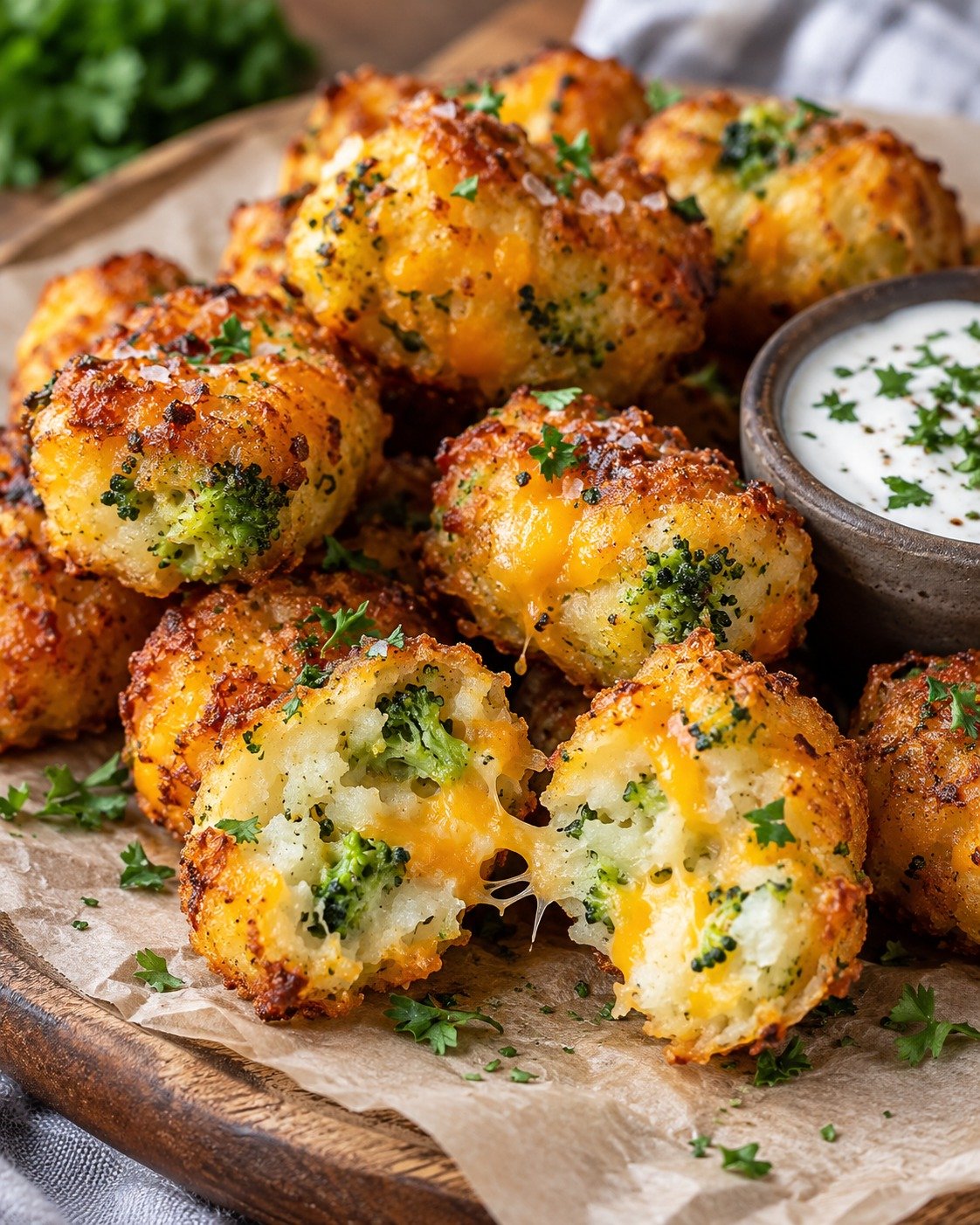
These Crispy Cottage Cheese Herb Bites are the perfect combination of creamy inside, crispy outside, and delicious savoury flavour. Made with protein-rich cottage cheese, herbs, cheese, and a golden crunchy coating, these little bites make an amazing appetiser, snack, breakfast option, or party food.

Furthermore, the outside becomes beautifully golden and crispy while the inside stays soft, cheesy, and flavourful. Best of all, they can be baked or air-fried with minimal oil, making them a lighter alternative to traditional fried snacks.

In addition, these cottage cheese bites are perfect for meal prep, lunchboxes, gatherings, or a quick high-protein snack when you want something satisfying. For an extra burst of flavour, serve them with garlic yogurt sauce, ranch dressing, marinara, or your favourite dip.

Prep Time: 15 Minutes
Cook Time: 20–25 Minutes
Servings: 4–6 Servings

Ingredients

For the Cottage Cheese Bites
  • 2 cups cottage cheese (drained well)
  • 1 cup shredded mozzarella cheese
  • ½ cup grated Parmesan cheese
  • 1 large egg
  • ¾ cup breadcrumbs (or almond flour for low-carb)
  • 2 tablespoons fresh parsley, chopped
  • 1 tablespoon fresh dill, chopped
  • 2 cloves garlic, minced
  • ½ teaspoon garlic powder
  • ½ teaspoon onion powder
  • ½ teaspoon paprika
  • Salt and black pepper, to taste
  • 1 tablespoon olive oil (optional)
For the Crispy Coating
  • ½ cup breadcrumbs
  • 2 tablespoons Parmesan cheese
  • 1 teaspoon Italian seasoning
  • 1 tablespoon chopped parsley
Creamy Garlic Dip
  • ½ cup Greek yogurt
  • 1 tablespoon mayonnaise
  • 1 garlic clove, minced
  • 1 tablespoon lemon juice
  • 1 tablespoon fresh dill
  • Salt and pepper to taste

Step-by-Step Instructions

Step 1: Prepare Cottage Cheese

First, place the cottage cheese in a strainer and drain the excess liquid thoroughly.

For an even smoother texture, blend the cottage cheese for a few seconds in a food processor. This helps create a creamy mixture and makes the bites easier to shape.

Step 2: Make the Mixture

Next, in a large bowl, combine the cottage cheese, mozzarella, Parmesan, egg, breadcrumbs, garlic, parsley, dill, garlic powder, onion powder, paprika, salt, and pepper.

Then, mix everything together until well combined.

The mixture should be soft but firm enough to shape. If the mixture feels too wet, gradually add a little more breadcrumbs until it reaches the right consistency.

Step 3: Shape the Bites

After that, use clean hands or a small scoop to form the mixture into small balls.

Make each bite about 1½ inches wide so they cook evenly. Once shaped, place the bites on a plate while you prepare the crispy coating.

Step 4: Coat the Bites

Meanwhile, prepare the coating by mixing breadcrumbs, Parmesan cheese, Italian seasoning, and parsley in a bowl.

Next, gently roll each cottage cheese ball in the coating until completely covered. This creates the delicious crispy golden exterior.

Step 5: Bake the Cottage Cheese Bites

Before baking, preheat your oven to 400°F (200°C).

Place the coated bites on a parchment-lined baking tray. Then, lightly spray or brush them with olive oil.

Bake for 20–25 minutes, or until golden brown and crispy. For even browning, turn the bites halfway through cooking.

Air Fryer Method

Alternatively, you can prepare these cottage cheese bites in an air fryer.

Place the bites in the air fryer basket, leaving a little space between each one. Cook at 375°F (190°C) for 12–15 minutes, shaking the basket halfway through.

As a result, you’ll get a wonderfully crispy exterior with a soft, cheesy centre.

Step 6: Prepare the Dip

While the bites are cooking, prepare the creamy garlic dip.

Mix Greek yogurt, mayonnaise, garlic, lemon juice, dill, salt, and pepper in a small bowl. Finally, refrigerate the dip for about 10 minutes before serving to allow the flavours to blend.

Tips for Perfect Cottage Cheese Bites

1. Drain Cottage Cheese Well
First and most importantly, drain the cottage cheese thoroughly. Extra moisture can make the bites difficult to shape.
2. Use Small-Curd Cottage Cheese
For best results, use small-curd cottage cheese because it blends more easily and creates a smoother texture.
3. Do Not Make Them Too Large
Additionally, keep the bites small so they cook evenly and develop a crispier coating.
4. Add More Herbs
For extra flavour, add fresh parsley, dill, basil, or chives according to your preference.
5. Make Them Extra Crispy
To achieve a golden crust, lightly spray the bites with olive oil before baking or air frying.
6. Chill Before Baking
If the mixture feels soft, refrigerate the shaped bites for 15–20 minutes before cooking. This helps them hold their shape better.

Recipe Notes

  • Almond flour can replace breadcrumbs for a lower-carb version.
  • For extra vegetables, add finely chopped spinach.
  • If you enjoy spicy flavours, add a pinch of chilli flakes.
  • Replace mozzarella with cheddar for a stronger cheese flavour.
  • These bites can be frozen after baking.
  • When reheating, use an air fryer or oven to help restore their crispiness.
  • For the best texture, avoid overcrowding the baking tray or air fryer basket.

Benefits of Cottage Cheese Herb Bites

High-Protein Snack
Cottage cheese provides protein that can help make these bites a satisfying snack.
Calcium-Rich
In addition, the dairy ingredients provide calcium, which contributes to normal bone health.
Balanced Snack Option
The combination of protein, carbohydrates, and fats makes these bites a satisfying alternative to many traditional snacks.
Meal-Prep Friendly
Furthermore, you can prepare these bites ahead of time and enjoy them throughout the week.
Kid-Friendly
Finally, their cheesy flavour and bite-sized shape make them an easy option for family meals and snacks.

Servings & Nutritional Information

Servings: 4–6 servings

Approximate Nutrition Per Serving:

  • Calories: 280–350 kcal
  • Protein: 22–28g
  • Carbohydrates: 15–20g
  • Fat: 15–20g
  • Fiber: 1–3g
  • Calcium: High

Nutrition values may vary depending on the specific cheese, cottage cheese, and coating used.

Frequently Asked Questions (Q&A)

Can I fry these instead of baking?
Yes. Alternatively, you can fry the bites in a small amount of oil until golden brown. However, baking or air frying keeps them lighter and requires less oil.
Can I use ricotta instead of cottage cheese?
Yes. However, ricotta will create a softer texture and slightly different flavour.
How long do these last in the refrigerator?
Store the cooked bites in an airtight container in the refrigerator for up to 4 days.
Can I freeze cottage cheese bites?
Yes. Once completely cooled, freeze the cooked bites for up to 2 months. When ready to enjoy, reheat them in the oven or air fryer.
Can I make them gluten-free?
Yes. Simply use gluten-free breadcrumbs or almond flour instead of regular breadcrumbs.
What dip goes best with these?
For dipping, garlic yogurt sauce, ranch, marinara, and tzatziki are all excellent choices.

Final Serving Idea

Finally, serve these golden Crispy Cottage Cheese Herb Bites on a white platter with a bowl of creamy garlic dip, fresh herbs, and lemon wedges. The combination of a crispy golden crust, soft cheesy centre, and fresh herb flavour makes them a delicious appetiser or satisfying high-protein snack for almost any occasion.

Balsamic Grilled Vegetables

Balsamic Grilled Vegetables

Description

Balsamic Grilled Vegetables are a simple, colorful, and flavorful side dish made with fresh vegetables tossed in olive oil, balsamic vinegar, garlic, and Italian-inspired herbs, then grilled until tender with beautifully charred edges. The combination of smoky grilled vegetables and tangy-sweet balsamic dressing creates a delicious balance of flavors.

This recipe is perfect for summer barbecues, weeknight dinners, meal prep, picnics, and gatherings. It can be served hot straight from the grill, warm as a side dish, or chilled and added to salads, grain bowls, sandwiches, wraps, or pasta.

The recipe uses zucchini, bell peppers, red onion, mushrooms, and cherry tomatoes, but the vegetables can easily be changed according to what you have available. The key is to cut the vegetables into appropriately sized pieces so they cook evenly while maintaining some texture.


Recipe Details

Recipe Name: Balsamic Grilled Vegetables
Course: Side Dish
Cuisine: Mediterranean-inspired
Prep Time: 15 minutes
Marinating Time: 15–30 minutes
Cook Time: 12–18 minutes
Total Time: About 45–60 minutes
Servings: 6
Difficulty: Easy

Ingredients

For the Vegetables

  • 2 medium zucchini, sliced lengthwise or into thick rounds
  • 2 bell peppers, preferably different colors, seeded and cut into large pieces
  • 1 large red onion, cut into thick wedges
  • 8 ounces mushrooms, halved
  • 1½ cups cherry tomatoes
  • 1 small eggplant, cut into thick slices or cubes
  • 2 tablespoons extra-virgin olive oil

For the Balsamic Marinade

  • ¼ cup balsamic vinegar
  • 2 tablespoons extra-virgin olive oil
  • 2 cloves garlic, finely minced
  • 1 teaspoon dried Italian seasoning
  • ½ teaspoon dried oregano
  • ½ teaspoon honey or maple syrup, optional
  • ½ teaspoon salt
  • ¼ teaspoon black pepper
  • 1 tablespoon fresh lemon juice

For Garnishing

  • 2 tablespoons chopped fresh parsley
  • 1 tablespoon fresh basil, torn
  • 1–2 tablespoons crumbled feta cheese, optional
  • Extra balsamic glaze, optional
  • Lemon wedges, for serving

Instructions

1. Prepare the Vegetables

Wash and dry all vegetables thoroughly.

Cut the zucchini into thick slices or long strips. Remove the seeds and membranes from the bell peppers and cut them into large pieces.

Cut the red onion into thick wedges, keeping some of the layers together so they don’t fall apart on the grill.

Clean the mushrooms and cut larger mushrooms in half.

Cut the eggplant into thick slices or medium-sized cubes.

Keep the cherry tomatoes whole.

Try to keep the vegetable pieces relatively large. Smaller pieces can fall through grill grates or cook too quickly.

2. Prepare the Balsamic Marinade

In a large bowl, whisk together balsamic vinegar, olive oil, minced garlic, Italian seasoning, oregano, honey or maple syrup if using, salt, black pepper, and fresh lemon juice.

The balsamic vinegar provides acidity and a slightly sweet flavor, while olive oil helps coat the vegetables and encourages browning.

The small amount of honey or maple syrup is optional but can help create beautiful caramelized edges.

3. Toss the Vegetables

Add the zucchini, bell peppers, red onion, mushrooms, eggplant, and cherry tomatoes to the bowl.

Toss gently until all vegetables are coated with the balsamic mixture.

Allow the vegetables to marinate for approximately 15–30 minutes.

Avoid marinating them for many hours because the vinegar can soften delicate vegetables too much.

4. Preheat the Grill

Preheat an outdoor grill or grill pan to medium-high heat, approximately 400–450°F (200–230°C).

Clean the grill grates and lightly oil them to help prevent sticking.

If you’re using a grill pan, allow it to become properly hot before adding the vegetables.

A hot cooking surface is important because it creates the delicious charred edges that make grilled vegetables so flavorful.

5. Grill the Vegetables

Place the larger vegetables on the grill first.

Grill zucchini, bell peppers, onion, eggplant, and mushrooms for approximately 3–5 minutes per side, depending on thickness.

Turn them occasionally so they develop grill marks without burning.

Cherry tomatoes can be grilled in a grill basket or on skewers for approximately 4–6 minutes, turning occasionally.

The vegetables should become tender but should not be completely soft or mushy.

You want the centers to retain some texture while the outside develops smoky, caramelized edges.

6. Watch the Balsamic Marinade

Because balsamic vinegar contains natural sugars, it can caramelize quickly.

Keep an eye on the vegetables during the final few minutes of grilling.

If they begin browning too quickly, move them to a cooler part of the grill.

Do not brush large amounts of leftover marinade onto the vegetables repeatedly while they are over high heat because the sugars can burn.

7. Remove and Rest

Transfer the grilled vegetables to a large serving platter.

Allow them to rest for approximately 5 minutes.

As they rest, the vegetables will continue releasing juices, creating a naturally flavorful coating.

Taste and adjust the seasoning with a small pinch of salt, black pepper, or a splash of fresh lemon juice.

8. Garnish and Serve

Sprinkle the vegetables with fresh parsley and basil.

For a Mediterranean-style finish, add a little crumbled feta cheese.

You can also drizzle the vegetables with a small amount of balsamic glaze immediately before serving.

Serve warm, at room temperature, or chilled.

Notes

Choose Seasonal Vegetables

The best grilled vegetables are fresh, firm, and flavorful.

Zucchini, peppers, onions, mushrooms, eggplant, and tomatoes work particularly well because they hold their shape during grilling.

You can also add asparagus, broccoli, cauliflower, yellow squash, carrots, or sweet potatoes.

Keep Pieces Large

Vegetables shrink as they cook. Cutting them too small can cause them to become overly soft or fall through the grill.

Thicker slices and larger pieces are easier to handle.

Don’t Overcrowd the Grill

Arrange the vegetables in a single layer whenever possible.

Overcrowding creates steam and prevents proper browning.

If necessary, grill the vegetables in batches.

Use a Grill Basket

A grill basket is especially useful for mushrooms, cherry tomatoes, small pieces of zucchini, or other vegetables that might fall through the grates.

Balsamic Glaze vs. Balsamic Vinegar

The marinade uses regular balsamic vinegar.

Balsamic glaze is thicker and sweeter and is best used as a finishing drizzle rather than as the primary marinade.

Helpful Tips for Perfect Grilled Vegetables

1. Dry the vegetables well.
Excess water can interfere with browning.

2. Preheat the grill properly.
A hot grill creates better grill marks and caramelization.

3. Don’t constantly move the vegetables.
Let them sit long enough to develop attractive grill marks.

4. Turn vegetables with tongs.
Tongs provide better control and reduce the risk of vegetables breaking apart.

5. Don’t over-marinate.
The balsamic mixture is flavorful, but too much acid for too long can soften vegetables excessively.

6. Add fresh herbs after grilling.
Fresh basil and parsley taste brighter when added at the end.

7. Finish with lemon.
A small squeeze of lemon helps brighten the smoky balsamic flavor.

8. Use good olive oil.
Extra-virgin olive oil contributes noticeable flavor to this simple recipe.

9. Grill vegetables according to their size.
Harder vegetables need more time, while zucchini and tomatoes cook relatively quickly.

10. Taste before serving.
Grilled vegetables can benefit from a final pinch of salt, black pepper, lemon juice, or balsamic glaze.

Serving Suggestions

Balsamic Grilled Vegetables are extremely versatile.

Serve them alongside:

  • Grilled chicken
  • Grilled salmon
  • Steak
  • Shrimp
  • Turkey burgers
  • Grilled tofu
  • Baked fish
  • Pasta
  • Couscous
  • Quinoa
  • Brown rice
  • Crusty bread
  • Hummus
  • Tzatziki

For a Mediterranean-inspired dinner, serve the vegetables with grilled chicken, warm pita bread, hummus, feta, and a simple cucumber salad.

They can also be served over quinoa or couscous to create a satisfying vegetarian bowl.

Ways to Use Leftovers

Leftover grilled vegetables are excellent for meal preparation.

Grain Bowls

Combine them with quinoa, brown rice, farro, or couscous. Add chickpeas and feta for extra protein and flavor.

Pasta

Chop the vegetables and toss them with cooked pasta, olive oil, Parmesan, and fresh basil.

Sandwiches

Place the vegetables inside toasted ciabatta or a crusty roll with hummus, mozzarella, or feta.

Wraps

Add the vegetables to a tortilla with hummus, lettuce, cucumber, and grilled chicken or chickpeas.

Salads

Chop the chilled vegetables and combine them with mixed greens, arugula, feta, olives, and a little extra balsamic dressing.

Pizza

Use leftover grilled vegetables as a topping for homemade pizza with mozzarella and fresh basil.

Nutritional Information

The following nutrition is an approximate estimate based on six servings and will vary depending on the exact vegetables, olive oil, balsamic vinegar, and optional toppings used.

Calories: Approximately 160–190 kcal
Protein: 3–4 g
Carbohydrates: 15–18 g
Fat: 10–12 g
Fiber: 4–5 g
Sugar: 7–9 g
Sodium: Approximately 300–400 mg

Adding feta cheese or additional balsamic glaze will increase the calories, fat, sugar, and sodium.

Benefits

Rich in Vegetables

This recipe combines several colorful vegetables in one dish, making it an easy way to add variety to a meal.

Provides Dietary Fiber

Zucchini, eggplant, peppers, onions, mushrooms, and tomatoes contribute dietary fiber, which is an important part of a balanced diet.

Source of Healthy Fats

Extra-virgin olive oil provides predominantly unsaturated fats and is commonly used in Mediterranean-style cooking.

Naturally Flavorful

Fresh vegetables, garlic, herbs, balsamic vinegar, and olive oil provide plenty of flavor without requiring a heavy sauce.

Versatile Side Dish

The vegetables can accompany meat, seafood, grains, pasta, or vegetarian proteins, making them useful for many different meal styles.

Colorful and Appealing

Using different colored peppers, tomatoes, zucchini, and red onion creates a visually attractive dish that works especially well for gatherings.

These are general nutritional observations and are not medical advice.

Recipe Variations

Spicy Balsamic Vegetables

Add ¼–½ teaspoon crushed red pepper flakes to the marinade.

You can also add sliced jalapeño or a pinch of cayenne.

Garlic Herb Vegetables

Increase the garlic and add fresh rosemary, thyme, and parsley.

Mediterranean Version

Add Kalamata olives and crumbled feta after grilling.

Serve with hummus and warm pita.

Balsamic Parmesan Vegetables

After grilling, sprinkle with freshly grated Parmesan cheese.

The residual heat will slightly melt the cheese.

Honey Balsamic Vegetables

Add 1 teaspoon honey to the marinade for a sweeter caramelized finish.

Lemon Herb Version

Reduce the balsamic vinegar slightly and increase the fresh lemon juice. Finish with fresh parsley, basil, and lemon zest.

Frequently Asked Questions

Q: Can I make these vegetables without an outdoor grill?

Yes. A grill pan or large cast-iron skillet works very well. You can also roast them in the oven at approximately 425°F (220°C), although you won’t get exactly the same smoky grill flavor.

Q: Can I prepare the vegetables ahead of time?

Yes. You can wash and cut the vegetables several hours ahead and keep them refrigerated. Prepare the marinade separately and toss the vegetables shortly before grilling.

Q: Can I use frozen vegetables?

Fresh vegetables are recommended because frozen vegetables contain more moisture and may not develop the same grilled texture. If using frozen vegetables, thaw and drain them thoroughly first.

Q: Can I use balsamic glaze in the marinade?

It is better to use regular balsamic vinegar for the marinade. Balsamic glaze is thicker and sweeter and can burn more easily. Use it as a finishing drizzle instead.

Q: How do I stop the vegetables from sticking?

Make sure the grill grates are clean and properly preheated. Lightly oil the grates and coat the vegetables with olive oil before grilling.

Q: Why are my vegetables soggy?

They may have been overcrowded, cut too thin, or cooked at too low a temperature. Use a hot grill and arrange vegetables in a single layer.

Q: Can I add chicken?

Absolutely. Grilled chicken pairs beautifully with these vegetables. Cook the chicken separately until it reaches a safe internal temperature, then serve it alongside the vegetables.

Q: Can I make this recipe vegan?

Yes. The basic recipe is vegan as long as you skip optional feta cheese or use a plant-based alternative.

Q: Can I make this gluten-free?

Yes. The vegetables and marinade are naturally gluten-free when using certified gluten-free ingredients where necessary.

Q: How long do leftovers last?

Store leftover grilled vegetables in an airtight container in the refrigerator for approximately 3–4 days.

Q: Can I eat them cold?

Yes. They are delicious warm, at room temperature, or chilled. Cold leftovers work particularly well in salads and grain bowls.

Q: What is the best vegetable combination?

Zucchini, bell peppers, red onion, mushrooms, eggplant, and cherry tomatoes make a balanced combination because they provide different textures and cooking times.

Q: Can I grill the vegetables on skewers?

Yes. Larger pieces can be threaded onto skewers. If using wooden skewers, soak them in water beforehand to help prevent burning.

Storage and Reheating

Place cooled vegetables in an airtight container and refrigerate.

To reheat, use a skillet over medium heat for a few minutes or warm them in a 350°F (175°C) oven.

Avoid overcooking during reheating because the vegetables are already tender.

For meal prep, divide them into individual containers with cooked grains, beans, chicken, or another protein.


Cheesy Beef Taco Casserole

Cheesy Beef Taco Casserole

Description

Cheesy Beef Taco Casserole is a hearty, layered Mexican-inspired comfort food packed with seasoned ground beef, creamy cheese, tender tortillas, and colorful toppings. It has all the flavors you love in classic tacos but turns them into an easy, family-style baked casserole.

This dish combines savory taco-seasoned beef with creamy layers and plenty of melted cheddar or Mexican-blend cheese. After baking until bubbly and golden, it is finished with fresh tomatoes, jalapeños, black olives, avocado, and cilantro for a delicious contrast of creamy, cheesy, spicy, and fresh flavors.

It is perfect for busy weeknights, family dinners, potlucks, game-day gatherings, or whenever you want a filling meal without assembling individual tacos.


Recipe Details

Recipe Name: Cheesy Beef Taco Casserole
Cuisine: Mexican-inspired / Tex-Mex
Course: Main Dish
Prep Time: 20 minutes
Cook Time: 30–35 minutes
Total Time: About 55 minutes
Servings: 8
Difficulty: Easy

Ingredients

For the Beef Filling

  • 1½ pounds lean ground beef
  • 1 tablespoon olive oil, if needed
  • 1 small yellow onion, finely diced
  • 3 cloves garlic, minced
  • 2 tablespoons taco seasoning
  • 1 teaspoon chili powder
  • ½ teaspoon ground cumin
  • ½ teaspoon smoked paprika
  • ½ teaspoon salt
  • ¼ teaspoon black pepper
  • 1 cup salsa
  • ½ cup water
  • 1 cup canned black beans, drained and rinsed
  • ½ cup canned corn, drained

For the Casserole

  • 8–10 small flour or corn tortillas
  • 1 cup sour cream
  • 4 ounces cream cheese, softened
  • 1 cup shredded cheddar cheese
  • 1 cup shredded Monterey Jack or Mexican-blend cheese
  • ½ cup shredded mozzarella, optional
  • ½ cup salsa or enchilada sauce

For the Toppings

  • 1 large tomato, diced
  • 1 jalapeño, thinly sliced
  • ½ cup sliced black olives
  • 1 avocado, diced
  • ¼ cup fresh cilantro, chopped
  • 2 green onions, sliced
  • Lime wedges, for serving

Instructions

1. Prepare the Oven and Baking Dish

Preheat your oven to 375°F (190°C).

Lightly grease a 9×13-inch baking dish with cooking spray or a small amount of olive oil.

Set the dish aside while you prepare the beef mixture.

2. Cook the Ground Beef

Place a large skillet over medium-high heat.

Add the ground beef and cook for approximately 5–7 minutes, breaking it apart with a wooden spoon as it cooks.

Continue cooking until the beef is browned and no longer pink.

If there is a large amount of excess grease, carefully drain it from the skillet.

Add the diced onion and cook for another 3–4 minutes, until softened.

Add the minced garlic and cook for about 30 seconds, just until fragrant.

3. Add the Taco Seasonings

Add the taco seasoning, chili powder, cumin, smoked paprika, salt, and black pepper.

Stir well so the spices coat the beef and onions evenly.

Pour in the salsa and water.

Stir everything together and allow the mixture to simmer for about 4–5 minutes.

The sauce should become slightly thick and flavorful rather than watery.

4. Add Beans and Corn

Stir in the drained black beans and corn.

Cook for another 2–3 minutes.

Taste the mixture and adjust the seasoning if needed.

If you prefer a spicier casserole, add extra chili powder, crushed red pepper flakes, cayenne pepper, or a little chopped jalapeño.

Remove the skillet from the heat.

5. Prepare the Creamy Layer

In a small bowl, combine the softened cream cheese and sour cream.

Mix until smooth and creamy.

If the cream cheese is difficult to mix, allow it to sit at room temperature for 15–20 minutes before preparing the mixture.

This creamy layer gives the casserole a rich texture and balances the spicy taco-seasoned beef.

6. Begin Layering

Spread a thin layer of salsa or enchilada sauce across the bottom of the prepared baking dish.

Place a layer of tortillas over the sauce.

Depending on the size of your tortillas and baking dish, you may need to cut some tortillas in half or slightly overlap them.

Spread approximately one-third of the creamy sour cream mixture over the tortillas.

Add one-third of the seasoned beef mixture.

Sprinkle with a portion of the shredded cheddar and Monterey Jack cheese.

7. Continue the Layers

Repeat the layers:

Tortillas → creamy mixture → taco beef → cheese

Continue until the ingredients are used.

Try to finish with a generous layer of cheese on top.

The cheese will melt into a golden, bubbling topping while the casserole bakes.

8. Bake

Cover the casserole loosely with aluminum foil.

Place it in the preheated oven and bake for approximately 20 minutes.

Remove the foil and continue baking for another 10–15 minutes, or until the cheese is completely melted and bubbling around the edges.

For a more golden top, turn the oven to broil for the final 1–2 minutes.

Watch carefully during broiling because cheese can brown very quickly.

9. Add Fresh Toppings

Remove the casserole from the oven and allow it to rest for approximately 10 minutes before cutting.

This resting time helps the layers set and makes the casserole much easier to serve.

Top with diced tomatoes, sliced jalapeños, black olives, avocado, fresh cilantro, and green onions.

Serve with fresh lime wedges.

Notes

Choose Your Tortillas

Both flour and corn tortillas work well.

Flour tortillas create a softer, more tender casserole, while corn tortillas provide a slightly firmer texture and stronger corn flavor.

Small tortillas are easier to layer in a rectangular baking dish.

Adjust the Spice Level

For a mild casserole, use mild salsa and remove the seeds from the jalapeño.

For medium heat, use regular salsa and keep some jalapeño seeds.

For a spicy version, use hot salsa, extra jalapeño, cayenne pepper, or diced green chiles.

Cheese Options

Cheddar provides a sharp, classic flavor.

Monterey Jack melts beautifully and gives the casserole a creamy texture.

A Mexican cheese blend is also an excellent choice.

You can combine several cheeses for a richer topping.

Make It Extra Creamy

For an even creamier casserole, increase the sour cream mixture slightly or add another 2 ounces of softened cream cheese.

You can also add a small amount of shredded cheese directly into the creamy layer.

Fresh Toppings Matter

The casserole itself is rich and cheesy, so fresh toppings are important.

Tomatoes, cilantro, avocado, jalapeños, and lime add freshness and acidity that balance the richness.

Helpful Tips

1. Don’t make the beef mixture too watery.
A thick filling keeps the casserole from becoming soggy.

2. Drain your beans and corn well.
Extra liquid can make the layers watery.

3. Let the casserole rest before serving.
Ten minutes is usually enough to make the layers easier to cut.

4. Use freshly shredded cheese if possible.
It generally melts smoothly and gives the casserole a better texture.

5. Don’t overbake.
Once the cheese is melted and bubbling and the casserole is hot throughout, it is ready.

6. Layer evenly.
Try to distribute the beef, cream mixture, and cheese evenly so every serving contains all the flavors.

7. Add avocado after baking.
Fresh avocado is best added immediately before serving rather than baked into the casserole.

8. Use lime at the table.
A squeeze of fresh lime juice makes the flavors brighter and cuts through the richness of the cheese.

Serving Suggestions

Cheesy Beef Taco Casserole is filling enough to serve as a complete meal, but it pairs beautifully with several simple sides.

Serve it with:

  • Mexican rice
  • Cilantro-lime rice
  • Refried beans
  • Black beans
  • Corn salad
  • Guacamole
  • Fresh salsa
  • Pico de gallo
  • Tortilla chips
  • Mexican-style salad
  • Lettuce and cucumber salad

For a party, place bowls of toppings next to the casserole so everyone can customize their serving.

Try offering sour cream, salsa, guacamole, chopped cilantro, jalapeños, diced tomatoes, green onions, and lime wedges.

Make-Ahead Instructions

This casserole is excellent for preparing ahead.

Assemble the casserole completely, but leave the fresh toppings off.

Cover tightly and refrigerate for up to 24 hours.

When ready to bake, remove it from the refrigerator and let it sit at room temperature for approximately 15–20 minutes.

Bake according to the instructions, adding a few extra minutes if necessary because the casserole is starting cold.

Add fresh toppings after baking.

Storage

Store leftover casserole in an airtight container in the refrigerator.

It will generally keep well for 3–4 days.

For best texture, store fresh toppings such as avocado, tomatoes, and cilantro separately.

Reheat individual portions in the microwave until hot.

You can also reheat the casserole in a covered oven-safe dish at 350°F (175°C).

Freezing Instructions

The casserole can be frozen, although the texture of the sour cream layer may change slightly after thawing.

For best results, assemble the casserole without fresh toppings.

Wrap the baking dish tightly with plastic wrap followed by aluminum foil, or transfer portions to freezer-safe containers.

Freeze for up to approximately 2–3 months for best quality.

Thaw overnight in the refrigerator before reheating.

Nutritional Information

Nutrition will vary depending on the type and amount of beef, cheese, tortillas, sour cream, and toppings used.

Approximate serving size: 1/8 of casserole

  • Calories: 500–560 kcal
  • Protein: 28–33 g
  • Carbohydrates: 32–38 g
  • Fat: 28–34 g
  • Fiber: 5–7 g
  • Sugar: 5–7 g
  • Sodium: 850–1,050 mg
  • Calcium: Approximately 250–350 mg
  • Iron: Approximately 3–4 mg

These figures are estimates and should not be considered exact nutritional values.

Benefits

Protein-Rich

Ground beef and cheese provide a substantial amount of protein, which helps make this casserole filling and satisfying.

Includes Beans

Black beans add plant-based protein and dietary fiber while also providing texture and flavor.

Provides Vegetables

Tomatoes, onions, jalapeños, avocado, and corn add different vitamins, minerals, antioxidants, and fiber.

Satisfying Meal

The combination of protein, carbohydrates, fats, and fiber makes this casserole a hearty option for dinner.

Customizable

You can easily add more vegetables, reduce the cheese, use leaner beef, or substitute beans for part of the meat.

For a lighter version, use lean ground beef, reduced-fat cheese, Greek yogurt instead of some of the sour cream, and additional vegetables.

These are general nutritional observations and are not medical advice.

Recipe Variations

Chicken Taco Casserole

Replace the ground beef with approximately 1½ pounds of cooked shredded chicken.

Season the chicken with taco seasoning, salsa, cumin, garlic, and chili powder.

Turkey Taco Casserole

Use lean ground turkey instead of beef.

Because turkey can be slightly leaner, add a little olive oil while cooking if needed.

Vegetarian Taco Casserole

Skip the meat and use additional black beans, pinto beans, corn, mushrooms, bell peppers, and zucchini.

You can also add cooked lentils for extra protein.

Extra Cheesy Taco Casserole

Add an additional cup of shredded cheese between the layers and finish with a thick cheese topping.

Loaded Taco Casserole

After baking, cover the casserole with tomatoes, avocado, olives, jalapeños, cilantro, green onions, sour cream, and crushed tortilla chips.

Frequently Asked Questions

Q: Can I use ground turkey instead of beef?

Yes. Ground turkey is an easy substitute and works especially well with taco seasoning, salsa, cumin, and chili powder.

Q: Can I make this without cream cheese?

Absolutely. You can use additional sour cream or Greek yogurt. The cream cheese simply adds extra richness and helps create a creamy layer.

Q: Can I use corn tortillas?

Yes. Corn tortillas work very well and give the casserole a delicious Tex-Mex flavor.

Q: How do I prevent the casserole from becoming soggy?

Make sure the beef mixture is thick, drain the beans and corn thoroughly, and avoid adding too much salsa between the layers.

Q: Can I add vegetables?

Definitely. Bell peppers, zucchini, mushrooms, spinach, corn, and extra onions are all great additions.

Q: Can I make it spicy?

Yes. Add jalapeños, hot salsa, cayenne pepper, crushed red pepper flakes, or diced green chiles.

Q: Can I use store-bought taco seasoning?

Yes. Store-bought taco seasoning makes this recipe even quicker. If using a very salty seasoning packet, reduce the additional salt.

Q: Can I prepare this the night before?

Yes. Assemble it, cover it tightly, and refrigerate it overnight. Bake the next day until hot and bubbling.

Q: Why should I let the casserole rest?

Resting allows the melted cheese and creamy layers to settle, making the casserole easier to cut and serve without falling apart.

Q: Can I make individual portions?

Yes. Assemble the ingredients in small oven-safe dishes and reduce the baking time. This is a fun option for parties or family dinners.

Q: What toppings go best with taco casserole?

Diced tomatoes, avocado, jalapeños, cilantro, black olives, green onions, sour cream, salsa, guacamole, and lime are excellent choices.

Q: Can I use leftover taco meat?

Absolutely. Leftover seasoned ground beef is perfect for this casserole. Simply warm it with a little salsa before layering.

Q: Is this freezer-friendly?

Yes. Freeze the assembled casserole without fresh toppings. Thaw it in the refrigerator before reheating.

Mediterranean Baked Chicken with Zucchini, Tomatoes & Mozzarella

Mediterranean Baked Chicken with Zucchini, Tomatoes & Mozzarella

Description

Mediterranean Baked Chicken with Zucchini, Tomatoes, Red Onion, and Mozzarella is a colorful, comforting, and incredibly easy one-dish dinner. Tender chicken breasts are seasoned with garlic, oregano, paprika, salt, pepper, and olive oil, then surrounded with fresh zucchini, juicy cherry or grape tomatoes, and thinly sliced red onion. Everything is baked together until the chicken is tender, the vegetables are roasted and caramelized, and the cheese becomes beautifully melted and golden.

This recipe is inspired by the fresh, simple flavors commonly associated with Mediterranean-style cooking. Olive oil, garlic, herbs, tomatoes, zucchini, and red onion create a naturally flavorful combination without requiring a complicated sauce. The vegetables release their juices as they roast, helping keep the chicken moist while creating delicious juices at the bottom of the baking dish.

It is an excellent choice for a weeknight dinner because preparation is quick and most of the cooking happens in the oven. Serve it directly from the baking dish with a squeeze of fresh lemon, a sprinkle of parsley or thyme, and your favorite side such as couscous, rice, quinoa, roasted potatoes, or a simple green salad.

Recipe Information

Prep Time: 15 minutes
Cook Time: 30–40 minutes
Total Time: 45–55 minutes
Servings: 4
Cuisine: Mediterranean-inspired
Course: Dinner / Main Course
Difficulty: Easy

Ingredients

For the Chicken

  • 4 boneless, skinless chicken breasts, about 6 ounces each
  • 2 tablespoons extra-virgin olive oil
  • 3 cloves garlic, minced
  • 1 teaspoon dried oregano
  • 1 teaspoon paprika
  • ½ teaspoon dried thyme
  • ½ teaspoon salt, or to taste
  • ¼ teaspoon freshly ground black pepper
  • ½ teaspoon onion powder
  • 1 tablespoon fresh lemon juice
  • ½ teaspoon lemon zest

For the Vegetables

  • 2 medium zucchini, sliced into rounds
  • 1½ cups cherry or grape tomatoes, halved
  • ½ medium red onion, sliced
  • 1 tablespoon extra-virgin olive oil
  • ½ teaspoon dried oregano
  • ¼ teaspoon salt
  • ¼ teaspoon black pepper

For the Topping

  • 1 cup shredded mozzarella cheese
  • ¼ cup crumbled feta cheese, optional
  • 1 tablespoon fresh thyme or parsley
  • Lemon wedges, for serving

Instructions

1. Preheat the Oven

Preheat your oven to 400°F (200°C). Lightly grease a large baking dish with a small amount of olive oil. A 9×13-inch baking dish works well for four chicken breasts.

If your chicken breasts are very thick, consider gently pounding them to an even thickness. This helps them cook more evenly and prevents the thinner portions from becoming dry before the center is done.

2. Season the Chicken

Place the chicken breasts in a bowl or directly into the prepared baking dish.

In a small bowl, combine olive oil, minced garlic, oregano, paprika, thyme, salt, black pepper, onion powder, lemon juice, and lemon zest.

Rub the seasoning mixture thoroughly over both sides of each chicken breast. Make sure the chicken is evenly coated so every bite is flavorful.

For even more flavor, allow the chicken to marinate for 20–30 minutes before baking. If you have more time, it can be refrigerated for several hours, but this step is optional.

3. Prepare the Vegetables

Add the sliced zucchini, halved tomatoes, and red onion to a bowl.

Drizzle with olive oil and sprinkle with oregano, salt, and black pepper. Toss gently until the vegetables are evenly coated.

The zucchini should be sliced fairly thickly so it maintains some texture while baking. Very thin zucchini slices may become overly soft.

4. Assemble the Baking Dish

Arrange the seasoned chicken breasts in the center of the baking dish.

Scatter the zucchini, tomatoes, and red onion around and partially over the chicken. Try not to completely cover the chicken with vegetables because this can slow browning.

Bake uncovered for approximately 20–25 minutes, depending on the thickness of your chicken breasts.

5. Add the Cheese

Once the chicken is nearly cooked, carefully remove the baking dish from the oven.

Sprinkle shredded mozzarella evenly over the chicken and vegetables. Add crumbled feta if desired.

Return the dish to the oven and bake for another 5–10 minutes, or until the cheese is melted and lightly golden.

For a more deeply browned cheese topping, switch the oven to broil for 1–2 minutes at the end. Watch carefully because cheese can brown very quickly under the broiler.

6. Check the Chicken

The safest way to determine whether the chicken is finished is to use an instant-read thermometer. The thickest part of the chicken should reach 165°F (74°C).

Cooking time can vary depending on the size and thickness of the chicken breasts. Avoid relying only on the clock.

Once cooked, remove the dish from the oven and let the chicken rest for about 5 minutes before serving. This helps the juices redistribute throughout the meat.

7. Garnish and Serve

Finish with fresh thyme or chopped parsley and a generous squeeze of lemon juice.

Serve the chicken warm with the roasted zucchini, tomatoes, onions, and melted cheese spooned around it.

Notes

This recipe is flexible and works well with different vegetables. You can add sliced bell peppers, mushrooms, spinach, eggplant, or artichoke hearts.

For stronger Mediterranean flavor, add a small handful of Kalamata olives before baking. A sprinkle of Italian or Mediterranean seasoning can also be used instead of the individual dried herbs.

If you prefer a stronger feta flavor, reduce the mozzarella slightly and increase the feta. Feta provides a salty, tangy contrast to the sweet roasted tomatoes and creamy melted mozzarella.

Chicken thighs can also be used instead of chicken breasts. Boneless, skinless thighs are especially juicy and forgiving, although the cooking time may vary.

Tips for the Best Mediterranean Baked Chicken

1. Pound thick chicken breasts evenly.
Uneven chicken breasts can cook at different rates. Gently flattening thick areas creates more consistent cooking.

2. Don’t overcrowd the vegetables.
Give the zucchini and tomatoes enough room to roast. If the dish is packed too tightly, the vegetables may steam instead of caramelize.

3. Use fresh garlic when possible.
Fresh minced garlic gives the chicken a much more vibrant Mediterranean-style flavor than garlic powder alone.

4. Don’t overbake the chicken.
Chicken breast is lean and can become dry if cooked significantly beyond the recommended temperature. Use a thermometer whenever possible.

5. Add lemon at the end.
Fresh lemon juice brightens the entire dish and balances the richness of the cheese and olive oil.

6. Let the chicken rest.
A short resting period after baking helps keep the chicken juicy.

7. Use good-quality olive oil.
Because olive oil is one of the main flavors in this recipe, a flavorful extra-virgin olive oil can make a noticeable difference.

8. Add cheese near the end.
Adding mozzarella too early can cause it to become overly browned before the chicken is finished.

Serving Suggestions

This baked chicken is satisfying on its own, but it can easily become a complete meal with a simple side.

Serve it with:

  • Lemon-herb rice
  • Mediterranean couscous
  • Quinoa
  • Warm pita bread
  • Roasted potatoes
  • Greek salad
  • Hummus
  • Tzatziki
  • Garlic bread
  • Simple cucumber salad
  • Steamed green beans

For a lighter meal, serve the chicken over a bed of fresh greens with the roasted vegetables and a drizzle of lemon-olive-oil dressing.

For meal prep, slice the cooled chicken and divide it between containers with roasted vegetables and cooked quinoa or rice.

Storage

Allow leftovers to cool before transferring them to an airtight container.

Store in the refrigerator for up to 3–4 days.

Reheat individual portions in the microwave until thoroughly hot, or place them in a covered oven-safe dish and warm at approximately 350°F (175°C). Adding a small splash of water or broth before reheating can help prevent the chicken from drying out.

For best texture, avoid repeatedly reheating the same portion.

Approximate Nutritional Information

The following values are estimates based on four servings and can vary according to the size of the chicken breasts, amount of cheese, and exact ingredients used.

Calories: Approximately 430–480 kcal
Protein: 45–50 g
Carbohydrates: 12–16 g
Fat: 22–26 g
Fiber: 3–4 g
Sugar: 5–7 g
Sodium: Approximately 650–800 mg

Adding extra cheese, feta, salt, or olives will increase the sodium and calorie content.

Potential Benefits

High in Protein

Chicken breast provides a substantial amount of protein, which contributes to maintaining and repairing body tissues and can help make a meal more satisfying.

Contains Colorful Vegetables

Zucchini, tomatoes, and red onions contribute vitamins, minerals, fiber, and plant compounds to the meal. Using several colorful vegetables also adds variety to your diet.

Provides Healthy Fats

Extra-virgin olive oil is a major source of monounsaturated fat and is a staple ingredient in Mediterranean-style cooking.

Includes Tomatoes

Tomatoes provide vitamin C, potassium, and lycopene. Cooking tomatoes with olive oil can create a particularly flavorful combination.

Balanced Main Dish

The combination of lean protein, vegetables, olive oil, and cheese makes this a versatile main course. Pairing it with a whole grain such as quinoa or brown rice can add additional fiber and carbohydrates.

These are general nutritional observations, not medical advice. Individual nutritional needs vary.

Recipe Variations

Creamy Version

After baking, add a spoonful of Greek yogurt mixed with lemon juice and garlic on top when serving. Do not bake the yogurt mixture directly in the dish.

Spicy Version

Add ¼–½ teaspoon crushed red pepper flakes or a pinch of cayenne pepper to the chicken seasoning.

Olive & Feta Version

Add Kalamata olives and extra feta during the final 5–10 minutes of baking for a stronger Greek-inspired flavor.

Herb Version

Use fresh rosemary, parsley, thyme, or basil. Fresh herbs should generally be added toward the end so their flavor remains bright.

Low-Carbohydrate Version

Serve the chicken with the roasted vegetables and a fresh cucumber salad instead of rice, pasta, or bread.

Frequently Asked Questions

Q: Can I use chicken thighs instead of chicken breasts?

Yes. Boneless, skinless chicken thighs are an excellent substitute and tend to stay juicy. Check their internal temperature with a thermometer and cook until they reach a safe temperature.

Q: Can I prepare this recipe ahead of time?

Yes. You can season the chicken and prepare the vegetables several hours in advance. Keep everything refrigerated until you’re ready to bake.

Q: Can I use frozen vegetables?

Fresh vegetables are recommended for the best roasted texture, but frozen vegetables can work. Thaw and drain them thoroughly first because excess water can make the dish watery.

Q: What cheese works best?

Mozzarella gives the dish a stretchy, melted topping. Feta adds a salty Mediterranean flavor. Using a combination of both is especially delicious.

Q: Why is my zucchini watery?

Zucchini naturally contains a lot of water. Overcrowding the pan can cause it to steam. Slice it moderately thick and give the vegetables enough space to roast.

Q: How do I keep the chicken juicy?

Avoid overcooking it, use enough olive oil and seasoning, and allow the chicken to rest for about five minutes after baking. A meat thermometer is the best way to prevent accidental overcooking.

Q: Can I make this without cheese?

Absolutely. The chicken and roasted vegetables are flavorful enough without cheese. Simply omit the mozzarella and feta and finish with fresh herbs and lemon.

Q: Can I add potatoes?

Yes. Cut potatoes into small, evenly sized pieces and consider giving them a head start in the oven before adding the chicken because potatoes generally take longer to cook.

Q: Is this recipe good for meal prep?

Yes. Divide the chicken and roasted vegetables into airtight containers and refrigerate for up to 3–4 days. Keep rice, quinoa, or salad in separate containers if preferred.

Q: What can I serve with it?

Mediterranean couscous, rice, quinoa, pita, hummus, tzatziki, Greek salad, or roasted potatoes all pair beautifully with this dish.


Cheesy Ground Beef Tortilla Roll-Up

Cheesy Ground Beef Tortilla Roll-Up

These Cheesy Ground Beef Tortilla Roll-Ups are crispy, cheesy, and packed with flavorful seasoned beef. Soft flour tortillas are filled with juicy ground beef, melted cheese, onions, and Mexican-inspired spices, then rolled tightly and baked or pan-fried until golden and delicious.

They make an easy weeknight dinner, party appetizer, game-day snack, or quick lunch. Serve them with salsa, sour cream, guacamole, or a creamy dipping sauce for an irresistible meal.

Recipe Details

Prep Time: 15 minutes
Cook Time: 20 minutes
Total Time: 35 minutes
Servings: 8 roll-ups
Course: Appetizer / Lunch / Dinner
Cuisine: Mexican-inspired
Difficulty: Easy


Ingredients

For the Beef Filling

  • 1 lb ground beef
  • 1 tablespoon olive oil
  • ½ small onion, finely diced
  • 2 cloves garlic, minced
  • 1½ tablespoons taco seasoning
  • ½ teaspoon smoked paprika
  • ½ teaspoon ground cumin
  • ¼ teaspoon black pepper
  • ½ cup salsa
  • 1 tablespoon tomato paste
  • ¼ cup water
  • 1 cup shredded cheddar cheese
  • ½ cup shredded Monterey Jack cheese
  • 2 tablespoons chopped fresh cilantro

For the Roll-Ups

  • 8 medium flour tortillas
  • 1 tablespoon melted butter or olive oil
  • Extra cheese for topping, optional

For Serving

  • Salsa
  • Sour cream
  • Guacamole
  • Pico de gallo
  • Fresh cilantro
  • Lime wedges

Instructions
1. Cook the Ground Beef

Heat olive oil in a large skillet over medium-high heat.

Add the diced onion and cook for 2–3 minutes, until softened.

Add the minced garlic and cook for another 30 seconds.

Add the ground beef and cook for approximately 6–8 minutes, breaking it apart with a wooden spoon until browned and fully cooked.

Drain excess grease if necessary.

2. Season the Beef

Add taco seasoning, smoked paprika, cumin, and black pepper.

Stir well to coat the beef.

Add salsa, tomato paste, and water.

Cook for another 2–3 minutes, stirring occasionally, until the mixture becomes thick and flavorful.

Remove from the heat and allow it to cool slightly.

3. Add the Cheese

Transfer the beef mixture to a bowl.

Stir in the cheddar cheese, Monterey Jack cheese, and chopped cilantro.

The warmth of the beef will begin melting the cheese and create a delicious, creamy filling.

Don’t add the cheese while the beef is extremely hot because it can become overly greasy.

4. Prepare the Tortillas

Warm the tortillas in a dry skillet or microwave for a few seconds.

This makes them flexible and prevents them from cracking when rolled.

Place one tortilla on a clean work surface.

Spoon approximately ⅓ cup of the beef and cheese mixture onto the lower-middle portion of the tortilla.

Don’t overfill it.

5. Roll the Tortillas

Fold the bottom edge of the tortilla over the filling.

Fold the two sides inward.

Roll the tortilla tightly upward until you have a compact roll-up.

Place it seam-side down.

Repeat with the remaining tortillas and filling.

6. Bake

Preheat the oven to 400°F (200°C).

Place the roll-ups seam-side down on a parchment-lined baking sheet.

Brush the tops lightly with melted butter or olive oil.

For extra cheesiness, sprinkle a little shredded cheese over the top.

Bake for approximately 12–15 minutes, until the tortillas are golden and crisp and the cheese is melted.

For extra crispiness, broil for the final 1–2 minutes, watching carefully.

Alternative: Pan-Fry

For an extra crispy exterior, heat a lightly oiled skillet over medium heat.

Place the roll-ups seam-side down.

Cook for approximately 2–3 minutes per side, turning carefully until golden and crisp on all sides.

7. Serve

Allow the roll-ups to cool for 2–3 minutes before slicing.

Cut them in half diagonally or serve them whole.

Garnish with fresh cilantro and serve with salsa, sour cream, guacamole, or pico de gallo.

A squeeze of fresh lime adds a bright finishing flavor.

Description

These Cheesy Ground Beef Tortilla Roll-Ups combine everything you love about tacos and cheesy quesadillas in one convenient handheld snack.

The seasoned ground beef is savory and juicy, while cheddar and Monterey Jack create a rich, melty filling. Salsa adds moisture and a little tanginess, while cumin, paprika, garlic, and taco seasoning provide plenty of flavor.

Baking gives the tortillas a golden, crisp exterior without requiring a large amount of oil.

They’re especially delicious when served hot, when the cheese is still stretchy and melted.

Recipe Notes

Don’t Overfill the Tortillas

Too much filling makes the roll-ups difficult to close and can cause the filling to spill out during cooking.

Warm the Tortillas

Warm tortillas are much easier to roll and less likely to crack.

Cool the Beef Slightly

Very hot filling can make tortillas soggy and difficult to handle.

Roll Tightly

A firm roll helps keep the filling inside while baking.

Place Seam-Side Down

This helps seal the tortilla during cooking.

Use a Cheese Blend

Cheddar provides bold flavor, while Monterey Jack melts beautifully.

Helpful Tips

1. Drain excess beef grease before adding the salsa.

2. Use thicker salsa to prevent watery filling.

3. Don’t skip the tomato paste if you want a richer beef flavor.

4. Don’t overcrowd the baking sheet so the tortillas crisp properly.

5. Brush lightly with oil for a beautiful golden exterior.

6. Serve immediately for the best crispy texture.

7. Add toppings after cooking rather than before, especially fresh ingredients such as avocado and lettuce.

Delicious Variations

Spicy Beef Roll-Ups

Add diced jalapeños, hot salsa, cayenne pepper, or pepper Jack cheese.

Chicken Roll-Ups

Replace ground beef with shredded cooked chicken.

Taco Bean Roll-Ups

Add black beans or refried beans to the beef mixture.

Breakfast Roll-Ups

Add scrambled eggs and cooked breakfast sausage.

Loaded Beef Roll-Ups

Add corn, black beans, diced bell peppers, and green onions.

BBQ Beef Roll-Ups

Replace some of the salsa with BBQ sauce for a smoky-sweet variation.

Vegetarian Roll-Ups

Replace beef with black beans, corn, mushrooms, bell peppers, and extra cheese.

Serving Suggestions

Serve these roll-ups with:

  • Guacamole
  • Salsa
  • Sour cream
  • Pico de gallo
  • Mexican rice
  • Refried beans
  • Corn salad
  • Avocado salad
  • Cilantro-lime rice
  • Fresh green salad

For a party, cut each roll-up into smaller pieces and serve them with several dipping sauces.

Storage

Allow leftover roll-ups to cool before storing.

Place them in an airtight container and refrigerate for up to 3–4 days.

For best texture, reheat them in an oven or air fryer rather than a microwave.

Oven

Reheat at 350°F (175°C) for 8–10 minutes.

Air Fryer

Reheat at 350°F (175°C) for 3–5 minutes.

Microwave

Microwave for approximately 30–60 seconds, but expect a softer tortilla.

Make-Ahead Instructions

The beef filling can be prepared up to 2 days ahead and refrigerated.

When ready to cook, warm the filling slightly, combine with cheese, roll the tortillas, and bake.

You can also assemble the roll-ups several hours ahead and refrigerate them covered.

Brush with oil just before baking.

Nutritional Information

Estimated per roll-up, based on 8 servings:

  • Calories: Approximately 350–380 kcal
  • Protein: 20–23 g
  • Carbohydrates: 25–29 g
  • Fat: 18–21 g
  • Saturated Fat: 8–10 g
  • Fiber: 2–3 g
  • Sugar: 2–4 g
  • Sodium: Approximately 650–800 mg
  • Calcium: Approximately 180–220 mg

Actual nutrition will vary depending on tortilla size, ground beef percentage, cheese, and toppings.

Benefits

1. Good Source of Protein

Ground beef and cheese provide protein, making these roll-ups satisfying.

2. Convenient

They’re easy to prepare, serve, and eat, making them excellent for busy days.

3. Customizable

You can add vegetables, beans, different cheeses, or alternative proteins.

4. Portion-Friendly

Individual roll-ups make it easy to control portions and serve them at gatherings.

5. Family-Friendly

The recipe can easily be adjusted to make it mild or spicy depending on your family’s preferences.

Note: These are general nutritional qualities of the ingredients and are not intended as medical advice.

Frequently Asked Questions

Can I use ground turkey?

Yes. Ground turkey is an excellent leaner alternative to beef.

Can I use chicken?

Absolutely. Shredded rotisserie chicken or cooked chopped chicken works well.

What tortillas work best?

Medium-sized flour tortillas are ideal because they are flexible and easy to roll.

Can I use corn tortillas?

You can, but corn tortillas are more likely to crack. Warm them thoroughly before rolling.

Why are my tortillas cracking?

They may be too cold or dry. Warm them briefly before filling and rolling.

How do I keep the filling from falling out?

Don’t overfill the tortillas and roll them tightly. Always place them seam-side down before cooking.

Can I freeze these roll-ups?

Yes. Cool them completely, wrap individually, and place them in a freezer-safe container. For best quality, use within approximately 2–3 months.

Can I make them without cheese?

Yes, although cheese is an important part of the recipe. You can replace it with dairy-free cheese or increase the vegetables and beans.

Can I add vegetables?

Definitely. Bell peppers, corn, spinach, mushrooms, and zucchini all work well.

Can I make them spicy?

Add jalapeños, hot salsa, chili powder, cayenne, or pepper Jack cheese.

Can I make them ahead?

Yes. Prepare the beef filling ahead and refrigerate it, then assemble and bake when ready.

Why are my roll-ups soggy?

The filling may contain too much liquid. Simmer the beef mixture until thick and use a thick salsa.

Can I air-fry them?

Yes. Air fry at approximately 375°F (190°C) for 6–9 minutes, turning halfway through, until golden and crisp.

What cheese melts best?

Monterey Jack, mozzarella, cheddar, and pepper Jack all melt nicely. A combination gives the best flavor and texture.

What sauce goes best with them?

Salsa, sour cream, guacamole, queso, chipotle sauce, or cilantro-lime crema are all delicious.

 Taco Cupcakes

 Taco Cupcakes

These Taco Cupcakes are a fun, cheesy, and incredibly easy appetizer or family-friendly dinner. They combine seasoned ground beef, melted cheese, and crispy wonton wrappers into individual taco cups that are golden around the edges and packed with delicious Mexican-inspired flavor. They are perfect for parties, game days, potlucks, lunchboxes, or a quick weeknight meal.

The best part is how easy they are to customize. Add your favorite taco toppings such as tomatoes, lettuce, jalapeños, avocado, sour cream, salsa, or fresh cilantro. Serve them warm with salsa or guacamole for dipping.

Recipe Details

Prep Time: 15 minutes
Cook Time: 15–18 minutes
Total Time: 30–35 minutes
Servings: 12 taco cupcakes
Course: Appetizer / Main Dish
Cuisine: Mexican-inspired
Difficulty: Easy

Ingredients

For the Taco Filling

  • 1 lb ground beef
  • 1 tablespoon olive oil
  • ½ small onion, finely diced
  • 2 cloves garlic, minced
  • 2 tablespoons taco seasoning
  • ½ cup salsa
  • ¼ cup water
  • ½ cup black beans, drained and rinsed
  • ½ cup corn, drained
  • 1 cup shredded cheddar cheese
  • ½ cup shredded Monterey Jack cheese

For the Taco Cups

  • 24 wonton wrappers
  • Cooking spray or a little olive oil

For Toppings

  • Diced tomatoes
  • Shredded lettuce
  • Sour cream
  • Sliced jalapeños
  • Fresh cilantro
  • Diced avocado
  • Salsa
  • Guacamole
  • Lime wedges

Instructions

1. Prepare the Oven

Preheat your oven to 375°F (190°C).

Lightly spray a 12-cup muffin tin with cooking spray.

Make sure the sides and bottoms are lightly coated so the wonton wrappers release easily after baking.

2. Cook the Ground Beef

Heat olive oil in a large skillet over medium-high heat.

Add the diced onion and cook for approximately 2–3 minutes, until it begins to soften.

Add the minced garlic and cook for another 30 seconds.

Add the ground beef.

Cook for approximately 6–8 minutes, breaking it apart with a wooden spoon, until browned and fully cooked.

Drain excess grease if necessary.

3. Season the Filling

Add taco seasoning, salsa, and water to the cooked beef.

Stir well.

Add the black beans and corn.

Cook for another 2–3 minutes, allowing the flavors to combine and the mixture to thicken slightly.

Remove from the heat.

4. Create the First Layer

Place one wonton wrapper into each muffin cup.

Gently press it down into the bottom and against the sides.

Don’t worry if the corners stick upward.

Sprinkle a small amount of cheddar and Monterey Jack cheese into each cup.

Add approximately 1 tablespoon of taco beef mixture.

5. Add the Second Wonton Layer

Place another wonton wrapper over the filling.

Try to rotate it slightly so the corners don’t line up exactly with the first wrapper.

Gently press it down.

Add another spoonful of taco filling.

Top generously with the remaining shredded cheese.

The double wonton layers create a deliciously crispy exterior while keeping the taco filling contained.

6. Bake

Place the muffin tin into the preheated oven.

Bake for approximately 15–18 minutes, or until the wonton edges become golden brown and crisp and the cheese is melted and bubbling.

Keep an eye on them during the final few minutes because wonton wrappers can brown quickly.

7. Cool Slightly

Remove the muffin tin from the oven.

Allow the taco cupcakes to cool for approximately 3–5 minutes.

Carefully lift each taco cup from the muffin tin using a small spatula or butter knife.

8. Add Toppings

Top the taco cupcakes with your favorite toppings.

Try:

  • Sour cream
  • Diced tomatoes
  • Lettuce
  • Jalapeños
  • Cilantro
  • Avocado
  • Salsa
  • Guacamole

Serve warm with lime wedges.

Description

Taco Cupcakes turn traditional taco flavors into adorable individual cups that are easy to serve and even easier to eat.

Crispy wonton wrappers form the base and sides, while seasoned ground beef, beans, corn, salsa, and melted cheese create a flavorful filling.

The combination of crispy edges, juicy taco meat, creamy melted cheese, and fresh toppings makes these little taco cups especially irresistible.

They’re also a fantastic recipe for entertaining because guests can easily pick them up and enjoy them without needing plates or utensils.

Recipe Notes

Use Lean Ground Beef

Ground beef around 80–90% lean works well. If using a fattier variety, drain excess grease before assembling.

Don’t Overfill

Too much filling can cause the taco cups to become difficult to remove and may prevent the wonton wrappers from becoming crisp.

Rotate the Wonton Wrappers

Rotating the second wrapper creates more attractive crispy corners.

Watch the Edges

The wonton wrappers can go from golden to overly browned quickly, so check them during the final few minutes.

Serve Fresh

Taco cupcakes are crispiest immediately after baking.

Helpful Tips

1. Grease the muffin tin well. This makes removing the taco cups much easier.

2. Drain the meat properly. Excess grease can make the wonton wrappers soggy.

3. Don’t use watery salsa. A thicker salsa works best for the filling.

4. Let them cool briefly. A few minutes makes them easier to remove without breaking.

5. Add fresh toppings after baking. Lettuce, avocado, and tomatoes are best added just before serving.

6. Make them spicy. Add jalapeños, hot salsa, cayenne, or extra chili powder.

7. Make them mild. Use mild taco seasoning and salsa for children.

Variations

Chicken Taco Cupcakes

Replace ground beef with shredded cooked chicken.

Mix it with taco seasoning and salsa before layering.

Vegetarian Taco Cupcakes

Replace the beef with extra black beans, pinto beans, corn, peppers, and mushrooms.

Cheesy Taco Cupcakes

Use a combination of cheddar, Monterey Jack, and pepper Jack cheese.

Breakfast Taco Cupcakes

Add scrambled eggs, cooked breakfast sausage, cheese, and a little salsa.

Spicy Taco Cupcakes

Add diced jalapeños and pepper Jack cheese to the filling.

BBQ Taco Cupcakes

Add a small amount of BBQ sauce to the ground beef for a sweet and smoky variation.

Serving Suggestions

Taco cupcakes are delicious served with:

  • Guacamole
  • Salsa
  • Sour cream
  • Mexican rice
  • Refried beans
  • Corn salad
  • Pico de gallo
  • Fresh avocado salad
  • Cilantro-lime rice

For a party, arrange the taco cupcakes on a large platter and place small bowls of toppings and dips alongside them.

Storage

Allow leftover taco cupcakes to cool before storing.

Place them in an airtight container and refrigerate for up to 3–4 days.

Because the wonton wrappers can soften in the refrigerator, reheating them in the oven or air fryer is recommended.

Oven

Reheat at 350°F (175°C) for approximately 8–10 minutes.

Air Fryer

Air fry at 350°F (175°C) for approximately 3–5 minutes.

Avoid microwaving when possible because it can make the wrappers soft.

Make-Ahead Instructions

The taco meat can be prepared up to 2 days ahead and stored in the refrigerator.

When you’re ready to make the cupcakes, assemble the wonton wrappers with the chilled filling and cheese.

Bake immediately.

For parties, you can prepare the filling earlier in the day and assemble the taco cups shortly before baking.


Nutritional Information

Estimated per taco cupcake, based on 12 servings:

  • Calories: Approximately 190–220 kcal
  • Protein: 10–12 g
  • Carbohydrates: 14–17 g
  • Fat: 10–12 g
  • Saturated Fat: 4–5 g
  • Fiber: 1–2 g
  • Sugar: 2–3 g
  • Sodium: Approximately 400–500 mg
  • Calcium: Approximately 100–130 mg

Actual nutrition will vary depending on the ground beef, cheese, taco seasoning, wonton wrappers, and toppings used.

Benefits

1. Protein-Rich

Ground beef and cheese provide protein, making these taco cups more satisfying.

2. Convenient Portions

Individual servings make them easy to serve at parties, lunches, and family dinners.

3. Customizable

You can easily adjust the filling and toppings to suit different preferences.

4. Includes Vegetables and Beans

Corn, onion, salsa, and black beans add additional nutrients, fiber, and flavor.

5. Easy Meal Preparation

The filling can be prepared ahead, making assembly quick when you’re ready to cook.

Note: These are general nutritional qualities of the ingredients and are not medical claims or personalized dietary advice.

Asked Questions

Can I use ground turkey instead of beef?

Yes. Ground turkey is an excellent substitute. Cook it completely before assembling.

Can I use chicken?

Absolutely. Shredded or finely chopped cooked chicken works well.

Can I make these vegetarian?

Yes. Replace the beef with black beans, pinto beans, lentils, mushrooms, or additional vegetables.

Can I use tortillas instead of wonton wrappers?

Yes, although the texture will be different. Small flour or corn tortillas can be cut to fit the muffin cups.

Why are my taco cups soggy?

Excess moisture from the meat or salsa can make the wrappers soft. Drain the meat thoroughly and use a thicker salsa.

Can I make them ahead?

Yes. Prepare the taco filling ahead and assemble shortly before baking.

Can I freeze taco cupcakes?

Yes. Allow baked taco cups to cool completely, then freeze them in an airtight freezer-safe container. Reheat in the oven or air fryer for the best texture.

Can I add rice?

Yes. A small amount of cooked rice can be added to the filling, although don’t overfill the cups.

What cheese works best?

Cheddar, Monterey Jack, Mexican cheese blends, and pepper Jack are all excellent choices.

Can I make them spicy?

Yes. Add jalapeños, hot salsa, cayenne pepper, or pepper Jack cheese.

How do I prevent the wonton wrappers from sticking?

Grease the muffin tin thoroughly or use nonstick cooking spray.

Can I use homemade taco seasoning?

Definitely. A mixture of chili powder, cumin, paprika, garlic powder, onion powder, oregano, salt, and black pepper works beautifully.

Are Taco Cupcakes good for parties?

Yes! They’re one of the best features of this recipe. They’re individually portioned, easy to hold, and can be customized with different toppings.

What should I serve with them?

Salsa, guacamole, sour cream, Mexican rice, beans, pico de gallo, or a fresh salad make excellent sides.

Can children eat them?

Yes. For a kid-friendly version, use mild taco seasoning and salsa and skip spicy toppings.

Golden Greek Chicken Wraps with Smoky Lemon Feta Sauce

Golden Greek Chicken Wraps with Smoky Lemon Feta Sauce
Ingredients
Golden Greek Chicken
2 lbs (900 g) boneless, skinless chicken breasts, sliced into strips
2 tablespoons extra virgin olive oil
2 tablespoons fresh lemon juice
4 garlic cloves, minced
2 teaspoons dried oregano
1 teaspoon smoked paprika
1 teaspoon turmeric
1 teaspoon garlic powder
1 teaspoon sea salt
1/2 teaspoon freshly ground black pepper
Wrap Fillings
4 large Greek-style flatbreads or flour tortillas
2 cups shredded romaine lettuce
1 cup cucumber, diced
1 cup cherry tomatoes, halved
1/3 cup Kalamata olives, sliced
1/4 cup red onion, thinly sliced
1/2 cup crumbled feta cheese
2 tablespoons fresh parsley, chopped
Smoky Lemon Feta Sauce
1 cup feta cheese, crumbled
1/2 cup Greek yogurt
2 tablespoons extra virgin olive oil
2 tablespoons fresh lemon juice
1 teaspoon lemon zest
2 garlic cloves, minced
1 teaspoon smoked paprika
1 tablespoon fresh dill, finely chopped
1/4 teaspoon freshly ground black pepper
Optional Garnish
Extra smoky lemon feta sauce
Extra crumbled feta cheese
Fresh dill
Lemon wedges
Light sprinkle of smoked paprika
Directions
In a large bowl, whisk together the olive oil, lemon juice, minced garlic, oregano, smoked paprika, turmeric, garlic powder, sea salt, and black pepper. Add the chicken strips and marinate for 20–30 minutes.
Heat a grill pan or large skillet over medium-high heat and cook the chicken for 6–8 minutes, turning occasionally, until golden brown and fully cooked.
In a food processor, combine the feta cheese, Greek yogurt, olive oil, lemon juice, lemon zest, garlic, smoked paprika, fresh dill, and black pepper. Blend until smooth and creamy.
Warm the flatbreads for 30–60 seconds until soft and pliable.
Spread a generous layer of the smoky lemon feta sauce over each flatbread.
Top with the shredded romaine, cucumber, cherry tomatoes, Kalamata olives, red onion, crumbled feta cheese, chopped parsley, and the golden Greek chicken.
Drizzle with additional smoky lemon feta sauce for extra flavor.
Fold in the sides and roll each wrap tightly.
Slice each wrap in half and garnish with extra feta sauce, fresh dill, lemon wedges, and a light sprinkle of smoked paprika.
Serve immediately with roasted potatoes, a Greek salad, or extra sauce on the side.
Nutritional Information (Per Serving)
Calories: 585
Protein: 46g
Carbohydrates: 36g
Fat: 27g
Fiber: 5g
Sugar: 5g

Spinach & Feta Egg Muffins

Spinach & Feta Egg Muffins

Spinach & Feta Egg Muffins are a delicious, protein-rich breakfast made with fluffy eggs, fresh spinach, tangy feta cheese, and simple seasonings. They are quick to prepare, naturally low in carbohydrates, and perfect for busy mornings, meal prep, brunch, or a light snack.

These savory egg muffins are baked in a muffin tin until the eggs are set and slightly golden around the edges. The spinach adds freshness and color, while feta gives every bite a creamy, salty flavor. They can be enjoyed warm from the oven or refrigerated for an easy grab-and-go breakfast.

Recipe Details

Prep Time: 10 minutes
Cook Time: 18–22 minutes
Total Time: 30–35 minutes
Servings: 12 egg muffins
Course: Breakfast / Snack
Cuisine: Mediterranean-inspired
Difficulty: Easy

Ingredients

  • 8 large eggs
  • ½ cup milk or unsweetened almond milk
  • 2 cups fresh spinach, chopped
  • ¾ cup crumbled feta cheese
  • ¼ cup finely diced red onion
  • ¼ cup diced bell pepper
  • 1 small garlic clove, minced
  • ½ teaspoon dried oregano
  • ¼ teaspoon garlic powder
  • ¼ teaspoon black pepper
  • ¼ teaspoon salt
  • 1 tablespoon olive oil
  • 2 tablespoons chopped fresh parsley
  • Optional: ¼ teaspoon red pepper flakes

Instructions

1. Preheat the Oven

Preheat your oven to 375°F (190°C).

Lightly grease a 12-cup muffin tin with olive oil or nonstick cooking spray.

For easier cleanup, you can also use silicone muffin cups or parchment liners.

2. Prepare the Vegetables

Heat olive oil in a skillet over medium heat.

Add the diced onion and bell pepper and cook for about 2–3 minutes until slightly softened.

Add the minced garlic and chopped spinach.

Cook for another 1–2 minutes, just until the spinach wilts.

Remove from the heat and allow the mixture to cool slightly.

3. Whisk the Eggs

Crack the eggs into a large bowl.

Add the milk, oregano, garlic powder, black pepper, and salt.

Whisk until the eggs are smooth and well combined.

Be careful with the salt because feta is naturally salty.

4. Combine the Ingredients

Add the cooked spinach mixture to the eggs.

Stir gently.

Fold in approximately half of the feta cheese and the fresh parsley.

If you enjoy a little heat, add red pepper flakes.

5. Fill the Muffin Tin

Pour the egg mixture evenly into the prepared muffin cups.

Fill each cup approximately ¾ full, leaving a little space because the eggs will puff as they bake.

Sprinkle the remaining feta over the tops.

6. Bake

Place the muffin tin in the preheated oven.

Bake for approximately 18–22 minutes, or until the egg muffins are puffed, set in the center, and lightly golden around the edges.

A toothpick inserted into the center should come out mostly clean.

Don’t overbake, as this can make the eggs rubbery.

7. Cool and Serve

Allow the egg muffins to cool in the pan for approximately 5 minutes.

Run a small knife or spatula around the edges if necessary and carefully remove them.

Serve warm with fresh fruit, avocado, toast, or a simple Mediterranean salad.

Description

These Spinach & Feta Egg Muffins combine the convenience of meal-prep breakfast with the fresh flavors of Mediterranean cooking.

The eggs provide a fluffy and satisfying base, while spinach adds color, freshness, and nutrients. Feta brings a creamy, tangy, slightly salty flavor that pairs beautifully with the vegetables.

Because they are individually portioned, these egg muffins are perfect for busy mornings. You can prepare a batch on the weekend and refrigerate them for quick breakfasts throughout the week.

They are also highly customizable. Add mushrooms, tomatoes, zucchini, turkey, chicken, or different herbs to create your own version.

Recipe Notes

Don’t Overfill the Muffin Cups

Eggs expand while baking. Filling each cup about three-quarters full gives them room to rise without overflowing.

Remove Excess Water

If your spinach releases a lot of moisture, cook it until the excess liquid evaporates. Too much moisture can make the muffins watery.

Use Fresh or Frozen Spinach

Fresh spinach works wonderfully, but frozen spinach can also be used. Thaw it completely and squeeze out excess water before adding it.

Don’t Overbake

Egg muffins should be just set in the center. Overcooking can make them dry and rubbery.

Watch the Salt

Feta already contains salt, so taste the mixture carefully before adding additional salt.

Helpful Tips

1. Grease the Pan Well: Eggs can stick easily, so don’t skip this step.

2. Use Silicone Liners: They make removing the muffins particularly easy.

3. Chop Vegetables Finely: Smaller pieces distribute more evenly throughout the egg mixture.

4. Cool Before Storing: Allow the muffins to cool before placing them in a sealed container.

5. Add Extra Protein: Cooked turkey, chicken, or diced lean ham can be added.

6. Make Them Spicy: Add red pepper flakes, chopped jalapeño, or a dash of hot sauce.

7. Add Fresh Herbs: Dill, parsley, basil, or chives work beautifully.

Variations

Tomato & Feta Egg Muffins

Add diced cherry tomatoes and fresh basil.

Mushroom & Spinach

Sauté sliced mushrooms with the spinach for a more savory flavor.

Mediterranean Egg Muffins

Add chopped Kalamata olives, roasted red peppers, oregano, and feta.

Cheesy Egg Muffins

Add shredded mozzarella or cheddar along with the feta.

Turkey & Spinach

Add approximately ½ cup cooked, diced turkey for extra protein.

Spicy Egg Muffins

Add jalapeño, chili flakes, and a little hot sauce.

Serving Suggestions

Enjoy these egg muffins with:

  • Avocado
  • Whole-grain toast
  • Fresh fruit
  • Greek yogurt
  • Tomato and cucumber salad
  • Roasted potatoes
  • Fresh berries
  • Hummus
  • Fresh herbs

For a Mediterranean-style breakfast, serve two or three muffins with sliced cucumber, tomatoes, olives, and whole-grain toast.

Storage

Allow the egg muffins to cool completely before storing.

Place them in an airtight container and refrigerate for up to 4 days.

For longer storage, freeze them individually and transfer them to a freezer-safe bag or container.

Frozen egg muffins can generally be stored for approximately 2–3 months for best quality.

Reheating

Microwave

Place one or two refrigerated muffins on a microwave-safe plate.

Heat for approximately 20–40 seconds, checking halfway through.

Oven

Place refrigerated muffins in a 350°F (175°C) oven for approximately 8–10 minutes.

From Frozen

Microwave one frozen muffin for approximately 60–90 seconds, checking frequently, or thaw overnight in the refrigerator before reheating.

Nutritional Information

Estimated per egg muffin, based on 12 servings:

  • Calories: Approximately 90–105 kcal
  • Protein: 7–8 g
  • Carbohydrates: 2–3 g
  • Fat: 6–7 g
  • Saturated Fat: 2–3 g
  • Fiber: About 0.5–1 g
  • Sugar: 1 g
  • Sodium: Approximately 180–230 mg
  • Calcium: Approximately 80–100 mg

Actual nutritional values vary depending on the milk, feta, and portion sizes used.

Benefits

1. Protein-Rich

Eggs and feta provide protein, which can help make breakfast more satisfying.

2. Includes Leafy Greens

Spinach contributes vitamins, minerals, antioxidants, and fiber.

3. Convenient

Individual portions make these muffins ideal for meal preparation and busy mornings.

4. Customizable

You can easily add additional vegetables or protein according to your preferences.

5. Balanced Breakfast Option

Pairing the muffins with whole-grain toast or fresh fruit can create a more complete meal.

Note: These are general nutritional qualities of the ingredients and are not intended as medical advice.

Frequently Asked Questions

Can I use frozen spinach?

Yes. Thaw it completely and squeeze out as much water as possible before using.

Can I make these without milk?

Yes. The milk can be replaced with unsweetened plant milk or simply omitted. The texture may be slightly different.

Can I use another cheese?

Absolutely. Try goat cheese, mozzarella, cheddar, or Parmesan.

Can I make them dairy-free?

Yes. Omit the feta and use a dairy-free cheese alternative if desired.

Can I make them vegetarian?

Yes. This recipe is naturally vegetarian.

Can I add meat?

Yes. Cooked turkey, chicken, ham, or sausage can be added. Make sure any meat is fully cooked before mixing it into the eggs.

Why are my egg muffins watery?

The most common reason is excess moisture from spinach or other vegetables. Cook vegetables first and drain or squeeze out excess liquid.

Why did my egg muffins collapse?

Egg muffins naturally puff up during baking and may shrink slightly as they cool. This is normal.

Why are they rubbery?

They were probably overbaked. Remove them from the oven as soon as the centers are set.

Can I prepare them ahead?

Yes. They are excellent for meal prep and can be prepared several days in advance.

Can I freeze them?

Yes. Freeze cooled muffins individually in an airtight container or freezer bag.

How long do they last in the refrigerator?

They are best consumed within approximately 4 days when properly refrigerated.

Can I eat them cold?

Yes. They can be eaten cold, but gently reheating them gives them a softer and more enjoyable texture.

Can I make mini egg muffins?

Yes. Use a mini muffin tin and reduce the baking time. Begin checking them around 10–12 minutes.

Can I add tomatoes?

Yes, but remove excess moisture from very juicy tomatoes before adding them.

What herbs pair well with spinach and feta?

Dill, parsley, basil, oregano, and chives are excellent choices.

Greek Chicken Mezze Platter

Greek Chicken Mezze Platter

A Greek Chicken Mezze Platter is a colorful Mediterranean-style spread featuring juicy lemon-herb chicken, creamy hummus, cool tzatziki, warm pita, crisp vegetables, olives, and feta. It is perfect for family dinners, entertaining, lunch, parties, or a relaxed weekend meal.

The beauty of a mezze platter is that everything is served together, allowing everyone to build their own bite. The chicken is warmly spiced and grilled until golden, while the creamy dips and fresh vegetables provide a refreshing contrast.

Recipe Details

Prep Time: 25 minutes
Marinating Time: 30 minutes–2 hours
Cook Time: 15 minutes
Total Time: About 1 hour
Servings: 4–6
Course: Main Dish / Appetizer
Cuisine: Greek / Mediterranean
Difficulty: Easy

Ingredients

For the Greek Chicken

  • 1½ lb boneless, skinless chicken thighs or breasts
  • 3 tablespoons extra-virgin olive oil
  • 2 tablespoons fresh lemon juice
  • 1 tablespoon red wine vinegar
  • 3 garlic cloves, minced
  • 1 teaspoon dried oregano
  • 1 teaspoon paprika
  • ½ teaspoon cumin
  • ½ teaspoon salt
  • ½ teaspoon black pepper
  • 1 tablespoon chopped fresh parsley

For the Tzatziki

  • 1 cup plain Greek yogurt
  • ½ cucumber, grated
  • 1 garlic clove, finely minced
  • 1 tablespoon fresh lemon juice
  • 1 tablespoon olive oil
  • 1 tablespoon fresh dill, chopped
  • ¼ teaspoon salt
  • ¼ teaspoon black pepper

For the Platter

  • 1 cup hummus
  • 4–6 pita breads
  • 1 cup cherry tomatoes
  • 1 cucumber, sliced
  • ½ red onion, thinly sliced
  • ½ cup Kalamata olives
  • ½ cup crumbled feta cheese
  • ½ cup roasted red peppers
  • Fresh parsley or dill
  • Lemon wedges

Instructions

1. Marinate the Chicken

Cut the chicken into bite-sized pieces or thin strips.

Place the chicken in a large bowl.

Add olive oil, lemon juice, red wine vinegar, garlic, oregano, paprika, cumin, salt, black pepper, and parsley.

Toss thoroughly until every piece is coated.

Cover and refrigerate for at least 30 minutes. For deeper flavor, marinate for up to 2 hours.

Avoid excessively long marinating times because the acidity from the lemon and vinegar can affect the texture of the chicken.

2. Prepare the Tzatziki

Place the grated cucumber in a clean kitchen towel or paper towel and squeeze out as much excess liquid as possible.

Add the cucumber to a bowl with Greek yogurt, garlic, lemon juice, olive oil, dill, salt, and black pepper.

Stir until creamy and well combined.

Cover and refrigerate until ready to serve.

Allowing the tzatziki to rest for 15–30 minutes helps the garlic and dill flavors develop.

3. Cook the Chicken

Heat a large skillet or grill pan over medium-high heat.

Add a small amount of olive oil if needed.

Place the marinated chicken in the hot pan in a single layer.

Cook for approximately 4–5 minutes per side, depending on the size of the pieces.

The chicken should develop golden-brown edges and be cooked completely through.

For food safety, chicken should reach an internal temperature of 165°F (74°C).

Remove from the heat and allow the chicken to rest for a few minutes.

4. Warm the Pita

Warm the pita bread in a dry skillet for approximately 30 seconds per side.

You can also warm it briefly in the oven.

Cut larger pita breads into wedges for easy serving.

5. Prepare the Vegetables

Wash and dry the vegetables.

Slice the cucumber, halve the cherry tomatoes, and thinly slice the red onion.

Arrange the vegetables separately so guests can easily choose what they like.

6. Assemble the Mezze Platter

Choose a large serving board or platter.

Place a bowl of hummus in the center or toward one side.

Add the tzatziki in another small bowl.

Arrange the warm Greek chicken around the dips.

Fill the remaining spaces with:

  • Pita wedges
  • Cucumber
  • Cherry tomatoes
  • Red onion
  • Kalamata olives
  • Feta
  • Roasted red peppers

Finish with fresh parsley, dill, a drizzle of olive oil, and lemon wedges.

Serve immediately.

Description

This Greek Chicken Mezze Platter brings together some of the most delicious flavors associated with Mediterranean cooking.

The chicken is marinated in olive oil, lemon, garlic, oregano, paprika, and cumin, giving it a bright, savory flavor and beautiful golden edges.

Creamy tzatziki adds coolness and freshness, while hummus provides a smooth, nutty element. Crunchy cucumber and juicy tomatoes brighten the platter, Kalamata olives contribute a salty bite, and feta adds creamy tanginess.

Warm pita ties everything together and makes it easy to scoop up the dips and build delicious little bites.

This recipe is particularly useful when entertaining because it doesn’t require everything to be served in separate courses. Simply arrange everything on one large platter and let everyone help themselves.

Recipe Notes

Chicken Thighs or Breasts?

Chicken thighs are more forgiving and remain juicy, while chicken breast provides a leaner option.

Don’t Skip the Marinade

Even a 30-minute marinade gives the chicken much more flavor.

Dry the Cucumber

Removing excess cucumber liquid prevents the tzatziki from becoming watery.

Use Fresh Lemon

Fresh lemon juice gives the chicken and tzatziki a much brighter flavor.

Serve Immediately

The combination of warm chicken, cool dips, fresh vegetables, and warm pita is best when served shortly after assembly.

Keep Components Separate

If serving later, store each component separately and assemble the platter shortly before eating.

Helpful Tips

1. Don’t overcrowd the pan.
Cook the chicken in batches if necessary. Overcrowding can cause the chicken to steam instead of brown.

2. Cut chicken evenly.
Uniform pieces cook at the same rate.

3. Let chicken rest.
A few minutes of resting helps retain moisture.

4. Make tzatziki ahead.
It becomes even more flavorful after resting in the refrigerator.

5. Toast the pita.
Lightly warmed pita is softer and more flavorful.

6. Add variety.
A mezze platter looks best when ingredients have different colors and textures.

7. Don’t overfill the board.
Leave some visual space between ingredients so everything remains easy to reach.

Delicious Variations

Greek Chicken Skewer Platter

Thread the marinated chicken onto skewers before grilling.

Serve the skewers alongside the same dips and vegetables.

Mediterranean Vegetarian Mezze

Replace chicken with:

  • Grilled halloumi
  • Falafel
  • Roasted chickpeas
  • Marinated beans
  • Grilled vegetables

Spicy Greek Chicken

Add crushed red pepper flakes or cayenne pepper to the marinade.

Creamy Feta Dip

Blend feta with Greek yogurt, lemon juice, olive oil, and garlic to create an additional dip.

Extra Fresh Version

Add watermelon, fresh mint, avocado, or a simple Greek salad.

Serving Suggestions

This platter can be served as a complete meal or appetizer.

For a larger gathering, add:

  • Stuffed grape leaves
  • Roasted potatoes
  • Greek salad
  • Baba ganoush
  • Pickled vegetables
  • Grilled zucchini
  • Falafel
  • Extra pita

For a family dinner, serve the platter in the center of the table and let everyone create their own pita wraps.

Storage

Store leftover chicken in an airtight container in the refrigerator for up to 3–4 days.

Store tzatziki separately for approximately 2–3 days.

Fresh-cut vegetables are best consumed within 1–2 days.

Keep pita in a sealed bag at room temperature for short-term storage or freeze it for longer storage.

Do not store the fully assembled platter for an extended period because the pita can become soggy and the vegetables can release water.

Make-Ahead Instructions

The chicken can be marinated several hours ahead.

The tzatziki can be prepared earlier the same day.

Vegetables can be washed and sliced in advance.

Hummus can be portioned into serving bowls ahead of time.

When ready to serve, cook the chicken, warm the pita, and assemble everything on the platter.

This makes the recipe excellent for entertaining because most of the preparation can be completed before guests arrive.

Nutritional Information

Estimated per serving, based on 6 servings:

  • Calories: Approximately 550–600 kcal
  • Protein: 38–42 g
  • Carbohydrates: 42–48 g
  • Fat: 25–29 g
  • Saturated Fat: 5–7 g
  • Fiber: 7–9 g
  • Sugar: 6–8 g
  • Sodium: Approximately 900–1,100 mg
  • Calcium: Approximately 180–220 mg

Nutrition varies according to the amount of hummus, pita, feta, olives, and chicken consumed.

Benefits

1. High in Protein

Greek chicken and Greek yogurt provide substantial protein, making this platter satisfying and filling.

2. Includes Fresh Vegetables

Cucumber, tomatoes, peppers, and onions provide a variety of vitamins, minerals, and fiber.

3. Healthy Fats

Olive oil, olives, hummus, and other Mediterranean ingredients provide predominantly unsaturated fats.

4. Fiber

Chickpeas in hummus and the fresh vegetables contribute dietary fiber.

5. Variety of Nutrients

Because the platter combines protein, vegetables, legumes, dairy, and grains, it can provide a broad range of nutrients in one meal.

Note: These are general nutritional qualities of the ingredients and are not intended as medical advice.

Frequently Asked Questions

What is a mezze platter?

A mezze platter is a selection of small dishes and ingredients served together, allowing everyone to enjoy a variety of flavors and textures.

Can I use chicken breast?

Yes. Chicken breast works very well, although it is important not to overcook it.

Can I use chicken thighs?

Absolutely. Chicken thighs are especially juicy and flavorful.

Can I grill the chicken?

Yes. Grill over medium-high heat until golden and fully cooked.

Can I make this without hummus?

Yes. Replace hummus with baba ganoush, whipped feta, or another favorite dip.

Can I make it vegetarian?

Yes. Replace the chicken with falafel, grilled halloumi, roasted chickpeas, or grilled vegetables.

Can I make it dairy-free?

Yes. Use dairy-free yogurt for the tzatziki and omit the feta or use a dairy-free alternative.

Can I make it gluten-free?

Yes. Use certified gluten-free pita or serve the platter with gluten-free crackers or vegetables instead.

How long should I marinate the chicken?

At least 30 minutes is helpful. Around 1–2 hours provides excellent flavor without compromising texture.

Can I marinate the chicken overnight?

Because the marinade contains lemon juice and vinegar, an overnight marinade may make the chicken texture softer than desired. For the best texture, keep the marinade time relatively short.

How do I prevent watery tzatziki?

Always squeeze excess moisture from the grated cucumber before mixing it with the yogurt.

Can I use store-bought tzatziki?

Absolutely. Homemade tastes fresh, but good-quality store-bought tzatziki is a convenient option.

What kind of pita is best?

Both regular pita and Greek-style flatbread work well. Warm it briefly before serving.

Can I prepare the platter ahead?

Yes. Prepare the components separately and assemble shortly before serving.

What vegetables can I add?

Try carrots, radishes, bell peppers, lettuce, cherry tomatoes, cucumber, or roasted vegetables.

Can I add rice?

Yes. Lemon rice or Greek-style rice makes an excellent addition if you want to turn the platter into a larger meal.

Is this suitable for a party?

Definitely. The colorful presentation and build-your-own format make it especially suitable for gatherings.

Greek Salad (Horiatiki)

Greek Salad (Horiatiki)

Greek Salad, traditionally known as Horiatiki, is one of the simplest and most refreshing Mediterranean salads. It combines juicy ripe tomatoes, crisp cucumber, red onion, green bell pepper, Kalamata olives, and creamy feta cheese with a bright dressing made from extra-virgin olive oil, red wine vinegar, oregano, and lemon.

Unlike many modern salads, traditional Greek salad does not require lettuce. The focus is on fresh vegetables, good-quality feta, olives, and a simple dressing that allows the ingredients to shine. It is colorful, crunchy, salty, tangy, and naturally satisfying.

This salad is perfect for summer lunches, BBQs, picnics, family dinners, or as a side dish with grilled chicken, fish, lamb, or warm pita bread.

Recipe Details

Prep Time: 15 minutes
Cook Time: None
Total Time: 15–20 minutes
Servings: 6
Course: Salad / Side Dish
Cuisine: Greek / Mediterranean
Difficulty: Easy

Ingredients
For the Salad
4 large ripe tomatoes
2 English cucumbers
1 green bell pepper
½ medium red onion
¾ cup Kalamata olives
6 oz block feta cheese
2 tablespoons fresh parsley, optional
1 teaspoon dried Greek oregano
For the Dressing
⅓ cup extra-virgin olive oil
2 tablespoons red wine vinegar
1 tablespoon fresh lemon juice
1 small garlic clove, finely minced
½ teaspoon dried oregano
¼ teaspoon freshly ground black pepper
¼ teaspoon salt, or to taste
Optional Garnish
Fresh oregano
Extra Kalamata olives
Lemon wedges
A drizzle of extra-virgin olive oil
Instructions
1. Prepare the Tomatoes

Wash and dry the tomatoes thoroughly.

Cut them into medium-sized wedges or chunks.

Avoid cutting them too small because larger pieces hold their shape better and create a more traditional rustic appearance.

Place the tomatoes in a large serving bowl.

If the tomatoes are extremely juicy, you can remove some of the excess seeds, but this isn’t necessary.

2. Prepare the Cucumbers

Wash the cucumbers and slice them into thick rounds or half-moons.

If using English cucumbers, the skin can remain on.

For regular cucumbers, peel them partially or completely if the skin is thick.

Add the cucumber slices to the tomatoes.

3. Slice the Bell Pepper

Remove the stem and seeds from the green bell pepper.

Cut it into thin strips or bite-sized pieces.

Add the pepper to the bowl.

Green bell pepper contributes a fresh, slightly bitter flavor that balances the sweetness of the tomatoes.

4. Prepare the Red Onion

Peel the red onion and slice it very thinly.

If you prefer a milder onion flavor, place the sliced onion in a bowl of cold water for approximately 5–10 minutes.

Drain and pat dry before adding it to the salad.

This softens the sharpness while preserving the onion’s crunch.

5. Add the Olives

Add the Kalamata olives to the vegetables.

You can use pitted olives for convenience, especially if serving the salad to children or guests.

Whole olives provide a traditional rustic appearance, but sliced olives are also perfectly acceptable.

6. Prepare the Dressing

In a small bowl or jar, combine:

Extra-virgin olive oil
Red wine vinegar
Lemon juice
Minced garlic
Dried oregano
Black pepper
Salt

Whisk vigorously until the ingredients are well combined.

Taste the dressing.

Add a little more vinegar if you want extra tanginess or another drizzle of olive oil for a milder flavor.

7. Dress the Salad

Pour the dressing over the tomatoes, cucumbers, pepper, onion, and olives.

Gently toss everything together.

Don’t toss aggressively because you want to keep the vegetables intact.

Allow the salad to sit for approximately 5–10 minutes so the vegetables can absorb the dressing.

8. Add the Feta

Place the feta cheese on top of the salad.

For a more traditional presentation, use a block of feta rather than mixing crumbled feta throughout the vegetables.

You can also break the block into a few large pieces.

Sprinkle with dried oregano and drizzle with a little extra olive oil.

Garnish with fresh herbs if desired.

Serve immediately.

Description

Greek Salad is a perfect example of Mediterranean cooking: simple ingredients, fresh produce, and a flavorful dressing.

The tomatoes provide sweetness and juiciness, while cucumbers bring cool crunch. Green pepper adds freshness, red onion provides a sharp bite, Kalamata olives contribute saltiness, and feta gives the salad a creamy, tangy finish.

The dressing is intentionally simple. Extra-virgin olive oil provides richness, red wine vinegar adds acidity, lemon creates brightness, garlic adds savory depth, and oregano gives the salad its unmistakable Mediterranean character.

One of the best things about Greek salad is its versatility. It can be served as a light lunch, a side dish, or part of a larger Mediterranean meal.

For a complete meal, serve it with grilled chicken, shrimp, fish, chickpeas, pita, hummus, or grilled halloumi.

Recipe Notes
Use Ripe Tomatoes

Tomatoes are one of the most important ingredients in Greek salad. Choose ripe, fragrant tomatoes for the best flavor.

Don’t Overdress

Start with about three-quarters of the dressing and add more if needed.

Use Block Feta

Block feta generally has a creamier texture and stronger flavor than finely crumbled varieties.

Choose Good Olive Oil

Since olive oil is a major component of the dressing, use a good-quality extra-virgin olive oil.

Fresh Oregano

If available, fresh oregano provides a wonderful herbal aroma. Dried oregano is more convenient and traditional in many home versions.

Don’t Add Lettuce

Traditional Horiatiki generally focuses on tomatoes, cucumber, peppers, onion, olives, and feta rather than lettuce.

That said, lettuce can be added if you prefer a modern variation.

Helpful Tips
1. Cut Vegetables Into Similar Sizes

Consistent pieces make every bite balanced and create a more attractive presentation.

2. Salt Carefully

Feta and olives are naturally salty. Taste the salad before adding extra salt.

3. Dress Close to Serving Time

If you want maximum crunch, add the dressing shortly before serving.

4. Let It Rest Briefly

A 5–10 minute resting period allows the dressing to blend with the vegetables without making them overly soft.

5. Keep It Cool

Refrigerate the ingredients before preparing the salad if you’re making it on a hot day.

6. Don’t Overmix the Feta

Keep larger pieces of feta intact for better texture.

7. Save the Tomato Juice

Don’t discard the flavorful juices that collect at the bottom of the bowl. They combine beautifully with olive oil and vinegar and are delicious with crusty bread.

Delicious Variations
Greek Salad with Chickpeas

Add 1 cup of cooked or canned chickpeas for extra protein and fiber.

Greek Chicken Salad

Top the salad with grilled lemon-herb chicken.

This turns it into a satisfying complete meal.

Greek Salad with Avocado

Add diced avocado immediately before serving for extra creaminess.

Greek Salad with Shrimp

Add grilled or pan-seared shrimp seasoned with garlic, lemon, and oregano.

Greek Orzo Salad

Mix the vegetables with cooked and cooled orzo for a heartier pasta salad.

Creamy Greek Salad

For a creamy variation, serve with a small amount of Greek yogurt-based dressing.

Spicy Greek Salad

Add sliced pepperoncini or red pepper flakes for a little heat.

Serving Suggestions

Greek salad is extremely versatile.

Serve it alongside:

Grilled chicken
Chicken souvlaki
Beef kebabs
Grilled lamb
Baked salmon
Garlic shrimp
Grilled fish
Roasted vegetables
Grilled halloumi
Falafel
Hummus
Warm pita bread

For a Mediterranean platter, arrange Greek salad alongside hummus, olives, pita, grilled vegetables, and a protein of your choice.

Storage

Greek salad is best eaten fresh.

If you have leftovers, place them in an airtight container and refrigerate.

For the best quality, consume within 1–2 days.

The vegetables will release water as they sit, which can dilute the dressing and soften the cucumbers.

If you know you’ll have leftovers, keep the dressing separate and add it just before serving.

You can also prepare all the vegetables in advance and refrigerate them separately.

Make-Ahead Instructions

Greek salad is excellent for entertaining because most of the preparation can be done ahead.

Up to 1 Day Ahead

Wash and cut the vegetables.

Prepare the dressing.

Store both separately in the refrigerator.

Before Serving

Allow the vegetables to come closer to serving temperature.

Add the olives and dressing.

Toss gently.

Add the feta and oregano just before serving.

This method keeps the vegetables crisp and the feta attractive.

Nutritional Information

Estimated per serving, based on 6 servings:

Calories: Approximately 250–280 kcal
Protein: 6–8 g
Carbohydrates: 10–12 g
Fat: 21–23 g
Saturated Fat: 5–6 g
Fiber: 3–4 g
Sugar: 5–7 g
Sodium: Approximately 500–650 mg
Calcium: Approximately 150–200 mg

Actual nutrition will vary depending on the amount of olive oil, feta, and olives used.

Benefits
1. Rich in Vegetables

Tomatoes, cucumbers, peppers, and onions contribute a variety of vitamins, minerals, antioxidants, and fiber.

2. Healthy Fats

Extra-virgin olive oil and olives provide predominantly unsaturated fats.

3. Provides Protein

Feta contributes protein, while adding chickpeas, chicken, fish, or shrimp can make the salad more protein-rich.

4. Source of Fiber

The vegetables and olives contribute dietary fiber, which is important as part of a balanced eating pattern.

5. Naturally Colorful

The variety of vegetables provides different plant nutrients and makes the dish visually appealing.

6. Fresh and Light

Unlike creamy salads, the traditional olive oil and vinegar dressing keeps this dish refreshing and relatively light.

Note: These are general nutritional benefits of the ingredients and are not medical claims or a substitute for individualized dietary advice.

Frequently Asked Questions
Is Greek salad traditionally made with lettuce?

Traditional Greek village salad, or Horiatiki, generally does not include lettuce. It focuses on tomatoes, cucumber, green pepper, onion, olives, feta, olive oil, and oregano.

Can I add lettuce?

Yes. While it won’t be strictly traditional, lettuce makes a delicious modern version.

What kind of feta is best?

A block of feta made from sheep’s milk or a sheep-and-goat milk blend is excellent. Choose a creamy feta with a pleasantly salty flavor.

Can I use cherry tomatoes?

Absolutely. Cherry or grape tomatoes work particularly well when large ripe tomatoes aren’t available.

What olives should I use?

Kalamata olives are the classic choice, but other Mediterranean olives can also be used.

Can I make Greek salad ahead of time?

Yes, but keep the dressing separate until close to serving for the best texture.

Why is my Greek salad watery?

Tomatoes and cucumbers naturally release water. Very ripe tomatoes can make this especially noticeable. Dressing the salad close to serving helps.

Can I use bottled lemon juice?

Fresh lemon juice is recommended because it has a brighter flavor, but bottled juice can work when necessary.

Can I omit the onion?

Yes. If you don’t enjoy raw onion, leave it out or replace it with green onions.

Can I use another vinegar?

Red wine vinegar provides the classic flavor, but white wine vinegar or apple cider vinegar can be used in a pinch.

Can I make it dairy-free?

Yes. Simply omit the feta or use a dairy-free feta alternative.

Is Greek salad vegetarian?

Yes, the basic recipe is vegetarian.

Can I make it vegan?

Yes. Omit the traditional feta or use a plant-based feta substitute.

How can I turn Greek salad into a complete meal?

Add chickpeas, grilled chicken, shrimp, salmon, tuna, quinoa, or another protein source.

Can I add avocado?

Yes. Add avocado immediately before serving because it can brown and soften over time.

Why does my feta taste too salty?

Feta naturally has a salty flavor. If yours is particularly salty, reduce the additional salt in the dressing.

Can I use dried oregano?

Yes. Dried oregano is convenient and provides a strong Mediterranean flavor.

How long does homemade Greek salad last?

For the best quality, enjoy it within 1–2 days. The vegetables will become progressively softer as they sit.

Can I freeze Greek salad?

No. Freezing is not recommended because cucumbers, tomatoes, and other fresh vegetables lose their crisp texture after thawing.

Flaky Plain Paratha

Flaky Plain Paratha

Flaky Plain Paratha is a classic South Asian flatbread made with simple wheat flour, water, salt, and oil or ghee. What makes a good paratha special is its irresistible combination of a crisp, golden exterior and soft, tender layers inside. The key is in the folding technique, generous resting time, and cooking the paratha over medium heat so the layers puff and separate beautifully.

Perfect for breakfast, lunch, or dinner, plain paratha pairs wonderfully with eggs, yogurt, chai, pickles, curries, lentils, or vegetables.

Recipe Details

Prep Time: 25 minutes
Resting Time: 30 minutes
Cook Time: 20 minutes
Total Time: About 1 hour 15 minutes
Servings: 6 parathas
Course: Breakfast / Side Dish
Cuisine: Pakistani / South Asian
Difficulty: Easy to Moderate

Ingredients

For the Dough

  • 3 cups whole wheat flour or atta
  • 1 teaspoon salt
  • 1 tablespoon neutral cooking oil
  • 1¼–1½ cups lukewarm water, as needed

For Layering and Cooking

  • ½ cup melted ghee or cooking oil
  • Extra dry flour for rolling
  • Additional ghee or oil for cooking

You can use all ghee for a richer, more traditional flavor, or use a combination of ghee and neutral oil for lighter parathas.

Instructions

1. Prepare the Dough

Add the whole wheat flour and salt to a large mixing bowl.

Mix well.

Add 1 tablespoon oil and rub it into the flour using your fingertips.

Gradually add lukewarm water while mixing until a soft dough forms.

Do not add all the water at once because flour absorbs different amounts of liquid depending on its quality.

Once the dough comes together, transfer it to a clean work surface.

Knead for approximately 7–10 minutes until the dough becomes smooth, soft, and elastic.

The dough should be softer than typical roti dough but should not be sticky.

If it feels dry, add a teaspoon of water at a time.

If it becomes sticky, lightly dust the surface with flour.

2. Rest the Dough

Shape the dough into a smooth ball.

Lightly coat it with a few drops of oil.

Place it back into the bowl and cover with a clean kitchen towel or plate.

Allow it to rest for at least 30 minutes.

Resting is extremely important because it relaxes the gluten, making the dough much easier to roll and stretch.

A well-rested dough also helps produce softer parathas with better layers.

3. Divide the Dough

After resting, gently knead the dough for another minute.

Divide it into 6 equal portions.

Roll each portion between your palms to create smooth balls.

Keep the dough balls covered while working so they don’t dry out.

4. Create the Layers

Take one dough ball and flatten it slightly.

Dust your work surface with a little flour.

Roll the dough into a thin circle approximately 7–8 inches wide.

Brush the surface generously with melted ghee or oil.

Lightly sprinkle the surface with dry flour.

This combination of fat and flour helps create the flaky layers.

Folding Method

Fold the dough in half to form a semicircle.

Brush the folded surface with a little more ghee or oil.

Fold it again into a triangle.

Alternatively, you can fold the dough into pleats or roll it into a spiral for a more pronounced layered texture.

5. Roll the Layered Dough

Take the folded dough and gently roll it out again.

Don’t press too aggressively.

Roll until you have a roughly 6–7-inch paratha.

You don’t need a perfectly round shape. Slightly irregular edges are completely normal for homemade paratha.

Try not to flatten the layers too much.

The goal is to maintain enough separation between them so they can become flaky during cooking.

6. Heat the Pan

Place a heavy-bottomed skillet, tawa, or cast-iron pan over medium heat.

Allow it to become properly hot before adding the paratha.

To test the heat, sprinkle a tiny drop of water onto the pan. It should sizzle and evaporate quickly.

Avoid extremely high heat because the outside may burn before the inside cooks.

7. Cook the Paratha

Place the rolled paratha onto the hot pan.

Cook for approximately 30–60 seconds, until small bubbles begin appearing on the surface.

Flip it.

Brush the cooked surface lightly with ghee or oil.

Cook for another 30–45 seconds.

Flip again and apply a little more ghee or oil.

Press gently around the edges with a spatula.

You should begin seeing golden-brown spots developing.

Continue flipping every 20–30 seconds until both sides are golden brown and crisp.

8. Encourage the Layers

For especially flaky parathas, gently press the center and edges while cooking.

The trapped steam and fat help separate the layers.

Don’t smash the paratha flat.

Once the paratha is cooked, remove it from the pan.

Immediately place it between your hands or gently clap it between your palms for a second or two.

This helps loosen the layers and creates a more flaky texture.

Be careful because the paratha will be hot.

9. Repeat

Repeat the same process with the remaining dough balls.

Keep finished parathas wrapped in a clean kitchen towel or place them in a covered container to keep them warm and soft.

Description

A perfectly made Flaky Plain Paratha should have a golden, lightly crisp exterior with visible layers that separate when torn.

The inside should remain tender rather than hard or dry.

Unlike a simple roti, paratha uses fat and folding to create layers. The ghee or oil between the folds prevents the dough layers from sticking completely together, producing that characteristic flaky texture.

This recipe keeps the paratha plain so it can accompany almost anything.

Serve it with a fried egg and chai for breakfast, yogurt and pickle for a quick meal, or use it to scoop up flavorful curries such as chicken karahi, butter chicken, daal, chana masala, or mixed vegetables.

Recipe Notes

Use Good-Quality Atta

Whole wheat atta designed for roti and paratha generally produces excellent results.

Don’t Make the Dough Too Firm

A stiff dough creates dry, tough parathas.

The dough should be soft and pliable.

Resting Is Essential

If the dough keeps shrinking while rolling, it probably needs more resting time.

Don’t Use Too Much Flour

Excess dry flour can make the finished paratha dry.

Use only enough flour to prevent sticking.

Don’t Skip the Fat Layer

The ghee or oil between the folds is what helps create flaky layers.

Medium Heat Is Best

A moderate temperature allows the paratha to cook evenly and develop golden spots without burning.

Tips for Extra-Flaky Paratha

1. Knead Properly

Spend enough time kneading the dough until it becomes smooth.

2. Use Lukewarm Water

Lukewarm water helps create a soft, workable dough.

3. Rest for at Least 30 Minutes

If you have time, resting the dough for 45–60 minutes can make rolling easier.

4. Use Ghee

Ghee gives paratha a particularly rich aroma and crisp texture.

5. Add Flour Between Layers

After applying ghee, a light dusting of flour helps separate the layers.

Don’t use a thick coating.

6. Roll Gently

Aggressive rolling can flatten the layers you worked to create.

7. Don’t Overcook

Once the paratha develops golden-brown spots and feels crisp on the outside, it is ready.

Overcooking can make it hard.

8. Keep Cooked Parathas Covered

Place finished parathas inside a clean kitchen towel or covered container to retain warmth and softness.

Different Folding Techniques

There are several ways to make flaky paratha.

Triangle Paratha

Roll the dough into a circle, apply ghee, fold it in half, then fold it again into a triangle.

This is one of the easiest methods.

Square Paratha

Fold opposite edges toward the center, creating a square shape before rolling.

This creates attractive layers.

Spiral Paratha

Roll the dough into a thin circle, coat with ghee, cut or pleat it into strips, then roll the strips into a spiral.

Rest the spiral briefly before rolling it out.

This method can produce particularly pronounced flaky layers.

Serving Suggestions

Plain paratha is incredibly versatile.

Breakfast

Serve with:

  • Fried eggs
  • Scrambled eggs
  • Omelet
  • Chai
  • Yogurt
  • Butter
  • Fruit preserves

Traditional Pairings

  • Aloo bhujia
  • Chana masala
  • Daal
  • Achaar
  • Raita
  • Chutney
  • Mixed vegetable curry

Dinner

Pair with:

  • Chicken curry
  • Beef curry
  • Mutton curry
  • Chicken karahi
  • Keema
  • Butter chicken
  • Palak paneer
  • Chana masala

For a simple meal, hot paratha with plain yogurt and pickle is hard to beat.

Storage

Fresh paratha tastes best immediately after cooking.

However, leftovers can be stored in an airtight container or food-safe bag.

Allow them to cool before storing.

Refrigerate for approximately 3–4 days.

For longer storage, cooked parathas can be frozen.

Place parchment paper between each paratha before putting them into a freezer-safe bag.

They can generally be frozen for up to 2–3 months for best quality.

How to Reheat

Stovetop

Heat a skillet over medium heat.

Place the paratha on the pan and warm for approximately 1–2 minutes per side.

Air Fryer

Reheat at approximately 350°F (175°C) for 2–4 minutes.

Microwave

Microwave for approximately 20–30 seconds.

Microwaving is convenient but may soften the crisp exterior.

For the best texture, reheat on a skillet.

Nutritional Information

Estimated per paratha, assuming 6 parathas and moderate use of ghee/oil:

  • Calories: Approximately 280–320 kcal
  • Protein: 6–7 g
  • Carbohydrates: 40–43 g
  • Fat: 11–14 g
  • Saturated Fat: 4–6 g
  • Fiber: 5–6 g
  • Sugar: 1–2 g
  • Sodium: Approximately 350–400 mg

Actual nutrition depends heavily on the amount and type of fat used.

Using more ghee or oil will increase the calorie and fat content.

Benefits

1. Whole-Wheat Base

When made with whole wheat atta, paratha provides carbohydrates along with fiber and other nutrients naturally found in whole grains.

2. Energy

The carbohydrates provide a source of energy, making paratha particularly suitable for breakfast or an active day.

3. Versatile

Because plain paratha has a neutral flavor, it can be combined with vegetables, dairy, legumes, eggs, and protein-rich curries.

4. Satisfying

The combination of whole wheat and cooking fat makes paratha a filling food.

5. Homemade Ingredients

Making paratha at home gives you control over the flour, salt, and amount of oil or ghee.

Note: Nutritional benefits depend on the complete meal and portion size. Paratha is relatively energy-dense, so portion sizes can be adjusted according to individual dietary needs.

Frequently Asked Questions

Why is my paratha not flaky?

The most common reasons are insufficient fat between layers, insufficient resting time, over-rolling, or cooking at an unsuitable temperature.

Make sure you apply a thin but even layer of ghee or oil and gently fold the dough.

Why is my paratha hard?

The dough may be too stiff, the paratha may have been rolled too thin, or it may have been overcooked.

Use a softer dough and avoid cooking it for too long.

Why does my paratha become chewy?

Overworking the dough after rolling or cooking it at very low heat for too long can contribute to a chewy texture.

Can I use oil instead of ghee?

Yes. Neutral oils such as vegetable, canola, or sunflower oil work well.

Ghee provides a richer flavor, but oil produces delicious results too.

Can I use butter?

Yes, although butter can burn more easily than ghee.

If using butter, cook over moderate heat and watch it carefully.

Can I use all-purpose flour?

Yes, but whole wheat atta gives the classic South Asian paratha texture and flavor.

You can also use a combination of whole wheat and all-purpose flour.

Can I make the dough ahead?

Yes. Prepare the dough, lightly oil it, cover it well, and refrigerate it for up to approximately 24 hours.

Allow it to come closer to room temperature before rolling.

Can I freeze uncooked paratha?

Yes. Roll and layer the parathas, place parchment paper between them, and freeze them flat.

Cook directly from frozen or allow them to soften slightly before placing them on the hot pan.

Why does my paratha shrink while rolling?

The gluten may not have relaxed sufficiently.

Cover the dough and let it rest for another 10–15 minutes before trying again.

How much water should I use?

Start with about 1¼ cups for 3 cups flour and add more gradually if needed.

Different brands of flour absorb different amounts of water.

Should I rinse the flour?

No. Simply combine the flour directly with water and knead.

Can I make paratha without salt?

Yes, but salt improves flavor. If you’re limiting sodium, you can reduce or omit it.

How do I get more crispy edges?

Use a well-heated pan, apply a small amount of ghee or oil during cooking, and allow the paratha to develop golden-brown spots before flipping.

How do I keep parathas soft?

Don’t overcook them. Once finished, stack them and keep them covered in a clean kitchen towel or insulated container.

Honey Garlic Butter Glazed Salmon

Honey Garlic Butter Glazed Salmon

This Honey Garlic Butter Glazed Salmon is a delicious, restaurant-style seafood recipe featuring tender, flaky salmon coated in a rich, glossy sauce made with honey, garlic, butter, lemon, and simple seasonings. The salmon is cooked until beautifully caramelized on the outside while remaining moist and tender inside.

The image shows thick salmon portions covered with a golden, creamy-looking glaze and finished with fresh green herbs. This recipe recreates that irresistible combination with an easy oven method.

The sweet honey balances the savory garlic, while butter adds richness and lemon cuts through the sweetness with fresh acidity. A touch of Dijon mustard adds depth and helps create a beautifully balanced glaze.

It is perfect for a quick weeknight dinner, date-night meal, family dinner, or an impressive dish for guests.

Recipe Details

Prep Time: 10 minutes
Cook Time: 15–18 minutes
Total Time: 25–30 minutes
Servings: 4
Course: Main Course
Cuisine: American-inspired
Difficulty: Easy

Ingredients

For the Salmon

  • 4 salmon fillets, approximately 6 ounces each
  • 1 tablespoon olive oil
  • ½ teaspoon salt
  • ½ teaspoon black pepper
  • ½ teaspoon paprika
  • ½ teaspoon garlic powder
  • ¼ teaspoon onion powder
  • ½ teaspoon dried Italian seasoning

For the Honey Garlic Butter Glaze

  • 4 tablespoons unsalted butter
  • 3 tablespoons honey
  • 3 cloves garlic, finely minced
  • 1 tablespoon fresh lemon juice
  • 1 teaspoon lemon zest
  • 1 tablespoon Dijon mustard
  • 1 tablespoon soy sauce
  • ¼ teaspoon red pepper flakes, optional
  • ½ teaspoon dried oregano
  • ¼ teaspoon black pepper

For Garnishing

  • 2 tablespoons chopped fresh parsley
  • 1 tablespoon chopped green onions
  • Lemon wedges
  • Optional sesame seeds

Instructions

1. Prepare the Salmon

Preheat your oven to 400°F (200°C).

Pat the salmon fillets completely dry using paper towels.

Removing excess moisture helps the seasoning stick and encourages better browning.

Place the salmon pieces in a lightly greased baking dish or on a parchment-lined baking sheet.

Drizzle the salmon with olive oil.

Season evenly with salt, black pepper, paprika, garlic powder, onion powder, and Italian seasoning.

Gently rub the seasoning over the top and sides of each fillet.

2. Prepare the Honey Garlic Butter Sauce

Place a small saucepan over medium-low heat.

Add the butter and allow it to melt gently.

Add the minced garlic and cook for approximately 30–60 seconds, just until fragrant.

Do not let the garlic become dark brown because burnt garlic can taste bitter.

Add:

  • Honey
  • Lemon juice
  • Lemon zest
  • Dijon mustard
  • Soy sauce
  • Oregano
  • Black pepper
  • Red pepper flakes, if using

Whisk everything together until smooth.

Allow the sauce to simmer gently for about 1–2 minutes.

Remove from the heat.

The sauce should be glossy and slightly thickened.

3. Glaze the Salmon

Brush approximately half of the honey garlic butter sauce generously over the salmon fillets.

Make sure the tops are well coated.

Reserve the remaining sauce for later.

The honey will help the salmon develop a beautiful caramelized surface as it cooks.

4. Bake the Salmon

Place the salmon in the preheated oven.

Bake for approximately 10–14 minutes, depending on the thickness of the fillets.

Thicker pieces may require a few additional minutes.

The salmon should flake easily with a fork while remaining moist in the center.

For a more caramelized finish, switch the oven to broil for the final 1–2 minutes.

Watch carefully during this step because the honey in the glaze can brown quickly.

5. Add More Glaze

Remove the salmon from the oven.

Brush the remaining honey garlic butter sauce over the top.

For an especially glossy finish, spoon some of the warm sauce around the salmon before serving.

If desired, place the salmon under the broiler for another brief 30–60 seconds to caramelize the glaze.

6. Garnish and Serve

Sprinkle the salmon with freshly chopped parsley and green onions.

Add a few lemon wedges to the serving platter.

Serve immediately while the salmon is warm and the glaze is glossy.

Description

This Honey Garlic Butter Glazed Salmon combines several flavors that work exceptionally well together.

Honey provides sweetness and helps create caramelized edges. Garlic adds savory intensity, while butter gives the sauce a rich and silky texture.

Fresh lemon juice balances the sweetness and keeps the sauce from feeling too heavy. Dijon mustard adds a subtle tangy flavor, while soy sauce contributes savory depth and umami.

The salmon itself provides a naturally rich and buttery flavor that pairs beautifully with the glaze.

The final result is tender salmon with slightly caramelized edges, a glossy golden coating, and plenty of fresh herb flavor.

It is one of those recipes that looks impressive on a dinner table but requires surprisingly little preparation.

Recipe Notes

Choose Good-Quality Salmon

Fresh salmon with firm, moist flesh works best.

Atlantic salmon, sockeye salmon, coho salmon, or another preferred variety can be used.

Keep the Skin On or Off

You can cook the salmon with the skin on or use skinless fillets.

If using skin-on salmon, place it skin-side down while baking.

Don’t Overcook

Salmon becomes dry when overcooked.

Start checking the thickest part around the minimum cooking time.

Watch the Honey

Honey caramelizes quickly under high heat.

If broiling, stay close to the oven.

Don’t Burn the Garlic

Cook garlic gently in the butter just until fragrant.

Burnt garlic can overpower the entire sauce.

Use Fresh Lemon

Fresh lemon juice provides a brighter flavor than bottled lemon juice.

Helpful Tips for Perfect Salmon

1. Pat the Salmon Dry

This is one of the easiest ways to improve browning.

2. Bring Salmon Closer to Room Temperature

Allow the salmon to sit out for approximately 10–15 minutes before cooking rather than putting it directly into the oven ice-cold.

Don’t leave raw fish at room temperature for an extended period.

3. Don’t Overcrowd the Pan

Leave a little space between the salmon pieces so heat can circulate evenly.

4. Use a Meat Thermometer

For precise cooking, check the thickest portion with an instant-read thermometer.

For food safety, the FDA recommends cooking fish to 145°F (63°C) or until the flesh is opaque and flakes easily with a fork.

5. Reserve Some Sauce

Don’t use every bit of sauce before baking. Keeping some for the final drizzle gives the finished salmon a much more attractive glossy appearance.

6. Broil Carefully

A brief broil creates beautiful caramelization, but the honey can burn quickly.

Delicious Variations

Spicy Honey Garlic Salmon

Add:

  • ½ teaspoon chili flakes
  • 1 teaspoon hot sauce
  • A pinch of cayenne

This creates a sweet and spicy glaze.

Lemon Herb Salmon

Skip the soy sauce and add extra lemon juice, parsley, dill, and oregano.

This version has a lighter Mediterranean flavor.

Maple Garlic Salmon

Replace honey with pure maple syrup.

Maple gives the glaze a deeper, slightly caramel-like sweetness.

Orange Honey Salmon

Replace half of the lemon juice with fresh orange juice and add a little orange zest.

The citrus adds a beautiful fresh aroma.

Creamy Honey Garlic Salmon

After baking the salmon, combine the glaze with 2–3 tablespoons of heavy cream over low heat to create a richer sauce.

Don’t boil the cream aggressively.

Sesame Honey Salmon

Add 1 teaspoon sesame oil to the sauce and garnish with sesame seeds and sliced green onions.

What to Serve With Honey Garlic Salmon

This salmon pairs well with almost any vegetable, grain, or salad.

Vegetable Sides

  • Roasted asparagus
  • Garlic green beans
  • Broccoli
  • Brussels sprouts
  • Roasted zucchini
  • Sautéed spinach
  • Honey-glazed carrots

Grains and Starches

  • Jasmine rice
  • Basmati rice
  • Brown rice
  • Garlic mashed potatoes
  • Roasted baby potatoes
  • Quinoa
  • Couscous

Fresh Sides

  • Cucumber salad
  • Greek salad
  • Avocado tomato salad
  • Mediterranean orzo salad
  • Lemon herb salad

For a lighter meal, serve the salmon over fresh greens with cucumber, tomato, avocado, and a little lemon dressing.

Storage

Allow leftover salmon to cool before placing it in an airtight container.

Refrigerate for up to 3 days.

For the best texture, reheat gently.

Oven

Place salmon in a covered baking dish and warm at 300°F (150°C) for approximately 8–12 minutes.

Air Fryer

Reheat at approximately 300°F (150°C) for 3–5 minutes, depending on thickness.

Microwave

Microwave gently in short intervals to prevent the salmon from becoming dry.

Avoid repeatedly reheating the same portion.

Can You Make It Ahead?

Yes, but salmon is best when freshly cooked.

You can prepare the glaze up to 2 days ahead and store it refrigerated in a sealed container.

When ready to cook, prepare the salmon and warm the sauce gently before glazing.

This makes the recipe particularly convenient for busy weeknights.

Nutritional Information

Estimated per serving, based on 4 servings:

  • Calories: Approximately 500–540 kcal
  • Protein: 38–42 g
  • Carbohydrates: 17–20 g
  • Fat: 30–34 g
  • Saturated Fat: 9–11 g
  • Fiber: Less than 1 g
  • Sugar: 14–16 g
  • Sodium: Approximately 650–800 mg
  • Omega-3 fatty acids: Naturally present in salmon

Actual nutritional values vary depending on the salmon variety, portion size, butter, honey, and soy sauce used.

Benefits

1. High-Quality Protein

Salmon is naturally rich in high-quality protein, making it a satisfying main course.

2. Omega-3 Fatty Acids

Fatty fish such as salmon naturally provides EPA and DHA omega-3 fatty acids.

3. Provides Vitamin D and B Vitamins

Salmon is a source of several important nutrients, including vitamin D and B vitamins.

4. Satisfying Healthy-Fat Source

Salmon naturally contains beneficial unsaturated fats, while the recipe also uses olive oil.

5. Easy Vegetable Pairing

Because salmon cooks quickly, it is easy to build a balanced meal by adding vegetables and a whole grain.

Note: These nutritional benefits are general properties of the ingredients and are not intended as medical advice or treatment for any health condition.

Frequently Asked Questions

Can I use frozen salmon?

Yes. Thaw it completely in the refrigerator before cooking and pat it dry thoroughly.

Can I use skinless salmon?

Absolutely. Skinless fillets work very well for this recipe.

Can I grill the salmon?

Yes. Grill over medium heat and brush with the glaze during the final few minutes. Because honey can burn, avoid applying a thick layer too early.

Can I cook this salmon in an air fryer?

Yes. Air-fry the salmon at approximately 380°F (193°C) for about 7–10 minutes, depending on thickness. Brush with the glaze before cooking and add additional glaze near the end.

Can I use maple syrup instead of honey?

Yes. Maple syrup is an excellent substitute and gives the glaze a slightly deeper flavor.

What if I don’t have Dijon mustard?

You can omit it or use a small amount of yellow mustard. Dijon provides the best balance of tang and depth.

Can I omit soy sauce?

Yes. If you don’t want soy sauce, replace it with a small pinch of salt or use coconut aminos.

How do I know when salmon is done?

The thickest part should be opaque and flake easily. For the most reliable food-safety check, use a thermometer and cook fish to 145°F (63°C).

Why is my glaze watery?

The sauce may need another minute or two of gentle simmering to reduce slightly. Remember that it will also thicken as it cools.

Can I make the sauce less sweet?

Yes. Reduce the honey from 3 tablespoons to 2 tablespoons and add a little extra lemon juice.

Can I make it spicier?

Absolutely. Add red pepper flakes, cayenne, chili sauce, or a little hot honey.

Can I use another fish?

Yes. The same glaze works well with trout, cod, halibut, or other firm fish. Cooking time will vary depending on the thickness and type of fish.

Can I freeze cooked salmon?

Yes, although fresh salmon has the best texture. Cool the cooked salmon completely, wrap it tightly, and freeze in an airtight container. Use within approximately 2–3 months for best quality.

What is the best way to reheat it?

Gentle oven reheating is usually best. Low heat helps prevent the salmon from becoming dry.

 Roasted Sweet Potato Bites with Brie, Pecans & Cranberries

 Roasted Sweet Potato Bites with Brie, Pecans & Cranberries
Ingredients
2 large sweet potatoes
2 tbsp olive oil
1 tbsp maple syrup
½ tsp cinnamon
½ tsp garlic powder
½ tsp salt
¼ tsp black pepper
5 oz Brie cheese, cut into small pieces
½ cup chopped pecans
⅓ cup dried cranberries
1 tbsp fresh rosemary, chopped
1 tbsp honey, for drizzling
Fresh thyme or rosemary, for garnish
Instructions
1. Prepare the sweet potatoes:
Preheat your oven to 425°F (220°C). Wash and peel the sweet potatoes, then cut them into bite-sized cubes, keeping the pieces as evenly sized as possible.
2. Season:
Place the sweet potato cubes in a large bowl. Add olive oil, maple syrup, cinnamon, garlic powder, salt, and black pepper. Toss thoroughly until every piece is evenly coated.
3. Roast:
Spread the sweet potatoes in a single layer on a parchment-lined baking sheet. Roast for 25–30 minutes, turning them halfway through, until golden brown around the edges and tender in the center.
4. Add the Brie:
Remove the tray from the oven and place a small piece of Brie on top of each sweet potato bite. Return to the oven for 3–5 minutes, just until the Brie becomes soft and slightly melted.
5. Finish the bites:
Transfer the warm sweet potato bites to a serving platter. Sprinkle generously with chopped pecans and dried cranberries. Drizzle lightly with honey for an extra touch of sweetness.
6. Garnish and serve:
Finish with fresh rosemary or thyme. Serve immediately while the Brie is warm and creamy.

15 High-Fiber Meals for Constipation and Better Digestion

15 High-Fiber Meals

15 High-Fiber Meals for Constipation and Better Digestion

High-fiber meals for constipation can support regular bowel movements naturally. Discover 15 easy meal ideas, nutrition facts, fiber-rich foods, helpful tips, and FAQs.

Constipation can make you feel uncomfortable, heavy, and bloated. Although several factors can cause it, not eating enough fiber is one of the most common dietary reasons. Adding high-fiber meals for constipation to your daily routine may soften stool, support healthy digestion, and encourage regular bowel movements.

Fiber is naturally found in fruits, vegetables, whole grains, legumes, nuts, and seeds. However, increasing fiber too quickly may cause gas or cramping. Add it gradually and drink enough water throughout the day.

This guide includes satisfying breakfast, lunch, dinner, and snack ideas that make getting more fiber simple and delicious.

How Does Fiber Help Relieve Constipation?

Dietary fiber is the part of plant food that the body cannot completely digest. It travels through the digestive system and helps manage bowel movements.

Soluble Fiber

Soluble fiber absorbs water and forms a soft, gel-like substance in the digestive tract. This may make stool easier to pass. Oats, chia seeds, apples, beans, pears, and barley are excellent sources.

Insoluble Fiber

Insoluble fiber adds bulk to stool and helps food move through the digestive system. It is found in wheat bran, whole grains, leafy vegetables, nuts, and fruit skins.

A balanced diet should include both types of fiber.

How Much Fiber Do You Need?

Most adults should aim for approximately 25–38 grams of fiber daily, depending on age, sex, and individual health needs. Unfortunately, many people consume much less.

Start by adding around 3–5 grams of extra fiber at a time. Increase your water intake as you add more fiber because fiber works best when sufficient fluid is available.

Best High-Fiber Foods for Constipation

Some of the most useful fiber-rich foods include:

  • Raspberries, pears, apples, oranges, and prunes
  • Broccoli, Brussels sprouts, carrots, spinach, and sweet potatoes
  • Lentils, black beans, chickpeas, and split peas
  • Oatmeal, barley, quinoa, and whole-grain bread
  • Chia seeds, ground flaxseed, almonds, and walnuts
  • Avocado and air-popped popcorn

Combining several of these ingredients in one meal can help you reach your daily fiber target without relying on supplements.

15 High-Fiber Meals for Constipation

1. Oatmeal with Chia Seeds and Raspberries

Cook rolled oats with milk or water, then add chia seeds, raspberries, and a small amount of honey. Oats and chia provide soluble fiber, while raspberries add both fiber and natural sweetness.

Estimated fiber: 12–14 grams per serving

2. Pear and Flaxseed Yogurt Bowl

Top plain Greek yogurt with one chopped pear, ground flaxseed, walnuts, and cinnamon. Keep the pear skin on because it contains valuable fiber.

Estimated fiber: 9–11 grams per serving

3. Avocado and White Bean Toast

Mash half an avocado with white beans, lemon juice, black pepper, and a pinch of salt. Spread the mixture on two slices of whole-grain toast.

Estimated fiber: 12–15 grams per serving

4. Prune and Oat Breakfast Smoothie

Blend four or five pitted prunes with oats, yogurt, chia seeds, and water or milk. Prunes contain fiber and sorbitol, a natural sugar alcohol that may help promote bowel movements.

Estimated fiber: 8–10 grams per serving

5. Lentil and Vegetable Soup

Simmer lentils with carrots, celery, spinach, tomatoes, onions, garlic, and low-sodium vegetable broth. Lentils provide an excellent combination of fiber and plant-based protein.

Estimated fiber: 14–17 grams per serving

6. Chickpea Quinoa Salad

Combine cooked quinoa, chickpeas, cucumber, cherry tomatoes, spinach, parsley, and avocado. Finish with a dressing made from olive oil and lemon juice.

Estimated fiber: 13–16 grams per serving

7. Black Bean and Sweet Potato Bowl

Serve roasted sweet potato over brown rice with black beans, corn, avocado, lettuce, and tomato salsa. Leave the sweet potato skin on after washing it thoroughly.

Estimated fiber: 15–18 grams per serving

8. Mediterranean Chickpea Wrap

Fill a whole-grain wrap with chickpeas, hummus, spinach, cucumber, tomatoes, grated carrots, and red onion. This portable lunch offers fiber, healthy fats, and plant protein.

Estimated fiber: 11–14 grams per serving

9. Barley and Roasted Vegetable Bowl

Pair cooked barley with roasted Brussels sprouts, carrots, broccoli, and chickpeas. Add a creamy tahini and lemon dressing before serving.

Estimated fiber: 14–17 grams per serving

10. Whole-Wheat Pasta with Beans and Spinach

Toss whole-wheat pasta with cannellini beans, spinach, tomatoes, garlic, and olive oil. The combination of whole grains, beans, and vegetables makes this an especially filling dinner.

Estimated fiber: 13–16 grams per serving

11. Baked Salmon with Quinoa and Broccoli

Salmon does not contain fiber, but it provides protein and beneficial fats. Serve it with quinoa, roasted broccoli, and avocado to create a balanced high-fiber meal.

Estimated fiber: 9–12 grams per serving

12. Three-Bean Vegetable Chili

Prepare a hearty chili using kidney beans, black beans, pinto beans, tomatoes, bell peppers, onions, corn, and spices. Choose a low-sodium broth or canned products when possible.

Estimated fiber: 16–20 grams per serving

13. Stuffed Sweet Potato with Lentils

Bake a sweet potato and fill it with seasoned lentils, spinach, diced tomatoes, and plain yogurt or tahini. It is warm, comforting, and naturally rich in fiber.

Estimated fiber: 14–17 grams per serving

14. Chia Pudding with Kiwi

Mix chia seeds with milk and refrigerate the mixture until thick. Top it with sliced kiwi, berries, and a few almonds. Kiwi may support stool frequency and digestive comfort in some people.

Estimated fiber: 10–13 grams per serving

15. Apple, Almond Butter, and Popcorn Snack Plate

Pair a skin-on apple with almond butter and a serving of plain air-popped popcorn. This simple snack plate can help satisfy hunger between meals.

Estimated fiber: 8–10 grams per serving

Sample One-Day High-Fiber Meal Plan

Breakfast

Oatmeal with chia seeds and raspberries: approximately 13 grams of fiber.

Lunch

Lentil and vegetable soup with whole-grain toast: approximately 18 grams of fiber.

Snack

One pear with a handful of almonds: approximately 8 grams of fiber.

Dinner

Baked salmon with quinoa, broccoli, and avocado: approximately 11 grams of fiber.

Estimated Daily Total

This sample menu provides approximately 50 grams of fiber. That amount may be too high for someone who currently eats very little fiber. Reduce portions or introduce these foods gradually to suit your needs.

Nutrition Facts for a High-Fiber Meal

The following values are estimates for one serving of a chickpea quinoa salad:

Nutrient Estimated Amount
Calories 450
Protein 16 g
Carbohydrates 62 g
Dietary fiber 14 g
Total fat 17 g
Saturated fat 2.5 g
Natural sugars 8 g
Sodium 350 mg
Potassium 900 mg

Exact nutrition facts will vary according to ingredients, brands, serving sizes, and dressings.

Tips for Increasing Fiber Safely

Add Fiber Gradually

A sudden increase in fiber can cause bloating, gas, or abdominal discomfort. Add one new fiber-rich meal at a time.

Drink More Water

Drink water regularly throughout the day. Without adequate fluid, a large increase in fiber may make constipation worse.

Keep Fruit and Vegetable Skins

Edible skins from apples, pears, potatoes, and sweet potatoes provide additional fiber. Wash produce thoroughly before eating.

Stay Physically Active

Regular movement, even a short walk after a meal, may help stimulate the digestive system.

Create a Regular Routine

Try not to ignore the urge to have a bowel movement. Allow yourself enough time and maintain a consistent bathroom routine when possible.

Foods That May Worsen Constipation

The effects of food vary between individuals, but frequently eating low-fiber processed foods may contribute to constipation. Examples include:

  • Refined white bread and pastries
  • Large portions of cheese
  • Fried fast food
  • Processed meats
  • Low-fiber packaged snacks
  • Excessive amounts of refined grains

These foods do not always need to be eliminated. Instead, balance them with vegetables, fruit, beans, and whole grains.

Frequently Asked Questions

What Is the Best High-Fiber Meal for Constipation?

Lentil vegetable soup is one of the best choices because it provides soluble and insoluble fiber along with fluid. Bean chili, oatmeal with berries, and chickpea quinoa salad are also excellent options.

Which Breakfast Can Help You Have a Bowel Movement?

Oatmeal topped with chia seeds, ground flaxseed, raspberries, kiwi, or prunes can be helpful. Drink a glass of water with breakfast for additional hydration.

How Quickly Can High-Fiber Food Relieve Constipation?

Some people notice improvement within a day or two, while others may need several days of consistent dietary changes. Results depend on hydration, activity, medications, health conditions, and the cause of constipation.

Are Bananas Good for Constipation?

Ripe bananas contain fiber and may help some people. However, less-ripe bananas contain more resistant starch and can feel binding for certain individuals. Responses can vary.

Can Too Much Fiber Make Constipation Worse?

Yes. Increasing fiber too quickly or consuming it without enough water can worsen bloating and constipation. Make changes gradually and maintain adequate hydration.

When Should I Contact a Healthcare Professional?

Seek medical advice if constipation is severe, keeps returning, lasts for several weeks, or occurs with blood in the stool, vomiting, fever, unexplained weight loss, intense abdominal pain, or an inability to pass gas.

Conclusion

High-fiber meals for constipation can support regular digestion while providing important vitamins, minerals, and plant-based nutrients. Oatmeal, chia seeds, berries, pears, lentils, beans, quinoa, vegetables, and whole grains are practical ingredients for building fiber-rich meals.

For the best results, increase fiber slowly, drink sufficient water, stay active, and pay attention to how your body responds. Persistent or painful constipation should be discussed with a qualified healthcare professional, as diet may not be the only underlying factor.

Mediterranean Feta Pasta – Easy Creamy Pasta Recipe

Creamy Feta Pasta with Mediterranean Vegetables

Creamy Feta Pasta with Mediterranean Vegetables:

A Flavorful Mediterranean Comfort Meal Mediterranean Feta Pasta

Creamy Feta Pasta with Mediterranean Vegetables. Creamy Feta Pasta with Mediterranean Vegetables is a delicious Mediterranean-inspired dish made with roasted vegetables, creamy feta cheese, herbs, and pasta. Discover this easy, healthy, and flavourful dinner recipe perfect for busy weeknights.

Introduction Mediterranean Feta Pasta:

Mediterranean cuisine is loved worldwide for its fresh ingredients, vibrant flavors, and healthy approach to cooking. Among the many modern Mediterranean-inspired recipes, Creamy Feta Pasta with Mediterranean Vegetables has become a favorite because it combines simple ingredients into a comforting meal packed with flavor.

This creamy pasta recipe brings together the richness of feta cheese, colorful vegetables, aromatic herbs, and perfectly cooked pasta. Unlike heavy cream-based pasta dishes, this recipe creates a naturally creamy sauce using melted feta, olive oil, and roasted vegetables while keeping the fresh Mediterranean taste.

Whether you are looking for a quick family dinner, a vegetarian meal option, or a recipe that feels restaurant-quality at home, this creamy feta pasta is an excellent choice.

Why You’ll Love This Mediterranean Feta Pasta

There are many reasons this dish has become popular among home cooks:

  • It is easy to prepare with simple pantry-friendly ingredients.
  • It combines creamy textures with fresh Mediterranean flavors.
  • It is naturally vegetarian-friendly.
  • It includes colorful vegetables for extra nutrition.
  • It works perfectly for meal preparation.
  • It can be customized with different vegetables or pasta varieties.

The combination of salty feta cheese, sweet roasted vegetables, garlic, olive oil, and fresh herbs creates a balanced flavor that makes every bite satisfying.

Ingredients Mediterranean Feta Pasta

Pasta Base

  • 12 ounces pasta (penne, rigatoni, fusilli, or spaghetti)
  • Salt for boiling water
  • ½ cup reserved pasta water

Creamy Feta Sauce

  • 8 ounces block feta cheese
  • 3 tablespoons extra virgin olive oil
  • 3 cloves garlic, minced
  • 1 teaspoon dried oregano
  • ½ teaspoon crushed red pepper flakes (optional)
  • ¼ teaspoon black pepper
  • Fresh basil or parsley for garnish

Mediterranean Vegetables

  • 1 cup cherry tomatoes, halved
  • 1 medium zucchini, sliced
  • 1 red bell pepper, chopped
  • 1 yellow bell pepper, chopped
  • ½ red onion, sliced
  • 1 cup spinach leaves
  • ½ cup Kalamata olives (optional)

How to Make Mediterranean Feta Pasta

Step 1: Prepare the Pasta

Bring a large pot of salted water to a boil. Add your preferred pasta and cook according to package instructions until it reaches an al dente texture.

Before draining, reserve about half a cup of pasta water. This starchy water helps create a smoother and creamier sauce later.

Step 2: Roast the Mediterranean Vegetables

Preheat your oven to 400°F (200°C).

Place cherry tomatoes, zucchini, bell peppers, and red onion on a large baking tray. Drizzle with olive oil and season with oregano, black pepper, and a small amount of salt.

Roast the vegetables for approximately 20–25 minutes until they become tender and slightly caramelized.

Roasting enhances the natural sweetness of vegetables and adds a deeper Mediterranean flavor.

Step 3: Create the Creamy Feta Sauce

Place the feta cheese in the center of the roasted vegetables. Add minced garlic, olive oil, and seasonings.

Return the tray to the oven for another 10 minutes until the feta becomes soft and warm.

Using a fork or spoon, gently mix the melted feta with the roasted vegetables until it transforms into a creamy sauce.

Step 4: Combine Pasta and Sauce

Add the cooked pasta directly into the vegetable and feta mixture.

Stir everything together until the pasta is completely coated. Add reserved pasta water gradually until you reach your preferred creamy consistency.

Fold in fresh spinach and allow it to soften from the heat.

Step 5: Garnish and Serve

Finish the pasta with fresh basil, parsley, extra feta crumbles, or a drizzle of olive oil.

Serve warm with a side salad or crusty Mediterranean bread for a complete meal.

Tips for Mediterranean Feta Pasta

Choose Quality Feta Cheese

Block feta cheese works better than pre-crumbled feta because it melts more smoothly and creates a creamier texture.

Roast Vegetables Properly

Avoid overcrowding the baking tray. Giving vegetables enough space helps them roast instead of steaming.

Add Fresh Herbs

Fresh basil, parsley, or oregano adds brightness and balances the richness of the feta sauce.

Customize Your Pasta

You can use whole wheat pasta, gluten-free pasta, chickpea pasta, or protein pasta depending on your dietary needs.

Variations of Mediterranean Feta Pasta

Protein-Packed Version

Add grilled chicken, shrimp, salmon, or chickpeas to increase protein content.

Low-Carb Option

Replace traditional pasta with zucchini noodles, spaghetti squash, or cauliflower rice.

Extra Vegetable Version

Include mushrooms, spinach, artichokes, roasted eggplant, or asparagus for additional Mediterranean flavors.

Spicy Mediterranean Pasta

Add extra chili flakes, roasted peppers, or spicy paprika for a bold flavor.

Storage and Meal Prep Instructions Mediterranean Feta Pasta

Creamy feta pasta can be stored in an airtight container in the refrigerator for up to four days.

When reheating, add a splash of milk, broth, or water to bring back the creamy texture. Warm gently on the stovetop or microwave until heated through.

This recipe is also excellent for meal preparation because the flavors become even better after resting.

Health Benefits of Mediterranean Feta Pasta

This dish contains several nutritious Mediterranean ingredients.

Olive oil provides healthy fats that support heart health. Vegetables provide fiber, vitamins, antioxidants, and minerals. Feta cheese adds calcium and protein, while herbs contribute natural flavor without needing excessive salt.

When prepared with whole grain pasta and plenty of vegetables, this recipe can be part of a balanced eating plan.

Frequently Asked Questions (FAQs) Mediterranean Feta Pasta

Can I make creamy feta pasta ahead of time?

Yes. Prepare the pasta completely and store it in the refrigerator. Reheat gently with a little extra liquid to maintain the creamy consistency.

Can I use another cheese instead of feta?

Feta creates the signature Mediterranean flavor, but you can use goat cheese, ricotta, or cream cheese for a different texture.

Is creamy feta pasta vegetarian?

Yes, this recipe is naturally vegetarian as long as the pasta and cheese ingredients contain no animal-based additives.

Can I freeze feta pasta?

Freezing is possible, but the texture of the feta sauce may slightly change after thawing. Fresh preparation gives the best results.

What vegetables work best in Mediterranean pasta?

Cherry tomatoes, zucchini, peppers, onions, spinach, olives, and eggplant are excellent choices because they complement Mediterranean flavors.

Nutrition Facts (Approximate Per Serving) Mediterranean Feta Pasta

Serving Size: 1 portion
Calories: 520 kcal
Protein: 18g
Carbohydrates: 65g
Fat: 22g
Fiber: 7g
Calcium: 250mg
Sodium: 650mg

Nutrition values may vary depending on ingredients and portion sizes.

Conclusion Mediterranean Feta Pasta

Creamy Feta Pasta with Mediterranean Vegetables is a perfect example of how simple ingredients can create an unforgettable meal. The combination of creamy feta, roasted vegetables, fresh herbs, and pasta delivers comfort while maintaining the fresh and wholesome qualities of Mediterranean cooking.

This recipe is ideal for weeknight dinners, family gatherings, meal preparation, or anyone who enjoys flavorful vegetarian meals. With endless customization options, this Mediterranean pasta dish can easily become a regular favorite in your kitchen.

Mediterranean Stuffed Sweet Potatoes with Crispy Chickpeas & Feta

Mediterranean Stuffed Sweet Potatoes with Crispy Chickpeas & Feta
Ingredients
For the Sweet Potatoes:
4 medium sweet potatoes
1 tbsp olive oil
½ tsp paprika
½ tsp oregano
Salt and black pepper
For the Chickpeas:
1 can (15 oz) chickpeas, drained and rinsed
1 tbsp olive oil
½ tsp paprika
½ tsp cumin
½ tsp garlic powder
Salt and pepper
For the Topping:
1 cucumber, diced
1 cup cherry tomatoes, halved
½ red onion, diced
½ cup Kalamata olives
¾ cup crumbled feta
2 tbsp fresh parsley, chopped
1 tbsp fresh dill
Dressing:
3 tbsp olive oil
2 tbsp fresh lemon juice
1 tsp red wine vinegar
1 small garlic clove, minced
½ tsp dried oregano
Salt and pepper
Instructions
Preheat oven to 425°F (220°C). Pierce the sweet potatoes several times with a fork. Rub with olive oil, paprika, oregano, salt, and pepper. Place on a baking sheet and roast for 45–55 minutes, or until completely tender.
Meanwhile, pat the chickpeas very dry. Toss with olive oil, paprika, cumin, garlic powder, salt, and pepper. Spread on a baking sheet and roast for 25–30 minutes, shaking halfway through, until golden and crispy.
Combine cucumber, tomatoes, red onion, olives, parsley, and dill in a bowl.
Whisk together the dressing ingredients and pour over the fresh vegetables. Toss gently.
Once the sweet potatoes are cooked, slice each one lengthwise and gently open the center. Fluff the inside with a fork.
Fill generously with crispy chickpeas and Mediterranean salad. Top with plenty of crumbled feta and an extra sprinkle of fresh herbs.
Drizzle with remaining dressing and serve warm.

Creamy Garlic Dill Cucumber Salad with Feta

Creamy Garlic Dill Cucumber Salad with Feta

This Creamy Garlic Dill Cucumber Salad with Feta is a fresh, crunchy, tangy side dish made with crisp cucumbers, creamy feta cheese, fresh dill, garlic, lemon, and a simple herb dressing. It is light enough for summer meals but flavorful enough to serve alongside grilled chicken, fish, burgers, sandwiches, or Mediterranean-inspired dishes.

The cucumbers remain crisp while soaking up the garlicky, herby dressing. Feta adds a salty, creamy element, while dill and lemon brighten everything up. It is also an excellent make-ahead salad because the flavors become even more developed after a short resting period.

The recipe shown in the image appears to feature sliced cucumbers coated with herbs, garlic, feta, and seasoning. This version recreates that flavor profile while keeping the preparation simple and practical for everyday cooking.

Recipe Details

Prep Time: 15 minutes
Resting Time: 20–30 minutes
Total Time: 35–45 minutes
Servings: 6
Course: Salad / Side Dish
Cuisine: Mediterranean-inspired
Difficulty: Easy

Ingredients

For the Salad

  • 6 medium Persian or English cucumbers
  • ½ cup crumbled feta cheese
  • 2 tablespoons fresh dill, finely chopped
  • 2 tablespoons fresh parsley, finely chopped
  • 2 cloves garlic, finely minced
  • ¼ teaspoon red pepper flakes, optional
  • ½ teaspoon dried oregano
  • ¼ teaspoon freshly ground black pepper
  • ¼ teaspoon salt, or to taste

For the Dressing

  • 3 tablespoons extra-virgin olive oil
  • 2 tablespoons fresh lemon juice
  • 1 tablespoon white wine vinegar
  • 1 teaspoon Dijon mustard
  • 1 teaspoon honey, optional
  • ½ teaspoon dried oregano
  • ¼ teaspoon black pepper

Optional Creamy Addition

For a creamier version, add:

  • ⅓ cup plain Greek yogurt
  • 1 extra tablespoon lemon juice
  • 1 tablespoon chopped fresh dill

The yogurt is optional. The image appears closer to an oil-and-herb cucumber salad, so you can leave it out for a lighter, more refreshing version.

Instructions

1. Prepare the Cucumbers

Wash the cucumbers thoroughly and dry them.

Trim off the ends and slice the cucumbers into rounds approximately ¼-inch thick.

You can use Persian cucumbers, English cucumbers, or regular garden cucumbers. English and Persian cucumbers are especially convenient because they have thin skins and fewer large seeds.

For a more attractive presentation, keep the slices relatively uniform in size.

Place the sliced cucumbers in a large mixing bowl.

2. Remove Excess Moisture

Cucumbers contain a high amount of water, so this step can make a big difference.

Lightly sprinkle the cucumber slices with approximately ¼ teaspoon salt and toss gently.

Allow them to sit for 10 minutes.

Transfer the cucumbers to a clean kitchen towel or paper towels and gently pat them dry.

You don’t need to completely dry them. The goal is simply to remove some excess water so the dressing doesn’t become diluted.

If you’re using Persian cucumbers and want an especially crisp salad, you can also place the sliced cucumbers in a colander for 10–15 minutes.

3. Make the Dressing

In a small bowl, whisk together:

  • Olive oil
  • Lemon juice
  • White wine vinegar
  • Dijon mustard
  • Honey, if using
  • Dried oregano
  • Black pepper

Whisk until the dressing is well combined.

Taste it before adding it to the salad.

If you prefer more acidity, add another teaspoon of lemon juice.

For a slightly sweeter dressing, add a little more honey.

For more garlic flavor, add an additional small clove of garlic.

4. Add the Fresh Herbs

Add the chopped fresh dill and parsley to the cucumber bowl.

Fresh dill is especially important in this recipe because it provides the classic fresh, slightly grassy flavor that pairs beautifully with cucumber.

Add the minced garlic, oregano, black pepper, and optional red pepper flakes.

Toss gently.

5. Add the Feta

Crumble the feta cheese over the cucumbers.

Avoid stirring too aggressively because you want some feta pieces to remain visible rather than completely dissolving into the dressing.

The salty feta provides an excellent contrast to the cool cucumber and bright lemon dressing.

6. Add the Dressing

Pour the prepared dressing over the cucumber mixture.

Using salad spoons or two large spoons, gently toss everything together.

Make sure the dressing reaches the bottom of the bowl and coats the cucumber slices evenly.

If you’re making the creamy version, whisk the Greek yogurt into the dressing before pouring it over the cucumbers.

7. Rest the Salad

Cover the bowl and refrigerate for approximately 20–30 minutes.

This short resting period allows the cucumber to absorb the garlic, lemon, dill, and oregano flavors.

Don’t leave the salad at room temperature for an extended period, particularly if you’re using yogurt.

8. Taste and Serve

After resting, taste the salad.

Adjust the seasoning if necessary.

You may want:

  • More lemon for brightness
  • More dill for freshness
  • More feta for saltiness
  • More black pepper for a stronger flavor
  • A drizzle of olive oil for richness

Transfer to a serving bowl and garnish with additional fresh dill and feta.

Serve chilled or slightly cool.

Description

This cucumber salad is a perfect example of how a few fresh ingredients can create a flavorful side dish.

Crisp cucumber provides the refreshing base, while feta adds salty richness. Fresh dill gives the salad a bright herbal flavor, garlic provides savory depth, and lemon juice adds acidity that keeps the dish tasting fresh.

The olive oil creates a smooth dressing that coats each cucumber slice without making the salad heavy.

It is particularly delicious during warm weather when refreshing dishes are more appealing.

The salad can be prepared in advance and kept chilled, making it convenient for parties, family dinners, BBQs, picnics, and meal preparation.

For a complete Mediterranean-style meal, serve it with grilled chicken, lemon rice, hummus, pita bread, grilled fish, or roasted vegetables.

Recipe Notes

Use Fresh Cucumbers

Fresh, firm cucumbers provide the best crunch.

Avoid cucumbers that are soft, wrinkled, or have yellowing skin.

Persian or English Cucumbers Are Ideal

These varieties generally have thin skins and fewer seeds, making them especially suitable for salads.

Regular cucumbers can also be used.

Don’t Skip the Draining Step

Removing some of the cucumber’s natural moisture helps keep the dressing flavorful instead of watery.

Fresh Dill Makes a Difference

Dried dill can be substituted if necessary, but fresh dill provides a much brighter flavor.

If using dried dill, start with approximately 1 teaspoon and adjust to taste.

Add Feta at the End

Gently fold in feta so the cheese remains in noticeable pieces.

Taste Before Serving

Cucumbers vary in size and water content, and feta varies in saltiness. Always taste the finished salad before adding additional salt.

Helpful Tips

1. Chill the Cucumbers

For an extra-refreshing salad, refrigerate the cucumbers for 20–30 minutes before assembling.

2. Don’t Overdress

Start with most of the dressing and add more only if necessary.

Cucumbers release moisture as they sit, so too much dressing can make the salad watery.

3. Use Fresh Lemon Juice

Freshly squeezed lemon juice gives the salad a cleaner and brighter flavor than bottled lemon juice.

4. Mince Garlic Finely

Finely minced garlic distributes throughout the dressing much better than large pieces.

5. Let It Rest

Although the salad can be served immediately, 20–30 minutes of chilling gives the flavors time to blend.

6. Keep Some Feta for Garnishing

Reserve a tablespoon or two of feta to sprinkle over the finished salad.

7. Add Herbs Just Before Serving

If preparing several hours ahead, reserve some fresh dill and parsley for the final garnish.

Variations

Creamy Cucumber Feta Salad

Add Greek yogurt to the dressing for a creamy version.

You can also add a tablespoon of sour cream for extra richness.

Spicy Cucumber Salad

Add red pepper flakes, finely chopped jalapeño, or a pinch of cayenne.

Mediterranean Cucumber Salad

Add:

  • Cherry tomatoes
  • Kalamata olives
  • Red onion
  • Bell pepper
  • Extra feta

This creates a more substantial Mediterranean-style salad.

Cucumber Avocado Salad

Add one diced ripe avocado immediately before serving.

The creamy avocado pairs beautifully with the crunchy cucumber and salty feta.

Cucumber Chickpea Salad

Add 1 cup of drained and rinsed chickpeas.

This turns the side dish into a more filling vegetarian lunch.

Cucumber Tomato Salad

Add halved cherry tomatoes for extra color, sweetness, and freshness.

Tzatziki-Inspired Version

Use Greek yogurt, cucumber, dill, garlic, lemon, and feta to create a thicker, creamy salad inspired by tzatziki flavors.

Serving Suggestions

This cucumber salad works well with almost any grilled or roasted protein.

Serve it alongside:

  • Grilled chicken
  • Lemon herb chicken
  • Chicken kebabs
  • Grilled salmon
  • Baked white fish
  • Garlic shrimp
  • Grilled steak
  • Turkey burgers
  • Falafel
  • Grilled halloumi

It is also delicious with:

  • Hummus
  • Pita bread
  • Couscous
  • Lemon rice
  • Roasted potatoes
  • Quinoa
  • Mediterranean grain bowls

For a simple lunch, combine it with chickpeas and warm pita bread.

Storage

Store the cucumber salad in an airtight container in the refrigerator.

For the best texture, consume it within 1–2 days.

The cucumbers will gradually release water as they sit, so the salad will become softer over time.

If preparing for a party, you can prepare the dressing and slice the cucumbers ahead of time but keep them separate until closer to serving.

For the best crunch, combine everything approximately 20–30 minutes before serving.

If leftovers become watery, drain off some of the excess liquid and add a small amount of fresh lemon juice, dill, and feta.

Nutritional Information

Estimated per serving, based on 6 servings and the oil-based dressing:

  • Calories: Approximately 150–170 kcal
  • Protein: 4–5 g
  • Carbohydrates: 7–9 g
  • Fat: 11–13 g
  • Saturated Fat: 3–4 g
  • Fiber: 1–2 g
  • Sugar: 4–5 g
  • Sodium: Approximately 300–400 mg
  • Calcium: Approximately 100–130 mg

Nutrition will vary according to cucumber size, feta brand, olive oil quantity, and whether Greek yogurt is included.

Benefits

1. Refreshing and Hydrating

Cucumbers have a naturally high water content, making them a refreshing ingredient for salads and warm-weather meals.

2. Provides Fiber

Cucumbers and fresh herbs contribute dietary fiber, while adding chickpeas or other vegetables can increase the fiber content further.

3. Healthy Fats

Extra-virgin olive oil contributes primarily unsaturated fats.

4. Provides Protein and Calcium

Feta contributes protein and calcium, while Greek yogurt can increase the protein content in the creamy version.

5. Vegetable-Based

The recipe uses cucumber and fresh herbs as its primary ingredients, making it a simple way to add vegetables to a meal.

6. Light but Flavorful

The combination of lemon, herbs, garlic, feta, and olive oil provides plenty of flavor without requiring a heavy sauce.

Note: These are general nutritional qualities, not medical claims. A balanced diet should include a variety of vegetables, fruits, whole grains, proteins, and healthy fats.

Frequently Asked Questions

Can I make this salad ahead of time?

Yes. You can prepare it ahead, but it is best within the first day because cucumbers become softer as they release moisture.

Why did my cucumber salad become watery?

Cucumbers naturally release water, especially after being salted. Removing excess moisture before dressing and avoiding excessive dressing can help.

Can I use regular cucumbers?

Yes. Regular cucumbers work perfectly well. If they have large seeds, you can remove some of the seeds before slicing.

Can I use dried dill?

Yes. Use approximately 1 teaspoon dried dill in place of 2 tablespoons fresh dill, then adjust according to taste.

Can I replace feta?

Absolutely. Goat cheese, cotija, or a mild crumbly cheese can be used, although feta provides the classic salty Mediterranean flavor.

Can I make it without cheese?

Yes. Simply omit the feta. You can add chickpeas, avocado, or toasted seeds for additional texture.

Is Greek yogurt necessary?

No. The yogurt is optional. The oil-and-lemon version is lighter and closer to the cucumber salad shown in the image.

Can I add tomatoes?

Yes. Cherry tomatoes are an excellent addition.

Can I add onions?

Definitely. Thinly sliced red onion adds a sharp, slightly sweet flavor.

For a milder onion flavor, soak the slices in cold water for 5–10 minutes before adding them.

How can I make the salad more filling?

Add chickpeas, grilled chicken, tuna, hard-boiled eggs, quinoa, or another protein.

Can I make this salad spicy?

Yes. Add red pepper flakes, jalapeño, chili flakes, or a small amount of hot sauce.

Can I freeze this salad?

No. Freezing is not recommended because cucumber becomes soft and watery after thawing.

What herbs work besides dill?

Fresh parsley, mint, basil, oregano, and cilantro can all work. Dill and parsley are particularly complementary to cucumber.

Can I use lime instead of lemon?

Yes. Lime gives the dressing a slightly different but delicious citrus flavor.

Crispy Sweet Potato Smash with Brie, Pomegranate Seeds & Spicy Pistachio Drizzle

Crispy Sweet Potato Smash with Brie, Pomegranate Seeds & Spicy Pistachio Drizzle
Ingredients
Crispy Sweet Potato Smash
2 lbs (900 g) small sweet potatoes
2 tablespoons extra virgin olive oil
1 teaspoon garlic powder
1 teaspoon smoked paprika
1 teaspoon sea salt
1/2 teaspoon freshly ground black pepper
Brie Topping
8 ounces Brie cheese, sliced
1 tablespoon fresh thyme leaves
Spicy Pistachio Drizzle
1/4 cup shelled pistachios, finely chopped
2 tablespoons extra virgin olive oil
1 tablespoon honey
1 teaspoon crushed red pepper flakes
1 teaspoon fresh lemon juice
Toppings
1/2 cup pomegranate seeds
2 tablespoons fresh parsley, chopped
Optional Garnish
Extra pistachios
Fresh thyme sprigs
Extra pomegranate seeds
Flaky sea salt
Freshly cracked black pepper
Directions
Preheat the oven to 425°F (220°C). Line a large baking sheet with parchment paper.
Place the sweet potatoes in a large pot of salted water and boil for 18–20 minutes, or until fork-tender. Drain and let cool slightly.
Arrange the sweet potatoes on the prepared baking sheet and gently flatten each one with the bottom of a glass or potato masher.
Brush the smashed sweet potatoes with olive oil and season with garlic powder, smoked paprika, sea salt, and black pepper.
Roast for 25–30 minutes, flipping halfway through, until the edges are crispy and deeply golden.
Top each smashed sweet potato with slices of Brie and return to the oven for 3–5 minutes, until the Brie is soft and melted.
In a small bowl, whisk together the olive oil, honey, crushed red pepper flakes, lemon juice, and chopped pistachios.
Transfer the sweet potato smashes to a serving platter. Sprinkle with the pomegranate seeds and chopped parsley.
Drizzle generously with the spicy pistachio mixture.
Garnish with extra pistachios, fresh thyme sprigs, extra pomegranate seeds, flaky sea salt, and freshly cracked black pepper. Serve immediately.
Nutritional Information (Per Serving)
Calories: 420
Protein: 11g
Carbohydrates: 38g
Fat: 26g
Fiber: 6g
Sugar: 13g

Cheesy Baked Zucchini Stacks

Cheesy Baked Zucchini Stacks

These Cheesy Baked Zucchini Stacks are a delicious low-carb side dish or easy vegetarian appetizer made with fresh zucchini, a savory shredded-cheese filling, and a golden, bubbly cheese topping. The zucchini slices are layered together, creating little individual stacks that become tender and flavorful while baking.

The recipe is simple enough for a weeknight dinner but looks impressive enough for a party or family gathering. The combination of lightly seasoned zucchini and melted, golden cheese gives every bite a delicious contrast of tender vegetables and crispy, cheesy edges.

Recipe Details

Prep Time: 15 minutes
Cook Time: 25–30 minutes
Total Time: 40–45 minutes
Servings: 4–6
Course: Appetizer, Side Dish
Cuisine: American-inspired
Difficulty: Easy

Ingredients

For the Zucchini Stacks

  • 3 medium zucchini
  • 1½ cups shredded mozzarella cheese
  • ½ cup shredded Parmesan cheese
  • ½ cup shredded cheddar cheese
  • 2 tablespoons finely chopped fresh parsley
  • 2 cloves garlic, minced
  • 1 teaspoon Italian seasoning
  • ½ teaspoon onion powder
  • ½ teaspoon paprika
  • ¼ teaspoon black pepper
  • ¼ teaspoon salt
  • 1 tablespoon olive oil

Optional Additions

  • ¼ teaspoon red pepper flakes
  • 2 tablespoons chopped fresh basil
  • 2 tablespoons finely chopped sun-dried tomatoes
  • 2 tablespoons cream cheese for a creamier filling
  • 2 tablespoons breadcrumbs for extra crunch

Instructions

1. Prepare the Oven

Preheat your oven to 400°F (200°C).

Lightly grease a large baking sheet or baking dish with olive oil or nonstick cooking spray.

For easier cleanup, you can also line the baking sheet with parchment paper.

2. Prepare the Zucchini

Wash and dry the zucchini thoroughly.

Cut off both ends, then slice each zucchini into rounds approximately ¼-inch thick.

Try to keep the slices similar in thickness so they cook evenly.

You will need several slices for each stack. Choose slices that are relatively similar in diameter so your finished stacks look neat.

Important Tip

Zucchini contains a lot of water. If you want less moisture in the finished dish, lightly sprinkle the slices with a little salt and let them sit for about 5–10 minutes.

Pat them dry with paper towels.

This simple step helps prevent watery zucchini stacks.

3. Prepare the Cheese Filling

In a medium bowl, combine:

  • Shredded mozzarella
  • Parmesan
  • Cheddar
  • Minced garlic
  • Italian seasoning
  • Onion powder
  • Paprika
  • Black pepper
  • Chopped parsley

Mix everything together thoroughly.

If you like a little heat, add red pepper flakes.

The combination of mozzarella, Parmesan, and cheddar gives the stacks a great balance of stretchiness, saltiness, and rich flavor.

4. Build the Zucchini Stacks

Place one zucchini slice onto the prepared baking sheet.

Add a small amount of the cheese mixture on top.

Place another zucchini slice over the cheese.

Add another small layer of cheese.

Finish with a final zucchini slice.

You can make the stacks 2–3 zucchini slices high, depending on the size of your zucchini.

Don’t add too much cheese between the layers because it can melt out during baking.

Continue assembling until all the zucchini slices and cheese mixture have been used.

5. Add the Final Cheese Layer

Sprinkle a little extra mozzarella and Parmesan over the top of each zucchini stack.

This top layer will melt and become beautifully golden during baking.

Lightly drizzle the stacks with olive oil.6. Bake

Place the baking sheet in the preheated oven.

Bake for approximately 20–25 minutes, or until the zucchini is tender and the cheese has melted.

For a darker, crispier top, switch the oven to broil for the final 1–2 minutes.

Watch carefully during broiling because the cheese can burn quickly.

The finished stacks should have tender zucchini layers with bubbling, golden-brown cheese on top.

7. Rest and Serve

Remove the zucchini stacks from the oven and allow them to rest for approximately 5 minutes.

This gives the melted cheese a chance to set slightly, making the stacks easier to serve.

Garnish with fresh parsley or basil.

Serve warm.

Description

These Cheesy Baked Zucchini Stacks are a fun way to turn simple zucchini into an irresistible cheesy side dish.

Instead of simply roasting zucchini slices, the slices are layered with seasoned cheese and baked until tender. The cheese melts between the layers while the top becomes golden and slightly crispy.

The result is soft, juicy zucchini surrounded by savory melted cheese.

They are perfect for anyone looking for a vegetable side dish that doesn’t feel boring or complicated.

These stacks can also be served as an appetizer. Arrange them on a platter and garnish with fresh herbs for an attractive presentation.

For a complete meal, serve them alongside grilled chicken, roasted fish, steak, turkey, or a fresh Mediterranean salad.

Recipe Notes

Choose Firm Zucchini

Look for zucchini that are firm and relatively straight. Smaller or medium zucchini are generally easier to stack than very large ones.

Don’t Slice Too Thin

Very thin slices can become overly soft during baking. Around ¼ inch provides a good balance between tenderness and structure.

Remove Excess Moisture

This is one of the most important steps. Salting and drying the zucchini helps prevent excess water from collecting in the baking dish.

Use Freshly Shredded Cheese

Freshly shredded mozzarella generally melts more smoothly than some pre-shredded varieties.

Don’t Overfill

A small amount of cheese between the zucchini slices is enough. Too much cheese can cause the stacks to slide apart as it melts.

Watch the Broiler

If you want a beautiful golden top, broil briefly at the end. Stay close to the oven and watch continuously.

Helpful Tips for Perfect Zucchini Stacks

1. Pat the Zucchini Dry

After salting the zucchini, use paper towels to remove moisture from both sides.

2. Use a Combination of Cheeses

Mozzarella gives you that classic melted cheese stretch, Parmesan adds savory flavor, and cheddar contributes richness and color.

3. Season Every Layer Carefully

Zucchini has a mild flavor, so herbs and spices make a big difference.

4. Add Garlic

Fresh minced garlic gives the cheese mixture a delicious savory flavor.

5. Don’t Overbake

Zucchini becomes very soft when overcooked. Bake just until tender and the cheese is golden.

6. Let Them Rest

Allowing the stacks to rest for a few minutes helps them hold their shape.

7. Serve Immediately

They are at their best while warm and the cheese is still melted.

Delicious Variations

Garlic Parmesan Zucchini Stacks

Use mozzarella and Parmesan as the primary cheeses and increase the garlic to 3 cloves.

Finish with extra Parmesan and fresh parsley.

Spicy Cheesy Zucchini Stacks

Add red pepper flakes, cayenne pepper, or chopped jalapeño to the cheese mixture.

Mediterranean Zucchini Stacks

Add chopped sun-dried tomatoes, feta cheese, oregano, and fresh basil.

You can also add a few chopped Kalamata olives.

Pizza-Style Zucchini Stacks

Add a tiny amount of marinara sauce between the zucchini layers along with mozzarella and Parmesan.

Top with Italian seasoning and serve with extra marinara for dipping.

Chicken Zucchini Stacks

Add a small amount of finely chopped cooked chicken between the layers for additional protein.

Turkey Pepperoni Version

Add finely chopped turkey pepperoni with mozzarella and Italian seasoning for a pizza-inspired variation.

What to Serve With Zucchini Stacks

These zucchini stacks pair wonderfully with many main dishes.

Protein Options

  • Grilled chicken breast
  • Lemon herb chicken
  • Garlic butter shrimp
  • Baked salmon
  • Grilled steak
  • Roasted turkey
  • Herb-crusted fish

Side Dish Pairings

  • Greek salad
  • Tomato cucumber salad
  • Garlic bread
  • Roasted potatoes
  • Quinoa salad
  • Mediterranean couscous
  • Fresh garden salad

For a light vegetarian dinner, serve the zucchini stacks with a large salad and a bowl of tomato soup.

Storage

Place leftover zucchini stacks in an airtight container and refrigerate.

They are best eaten within 2–3 days.

To reheat, place them in a preheated oven or air fryer rather than the microwave if possible.

Oven

Reheat at 375°F (190°C) for approximately 8–12 minutes.

Air Fryer

Reheat at 350°F (175°C) for approximately 4–6 minutes.

The oven or air fryer helps restore some of the crispy cheese texture.

Microwaving is convenient but can make the zucchini softer and release additional moisture.

Can You Make Them Ahead?

Yes.

You can slice and season the zucchini and prepare the cheese mixture several hours ahead.

For the best texture, assemble the stacks relatively close to baking time.

If assembling ahead, keep them covered and refrigerated.

Remove from the refrigerator while the oven preheats, then bake until hot and golden.

Nutritional Information

Estimated per serving, assuming 6 servings:

  • Calories: 220–250 kcal
  • Protein: 13–15 g
  • Carbohydrates: 7–9 g
  • Fat: 16–18 g
  • Saturated Fat: 8–10 g
  • Fiber: 2–3 g
  • Sugar: 4–5 g
  • Sodium: 400–500 mg
  • Calcium: Approximately 300–350 mg

Nutrition will vary depending on the exact cheeses used and portion size.

Benefits

1. Includes a Vegetable Base

Zucchini provides a naturally mild vegetable foundation and contributes fiber and several vitamins and minerals.

2. Provides Protein

The combination of mozzarella, Parmesan, and cheddar contributes protein. Adding chicken or another protein can make the dish more substantial.

3. Calcium-Rich

Cheese provides calcium, which is an important mineral for normal bone and muscle function.

4. Lower in Carbohydrates

Compared with many traditional cheesy appetizers made primarily with bread or pastry, these zucchini stacks use vegetables as the main ingredient.

5. Satisfying

The combination of vegetables, protein, and fat from the cheese makes these stacks satisfying and flavorful.

Note: Nutritional benefits depend on your overall diet. This recipe is not intended to treat or prevent any medical condition.

Frequently Asked Questions

Can I use yellow squash instead of zucchini?

Yes. Yellow squash can be used alone or combined with zucchini.

Why are my zucchini stacks watery?

Zucchini naturally contains a significant amount of water. Salting the slices briefly and patting them dry before assembling can help reduce excess moisture.

Can I use only mozzarella?

Yes. Mozzarella works well, although combining it with Parmesan gives the dish more flavor.

Can I use cheddar instead of mozzarella?

Yes. Cheddar melts well and gives the stacks a stronger flavor. For the best texture, combining cheddar with mozzarella is recommended.

Can I make these without Parmesan?

Absolutely. You can replace Parmesan with additional mozzarella or another hard grated cheese.

Can I make them in an air fryer?

Yes. Assemble smaller stacks and cook at approximately 375°F (190°C) for around 10–15 minutes, checking frequently. Air fryer cooking times can vary by model.

Can I add meat?

Yes. Finely chopped cooked chicken, turkey, or turkey pepperoni can be added between the zucchini layers.

Are these suitable as an appetizer?

Yes. Make smaller stacks and serve them individually on a platter. They are particularly attractive when served warm with marinara or garlic-herb dipping sauce.

Can I make this recipe vegetarian?

Yes. The basic recipe is vegetarian.

Can I make it gluten-free?

The basic recipe is naturally gluten-free as long as all packaged ingredients, especially seasonings and cheese products, are verified gluten-free.

Can I freeze zucchini stacks?

Freezing is not recommended for the best texture. Zucchini contains a lot of water, and freezing and thawing can make it soft and watery.

How do I make the tops extra crispy?

Use freshly grated Parmesan on top and broil for 1–2 minutes at the end. Watch closely so the cheese doesn’t burn.

What dipping sauce goes with them?

Marinara, garlic yogurt sauce, ranch, tzatziki, or a simple lemon-herb yogurt dip all work beautifully.

Spinach, Cranberry & Almond Orzo Salad with Feta

Spinach, Cranberry & Almond Orzo Salad with Feta

This colorful Spinach, Cranberry & Almond Orzo Salad with Feta is a fresh, flavorful side dish that combines tender orzo, baby spinach, sweet dried cranberries, crunchy toasted almonds, and creamy-tangy feta cheese. A bright lemon-Dijon dressing brings everything together with a delicious sweet-and-savory balance.

The combination is inspired by several classic orzo and spinach salad preparations, where dried cranberries, feta, nuts, greens, and a simple vinaigrette are paired with small rice-shaped pasta.

It is ideal for summer gatherings, potlucks, picnics, meal prep, BBQs, lunch, or as a colorful side dish for grilled chicken, salmon, or roasted vegetables. The salad can be served chilled or at room temperature.

Recipe Details

Prep Time: 15 minutes
Cook Time: 10 minutes
Cooling/Resting Time: 20–30 minutes
Total Time: About 45 minutes
Servings: 6
Course: Salad / Side Dish
Cuisine: Mediterranean-inspired
Difficulty: Easy

Ingredients
For the Salad
1½ cups dry orzo pasta
3 cups fresh baby spinach
¾ cup dried cranberries
¾ cup sliced almonds
½ cup crumbled feta cheese
2 tablespoons fresh parsley, chopped
1 tablespoon fresh basil, chopped, optional
¼ teaspoon freshly ground black pepper
For the Lemon-Dijon Dressing
⅓ cup extra-virgin olive oil
3 tablespoons fresh lemon juice
1 teaspoon lemon zest
1 tablespoon honey
1 teaspoon Dijon mustard
1 small garlic clove, finely minced
½ teaspoon dried oregano
¼ teaspoon salt, or to taste
¼ teaspoon black pepper

The use of olive oil, lemon, feta, spinach, cranberries, and toasted nuts works particularly well in orzo salads because the small pasta absorbs the dressing while the nuts and dried fruit provide contrasting texture and sweetness. Similar combinations are also used in established orzo salad recipes.

Instructions
1. Cook the Orzo

Bring a large pot of salted water to a boil. Add the orzo and cook according to the package directions until al dente, usually around 7–10 minutes.

Avoid overcooking the orzo because soft pasta can become mushy once the dressing is added.

Drain the orzo thoroughly. Rinse it briefly under cold water to stop the cooking process and cool it down.

Transfer the orzo to a large bowl and toss it with about 1 teaspoon of olive oil to prevent sticking.

Allow it to cool for several minutes.

2. Toast the Almonds

Place the sliced almonds in a dry skillet over medium-low heat.

Toast for approximately 2–4 minutes, stirring frequently. The almonds should become lightly golden and fragrant.

Watch them carefully because sliced almonds can burn quickly.

Remove them from the skillet immediately and transfer them to a plate to cool.

Toasting the almonds is optional, but it gives them a deeper nutty flavor and a much more noticeable crunch.

3. Prepare the Dressing

In a small bowl or jar, combine:

Olive oil
Lemon juice
Lemon zest
Honey
Dijon mustard
Garlic
Oregano
Salt
Black pepper

Whisk vigorously until the dressing becomes smooth and slightly creamy.

Taste it and adjust the seasoning. If you prefer a sweeter dressing, add another ½ teaspoon of honey. For a sharper flavor, add a little more lemon juice.

4. Prepare the Spinach

Wash the baby spinach thoroughly if necessary and dry it well.

Large spinach leaves can be roughly torn into smaller pieces.

Keeping the spinach relatively dry is important because excess water can dilute the dressing.

5. Assemble the Salad

In a large serving bowl, combine the cooled orzo, spinach, dried cranberries, toasted almonds, feta, parsley, and basil if using.

Pour approximately three-quarters of the dressing over the salad.

Gently toss everything together until the dressing coats the orzo and spinach evenly.

Add more dressing as needed.

6. Finish and Chill

Taste the salad and adjust the salt, pepper, lemon juice, or honey according to your preference.

Cover and refrigerate for approximately 20–30 minutes before serving.

This short resting period allows the orzo to absorb some of the dressing and lets the sweet, salty, citrusy, and savory flavors blend together.

Serve chilled or allow the salad to sit at room temperature for about 10 minutes before serving.

Description

This Spinach, Cranberry & Almond Orzo Salad with Feta is the kind of recipe that looks beautiful on the table while requiring very little effort.

The tiny orzo pasta creates a satisfying base, while fresh spinach adds a crisp green element. Dried cranberries provide little bursts of sweetness, feta contributes a creamy and salty contrast, and toasted almonds add irresistible crunch.

The lemon-Dijon dressing keeps the entire dish fresh rather than heavy. Honey balances the acidity of the lemon, while garlic and oregano add savory depth.

The finished salad has several textures in every bite: tender pasta, delicate spinach, chewy cranberries, creamy feta, and crunchy almonds.

It is especially attractive for entertaining because the red cranberries, green spinach, golden orzo, white feta, and toasted almonds create a naturally colorful presentation.

Recipe Notes
Keep the Orzo Al Dente

Do not overcook the pasta. Orzo continues absorbing moisture after cooking, especially once it is mixed with dressing.

Cool the Pasta Before Adding Spinach

Very hot orzo can wilt the spinach immediately. For a fresher-looking salad, allow the pasta to cool before combining it with the greens.

Toast the Almonds

Toasting only takes a few minutes but makes a major difference in flavor.

Add Dressing Gradually

You may not need every drop of dressing. Start with about three-quarters and add more according to your preference.

Feta Choice

Use block feta for a creamier texture, or pre-crumbled feta for convenience.

Cranberries

Sweetened dried cranberries work particularly well because their sweetness balances the salty feta and tangy dressing.

Make It More Mediterranean

Add chopped cucumber, Kalamata olives, cherry tomatoes, roasted red peppers, or fresh mint.

Make It Vegetarian

The recipe is naturally vegetarian as written.

Make It Vegan

Replace the feta with a plant-based feta alternative and use maple syrup instead of honey.

Helpful Tips

1. Don’t skip the lemon zest.
Fresh lemon zest provides concentrated citrus aroma without adding too much liquid.

2. Dry the spinach well.
Wet spinach can make the finished salad watery.

3. Don’t overdress the salad.
Start conservatively. You can always add more dressing.

4. Add almonds near serving time.
If you are preparing the salad several hours ahead, reserve some almonds and sprinkle them over the top just before serving so they remain crunchy.

5. Add feta last.
Gently folding in the feta helps prevent it from breaking down too much.

6. Taste after chilling.
Cold foods can taste slightly less seasoned than room-temperature foods, so taste again before serving.

7. Reserve a little dressing.
Orzo can absorb dressing while sitting. A tablespoon or two of reserved dressing can refresh leftovers.

Variations
Chicken Orzo Salad

Add 1½–2 cups of cooked diced or grilled chicken for a more substantial meal.

Salmon Version

Flaked grilled or baked salmon pairs beautifully with the lemon dressing and feta.

Mediterranean Vegetable Version

Add:

½ cup diced cucumber
½ cup halved cherry tomatoes
¼ cup Kalamata olives
¼ cup roasted red peppers
Nut-Free Version

Replace the almonds with toasted pumpkin seeds or sunflower seeds if appropriate for your dietary needs.

Apple Cranberry Version

Add ½ cup finely diced crisp apple for extra freshness and sweetness.

Creamier Version

Whisk 2 tablespoons of Greek yogurt into the dressing for a slightly creamy finish.

Serving Suggestions

This salad makes an excellent side dish for:

Grilled chicken
Lemon herb chicken
Grilled salmon
Roasted turkey
Grilled shrimp
Mediterranean chicken skewers
Roasted vegetables
Grilled halloumi
Baked fish

It can also be served as a light lunch with additional protein.

For a beautiful presentation, spoon the salad into a wide serving bowl and finish with extra feta, cranberries, toasted almonds, fresh parsley, and a little lemon zest.

Storage

Store leftovers in an airtight container in the refrigerator.

For the best quality, consume within 2–3 days.

The spinach will gradually soften as it sits in the dressing. If you are preparing this salad for an event, keep the spinach and dressing separate until relatively close to serving time.

If the refrigerated salad becomes dry, add a small splash of lemon juice and olive oil or a spoonful of reserved dressing and gently toss.

For meal prep, cook and cool the orzo, prepare the dressing, and keep the spinach, feta, cranberries, and almonds separately. Combine portions shortly before eating.

Nutritional Information

Estimated per serving, based on 6 servings:

Calories: Approximately 350–375 kcal
Protein: 9–10 g
Carbohydrates: 45–48 g
Fat: 17–19 g
Saturated Fat: 3–4 g
Fiber: 3–4 g
Sugar: 11–13 g
Sodium: Approximately 350–450 mg
Calcium: Approximately 120–150 mg
Iron: Approximately 2 mg

These numbers are estimates and can change depending on the exact brands, amount of dressing used, feta, almonds, and dried cranberries. Comparable published orzo salads with spinach, cranberries, feta, and almonds show similar nutritional ranges.

Benefits
1. Provides Plant-Based Nutrients

Fresh spinach contributes vitamins, minerals, antioxidants, and fiber. Spinach-based orzo salads are commonly used as a way to add leafy greens to a pasta-based dish.

2. Healthy Fats

Extra-virgin olive oil and almonds provide predominantly unsaturated fats.

3. Protein

Feta and almonds contribute protein, while adding chicken, salmon, shrimp, or chickpeas can make the salad considerably more filling.

4. Fiber

Spinach, almonds, and dried cranberries contribute dietary fiber, while whole-grain orzo can increase the fiber content further.

5. Balanced Flavor

The combination of sweet cranberries, salty feta, crunchy almonds, and acidic lemon creates a balanced flavor profile that makes the salad satisfying without requiring a heavy sauce.

Important: This recipe should be considered a nutritious meal or side dish rather than a treatment for any health condition.

Frequently Asked Questions
Can I make this salad ahead of time?

Yes. It is a great make-ahead recipe. For the freshest texture, prepare the orzo and dressing ahead of time but add the spinach and almonds closer to serving.

Can I use another pasta?

Absolutely. Small pasta shapes such as ditalini, small shells, or macaroni can replace orzo. However, orzo gives the salad its distinctive rice-like appearance and texture.

Can I use walnuts instead of almonds?

Yes. Toasted walnuts, pecans, pistachios, or pumpkin seeds can all work well.

Can I leave out the feta?

Yes. The salad will still be flavorful. For a vegan option, use plant-based feta or simply omit the cheese.

Can I use fresh cranberries?

Dried cranberries are recommended because they provide concentrated sweetness and a chewy texture. Fresh cranberries are much more tart and would produce a different result.

Is this salad served hot or cold?

It is best served chilled or at room temperature. Similar spinach-orzo salads are commonly served cold or at room temperature.

Why did my orzo become sticky?

Orzo can become sticky when overcooked or when excess starch is not removed. Cook it just until al dente, drain well, and rinse briefly under cold water for a salad preparation.

Can I add chicken?

Yes. Grilled lemon-herb chicken is an excellent addition and turns the salad into a more complete meal.

How can I make it lower in calories?

Use a smaller amount of almonds and feta, reduce the olive oil in the dressing, and increase the amount of spinach and other fresh vegetables.

Can I make it gluten-free?

Yes, but regular orzo is made from wheat. Use a certified gluten-free orzo alternative and check all packaged ingredients, particularly the dressing components.

Can I freeze this salad?

Freezing is not recommended. The spinach, feta, and dressing can change texture after freezing and thawing. This salad is best prepared fresh or refrigerated for short-term storage.

Creamy Garlic Shrimp & Salmon with Lemon Parmesan Sauce

Creamy Garlic Shrimp & Salmon
with Lemon Parmesan Sauce
Ingredients
2 salmon fillets (6 oz each)
8–10 large shrimp, peeled and deveined
2 tbsp olive oil
2 tbsp unsalted butter
4 garlic cloves, minced
1 cup heavy cream
½ cup freshly grated Parmesan cheese
1 tsp Italian seasoning
½ tsp paprika
Juice of ½ lemon
1 tsp lemon zest
Salt and black pepper, to taste
2 tbsp chopped fresh parsley
Lemon slices, for garnish
Instructions
Pat the salmon fillets and shrimp dry with paper towels. Season both with salt, black pepper, paprika, and Italian seasoning.
Heat olive oil in a large skillet over medium-high heat. Place the salmon skin-side down and cook for 4–5 minutes per side until golden and cooked through. Remove and keep warm.
In the same skillet, melt the butter. Add the shrimp and cook for 1–2 minutes per side until pink and opaque. Transfer to a plate with the salmon.
Reduce the heat to medium and sauté the minced garlic for about 30 seconds until fragrant. Pour in the heavy cream and stir well. Simmer gently for 2–3 minutes before adding the Parmesan cheese. Stir until the cheese melts completely and the sauce becomes smooth and creamy.
Mix in the lemon juice, lemon zest, and chopped parsley. Taste and adjust the seasoning with additional salt and pepper if needed.
Return the salmon to the skillet and spoon the creamy sauce over the fillets. Arrange the shrimp on top and let everything simmer for 2 minutes to blend the flavors.
Garnish with fresh parsley and lemon slices before serving. Pair this rich and flavorful seafood dish with buttery mashed potatoes, steamed asparagus, roasted broccoli, pasta, or fluffy rice. Every bite is packed with creamy garlic, bright lemon, tender salmon, and juicy shrimp, making this an unforgettable meal that looks impressive yet comes together in about 30 minutes.

Warm Lime Ginger Nighttime Tonic

Warm Lime Ginger Nighttime Tonic
Ingredients
1 cup water, hot or warm
1/2 lime or lemon, freshly squeezed
1/2 inch fresh ginger root, grated or thinly sliced (or 1/4 tsp ground ginger)
1 tsp raw honey or pure maple syrup (optional)
1/4 tsp apple cider vinegar (optional)
1 lime slice, for garnish
Instructions
Boil water: Heat water in a kettle or small saucepan until hot, then let it cool slightly for 1–2 minutes (boiling water can destroy beneficial enzymes in fresh lime juice).
Infuse ginger: Place the grated or sliced ginger in a mug and pour the hot water directly over it. Let it steep for 3 to 5 minutes to extract the flavor and active compounds.
Add citrus & sweetener: Strain out the ginger pieces if desired. Stir in the fresh lime juice, optional honey, and apple cider vinegar until fully dissolved.
Serve: Garnish with a fresh lime wheel and sip warm about 30 to 60 minutes before bedtime.

Zucchini & Corn Fritters with Tzatziki

Zucchini & Corn Fritters with Tzatziki
Ingredients
For the Fritters:
2 medium zucchini, grated
1 cup corn kernels, fresh or canned and drained
½ cup crumbled feta cheese
2 eggs
½ cup all-purpose flour
2 tablespoons chopped fresh dill
2 tablespoons chopped parsley
2 green onions, finely sliced
1 garlic clove, minced
½ teaspoon salt
¼ teaspoon black pepper
½ teaspoon dried oregano
2–3 tablespoons olive oil, for frying
For the Tzatziki:
1 cup Greek yogurt
½ cucumber, finely grated and squeezed dry
1 garlic clove, minced
1 tablespoon fresh dill
1 tablespoon lemon juice
1 tablespoon olive oil
Salt and pepper, to taste
Instructions
Prepare the zucchini: Place grated zucchini in a clean kitchen towel and squeeze firmly to remove as much moisture as possible. This step helps make the fritters crispy instead of soggy.
Make the mixture: In a large bowl, combine zucchini, corn, feta, eggs, flour, dill, parsley, green onions, garlic, oregano, salt, and pepper. Stir until everything is evenly combined.
Cook the fritters: Heat olive oil in a large nonstick skillet over medium heat. Scoop about 2 tablespoons of mixture into the pan for each fritter and gently flatten. Cook for 3–4 minutes per side, until golden brown and crisp.
Transfer cooked fritters to a paper towel-lined plate to absorb excess oil.
Prepare tzatziki: Mix Greek yogurt, cucumber, garlic, dill, lemon juice, olive oil, salt, and pepper in a bowl. Stir until creamy and well combined.
Serving
Serve the fritters warm with generous spoonfuls of tzatziki. Garnish with fresh dill, crumbled feta, and a drizzle of olive oil.

Creamy Shrimp Avocado Salad

Creamy Shrimp Avocado Salad
Ingredients
1½ lbs medium shrimp, peeled, deveined, and cooked
2 ripe avocados, diced into 1-inch cubes
⅓ cup red onion, finely diced
⅓ cup fresh cilantro (or parsley), finely chopped
Dressing:
⅓ cup mayonnaise (or Greek yogurt)
2 tbsp fresh lemon juice (or lime juice)
1 tbsp extra virgin olive oil
1 clove garlic, minced
½ tsp Dijon mustard
Salt and fresh black pepper, to taste
Instructions
Prep Shrimp: If using raw shrimp, bring a pot of salted water to a boil. Add shrimp and cook for 2–3 minutes until pink and opaque. Drain immediately and transfer to an ice bath to chill. Pat dry.
Make Dressing: Whisk mayonnaise, lemon juice, olive oil, minced garlic, Dijon mustard, salt, and pepper together in a small bowl until smooth.
Assemble Salad: In a large mixing bowl, combine chilled shrimp, diced avocado, red onion, and chopped cilantro.
Dress & Serve: Pour dressing over ingredients and fold together gently using a flexible spatula to avoid mashing the avocado. Serve immediately or chill for 15–20 minutes before serving.
Would you like tips on how to serve this as a party appetizer using crisp lettuce wraps or tortilla chips?

Classic Mediterranean Greek Salad

Classic Mediterranean Greek Salad
Ingredients
For the Salad:
3 large ripe tomatoes, cut into wedges
1 large cucumber, sliced into thick half-moons
½ red onion, thinly sliced
¾ cup Kalamata olives
¾ cup feta cheese, cut into cubes or crumbled
1 green bell pepper, sliced
1 tablespoon fresh parsley, chopped
1 teaspoon dried oregano
For the Dressing:
¼ cup extra-virgin olive oil
2 tablespoons fresh lemon juice
1 tablespoon red wine vinegar
1 small garlic clove, minced
½ teaspoon dried oregano
¼ teaspoon salt
¼ teaspoon black pepper
Instructions
1. Prepare the Vegetables:
Wash and dry all vegetables thoroughly. Cut the tomatoes into wedges, slice the cucumber and bell pepper, and thinly slice the red onion.
2. Combine the Salad:
Add the tomatoes, cucumber, red onion, bell pepper, and Kalamata olives to a large serving bowl. Gently toss to combine.
3. Make the Dressing:
In a small bowl, whisk together olive oil, lemon juice, red wine vinegar, garlic, oregano, salt, and black pepper until well combined.
4. Dress the Salad:
Pour the dressing over the vegetables and gently toss. Avoid overmixing so the tomatoes remain intact.
5. Add Feta:
Arrange the feta over the top and sprinkle with dried oregano and fresh parsley.
6. Serve:
Let the salad sit for 10–15 minutes before serving. This allows the vegetables to absorb the dressing and develop more flavor.