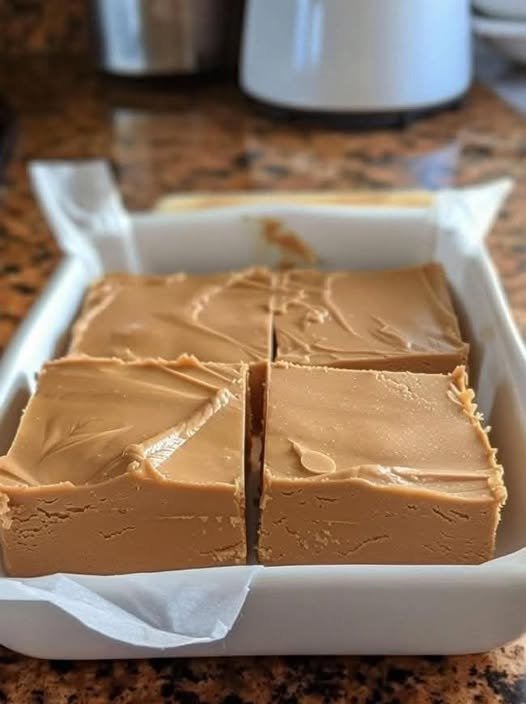
Easy Peanut Butter Fudge

This Easy Peanut Butter Fudge is a classic, old-fashioned recipe that delivers rich, smooth, melt-in-your-mouth squares of peanut butter perfection. With only a handful of ingredients and no stovetop boiling or candy thermometer required, it’s a foolproof recipe that anyone can make. The microwave does all the work, and in just a few minutes you’ll have a creamy fudge that tastes like it came straight from a candy shop.

Perfect for holidays, gifting, bake sales, or simply satisfying your sweet cravings at home.

Ingredients

  • 2 sticks unsalted butter
  • 1 cup creamy peanut butter (Trader Joe’s Unsalted Creamy Peanut Butter recommended, but any smooth peanut butter works)
  • 1 teaspoon pure vanilla extract
  • 1 pound confectioners’ sugar (a full box)

Instructions

1. Melt the Butter and Peanut Butter

Place the butter and peanut butter in a medium or large microwave-safe bowl.
Cover the bowl with a paper plate to prevent splattering. (Plastic wrap can be used, but paper is safer since the mixture gets very hot.)

Microwave on high for 2 minutes, then carefully stir.
Microwave again for another 2 minutes.
The mixture will be extremely hot and bubbling at this point—handle carefully.


2. Add Vanilla and Sugar

Stir the hot mixture briefly, then add the vanilla extract.
Add the confectioners’ sugar and stir with a large spoon until fully combined.

The mixture will thicken quickly and lose its glossy sheen. This is a sign the fudge is ready to be shaped.


3. Transfer to Pan

Line an 8×8 inch square pan with parchment paper, leaving extra overhang on the sides to help lift the fudge out later.
Scoop the mixture into the pan and press it evenly using a spatula.

Fold the extra parchment over the top to cover it.


4. Chill

Refrigerate for about 2 hours, or until the fudge is completely firm.


5. Cut and Store

Lift the fudge out of the pan using the parchment paper.
Cut into 64 pieces (8 cuts across, 8 cuts down) for perfect 1-inch squares.

Storage Options:

  • Room temperature: Store in an airtight container for up to 1 week.
  • Freezing: Wrap fudge tightly in parchment and foil, place in a freezer bag, and freeze for up to 3 months. Thaw at room temperature before serving.

Tips and Variations

  • Add chopped peanuts for extra crunch.
  • Swirl in melted chocolate for a marbled effect.
  • Use crunchy peanut butter for a textured version.
  • Sprinkle sea salt on top before chilling for a sweet-salty contrast.

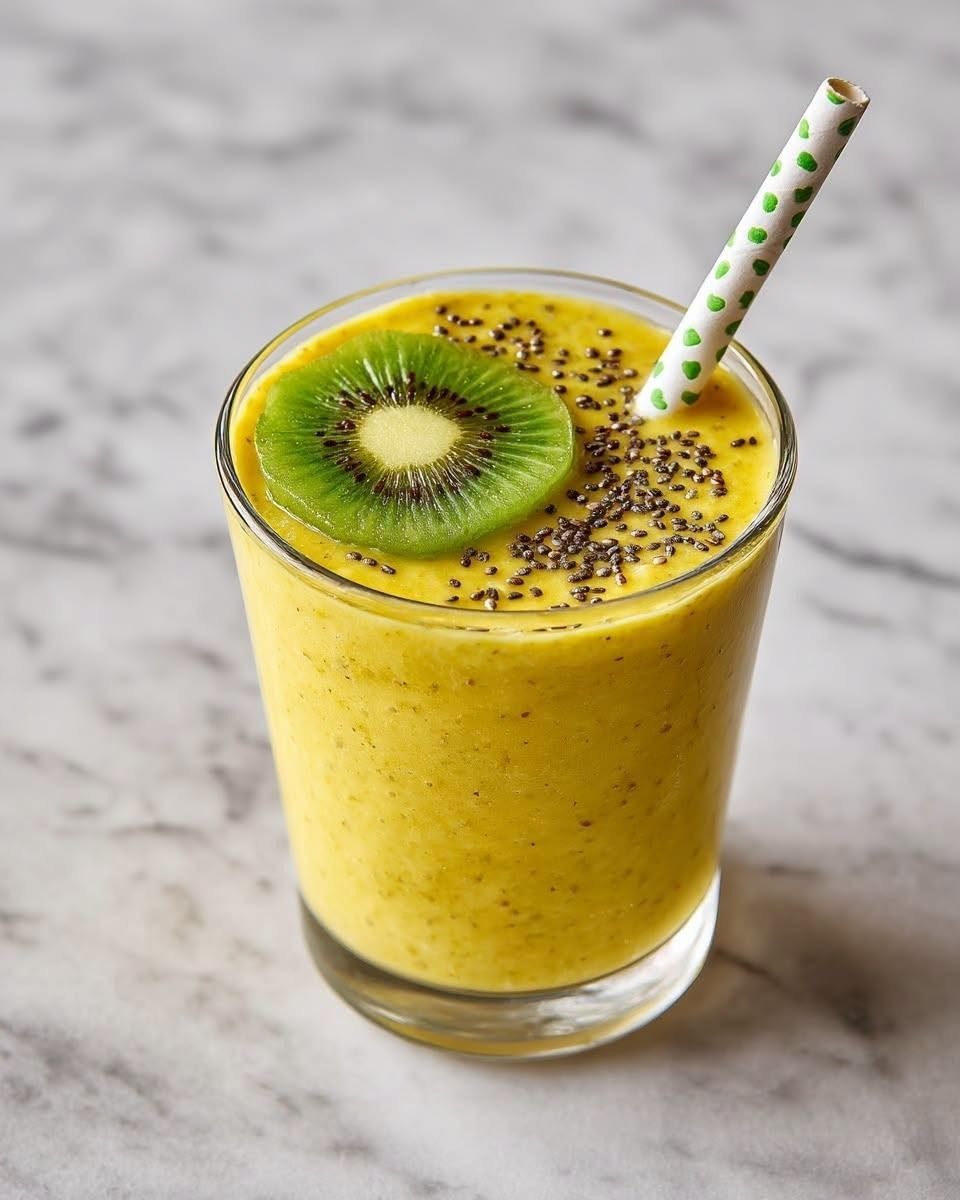
Refreshing Tropical Kiwi Smoothie Recipe

Refreshing Tropical Kiwi Smoothie Recipe

Enjoy a vibrant, nutrient-packed tropical smoothie that brings together the delicious flavours of fresh kiwi and sweet tropical fruits. Topped with chia seeds, this smoothie makes a perfect breakfast or a refreshing mid-day drink.

Ingredients

  • 1 fresh kiwi, peeled and sliced (keep one slice for garnish)

  • 1 cup frozen mango or frozen banana chunks

  • 1/2 cup Greek yogurt or dairy-free coconut yogurt

  • 1/2 cup milk (almond milk, coconut milk, or regular milk)

  • 1 tablespoon chia seeds (for toppings)

  • 1 tablespoon honey or maple syrup (optional, for added sweetness)

  • Ice cubes (optional, for a colder texture)

Instructions

  1. Prepare the Fruit: Wash and peel the kiwi fruit carefully. Cut it into small slices, saving a thin, neat slice to garnish the glass.

  2. Blend the Ingredients: In a high-speed blender, combine the peeled kiwi slices, frozen mango or banana chunks, yogurt, milk, and sweetener of your choice.

  3. Blend Until Smooth: Secure the blender lid and process on high speed for about 45 to 60 seconds until the texture becomes completely creamy and thick.

  4. Adjust Consistency: If the smoothie is too thick, add a splash more milk. If you prefer it colder, toss in a few ice cubes and blend again briefly.

  5. Assemble and Serve: Pour the smoothie into a tall glass. Top it with a slice of fresh kiwi resting gracefully on the rim or surface, and sprinkle the chia seeds lightly over the top. Serve immediately with a colorful straw!

Frequently Asked Questions (FAQ)

Q1: Can I make this smoothie dairy-free or vegan?

Yes! Simply use plant-based milk such as almond, oat, or coconut milk, and substitute Greek yogurt with coconut yogurt or soy yogurt. Use maple syrup instead of honey.

Q2: Can I prepare this smoothie in advance?

It is best enjoyed fresh to retain maximum vitamins and vibrant color. However, you can freeze the cut fruits ahead of time in zip-top bags so you can blend them quickly in the morning.

Q3: Why is kiwi great in smoothies?

Kiwi is rich in Vitamin C, dietary fiber, and antioxidants. It adds a delicious tangy sweetness that balances richer tropical fruits perfectly.

Pro Cooking & Preparation Tips

  • Use Frozen Fruit: Using frozen banana or mango eliminates the need for extra ice, giving your smoothie a richer, ice-cream-like consistency without watering down the flavor.

  • Don’t Over-blend Kiwi Seeds: Blending kiwi for too long can break its tiny black seeds, which may add a slightly bitter taste. Blend the main ingredients first, then toss in the kiwi for the last few seconds.

  • Boost the Nutrition: You can customize this drink by adding a handful of fresh spinach (for a green smoothie kick), a scoop of protein powder, or a tablespoon of flaxseeds along with the chia seeds.

What Happens If You Eat a Banana Before Bed?

What Happens If You Eat a Banana Before Bed?

1. May Help You Sleep Better

 Bananas contain:

  • Magnesium & potassium → relax muscles
  • Tryptophan → helps your body produce serotonin & melatonin ( sleep hormones)

👉 Result: You may feel more relaxed and fall asleep easier

2. Supports Heart & Muscle Function

  • Potassium helps regulate blood pressure
  • Prevents nighttime muscle cramps

 3. Can Prevent Late-Night Hunger

  • Natural carbs + fiber = keeps you full longer
  • Better than sugary snacks before bed

 4. Provides Gentle Energy (Not Too Stimulating)

  • Bananas give steady energy without caffeine
  • Good if you feel weak or hungry at night

 Things to Watch Out For

  • Eating too many may cause bloating or heaviness
  • If you have high blood sugar, portion control matters
  • Very ripe  bananas = higher natural sugar

 Simple Night Remedy (Banana Sleep Drink)

Ingredients:

  • 1 ripe banana
  • 1 cup warm milk (or almond milk)
  • ½ teaspoon cinnamon
  • 1 teaspoon honey (optional)

Instructions:

  1. Blend banana with warm milk
  2. Add cinnamon and honey
  3. Drink 30–60 minutes before bed

👉 This combo boosts relaxation and sleep quality.

 Tips

  • Best time: 1 hour before sleep
  • Stick to 1 banana only
  • Pair with protein (like milk) for better effect

 Quick Q&A

Q: Does it burn fat overnight?
A: No. It supports sleep, not fat loss directly.

Q: Is it good for diabetics?
A: In small portions, yes—but consult your doctor.

Q: Can I eat it daily at night?
A: Yes, if it suits your digestion.

Ginger, Garlic, Onion & Honey Immunity Blend

Ginger, Garlic, Onion & Honey Immunity Blend

The Ginger, Garlic, Onion & Honey Immunity Blend is a traditional homemade mixture made from simple kitchen ingredients. It combines the warming, spicy flavors of fresh ginger and garlic with onion, lemon juice, and naturally sweet honey. Many people prepare blends like this during cold and flu season as part of their everyday wellness routine. While these ingredients contain various beneficial plant compounds and nutrients, this blend should be viewed as a traditional food or home remedy rather than a medical treatment.

Ingredients

For one small batch, you will need:

  • 1 medium onion, finely grated

  • 1 whole bulb of garlic, peeled and minced or crushed

  • 1–2 tablespoons fresh ginger, grated

  • 2–3 tablespoons freshly squeezed lemon juice

  • 4–5 tablespoons honey, preferably raw honey if available

Fresh ingredients are recommended because they provide the strongest flavor and aroma. Choose firm garlic cloves, fresh ginger with smooth skin, and a good-quality onion. Freshly squeezed lemon juice can add a bright, tangy flavor.

Preparation

Begin by washing and preparing your ingredients. Peel the onion and grate it finely. Peel the garlic cloves and mince or crush them thoroughly. Grate approximately 1–2 tablespoons of fresh ginger.

Place the onion, garlic, and ginger into a clean glass jar or bowl. Add the freshly squeezed lemon juice and honey. Stir everything thoroughly until the ingredients are evenly combined and coated with honey.

Transfer the mixture into a clean, tightly covered glass jar if you have not already prepared it there. Refrigerate it for approximately 24 hours before using it. This resting period allows the flavors to blend and produces a strong, concentrated mixture.

Because the preparation contains fresh ingredients, keep it refrigerated and use clean utensils whenever you take some from the jar.

How to Take It

A commonly suggested serving is 1 teaspoon once daily. Some people prefer taking it in the morning, while others find it more comfortable later in the day or with food.

There is no established medical requirement that this mixture must be consumed on an empty stomach. In fact, people with sensitive stomachs may find it more comfortable to take it with or after food.

If the flavor is too strong, mix one teaspoon into a small amount of warm water or tea. Avoid very hot water if you want to preserve the pleasant flavor of the honey.

If you have never tried the mixture before, starting with approximately ½ teaspoon can help you determine how your stomach responds.

Potential Benefits

The ingredients in this blend contain various naturally occurring compounds.

Ginger contains compounds such as gingerols and is traditionally used in foods and drinks for its warming flavor. Ginger is also commonly consumed to help settle digestive discomfort and nausea.

Garlic contains sulfur-containing compounds, including allicin, which forms when garlic is chopped or crushed. Garlic has been extensively studied for its biological effects, although consuming this mixture should not be considered a substitute for treatment or prevention of illness.

Onions contain antioxidant compounds and other plant chemicals. They also contribute flavor and additional nutrients to the mixture.

Honey provides carbohydrates and natural sugars and is traditionally used to soothe an irritated or scratchy throat. Honey can be particularly useful as a soothing food when someone has a cough, although it does not treat the underlying cause of an infection.

Lemon juice contributes vitamin C as well as acidity and fresh flavor. Vitamin C is an essential nutrient involved in normal immune function, but drinking this mixture does not guarantee protection from colds, flu, or other infections.

Overall, the blend can be a flavorful way to include several plant foods in the diet. However, claims that it can “boost immunity,” prevent illness, or cure infections should not be overstated. A healthy immune system depends on many factors, including adequate nutrition, sleep, physical activity, and appropriate medical care.

Storage

Keep the prepared mixture refrigerated in a clean, covered glass container. A commonly suggested storage period is approximately 1–2 weeks, but homemade mixtures containing fresh onion, garlic, ginger, and lemon do not have the same controlled shelf life as commercially prepared foods.

If you notice mold, an unusual appearance, fermentation, an unpleasant smell, or other signs of spoilage, discard the mixture rather than tasting it.

Always use a clean, dry spoon when taking a serving to reduce contamination.

Important Safety Considerations

Honey should never be given to children under 1 year of age because of the risk of infant botulism.

People with sensitive stomachs may experience heartburn, stomach irritation, nausea, or digestive discomfort from the combination of raw onion, garlic, ginger, and lemon. Starting with a small amount can help identify whether you tolerate it.

Garlic and ginger may interact with certain medications or affect bleeding. Anyone taking anticoagulant or antiplatelet medication, or anyone preparing for surgery, should discuss regular consumption of concentrated garlic or ginger preparations with a healthcare professional.

People with allergies to any of the ingredients should avoid the mixture. Those with significant digestive conditions or other medical concerns should also ask their healthcare professional before using concentrated homemade remedies regularly.

How Much Should You Take?

The recipe yields approximately 10–15 teaspoons, depending on the size of the onion and amount of honey and lemon used.

A simple approach is to use 1 teaspoon per day. There is no strong evidence establishing that taking larger amounts provides additional immune benefits. If you tolerate it well, some traditional recipes suggest up to 2 teaspoons per day, but more is not necessarily better.

Because honey contributes a substantial amount of sugar, people who need to control their sugar or carbohydrate intake should take that into consideration.

How Long Can You Use It?

There is no scientifically established schedule requiring someone to take this mixture for a particular number of days. Some people traditionally use similar preparations for one or two weeks, particularly during periods when colds are common.

It is better to think of this mixture as an optional food or traditional remedy rather than something that must be taken continuously. If you are experiencing persistent fever, breathing difficulties, severe pain, dehydration, or symptoms that are getting worse, seek appropriate medical advice rather than relying on the mixture.

Frequently Asked Questions

When should I take it?
You can take it at a convenient time of day. Morning is one option, but there is no established medical evidence that taking it on an empty stomach makes it more effective. If it irritates your stomach, take it with food.

Can I take more than one teaspoon?
Some people consume up to 2 teaspoons, but there is no established benefit to taking large quantities. Start with a small serving and see how you tolerate it.

Can I skip the onion?
Yes. Removing the onion changes the flavor and composition but still leaves you with a ginger, garlic, lemon, and honey mixture.

Can I add turmeric?
Turmeric is another commonly used culinary ingredient and can be added for flavor, although adding it does not turn the mixture into a proven medical treatment.

Is it safe to take every day?
For many healthy adults, small culinary amounts of these ingredients are generally tolerated. However, individual circumstances differ, particularly when medications, allergies, pregnancy, digestive problems, or upcoming surgery are involved.

Final Thoughts

Ginger, garlic, onion, lemon, and honey each have a long history of culinary and traditional use. Together, they create a strong, spicy, sweet, and tangy homemade blend that some people enjoy as part of their wellness routine.

The most important point is to maintain realistic expectations. This mixture is not a cure for infections and should not replace vaccines, prescribed medicines, or professional medical care. Its ingredients can contribute useful nutrients and plant compounds to the diet, while honey can provide a soothing effect on the throat.

Cheesy Hamburger Potato Soup

Cheesy Hamburger Potato Soup

Creamy, hearty, and oh-so-satisfying!

This Cheesy Hamburger Potato Soup is the ultimate comfort food — packed with juicy ground beef, tender potatoes, and loads of melty cheddar cheese. It’s the kind of cozy, feel-good bowl you’ll want to curl up with after a long day or during chilly weather. Each spoonful is rich, flavorful, and guaranteed to warm your soul!

📝 Ingredients:

  • 1 lb ground beef
  • 1 small onion, diced
  • 3 cloves garlic, minced
  • 4 cups potatoes, peeled and diced
  • 4 cups beef broth
  • 1 cup whole milk
  • 2 cups shredded cheddar cheese
  • Salt & pepper to taste
  • Optional: green onions, parsley, or crumbled crackers for topping

👨‍🍳 Directions:

  1. Brown the Beef:
    In a large pot over medium heat, cook the ground beef until browned. Drain excess fat if needed.
  2. Add Aromatics:
    Stir in the diced onion and minced garlic. Sauté for 2–3 minutes until fragrant and soft.
  3. Simmer the Potatoes:
    Add the diced potatoes and pour in the beef broth. Bring to a boil, then reduce heat and simmer until the potatoes are fork-tender (about 15–20 minutes).
  4. Make it Creamy & Cheesy:
    Stir in the milk and shredded cheddar cheese. Keep stirring until the cheese melts and the soup becomes thick and creamy.
  5. Season to Taste:
    Add salt and pepper as needed. Garnish if desired.
  6. Serve Hot:
    Ladle into bowls, top with your favorite garnishes, and enjoy the ultimate cozy meal.

Prep Time: 10 mins
Cook Time: 25 mins
Total Time: 35 mins
Yields: 4–6 servings

Cinnamon Sugar Donut Muffins

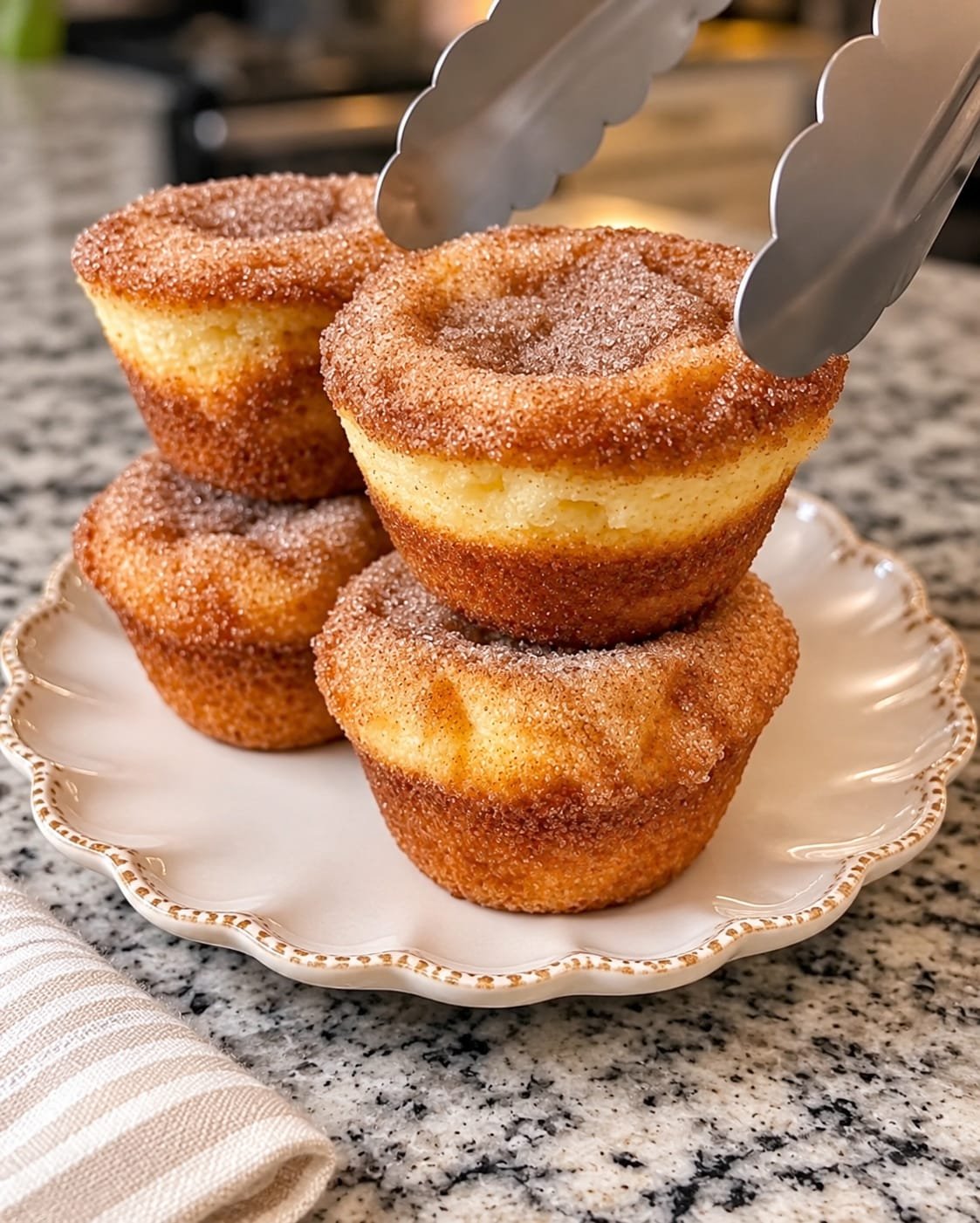
Donut Muffins with a soft buttery crumb and sweet cinnamon sugar coating

Cinnamon Sugar Donut Muffins

Donut Muffins are soft, buttery, and warmly spiced muffins coated in cinnamon sugar for the classic flavor of a bakery-style donut without any deep frying. Donut Muffins are easy to prepare, family-friendly, and perfect for breakfast, brunch, lunchboxes, bake sales, holiday mornings, or a cozy afternoon snack.

The tender crumb gets richness from butter and milk, while cinnamon and nutmeg create that familiar donut-shop flavor. A quick coating of melted butter and cinnamon sugar gives every muffin a sweet, lightly crisp exterior that makes these simple treats feel extra special.

Prep Time: 15 minutes

Cook Time: 16 to 18 minutes
Cooling Time: 10 minutes
Total Time: About 45 minutes
Servings: 12 muffins

Ingredients

For the Muffins

  • 2 cups all-purpose flour
  • 2 teaspoons baking powder
  • 1/4 teaspoon baking soda
  • 1 teaspoon ground cinnamon
  • 1/2 teaspoon ground nutmeg
  • 1/2 teaspoon salt
  • 1/2 cup unsalted butter, softened
  • 3/4 cup granulated sugar
  • 2 large eggs, room temperature
  • 1 teaspoon vanilla extract
  • 3/4 cup whole milk
  • 1/4 cup plain Greek yogurt or sour cream

For the Cinnamon Sugar Coating

  • 6 tablespoons unsalted butter, melted
  • 3/4 cup granulated sugar
  • 1 1/2 tablespoons ground cinnamon

Why You’ll Love This Recipe

Donut Muffins give you the flavor of a cinnamon sugar donut with the convenience of a simple muffin recipe. There is no yeast, no waiting for dough to rise, and no pot of hot oil to manage.

They also use everyday baking ingredients that are probably already in your kitchen. The batter comes together quickly, and the coating takes only a few minutes once the muffins have cooled slightly.

Another reason to love Donut Muffins is their versatility. They are delicious warm from the oven but also store well, making them useful for meal prep, weekend brunches, school snacks, and casual gatherings.

How to Make Donut Muffins

Step 1: Preheat the Oven

Preheat your oven to 350°F or 175°C.

Grease a standard 12-cup muffin pan with nonstick spray or a light coating of butter.

You can use paper liners, but coating the baked muffins is easier when they are baked directly in a greased pan.

Step 2: Combine the Dry Ingredients

In a medium bowl, whisk together flour, baking powder, baking soda, cinnamon, nutmeg, and salt.

Whisking the ingredients first helps distribute the leavening and spices evenly throughout the batter.

Step 3: Cream the Butter and Sugar

Place the softened butter and granulated sugar in a large mixing bowl.

Beat with an electric mixer for about 2 to 3 minutes until the mixture becomes pale and fluffy.

This step adds air to the batter and helps Donut Muffins develop a soft, tender crumb.

Step 4: Add the Eggs

Add the eggs one at a time.

Beat well after each addition and scrape down the sides of the bowl as needed.

Mix in the vanilla extract.

Step 5: Add the Yogurt

Mix in the Greek yogurt or sour cream until smooth.

This ingredient provides extra moisture and helps keep the centers tender without making the batter too thin.

Step 6: Alternate the Flour and Milk

Add about one-third of the dry ingredients to the butter mixture.

Mix gently, then add half of the milk.

Repeat with another portion of flour, the remaining milk, and finally the last of the flour mixture.

Stop mixing as soon as everything is combined.

Overmixing can make Donut Muffins firm instead of soft and fluffy.

Step 7: Fill the Muffin Pan

Divide the batter evenly among the 12 prepared muffin cups.

Fill each cup about three-quarters full.

A large cookie scoop makes portioning the batter quick and helps keep the muffins similar in size.

Step 8: Bake

Place the pan on the center rack of the oven.

Bake for 16 to 18 minutes.

Donut Muffins are ready when the tops look lightly golden and a toothpick inserted into the center comes out clean or with a few soft crumbs.

Step 9: Cool Slightly

Remove the muffin pan from the oven.

Let the muffins rest in the pan for about 5 minutes.

Run a thin butter knife around the edges if necessary, then transfer them to a wire rack.

Step 10: Prepare the Cinnamon Sugar

Combine granulated sugar and cinnamon in a shallow bowl.

Stir until the cinnamon is distributed evenly.

Place the melted butter in a separate shallow bowl.

Step 11: Coat the Muffins

While the muffins are still slightly warm, brush or dip each one lightly in melted butter.

Immediately roll the top and sides in the cinnamon sugar mixture.

For a lighter coating, dip only the top. For classic bakery-style Donut Muffins, coat the entire outside.

Step 12: Serve

Allow the coating to set for a few minutes before serving.

Donut Muffins taste especially good while slightly warm, when the inside is soft and the cinnamon sugar coating is fresh.

Serving Suggestions

Donut Muffins pair beautifully with coffee, cappuccino, black tea, chai, hot chocolate, or a cold glass of milk.

For breakfast or brunch, serve them with fresh berries, sliced bananas, Greek yogurt, eggs, or a colorful fruit salad.

They can also be arranged on a brunch board with mini pancakes, fresh fruit, croissants, and small bowls of jam or nut butter.

For dessert, serve a warm muffin with vanilla ice cream or a light drizzle of caramel sauce.

If you want a cozy fall dessert, try this Pumpkin Cinnamon Streusel Custard Bake with creamy pumpkin filling, warm spices, and a buttery cinnamon streusel topping.

Recipe Tips

Use room-temperature butter, eggs, and milk whenever possible. Ingredients at a similar temperature blend more smoothly and help create an even crumb.

Measure the flour carefully. Too much flour can make Donut Muffins dry. Spoon flour into the measuring cup and level it rather than packing it tightly.

Do not overmix the batter once the flour has been added.

Let the baked muffins cool for only a few minutes before coating them. Slightly warm muffins help the butter and cinnamon sugar adhere better.

If you prefer a thinner coating, brush the muffins with butter rather than dipping them completely.

Easy Variations

Donut Muffins can be customized in several easy ways.

For an apple cinnamon version, fold about 3/4 cup finely diced apple into the batter.

For a chocolate variation, add mini chocolate chips.

You can also replace some of the cinnamon with pumpkin pie spice for a cozy fall flavor.

For a maple finish, skip the cinnamon sugar and drizzle the cooled muffins with a simple glaze made from powdered sugar, maple syrup, and a little milk.

Mini Donut Muffins are another fun option. Bake them in a mini muffin pan for about 9 to 12 minutes, checking early for doneness.

For a fun Halloween dinner, try these Jack-O’-Lantern Mac and Cheese Stuffed Peppers filled with creamy macaroni and cheese inside festive orange bell peppers.

Make-Ahead Instructions

Donut Muffins are a convenient make-ahead breakfast or snack.

Bake the muffins one day before serving and allow them to cool completely.

For the freshest coating, store them plain and add the melted butter and cinnamon sugar shortly before serving.

You can also prepare the dry ingredients in advance and keep them covered at room temperature. When you are ready to bake, simply prepare the wet ingredients and finish the batter.

Storage and Reheating

Store leftover Donut Muffins in an airtight container at room temperature for up to 3 days.

Place a sheet of paper towel under the muffins to help absorb excess moisture and keep the cinnamon coating from becoming sticky.

For longer storage, refrigerate them for up to 5 days.

Warm an individual muffin in the microwave for about 10 seconds if you prefer it soft and warm.

To freeze, wrap uncoated muffins individually and place them in a freezer-safe bag for up to 2 months. Thaw, warm slightly, and add the butter and cinnamon sugar before serving.

Nutrition Information

Approximate nutrition per muffin:

Calories: 290
Protein: 4 g
Carbohydrates: 41 g
Fat: 13 g
Saturated Fat: 8 g
Fiber: 1 g
Sugar: 24 g
Sodium: 210 mg

Nutrition values are estimates and may vary depending on the butter, milk, yogurt, coating amount, and serving size.

Frequently Asked Questions

Can I make Donut Muffins without Greek yogurt?

Yes. Sour cream works very well, or you can use additional milk with a slightly softer batter.

Do I need a special donut pan?

No. This recipe is designed for a regular muffin pan.

Can I use oil instead of butter?

You can use a neutral oil in the batter, but butter provides a richer flavor that tastes more like traditional bakery donuts.

Why are my muffins dry?

The most common causes are too much flour, overmixing, or baking for too long. Measure carefully and begin checking them near the lower end of the baking time.

Can I make Donut Muffins dairy-free?

Yes. Use plant-based butter, dairy-free milk, and dairy-free yogurt.

Can I make them mini-sized?

Yes. Use a mini muffin pan and reduce the baking time to approximately 9 to 12 minutes.

Can I freeze them after coating?

You can, but the cinnamon sugar may become slightly moist after thawing. Freezing the muffins without the coating gives better results.

What is the best way to keep the coating fresh?

Store the muffins in a tightly covered container and avoid refrigerating them unless necessary. For the freshest result, coat them shortly before serving.

Final Thoughts

Donut Muffins are a simple way to enjoy the comforting flavor of cinnamon sugar donuts without frying or working with yeast.

The soft centers, buttery exterior, and generous cinnamon coating make Donut Muffins perfect for breakfast, brunch, bake sales, holiday mornings, or an easy homemade dessert.

Because Donut Muffins are quick to prepare and freeze well, they are also useful when you want a make-ahead treat for busy mornings.

Keep Donut Muffins in your baking collection whenever you want an easy, cozy recipe with classic cinnamon sugar flavor and a soft bakery-style texture.