6-Soup Party Tray

  *6-Soup Party Tray*

Here is the full recipe for all 6 soups in that tray – each recipe makes one small crockpot (4-6 servings).


The Tray:

Use a disposable 6-cup giant muffin pan or 6 small bowls on a tray,


*1. TOP LEFT – Hearty Beef & Potato Soup (with peas)*


  • – 500g beef mince,
  • 2 potatoes cubed,
  • 1 carrot cubed,
  • 1/2 cup frozen peas,
  • 1 onion chopped,
  • 2 tbsp tomato paste,
  • 4 cups beef stock, salt/pepper, parsley

– Method:

Fry mince + onion, add tomato paste, add stock, potatoes, carrots. Simmer 25 min till soft. Add peas last 5 min.


*2. TOP RIGHT – Broccoli Cheddar Soup*


  • – 3 cups broccoli florets,
  • 1 potato cubed small,
  • 1 onion, 2 cups milk,
  • 1 cup chicken stock,
  • 1 cup cheddar cheese,
  • 2 tbsp butter,
  • 2 tbsp flour,
  • salt/pepper

– Method: Melt butter, add onion, add flour. Add stock + milk, add potato + broccoli. Cook 15 min. Mash slightly, stir in cheese until creamy. Top with extra cheddar like photo.


*3. MIDDLE LEFT – Creamy Tomato Soup*


– 800g canned tomatoes,

1 onion,

2 garlic cloves,

2 cups vegetable stock,

1/2 cup cream/milk,

1 tsp sugar,

salt,

pepper,

parsley

– Method: Sauté onion/garlic, add tomatoes + stock + sugar. Blend smooth. Simmer 15 min, stir in cream.


*4. MIDDLE RIGHT – Cabbage Roll / Mince Cabbage Soup*

  • – 400g beef mince,
  • 2 cups chopped cabbage,
  • 1 carrot cubed,
  • 1/2 cup cooked rice,
  • 400g canned diced tomatoes,
  • 3 cups beef stock,
  • 1 onion

– Method: Fry mince + onion, add stock, tomatoes, cabbage, carrot. Simmer 20 min. Add cooked rice at end.


*5. BOTTOM LEFT – Chicken Noodle Soup*

  • – 2 chicken breasts shredded (or leftover),
  • 1 cup egg noodles/pasta,
  • 2 carrots sliced,
  • 1/2 cup peas,
  • 1 onion,
  • 6 cups chicken stock,
  • parsley

– Method: Boil stock + chicken + carrots 15 min. Add noodles cook 8 min. Add peas + shredded chicken.


*6. BOTTOM RIGHT – Chicken Tortilla / Mexican Black Bean Soup*

  • – 2 shredded chicken breasts,
  • 1 can black beans,
  • 1/2 cup corn,
  • 1 can diced tomatoes with chilies,
  • 4 cups chicken stock,
  • 1 tsp cumin, chili powder.
  • For topping: tortilla strips/fried paratha strips

– Method: Mix all in pot, simmer 20 min. Serve topped with crispy tortilla strips like in photo.


*For the Party Table

Set up small bowls with toppings:

shredded cheddar, fried bacon bits, chopped green onions, crispy tortilla strips, lime wedges, chopped coriander –

Serve hot in crockpots on warm setting. Guests take a tray and taste all 6!

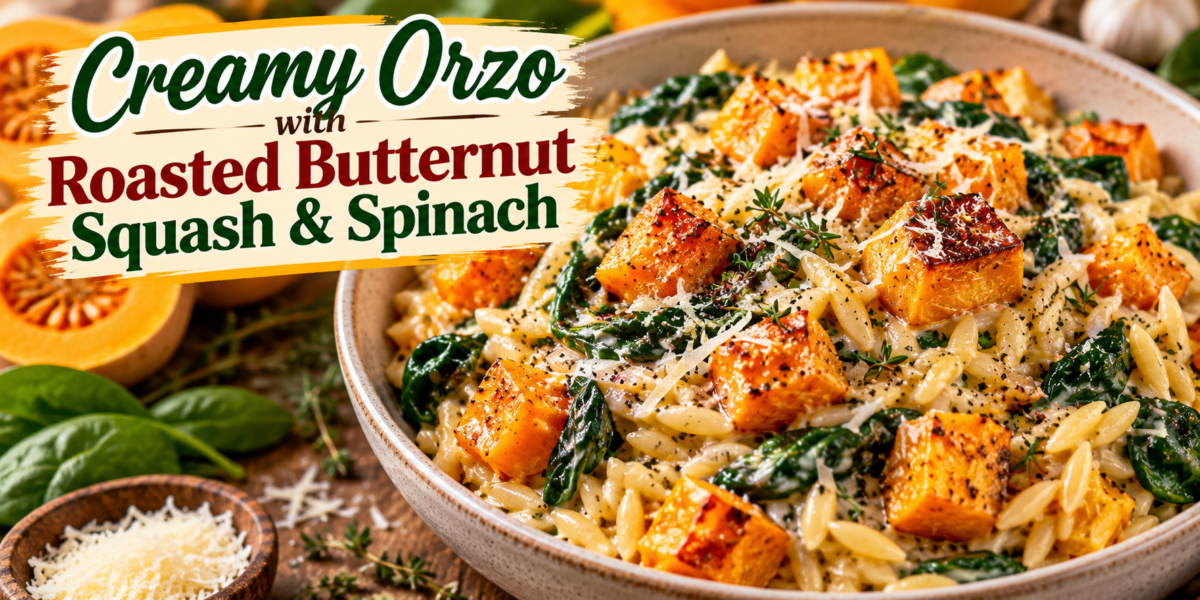
Creamy Orzo with Roasted Butternut Squash & Spinach

Creamy Orzo with roasted butternut squash, spinach, Parmesan, garlic, and fresh herbs

Creamy Orzo with Roasted Butternut Squash & Spinach

This Creamy Orzo recipe combines tender orzo pasta with golden roasted butternut squash, silky spinach, garlic, Parmesan, fresh thyme, and a lightly creamy sauce. The roasted squash brings natural sweetness and caramelized edges, while spinach adds freshness and color. Parmesan gives the dish a rich savory finish, and a little lemon keeps the sauce bright instead of heavy.

This Creamy Orzo is a cozy one-pan-inspired meal that feels elegant enough for guests while remaining simple enough for a weeknight dinner. The texture is somewhere between creamy pasta and a comforting risotto, but the small rice-shaped orzo cooks much faster. Each spoonful of Creamy Orzo brings together tender pasta, roasted squash, wilted greens, herbs, and plenty of Parmesan.

Prep Time: 20 minutes
Roasting Time: 25 minutes
Cooking Time: 20 minutes
Total Time: 1 hour 5 minutes
Servings: 6

Ingredients

For the Roasted Butternut Squash

3 cups peeled butternut squash, cut into ¾-inch cubes

1½ tablespoons extra virgin olive oil

½ teaspoon dried thyme

½ teaspoon garlic powder

¼ teaspoon smoked paprika

½ teaspoon sea salt

¼ teaspoon freshly ground black pepper

For the Orzo

1½ cups dry orzo pasta

2 tablespoons extra virgin olive oil

3 garlic cloves, finely minced

1 small yellow onion, finely diced

4 cups low-sodium vegetable broth

½ cup heavy cream

3 cups fresh baby spinach

¾ cup freshly grated Parmesan cheese

1 tablespoon fresh lemon juice

1 teaspoon lemon zest

1 teaspoon fresh thyme leaves

¼ teaspoon red pepper flakes, optional

½ teaspoon black pepper

Salt, to taste

For Garnishing

Extra Parmesan

Fresh thyme

Freshly cracked black pepper

A drizzle of extra virgin olive oil

A few roasted squash cubes

Lemon wedges, optional

Step-by-Step Instructions

1. Prepare the Oven

Preheat the oven to 425°F (220°C). Line a large rimmed baking sheet with parchment paper. A hot oven is important because the squash needs enough heat to become tender inside while developing browned, caramelized edges for Creamy Orzo.

2. Season the Squash

Place the cubed butternut squash in a large bowl. Add olive oil, dried thyme, garlic powder, smoked paprika, salt, and black pepper. Toss thoroughly until every piece is lightly coated.

Spread the squash over the prepared baking sheet in a single layer. Leave a little space between the cubes whenever possible. If the pieces are crowded, they will release steam instead of roasting and may not develop the golden edges that give the finished dish so much flavor.

3. Roast the Butternut Squash

Roast the squash for 20–25 minutes. Turn the pieces once halfway through cooking so multiple sides can brown evenly.

The squash is ready when it can be pierced easily with a fork and the edges are golden brown. Do not worry if a few corners become deeply caramelized. Those browned pieces add a wonderful sweet and savory flavor.

Reserve a few of the prettiest roasted cubes for the final garnish, especially when presenting Creamy Orzo for guests.

4. Start the Orzo Base

While the squash roasts, heat two tablespoons of olive oil in a large deep skillet or wide saucepan over medium heat.

Add the diced onion and cook for 3–4 minutes until it becomes soft and translucent. Add the minced garlic and cook for another 30–45 seconds, stirring constantly so the garlic becomes fragrant without browning.

Add the dry orzo and stir for approximately one minute. Lightly coating the pasta in the oil helps develop its flavor and keeps the grains from sticking together too quickly.

5. Add the Broth

Pour the vegetable broth into the skillet and stir well. Bring the mixture to a gentle simmer.

Cook for approximately 8–10 minutes, stirring frequently. Orzo can settle on the bottom of the pan, so regular stirring is important. Keep the heat moderate rather than allowing the liquid to boil aggressively.

As the pasta cooks, it absorbs the broth and releases starch. This creates the naturally creamy texture that makes this dish so comforting.

6. Make It Creamy

When the orzo is almost tender but still has a little bite, reduce the heat to low. Stir in the heavy cream and continue cooking for another 2–3 minutes.

Add the Parmesan gradually, stirring until it melts into the sauce. The mixture should become glossy and creamy.

For the best Creamy Orzo, avoid adding the Parmesan over very high heat. Gentle heat allows the cheese to melt smoothly without becoming stringy.

7. Add the Spinach

Add the fresh baby spinach in handfuls. Stir gently until the leaves wilt into the warm pasta.

This usually takes only 1–2 minutes. The spinach should remain vibrant rather than becoming overcooked.

Add lemon juice, lemon zest, fresh thyme, black pepper, and optional red pepper flakes. Taste and adjust the salt if needed.

The lemon is important because it cuts through the richness of the cream and Parmesan while bringing out the sweetness of the roasted squash in Creamy Orzo.

8. Combine the Squash and Pasta

Reserve some roasted squash for decoration and gently fold the remaining cubes into the pasta.

Do not stir too aggressively because the squash is tender and can break apart. A few smaller pieces naturally blend into the sauce, which is perfectly fine and adds even more squash flavor to the Creamy Orzo.

The Creamy Orzo should now have a thick but spoonable consistency. If it seems too thick, add two or three tablespoons of warm vegetable broth and stir gently.

9. Rest Briefly

Remove the skillet from the heat and let it rest for 3–5 minutes. During this short resting period, the sauce will thicken slightly while the flavors settle.

If the pasta becomes thicker than you prefer, loosen it with a small splash of warm broth or cream.

10. Garnish and Serve

Spoon the finished pasta into warm bowls. Top each serving with reserved roasted butternut squash, extra Parmesan, fresh thyme, and freshly cracked black pepper.

For a brighter presentation, add a small drizzle of olive oil and a lemon wedge on the side.

Tips for the Best Creamy Orzo

Cut the Squash Evenly

Try to keep the squash cubes close to the same size. Uniform pieces roast more evenly and make the finished dish look more attractive.

Very large cubes may remain firm while small pieces become overly soft. Around ¾ inch is a useful size for this recipe.

Do Not Overcrowd the Baking Sheet

Give the squash enough space to roast properly. If necessary, use two baking sheets.

A crowded pan traps moisture and produces softer vegetables. Proper spacing encourages caramelization and gives the squash its delicious golden edges.

Stir the Orzo Frequently

Unlike long pasta, orzo cooks directly in the broth and can settle on the bottom of the pan. Stir every minute or two during the main cooking stage.

Frequent stirring also helps distribute the starch, which contributes to the creamy consistency of Creamy Orzo.

Keep the Heat Moderate

High heat can cause the broth to evaporate before the orzo becomes tender. A gentle simmer gives the pasta time to absorb the liquid evenly.

For the best Creamy Orzo, keep the heat low once the cream and Parmesan are added.

Adjust the Consistency

Orzo continues absorbing liquid even after it leaves the stove. Therefore, the finished dish should look slightly looser than the consistency you ultimately want.

If it becomes too thick while sitting, add a splash of warm broth and stir gently.

Serving Suggestions

Serve this Creamy Orzo as a complete vegetarian meal with a crisp green salad dressed with lemon and olive oil. The fresh salad provides a pleasant contrast to the rich pasta and makes Creamy Orzo feel lighter.

For extra protein, add grilled chicken, roasted chickpeas, white beans, or pan-seared salmon to Creamy Orzo. The mild flavor of the pasta allows these additions to work without overpowering the squash and spinach.

This dish also makes a beautiful holiday side. Place it in a large serving bowl and finish with Parmesan, thyme, roasted squash, and freshly cracked pepper.

For a Mediterranean-inspired table, serve Creamy Orzo alongside roasted vegetables, cucumber salad, olives, warm bread, and a simple tomato salad.

Make-Ahead Instructions

The roasted squash can be prepared up to one day ahead. Once cooled, store it in an airtight container in the refrigerator.

The onion and garlic can also be chopped ahead, and the Parmesan can be grated in advance.

Because the orzo continues absorbing liquid as it sits, Creamy Orzo is best served soon after cooking. If you need to prepare it earlier, keep the sauce slightly looser and reserve some warm broth for reheating.

When reheating, place the pasta in a skillet over low heat and add a splash of vegetable broth. Stir gently until warmed through and creamy again.

Storage Instructions

Store leftovers in an airtight container in the refrigerator for up to three days.

The Creamy Orzo will become thicker after refrigeration because the pasta continues absorbing the sauce. Add a splash of vegetable broth or milk when reheating.

Warm leftovers gently on the stovetop or in the microwave, stirring occasionally. Avoid overheating because excessive heat can make the cream sauce too thick.

For the freshest texture, add a little fresh Parmesan, black pepper, and thyme after reheating Creamy Orzo.

Freezing is not recommended because the creamy sauce and spinach may change texture after thawing.

Frequently Asked Questions

Can I use frozen butternut squash?

Yes. Thaw it first and drain away excess moisture. Frozen squash may soften more quickly, so watch it closely during roasting.

Can I replace the heavy cream?

Yes. Half-and-half, evaporated milk, or unsweetened cooking cream can be used. For a lighter version, use additional vegetable broth and a little extra Parmesan.

Can I make this recipe vegetarian?

Yes. Use a vegetarian Parmesan if needed and make sure your vegetable broth is vegetarian.

Can I make it vegan?

Use plant-based cream, vegan Parmesan, and vegetable broth. Choose a dairy-free alternative that melts smoothly into the pasta.

Can I add protein?

Absolutely. Grilled chicken, roasted chickpeas, white beans, shrimp, or salmon can turn this into a more substantial meal.

Can I use another green?

Yes. Kale, Swiss chard, or arugula can replace spinach. Tougher greens may require a few extra minutes of cooking.

Why did my orzo become too thick?

Orzo continues absorbing liquid after cooking. Add warm broth a little at a time until the desired consistency returns.

Nutrition Information

Approximate nutrition per serving:

Calories: 465 kcal
Protein: 16g
Carbohydrates: 58g
Fat: 19g
Fiber: 6g
Sugar: 7g
Sodium: 620mg

Nutrition values are estimates and may vary according to ingredient brands, serving sizes, and substitutions.

Flavor Variations

For a stronger garlic flavor, roast a few whole garlic cloves alongside the squash and mash them into the finished pasta.

For extra heat, increase the red pepper flakes or add a small amount of chili oil just before serving.

For a Mediterranean twist, add sun-dried tomatoes, chopped olives, or a little crumbled feta.

For additional crunch, sprinkle toasted pine nuts, walnuts, or pumpkin seeds over each bowl.

For a brighter autumn flavor, add a small amount of fresh sage with the thyme. Sage pairs beautifully with roasted squash and Parmesan.

If you want a deeper savory flavor, replace part of the vegetable broth with mushroom broth.

Final Thoughts

This Creamy Orzo brings together some of the most comforting flavors of the season in one satisfying bowl. Roasted butternut squash provides natural sweetness and caramelized edges, while spinach adds freshness and color.

The small orzo pasta absorbs the seasoned vegetable broth as it cooks, creating a creamy texture without requiring complicated risotto techniques. Parmesan adds savory richness, while lemon juice and zest keep the dish balanced.

The roasted squash is especially important because it adds a deeper flavor than simply simmering raw squash with the pasta. Its browned edges provide little bursts of caramelized sweetness throughout the dish.

Another advantage of this recipe is its versatility. It can be served as a vegetarian main course, a holiday side, or a comforting weeknight dinner. You can easily add chicken, beans, chickpeas, shrimp, or salmon when you want additional protein.

For the best result, roast the squash until the edges are golden, stir the orzo regularly, and add the Parmesan over gentle heat. Keep a little warm broth nearby so you can adjust the consistency before serving.

This Creamy Orzo is best enjoyed warm, topped with extra Parmesan, fresh thyme, black pepper, and a few beautifully roasted squash cubes. A small squeeze of lemon just before eating can make the flavors even brighter.

Whether served as a cozy family dinner or placed in the center of a festive table, this Creamy Orzo offers a delicious balance of creamy pasta, sweet roasted squash, tender spinach, fragrant herbs, and savory Parmesan. It is comforting, colorful, and easy to customize for different occasions.

Spicy Asian Chicken Satay Recipe

Chicken Satay with spicy peanut sauce, fresh cucumber, cilantro, lime, and roasted peanuts

Spicy Asian Chicken Satay Recipe

This Chicken Satay recipe features tender strips of marinated chicken grilled until golden, juicy, and lightly charred, then served with a creamy spicy peanut sauce. The marinade combines soy sauce, garlic, ginger, lime juice, honey, coriander, cumin, turmeric, and chili for a balanced blend of savory, sweet, tangy, and spicy flavors.

This Chicken Satay is simple enough for a weeknight dinner but attractive enough for parties, family gatherings, and weekend entertaining. Serve the skewers with jasmine rice, crisp cucumber, red onion, fresh cilantro, lime wedges, and extra peanut sauce for a complete Asian-inspired meal.

Chicken thighs are especially juicy, although chicken breast can also be used. The most important step is slicing the meat evenly so the skewers cook at the same rate. A short marinade adds plenty of flavor, while a longer marinade gives the spices more time to work.

Prep Time: 25 minutes
Marinating Time: 1–4 hours
Cook Time: 12–16 minutes
Total Time: About 4 hours 40 minutes
Servings: 4–6

Ingredients

For the Chicken

2 pounds boneless, skinless chicken thighs or chicken breasts

3 tablespoons soy sauce

2 tablespoons neutral oil

1 tablespoon fresh lime juice

1 tablespoon honey or brown sugar

3 garlic cloves, finely minced

1 tablespoon freshly grated ginger

1 teaspoon ground coriander

1 teaspoon ground cumin

1 teaspoon smoked paprika

½ teaspoon turmeric

½ teaspoon chili flakes

½ teaspoon black pepper

2 tablespoons coconut milk

Chicken Satay Spicy Peanut Sauce

½ cup smooth peanut butter

½ cup unsweetened coconut milk

2 tablespoons soy sauce

1 tablespoon fresh lime juice

1 tablespoon honey or maple syrup

1 teaspoon chili garlic sauce

1 teaspoon freshly grated ginger

1 small garlic clove, minced

2–4 tablespoons warm water

Small pinch of salt

For Serving

Fresh cilantro

Sliced cucumber

Lime wedges

Thinly sliced red onion

Chopped roasted peanuts

Cooked jasmine or basmati rice, optional

Extra chili sauce, optional

Step-by-Step Instructions

1. Prepare Chicken for Chicken Satay

Pat the chicken dry with paper towels. If using chicken breasts, place them between sheets of parchment paper and gently pound the thicker areas until the meat has a fairly even thickness.

Slice the chicken into strips about ½ inch thick. Keep the strips similar in size so they cook evenly. Chicken thighs are a particularly good choice because their natural fat helps them stay tender over high heat.

2. Make the Chicken Satay Marinade

In a large bowl, whisk together soy sauce, oil, lime juice, honey, garlic, ginger, coriander, cumin, smoked paprika, turmeric, chili flakes, black pepper, and coconut milk.

Add the chicken and toss thoroughly until every strip is coated. Cover the bowl and refrigerate for at least one hour. For deeper flavor, marinate for up to four hours.

The marinade gives Chicken Satay its characteristic combination of salty, sweet, spicy, and aromatic flavors. Do not leave raw chicken at room temperature while it marinates.

3. Soak the Skewers

If using bamboo skewers, place them in water for at least 30 minutes. This helps prevent the exposed wood from burning during grilling.

Metal skewers can be used without soaking. Keep the marinated chicken refrigerated until you are ready to thread the skewers.

4. Prepare the Peanut Sauce

Add peanut butter, coconut milk, soy sauce, lime juice, honey or maple syrup, chili garlic sauce, ginger, and garlic to a small saucepan.

Warm the mixture over low heat while whisking until smooth. Add warm water one tablespoon at a time until the sauce reaches a creamy dipping consistency.

Taste and adjust the sauce. Add more lime juice for brightness, extra chili garlic sauce for heat, or a little more sweetener if you prefer a sweeter sauce.

The peanut sauce should be rich but pourable. Avoid boiling it rapidly because excessive heat can make the sauce separate.

5. Thread the Chicken

Remove the chicken from the refrigerator. Thread each strip onto a soaked skewer, folding the meat gently back and forth.

Do not pack the pieces too tightly. Small spaces allow heat to reach more surfaces and help create browned, lightly charred edges.

Discard any remaining marinade that has touched raw chicken. Never use it as a dipping sauce unless it has been thoroughly boiled.

6. Heat the Grill

Preheat an outdoor grill or grill pan over medium-high heat. Lightly oil the cooking surface.

A hot cooking surface is important because it quickly browns the chicken and creates flavorful caramelized edges. If using a broiler, place the skewers on a lined baking sheet and position them so the chicken cooks evenly.

7. Grill the Chicken Satay

Place the skewers on the hot grill and cook for about 3–4 minutes on the first side. Turn them carefully with tongs and continue cooking for another 3–4 minutes per side, turning as needed.

The exact cooking time depends on the thickness of the chicken and the heat of your grill. Avoid pressing down on the meat because this can force out the juices.

For food safety, check the thickest piece with a food thermometer. The chicken should reach an internal temperature of 165°F (74°C).

If the exterior becomes dark too quickly, move the skewers to a cooler section of the grill and allow the center to finish cooking more gently.

8. Rest the Skewers

Transfer the cooked Chicken Satay to a clean plate and let it rest for about five minutes. Resting allows the juices to redistribute through the meat, helping the chicken remain tender.

While the skewers rest, stir the peanut sauce. If it has thickened, add a teaspoon or two of warm water.

9. Garnish and Serve Chicken Satay

Arrange the skewers on a large platter. Place the peanut sauce in a bowl alongside them.

Scatter chopped peanuts and fresh cilantro over the chicken. Add cucumber slices, red onion, and lime wedges around the platter.

For a complete meal, serve Chicken Satay with jasmine rice, basmati rice, or a fresh cucumber salad.

Tips for the Best Results

Choose the Right Chicken for Chicken Satay

Chicken thighs are ideal when you want especially juicy skewers. Chicken breast is leaner and works well when sliced evenly and cooked only until it reaches a safe internal temperature.

Give the Marinade Enough Time

At least one hour of marinating gives the chicken a noticeable flavor boost. Several hours allow the garlic, ginger, spices, soy sauce, and lime to develop a deeper taste.

Avoid marinating raw chicken for excessively long periods because the lime juice can eventually affect the texture.

Keep Chicken Satay Pieces Similar

Uniform strips cook more evenly and make the skewers easier to turn. Very thin pieces may dry out before thicker pieces are finished.

Control the Grill Temperature for Chicken Satay

Medium-high heat gives the Chicken Satay attractive browned edges without burning the honey and spices.

If your grill runs very hot, reduce the temperature after the initial browning so the center can cook through without the outside becoming too dark.

Keep the Chicken Satay Sauce Smooth

Heat the peanut sauce gently. If it becomes too thick, add warm water gradually. A good dipping sauce should cling to the chicken but still flow easily from a spoon.

Add Fresh Garnishes to Chicken Satay

Fresh lime, cucumber, cilantro, and red onion cut through the richness of the peanut sauce. Add them just before serving for the best texture.

Serving Suggestions

Chicken Satay makes an excellent appetizer when arranged on a platter with a bowl of peanut sauce in the center. Garnish with cilantro, roasted peanuts, cucumber ribbons, lime wedges, and thinly sliced red onion.

For dinner, serve the skewers with steamed jasmine rice and stir-fried vegetables such as broccoli, bell peppers, carrots, snow peas, or green beans.

A simple cucumber salad is another excellent side. Toss thin cucumber slices with rice vinegar, lime juice, a little sugar, cilantro, and red onion.

For parties, use smaller skewers so guests can easily pick them up and dip them. Offer extra chili sauce and lime wedges so everyone can adjust the heat and acidity.

Make-Ahead Instructions

The chicken can be sliced and marinated several hours before cooking. Keep it covered and refrigerated until you are ready to grill.

The peanut sauce can be prepared up to three days ahead and stored in the refrigerator. Reheat it gently and add warm water if necessary to restore its consistency.

The skewers can be threaded shortly before cooking. Keep prepared skewers refrigerated and covered.

For entertaining, prepare the garnishes in advance and cook the chicken close to serving time so it remains juicy and aromatic.

Storage Instructions

Store leftover Chicken Satay in an airtight container in the refrigerator for up to four days.

Keep the peanut sauce separate when possible. This makes reheating easier and prevents the chicken from becoming overly coated.

Reheat the chicken gently in a skillet, oven, or air fryer until hot throughout. Avoid excessive reheating because it can dry the meat.

Leftover skewered chicken can be removed from the sticks and added to rice bowls, salads, wraps, noodles, or lettuce cups.

Never save unused raw chicken marinade. If you want to turn it into a cooked sauce, it must first be brought to a thorough boil.

Frequently Asked Questions

Can I use chicken breast?

Yes. Chicken breast works well when sliced into even strips. Watch the cooking time carefully because breast meat can become dry if overcooked.

Can I cook the skewers in the oven?

Yes. Arrange them on a lined baking sheet and cook under a preheated broiler, turning during cooking. You can also bake them at 425°F (220°C), although the exterior may have less smoky char.

Can I use an air fryer?

Yes. Arrange the skewers in a single layer and cook at approximately 375°F (190°C), turning halfway through. Because air fryers vary, confirm that the thickest chicken reaches 165°F (74°C).

Can I make the peanut sauce without coconut milk?

Yes. Use warm water to thin the peanut butter, or use an unsweetened dairy-free milk. Coconut milk gives the sauce a richer texture and flavor.

Can I make this recipe nut-free?

Yes. Sunflower seed butter can replace peanut butter. If allergies are involved, check the labels of all packaged ingredients for possible cross-contact.

How can I reduce the heat?

Use fewer chili flakes and reduce the chili garlic sauce. You can also omit fresh chili from the garnish.

How can I make it hotter?

Add extra chili flakes, chili garlic sauce, fresh red chili, or a small drizzle of chili oil before serving.

Nutrition Information

Approximate nutrition per serving, including a moderate amount of peanut sauce:

Calories: 485 kcal
Protein: 39g
Carbohydrates: 16g
Fat: 29g
Fiber: 3g
Sugar: 7g
Sodium: 920mg

Nutrition values are estimates and vary according to ingredients, brands, portion sizes, and the amount of peanut sauce consumed.

Flavor Variations

For extra citrus flavor, add lime zest to the marinade. Orange zest can also create a sweeter citrus aroma.

For a stronger herbal profile, add finely chopped cilantro stems to the marinade and garnish the finished skewers with cilantro, mint, or Thai basil.

For a smoky version, cook the skewers over charcoal. A little smoked paprika in the marinade can enhance the grilled flavor.

For a sweeter glaze, add another teaspoon of honey to the marinade. The sugars will caramelize during cooking and create deeper browned edges.

For a fresh variation, serve Chicken Satay with cucumber ribbons, shredded carrots, red cabbage, and plenty of herbs.

Final Thoughts

Chicken Satay brings together tender marinated chicken, aromatic spices, smoky grilled edges, and a creamy peanut dipping sauce. Soy sauce creates savory depth, while garlic, ginger, lime, coriander, cumin, turmeric, and chili build layers of flavor.

The grilling process gives the chicken its appealing charred exterior while keeping the center juicy when cooked correctly. The peanut sauce adds richness and balances the spicy marinade with a smooth, nutty texture.

This recipe is flexible enough for everyday meals and special occasions. Prepare the marinade and sauce ahead, then grill the skewers shortly before serving.

For the best result, choose chicken thighs for maximum tenderness or use evenly sliced breast meat for a leaner option. Keep the grill hot, turn the skewers regularly, and use a thermometer rather than relying only on appearance.

Serve Chicken Satay with fresh lime, cucumber, cilantro, red onion, roasted peanuts, and plenty of peanut sauce. These garnishes brighten the dish and create a colorful presentation.

Whether served as a party appetizer, family dinner, rice bowl topping, or meal-prep option, Chicken Satay offers a satisfying combination of spicy, savory, sweet, tangy, smoky, and nutty flavors. It is simple enough for everyday cooking while still feeling special enough for entertaining.

Air Fryer Apple Fritter Bites

Air Fryer Apple Fritter Bites with cinnamon apples, golden crisp edges, and sweet vanilla glaze

Air Fryer Apple Fritter Bites

These Air Fryer Apple Fritter Bites are a quick way to enjoy the warm flavor of classic apple fritters without deep frying. Each bite has a lightly crisp outside, a soft center, tender apple pieces, and a sweet vanilla glaze.

The recipe uses simple pantry ingredients and fresh apples. Air frying gives the bites a golden finish with much less oil than traditional fried fritters.

They are perfect for a fall breakfast, weekend brunch, afternoon snack, or easy dessert. Serve them warm with coffee, tea, or a cold glass of milk for a cozy treat.

Why You’ll Love This Recipe

  • Easy preparation: The batter comes together in one bowl with basic ingredients.
  • Less oil: Air frying uses only a light coating of cooking spray.
  • Small portions: Bite-sized fritters are easy to serve and share.
  • Fall flavor: Apples, cinnamon, nutmeg, and vanilla create a classic seasonal taste.
  • Quick cooking: The bites cook in about 8–10 minutes.
  • Sweet finish: A simple vanilla glaze adds the familiar apple-fritter flavor.
  • Family-friendly: The small size makes them easy for kids and adults to enjoy.
  • No deep fryer: You can make them without a pot of hot oil.

Ingredients You’ll Need

For the Apple Fritter Bites

  • 1 large crisp apple, peeled and finely diced
  • 1 cup all-purpose flour
  • ¼ cup granulated sugar
  • 1½ teaspoons baking powder
  • 1 teaspoon ground cinnamon
  • ¼ teaspoon ground nutmeg
  • ¼ teaspoon salt
  • 1 large egg
  • ⅓ cup whole milk
  • 1 teaspoon vanilla extract
  • 2 tablespoons unsalted butter, melted
  • Cooking spray

For the Vanilla Glaze

  • 1 cup powdered sugar
  • 1½ tablespoons milk
  • ½ teaspoon vanilla extract
  • ¼ teaspoon cinnamon, optional

Best Apples to Use

Choose an apple that stays slightly firm during cooking. Honeycrisp, Granny Smith, Pink Lady, and Fuji apples all work well.

A sweet-tart apple gives the fritter bites more flavor and balances the sugary glaze. Avoid very soft apples because they can release too much moisture into the batter.

How to Make Air Fryer Apple Fritter Bites

Step 1: Prepare the Apple

Peel the apple and remove the core.

Cut it into very small pieces, about ¼ inch in size.

Small pieces are important because they cook quickly and distribute evenly through the batter.

Pat the diced apple with a paper towel if it looks very wet. Removing excess moisture helps keep the batter thick.

Step 2: Mix the Dry Ingredients

Add the flour, granulated sugar, baking powder, cinnamon, nutmeg, and salt to a medium mixing bowl.

Whisk the ingredients together until the spices are evenly distributed.

This creates a consistent flavor throughout the fritter bites.

Step 3: Mix the Wet Ingredients

In a separate bowl, whisk the egg, milk, vanilla extract, and melted butter.

Make sure the melted butter has cooled slightly before adding it to the egg mixture.

Whisk until the mixture looks smooth.

Step 4: Make the Batter

Pour the wet ingredients into the dry ingredients.

Stir gently with a spatula until just combined.

Fold in the diced apple.

Do not overmix the batter. A few small lumps are fine, and gentle mixing helps keep the fritters tender.

The finished batter should be thick enough to hold its shape when scooped.

Step 5: Preheat the Air Fryer

Preheat your air fryer to 375°F for about 3 minutes.

Lightly spray the basket with cooking spray.

Preheating helps the outside begin browning quickly once the batter enters the basket.

Step 6: Form the Fritter Bites

Use a small cookie scoop or tablespoon to portion the batter.

Place small mounds of batter into the air fryer basket.

Leave space between each piece so hot air can circulate around the fritters.

Do not flatten them too much because a slightly rounded shape helps create a soft center.

Depending on your air fryer size, you may need to cook the bites in batches.

Step 7: Air Fry

Lightly spray the tops of the batter with cooking spray.

Air fry at 375°F for 4–5 minutes.

Carefully turn the bites using tongs or a small spatula.

Continue cooking for another 4–5 minutes, until the outside is golden brown and the center is cooked.

Cooking time can vary depending on the size of the bites and the air fryer model.

If the bites are still pale, cook them for another 1–2 minutes.

Step 8: Prepare the Glaze

While the fritters cook, add powdered sugar, milk, and vanilla extract to a small bowl.

Whisk until smooth.

For a thicker glaze, use slightly less milk. For a thinner drizzle, add a few drops of milk at a time.

Add a pinch of cinnamon if you want a stronger fall flavor.

Step 9: Glaze the Apple Fritter Bites

Let the cooked bites cool for about 2–3 minutes.

Dip the tops into the glaze or drizzle the glaze over the warm fritters.

Allow the glaze to sit for a minute or two before serving.

For an extra sweet finish, add a second thin layer of glaze after the first layer sets.

Step 10: Serve Warm

Serve the apple fritter bites while they are still slightly warm.

The outside should be lightly crisp, while the inside remains soft with tender apple pieces.

Pair them with coffee, hot tea, apple cider, or cold milk.

Tips for the Best Apple Fritter Bites

Dice the apple small. Large apple pieces can make the bites difficult to shape and may leave parts of the batter undercooked.

Keep the batter thick. A loose batter can spread in the air fryer and produce flat fritters.

Do not overcrowd the basket. Proper airflow helps the outside brown evenly.

Use a cookie scoop. Consistent portions cook at the same rate and make the finished batch look more uniform.

Do not overmix. Mixing only until the flour disappears helps prevent dense fritters.

Watch the final minutes. Small fritters can brown quickly once the air fryer is fully heated.

Glaze after cooking. Adding the glaze after air frying keeps the coating sweet and smooth instead of burning it during cooking.

How to Make Them Extra Crispy

For slightly crispier edges, keep the fritter portions small and avoid placing them too close together.

A light coating of cooking spray also helps the surface brown.

Do not add too much oil because excess oil can make the outside greasy instead of crisp.

If your air fryer has a strong heating element, check the fritters after 7 minutes to prevent over-browning.

Easy Recipe Variations

Cinnamon Sugar Apple Bites

Skip the glaze and toss the warm fritters in a mixture of granulated sugar and cinnamon.

This creates a simple coating similar to a cinnamon-sugar donut.

Maple Glazed Apple Bites

Replace part of the milk in the glaze with pure maple syrup.

The maple flavor pairs especially well with tart apples and cinnamon.

Caramel Apple Fritter Bites

Drizzle warm caramel sauce over the glazed fritters before serving.

Add a small amount of chopped pecans for crunch.

Apple Pie Fritter Bites

Add an extra ¼ teaspoon of cinnamon and a small pinch of ground ginger to the batter.

This gives the bites a flavor similar to classic apple pie.

Nutty Apple Bites

Fold 2 tablespoons of finely chopped pecans into the batter.

Keep the pieces small so they do not interfere with the shape of the fritters.

How to Store Leftovers

Let the fritter bites cool completely before storing them.

Place them in an airtight container and refrigerate for up to 3 days.

For the best texture, reheat them in the air fryer at 350°F for 2–3 minutes.

Add fresh glaze after reheating if the original glaze has absorbed into the fritters.

You can also freeze the cooked bites without glaze for up to 2 months.

Reheat frozen fritters in a 350°F air fryer until warmed through, then add the glaze before serving.

Frequently Asked Questions

Can I use different apples for this recipe?

Yes. Honeycrisp, Granny Smith, Fuji, and Pink Lady apples all work well for air fryer fritter bites.

Can I make apple fritter bites without eggs?

Yes, but the texture will change; use a suitable egg substitute designed for baking.

Why are my fritter bites too soft?

Overly wet batter, large apple pieces, or overcrowding the basket can prevent the outside from becoming crisp.

Can I use canned apples?

Fresh apples are preferred because canned apples contain more moisture and can make the batter too wet.

How do I know when the fritters are done?

They should be golden brown outside and fully set in the center when gently opened.

Can I make these ahead of time?

Yes. Cook them up to a day ahead, refrigerate them, and reheat them in the air fryer before serving.

Can I freeze apple fritter bites?

Yes. Freeze unglazed cooked fritters for up to 2 months and add fresh glaze after reheating.

What should I serve with apple fritter bites?

Serve them with maple syrup, caramel sauce, coffee, tea, whipped cream, or vanilla ice cream for dessert.

Final Thoughts

These Air Fryer Apple Fritter Bites are an easy way to enjoy the flavors of a classic apple fritter with less mess and no deep frying. The combination of crisp edges, tender apples, warm cinnamon, and sweet vanilla glaze makes them especially appealing during the fall season.

For the best results, use a firm apple, keep the batter thick, make small portions, and give each fritter enough room for proper airflow. Serve them warm with your favorite topping for a simple homemade treat that works for breakfast, brunch, snacks, or dessert.

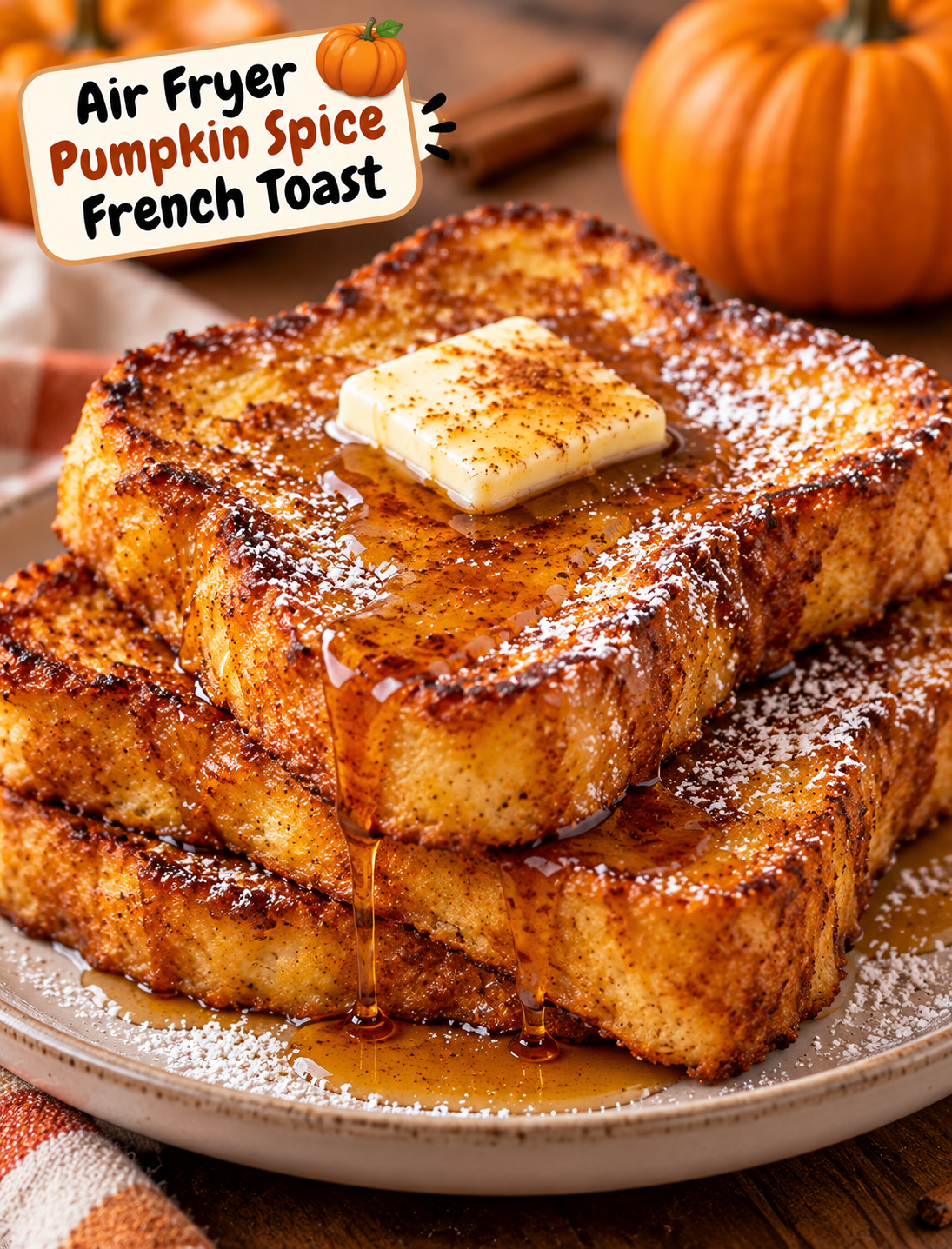
Air Fryer Pumpkin Spice French Toast

Air Fryer Pumpkin Spice French Toast with golden edges, pumpkin spice, maple syrup, and powdered sugar

Air Fryer Pumpkin Spice French Toast

Air Fryer Pumpkin Spice French Toast is a cozy fall breakfast with crisp golden edges, a soft custardy center, and warm pumpkin spice flavor in every bite. It is easy to make, uses simple ingredients, and takes less time than making a full skillet of French toast.

The pumpkin adds moisture and a gentle earthy sweetness, while cinnamon, ginger, and nutmeg give the bread that classic autumn flavor. Cooking the slices in the air fryer also helps create lightly crisp edges without needing much butter or oil.

Serve this pumpkin French toast with maple syrup, powdered sugar, whipped cream, chopped pecans, or fresh fruit for a breakfast that feels special enough for a weekend morning but is simple enough for a weekday.

Why You’ll Love This Recipe

  • Quick breakfast: The air fryer cooks the French toast in about 8–10 minutes.
  • Crispy edges: Hot circulating air helps brown the outside while keeping the middle soft.
  • Fall flavor: Pumpkin puree and pumpkin pie spice create a warm seasonal taste.
  • Simple ingredients: Most ingredients are easy to find at any U.S. grocery store.
  • Small-batch friendly: The recipe makes six slices, making it useful for a small family.
  • Easy to customize: Add pecans, chocolate chips, cinnamon sugar, or your favorite toppings.
  • Less mess: There is no need to stand over a hot skillet flipping bread one slice at a time.

Ingredients You’ll Need

For the French Toast

  • 6 thick slices of brioche, challah, or Texas toast
  • 2 large eggs
  • ½ cup pumpkin puree
  • ½ cup whole milk
  • 2 tablespoons packed brown sugar
  • 1 teaspoon vanilla extract
  • 1½ teaspoons pumpkin pie spice
  • ½ teaspoon ground cinnamon
  • ¼ teaspoon salt
  • Cooking spray

For Serving

  • Pure maple syrup
  • Powdered sugar
  • Whipped cream
  • Chopped pecans
  • Extra pumpkin pie spice

Ingredient note: Use plain pumpkin puree rather than canned pumpkin pie filling. Pumpkin pie filling already contains sugar and spices, which can change the flavor and texture of the recipe.

How to Make Air Fryer Pumpkin Spice French Toast

Step 1: Prepare the Bread

Use thick slices of slightly stale brioche, challah, or Texas toast. Fresh bread can work, but bread that has dried slightly absorbs the pumpkin custard without becoming too soggy.

If your bread is very fresh, place the slices on a baking sheet and leave them uncovered for 30–60 minutes before cooking.

Step 2: Make the Pumpkin Custard

Add the eggs, pumpkin puree, milk, brown sugar, vanilla extract, pumpkin pie spice, cinnamon, and salt to a shallow bowl.

Whisk until the mixture is smooth and evenly combined.

Make sure there are no large streaks of egg white because an even mixture helps each slice cook consistently.

Step 3: Dip the Bread

Dip one slice of bread into the pumpkin mixture.

Coat both sides evenly, but do not leave the bread soaking in the custard for too long. Thick bread usually needs only a few seconds per side.

Let excess mixture drip back into the bowl before transferring the bread to a plate.

Repeat with the remaining slices.

Step 4: Preheat the Air Fryer

Preheat the air fryer to 350°F for about 3 minutes.

Lightly spray the basket with cooking spray to reduce sticking.

If your air fryer does not require preheating, you can still cook the French toast directly, but the first batch may need an extra minute or two.

Step 5: Arrange the French Toast

Place the coated bread slices in the air fryer basket in a single layer.

Leave a little space between each slice so hot air can move around the bread.

Do not stack the slices because overlapping bread can prevent the edges from becoming crisp.

Depending on the size of your air fryer, you may need to cook the French toast in two batches.

Step 6: Air Fry

Cook at 350°F for 4–5 minutes.

Carefully flip each slice.

Continue cooking for another 4–5 minutes, or until the outside is golden brown and the center is cooked through.

The exact cooking time can vary slightly between air fryer models and the thickness of the bread.

Step 7: Check the Texture

The finished French toast should have lightly crisp edges and a soft, set center.

If the slices look pale after 8 minutes, continue cooking for another 1–2 minutes.

Avoid cooking for too long because pumpkin custard can become dry when overcooked.

Step 8: Add Your Favorite Toppings

Transfer the warm slices to plates.

Drizzle with pure maple syrup and dust lightly with powdered sugar.

For a richer fall breakfast, add whipped cream, chopped pecans, and a small sprinkle of pumpkin pie spice.

Serve immediately while the edges are warm and crisp.

Tips for the Best Pumpkin French Toast

Use thick bread. Brioche, challah, and Texas toast are excellent choices because they have enough structure to absorb the custard without falling apart.

Do not oversoak the bread. A quick dip gives you a soft center without making the slices too wet.

Leave space in the basket. Good airflow is important for creating browned, crisp edges.

Use real pumpkin puree. Canned pumpkin puree gives consistent results and adds natural pumpkin flavor.

Adjust the sweetness. If you plan to use plenty of maple syrup, you can reduce the brown sugar slightly.

Watch the second batch. A fully heated air fryer may cook the next batch faster than the first.

Use parchment carefully. If you use air-fryer parchment, make sure it is weighed down by food and is appropriate for your air fryer. Never place loose parchment inside a preheating air fryer.

Easy Topping Ideas

This recipe works well with both classic and creative toppings.

  • Classic: Maple syrup and powdered sugar
  • Crunchy: Chopped pecans or walnuts
  • Creamy: Whipped cream
  • Sweet: Cinnamon sugar and caramel drizzle
  • Fresh: Sliced bananas or apples
  • Extra pumpkin: A spoonful of pumpkin butter
  • Chocolate: Mini chocolate chips or a light chocolate drizzle

For a brunch spread, serve the French toast with scrambled eggs, turkey sausage, fresh berries, or yogurt.

Recipe Variations

Apple Pumpkin French Toast

Add a thin layer of finely diced apple to the top of each slice after dipping. Use a firm apple such as Honeycrisp or Granny Smith for a sweet-tart contrast.

Pecan Pumpkin French Toast

Mix finely chopped pecans into the pumpkin custard or sprinkle them over the bread before air frying. Press them gently into the surface so they stay in place.

Chocolate Pumpkin French Toast

Add a few mini chocolate chips to each slice after dipping. Use a modest amount so the chocolate does not overpower the pumpkin spice flavor.

Dairy-Free Version

Use an unsweetened plant-based milk such as oat or almond milk. Choose a bread that does not contain dairy if you need the entire recipe to be dairy-free.

How to Store Leftovers

Allow leftover French toast to cool completely before storing it.

Place the slices in an airtight container and refrigerate for up to 3 days.

For the best texture, reheat them in the air fryer at 350°F for 2–4 minutes. This helps bring back some of the crispness that can be lost during refrigeration.

You can also freeze cooked slices. Place parchment between the slices and store them in a freezer-safe container for up to 2 months.

Reheat frozen slices in the air fryer at 350°F for about 5–7 minutes, checking them near the end of the cooking time.

Frequently Asked Questions

Can I use regular sandwich bread for pumpkin French toast?

Yes, but thick-cut bread works better because it absorbs the pumpkin custard without becoming too soft.

Can I use pumpkin pie filling instead of pumpkin puree?

It is better to use plain pumpkin puree because pumpkin pie filling already contains sugar and spices.

What temperature should I use for air fryer French toast?

Cook the slices at 350°F for about 8–10 minutes, flipping halfway through.

Why is my French toast soggy?

Soggy French toast usually comes from oversoaking the bread or overcrowding the air fryer basket.

Can I make this recipe without pumpkin pie spice?

Yes. Use a blend of cinnamon, ginger, and nutmeg to create a similar warm spice profile.

Can I prepare the pumpkin custard ahead of time?

Yes. Cover the prepared custard and refrigerate it for up to 24 hours before using.

Can I freeze Air Fryer Pumpkin Spice French Toast?

Yes. Freeze cooled slices with parchment between them and reheat directly in the air fryer when needed.

What is the best bread for this recipe?

Brioche and challah are excellent choices because their thick, soft texture creates a rich center with golden edges.

Final Thoughts

This Air Fryer Pumpkin Spice French Toast is an easy way to bring classic fall flavors to the breakfast table without using a skillet. The pumpkin custard gives each slice a warm seasonal flavor, while the air fryer creates lightly crisp edges and a tender center.

For the best results, use thick bread, avoid oversoaking, cook the slices in a single layer, and serve them warm with maple syrup and your favorite toppings.

Whether you are making a quiet weekend breakfast or preparing a cozy fall brunch, this recipe delivers comforting pumpkin spice flavor with very little effort.

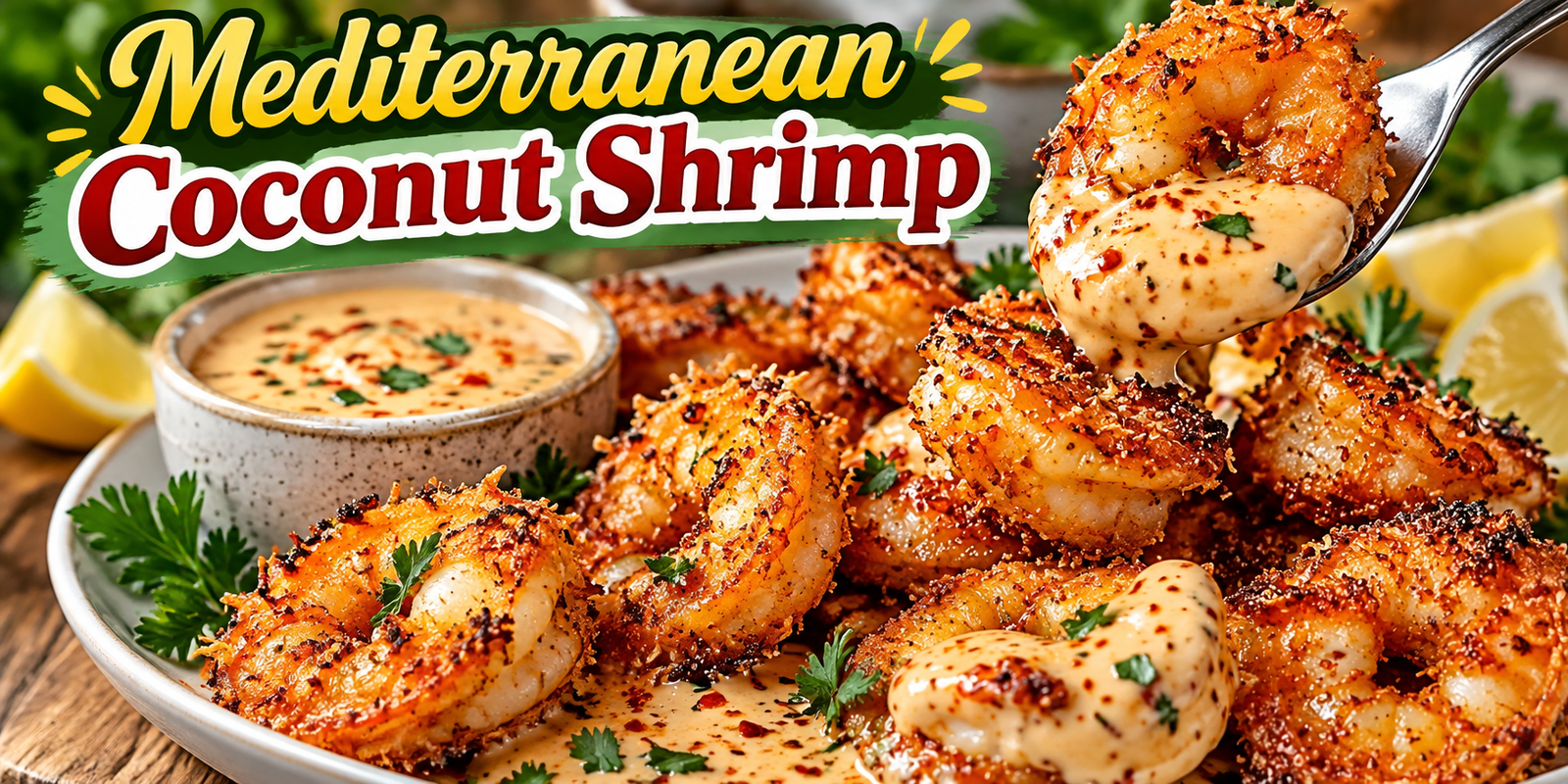
Mediterranean Coconut Shrimp with Sweet Chili Mayo

Mediterranean Coconut Shrimp: 7 Delicious Crispy Dinner Ideas

Mediterranean Coconut Shrimp with Sweet Chili Mayo

Description

Mediterranean Coconut Shrimp with Sweet Chili Mayo is a crispy, golden, flavor-packed seafood dish that combines juicy shrimp with a crunchy coconut coating and a creamy sweet chili dipping sauce. The shrimp are seasoned with garlic, paprika, black pepper, and Mediterranean-inspired herbs before being coated in flour, egg, coconut, and crunchy breadcrumbs.

The result is beautifully crisp on the outside while remaining tender and juicy inside. A creamy sweet chili mayo brings together sweet, tangy, garlicky, and mildly spicy flavors, making every bite incredibly satisfying.

This Mediterranean Coconut Shrimp with Sweet Chili Mayo works beautifully as an appetizer, party snack, light dinner, or seafood platter. For a lighter preparation, the shrimp can be baked or air-fried instead of deep-fried.

Ingredients

For the Coconut Shrimp

1 pound large shrimp, peeled and deveined

1/2 cup all-purpose flour

2 large eggs

1 cup unsweetened shredded coconut

1 cup Panko breadcrumbs

1 teaspoon garlic powder

1/2 teaspoon paprika

1/2 teaspoon dried oregano

1/2 teaspoon salt

1/4 teaspoon black pepper

1 tablespoon olive oil

Cooking spray or additional olive oil for baking

Fresh parsley, for garnish

Lime wedges, for serving

For the Sweet Chili Mayo

1/2 cup mayonnaise

1/4 cup sweet chili sauce

1 tablespoon fresh lime juice

1 small garlic clove, finely grated

1 teaspoon honey, optional

1/4 teaspoon paprika

A small pinch of salt

Step-by-Step Instructions

Prepare the Shrimp

Pat the shrimp completely dry with paper towels. Removing excess moisture is important because dry shrimp allow the coating to adhere much better.

If your shrimp still have tails attached, you can leave them on for an attractive appetizer presentation or remove them for easier eating.

Set the prepared shrimp aside while you prepare the coating.

Prepare the Seasoned Flour

Place the flour in a shallow bowl.

Add garlic powder, paprika, dried oregano, salt, and black pepper.

Mix thoroughly so the seasonings are evenly distributed throughout the flour.

The oregano gives the shrimp a subtle Mediterranean character, while garlic and paprika add savory depth.

Prepare the Coconut Coating

In a second shallow bowl, beat the eggs until smooth.

In a third bowl, combine the shredded coconut and Panko breadcrumbs.

Add a small pinch of paprika and oregano to the coconut mixture if you want additional flavor and color.

Panko helps create a lighter, crunchier exterior while coconut provides the signature texture and slightly sweet flavor. Standard coconut-shrimp recipes commonly use this three-stage flour, egg, and coconut/Panko coating method. Coat the Shrimp

Take one shrimp at a time and first coat it lightly in the seasoned flour.

Shake off any excess flour.

Dip the floured shrimp into the beaten egg and allow excess egg to drip back into the bowl.

Finally, place the shrimp into the coconut-Panko mixture.

Press the coating gently onto the shrimp so it sticks well.

Place the coated shrimp on a clean plate or parchment-lined baking sheet.

Repeat until all the shrimp have been coated.

Chill the Coated Shrimp

For an especially crisp coating, place the coated shrimp in the refrigerator for about 10–15 minutes before cooking.

This short resting period helps the coating set and can reduce the chance of it falling away during cooking.

Bake the Shrimp

Preheat your oven to 400°F (200°C).

Line a baking sheet with parchment paper and lightly spray or brush it with olive oil.

Arrange the coated shrimp in a single layer, leaving a little space between each piece.

Lightly spray the tops with cooking spray or brush them with a small amount of olive oil.

Bake for approximately 10–14 minutes, turning the shrimp halfway through cooking.

The exact cooking time depends on the size of the shrimp. They should be opaque inside and the coating should become crisp and golden. Similar baked versions use approximately 10–14 minutes at around 400°F/200°C.

Make the Sweet Chili Mayo

While the shrimp are cooking, prepare the dipping sauce.

Add mayonnaise, sweet chili sauce, lime juice, grated garlic, honey if using, paprika, and a small pinch of salt to a bowl.

Whisk until smooth and creamy.

Taste the sauce and adjust it according to your preference.

Add a little more lime juice for extra tang, additional sweet chili sauce for sweetness and heat, or a small amount of honey for a sweeter finish.

Refrigerate the sauce until the shrimp are ready.

Serve

Remove the crispy shrimp from the oven and allow them to rest for 1–2 minutes.

Transfer them to a serving platter.

Garnish with chopped fresh parsley and serve with lime wedges.

Place the sweet chili mayo in a small bowl alongside the shrimp for dipping.

For the best texture, serve the shrimp while they’re still warm and crispy.

Tips and Notes

Dry the shrimp well. Wet shrimp can make the coating slide off during cooking. Pat them thoroughly with paper towels before beginning.

Don’t overcrowd the baking sheet. Leave space between each shrimp so hot air can circulate around the coating.

Press the coconut mixture firmly. A gentle press helps create a thicker, more secure crust.

Use Panko breadcrumbs. They create a lighter and crunchier coating than many standard breadcrumbs.

Use unsweetened coconut. The sweet chili mayo already provides sweetness, so unsweetened coconut gives you better control over the overall flavor.

Don’t overcook the shrimp. Shrimp cook quickly. Once they become opaque and firm and the coating is golden, remove them from the oven.

Make the sauce ahead. The sweet chili mayo can be prepared in advance and refrigerated until serving.

For another delicious shrimp preparation, you can also try Baked Garlic Butter Butterflied Shrimp.

Air Fryer Method

You can also make this Mediterranean Coconut Shrimp with Sweet Chili Mayo in an air fryer.

Preheat the air fryer to approximately 380°F (195°C).

Lightly spray the coated shrimp with cooking spray and arrange them in a single layer.

Air fry for approximately 8–10 minutes, turning halfway through, until the shrimp are cooked and the coating is crisp and golden.

Avoid overcrowding the basket. Cook in batches if necessary.

Serving Suggestions

These crispy shrimp make an excellent appetizer for parties, family gatherings, and casual dinners.

Serve them with a fresh cucumber and tomato salad for a lighter Mediterranean-inspired meal.

They can also be served over mixed greens with cherry tomatoes, cucumber, olives, and a squeeze of lime.

For a more filling dinner, serve the shrimp with rice, roasted vegetables, couscous, or warm pita bread.

A small bowl of hummus or a simple lemon-herb yogurt sauce can also complement the crispy coconut coating.

If you enjoy easy shrimp dinners, try our Honey Garlic Shrimp, Sausage & Broccoli for another flavorful one-pan meal.

Q&A

Can I use frozen shrimp?

Yes. Frozen shrimp can be used, but thaw them completely before cooking. Pat them very dry before coating.

Should I use sweetened or unsweetened coconut?

Unsweetened shredded coconut is generally preferable because it keeps the shrimp from becoming overly sweet.

Can I fry the shrimp instead?

Yes. You can deep-fry or shallow-fry the coated shrimp until golden and cooked through. Baking or air frying provides an alternative to frying.

Can I make the sweet chili mayo ahead?

Yes. Prepare the sauce ahead and refrigerate it in a covered container until you’re ready to serve.

Why isn’t my coconut coating crispy?

Excess moisture, overcrowding, or insufficient oil can prevent the coating from becoming crisp. Dry the shrimp thoroughly and leave space between pieces.

Can I make this gluten-free?

Yes. Use gluten-free flour and gluten-free Panko breadcrumbs.

Can I use Greek yogurt instead of mayonnaise?

Yes. Greek yogurt creates a lighter, tangier dipping sauce. You may want to add a little extra sweet chili sauce to balance the flavor.

Servings & Nutrition

Servings: 4

Prep Time: 20 minutes

Cook Time: 12–15 minutes

Total Time: Approximately 35 minutes

Calories: Approximately 390 per serving

Protein: 20 g

Carbohydrates: 30 g

Fat: 23 g

Fiber: 3 g

Sugar: 7 g

Sodium: Approximately 600 mg

Nutrition values are estimates and can vary depending on shrimp size, coating ingredients, mayonnaise, and portion size.

Conclusion

Mediterranean Coconut Shrimp with Sweet Chili Mayo brings together juicy shrimp, crispy coconut coating, Mediterranean-inspired seasoning, and a creamy sweet-and-spicy dipping sauce.

The recipe is simple enough for a weeknight meal but impressive enough for entertaining. Baking or air frying gives you convenient alternatives to traditional frying, while the Panko and coconut combination keeps the exterior satisfyingly crisp.

Serve the shrimp immediately with fresh lime, parsley, and plenty of sweet chili mayo for dipping. Whether you’re making them for a family dinner, appetizer platter, or weekend gathering, this recipe offers a delicious combination of crunchy texture and bold flavor.

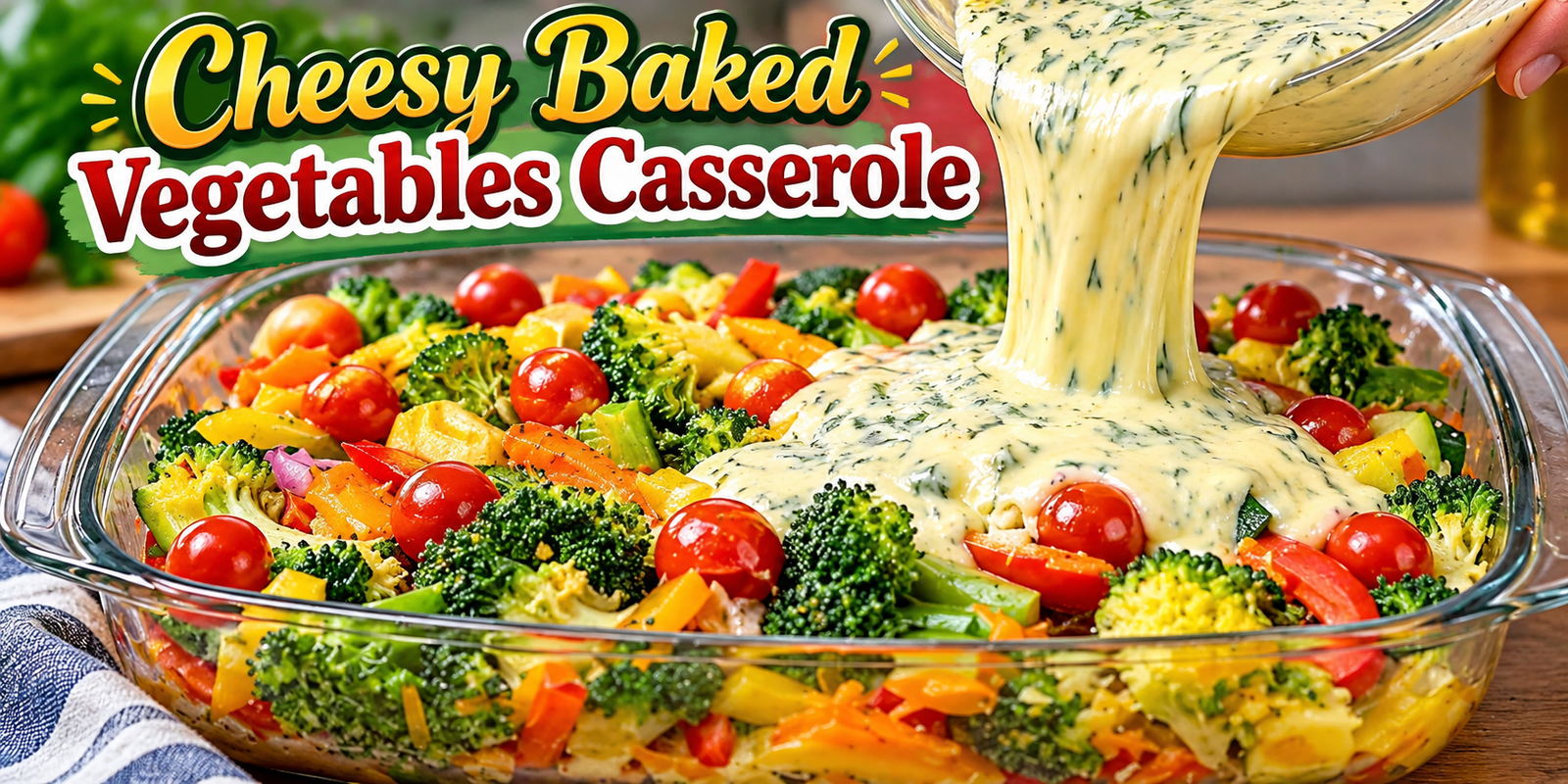
Cheesy Baked Vegetables Casserole

Cheesy Baked Vegetables Casserole

Cheesy Baked Vegetables Casserole

Description

Cheesy Baked Vegetables Casserole is a warm, creamy, colorful, and comforting dish packed with tender vegetables and plenty of melted cheese. It is an easy way to turn everyday vegetables into a satisfying side dish that works beautifully for family dinners, weekend meals, potlucks, and holiday gatherings.

This Cheesy Baked Vegetables Casserole combines broccoli, cauliflower, carrots, bell peppers, zucchini, onions, and a creamy seasoned sauce. Everything is topped with mozzarella and Parmesan before being baked until bubbling and golden.

The vegetables provide natural color and texture, while the creamy cheese sauce brings everything together. You can easily customize the recipe according to the vegetables you already have in your refrigerator.

Ingredients

For the Vegetables

2 cups broccoli florets

2 cups cauliflower florets

1 large carrot, sliced

1 medium zucchini, sliced

1 red bell pepper, chopped

1 small yellow onion, sliced

2 cloves garlic, minced

1 tablespoon olive oil

1/2 teaspoon salt

1/2 teaspoon black pepper

1/2 teaspoon Italian seasoning

1/2 teaspoon dried oregano

For the Creamy Sauce

1 cup heavy cream

1/2 cup cream cheese, softened

1/2 cup shredded cheddar cheese

1/2 teaspoon garlic powder

1/4 teaspoon paprika

1/4 teaspoon black pepper

1/4 teaspoon salt

For the Topping

1 cup shredded mozzarella cheese

1/3 cup grated Parmesan cheese

1 tablespoon chopped fresh parsley

1/2 teaspoon dried oregano

Step-by-Step Instructions

Prepare the Oven

Preheat your oven to 375°F (190°C).

Lightly grease a 9×13-inch baking dish with olive oil or nonstick cooking spray.

Preparing the baking dish before adding the vegetables helps prevent sticking and makes serving easier.

Prepare the Vegetables

Wash and dry all of the vegetables thoroughly.

Cut the broccoli and cauliflower into similar-sized florets so they cook evenly. Slice the carrot fairly thin because carrots take longer to become tender. Slice the zucchini into medium rounds and chop the bell pepper into bite-sized pieces.

Slice the onion and mince the garlic.

Place all the prepared vegetables into a large mixing bowl.

Season the Vegetables

Add olive oil, salt, black pepper, Italian seasoning, and dried oregano to the vegetables.

Toss everything gently until the vegetables are evenly coated.

The olive oil helps the vegetables roast while the herbs add flavor throughout the casserole.

Make the Creamy Cheese Sauce

Place the heavy cream and softened cream cheese in a saucepan over low to medium heat.

Whisk gently until the cream cheese melts into the cream and creates a smooth mixture.

Add the shredded cheddar, garlic powder, paprika, black pepper, and salt.

Continue stirring until the cheese melts and the sauce becomes creamy.

Do not boil the sauce aggressively. Gentle heating helps keep the cheese mixture smooth.

Combine the Vegetables and Sauce

Transfer the seasoned vegetables into the prepared baking dish.

Pour the creamy cheese sauce evenly over the vegetables.

Use a large spoon or spatula to gently toss the vegetables so the sauce coats as much of them as possible.

Spread everything into an even layer.

Add the Cheese Topping

Sprinkle the shredded mozzarella evenly over the top.

Follow with the grated Parmesan.

The mozzarella creates a soft, stretchy melted layer, while Parmesan helps create a flavorful golden crust.

Sprinkle a little dried oregano over the cheese if desired.

Bake

Cover the baking dish loosely with aluminum foil and place it in the preheated oven.

Bake for approximately 25 minutes.

Remove the foil and continue baking for another 15–20 minutes, or until the vegetables are tender and the cheese is melted, bubbling, and lightly golden.

If you prefer a darker, crispier cheese topping, you can carefully broil the casserole for 1–2 minutes at the end. Watch it closely because the cheese can brown very quickly.

Rest Before Serving

Remove the casserole from the oven and let it rest for approximately 5–10 minutes.

This gives the creamy sauce a chance to settle and makes the casserole easier to serve.

Sprinkle fresh parsley over the top just before serving.

Tips and Notes

Cut vegetables evenly. Similar-sized pieces cook more consistently and help prevent some vegetables from becoming overcooked while others remain firm.

Don’t use too much liquid. Vegetables naturally release moisture while baking. Avoid adding unnecessary water or broth because it can make the casserole watery.

Pre-cook firm vegetables if needed. If your carrot pieces are particularly thick, blanch them briefly before adding them to the casserole.

Dry vegetables thoroughly. Excess water on freshly washed vegetables can dilute the creamy sauce.

Don’t overbake. Once the vegetables are tender and the cheese is golden and bubbling, the casserole is ready.

Use freshly shredded cheese when possible. Freshly shredded cheese generally melts smoothly and creates a better topping.

Customize the vegetables. You can add mushrooms, spinach, green beans, peas, corn, or roasted red peppers.

Add some spice. A pinch of red pepper flakes or cayenne can give the casserole a gentle kick.

For extra flavor, add a small amount of fresh thyme, rosemary, basil, or parsley.

Easy Variations

You can make this Cheesy Baked Vegetables Casserole with almost any combination of vegetables you have available.

For a Mediterranean-inspired variation, add cherry tomatoes, spinach, olives, feta cheese, and oregano.

For a heartier version, add cooked shredded chicken or turkey.

For a low-carb option, focus on broccoli, cauliflower, zucchini, mushrooms, spinach, and bell peppers while reducing higher-carbohydrate vegetables.

For a stronger cheese flavor, replace some of the mozzarella with sharp cheddar or Parmesan.

For extra crunch, sprinkle a small amount of seasoned breadcrumbs over the cheese before baking.

Serving Suggestions

This Cheesy Baked Vegetables Casserole makes an excellent side dish alongside grilled chicken, roasted chicken, baked salmon, turkey, or steak.

It can also be served as a vegetarian main dish with a fresh green salad and whole-grain bread.

For a family dinner, pair it with roasted potatoes or rice and a simple protein.

Because the casserole is creamy and cheesy, fresh vegetables or a crisp salad make a refreshing contrast.

It is also suitable for gatherings because you can assemble the casserole ahead of time and bake it shortly before serving.

If you enjoy crispy Mediterranean-inspired snacks, try our Mediterranean Spinach & Feta Crisps – Easy Crispy Healthy Snack Recipe.

Make-Ahead Instructions

To prepare the casserole ahead of time, assemble the vegetables and sauce in the baking dish.

Cover the dish and refrigerate it until you’re ready to bake.

When you are ready to cook, allow the chilled casserole to sit outside the refrigerator briefly while the oven preheats.

Because a refrigerated casserole starts colder, it may need a little additional baking time.

For the freshest cheese topping, you can add the mozzarella and Parmesan shortly before baking.

Storage and Reheating

Allow leftover Cheesy Baked Vegetables Casserole to cool before transferring it to an airtight container.

Refrigerate leftovers and use them within a few days.

For reheating, place a serving in the microwave and heat until warmed through.

You can also reheat the casserole in the oven at approximately 350°F (175°C). Cover it loosely with foil to prevent the cheese from becoming overly dry.

Q&A

Can I use frozen vegetables?

Yes. Frozen broccoli, cauliflower, peas, and other vegetables can be used. Thaw and drain them well first to reduce excess moisture.

Can I make this casserole without heavy cream?

Yes. You can substitute part or all of the heavy cream with milk or evaporated milk, although the final sauce will be lighter and less rich.

Can I add chicken?

Yes. Add approximately 1–2 cups of cooked shredded or chopped chicken to make the casserole more filling.

Can I make it vegetarian?

Yes. The recipe can be prepared as a vegetarian dish. Check the labels of your cheese and other ingredients if you follow a strict vegetarian diet.

Why is my casserole watery?

Vegetables naturally contain water, especially zucchini and mushrooms. Excess moisture can also come from frozen vegetables that have not been drained properly. Make sure vegetables are dry and avoid adding unnecessary liquid.

Can I freeze the casserole?

It can be frozen, although creamy sauces and some vegetables may change slightly in texture after thawing. For the best texture, refrigeration and reheating within a few days is preferable.

Servings & Nutrition

Servings: 6

Prep Time: 20 minutes

Cook Time: 40–45 minutes

Total Time: Approximately 1 hour

Estimated Calories: 320 per serving

Protein: 14 g

Carbohydrates: 18 g

Fat: 22 g

Fiber: 5 g

Sugar: 6 g

Nutrition values are estimates and can vary depending on the exact vegetables, cheese, cream, and portion sizes used.

For another version of this crispy Mediterranean snack, see Beetroot, Chickpea & Feta Mediterranean Salad

Conclusion

This Cheesy Baked Vegetables Casserole is an easy and comforting way to enjoy a generous variety of vegetables in one delicious dish. Tender broccoli, cauliflower, carrots, zucchini, bell peppers, and onions are combined with a creamy cheese sauce and finished with a golden layer of mozzarella and Parmesan.

The recipe is flexible, making it easy to adjust according to your family’s preferences or the vegetables available in your kitchen. You can make it vegetarian, add cooked chicken for extra protein, change the cheese combination, or add herbs and spices for a different flavor.

Whether you’re preparing a simple weeknight dinner, a holiday meal, or a family gathering, this casserole offers a warm, satisfying dish that can be prepared ahead and baked until golden and bubbling.

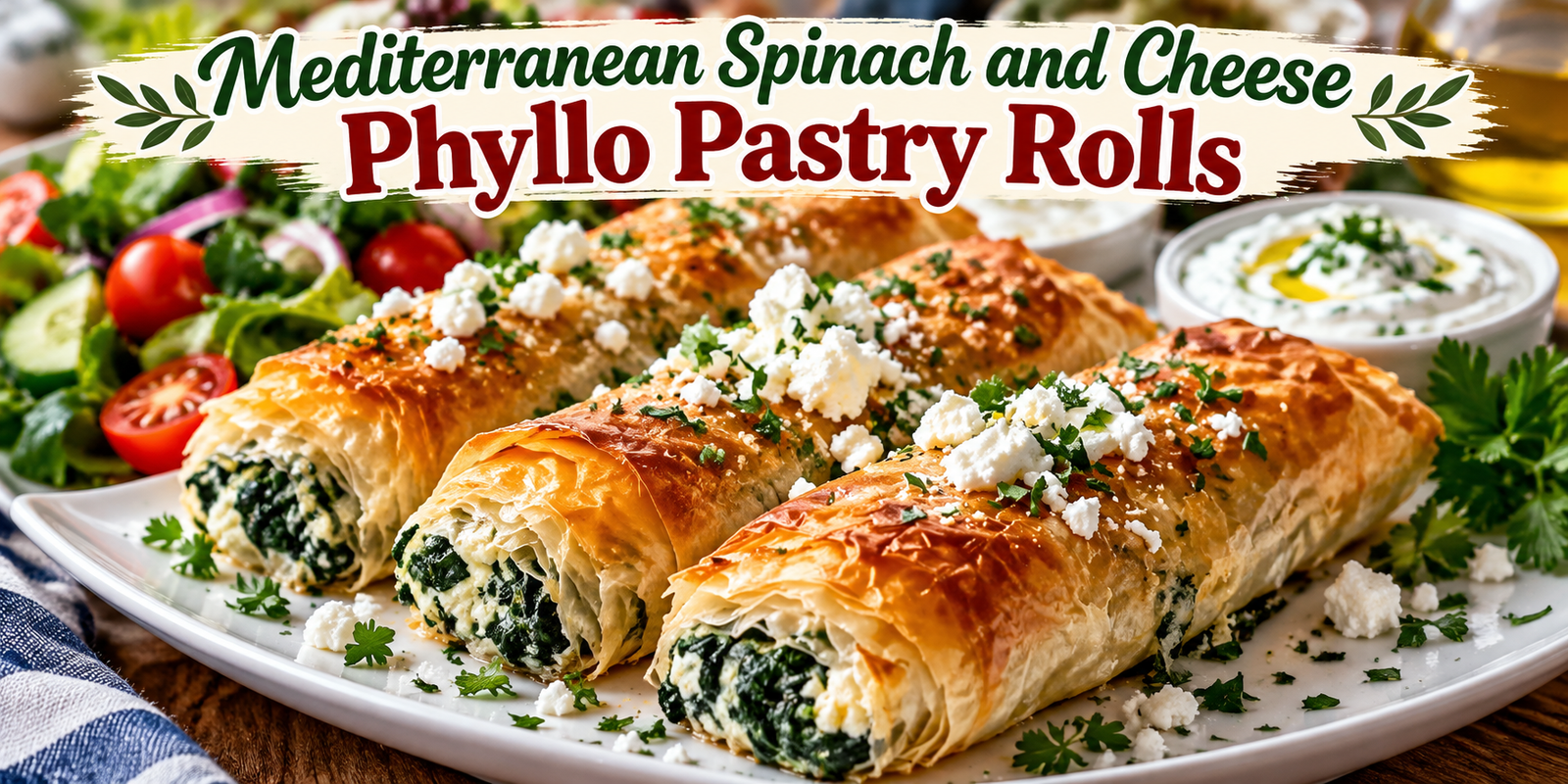
Mediterranean Spinach and Cheese Phyllo Pastry Rolls

Mediterranean Spinach and Cheese Phyllo Pastry Rolls with feta and fresh spinach

Mediterranean Spinach and Cheese Phyllo Pastry Rolls

Description

Mediterranean Spinach and Cheese Phyllo Pastry Rolls are crispy, golden, and delicious little pastries filled with tender spinach, creamy cheeses, garlic, onion, and Mediterranean herbs. Delicate layers of phyllo pastry are brushed lightly with olive oil or melted butter, wrapped around the savory filling, and baked until beautifully golden and crisp.

These Mediterranean Spinach and Cheese Phyllo Pastry Rolls are perfect for appetizers, brunch, family gatherings, holiday tables, or a light vegetarian meal. The combination of salty feta, creamy ricotta, stretchy mozzarella, spinach, garlic, and herbs creates a flavorful filling inside wonderfully flaky pastry.

The best part is that the recipe looks impressive while using simple ingredients and straightforward preparation. You can also prepare the rolls ahead of time and refrigerate or freeze them before baking.

Ingredients

For the Spinach and Cheese Filling

5 cups fresh spinach, or 10 ounces frozen spinach, thawed and squeezed completely dry

1 tablespoon olive oil

1 small onion, finely chopped

2 cloves garlic, minced

1/2 teaspoon salt

1/4 teaspoon black pepper

1/4 teaspoon ground nutmeg, optional

1/2 teaspoon dried oregano or dried dill

1/2 cup crumbled feta cheese

1/2 cup ricotta cheese or cottage cheese

1/2 cup shredded mozzarella cheese

1 large egg, lightly beaten

For the Phyllo Pastry

8–10 phyllo sheets, thawed if frozen

1/4 cup olive oil or melted butter for brushing

1 tablespoon sesame seeds, optional

Step-by-Step Instructions

Prepare the Spinach

Start by preparing the spinach because removing excess moisture is one of the most important steps in making crisp phyllo rolls.

If using fresh spinach, rinse it thoroughly and add it to a large skillet over medium heat. Cook until the leaves wilt and most of their moisture has evaporated.

If using frozen spinach, thaw it completely and squeeze out as much water as possible using a clean kitchen towel or several layers of paper towels.

The spinach should be quite dry before it goes into the filling. Excess moisture can make the pastry soft instead of crisp.

Cook the Onion and Garlic

Heat the olive oil in a large skillet over medium heat. Add the finely chopped onion and cook for about 3–4 minutes, stirring occasionally, until the onion becomes soft and translucent.

Add the minced garlic and cook for another 30–60 seconds. Be careful not to burn the garlic because it can become bitter.

Add the prepared spinach to the skillet and stir everything together.

Season with salt, black pepper, oregano or dill, and optional nutmeg. Cook for another minute or two, allowing any remaining moisture to evaporate.

Remove the skillet from the heat and allow the mixture to cool.

Make the Cheese Filling

Once the spinach mixture has cooled, transfer it to a mixing bowl.

Add the crumbled feta, ricotta or cottage cheese, and shredded mozzarella. Mix gently until the cheeses are evenly distributed throughout the spinach.

Taste the mixture before adding the egg and adjust the seasoning if necessary. Remember that feta is naturally salty, so you may not need additional salt.

Add the lightly beaten egg and mix until everything is combined.

The finished filling should be moist and creamy but not watery.

Prepare the Oven and Baking Sheet

Preheat your oven to 375°F (190°C).

Line a large baking sheet with parchment paper. This helps prevent the pastry rolls from sticking and makes cleanup easier.

Place the thawed phyllo sheets on a clean work surface and cover them with a slightly damp kitchen towel.

Phyllo pastry dries out quickly when exposed to air, so keeping the unused sheets covered will help prevent them from cracking.

Layer the Phyllo Sheets

Take one phyllo sheet and place it flat on your work surface.

Lightly brush the surface with olive oil or melted butter.

Place another phyllo sheet directly on top and brush it lightly again.

Using two layers gives the rolls enough structure while keeping the finished pastry delicate and crisp.

Cut the layered phyllo into three long strips, approximately 3–4 inches wide.

Fill the Pastry

Place approximately 1–2 tablespoons of the spinach and cheese mixture near the bottom of each phyllo strip.

Avoid adding too much filling because overfilling can make the rolls difficult to close and may cause the filling to leak during baking.

Fold the sides of the phyllo slightly inward over the filling.

Then begin rolling the pastry upward, creating a neat little log.

Continue rolling until you reach the top.

Place each finished roll seam-side down on the parchment-lined baking sheet.

Repeat with the remaining phyllo sheets and filling.

Brush and Bake

Once all the rolls are arranged on the baking sheet, lightly brush their tops with olive oil or melted butter.

For extra texture and visual appeal, sprinkle sesame seeds over the tops.

Place the baking sheet in the preheated oven and bake for approximately 25–30 minutes, or until the pastry becomes golden brown, crisp, and beautifully flaky.

Keep an eye on the rolls during the final few minutes because phyllo can brown quickly.

Cool Slightly Before Serving

Remove the baked rolls from the oven and allow them to cool for approximately 5 minutes.

This short resting period allows the filling to settle and makes the rolls easier to handle.

Serve them warm or at room temperature with your favorite dipping sauce.

Tips and Notes

Keep the phyllo covered. Phyllo pastry dries very quickly. Keep unused sheets underneath a slightly damp kitchen towel while you work.

Drain the spinach extremely well. This is one of the most important secrets to crispy rolls. Whether using fresh or frozen spinach, remove as much moisture as possible.

Cool the filling before assembling. Warm spinach can soften the phyllo and make the pastry harder to handle.

Don’t overfill the rolls. One to two tablespoons of filling per strip is generally enough. Too much filling can cause the pastry to split.

Brush lightly. You don’t need to soak the phyllo in oil or butter. A thin, even coating helps create crisp, golden layers.

Taste before adding the egg. Feta and other cheeses can already provide plenty of salt, so taste the spinach-cheese mixture first.

Use fresh herbs when available. Fresh parsley, dill, mint, or basil can add a bright Mediterranean flavor.

Give the rolls enough space. Leave a little room between them on the baking sheet so the hot air can circulate and crisp the pastry evenly.

For another fresh combination of fruit, greens, nuts, and a light dressing, try Apple Walnut Cranberry Salad with Citrus Maple Dressing.

Delicious Variations

For a heartier version, add shredded cooked chicken to the spinach and cheese filling.

You can also add finely chopped sun-dried tomatoes for a sweet and savory Mediterranean flavor.

Sautéed mushrooms make another delicious addition. Make sure to cook them until their excess moisture has evaporated before adding them to the filling.

For extra freshness, add finely chopped parsley, dill, or mint.

If you enjoy a little heat, add a small pinch of red pepper flakes or paprika.

You can replace some of the mozzarella with goat cheese for a tangier filling.

Serving Suggestions

These Mediterranean Spinach and Cheese Phyllo Pastry Rolls are excellent served as an appetizer with a cool garlic-yogurt dip.

Tzatziki is another great option because its creamy, refreshing flavor balances the crisp pastry and savory filling.

You can also serve the rolls with hummus, tahini-lemon sauce, marinara, or a simple Greek yogurt dip.

For brunch, pair them with a fresh tomato and cucumber salad, fresh fruit, or roasted vegetables.

They also work beautifully as part of a Mediterranean-inspired appetizer platter alongside olives, hummus, feta, roasted vegetables, and fresh herbs.

For another delicious Mediterranean-inspired meal, try our Feta and Spinach Greek Style Quesadillas.

Make-Ahead and Freezer Instructions

These Mediterranean Spinach and Cheese Phyllo Pastry Rolls are convenient for preparing ahead of time.

To refrigerate them, assemble the rolls and place them on a parchment-lined tray. Cover them carefully and refrigerate for up to 24 hours before baking.

When you’re ready to bake, place them on a baking sheet, brush with olive oil or melted butter, and bake until golden and crisp.

For freezing, assemble the rolls but do not bake them. Arrange them in a single layer on a tray and freeze until firm. Once frozen, transfer them to a freezer-safe container or bag.

Bake directly from frozen, adding several extra minutes to the normal baking time. Watch the pastry carefully toward the end and bake until golden brown and crisp.

Q&A

Can I use frozen spinach?

Yes. Frozen spinach works very well. Thaw it completely and squeeze out as much water as possible before adding it to the filling.

Can I use cottage cheese instead of ricotta?

Yes. Cottage cheese is a good substitute for ricotta and creates a creamy filling. If the cottage cheese contains a lot of liquid, drain it first.

Can I prepare these rolls the day before?

Yes. You can assemble them and refrigerate them before baking. Keep them covered so the phyllo doesn’t dry out.

What sauce goes best with these rolls?

Tzatziki, garlic yogurt sauce, hummus, tahini-lemon dressing, and marinara are all delicious choices.

Why did my phyllo pastry become soggy?

The most common reason is excess moisture in the spinach filling. Make sure the spinach is squeezed very dry and allow the cooked filling to cool before assembling.

Can I make these without butter?

Yes. Olive oil works very well for brushing the phyllo and gives the rolls a delicious Mediterranean flavor.

How do I prevent phyllo from tearing?

Keep the unused sheets covered with a slightly damp kitchen towel and handle each sheet gently. If a sheet tears slightly, don’t worry; another layer can usually cover the tear.

Servings & Nutrition

Servings: Approximately 18–24 rolls

Prep Time: 25 minutes

Cook Time: 25–30 minutes

Total Time: Approximately 55 minutes

Calories: Approximately 130 per serving

Protein: 4 g

Fat: 8 g

Carbohydrates: 10 g

Fiber: 1 g

Sugar: 1 g

Sodium: Approximately 210 mg

Nutrition values are approximate and can vary depending on the type and quantity of cheese, phyllo pastry, and other ingredients used.

Conclusion

These Mediterranean Spinach and Cheese Phyllo Pastry Rolls bring together everything that makes Mediterranean-inspired food so enjoyable: fresh spinach, savory herbs, creamy cheeses, garlic, olive oil, and crisp golden pastry.

They are easy enough for a casual family meal but elegant enough for entertaining. The crispy phyllo exterior contrasts beautifully with the soft, creamy spinach and cheese filling inside.
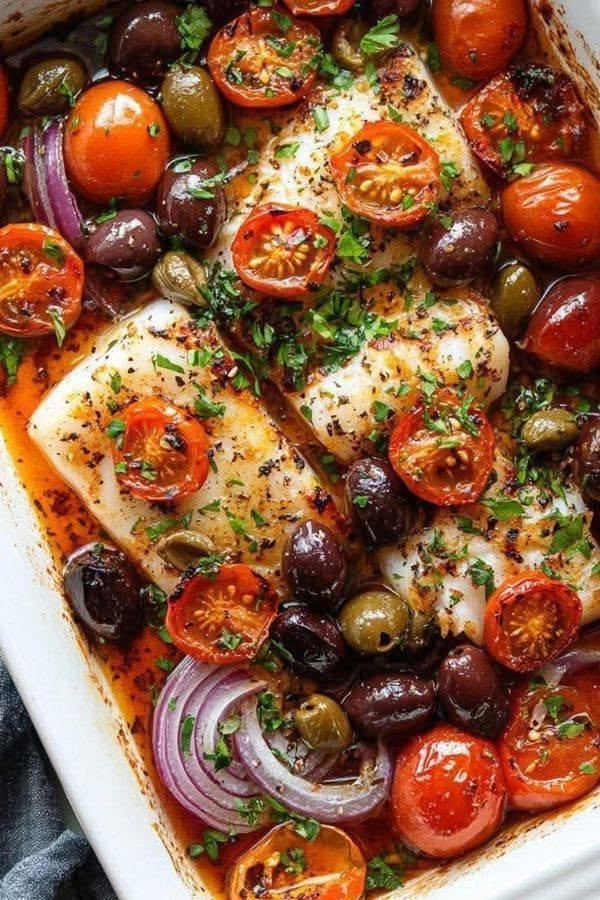
You can serve them as appetizers, brunch bites, a vegetarian side dish, or part of a Mediterranean-style meal. They can also be customized with chicken, sun-dried tomatoes, mushrooms, herbs, or a touch of spice.

Once you learn how to keep the phyllo moist while assembling and the spinach filling properly drained, these delicious rolls become surprisingly simple to prepare. Serve them warm with tzatziki or your favorite dipping sauce for a flavorful bite everyone can enjoy.

Mediterranean Broccoli Cheese Casserole

Mediterranean Broccoli Cheese Casserole with broccoli feta cheese tomatoes and olives

Mediterranean Broccoli Cheese Casserole

Description

Mediterranean Broccoli Cheese Casserole is a comforting, creamy, and flavorful baked dish that brings together tender broccoli, savory Mediterranean-inspired ingredients, and plenty of melted cheese. It is easy enough for a weeknight dinner but satisfying enough to serve as a family side dish or a light main meal.

This Mediterranean Broccoli Cheese Casserole combines fresh broccoli with garlic, tomatoes, herbs, feta, mozzarella, and a creamy sauce. The result is a golden, bubbling casserole with tender vegetables underneath and a delicious cheesy topping.

If you are looking for a simple way to add more vegetables to your meal, this recipe is an excellent option. The broccoli provides a fresh texture, while Mediterranean herbs, garlic, and cheese give the dish plenty of flavor without requiring complicated cooking techniques.

Ingredients

For the Broccoli

4 cups fresh broccoli florets

1 tablespoon olive oil

2 cloves garlic, finely minced

1/2 teaspoon dried oregano

1/2 teaspoon dried basil

1/4 teaspoon black pepper

1/4 teaspoon salt

For the Creamy Cheese Mixture

1/2 cup plain Greek yogurt

1/3 cup cream cheese, softened

1/2 cup crumbled feta cheese

1/2 cup shredded mozzarella cheese

1/4 cup grated Parmesan cheese

1/2 teaspoon garlic powder

1/4 teaspoon black pepper

Mediterranean Additions

1/2 cup cherry tomatoes, halved

1/4 cup sliced Kalamata olives

2 tablespoons finely chopped red onion

2 tablespoons fresh parsley, chopped

1 tablespoon chopped fresh basil

1 teaspoon lemon juice

Step-by-Step Instructions

Step 1: Prepare the Broccoli

Preheat your oven to 375°F (190°C). Lightly grease a medium-sized baking dish with olive oil.

Bring a large pot of water to a gentle boil. Add the broccoli florets and cook for about 2–3 minutes. You want the broccoli to become slightly tender while still maintaining some firmness.

Drain the broccoli thoroughly and allow excess water to evaporate. This step is important because overly wet broccoli can make the finished casserole watery.

Step 2: Season the Vegetables

Place the drained broccoli in a large mixing bowl. Add olive oil, minced garlic, oregano, basil, salt, and black pepper.

Gently toss everything together until the broccoli is evenly coated with the seasonings.

Add the cherry tomatoes, Kalamata olives, and red onion. Toss gently again so the vegetables remain intact.

Step 3: Prepare the Cheese Mixture

In a separate bowl, combine the Greek yogurt, softened cream cheese, feta cheese, mozzarella, Parmesan, garlic powder, and black pepper.

Stir until the ingredients are well combined and creamy.

The feta adds a salty Mediterranean flavor, while mozzarella creates a stretchy melted topping. Parmesan contributes a deeper savory taste.

Step 4: Combine Everything

Add the creamy cheese mixture to the seasoned broccoli and vegetables.

Fold everything together carefully until the broccoli is coated with the creamy mixture. Avoid stirring too aggressively because you want to keep the broccoli florets intact.

Taste the mixture and adjust the seasoning if necessary.

Step 5: Transfer to the Baking Dish

Spoon the mixture into your prepared baking dish and spread it evenly.

Sprinkle a little additional mozzarella and Parmesan over the top if you want an especially golden, cheesy crust.

For extra Mediterranean flavor, you can also add a small amount of dried oregano before baking.

Step 6: Bake the Casserole

Place the baking dish in the preheated oven and bake for approximately 25–30 minutes.

The casserole is ready when the cheese is melted, bubbling around the edges, and lightly golden on top.

If you want a more deeply browned surface, place it under the broiler for 1–2 minutes at the end. Watch it carefully because cheese can brown quickly.

Step 7: Rest and Garnish

Remove the casserole from the oven and allow it to rest for about 5 minutes.

Finish with fresh parsley and basil. Add a small squeeze of lemon juice just before serving to brighten the rich cheese flavor.

Serve warm.

Tips and Notes

For the best Mediterranean Broccoli Cheese Casserole, use fresh broccoli whenever possible. Frozen broccoli can work, but it should be thawed and drained extremely well before being added to the casserole.

Do not overcook the broccoli before baking. A brief blanching keeps the florets pleasantly tender instead of mushy.

If you prefer a stronger Mediterranean flavor, add extra Kalamata olives, a pinch of red pepper flakes, or a little more oregano.

You can also add chopped spinach, zucchini, roasted red peppers, or artichoke hearts. Make sure vegetables with high water content are drained well so they do not add excess moisture.

For a richer casserole, replace some of the Greek yogurt with additional cream cheese. For a lighter version, use reduced-fat Greek yogurt and a moderate amount of cheese.

Fresh herbs are especially useful at the end because they add brightness to the creamy baked dish.

If preparing ahead, assemble the casserole, cover it, and refrigerate it until ready to bake. Allow the baking dish to sit at room temperature briefly before placing it in the oven, especially if using a glass dish.

If you enjoy Mediterranean-style baked dishes, try our Mediterranean Spinach Lasagna for another comforting vegetable-filled meal.

Serving Suggestions

This Mediterranean Broccoli Cheese Casserole can be served as a vegetable side dish alongside grilled chicken, baked salmon, roasted turkey, or another protein.

For a vegetarian meal, serve it with a simple green salad, whole-grain bread, roasted potatoes, or a bowl of lentil soup.

A spoonful of plain Greek yogurt or a little fresh parsley can also be added when serving.

The casserole is particularly good when served warm because the cheese remains creamy and the top stays pleasantly golden.

For more guidance on building balanced meals with vegetables, healthy proteins, and healthy fats, see the Harvard Healthy Eating Plate.

Q&A

Can I use frozen broccoli?

Yes. Frozen broccoli can be used, but thaw it completely and drain it thoroughly first. Excess water can make the casserole too soft.

Can I make this casserole ahead of time?

Yes. You can assemble it ahead of time and refrigerate it before baking. This makes it convenient for busy weeknights or family meals.

Can I add chicken?

Absolutely. Cooked shredded chicken can be added to turn this casserole into a more substantial main dish. Make sure the chicken is fully cooked before combining it with the other ingredients.

Can I make it vegetarian?

Yes. The recipe as written can be served as a vegetarian casserole. Always check the labels of your cheeses if you have specific dietary requirements.

How do I store leftovers?

Allow the casserole to cool, then cover and refrigerate leftovers promptly. Reheat individual portions in the microwave or reheat the casserole gently in the oven until warmed through.

Can I freeze it?

You can freeze the casserole, although the creamy cheese mixture may change slightly in texture after thawing. For the best texture, enjoy it fresh or refrigerated within a few days.

Servings & Nutrition

Servings: 6

Prep Time: 15 minutes

Cook Time: 30 minutes

Total Time: 45 minutes

Estimated Calories: 285 per serving

Protein: 15 g

Carbohydrates: 13 g

Fat: 19 g

Fiber: 4 g

Sugar: 4 g

Nutrition values are estimates and can vary depending on the specific ingredients and brands used.

Conclusion

This Mediterranean Broccoli Cheese Casserole is an easy way to turn everyday broccoli into a warm, satisfying, and flavorful dish. The combination of tender broccoli, creamy Greek yogurt, feta, mozzarella, Parmesan, tomatoes, olives, garlic, and Mediterranean herbs creates a casserole that feels comforting while still featuring plenty of vegetables.

It is flexible enough for family dinners, meal preparation, holiday tables, or simple weeknight meals. You can also customize it with chicken, spinach, roasted peppers, or additional Mediterranean vegetables depending on what you have available.

If you enjoy simple vegetable-based recipes with plenty of flavor, this Mediterranean Broccoli Cheese Casserole is an easy recipe to keep in your regular rotation.

Finely Chopped Mediterranean Chickpea Salad

Finely Chopped Mediterranean Chickpea Salad

This Finely Chopped Mediterranean Chickpea Salad is a fresh, colorful, and satisfying dish packed with chickpeas, crisp vegetables, herbs, feta cheese, and a bright lemon-garlic dressing. Everything is chopped into small, bite-sized pieces, allowing the flavors to blend beautifully in every forkful. It is naturally filling, easy to prepare, and perfect for lunch, meal prep, picnics, potlucks, or a light dinner.

The combination of creamy chickpeas, crunchy cucumber and bell pepper, juicy tomatoes, salty feta, fresh parsley, and tangy lemon dressing gives this salad a classic Mediterranean flavor. It can be served on its own or alongside grilled chicken, fish, shrimp, or warm pita bread.

Ingredients

For the Salad

  • 2 cans (15 oz each) chickpeas, drained and rinsed
  • 1 large English cucumber, finely chopped
  • 2 medium Roma tomatoes, finely chopped
  • 1 red bell pepper, finely chopped
  • 1/4 red onion, finely chopped
  • 1/2 cup Kalamata olives, finely chopped
  • 1/3 cup crumbled feta cheese
  • 1/4 cup fresh parsley, finely chopped
  • 2 tablespoons fresh mint, finely chopped
  • 2 tablespoons sun-dried tomatoes, finely chopped
  • 2 tablespoons roasted red peppers, finely chopped, optional

For the Dressing

  • 1/4 cup extra-virgin olive oil
  • 3 tablespoons fresh lemon juice
  • 1 tablespoon red wine vinegar
  • 1 garlic clove, finely minced
  • 1 teaspoon dried oregano
  • 1/2 teaspoon Dijon mustard
  • 1/2 teaspoon honey or maple syrup, optional
  • 1/4 teaspoon salt
  • 1/4 teaspoon black pepper

Instructions

1. Prepare the Chickpeas

Drain the chickpeas thoroughly and rinse them under cool running water. Allow them to drain well. For an especially fresh texture, gently pat them dry with a clean kitchen towel.

Place the chickpeas in a large mixing bowl. If you prefer a more finely chopped salad, lightly chop about half of the chickpeas while leaving the remaining chickpeas whole. This creates a wonderful combination of textures.

2. Chop the Vegetables

Finely chop the cucumber, tomatoes, red bell pepper, red onion, olives, sun-dried tomatoes, and roasted red peppers if using. Try to keep the pieces similar in size so that the salad is easy to scoop and every bite contains a little of everything.

Add the chopped vegetables to the bowl with the chickpeas.

3. Add the Fresh Herbs

Finely chop the parsley and mint. Add them to the salad mixture. Fresh herbs make a major difference in this recipe, adding brightness and a fresh Mediterranean aroma.

Gently toss the ingredients together without crushing the tomatoes or chickpeas.

4. Make the Dressing

In a small bowl or jar, combine the olive oil, lemon juice, red wine vinegar, minced garlic, oregano, Dijon mustard, honey or maple syrup if using, salt, and black pepper.

Whisk vigorously until the dressing becomes slightly creamy and well combined. Taste and adjust the seasoning. Add more lemon juice for extra brightness or a little more olive oil if you prefer a milder dressing.

5. Combine Everything

Pour the dressing over the chickpea and vegetable mixture. Gently toss until every ingredient is lightly coated.

Add the crumbled feta cheese and carefully fold it through the salad. Avoid overmixing so the feta maintains some texture.

6. Let the Flavors Develop

For the best flavor, cover the salad and refrigerate it for 20–30 minutes before serving. This resting time allows the chickpeas and vegetables to absorb the lemony dressing.

Before serving, give the salad another gentle toss. Taste once more and add additional salt, pepper, or lemon juice if needed.

Serving Suggestions

Serve this salad chilled or at cool room temperature. It makes an excellent light lunch with warm pita bread or toasted whole-grain bread.

For a heartier meal, top it with grilled chicken, Mediterranean shrimp, grilled salmon, or sliced avocado. You can also spoon it into lettuce cups for a fresh low-carb option.

For entertaining, transfer the salad to a large shallow serving bowl and sprinkle extra feta, parsley, and a drizzle of olive oil over the top.

Tips for the Best Salad

Chop everything finely: Small pieces create the signature texture of this salad and make every bite flavorful.

Use fresh lemon juice: Freshly squeezed lemon juice gives the dressing a much brighter flavor than bottled juice.

Drain the vegetables: If your tomatoes or cucumbers are particularly juicy, remove some seeds or excess liquid to prevent the salad from becoming watery.

Don’t skip the resting time: Allowing the salad to sit for 20–30 minutes gives the dressing time to soak into the chickpeas and vegetables.

Add feta last: Folding in the feta gently keeps it from disappearing into the dressing.

Make-Ahead & Storage

This salad is excellent for meal preparation. Store it in an airtight container in the refrigerator for up to 3–4 days. The flavor often becomes even better after a few hours.

If preparing it several days ahead, keep the feta and dressing separate and combine them shortly before serving for the freshest texture.

Servings

Serves: 6
Prep Time: 20 minutes
Resting Time: 20–30 minutes
Total Time: About 45–50 minutes

Approximate Nutritional Information

Per serving, depending on the exact ingredients used:

  • Calories: 290
  • Protein: 9 g
  • Carbohydrates: 31 g
  • Fiber: 9 g
  • Fat: 15 g
  • Sodium: 430 mg

Benefits

Chickpeas provide plant-based protein and fiber, making this salad satisfying and filling. The cucumber, tomatoes, peppers, parsley, and herbs contribute a variety of vitamins, minerals, and antioxidants. Extra-virgin olive oil provides heart-friendly unsaturated fats, while the combination of lemon and fresh vegetables keeps the dish light and refreshing.

This Finely Chopped Mediterranean Chickpea Salad is a simple way to enjoy a colorful, nutrient-rich meal without complicated cooking. It is fresh enough for summer, hearty enough for lunch, and versatile enough to become a regular meal-prep favorite.

Coconut Lime Fish Curry with Jasmine Rice

Coconut Lime Fish Curry with Jasmine Rice

Description

Coconut Lime Fish Curry with Jasmine Rice is a creamy, fragrant, and comforting meal featuring tender white fish simmered in a rich coconut curry sauce. Fresh lime, garlic, ginger, and warm spices give the sauce a bright and aromatic flavor, while fluffy jasmine rice makes the perfect base for soaking up every drop. This easy one-pan curry is ideal for a flavorful weeknight dinner and can be prepared in about 40 minutes.

Ingredients

For the Fish Curry

  • 1½ pounds white fish fillets, such as cod, haddock, or tilapia
  • 1 tablespoon olive or avocado oil
  • 1 small yellow onion, finely diced
  • 3 cloves garlic, minced
  • 1 tablespoon fresh ginger, grated
  • 1 red bell pepper, thinly sliced
  • 1 tablespoon red or yellow curry paste
  • 1 teaspoon ground turmeric
  • 1 teaspoon ground cumin
  • ½ teaspoon paprika
  • 1 can (13.5 oz) full-fat coconut milk
  • ½ cup vegetable or chicken broth
  • 1 tablespoon fish sauce, optional
  • 1 tablespoon fresh lime juice
  • 1 teaspoon lime zest
  • 1 teaspoon honey or maple syrup
  • ½ teaspoon salt
  • ¼ teaspoon black pepper
  • 2 cups fresh spinach, optional
  • 2 tablespoons fresh cilantro, chopped
  • Lime wedges, for serving

For the Jasmine Rice

  • 1½ cups jasmine rice
  • 2¼ cups water
  • ¼ teaspoon salt

Instructions

1. Prepare the Rice

Rinse the jasmine rice under cold water several times until the water runs mostly clear. Add the rice, water, and salt to a medium saucepan.

Bring to a boil, then reduce the heat to low. Cover and simmer for 15 minutes, or until the water has been absorbed and the rice is tender.

Remove from the heat and let it rest, covered, for 5–10 minutes. Fluff gently with a fork before serving.

2. Prepare the Fish

Pat the fish fillets dry with paper towels. Cut them into large bite-sized pieces and season lightly with salt and black pepper.

Keep the pieces fairly large so they remain intact while simmering in the curry.

3. Sauté the Aromatics

Heat the oil in a large skillet or deep pan over medium heat. Add the diced onion and sliced bell pepper.

Cook for 4–5 minutes, stirring occasionally, until the vegetables begin to soften.

Add the minced garlic and grated ginger. Cook for another 30–60 seconds, until fragrant.

4. Build the Curry Sauce

Add the curry paste, turmeric, cumin, and paprika. Stir continuously for about 1 minute to toast the spices and release their aroma.

Pour in the coconut milk and broth. Add the fish sauce, honey or maple syrup, lime zest, salt, and black pepper.

Stir well and bring the sauce to a gentle simmer.

5. Cook the Fish

Carefully place the fish pieces into the simmering coconut sauce.

Cover partially and cook for approximately 7–10 minutes, gently spooning sauce over the fish occasionally.

The fish is ready when it becomes opaque and flakes easily with a fork. Avoid vigorous stirring because delicate fish can break apart.

6. Add Spinach and Lime

If using spinach, stir it into the curry during the final 1–2 minutes of cooking.

Remove the pan from the heat and stir in the fresh lime juice.

Taste the sauce and adjust the seasoning. Add more lime for brightness, a little salt for depth, or extra curry paste for additional heat.

7. Serve

Spoon fluffy jasmine rice into serving bowls and ladle the coconut lime fish curry over the top.

Garnish with fresh cilantro and lime wedges. For extra color and flavor, add sliced fresh chili, toasted coconut, or additional lime zest.

Tips

Use firm white fish so it holds together during cooking. Full-fat coconut milk creates the creamiest sauce, while light coconut milk can be used for a lighter version.

For a spicier curry, add sliced fresh chili or extra curry paste. You can also add vegetables such as broccoli, zucchini, snap peas, or mushrooms.

Servings

Serves 4–6

Nutritional Information

Approximately 520 calories per serving, including jasmine rice. Actual values vary depending on the fish, coconut milk, and amount of rice served.

Benefits

Fish provides high-quality protein and important nutrients, while coconut milk creates a rich, flavorful sauce. Lime, ginger, garlic, bell peppers, and spinach add freshness, vegetables, and a variety of micronutrients.

This Coconut Lime Fish Curry is a comforting, colorful meal that combines tender fish, aromatic coconut sauce, and fragrant jasmine rice in one satisfying dish.

Lemon Garlic Chicken Rice Bowl with Creamy Lemon Feta Sauce

Lemon Garlic Chicken Rice Bowl with Creamy Lemon Feta Sauce

Ingredients

Lemon Garlic Chicken
2 boneless, skinless chicken breasts, diced
2 tablespoons extra virgin olive oil
2 tablespoons fresh lemon juice
3 cloves garlic, minced
1 teaspoon dried oregano
1/2 teaspoon paprika
1 teaspoon sea salt
1/2 teaspoon freshly ground black pepper
Rice Bowl
2 cups cooked rice
2 cups baby spinach
1 cup cucumber, diced
1 cup cherry tomatoes, halved
1/4 cup red onion, thinly sliced
2 tablespoons fresh parsley, chopped
Creamy Lemon Feta Sauce
1 cup feta cheese
1/2 cup Greek yogurt
2 tablespoons fresh lemon juice
1 teaspoon lemon zest
1 tablespoon extra virgin olive oil
1 clove garlic, minced
1 teaspoon dried dill
1/4 teaspoon freshly ground black pepper
Optional Garnish
Extra crumbled feta cheese
Fresh parsley
Lemon wedges
Cucumber slices
Cracked black pepper

Directions

In a large bowl, whisk together olive oil, lemon juice, garlic, oregano, paprika, sea salt, and black pepper.
Add the diced chicken and marinate for 15–20 minutes.
Heat a large skillet over medium-high heat and cook the marinated chicken for 6–8 minutes until golden brown and fully cooked.
In a food processor or blender, combine feta cheese, Greek yogurt, lemon juice, lemon zest, olive oil, garlic, dill, and black pepper. Blend until smooth and creamy.
Divide the cooked rice among serving bowls.
Top with baby spinach, cucumber, cherry tomatoes, red onion, and the cooked lemon garlic chicken.
Drizzle generously with the creamy lemon feta sauce.
Garnish with extra feta cheese, fresh parsley, lemon wedges, cucumber slices, and cracked black pepper.
Serve immediately while fresh and flavorful.

Nutritional Information

Calories: ~540 per serving
Carbohydrates: 45g
Fat: 21g
Protein: 41g
Fiber: 4g
Sugar: 5g

Mediterranean Lemon Herb Baked White Fish

Mediterranean Lemon Herb Baked White Fish

Ingredients

4 white fish fillets (cod, haddock, halibut, or tilapia)
2 cups cherry tomatoes
½ cup green olives
3 garlic cloves, minced
3 tablespoons extra virgin olive oil
2 tablespoons fresh lemon juice
1 teaspoon lemon zest
1 teaspoon dried oregano
1 teaspoon dried thyme
½ teaspoon paprika
½ teaspoon crushed red pepper flakes (optional)
Salt and black pepper, to taste
2 tablespoons chopped fresh parsley
2 rosemary sprigs
1 lemon, sliced

Instructions

Preheat your oven to 400°F (200°C). Lightly grease a baking dish with olive oil. Arrange the cherry tomatoes, olives, garlic, and lemon slices evenly in the dish.
In a small bowl, whisk together the olive oil, lemon juice, lemon zest, oregano, thyme, paprika, red pepper flakes, salt, and black pepper. Place the fish fillets on top of the vegetables and spoon the herb mixture generously over each fillet. Add the rosemary sprigs around the fish.
Bake for 18–22 minutes, depending on the thickness of the fillets, until the fish flakes easily with a fork and the tomatoes are soft and slightly blistered. For extra color, broil for 2–3 minutes at the end of cooking.
Remove from the oven and sprinkle with fresh chopped parsley. Spoon the flavorful juices over the fish before serving.

Baked Lemon Herb Fish Fillets

Baked Lemon Herb Fish Fillets

Ingredients

4 white fish fillets, such as cod, haddock, tilapia, or pollock
3 tablespoons extra-virgin olive oil
3 tablespoons fresh lemon juice
1 teaspoon lemon zest
3 cloves garlic, finely minced
1 teaspoon dried oregano
1 teaspoon dried thyme
½ teaspoon dried parsley
½ teaspoon paprika
½ teaspoon salt
¼ teaspoon black pepper
¼ teaspoon red pepper flakes, optional
1 lemon, thinly sliced
2 tablespoons fresh parsley, chopped
Lemon wedges, for serving

Instructions

1. Prepare the Oven
Preheat your oven to 400°F (200°C). Lightly grease a baking dish with olive oil or line it with parchment paper.
2. Prepare the Fish
Pat the fish fillets dry with paper towels. This helps the seasoning stick to the fish and prevents excess moisture from diluting the flavors.
Arrange the fillets in a single layer in the prepared baking dish. If the fillets have different thicknesses, place the thicker pieces toward the center of the dish.
3. Make the Lemon Herb Marinade
In a small bowl, whisk together olive oil, fresh lemon juice, lemon zest, minced garlic, oregano, thyme, dried parsley, paprika, salt, black pepper, and red pepper flakes if using.
Mix well until the ingredients are evenly combined.
4. Season the Fish
Pour the lemon herb mixture evenly over the fish fillets. Use a pastry brush or spoon to coat the tops thoroughly.
Arrange thin lemon slices around and on top of the fish for additional citrus flavor.
For even more flavor, allow the seasoned fish to rest for 10–15 minutes before baking.
5. Bake
Place the baking dish in the preheated oven and bake for approximately 15–20 minutes.
The exact cooking time depends on the thickness and type of fish. The fillets are ready when they become opaque and easily flake with a fork.
For food safety, fish should reach an internal temperature of 145°F (63°C).
Avoid overbaking because white fish can become dry when cooked for too long.
6. Garnish and Serve
Remove the fish from the oven and let it rest for 2–3 minutes.
Spoon some of the warm lemon-herb juices from the baking dish over each fillet. Sprinkle with fresh parsley and serve with lemon wedges.
Tips
For the best flavor, use fresh lemon juice and freshly minced garlic. You can add cherry tomatoes, sliced zucchini, olives, or capers to the baking dish for a Mediterranean-style variation.
Serve the fish with roasted potatoes, steamed vegetables, fluffy rice, couscous, or a crisp cucumber-tomato salad. Crusty bread is also excellent for soaking up the flavorful lemon-herb juices.
Servings
Serves 4

Nutritional Information

Approximately 280 calories per serving, depending on the type of fish and amount of olive oil used.
Benefits
White fish provides lean, high-quality protein, while olive oil contributes unsaturated fats. Lemon and fresh herbs add bright flavor without requiring a heavy sauce, making this an easy and satisfying meal for everyday cooking.

Cheesy garlic zuccihni steaks

Cheesy garlic zuccihni steaks

Ingredients

2 large zucchini, sliced into 1-inch thick rounds
3 tbsp olive oil
4 cloves garlic, minced
1 tsp salt
1/2 tsp black pepper
Added for the “Cheesy” finish: 1/2 cup grated Parmesan or shredded mozzarella cheese

Instructions

Prep the Zucchini: Preheat your oven to 400°F (200°C). Use the tip of a knife to score a shallow crosshatch pattern into the top of each thick zucchini round (this helps the flavor soak in).
Season: In a small bowl, mix the olive oil, minced garlic, salt, and black pepper. Brush this mixture generously over the tops of the zucchini rounds.
Roast: Place the zucchini rounds on a parchment-lined baking sheet. Roast for 12-15 minutes until they are tender.
Make it Cheesy: Remove from the oven, top each round generously with the cheese, and return to the oven for 3-5 minutes (or broil for 1-2 minutes) until the cheese is perfectly melted and golden.

Mediterranean Baked Fish with Cherry Tomatoes, Olives, and Capers,

Mediterranean Baked Fish with Cherry Tomatoes, Olives, and Capers,

Ingredients
4 white fish fillets, such as cod, haddock, or tilapia
2 cups cherry tomatoes, halved
½ cup Kalamata olives, pitted
2 tablespoons capers, drained
3 garlic cloves, minced
2 tablespoons extra-virgin olive oil
1 lemon, thinly sliced
1 tablespoon fresh lemon juice
1 teaspoon dried oregano
½ teaspoon paprika
Salt and black pepper, to taste
2 tablespoons fresh parsley, chopped
1 tablespoon fresh basil, chopped
Instructions
1. Prepare the oven:
Preheat your oven to 400°F (200°C). Lightly grease a baking dish with a little olive oil.
2. Season the fish:
Pat the fish fillets dry with paper towels. Place them in the prepared baking dish and season both sides with salt, black pepper, oregano, and paprika.
3. Add the Mediterranean ingredients:
Scatter the cherry tomatoes, Kalamata olives, capers, and minced garlic around the fish. Drizzle everything with olive oil and fresh lemon juice. Arrange lemon slices over and around the fillets.
4. Bake:
Place the dish in the preheated oven and bake for 15–20 minutes, depending on the thickness of the fish. The fish should become opaque and flake easily with a fork, while the tomatoes soften and release their juices.

Parmesan Crusted Chicken with Creamy Garlic Sauce

Parmesan Crusted Chicken with Creamy Garlic Sauce
Ingredients

2 large chicken breasts, sliced horizontally into cutlets
1 teaspoon salt
½ teaspoon black pepper
1 teaspoon garlic powder
1 teaspoon onion powder
1 teaspoon Italian seasoning
Parmesan Crust
½ cup all-purpose flour
2 large eggs, beaten
1 cup panko breadcrumbs
¾ cup grated Parmesan cheese
1 tablespoon chopped fresh parsley
2 tablespoons olive oil
Creamy Garlic Sauce
2 tablespoons butter
4 garlic cloves, minced
1 cup heavy cream
½ cup chicken broth
½ cup grated Parmesan cheese
1 teaspoon Dijon mustard
½ teaspoon Italian seasoning
Salt and black pepper to taste
Optional Garnish
Fresh parsley
Extra Parmesan
Cracked black pepper
Directions
Preheat oven to 400°F (200°C) and line a baking tray with parchment paper.
Season chicken cutlets with salt, pepper, garlic powder, onion powder, and Italian seasoning.
Set up dredging stations: flour in one bowl, beaten eggs in another, and a mixture of panko breadcrumbs, Parmesan cheese, and parsley in a third.
Coat each chicken cutlet in flour, dip into egg, then press firmly into the Parmesan breadcrumb mixture until fully coated.
Arrange on the baking tray, drizzle lightly with olive oil, and bake for 22–25 minutes until golden and cooked through.
Meanwhile, melt butter in a saucepan over medium heat. Add garlic and sauté for 30 seconds until fragrant.
Pour in chicken broth and heavy cream, stirring to combine. Simmer for 3–4 minutes.
Stir in Parmesan cheese, Dijon mustard, Italian seasoning, salt, and black pepper. Cook until smooth and creamy.
Serve the crispy Parmesan crusted chicken topped with creamy garlic sauce and garnish with parsley and extra Parmesan.

Nutritional Information

Calories: ~540 per serving
Carbohydrates: 18g
Fat: 30g
Protein: 47g
Fiber: 1g
Sugar: 2g

Legs Feel Heavy at Night

Woman resting with elevated legs at night while learning simple ways to manage heavy legs and leg swelling

Legs Feel Heavy at Night: 6 Everyday Habits That May Help

Have your legs ever felt heavy, tired, tight, or unusually uncomfortable at the end of the day? 🦵

For some people, the feeling is linked to spending many hours sitting or standing. In other cases, leg heaviness can occur with swelling, varicose veins, vein problems, certain medicines, or other health conditions.

The good news is that simple habits such as regular movement, changing positions, and elevating your legs may help when everyday inactivity contributes to the problem.

However, persistent or sudden leg heaviness should not automatically be treated as a circulation problem. One-sided swelling, warmth, redness, significant pain, or breathing problems can require prompt medical attention.

Why Do Legs Feel Heavy at Night?

Leg heaviness is a symptom rather than a diagnosis.

It can happen after a long day on your feet, especially when you spend hours standing without changing position. Sitting for long periods can also contribute to swelling and discomfort in the legs.

Other possible contributors include:

  • Varicose veins
  • Fluid buildup or edema
  • Reduced physical activity
  • Certain medicines
  • Pregnancy
  • Higher body weight
  • Vein problems such as chronic venous insufficiency
  • Kidney, liver, heart, or lymphatic conditions
  • Muscle overuse or injury

If the sensation happens occasionally after a busy day and improves with rest or movement, simple lifestyle changes may be reasonable to try.

If it keeps happening or becomes worse, finding the underlying cause is more important than simply trying to relieve the feeling.

Step 1: Break Up Long Periods of Sitting or Standing

One of the simplest changes is to avoid staying in the same position for too long.

When you sit at a desk, watch television, drive, or work at home for several hours, get up regularly and move around.

If your job requires standing, shift positions and take short walking breaks when possible.

Try this simple routine:

  1. Stand up from your chair.
  2. Walk around for a few minutes.
  3. Move your ankles gently.
  4. Stretch your calves if comfortable.
  5. Return to your normal activity.

Regular movement helps the muscles in your lower legs contract, which can help blood move back toward the heart.

You do not need a complicated workout for this basic habit.

Step 2: Take a Short Evening Walk

Walking is a practical way to add movement without requiring special equipment.

A short walk after dinner can help you avoid spending the entire evening sitting.

Start with a comfortable pace and increase your activity gradually if your body tolerates it.

For example:

  • Walk around your neighborhood.
  • Take a gentle walk around your home.
  • Walk while talking on the phone.
  • Take several short walks instead of one long session.

Regular physical activity can support circulation and may help reduce symptoms associated with varicose veins.

If walking causes significant pain, stop and discuss the symptom with a healthcare professional rather than pushing through it.

Step 3: Elevate Your Legs

Leg elevation can be useful when heaviness is related to prolonged standing or fluid buildup.

Try resting your legs on a comfortable footstool or pillows while sitting or lying down.

For people with varicose-vein symptoms, elevating the feet can reduce pressure in the leg veins and help blood return toward the heart.

A simple evening routine can look like this:

  1. Lie down comfortably.
  2. Support your legs with pillows.
  3. Keep the position comfortable rather than forcing your legs into an awkward angle.
  4. Relax for several minutes.
  5. Get up slowly afterward.

Leg elevation may help symptoms, but it does not treat every possible cause of swelling or heaviness.

Step 4: Pay Attention to Swelling

Heavy legs and swollen legs are not exactly the same thing.

Look for changes around your:

  • Ankles
  • Feet
  • Calves
  • Lower legs

Swelling can occur when fluid collects in body tissues. It can be associated with long periods of sitting or standing, varicose veins, certain medicines, pregnancy, and several medical conditions.

You may notice:

  • Socks leaving deeper marks than usual
  • Shoes feeling tighter
  • Puffy ankles
  • Shiny or stretched skin
  • A feeling of fullness or heaviness

If swelling continues for several days, becomes worse, or has no clear explanation, arrange a medical evaluation rather than assuming it is simply from being tired.

Step 5: Look After Your Daily Activity

Your overall activity level matters more than one evening routine.

If most of your day involves sitting, add movement throughout the day instead of trying to compensate with one intense workout at night.

A practical schedule could include:

Morning

  • Walk for a few minutes.
  • Move your ankles while getting ready.

Workday

  • Stand and move regularly.
  • Avoid sitting continuously for several hours.

Afternoon

  • Take another short walk.
  • Change position if you have been standing for a long time.

Evening

  • Take a comfortable walk.
  • Elevate your legs while relaxing if it feels helpful.

NHLBI recommends staying physically active and avoiding long periods of sitting or standing as part of lifestyle management for varicose-vein symptoms.

Step 6: Choose Comfortable Clothing and Shoes

Tight clothing, socks, or shoes can make already uncomfortable legs feel worse.

Choose shoes that allow comfortable movement and avoid footwear that restricts your ankles.

If you spend much of the day standing, comfortable shoes with a low heel may be easier on your legs. The NHS also recommends avoiding clothing, socks, or shoes that are too tight when dealing with leg swelling.

Your goal is not to find a special shoe that “fixes circulation.”

The goal is simply to avoid unnecessary pressure and allow normal movement.

What About Compression Socks?

Compression therapy can help some people with symptoms such as leg swelling, pain, and heaviness, particularly when varicose veins or prolonged sitting or standing are involved.

However, compression is not appropriate for everyone.

The right type and pressure depend on the person’s health and the reason for the swelling or heaviness.

If you regularly have unexplained swelling or have a medical condition affecting your circulation, ask a healthcare professional whether compression garments are appropriate before using them regularly.

A Simple Nighttime Routine

If your legs simply feel tired after a long day, try this practical routine:

1. Move First

Take a gentle walk for several minutes if you feel comfortable.

2. Change Position

Avoid sitting in exactly the same position for the rest of the evening.

3. Elevate Your Legs

Rest your feet on a footstool or pillows while relaxing.

4. Check for Swelling

Look at your ankles and feet and notice whether they appear different from usual.

5. Notice Patterns

Ask yourself whether the heaviness is worse after long periods of standing, sitting, travel, or unusually high activity.

6. Track Repeated Symptoms

If the problem keeps returning, write down when it happens, whether both legs are affected, and whether swelling, pain, warmth, or redness occurs.

This information can make it easier for a healthcare professional to understand the pattern.

When Should Heavy Legs Be Checked?

Occasional tiredness after a long day is different from unexplained or persistent leg symptoms.

Make an appointment with a healthcare professional if:

  • The heaviness keeps returning.
  • Your legs remain swollen.
  • Symptoms are getting worse.
  • You have pain while walking.
  • Both legs become swollen.
  • You develop visible vein changes.
  • Symptoms do not improve after a few days of simple self-care.

Leg swelling can sometimes be connected to vein, kidney, liver, heart, or lymphatic problems, so persistent swelling deserves proper evaluation.

Know the Warning Signs of a Blood Clot

This is especially important because not every heavy leg is simply tiredness.

Seek urgent medical attention if one leg suddenly becomes swollen, painful, warm, or red, especially without an obvious reason. These can be signs of a deep vein thrombosis, although other conditions can cause similar symptoms.

Get emergency help if leg symptoms occur with:

  • Sudden difficulty breathing
  • Chest pain
  • Coughing up blood
  • Fainting or severe dizziness

These symptoms can indicate a potentially serious blood clot that has traveled to the lungs.

Do not try to treat these warning signs with massage, herbal remedies, or home circulation drinks.

The Bottom Line

Legs that feel heavy at night can have simple causes such as a long day of sitting or standing, but the symptom can also occur with swelling, varicose veins, vein problems, medicines, and other health conditions.

Start with practical habits:

  • Move regularly.
  • Avoid sitting or standing in one position for long periods.
  • Take comfortable walks.
  • Elevate your legs when resting.
  • Wear comfortable shoes and clothing.
  • Pay attention to swelling and other changes.

If the problem is persistent, worsening, or accompanied by one-sided swelling, pain, warmth, redness, chest pain, or breathing difficulty, get medical advice instead of relying on home remedies.

Frequently Asked Questions

1. Why do my legs feel heavy at night?

Long periods of sitting or standing can contribute, but varicose veins, swelling, vein problems, medicines, and other conditions can also cause heaviness.

2. Can walking help heavy legs?

Regular walking activates the lower-leg muscles and can support blood return toward the heart.

3. Does elevating your legs help?

Leg elevation can reduce pressure in the leg veins and may ease swelling or heaviness in some people.

4. Can sitting too long cause heavy legs?

Yes, prolonged sitting can contribute to leg swelling and discomfort, particularly when you rarely change position.

5. Should I use compression socks for heavy legs?

Compression can help some people, but the appropriate type depends on the cause, so professional advice is useful for unexplained symptoms.

6. Is one swollen leg a warning sign?

Sudden unexplained swelling in one leg, especially with pain, warmth, or redness, needs prompt medical assessment because a blood clot is one possible cause.

7. When should heavy legs become a concern?

Persistent or worsening symptoms, unexplained swelling, walking-related pain, or symptoms lasting several days should be discussed with a healthcare professional.

8. When is leg heaviness an emergency?

Leg symptoms combined with sudden shortness of breath, chest pain, coughing blood, or fainting require emergency medical attention.

Can Moringa Seeds Treat Cataracts or Cloudy Vision? Myth vs. Fact

Moringa seeds beside an eye-health illustration explaining cataracts, cloudy vision, and the traditional health claim

Can Moringa Seeds Treat Cataracts or Cloudy Vision? Myth vs. Fact

Moringa seeds have been used in traditional wellness practices for generations, but can they actually treat cataracts or cloudy vision?

This question is worth exploring because some online claims connect moringa with eye health. However, traditional use, laboratory research, and proven treatment are three different things.

Moringa (Moringa oleifera) is a plant whose leaves, pods, seeds, and other parts have been used as food and in traditional practices. Research on moringa has explored several possible biological effects, but evidence about moringa seeds specifically and cataract treatment in humans is limited. A review of moringa seeds and oil found that human pharmacological research on the seeds was still lacking.

Most importantly, there is no established evidence that eating moringa seeds can remove cataracts or clear cloudy vision.

What Are Cataracts?

A cataract is a cloudy area that develops in the natural lens of the eye.

The lens normally helps focus light onto the retina. As cataracts develop, proteins in the lens can clump together and make the lens cloudy. This can gradually affect vision.

Common symptoms can include:

  • Cloudy or blurry vision
  • Faded-looking colors
  • Increased sensitivity to light
  • Difficulty seeing at night
  • Halos around lights
  • Double vision in some cases
  • Frequent changes in glasses prescriptions

Cloudy vision does not automatically mean someone has a cataract. Other eye conditions can also cause blurry or hazy vision, so an eye examination is important when vision changes persist.

Why Are Moringa Seeds Linked With Eye Health?

Moringa has a long history of traditional use, and researchers have studied different parts of the plant for their nutritional and biological properties.

Moringa seeds contain protein and fats and have been investigated for possible nutritional applications. However, research on seed-based health effects in humans remains limited.

The confusion often comes from early laboratory research.

One study examined a Moringa oleifera extract on isolated goat eye lenses exposed to high glucose levels. The extract showed changes that suggested a possible protective effect against lens damage in that laboratory model.

That finding is interesting, but it does not demonstrate that eating moringa seeds treats cataracts in people.

Moringa Seeds and Cataracts: Myth vs. Fact

❌ Myth: Moringa seeds can dissolve cataracts

There is no established human evidence showing that eating moringa seeds can dissolve or remove an existing cataract.

✅ Fact: Moringa has been studied for biological effects

Researchers have investigated moringa extracts and different plant parts in laboratory and animal studies, but these findings cannot automatically be applied to cataract treatment in humans.

❌ Myth: Cloudy vision can always be corrected with a food or herb

Cloudy vision has multiple possible causes, and treatment depends on the underlying problem.

✅ Fact: Cataracts are diagnosed through an eye examination

An eye professional can examine the lens and look for cataracts and other conditions that may affect vision.

What Can Moringa Seeds Actually Provide?

Moringa seeds are a food ingredient rather than a proven cataract treatment.

Research reviews describe moringa seeds as containing:

  • Protein
  • Dietary fats
  • Plant compounds
  • Nutrients that may contribute to food value

Moringa seeds and seed-derived products have also been investigated for food applications, including flour and oil.

These nutritional qualities can make moringa interesting as part of a varied diet.

However, nutrition should not be confused with treatment.

Eating a nutritious food does not mean it can reverse a disease that has already developed.

Can Moringa Support Overall Eye-Friendly Nutrition?

A healthy eating pattern can contribute to overall health, including the nutrients needed for normal body function.

The National Eye Institute recommends a diet that includes healthy foods such as fruits and vegetables, leafy greens, nuts, and whole grains as part of healthy-eye habits.

That does not mean one particular food can prevent or cure every eye condition.

A better approach is to think about the overall dietary pattern rather than searching for one special seed or powder.

Try including:

  1. Colorful fruits and vegetables.
  2. Dark leafy greens.
  3. Nuts and seeds in appropriate portions.
  4. Whole grains.
  5. A variety of protein sources.
  6. Adequate fluids.
  7. Foods that fit your individual health needs.

How Should Moringa Seeds Be Used?

If you already eat moringa seeds as a food, treat them as a food rather than as an eye medicine.

A simple approach steps:

1: Choose a reputable food or supplement product.

2: Follow the product’s directions rather than creating a concentrated homemade dose.

3: Avoid combining multiple herbal supplements without checking for possible interactions.

4: Do not use moringa instead of an eye examination.

5: Stop using a product if you develop an unusual reaction and seek appropriate medical advice.

Different moringa products can vary in preparation, concentration, and quality, so the word “moringa” alone does not tell you how strong or standardized a product is. NCCIH notes that dietary supplements can differ from products studied in research and may interact with medicines or medical conditions.

Important Safety Considerations

Natural products still deserve careful use.

Moringa supplements can be more concentrated than the amounts used as ordinary food. People taking prescription medicines should discuss herbal supplements with a healthcare professional because interactions are possible.

Extra caution is appropriate for:

  • Pregnant people
  • Breastfeeding people
  • Children
  • People taking multiple medications
  • People preparing for surgery
  • People with chronic medical conditions

There is also an important recent food-safety lesson. In 2026, the FDA and CDC investigated a multistate Salmonella outbreak associated with certain MOGO-brand moringa leaf powder capsules; the investigation was closed July 17, 2026. This involved moringa leaf powder, not proof that all moringa products are unsafe, but it highlights why product quality and recalls matter when using supplements.

What Actually Helps When You Have Cataracts?

If a cataract is affecting your vision, the most useful step is identifying how much it is affecting your daily life and discussing it with an eye-care professional.

For early cataracts, some people may temporarily manage vision changes with:

  • Brighter lighting
  • Anti-glare sunglasses
  • Magnifying lenses
  • An updated glasses prescription

When cataracts begin interfering with activities such as reading, driving, or watching television, cataract surgery may be recommended. The National Eye Institute states that surgery is the only way to get rid of a cataract. During surgery, the cloudy natural lens is removed and replaced with an artificial lens.

This is very different from claiming that a seed, powder, tea, or homemade remedy can dissolve a cataract.

Simple Eye-Health Habits

You can take practical steps to support long-term eye health.

1. Protect Your Eyes From UV Light

Wear sunglasses that provide appropriate UV protection and consider a hat with a brim when spending time outdoors.

2. Avoid Smoking

Smoking is one of the factors associated with a higher risk of cataracts.

3. Eat a Varied Diet

Include fruits, vegetables, leafy greens, nuts, whole grains, and other nutrient-rich foods.

4. Protect Your Eyes From Injury

Use appropriate protective eyewear during activities that could cause eye trauma.

5. Keep Up With Eye Exams

An eye examination can detect cataracts and other eye problems that may cause changes in vision.

When Should Cloudy Vision Be Checked?

Do not assume that cloudy vision is simply an age-related change.

Make an eye-care appointment if you notice:

  • Persistent blurry or cloudy vision
  • Increasing glare
  • Difficulty seeing at night
  • Faded colors
  • Frequent prescription changes
  • Vision that interferes with reading or driving

Some symptoms can come from conditions other than cataracts, so proper diagnosis matters.

If vision changes suddenly or you develop significant eye pain, a very red eye, or sudden severe vision changes, seek urgent medical evaluation.

The Bottom Line

Can moringa seeds treat cataracts or cloudy vision?

The evidence does not establish moringa seeds as a treatment for cataracts.

Moringa seeds have nutritional value and a history of traditional use, while laboratory research has explored possible biological effects of moringa extracts. But laboratory findings are not the same as proven treatment in humans.

If you enjoy moringa as part of your diet, it can be viewed as one food among many.

But if your vision is cloudy or blurry, the safer approach is to find out why rather than trying to treat the symptom with a homemade remedy.

For diagnosed cataracts that significantly affect daily activities, an eye-care professional can explain the available options, including cataract surgery when appropriate.

Frequently Asked Questions

1. Can moringa seeds remove cataracts?

No established human evidence shows that eating moringa seeds can remove or reverse an existing cataract.

2. Can moringa seeds improve cloudy vision?

There is no good clinical evidence that moringa seeds can reliably clear cloudy or blurry vision.

3. Is moringa good for eye health?

Moringa can be part of a varied diet, but it should not be considered a proven treatment for an eye disease.

4. Can I put moringa powder in my eyes?

No. Do not put moringa powder, seeds, extracts, or homemade mixtures directly into the eyes.

5. What is the proven treatment for cataracts?

When cataracts significantly affect vision, cataract surgery is the established treatment that removes the cloudy lens.

6. Can cloudy vision have causes other than cataracts?

Yes. Several eye conditions can cause blurry or hazy vision, so an eye examination can help identify the cause.

7. Are moringa supplements always safe?

Not necessarily; supplements can vary in quality and may interact with medicines or medical conditions.

8. When should cloudy vision be checked?

Persistent, worsening, or sudden vision changes should be evaluated by an eye-care professional rather than treated with a home remedy.

Cozy Butternut Squash Apple Bake

Butternut Squash Apple Bake with roasted squash, apples, cranberries, pecans, cinnamon, and maple glaze

Cozy Butternut Squash Apple Bake

This Butternut Squash Apple Bake is a cozy seasonal dish that combines tender roasted butternut squash, crisp apples, warm cinnamon, fragrant herbs, crunchy pecans, and a light maple glaze. The contrast between savory squash and naturally sweet fruit makes every bite comforting without becoming overly heavy. It is an inviting recipe for autumn dinners, weekend lunches, holiday gatherings, or any meal when you want something warm and colorful on the table.

The beauty of this Butternut Squash Apple Bake is its simplicity. Most of the preparation involves chopping the vegetables and apples, mixing a quick seasoning, and allowing the oven to create caramelized edges. As the ingredients roast, their natural flavors deepen, while the apples soften and release a little juice that blends beautifully with the maple glaze.

This recipe can be served as a vegetarian side dish or as part of a larger meal. It pairs especially well with roasted chicken, turkey, baked salmon, lentils, quinoa, or a crisp green salad. Feta can be added for a salty contrast, while pecans provide a pleasant crunch.

Prep Time: 20 minutes
Cook Time: 40–45 minutes
Total Time: About 1 hour 5 minutes
Servings: 6–8

Ingredients

For the Bake

  • 3 cups peeled butternut squash, cut into bite-sized cubes
  • 3 medium apples, cored and sliced
  • 2 tablespoons extra virgin olive oil
  • 2 tablespoons pure maple syrup
  • 1 teaspoon ground cinnamon
  • ½ teaspoon dried thyme
  • ½ teaspoon garlic powder
  • ½ teaspoon sea salt
  • ¼ teaspoon black pepper
  • ½ teaspoon ground nutmeg
  • ½ cup dried cranberries
  • ½ cup chopped pecans
  • ½ cup crumbled feta cheese, optional
  • 2 tablespoons fresh parsley, chopped

For the Optional Maple Finishing Glaze

  • 1 tablespoon pure maple syrup
  • 1 tablespoon fresh lemon juice
  • 1 teaspoon apple cider vinegar
  • Pinch of cinnamon
  • Small pinch of sea salt

Step-by-Step Instructions

1. Prepare the Oven

First, preheat the oven to 425°F (220°C). Lightly grease a large baking dish or rimmed sheet pan with olive oil.

A hot oven is important because it helps the squash develop caramelized edges instead of simply steaming. Choose a pan large enough to hold the ingredients in a mostly single layer. Overcrowding can trap moisture and prevent proper browning.

2. Prepare the Butternut Squash

Peel the butternut squash carefully and remove the seeds. Cut the flesh into cubes that are approximately the same size.

Place the squash in a large mixing bowl. Add olive oil, maple syrup, cinnamon, thyme, garlic powder, salt, black pepper, and nutmeg. Toss until each piece is evenly coated.

For the best Butternut Squash Apple Bake, make sure the seasoning is distributed evenly. The combination of cinnamon and thyme creates a warm flavor that works with both the sweet apples and savory squash.

3. Begin Roasting

Spread the seasoned squash across the prepared pan. Keep the pieces in a single layer and leave small spaces between them whenever possible.

Roast for 15 minutes. This initial roasting period gives the squash a head start because it generally takes longer to become tender than apples.

After 15 minutes, carefully remove the pan and turn the squash with a spatula.

4. Add the Apples

Add the sliced apples to the partially roasted squash. Toss them gently with the warm squash and seasoning already on the pan.

Return the dish to the oven and roast for another 15 minutes.

Choose apples that hold their shape during baking. Honeycrisp, Pink Lady, Gala, or Granny Smith are all suitable. A slightly tart apple creates a particularly pleasant contrast with maple syrup and dried cranberries.

Adding the apples after the squash has begun roasting helps prevent them from becoming excessively soft.

5. Add Cranberries and Pecans

Remove the pan again after the second roasting period. Scatter the dried cranberries and chopped pecans over the squash and apples.

Return everything to the oven for another 8–12 minutes. The squash should be fork-tender, the apples should be softened but recognizable, and the pecans should smell toasted.

Watch the nuts carefully during the final minutes. If they appear to be browning too quickly, cover the pan loosely with foil.

At this stage, the Butternut Squash Apple Bake should have golden edges and a fragrant cinnamon-maple aroma.

6. Prepare the Optional Finishing Glaze

While the bake finishes, whisk together one tablespoon of maple syrup, lemon juice, apple cider vinegar, cinnamon, and a small pinch of salt.

The lemon juice and vinegar keep the glaze from tasting overly sweet. Instead, they create a bright finishing sauce that complements the roasted fruit and vegetables.

If you prefer a sweeter dish, add another teaspoon of maple syrup. For a more savory result, increase the lemon juice slightly.

7. Finish the Bake

Remove the pan from the oven and let it cool for approximately five minutes.

Drizzle the optional glaze over the warm ingredients. Then sprinkle feta cheese and fresh parsley across the top.

The feta adds a creamy, salty contrast to the naturally sweet apples and squash. If you prefer a dairy-free version, simply omit it or use a suitable plant-based alternative.

8. Rest Before Serving

Allow the Butternut Squash Apple Bake to rest for another five to ten minutes before serving. This gives the juices time to settle and allows the flavors to blend.

Serve directly from the baking dish or transfer the mixture to a wide serving platter. Garnish with additional parsley, pecans, or a few fresh thyme leaves if desired.

Tips for the Best Results

Cut the Squash Evenly

Try to cut the squash into similarly sized cubes. Large pieces take longer to cook, while very small pieces can become soft too quickly.

Consistent pieces help the Butternut Squash Apple Bake cook evenly and make the finished dish look more attractive.

Choose the Right Apples

Firm apples generally work better than very soft varieties. They should become tender while still retaining enough structure to remain visible after roasting.

For a sweeter dish, choose Honeycrisp or Gala. For more tartness, Granny Smith works beautifully.

Avoid Overcrowding

Use a large baking dish or sheet pan. If the ingredients are packed tightly together, the moisture released by the squash and apples can cause steaming.

Roasting with enough space encourages caramelization and gives the finished dish deeper flavor.

Balance the Sweetness

The maple syrup, apples, and cranberries already provide plenty of natural sweetness. The lemon juice, apple cider vinegar, herbs, and feta help balance that sweetness.

For a more savory version, reduce the maple syrup and increase the thyme and black pepper.

Add the Nuts at the End

Pecans can burn if exposed to high heat for too long. Adding them during the later stage of roasting gives them enough time to toast without becoming bitter.

Walnuts, almonds, or pumpkin seeds can also be used.

Serving Suggestions

This Butternut Squash Apple Bake works beautifully beside roasted chicken, turkey, pork, baked salmon, or grilled fish. The combination of tender vegetables and fruit provides a colorful contrast to savory main dishes.

For a vegetarian meal, serve it with quinoa, wild rice, lentils, chickpeas, or a simple arugula salad. Warm crusty bread can also be served alongside the dish to soak up the maple-infused juices.

During a holiday meal, arrange the bake on a large platter and garnish it with extra pecans, cranberries, fresh herbs, and feta. The orange squash, red cranberries, and green herbs create an attractive seasonal presentation.

For brunch, serve smaller portions with eggs, whole-grain toast, and a fresh fruit salad.

Make-Ahead Instructions

The squash can be peeled and cubed several hours before cooking. Store it in an airtight container in the refrigerator.

The apples should preferably be sliced shortly before roasting to maintain their fresh appearance. However, you can slice them earlier and toss them with a little lemon juice to reduce browning.

The seasoning mixture and finishing glaze can both be prepared ahead. Keep the glaze refrigerated and bring it close to room temperature before using.

For the best texture, roast the dish shortly before serving. The Butternut Squash Apple Bake can be assembled in stages, which makes it convenient for entertaining.

Storage and Reheating

Store leftovers in an airtight container in the refrigerator for up to four days.

To reheat, place the leftovers in an oven-safe dish and warm them at 350°F (175°C) for approximately 10–15 minutes. Reheating in the oven helps preserve the roasted edges better than microwaving.

If using a microwave, heat individual portions in short intervals until warmed through. Add a few fresh pecans or herbs after reheating to restore some texture.

The Butternut Squash Apple Bake can be served warm or at room temperature. It is also suitable for packed lunches when stored and transported safely.

Freezing is not recommended because the apples and squash can become noticeably softer after thawing.

Frequently Asked Questions

Can I use frozen butternut squash?

Yes. Thaw it completely and drain excess moisture before roasting. Frozen squash may soften faster, so begin checking it earlier than fresh squash.

Can I use pears instead of apples?

Yes. Firm pears can replace apples. They provide a softer, slightly floral sweetness that pairs nicely with squash, cinnamon, and maple.

Can I make this recipe vegan?

Yes. Use maple syrup instead of honey if you make any substitutions involving sweeteners, and omit the feta or use a plant-based alternative.

Can I use another type of squash?

Yes. Acorn squash, delicata squash, or pumpkin can be substituted. Cooking time may vary depending on the variety and size of the pieces.

Can I add onions?

Absolutely. Thinly sliced red or yellow onion can be roasted with the squash. The onion becomes sweet and caramelized and adds a savory layer.

Can I make it less sweet?

Yes. Reduce the maple syrup and dried cranberries, then increase the thyme, black pepper, and lemon juice slightly. The result will be more savory.

Can I use walnuts instead of pecans?

Yes. Walnuts are an excellent substitute. Toast them lightly before adding them to the finished dish.

Nutrition Information

Approximate nutrition per serving:

Calories: 285 kcal
Protein: 5g
Carbohydrates: 42g
Fat: 12g
Fiber: 6g
Sugar: 24g
Sodium: 260mg

Nutrition values are estimates and can vary depending on ingredient brands, portion sizes, and optional toppings.

Flavor Variations

For a warmer autumn flavor, add a small pinch of ground cloves or allspice to the seasoning. Use these spices sparingly because their flavors can become strong after roasting.

For a savory variation, add thinly sliced red onion and a little fresh rosemary. The combination works especially well with feta.

For extra crunch, add toasted pumpkin seeds along with the pecans. Sunflower seeds can also be used.

If you enjoy a little heat, add a pinch of red pepper flakes before roasting. The gentle heat creates an interesting contrast with the maple and fruit.

For a brighter finish, add fresh orange zest with the parsley. Orange pairs beautifully with cranberry, apple, and roasted squash.

Final Thoughts

This Butternut Squash Apple Bake is a simple seasonal recipe that turns familiar ingredients into a warm and inviting dish. Roasted squash provides a creamy, earthy foundation, while apples contribute freshness and natural sweetness.

Cranberries bring a tart, chewy element, and toasted pecans provide satisfying crunch. Cinnamon and thyme add warmth, while lemon juice and apple cider vinegar keep the flavors balanced.

The optional feta is especially useful when you want a stronger sweet-and-savory contrast. Its salty creaminess works beautifully with the maple glaze and roasted fruit.

Another advantage of this recipe is its flexibility. You can adjust the fruit, nuts, herbs, cheese, and spices according to the ingredients you already have. The Butternut Squash Apple Bake can therefore fit easily into weeknight dinners as well as festive meals.

For the best result, keep the vegetables spread out, roast the squash before adding the apples, and add the pecans during the final stage. These simple techniques encourage caramelization while protecting the delicate ingredients.

Serve the finished dish warm alongside your favorite protein, grain, or salad. For a holiday table, add extra cranberries, pecans, feta, and fresh herbs just before serving.

With its golden roasted edges, tender vegetables, sweet apples, tart cranberries, and crunchy nuts, this Butternut Squash Apple Bake offers a comforting balance of flavors and textures. It is easy to prepare, attractive enough for entertaining, and versatile enough for everyday meals.

This Butternut Squash Apple Bake looks inviting. The Butternut Squash Apple Bake suits weeknights. Serve the Butternut Squash Apple Bake with grains. The Butternut Squash Apple Bake travels well. Keep the Butternut Squash Apple Bake warm. Fresh salad makes the Butternut Squash Apple Bake lighter. Feta gives the Butternut Squash Apple Bake savory flavor. Fresh herbs make the Butternut Squash Apple Bake festive. Leftovers make the Butternut Squash Apple Bake convenient. The Butternut Squash Apple Bake works for potlucks. Enjoy the Butternut Squash Apple Bake with family and friends.

Natural Ways to Relieve Constipation and Reduce Bloating

Natural ways to relieve constipation and reduce bloating with fiber-rich foods, water, walking, and healthy digestion habits

Natural Ways to Relieve Constipation and Reduce Bloating

Constipation and bloating often show up together, leaving you feeling heavy, uncomfortable, and frustrated. The good news is that simple daily habits can often support more regular bowel movements and easier digestion.

Constipation can involve fewer bowel movements than usual, hard or dry stools, straining, or feeling that you have not completely emptied your bowel. Bloating can make your stomach feel full, swollen, or uncomfortable and may be linked to gas, constipation, food intolerance, or digestive conditions.

The goal is not to find a quick “detox” or miracle drink. Instead, focus on fiber, fluids, movement, regular bathroom habits, and identifying foods or routines that may be making your symptoms worse.

What Causes Constipation and Bloating?

Constipation can happen for several reasons, and more than one factor may be involved.

Common contributors include:

  • Not eating enough fiber
  • Not drinking enough fluids
  • Spending long periods sitting
  • Ignoring the urge to use the bathroom
  • Changes in your normal diet or routine
  • Certain medicines or supplements
  • Travel or changes in daily activity
  • Some digestive or metabolic conditions

Bloating can have several causes as well. Gas is common, but constipation, food intolerance, irritable bowel syndrome, and certain digestive conditions can also contribute.

Understanding the possible cause is important because the same food or habit may help one person but make another person’s symptoms worse.

Step 1: Increase Fiber Slowly

Fiber helps add bulk and can make stool easier to pass. Adults generally need about 22–34 grams of fiber per day, depending on age and sex.

Good choices include:

  • Oatmeal
  • Pears
  • Apples with the skin
  • Berries
  • Oranges
  • Beans
  • Lentils
  • Chickpeas
  • Whole-grain bread
  • Broccoli
  • Green peas
  • Almonds and other nuts

Important: Do Not Add Too Much at Once

A sudden increase in fiber can cause extra gas and bloating.

Instead:

  1. Add one high-fiber food to your daily meals.
  2. Keep the portion moderate.
  3. Give your digestive system time to adjust.
  4. Increase gradually if you tolerate it well.

For people with IBS, gradually increasing fiber can be particularly important because adding too much too quickly may increase gas and bloating.

Step 2: Drink Enough Fluids

Fiber works better when you are getting enough fluids.

Water and other suitable liquids can help keep stool softer and easier to pass. Your individual fluid needs depend on factors such as body size, activity level, health, and climate.

A simple routine is:

  • Keep water available during the day.
  • Drink with meals.
  • Drink when you are thirsty.
  • Increase fluids appropriately when increasing dietary fiber.
  • Replace some sugary drinks with water.

Do not force excessive amounts of water simply because you are constipated.

Step 3: Move Your Body Every Day

Regular physical activity can help support bowel regularity and may also help when you feel bloated.

You do not need an intense workout.

Try:

  • A 10–15 minute walk after a meal
  • Walking around the house during long sitting periods
  • Taking the stairs when comfortable
  • Gentle stretching
  • Light daily activities such as gardening or household chores

Consistency matters more than doing one very long workout occasionally.

Step 4: Build a Regular Bathroom Routine

Your body may respond better when you give yourself a consistent opportunity to use the bathroom.

One practical approach is trying to sit on the toilet 15–45 minutes after breakfast, because eating can stimulate movement in the colon.

Try this routine:

  1. Eat breakfast.
  2. Give yourself enough time afterward.
  3. Go to the bathroom when you feel the urge.
  4. Avoid rushing.
  5. Relax instead of repeatedly straining.
  6. Consider using a small footstool to make yourself more comfortable.

Most importantly, do not regularly ignore the urge to go.

Step 5: Choose Foods That Support Easier Digestion

A balanced plate can be more useful than relying on one “constipation remedy.”

Build meals around:

  • A fiber-rich carbohydrate
  • Vegetables or fruit
  • A protein source
  • Healthy fats
  • Adequate fluids

For example, breakfast could include oatmeal topped with berries and nuts.

Another option is plain yogurt with fruit and oats if dairy is well tolerated.

For lunch or dinner, try beans or lentils with vegetables and a whole grain.

The goal is a pattern of eating that supports regular digestion rather than a single food that promises instant results.

Step 6: Watch Your Personal Bloating Triggers

Certain foods and drinks can increase gas or bloating in some people.

Common triggers may include:

  • Fizzy drinks
  • Very large meals
  • Eating too quickly
  • Some beans and lentils
  • Certain vegetables
  • Foods containing ingredients you personally do not tolerate
  • Large amounts of processed or fatty foods

However, you do not need to eliminate every food that can cause gas.

Instead:

  1. Notice what you eat before symptoms appear.
  2. Record repeated patterns.
  3. Change one thing at a time.
  4. See whether symptoms improve.
  5. Discuss persistent symptoms with a healthcare professional.

Eating smaller meals and avoiding large late-night meals may also help some people with bloating.

Step 7: Slow Down When You Eat

Swallowing extra air can contribute to bloating.

Try these simple habits:

  • Eat more slowly.
  • Chew food thoroughly.
  • Avoid talking with food in your mouth.
  • Limit frequent carbonated drinks if they make you feel bloated.
  • Pay attention to portion size.

These small changes can reduce unnecessary air swallowing and make meals more comfortable.

Step 8: Try a Simple Morning Routine

A consistent morning routine can combine several helpful habits.

Try this:

1. Start with fluids
Have a normal glass of water if that suits your routine.

2. Eat a fiber-containing breakfast
Oatmeal, fruit, whole grains, or another tolerated high-fiber option can help.

3. Move for a few minutes
Take a short walk or do gentle movement.

4. Give yourself bathroom time
Try after breakfast rather than waiting until you are rushed.

5. Respond to your body’s signals
Do not repeatedly ignore the urge to have a bowel movement.

This routine does not guarantee immediate results, but consistency can help establish healthier bowel habits.

Step 9: Be Careful With “Natural” Constipation Remedies

Social media often promotes detox drinks, strong herbal mixtures, special powders, or large amounts of certain oils as instant solutions.

Be cautious with these approaches.

“Natural” does not automatically mean safe or appropriate for everyone.

Some supplements can interact with medicines, and some products may cause diarrhea, abdominal cramps, dehydration, or other problems when used incorrectly.

If dietary and lifestyle changes are not enough, a healthcare professional can help determine whether an over-the-counter treatment is appropriate. NIDDK notes that different types of laxatives may be used depending on the situation, with healthcare guidance especially important for ongoing problems.

Step 10: Know When Bloating or Constipation Needs Attention

Occasional constipation or bloating is common, but persistent symptoms should not simply be ignored.

Talk with a healthcare professional if:

  • Constipation keeps returning.
  • Symptoms do not improve with self-care.
  • You regularly experience significant bloating.
  • Your bowel habits suddenly change.
  • You have unexplained weight loss.
  • You notice blood in your stool.
  • You have ongoing abdominal pain.

Seek prompt medical attention for constipation accompanied by symptoms such as vomiting, fever, constant abdominal pain, inability to pass gas, or unexplained weight loss.

Severe or sudden abdominal pain with marked swelling, vomiting blood, or severe breathing difficulty requires urgent medical attention.

A Simple Daily Plan

Here is an easy routine you can save:

Morning

  • Drink fluids normally.
  • Eat a fiber-containing breakfast.
  • Give yourself bathroom time after eating.
  • Take a short walk.

Afternoon

  • Keep drinking fluids according to your needs.
  • Include vegetables, fruit, whole grains, beans, or another fiber source.
  • Break up long periods of sitting.

Evening

  • Choose a comfortable portion rather than a very large meal.
  • Notice foods that repeatedly trigger bloating.
  • Take a gentle walk if comfortable.
  • Avoid ignoring the urge to use the bathroom.

The most useful approach is usually the one you can repeat consistently.

Frequently Asked Questions

1. What is the fastest natural way to relieve constipation?

Increasing fluids, gradually adding fiber, staying active, and responding to the urge to use the bathroom can support regular bowel movements.

2. Can constipation cause bloating?

Yes. Stool buildup can contribute to abdominal fullness and discomfort, and constipation is a recognized cause of bloating.

3. Should I suddenly eat a lot more fiber?

No. Increase fiber gradually because a sudden increase can cause additional gas and bloating.

4. Does walking help constipation?

Regular physical activity may help relieve constipation and support more regular bowel habits.

5. What foods are good sources of fiber?

Oats, berries, pears, apples with skin, beans, lentils, chickpeas, vegetables, whole grains, and nuts provide dietary fiber.

6. Can drinking water help constipation?

Adequate fluids can help fiber work properly and may make stools softer and easier to pass.

7. When should I see a doctor for constipation?

Seek medical advice when constipation persists or returns frequently, especially with bleeding, ongoing abdominal pain, weight loss, vomiting, fever, or inability to pass gas.

8. Why am I bloated even when I am not constipated?

Gas, food intolerance, IBS, certain foods, eating habits, and other digestive conditions can cause bloating even without constipation.

Final Takeaway

You do not need a complicated detox plan to support better digestion.

Start with gradual fiber, adequate fluids, regular movement, a consistent bathroom routine, slower eating, and attention to personal food triggers.

If constipation or bloating becomes persistent, severe, or unusual for you, look beyond home remedies and find the underlying cause with professional guidance.

Crunchy Cranberry Apple Slaw with Roasted Pumpkin, Pecans, Feta & Maple Honey Dressing

Crunchy Cranberry Apple Slaw with roasted pumpkin, pecans, feta, and maple honey dressing

Crunchy Cranberry Apple Slaw with Roasted Pumpkin, Pecans, Feta & Maple Honey Dressing

This Cranberry Apple Slaw is a colorful, crunchy salad that brings together crisp cabbage, sweet apples, tart dried cranberries, roasted pumpkin, toasted pecans, creamy feta, and a bright maple honey dressing. Every bite offers a satisfying combination of textures and flavors. The cabbage stays crisp, the apples add freshness, cranberries provide chewy bursts of sweetness, roasted pumpkin contributes a warm savory note, and feta balances everything with its salty tang.

This Cranberry Apple Slaw is easy enough for a weekday lunch but attractive enough for a holiday table, family gathering, or weekend brunch. A chilled Cranberry Apple Slaw can be served immediately. The vegetables can be prepared ahead, while the dressing takes only a few minutes to whisk together. Because most of the ingredients can be served cold or at room temperature, this salad, Cranberry Apple Slaw, is convenient when you need a side dish that does not require last-minute cooking.

The roasted pumpkin makes this version more substantial than a traditional slaw. Meanwhile, toasted pecans add richness and crunch, while the maple honey dressing brings together the sweet, tart, and savory elements. A little lemon juice keeps the dressing bright and prevents the apples from tasting overly sweet.

Prep Time: 20 minutes
Roasting Time: 25 minutes
Total Time: 45 minutes
Servings: 6–8

Ingredients

For the Slaw

  • 4 cups finely shredded green cabbage
  • 2 cups finely shredded red cabbage
  • 2 crisp apples, thinly sliced
  • ¾ cup dried cranberries
  • 2 cups pumpkin or butternut squash, peeled and cut into small cubes
  • ¾ cup pecans, roughly chopped
  • ¾ cup crumbled feta cheese
  • ¼ cup fresh parsley, chopped
  • 2 tablespoons very fresh mint, chopped
  • 1 tablespoon extra virgin olive oil
  • ¼ teaspoon sea salt
  • ¼ teaspoon black pepper

For the Maple Honey Dressing

  • 3 tablespoons extra virgin olive oil
  • 2 tablespoons pure maple syrup
  • 1 tablespoon honey
  • 3 tablespoons fresh lemon juice
  • 1 tablespoon apple cider vinegar
  • 1 teaspoon Dijon mustard
  • ½ teaspoon lemon zest
  • ¼ teaspoon garlic powder
  • ¼ teaspoon sea salt
  • ¼ teaspoon black pepper

Optional Garnishes

  • Extra feta
  • Extra toasted pecans
  • Fresh parsley
  • Fresh mint
  • A little lemon zest
  • A light drizzle of honey

Step-by-Step Instructions

1. Prepare the Pumpkin

First, preheat the oven to 425°F (220°C). Line a baking sheet with parchment paper. Cut the pumpkin into small, evenly sized cubes so they roast at the same rate.

Place the cubes in a bowl and toss them with one tablespoon of olive oil, sea salt, and black pepper. Spread them across the baking sheet in a single layer.

Roast for 20–25 minutes, turning once halfway through. The pieces should become tender in the center with lightly browned edges. Allow them to cool for several minutes before adding them to the salad.

For the best Cranberry Apple Slaw, avoid adding the pumpkin while it is extremely hot. Slightly cooled pumpkin keeps the cabbage crisp and prevents the dressing from becoming warm and oily.

2. Toast the Pecans

While the pumpkin roasts, place the chopped pecans in a dry skillet over medium-low heat. Toast them for 3–5 minutes, stirring frequently.

The pecans should smell fragrant and become lightly browned. Transfer them to a plate immediately because they can continue cooking in the hot pan.

Toasted pecans give the Cranberry Apple Slaw a deeper nutty flavor and a pleasant crunch. If you prefer, walnuts, almonds, pumpkin seeds, or sunflower seeds can be used instead.

3. Prepare the Cabbage

Remove any damaged outer leaves from the green and red cabbage. Shred both varieties finely using a sharp knife, mandoline, or food processor.

Place the shredded cabbage in a large mixing bowl. Gently toss it with a small pinch of salt and let it stand for five minutes. This short resting period slightly softens the cabbage while preserving its crunch.

For a particularly crisp Cranberry Apple Slaw, rinse the shredded cabbage with cold water after salting, then drain and dry it thoroughly. Excess water can dilute the dressing.

4. Prepare the Apples

Wash and core the apples. Slice them thinly into bite-sized pieces. There is no need to peel them unless you prefer a softer texture.

Immediately toss the slices with one tablespoon of lemon juice. This helps slow browning while adding a fresh citrus flavor.

Choose crisp apples with a balance of sweetness and acidity. For this Cranberry Apple Slaw, Honeycrisp, Pink Lady, Gala, or Granny Smith can all work well. A slightly tart apple creates an especially nice contrast with the dried cranberries and maple honey dressing.

5. Combine the Salad Ingredients

Add the apples, dried cranberries, roasted pumpkin, chopped parsley, and fresh mint to the cabbage.

Next, add about half of the toasted pecans and half of the feta. Reserve the remaining amounts for the final topping.

Gently toss the ingredients together. Avoid crushing the roasted pumpkin because the cubes should remain visible throughout this salad, Cranberry Apple Slaw.

At this stage, the Cranberry Apple Slaw should already look colorful, with green and purple cabbage, red cranberries, golden pumpkin, pale feta, and green herbs.

6. Make the Maple Honey Dressing

In a small bowl or jar, combine olive oil, maple syrup, honey, lemon juice, apple cider vinegar, Dijon mustard, lemon zest, garlic powder, sea salt, and black pepper.

Whisk vigorously until the dressing becomes smooth and slightly creamy. Alternatively, place everything in a jar, close the lid securely, and shake until combined.

Taste the dressing before adding it to this salad, Cranberry Apple Slaw. If it tastes too sweet, add a little more lemon juice or vinegar. If it tastes too sharp, add a small amount of maple syrup.

The dressing should taste bright, lightly sweet, tangy, and savory. That balance is important because the salad already contains naturally sweet apples, cranberries, and pumpkin.

7. Dress the Slaw

Pour approximately two-thirds of the dressing over this salad, Cranberry Apple Slaw. Use salad tongs or two large spoons to toss everything gently.

Add more dressing only if necessary. The ingredients should be lightly coated rather than swimming in liquid.

Allow the Cranberry Apple Slaw to rest for 10 minutes before serving. This gives the cabbage time to absorb some of the dressing while allowing the flavors to blend.

Just before serving, add the remaining pecans and feta. This keeps the toppings fresh and crunchy.

Tips for the Best Results

Keep the Cabbage Crisp

Dry cabbage thoroughly after washing. A salad spinner works especially well, but you can also spread the cabbage over a clean kitchen towel and pat it dry.

Too much water can make the dressing thin and reduce the overall flavor. Crisp cabbage also provides the texture that makes slaw so enjoyable.

Roast the Pumpkin Properly

Small pumpkin cubes roast more quickly and develop more browned edges. Avoid cutting them into very large pieces because they may remain firm in the center.

Do not overcrowd the baking sheet. Space between the cubes allows hot air to circulate and encourages caramelization.

Balance Sweet and Savory Flavors

The Cranberry Apple Slaw contains several naturally sweet ingredients. Therefore, the dressing should have enough lemon juice and vinegar to keep the salad refreshing.

Feta is particularly useful because its salty flavor balances the fruit and maple. If your feta is very salty, reduce the added salt in the dressing.

Add Pecans at the Right Time

For maximum crunch, reserve some toasted pecans for the final topping. If all the nuts are mixed into the salad too early, they may soften slightly.

The same approach works with seeds. Add pumpkin seeds or sunflower seeds immediately before serving.

Do Not Overdress

Start with two-thirds of the dressing and add more gradually. Different cabbage varieties and apples can vary in size, so the exact amount of dressing needed may change.

An evenly coated salad tastes fresher than one that is saturated with dressing.

Serving Suggestions

Serve this Cranberry Apple Slaw alongside roasted chicken, turkey, grilled salmon, baked fish, or roasted vegetables. The crisp texture provides a refreshing contrast to warm, rich main dishes.

For a vegetarian meal, serve it with lentils, quinoa, chickpeas, roasted sweet potatoes, or a savory grain bowl. The feta and pecans add enough richness to make this salad, Cranberry Apple Slaw, satisfying without meat.

It also works beautifully on a holiday buffet. Arrange the slaw in a wide serving bowl and scatter extra feta, cranberries, pecans, parsley, and pumpkin across the top.

For lunch, serve a generous portion with whole-grain bread or warm pita. You can also spoon it over quinoa or couscous for a more substantial bowl.

Make-Ahead Instructions

Several components can be prepared in advance. Roast the pumpkin and toast the pecans up to one day ahead. Once completely cool, store each separately in airtight containers.

The dressing can also be prepared ahead and refrigerated. Whisk or shake it again before using because the ingredients may separate during storage.

The cabbage can be shredded several hours in advance and stored in the refrigerator. Slice the apples closer to serving time for the freshest appearance.

For the best Cranberry Apple Slaw, combine the ingredients and dressing approximately 10–20 minutes before serving. This allows the flavors to develop while keeping the vegetables pleasantly crisp.

Storage Instructions

Store leftovers in an airtight container in the refrigerator for up to three days. The cabbage will gradually soften as it absorbs the dressing, but the flavor will remain enjoyable.

If you know you will have leftovers, keep some dressing separate and add it only to individual portions. This preserves more crunch.

Keep extra pecans separate whenever possible. Add them just before eating to restore the contrast between creamy feta, tender vegetables, and crunchy nuts.

Do not freeze Cranberry Apple Slaw because cabbage, apples, and herbs can become watery and soft after thawing.

Frequently Asked Questions

Can I use butternut squash instead of pumpkin?

Yes. Butternut squash is an excellent substitute and roasts beautifully. Cut it into small cubes and cook until tender and lightly caramelized.

Can I use only green cabbage?

Absolutely. Red cabbage adds color, but the recipe works with green cabbage alone. You can also use a packaged coleslaw mix to save preparation time.

Can I make the dressing without honey?

Yes. Replace the honey with additional maple syrup. For a vegan dressing, use maple syrup only and choose a suitable plant-based feta if desired.

What apples work best?

Crisp varieties with some acidity work especially well. Granny Smith provides a sharper flavor, while Honeycrisp and Pink Lady offer a sweeter balance.

Can I use another cheese?

Goat cheese is an excellent alternative to feta. Crumbled queso fresco or a mild blue cheese can also work, although each will change the overall flavor.

How long should the slaw rest?

Ten minutes is enough for the flavors to blend while keeping the vegetables crunchy. For a softer slaw, refrigerate it for 30 minutes before serving.

Nutrition Information

Approximate nutrition per serving:

Calories: 320 kcal
Protein: 7g
Carbohydrates: 34g
Fat: 19g
Fiber: 6g
Sugar: 20g
Sodium: 410mg

Nutrition values are estimates and may vary depending on ingredient brands, serving sizes, and substitutions.

Flavor Variations

For a warmer autumn version, add a small pinch of cinnamon to the dressing and a few roasted pumpkin seeds to the topping. The spice complements the apples, cranberries, and roasted pumpkin without overwhelming the fresh cabbage.

For extra citrus flavor, add orange zest to the dressing and a few orange segments to the Cranberry Apple Slaw. Orange pairs especially well with cranberries and maple.

If you enjoy savory heat, add a pinch of red pepper flakes or a little freshly sliced jalapeño. The gentle heat creates a pleasant contrast with the sweet fruit.

For a Mediterranean variation, increase the fresh parsley, add chopped cucumber, and replace some of the pecans with toasted sunflower seeds.

You can also turn the Cranberry Apple Slaw into a complete grain bowl by serving it over cooked quinoa, farro, or bulgur. Add chickpeas or grilled chicken for additional protein.

Final Thoughts

This Cranberry Apple Slaw is a versatile salad that brings together crunchy vegetables, fresh fruit, roasted pumpkin, toasted pecans, feta, herbs, and a bright maple honey dressing. Each component contributes something different, creating a balanced dish with plenty of texture.

The roasted pumpkin makes the salad feel comforting and seasonal, while the apples and cabbage keep it fresh. Dried cranberries provide tart sweetness, feta adds saltiness, and pecans deliver a satisfying crunch. Meanwhile, lemon juice and apple cider vinegar keep the dressing lively.

One of the best features of the Cranberry Apple Slaw is its flexibility. It can be prepared for a holiday meal, packed for lunch, served beside a weeknight dinner, or added to a brunch buffet.

For the best presentation, reserve some cranberries, feta, pecans, and herbs for the top. Then drizzle the final dressing lightly rather than heavily coating the salad.

Whether you serve it immediately or let it rest briefly, this recipe offers a colorful and satisfying combination of sweet, savory, tangy, and crunchy flavors. The result is a side dish that feels special while remaining simple enough for everyday cooking.

Cozy Apple & Cranberry Butternut Tart with Feta, Sage & Walnuts

Cozy Apple and Cranberry Butternut Tart with feta, sage, walnuts, and roasted butternut squash

Cozy Apple & Cranberry Butternut Tart with Feta, Sage & Walnuts

This Butternut Tart brings together roasted butternut squash, crisp apples, tart dried cranberries, creamy feta, fragrant sage, and toasted walnuts on a golden pastry crust. Every slice offers a delicious contrast between sweet roasted vegetables, tangy cheese, buttery pastry, and crunchy nuts. The result is cozy enough for a cool evening yet elegant enough for a holiday table or weekend gathering.

The beauty of this Butternut Tart is that it looks impressive without requiring complicated techniques. The butternut squash can be roasted while the pastry is prepared, and the remaining ingredients come together quickly. Apple adds freshness and a gentle sweetness, while cranberries provide little bursts of tart flavor. Fresh sage gives the tart a warm, earthy aroma that pairs especially well with roasted squash.

This Butternut Tart works beautifully as a vegetarian main course, a brunch centerpiece, or a generous side dish. Serve it with a crisp green salad for lunch, or place it beside roasted vegetables and a simple soup for a comforting dinner.

Prep Time: 25 minutes
Cook Time: 45 minutes
Total Time: 1 hour 10 minutes
Servings: 8 slices

Ingredients

For the Butternut Filling

  • 3 cups peeled butternut squash, cut into small cubes
  • 1 medium apple, thinly sliced
  • ½ cup dried cranberries
  • ¾ cup crumbled feta cheese
  • ½ cup walnuts, roughly chopped
  • 1 tablespoon fresh sage, finely chopped
  • 2 tablespoons extra virgin olive oil
  • 1 tablespoon honey or maple syrup
  • ½ teaspoon ground cinnamon
  • ¼ teaspoon ground nutmeg
  • ½ teaspoon sea salt
  • ¼ teaspoon black pepper

For the Tart Base

  • 1 sheet refrigerated puff pastry or pie pastry
  • 1 egg, beaten
  • 1 tablespoon all-purpose flour, for dusting
  • 1 tablespoon olive oil or melted butter for brushing

Optional Finishing Ingredients

  • Extra crumbled feta
  • Fresh sage leaves
  • A small drizzle of honey
  • Freshly cracked black pepper
  • A few toasted walnut pieces
  • Fresh thyme leaves

Step-by-Step Instructions

1. Prepare the Oven

First, preheat the oven to 400°F (200°C). Line a large baking sheet with parchment paper. If you are using a tart pan, lightly grease it and keep it ready for the pastry.

For the best Butternut Tart, avoid placing the tart into a cold oven because the pastry may become greasy before it has a chance to puff and brown.

2. Roast the Butternut Squash

Place the cubed butternut squash on the prepared baking sheet. Drizzle with one tablespoon of olive oil, then add the cinnamon, nutmeg, salt, and black pepper. Toss until the cubes are evenly coated.

Spread the squash into a single layer. Roast for 20–25 minutes, turning once halfway through. The edges should become golden and lightly caramelized while the centers remain tender.

3. Toast the Walnuts

While the squash roasts, place the chopped walnuts in a dry skillet over medium-low heat. Toast them for 3–5 minutes, stirring frequently.

The walnuts are ready when they smell fragrant and become lightly browned. Transfer them to a plate immediately so they stop cooking.

Toasted walnuts give the Butternut Tart a deeper nutty flavor and a satisfying crunch. Watch them carefully because nuts can burn quickly.

4. Prepare the Apple

Wash the apple, remove the core, and slice it thinly. There is no need to peel it unless you prefer a softer texture.

Toss the apple slices gently with the remaining tablespoon of olive oil and honey or maple syrup. Set them aside.

Choose an apple with a balance of sweetness and acidity. A slightly tart variety provides a pleasant contrast with the sweet squash and cranberries.

5. Prepare the Pastry

Lightly dust your work surface with flour. Gently roll out the pastry if needed until it is large enough to fit your tart pan or baking sheet.

Transfer the pastry carefully to the prepared pan. Press it gently into the corners without stretching it.

Trim any excess pastry around the edges. If you are making a free-form tart, simply fold the edges inward slightly to create a rustic border.

Prick the center of the pastry several times with a fork. This helps prevent the middle from puffing excessively during baking.

6. Build the Filling

Once the squash has roasted, allow it to cool for a few minutes. Place it in a bowl with the apple slices, dried cranberries, chopped sage, and toasted walnuts.

Add about half of the feta and gently toss everything together. Avoid stirring too aggressively because the roasted squash should remain in recognizable pieces.

This combination creates the heart of the Butternut Tart. The squash provides a creamy roasted texture, apples add brightness, cranberries add tart sweetness, and walnuts contribute crunch.

7. Assemble the Tart

Spread the vegetable and fruit mixture evenly over the pastry, leaving about a 1-inch border around the edges.

Scatter the remaining feta over the top. Arrange a few apple slices visibly across the surface for an attractive finish.

Fold the pastry border slightly inward if you are making a rustic tart. Brush the exposed pastry with beaten egg.

8. Bake

Place the assembled tart in the preheated oven. Bake for approximately 20–25 minutes, or until the pastry is puffed and deeply golden and the filling is hot.

The Butternut Tart should have crisp edges and a golden base. The feta will soften and lightly brown, while the apples become tender and the cranberries warm.

9. Finish with Fresh Sage

Remove the tart from the oven and allow it to cool for 8–10 minutes. Scatter fresh sage leaves or additional chopped sage over the top.

For a slightly sweeter finish, drizzle a very small amount of honey over the warm tart. Add freshly cracked black pepper and a few extra toasted walnuts.

10. Slice and Serve

Use a sharp knife to cut the tart into eight slices. A serrated knife works particularly well if you want to preserve the crisp pastry.

Serve the Butternut Tart warm or at room temperature. It can be enjoyed as a vegetarian main dish, a side, or a brunch recipe.

Tips for the Best Butternut Tart

Keep the Squash Right for a Butternut Tart

Cutting the squash into similar-sized cubes ensures that everything roasts evenly. Smaller pieces also distribute more easily across the pastry.

However, avoid making the cubes extremely small because they can become too soft before the pastry finishes baking.

Avoid a Watery Butternut Tart

Butternut squash and apples can release moisture during cooking. Roasting the squash first is therefore important because it removes excess moisture and intensifies the flavor.

For a crisp Butternut Tart, make sure the roasted squash is not steaming hot when it goes onto the pastry.

Do Not Overload the Pastry

A generous filling is appealing, but too much can make the pastry difficult to bake properly. Keep the filling relatively shallow and spread it evenly.

Leaving a clean border also gives the finished tart a defined crust and attractive presentation.

Balance the Sweetness in the Butternut Tart

Honey and cranberries already contribute sweetness. If you prefer a more savory tart, reduce the honey and add extra black pepper or a pinch of chili flakes.

For a sweeter version, add a little more honey after baking rather than increasing the amount inside the tart.

Use Fresh Sage in the Butternut Tart

Fresh sage provides a stronger and more aromatic flavor than dried sage. Chop it finely for the filling and reserve a few whole leaves for decoration.

If fresh sage is unavailable, use dried sage sparingly because its flavor is more concentrated.

Serving Suggestions for the Butternut Tart

Serve the Butternut Tart with a simple arugula salad dressed with lemon juice and olive oil. The peppery greens provide a fresh contrast to the sweet roasted filling.

For a larger vegetarian meal, pair it with lentil salad, roasted Brussels sprouts, green beans, or a warm grain salad.

It also makes an excellent brunch dish with scrambled eggs, fresh fruit, and yogurt.

Make-Ahead Instructions

The butternut squash can be roasted one day ahead and stored in an airtight container in the refrigerator. The walnuts can also be toasted in advance.

When you are ready to assemble the Butternut Tart, allow the roasted squash to come close to room temperature before placing it on the pastry.

The tart can be assembled several hours ahead and refrigerated before baking. If the pastry becomes very cold, add a few extra minutes to the baking time.

Storage Instructions

Store leftover tart in an airtight container in the refrigerator for up to three days.

To reheat, place individual slices on a baking sheet and warm them at 350°F (175°C) for approximately 8–12 minutes. This method helps restore some of the pastry’s crispness.

Avoid reheating for too long because the apples and squash may become overly soft.

The Butternut Tart can also be served cold or at room temperature. However, reheating in the oven generally gives the best pastry texture.

Freezing is possible, but the texture of the fruit and vegetables may soften after thawing. If freezing, wrap individual portions securely and use them within one month.

Frequently Asked Questions

Can I use frozen butternut squash?

Yes. Thaw it completely and drain away excess liquid before roasting. Frozen squash may need slightly less roasting time, so check it regularly.

Can I use a different cheese?

Absolutely. Goat cheese works particularly well, while ricotta creates a softer filling. Parmesan can also be sprinkled over the top for a stronger savory flavor.

Can I use pears instead of apples?

Yes. Pears provide a softer and sweeter flavor. Choose firm pears so they maintain their shape during baking.

Can I make this tart without nuts?

Yes. Simply omit the walnuts. For crunch, use pumpkin seeds or sunflower seeds instead.

Can I use dried herbs?

Yes, although fresh sage provides the best aroma. If using dried sage, start with a small amount and adjust according to taste.

Can I make it dairy-free?

Yes. Replace the feta with a dairy-free cheese alternative or omit it entirely. Use pastry that contains no dairy ingredients.

Flavor and Texture Notes

The contrast between textures is one of the highlights of this Butternut Tart. The pastry should be crisp around the edges, while the roasted squash remains tender and slightly caramelized. Thin apple slices soften in the oven without completely disappearing, giving each bite a delicate fruit texture. Cranberries add a chewy, tart element, and toasted walnuts provide a satisfying crunch.

For a richer Butternut Tart, crumble a little extra feta over each serving. The salty cheese cuts through the sweetness of the honey and fruit. A squeeze of lemon can also brighten the finished dish, especially when serving it alongside rich holiday foods.

If you prefer stronger savory flavors, add a pinch of rosemary or thyme with the sage. For a warmer spice profile, a tiny amount of allspice can complement the cinnamon and nutmeg without overwhelming the fruit.

This balance makes the recipe suitable for both casual meals and special occasions at home or gatherings. It is easy to customize.

Nutrition Information

Approximate nutrition per serving:

Calories: 340 kcal
Protein: 7g
Carbohydrates: 42g
Fat: 17g
Fiber: 5g
Sugar: 17g
Sodium: 430mg

Nutrition values are estimates and may vary depending on the pastry, cheese, fruit, and other ingredients used.

Final Thoughts

This Butternut Tart is a wonderful example of how simple seasonal ingredients can become an elegant meal. Roasted squash provides a naturally creamy base, while apples and cranberries introduce bright fruit flavors. Feta adds salty richness, sage contributes an earthy aroma, and walnuts complete the dish with a satisfying crunch.

The pastry provides a buttery foundation that holds all the ingredients together while becoming crisp and golden in the oven. Because the filling is roasted before assembly, the final tart develops deeper flavor without becoming overly wet.

For a cozy family dinner, serve the tart with a green salad and warm soup. For a holiday gathering, cut it into smaller squares and place them on a serving platter with fresh herbs and toasted walnuts.

With its golden crust, colorful filling, and balance of sweet and savory flavors, the Butternut Tart makes an inviting centerpiece for many occasions. It is comforting enough for everyday meals yet attractive enough for entertaining.
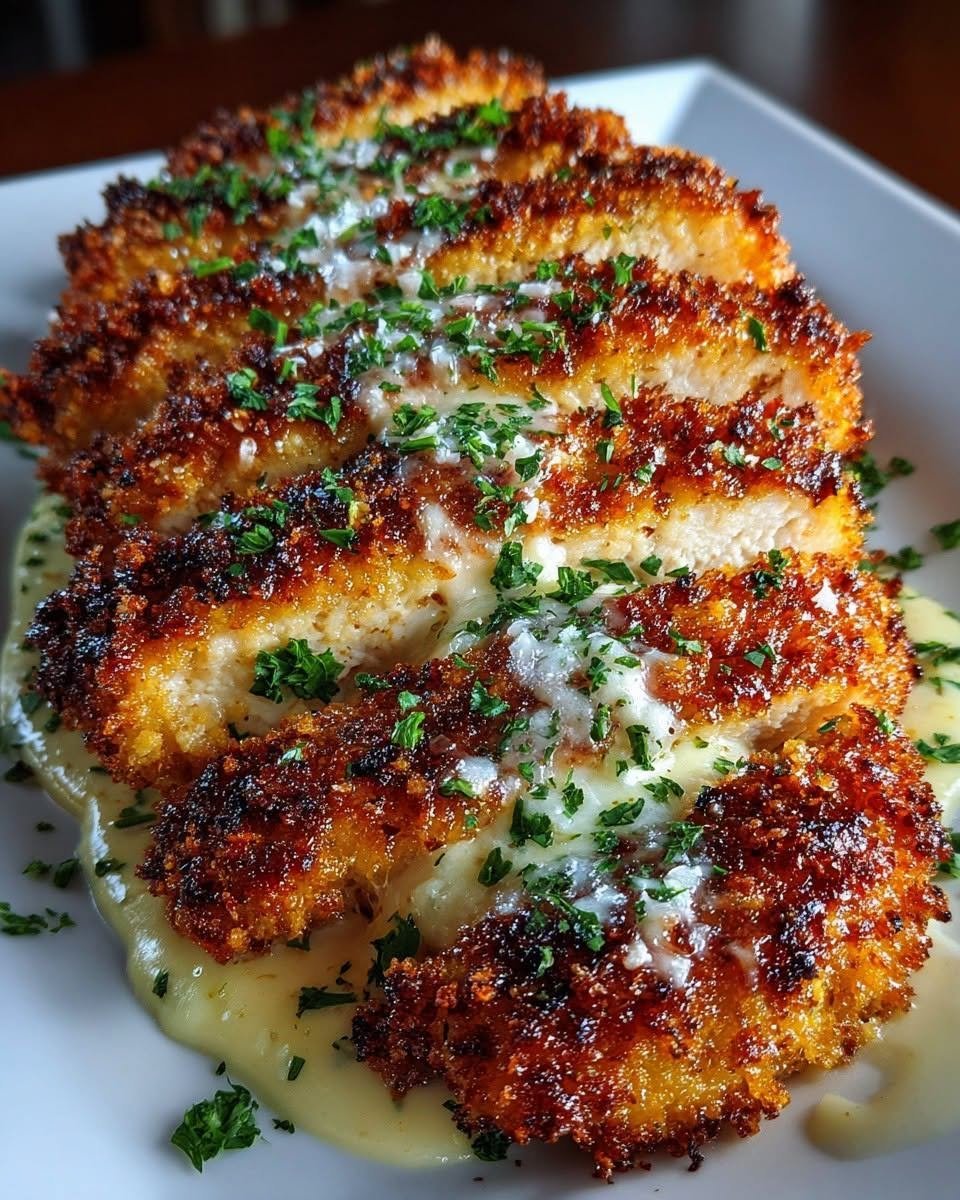
Prepare the components ahead when possible, keep the filling reasonably dry, and allow the baked tart to rest before slicing. Those simple steps help preserve the crisp pastry and clean layers.

Whether served warm for dinner, at room temperature for brunch, or alongside a holiday spread, this tart offers a satisfying combination of roasted vegetables, fruit, cheese, herbs, and nuts in every bite.

Roasted Sweet Potato Rounds with Honey & Cranberries

Roasted Sweet Potato Rounds with honey, dried cranberries, fresh herbs, feta, and toasted pecans

Roasted Sweet Potato Rounds with Honey & Cranberries

Roasted Sweet Potato Rounds are a colorful, naturally sweet side dish that combines tender roasted sweet potatoes with honey, dried cranberries, warm spices, and fresh herbs. The edges become beautifully caramelized while the centers stay soft and creamy. A light honey glaze adds sweetness, while cranberries provide a pleasant tart contrast. The finished dish feels festive enough for a holiday table but remains simple enough for an ordinary family dinner.

These Roasted Sweet Potato Rounds are useful when you want a side dish that looks impressive without requiring complicated cooking techniques. The ingredients are easy to find, preparation is straightforward, and most of the work happens in the oven. Because the slices are roasted in a single layer, they develop browned edges and a richer flavor than boiled sweet potatoes.

The combination of sweet potato, honey, cranberries, cinnamon, and herbs creates a balance of sweet, savory, tangy, and aromatic flavors. You can serve the dish beside roasted chicken, turkey, grilled fish, or a vegetarian main course. It also works beautifully as part of a Mediterranean-inspired spread with grains, salads, roasted vegetables, and creamy dips.

Prep Time: 15 minutes
Cook Time: 30–35 minutes
Total Time: 45–50 minutes
Servings: 6

Ingredients

For the Sweet Potato Rounds

  • 3 large sweet potatoes, about 2½ pounds total
  • 2 tablespoons extra virgin olive oil
  • 2 tablespoons honey
  • 1 tablespoon fresh lemon juice
  • 1 teaspoon lemon zest
  • ½ teaspoon ground cinnamon
  • ½ teaspoon smoked paprika
  • ½ teaspoon garlic powder
  • ½ teaspoon sea salt
  • ¼ teaspoon freshly ground black pepper

For the Cranberry Topping

  • ¾ cup dried cranberries
  • 2 tablespoons honey
  • 1 tablespoon fresh lemon juice
  • 1 tablespoon warm water
  • ¼ teaspoon cinnamon
  • 2 tablespoons chopped fresh parsley
  • 1 tablespoon chopped fresh mint
  • 2 tablespoons toasted pecans or walnuts, optional

Optional Finishing Ingredients

  • 2 tablespoons crumbled feta cheese
  • 1 teaspoon sesame seeds
  • Fresh orange zest
  • A small drizzle of extra virgin olive oil
  • Freshly chopped parsley for garnish

Step-by-Step Instructions

1. Prepare the Oven and Baking Sheet

First, preheat the oven to 425°F (220°C). Line a large baking sheet with parchment paper or lightly grease it with olive oil.

High heat is important because it helps the sweet potatoes caramelize rather than simply steam. Leave enough space between the slices so hot air can circulate around each piece.

For Roasted Sweet Potato Rounds, overcrowding the baking sheet can cause the potatoes to release steam and become soft without developing browned edges.

2. Slice the Sweet Potatoes

Wash and dry the sweet potatoes thoroughly. Using a sharp chef’s knife, slice them into rounds approximately ½ inch thick.

Try to keep the slices as uniform as possible. Consistent thickness allows every piece to finish cooking at approximately the same time.

If some slices are significantly thinner than others, remove them a few minutes earlier if necessary. Uniform slices also make the final presentation more attractive.

3. Prepare the Honey Seasoning

In a small bowl, whisk together the olive oil, honey, lemon juice, lemon zest, cinnamon, smoked paprika, garlic powder, sea salt, and black pepper.

The mixture should be smooth and well combined. If the honey is thick, warm it slightly so it spreads more easily over the potatoes.

This seasoning creates the foundation for Roasted Sweet Potato Rounds by combining caramelizing honey with bright citrus and savory spices.

4. Coat the Sweet Potato Slices

Place the sweet potato slices in a large bowl. Pour the honey mixture over them and gently toss until each slice is coated.

Make sure the seasoning reaches both sides of the slices. However, avoid using too much liquid because excess moisture can slow down browning.

Arrange the slices in a single layer on the prepared baking sheet. Leave a small amount of space between them whenever possible.

5. Roast the First Side

Place the baking sheet in the preheated oven. Roast the potatoes for approximately 18 minutes.

After this time, check the underside of a slice. It should be beginning to brown around the edges and feel tender when pierced with a fork.

Cooking time can vary with slice thickness and potato size. Keep an eye on them toward the end of the first roasting period.

6. Flip and Continue Roasting

Carefully flip each slice using a thin spatula. Return the baking sheet to the oven and roast for another 10–15 minutes.

The Roasted Sweet Potato Rounds should become golden brown around the edges and tender in the center. If you prefer deeper caramelization, roast them for a few additional minutes while watching carefully.

Avoid burning the honey glaze. If the edges are browning very quickly, reduce the oven temperature slightly during the final minutes.

7. Prepare the Cranberry Glaze

While the sweet potatoes roast, place the dried cranberries in a small bowl.

Add honey, lemon juice, warm water, and cinnamon. Stir gently and allow the mixture to sit for 5–10 minutes.

This short soaking period softens the cranberries and allows them to absorb some of the citrus flavor. Drain any excess liquid if necessary.

8. Add the Cranberries

Once the potatoes are roasted, transfer them carefully to a serving platter.

Scatter the softened cranberries over the warm slices. The heat from the potatoes helps the cranberries become slightly softer while their tart flavor contrasts with the honey glaze.

For Roasted Sweet Potato Rounds with an especially attractive presentation, arrange the slices slightly overlapping on the platter and distribute the cranberries evenly.

9. Add Fresh Herbs

Sprinkle chopped parsley and mint over the potatoes. Fresh herbs provide color and balance the honey and cranberries.

If desired, add toasted pecans or walnuts for crunch. Chopped nuts also make the dish more filling and introduce a pleasant contrast to the soft sweet potatoes.

10. Finish and Serve

Add optional feta cheese, sesame seeds, or fresh orange zest. A small drizzle of extra virgin olive oil can be added just before serving.

Taste one slice and adjust the seasoning with a tiny pinch of salt or an extra squeeze of lemon juice if needed.

Serve the Roasted Sweet Potato Rounds warm or at room temperature. Serve these Sweet Potato Rounds warm.

Tips for the Best Results

Slice Evenly

Uniform slices are essential for even cooking. If the rounds vary greatly in thickness, some may become dry while others remain firm.

For the most consistent Roasted Sweet Potato Rounds, use a sharp knife and take your time while slicing.

Do Not Overcrowd the Pan

Give every slice enough room to roast properly. When potatoes are packed too closely together, moisture becomes trapped between them.

As a result, the potatoes may soften without developing the golden caramelized edges that make roasted vegetables so appealing.

Use High Heat

A temperature of 425°F allows the natural sugars in sweet potatoes to caramelize. The honey also helps create a glossy, browned exterior.

Nevertheless, honey can darken quickly, so check the potatoes during the final minutes of cooking.

Balance the Sweetness

If you prefer a less sweet dish, reduce the honey slightly and increase the lemon juice. The cranberries already contribute sweetness, so the glaze does not need to be heavy.

For Roasted Sweet Potato Rounds with a more savory profile, increase the smoked paprika and add a small pinch of chili flakes.

Add Crunch at the End

Nuts and seeds are best added immediately before serving. This keeps them crisp and prevents them from becoming soft from the glaze.

Toasted pecans, walnuts, pumpkin seeds, or sunflower seeds all work well.

Serving Suggestions

These Roasted Sweet Potato Rounds pair beautifully with roasted chicken, turkey, baked salmon, grilled shrimp, or roasted vegetables. Their sweetness also complements savory grain dishes.

For a vegetarian meal, serve them with quinoa, lentils, chickpea salad, or a warm white bean dish. A simple green salad with lemon vinaigrette makes a refreshing contrast.

During a holiday meal, place the slices on a serving platter and garnish them with cranberries, herbs, nuts, and orange zest. These Sweet Potato Rounds look beautiful on a platter. The bright colors make the dish especially attractive on a buffet table.

For a Mediterranean-inspired spread, serve Roasted Sweet Potato Rounds alongside hummus, feta, olives, cucumber salad, roasted peppers, and warm pita.

Make-Ahead Instructions

You can prepare the sweet potato slices several hours before roasting. Wash, dry, and slice the potatoes, then store them in an airtight container in the refrigerator.

The honey seasoning can also be mixed ahead of time and kept covered in the refrigerator. Before using it, let it sit at room temperature briefly and whisk again.

For the best texture, roast the potatoes close to serving time. However, the finished Roasted Sweet Potato Rounds can be gently reheated in the oven.

Prepare the cranberry mixture separately and add it after reheating. This keeps the topping bright and prevents the cranberries from becoming overly soft.

Storage Instructions

Allow leftovers to cool before placing them in an airtight container. Refrigerate for up to four days.

To reheat, arrange the slices on a baking sheet and warm them at 375°F (190°C) for approximately 8–12 minutes. Avoid microwaving when possible because it can soften the roasted edges.

The Roasted Sweet Potato Rounds can be served warm, but they can also be enjoyed at room temperature as part of a buffet or packed lunch. Pack these Sweet Potato Rounds for lunch.

Freezing is not recommended because the texture of the sweet potatoes and cranberry topping may become softer after thawing.

Frequently Asked Questions

Can I use fresh cranberries?

Fresh cranberries are much more tart than dried cranberries. If using them, cook them briefly with honey and a small amount of water until they soften.

Why are my sweet potatoes not browning?

The most common reason is overcrowding. Spread the slices into a single layer with space around them. Also make sure the oven is fully preheated before the tray goes inside.

Can I use an air fryer?

Yes. Arrange the slices in a single layer and cook at approximately 380°F (193°C), turning halfway through. Because air fryers vary, check them frequently during the final minutes.

Can I make the slices thinner?

Yes, but thinner slices will cook more quickly. Watch them carefully because the honey can caramelize rapidly.

How do I keep the dish from becoming too sweet?

Use less honey, increase the lemon juice slightly, and add savory ingredients such as feta, smoked paprika, black pepper, and fresh herbs.

Nutrition Information

Approximate nutrition per serving:

Calories: 250 kcal
Protein: 3g
Carbohydrates: 43g
Fat: 9g
Fiber: 6g
Sugar: 20g
Sodium: 260mg

Final Thoughts

Roasted Sweet Potato Rounds are a simple way to turn everyday sweet potatoes into a colorful and flavorful side dish. The combination of caramelized potato edges, soft centers, honey, cranberries, lemon, and herbs creates a balance that works with both casual and special meals.

The recipe is flexible enough to adapt to your preferences. You can add feta for saltiness, nuts for crunch, orange zest for brightness, or red pepper flakes for gentle heat. Even with these changes, the basic preparation remains straightforward.

For the best result, focus on three things: slice the sweet potatoes evenly, avoid overcrowding the baking sheet, and watch the honey during the final roasting stage. Those small details make a noticeable difference in texture and flavor.

These Roasted Sweet Potato Rounds can be served as a holiday side, weeknight vegetable dish, or colorful addition to a Mediterranean-inspired dinner. Their attractive presentation also makes them suitable for potlucks and family gatherings.

Once the potatoes are golden and tender, finish them with cranberries, fresh herbs, and your favorite optional toppings. Serve them warm or at room temperature, and add a final squeeze of lemon if you want a brighter finish.

With minimal preparation and simple ingredients, Roasted Sweet Potato Rounds offer a satisfying combination of sweet, savory, tangy, and aromatic flavors. Enjoy these Sweet Potato Rounds fresh. They are easy to customize, convenient to prepare, and attractive enough to become a centerpiece on the side-dish table.

Golden Zucchini & Sweet Potato Rosti Lasagna Rolls with Spinach, Feta & Ricotta

Golden Lasagna Rolls with spinach, feta, ricotta, zucchini, and sweet potato rosti

Golden Zucchini & Sweet Potato Rosti Lasagna Rolls with Spinach, Feta & Ricotta

These Lasagna Rolls are a creative vegetarian dinner that combines crisp golden zucchini and sweet potato rosti with tender pasta, creamy ricotta, salty feta, and fresh spinach. The result is comforting, colorful, and packed with contrasting textures. Instead of a traditional meat filling, the recipe uses roasted vegetables and a creamy spinach-cheese mixture inside lasagna sheets, all baked in a rich tomato sauce.

This recipe gives classic baked lasagna a vegetable-forward Mediterranean-inspired character. Sweet potato brings natural sweetness, while zucchini keeps the filling fresh. Meanwhile, the rosti-style preparation creates browned, crisp edges. Ricotta adds a soft, creamy center, and feta brings a tangy, salty flavor that balances the vegetables.

For a family dinner, weekend meal, vegetarian gathering, or make-ahead lunch, these Lasagna Rolls are a practical choice. They can be assembled earlier in the day and baked when needed. In addition, a simple tomato sauce provides moisture and acidity while helping the pasta become tender and flavorful.

Prep Time: 35 minutes
Cook Time: 45 minutes
Resting Time: 10 minutes
Total Time: 1 hour 30 minutes
Servings: 6–8

Ingredients

For the Golden Zucchini and Sweet Potato Rosti

  • 2 medium zucchini, grated
  • 1 large sweet potato, peeled and grated
  • 1 small yellow onion, finely grated
  • 2 eggs
  • ¼ cup plain breadcrumbs
  • 2 tablespoons all-purpose flour
  • ½ teaspoon garlic powder
  • 1 teaspoon dried oregano
  • ½ teaspoon smoked paprika
  • ½ teaspoon sea salt
  • ¼ teaspoon black pepper
  • 2 tablespoons extra virgin olive oil

For the Spinach, Feta and Ricotta Filling

  • 10 ounces fresh spinach
  • 15 ounces ricotta cheese
  • 1 cup crumbled feta cheese
  • ½ cup shredded mozzarella
  • 2 garlic cloves, finely minced
  • 1 teaspoon dried oregano
  • ½ teaspoon dried basil
  • ¼ teaspoon black pepper
  • ½ teaspoon lemon zest
  • 1 tablespoon fresh lemon juice
  • ¼ teaspoon red pepper flakes, optional

For the Tomato Sauce

  • 3 cups crushed tomatoes or tomato passata
  • 1 small onion, finely chopped
  • 3 garlic cloves, minced
  • 2 tablespoons extra virgin olive oil
  • 1 teaspoon dried oregano
  • ½ teaspoon dried basil
  • ½ teaspoon smoked paprika
  • ½ teaspoon sea salt
  • ¼ teaspoon black pepper
  • 1 teaspoon honey or maple syrup, optional

For Assembly

  • 12 lasagna sheets
  • 1 cup shredded mozzarella
  • ¼ cup crumbled feta
  • 2 tablespoons grated Parmesan, optional
  • Fresh basil or parsley for garnish
  • Extra virgin olive oil for finishing

For reliable Lasagna Rolls, prepare and drain the vegetables carefully before assembly. Controlling moisture is the key to keeping the filling creamy instead of watery.

Step-by-Step Instructions

1. Prepare the Zucchini and Sweet Potato

Start by grating the zucchini and sweet potato using the large holes of a box grater. Place the grated zucchini in a clean kitchen towel and squeeze firmly to remove as much liquid as possible. Repeat with the sweet potato.

This step matters because zucchini contains a significant amount of water. If too much moisture remains, the rosti mixture can become loose and difficult to brown.

Next, place the drained vegetables in a large bowl. Add the grated onion, eggs, breadcrumbs, flour, garlic powder, oregano, smoked paprika, salt, and black pepper. Mix until the ingredients are evenly combined.

The mixture should hold together when pressed. If it feels too wet, add another tablespoon of breadcrumbs.

2. Cook the Golden Rosti

Meanwhile, heat the olive oil in a large nonstick skillet over medium heat. Add the vegetable mixture in small portions and press each portion into a thin round or oval shape.

Cook for 3–4 minutes on the first side, or until the underside becomes golden and crisp. Carefully flip each piece, then cook for another 3–4 minutes.

Continue until all of the mixture has been used. The rosti does not need to become completely dry because it will finish cooking inside the baked pasta. This golden layer is what gives the Lasagna Rolls their signature vegetable-forward texture.

Afterward, transfer the cooked rosti to a plate and let it cool for several minutes. Cut or tear each piece into strips that will fit comfortably inside the pasta sheets.

The browned vegetable layer gives these Lasagna Rolls their golden appearance and adds a lightly crisp texture to the creamy filling.

3. Prepare the Spinach

Wash the spinach thoroughly. Then, place it in a large skillet over medium heat and cook for 2–3 minutes, stirring until wilted.

Transfer the spinach to a colander and let it cool slightly. Squeeze out as much water as possible, then chop it finely.

If you prefer frozen spinach, thaw it completely and squeeze it very well before chopping. This extra step prevents excess liquid from collecting in the baking dish.

Keeping the spinach relatively dry is important because extra moisture can make the Lasagna Rolls watery after baking.

4. Make the Spinach, Feta and Ricotta Filling

Place the prepared spinach in a large bowl. Add the ricotta, feta, mozzarella, minced garlic, oregano, basil, black pepper, lemon zest, lemon juice, and red pepper flakes if using.

Mix gently until everything is evenly distributed. Avoid overmixing because the filling should retain some texture from the feta.

Taste the mixture and adjust the seasoning if necessary. Since feta already contains salt, you may not need any additional salt.

In addition, the lemon zest and juice brighten the rich cheese mixture and help the Lasagna Rolls taste fresh rather than heavy.

5. Prepare the Tomato Sauce

Heat two tablespoons of olive oil in a saucepan over medium heat. Add the chopped onion and cook for 4–5 minutes, or until softened.

After that, add the garlic and cook for about 30 seconds. Pour in the crushed tomatoes or passata.

Add the oregano, basil, smoked paprika, salt, and black pepper. If the tomatoes taste particularly acidic, stir in a teaspoon of honey or maple syrup.

Simmer the sauce for 12–15 minutes, stirring occasionally. The sauce should become slightly thick while remaining easy to pour.

As a result, the tomato sauce gives the Lasagna Rolls moisture while adding acidity that balances the sweet potato and creamy cheese.

6. Cook the Pasta Sheets

Bring a large pot of salted water to a boil. Cook the lasagna sheets according to the package directions until just tender.

Do not overcook the sheets. They should remain firm enough to handle and roll without tearing.

Once cooked, drain the pasta and lay the sheets flat on a lightly oiled tray or clean work surface.

If you are using oven-ready sheets, follow the package instructions. Some varieties can be assembled without pre-boiling.

7. Assemble the Lasagna Rolls

First, preheat the oven to 375°F (190°C). Spread about one cup of tomato sauce across the bottom of a 9 × 13-inch baking dish.

Place one pasta sheet on a clean surface. Spread a thin, even layer of the spinach, feta, and ricotta filling across the sheet.

Next, place a strip of golden zucchini and sweet potato rosti over the filling. Roll the pasta gently from one short end toward the other.

Place the finished roll seam-side down in the baking dish. Repeat the process with the remaining pasta sheets and filling.

Arrange the Lasagna Rolls snugly beside one another so they remain upright during baking. Pour the remaining tomato sauce over the top, making sure the pasta is well covered.

8. Add the Cheese

Sprinkle shredded mozzarella evenly over the rolls. Then add the crumbled feta and Parmesan if using.

For extra Mediterranean flavor, sprinkle a little oregano and black pepper over the cheese. The combination of mozzarella and feta creates a golden, bubbling topping while keeping the interior creamy.

9. Bake

Cover the baking dish loosely with aluminum foil. Bake for 25 minutes.

After 25 minutes, remove the foil and continue baking for another 15–20 minutes. The cheese should be melted and lightly golden, while the sauce should bubble around the edges.

For a darker top, use the broiler during the final 1–2 minutes. Watch closely because the cheese can brown quickly.

The Lasagna Rolls are ready when the center is hot and the pasta is completely tender.

10. Rest Before Serving

Remove the baking dish from the oven and let it rest for about 10 minutes.

During this time, the sauce and cheese settle, making the rolls easier to serve without falling apart.

Finally, garnish with fresh parsley or basil and a small drizzle of extra virgin olive oil.

Tips for the Best Results

Remove as Much Vegetable Moisture as Possible

The biggest secret to successful rosti is moisture control. Zucchini contains a lot of water, and sweet potato can also release moisture during cooking.

For best results, squeeze both vegetables thoroughly before mixing the rosti. This helps them brown instead of steam.

Dry spinach is equally important. If the spinach is wet, the cheese filling can become loose and may release liquid into the dish.

Do Not Overfill the Pasta

Use a moderate amount of filling on each sheet. Too much filling makes the rolls difficult to close and can cause the mixture to spill out during baking.

A thin layer of ricotta mixture plus a strip of rosti is enough to create a satisfying center.

Keep the Sauce Thick

The tomato sauce should not be watery. Simmer it long enough to reduce excess liquid.

Therefore, a thick sauce helps the Lasagna Rolls maintain their shape and prevents the finished dish from becoming soupy.

Roll Gently

Cooked pasta sheets are delicate. Roll them firmly enough to hold their shape, but avoid pressing so hard that the filling is forced out.

Placing each roll seam-side down helps it stay closed. Before serving, allow the Lasagna Rolls to rest so the layers can settle.

Serving Suggestions

Serve these Lasagna Rolls with a crisp green salad dressed with lemon juice and olive oil.

Alternatively, a Mediterranean tomato and cucumber salad pairs beautifully with the rich cheese filling.

For a larger dinner, add roasted broccoli, asparagus, bell peppers, or a simple arugula salad.

Warm garlic bread or crusty sourdough is useful for soaking up the tomato sauce.

For a Mediterranean-inspired table, add olives, hummus, roasted peppers, and a small bowl of tzatziki.

Recipe Variations

Add Mushrooms

Sauté finely sliced mushrooms until their moisture has evaporated, then add them to the spinach filling. Mushrooms provide an earthy flavor that works particularly well with feta and sweet potato.

Add Sun-Dried Tomatoes

Chopped sun-dried tomatoes can be mixed into the ricotta filling. Their concentrated sweet-tart flavor adds another Mediterranean element.

Add Roasted Red Pepper

Finely chopped roasted red pepper can be added to the filling or scattered over the tomato sauce. This also adds beautiful color.

Make It Spicy

Add extra red pepper flakes to the filling or tomato sauce. A small drizzle of chili oil over the finished dish also works well.

Add Fresh Herbs

Fresh basil, parsley, dill, or mint can be added to the cheese filling. Use herbs moderately so they complement rather than overpower the roasted vegetables.

Make-Ahead Instructions

These Lasagna Rolls can be assembled several hours before baking. Prepare the rosti, spinach filling, and tomato sauce separately.

Once the components have cooled, assemble the rolls in the baking dish. Cover tightly and refrigerate for up to 24 hours. This make-ahead method keeps the Lasagna Rolls convenient for busy days.

When you are ready to bake, let the dish sit at room temperature for approximately 20 minutes. Then bake according to the recipe, adding several extra minutes if the center is still cold.

Storage Instructions

Store leftover rolls in an airtight container in the refrigerator for up to four days.

For reheating, warm individual portions in the microwave until hot throughout. Alternatively, place them in a covered oven-safe dish and reheat at 350°F (175°C).

If the pasta looks dry, add a spoonful of tomato sauce before reheating. The Lasagna Rolls can also be frozen after baking. Allow them to cool completely, wrap individual portions securely, and freeze for up to three months.

Frequently Asked Questions

Can I use frozen spinach?

Yes. Thaw it completely and squeeze out as much water as possible. Frozen spinach is convenient and works well in the ricotta filling.

Can I use only zucchini for the rosti?

Yes. You can replace the sweet potato with additional zucchini. However, the rosti will be less sweet and may need extra breadcrumbs.

Can I prepare the rosti ahead?

Yes. Cooked rosti can be refrigerated for up to two days. Allow it to cool before storing it in an airtight container.

Can I use cottage cheese instead of ricotta?

Yes. Cottage cheese can replace ricotta. For a smoother filling, blend it briefly before combining it with the spinach and feta.

Can I make this gluten-free?

Yes. Use gluten-free lasagna sheets, breadcrumbs, and flour for the rosti.

Why did my rolls become watery?

Excess moisture from zucchini, spinach, or tomato sauce is usually responsible. Squeeze the vegetables thoroughly and simmer the sauce until slightly thickened.

Can I make the recipe without feta?

Yes. You can replace feta with goat cheese or additional mozzarella. The flavor will be milder, but the recipe will still work.

How do I keep the Lasagna Rolls neat when serving?

Let the baked dish rest for about 10 minutes before serving. Then, use a wide spatula to lift each roll carefully from underneath, keeping the seam and filling intact.

Nutrition Information

Approximate nutrition per serving:

Calories: 480 kcal
Protein: 23g
Carbohydrates: 52g
Fat: 21g
Saturated Fat: 9g
Fiber: 7g
Sugar: 9g
Sodium: 720mg

Nutrition values are estimates and may vary depending on brands, portion sizes, and optional ingredients.

Final Thoughts

These Lasagna Rolls transform familiar lasagna ingredients into a colorful vegetarian dish with layers of creamy cheese, spinach, golden zucchini, sweet potato, and tomato sauce.

The rosti adds something special. Instead of simply mixing vegetables into the filling, the grated zucchini and sweet potato are browned separately, creating caramelized edges and deeper flavor.

The spinach, feta, and ricotta mixture keeps the center creamy, while mozzarella creates a golden finish. Lemon zest, oregano, garlic, and fresh herbs add brightness and Mediterranean character.

For an impressive but practical dinner, these Lasagna Rolls are a useful choice. Most of the preparation can be completed ahead of time, and the finished dish can be refrigerated and reheated for later meals.

For the best texture, remember to squeeze the zucchini and spinach thoroughly. Keep the tomato sauce thick, avoid overfilling the pasta, and allow the finished dish to rest before serving.

Serve the Lasagna Rolls with a fresh salad and warm bread for a complete meal. Leftovers can be refrigerated for several days or frozen in individual portions. As a result, the Lasagna Rolls are just as practical for meal prep as they are for a family dinner.

Whether served for a family dinner, weekend gathering, or vegetarian celebration, these golden vegetable-filled rolls offer a delicious combination of creamy, savory, sweet, and fresh flavors.