Air Fryer Crispy Feta Bites with Hot Honey

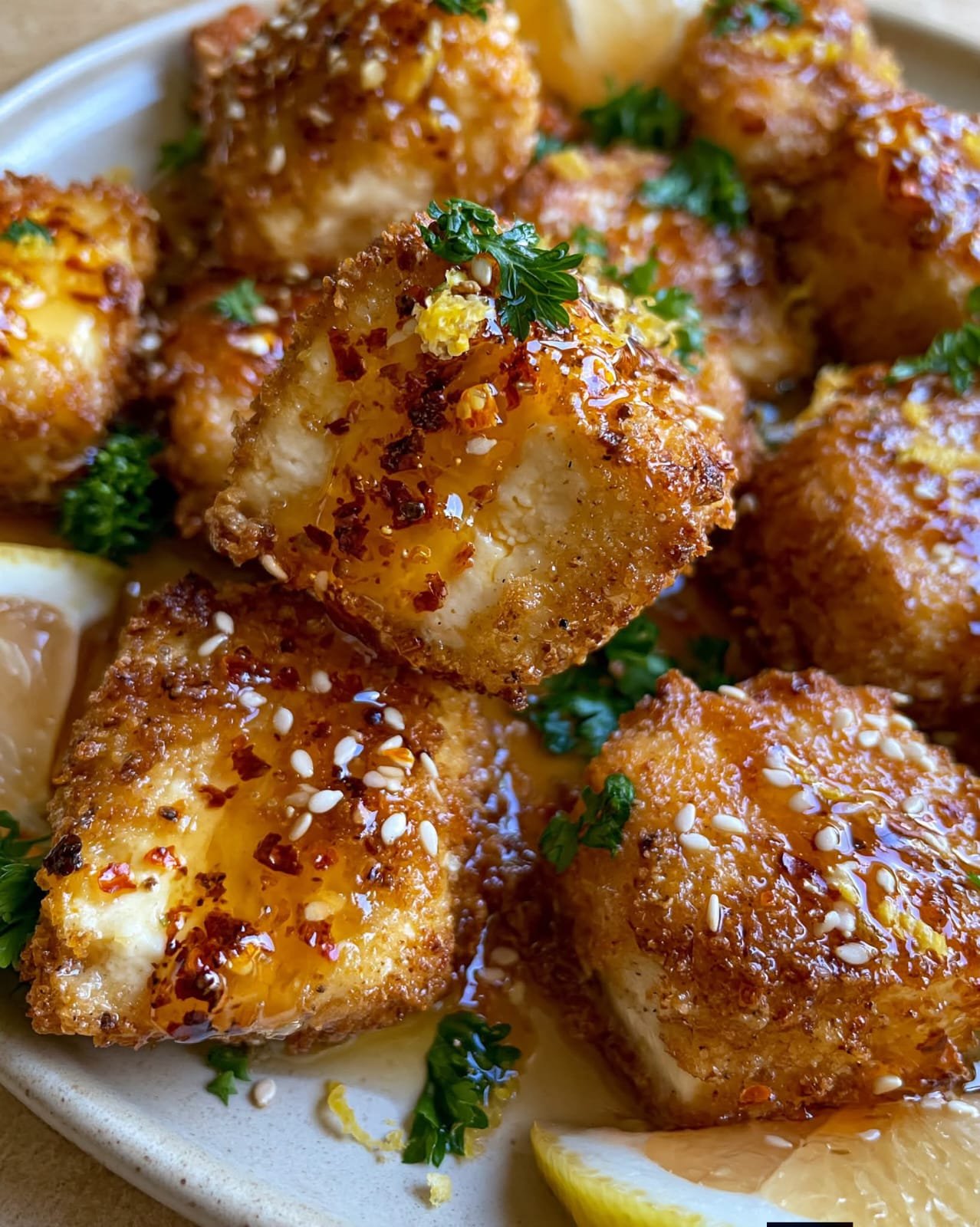
Feta Bites with crispy golden panko coating, creamy feta cheese, fresh herbs, and a drizzle of hot honey

Air Fryer Crispy Feta Bites with Hot Honey

Feta Bites are crispy, creamy, and full of bold flavor, with a crunchy golden coating wrapped around warm feta cheese and finished with a sweet-spicy drizzle of hot honey. They are easy to make in the air fryer and work beautifully as an appetizer, party snack, or Mediterranean-style bite.

These Feta Bites come together with simple ingredients including feta, flour, eggs, panko breadcrumbs, herbs, and a little olive oil spray. The contrast between salty feta and warm honey makes every bite rich, crisp, and satisfying without requiring deep frying.

Prep Time: 20 minutes
Chill Time: 20 minutes
Air Fry Time: 8–10 minutes
Total Time: About 50 minutes
Servings: 4

Ingredients

For the Feta

  • 8 ounces block feta cheese
  • 1/3 cup all-purpose flour
  • 2 large eggs
  • 1 tablespoon milk
  • 1 cup panko breadcrumbs
  • 1/2 teaspoon dried oregano
  • 1/2 teaspoon garlic powder
  • 1/4 teaspoon smoked paprika
  • 1/4 teaspoon black pepper
  • Olive oil spray

Ingredients For the Hot Honey

  • 1/4 cup honey
  • 1/2 teaspoon red pepper flakes
  • 1 teaspoon lemon juice
  • Pinch of salt

For Serving

  • Chopped fresh parsley
  • Sesame seeds, optional
  • Lemon wedges
  • Extra hot honey

Why You’ll Love This Recipe

Feta Bites have everything you want in an easy appetizer: crisp texture, creamy cheese, bold seasoning, and a sweet-spicy finish. The air fryer gives the coating a golden crunch while keeping the feta soft and warm inside.

Another reason to love Feta Bites is how quickly they cook. Once the pieces are coated and chilled, they need only a few minutes in the air fryer.

They are also easy to serve with a mezze board, salad, or extra hot honey.

How to Make Feta Bites

Step 1: Cut the Feta

Remove the feta block from its package and pat it dry with paper towels.

Cut the cheese into bite-size cubes or small rectangles, about 1 to 1 1/2 inches each.

Keeping the pieces similar in size helps Feta Bites cook evenly and prevents smaller pieces from becoming too soft before the larger ones are heated through.

Step 2: Prepare the Breading Station

Place the flour in one shallow bowl.

In a second bowl, whisk together the eggs and milk.

In a third bowl, combine panko breadcrumbs, oregano, garlic powder, smoked paprika, and black pepper.

Arrange the bowls in order so coating the cheese is quick and easy.

Step 3: Coat the Feta

Dip each piece of feta into the flour and shake off the excess.

Next, dip it into the egg mixture, making sure every side is coated.

Finally, press the cheese into the seasoned panko until fully covered.

For an extra-crispy shell, repeat the egg and panko steps once more. Double coating gives Feta Bites a sturdier exterior and helps keep the cheese inside during air frying.

Step 4: Chill the Coated Pieces

Place the coated feta pieces on a parchment-lined plate or tray.

Refrigerate for at least 20 minutes.

Chilling helps the breading firm up and reduces the chance of the cheese softening too quickly in the air fryer.

Step 5: Make the Hot Honey

While the feta chills, place honey and red pepper flakes in a small saucepan over low heat.

Warm gently for 2 to 3 minutes. Do not boil.

Remove from the heat and stir in lemon juice and a tiny pinch of salt.

Let the mixture rest so the pepper flakes can infuse the honey.

Step 6: Preheat the Air Fryer

Preheat the air fryer to 390°F or 200°C for about 3 minutes.

A hot basket helps Feta Bites start crisping immediately and gives the coating a better golden finish.

Step 7: Arrange in the Basket

Lightly spray the air fryer basket with olive oil.

Arrange the chilled pieces in a single layer, leaving a little space between each one.

Lightly spray the tops with olive oil.

Do not overcrowd the basket because air needs to circulate around each piece.

Step 8: Air Fry Until Golden

Air fry for 4 to 5 minutes.

Carefully flip the pieces, spray lightly again, and continue cooking for another 3 to 5 minutes.

Feta Bites are ready when the coating is golden and crisp and the cheese inside is warm.

Watch closely near the end because feta can soften quickly once heated.

Step 9: Rest Briefly

Transfer the cooked bites to a plate and let them rest for 2 minutes.

This short rest helps the coating firm slightly.

Step 10: Drizzle and Serve

Arrange the warm Feta Bites on a serving plate.

Drizzle with hot honey, sprinkle with chopped parsley and sesame seeds if desired, and serve with lemon wedges.

Serve immediately for the best contrast between crisp coating and creamy cheese.

Serving Suggestions

Feta Bites are excellent as part of a Mediterranean appetizer spread.

Serve them with olives, cucumber slices, cherry tomatoes, hummus, pita wedges, roasted peppers, or a simple chopped salad.

They also pair well with grilled chicken, roasted vegetables, or a grain bowl.

Serve Feta Bites on a party platter with a small bowl of extra hot honey in the center for dipping.

For a lighter, fresher contrast, place them over arugula and finish with a squeeze of lemon.

For another savory and cheesy snack, try our Broccoli & Cheddar Savory Muffins with tender broccoli, cheddar, herbs, and a soft golden crumb.

Recipe Tips

Use a firm block of feta rather than crumbled feta.

Pat the cheese dry before breading so the coating sticks better.

Double coating is helpful if your feta is especially soft.

Chill the breaded pieces before air frying.

Do not overcrowd the basket.

Use panko breadcrumbs for a lighter, crunchier texture than regular breadcrumbs.

Spray lightly with oil instead of pouring oil over the breading.

For the best texture, serve them soon after air frying.

If the honey is too spicy, add more plain honey. If it is not spicy enough, stir in extra red pepper flakes.

Easy Variations

Feta Bites are easy to customize with different flavors.

Add dried thyme, rosemary, or parsley to the breadcrumbs for a more herb-forward flavor.

Turn up the heat by mixing cayenne pepper into the panko or adding extra chili flakes to the honey.

Create a nutty sesame crust by replacing part of the panko with sesame seeds.

You can also make Feta Bites with a lemon-herb honey by omitting the chili flakes and adding extra lemon zest.

For a sweeter finish, add a tiny amount of orange zest to the honey.

If you enjoy crispy, cheesy comfort food, you may also like our Taco Bell Mexican Pizza with seasoned beef, refried beans, taco sauce, and melted cheese.

Make-Ahead Instructions

The bites can be breaded several hours ahead.

Place the coated pieces on a tray, cover loosely, and refrigerate until ready to cook.

The hot honey can also be prepared in advance and stored in a small covered jar at room temperature for the day.

Air fry just before serving so the coating stays crisp.

Storage and Reheating

Store leftovers in an airtight container in the refrigerator for up to 2 days.

To reheat, place them back in the air fryer at 350°F or 175°C for 3 to 4 minutes.

Avoid microwaving if possible because the breading can become soft.

The hot honey can be stored separately and added after reheating.

Freezing is not ideal because feta can change texture after thawing.

Nutrition Information

Approximate nutrition per serving:

Calories: 320
Protein: 12 g
Carbohydrates: 32 g
Fat: 17 g
Saturated Fat: 9 g
Fiber: 1 g
Sugar: 16 g
Sodium: 720 mg

Nutrition values are estimates and will vary depending on the feta, breadcrumbs, honey, and serving size.

Frequently Asked Questions

Can I use crumbled feta?

No. A firm block works best because it can be cut into pieces and breaded easily.

Can I make these without an air fryer?

Yes. Bake them in a 425°F or 220°C oven for about 12 to 15 minutes, turning once.

Why did the feta leak out?

The cheese may have been too soft, the coating too thin, or the pieces may have cooked too long. Chilling and double coating can help.

Can I make the hot honey less spicy?

Yes. Reduce the red pepper flakes or mix the finished honey with extra plain honey.

Can I use regular breadcrumbs?

Yes, but panko gives Feta Bites a lighter and crunchier coating.

Can I prepare them ahead?

Yes. Bread and chill the pieces a few hours before cooking.

What can I serve with them?

They pair well with salads, roasted vegetables, hummus, pita, grilled chicken, and Mediterranean-style appetizer boards.

Final Thoughts

Feta Bites are a simple air fryer appetizer that combines salty feta, crisp seasoned breadcrumbs, fresh herbs, and sweet-spicy hot honey.

Because Feta Bites cook quickly and can be breaded ahead, they are useful for parties, casual entertaining, and easy weeknight snacks.

Keep this Feta Bites recipe handy whenever you want a crispy appetizer with a creamy center and bold Mediterranean-inspired flavor.

With golden panko, warm feta, and a glossy drizzle of hot honey, Feta Bites are an easy snack that looks impressive while requiring only a short cooking time.

Easy Italian Drunken Noodles

Mexican Pizza with crispy tortillas, seasoned ground beef, refried beans, tomatoes, taco sauce, and melted cheese

Easy Italian Drunken Noodles

Italian Drunken Noodles are a bold, comforting pasta dish made with tender pappardelle or wide egg noodles, Italian sausage, sweet bell peppers, garlic, tomatoes, herbs, and a splash of white wine. The sauce is savory, slightly sweet, and full of rustic Italian-inspired flavor, while the wide noodles hold onto every bit of the rich tomato mixture.

These Italian Drunken Noodles are perfect for busy weeknights or family dinners and can be customized with different vegetables, proteins, or a non-alcoholic wine substitute.

Prep Time: 20 minutes
Cook Time: 30 minutes
Total Time: 50 minutes
Servings: 6

Ingredients

For the Noodles

  • 12 ounces pappardelle, tagliatelle, or wide egg noodles
  • 1 tablespoon salt for the pasta water

Ingredients For the Sausage and Vegetables

  • 1 pound Italian sausage, mild or spicy
  • 1 tablespoon olive oil, if needed
  • 1 medium yellow onion, thinly sliced
  • 1 red bell pepper, thinly sliced
  • 1 yellow bell pepper, thinly sliced
  • 1 orange bell pepper, thinly sliced
  • 4 garlic cloves, minced

For the Sauce

  • 1/2 cup dry white wine
  • 1 can (14.5 ounces) diced tomatoes
  • 1 cup crushed tomatoes
  • 2 tablespoons tomato paste
  • 1 teaspoon Italian seasoning
  • 1 teaspoon dried oregano
  • 1/2 teaspoon dried basil
  • 1/4 teaspoon red pepper flakes, optional
  • 1/2 teaspoon salt
  • 1/4 teaspoon black pepper
  • 1/2 cup chicken broth, as needed

For Finishing

  • 1/3 cup grated Parmesan cheese
  • 1/4 cup chopped fresh parsley
  • 2 tablespoons chopped fresh basil
  • Extra Parmesan for serving

Why You’ll Love This Recipe

Italian Drunken Noodles combine the heartiness of pasta with the flavor of browned sausage, peppers, garlic, and a tomato-wine sauce. The wide noodles make the dish feel especially satisfying because they catch the chunky sauce beautifully.

Another reason to love Italian Drunken Noodles is their flexibility. Use hot sausage, mild sausage, ground turkey, or extra vegetables such as mushrooms, zucchini, or spinach.

How to Make Italian Drunken Noodles

Step 1: Bring the Pasta Water to a Boil

Fill a large pot with salted water and bring it to a rolling boil while you prepare the sauce. Well-salted water seasons the noodles from the inside.

Step 2: Brown the Sausage

Heat a large, deep skillet over medium-high heat.

Add the Italian sausage and cook for 5 to 7 minutes, breaking it into small crumbles with a wooden spoon.

Cook until browned and no pink remains, then transfer the sausage to a plate, leaving a little fat in the skillet.

Step 3: Cook the Onion and Peppers

Add the sliced onion and bell peppers to the same skillet.

Cook for 6 to 8 minutes, stirring occasionally, until the vegetables soften and begin to develop lightly caramelized edges.

This mixture gives Italian Drunken Noodles their colorful appearance and slightly sweet flavor.

Step 4: Add the Garlic

Stir in the minced garlic.

Cook for about 30 seconds, just until fragrant.

Avoid cooking the garlic too long because burned garlic can give the sauce a bitter taste.

Step 5: Deglaze with White Wine

Pour the white wine into the skillet.

Scrape up the browned bits from the bottom of the pan and let the wine simmer for 2 to 3 minutes.

The wine adds depth and a subtle acidity to Italian Drunken Noodles. For an alcohol-free version, use chicken broth with a small splash of white wine vinegar or lemon juice.

Step 6: Build the Tomato Sauce

Add the diced tomatoes, crushed tomatoes, tomato paste, Italian seasoning, oregano, basil, red pepper flakes, salt, and black pepper.

Stir until everything is combined.

Return the browned sausage to the skillet.

Reduce the heat to medium-low and let the sauce simmer for 10 to 12 minutes.

Step 7: Cook the Noodles

While the sauce simmers, cook the pasta until al dente. Reserve 1 cup of pasta water, then drain without rinsing.

Step 8: Combine the Pasta and Sauce

Add the hot noodles directly to the skillet with the sausage and pepper sauce.

Toss gently with tongs until the pasta is evenly coated.

If the sauce seems too thick, add a splash of reserved pasta water or chicken broth.

Italian Drunken Noodles should look glossy and saucy without becoming watery.

Step 9: Add Parmesan and Herbs

Sprinkle in the Parmesan, parsley, and fresh basil.

Toss again until the cheese begins to melt into the sauce.

Taste and adjust the salt, black pepper, or chili flakes if needed.

Step 10: Rest and Serve

Remove the skillet from the heat and let the pasta rest for 2 to 3 minutes.

This short rest helps the sauce cling more closely to the noodles.

Serve Italian Drunken Noodles hot with extra Parmesan and fresh basil on top.

Serving Suggestions

Italian Drunken Noodles are hearty enough to serve as a complete meal.

Pair the pasta with a crisp green salad, roasted broccoli, green beans, sautéed spinach, or garlic bread. For a lighter meal, serve Italian Drunken Noodles with tomato-cucumber salad or roasted zucchini.

For another easy and comforting meal, try our Slow Cooker Spring Blossom Chicken with tender chicken, vegetables, lemon, herbs, and a creamy garlic sauce.

Recipe Tips

Use wide pasta because it holds chunky sausage and vegetable sauce especially well.

Brown the sausage properly before adding the vegetables for deeper flavor.

Slice the peppers into similar-size strips so they cook evenly.

Let the wine reduce before adding the tomatoes.

Do not overcook the pasta. Al dente noodles hold their shape better when tossed with the sauce.

Reserve pasta water before draining.

For the best Italian Drunken Noodles texture, add only enough pasta water to loosen the sauce.

Fresh basil and parsley should be added near the end so their flavor stays bright.

Easy Variations

Italian Drunken Noodles can be customized in several easy ways.

For a spicy version, use hot Italian sausage and extra red pepper flakes. For a lighter option, use ground turkey or chicken sausage.

Add mushrooms, zucchini, spinach, or cherry tomatoes for more vegetables. For a creamy variation, stir in 1/3 cup heavy cream at the end. If pappardelle is unavailable, tagliatelle, fettuccine, or wide egg noodles work well.

If you enjoy cozy one-pot dinners, you may also like our Lasagna Soup with seasoned beef, tender pasta, tomatoes, ricotta, mozzarella, and Italian herbs.

Make-Ahead Instructions

Italian Drunken Noodles are best when freshly tossed, but the sauce can easily be prepared ahead.

Cook the sausage, vegetables, wine, and tomato sauce up to 2 days in advance.

Cool the sauce completely and refrigerate it in an airtight container.

When ready to serve, reheat the sauce gently while cooking fresh pasta. Toss everything together with Parmesan, herbs, and a little pasta water.

Storage and Reheating

Store leftover Italian Drunken Noodles in an airtight container in the refrigerator for up to 4 days.

Reheat portions in a skillet with a splash of broth or water, or microwave in short intervals. Avoid overheating so the noodles stay tender.

The sauce can be frozen separately for up to 3 months. Thaw overnight in the refrigerator and toss with freshly cooked pasta.

Nutrition Information

Approximate nutrition per serving:

Calories: 520
Protein: 25 g
Carbohydrates: 58 g
Fat: 21 g
Saturated Fat: 8 g
Fiber: 6 g
Sugar: 10 g
Sodium: 790 mg

Nutrition values are estimates and may vary depending on the sausage, pasta, cheese, wine, and portion size.

Frequently Asked Questions

Why are they called drunken noodles?

In this Italian-inspired version, the name comes from the splash of wine used in the sauce. It is different from Thai drunken noodles, which are a separate dish with different ingredients and flavors.

Can I make this without alcohol?

Yes. Replace the wine with chicken broth and add a small splash of lemon juice or white wine vinegar for acidity.

What pasta works best?

Pappardelle is ideal because the wide ribbons hold the chunky sauce well, but tagliatelle, fettuccine, or wide egg noodles are also good choices.

Can I use ground beef instead of sausage?

Yes. Ground beef works, although the finished dish will have a milder flavor. Add a little extra Italian seasoning if needed.

Can I add cream?

Yes. Stir in a small amount of heavy cream at the end for a richer sauce.

Can I make it vegetarian?

Yes. Replace the sausage with mushrooms, lentils, or a plant-based meat substitute and use vegetable broth.

Can I freeze leftovers?

You can freeze the sauce, but pasta is best cooked fresh because frozen noodles can become softer after reheating.

Final Thoughts

Italian Drunken Noodles are an easy way to turn sausage, colorful peppers, tomatoes, herbs, and wide pasta into a comforting skillet dinner.

Because Italian Drunken Noodles come together in less than an hour and can be adapted with different proteins or vegetables, they work well for weeknight meals, casual entertaining, and family dinners.

Keep Italian Drunken Noodles on your recipe list whenever you want a bold, hearty pasta dish with a rich tomato sauce and plenty of Italian-inspired flavor.

With browned sausage, sweet peppers, fresh herbs, Parmesan, and a savory wine-tomato sauce, Italian Drunken Noodles deliver a satisfying dinner that feels special without requiring complicated preparation.

Easy Italian Drunken Noodles

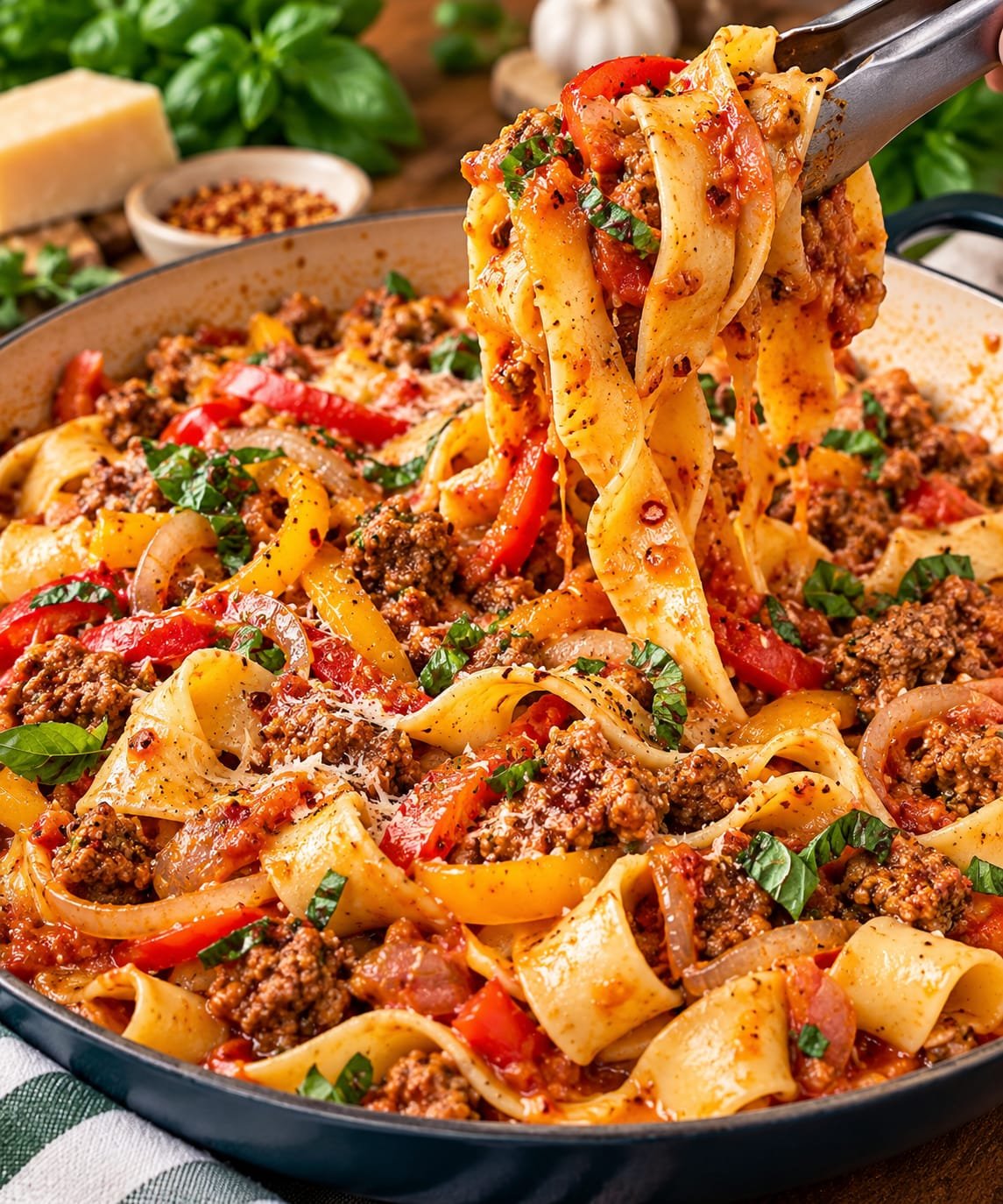
Italian Drunken Noodles with Italian sausage, colorful bell peppers, tomatoes, garlic, Parmesan, herbs, and wide pasta noodles

Easy Italian Drunken Noodles

Italian Drunken Noodles are a bold, comforting pasta dish made with tender pappardelle or wide egg noodles, Italian sausage, sweet bell peppers, garlic, tomatoes, herbs, and a splash of white wine. The sauce is savory, slightly sweet, and full of rustic Italian-inspired flavor, while the wide noodles hold onto every bit of the rich tomato mixture.

These Italian Drunken Noodles are perfect for busy weeknights or family dinners and can be customized with different vegetables, proteins, or a non-alcoholic wine substitute.

Prep Time: 20 minutes
Cook Time: 30 minutes
Total Time: 50 minutes
Servings: 6

Ingredients

For the Noodles

  • 12 ounces pappardelle, tagliatelle, or wide egg noodles
  • 1 tablespoon salt for the pasta water

Ingredients For the Sausage and Vegetables

  • 1 pound Italian sausage, mild or spicy
  • 1 tablespoon olive oil, if needed
  • 1 medium yellow onion, thinly sliced
  • 1 red bell pepper, thinly sliced
  • 1 yellow bell pepper, thinly sliced
  • 1 orange bell pepper, thinly sliced
  • 4 garlic cloves, minced

For the Sauce

  • 1/2 cup dry white wine
  • 1 can (14.5 ounces) diced tomatoes
  • 1 cup crushed tomatoes
  • 2 tablespoons tomato paste
  • 1 teaspoon Italian seasoning
  • 1 teaspoon dried oregano
  • 1/2 teaspoon dried basil
  • 1/4 teaspoon red pepper flakes, optional
  • 1/2 teaspoon salt
  • 1/4 teaspoon black pepper
  • 1/2 cup chicken broth, as needed

For Finishing

  • 1/3 cup grated Parmesan cheese
  • 1/4 cup chopped fresh parsley
  • 2 tablespoons chopped fresh basil
  • Extra Parmesan for serving

Why You’ll Love This Recipe

Italian Drunken Noodles combine the heartiness of pasta with the flavor of browned sausage, peppers, garlic, and a tomato-wine sauce. The wide noodles make the dish feel especially satisfying because they catch the chunky sauce beautifully.

Another reason to love Italian Drunken Noodles is their flexibility. Use hot sausage, mild sausage, ground turkey, or extra vegetables such as mushrooms, zucchini, or spinach.

How to Make Italian Drunken Noodles

Step 1: Bring the Pasta Water to a Boil

Fill a large pot with salted water and bring it to a rolling boil while you prepare the sauce. Well-salted water seasons the noodles from the inside.

Step 2: Brown the Sausage

Heat a large, deep skillet over medium-high heat.

Add the Italian sausage and cook for 5 to 7 minutes, breaking it into small crumbles with a wooden spoon.

Cook until browned and no pink remains, then transfer the sausage to a plate, leaving a little fat in the skillet.

Step 3: Cook the Onion and Peppers

Add the sliced onion and bell peppers to the same skillet.

Cook for 6 to 8 minutes, stirring occasionally, until the vegetables soften and begin to develop lightly caramelized edges.

This mixture gives Italian Drunken Noodles their colorful appearance and slightly sweet flavor.

Step 4: Add the Garlic

Stir in the minced garlic.

Cook for about 30 seconds, just until fragrant.

Avoid cooking the garlic too long because burned garlic can give the sauce a bitter taste.

Step 5: Deglaze with White Wine

Pour the white wine into the skillet.

Scrape up the browned bits from the bottom of the pan and let the wine simmer for 2 to 3 minutes.

The wine adds depth and a subtle acidity to Italian Drunken Noodles. For an alcohol-free version, use chicken broth with a small splash of white wine vinegar or lemon juice.

Step 6: Build the Tomato Sauce

Add the diced tomatoes, crushed tomatoes, tomato paste, Italian seasoning, oregano, basil, red pepper flakes, salt, and black pepper.

Stir until everything is combined.

Return the browned sausage to the skillet.

Reduce the heat to medium-low and let the sauce simmer for 10 to 12 minutes.

Step 7: Cook the Noodles

While the sauce simmers, cook the pasta until al dente. Reserve 1 cup of pasta water, then drain without rinsing.

Step 8: Combine the Pasta and Sauce

Add the hot noodles directly to the skillet with the sausage and pepper sauce.

Toss gently with tongs until the pasta is evenly coated.

If the sauce seems too thick, add a splash of reserved pasta water or chicken broth.

Italian Drunken Noodles should look glossy and saucy without becoming watery.

Step 9: Add Parmesan and Herbs

Sprinkle in the Parmesan, parsley, and fresh basil.

Toss again until the cheese begins to melt into the sauce.

Taste and adjust the salt, black pepper, or chili flakes if needed.

Step 10: Rest and Serve

Remove the skillet from the heat and let the pasta rest for 2 to 3 minutes.

This short rest helps the sauce cling more closely to the noodles.

Serve Italian Drunken Noodles hot with extra Parmesan and fresh basil on top.

Serving Suggestions

Italian Drunken Noodles are hearty enough to serve as a complete meal.

Pair the pasta with a crisp green salad, roasted broccoli, green beans, sautéed spinach, or garlic bread. For a lighter meal, serve Italian Drunken Noodles with tomato-cucumber salad or roasted zucchini.

For another easy and comforting meal, try our Slow Cooker Spring Blossom Chicken with tender chicken, vegetables, lemon, herbs, and a creamy garlic sauce.

Recipe Tips

Use wide pasta because it holds chunky sausage and vegetable sauce especially well.

Brown the sausage properly before adding the vegetables for deeper flavor.

Slice the peppers into similar-size strips so they cook evenly.

Let the wine reduce before adding the tomatoes.

Do not overcook the pasta. Al dente noodles hold their shape better when tossed with the sauce.

Reserve pasta water before draining.

For the best Italian Drunken Noodles texture, add only enough pasta water to loosen the sauce.

Fresh basil and parsley should be added near the end so their flavor stays bright.

Easy Variations

Italian Drunken Noodles can be customized in several easy ways.

For a spicy version, use hot Italian sausage and extra red pepper flakes. For a lighter option, use ground turkey or chicken sausage.

Add mushrooms, zucchini, spinach, or cherry tomatoes for more vegetables. For a creamy variation, stir in 1/3 cup heavy cream at the end. If pappardelle is unavailable, tagliatelle, fettuccine, or wide egg noodles work well.

If you enjoy cozy one-pot dinners, you may also like our Lasagna Soup with seasoned beef, tender pasta, tomatoes, ricotta, mozzarella, and Italian herbs.

Make-Ahead Instructions

Italian Drunken Noodles are best when freshly tossed, but the sauce can easily be prepared ahead.

Cook the sausage, vegetables, wine, and tomato sauce up to 2 days in advance.

Cool the sauce completely and refrigerate it in an airtight container.

When ready to serve, reheat the sauce gently while cooking fresh pasta. Toss everything together with Parmesan, herbs, and a little pasta water.

Storage and Reheating

Store leftover Italian Drunken Noodles in an airtight container in the refrigerator for up to 4 days.

Reheat portions in a skillet with a splash of broth or water, or microwave in short intervals. Avoid overheating so the noodles stay tender.

The sauce can be frozen separately for up to 3 months. Thaw overnight in the refrigerator and toss with freshly cooked pasta.

Nutrition Information

Approximate nutrition per serving:

Calories: 520
Protein: 25 g
Carbohydrates: 58 g
Fat: 21 g
Saturated Fat: 8 g
Fiber: 6 g
Sugar: 10 g
Sodium: 790 mg

Nutrition values are estimates and may vary depending on the sausage, pasta, cheese, wine, and portion size.

Frequently Asked Questions

Why are they called drunken noodles?

In this Italian-inspired version, the name comes from the splash of wine used in the sauce. It is different from Thai drunken noodles, which are a separate dish with different ingredients and flavors.

Can I make this without alcohol?

Yes. Replace the wine with chicken broth and add a small splash of lemon juice or white wine vinegar for acidity.

What pasta works best?

Pappardelle is ideal because the wide ribbons hold the chunky sauce well, but tagliatelle, fettuccine, or wide egg noodles are also good choices.

Can I use ground beef instead of sausage?

Yes. Ground beef works, although the finished dish will have a milder flavor. Add a little extra Italian seasoning if needed.

Can I add cream?

Yes. Stir in a small amount of heavy cream at the end for a richer sauce.

Can I make it vegetarian?

Yes. Replace the sausage with mushrooms, lentils, or a plant-based meat substitute and use vegetable broth.

Can I freeze leftovers?

You can freeze the sauce, but pasta is best cooked fresh because frozen noodles can become softer after reheating.

Final Thoughts

Italian Drunken Noodles are an easy way to turn sausage, colorful peppers, tomatoes, herbs, and wide pasta into a comforting skillet dinner.

Because Italian Drunken Noodles come together in less than an hour and can be adapted with different proteins or vegetables, they work well for weeknight meals, casual entertaining, and family dinners.

Keep Italian Drunken Noodles on your recipe list whenever you want a bold, hearty pasta dish with a rich tomato sauce and plenty of Italian-inspired flavor.

With browned sausage, sweet peppers, fresh herbs, Parmesan, and a savory wine-tomato sauce, Italian Drunken Noodles deliver a satisfying dinner that feels special without requiring complicated preparation.

Slow Cooker Spring Blossom Chicken

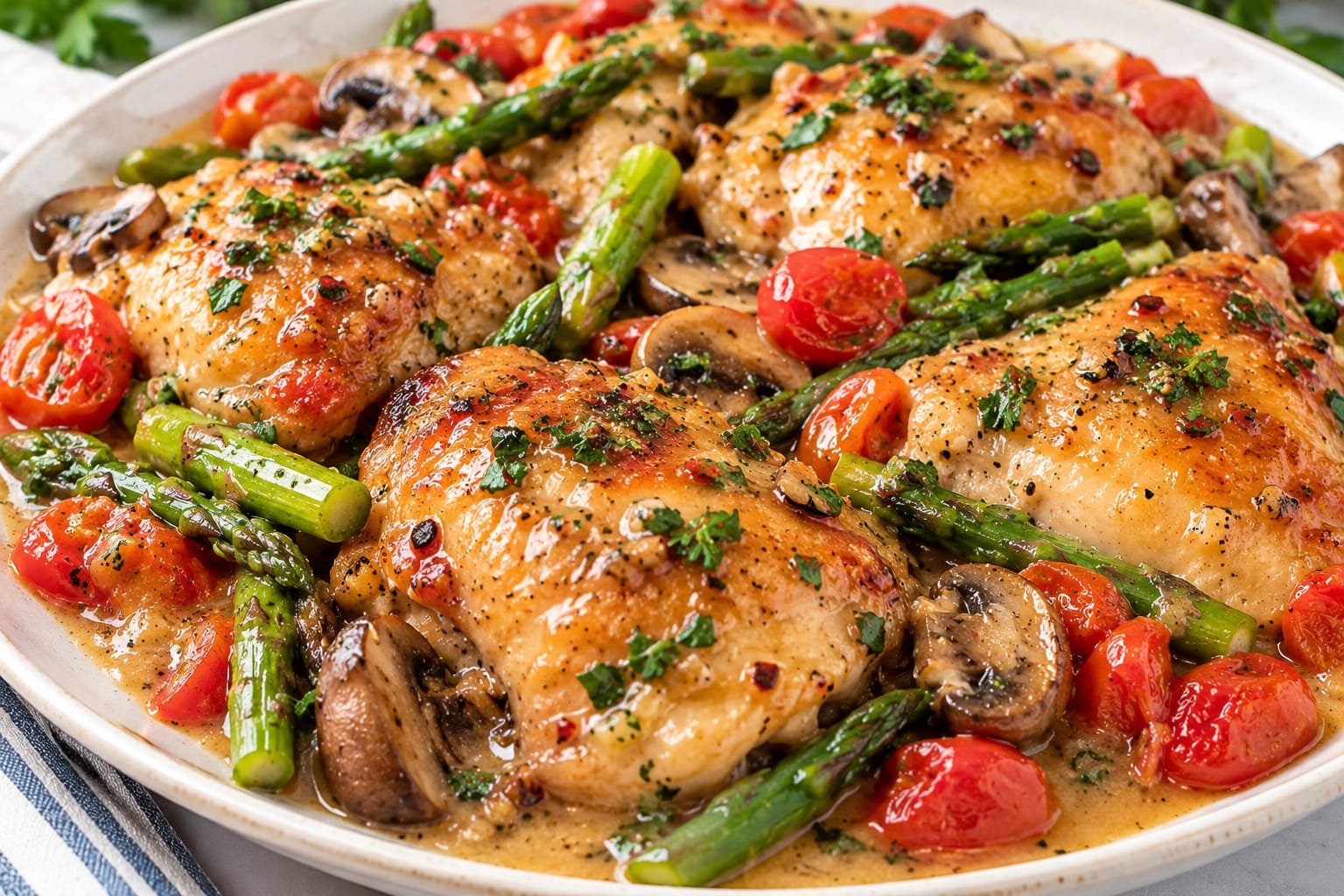
Spring Blossom Chicken with tender chicken, baby potatoes, carrots, peas, asparagus, lemon, fresh herbs, and creamy garlic sauce

Slow Cooker Spring Blossom Chicken

Spring Blossom Chicken is a light, comforting slow cooker meal made with tender chicken, carrots, peas, baby potatoes, fresh herbs, lemon, and a creamy garlic sauce. It feels fresh enough for spring but cozy enough for any weeknight when you want a simple family dinner with minimal hands-on work.

This Spring Blossom Chicken is designed for easy meal prep and dependable results. The slow cooker gently cooks the chicken while the vegetables become tender and the sauce develops a mild, savory flavor. Finish everything with fresh parsley, dill, or chives for a bright seasonal touch.

Prep Time: 20 minutes
Cook Time: 4–6 hours
Total Time: About 6 hours 20 minutes
Servings: 6

Ingredients

For the Chicken

  • 2 pounds boneless, skinless chicken breasts or thighs
  • 1 teaspoon salt
  • 1/2 teaspoon black pepper
  • 1 teaspoon garlic powder
  • 1 teaspoon dried thyme

For the Vegetables

  • 1 pound baby potatoes, halved
  • 3 medium carrots, sliced
  • 1 small yellow onion, diced
  • 1 cup frozen peas
  • 1 cup asparagus pieces, optional
  • 2 cups baby spinach, optional

For the Sauce

  • 1 1/2 cups low-sodium chicken broth
  • 4 garlic cloves, minced
  • 1 tablespoon Dijon mustard
  • 1 tablespoon fresh lemon juice
  • 1 teaspoon lemon zest
  • 1/2 teaspoon dried oregano
  • 1/2 teaspoon paprika
  • 1/2 cup heavy cream or half-and-half
  • 2 tablespoons cornstarch
  • 2 tablespoons cold water

For Finishing

  • 2 tablespoons chopped fresh parsley
  • 1 tablespoon chopped fresh dill
  • 1 tablespoon chopped chives
  • Extra lemon wedges, optional

Why You’ll Love This Recipe

Spring Blossom Chicken is ideal when you want a slow cooker dinner that feels lighter than a heavy stew. The chicken stays tender, the vegetables add color and texture, and the lemon-herb sauce keeps the finished dish fresh and balanced.

It is also flexible. You can use chicken breasts or thighs, swap vegetables based on the season, or make the sauce creamier or lighter depending on your preference.

How to Make Spring Blossom Chicken

Step 1: Season the Chicken

Pat the chicken dry with paper towels.

Season both sides with salt, black pepper, garlic powder, and dried thyme.

Seasoning the chicken before it goes into the slow cooker helps the dish develop flavor from the very beginning.

Step 2: Prepare the Vegetables

Wash and halve the baby potatoes.

Slice the carrots and dice the onion.

Keep the pieces fairly even in size so they cook at a similar rate.

Add the potatoes, carrots, and onion to the bottom of the slow cooker.

Step 3: Add the Chicken

Place the seasoned chicken over the vegetables in a single layer.

Step 4: Mix the Broth

In a small bowl or measuring jug, whisk together chicken broth, minced garlic, Dijon mustard, lemon juice, lemon zest, oregano, and paprika.

Pour the mixture evenly over the chicken and vegetables.

This broth becomes the base for the creamy sauce.

Step 5: Slow Cook

Cover the slow cooker.

Cook on low for 5 to 6 hours or on high for 3 to 4 hours, depending on the size and thickness of the chicken pieces.

Step 6: Add Spring Vegetables

About 20 to 30 minutes before serving, add the frozen peas and asparagus if using.

If you are adding baby spinach, wait until the final 5 to 10 minutes.

Adding delicate vegetables near the end keeps the dish colorful and prevents the peas, asparagus, and spinach from becoming too soft.

Step 7: Make the Creamy Sauce

Whisk the cornstarch with cold water until completely smooth.

Stir the heavy cream into the slow cooker, then slowly add the cornstarch mixture while stirring the liquid around the chicken.

Cover and cook on high for another 15 to 20 minutes.

The Spring Blossom Chicken sauce should thicken enough to lightly coat the back of a spoon.

Step 8: Check the Seasoning

Taste the sauce and adjust with extra salt, black pepper, lemon juice, or herbs if needed.

If the sauce seems too thick, stir in a small splash of chicken broth.

If it is too thin, let Spring Blossom Chicken cook uncovered on high for a few more minutes, or add a small additional cornstarch slurry.

Step 9: Add Fresh Herbs

Sprinkle fresh parsley, dill, and chives over the finished dish.

Stir gently so some herbs mix into the sauce while others remain visible on top.

Fresh herbs bring a bright finish that balances the creamy sauce and savory chicken.

Step 10: Serve

Serve Spring Blossom Chicken hot with the potatoes, carrots, peas, asparagus, and plenty of sauce spooned over the top.

Add lemon wedges at the table for anyone who likes an extra fresh citrus note.

Serving Suggestions

Spring Blossom Chicken works well as a complete one-pot meal because it already includes chicken, potatoes, and vegetables.

It pairs nicely with a simple salad, roasted vegetables, rice, couscous, or a slice of warm bread.

For another cozy and comforting dinner, try our Lasagna Soup with seasoned beef, tender pasta, tomatoes, ricotta, mozzarella, and Italian herbs.

Recipe Tips

Use chicken thighs if you prefer richer flavor and extra tenderness.

Cut potatoes and carrots into similar-size pieces so they cook evenly.

Do not add peas, asparagus, or spinach at the beginning because they can become overcooked.

Use low-sodium broth so you can control the final seasoning.

Fresh lemon juice gives better flavor than bottled juice.

For the smoothest Spring Blossom Chicken sauce, mix the cornstarch with cold water before adding it to the hot liquid.

Avoid lifting the slow cooker lid repeatedly because each opening releases heat and extends the cooking time.

Fresh herbs are best added near the end of Spring Blossom Chicken.

Easy Variations

Spring Blossom Chicken can be adapted with many different seasonal vegetables.

Swap asparagus for green beans, broccoli florets, or zucchini.

Replace baby potatoes with sweet potatoes for a slightly sweeter variation.

For extra richness, stir in a small amount of grated Parmesan with the cream.

For a lighter version, use half-and-half instead of heavy cream, or skip the cream and simply thicken the broth with cornstarch.

You can also make Spring Blossom Chicken with boneless turkey breast pieces, although the cooking time may need to be adjusted.

For more lemon flavor, add extra zest rather than too much juice, which can make the sauce overly sharp.

If you enjoy fresh Mediterranean flavors, you may also like our Greek Chicken Gyros / Souvlaki with Tzatziki.

Make-Ahead Instructions

Spring Blossom Chicken is easy to prepare ahead.

The night before, chop the potatoes, carrots, and onion and store them in airtight containers in the refrigerator.

You can also season the chicken and mix the broth ingredients ahead of time.

In the morning, add everything to the slow cooker and start cooking.

Wait to add the peas, asparagus, cream, cornstarch slurry, and fresh herbs until near the end.

Storage and Reheating

Store leftover Spring Blossom Chicken in an airtight container in the refrigerator for up to 4 days.

Reheat gently on the stovetop over medium-low heat, stirring occasionally.

You can also microwave individual portions in short intervals until hot.

If the sauce becomes too thick after refrigeration, add a splash of chicken broth or milk while reheating.

Freezing is possible, but creamy sauces can sometimes separate slightly after thawing. For best texture, freeze the cooked chicken and vegetables with the broth before adding the cream, then finish the sauce after reheating.

Nutrition Information

Approximate nutrition per serving:

Calories: 420
Protein: 38 g
Carbohydrates: 28 g
Fat: 18 g
Saturated Fat: 8 g
Fiber: 5 g
Sugar: 6 g
Sodium: 620 mg

Nutrition values are estimates and may vary depending on the chicken cut, cream, vegetables, broth, and serving size.

Frequently Asked Questions

Can I use frozen chicken?

For food-safety reasons, it is better to thaw chicken completely before placing it in a slow cooker so it heats through safely and evenly.

Can I use chicken thighs instead of breasts?

Yes. Chicken thighs are especially good in Spring Blossom Chicken because they stay tender during longer cooking.

Can I leave out the cream?

Yes. You can make the sauce with broth only and thicken it with cornstarch for a lighter version.

Can I add mushrooms?

Yes. Sliced mushrooms can be added with the onions at the beginning.

Can I use different vegetables?

Absolutely. Green beans, zucchini, broccoli, spinach, and sweet potatoes can all work well.

How do I prevent dry chicken?

Cook only until the chicken is done and use the low setting when possible. Thighs are more forgiving than breasts.

Can I make this dairy-free?

Yes. Use an unsweetened dairy-free cooking cream or simply leave the cream out.

Final Thoughts

Spring Blossom Chicken is a simple slow cooker dinner that combines tender chicken, colorful vegetables, fresh herbs, lemon, and a creamy garlic sauce in one comforting meal.

Because Spring Blossom Chicken requires only a short amount of hands-on preparation, it is useful for busy weekdays, meal prep, and relaxed family dinners.

Keep this Spring Blossom Chicken recipe handy whenever you want a slow cooker meal that feels fresh, creamy, colorful, and satisfying without being overly heavy.

With tender chicken, spring vegetables, bright lemon, and a smooth herb sauce, Spring Blossom Chicken is an easy seasonal dinner that can be enjoyed throughout the year.

Lasagna Soup

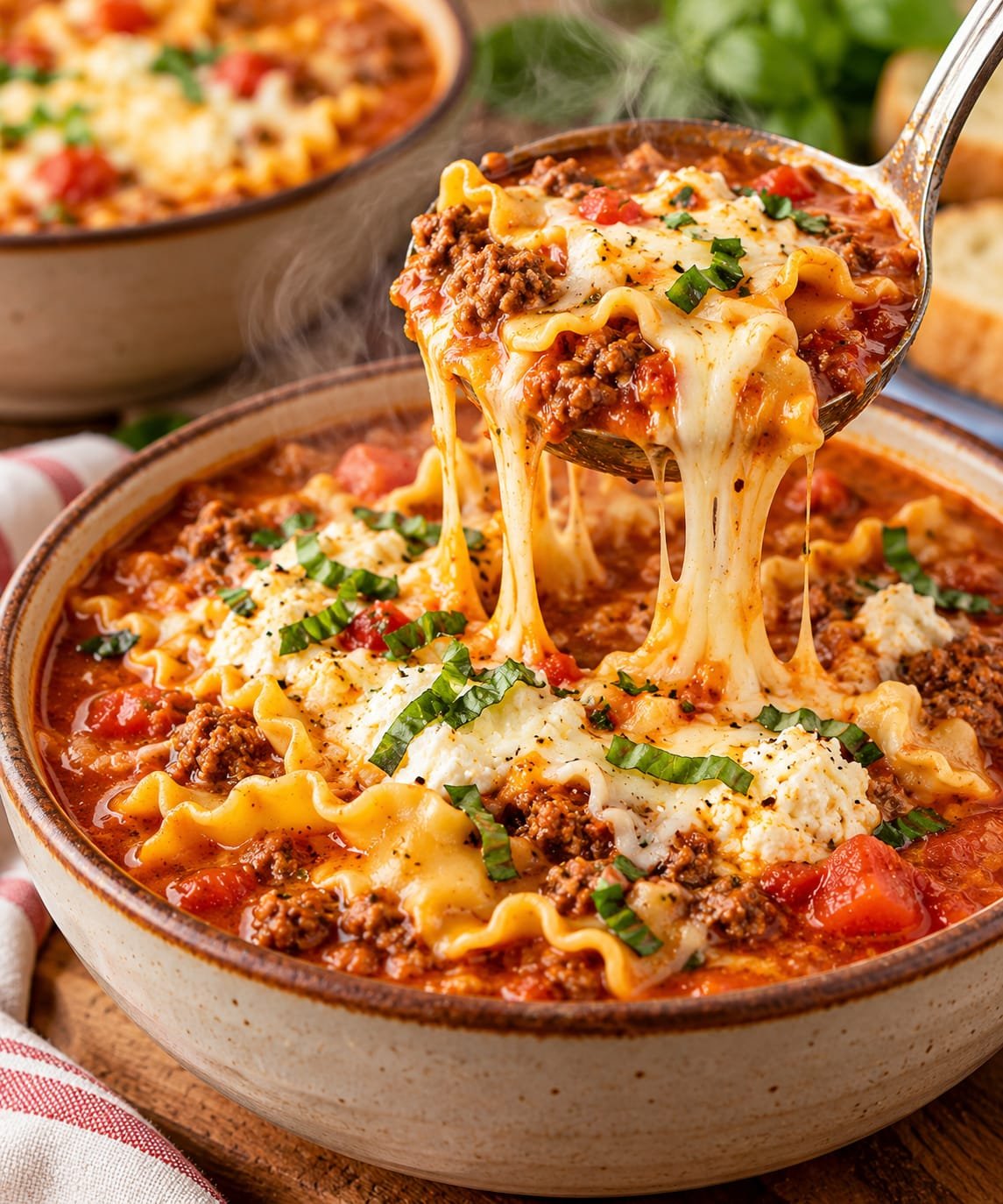
Lasagna Soup with seasoned ground beef, tomatoes, lasagna noodles, ricotta, mozzarella, Parmesan, and fresh herbs

Lasagna Soup

Lasagna Soup is a cozy one-pot dinner that brings together the rich flavors of classic lasagna in an easier, spoon able form. It combines seasoned ground beef, tomatoes, garlic, Italian herbs, tender pasta, and creamy cheese in a savory broth. You get the comforting taste of baked lasagna without spending time layering noodles, sauce, and cheese in a casserole dish.

This Lasagna Soup is perfect for busy weeknights, chilly evenings, family dinners, or meal prep. It is hearty enough to enjoy on its own, yet it also pairs beautifully with garlic bread, salad, or roasted vegetables.

Prep Time: 20 minutes
Cook Time: 35 minutes
Total Time: 55 minutes
Servings: 6

Ingredients

For the Soup Base

  • 1 tablespoon olive oil
  • 1 pound lean ground beef or Italian sausage
  • 1 medium yellow onion, diced
  • 4 garlic cloves, minced
  • 2 tablespoons tomato paste
  • 1 can (28 ounces) crushed tomatoes
  • 1 can (14.5 ounces) diced tomatoes
  • 5 cups low-sodium chicken or beef broth
  • 1 teaspoon dried basil
  • 1 teaspoon dried oregano
  • 1 teaspoon Italian seasoning
  • 1/2 teaspoon smoked paprika
  • 1/4 teaspoon red pepper flakes, optional
  • 1/2 teaspoon salt
  • 1/4 teaspoon black pepper

For the Pasta

  • 8 ounces lasagna noodles, broken into bite-size pieces
  • 1 cup extra broth or water, if needed

For the Ricotta Topping

  • 1 cup ricotta cheese
  • 1/2 cup shredded mozzarella cheese
  • 1/4 cup grated Parmesan cheese
  • 2 tablespoons chopped fresh parsley
  • 1/4 teaspoon black pepper

For Serving

  • Extra shredded mozzarella
  • Fresh basil or parsley
  • Grated Parmesan
  • Crushed red pepper flakes, optional

Why You’ll Love This Recipe

Lasagna Soup gives you the cheesy, tomato-rich flavor of traditional lasagna without the work of assembling multiple layers. Everything cooks in one pot, which means less cleanup and an easier dinner on busy days.

Another reason to love Lasagna Soup is its flexibility. You can make it with beef, Italian sausage, ground turkey, or chicken. Spinach, zucchini, mushrooms, bell peppers, or carrots can also be added when you want extra vegetables.

The creamy ricotta topping makes every spoonful taste like classic lasagna filling. Mozzarella melts into the hot broth while Parmesan adds a salty, savory finish.

How to Make Lasagna Soup

Step 1: Brown the Meat

Heat the olive oil in a large Dutch oven or heavy soup pot over medium-high heat.

Add the ground beef or Italian sausage. Cook for 5 to 7 minutes, breaking the meat into small crumbles with a wooden spoon.

Continue cooking until the meat is nicely browned and no pink remains. If the meat releases a large amount of grease, carefully spoon away the excess before moving to the next step.

Step 2: Cook the Onion

Add the diced onion to the cooked meat.

Cook for 4 to 5 minutes, stirring occasionally, until the onion becomes tender and lightly golden.

This simple step builds a savory foundation for Lasagna Soup and gives the finished broth a deeper, slightly sweet flavor.

Step 3: Add Garlic and Tomato Paste

Stir in the minced garlic and cook for about 30 seconds, just until fragrant.

Add the tomato paste and cook for another 1 to 2 minutes while stirring.

Cooking tomato paste briefly helps intensify its flavor and removes some of its raw acidity.

Step 4: Build the Tomato Broth

Pour the crushed tomatoes, diced tomatoes, and broth into the pot.

Add dried basil, oregano, Italian seasoning, smoked paprika, red pepper flakes, salt, and black pepper.

Stir everything together and scrape the bottom of the pan with a wooden spoon to loosen any flavorful browned bits.

Step 5: Simmer the Soup

Bring Lasagna Soup to a gentle boil.

Reduce the heat to medium-low and allow the tomato broth to simmer uncovered for about 10 minutes.

This short simmer gives the tomatoes, meat, garlic, and herbs time to blend before adding the pasta.

Step 6: Add the Lasagna Noodles

Break the lasagna noodles into bite-size pieces and add them directly to the pot.

Stir immediately so the noodles do not stick together.

Cook for approximately 10 to 12 minutes, stirring occasionally, until the pasta is tender but still has a little bite.

If Lasagna Soup becomes thicker than you like as the pasta cooks, stir in extra broth or water.

Step 7: Prepare the Ricotta Mixture

While the noodles cook, add ricotta, mozzarella, Parmesan, parsley, and black pepper to a small bowl.

Stir until smooth and creamy.

Keep the cheese mixture refrigerated if you prepare it ahead. Adding it to individual bowls rather than stirring it completely into the pot gives the soup the familiar layered-cheese experience of traditional lasagna.

Step 8: Taste and Adjust

Taste the broth once the noodles are cooked.

Add more salt, pepper, Italian seasoning, or red pepper flakes if necessary.

If your tomatoes are particularly acidic, you can add a very small pinch of sugar. This is optional but can help balance the tomato flavor.

Step 9: Let the Soup Rest

Turn off the heat and allow Lasagna Soup to rest for about 5 minutes.

During this time, the flavors settle and the noodles absorb a little more of the broth.

If the soup thickens too much while resting, simply stir in another splash of warm broth.

Step 10: Add the Cheese and Serve

Ladle the hot soup into deep serving bowls.

Place a generous spoonful of the ricotta mixture in the center of each bowl. Sprinkle with additional mozzarella and Parmesan, then finish with fresh basil or parsley.

As the ricotta melts into Lasagna Soup, the broth becomes creamy and cheesy while still keeping its rich tomato flavor.

Serving Suggestions

Lasagna Soup is filling enough to serve as a complete family dinner.

Garlic bread, toasted baguette slices, breadsticks, or homemade focaccia are excellent for dipping into the tomato broth.

For something lighter, pair Lasagna Soup with a Caesar salad, mixed green salad, cucumber tomato salad, roasted broccoli, green beans, or sautéed spinach.

A simple platter of roasted zucchini, peppers, and mushrooms can also complement the Italian-inspired flavors without making the meal feel too heavy.

For another rich and comforting dinner, try our Oven-Braised Beef Short Ribs with tender beef, savory herbs, and a deeply flavored sauce.

Recipe Tips

Use a large pot because the pasta will expand as it cooks.

Break the noodles into similar-size pieces so they cook at roughly the same speed.

Brown the beef well instead of simply steaming it. Those caramelized bits add extra flavor to the finished broth.

Do not overcook the pasta, especially if you plan to save leftovers.

For the best Lasagna Soup consistency, keep extra broth nearby. The noodles naturally absorb liquid both during cooking and while the soup sits.

Whole-milk ricotta creates the creamiest topping, although part-skim ricotta will also work.

Freshly shredded mozzarella melts more smoothly than some packaged shredded cheeses.

Add fresh basil or parsley shortly before serving so the herbs remain bright and fragrant.

Easy Variations

Lasagna Soup can easily be adapted to suit different tastes.

For a vegetable-packed version, stir in baby spinach during the final few minutes or sauté mushrooms, zucchini, and peppers with the onion.

For extra heat, use hot Italian sausage and increase the crushed red pepper flakes.

Ground turkey or chicken can replace beef for a lighter variation.

You can also make Lasagna Soup with mafaldine, bow-tie pasta, rotini, penne, or another short pasta instead of broken lasagna noodles.

For a creamier broth, stir in 1/4 cup of heavy cream near the end of cooking.

For extra cheese flavor, add additional Parmesan directly to each serving.

If you enjoy flavorful Mediterranean meals, you may also like our Greek Chicken Gyros / Souvlaki with Tzatziki.

Make-Ahead Instructions

Lasagna Soup is a great meal-prep recipe, although pasta continues absorbing broth after cooking.

For the best make-ahead texture, prepare the tomato and meat soup base without adding the noodles. Cool it completely and refrigerate in a covered container for up to 3 days.

When ready to serve, bring the soup base back to a simmer, add the broken noodles, and cook until tender.

Prepare the ricotta mixture separately and keep it refrigerated until serving.

Storage and Reheating

Store leftover Lasagna Soup in an airtight container in the refrigerator for up to 4 days.

The pasta will continue to absorb some broth during storage. Add a splash of chicken broth, beef broth, or water before reheating.

Warm leftovers gently on the stovetop over medium-low heat, stirring occasionally until steaming hot.

Individual portions can also be reheated in the microwave.

If freezing, the best method is to freeze the meat and tomato base without pasta. Cool it completely, transfer it to freezer-safe containers, and freeze for up to 3 months. Thaw overnight in the refrigerator and add freshly cooked pasta when reheating.

Nutrition Information

Approximate nutrition per serving:

Calories: 470
Protein: 32 g
Carbohydrates: 43 g
Fat: 20 g
Saturated Fat: 9 g
Fiber: 5 g
Sugar: 10 g
Sodium: 780 mg

Nutrition information is an estimate and can vary depending on the meat, pasta, cheese, broth, sauce, and portion size used.

Frequently Asked Questions

Can I use Italian sausage instead of ground beef?

Yes. Mild or spicy Italian sausage works beautifully in Lasagna Soup and gives the broth even more savory flavor.

Can I use another type of pasta?

Yes. Mafaldine, rotini, bow ties, penne, or another medium pasta shape will work well.

Can I make it vegetarian?

Yes. Leave out the meat and replace it with mushrooms, lentils, zucchini, spinach, or a combination of vegetables. Use vegetable broth instead of chicken or beef broth.

Why did my soup become very thick?

The noodles absorb liquid while cooking and continue doing so during storage. Simply stir in additional broth until you reach your preferred consistency.

Can I make this in a slow cooker?

Yes. Brown the meat and onion first, then transfer them to a slow cooker with tomatoes, broth, garlic, and seasonings. Cook on low for 5 to 6 hours. Add separately cooked pasta shortly before serving.

Can I freeze it?

Yes, although the pasta may become soft after freezing and thawing. For the best texture, freeze the tomato and meat base and prepare fresh pasta when serving.

What can I use instead of ricotta?

Cottage cheese, mascarpone, or a mixture of softened cream cheese and mozzarella can be used.

Final Thoughts

Lasagna Soup is a simple way to enjoy the comforting flavors of traditional lasagna in an easy one-pot meal.

The combination of seasoned meat, rich tomatoes, Italian herbs, tender noodles, mozzarella, Parmesan, and creamy ricotta makes every bowl satisfying without requiring the time needed to assemble a baked lasagna.

Keep this recipe handy for cold evenings, busy weeknights, meal prep, or family dinners when you want something warm, cheesy, and comforting.

With a rich tomato broth, tender pasta, savory beef, and creamy cheese in every serving, this one-pot dinner delivers classic lasagna flavor in an easier format.

Greek Chicken Gyros / Souvlaki with Tzatziki

Greek Chicken Gyros / Souvlaki with Tzatziki

Recipe Description

Greek Chicken Gyros and Souvlaki with Tzatziki is a delicious Mediterranean-inspired meal featuring juicy, herb-marinated chicken, warm pita bread, crisp vegetables, and a refreshing cucumber-yogurt sauce. The chicken is seasoned with lemon, garlic, olive oil, oregano, and traditional Mediterranean spices, creating a savory, aromatic flavor with beautifully browned edges.

Gyros and souvlaki are popular Greek dishes, but they are prepared differently. Traditional gyros are made by cooking seasoned meat on a vertical rotisserie and slicing it thinly. Souvlaki consists of small pieces of marinated meat cooked on skewers. This homemade recipe uses grilled or pan-seared chicken pieces, making it an easy way to enjoy the flavors of both dishes in your own kitchen.

The highlight of this meal is the creamy tzatziki sauce, made with Greek yogurt, cucumber, garlic, lemon juice, and fresh dill. Its cool, tangy flavor balances the warm, savory chicken perfectly.

Serve the chicken in soft pita bread with tomatoes, red onion, lettuce, and tzatziki for a satisfying meal that works for lunch, dinner, family gatherings, or meal prep.

Recipe Information

  • Preparation Time: 25 minutes

  • Marinating Time: 30 minutes to 4 hours

  • Cooking Time: 15–20 minutes

  • Total Time: Approximately 1 hour 15 minutes, including minimum marinating time

  • Servings: 4

  • Course: Lunch or Dinner

  • Cuisine: Greek / Mediterranean-Inspired

  • Cooking Method: Grilling or Pan-Searing

  • Difficulty: Easy

Ingredients

For the Greek Chicken

  • 1½ pounds boneless, skinless chicken thighs or breasts

  • 3 tablespoons extra-virgin olive oil

  • 3 tablespoons fresh lemon juice

  • 4 cloves garlic, minced

  • 2 teaspoons dried oregano

  • 1 teaspoon paprika

  • ½ teaspoon ground cumin

  • 1 teaspoon salt, or to taste

  • ½ teaspoon freshly ground black pepper

  • 1 teaspoon dried thyme

  • 1 tablespoon chopped fresh parsley

For the Tzatziki Sauce

  • 1 cup plain Greek yogurt

  • 1 medium cucumber

  • 2 cloves garlic, finely grated

  • 1 tablespoon fresh lemon juice

  • 1 tablespoon extra-virgin olive oil

  • 1 tablespoon fresh dill, chopped

  • ¼ teaspoon salt, or to taste

  • ⅛ teaspoon black pepper

For Serving

  • 4 large pita breads

  • 2 medium tomatoes, sliced or diced

  • ½ red onion, thinly sliced

  • 1 cup shredded lettuce

  • ½ cup crumbled feta cheese, optional

  • Lemon wedges

  • Fresh parsley, for garnish

Instructions

Step 1: Prepare the Chicken

Pat the chicken dry with paper towels. If using chicken breasts, slice them into evenly sized strips or bite-sized pieces. Chicken thighs can be left whole for grilling or cut into cubes for skewers.

Keeping the pieces similar in size helps them cook evenly. Chicken thighs generally remain juicier, while chicken breasts offer a leaner option.

Place the chicken in a large bowl or a resealable food-safe bag. Make sure your cutting board and utensils are clean before moving on to the marinade.

Step 2: Make the Greek Marinade

In a small bowl, combine olive oil, lemon juice, minced garlic, dried oregano, paprika, cumin, salt, black pepper, thyme, and fresh parsley.

Whisk until the ingredients are well combined. The olive oil helps distribute the seasonings, lemon juice adds brightness, and garlic and oregano provide the familiar Mediterranean flavor.

Pour the marinade over the chicken and toss until every piece is coated.

Cover the bowl and refrigerate for at least 30 minutes. For deeper flavor, marinate for two to four hours. Avoid leaving the chicken in a strongly acidic marinade for excessively long periods, as the texture can become less pleasant.

Always marinate raw chicken in the refrigerator, not on the kitchen counter.

Step 3: Prepare the Cucumber for Tzatziki

Wash the cucumber and grate it using the large holes of a box grater. If it has a particularly watery center, remove some of the seeds before grating.

Place the grated cucumber in a clean kitchen towel or fine-mesh strainer. Squeeze firmly to remove as much liquid as possible.

This step is important because excess cucumber water can make the tzatziki thin and watery. Removing the liquid helps the yogurt maintain a thick, creamy consistency.

Step 4: Make the Tzatziki Sauce

In a bowl, combine Greek yogurt, drained cucumber, grated garlic, lemon juice, olive oil, chopped dill, salt, and black pepper.

Stir thoroughly until the cucumber and seasonings are evenly distributed.

Taste the sauce and adjust the lemon juice, garlic, or salt according to your preference. If you enjoy a stronger garlic flavor, add a little more, but remember that raw garlic becomes more pronounced as the sauce rests.

Cover and refrigerate for at least 15–20 minutes before serving. Chilling allows the flavors to blend and gives the sauce a refreshing taste.

Step 5: Prepare the Vegetables

Slice the tomatoes, thinly slice the red onion, and shred the lettuce.

Arrange the vegetables on a plate so they are ready when the chicken finishes cooking.

If you prefer a milder onion flavor, soak the sliced red onion in cold water for five to ten minutes, then drain and pat dry.

Keep the vegetables refrigerated until serving, especially if you are preparing the other components ahead of time.

Step 6: Cook the Chicken

Heat a grill or large skillet over medium-high heat. If using a skillet, add a small amount of olive oil once the pan is hot.

Remove the chicken from the marinade, allowing excess liquid to drip away. Discard the remaining marinade that contacted raw chicken.

Arrange the chicken in a single layer without overcrowding the pan. Cook in batches if necessary.

For bite-sized chicken pieces, cook for approximately 8–12 minutes, turning occasionally, until browned and cooked through. Larger pieces may require more time depending on their thickness.

The chicken must reach an internal temperature of 165°F (74°C) at the thickest part, measured with a food thermometer.

Once cooked, transfer the chicken to a clean plate and allow it to rest for approximately five minutes. Resting helps the juices redistribute and keeps the meat tender.

Step 7: Warm the Pita Bread

While the chicken rests, warm the pita bread.

You can heat it in a dry skillet over medium heat for approximately 30–45 seconds per side. Alternatively, wrap the pita in foil and warm it in a 350°F (175°C) oven for about five minutes.

The pita should become soft and flexible without turning crisp or brittle.

If desired, brush the pita lightly with olive oil and sprinkle with a pinch of dried oregano before warming. This adds extra aroma and makes the bread taste more flavorful.

Step 8: Assemble the Gyros or Souvlaki Wraps

Place a warm pita on a clean plate or piece of parchment paper.

Spread two tablespoons of tzatziki down the center. Add a portion of the cooked chicken, followed by tomatoes, red onion, and shredded lettuce.

Sprinkle with crumbled feta cheese if using, then add another small spoonful of tzatziki.

Fold the bottom of the pita upward and bring the sides inward to create a wrap. Use parchment paper or foil around the bottom to help hold everything together.

For a souvlaki-style presentation, thread the marinated chicken pieces onto skewers before cooking, grill until fully cooked, and serve the skewers alongside pita, tzatziki, and vegetables.

Step 9: Garnish and Serve

Arrange the wraps on a serving platter or cut them in half for easier serving.

Garnish with fresh parsley, lemon wedges, and a little extra tzatziki on the side.

Serve immediately while the chicken is warm and the pita is soft. The contrast between the savory chicken, crisp vegetables, tangy yogurt sauce, and warm bread makes this dish especially satisfying.

Tips for the Best Greek Chicken Gyros

Use chicken thighs for extra juiciness. Their slightly higher fat content helps them remain tender during grilling. Chicken breasts are also excellent when cooked carefully.

Do not skip the marinade. Even 30 minutes helps the chicken absorb the lemon, garlic, and herb flavors.

Drain the cucumber thoroughly. This is the key to thick, creamy tzatziki that stays inside the wrap instead of soaking the pita.

Avoid overcrowding the pan. Crowded chicken releases moisture and may steam rather than brown. Cook in batches for better color and texture.

Warm the pita before filling. Soft, warm bread folds more easily and is less likely to crack.

Keep the sauce chilled. Tzatziki tastes especially refreshing when served cold alongside hot chicken.

Serving Suggestions

  • Greek-style platter: Serve chicken with pita, tzatziki, sliced tomatoes, red onion, cucumber, olives, and feta.

  • Mediterranean rice bowl: Place chicken over rice with chopped vegetables and a generous spoonful of tzatziki.

  • Greek salad pairing: Serve with cucumber, tomatoes, red onion, olives, and feta dressed with olive oil and lemon.

  • Roasted potato side: Pair with lemon-herb roasted potatoes for a hearty dinner.

  • Low-carb option: Replace pita with lettuce leaves or serve the chicken over a large green salad.

  • Family-style meal: Arrange the chicken, warm pita, vegetables, and sauce in separate bowls so everyone can build their own wrap.

Storage and Meal Prep

Store cooked chicken in an airtight container in the refrigerator for up to 3–4 days, provided it was handled and refrigerated safely. Keep the tzatziki in a separate airtight container and use it within approximately 3–4 days.

Store the pita bread and chopped vegetables separately to prevent sogginess.

For meal prep, divide the cooked chicken into individual portions. Reheat it in a skillet with a small splash of water or olive oil, or microwave it until heated throughout. Add the cold tzatziki and fresh vegetables only after reheating.

You can freeze cooked chicken separately for up to about three months for best quality. Thaw it in the refrigerator before reheating. Tzatziki is not ideal for freezing because the yogurt and cucumber can separate and become watery.

Nutritional Information

Estimated nutrition per serving, assuming four servings with pita bread, chicken, tzatziki, and vegetables:

  • Calories: 520–650

  • Protein: 40–50 g

  • Carbohydrates: 40–55 g

  • Dietary Fiber: 4–7 g

  • Fat: 20–30 g

  • Saturated Fat: 4–7 g

  • Sodium: 650–1,000 mg

These values vary with the type of chicken, pita size, amount of olive oil, and whether feta cheese is included. Serving the chicken without pita will reduce the carbohydrate content.

Potential Health Benefits

Provides protein: Chicken and Greek yogurt contribute protein, which supports muscle maintenance and helps make meals satisfying.

Includes vegetables: Tomatoes, cucumber, lettuce, and onion add fiber, vitamins, minerals, and freshness.

Contains unsaturated fats: Olive oil supplies predominantly unsaturated fats and contributes to the dish’s Mediterranean-inspired flavor.

Offers flexible portions: You can adjust the pita, sauce, and vegetable quantities to suit your appetite and dietary preferences.

This recipe can be part of a balanced diet. Its overall nutritional value depends on the ingredients, portion size, and accompanying foods.

Frequently Asked Questions

1. What is the difference between gyros and souvlaki?

Gyros traditionally use meat cooked on a vertical rotisserie and sliced thinly. Souvlaki features pieces of meat cooked on skewers. This recipe can be served as a homemade gyro-style wrap or prepared as chicken souvlaki by threading the marinated pieces onto skewers.

2. Can I use chicken breasts instead of thighs?

Yes. Chicken breasts work well, especially when cut into evenly sized pieces and not overcooked. Use a thermometer to ensure the chicken reaches 165°F (74°C).

3. Can I make tzatziki ahead of time?

Yes. Prepare it a day ahead and store it covered in the refrigerator. Stir before serving and drain any excess liquid if necessary.

4. What can I use instead of Greek yogurt?

Thick plain yogurt is a suitable alternative. If it is runny, strain it through a fine-mesh strainer lined with clean cloth before mixing.

5. Can I cook the chicken without a grill?

Absolutely. A skillet or grill pan works well. You can also bake the chicken at 400°F (200°C) until it reaches the safe internal temperature, adjusting the time for the size of the pieces.

6. Is this recipe suitable for meal prep?

Yes. Store the chicken, pita, vegetables, and tzatziki separately, then assemble each wrap shortly before eating for the best texture.