Turkish Baklava Rolls / Sarma Baklava

 *Turkish Baklava Rolls / Sarma Baklava* – so crispy and nutty!


Here is the full recipe:

*Ingredients:*

*For Rolls:*

– 12 sheets phyllo pastry / baklava sheets (frozen mil jaty hain – Metro/Imtiaz se)

– 1 cup walnuts crushed

– 1/2 cup pistachios crushed

– 1/2 cup almonds crushed

– 100g melted butter / ghee


*For Sugar Syrup

– 1.5 cup sugar

– 1 cup water

– 1 tbsp lemon juice

– 1 tbsp honey

– 1 small cinnamon stick or 1 tsp rose water


*Method:*


*1. Make Syrup first:* In a pan add sugar, water, lemon juice. Boil for 8-10 mins till slightly thick. Add honey & rose water. Let it cool completely. Syrup must be cold, baklava hot.


*2. Prepare Filling:* Mix all crushed nuts with 1 tsp cinnamon powder and 1 tbsp sugar.


*3. Make Rolls:* Take one phyllo sheet, brush full with melted butter. Sprinkle 2 tbsp nut mix. Take a thin wooden stick / chopstick, and roll the sheet tightly around it like a cigar. Then push both ends to center to make it crinkled. Pull the stick out.


*4. Place on Tray:* Grease baking tray, place all rolls side by side. Brush top again with lots of butter. This makes it golden and crispy.


*5. Bake:* Bake at 170°C for 25-30 minutes till golden brown and super crispy.


*6. Final Step:* As soon as you take hot rolls out of oven, pour the COLD syrup all over them. You will hear the sizzle – that’s perfect! Sprinkle crushed pistachio on top.


*7. Rest:* Let it soak for at least 2-3 hours. Best taste after 1 day!


Crispy, sweet, nutty – just like market wala Turkish Baklava.

Tips for perfect Baklava Rolls .


*1. Phyllo Sheet Secret:* Sheets dry out in 2 minutes! Always cover them with a damp cloth while working. If they break, just brush butter and overlap – nobody will know.


*2. Butter is King:* Don’t be stingy with butter/ghee. Every sheet must be brushed properly, otherwise it won’t be crispy and flaky.


*3. Nut Cutting:* Don’t make powder! Nuts should be coarsely crushed – small pieces. Powder will make it soft, not crunchy.


*4. The Hot-Cold Rule:* This is MOST important!

Hot Baklava + Cold Sheera = Crispy

If both are hot, it will become soggy. Never pour hot syrup on hot baklava.


*5. Sheera Thickness:* Sheera should be like honey, not too thick. 1 thread is enough. If too thick, it won’t go inside the roll.


*6. Soggy Problem?* If your baklava gets soft after 1 day, you didn’t bake it enough. It should be deep golden, not light yellow. Bake 5 mins extra on low heat.


*7. Easy Stick Trick:* Use a thin BBQ stick or even a pencil wrapped in foil to roll. After rolling, scrunch it from both ends to get those beautiful wrinkles like in your pic.


*8. Storage:* Keep in open box at room temp for 1 week. Don’t put in fridge – fridge makes phyllo soft.

Mexican Taco Bake Casserole* – layered, cheesy and so tasty!

 *Mexican Taco Bake Casserole* – layered, cheesy and so tasty!


Here is the full recipe:


*Ingredients:*


*For Meat Layer:*

– 500g Chicken or Beef Qeema (minced)

– 1 cup cooked rice

– 1 onion chopped

– 2 garlic cloves minced

– 1 packet Taco seasoning (or 1 tsp cumin, paprika, salt, black pepper)

– 1/2 cup tomato salsa / ketchup

– 2 tbsp oil


*For Topping:*

– 1 cup sour cream (or hung curd / mayonnaise + dahi mix)

– 1 cup shredded cheddar / mozzarella cheese

– 1 cup iceberg lettuce chopped

– 1/2 cup cherry tomatoes sliced

– 1 avocado diced (optional)

– 1/4 cup black olives sliced

– Fresh coriander


*Method:*


*1. Cook Qeema:* Heat oil, fry onion & garlic, add qeema, cook till brown. Add taco spices and salsa. Mix in cooked rice. Cook 5 mins.


*2. Layer in Dish:* In a baking dish, spread the qeema-rice mixture as first layer. Press it flat.


*3. Cheese Layer:* Spread sour cream on top, then sprinkle all the cheese.


*4. Bake:* Bake in preheated oven at 180°C for 15-20 mins till cheese melts.


*5. Fresh Topping:* Take out from oven and immediately top with lettuce, tomatoes, avocado, olives and coriander.

Serve hot! It’s a complete meal –

Want me to give you the desi version without avocado and sour cream?

Tips for perfect *Taco Bake* 


*1. Don’t make it watery:* After cooking qeema, dry all water. If mixture is watery, the bake will break while serving.


*2. Rice tip:* Use leftover boiled rice or 90-second microwave rice. Don’t use fresh hot sticky rice.


*3. Cheesy pull:* Mix mozzarella + cheddar. Mozzarella gives stretch, cheddar gives taste.


*4. Sour cream substitute (Desi):* Mix 1/2 cup thick dahi + 2 tbsp mayo + pinch salt + lemon juice. Same taste!


*5. Don’t bake the salad:* Lettuce, tomato, avocado & olives always add AFTER baking. Otherwise they become black and soggy.


*6. Spicy version:* Add chopped jalapenos or 1 tsp chili flakes in qeema layer.


*7. Make it crispy:* For a crunchy base, you can add a layer of crushed nachos or khasta papad at the bottom before the qeema.


*8. Storage:* Best to eat fresh. If you want to store, store only the baked qeema+cheese part in fridge for 2 days. Add fresh veggies only when serving.

Milk Thistle Extract: Uses, Potential Benefits & Safety

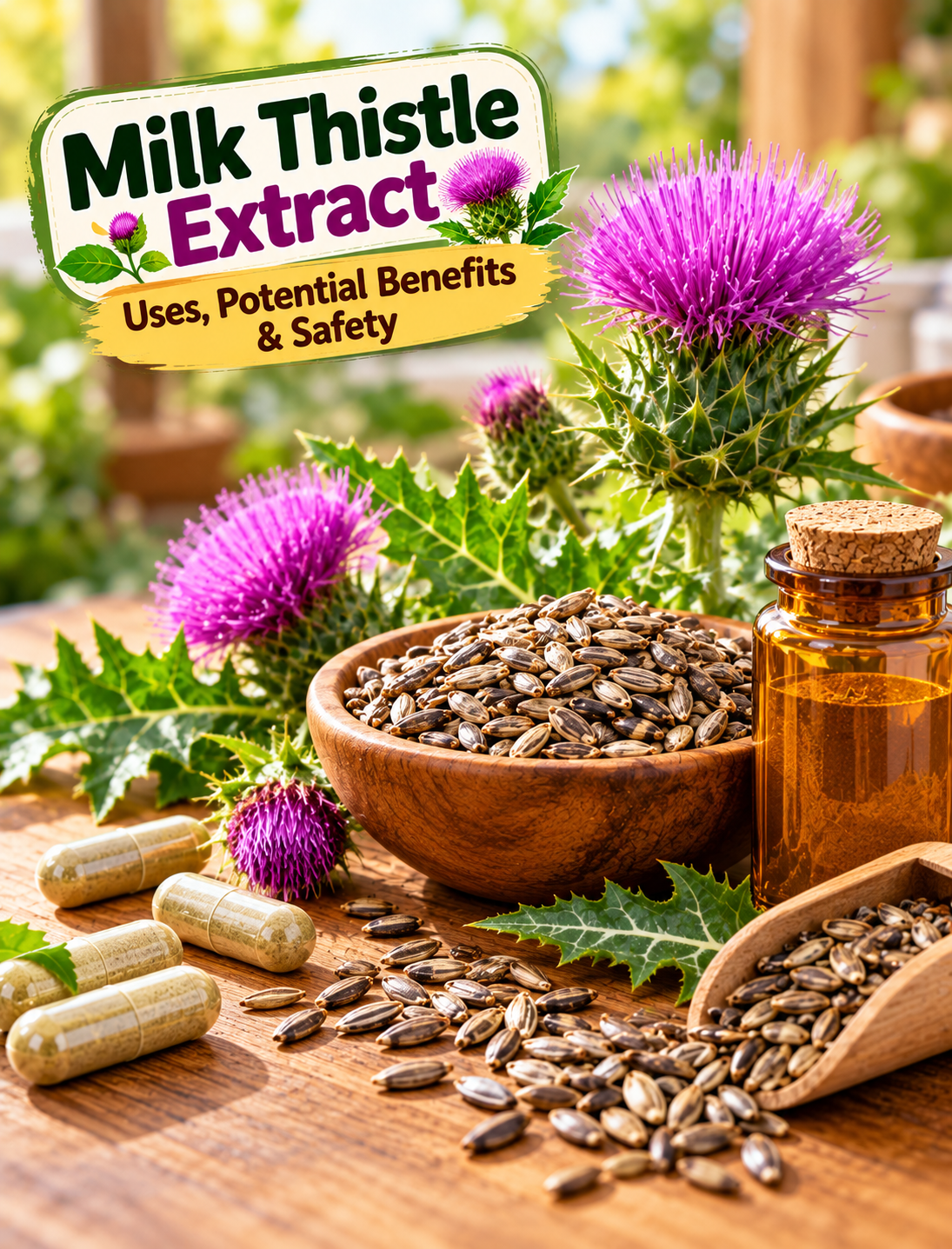
Milk thistle plant, purple flowers, seeds, and herbal extract representing milk thistle benefits and liver health research

Milk Thistle Extract: Uses, Potential Benefits & Safety

Milk thistle (Silybum marianum) is a flowering plant best known for its traditional connection with liver health. Today, milk thistle extract is widely sold as a dietary supplement, often promoted for liver support, antioxidant effects, blood sugar control, and general wellness.

The main compounds in milk thistle are collectively called silymarin. However, the research is more complicated than many supplement advertisements suggest. Human studies have produced mixed results, especially for liver disease, so milk thistle should not be described as a liver “detox” or cure. (NCCIH)

This guide explains what milk thistle is, why people use it, what research has found, and what to know before taking an extract.

What Is Milk Thistle?

Milk thistle is a plant native to Europe that has also been introduced to North America. It produces distinctive purple flowers and is sometimes called Mary thistle or holy thistle. (NCCIH)

Milk thistle supplements are usually made from the plant’s seeds or fruits. The best-known active component is silymarin, which is actually a mixture of several plant compounds.

Milk thistle has a long history in traditional herbal practices, particularly for liver-related complaints. It has also traditionally been used for other purposes, including supporting breast milk production, although evidence for this use remains unclear. (NCCIH)

What Is Silymarin?

Silymarin is the main group of compounds found in milk thistle extract.

Researchers have studied silymarin because of its antioxidant and other biological activities. Most modern milk thistle research focuses on standardized extracts containing measured amounts of silymarin.

One important point is that milk thistle products are not all identical. Extract strength, formulation, and product quality can vary, which makes results from one study difficult to apply to every supplement.

Why Do People Use Milk Thistle?

Milk thistle is commonly marketed for:

  • Liver health
  • Antioxidant support
  • Fatty liver concerns
  • Blood sugar support
  • General herbal wellness

Its strongest public association is with the liver. However, being commonly used for a condition does not mean that an herbal supplement has been proven to treat that condition.

The National Center for Complementary and Integrative Health (NCCIH) states that there is not enough high-quality evidence to reach definite conclusions about milk thistle’s effects on health conditions. (NCCIH)

Milk Thistle and Liver Health

Liver support is the main reason many people consider milk thistle supplements.

Researchers have studied silymarin in people with several liver conditions, including hepatitis B and C, alcohol-related liver disease, and nonalcoholic fatty liver disease.

The results have been mixed.

NCCIH reports that clinical trials of milk thistle for several liver conditions have been conflicting or too limited to support clear conclusions. Two NCCIH-funded studies, including research involving hepatitis C and nonalcoholic steatohepatitis, did not find a benefit from silymarin supplementation. (NCCIH)

What Does the Research Actually Show?

Some newer systematic reviews have reported improvements in certain laboratory markers, such as ALT and AST, among people taking silymarin. However, researchers have also pointed out limitations in study quality and called for better-designed clinical trials. (PubMed)

That distinction matters.

A change in a liver enzyme does not automatically mean that a supplement prevents liver damage, reverses disease, or improves long-term health outcomes.

Earlier systematic reviews also found insufficient evidence to recommend milk thistle as a treatment for chronic liver disease. (PubMed)

Can Milk Thistle Detox the Liver?

There is not enough evidence to say that milk thistle “detoxes” the liver.

Your liver already performs important processes that help metabolize substances and remove waste from the body.

Calling a supplement a “liver detox” can create unrealistic expectations. Milk thistle research should instead be discussed in terms of specific outcomes studied in humans, such as liver enzymes or symptoms.

If someone has abnormal liver tests or a diagnosed liver condition, the underlying cause should be evaluated rather than relying on an herbal supplement.

What Are the Potential Benefits?

Research has identified several areas of interest, but the evidence does not support treating milk thistle as a proven therapy.

Possible Liver Marker Effects

Some studies suggest silymarin may reduce certain liver enzymes in people with liver conditions. However, the clinical importance of these changes remains uncertain. (PubMed)

Antioxidant Activity

Silymarin contains compounds with antioxidant activity. Laboratory findings are interesting, but laboratory activity does not automatically translate into a proven health benefit in people.

Blood Sugar Research

Some small human studies have explored milk thistle in people with type 2 diabetes and reported possible improvements in blood sugar control. NCCIH notes that most of this research was conducted in Middle Eastern countries, so it remains unclear whether the same results would occur in other populations. (NCCIH)

General Wellness

Milk thistle may be used as part of an herbal supplement routine, but there is not enough high-quality evidence to recommend it for general disease prevention.

What Milk Thistle Cannot Be Claimed to Do

Avoid exaggerated claims that milk thistle:

  • “Cleans” or detoxes the liver
  • Reverses fatty liver disease
  • Cures hepatitis
  • Repairs liver damage
  • Prevents liver cancer
  • Replaces prescribed liver medication
  • Guarantees better liver function
  • Removes toxins from the body

These statements go beyond what current human evidence can support.

How Is Milk Thistle Extract Used?

Milk thistle is available as:

  • Capsules
  • Tablets
  • Standardized extracts
  • Powdered preparations
  • Combination herbal supplements

Because products can contain different amounts and forms of silymarin, follow the product label rather than assuming that every milk thistle supplement has the same dose or strength.

There is also a quality issue to consider. NCCIH notes that some milk thistle dietary supplements have been found to contain different amounts of silymarin than their labels state, while some have had contamination concerns. (NCCIH)

Choosing a reputable manufacturer and checking the full Supplement Facts label is therefore important.

Milk Thistle Side Effects

Milk thistle is generally well tolerated when taken orally, but side effects can occur.

The most commonly reported problems include:

  • Bloating
  • Gas
  • Nausea
  • Indigestion
  • Diarrhea

Allergic reactions are also possible, particularly in people who are sensitive to plants in the same family, such as ragweed, chrysanthemums, marigolds, and daisies. (NCCIH)

Stop using a supplement and seek appropriate medical advice if you develop a significant allergic reaction or other concerning symptoms.

Drug Interactions

Herbal supplements can interact with prescription and over-the-counter medicines.

The exact interaction risk depends on the medicine, dose, supplement formulation, and individual health factors. NCCIH recommends talking with a healthcare professional before using milk thistle if you take medications. (NCCIH)

Do not stop or change prescribed medication simply because you begin taking milk thistle.

Pregnancy and Breastfeeding

There is limited information about the safety of milk thistle during pregnancy or breastfeeding. (NCCIH)

If you are pregnant, trying to become pregnant, or breastfeeding, speak with a qualified healthcare professional before using milk thistle extract.

This is especially important with concentrated supplements because their strength can differ significantly from normal food exposure.

When Should You Speak With a Healthcare Professional?

Talk with a healthcare professional before using milk thistle if you:

  • Have diagnosed liver disease
  • Have abnormal liver enzyme results
  • Take prescription medication
  • Have diabetes
  • Have allergies to related plants
  • Are pregnant or breastfeeding
  • Are preparing for surgery
  • Take several dietary supplements

If you have symptoms such as yellowing of the skin or eyes, dark urine, severe abdominal pain, persistent vomiting, unusual bleeding, or unexplained weight loss, seek medical evaluation rather than trying to manage the problem with an herbal supplement.

How to Choose a Milk Thistle Supplement

If you decide to discuss milk thistle with your healthcare professional, use these steps:

Step 1: Check the ingredient

Look for milk thistle (Silybum marianum) and clearly stated silymarin content.

Step 2: Read the Supplement Facts panel

Check the serving size, amount per serving, additional ingredients, and suggested use.

Step 3: Avoid exaggerated claims

Be cautious of products promising a “complete liver cleanse,” instant detox, or guaranteed disease reversal.

Step 4: Choose transparent products

Look for manufacturers that provide clear information about ingredients and quality testing.

Step 5: Review medications

Ask a pharmacist or healthcare professional about possible interactions before starting the supplement.

Frequently Asked Questions

1. What is milk thistle extract used for?

Milk thistle extract is commonly used for liver-related wellness, but human evidence is not strong enough to establish it as a treatment for liver disease. (NCCIH)

2. What is silymarin?

Silymarin is a mixture of naturally occurring compounds that makes up the main active component of many milk thistle extracts.

3. Does milk thistle detox the liver?

No proven evidence shows that milk thistle “detoxes” the liver or removes toxins from the body.

4. Can milk thistle treat fatty liver?

Research is ongoing, but current evidence is not strong enough to recommend milk thistle as a proven treatment for fatty liver disease. (PubMed)

5. What are common milk thistle side effects?

Bloating, gas, nausea, indigestion, and diarrhea are among the commonly reported side effects. (NCCIH)

6. Can milk thistle interact with medications?

Yes. Because potential herb-drug interactions exist, people taking medication should consult a healthcare professional before using it. (NCCIH)

7. Is milk thistle safe during pregnancy?

Safety during pregnancy has not been adequately established, so pregnant people should consult a healthcare professional before using it. (NCCIH)

8. Is milk thistle proven to protect the liver?

Human studies have produced mixed results, and there is not enough high-quality evidence to make a broad liver-protection claim. (NCCIH)

Final Takeaway

Milk thistle is an interesting traditional herb with silymarin as its main group of active compounds. Its connection with liver health has led to substantial scientific research, but the human evidence remains mixed.

Some studies report changes in liver enzymes or other metabolic markers, while other well-designed studies have not found meaningful benefits. This means milk thistle should be viewed as a dietary supplement with ongoing research—not a proven liver treatment or detox product. (NCCIH)

If you are considering a milk thistle extract, focus on product quality, possible interactions, your existing health conditions, and the reason you want to use it. For diagnosed liver problems, professional medical evaluation should come before relying on an herbal supplement.

Eating These Foods on an Empty Stomach: Benefits, Myths & What to Know

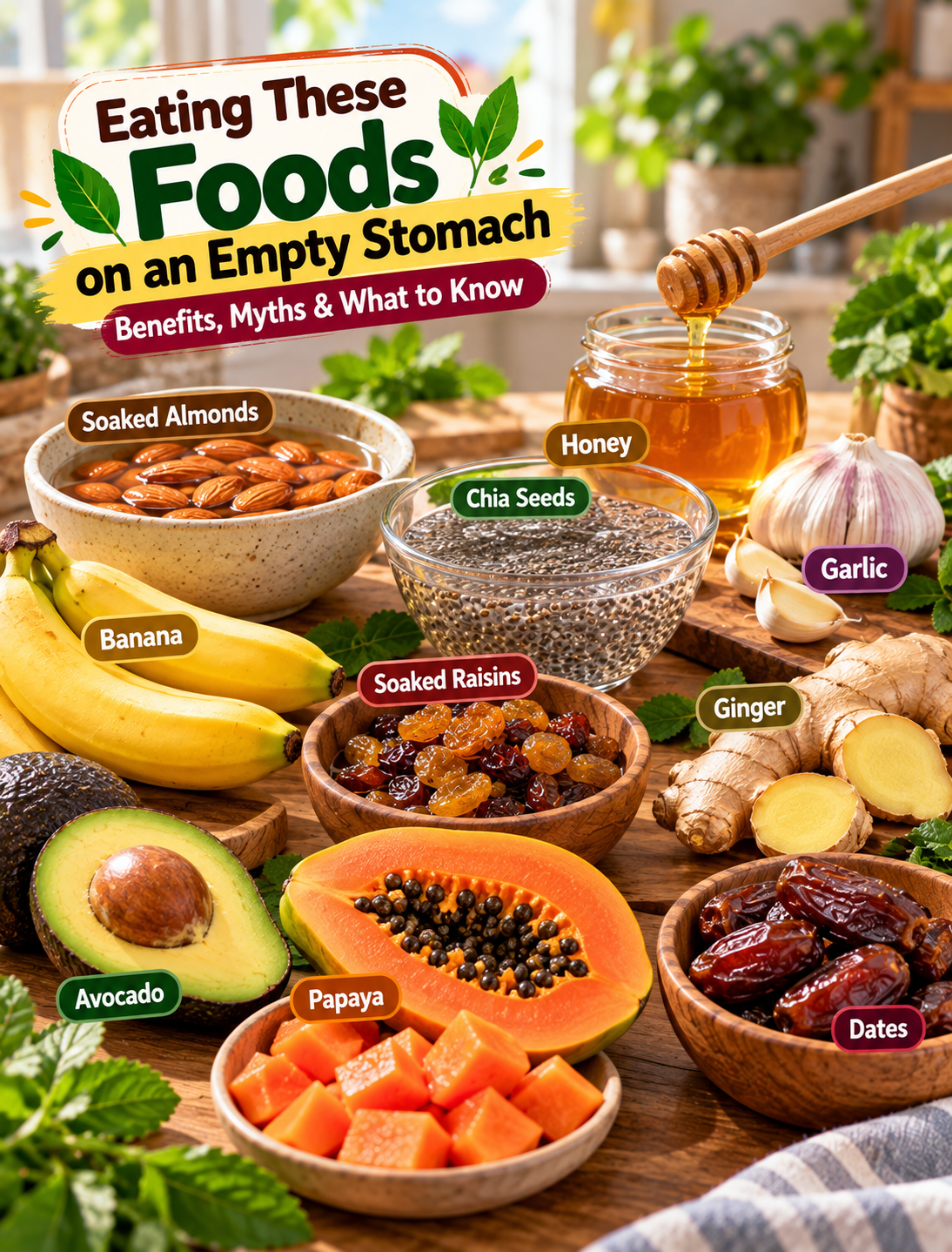
10 healthy foods on an empty stomach including almonds, chia seeds, banana, ginger, avocado, papaya, dates and raisins

Eating These Foods on an Empty Stomach: Benefits, Myths & What to Know

There is a popular idea that certain foods work better when eaten first thing in the morning or on an empty stomach. You may have seen claims that soaked almonds improve energy, honey “cleanses” the body, or papaya and chia seeds provide special morning benefits.

The truth is more practical: there is no scientifically proven list of foods that everyone should eat on an empty stomach. The overall quality of your diet, portion sizes, fiber intake, protein, healthy fats, hydration, and eating pattern matter more than whether a particular food is eaten before breakfast.

That does not make these foods unhelpful. Many are nutritious choices that can fit into a balanced diet. The key is understanding what each food can realistically offer.

The Empty-Stomach Myth: What Actually Matters?

Your digestive system is designed to process food throughout the day. For most healthy adults, there is no special requirement to eat a particular food before anything else.

Instead of asking, “What is the best food to eat on an empty stomach?”, a more useful question is:

“How can I include nutritious foods in a balanced meal or snack that works for my body?”

Fruits, nuts, seeds, and other whole foods can provide fiber, vitamins, minerals, healthy fats, or other nutrients. CDC guidance also recommends eating a variety of fruits, vegetables, protein foods, nuts, seeds, and fiber-rich foods rather than relying on one “special” food. (CDC)

1. Soaked Almonds

Soaked almonds are commonly eaten first thing in the morning in some traditional food practices.

What they provide

Almonds contain:

  • Protein
  • Fiber
  • Unsaturated fats
  • Vitamins and minerals
  • Plant compounds

What to know

Soaking may soften the almonds and change their texture, but there is no strong evidence that soaking makes almonds uniquely beneficial when eaten on an empty stomach.

You can eat almonds soaked or unsoaked depending on your preference.

Simple way to use them

Add a small portion of almonds to breakfast with fruit, yogurt, or oatmeal rather than treating them as a special morning remedy.

2. Honey

Honey is often recommended with warm water or eaten alone before breakfast.

What it provides

Honey contains naturally occurring sugars and small amounts of other compounds, but it is still a source of sugar.

What research says

Honey has been studied for certain uses, including cough relief, but that does not mean eating honey on an empty stomach provides a general detox or wellness effect. (NCCIH)

Important point

The CDC classifies honey as an added sugar when it is added to foods or drinks. (CDC)

Use it for flavor rather than assuming more honey means more health benefits.

3. Chia Seeds

Chia seeds are small but packed with nutrients.

What they provide

Chia seeds contain:

  • Fiber
  • Healthy fats
  • Plant-based omega-3 fatty acids
  • Protein
  • Antioxidant compounds

They absorb liquid and form a gel-like texture. Their fiber can help support regular bowel movements and fullness. (MedlinePlus)

Does timing matter?

There is no proven requirement to eat chia seeds before breakfast.

How to use them

Mix chia seeds into yogurt, oatmeal, smoothies, or a prepared chia pudding. Drink enough fluids when increasing your fiber intake. NIDDK recommends increasing fiber gradually and drinking enough liquids. (NIDDK)

4. Raw Garlic

Raw garlic is one of the most common foods promoted as a morning wellness remedy.

What it provides

Garlic contains sulfur-containing compounds and can add flavor and nutrients to meals.

What research says

Garlic supplements have been studied for cholesterol, blood pressure, and blood sugar, but these findings do not prove that eating raw garlic on an empty stomach treats these conditions. (NCCIH)

Precautions

Raw garlic may cause:

  • Heartburn
  • Stomach discomfort
  • Nausea
  • Gas
  • Strong breath odor

Garlic supplements may also increase bleeding risk and can interact with certain medicines. (NCCIH)

For most people, using garlic as part of normal meals is a simpler option.

5. Banana

Bananas are a convenient breakfast or snack because they require no preparation.

What they provide

Bananas provide:

  • Carbohydrates
  • Fiber
  • Potassium
  • Vitamin B6
  • Natural sweetness

Does eating one on an empty stomach offer special benefits?

There is no strong evidence that bananas have a unique effect simply because they are eaten before other foods.

If a banana makes you feel comfortable and satisfied in the morning, it can be part of a healthy breakfast.

Easy combination

Pair a banana with plain yogurt, nuts, nut butter, or oatmeal for a more balanced meal containing protein and healthy fats.

6. Soaked Raisins

Raisins are dried grapes, and soaking them is a traditional preparation in some cultures.

What they provide

Raisins contain:

  • Carbohydrates
  • Natural sugars
  • Some fiber
  • Potassium and other micronutrients

What to know

Soaking changes their texture but does not turn them into a detox food.

Because raisins are dried fruit, a small amount contains more concentrated sugars and calories than the same volume of fresh grapes.

Enjoy them as part of breakfast or a snack rather than relying on them as a morning cleanse.

7. Ginger

Ginger is widely used in cooking, tea, and traditional wellness practices.

What research says

Ginger has been studied for nausea and vomiting. Research suggests it may help with nausea associated with pregnancy, although many studies use supplements rather than ordinary food amounts. (NCCIH)

Does it need to be eaten on an empty stomach?

No. There is no established rule that ginger must be consumed before breakfast to work.

Precautions

Ginger can cause heartburn, abdominal discomfort, diarrhea, or mouth and throat irritation in some people. People taking medicines should discuss concentrated ginger products with a healthcare professional. (NCCIH)

8. Avocado

Avocado is very different from sugary fruits because it provides mostly healthy fats along with fiber.

What it provides

Avocado contains:

  • Unsaturated fats
  • Fiber
  • Potassium
  • Folate
  • Other vitamins and minerals

Best way to use it

Instead of eating avocado because it is supposedly “better on an empty stomach,” add it to a balanced breakfast.

Try avocado with:

  • Whole-grain toast
  • Eggs
  • Beans
  • Tomatoes
  • A vegetable omelet

Whole foods such as avocado can fit well into a balanced eating pattern without requiring special timing.

9. Papaya

Papaya is a naturally sweet fruit that provides fiber, vitamin C, and other plant compounds.

What people often claim

Papaya is sometimes promoted as a morning detox or digestive cleanser.

What to know

Eating papaya provides nutrients and fiber, but there is no need to eat it on an empty stomach to “clean” your digestive system.

Your body already has organs and systems that process and eliminate waste.

Simple idea

Enjoy fresh papaya with Greek yogurt, chia seeds, or another protein-rich food to create a more satisfying breakfast.

10. Dates

Dates are naturally sweet fruits that provide carbohydrates, fiber, and several minerals.

Why they are popular

Their sweetness makes them an easy alternative to candy or highly processed desserts.

Does timing matter?

There is no proven special benefit to eating dates before breakfast.

Because dates are concentrated dried fruit, portion size matters. A few dates can add sweetness to oatmeal, yogurt, smoothies, or energy bites.

How to Build a Better Morning Meal

Instead of searching for one perfect food for an empty stomach, build your first meal around several useful components.

Step 1: Choose a fiber-rich food

Try:

  • Chia seeds
  • Oatmeal
  • Whole fruit
  • Whole-grain toast

Fiber supports digestive health and can help you feel full. (NIDDK)

Step 2: Add protein

Good choices include:

  • Eggs
  • Plain Greek yogurt
  • Cottage cheese
  • Nuts
  • Seeds
  • Beans

Step 3: Include healthy fats

Try:

  • Avocado
  • Almonds
  • Walnuts
  • Chia seeds
  • Nut butter

Step 4: Add fruit if you enjoy it

Banana, papaya, berries, or a few dates can add natural sweetness and nutrients.

Step 5: Drink enough fluids

Water is usually enough for hydration. If you increase fiber, adequate fluids can help your digestive system handle the change. (NIDDK)

What Should You Avoid?

Be cautious with extreme morning routines that require large amounts of raw garlic, honey, concentrated ginger, or other ingredients.

More is not automatically better.

Also avoid claims that a particular food will:

  • Detox your organs
  • Melt belly fat
  • Cure diabetes
  • Clean your blood
  • Repair your liver
  • Guarantee weight loss

Those claims go beyond what the available evidence supports.

Frequently Asked Questions

1. What is the best food to eat on an empty stomach?

There is no scientifically established “best” food; choose nutritious foods that fit your dietary needs and make you feel comfortable.

2. Should I eat fruit before breakfast?

You can. Whole fruit provides fiber and nutrients, and there is no general requirement to eat it before other foods. (CDC)

3. Is honey on an empty stomach a detox?

No. Honey can be part of a diet, but eating it before breakfast has not been proven to detox the body.

4. Can I eat chia seeds every morning?

Chia can be part of a healthy diet because it provides fiber and healthy fats; increase fiber gradually and drink enough fluids. (MedlinePlus)

5. Is raw garlic safe every morning?

Food amounts are generally safe for most people, but raw garlic can cause stomach discomfort and may interact with some medicines. (NCCIH)

6. Does ginger need to be taken on an empty stomach?

No. Ginger can be included with meals or drinks, and there is no established requirement to consume it before eating.

7. Are soaked almonds healthier than regular almonds?

Soaking changes texture, but there is no strong evidence that soaked almonds have special health benefits because they are eaten on an empty stomach.

8. Can these foods replace breakfast?

Not necessarily. A balanced breakfast with protein, fiber, healthy fats, and fruit or vegetables can provide a broader range of nutrients than relying on one food.

Final Takeaway

The idea of a perfect empty-stomach food is more complicated than social media often suggests. Almonds, honey, chia seeds, garlic, bananas, raisins, ginger, avocado, papaya, and dates can all fit into a healthy eating pattern, but none needs to be eaten on an empty stomach to unlock a special benefit.

Focus on the bigger picture: whole foods, enough fiber, adequate protein, healthy fats, hydration, reasonable portions, and variety. That approach is more useful than building your morning routine around a single “miracle” ingredient. (CDC)


Fall Herbal Guide: 11 Traditional Herbs & What to Know Before Using Them

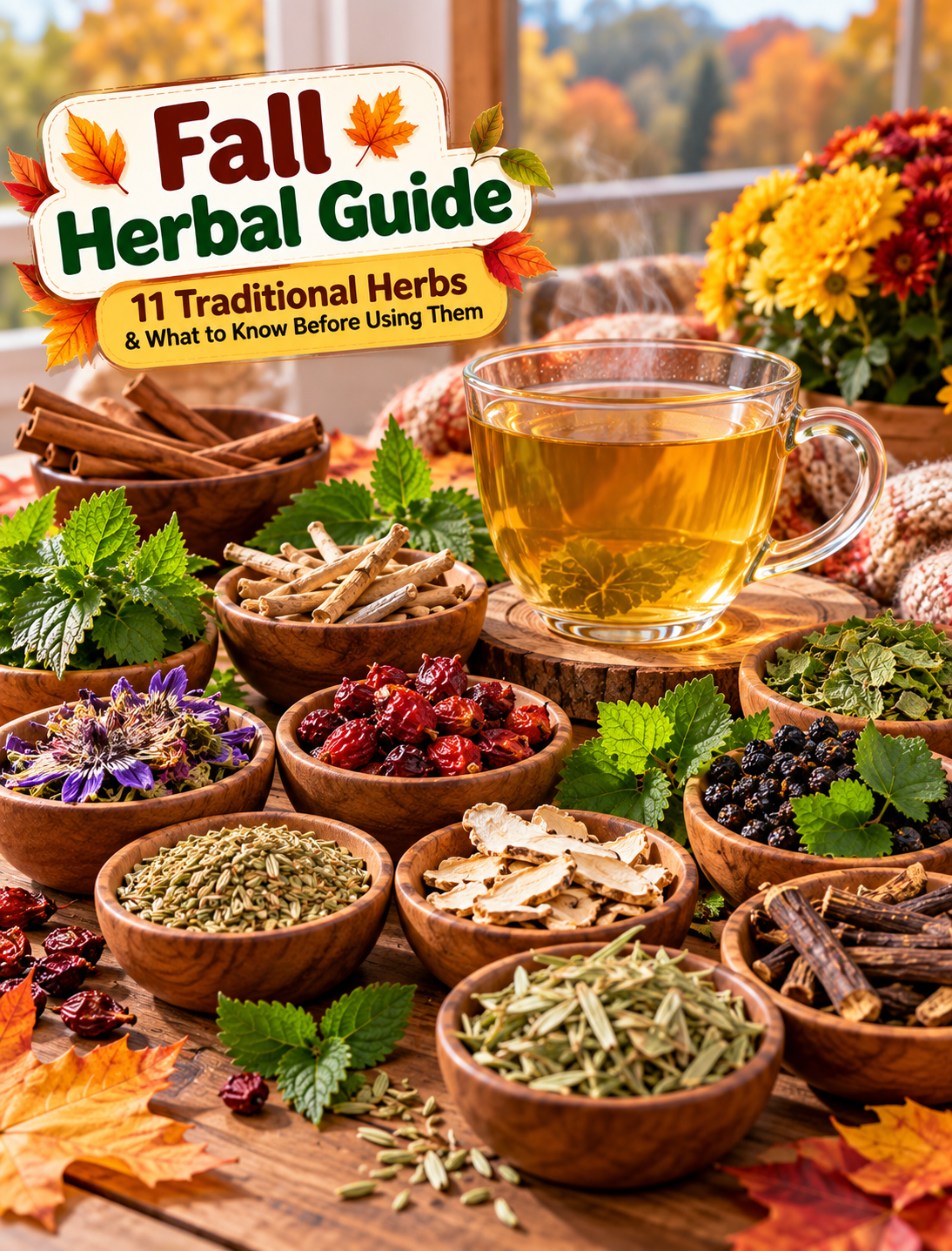
Fall herbal guide featuring 11 traditional herbs including cinnamon, fennel, rosehip, lemon balm, nettle, and licorice root

Fall Herbal Guide: 11 Traditional Herbs & What to Know Before Using Them


Introduction

As the weather turns cooler, many people reach for warm teas, comforting spices, and traditional herbal preparations. Fall is also a good time to look at herbs with a little more care—not just what they are traditionally used for, but what modern research actually tells us.

This Fall Herbal Guide covers 11 herbs and plants commonly found in teas, extracts, and traditional wellness practices:

  • Ashwagandha
  • Nettle
  • Cinnamon
  • Lemon balm
  • Passionflower
  • Black currant leaf
  • Fennel
  • Rosehip
  • Marshmallow root
  • Licorice root
  • Oat straw

Some have centuries of traditional use, while others have been studied in clinical research. The evidence is different for each herb, so a traditional use should not automatically be treated as a proven medical benefit.

1. Ashwagandha

Ashwagandha (Withania somnifera) is a traditional Ayurvedic herb that has been used for centuries. Modern supplements commonly contain root or root-and-leaf extracts.

Traditional use

Ashwagandha has traditionally been used to support general vitality, stress management, and sleep.

What research says

Some studies suggest that certain ashwagandha preparations may help with stress and insomnia, but studies vary in size, formulation, and quality. Evidence for several other claimed benefits remains insufficient. (NCCIH)

Safety

Ashwagandha may cause drowsiness or digestive upset. Rare cases of liver injury have also been reported. It should be avoided during pregnancy and breastfeeding and may interact with thyroid, blood-pressure, diabetes, sedative, and immune-related medicines. (NCCIH)

2. Nettle

Nettle (Urtica dioica and related species) is another traditional plant used in teas and herbal preparations.

Traditional use

Nettle leaf has traditionally been used in preparations associated with urinary health and general herbal wellness.

What research says

The European Medicines Agency recognizes traditional use of nettle leaf preparations in certain urinary-tract-related herbal products, but traditional-use recognition is not the same as strong clinical proof. (European Medicines Agency (EMA))

Safety

Only use properly prepared nettle products. Fresh stinging nettle can irritate the skin because of its tiny stinging hairs. People taking medication should check for possible herb-drug interactions before using concentrated products.

3. Cinnamon

Cinnamon is probably the easiest herb on this list to recognize. It is both a food spice and a traditional herbal ingredient.

Traditional use

Cinnamon has been used traditionally in foods and preparations for digestive and respiratory complaints, among other purposes.

What research says

Research has examined cinnamon supplements for blood sugar and other conditions, but results are inconsistent, and there is not enough evidence to recommend cinnamon as a treatment for a specific health condition. (NCCIH)

Safety

Normal culinary amounts are generally considered safe. Large or prolonged amounts may cause digestive problems, and cassia cinnamon contains coumarin, which can be a concern for people with liver disease when consumed in high amounts. (NCCIH)

4. Lemon Balm

Lemon balm (Melissa officinalis) has a mild lemon scent and is commonly prepared as tea.

Traditional use

It has traditionally been used for mild stress, occasional sleep problems, and minor digestive discomfort such as bloating.

What research says

The European Medicines Agency recognizes these uses based mainly on long-standing traditional use rather than strong clinical evidence. Some small studies have explored sleep and anxiety-related effects, but they are not enough for firm conclusions. (European Medicines Agency (EMA))

How people use it

Lemon balm is commonly found as dried tea leaves, teas, extracts, and combination herbal products.

5. Passionflower

Passionflower (Passiflora incarnata) is often associated with relaxing evening herbal teas.

Traditional use

It has traditionally been used for relaxation and sleep support.

What research says

A small amount of research suggests passionflower may increase total sleep time in some adults with insomnia, but findings for other sleep measures are mixed. (NCCIH)

Safety

Possible side effects include drowsiness, dizziness, and confusion. Passionflower may interact with anesthesia and other medicines that affect the nervous system. It should not be used during pregnancy unless specifically advised by a healthcare professional. (NCCIH)

6. Black Currant Leaf

Black currant leaf comes from Ribes nigrum, the same plant known for its dark berries.

Traditional use

The leaves have been used in traditional European herbal preparations, including preparations associated with urinary health and minor inflammation.

What research says

The European Medicines Agency has evaluated black currant leaf as a traditional herbal ingredient for certain urinary and inflammatory uses. (European Medicines Agency (EMA))

This does not mean black currant leaf has been proven to treat a medical condition. Evidence and approved uses can differ between countries.

7. Fennel

Fennel (Foeniculum vulgare) is both a culinary ingredient and a traditional herbal plant.

Traditional use

Fennel fruit has traditionally been used in herbal preparations for mild digestive discomfort and as an aromatic ingredient.

What research says

European herbal assessments recognize traditional preparations of fennel fruit for certain digestive and respiratory uses. These conclusions are based largely on traditional use rather than strong modern clinical trials. (European Medicines Agency (EMA))

How to use it

Fennel seeds can be used in cooking or prepared as a tea. Concentrated fennel oils are much stronger than culinary amounts and should not be treated like ordinary food.

8. Rosehip

Rosehip is the small fruit that develops after certain roses finish flowering.

Traditional use

Rosehips have traditionally been prepared as teas, syrups, preserves, and other foods. They are naturally rich in plant compounds, including vitamin C, although the amount can vary depending on the preparation.

Why it is popular in fall

Its tart flavor works well in warm teas and seasonal blends. Rosehip can also add variety to a caffeine-free beverage routine.

What research says

Some research has explored rosehip preparations for joint-related symptoms and other areas, but results depend on the specific preparation and study design. It should not be presented as a treatment for arthritis or another disease.

9. Marshmallow Root

Despite its name, marshmallow root (Althaea officinalis) is not the main ingredient in modern marshmallow candy.

Traditional use

The root has traditionally been used in herbal preparations for the mouth, throat, coughs, colds, and digestive discomfort.

What research says

The European Medicines Agency has assessed marshmallow root for traditional use in mouth and throat irritation, cough and cold symptoms, and mild gastrointestinal complaints. (European Medicines Agency (EMA))

Important point

Traditional-use evidence is different from proof that an herb can cure an illness. Persistent cough, severe throat pain, or digestive symptoms should be evaluated appropriately.

10. Licorice Root

Licorice root (Glycyrrhiza species) has a long history in traditional medicine and is also used as a flavoring.

Traditional use

Historically, licorice root has been used in preparations for respiratory, digestive, and other complaints.

What research says

Some small studies have explored licorice preparations for specific uses, but there is not enough high-quality evidence to support licorice as a treatment for most health conditions. (NCCIH)

⚠️ Why extra caution matters

Licorice contains glycyrrhizin, which can cause serious problems when consumed in large amounts or for long periods. It can affect blood pressure, potassium levels, and heart rhythm. The risk is especially important for people with hypertension or heart or kidney conditions. (NCCIH)

11. Oat Straw

Oat straw refers to the above-ground parts of Avena sativa harvested before flowering.

Traditional use

It has been used in traditional herbal preparations associated with relaxation, stress, and sleep.

What research says

The European Medicines Agency has assessed oat herb preparations for traditional use related to mild mental stress and temporary sleep problems. (European Medicines Agency (EMA))

How it is found

Oat herb may appear in teas, liquid extracts, and other herbal preparations. Always check the product label because oat straw products can differ considerably in strength and formulation.

How to Choose Herbal Products More Safely

Before adding a new herb to your fall routine, follow these simple steps:

  1. Identify the exact herb. Common names can refer to different plants.
  2. Check the plant part. Root, leaf, seed, bark, and extract can have different properties.
  3. Choose reputable products. Look for clear labeling and ingredient information.
  4. Start with the intended use. Do not assume an herb works for every condition associated with it.
  5. Read the medication warnings. Some herbs can interact with prescription and over-the-counter medicines.
  6. Avoid replacing medical treatment. Herbal products should not replace prescribed care.
  7. Be especially cautious with concentrated extracts. A tea and a high-strength supplement are not equivalent.
  8. Ask a healthcare professional when needed. This is particularly important during pregnancy, breastfeeding, before surgery, or when managing a chronic condition.

Frequently Asked Questions

1. What is the best herb for fall wellness?

There is no single best herb; the appropriate choice depends on the purpose, preparation, evidence, medications, and individual safety factors.

2. Can herbal teas replace medicine?

No. Herbal teas may complement a healthy routine, but they should not replace prescribed medication or professional medical care.

3. Are all traditional herbs safe?

No. “Natural” does not automatically mean safe, and some herbs can cause side effects or interact with medications.

4. Can I use several herbs together?

Yes, but combining herbs can increase uncertainty about safety and interactions, so avoid complex blends unless the ingredients and doses are well understood.

5. Which herbs require extra caution?

Licorice, ashwagandha, and concentrated herbal extracts deserve particular attention because of potential side effects and medication interactions. (NCCIH)

6. Can I drink herbal tea every day?

It depends on the herb, amount, preparation, and your health situation; regular use is not automatically appropriate for every herbal product.

7. Should I ask my doctor before using herbs?

Yes, especially if you take medication, have a chronic condition, are pregnant or breastfeeding, or have an upcoming surgery.

Final Takeaway

Fall is a natural time to enjoy warm teas, seasonal spices, and traditional herbal ingredients. Ashwagandha, nettle, cinnamon, lemon balm, passionflower, black currant leaf, fennel, rosehip, marshmallow root, licorice root, and oat straw all have different histories and levels of scientific evidence.

The most useful approach is simple: learn what the plant is, understand its traditional use, check what research actually shows, and consider safety before using concentrated products.

That keeps herbal wellness practical without turning traditional remedies into unsupported medical promises.

Carrot Oatmeal Cake / Baked Carrot Oatmeal

 *Carrot Oatmeal Cake / Baked Carrot Oatmeal*


 Ingredients:


– *Rolled Oats* – 2 cups

– *Grated Carrots* – 1.5 cups (about 2-3 medium carrots)

– *All-Purpose Flour* – 1/2 cup

– *Milk* – 1 cup

– *Eggs* – 2 large

– *Brown Sugar* – 1/2 cup

– *Vegetable Oil* – 1/3 cup

– *Walnuts, chopped* – 1/2 cup

– *Cinnamon Powder* – 1 tsp

– *Baking Powder* – 1 tsp

– *Salt* – 1/4 tsp

– *For Topping:* Caramel sauce or honey

Instructions:


*1. Mix Wet Ingredients:* In a large bowl, whisk together eggs, milk, oil, and brown sugar until well combined.


*2. Add Dry Ingredients:* Add rolled oats, flour, cinnamon, baking powder, and salt. Mix well.


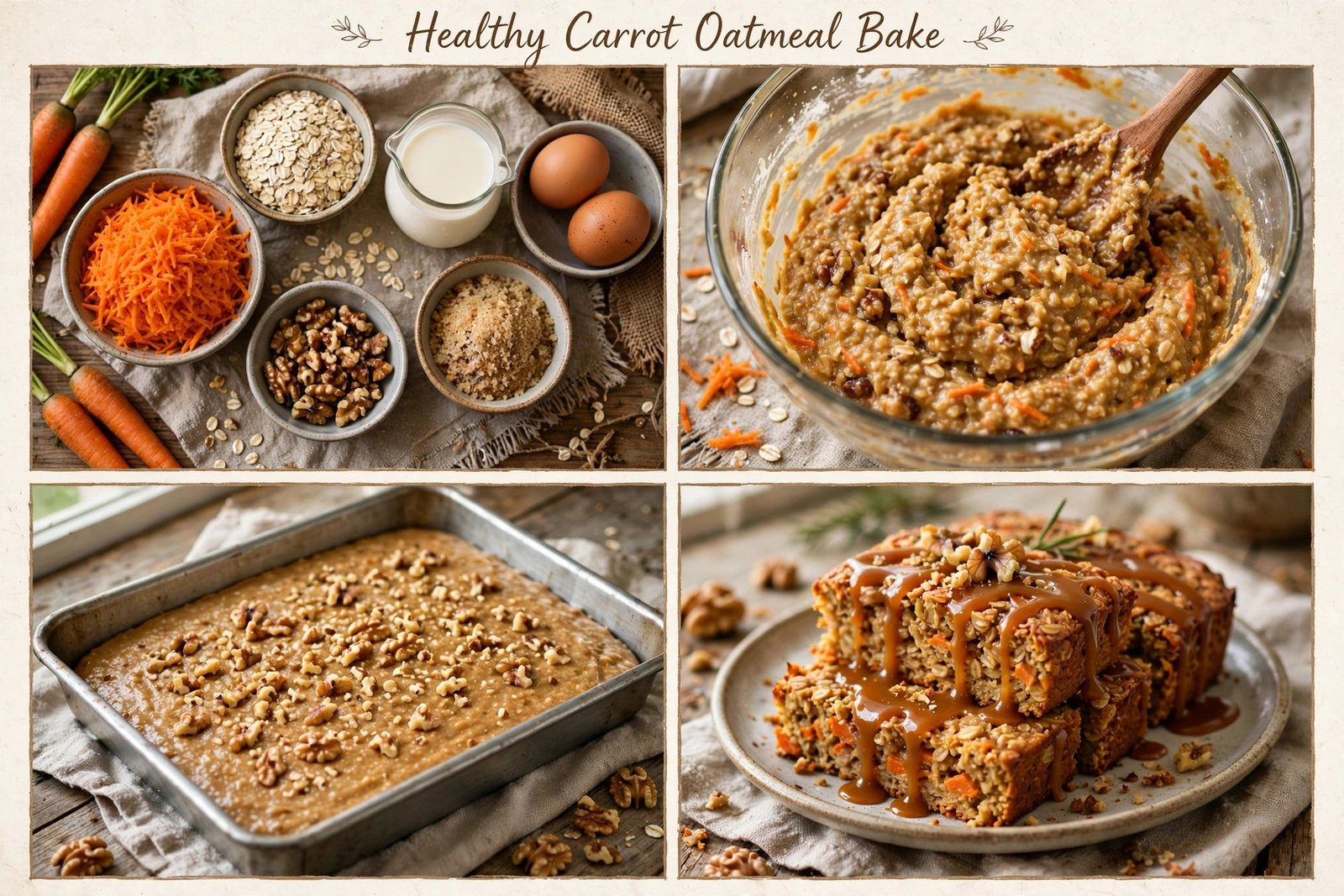
*3. Add Carrots & Nuts:* Fold in the grated carrots and half of the chopped walnuts. The batter will be thick, like in picture 2. Let it rest for 10 minutes so oats can absorb milk.


*4. Prepare Pan:* Grease a baking tray/pan. Pour the batter in and spread evenly. Sprinkle the remaining walnuts on top.


*5. Bake:* Bake in a preheated oven at 180°C / 350°F for 35-40 minutes, until golden brown on top and a toothpick comes out clean.


*6. Serve:* Let it cool down a bit, cut into slices, and drizzle with caramel sauce or honey. Enjoy!


It’s soft, healthy, and perfect for breakfast or tea time.

Tips to make it perfect:


*1. Don’t squeeze carrots:* After grating, don’t squeeze out the water. That moisture makes the cake super soft.


*2. Use Rolled Oats:* Don’t use instant oats. Rolled oats give a much better, chewy texture.


*3. For extra softness:* Add 2 tbsp of yogurt to the batter.


*4. Sweetness:* You can replace brown sugar with 3 tbsp honey or maple syrup for a healthier version.


*5. No Oven? No problem:* You can make it in a pot. Heat salt in a large pot for 10 mins, put a stand inside, place your pan on it, cover and bake on low flame for 45 mins.


*6. Storage:* Stays good for 2 days outside and 5 days in the fridge. You can reheat a slice in the microwave for 20 seconds.


*7. For kids:* Add some raisins, chocolate chips, or a little coconut – kids will love it more.