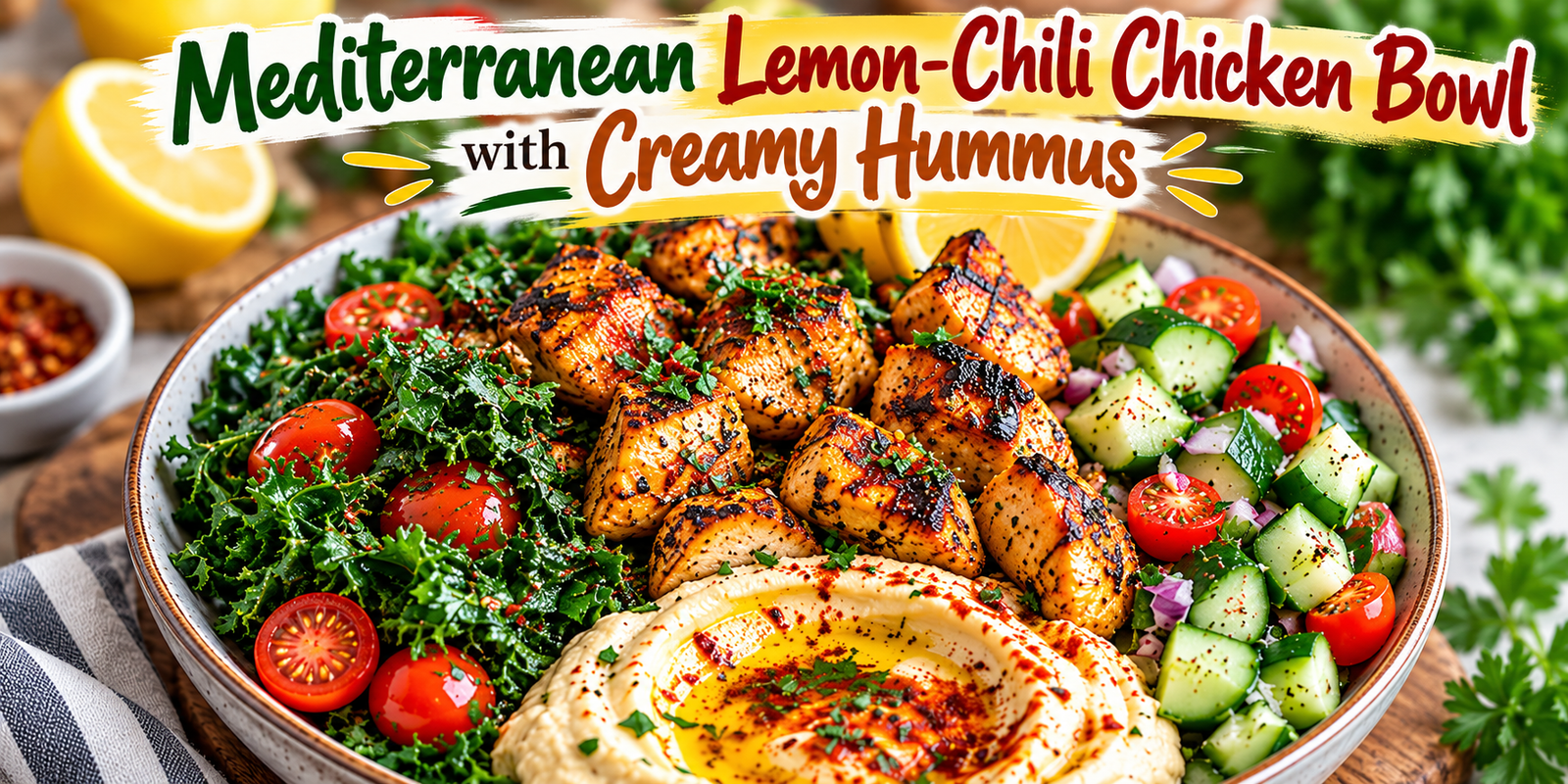
Mediterranean Lemon-Chili Chicken Bowl

Mediterranean Chicken Bowl with Hummus – Easy 30-Minute Recipe

Mediterranean Lemon-Chili Chicken Bowl with Creamy Hummus

This Mediterranean Lemon-Chili Chicken Bowl with Creamy Hummus is a delicious, protein-packed meal featuring juicy, golden grilled chicken, smooth homemade hummus, crunchy cucumber and tomato salad, and fresh leafy greens. Every bite combines zesty lemon, warm Mediterranean spices, and creamy textures. Perfect for a healthy lunch, family dinner, or weekly meal prep, this colorful bowl is easy to prepare in just 30 minutes.

Recipe Details

Prep Time: 15 minutes Cook Time: 15 minutes Total Time: 30 minutes Servings: 4 Difficulty: Easy

🛒 Ingredients

For the Lemon-Chili Chicken

  • 1½ lbs boneless, skinless chicken breasts or thighs, cut into bite-sized pieces

  • 2 tablespoons extra-virgin olive oil

  • 3 tablespoons fresh lemon juice

  • 3 garlic cloves, minced

  • 1 teaspoon dried oregano

  • 1 teaspoon smoked paprika

  • ½ teaspoon red chili flakes

  • ½ teaspoon ground cumin

  • ½ teaspoon salt

  • ¼ teaspoon black pepper

  • 2 tablespoons freshly chopped parsley

For the Creamy Hummus

  • 1 can (15 oz) chickpeas, drained and rinsed

  • 3 tablespoons tahini

  • 2 tablespoons fresh lemon juice

  • 1 garlic clove

  • 2 tablespoons extra-virgin olive oil

  • 3–4 tablespoons cold water

  • ½ teaspoon ground cumin

  • ¼ teaspoon salt

  • ½ teaspoon smoked paprika, for garnish

For the Fresh Cucumber Salad

  • 1 large cucumber, diced

  • 1 cup cherry tomatoes, halved

  • ¼ cup red onion, finely chopped

  • 2 tablespoons fresh parsley, chopped

  • 1 tablespoon fresh lemon juice

  • 1 tablespoon olive oil

  • Salt and black pepper to taste

For the Leafy Greens

  • 2 cups fresh kale or mixed greens

  • 1 cup cherry tomatoes, halved

  • 1 teaspoon olive oil

  • 1 teaspoon lemon juice

  • Pinch of salt

For Garnishing

  • Fresh parsley

  • Smoked paprika

  • Red chili flakes

  • Extra-virgin olive oil

  • Fresh lemon wedges

👨‍🍳 Step-by-Step Instructions

Step 1: Marinate the Chicken

Place the chicken pieces in a large mixing bowl. Add olive oil, lemon juice, minced garlic, oregano, smoked paprika, chili flakes, cumin, salt, and black pepper.

Mix thoroughly until every chicken piece is evenly coated with the marinade.

Allow the chicken to marinate for 10–15 minutes. For a deeper flavor, cover and refrigerate for up to 2 hours.

Step 2: Prepare the Creamy Hummus

Add the drained chickpeas, tahini, lemon juice, garlic, olive oil, cumin, and salt to a food processor.

Blend until smooth, gradually adding cold water one tablespoon at a time.

Continue blending for 2–3 minutes until the hummus becomes light, creamy, and fluffy.

Taste and adjust the lemon juice or salt if needed.

Transfer to a bowl and set aside.

Step 3: Cook the Lemon-Chili Chicken

Heat a large skillet or grill pan over medium-high heat.

Add the marinated chicken pieces in a single layer. Avoid overcrowding the pan.

Cook for approximately 5–7 minutes on each side, depending on the size of the pieces, until beautifully golden brown with slightly charred edges.

The chicken should reach an internal temperature of 165°F (74°C).

Remove from heat, sprinkle with freshly chopped parsley, and allow to rest for 3 minutes.

Step 4: Prepare the Cucumber Salad

In a medium bowl, combine diced cucumber, cherry tomatoes, finely chopped red onion, and fresh parsley.

Drizzle with olive oil and fresh lemon juice.

Season with salt and black pepper, then gently toss until everything is evenly coated.

Keep refrigerated until ready to serve.

Step 5: Prepare the Greens

Wash and thoroughly dry the kale or mixed greens.

If using kale, remove the tough stems and tear the leaves into small pieces.

Drizzle with olive oil, lemon juice, and a pinch of salt.

Gently massage the kale for 1–2 minutes to soften its texture.

Add the halved cherry tomatoes and toss lightly.

Step 6: Assemble the Mediterranean Bowls

Choose four wide serving bowls or shallow ceramic plates.

Spread a generous portion of creamy hummus along one side of each bowl.

Arrange the grilled lemon-chili chicken in the center.

Place the fresh cucumber salad on one side and the leafy greens with tomatoes on the other.

Create a small well in the hummus and drizzle with extra-virgin olive oil.

Finish with smoked paprika, chili flakes, and fresh parsley.

Serve immediately with lemon wedges.

Cooking Tips for the Best Results

  • Use chicken thighs: Boneless chicken thighs remain especially juicy and tender when grilled.

  • Don’t overcrowd the pan: Cook the chicken in batches to develop a delicious golden crust.

  • Use fresh lemon juice: Freshly squeezed lemon produces a brighter Mediterranean flavor.

  • Make the hummus extra creamy: Blend for several minutes and gradually add cold water until smooth.

  • Adjust the heat: Reduce chili flakes for a mild bowl or increase them for a spicy version.

  • Prepare ahead: Make the hummus and cucumber salad in advance to save time.

  • Serve with warm pita: Fresh pita bread is perfect for scooping up the creamy hummus.

Storage and Meal Prep

Refrigerator: Store the cooked chicken in an airtight container for up to 3–4 days.

Hummus: Refrigerate homemade hummus separately and use within 3–4 days.

Fresh Salad: For the best texture, keep cucumber salad refrigerated and eat within 1–2 days.

Reheating: Warm the chicken in a skillet over medium heat until heated through. Keep the hummus and fresh vegetables cold.

Meal Prep Tip: Store each component separately and assemble the bowls just before serving. This prevents the vegetables from becoming soggy.

Warm pita bread, quinoa, couscous, or lemon rice make excellent additions to this Mediterranean Chicken Bowl. For another healthy and flavorful Mediterranean meal, try our Loaded Mediterranean Sweet Potatoes with Avocado & Feta, packed with delicious ingredients and fresh flavors.

Frequently Asked Questions

Can I use store-bought hummus?

Absolutely! Store-bought hummus works perfectly and makes this recipe even quicker. Choose a classic hummus variety for the best flavor combination.

Can I make this recipe without chicken?

Yes. Replace the chicken with grilled tofu, roasted chickpeas, or grilled halloumi for a vegetarian variation.

Is this recipe gluten-free?

Yes, the ingredients are naturally gluten-free when using certified gluten-free seasonings and tahini. Always check packaged ingredients if preparing for someone with celiac disease.

Can I serve this bowl cold?

Yes! The cooked chicken tastes delicious either warm or chilled, making this recipe suitable for packed lunches.

What can I serve with this bowl?

Warm pita bread, quinoa, couscous, roasted vegetables, or lemon rice make excellent additions.

📊 Estimated Nutritional Information

Per serving, based on 4 servings using chicken breast and the listed ingredients. Values vary with brands and portions.

Nutrient Amount
Calories 590 kcal
Protein 48 g
Carbohydrates 30 g
Total Fat 32 g
Fiber 9 g
Sugar 6 g
Sodium 650 mg

Final Thoughts

This Mediterranean Lemon-Chili Chicken Bowl with Creamy Hummus brings together juicy, smoky chicken, refreshing vegetables, and rich, velvety hummus in one satisfying meal. It’s fresh, colorful, full of Mediterranean flavors, and perfect for anyone looking for a wholesome homemade dinner without spending hours in the kitchen.

If you love easy and flavorful chicken dinners, this Mediterranean Chicken Bowl is a wonderful choice for your weekly meal plan. For another comforting family meal, try our Slow Cooker Creamy Garlic Chicken & Pasta, featuring tender chicken, creamy garlic sauce, and delicious pasta.

Peanut Butter Banana Oatmeal Breakfast Cookies

Peanut Butter Banana Oatmeal Breakfast Cookies

Description

These Peanut Butter Banana Oatmeal Breakfast Cookies are soft, chewy, naturally sweet, and packed with wholesome ingredients. Made with creamy peanut butter, ripe banana, rolled oats, honey or maple syrup, and an egg, these easy breakfast cookies are perfect for busy mornings, afternoon snacks, lunchboxes, or a quick treat with coffee.

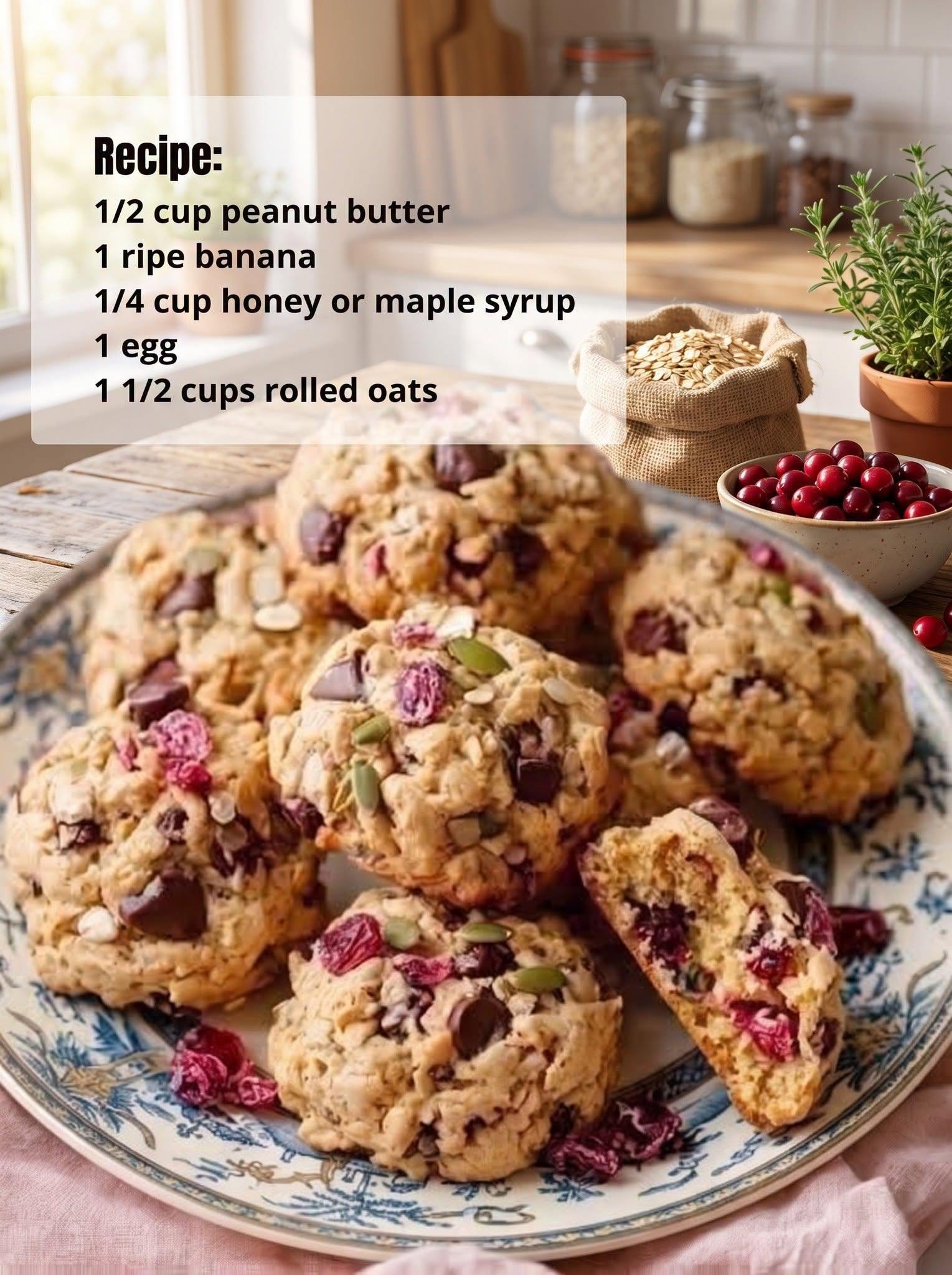
The cookies shown in the recipe image have a wonderfully rustic appearance, with golden-brown edges, a soft center, and colorful pieces of dried cranberries, chocolate chips, and pumpkin seeds throughout. The combination creates a delicious balance of creamy peanut butter, sweet banana, chewy oats, rich chocolate, tart cranberries, and crunchy seeds.

Unlike traditional cookies that rely heavily on refined flour and large amounts of sugar, this recipe uses mashed banana and a small amount of honey or maple syrup for sweetness. Rolled oats provide a hearty texture, while peanut butter adds richness and satisfying flavor.

These cookies are incredibly easy to prepare. Everything can be mixed in one bowl, meaning there is very little cleanup afterward. There is also no need for a mixer or complicated baking equipment.

They are best enjoyed slightly warm from the oven when the chocolate is still soft and melty, but they also hold their texture well after cooling. You can make a batch ahead of time and keep them ready for quick breakfasts throughout the week.

Ingredients

Main Ingredients

  • ½ cup creamy peanut butter
  • 1 large ripe banana
  • ¼ cup honey or pure maple syrup
  • 1 large egg
  • 1½ cups rolled oats

Optional Mix-Ins

  • ⅓ cup semi-sweet or dark chocolate chips
  • ⅓ cup dried cranberries
  • 2 tablespoons pumpkin seeds
  • ½ teaspoon ground cinnamon
  • 1 teaspoon vanilla extract
  • ¼ teaspoon salt
  • ¼ teaspoon baking powder

The optional ingredients add extra flavor and texture and help create the colorful appearance shown in the image.

Instructions

1. Preheat the Oven

Preheat your oven to 350°F (175°C).

Line a large baking sheet with parchment paper. Parchment helps prevent the cookies from sticking and makes cleanup much easier.

If you do not have parchment paper, lightly grease the baking sheet with a small amount of butter or cooking spray.

Allow the oven to fully preheat before baking. A properly heated oven helps the cookies cook evenly and develop lightly golden edges.

2. Mash the Banana

Place one large ripe banana in a large mixing bowl.

Use a fork to mash the banana until mostly smooth.

A few tiny pieces are completely fine and can actually add a pleasant texture to the finished cookies.

The riper the banana, the sweeter and more flavorful the cookies will be. A banana with plenty of brown spots is ideal because it contains more natural sweetness and mashes easily.

Avoid using a green or very firm banana because it will not provide the same sweetness or moisture.

3. Add the Peanut Butter

Add ½ cup creamy peanut butter to the mashed banana.

Stir until the peanut butter and banana are well combined.

Creamy peanut butter works especially well because it blends smoothly into the batter.

If your peanut butter is very thick, warm it slightly for a few seconds before adding it. This makes it easier to mix with the banana.

Natural peanut butter can also be used, but make sure it has been stirred well so the oil and peanut solids are evenly combined.

4. Add Honey or Maple Syrup

Pour ¼ cup honey or pure maple syrup into the bowl.

Stir until incorporated.

Both sweeteners work beautifully.

Honey gives the cookies a slightly floral sweetness, while maple syrup provides a deeper caramel-like flavor.

If your banana is extremely ripe and sweet, you can slightly reduce the sweetener according to your preference.

Do not eliminate the sweetener completely if you want the cookies to have the same balanced sweetness as the original recipe.

5. Add the Egg

Crack one large egg into the mixture.

Add the vanilla extract if using.

Whisk or stir until the egg is completely incorporated and the mixture becomes smooth.

The egg helps bind the ingredients together and gives the cookies a softer, more cohesive texture.

Make sure there are no visible streaks of egg remaining.

6. Add the Dry Ingredients

Add the rolled oats, cinnamon, baking powder, and salt.

Using a sturdy spoon or spatula, stir everything together until a thick, sticky mixture forms.

Do not overmix.

The mixture should be moist enough to hold together when pressed but thick enough that it does not spread like traditional cookie dough.

Let the mixture rest for approximately 5 minutes.

This short resting period allows the oats to absorb some of the moisture from the banana, peanut butter, and egg.

7. Add the Chocolate, Cranberries, and Pumpkin Seeds

Fold in the chocolate chips, dried cranberries, and pumpkin seeds.

Reserve a small amount of each ingredient for decorating the tops of the cookies.

The chocolate chips provide rich sweetness, the cranberries add chewy tartness, and the pumpkin seeds provide a subtle crunch.

You can use dark chocolate chips for a richer flavor or milk chocolate chips for a sweeter cookie.

If you prefer a less sweet breakfast cookie, use unsweetened dried cranberries or reduce the chocolate chips.

8. Shape the Cookies

Using a large spoon, cookie scoop, or approximately 2 tablespoons of mixture, place portions onto the prepared baking sheet.

Leave approximately 2 inches of space between each cookie.

These cookies do not spread dramatically during baking, so gently flatten each portion with the back of a spoon or your fingers.

Shape them into thick, round discs.

For the rustic appearance shown in the image, do not worry about making them perfectly smooth.

Press a few extra chocolate chips, dried cranberries, and pumpkin seeds onto the top of each cookie.

This makes them look especially attractive when baked.

9. Bake

Place the baking sheet in the preheated oven.

Bake for approximately 12–16 minutes, depending on the size of the cookies.

The edges should become lightly golden while the centers remain soft.

Do not overbake them.

Because banana and peanut butter provide moisture, the cookies will continue to firm slightly as they cool.

If you prefer softer cookies, remove them when the edges are just beginning to turn golden.

For a slightly firmer texture, bake for an additional 1–2 minutes.

10. Cool

Remove the baking sheet from the oven.

Allow the cookies to cool directly on the baking sheet for approximately 5 minutes.

They will be quite soft when they first come out of the oven.

After 5 minutes, carefully transfer them to a wire rack.

Allow them to cool completely before storing.

If you enjoy warm cookies, serve them after they have cooled for approximately 10 minutes. The chocolate will still be soft and delicious.

Texture and Flavor

These breakfast cookies have a texture that falls somewhere between a traditional oatmeal cookie and a soft baked energy bite.

The outside becomes lightly golden while the inside stays tender and chewy.

Banana gives the cookies natural moisture and sweetness.

Peanut butter provides a rich, nutty flavor and makes the cookies more satisfying.

Rolled oats create a hearty chew and help give the cookies their substantial texture.

Chocolate chips melt into little pockets of richness, while dried cranberries provide small bursts of fruity tartness.

Pumpkin seeds add a pleasant crunch and make the cookies look colorful and homemade.

Together, these ingredients create a breakfast cookie that feels like a treat while still being made from simple pantry ingredients.

Why Use Ripe Bananas?

Ripe bananas are one of the most important ingredients in this recipe.

As bananas ripen, their starches naturally break down into sugars, making them softer and sweeter.

That means a ripe banana can contribute sweetness without requiring a large amount of additional sugar.

It also provides moisture, helping the cookies remain soft after baking.

For the best results, choose a banana that is yellow with plenty of brown spots.

Very ripe bananas are actually perfect for baking.

If you have bananas that are too ripe to eat on their own, this recipe is a great way to use them instead of throwing them away.

Choosing the Right Oats

Old-fashioned rolled oats are recommended for this recipe.

They provide a chewy, hearty texture and hold their shape better than quick oats.

Quick oats can be used if necessary, but the finished cookies may be softer and less textured.

Steel-cut oats are not recommended because they require considerably more cooking time and will remain too firm.

For a gluten-free version, use certified gluten-free rolled oats.

Peanut Butter Options

Creamy peanut butter is the easiest choice because it creates a smooth mixture.

However, crunchy peanut butter can also be used if you enjoy extra texture.

Natural peanut butter works well, but make sure it has been thoroughly stirred before measuring.

If you have a peanut allergy, almond butter, cashew butter, or sunflower seed butter can be substituted.

Sunflower seed butter is an especially useful alternative for nut-free lunchboxes.

The flavor will change slightly depending on the butter used, but the overall recipe will still work.

Variations

Chocolate Cranberry Cookies

For a version similar to the cookies shown in the image, use dark chocolate chips and dried cranberries.

The combination of rich chocolate and tart cranberries creates a delicious sweet-tart flavor.

Peanut Butter Banana Walnut Cookies

Replace the pumpkin seeds with ¼ cup chopped walnuts.

Walnuts provide a buttery crunch that pairs naturally with banana and peanut butter.

Coconut Banana Oat Cookies

Add ¼ cup unsweetened shredded coconut to the mixture.

The coconut gives the cookies a slightly tropical flavor.

Apple Cinnamon Version

Replace the chocolate chips with ⅓ cup finely diced apple and add ½ teaspoon extra cinnamon.

This version is particularly delicious during autumn.

Chocolate Peanut Butter Version

Add 1 tablespoon unsweetened cocoa powder to the mixture and use extra dark chocolate chips.

The result is a richer, chocolate-forward breakfast cookie.

Berry Version

Use dried blueberries, cherries, or raisins instead of cranberries.

Each option provides a slightly different flavor.

How to Make Them More Filling

If you want these cookies to work as a more substantial breakfast, you can add extra ingredients such as:

  • Chia seeds
  • Ground flaxseed
  • Hemp hearts
  • Chopped walnuts
  • Almonds
  • Pumpkin seeds
  • Unsweetened coconut

Add approximately 1–2 tablespoons of seeds at a time.

Avoid adding too many dry ingredients because they can make the cookies crumbly.

If the mixture becomes too dry after adding extras, stir in another tablespoon of peanut butter or mashed banana.

Serving Suggestions

These cookies are delicious on their own, but there are many ways to serve them.

For breakfast, pair one or two cookies with Greek yogurt and fresh berries.

For a quick snack, enjoy one with a glass of milk or your favorite coffee.

For a more complete breakfast, serve them alongside scrambled eggs, fresh fruit, and yogurt.

They also make a convenient addition to lunchboxes and snack containers.

For dessert, warm a cookie slightly and serve it with a small spoonful of Greek yogurt or nut butter.

You can even crumble one over yogurt to create a quick oatmeal-cookie parfait.

Storage

Once completely cooled, place the cookies in an airtight container.

Store at room temperature for approximately 2–3 days.

For longer storage, refrigerate them for up to 5 days.

Place parchment paper between layers if stacking them to prevent sticking.

Because these cookies contain banana and egg, refrigeration is recommended if you plan to keep them for several days.

Freezing Instructions

These cookies freeze very well.

Allow them to cool completely before freezing.

Arrange the cookies in a single layer on a baking sheet and freeze for approximately 1 hour.

Once firm, transfer them to a freezer-safe bag or airtight container.

They can be stored in the freezer for approximately 2–3 months.

To enjoy, remove one or two cookies and let them thaw at room temperature for approximately 30–60 minutes.

You can also warm them in the microwave for about 15–20 seconds.

Meal Prep Tips

These cookies are excellent for meal preparation.

Make a full batch on Sunday and divide them into individual portions.

Store several in the refrigerator for the week and freeze the rest.

This gives you a quick homemade breakfast or snack without needing to bake every morning.

For busy mornings, take a frozen cookie out the night before and place it in the refrigerator.

By morning, it will be ready to eat.

You can pair it with fruit, yogurt, coffee, or a smoothie for a simple breakfast.

Information

Approximate nutrition per cookie will vary depending on the size of the cookies and the optional mix-ins.

For a batch of approximately 12 cookies, each cookie contains roughly:

  • Calories: 180–210
  • Protein: 5–6g
  • Carbohydrates: 25–28g
  • Fat: 8–10g
  • Fiber: 3–4g
  • Sugar: 9–12g

Using dark chocolate, unsweetened dried fruit, or less honey/maple syrup can reduce the overall sweetness.

Benefits of the Ingredients

Oats

Rolled oats provide carbohydrates and dietary fiber. Their hearty texture also makes the cookies more satisfying than traditional flour-based cookies.

Banana

Bananas contribute natural sweetness, moisture, and a soft texture.

Peanut Butter

Peanut butter provides plant-based protein and healthy fats while giving the cookies their signature rich, nutty flavor.

Pumpkin Seeds

Pumpkin seeds add crunch and provide protein, healthy fats, and minerals.

Cranberries

Dried cranberries provide chewy texture and a pleasant fruity contrast to the peanut butter and chocolate.

Dark Chocolate

Dark chocolate can provide a richer flavor with less sweetness than milk chocolate.

Frequently Asked Questions

Can I make these cookies without an egg?

Yes. You can use a flax egg made with 1 tablespoon ground flaxseed mixed with 2½ tablespoons water. Let it sit for about 5 minutes before adding.

Can I use quick oats?

Yes, although rolled oats provide a better chewy texture.

Can I use almond butter?

Absolutely. Almond butter is an easy substitute for peanut butter.

Are these cookies very sweet?

They are moderately sweet. The banana, honey or maple syrup, and optional chocolate chips all contribute sweetness.

For a less sweet version, reduce the chocolate chips and use a very ripe banana.

Why are my cookies falling apart?

The mixture may need more moisture or the cookies may have been baked before they had enough time to set.

Make sure you use a large ripe banana and allow the cookies to cool for several minutes before moving them.

Why are my cookies too wet?

Bananas vary considerably in size and moisture.

If the mixture seems unusually wet, add 2–3 tablespoons of rolled oats and allow the mixture to sit for 5–10 minutes before shaping.

Can I make smaller cookies?

Yes. Use approximately 1 tablespoon of mixture per cookie and reduce the baking time to around 9–12 minutes.

Can I leave out the chocolate?

Definitely. The cookies will still be delicious with banana, peanut butter, oats, and cranberries.

Can children eat these cookies?

These cookies can make a convenient snack for children, but always consider individual allergies and dietary needs. Peanut butter and nuts should be avoided for anyone with an allergy.

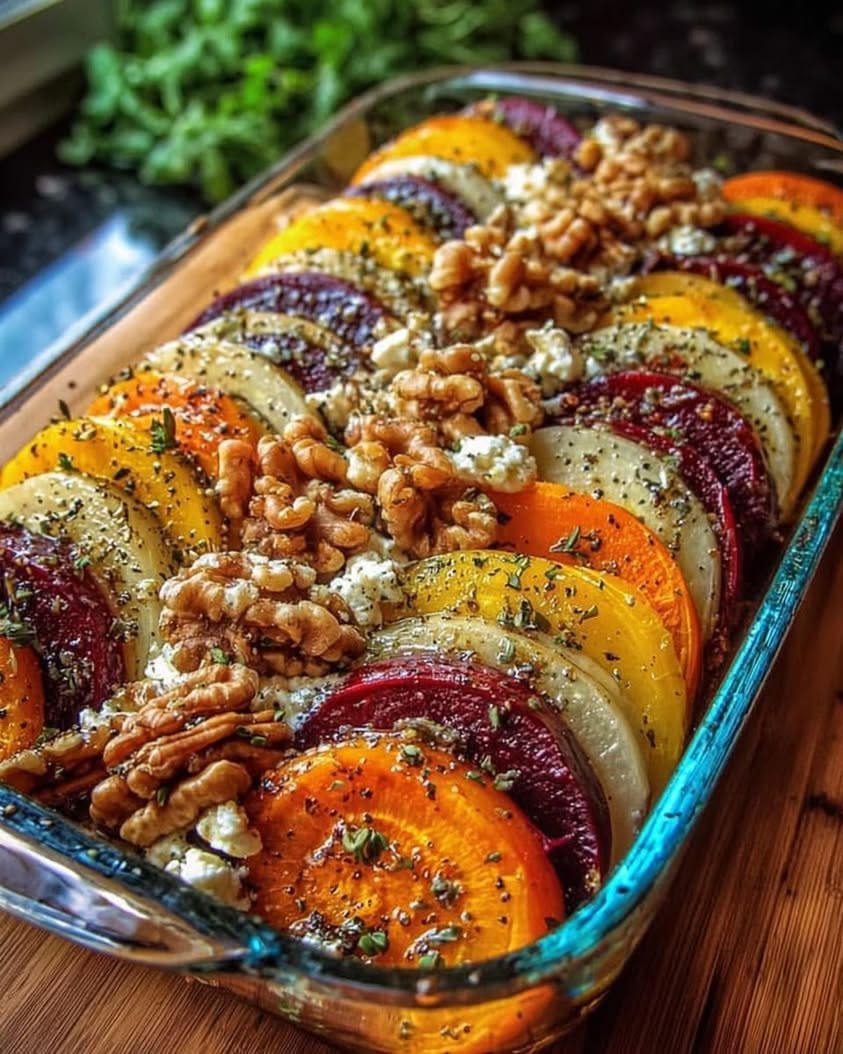
Multi-Colored Root Vegetable and Walnut Bake

Multi-Colored Root Vegetable and Walnut Bake

Description

This Multi-Colored Root Vegetable and Walnut Bake is a beautiful, hearty side dish that brings together the natural sweetness, earthy flavor, and vibrant colors of roasted root vegetables. A combination of sweet potatoes, carrots, parsnips, golden beets, and red beets creates a stunning presentation, while toasted walnuts add a delicious crunch. Everything is finished with aromatic herbs, garlic, olive oil, and a light maple-Dijon glaze that caramelizes beautifully in the oven.

Perfect for autumn and winter dinners, holiday gatherings, Sunday meals, or a cozy vegetarian main course, this bake is both comforting and elegant. The vegetables become tender on the inside while their edges turn golden and lightly caramelized. Fresh rosemary and thyme add warmth, while lemon juice balances the natural sweetness.

Unlike a traditional heavy casserole, this recipe lets the vegetables remain the star. There is no need for a rich cream sauce or excessive cheese. Instead, simple Mediterranean-inspired ingredients create layers of flavor while keeping the dish colorful and naturally wholesome.

The walnuts are added toward the end of baking so they become lightly toasted without burning. A final sprinkle of fresh herbs and feta cheese is optional but highly recommended for an extra savory finish.

Ingredients

For the Root Vegetable Bake

  • 2 medium sweet potatoes, peeled and cut into 1-inch cubes
  • 3 large carrots, peeled and sliced diagonally
  • 2 medium parsnips, peeled and sliced
  • 2 medium golden beets, peeled and cut into small wedges
  • 2 medium red beets, peeled and cut into small wedges
  • 1 medium red onion, cut into wedges
  • 4 cloves garlic, finely minced
  • 3 tablespoons extra-virgin olive oil
  • 1 tablespoon pure maple syrup
  • 1 tablespoon Dijon mustard
  • 1 tablespoon fresh lemon juice
  • 1 teaspoon dried thyme
  • 1 teaspoon dried rosemary
  • ½ teaspoon smoked paprika
  • ½ teaspoon ground cumin
  • 1 teaspoon kosher salt
  • ½ teaspoon freshly ground black pepper
  • ¾ cup walnuts, roughly chopped

Optional Garnishes

  • 2 tablespoons fresh parsley, chopped
  • 1 tablespoon fresh thyme leaves
  • ¼ cup crumbled feta cheese
  • 1 tablespoon pumpkin seeds
  • 1 teaspoon lemon zest
  • A small drizzle of extra-virgin olive oil

Instructions

1. Prepare the Oven

Preheat your oven to 425°F (220°C). Line a large rimmed baking sheet with parchment paper or lightly grease it with olive oil.

A large baking sheet is important because overcrowding the vegetables can cause them to steam rather than roast. If necessary, divide everything between two baking sheets.

2. Prepare the Vegetables

Wash and peel all of the root vegetables.

Cut the sweet potatoes into approximately 1-inch cubes. Slice the carrots and parsnips diagonally into pieces of similar thickness. Cut the golden and red beets into small wedges.

Try to keep the vegetables relatively similar in size. This helps them cook evenly.

Cut the red onion into chunky wedges and set everything aside.

Because red beets can stain lighter vegetables, you can keep them separate while preparing the ingredients. If you want the finished dish to maintain distinct colors, roast the red beets on a separate section of the baking sheet or on their own pan.

3. Make the Flavorful Glaze

In a small bowl, whisk together the olive oil, maple syrup, Dijon mustard, lemon juice, minced garlic, thyme, rosemary, smoked paprika, cumin, salt, and black pepper.

The mixture should be smooth and fragrant.

The maple syrup adds just enough sweetness to encourage caramelization without making the dish taste like dessert. Dijon mustard provides acidity and savory depth, while lemon juice brightens all of the naturally earthy flavors.

4. Season the Vegetables

Place the sweet potatoes, carrots, parsnips, golden beets, red onion, and red beets into a very large mixing bowl.

Pour the prepared glaze over the vegetables.

Toss thoroughly with a large spoon or clean hands until every piece is lightly coated.

Make sure the vegetables are spread into a single layer on the baking sheet. Leave a little space between pieces whenever possible.

5. Begin Roasting

Place the baking sheet in the preheated oven.

Roast for approximately 25 minutes.

After 25 minutes, carefully remove the pan and use a spatula to turn the vegetables. This helps them brown evenly on multiple sides.

Return the baking sheet to the oven and continue roasting for another 15–20 minutes.

The vegetables should be fork-tender with caramelized edges.

6. Add the Walnuts

When the vegetables are nearly finished, sprinkle the chopped walnuts evenly over the top.

Return the pan to the oven for another 5–7 minutes.

Keep a close eye on the walnuts because they can go from perfectly toasted to burnt quickly.

They should become fragrant and lightly golden.

7. Check for Doneness

Insert a fork into the thickest pieces of sweet potato, beet, carrot, and parsnip.

They should be tender but not falling apart.

If the vegetables are still firm, continue roasting for another 5–10 minutes.

The exact cooking time can vary depending on the size of the vegetables and how crowded the pan is.

8. Finish the Bake

Remove the vegetables from the oven and allow them to rest for approximately 5 minutes.

Sprinkle with fresh parsley and thyme.

If desired, add crumbled feta cheese, lemon zest, and a few pumpkin seeds.

For an especially fresh finish, squeeze a little additional lemon juice over the vegetables immediately before serving.

Why This Recipe Works

The beauty of this dish comes from the combination of contrasting textures and flavors.

Sweet potatoes provide creamy softness and natural sweetness. Carrots become tender and caramelized around the edges, while parsnips contribute a slightly nutty, earthy flavor.

Golden and red beets add beautiful color and a deep earthy sweetness. Red onion becomes soft and caramelized during roasting, bringing savory richness to the entire dish.

The walnuts provide the necessary crunch.

The maple-Dijon glaze ties everything together. The maple syrup encourages browning, Dijon adds savory sharpness, and lemon prevents the dish from becoming overly sweet.

Fresh herbs finish the bake with brightness.

Tips for the Best Root Vegetable Bake

Cut Everything Evenly

One of the most important tips is to cut the vegetables into similar-sized pieces.

Large chunks take longer to cook, while small pieces may become too soft or burn before larger pieces are finished.

Don’t Overcrowd the Pan

Give the vegetables room.

If they are packed tightly together, moisture becomes trapped and the vegetables steam instead of roast.

For the best caramelized edges, use two baking sheets if necessary.

Use High Heat

Roasting at 425°F creates the ideal environment for browning and caramelization.

A lower temperature can still cook the vegetables, but they may not develop the same golden edges.

Add Walnuts Later

Walnuts do not need the entire roasting time.

Adding them during the final few minutes allows them to toast without burning.

Don’t Skip the Lemon

The vegetables and maple syrup are naturally sweet. Lemon juice adds acidity that balances the dish.

A final squeeze of lemon immediately before serving can make the entire recipe taste fresher.

Variations

Add Chickpeas

For additional protein and texture, add one can of drained and rinsed chickpeas.

Pat the chickpeas dry before roasting and toss them with the vegetables.

They become lightly crispy while absorbing the flavorful glaze.

Add Brussels Sprouts

Halved Brussels sprouts make an excellent addition.

Add them with the other vegetables and roast until their edges become deeply golden.

Add Apples

For a more autumn-inspired version, add one or two firm apples cut into wedges during the final 20 minutes of roasting.

Apples pair beautifully with sweet potatoes, walnuts, and maple.

Make It Spicy

Add ¼–½ teaspoon crushed red pepper flakes or a pinch of cayenne pepper to the glaze.

The subtle heat contrasts beautifully with the sweet vegetables.

Add Feta

Crumbled feta adds a creamy, salty element that works particularly well with roasted beets and walnuts.

Add it after roasting rather than before so it remains fresh and creamy.

Make It Vegan

The basic recipe is already vegan as written.

If using feta, simply leave it out or replace it with a plant-based feta alternative.

Serving Suggestions

This colorful bake works beautifully as a side dish for roasted chicken, turkey, pork, or fish.

It can also become a complete vegetarian meal when served over:

  • Quinoa
  • Brown rice
  • Farro
  • Couscous
  • Bulgur
  • Wild rice

For a Mediterranean-inspired plate, serve the vegetables with hummus, warm pita bread, cucumber salad, and a simple yogurt or tahini sauce.

For a holiday meal, place the roasted vegetables on a large serving platter and garnish with fresh herbs, toasted walnuts, feta, and lemon zest.

The colors make this dish especially attractive on a buffet table.

Creamy Tahini Serving Sauce

For an optional sauce, whisk together:

  • ¼ cup tahini
  • 2 tablespoons lemon juice
  • 1 small garlic clove, minced
  • 2–4 tablespoons warm water
  • Pinch of salt

Whisk until creamy and smooth.

Drizzle over the warm vegetables just before serving.

The nutty tahini complements the walnuts and roasted root vegetables beautifully.

Meal Prep and Storage

This recipe is excellent for meal preparation.

Allow the roasted vegetables to cool completely before transferring them to airtight containers.

Store in the refrigerator for up to 4 days.

For the best texture, store the tahini sauce and fresh garnishes separately.

To reheat, place the vegetables on a baking sheet and warm them in a 375°F oven for 10–15 minutes.

You can also reheat individual portions in the microwave, although the vegetables will be softer.

For maximum crispness, reheating in an oven or air fryer is recommended.

Can You Freeze It?

Yes, although freezing will slightly change the texture of the vegetables.

Allow the bake to cool completely and transfer it to a freezer-safe container.

Freeze for up to 2 months.

Thaw overnight in the refrigerator and reheat in a 375°F oven until hot.

For best results, add fresh walnuts and herbs after reheating rather than freezing them with the vegetables.

Nutrition Information

Approximate nutrition per serving, without optional feta:

  • Calories: 360
  • Protein: 7g
  • Carbohydrates: 48g
  • Fat: 18g
  • Fiber: 10g
  • Sugar: 15g
  • Sodium: 480mg

Nutrition values will vary depending on the exact vegetables, oil, walnuts, and garnishes used.

Health and Nutrition Benefits

Rich in Fiber

Root vegetables provide dietary fiber that supports healthy digestion and contributes to a satisfying meal.

Naturally Colorful

The variety of vegetables provides different plant compounds and antioxidants, making this dish both nutritious and visually appealing.

Healthy Fats

Walnuts and extra-virgin olive oil provide unsaturated fats that fit well into a balanced eating pattern.

Plant-Based

The recipe is naturally vegetarian and vegan when served without feta.

Naturally Satisfying

The combination of fiber-rich vegetables, healthy fats, and crunchy walnuts makes this bake filling without requiring a heavy sauce.

Frequently Asked Questions

Can I use different root vegetables?

Absolutely. You can substitute turnips, rutabaga, celery root, or butternut squash depending on what you have available.

Do I have to peel the vegetables?

Peeling is recommended for beets, parsnips, and some varieties of carrots, but well-scrubbed carrots and sweet potatoes can be left unpeeled if desired.

Can I prepare this ahead of time?

Yes. You can chop the vegetables and prepare the glaze several hours ahead. Keep them refrigerated separately until ready to roast.

Why are my vegetables not crispy?

The most common reason is overcrowding. Spread the vegetables across the pan in a single layer and make sure the oven is fully preheated.

Can I use pecans instead of walnuts?

Yes. Pecans are an excellent substitute and provide a slightly sweeter flavor.

Can I make this without maple syrup?

Yes. You can omit it for a less sweet version. Alternatively, use a small amount of honey if you do not need the recipe to remain vegan.

Can I add cheese?

Definitely. Feta, goat cheese, or shaved Parmesan can all work well. Add cheese after roasting for the best texture.

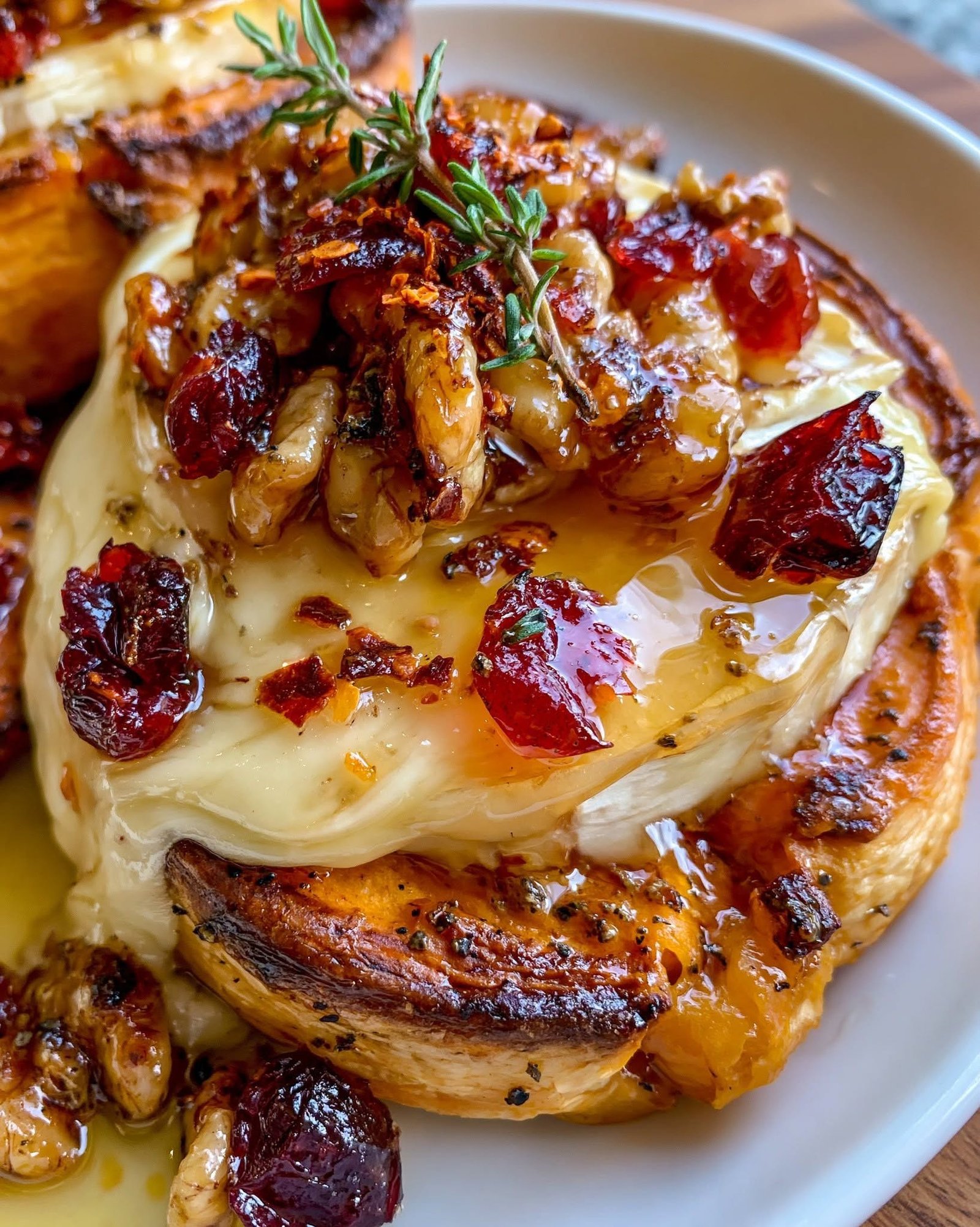
Crispy Sweet Potato Smash with Melted Brie, Cranberries & Spicy Honey Walnuts

Crispy Sweet Potato Smash with Melted Brie, Cranberries & Spicy Honey Walnuts

Description

Crispy Sweet Potato Smash with Melted Brie, Cranberries & Spicy Honey Walnuts is an irresistible combination of creamy, crispy, sweet, savory, tangy, and slightly spicy flavors. Tender sweet potatoes are cooked until soft, gently smashed and roasted until their edges become beautifully crisp, then topped with creamy melted Brie, tart dried cranberries, crunchy walnuts, and a warm spicy honey drizzle.

This recipe takes the familiar idea of crispy smashed potatoes and gives it a festive twist. Instead of using regular potatoes, sweet potatoes provide natural sweetness and a rich orange color. Their caramelized edges become wonderfully crisp in the oven while the centers remain soft and creamy.

The melted Brie is the perfect partner for sweet potatoes because its buttery, creamy flavor balances the sweetness without overpowering it. Dried cranberries add a bright tartness, while toasted walnuts provide crunch. The final spicy honey drizzle brings everything together with a touch of heat and sweetness.

These sweet potato smashes are perfect for Thanksgiving, Christmas, holiday parties, dinner parties, brunches, or elegant appetizer spreads. They can be served as a side dish alongside roasted meats or arranged on a platter as individual bites.

The recipe is simple enough for a casual family dinner but impressive enough to serve to guests.

Recipe Details

Prep Time: 20 minutes
Cook Time: 45–55 minutes
Total Time: About 1 hour 15 minutes
Servings: 6–8
Course: Appetizer / Side Dish
Cuisine: American-inspired / Holiday
Difficulty: Easy to Moderate


Ingredients

For the Sweet Potato Smashes

  • 2½ pounds small to medium sweet potatoes
  • 2 tablespoons extra-virgin olive oil
  • 1 tablespoon melted butter
  • ¾ teaspoon kosher salt
  • ½ teaspoon freshly ground black pepper
  • ½ teaspoon garlic powder
  • ½ teaspoon smoked paprika
  • ½ teaspoon dried thyme

For the Brie Topping

  • 8 ounces Brie cheese
  • 1 tablespoon honey
  • 1 teaspoon fresh thyme leaves
  • ¼ teaspoon freshly ground black pepper

For the Spicy Honey Walnuts

  • 1 cup walnut halves or roughly chopped walnuts
  • 2 tablespoons honey
  • 1 tablespoon melted butter
  • ¼ teaspoon cayenne pepper
  • ¼ teaspoon smoked paprika
  • Pinch of salt

For the Cranberry Topping

  • ¾ cup dried cranberries
  • 1 tablespoon orange zest
  • 1 tablespoon fresh orange juice

For Finishing

  • 2 tablespoons fresh parsley, finely chopped
  • 1 tablespoon fresh thyme leaves
  • 2–3 tablespoons hot honey
  • Flaky sea salt, optional
  • Freshly cracked black pepper

Step 1: Choose and Prepare the Sweet Potatoes

For the best results, choose sweet potatoes that are relatively small or medium-sized and similar in shape.

Smaller sweet potatoes are easier to smash and tend to develop a better ratio of crispy surface area to creamy center.

Wash the sweet potatoes thoroughly and scrub away any dirt.

You can leave the skin on.

The skin becomes pleasantly crisp during roasting and also helps the sweet potatoes hold together after smashing.

If your sweet potatoes are particularly large, cut them in half crosswise before cooking. The goal is to create pieces that can be flattened without falling apart.

Step 2: Cook the Sweet Potatoes

Preheat your oven to 425°F (220°C).

Line a large baking sheet with parchment paper.

Place the sweet potatoes in a large saucepan and cover them with cold water.

Add a generous pinch of salt.

Bring the water to a boil, then reduce the heat slightly and simmer until the sweet potatoes are fork-tender.

Depending on their size, this usually takes 15–20 minutes.

You want the potatoes soft enough to smash easily but not so soft that they completely fall apart.

Drain them thoroughly and allow them to cool for approximately 5 minutes.

This short cooling period makes them easier to handle.

Step 3: Smash the Sweet Potatoes

Transfer the cooked sweet potatoes to the prepared baking sheet.

Leave enough space between each one.

Using the bottom of a sturdy glass, measuring cup, or potato masher, gently press down on each sweet potato.

Flatten them to approximately ½ inch thick.

Don’t press too aggressively.

The goal is to create a rustic, uneven surface with plenty of ridges and edges.

Those irregular edges are exactly what will become crispy and caramelized in the oven.

If the sweet potato cracks slightly around the edges, that’s perfectly fine.

In fact, those cracked edges often become the crispiest parts.

Step 4: Season the Sweet Potatoes

In a small bowl, combine the olive oil, melted butter, salt, black pepper, garlic powder, smoked paprika, and dried thyme.

Brush or drizzle the mixture generously over the smashed sweet potatoes.

Make sure the oil reaches the edges and crevices.

The combination of olive oil and butter provides both crisping power and rich flavor.

Avoid soaking the sweet potatoes in too much oil because excessive oil can make them greasy rather than crisp.

Step 5: First Roasting

Place the baking sheet in the preheated oven.

Roast the sweet potatoes for approximately 20–25 minutes.

Halfway through cooking, rotate the baking sheet.

Do not flip the sweet potatoes unless they are sticking.

The surfaces should begin developing browned, caramelized edges.

At this stage, they should already look crispy around the outside while remaining soft inside.

Step 6: Prepare the Spicy Honey Walnuts

While the sweet potatoes are roasting, prepare the walnuts.

Reduce the oven temperature to 400°F (205°C) once the first roasting stage is complete, or use a separate small pan if preferred.

In a small bowl, combine the walnuts, honey, melted butter, cayenne pepper, smoked paprika, and salt.

Toss until the walnuts are evenly coated.

Spread them on a small parchment-lined baking sheet.

Roast for approximately 6–8 minutes, stirring once.

Watch them carefully because honey-coated nuts can burn quickly.

The walnuts are ready when they smell toasted and the coating becomes glossy and slightly caramelized.

Remove them from the oven and let them cool.

As they cool, the coating will become slightly firmer and crunchier.

Step 7: Prepare the Cranberries

Place the dried cranberries in a small bowl.

Add the orange zest and orange juice.

Toss gently.

Allow them to sit for approximately 5–10 minutes.

This simple step makes the cranberries softer and brighter in flavor.

The citrus also cuts through the richness of the Brie and adds a festive aroma.

If you prefer a more savory version, you can omit the orange juice and simply use the cranberries as they are.

Step 8: Add the Brie

Cut the Brie into thin slices.

There is no need to remove the rind. Brie rind is edible and becomes beautifully soft when heated.

After the sweet potatoes have become crispy, remove the baking sheet from the oven.

Place a slice of Brie on each smashed sweet potato.

Try to keep the cheese toward the center so that it melts over the potato without running completely off the edges.

Return the baking sheet to the oven.

Bake for approximately 5–7 minutes, or until the Brie becomes soft, glossy, and partially melted.

For a more deeply melted topping, you can broil for approximately 30–60 seconds at the end.

Watch carefully.

Step 9: Add the Cranberries and Walnuts

Remove the sweet potatoes from the oven.

Immediately sprinkle the orange-infused cranberries over the melted Brie.

Add the spicy honey walnuts.

You can use whole walnut halves for a dramatic presentation or roughly chop them for easier eating.

Try to distribute the toppings evenly so every bite has a combination of creamy Brie, tart cranberry, and crunchy walnut.

Step 10: Finish with Hot Honey

Drizzle hot honey over the sweet potatoes.

Start with a small amount and add more according to taste.

The hot honey provides sweetness and gentle heat that ties all the components together.

Finish with fresh thyme leaves, chopped parsley, freshly cracked black pepper, and a tiny sprinkle of flaky sea salt.

Serve immediately while the Brie is still warm and creamy.

Why This Recipe Works

The success of this recipe comes from contrast.

The sweet potatoes are naturally sweet and creamy.

Roasting creates caramelized edges and brings out their natural sugars.

Brie adds richness and a luxurious creamy texture.

Cranberries introduce tartness, preventing the dish from becoming overly sweet.

Walnuts add crunch and a slightly earthy flavor.

Spicy honey provides both sweetness and heat.

Fresh herbs bring brightness and balance.

Every bite has multiple textures and flavors, which makes these sweet potato smashes particularly addictive.

How to Get the Crispiest Sweet Potatoes

The key to crispy sweet potato smashes is surface area.

Don’t leave them too thick.

A smashed potato with plenty of exposed surface will brown more effectively.

Also, avoid overcrowding the baking sheet.

If the sweet potatoes are touching each other, moisture can become trapped between them.

Use two baking sheets if necessary.

Make sure the oven is fully preheated before the potatoes go in.

Finally, don’t cover the sweet potatoes during roasting.

Steam is the enemy of crispiness.

Choosing the Right Brie

A good-quality Brie melts beautifully and has a mild buttery flavor.

For this recipe, choose a Brie that is ripe but not overly runny.

If the Brie is extremely soft, place it in the refrigerator for 15–20 minutes before slicing.

This makes it easier to cut cleanly.

You can leave the rind on or remove it according to your preference.

The rind becomes soft and mild during baking.

Easy Variations

Add Bacon

For a sweet-and-savory version, sprinkle crispy cooked bacon over the finished sweet potatoes.

The smoky saltiness works wonderfully with the honey and Brie.

Add Pecans

Replace the walnuts with pecans for a slightly sweeter nutty flavor.

Use Goat Cheese

If you prefer a tangier cheese, use crumbled goat cheese instead of Brie.

Goat cheese won’t melt in exactly the same way, but it creates a delicious creamy topping.

Add Apples

Very thinly sliced apples can be roasted alongside the sweet potatoes.

Choose a tart variety for better balance.

Add Pomegranate

For a festive presentation, sprinkle fresh pomegranate arils over the finished dish.

Their bright color and tart flavor work beautifully with the sweet potatoes and Brie.

Add Rosemary

Fresh rosemary can replace some of the thyme for a stronger savory aroma.

Make It Spicier

If you love heat, increase the cayenne in the walnuts.

You can also add a pinch of crushed red pepper flakes to the sweet potato seasoning.

For a stronger sweet-and-spicy finish, use extra hot honey.

Start conservatively because the heat becomes more noticeable as the flavors combine.

Make It Ahead

You can prepare several components ahead of time.

The sweet potatoes can be boiled and smashed several hours before roasting.

The spicy honey walnuts can be prepared up to 3 days ahead and stored in an airtight container at room temperature.

The cranberry mixture can be prepared several hours ahead and refrigerated.

When you’re ready to serve, roast the sweet potatoes until crisp, add the Brie, and finish with the toppings.

For the best texture, do not assemble the finished dish too early because the cranberries and honey can soften the crispy potato surface.

Storage

Leftover sweet potato smashes can be stored in an airtight container in the refrigerator for up to 3 days.

For the best results, reheat them in a 400°F (205°C) oven or air fryer until hot and crisp.

Avoid reheating them for too long in the microwave because the potatoes will lose their crisp texture.

Add fresh walnuts and hot honey after reheating to restore the contrast of textures.

Can You Freeze Them?

The sweet potato bases can technically be frozen, but freezing the fully assembled version is not recommended.

Brie, cranberries, and honey toppings can change texture after freezing.

If you want to prepare them for future use, roast and cool the smashed sweet potatoes first.

Freeze them in a single layer until solid, then transfer them to a freezer-safe container.

When ready to use, roast them directly from frozen at 425°F until crisp and hot.

Add the Brie and toppings after reheating.

Serving Suggestions

These sweet potato smashes make an excellent holiday appetizer.

Arrange them on a large serving platter and garnish with fresh herbs.

They pair beautifully with:

  • Roast chicken
  • Turkey
  • Glazed ham
  • Pork tenderloin
  • Grilled steak
  • Roasted salmon
  • Green salads
  • Brussels sprouts
  • Roasted carrots
  • Cranberry relish

For a holiday buffet, serve them alongside other small bites such as stuffed mushrooms, baked Brie, roasted vegetables, and warm bread.

Perfect for Thanksgiving and Christmas

The colors make this recipe particularly attractive for holiday tables.

The orange sweet potatoes, creamy white Brie, deep red cranberries, green herbs, and golden walnuts create a naturally festive presentation.

Instead of serving a traditional sweet potato casserole, these individual crispy sweet potato smashes provide a more modern and elegant alternative.

They also make portion control easier because each piece is individually served.

Nutrition Benefits

Sweet potatoes are a good source of complex carbohydrates, fiber, potassium, and beta-carotene.

Walnuts provide healthy fats and plant-based protein.

Cranberries add flavor and some fiber, while fresh herbs provide additional plant compounds.

Brie contributes protein and calcium.

Because this recipe contains rich ingredients such as Brie, butter, honey, and walnuts, portions can be kept moderate.

Pairing the sweet potato smashes with a fresh green salad or roasted vegetables creates a more balanced meal.

Approximate Nutrition

Nutrition will vary depending on the exact ingredients and portion sizes.

For approximately one serving based on 8 servings:

  • Calories: 390–430
  • Protein: 9–11 g
  • Carbohydrates: 47–52 g
  • Fat: 20–23 g
  • Fiber: 5–6 g
  • Sugar: 18–22 g
  • Calcium: approximately 120 mg
  • Potassium: approximately 500 mg

These numbers are estimates rather than laboratory measurements.

Frequently Asked Questions

Can I use regular potatoes?

Yes. Yukon Gold potatoes work especially well, although you will lose some of the natural sweetness and orange color.

Can I use pre-cooked sweet potatoes?

Yes. Leftover roasted or baked sweet potatoes can be smashed and crisped in the oven.

Avoid using sweet potatoes that are extremely soft or watery.

Do I have to peel the sweet potatoes?

No. Keeping the skin on adds texture and makes the potatoes easier to handle.

Make sure they are washed thoroughly.

Can I use dried cherries instead of cranberries?

Absolutely. Dried cherries provide a slightly richer and more tart flavor.

What can replace hot honey?

Regular honey mixed with a small pinch of cayenne or crushed red pepper flakes makes an excellent substitute.

Can I use another cheese?

Yes. Goat cheese, Camembert, Gorgonzola, or a mild blue cheese can work.

For a milder flavor, use mozzarella or creamy Havarti.

Why aren’t my sweet potatoes crispy?

They may have been overcrowded, under-roasted, or too wet.

Make sure the potatoes are well drained, use enough surface area, and roast them at a high temperature.
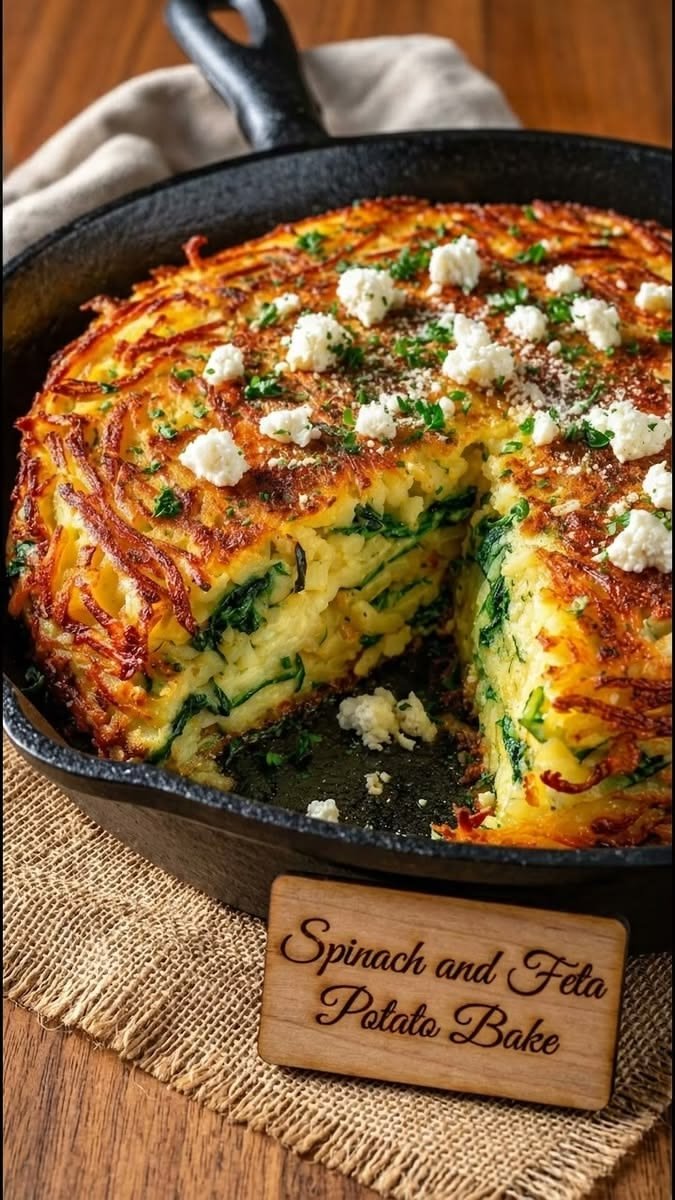
Spinach and Feta Potato Bake

Spinach and Feta Potato Bake

Description

Spinach and Feta Potato Bake is a comforting, creamy, and flavorful dish that combines tender golden potatoes with fresh spinach, tangy feta cheese, garlic, herbs, and a lightly creamy sauce. Finished with a generous layer of melted cheese and baked until beautifully golden, this hearty casserole makes an excellent vegetarian main course, satisfying side dish, or easy family dinner.

The combination of potatoes and spinach is simple but incredibly delicious. Potatoes provide a hearty, comforting base, while spinach adds freshness, color, and a mild earthy flavor. Feta cheese brings a salty, tangy contrast that makes every bite more flavorful. A touch of garlic, onion, oregano, and black pepper ties all the ingredients together.

This potato bake is especially useful when you want a meatless meal that still feels substantial. It can be served on its own with a crisp salad or alongside roasted chicken, grilled fish, or Mediterranean-style vegetables.

The casserole is also ideal for meal preparation because it reheats beautifully. You can prepare it ahead of time, refrigerate it, and bake it when you’re ready for dinner.

Recipe Details

Prep Time: 25 minutes
Cook Time: 50–60 minutes
Total Time: About 1 hour 20 minutes
Servings: 6–8
Course: Main Course / Side Dish
Cuisine: Mediterranean-inspired
Difficulty: Easy to Moderate

Ingredients

For the Potato Bake

  • 2½ pounds Yukon Gold or russet potatoes
  • 2 tablespoons olive oil
  • 1 medium yellow onion, finely diced
  • 3 cloves garlic, minced
  • 6 cups fresh spinach
  • 1 teaspoon dried oregano
  • ½ teaspoon dried thyme
  • ½ teaspoon paprika
  • ¾ teaspoon salt
  • ½ teaspoon freshly ground black pepper
  • ½ teaspoon red pepper flakes, optional

For the Creamy Mixture

  • 1 cup heavy cream
  • ½ cup whole milk
  • 2 large eggs
  • ½ teaspoon garlic powder
  • ¼ teaspoon nutmeg
  • ¼ teaspoon black pepper
  • ½ cup grated Parmesan cheese

For the Cheese Topping

  • 1½ cups crumbled feta cheese
  • 1 cup shredded mozzarella cheese
  • ¼ cup grated Parmesan cheese

For Garnish

  • 2 tablespoons chopped fresh parsley
  • 1 tablespoon fresh dill, chopped
  • Lemon wedges, optional
  • Drizzle of extra-virgin olive oil

Step 1: Prepare the Potatoes

Preheat your oven to 375°F (190°C).

Lightly grease a 9×13-inch baking dish with olive oil or cooking spray.

Wash and peel the potatoes if desired. Yukon Gold potatoes can be left unpeeled for a more rustic dish, while russet potatoes are usually best peeled.

Slice the potatoes into thin, even rounds, approximately ⅛ to ¼ inch thick.

Try to keep the slices similar in thickness. This is important because uneven potato slices cook at different rates. Very thick pieces may remain firm while thin pieces become overly soft.

Place the sliced potatoes in a large bowl and toss them gently with 1 tablespoon of olive oil, paprika, a small pinch of salt, and black pepper.

Set them aside while you prepare the spinach mixture.

Step 2: Cook the Spinach and Onion

Heat the remaining tablespoon of olive oil in a large skillet over medium heat.

Add the diced onion and cook for approximately 4–5 minutes, stirring occasionally, until softened and lightly golden.

Add the minced garlic and cook for another 30–45 seconds.

Be careful not to burn the garlic because it can become bitter.

Add the fresh spinach in batches.

It may look like there is too much spinach at first, but it will quickly wilt as it cooks.

Continue stirring until all the spinach is wilted, which should take approximately 2–3 minutes.

Add oregano, thyme, salt, black pepper, and optional red pepper flakes.

Remove the skillet from the heat.

If the spinach mixture contains excess liquid, drain it thoroughly.

This step is important because excess moisture can make the finished potato bake watery.

Step 3: Make the Creamy Egg Mixture

In a medium bowl, whisk together the heavy cream, milk, eggs, garlic powder, nutmeg, black pepper, and Parmesan cheese.

Whisk until smooth and well combined.

The eggs help the creamy mixture set as the casserole bakes, while Parmesan adds extra savory flavor.

The small amount of nutmeg may seem unusual, but it works beautifully with spinach and cream. It adds warmth without making the dish taste strongly of nutmeg.

Set the mixture aside.

Step 4: Assemble the First Layer

Arrange approximately one-third of the potato slices across the bottom of the prepared baking dish.

Try to overlap them slightly so there are no large gaps.

Spread one-third of the spinach and onion mixture over the potatoes.

Sprinkle approximately one-third of the feta cheese over the spinach.

Add a small amount of mozzarella.

Repeat the layering process.

The goal is to distribute the potatoes, spinach, and feta throughout the casserole rather than placing all the spinach in one thick layer.

Step 5: Add the Creamy Mixture

Once all the potato, spinach, and feta layers have been arranged, slowly pour the creamy egg mixture over the casserole.

Move the dish gently from side to side so the mixture can settle between the potato layers.

Use the back of a spoon to gently press down the top layer.

This helps the potatoes absorb some of the creamy mixture while baking.

Do not worry if the liquid does not completely cover the potatoes. The potatoes will release some moisture as they cook.

Step 6: Add the Cheese Topping

Sprinkle the remaining feta evenly over the top.

Add the shredded mozzarella.

Finish with the remaining Parmesan cheese.

The combination of feta, mozzarella, and Parmesan creates a delicious topping.

Feta becomes pleasantly browned and savory, mozzarella gives you that beautiful melted cheese texture, and Parmesan helps create golden crispy edges.

Step 7: Bake

Cover the casserole loosely with aluminum foil.

Place it in the preheated oven and bake for approximately 35 minutes.

Remove the foil and continue baking for another 15–25 minutes.

The exact cooking time will depend on the thickness of your potato slices.

The casserole is ready when the potatoes are completely tender when pierced with a knife and the cheese on top is melted and golden.

If you want a deeper golden crust, turn the oven to broil for the final 1–2 minutes.

Watch carefully during this step because the cheese can brown very quickly.

Step 8: Rest Before Serving

Remove the casserole from the oven and allow it to rest for 10–15 minutes.

This resting period is important.

The creamy mixture will continue to set slightly, making the casserole easier to slice and serve.

Before serving, sprinkle the top with fresh parsley and dill.

For a Mediterranean-style finish, add a small drizzle of extra-virgin olive oil and serve with lemon wedges.

Why You’ll Love This Recipe

There are many reasons this potato bake deserves a place in your dinner rotation.

First, it uses simple ingredients that are easy to find.

Second, it is naturally vegetarian while still being incredibly satisfying.

Third, the combination of potatoes, spinach, and feta creates a wonderful balance of textures and flavors.

The potatoes become tender and creamy inside while developing lightly golden edges.

The spinach adds freshness and a beautiful green color.

Feta brings a salty, tangy flavor that prevents the casserole from tasting too heavy.

Finally, the cheese topping becomes golden and bubbly, making the dish especially appealing when served straight from the oven.

Choosing the Best Potatoes

Both Yukon Gold and russet potatoes work well.

Yukon Gold potatoes have naturally buttery flesh and hold their shape nicely. They create a creamy, rich texture.

Russet potatoes contain more starch and become wonderfully soft and fluffy as they bake.

For a combination of creamy texture and good structure, Yukon Gold potatoes are an excellent choice.

Avoid slicing the potatoes too thickly because they may not cook completely before the cheese becomes overly browned.

Fresh vs. Frozen Spinach

Fresh spinach is ideal because it provides excellent color and a fresh flavor.

However, frozen spinach can also be used.

If using frozen spinach, thaw it completely and squeeze out as much water as possible before adding it to the skillet.

Excess water is one of the most common causes of a watery casserole.

You can place thawed spinach in a clean kitchen towel and squeeze firmly to remove excess moisture.

Tips for the Best Spinach and Feta Potato Bake

Slice the Potatoes Evenly

Uniform slices ensure that everything cooks at the same rate.

Don’t Skip Draining the Spinach

Whether you’re using fresh or frozen spinach, excess water should be removed.

Use Good-Quality Feta

Feta is one of the main flavors in this dish, so good-quality feta can make a noticeable difference.

Don’t Over-Salt

Feta and Parmesan are naturally salty, so season the potatoes and creamy mixture moderately.

You can always add more salt at the table.

Let It Rest

Allowing the casserole to rest before slicing makes it easier to serve and helps the layers stay together.

Watch the Broiler

The final broiling step can create a beautiful golden top, but it only takes a minute or two.

Easy Variations

Add Mushrooms

Sauté 1½ cups sliced mushrooms with the onions before adding the spinach.

Mushrooms provide a delicious earthy flavor that pairs beautifully with feta.

Add Cherry Tomatoes

Halved cherry tomatoes can be scattered between the layers for a Mediterranean-inspired variation.

Their sweetness and acidity balance the creamy potatoes.

Add Roasted Red Peppers

Chopped roasted red peppers add sweetness, color, and smoky flavor.

Add Artichokes

Chopped marinated artichoke hearts are another excellent Mediterranean addition.

Drain them well before using.

Make It Spicy

Add extra red pepper flakes or a pinch of cayenne pepper to the spinach mixture.

Add Protein

For a non-vegetarian version, add shredded cooked chicken, diced turkey, or cooked crumbled sausage.

Approximately 1½ cups of cooked protein is enough.

Make It Lighter

If you want a lighter version, replace the heavy cream with additional whole or low-fat milk.

You can also reduce the mozzarella and use a smaller amount of Parmesan.

Greek yogurt can be incorporated into the creamy mixture, although it should be mixed carefully to prevent curdling.

Increasing the amount of spinach and reducing the amount of cheese is another simple way to lighten the casserole.

Make-Ahead Instructions

Spinach and Feta Potato Bake is an excellent make-ahead recipe.

Prepare the casserole completely, but do not bake it.

Cover it tightly and refrigerate for up to 24 hours.

When ready to bake, remove it from the refrigerator and allow it to sit at room temperature for approximately 20–30 minutes.

Bake according to the recipe instructions.

Because the casserole starts cold, you may need to add approximately 10–15 minutes to the baking time.

If the top becomes too brown before the potatoes are fully tender, cover it loosely with foil.

Storage

Allow leftovers to cool to room temperature before storing.

Transfer portions to airtight containers and refrigerate for up to 4 days.

Reheat individual portions in the microwave or in a 350°F oven until hot.

For the best texture, reheating in the oven is recommended because it helps the cheese topping become bubbly again.

Freezing Instructions

The casserole can be frozen, although potatoes and creamy sauces can sometimes change texture slightly after freezing.

For best results, allow the casserole to cool completely.

Wrap the baking dish tightly with plastic wrap followed by aluminum foil.

Freeze for up to 2 months.

Thaw overnight in the refrigerator before reheating.

For the freshest topping, add a small amount of fresh mozzarella or Parmesan before reheating.

Serving Suggestions

This potato bake is versatile enough to work as both a main dish and a side.

For a complete vegetarian meal, serve it with:

  • Greek salad
  • Tomato and cucumber salad
  • Lemon-dressed arugula
  • Roasted asparagus
  • Grilled zucchini
  • Fresh fruit
  • Warm pita bread

For a larger dinner, serve it alongside:

  • Lemon herb chicken
  • Grilled salmon
  • Roasted chicken
  • Garlic shrimp
  • Baked fish
  • Turkey meatballs

A simple salad with lemon, olive oil, cucumber, and tomatoes is especially good because its freshness balances the richness of the casserole.

Nutritional Benefits

This recipe provides a satisfying combination of carbohydrates, protein, vegetables, and fats.

Potatoes provide carbohydrates for energy, potassium, and some fiber.

Spinach contributes folate, vitamin K, vitamin A, vitamin C, and plant-based nutrients.

Feta cheese provides protein and calcium while adding strong flavor, allowing you to use a moderate amount without sacrificing taste.

Olive oil provides monounsaturated fat and works particularly well in Mediterranean-style cooking.

For a more nutrient-dense version, use extra spinach, add mushrooms or peppers, and serve the casserole with a fresh vegetable salad.

Approximate Nutrition

Nutrition will vary depending on the exact brands and quantities used.

For approximately one serving based on 8 servings:

  • Calories: 430–470
  • Protein: 16–19 g
  • Carbohydrates: 43–48 g
  • Fat: 22–26 g
  • Fiber: 5–6 g
  • Sugar: 4–6 g
  • Calcium: approximately 300–350 mg
  • Iron: approximately 3 mg

These values are estimates rather than laboratory measurements.

Frequently Asked Questions

Can I use sweet potatoes?

Yes. Sweet potatoes work beautifully and create a sweeter, more colorful casserole.

Can I make this without eggs?

Yes. The eggs help the creamy mixture set, but you can omit them and make a simple cream-and-cheese sauce instead.

Can I use cottage cheese?

Yes. Cottage cheese can replace part of the feta or cream mixture for additional protein and a creamy texture.

Can I use mozzarella instead of feta?

You can, but the flavor will be milder. Feta provides the distinctive salty and tangy flavor that makes this recipe special.

Why are my potatoes still hard?

The most common causes are slices that are too thick or an oven temperature that is too low.

Slice the potatoes thinly and evenly, and cover the casserole during the first part of baking.

Can I use pre-cooked potatoes?

Yes. Leftover boiled or roasted potatoes can be used. Because they are already cooked, reduce the baking time and focus on heating the casserole and browning the cheese.

Can I make this gluten-free?

Yes. The ingredients are naturally easy to adapt for a gluten-free diet because this recipe does not require flour. Always check packaged ingredients such as seasonings and cheeses if cross-contact is a concern.

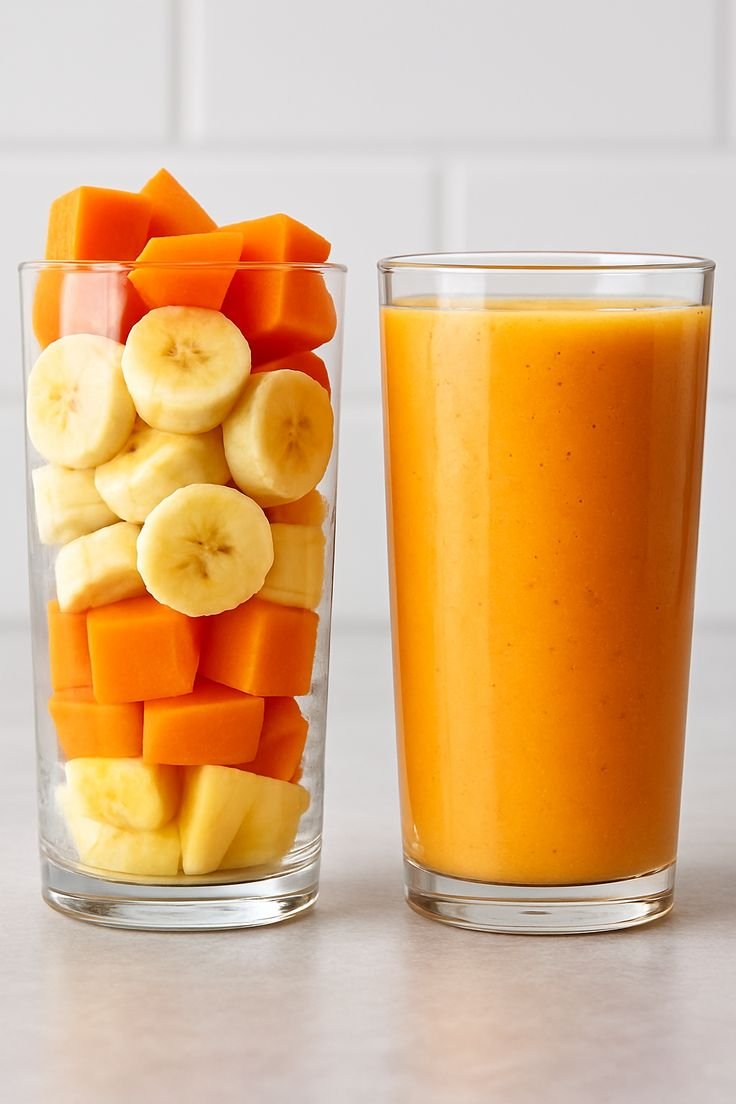
Tropical Papaya Banana Smoothie

Tropical Papaya Banana Smoothie

This creamy papaya banana smoothie is vibrant, naturally sweet, and packed with vitamins. The combination of fresh ripe papaya and banana creates a velvety texture that makes for a refreshing breakfast or afternoon snack.

Prep Time & Servings

  • Prep Time: 5 minutes

  • Total Time: 5 minutes

  • Servings: 1 to 2 servings

Ingredients

  • 1 cup diced ripe papaya (peeled and seeds removed)

  • 1 ripe banana (sliced; freeze ahead for a thicker texture)

  • ½ cup liquid base (unsweetened almond milk, coconut water, regular milk, or fresh orange juice)

  • ½ cup Greek yogurt or coconut yogurt (optional, for extra creaminess)

  • 1 tablespoon honey, maple syrup, or agave (optional, to taste)

  • ½ cup ice cubes (optional, if using unfrozen fruit)

Instructions

  1. Prepare the Fruit: Peel the papaya, scoop out the seeds, and chop the flesh into bite-sized cubes. Slice the banana into thick rounds.

  2. Layer the Blender: Pour your choice of liquid into the blender jar first. Adding liquids before solid ingredients prevents the blades from jamming and ensures a smoother blend.

  3. Add Fruit and Ice: Add the papaya cubes, banana slices, yogurt (if using), sweetener, and ice cubes into the blender.

  4. Blend Until Smooth: Blend on high speed for 45 to 60 seconds until the mixture reaches a silky, uniform consistency with no remaining fruit chunks.

  5. Adjust Consistency: If the smoothie is too thick, splash in an extra tablespoon or two of liquid and blend briefly. If it is too thin, add a few more frozen banana slices or ice.

  6. Serve: Pour immediately into tall glass containers and serve chilled.

Pro Tips for the Best Smoothie

  • Use Frozen Banana: Freezing banana slices before blending gives your smoothie an ice-cream-like consistency without watering down the natural flavors.

  • Selecting Papaya: Look for papayas with reddish-orange skin that yield gently to slight thumb pressure. Ripe papayas offer maximum sweetness and a smooth, butter-like texture.

  • Flavor Boosters: Enhance the flavor profile by adding a dash of ground cinnamon, a pinch of fresh grated ginger, or a squeeze of fresh lime juice to balance the sweetness.

  • Protein Enhancement: Blend in a scoop of vanilla protein powder, chia seeds, or flaxseeds for a boost of fiber and protein.

Frequently Asked Questions (Q&A)

Q: Can I prepare this smoothie in advance?

A: Fresh smoothies taste best right after blending, but you can store leftovers in an airtight glass container or jar in the refrigerator for up to 24 hours. Shake well before drinking as natural separation may occur.

Q: What liquid works best for this recipe?

A: Coconut water enhances the tropical flavor profile, while almond milk or dairy milk creates a rich, milkshake-like drink. Fresh orange juice adds a bright citrus accent.

Q: Is it possible to make this dairy-free or vegan?

A: Absolutely. Use a plant-based milk (such as oat, almond, or coconut milk), substitute Greek yogurt with coconut yogurt, and use maple syrup or agave instead of honey.

Q: How do I store leftover papaya?

A: Store diced leftover papaya in an airtight container in the refrigerator for up to 3 days, or freeze the cubes on a parchment-lined baking sheet and transfer them to a freezer-safe bag for future smoothies.