Avocado Tuna Detox Salad

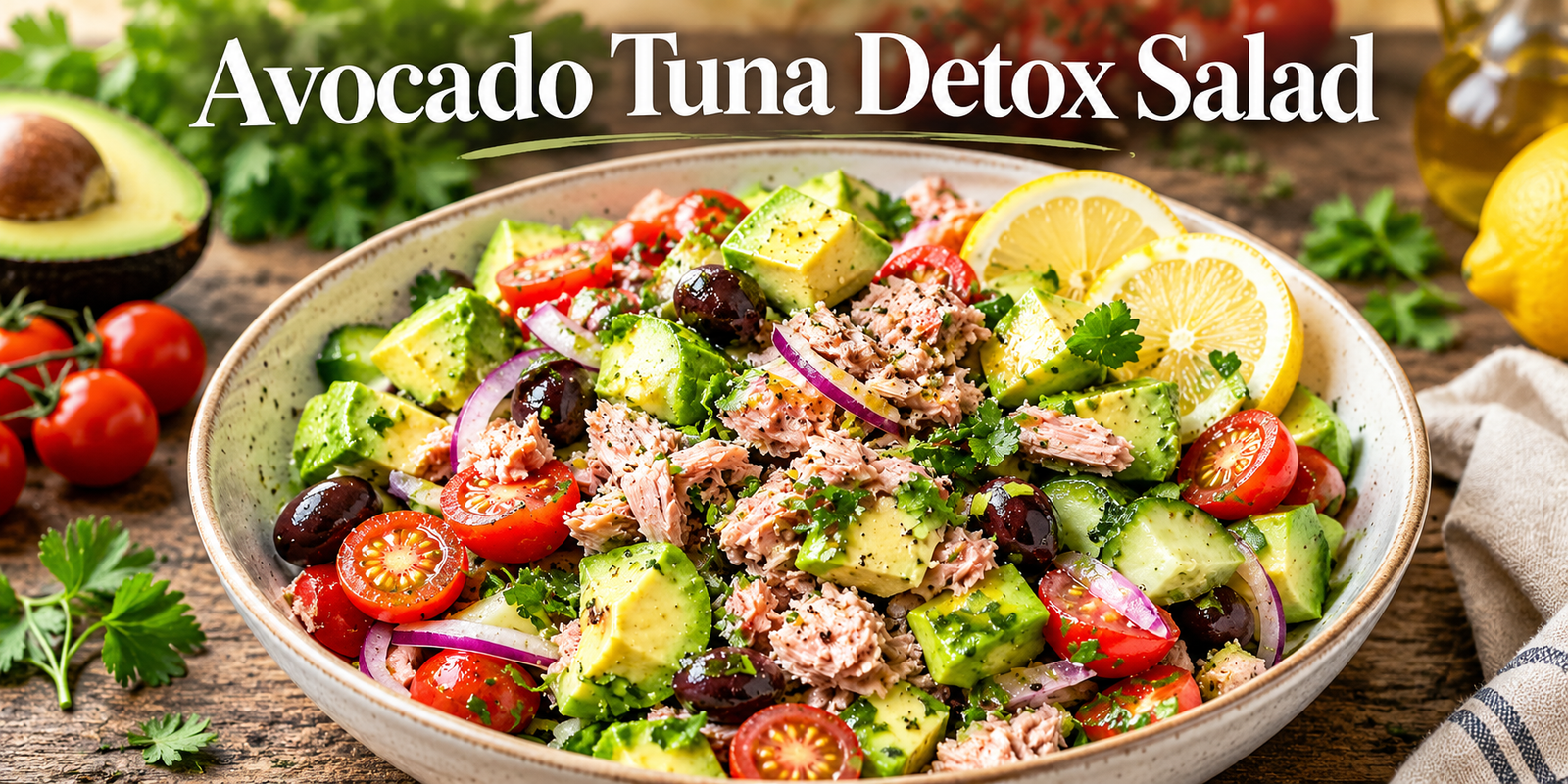
Avocado Tuna Detox Salad with tuna, avocado, cucumber and fresh tomatoes

Avocado Tuna Detox Salad

Description:
Avocado Tuna Detox Salad is a fresh, creamy, high-protein salad made with tuna, ripe avocado, cucumber, tomatoes, red onion, fresh herbs, and a light lemon olive oil dressing. It is quick, filling, and perfect for lunch, dinner, or meal prep.

This salad contains protein from tuna, healthy fats from avocado and olive oil, and fiber from fresh vegetables. It is naturally low in added sugar and can be prepared in about 10 minutes.

The word “detox” is commonly used for fresh whole-food recipes, although the body naturally removes waste through the liver and kidneys. This salad simply provides a nutritious combination of protein, vegetables, fiber, and healthy fats.

Servings: 4
Prep Time: 10 minutes
Cook Time: 0 minutes
Total Time: 10 minutes

Ingredients

For the Salad

2 cans tuna in water, drained
2 ripe avocados, diced
1 large cucumber, chopped
1 1/2 cups cherry tomatoes, halved
1/4 small red onion, thinly sliced
2 cups chopped romaine lettuce or mixed greens
1/4 cup fresh parsley, chopped
2 tablespoons fresh dill or cilantro, chopped
1 tablespoon pumpkin seeds or sunflower seeds, optional

For the Lemon Herb Dressing

2 tablespoons extra virgin olive oil
3 tablespoons fresh lemon juice
1 teaspoon Dijon mustard
1 small garlic clove, minced
1/2 teaspoon dried oregano
1/4 teaspoon black pepper
1/4 teaspoon sea salt, or to taste
1 teaspoon honey, optional

Step-by-Step Instructions

1. Prepare the Tuna
Drain the tuna completely and place it in a large mixing bowl. Use a fork to gently separate it into medium-sized pieces. Avoid mashing it too much because larger tuna pieces give the salad a better texture.

2. Prepare the Vegetables
Wash the cucumber, tomatoes, greens, and herbs. Cut the cucumber into bite-sized pieces and slice the cherry tomatoes in half. Thinly slice the red onion. Add everything to the bowl with the tuna.

3. Prepare the Avocado
Cut the avocados in half and remove the pits. Scoop out the flesh and cut it into medium cubes. Keep the avocado aside until the end so it does not become mashed.

4. Make the Dressing
Add olive oil, lemon juice, Dijon mustard, minced garlic, oregano, black pepper, salt, and optional honey to a small bowl. Whisk until smooth and combined.

5. Dress the Salad
Pour the lemon dressing over the tuna and vegetables. Gently toss until everything is lightly coated.

6. Add the Avocado
Add the avocado cubes and gently fold them into the salad. Do not stir too aggressively.

7. Finish and Serve
Sprinkle fresh parsley, dill, and optional pumpkin seeds over the top. Add an extra squeeze of fresh lemon juice if desired. Serve immediately.

Tips and Notes

Use tuna packed in water if you want a lighter salad.

If using tuna packed in olive oil, drain it first and reduce the amount of olive oil in the dressing.

Choose avocados that are ripe but still slightly firm so they hold their shape.

Add the avocado shortly before serving to prevent browning.

For extra crunch, add chopped celery, bell peppers, radishes, or pumpkin seeds.

For a creamier dressing, mix 2 tablespoons of plain Greek yogurt into the lemon dressing.

To increase the protein even more, add boiled eggs, chickpeas, or extra tuna.

For a Mediterranean flavor, you can also add feta cheese and Kalamata olives.

Health Benefits

High in Protein

Tuna is rich in protein, which supports muscle maintenance, recovery, and satiety.

Healthy Fats

Avocado and olive oil provide mostly unsaturated fats that can be part of a heart-healthy eating pattern.

Good Source of Fiber

Avocado, cucumber, tomatoes, onions, and leafy greens contribute dietary fiber.

Contains Omega-3 Fats

Some varieties of tuna provide omega-3 fatty acids.

Hydrating Vegetables

Cucumber, tomatoes, and leafy greens contain a high percentage of water.

Supports a Balanced Meal

The combination of protein, healthy fats, vegetables, and fiber makes the salad filling enough for a light lunch or dinner.

Serving Suggestions

Serve the salad on its own for a light meal.

Pair it with whole-grain toast.

Serve it inside lettuce cups.

Add a small serving of quinoa.

Serve with roasted sweet potatoes.

Add whole-grain pita or crackers on the side.

For an extra-protein meal, serve it with a boiled egg.

Storage Tips

Avocado Tuna Detox Salad is best eaten fresh.

Store leftovers in an airtight container in the refrigerator for up to 1 day.

Squeeze extra lemon juice over the avocado before storing to help slow browning.

For meal prep, keep the avocado and dressing separate.

Prepare the tuna and vegetables up to 2 days ahead and add fresh avocado when ready to eat.

Do not freeze this salad because cucumber, tomatoes, avocado, and greens will lose their texture.

Q&A

Can I make Avocado Tuna Detox Salad ahead of time?
Yes. Prepare the tuna and vegetables in advance, but add the avocado and dressing shortly before serving.

Can I use salmon instead of tuna?
Yes. Canned salmon is a great substitute.

Can I use chicken instead of tuna?
Yes. Cooked shredded or grilled chicken works well.

Can I add eggs?
Yes. One or two chopped boiled eggs will increase the protein and make the salad more filling.

Can I make it dairy-free?
Yes. The basic recipe is already dairy-free.

Can I make it creamy?
Yes. Add Greek yogurt to the dressing.

Is this salad low carb?
Yes, it is relatively low in carbohydrates compared with salads containing pasta, rice, or large amounts of grains.

Can I add chickpeas?
Yes. Chickpeas add extra fiber, carbohydrates, and plant-based protein.

Estimated Nutrition Per Serving

Calories: 350–390 kcal
Protein: 27–30g
Carbohydrates: 13–16g
Fiber: 7–9g
Total Fat: 22–25g
Saturated Fat: 3–4g
Sugar: 4–6g
Sodium: approximately 300–450mg
Potassium: approximately 700–850mg

Nutrition values are estimates and can vary depending on the tuna brand, avocado size, and amount of olive oil used.

Final Thoughts

Avocado Tuna Detox Salad is a simple way to turn basic ingredients into a satisfying, nutritious meal. The tuna provides plenty of protein, while avocado adds creaminess and healthy fats. Fresh cucumber, tomatoes, onion, and herbs keep the salad light, colorful, and refreshing.

It is especially convenient when you need a quick lunch because there is no cooking required. You can also prepare most of the ingredients ahead of time and assemble the salad in just a few minutes.

For an even more filling meal, add boiled eggs, chickpeas, quinoa, or whole-grain bread. If you prefer a Mediterranean-style version, feta cheese and olives are excellent additions.

Fresh lemon juice is important in this recipe because it brightens the flavor and also helps keep the avocado looking fresh.

Overall, this Avocado Tuna Detox Salad is quick, protein-rich, easy to customize, and suitable for busy weekday lunches or light dinners.

Creamy Gnocchi Soup

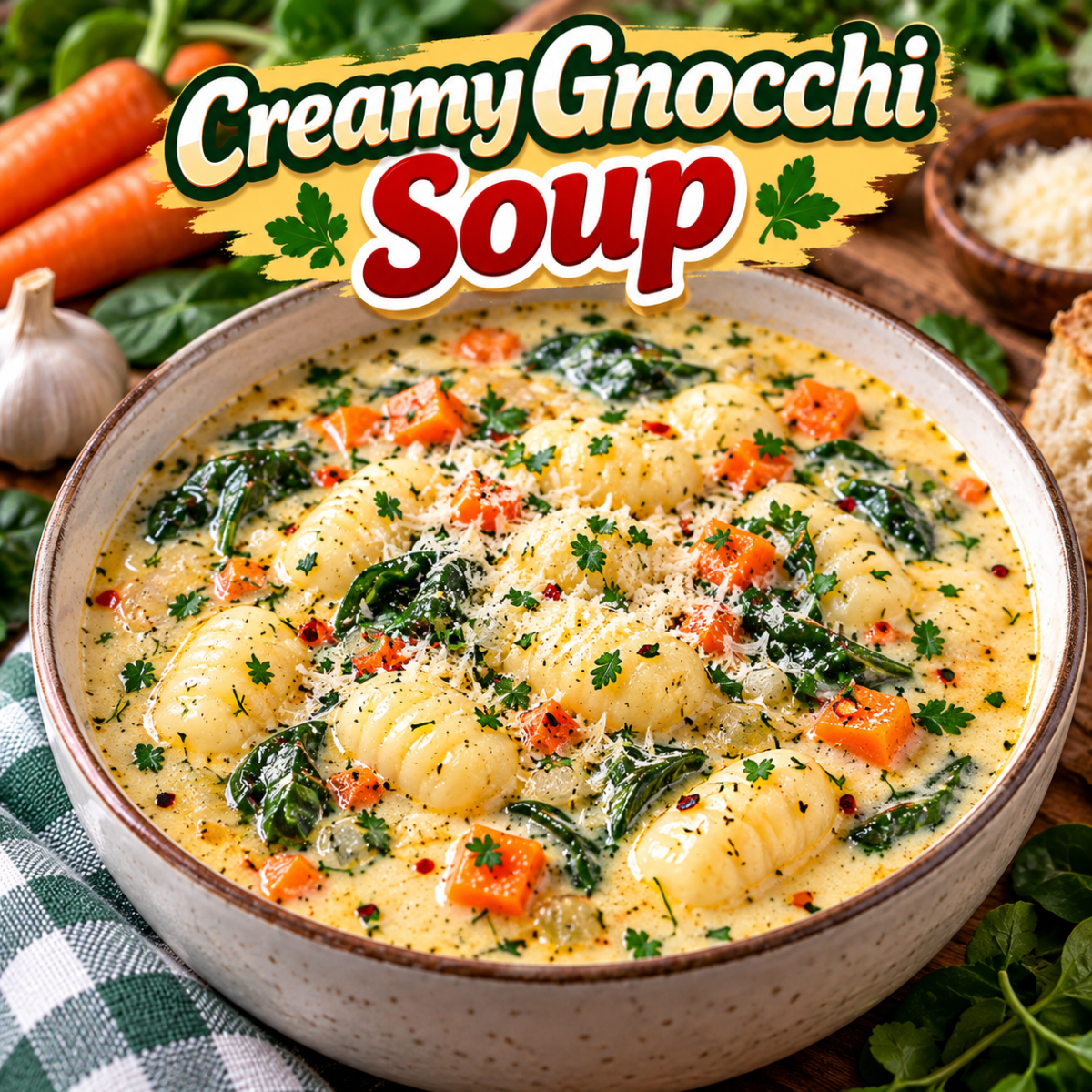
Gnocchi Soup with creamy broth, potato gnocchi, spinach, carrots, herbs, and Parmesan

Creamy Gnocchi Soup

This creamy Gnocchi Soup is a warm, comforting meal made with soft potato gnocchi, tender vegetables, fresh spinach, garlic, herbs, and a rich creamy broth. The gnocchi cook directly in the soup, which makes this recipe simple and convenient for busy weeknights.

The soup has a smooth texture with plenty of vegetables and pillowy gnocchi in every spoonful. Carrots add natural sweetness, spinach adds freshness, and garlic and herbs create a savory base. A little lemon juice at the end brightens the creamy broth.

This recipe is perfect for cold evenings, family dinners, casual lunches, or whenever you want a cozy homemade meal. You can also adjust the vegetables, seasonings, and creaminess to suit your taste.

This Gnocchi Soup is also easy to customize with your favorite vegetables and protein.

Prep Time: 15 minutes
Cook Time: 30 minutes
Total Time: 45 minutes
Servings: 6

Ingredients

For the Soup

2 tablespoons olive oil

1 medium yellow onion, diced

2 medium carrots, peeled and diced

2 celery stalks, diced

4 garlic cloves, minced

1/2 teaspoon dried thyme

1 teaspoon dried Italian seasoning

1/2 teaspoon black pepper

1/4 teaspoon red pepper flakes, optional

4 cups low-sodium vegetable broth

1/2 teaspoon salt

2 cups whole milk

1 cup heavy cream

1 package potato gnocchi, about 16 ounces

3 cups fresh spinach

1/2 cup grated Parmesan cheese

1 tablespoon fresh lemon juice

2 tablespoons fresh parsley, chopped

1 tablespoon fresh dill, chopped

Optional Additions

Cooked shredded chicken

Turkey sausage

Sliced mushrooms

Green peas

Extra Parmesan

Fresh basil

Crushed red pepper flakes

Step-by-Step Instructions

Prepare the Vegetables

Start by preparing all the vegetables.

Peel and dice the carrots.

Dice the celery and onion into small pieces.

Mince the garlic.

Wash the spinach and remove any large stems.

Keeping the vegetables ready before cooking makes the recipe easier to follow. It also helps prevent the garlic from cooking too long while you prepare other ingredients.

The vegetables create the flavorful base of the Gnocchi Soup.

Sauté the Onion and Vegetables

Place a large heavy-bottomed pot over medium heat.

Add the olive oil.

Once the oil is warm, add the diced onion, carrots, and celery.

Cook for about 6 to 8 minutes.

Stir occasionally.

The vegetables should begin to soften.

Do not brown them heavily. The goal is to create a soft and flavorful base.

Add the minced garlic.

Cook for another 30 to 60 seconds.

The garlic should become fragrant without turning dark.

Next, add Italian seasoning, thyme, black pepper, salt, and red pepper flakes if using.

Stir everything together.

These simple seasonings give the Gnocchi Soup a warm and savory flavor.

Add the Broth

Pour the vegetable broth into the pot.

Stir well and scrape the bottom of the pot with a wooden spoon.

Bring the broth to a gentle simmer.

Allow the vegetables to cook for about 8 minutes.

They should become tender but should still hold their shape.

Avoid boiling the broth aggressively.

A gentle simmer allows the flavors to develop without making the vegetables mushy.

At this stage, the broth should already smell fragrant and savory.

Add the Milk and Cream

Reduce the heat to medium-low.

Slowly pour in the milk.

Add the heavy cream.

Stir gently until everything is combined.

Allow the soup to warm for about 3 to 4 minutes.

Do not bring the creamy mixture to a hard boil.

High heat can cause dairy to separate.

A gentle simmer creates a smoother texture.

The creamy base gives the Gnocchi Soup its rich and comforting consistency.

Add the Gnocchi

Add the potato gnocchi directly to the pot.

Stir gently so the gnocchi do not stick together.

Cook according to the package instructions.

Most shelf-stable or refrigerated gnocchi cook within a few minutes.

Watch the texture carefully.

The gnocchi should become soft and tender without turning mushy.

As they cook, the gnocchi release some starch.

That starch helps naturally thicken the soup.

Stir occasionally while the gnocchi cook.

Once they are tender, reduce the heat to low.

The Gnocchi Soup should now have a creamy broth with soft potato gnocchi throughout.

Add the Spinach

Add the fresh spinach.

Stir gently.

The spinach will wilt quickly.

Cook for about 2 to 3 minutes.

There is no need to cook it for a long time.

The leaves should become tender while maintaining their fresh green color.

If you prefer more spinach, add another cup.

You can also use baby kale instead.

The greens add freshness and balance the creamy broth.

Add Parmesan

Turn the heat to low.

Add the grated Parmesan cheese.

Stir until it melts into the broth.

The Parmesan adds salty, savory flavor and makes the soup even richer.

Taste the soup.

Add more black pepper or salt if needed.

If the soup tastes too rich, a little extra lemon juice can brighten the flavor.

Avoid adding too much salt before tasting because Parmesan already contains salt.

Finish with Lemon and Herbs

Remove the pot from the heat.

Add fresh lemon juice.

Stir gently.

Add chopped parsley and dill.

The herbs provide a fresh contrast to the creamy base.

Lemon also helps balance the richness.

Allow the soup to rest for about 2 minutes before serving.

The finished Gnocchi Soup should be creamy, flavorful, and filled with tender vegetables and soft gnocchi.

Tips for the Best Results

Use fresh garlic for the strongest flavor.

Dice the vegetables into similar-sized pieces so they cook evenly.

Cook the onion, carrots, and celery until tender before adding the broth.

Keep the dairy at a gentle simmer.

Avoid boiling the cream.

Add the gnocchi near the end because they cook quickly.

Do not overcook the gnocchi.

Add spinach after the gnocchi are nearly finished.

Use freshly grated Parmesan when possible.

Add lemon juice at the end.

Fresh herbs provide a brighter flavor than dried herbs.

These simple steps help create a smooth and flavorful Gnocchi Soup every time.

Choosing the Right Gnocchi

Potato gnocchi work especially well in this recipe.

You can use refrigerated, frozen, or shelf-stable gnocchi.

Check the package instructions because cooking times can vary.

Refrigerated gnocchi usually cook quickly.

Frozen gnocchi may require a little more time.

Avoid cooking the gnocchi separately unless the package specifically recommends it.

Cooking them directly in the soup allows their starch to thicken the broth.

For a lighter texture, avoid adding too many gnocchi.

For a heartier meal, you can increase the amount slightly.

Vegetable Variations

The recipe is easy to customize with additional vegetables.

Mushrooms add an earthy flavor.

Green peas provide sweetness and color.

Zucchini adds a soft texture.

Corn provides natural sweetness.

Kale can replace spinach.

Broccoli can also work, although it should be added earlier so it has enough time to become tender.

You can also add roasted red peppers.

These changes make Gnocchi Soup flexible enough for different seasons and preferences.

These simple additions can give your Gnocchi Soup a completely different flavor.

Chicken Gnocchi Version

For extra protein, add cooked shredded chicken.

Use about 2 cups of cooked chicken.

Add it after the gnocchi are nearly cooked.

Warm the chicken for several minutes before serving.

Rotisserie chicken works well because it is already seasoned and tender.

You can also use leftover roasted chicken.

Turkey is another good option.

The added protein turns the soup into a more substantial meal.

If you add chicken, taste the broth again before adding salt.

Cooked chicken can already contain seasoning.

The chicken makes this Gnocchi Soup even more filling for a family dinner.

Vegetarian Version

The basic recipe is vegetarian if you use vegetable broth and Parmesan made with suitable ingredients.

For a completely plant-based version, use dairy-free milk, plant-based cream, and a suitable vegan Parmesan alternative.

Choose egg-free gnocchi if needed.

Always check package labels when following a strict dietary plan.

Extra mushrooms, spinach, peas, and carrots can make the vegetarian version more filling.

A spoonful of white beans can also add protein and texture.

Extra vegetables can make the vegetarian Gnocchi Soup hearty and satisfying.

How to Make the Soup Thicker

The gnocchi naturally thicken the broth as they cook.

If you want a thicker texture, simmer the soup gently for a few extra minutes.

You can also mash a few cooked gnocchi against the side of the pot.

The released starch will help thicken the broth.

Another option is to add a small amount of grated Parmesan.

Avoid adding too much flour because it can make the soup heavy.

For a very creamy texture, blend a small portion of the vegetables and broth before adding the gnocchi.

Do not blend the entire soup because the gnocchi should remain whole.

How to Make It Lighter

You can reduce the richness by replacing some of the heavy cream with additional milk.

Use half-and-half instead of heavy cream.

Reduced-fat milk can also work.

Use less Parmesan if desired.

Add extra spinach and vegetables to increase the vegetable content.

A lighter version will have a thinner broth but will still be flavorful.

The lemon juice and herbs become especially useful because they keep the lighter Gnocchi Soup tasting fresh.

Make-Ahead Tips

You can prepare the vegetable base earlier in the day.

Cook the onion, carrots, celery, garlic, and seasonings.

Add the broth and simmer until the vegetables are tender.

Cool the base and refrigerate it.

When you are ready to serve, reheat the broth.

Add the milk and cream.

Then add the gnocchi and spinach near serving time.

This method helps prevent the gnocchi from becoming too soft.

For the best texture, cook the gnocchi shortly before eating.

Adding the gnocchi just before serving keeps your Gnocchi Soup creamy and delicious.

Storage Instructions

Allow leftover soup to cool before storing it.

Place it in an airtight container.

Refrigerate for up to 3 days.

Keep in mind that the gnocchi will continue absorbing liquid as the soup sits.

The next day, the soup may be thicker.

Add a little milk or broth while reheating.

Warm the soup gently over medium-low heat.

Stir frequently.

Avoid boiling the soup during reheating.

If you are planning to freeze the recipe, it is better to freeze the soup base without the gnocchi and dairy.

Add fresh dairy and gnocchi when reheating.

Serving Suggestions

Serve the soup in warm bowls.

Top each portion with grated Parmesan.

Add fresh parsley or dill.

A few red pepper flakes can provide extra heat.

Crusty bread pairs beautifully with the creamy broth.

Garlic bread is another excellent option.

A simple green salad can balance the richness.

Roasted vegetables also make a good side dish.

For a complete family dinner, serve the Gnocchi Soup with warm bread and a fresh salad.

A warm slice of crusty bread is the perfect partner for this Gnocchi Soup.

Common Mistakes to Avoid

Do not boil the cream aggressively.

High heat can cause the dairy to separate.

Do not add the gnocchi too early.

They can become overly soft.

Avoid overcooking the spinach.

It only needs a few minutes.

Do not add too much salt before tasting.

Parmesan adds natural saltiness.

Avoid using too much lemon juice.

A small amount is enough to brighten the soup.

Do not overcrowd the pot with extra vegetables.

Too many ingredients can make the soup thick and difficult to stir.

These simple precautions help keep Gnocchi Soup creamy and balanced.

Frequently Asked Questions

Can I use frozen gnocchi?

Yes. Follow the cooking instructions on the package and allow extra time if needed.

Can I use dairy-free milk?

Yes. Choose an unsweetened dairy-free milk for the best savory flavor.

Can I replace heavy cream?

Half-and-half or additional milk can create a lighter soup.

Can I add chicken?

Yes. Cooked shredded chicken is an excellent addition.

Can I use kale instead of spinach?

Yes. Kale works well, but it usually needs a few extra minutes to soften.

Can I make this soup vegetarian?

Yes. Use vegetable broth and vegetarian-friendly Parmesan.

Can I freeze the soup?

The best approach is to freeze the broth and vegetable base without the gnocchi and dairy.

Why did my gnocchi become mushy?

They may have cooked too long. Gnocchi should be added near the end and cooked only until tender.

How can I make the soup thicker?

Let it simmer gently or mash a few cooked gnocchi into the broth.

Can I add mushrooms?

Absolutely. Sauté them with the onion and carrots before adding the broth.

Can I make it spicy?

Yes. Add red pepper flakes, diced jalapeño, or a small amount of chili oil.

Can I use vegetable broth?

Yes. Low-sodium vegetable broth works very well.

Nutrition Information

Approximate nutrition per serving:

Calories: 420 kcal
Protein: 12g
Carbohydrates: 48g
Fat: 21g
Fiber: 4g
Sugar: 7g
Sodium: 620mg

Nutrition values are estimates and can vary based on the gnocchi, dairy products, Parmesan, and portion size used.

Why You Will Love This Recipe

This Gnocchi Soup is comforting without being complicated.

The ingredients are easy to find.

The vegetables cook in one pot.

The gnocchi cook directly in the creamy broth.

Fresh spinach adds color and nutrients.

Parmesan creates a rich savory flavor.

Lemon keeps the soup from tasting too heavy.

Fresh herbs add a bright finish.

Another advantage is the flexibility.

Chicken adds extra protein to the soup. Meanwhile, mushrooms provide additional flavor. Peas, zucchini, or roasted peppers can bring more color and texture. Chili flakes create a spicy kick. For a lighter option, use more milk and less cream.

The recipe works well for family dinners because it is filling and comforting.

It is also easy enough for a beginner cook.

Helpful Recipe Notes

Use a large pot so there is enough room for the gnocchi.

Keep the heat moderate after adding the dairy.

Stir the soup occasionally.

Watch the gnocchi closely during cooking.

Fresh spinach wilts quickly.

Add Parmesan after reducing the heat.

Taste before adding more salt.

Use fresh lemon juice for the best flavor.

Fresh parsley and dill provide a bright finishing touch.

Serve the soup immediately for the best gnocchi texture.

If you plan to store leftovers, remember that the gnocchi will absorb more broth over time.

Add extra broth or milk during reheating if needed.

Conclusion

This creamy Gnocchi Soup is a simple one-pot meal that combines soft potato gnocchi, tender vegetables, spinach, herbs, Parmesan, and a creamy broth.

The preparation begins with a flavorful vegetable base.

Onion, carrots, celery, and garlic create the foundation.

Italian seasoning and thyme add warmth.

Vegetable broth provides the liquid.

Milk and cream create the smooth texture.

Gnocchi cook directly in the broth and help thicken it naturally.

Spinach adds freshness and color.

Parmesan brings savory depth.

Finally, lemon juice and fresh herbs brighten every spoonful. The recipe is flexible and easy to adapt. Chicken adds extra protein, while mushrooms provide an earthy flavor. Spinach can be replaced with kale when desired. Red pepper flakes bring extra heat, while reduced-fat dairy creates a lighter soup.

A vegetarian version works well with vegetable broth and suitable Parmesan. Plant-based milk, cream, and cheese can create a dairy-free option. The soup is also easy to prepare ahead. Start by cooking the vegetable and broth base earlier in the day. Add the dairy and gnocchi close to serving time for the best texture.

Store leftovers in an airtight container and refrigerate them promptly. Reheat the soup gently over low heat. If it becomes very thick, add a little broth or milk. Avoid boiling the soup during reheating. This cozy recipe works well for a weeknight dinner or a comforting weekend meal. Gnocchi Soup delivers plenty of flavor with minimal effort.

Serve it with crusty bread, garlic bread, or a fresh green salad.

Top each bowl with Parmesan, herbs, and a small pinch of red pepper flakes.

The soft gnocchi, creamy broth, tender vegetables, and fresh herbs create a satisfying combination in every spoonful.

Once you make this Gnocchi Soup, you can easily adapt it with your favorite vegetables, protein, herbs, and seasonings.

It is a comforting recipe that fits beautifully into a busy family dinner, a relaxed lunch, or a chilly evening at home.

Once you make this Gnocchi Soup, it can easily become a favorite comfort meal in your weekly dinner rotation.
Mediterranean Chickpea Cucumber & Feta

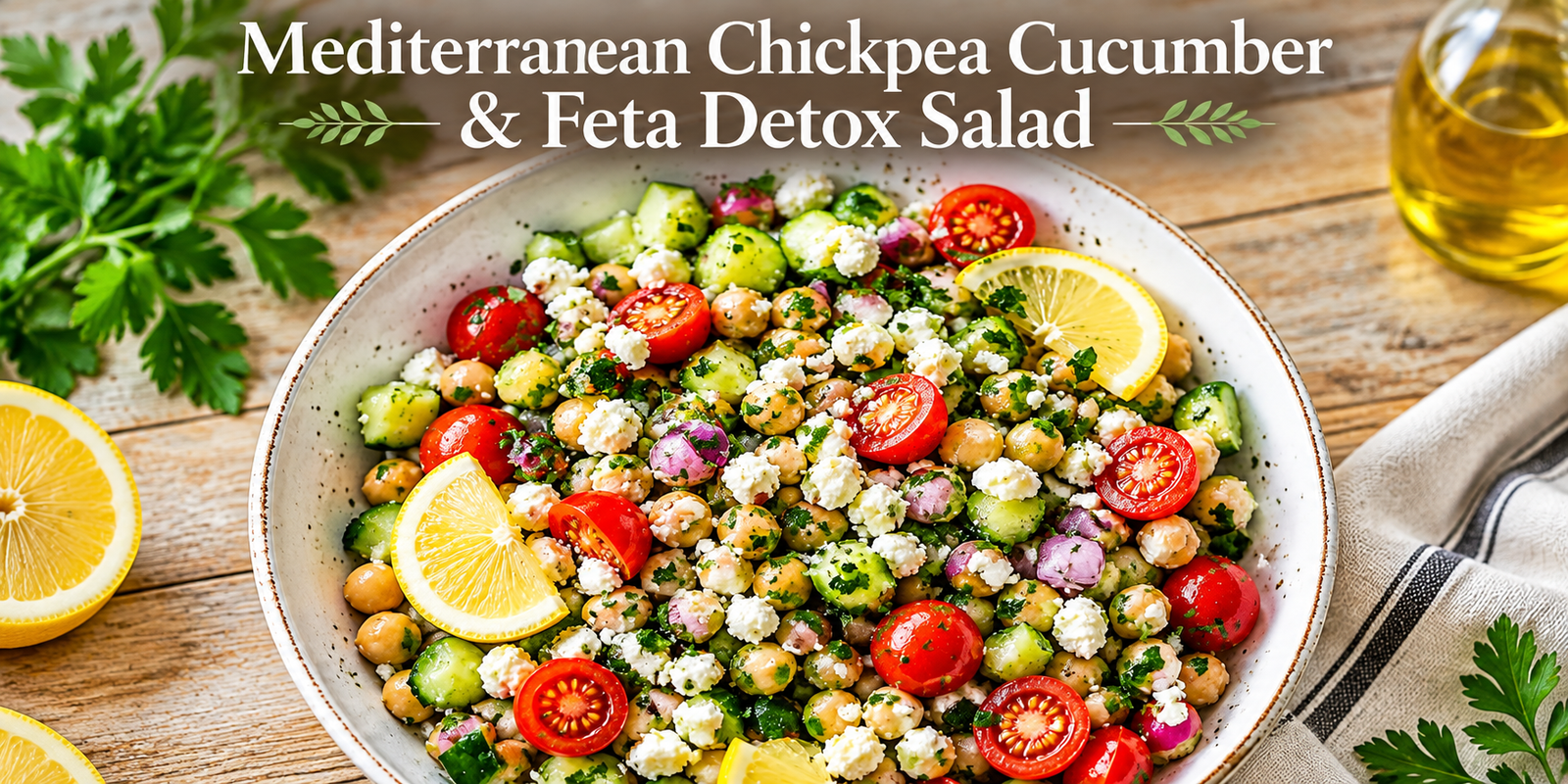
Fresh Mediterranean chickpea cucumber feta detox salad in white bowl with chickpeas, cucumbers, cherry tomatoes, crumbled feta, red onion, parsley, lemon slices, olive oil on wooden table, healthy high protein meal

 andMediterranean Chickpea Cucumber & Feta Detox Salad

Description

Mediterranean Chickpea Cucumber & Feta Detox Salad is a fresh, colorful, and satisfying salad made with chickpeas, crisp cucumber, juicy tomatoes, red onion, fresh herbs, and creamy feta cheese. Everything is tossed in a light lemon and olive oil dressing for a bright Mediterranean flavor.

This salad is rich in fiber, plant-based protein, healthy fats, and fresh vegetables. It is perfect for a quick lunch, light dinner, meal prep, or a healthy side dish.

While the word “detox” is often used for fresh vegetable-based meals, your body naturally handles detoxification through organs such as the liver and kidneys. This salad simply gives you a nourishing combination of whole foods, hydration-rich vegetables, fiber, and healthy fats.

It comes together in about 15 minutes and requires no cooking if you use canned chickpeas.

Ingredients

For the Salad

2 cans chickpeas, about 15 ounces each, drained and rinsed

2 medium cucumbers, chopped

One and half cups cherry tomatoes, halved

Red onion 1 small , finely sliced

D iced 1 red bell pepper,

3/4 cup crumbled feta cheese

1/2 cup fresh parsley, chopped

1/4 cup fresh mint, chopped

1/3 cup Kalamata olives, sliced

1 medium avocado, diced, optional

For the Lemon Herb Dressing

3 tablespoons extra virgin olive oil

3 tablespoons fresh lemon juice

lemon zest 1 teaspoon

Garlic clove 1, finely minced

1 teaspoon dried oregano

1/2 teaspoon ground cumin

1/4 teaspoon black pepper

1/4 teaspoon sea salt, or to taste

1 teaspoon honey or maple syrup, optional

Step-by-Step Instructions

Step 1: Prepare the Chickpeas

Drain the chickpeas and rinse them well under cold running water.

Shake off as much excess water as possible.

For the best texture, pat the chickpeas dry with a clean kitchen towel or paper towel.

Place them in a large salad bowl.

Step 2: Prepare the Vegetables

Wash the cucumbers, tomatoes, bell pepper, parsley, and mint.

Cut the cucumbers into small bite-sized pieces.

Slice the cherry tomatoes in half.

Dice the bell pepper and finely slice the red onion.

Add all the prepared vegetables to the bowl with the chickpeas.

Step 3: Add the Herbs and Olives

Add the chopped parsley and mint.

Then add the sliced Kalamata olives.

Fresh herbs make a big difference in this salad, so use them if possible.

Step 4: Make the Dressing

In a small bowl or jar, combine the olive oil, lemon juice, lemon zest, garlic, oregano, cumin, black pepper, salt, and honey if using.

Whisk well until the dressing is fully combined.

Taste and adjust the seasoning.

Add more lemon juice for extra freshness or a little more olive oil for a softer flavor.

Step 5: Dress the Salad

Pour the dressing over the chickpea and vegetable mixture.

Toss gently until everything is evenly coated.

Try not to crush the chickpeas or tomatoes while mixing.

Step 6: Add the Feta

Sprinkle the feta cheese over the salad.

Gently fold it in.

If using avocado, add it at the very end so it keeps its shape.

Step 7: Chill or Serve

You can serve the salad immediately, but the flavor becomes even better if you let it rest in the refrigerator for about 20 to 30 minutes.

Serve chilled or at room temperature.

Tips and Notes

Use English cucumbers or Persian cucumbers for extra crunch.

If you use regular cucumbers, you can remove some of the seeds if they are very watery.

Always rinse canned chickpeas to reduce excess sodium.

For a lower-sodium salad, reduce the olives and feta or use low-sodium versions.

Do not add avocado until just before serving if you are making the salad ahead.

Fresh lemon juice gives much better flavor than bottled lemon juice.

For extra crunch, add pumpkin seeds, sunflower seeds, or chopped walnuts.

If you want the salad to be more filling, serve it with grilled chicken, salmon, shrimp, quinoa, or whole-grain pita.

For more protein, you can also add boiled eggs or a scoop of cooked quinoa.

Health Benefits

Good Source of Fiber

Chickpeas, vegetables, and herbs provide dietary fiber, which supports healthy digestion and can help you feel full for longer.

Plant-Based Protein

Chickpeas provide plant-based protein, making this salad more satisfying than a basic vegetable salad.

Healthy Fats

Olive oil, olives, feta, and optional avocado provide fats that help make the meal more filling.

Hydrating Vegetables

Cucumber and tomatoes contain a high percentage

Mediterranean Garlic Parmesan White Beans

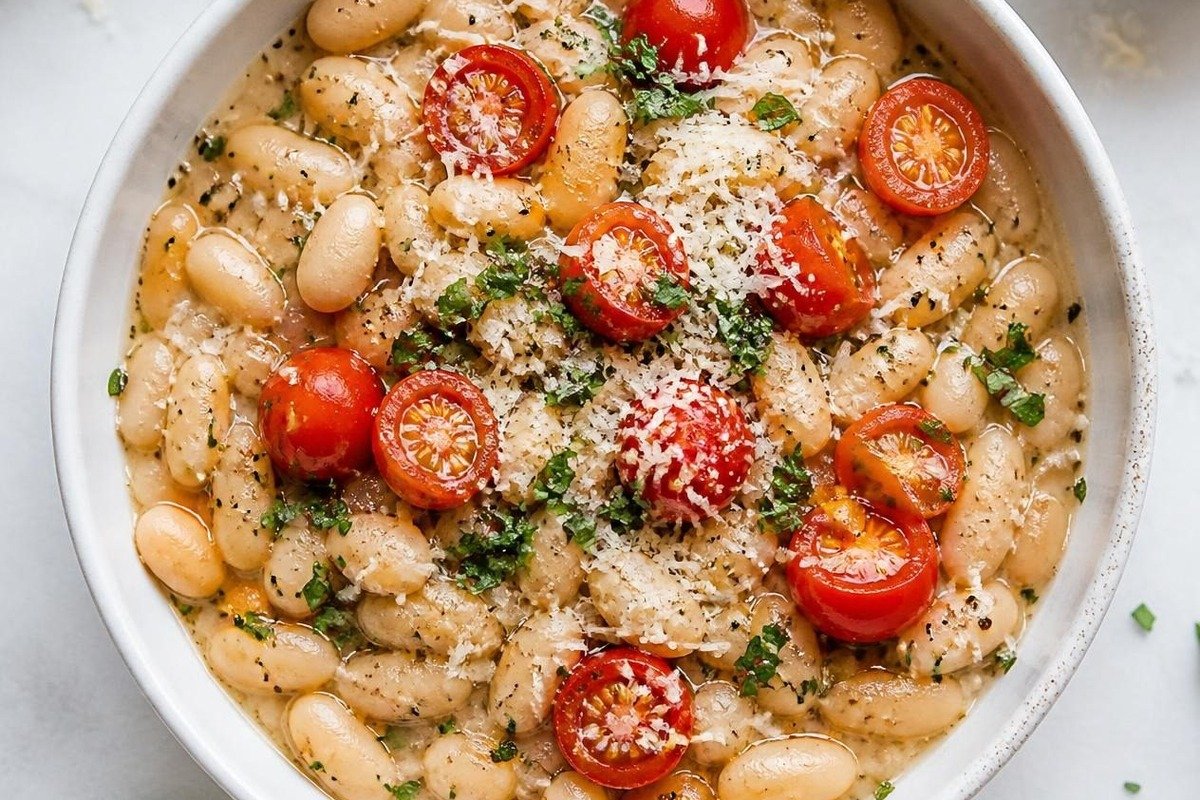
Garlic parmesan white beans with cherry tomatoes and herbs

Mediterranean Garlic Parmesan White Beans – 40g Protein Meal for Women 55+

Description

Mediterranean Garlic Parmesan White Beans are a warm, creamy, protein-rich meal made with simple Mediterranean ingredients. This recipe is especially useful for women over 55 who want a filling meal with plenty of protein, fiber, calcium, and healthy fats.

White beans provide plant-based protein and fiber, while Greek yogurt, Parmesan cheese, and spinach make the dish richer and more satisfying. Garlic, lemon, olive oil, and herbs give it a fresh Mediterranean flavor without making the recipe complicated.

This meal can work well for lunch or dinner. It is easy to prepare in one pan, takes about 25 minutes, and can provide around 40 grams of protein per serving, depending on the exact brands and quantities used.

Ingredients

For the White Beans

2 cups cooked cannellini beans or great northern beans, drained and rinsed

1 tablespoon extra virgin olive oil

4 garlic cloves, finely minced

2 cups fresh baby spinach

Low-sodium vegetable broth 1/2 cup

1/2 cup plain Greek yogurt

1/2 cup freshly grated Parmesan cheese

fresh lemon juice 1 tablespoon

Lemon zest 1 teaspoon

1 teaspoon dried oregano

1/2 teaspoon dried thyme

1/2 teaspoon smoked paprika

1/4 teaspoon black pepper

Salt to taste

For Extra Protein

1 cup low-fat cottage cheese, blended until smooth

For Serving

2 tablespoons chopped fresh parsley

Extra grated Parmesan, optional

Red pepper flakes, optional

Fresh lemon wedges

Step-by-Step Instructions

Step 1: Prepare the Beans

Drain and rinse the white beans under cold water.

Rinsing canned beans helps remove some of the extra sodium and gives the beans a cleaner flavor.

Set them aside while you prepare the sauce.

Step 2: Cook the Garlic

Heat the olive oil in a large skillet over medium-low heat.

Add the minced garlic.

Cook for about 30 to 60 seconds, stirring constantly.

Do not let the garlic burn because burnt garlic can make the dish taste bitter.

Step 3: Add the Beans

Add the drained white beans to the skillet.

Stir gently so the beans are coated with the garlic and olive oil.

Add the oregano, thyme, smoked paprika, black pepper, and a small amount of salt.

Cook for about 2 minutes.

Step 4: Add the Broth

Pour the vegetable broth into the pan.

Stir everything together.

Allow the beans to simmer for about 4 to 5 minutes.

Use the back of a spoon to gently mash a small portion of the beans.

This makes the sauce naturally thicker and creamier.

Step 5: Add the Spinach

Add the baby spinach.

Stir it into the beans and cook for about 2 minutes, or until the spinach becomes soft and wilted.

Step 6: Add the High-Protein Ingredients

Reduce the heat to low.

Stir in the blended cottage cheese.

Mix until it becomes smooth and creamy.

Remove the pan from direct high heat before adding the Greek yogurt. This helps prevent the yogurt from separating.

Add the Greek yogurt and Parmesan cheese.

Stir gently until the cheese melts and the sauce becomes creamy.

Step 7: Add Lemon

Add the lemon juice and lemon zest.

Taste the beans and adjust the salt, pepper, or herbs if needed.

The lemon adds freshness and balances the richness of the Parmesan cheese.

Step 8: Serve

Divide the Mediterranean Garlic Parmesan White Beans between two bowls.

Top with chopped parsley and a little extra Parmesan if desired.

Add red pepper flakes for a slightly spicy flavor.

Serve with a fresh lemon wedge on the side.

Estimated Macros Per Serving

This recipe makes approximately 2 large servings.

Approximate nutrition per serving:

Calories: 520–570

Protein: 38–42g

Carbohydrates: 55–60g

Fiber: 13–16g

Fat: 17–20g

Saturated Fat: 6–8g

Calcium: approximately 450–550mg

Iron: approximately 5–6mg

Nutrition can vary depending on the type of beans, Greek yogurt, cottage cheese, Parmesan, and broth you use.

Why This Recipe Can Be Helpful for Women 55+

Protein becomes especially important as adults get older because maintaining muscle mass supports strength, mobility, and everyday activity.

This recipe combines several protein sources instead of relying on beans alone.

White beans provide plant protein and fiber.

Greek yogurt and cottage cheese increase the protein while also adding calcium.

Parmesan adds extra protein, calcium, and flavor.

Spinach provides folate, vitamin K, iron, and other micronutrients.

Olive oil supplies Mediterranean-style unsaturated fats.

The combination of protein and fiber can also make this meal more filling than a simple pasta or bread-based lunch.

Storage Tips

Refrigerator

Allow the beans to cool completely.

Transfer them to an airtight container.

Store in the refrigerator for up to 3 to 4 days.

Reheating

Reheat gently in a saucepan over low heat.

Add 1 to 2 tablespoons of vegetable broth or water if the sauce becomes too thick.

You can also microwave individual portions in short intervals, stirring between each interval.

Avoid overheating because yogurt-based sauces can separate when exposed to very high heat.

Freezing

You can freeze the bean mixture, but dairy-based sauces may change slightly in texture after thawing.

For the best texture, freeze the beans before adding the Greek yogurt and Parmesan.

Store in a freezer-safe container for up to 2 months.

Thaw overnight in the refrigerator.

Reheat gently and then stir in the yogurt and Parmesan.

Tips and Notes

Use low-sodium beans and broth if you are watching your salt intake.

Cannellini beans work especially well because they are soft and creamy.

Great northern beans are another good option.

Do not boil the sauce after adding Greek yogurt.

For even more vegetables, add chopped zucchini, mushrooms, or kale.

If the sauce becomes too thick, add a splash of broth.

If it is too thin, mash a few more beans and simmer briefly before adding the yogurt.

Freshly grated Parmesan usually melts more smoothly than pre-shredded cheese.

For the freshest flavor, add lemon juice near the end of cooking.

Frequently Asked Questions

Can I make Mediterranean Garlic Parmesan White Beans without cottage cheese?

Yes. You can leave it out, but the protein content will be lower.

Can I use chickpeas instead of white beans?

Yes, although the finished dish will be slightly firmer and less creamy.

Can I make this recipe vegetarian?

Yes. Use vegetarian Parmesan or another vegetarian hard cheese if needed.

Can I prepare it ahead of time?

Yes. It works well for meal prep and can be kept in the refrigerator for several days.

How can I increase the protein even more?

You can serve it with grilled chicken, salmon, shrimp, tofu, or an extra spoonful of Greek yogurt.

Servings

Makes approximately 2 large high-protein servings.

Prep time: 10 minutes

Cook time: 15 minutes

Total time: approximately 25 minutes


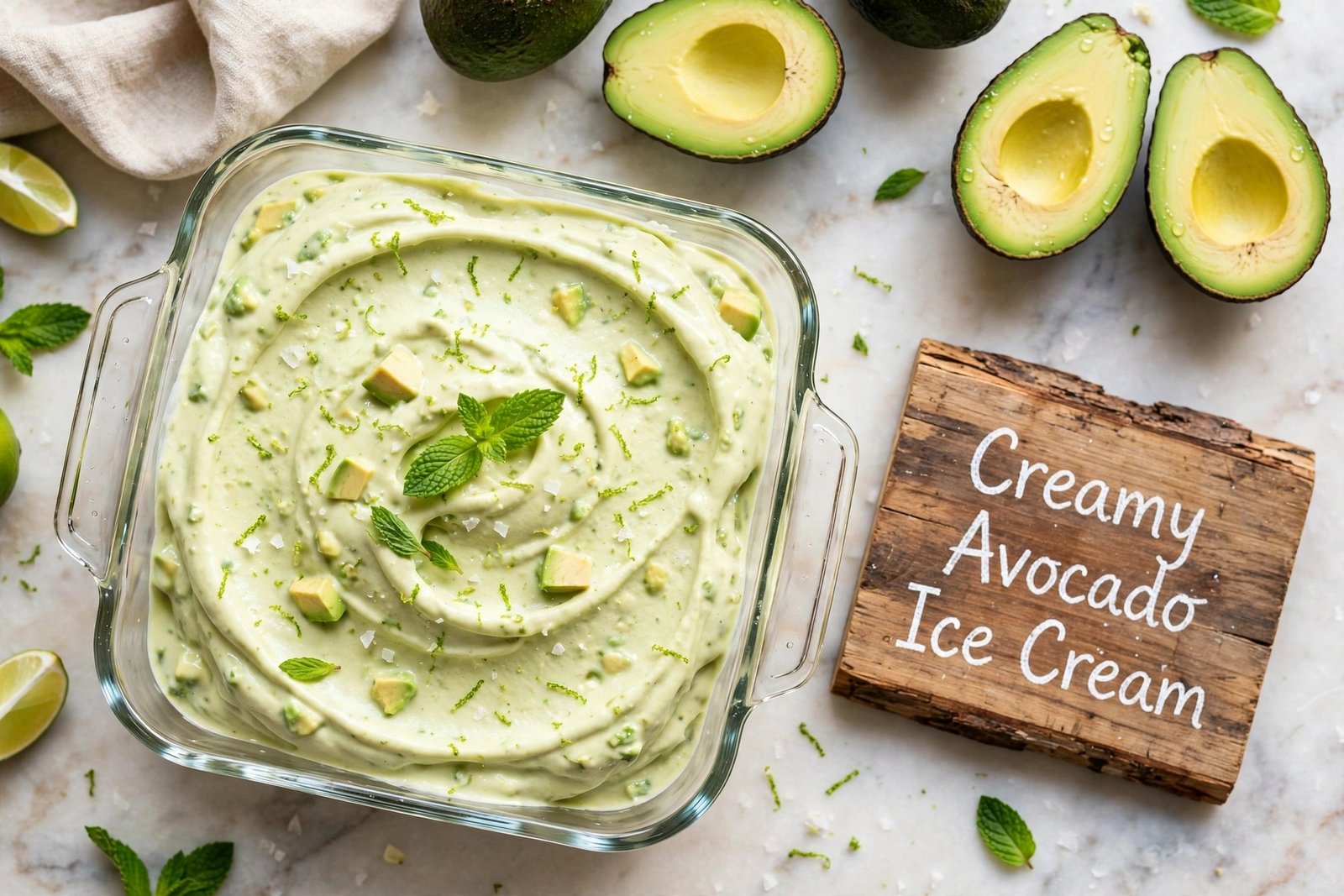
3-Ingredient Creamy Avocado Ice Cream* recipe

Here is the easiest *3-Ingredient Creamy Avocado Ice Cream* recipe:


*INGREDIENTS:*

– 3 large ripe avocados

– 1 can condensed milk (395g / 14oz)

– 2 cups cold heavy whipping cream (400ml)


Optional: 1 tsp lemon juice to keep it green.


*METHOD:*


*1.* Cut avocados, remove pit. Scoop flesh into blender. Add lemon juice + whole can of condensed milk. Blend 60 seconds until super smooth and creamy – no lumps.


*2.* In a separate big bowl, whip the cold heavy cream with beater for 3-4 mins until stiff peaks form.


*3.* Gently fold the avocado-condensed milk mixture into the whipped cream. Use spatula and fold slowly. Don’t beat.


*4.* Pour into a glass dish or loaf pan. Smooth the top. Cover with cling film touching the surface.


*5.* Freeze for 6-8 hours until firm.


That’s it! No ice cream machine, no eggs, no sugar needed. Super creamy, scoopable like in your video.


*Yield:* 6-8 servings

*Stays fresh:* 1 week in freezer

Tips for that *Creamy Avocado Ice Cream*

*1. Ripe Avocados = Creamy:* Use soft, ripe Hass avocados. If they are hard or stringy, ice cream will be bitter and not smooth. They should give when you press gently.


*2. No Brown Color:* . To keep it that way, always add 1 tsp lemon or lime juice to the avocado puree immediately. And blend quickly – don’t leave puree in open air.


*3. Super Silky Texture:* Don’t just mash with fork. Blend avocado + condensed milk in a blender for 1 minute until zero lumps. That’s the secret to that pourable, silky top pic.


*4. Cold Cream is Must:* Your whipping cream must be VERY cold, and bowl too. If warm, it won’t whip and ice cream will be icy,


*5. Fold, Don’t Beat:* When you mix avocado into whipped cream, fold gently with a spatula. If you mix fast with beater, you lose all the air and it becomes hard.


*6. No Ice Crystals:* Press cling film directly onto the surface of the ice cream before closing lid and freezing. This stops ice crystals forming on top.


*7. Scooping Tip:* If it’s too hard from freezer, don’t microwave! Leave it on counter 5-7 mins, then scoop with warm spoon for those perfect round scoops like your bottom pic.


Stays good for 5-6 days in freezer – but it will turn a little darker after 2 days, still tastes perfect!

Air Fryer Crispy Parmesan Asparagus

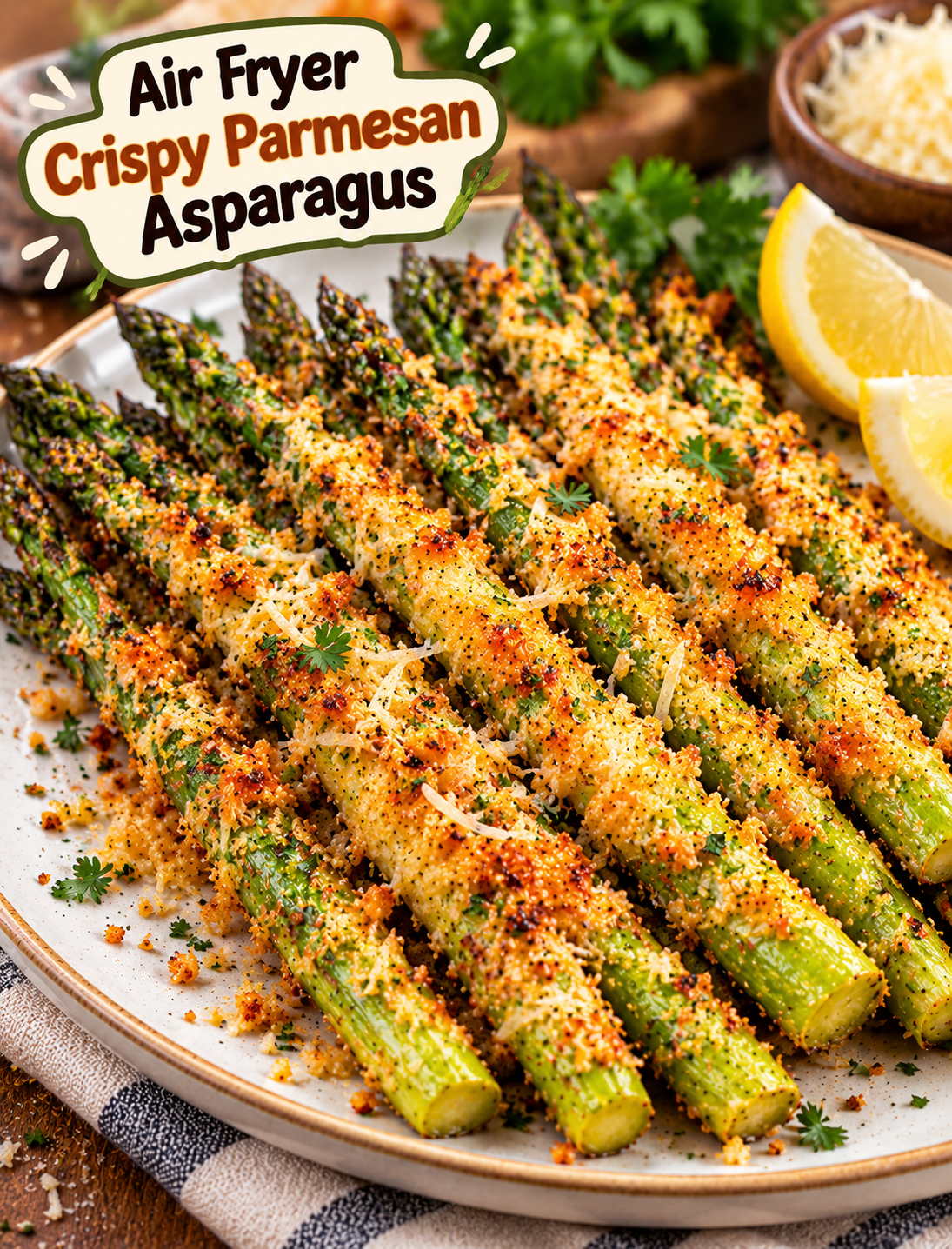
Air fryer crispy Parmesan asparagus with golden panko coating and fresh lemon

Air Fryer Crispy Parmesan Asparagus

If you usually think of asparagus as a basic side dish, this recipe may change your mind. Air Fryer Crispy Parmesan Asparagus turns fresh asparagus into a golden, crunchy side with tender centers and a savory Parmesan coating.

The air fryer cooks the asparagus quickly while giving the breadcrumbs and cheese a crisp finish. A little garlic, black pepper, and Italian seasoning add extra flavor without making the recipe complicated.

This easy vegetable side takes about 15 minutes from start to finish. It works well with chicken, steak, pork, salmon, burgers, pasta, or almost any weeknight dinner.

Why You’ll Love This Recipe

  • Quick and easy: The asparagus cooks in about 7–9 minutes.
  • Crispy coating: Parmesan and panko breadcrumbs create a crunchy outside.
  • Tender inside: The spears stay slightly crisp instead of becoming mushy.
  • Simple ingredients: Most ingredients are common pantry staples.
  • Less oil: The air fryer needs only a small amount of oil.
  • Family-friendly: The cheesy coating makes vegetables more appealing to picky eaters.
  • Versatile side: Serve it with meat, seafood, pasta, or grain-based meals.

Ingredients You’ll Need

For the Asparagus

  • 1 pound fresh asparagus
  • 1 tablespoon olive oil
  • ½ cup finely grated Parmesan cheese
  • ½ cup panko breadcrumbs
  • 1 teaspoon garlic powder
  • ½ teaspoon Italian seasoning
  • ¼ teaspoon black pepper
  • ¼ teaspoon salt
  • ½ teaspoon paprika
  • Cooking spray, optional
  • 1 tablespoon fresh lemon juice

Choose asparagus spears that are firm and bright green. Medium-sized spears work especially well because they become tender without cooking too quickly.

Optional Garnish

  • Fresh parsley
  • Extra grated Parmesan
  • Lemon wedges
  • Red pepper flakes

How to Prepare the Asparagus

Step 1: Wash and Dry the Spears

Rinse the asparagus under cool running water.

Pat the spears completely dry with paper towels. Excess water can prevent the coating from sticking properly and may reduce crispiness.

Step 2: Trim the Ends

Place the asparagus on a cutting board.

Trim about 1 inch from the woody ends. You can also bend each spear gently until the tough end naturally snaps off.

Keep the remaining tender portion for the recipe.

Step 3: Season the Asparagus

Place the trimmed asparagus in a large bowl.

Add olive oil, garlic powder, Italian seasoning, black pepper, salt, and paprika.

Toss gently until the seasoning and oil are spread evenly over the spears.

How to Make the Parmesan Coating

Step 4: Mix the Crispy Topping

Add Parmesan cheese and panko breadcrumbs to a shallow bowl.

Mix until evenly combined.

The panko creates a lighter, crunchier coating than regular breadcrumbs, while Parmesan adds a savory flavor and helps the outside turn golden.

Step 5: Coat the Asparagus

Take each seasoned asparagus spear and roll it through the Parmesan-panko mixture.

Press the coating gently onto the asparagus so it sticks.

For thicker spears, you can add a little extra coating around the center where most of the surface area is available.

How to Cook Air Fryer Crispy Parmesan Asparagus

Step 6: Preheat the Air Fryer

Preheat your air fryer to 400°F (200°C) for about 3 minutes.

A hot air fryer helps the coating begin crisping quickly.

Step 7: Arrange the Asparagus

Lightly spray the air fryer basket with cooking spray if needed.

Arrange the coated asparagus in a single layer.

Avoid stacking the spears because overcrowding can trap moisture and make the Parmesan coating less crisp.

Cook in batches if your basket is small.

Step 8: Air Fry

Air fry at 400°F for 7–9 minutes.

Check the asparagus around the 6-minute mark because thinner spears may cook faster.

The coating should look golden and crisp, while the asparagus should be tender when pierced with a fork.

For thicker spears, you may need another 1–2 minutes.

Step 9: Add Fresh Lemon

Transfer the cooked asparagus to a serving plate.

Squeeze fresh lemon juice over the top.

Add a little extra Parmesan and chopped parsley if desired.

Serve immediately while the coating is still crisp.

Tips for Extra Crispy Parmesan Asparagus

A few simple steps can make the biggest difference.

  • Dry the asparagus well: Water on the surface can soften the coating.
  • Use panko: Panko gives the exterior a lighter and crunchier texture.
  • Do not overcrowd the basket: Hot air needs room to circulate.
  • Use freshly grated Parmesan: It melts and browns well on the asparagus.
  • Keep the coating light: Too much coating can fall off during cooking.
  • Serve immediately: The crust is crispest right after air frying.
  • Check early: Thin asparagus cooks faster than thick spears.

What to Serve With Parmesan Asparagus

This crispy vegetable side pairs with many popular American dinner dishes.

Serve it alongside grilled chicken breast, roasted chicken thighs, steak, pork chops, or turkey for a simple dinner plate.

For seafood, pair it with air fryer salmon, shrimp, cod, or grilled fish. The fresh lemon finish works especially well with seafood.

You can also serve the asparagus with pasta, baked potatoes, rice, quinoa, or a simple green salad.

For a casual meal, add the crispy spears to burgers or sandwiches instead of traditional fries.

Easy Recipe Variations

Make It Spicy

Add ¼ teaspoon of red pepper flakes or a small pinch of cayenne pepper to the Parmesan mixture.

Add Ranch Flavor

Mix 1 teaspoon of dry ranch seasoning into the breadcrumb mixture for a creamy, savory flavor.

Try Lemon Parmesan

Add ½ teaspoon of finely grated lemon zest to the Parmesan coating before air frying.

Use Italian Cheese

Replace part of the Parmesan with finely grated Pecorino Romano for a stronger, saltier flavor.

Make It Gluten-Free

Use certified gluten-free panko breadcrumbs instead of regular panko.

How to Store Leftovers

Allow the cooked asparagus to cool before placing it in an airtight container.

Refrigerate leftovers for up to 3 days.

For the best texture, reheat them in the air fryer at 375°F for 2–4 minutes.

Avoid reheating them in the microwave if you want to keep the Parmesan coating crisp.

Frequently Asked Questions

Can I use frozen asparagus?

Fresh asparagus works best because frozen spears contain more moisture and may not develop the same crispy coating.

How long does asparagus take in an air fryer?

At 400°F, most asparagus spears take about 7–9 minutes, depending on their thickness.

Why isn’t my Parmesan asparagus crispy?

Overcrowding, wet asparagus, or too much oil can prevent the coating from becoming crisp.

Should I peel asparagus before air frying?

No, peeling is not necessary; simply wash the spears and trim the tough ends before cooking.

Can I make this recipe without breadcrumbs?

Yes, you can use Parmesan alone, but the coating will be thinner and less crunchy than a Parmesan-panko crust.

What Parmesan works best?

Freshly grated Parmesan generally gives the best flavor and browning for this recipe.

Can I prepare the asparagus ahead of time?

You can trim and season the asparagus several hours ahead, but add the breadcrumb coating shortly before air frying.

How do I reheat crispy asparagus?

Reheat it in an air fryer at 375°F for 2–4 minutes to restore some of the original crunch.

Final Thoughts

Air Fryer Crispy Parmesan Asparagus is an easy way to make a vegetable side that feels much more exciting than plain steamed asparagus. The combination of tender asparagus, golden panko, savory Parmesan, garlic, and fresh lemon creates a balanced bite with plenty of texture.

For the crispiest results, dry the asparagus well, avoid overcrowding the air fryer basket, and serve it immediately after cooking.

Whether you’re making a quick weeknight dinner or putting together a larger family meal, these crispy Parmesan-coated spears are an easy side dish that fits almost any menu.