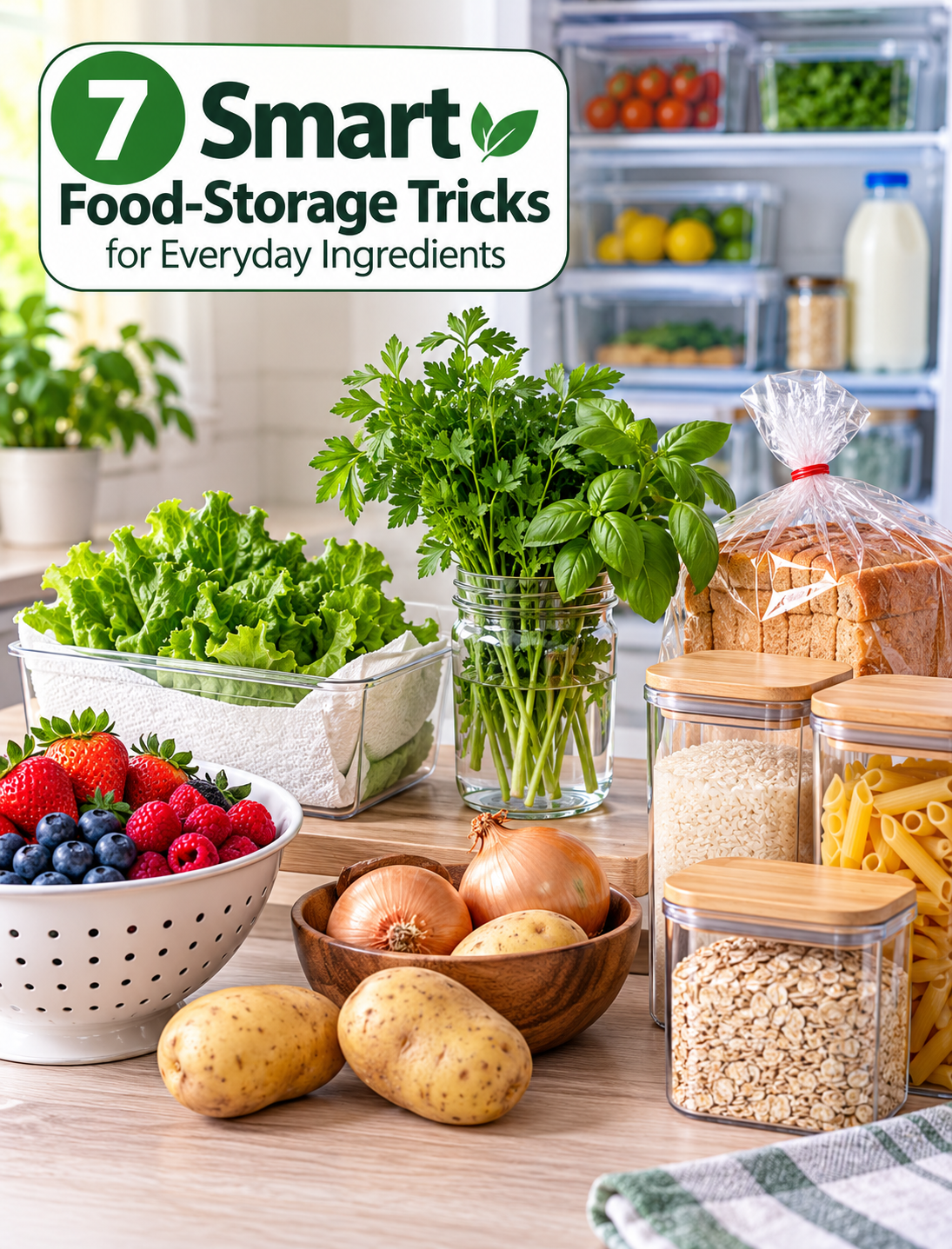
7 Smart Food-Storage Tricks for Everyday Ingredients Full Guide

7 smart food-storage tricks for keeping berries, leafy greens, herbs, bread, potatoes, onions, and pantry staples fresh

7 Smart Food-Storage Tricks for Everyday Ingredients Full Guide

Keeping everyday ingredients fresh does not have to be complicated. The right storage method can help reduce food waste, protect flavor, and make meal prep easier. Many foods spoil faster because they are stored at the wrong temperature, left uncovered, or placed in the wrong part of the refrigerator.

These simple food-storage tricks work well for common kitchen staples such as berries, leafy greens, bread, herbs, onions, potatoes, and dairy products. Each method uses basic items you may already have at home, including airtight containers, paper towels, storage bags, and clean jars.

Follow these seven practical steps to help your groceries stay fresh longer.

1. Keep Berries Dry Before Refrigerating

Fresh strawberries, blueberries, raspberries, and blackberries can spoil quickly when moisture remains on their surface. Washing berries too early can also shorten their shelf life.

Step-by-step:

  1. Check the berries and remove any soft, moldy, or damaged pieces.
  2. Do not wash the entire batch unless you plan to eat it soon.
  3. Place dry berries in a clean container lined with a paper towel.
  4. Leave a little space for air to move around the fruit.
  5. Refrigerate them promptly after bringing them home.
  6. Wash only the portion you are ready to eat.

The paper towel helps absorb excess moisture that can encourage mold. If berries become wet, gently dry them before returning them to the refrigerator.

2. Wrap Leafy Greens in Paper Towels

Lettuce, spinach, kale, and other leafy greens can become slimy when excess moisture collects inside a storage container. A simple layer of paper towel can help control that moisture.

Step-by-step:

  1. Remove damaged or wilted leaves.
  2. If you wash the greens, dry them thoroughly.
  3. Place a paper towel inside a food-storage container or reusable bag.
  4. Add the greens without tightly compressing them.
  5. Add another paper towel on top if the greens are very moist.
  6. Replace the towel when it becomes damp.

Store leafy vegetables in the refrigerator rather than leaving them on the counter. Keeping them cool and reasonably dry helps maintain their texture and freshness.

3. Store Fresh Herbs Like Flowers

Soft herbs such as cilantro, parsley, and mint often wilt before you have a chance to use them. Treating them more like flowers can help them stay crisp.

Step-by-step:

  1. Trim a small amount from the herb stems.
  2. Place the stems in a clean jar with a small amount of water.
  3. Keep the leaves above the water line.
  4. Loosely cover the herbs with a food-safe bag.
  5. Refrigerate herbs that benefit from cool storage.
  6. Change the water when it becomes cloudy.

For basil, room-temperature storage is often better because cold temperatures can cause the leaves to darken. Keep basil upright in a jar with water and away from direct sunlight.

4. Keep Bread Away From Refrigerator Moisture

The refrigerator may seem like the best place for bread, but cold storage can make bread stale faster. For most everyday bread, room-temperature storage is a better short-term option.

Step-by-step:

  1. Keep bread in its original packaging if it closes securely.
  2. Store it in a cool, dry area away from direct sunlight.
  3. Keep the package sealed to limit moisture loss.
  4. Avoid storing bread next to the stove or other heat sources.
  5. Freeze extra bread if you will not use it within several days.
  6. Remove only the amount you need from the freezer.

Freezing is especially useful for sliced bread because individual slices can be taken out as needed. This can prevent unnecessary waste when you buy larger packages.

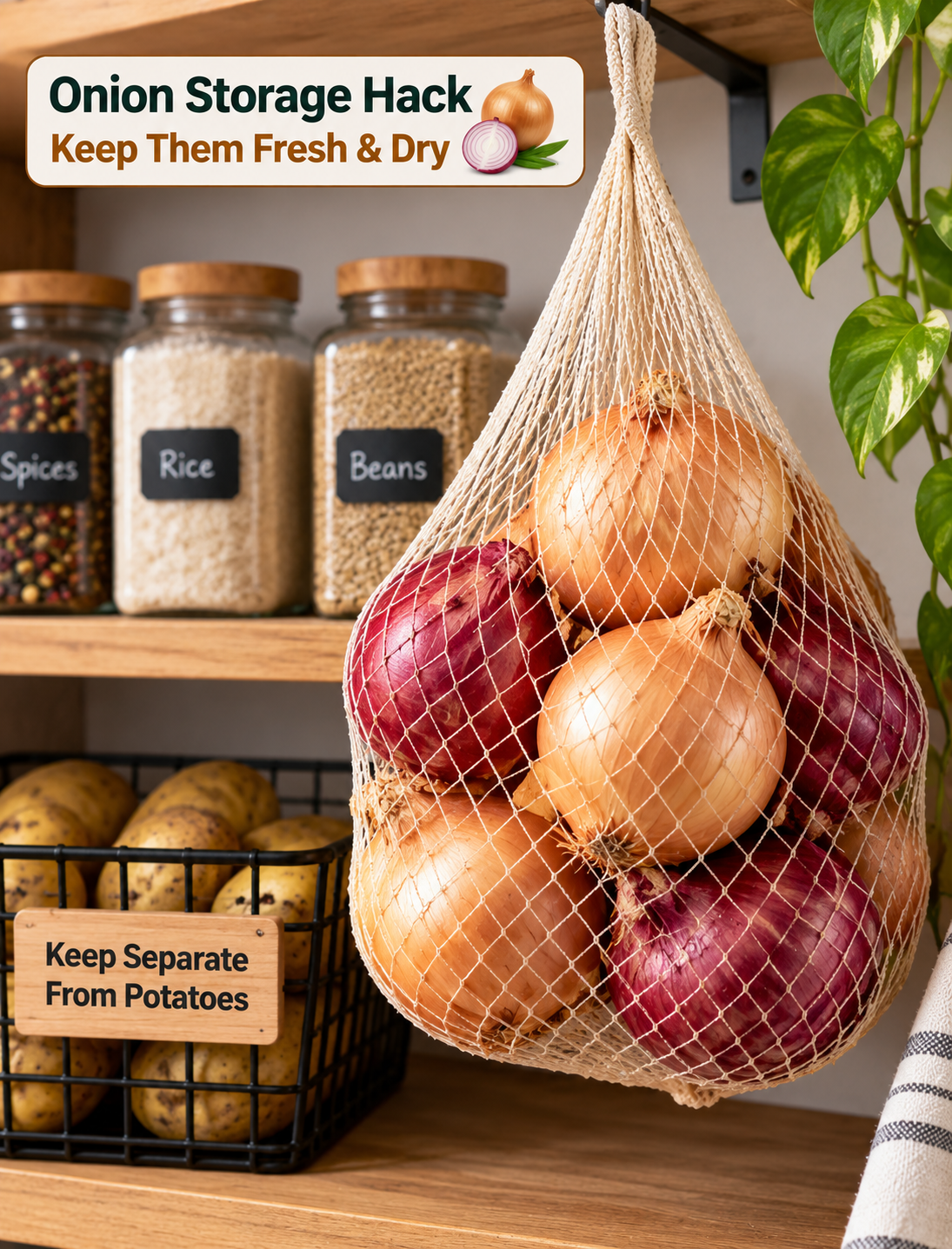
5. Store Potatoes and Onions Separately

Potatoes and onions are common pantry staples, but storing them together can cause problems. Both need airflow, and onions can release gases that may affect nearby produce.

Step-by-step:

  1. Inspect potatoes and remove any damaged ones.
  2. Keep potatoes in a cool, dark, well-ventilated place.
  3. Store onions separately in a dry, ventilated area.
  4. Avoid sealed plastic bags for long-term storage.
  5. Keep both foods away from direct sunlight.
  6. Check them regularly and remove spoiled pieces.

Do not wash potatoes before long-term storage because added moisture can encourage spoilage. Wash them shortly before cooking instead.

6. Use Airtight Containers for Dry Ingredients

Flour, rice, pasta, cereal, oats, sugar, and other pantry staples can lose quality when exposed to moisture, air, or pests. Airtight containers provide a simple layer of protection.

Step-by-step:

  1. Check the package for signs of moisture or pests.
  2. Transfer dry ingredients into clean, dry containers when practical.
  3. Choose containers with tight-fitting lids.
  4. Label each container with the ingredient name and date.
  5. Store containers in a cool, dry pantry.
  6. Use older ingredients before opening newer packages.

Clear containers can also make it easier to see how much food you have. This simple system helps with grocery planning and reduces the chance of buying items you already have.

7. Organize Your Refrigerator by Food Type

A crowded refrigerator can make it difficult to find food and may lead to forgotten leftovers. Organizing food by type makes daily cooking easier and helps you use ingredients before they spoil.

Step-by-step:

  1. Keep ready-to-eat foods in clean, covered containers.
  2. Store raw meat and seafood securely to prevent leaks.
  3. Keep raw animal products separated from foods that will be eaten without cooking.
  4. Place foods that need to be used soon where you can see them.
  5. Label leftovers with the date.
  6. Clean spills as soon as possible.
  7. Check older foods before preparing a new meal.

Use the refrigerator door mainly for items that are less sensitive to temperature changes, such as many condiments. Keep foods that require consistent cold temperatures in the main refrigerator area.

A Simple Food-Storage Routine for Every Week

Good storage works best when it becomes part of your normal kitchen routine. You do not need a complicated system to keep groceries organized.

Try this weekly routine:

  • Check the refrigerator before grocery shopping.
  • Move older foods toward the front.
  • Remove spoiled food promptly.
  • Dry produce before storing it when appropriate.
  • Check leftovers and use them before cooking new meals.
  • Clean storage containers regularly.
  • Freeze foods you will not use soon.
  • Keep pantry staples sealed and labeled.

This routine can help you save money because fewer groceries end up in the trash. It can also make meal planning faster because you know what ingredients are available.

Final Tips for Safer Food Storage

Freshness and food safety are not the same thing. An ingredient can look normal but still require proper handling. Always follow the storage instructions on packaged foods and refrigerate foods that require refrigeration.

Keep your refrigerator at 40°F (4°C) or below and your freezer at 0°F (-18°C) for proper cold storage. Refrigerate perishable foods promptly instead of leaving them at room temperature for long periods.

When in doubt about a food’s safety, do not taste it to determine whether it is still good. When storing leftovers, use clean containers, label dates, and follow recommended storage times.

Small storage changes can make a big difference. Keeping berries dry, greens protected from excess moisture, herbs properly hydrated, and pantry foods sealed can help everyday ingredients stay useful for longer.

FAQs

How should fresh berries be stored?

Keep unwashed berries dry in the refrigerator and remove damaged fruit before storage. Wash only the portion you plan to eat soon.

Should leafy greens be washed before storage?

They can be washed first if they are dried thoroughly, but excess moisture should be removed before refrigeration to reduce spoilage.

What is the best way to store fresh herbs?

Store soft herbs upright in a jar with a small amount of water and loosely cover them. Basil is usually better kept at room temperature.

Should bread be stored in the refrigerator?

For most bread, room-temperature storage is better for short-term use, while freezing is useful for longer storage.

Can potatoes and onions be stored together?

It is better to store potatoes and onions separately in cool, dry, well-ventilated areas to help reduce premature spoilage.

Are airtight containers good for pantry foods?

Yes, airtight containers help protect dry ingredients from moisture, air, and pantry pests while keeping them easier to organize.

How can I reduce food waste at home?

Use older ingredients first, label leftovers, freeze extra food, and check your refrigerator before buying more groceries.

What temperature should a refrigerator be?

Keep your refrigerator at 40°F (4°C) or below to help keep perishable foods safely chilled.

Creamy Shrimp Pasta Salad

🍤 Creamy Shrimp Pasta Salad


A fresh, creamy and delicious pasta salad loaded with tender shrimp, crunchy vegetables, herbs and a creamy dressing. Perfect for lunch, picnics, parties, or a light dinner.

🥗 Ingredients

For the salad:

  • 12 oz (340 g) small pasta, such as shells or bow-tie
  • 1 lb (450 g) medium shrimp, peeled, deveined and cooked
  • 1 cup cucumber, diced
  • 1 cup cherry tomatoes, halved
  • ½ cup celery, finely chopped
  • ¼ cup red onion, finely diced
  • 2–3 tbsp fresh dill, chopped
  • 2 tbsp fresh parsley, chopped
  • Salt and black pepper, to taste

For the creamy dressing:

  • ¾ cup mayonnaise
  • ½ cup sour cream or Greek yogurt
  • 1 tbsp lemon juice
  • 1 tsp Dijon mustard
  • 1 tsp garlic powder
  • ½ tsp dried dill
  • ½ tsp paprika
  • 1–2 tbsp milk, if needed
  • Salt and black pepper, to taste

👩‍🍳 Instructions

1. Cook the pasta:

Bring a large pot of salted water to a boil. Add the pasta and cook according to the package directions until tender but still slightly firm. Drain and rinse under cold water to stop the cooking process. Let it cool completely.

2. Prepare the shrimp:

If using raw shrimp, season lightly with salt and pepper. Cook in a skillet over medium heat for about 2–3 minutes per side, until pink and opaque. Allow the shrimp to cool, then chop larger shrimp into bite-sized pieces.

3. Make the dressing:

In a bowl, whisk together mayonnaise, sour cream, lemon juice, Dijon mustard, garlic powder, dried dill, paprika, salt and black pepper. If the dressing is too thick, add 1–2 tablespoons of milk until it reaches a smooth, creamy consistency.

4. Combine everything:

Add the cooled pasta, shrimp, cucumber, tomatoes, celery, red onion, fresh dill and parsley to a large mixing bowl.

5. Add the dressing:

Pour the creamy dressing over the pasta mixture. Gently toss until all the ingredients are evenly coated.

6. Chill:

Cover and refrigerate for at least 30–60 minutes before serving. This allows the flavors to blend beautifully.

7. Serve:

Give the salad a gentle stir before serving. Garnish with extra fresh dill, parsley and a little freshly ground black pepper.

💡 Tips

Don’t overcook the pasta; slightly firm pasta holds up better in a creamy salad.

Chill the shrimp and pasta before mixing to prevent the dressing from becoming watery.

Add a little extra lemon juice for a brighter flavor.

For extra crunch, add chopped bell pepper or sweet corn.

Store leftovers covered in the refrigerator and enjoy within 2 days.

Prep Time: 20 minutes

Cook Time: 10 minutes

Chill Time: 30–60 minutes

Total Time: About 1 hour

Servings: 6–8


Recipe Name


Creamy Shrimp Pasta Salad with Fresh Dill & Veggies

Discover the Secret to Youthful Vitality

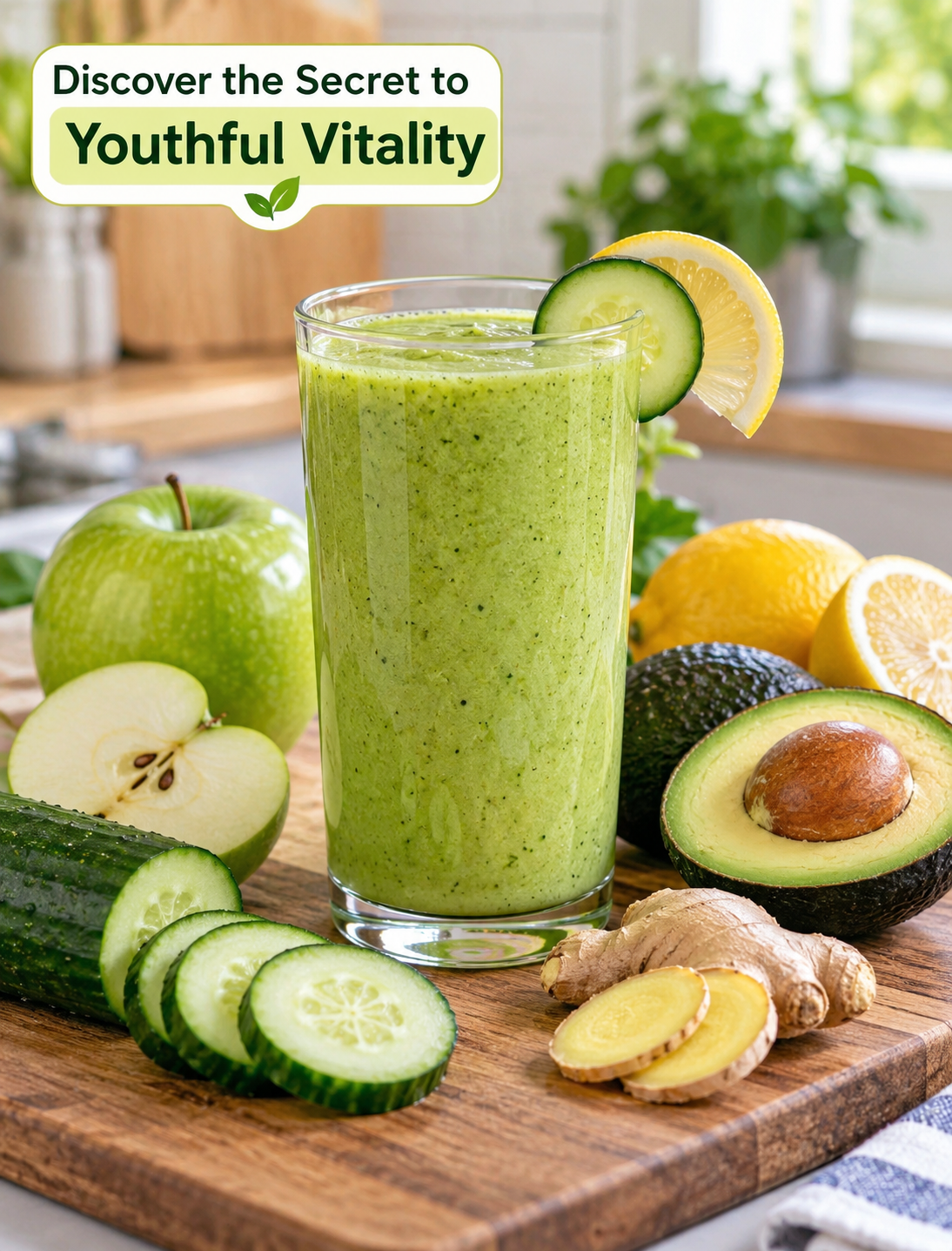
Fresh cucumber avocado green apple ginger and lemon youthful vitality wellness drink in a glass

Discover the Secret to Youthful Vitality

There is no single drink that can turn back aging, cleanse the liver, or make the intestines decades younger. However, a balanced diet built around whole foods can support hydration, digestion, heart health, and overall wellness. This cucumber, avocado, green apple, ginger, and lemon drink is a simple way to add several nutrient-rich foods to your daily routine.

The recipe combines fresh produce, healthy fats, fiber, vitamin C, and a small amount of ginger. Each ingredient offers useful nutrients, while water helps create a smooth and refreshing drink. Instead of treating it as a “miracle elixir,” think of it as one practical part of a healthy lifestyle.

For readers looking for youthful vitality, the real secret is consistency: nutritious food, enough fluids, regular movement, quality sleep, and healthy daily habits.

Why This Fresh Wellness Drink Is Worth Trying

This homemade drink brings several whole-food ingredients together in one easy recipe.

  • Cucumber provides water and a refreshing texture.
  • Avocado supplies monounsaturated fat and makes the drink creamy.
  • Green apple adds natural sweetness and dietary fiber.
  • Ginger provides a warm flavor and contains naturally occurring plant compounds.
  • Lemon juice adds brightness and vitamin C.
  • Water helps keep the beverage hydrating and easy to blend.

The combination can be especially appealing when you want something fresh instead of a heavily processed beverage.

Step 1: Gather Fresh Ingredients

For one serving, prepare:

  • ½ cucumber
  • ½ ripe avocado
  • 1 small green apple
  • ½-inch piece of fresh ginger
  • 1 tablespoon fresh lemon juice
  • ¾ to 1 cup cold water
  • Ice, optional

Wash the produce well before cutting. Keep the apple peel on if you enjoy its texture and want additional fiber.

Step 2: Prepare the Produce

Cut the cucumber and apple into small pieces so they blend easily. Remove the avocado skin and pit, then scoop the flesh into a blender.

Peel the ginger before adding it. Start with a small amount because fresh ginger has a strong, spicy flavor.

Squeeze fresh lemon juice rather than using a sweetened bottled lemon drink.

Step 3: Blend Until Smooth

Add the cucumber, avocado, apple, ginger, lemon juice, and water to a high-speed blender.

Blend for about 30 to 60 seconds, or until the mixture reaches your preferred consistency. Add more water if the drink is too thick.

For a colder beverage, add a few ice cubes before blending.

Step 4: Adjust the Flavor Naturally

Taste the drink after blending and make small adjustments.

  • Add more water for a lighter texture.
  • Add a little extra lemon for more brightness.
  • Add another small piece of ginger for a stronger flavor.
  • Use a sweeter apple if the green apple tastes too tart.

Avoid adding large amounts of sugar if your goal is to keep the drink nutrient-focused.

Step 5: Enjoy It Fresh

Pour the blended drink into a glass and enjoy it soon after preparation. Freshly blended produce can change in texture and flavor when stored for too long.

If you prepare it ahead, keep it refrigerated in a sealed container and consume it promptly.

How the Ingredients Support Everyday Wellness

The value of this drink comes from the nutrients in its individual ingredients rather than from a special detox effect.

Cucumber has a high water content, making it useful for a refreshing beverage. It also contributes small amounts of vitamins and minerals.

Avocado provides healthy unsaturated fats along with fiber. Its creamy texture also makes smoothies more satisfying without requiring dairy or added cream.

Green apple contributes fiber and naturally occurring plant compounds. Keeping the peel can increase the fiber content when the apple is washed properly.

Ginger contains bioactive compounds such as gingerols. It gives the recipe its distinctive flavor and can make a simple fruit-and-vegetable drink more interesting.

Lemon juice adds a sharp citrus flavor and vitamin C. Its acidity can also balance the creamy avocado and mild cucumber.

Together, these ingredients create a nutrient-rich smoothie that can fit into a varied eating pattern.

Can This Drink Really Make You Younger?

Claims that a particular recipe can make your liver or intestines “decades younger” are not supported by strong clinical evidence. Aging is influenced by genetics, nutrition, physical activity, sleep, stress, environmental factors, and many other parts of daily life.

A healthier approach is to focus on habits that have broader evidence behind them. Eating plenty of vegetables and fruit, choosing healthy fats, getting enough fiber, staying active, drinking enough fluids, and avoiding tobacco can all contribute to long-term health.

This recipe can support those habits, but it should not replace medical care or prescribed treatment.

Best Ways to Make This Recipe Part of a Healthy Routine

Use this drink as a convenient addition to a balanced diet rather than relying on it as a detox remedy.

  1. Choose fresh ingredients: Fresh produce gives the recipe its flavor and nutrient variety.
  2. Keep added sugar low: The apple provides natural sweetness.
  3. Include whole foods throughout the day: One smoothie cannot provide everything your body needs.
  4. Stay hydrated: Water should remain your main source of daily hydration.
  5. Eat enough fiber: Whole fruits, vegetables, beans, lentils, nuts, and whole grains can help meet your fiber needs.
  6. Stay physically active: Regular movement is an important part of healthy aging.
  7. Prioritize sleep: Consistent, quality sleep supports overall physical and mental well-being.
  8. Talk with a healthcare professional: Seek personalized advice if you have a medical condition or specific dietary needs.

A Simple Daily Wellness Ritual

A healthy routine does not need to be complicated. Preparing a fresh smoothie can be an easy reminder to include more produce in your diet.

The cucumber and water make the drink refreshing, while avocado gives it a creamy body. Green apple adds sweetness and fiber, ginger brings a warming note, and lemon provides a bright finish.

Most importantly, sustainable wellness comes from what you do regularly. A nutrient-rich drink can be one small habit within a much larger approach to healthy living.

If you enjoy the flavor, prepare it as part of a varied breakfast or snack routine. Pair it with other nutritious foods when you need a more complete meal.

Frequently Asked Questions

1. What is the youthful vitality drink made from?
It combines cucumber, avocado, green apple, ginger, lemon juice, and water for a fresh, nutrient-rich smoothie.

2. Can this drink make the liver younger?
There is no strong evidence that this drink can reverse liver aging or make the liver decades younger.

3. Is this smoothie good for digestion?
Its fruits and vegetables provide fiber, while ginger adds naturally occurring plant compounds that complement a balanced diet.

4. Can I drink this smoothie every day?
For most healthy adults, it can fit into a varied diet, provided the overall eating pattern remains balanced.

5. Should I add sugar to this recipe?
Usually, added sugar is unnecessary because the apple provides natural sweetness.

6. Can I prepare this drink ahead of time?
It is best enjoyed fresh, but you can refrigerate a sealed serving and consume it promptly.

7. Is this drink a liver detox?
No specific drink is proven to “detox” the liver; your liver naturally performs important processing and metabolic functions.

8. What is the real secret to youthful vitality?
Long-term healthy habits—including nutritious food, regular activity, adequate sleep, hydration, and preventive healthcare—matter more than any single recipe.

Coffee Garlic and Honey: A Unique Blend for Better Health

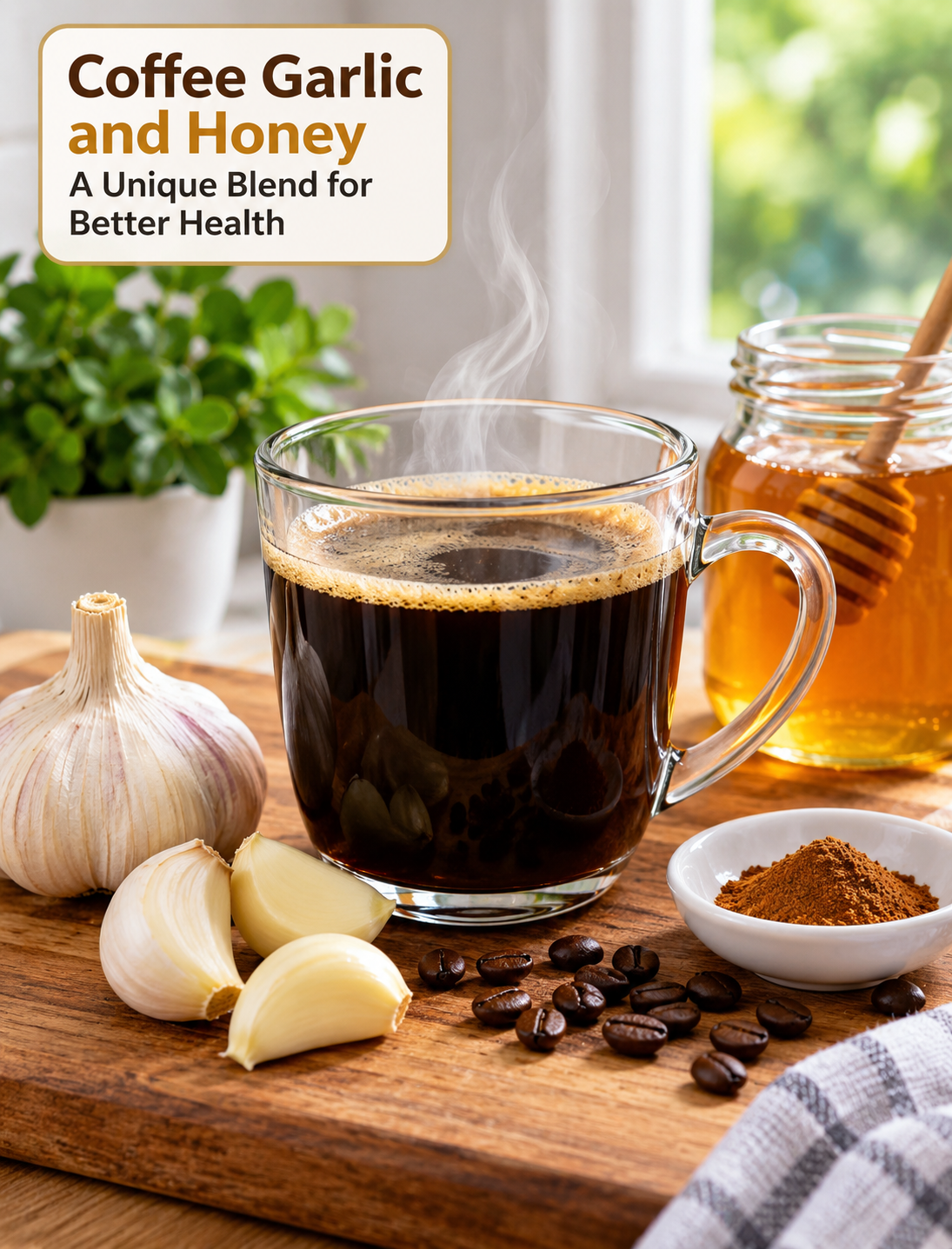
Cup of coffee with garlic and honey, a unique homemade morning wellness drink

Coffee Garlic and Honey: A Unique Blend for Better Health

Coffee is a favorite morning drink for millions of Americans, but some people enjoy experimenting with simple ingredients to create something different. Coffee, garlic, and honey may sound like an unusual combination, yet each ingredient has a distinct flavor and nutritional profile.

This homemade drink combines the bold taste of brewed coffee with the sharp flavor of fresh garlic and the natural sweetness of honey. A small amount of cinnamon can also add warmth and make the flavor easier to enjoy.

It is important to view this drink as a flavorful home recipe rather than a cure or treatment. Garlic, honey, and coffee have each been studied for different health-related properties, but adding them together does not guarantee specific medical benefits.

Ingredients

For one serving, you will need:

  • 1 cup freshly brewed coffee
  • 1 small garlic clove
  • 1 tablespoon honey
  • A small pinch of cinnamon, optional

Use fresh garlic for the strongest flavor and freshly brewed coffee for a smoother aroma. If you are sensitive to strong garlic flavors, start with half a clove instead.

How to Make Coffee Garlic and Honey

Step 1: Brew the Coffee

Prepare one cup of your preferred coffee using your usual brewing method. Medium or light roast coffee can work well because its flavor may be easier to balance with garlic and honey.

Step 2: Prepare the Garlic

Peel one small garlic clove and crush or mince it. Crushing garlic helps release sulfur-containing compounds that contribute to its strong aroma and flavor.

Step 3: Add the Garlic

Place the prepared garlic into a heat-safe cup. Pour the freshly brewed coffee over it and allow the mixture to sit for about 2–3 minutes.

Step 4: Add Honey

Stir in one tablespoon of honey after the coffee has cooled slightly. Honey adds sweetness and helps soften the sharp taste of raw garlic.

Step 5: Add Cinnamon

Sprinkle in a small pinch of cinnamon if desired. Cinnamon gives the drink a warmer flavor without adding much sweetness.

Step 6: Strain and Serve

Strain the drink if you do not want garlic pieces in your cup. Serve it warm and drink it slowly to see how your body and taste buds respond.

Potential Benefits of the Ingredients

1. Coffee Provides Caffeine

Coffee naturally contains caffeine, a stimulant that can increase alertness and help you feel more awake. The caffeine content varies depending on the coffee beans, serving size, and brewing method.

For most healthy adults, moderate coffee consumption can fit into a balanced diet. However, people who are sensitive to caffeine may experience nervousness, a faster heartbeat, or difficulty sleeping.

2. Garlic Adds Plant Compounds

Garlic contains sulfur compounds, including allicin, which forms when fresh garlic is crushed or chopped. Garlic has been widely studied as part of a healthy eating pattern.

Adding garlic to a drink does not make it a medicine. Its value is best considered alongside a diet that includes vegetables, fruits, whole grains, legumes, and other nutrient-rich foods.

3. Honey Provides Natural Sweetness

Honey contains naturally occurring sugars and small amounts of other compounds. It can make bitter coffee and pungent garlic more pleasant without using refined table sugar.

Honey is still an added sugar, so portion size matters. One tablespoon contains a meaningful amount of sugar and calories, especially when consumed every day.

4. Cinnamon Adds Flavor

Cinnamon can provide a naturally warm and slightly sweet flavor. A small pinch is enough to complement coffee and honey without overpowering the drink.

Cinnamon should be treated primarily as a flavor ingredient rather than a replacement for medical treatment or prescribed medication.

Important Things to Keep in Mind

This unusual coffee recipe is not suitable for everyone. Consider these points before making it part of your routine:

  • Watch your caffeine intake: Too much caffeine can cause jitters, headaches, or sleep problems in sensitive people.
  • Start with less garlic: Raw garlic has a strong taste and may cause stomach discomfort in some people.
  • Use honey in moderation: Honey is still a source of added sugar.
  • Consider medication interactions: Garlic supplements can interact with certain medicines, so ask a healthcare professional if you take regular medication.
  • Pay attention to your stomach: Coffee and raw garlic may both bother people with sensitive digestion.
  • Do not treat it as medicine: This beverage should complement healthy habits rather than replace professional medical care.

When Is the Best Time to Drink It?

Morning may be the most practical time because coffee contains caffeine that can promote alertness. Drinking it late in the day may interfere with sleep if you are sensitive to caffeine.

If you normally drink coffee on an empty stomach, try having this recipe with breakfast instead. Food may make the combination easier to tolerate for people who experience stomach irritation from coffee or raw garlic.

How to Make the Flavor More Enjoyable

The original recipe has a strong garlic flavor, so small adjustments can make it easier to drink.

Try using half a garlic clove for a milder version. You can also reduce the honey slightly if you prefer less sweetness. Cinnamon can add warmth, while choosing a smoother coffee roast can reduce the bitter taste.

Avoid adding large amounts of garlic or honey simply because you want stronger effects. More of an ingredient does not automatically mean greater health benefits.

Frequently Asked Questions

Can I drink coffee with garlic and honey every day?

There is no proven need to drink this combination daily for health benefits. If you enjoy it, keep portions moderate and stop if it causes stomach discomfort.

Does garlic in coffee boost immunity?

Garlic contains compounds studied for immune-related effects, but this drink has not been proven to prevent infections or directly strengthen immunity.

Can this drink help with weight loss?

The drink itself is not a proven weight-loss treatment. Weight management depends mainly on overall calorie intake, nutrition, physical activity, sleep, and other lifestyle factors.

Is coffee with garlic safe?

It can be safe for many healthy adults in small amounts, but raw garlic and caffeine may cause digestive discomfort or other side effects in sensitive people.

Can I use garlic powder instead of fresh garlic?

Yes, but fresh garlic provides a different flavor and contains compounds formed after crushing that may differ from processed garlic powder.

Should I drink it on an empty stomach?

Not necessarily. If coffee or raw garlic irritates your stomach, drinking it with or after breakfast may be more comfortable.

Can honey make garlic coffee taste better?

Yes. Honey adds sweetness that can soften garlic’s sharp flavor and balance the bitterness of coffee.

Who should avoid this drink?

People with caffeine sensitivity, digestive problems triggered by coffee or garlic, or medication-related concerns should check with a healthcare professional before making it a regular drink.

Final Thoughts

Coffee, garlic, and honey create an unusual combination that may appeal to people who enjoy experimenting with homemade wellness drinks. Coffee contributes caffeine, garlic provides distinctive plant compounds, and honey adds sweetness, while cinnamon can improve the overall flavor.

The best way to enjoy this recipe is to keep expectations realistic. It is a creative beverage, not a miracle health remedy. A balanced diet, regular physical activity, adequate sleep, and appropriate medical care remain much more important for long-term health.

If you enjoy bold flavors, start with a small amount of garlic and adjust the recipe gradually. That simple approach lets you discover whether this unusual coffee blend fits your taste and daily routine.

Simple and Natural Solution for Joint Pain

Homemade gelatin drink with lemon for natural joint health and wellness

Simple and Natural Solution for Joint Pain

Joint pain can make simple daily tasks feel harder. Walking, climbing stairs, getting out of a chair, or bending down may become uncomfortable when your knees, hips, or back feel stiff.

Many people look for simple ways to support healthy joints at home. Gelatin is one food ingredient that has attracted attention because it comes from collagen, a structural protein found in connective tissues.

Research on oral collagen supplements suggests they may provide modest improvements in pain and physical function for people with osteoarthritis. However, most studies have examined specific collagen products rather than a simple homemade gelatin drink, so gelatin should be viewed as a supportive food choice, not a proven treatment for joint pain.

Here is a simple way to prepare a gelatin drink and include it as part of a balanced approach to joint health.

Why Gelatin May Support Joint Health

Gelatin is made by processing collagen from animal connective tissues. It contains amino acids such as glycine and proline, which are involved in the body’s normal production of proteins and connective tissue.

Collagen research has shown promising results for osteoarthritis symptoms. A 2025 systematic review of 11 randomized trials involving 870 participants found improvements in knee osteoarthritis pain and function with oral collagen supplementation.

Still, it is important to keep expectations realistic. Eating gelatin does not directly rebuild damaged cartilage, cure arthritis, or guarantee relief from knee or back pain.

Step 1: Understand the Potential Benefits

Gelatin may fit into a healthy diet because it provides protein-derived amino acids.

Possible reasons people include gelatin in their diet include:

  • It contains collagen-derived amino acids.
  • It can be an easy addition to a daily routine.
  • It may complement an overall joint-friendly eating pattern.
  • It can be prepared with simple ingredients.
  • Collagen-related research shows potential benefits for osteoarthritis symptoms.

The strongest evidence is for specific collagen derivatives rather than this exact homemade recipe, so avoid treating gelatin as a guaranteed remedy.

Step 2: Prepare a Simple Gelatin Drink

You only need a few ingredients for this easy preparation.

Ingredients:

  • 1 tablespoon unflavored powdered gelatin
  • ½ cup cold water
  • ½ cup hot water
  • 1 teaspoon honey, optional
  • A small squeeze of fresh lemon juice, optional

Using unflavored gelatin makes it easier to control the sweetness and flavor.

Step 3: Bloom the Gelatin

Start by adding the gelatin powder to ½ cup of cold water.

Stir well so the powder becomes evenly moistened.

Let the mixture sit for about 2–5 minutes.

This process helps the gelatin absorb the water before you add the hot liquid.

Step 4: Add the Hot Water

Slowly pour ½ cup of hot water into the bloomed gelatin.

Stir continuously until the gelatin dissolves.

Avoid drinking the mixture while it is extremely hot.

Allow it to cool to a comfortable drinking temperature.

Step 5: Add Flavor if Needed

Plain gelatin water can have a mild taste, so you can add a small amount of honey or lemon juice.

Honey adds sweetness, while lemon gives the drink a fresh flavor.

Keep added sugar modest if you are trying to maintain a balanced diet.

Step 6: Make It Part of a Healthy Routine

If you enjoy the drink, you can include it as one small part of your normal eating routine.

However, there is no well-established evidence that drinking this exact recipe once a day will eliminate joint pain.

For better joint support, combine healthy eating with regular movement, adequate rest, and appropriate medical care.

Other Natural Ways to Support Comfortable Joints

Gelatin should not be the only strategy for managing joint discomfort.

Lifestyle habits can make a meaningful difference, especially for people with osteoarthritis. The CDC recommends physical activity, healthy weight management, joint protection, and self-management as important parts of arthritis care.

Try these practical steps:

  • Walk regularly: Gentle walking can help maintain movement and physical function.
  • Try low-impact exercise: Swimming, cycling, water exercise, and tai chi can place less stress on joints.
  • Strengthen supporting muscles: Stronger muscles can help support joints during everyday activities.
  • Maintain a healthy weight: For people with overweight or obesity, even modest weight loss may reduce arthritis-related pain and disability.
  • Stay hydrated: Drink enough fluids throughout the day based on your individual needs.
  • Eat a balanced diet: Include vegetables, fruits, whole grains, healthy fats, and adequate protein.
  • Protect painful joints: Avoid activities that repeatedly cause or worsen pain.
  • Start slowly: Increase exercise gradually instead of making sudden changes.

Adults with arthritis can benefit from regular physical activity, and even short periods of movement can contribute toward the weekly activity goal.

What to Know Before Trying Gelatin

Gelatin is generally used as a food ingredient, but it should not be considered a replacement for diagnosis or treatment.

Joint pain can have many causes, including osteoarthritis, injuries, overuse, gout, inflammatory arthritis, and other conditions. The right treatment depends on the cause.

Also remember that research on collagen supplements does not automatically prove that ordinary gelatin drinks produce the same results. Studies use different collagen types, doses, and formulations.

If your joint pain is persistent, severe, worsening, or interfering with normal activities, speak with a healthcare professional. A proper evaluation can help identify the cause and guide appropriate treatment.

Frequently Asked Questions

1. Can gelatin help with joint pain?

Gelatin contains collagen-derived amino acids, and research on collagen derivatives suggests possible improvements in osteoarthritis pain and function, but gelatin is not a proven cure.

2. How often can I drink gelatin water?

There is no established medical dosage for this homemade gelatin drink specifically for joint pain, so follow the product label and discuss regular use with your healthcare professional.

3. Does gelatin rebuild damaged cartilage?

There is not enough evidence to say that drinking gelatin rebuilds damaged cartilage; current research mainly examines symptom and function changes with collagen products.

4. Is gelatin good for knee pain?

Collagen supplementation has shown potential benefits for knee osteoarthritis symptoms, but evidence for ordinary gelatin drinks is more limited.

5. Can gelatin cure arthritis?

No. Gelatin cannot cure arthritis, and persistent joint pain should be evaluated to determine its underlying cause.

6. What exercises are good for painful joints?

Walking, swimming, cycling, water exercise, and tai chi are generally joint-friendly activities that can support movement and function.

7. Can weight management help joint pain?

Yes. For people carrying excess weight, even modest weight loss can help reduce arthritis-related pain and improve function.

8. When should I see a doctor about joint pain?

Seek professional advice when pain persists, becomes severe, limits daily activities, or comes with other concerning symptoms.

Final Thoughts

A simple gelatin drink can be an easy way to add a collagen-derived food to your routine. Research on collagen supplements offers encouraging evidence for modest improvements in osteoarthritis symptoms, but more specific research is needed before a homemade gelatin drink can be considered a treatment.

For lasting joint health, think beyond one ingredient. Regular movement, muscle-strengthening exercise, healthy weight management, nutritious food, and appropriate medical care all play important roles.

If you decide to try gelatin, keep it simple, use it as part of a balanced diet, and focus on consistent healthy habits rather than expecting an overnight solution.

Kiwi Detox Drink Burn Belly Fat Cleanse the Colon and Lose Weight

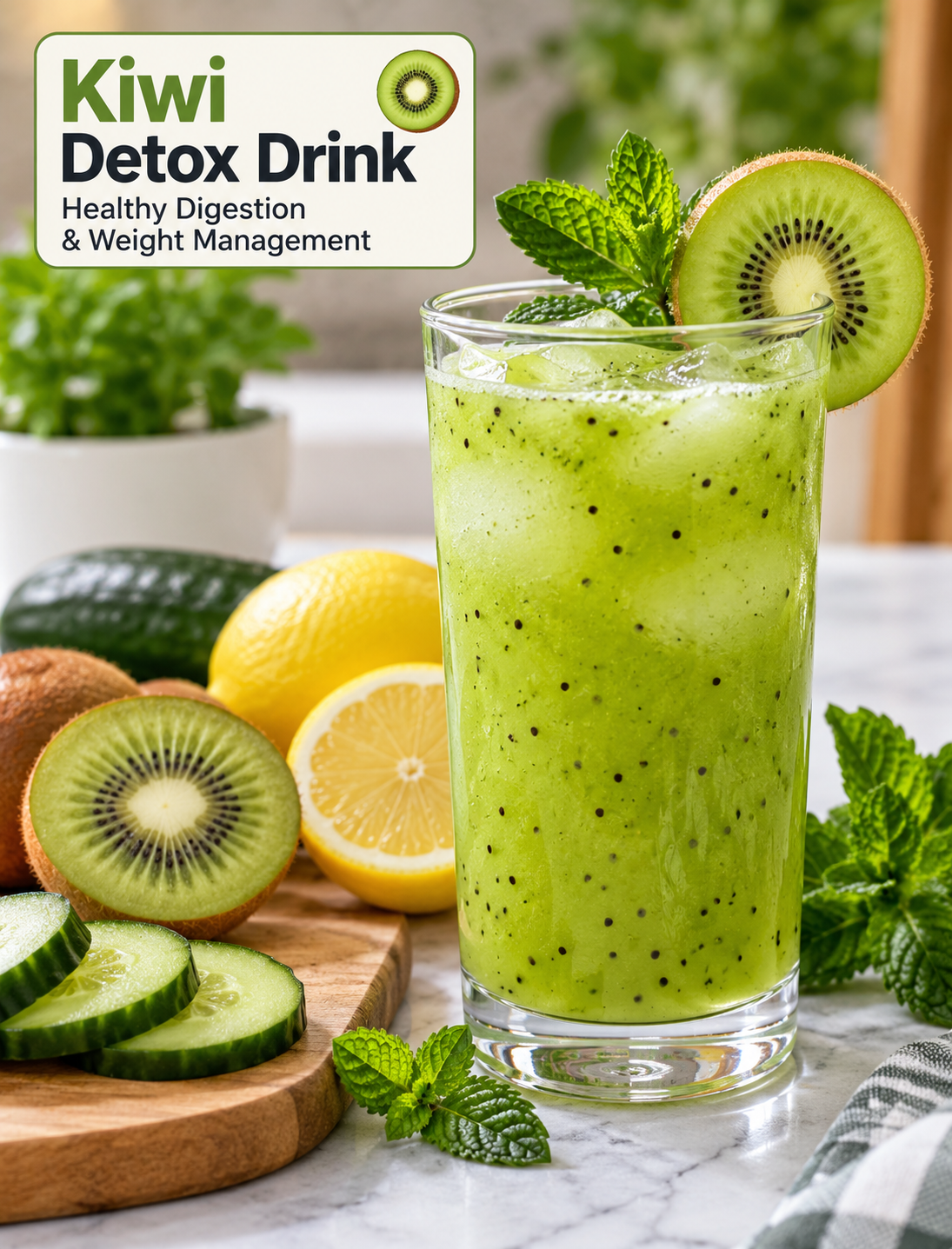
Fresh kiwi detox drink with cucumber, lemon, mint, and ice in a glass

Kiwi Detox Drink Burn Belly Fat Cleanse the Colon and Lose Weight

If you want a fresh drink that fits into a healthy weight-loss routine, this kiwi detox drink is an easy option to try. Made with kiwi, cucumber, lemon, fresh mint, and water, it has a bright flavor and provides fluids, vitamin C, and fiber when the blended pulp is kept in the drink.

Despite the popular term “detox drink,” your liver and kidneys already handle your body’s natural detoxification process. A kiwi-based beverage cannot directly burn belly fat or cleanse the colon. However, choosing a low-calorie drink made with whole fruits and vegetables can be a useful alternative to sugary beverages while supporting a balanced diet.

This simple recipe takes only a few minutes to prepare and works well as a refreshing morning or afternoon drink.

Why Kiwi Is a Good Choice

Kiwi is a nutrient-rich fruit that can add more flavor and nutrition to homemade drinks. It contains vitamin C, vitamin K, vitamin E, folate, potassium, and dietary fiber.

The fiber in whole kiwi can support normal digestion and help you feel satisfied after eating. Kiwi also contains actinidin, an enzyme that may help break down proteins during digestion.

For weight management, the main advantage is not that kiwi melts fat. Instead, using whole fruit in place of high-sugar drinks can make it easier to manage overall calorie intake.

Kiwi also contains a large amount of water, which makes it a refreshing ingredient for a homemade fruit drink.

Health Benefits of This Kiwi Drink

Supports Hydration

Water is the main ingredient in this recipe, making the drink a simple way to add more fluids to your day. Cucumber and kiwi also contribute water to the finished beverage.

Staying hydrated supports normal body functions and can help you feel better throughout the day.

Provides Vitamin C

Kiwi and lemon provide vitamin C, an antioxidant nutrient that supports normal immune function and helps protect cells from oxidative stress.

One kiwi can provide a meaningful amount of vitamin C without adding many calories.

Adds Dietary Fiber

Keeping the blended kiwi and cucumber pulp in the drink provides more fiber than straining it completely.

Dietary fiber supports digestive health and can help promote regular bowel movements when consumed as part of an overall fiber-rich diet.

May Support a Healthy Weight-Loss Routine

This drink can fit into a calorie-conscious eating plan when it replaces soda, sweetened tea, or other sugary beverages.

Weight loss depends on overall eating patterns, activity, sleep, and calorie balance rather than one specific drink or ingredient.

Refreshes Without Heavy Ingredients

Fresh mint, cucumber, lemon, and kiwi create a naturally bright flavor without requiring a large amount of added sugar.

If you prefer a sweeter taste, use a small amount of honey rather than turning the drink into a high-sugar beverage.

How to Make Kiwi Detox Drink

Ingredients

  • 2 ripe kiwis
  • 1 medium cucumber
  • Juice of 1 lemon
  • A small handful of fresh mint leaves
  • 2 cups cold water
  • 1 tablespoon honey, optional
  • Ice cubes, optional

Step 1: Prepare the Kiwi

Wash the kiwis under cool running water. Peel them and cut the fruit into small pieces so they blend easily.

Step 2: Prepare the Cucumber

Wash the cucumber thoroughly and cut it into chunks. You can leave the skin on if it is clean and you prefer extra texture and nutrients.

Step 3: Add the Ingredients

Place the kiwi, cucumber, lemon juice, mint leaves, and cold water into a blender.

Step 4: Blend Until Smooth

Blend the ingredients for about 30 to 60 seconds, or until the mixture reaches your preferred consistency.

For more fiber, keep the drink unstrained. If you prefer a thinner texture, strain it through a fine-mesh sieve.

Step 5: Add Sweetness if Needed

Taste the drink before adding honey. Ripe kiwi often provides enough natural sweetness, but you can add up to 1 tablespoon of honey if you want a sweeter flavor.

Step 6: Serve Cold

Pour the drink into glasses and add ice if desired. For the best flavor, serve it immediately after blending.

Best Time to Drink It

There is no special time when a kiwi drink will suddenly burn fat or “detox” your body. You can enjoy it whenever it fits comfortably into your daily routine.

A morning serving can provide fluids after waking up, while an afternoon serving can be a refreshing alternative to sweetened beverages.

If drinking acidic beverages bothers your stomach, enjoy the drink with food instead of having it on an empty stomach.

How to Include This Drink in a Healthy Routine

Use the drink as part of a balanced eating pattern rather than as a replacement for meals.

Choose whole foods such as vegetables, fruits, beans, whole grains, eggs, fish, poultry, nuts, and other protein-rich foods throughout the day.

For healthy weight management, focus on portions and overall calorie intake rather than relying on a single “fat-burning” food.

Regular movement also matters. Walking, strength training, cycling, swimming, or other activities can help increase daily energy expenditure and support long-term fitness.

Adequate sleep and consistent hydration are also important parts of a sustainable lifestyle.

Tips for a Better Kiwi Drink

  • Use ripe kiwi for a naturally sweeter flavor.
  • Keep the pulp if you want more dietary fiber.
  • Use cold water for a fresher taste.
  • Add extra mint for a stronger cooling flavor.
  • Skip honey if you are trying to reduce added sugar.
  • Drink it soon after blending for the freshest taste.
  • Do not rely on the drink as a meal replacement.
  • Pair it with nutritious meals for a more balanced routine.
  • If you are increasing fiber, also drink enough water throughout the day.

Can This Drink Burn Belly Fat?

No food or drink can specifically target fat around the belly. Body fat decreases when your overall energy intake is appropriate for your body and you maintain healthy eating and activity habits over time.

This kiwi drink can still support a weight-conscious diet when it replaces higher-calorie or sugar-sweetened beverages.

Can Kiwi Help With Regularity?

Kiwi contains dietary fiber and may support normal bowel function as part of a fiber-rich diet. It should not be viewed as a colon cleanser or a treatment for constipation.

If constipation is persistent, severe, or accompanied by concerning symptoms, speak with a healthcare professional.

Frequently Asked Questions

1. Does kiwi burn belly fat?

No. Kiwi does not specifically burn belly fat, but it can be included in a balanced, calorie-conscious diet that supports healthy weight management.

2. Does this drink cleanse the colon?

No drink can literally cleanse the colon. The digestive system naturally removes waste, while fiber and adequate fluids can support normal bowel function.

3. Can I drink this every day?

Yes, most people can enjoy this drink regularly as part of a varied diet, provided the ingredients suit their individual dietary needs.

4. Is this kiwi drink good for weight loss?

It can fit into a weight-loss plan, especially when used instead of sugary drinks, but weight loss depends on your overall calorie intake and lifestyle.

5. Should I strain the drink?

You can strain it if you prefer a smoother texture, but keeping the pulp provides more of the fruit and vegetable fiber.

6. Can I make this drink without honey?

Yes. Ripe kiwi and cucumber provide natural flavor, so honey is completely optional.

7. Is it better to drink this on an empty stomach?

Not necessarily. There is no proven fat-burning advantage to drinking it on an empty stomach, and people with sensitive stomachs may prefer it with food.

8. How long can I store the drink?

For the best quality and flavor, drink it shortly after preparation and refrigerate any leftovers in a sealed container for a short period.

Final Thoughts

This kiwi drink is a simple way to combine fruit, vegetables, herbs, lemon, and water in one refreshing recipe. Kiwi contributes vitamin C and fiber, while cucumber and water make the drink light and hydrating.

Rather than expecting a detox beverage to burn belly fat or cleanse the colon, use this recipe as one small part of a healthy lifestyle. A balanced diet, regular physical activity, adequate hydration, good sleep, and consistent habits have a much stronger role in long-term weight management.

Do Eggs Really Raise Your Cholesterol

Healthy breakfast with eggs, avocado, spinach, tomatoes, whole grain toast, and fresh vegetables illustrating eggs and cholesterol

Do Eggs Really Raise Your Cholesterol? — The Truth Behind the Myth

For years, eggs were treated as a food to avoid because egg yolks contain dietary cholesterol. That led many people to believe that eating eggs automatically causes high blood cholesterol and increases heart disease risk.

The real answer is more nuanced. Eggs do contain cholesterol, and eating them can raise blood cholesterol in some people, but the effect varies from person to person. Research also shows that the overall diet matters, especially the amount of saturated fat and the foods eaten with eggs.

A large egg contains about 186 milligrams of cholesterol, most of it in the yolk. At the same time, eggs provide protein and several important nutrients.

Current evidence does not support the idea that everyone needs to eliminate eggs. The American Heart Association says healthy individuals can include up to one whole egg daily, while people with abnormal cholesterol levels or certain health conditions may need more individualized advice.

What Is Cholesterol?

Cholesterol is a waxy substance that the body needs for normal functions. It helps form cell membranes and is involved in making hormones, vitamin D, and bile acids.

Your liver makes cholesterol naturally, so your body does not depend on food to supply it. Dietary cholesterol comes mainly from animal-based foods such as egg yolks, meat, poultry, dairy products, and shellfish.

Blood cholesterol is different from the cholesterol found in food. When you have a blood test, your doctor may look at LDL cholesterol, HDL cholesterol, triglycerides, and total cholesterol.

LDL is often called “bad” cholesterol because high levels can contribute to plaque buildup in arteries. HDL is often called “good” cholesterol because it helps transport cholesterol back toward the liver.

This difference is important because eating a food that contains cholesterol does not mean the cholesterol in that food simply moves directly into your arteries.

Do Eggs Raise Blood Cholesterol?

Yes, eggs can affect blood cholesterol, but the response is not the same for everyone.

Randomized trials have found that higher egg intake can modestly increase LDL cholesterol in some groups. One meta-analysis of randomized controlled trials found increases in both LDL and HDL cholesterol with egg consumption compared with lower-egg diets.

Another systematic review of randomized trials also found that increased egg intake raised LDL cholesterol and the LDL-to-HDL ratio, although the size of the response varied among participants.

This means the old statement that “eggs have no effect on cholesterol” is too simple. Eggs can influence blood lipids, but the change does not automatically mean that eating eggs causes heart disease.

The amount you eat, the rest of your diet, your genetics, and your existing health profile all matter.

Why the Whole Diet Matters More

Looking at eggs by themselves can miss an important part of the picture: what you eat with them.

Eggs are often served with bacon, sausage, buttered toast, hash browns, cheese, or other foods that can be high in saturated fat. Saturated fat has a strong effect on LDL cholesterol and is an important part of heart-healthy eating patterns.

The American Heart Association recommends focusing on an overall dietary pattern that is low in saturated fat and includes vegetables, fruits, whole grains, lean proteins, nuts, seeds, and healthier unsaturated fats.

For example, two eggs with vegetables and whole-grain toast create a very different meal from two eggs cooked in butter with bacon, sausage, and a large serving of cheese.

The egg itself is only one part of the meal.

Eggs and Heart Disease Risk

Blood cholesterol and heart disease risk are related, but they are not the same measurement.

Research examining egg consumption and actual cardiovascular events has produced mixed results. A large analysis of U.S. cohorts found that consuming about one egg per day was not associated with higher cardiovascular disease risk after researchers adjusted for other dietary and lifestyle factors.

A more recent umbrella review published in 2025 found that the evidence on egg consumption and health outcomes remains inconsistent and generally weak in quality. The review concluded that there was not enough strong evidence to recommend avoiding eggs as part of a healthy diet.

Other observational studies have reported higher risks with greater egg or dietary cholesterol intake. These differences show why egg research can be difficult to interpret. Study design, dietary patterns, population differences, and other lifestyle factors can affect the results.

The practical takeaway is that eggs should be considered within the context of the entire eating pattern rather than judged as a single “good” or “bad” food.

Are Egg Yolks Healthy?

Egg yolks contain most of the cholesterol in an egg, but they also contain important nutrients.

Eggs provide protein and several vitamins and minerals. The yolk also contains choline and other nutrients that contribute to normal body functions.

The FDA’s updated criteria for the “healthy” food claim include eggs among foods that can qualify based on their nutrient profile and overall composition.

That does not mean unlimited egg consumption is automatically healthy. It means the presence of dietary cholesterol alone does not make a food unhealthy.

For most people, the better question is how eggs fit into the rest of the meal and the overall diet.

What About Egg Whites?

Egg whites contain protein but little dietary fat and no cholesterol because the cholesterol is found in the yolk.

Using some whole eggs together with additional egg whites can increase the protein portion of a meal while reducing the amount of dietary cholesterol.

For example, an omelet made with one whole egg and additional egg whites can include vegetables such as spinach, peppers, mushrooms, and tomatoes.

This approach can be useful for people who enjoy eggs but have been advised to pay closer attention to dietary cholesterol.

However, there is no universal need for everyone to remove egg yolks. Individual needs depend on health history, blood lipid levels, and overall dietary pattern.

How Many Eggs Can You Eat?

There is no single number that works for every person.

The American Heart Association states that healthy individuals can include up to one whole egg or equivalent daily. It also notes that people with dyslipidemia should be more cautious about egg intake.

Some research has studied higher egg intake, including multiple eggs per day, but these findings should not be turned into a universal recommendation.

If your LDL cholesterol is elevated, you have cardiovascular disease, diabetes, or another condition that affects your heart-health risk, discuss your egg intake with your doctor or registered dietitian.

Your personal cholesterol results are more useful than a general internet rule.

Healthier Ways to Eat Eggs

How you prepare eggs can make a difference to the overall nutritional quality of the meal.

Try scrambled eggs with spinach, tomatoes, onions, and peppers. Add whole-grain toast and fresh fruit for a balanced breakfast.

A vegetable omelet can provide protein along with several types of produce. Use a small amount of olive oil instead of large amounts of butter.

Hard-boiled eggs are convenient for salads, grain bowls, and quick snacks. Pair them with vegetables, fruit, or whole-grain foods.

For a simple breakfast bowl, combine eggs with black beans, avocado, salsa, and roasted vegetables.

The goal is not to make eggs “perfect.” The goal is to build meals around nutrient-rich foods and limit excessive saturated fat.

Foods to Pair With Eggs

Vegetables are one of the easiest additions to an egg-based meal. Spinach, tomatoes, mushrooms, peppers, broccoli, and onions all work well.

Whole grains can provide fiber and carbohydrates. Try whole-grain toast, oatmeal, quinoa, or a small serving of brown rice.

Fresh fruit adds natural sweetness and additional nutrients. Berries, oranges, apples, and melon are simple choices.

Healthy fats can also fit into the meal. Avocado, nuts, seeds, and small amounts of olive oil provide mostly unsaturated fats.

If you eat meat with eggs, choose leaner options more often and limit processed meats such as bacon and sausage.

Who Should Be More Careful With Egg Intake?

People with high LDL cholesterol or diagnosed dyslipidemia may need individualized guidance about dietary cholesterol.

The American Heart Association specifically advises caution with egg intake for people with dyslipidemia.

People with diabetes, cardiovascular disease, or other cardiometabolic conditions should also discuss dietary choices with a healthcare professional rather than relying on a general egg recommendation.

A doctor may consider your LDL level, triglycerides, blood pressure, medications, family history, activity level, and overall diet when giving advice.

If you have recently received abnormal cholesterol results, changing several parts of your diet at once may make it harder to know what is helping. A healthcare professional can help you create a practical plan.

Common Egg and Cholesterol Myths

Myth: Eggs Automatically Cause High Cholesterol

Eggs can raise blood cholesterol in some people, but the response varies and overall dietary patterns also matter.

Myth: You Should Never Eat the Yolk

The yolk contains cholesterol but also provides important nutrients. Whether you should limit yolks depends on your individual health needs.

Myth: Egg Whites Are Always Better

Egg whites are a useful protein source, but healthy people do not necessarily need to avoid yolks unless there is a specific reason to limit dietary cholesterol.

Myth: All Cholesterol Comes From Food

Your body naturally produces cholesterol, mainly through the liver. Dietary cholesterol is only one source.

Myth: Eating Eggs Means You Will Develop Heart Disease

Egg consumption alone does not determine cardiovascular risk. Overall diet, LDL levels, blood pressure, physical activity, smoking, genetics, and other factors all matter.

Frequently Asked Questions

Do eggs really raise cholesterol?

Yes, egg intake can modestly raise LDL cholesterol in some people, but individual responses vary and the overall diet also affects blood cholesterol.

How many eggs can healthy adults eat?

The American Heart Association says healthy individuals can include up to one whole egg daily as part of a heart-healthy eating pattern.

Should I avoid egg yolks?

Not necessarily; yolks contain cholesterol but also provide nutrients, so people with elevated cholesterol should discuss their intake with a healthcare professional.

Are egg whites better for cholesterol?

Egg whites contain protein without the cholesterol found in yolks, making them a useful option when someone needs to reduce dietary cholesterol.

Can I eat eggs if I have high LDL?

You may still be able to eat eggs, but the appropriate amount depends on your LDL level, overall diet, and health history.

What should I eat with eggs?

Pair eggs with vegetables, whole grains, fruit, beans, or healthy fats, and limit frequent combinations with bacon, sausage, butter, and large amounts of cheese.

Are eggs bad for your heart?

Current evidence does not show that moderate egg consumption is automatically harmful to heart health, but individual risk factors should be considered.

Should I get my cholesterol checked?

Yes, regular cholesterol testing can help identify elevated LDL and other cardiovascular risk factors that cannot be determined from diet alone.

Final Thoughts

So, do eggs really raise your cholesterol? They can, particularly in some individuals, but the old idea that eggs automatically cause high cholesterol or heart disease is too simplistic.

Eggs contain significant dietary cholesterol, yet they also provide protein and useful nutrients. Research on egg consumption and cardiovascular health has produced mixed results, while current expert guidance emphasizes the overall dietary pattern and limiting saturated fat.

For a heart-conscious meal, pair eggs with vegetables, whole grains, beans, fruit, and healthier unsaturated fats. Limit frequent combinations with processed meats and large amounts of saturated fat.

If you already have high LDL cholesterol, cardiovascular disease, diabetes, or another health condition, use your healthcare professional’s advice rather than a one-size-fits-all egg rule.

The biggest lesson is simple: one food rarely determines your health on its own. Your overall eating pattern matters far more.

The High-Protein Plate Method for Easier Weight Management

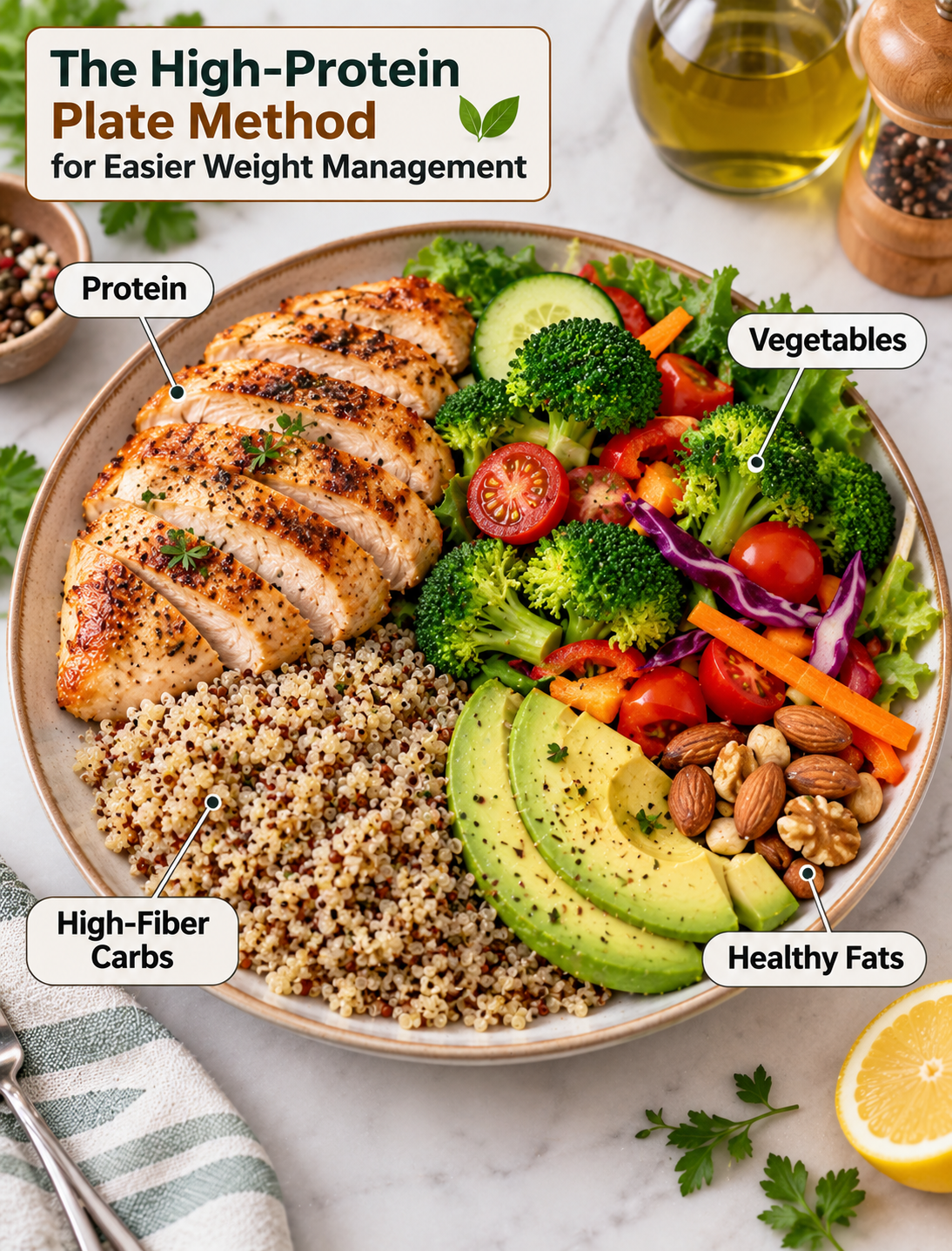
Balanced high-protein plate with grilled chicken, colorful vegetables, brown rice, avocado, and healthy foods for meal planning

The High-Protein Plate Method for Easier Weight Management

The High-Protein Plate Method is a simple way to build balanced meals without weighing every ingredient or counting every calorie. It focuses on adding enough protein, vegetables, high-fiber carbohydrates, and healthy fats to each meal.

Protein plays an important role in a balanced eating pattern because it helps support muscles and can make meals more filling. Pairing protein with vegetables, whole grains, fruit, and healthy fats creates a meal with a mix of nutrients and flavors.

This plate method can be useful for people who want a more structured approach to everyday meals. It does not require special foods, complicated recipes, or strict meal plans.

The goal is to create portions that fit your needs while choosing mostly nutrient-dense foods. Your activity level, body size, age, food preferences, and health needs can all affect how much food you need.

What Is the High-Protein Plate Method?

The High-Protein Plate Method uses a visual plate guide to help organize a meal. Instead of focusing only on calories, you build the plate around a quality protein source and fill the remaining space with vegetables, fiber-rich carbohydrates, and healthy fats.

A simple starting point is to make about one-quarter of the plate protein, about one-half vegetables and other non-starchy produce, and about one-quarter high-fiber carbohydrates. Add a small portion of healthy fat based on the meal.

These portions are a flexible guide rather than strict rules. Some people may need more carbohydrates or protein depending on their activity and nutritional needs.

The method works with many eating styles. You can use chicken, fish, eggs, Greek yogurt, beans, lentils, tofu, lean beef, or other protein-rich foods.

Why Protein Matters in a Balanced Meal

Protein is found in foods such as poultry, seafood, eggs, dairy products, beans, lentils, soy foods, nuts, and seeds.

Including a protein source at meals can make a plate more satisfying and can help you create meals that are less dependent on refined carbohydrates or highly processed snacks.

Protein also supplies amino acids that the body uses for important functions, including maintaining and repairing body tissues.

The best approach is to choose a variety of protein foods instead of relying on one source every day. Rotating poultry, seafood, eggs, beans, lentils, dairy, and plant proteins can add variety to your meals.

For people with specific medical conditions or dietary needs, protein targets may need to be adjusted with guidance from a qualified health professional.

How to Build Your Plate

Start by choosing a protein source. The portion can be grilled chicken, salmon, turkey, eggs, tofu, lentils, beans, or another protein-rich food.

Next, add vegetables. Choose leafy greens, broccoli, cauliflower, carrots, bell peppers, tomatoes, zucchini, green beans, or other vegetables you enjoy.

Add a high-fiber carbohydrate such as brown rice, quinoa, oats, beans, lentils, sweet potatoes, or whole-grain bread.

Finish the meal with a small amount of healthy fat. Avocado, olive oil, nuts, seeds, and nut butters are practical choices.

You can also include fruit when it fits the meal. Berries, apples, oranges, peaches, and bananas can provide natural sweetness and additional nutrients.

Best High-Protein Foods to Use

Chicken and Turkey

Skinless chicken breast and turkey are versatile protein options for lunch and dinner. They can be grilled, baked, roasted, or prepared in an air fryer.

Use herbs, lemon, garlic, paprika, or other seasonings to add flavor without relying heavily on creamy sauces.

Fish and Seafood

Salmon, tuna, shrimp, cod, and other seafood can add protein along with different nutrients. Fatty fish such as salmon also provides omega-3 fats.

Use baked, grilled, or air-fried seafood for simple meal preparation.

Eggs

Eggs are an easy option for breakfast, lunch, or dinner. Pair scrambled or boiled eggs with vegetables and whole-grain toast for a balanced meal.

Greek Yogurt and Cottage Cheese

Plain Greek yogurt and cottage cheese can provide substantial protein in a convenient format. Choose plain varieties when you want more control over added sugar.

Add berries, nuts, or seeds for extra flavor and texture.

Beans and Lentils

Beans and lentils provide plant-based protein and fiber. Black beans, chickpeas, kidney beans, and lentils can be added to salads, bowls, soups, and wraps.

They are especially useful when you want to reduce how often you eat meat without removing protein from your meals.

Tofu and Tempeh

Tofu and tempeh provide plant-based protein and can absorb marinades and seasonings well. Add them to stir-fries, grain bowls, salads, or vegetable-based meals.

The Role of Vegetables

Vegetables help add volume, color, fiber, vitamins, minerals, and different textures to meals.

A large portion of non-starchy vegetables can make a plate feel generous without requiring a large amount of energy-dense food.

Try to use several colors throughout the week. Spinach, broccoli, carrots, tomatoes, peppers, cabbage, and cauliflower all bring different nutrients and textures.

Fresh vegetables are convenient, but frozen and canned vegetables can also be useful. If buying canned vegetables, look for options with little or no added sodium when available.

Roasting vegetables can bring out natural sweetness and make them more appealing. Steaming, grilling, sautéing, and air frying are also easy preparation methods.

Choosing Better Carbohydrates

Carbohydrates do not need to be removed from a balanced eating pattern. The type and portion can make a difference.

Choose foods such as brown rice, quinoa, oats, barley, whole-grain bread, sweet potatoes, beans, lentils, and whole fruits more often.

These foods can provide fiber and other nutrients that are useful in a balanced diet.

You can adjust the carbohydrate portion based on your hunger and activity level. Someone who exercises frequently may need more carbohydrate than someone with a less active routine.

Avoid turning the plate method into a rule that eliminates foods you enjoy. Flexible choices are easier to maintain over time.

Healthy Fats and Portion Control

Healthy fats can add flavor and help make meals more satisfying. Common options include avocado, olive oil, nuts, seeds, and natural nut butters.

Because fats are energy-dense, a small serving can add plenty of flavor to a meal.

Instead of pouring oil directly onto food, measure a small amount when you are learning portion sizes. This makes it easier to understand how much you are using.

You do not need to avoid fat to build a balanced plate. The goal is to include reasonable portions while choosing nutritious sources more often.

High-Protein Breakfast Ideas

Breakfast can be simple while still following the plate method.

Try scrambled eggs with spinach, tomatoes, and whole-grain toast. Add berries or another piece of fruit for extra variety.

Plain Greek yogurt can be paired with berries, oats, chia seeds, and a small amount of nuts.

For a savory option, make a breakfast bowl with eggs, black beans, avocado, salsa, and roasted vegetables.

If you prefer a quick breakfast, prepare hard-boiled eggs and cut vegetables ahead of time. Pair them with whole-grain toast or fruit when you are ready to eat.

High-Protein Lunch and Dinner Ideas

A chicken grain bowl can combine grilled chicken, brown rice, roasted broccoli, tomatoes, avocado, and a light dressing.

A salmon plate can include roasted salmon, green beans, sweet potato, and a fresh salad.

For a meat-free meal, combine lentils with roasted vegetables, quinoa, cucumber, tomatoes, and a yogurt-based dressing.

A turkey wrap can include lean turkey, lettuce, tomato, cucumber, avocado, and a whole-grain tortilla.

The same basic structure can be used for many cuisines. Change the seasonings, vegetables, sauces, and protein source to keep meals interesting.

Easy Meal Prep With the Plate Method

Meal prep becomes easier when you prepare ingredients instead of making complete meals every time.

Cook several portions of chicken, turkey, tofu, or another protein at once. Prepare a batch of brown rice, quinoa, beans, or roasted sweet potatoes.

Wash and cut vegetables so they are ready to add to meals. Keep sauces and dressings in separate containers when possible.

Store cooked foods safely in the refrigerator and use them within the recommended storage period.

Create different combinations from the same ingredients. Chicken can become a salad one day, a grain bowl the next day, and a wrap later in the week.

Common Mistakes to Avoid

Making Protein the Entire Meal

A high-protein meal still needs variety. Vegetables, fiber-rich carbohydrates, healthy fats, and fruit can contribute important nutrients.

Choosing Highly Processed Protein Every Time

Protein bars, processed meats, and packaged shakes can be convenient, but whole or minimally processed protein foods can provide a wider range of nutrients.

Ignoring Portion Needs

The plate method is a visual guide, not a fixed prescription. Adjust portions according to hunger, activity, personal needs, and professional guidance when appropriate.

Removing All Carbohydrates

Whole grains, beans, lentils, fruits, and starchy vegetables can fit into a balanced meal. Eliminating an entire food group is not required for this approach.

Forgetting Flavor

Healthy meals do not have to be bland. Use herbs, spices, citrus, garlic, vinegar, salsa, and homemade dressings to make meals enjoyable.

Expecting Overnight Results

Weight management is influenced by many factors and usually requires consistent habits over time. Focus on repeatable meals and routines rather than short-term extremes.

Frequently Asked Questions

How much protein should I eat per meal?

Protein needs vary by person, so use the plate method as a starting point and ask a qualified professional for a personalized target.

Can I use plant-based protein?

Yes, beans, lentils, tofu, tempeh, edamame, nuts, and seeds can all contribute protein to a balanced plate.

Is this method good for weight management?

It can provide a simple structure for balanced portions, but weight changes depend on overall eating patterns, activity, sleep, health, and other factors.

Do I need to count calories?

No, the plate method is designed as a visual approach, although calorie tracking may be useful for some people who prefer detailed monitoring.

Can I eat carbohydrates with high-protein meals?

Yes, whole grains, beans, lentils, fruit, and starchy vegetables can all fit into a balanced high-protein meal.

What vegetables are best?

There is no single best vegetable; choose a variety of colorful vegetables that you enjoy and can eat regularly.

Can I follow this method for meal prep?

Yes, prepare protein, vegetables, high-fiber carbohydrates, and healthy fats separately, then combine them into different meals during the week.

Is the plate method suitable for everyone?

It is a general meal-planning guide, but people with specific medical or dietary needs should seek individualized advice from a healthcare professional.

Final Thoughts

The High-Protein Plate Method offers a practical way to create balanced meals without making food preparation complicated. Start with a protein source, add plenty of vegetables, include a high-fiber carbohydrate, and finish with a reasonable amount of healthy fat.

The method is flexible enough for different foods, budgets, cooking styles, and dietary preferences. Chicken, fish, eggs, Greek yogurt, beans, lentils, tofu, and other protein-rich foods can all fit into the same basic structure.

For easier meal planning, prepare a few staple ingredients ahead of time and combine them in different ways throughout the week. Focus on meals that are satisfying, flavorful, and realistic for your daily routine.

A balanced approach is usually easier to maintain than strict food rules. Use the plate method as a simple framework, adjust portions to your individual needs, and focus on consistent habits rather than perfection.

Chamomile Ginger Honey Evening Tea

Warm chamomile ginger honey tea in a glass mug with lemon slices, fresh ginger, chamomile flowers, honey, and cinnamon

Chamomile Ginger Honey Evening Tea

Chamomile Ginger Honey Evening Tea is a warm, soothing beverage made with chamomile tea, fresh ginger, honey, and hot water. The floral taste of chamomile pairs with the gentle warmth of ginger and the natural sweetness of honey.

This simple tea is easy to prepare with a few everyday ingredients. It works well as an evening drink when you want something warm and comforting without caffeine from traditional black or green tea.

Fresh ginger adds a mild spicy note that balances the soft floral flavor of chamomile. Honey rounds out the drink with gentle sweetness and can be adjusted to suit your taste.

The recipe can be prepared in one cup or made as a larger batch for several servings. Add a lemon slice if you enjoy a brighter citrus flavor.

Why You’ll Love This Evening Tea

This homemade herbal tea has a simple ingredient list and requires very little preparation. You can make a fresh cup in just a few minutes.

Chamomile provides a naturally floral flavor, while ginger adds warmth and a slightly peppery finish. Honey brings the two flavors together without requiring complicated sweeteners or syrups.

The drink is naturally caffeine-free when made with pure chamomile tea. That makes it a useful option for people who prefer to avoid caffeinated beverages in the evening.

It also offers a comforting alternative to sugary desserts or heavy drinks after dinner. A warm cup can become part of a relaxing nighttime routine.

The recipe is easy to adjust. Use more ginger for a stronger spicy flavor, reduce the honey for a lighter drink, or add lemon for extra brightness.

Ingredients You’ll Need

Chamomile Tea

Use chamomile tea bags or loose dried chamomile flowers. Choose a pure chamomile product if you want the drink to remain naturally caffeine-free.

Chamomile has a delicate floral flavor, so avoid steeping it for too long if you prefer a mild taste.

Fresh Ginger

Fresh ginger gives the tea its warm, slightly spicy flavor. Peel a small piece and slice it thinly so the flavor can infuse into the hot water.

You can grate the ginger for a stronger infusion, but strained grated ginger may leave more particles in the finished drink.

Honey

Honey adds natural sweetness and helps balance the sharper flavor of ginger. Add it after steeping so you can control the amount based on your preferred sweetness.

Different types of honey can create slightly different flavors. Mild clover honey keeps the tea simple, while wildflower honey provides a deeper taste.

Hot Water

Use fresh, hot water for the best infusion. Water that is too cool may produce a weak tea, while aggressively boiling water can make delicate herbal flavors less pleasant.

Lemon

Fresh lemon is optional. A small lemon slice or splash of juice adds acidity and creates a brighter flavor.

Cinnamon

A small cinnamon stick is another optional addition. It adds a warm, lightly sweet spice that pairs well with ginger and honey.

How to Make Chamomile Ginger Honey Evening Tea

Prepare the Ginger

Peel a small piece of fresh ginger with the edge of a spoon or a vegetable peeler.

Slice the ginger into thin pieces. Thin slices expose more surface area to the hot water and allow the flavor to infuse efficiently.

For a stronger ginger taste, grate the ginger instead of slicing it. If you grate it, plan to strain the tea before serving.

Heat the Water

Bring fresh water to a boil, then allow it to cool slightly before pouring it over the tea.

Very aggressively boiling water is not necessary for preparing chamomile. Hot water is enough to extract the floral flavor while keeping the drink pleasant.

Use approximately one cup of hot water for each serving and adjust the amount if you prefer a weaker or stronger beverage.

Steep the Ginger

Place the sliced ginger in a mug or small teapot. Pour the hot water over it and allow it to steep for several minutes.

A longer steep produces a stronger ginger flavor. Start with a moderate steeping time and adjust the next cup based on your preference.

If you are using grated ginger, strain the liquid through a fine tea strainer before adding the chamomile.

Add the Chamomile

Place the chamomile tea bag or loose chamomile flowers into the ginger-infused water.

Steep according to the instructions on your tea package. If using loose flowers, strain the tea before serving.

Avoid over-steeping if you want a lighter floral flavor. The goal is to create a balanced drink where neither chamomile nor ginger overwhelms the other.

Add Honey

Remove the tea bag or strain the loose flowers. Let the drink cool for a moment, then stir in honey.

Adding honey after steeping makes it easier to control the sweetness. Start with a small amount and add more if needed.

For a different flavor, use maple syrup instead of honey. The taste will be slightly deeper and more caramel-like.

Finish and Serve

Add a small squeeze of fresh lemon or place a lemon slice on the rim of the mug.

A cinnamon stick can be added while the drink is warm for extra aroma.

Serve the tea warm and stir before drinking so the honey remains evenly distributed.

Tips for the Best Flavor

Use fresh ginger when possible because it provides a cleaner and brighter flavor than older ginger.

Slice the ginger thinly for a moderate infusion. Grating it creates a stronger flavor but requires straining.

Do not use an excessive amount of ginger. Too much can overpower the delicate floral notes of chamomile.

Add honey gradually. The sweetness of different honey varieties can vary, so tasting before adding more helps maintain balance.

Use fresh lemon rather than bottled lemon juice when possible. Fresh lemon provides a cleaner citrus aroma.

If the tea tastes too strong, dilute it with additional hot water rather than adding more honey.

How to Make It More Flavorful

For a warmer spice profile, add a small cinnamon stick while the ginger steeps. Remove it before serving if you prefer a lighter cinnamon flavor.

A few thin apple slices can add subtle fruit sweetness. Use fresh apple and remove the slices before drinking if desired.

Orange peel can provide a gentle citrus aroma. Use only a small piece of washed peel to avoid excessive bitterness.

Fresh mint can create a cooler finish. Add a few leaves after steeping rather than boiling them with the ginger.

A small amount of turmeric can also be used for earthy flavor and color. Its taste is strong, so start with a very small amount.

Caffeine-Free Evening Drink Option

Pure chamomile tea is naturally caffeine-free, which makes it a popular choice for people looking for an evening beverage without the caffeine found in many traditional teas.

Check the ingredient label when purchasing a tea blend because some products combine chamomile with black, green, or other caffeinated teas.

If avoiding caffeine is important to you, choose a product labeled as pure chamomile or caffeine-free.

The addition of ginger and honey does not add caffeine. Lemon, cinnamon, mint, and other common flavor additions are also naturally caffeine-free.

How to Adjust the Sweetness

Honey can be adjusted easily based on taste. Start with a small spoonful and add more only if the tea needs additional sweetness.

For a less sweet version, rely on the natural flavor of chamomile and ginger with a small amount of lemon.

Maple syrup can replace honey if you prefer its richer flavor.

Avoid adding a large amount of sweetener simply to balance an overly strong ginger infusion. Diluting the tea with more hot water is often a better solution.

If serving guests, provide honey separately so each person can sweeten their own cup.

How to Prepare It Ahead

You can prepare a larger batch of ginger-infused water and refrigerate it for later use. Reheat the amount you need and add fresh chamomile before serving.

For the best flavor, add honey after reheating rather than storing it mixed into the entire batch.

Fresh lemon should also be added close to serving time for a brighter flavor.

Avoid keeping brewed tea at room temperature for long periods. Refrigerate leftovers promptly in a covered container.

When reheating, warm the tea gently rather than repeatedly boiling it.

What to Serve With Evening Tea

This warm beverage pairs well with light evening snacks and simple desserts.

Serve it with oatmeal cookies, shortbread, fresh berries, apple slices, or a small piece of dark chocolate.

For a savory option, whole-grain crackers with mild cheese can complement the floral and spicy flavors.

The tea can also be served on its own when you want a simple, warm beverage after dinner.

Keep the food pairing light if you want the tea to remain the main flavor experience.

Common Mistakes to Avoid

Do not use too much ginger because its spicy flavor can easily overpower chamomile.

Avoid over-steeping delicate chamomile tea if you prefer a soft floral taste.

Do not add excessive honey before tasting the tea. The right amount depends on the strength of the ginger and the type of honey.

Avoid using stale or old ginger with dry, shriveled flesh because it may provide weaker flavor.

Do not assume every chamomile blend is caffeine-free. Check the ingredient list if caffeine matters to you.

Avoid serving the tea immediately after adding boiling water. Allow it to cool to a comfortable drinking temperature first.

Frequently Asked Questions

Is chamomile tea naturally caffeine-free?

Pure chamomile tea is naturally caffeine-free, but check blended tea labels because some products may contain caffeinated ingredients.

Can I use ground ginger?

Yes, but fresh sliced or grated ginger usually provides a cleaner flavor and aroma in brewed tea.

How much honey should I add?

Start with a small spoonful and adjust gradually based on the tartness of the lemon and strength of the ginger.

Can I make this tea without honey?

Yes, you can leave out honey or use maple syrup if you prefer a different sweetener.

Can I add lemon?

Yes, fresh lemon adds a bright citrus note that balances the floral chamomile and warm ginger.

Can I drink this tea cold?

Yes, brew it normally, allow it to cool, refrigerate it, and serve over ice for a chilled version.

Can I use dried ginger?

Yes, dried ginger works, but use a small amount because its flavor is more concentrated than fresh ginger.

How long can I store leftover tea?

Refrigerate leftover tea in a covered container and use it within a few days for the best flavor and quality.

Final Thoughts

Chamomile Ginger Honey Evening Tea is a simple caffeine-free beverage with floral chamomile, warm ginger, and gentle honey sweetness. Fresh lemon and cinnamon can be added when you want more flavor.

The recipe is easy to adjust based on your preferences. Use thinly sliced ginger for a mild infusion, add more for a stronger spice note, and sweeten gradually until the flavors are balanced.

For the best cup, use fresh ingredients, steep the tea according to the package directions, and serve it warm. It makes a comforting addition to an evening routine without requiring complicated preparation.

Onion Storage Hack — Keep Them Fresh & Dry

Fresh whole onions stored in a breathable mesh bag in a cool, dry pantry with proper airflow

Onion Storage Hack — Keep Them Fresh & Dry

The right onion storage method can help keep onions firm, dry, and usable for much longer. The biggest mistake is trapping moisture around whole onions, which can lead to soft spots, mold, and sprouting.

Whole onions need a cool, dry, dark, and well-ventilated place. A pantry, basement storage area, or other suitable kitchen storage space can work when temperatures and humidity are moderate.

Good airflow is just as important as keeping onions dry. Instead of sealing whole onions in plastic bags, store them in a mesh bag, wire basket, or open container that allows air to move around them.

This simple storage hack helps reduce moisture buildup and keeps onions from touching each other too closely. Proper storage can also reduce food waste because you have more time to use your onions before they spoil.

Why Proper Onion Storage Matters

Onions naturally contain moisture, and trapped humidity can speed up spoilage. When air cannot circulate, the outer layers may become damp and soft.

Keeping onions dry helps protect the papery outer skin. That dry outer layer acts as a natural barrier and helps the onion stay in better condition.

Light also matters during storage. Direct sunlight can encourage sprouting and create warmer conditions that are not ideal for long-term storage.

Onions should also be kept away from foods that produce moisture or need different storage conditions. Separating onions from potatoes is especially useful because storing them together can shorten their shelf life.

A few simple changes in how you store onions can make a noticeable difference. You do not need expensive containers or special equipment to create better storage conditions.

The Best Place to Store Whole Onions

Choose a location that is cool, dry, dark, and well ventilated. A pantry or dry cabinet can work well if it does not become warm or humid.

Avoid placing whole onions beside the stove, dishwasher, sink, or other areas where heat and moisture are common.

Do not store whole onions in a sealed plastic bag. Plastic can trap moisture and reduce airflow around the onions.

A mesh produce bag is a simple option because it allows air to circulate. A wire basket, ventilated bin, or open cardboard box can also work.

Keep onions in a single layer when possible. If you need to stack them, avoid creating a deep, tightly packed pile that restricts airflow.

How to Store Onions in a Mesh Bag

A mesh bag is one of the easiest ways to improve airflow around whole onions. The open design allows moisture to escape instead of collecting around the skins.

Place the onions loosely inside the bag. Do not pack the bag tightly because crowded onions have less airflow.

Hang the bag in a cool, dry storage area if possible. Keep it away from direct sunlight and sources of heat.

Check the onions regularly. Remove any onion that develops soft areas, mold, leaking liquid, or a strong unpleasant odor.

One spoiled onion can affect nearby produce, so regular inspection is an important part of long-term storage.

Why You Shouldn’t Store Whole Onions in Plastic

Plastic bags can trap moisture around the onion’s outer skin. That moisture can create conditions that encourage mold and decay.

The problem becomes worse when onions are stored tightly together. Limited airflow allows dampness to remain around the produce.

If your onions come home from the grocery store in a plastic produce bag, remove them from the bag when you get home if you plan to store them as whole onions.

Transfer them to a breathable container instead. A mesh bag or open basket is usually a better choice for maintaining airflow.

Plastic containers can still be useful for cut onions, but whole onions need a different storage setup.

Keep Onions Away From Potatoes

Storing onions and potatoes together may seem convenient, but it is better to keep them separate.

Both foods need airflow, but they release and respond to different moisture and gas conditions during storage. Keeping them apart can help reduce premature spoilage.

Potatoes also need a dark, cool storage environment, but their storage needs are not exactly the same as onions.

Use separate baskets or storage areas for each food. Keeping a little space between them can also improve air circulation.

This small change is an easy way to organize a pantry while protecting the quality of both foods.

How to Store Different Types of Onions

Not every onion has the same storage life. Dry storage onions generally keep longer than varieties with higher moisture content.

Yellow onions are a popular choice for longer storage when they are properly cured and kept in suitable conditions.

White onions can also be stored in a cool, dry location, although storage life depends on the variety and condition of the onion.

Red onions should also be kept dry and well ventilated. Their storage life varies based on freshness and variety.

Sweet onions often contain more moisture and may not keep as long as stronger dry-storage varieties. Check them more often for soft spots or spoilage.

Always inspect onions before storing them. Choose firm onions with dry, intact skins for the best storage results.

How to Store Cut Onions

Once an onion has been cut, its storage needs change. Place cut onion pieces in a clean, airtight container and refrigerate them promptly.

Keeping cut onions covered helps protect them from drying out and prevents their strong odor from spreading to other foods.

Use a clean knife and cutting board when preparing onions for storage. Avoid leaving cut onions at room temperature for extended periods.

For best quality, use refrigerated cut onions within several days. Labeling the container with the date can make it easier to track freshness.

If the onion develops an unusual smell, slimy texture, mold, or other signs of spoilage, discard it.

How to Prevent Onions From Sprouting

Sprouting is more common when onions are exposed to warm, humid, or unsuitable storage conditions.

Store whole onions in a cool, dry, dark location with good ventilation. Avoid placing them near windows, appliances, or areas with temperature changes.

Inspect stored onions regularly and use onions that are beginning to sprout sooner rather than later.

A small green shoot does not automatically mean the entire onion is spoiled. However, check the onion carefully for softness, mold, or an unpleasant odor before using it.

If the onion is firm and otherwise in good condition, remove the sprout and use the onion promptly.

How to Tell if an Onion Has Gone Bad

A fresh storage onion should feel firm when gently pressed. The skin should be mostly dry and papery.

Soft or mushy areas are a warning sign that the onion may be breaking down. Dark, wet, or moldy patches are also signs of spoilage.

A strong rotten odor indicates that the onion should be discarded.

Check nearby onions when you find one that has spoiled. Remove any affected onion and clean the storage area if necessary.

Do not try to save an onion with significant mold or widespread soft decay by cutting away only one small section. When in doubt, discard it.

Best Containers for Onion Storage

A mesh produce bag is inexpensive and provides excellent airflow. It is especially useful when you need to store several onions together.

A wire basket provides another breathable option. Choose one that gives the onions enough room instead of forcing them into a tightly packed pile.

An open cardboard box can also work if it is clean, dry, and has enough ventilation.

Avoid sealed plastic containers for whole onions. These containers are better suited to refrigerated cut onions.

Whatever container you choose, clean it regularly and keep it completely dry before adding fresh onions.

How to Make Onions Last Longer

Start with onions that are firm and free from cuts, bruises, wet spots, or visible mold. Damaged onions are more likely to spoil quickly.

Keep the onions dry from the moment you bring them home. Do not wash whole onions before storage because added moisture can encourage decay.

Maintain good airflow around the onions. Avoid deep piles and crowded containers.

Check your storage area regularly for humidity and temperature changes. Move the onions if the location becomes warm or damp.

Use older onions first. This simple rotation method prevents good onions from sitting unused while newer ones are being opened.

Common Onion Storage Mistakes

Storing Whole Onions in the Refrigerator

Whole dry onions generally keep better in a cool, dry, ventilated storage area rather than a humid refrigerator environment. Refrigeration is more appropriate for cut onions.

Keeping Onions in a Sealed Bag

A sealed plastic bag can trap moisture and reduce airflow. Use a breathable bag or open container for whole onions.

Washing Onions Before Storage

Do not wash whole onions before long-term storage. Extra moisture can increase the chance of spoilage.

Storing Onions Beside the Sink

Frequent moisture and temperature changes near a sink can create poor storage conditions. Choose a dry pantry or similar area instead.

Ignoring Soft Onions

A soft onion can deteriorate quickly and affect nearby produce. Remove questionable onions as soon as you notice them.

Overcrowding the Storage Container

Packing too many onions into one container reduces airflow. Give the onions enough room to stay dry and ventilated.

Frequently Asked Questions

Should onions be stored in the refrigerator?

Whole dry onions are generally best stored in a cool, dry, dark, well-ventilated area, while cut onions should be refrigerated.

What is the best container for onions?

A mesh bag, wire basket, or other breathable container allows airflow and helps prevent moisture buildup around whole onions.

Can I store onions in a plastic bag?

Avoid sealed plastic bags for whole onions because they can trap moisture; use a breathable bag or open container instead.

Should onions and potatoes be stored together?

No, keeping onions and potatoes in separate storage areas can help both foods maintain better quality.

How should I store a cut onion?

Place cut onion in a clean airtight container and refrigerate it promptly to maintain quality and limit odor transfer.

Why do my onions keep getting soft?

Excess moisture, poor airflow, heat, or damaged onions can cause softening and spoilage during storage.

Can I use an onion that has started sprouting?

A firm onion with a small sprout may still be usable after removing the sprout, but discard it if it is moldy, slimy, or soft.

Should whole onions be washed before storage?

No, keep whole onions dry and unwashed during storage because added moisture can encourage spoilage.

Final Thoughts

The best onion storage hack is simple: keep whole onions cool, dry, dark, and well ventilated. A breathable mesh bag, wire basket, or open container can provide better conditions than a sealed plastic bag.

Choose firm onions with dry skins, keep them away from moisture and potatoes, and check them regularly for soft spots or mold. These small habits can help maintain onion quality and reduce unnecessary food waste.

Once an onion is cut, move it to a clean airtight container and refrigerate it promptly. Keeping whole and cut onions under the right conditions makes it easier to enjoy fresh onions while getting more use from every grocery trip.

Morning Lemon Berry Chia Energy Refresher

Refreshing lemon berry chia drink with strawberries, blueberries, raspberries, lemon slices, mint, and chia seeds in a clear glass

Morning Lemon Berry Chia Energy Refresher

Morning Lemon Berry Chia Energy Refresher is a bright, fruity drink made with fresh lemon, mixed berries, chia seeds, and cold water. It has a refreshing citrus flavor, colorful berries, and tiny chia seeds that create a lightly textured drink.

This simple morning beverage is easy to prepare in just a few minutes. The lemon adds a crisp tart flavor, while strawberries, blueberries, and raspberries provide natural sweetness and vibrant color.

Chia seeds absorb liquid and soften as they sit, giving the drink a pleasant texture. They also provide fiber and plant-based nutrients that can fit into a balanced breakfast routine.

This berry refresher is a useful alternative to overly sweet morning drinks. You can adjust the sweetness, fruit combination, and chia seed amount to match your taste.

Why You’ll Love This Morning Refresher

This drink is simple enough for busy mornings and refreshing enough for warm days. It requires no blender, complicated equipment, or long preparation time.

Fresh lemon gives the drink a clean citrus taste that pairs naturally with sweet berries. The combination creates a balanced flavor without needing a large amount of added sugar.

Chia seeds add texture and make the drink more satisfying than plain flavored water. When soaked, they develop a soft outer layer while keeping a gentle crunch in the center.

The recipe is also easy to customize. You can use fresh or frozen berries, sparkling water, mint, lime, or a small amount of honey.

For the best flavor, prepare the drink with chilled water and fresh ingredients. Serve it immediately or refrigerate it for later in the day.

Ingredients You’ll Need

Lemon

Fresh lemon juice provides the main citrus flavor. Use freshly squeezed lemon rather than bottled juice when possible for a brighter taste.

A little lemon zest can also be added for stronger citrus aroma. Wash the lemon well before zesting.

Mixed Berries

Use strawberries, blueberries, raspberries, or blackberries. Fresh berries provide a bright flavor, while frozen berries can help chill the drink without adding ice.

Choose ripe berries for natural sweetness. If using frozen fruit, allow it to soften slightly before adding it to the drink.

Chia Seeds

Chia seeds add fiber, texture, and plant-based nutrients. Use a moderate amount because too many seeds can make the drink overly thick.

Allow the seeds to hydrate before drinking if you prefer a softer texture.

Cold Water

Cold filtered water creates a clean base for the lemon and berries. You can replace some of the water with sparkling water for a fizzy version.

Natural Sweetener

Honey, maple syrup, or another preferred sweetener can be added if the berries and lemon are too tart. Start with a small amount and adjust to taste.

Fresh Mint

Mint is optional but adds a cool herbal note. Gently crush a few leaves before adding them to release their aroma.

How to Make Morning Lemon Berry Chia Energy Refresher

Prepare the Chia Seeds

Add chia seeds to a small glass or bowl with a portion of the cold water. Stir immediately to prevent the seeds from clumping together.

Let the mixture sit for about 5 to 10 minutes. Stir again after a few minutes to keep the seeds evenly distributed.

The chia seeds will absorb some of the liquid and develop a soft gel-like coating.

Prepare the Lemon and Berries

Squeeze fresh lemon juice into a large glass or pitcher. Remove any seeds before adding the juice.

Add the berries and gently press a few of them with the back of a spoon. Lightly crushing the fruit releases some of its juice without turning the entire drink into a thick puree.

Keep several berries whole for a more attractive presentation.

Combine the Ingredients

Add the remaining cold water and hydrated chia mixture to the lemon and berries. Stir well until the ingredients are evenly distributed.

Taste the drink before adding sweetener. The sweetness of berries can vary, so the amount needed will depend on the fruit you use.

If needed, add a small amount of honey or maple syrup and stir until dissolved.

Chill and Serve

Add ice if you want an extra-cold drink. Fresh mint and a thin lemon slice can be added for a simple finishing touch.

Stir the drink immediately before serving because chia seeds naturally settle toward the bottom.

Serve in a clear glass to highlight the colorful berries and lemon slices.

Tips for the Best Chia Refresher

Use fresh lemon juice for the cleanest citrus flavor. Bottled lemon juice can work, but it may have a sharper or flatter taste.

Do not add a large amount of chia seeds at once. The seeds continue absorbing liquid and can make the drink much thicker as it sits.

Stir the chia mixture several times during hydration. This helps prevent the seeds from sticking together.

Use cold water and chilled berries for a naturally refreshing drink without relying on a large amount of ice.

Taste before sweetening. Very ripe berries may provide enough natural sweetness on their own.

If the drink becomes too thick, add more cold water and stir until the desired consistency returns.

Best Berry Combinations

Strawberries and blueberries create a mild, sweet combination that works well with fresh lemon.

Raspberries add a stronger tart flavor and provide attractive color. Pair them with strawberries when you want a softer berry taste.

Blackberries provide a deeper fruit flavor and work well with lemon and mint.

For a balanced blend, use strawberries, blueberries, and raspberries together. The different berries create layers of flavor without requiring many ingredients.

You can also use a frozen mixed-berry blend for convenience. Choose unsweetened frozen fruit to maintain control over the amount of added sugar.

Easy Flavor Variations

Strawberry Lemon Chia Refresher

Use sliced strawberries with fresh lemon juice and chia seeds. Add mint for a cool finish and a small amount of honey if needed.

Blueberry Lime Refresher

Replace some of the lemon juice with fresh lime juice and use blueberries as the main fruit. Lime creates a slightly sharper citrus flavor.

Raspberry Mint Refresher

Combine fresh raspberries with lemon and mint. Gently crush several raspberries to release their juice while leaving some berries whole.

Sparkling Berry Refresher

Replace half of the still water with chilled sparkling water. Add the sparkling water after the chia seeds have hydrated to preserve the bubbles.

Strawberry Basil Refresher

Use strawberries with lemon and a few fresh basil leaves. Basil adds an aromatic flavor that gives the drink a more sophisticated taste.

Berry Citrus Cooler

Combine mixed berries with lemon and orange slices. Use a small amount of orange juice for additional citrus sweetness.

How to Make It Less Sweet

Start with unsweetened water and naturally sweet berries. Ripe strawberries and blueberries can provide plenty of flavor without added sugar.

Use lemon juice to create a sharper flavor instead of relying on extra sweetener.

If the drink still tastes too tart, add a small amount of honey or maple syrup rather than several spoonfuls at once.

Sparkling water can also make the drink feel more refreshing without adding sugar.

Avoid sweetened fruit juices if your goal is to keep the drink lightly sweet. Whole berries provide more texture and allow you to control the sweetness.

How to Make It Ahead

The drink can be prepared ahead for a convenient morning option. Combine the lemon juice, berries, water, and hydrated chia seeds in a covered container.

Refrigerate the mixture and stir it well before serving. Chia seeds will continue absorbing liquid, so you may need to add a little more water before drinking.

Keep fresh mint separate if you are preparing the drink several hours ahead. Add the leaves shortly before serving for the freshest flavor.

If using sparkling water, add it just before drinking so the finished refresher remains fizzy.

How to Store the Refresher

Store the prepared drink in a clean, covered container in the refrigerator. Keep it chilled until you are ready to serve.

Stir before each serving because the chia seeds and fruit naturally settle.

The texture can become thicker after refrigeration because the chia seeds continue to absorb liquid. Add cold water as needed to loosen the drink.

For the best flavor and texture, prepare a fresh batch rather than keeping it for an extended period.

If using fresh berries, check the fruit before serving and discard the drink if it develops an unusual smell, flavor, or appearance.

Common Mistakes to Avoid

Adding too many chia seeds can turn a refreshing drink into a thick gel. Start with a modest amount and adjust the texture with additional water.

Do not leave chia seeds unstirred while they hydrate. They can clump together and become difficult to distribute.

Using too much lemon juice can make the drink overly tart. Add lemon gradually and taste before adding more.

Avoid adding sweetener before tasting the berries. Fruit sweetness varies by type and ripeness.

Do not add sparkling water too early. Stirring it aggressively can cause the carbonation to disappear.

Avoid preparing the drink without enough liquid. Chia seeds need adequate water to hydrate properly.

Frequently Asked Questions

Can I use frozen berries?

Yes, frozen berries work well and can help chill the drink while adding strong fruit flavor.

Do chia seeds need to be soaked?

Soaking them for about 5 to 10 minutes softens the seeds and creates a smoother, more pleasant texture.

Can I make this drink without added sugar?

Yes, use ripe berries and fresh lemon, then taste before deciding whether any sweetener is needed.

Can I use sparkling water?

Yes, replace part of the still water with sparkling water and add it just before serving.

How long can I refrigerate it?

For the best flavor and texture, prepare a fresh batch and keep it chilled rather than storing it for an extended period.

Can I use lime instead of lemon?

Yes, fresh lime juice works well and gives the berry drink a slightly sharper citrus flavor.

Why did my drink become too thick?

Chia seeds continue absorbing liquid over time, so add more cold water and stir well to loosen the mixture.

What berries taste best with lemon?

Strawberries, blueberries, raspberries, and blackberries all pair well with lemon and can be used individually or together.

Final Thoughts

Morning Lemon Berry Chia Energy Refresher is a simple fruit drink that combines fresh lemon, colorful berries, chia seeds, and cold water. Its bright flavor and lightly textured finish make it an easy addition to a morning routine.

The recipe is flexible enough for different tastes. Use strawberries for sweetness, raspberries for tartness, blueberries for a mild fruit flavor, or a combination of berries for more variety.

For the best results, hydrate the chia seeds before mixing, balance the lemon with the berries, and adjust the sweetness only after tasting the finished drink. Serve it cold with fresh mint and lemon slices for a refreshing start to the day.

Unlock the Secret How Dates Can Help You Manage Weight

Unlock the Secret How Dates Can Help You Manage Weight

Unlock the Secret How Dates Can Help You Manage Weight

Managing weight does not always mean giving up sweet foods. The better approach is often to choose foods that satisfy your sweet tooth while also providing useful nutrients. Dates are one option worth considering because they contain natural carbohydrates, fiber, potassium, and other nutrients.

However, dates are also calorie-dense and naturally sweet, so portion size matters. Adding a few dates to a balanced eating plan may help you replace highly processed sweets without making your diet feel restrictive.

How Dates May Support Weight Management

Dates can fit into a weight-conscious diet when you use them in reasonable portions. Their nutritional profile makes them different from many candy and dessert choices.

1. Start With a Small Portion

A simple first step is to control how many dates you eat at one time.

  • Start with 2–3 dates as a snack.
  • Pair them with a source of protein or healthy fat.
  • Avoid eating large handfuls straight from the package.
  • Check serving sizes because dates vary considerably in size.

Portion control is important because dates contain natural sugar and calories even though they also provide fiber and nutrients.

2. Use Dates to Replace Refined Sweets

Dates can add sweetness to foods without relying entirely on table sugar.

You can:

  • Blend dates into a smoothie.
  • Mash softened dates into oatmeal.
  • Make a date paste for homemade energy bites.
  • Add chopped dates to plain yogurt.
  • Use date paste in selected baking recipes.

This approach can help reduce reliance on heavily processed sweets while adding fiber and minerals to your meals.

3. Combine Dates With Protein

Dates provide carbohydrates, while protein can make a snack more filling and balanced.

Try combining 2 dates with:

  • Greek yogurt
  • A small handful of almonds
  • Natural peanut butter
  • Cottage cheese
  • Unsweetened nut butter

This combination can be useful when you want something sweet but do not want a snack based only on carbohydrates.

4. Choose Dates Before Processed Snacks

When hunger strikes between meals, it is easy to reach for cookies, candy, or other packaged foods. Dates can provide a naturally sweet alternative.

Keep a measured portion available at home or work so you can make an intentional snack choice. Pairing dates with protein or another nutrient-rich food can create a more satisfying snack.

The Role of Fiber in Dates

Fiber is one reason dates can be useful in a balanced weight-management diet. Dietary fiber can support digestive health and contributes to feelings of fullness.

A diet that includes enough fiber may make it easier to stay satisfied between meals. Dates can contribute to daily fiber intake, but they should not be your only source.

Build your meals around other high-fiber foods such as:

  • Vegetables
  • Beans and lentils
  • Berries and other whole fruits
  • Oats
  • Whole grains
  • Nuts and seeds

A variety of fiber-rich foods provides a broader range of nutrients.

Dates and Natural Energy

Dates contain naturally occurring carbohydrates, making them a convenient source of quick energy. This can make them useful around physical activity.

For example, you can eat a small serving before a walk, workout, or other activity when you need a convenient source of carbohydrates.

After exercise, dates can also be paired with protein-rich foods as part of a balanced recovery snack. Dates alone do not provide everything your body needs after demanding exercise, so combining them with protein is a smarter approach.

Step-by-Step Ways to Add Dates to Your Diet

Adding dates does not require a major change to your eating routine. Follow these simple steps.

Step 1: Pick the Right Type

Medjool dates are large, soft, and naturally sweet, while smaller varieties can provide a more modest serving. Check the package because nutritional values can differ by variety and size.

Step 2: Measure Your Serving

Place your planned portion in a bowl instead of eating directly from the container. This simple habit makes it easier to keep your intake consistent.

Step 3: Pair Them With Nutrient-Dense Foods

Combine dates with Greek yogurt, nuts, seeds, or another protein-rich food when you want a more balanced snack.

Step 4: Replace Rather Than Add

If you use dates to make a snack, consider replacing another sweet food instead of adding dates on top of your usual calorie intake.

Step 5: Watch Added Ingredients

Choose plain dates when possible. Some packaged date products contain added sugar, syrups, chocolate, or other ingredients that can significantly change the nutritional profile.

Step 6: Track How They Fit Your Day

Your overall eating pattern matters more than one food. Consider your total portions, meals, snacks, activity level, and personal calorie needs.

Healthy Date Snack Ideas for Weight Management

Dates can be used in simple snacks without complicated recipes.

Try these combinations:

  • Dates + Greek yogurt: Add chopped dates to unsweetened Greek yogurt.
  • Dates + almonds: Enjoy a couple of dates with a small portion of almonds.
  • Date oatmeal: Stir chopped dates into cooked oats with cinnamon.
  • Date smoothie: Blend one or two dates with unsweetened milk, Greek yogurt, and fruit.
  • Date energy bites: Blend dates with oats and nuts, then form small portions.
  • Stuffed dates: Fill a date with a small amount of natural nut butter.

These options provide sweetness while allowing you to control portions and ingredients.

What to Avoid When Using Dates for Weight Management

Dates can be nutritious, but more is not always better. Their concentrated sweetness means portions can add up quickly.

Avoid treating dates as a “free” food that you can eat without limits. Also be careful with date-based desserts that contain large amounts of chocolate, butter, syrup, or added sugar.

Another common mistake is replacing a balanced meal with dates alone. A healthy weight-management plan still needs vegetables, fruits, whole grains, protein foods, and healthy fats.

Building a Balanced Diet With Dates

Dates work best when they are part of a broader eating pattern.

Aim to include:

  • Protein: Eggs, poultry, fish, beans, lentils, yogurt, or tofu.
  • Vegetables: Include different colors and varieties throughout the week.
  • Whole grains: Choose oats, brown rice, quinoa, and whole-grain breads.
  • Healthy fats: Include nuts, seeds, avocado, and appropriate cooking oils.
  • Whole fruits: Rotate dates with berries, apples, oranges, and other fruits.

Regular physical activity also supports healthy weight management. Walking, cycling, strength training, and other enjoyable activities can help you stay active consistently.

Can Dates Actually Help You Lose Weight?

Dates do not directly burn body fat, and no single food guarantees weight loss. Their potential value comes from how they can fit into a balanced eating pattern.

If dates help you replace candy, pastries, or other highly processed sweets, they may be a more nutrient-dense choice. But eating large amounts of dates can still increase your overall calorie intake.

For weight loss, focus on your overall food choices, portion sizes, activity, sleep, and long-term consistency.

Frequently Asked Questions

Are dates good for weight management?

Dates can fit into a weight-management diet because they provide fiber and nutrients, but their natural sugar and calorie content make portion control important.

How many dates should I eat for weight management?

A small serving, such as 2–3 dates, can be a practical starting point, especially when paired with protein or healthy fats.

Do dates make you gain weight?

Dates do not automatically cause weight gain, but eating more calories than your body needs can contribute to weight gain, including from calorie-dense foods such as dates.

Are dates better than candy?

Plain dates provide fiber and nutrients that most candy does not, making them a more nutrient-dense choice when you want something naturally sweet.

Can I eat dates every day?

Yes, dates can be included daily if the portion fits your overall calorie and carbohydrate needs and your diet contains a variety of nutritious foods.

Are dates good before exercise?

Dates provide carbohydrates that can supply quick energy, making a small serving a convenient pre-workout option for many people.

Can dates reduce hunger?

Their fiber content may contribute to fullness, but dates are best combined with protein or healthy fats when you want a more satisfying snack.

Should I eat dates at night?

You can eat dates at night if they fit your overall eating plan, but portion size still matters because dates contain concentrated natural sugars and calories.

Final Thoughts

Dates can be a useful addition to a weight-conscious eating plan when you use them thoughtfully. Their natural sweetness, fiber, carbohydrates, and minerals make them a convenient alternative to some highly processed sweets.

The key is simple: use dates to replace less nutritious choices, control your portions, and pair them with a balanced diet. No single food can manage weight on its own, but smart food choices can make healthy habits easier to maintain over time.

Cloves and Flaxseeds: A Natural Remedy for Parasites

Ground cloves and flaxseeds in bowls as a traditional natural digestive wellness remedy

Cloves and Flaxseeds: A Natural Remedy for Parasites

Both are common kitchen ingredients that have been used in traditional wellness practices for generations.  Cloves contain naturally occurring plant compounds, while flaxseeds provide fiber, healthy fats, and other nutrients. Because of these properties, some people use a mixture of ground cloves and flaxseeds as part of a digestive wellness routine.

However, it is important to understand the difference between a traditional remedy and a medically proven treatment. There is not enough reliable human evidence to show that eating cloves and flaxseeds can eliminate intestinal parasites. If you suspect a parasitic infection, proper testing and treatment from a healthcare professional should come first.

That does not mean these foods have no nutritional value. Flaxseeds can support regular bowel movements because they contain dietary fiber, while cloves can add flavor and naturally occurring plant compounds to the diet. Used sensibly, they can be included in a balanced eating pattern.

Why Do You Use Cloves and Flaxseeds?

Cloves and flaxseeds are combined in some traditional wellness routines because each ingredient offers different nutritional properties.

Cloves contain eugenol, a naturally occurring compound that has been studied for its antioxidant and antimicrobial properties. Laboratory research has explored cloves and their compounds, but laboratory findings do not prove that eating cloves can treat parasites in people.

Flaxseeds are especially valued for their fiber content. Ground flaxseed contains soluble and insoluble fiber, which can support normal digestion and bowel regularity when consumed with enough fluid.

The combination may therefore be useful as a nutritional digestive routine, but it should not replace an antiparasitic medicine prescribed for a confirmed infection.

If you have symptoms such as persistent diarrhea, unexplained weight loss, abdominal discomfort, nausea, or visible worms in stool, speak with a healthcare professional rather than relying on a home remedy alone.

What You Will Require:

For a simple traditional mixture, you can use:

  • 1 part ground cloves
  • 10 parts ground flaxseeds
  • A clean, airtight container for storage
  • Water or another food you normally eat with ground flaxseed

For example, you could combine 1 tablespoon of ground cloves with 10 tablespoons of ground flaxseed.

Using ground flaxseed is generally more practical than using whole seeds because the ground form is easier to mix into foods. Freshly grinding the ingredients can also help maintain their flavor and quality.

There is no medically established dosage of this mixture for treating parasites. Avoid increasing the amount simply because you believe more will produce faster results.

Step-by-Step Instructions:

Step 1: Choose fresh ingredients.
Select food-grade cloves and flaxseeds from a reputable source. Check the packaging for freshness and avoid ingredients that smell stale or show signs of moisture or spoilage.

Step 2: Grind the ingredients.
If using whole cloves or whole flaxseeds, grind them separately using a clean spice grinder or food processor. A fine or medium grind makes the mixture easier to combine with food.

Step 3: Measure the ingredients.
Use a ratio of approximately 1 part ground cloves to 10 parts ground flaxseed for this traditional preparation.

Step 4: Mix thoroughly.
Place both ingredients in a clean, dry bowl and stir until they are evenly distributed.

Step 5: Store the mixture properly.
Transfer the mixture to an airtight container and keep it in a cool, dry place. Ground flaxseed can become rancid over time because it contains delicate oils, so refrigeration can help preserve freshness.

Step 6: Add it to food if desired.
Instead of taking a large spoonful on an empty stomach, consider adding a small food-appropriate amount of ground flaxseed to oatmeal, yogurt, smoothies, or another meal.

Step 7: Drink enough fluid.
Fiber absorbs water, so adequate fluid intake is important when increasing flaxseed in your diet.

Step 8: Pay attention to your body.
Stop using the mixture if it causes significant stomach discomfort, diarrhea, constipation, or another unwanted reaction.

Keeping Good Storage:

Proper storage helps protect the flavor and quality of ground flaxseed.

Keep the mixture in a tightly sealed container away from heat, sunlight, and moisture. Because ground flaxseed contains oils that can spoil, refrigeration is a useful option for maintaining freshness.

Check the mixture before use. A bitter, paint-like, or unusually strong smell can indicate that the flaxseed has gone rancid.

Keep the container away from children and do not store it next to sources of heat such as a stove or oven.

Daily Consumption:

There is no established medical dose of cloves and flaxseeds for eliminating parasites. The common traditional practice of taking a large spoonful on an empty stomach has not been proven to treat intestinal infections.

If you want to include ground flaxseed in your diet, start with a modest amount and increase gradually as tolerated. Mix it into foods such as:

  • Oatmeal
  • Plain yogurt
  • Smoothies
  • Whole-grain cereal
  • Soups or other prepared foods

Cloves have a strong flavor, so a small culinary amount may be easier to tolerate than a concentrated mixture.

People taking medications should ask a healthcare professional before regularly consuming concentrated amounts of herbs or seeds. This is especially important if you have a medical condition or follow a restricted diet.

How Long Does the Treatment Last?

The traditional three-days-on and three-days-off routine is sometimes promoted online, but there is no strong clinical evidence establishing this schedule as a treatment for parasites.

A suspected parasitic infection should not be managed by repeatedly cycling a homemade mixture. Different parasites require different medicines, doses, and treatment durations.

If testing confirms an infection, follow the treatment plan recommended by your healthcare provider. Do not delay appropriate care while trying a home remedy.

For general nutrition, flaxseed can be part of a balanced diet when tolerated. Its fiber content may support regular bowel function, but that benefit is different from treating a parasitic infection.

Take Pleasure in the Advantages It Offers

Cloves and flaxseeds can be useful kitchen ingredients, but their benefits should be described realistically.

Flaxseed provides dietary fiber, plant-based omega-3 fatty acid ALA, protein, and other nutrients. Regular fiber intake can support digestive health and bowel regularity.

Cloves provide flavor and naturally occurring plant compounds, including eugenol. They can be used in small culinary amounts in foods and beverages.

The most important point is that natural does not automatically mean proven or risk-free. A food-based mixture should be viewed as a dietary option, not a substitute for medical treatment.

If you think you have intestinal parasites, contact a qualified healthcare professional. Depending on your symptoms and travel or exposure history, a provider may recommend stool testing or another appropriate evaluation.

Seek medical advice promptly if symptoms are severe, persistent, or accompanied by dehydration, blood in the stool, significant weight loss, severe abdominal pain, or other concerning changes.

A balanced diet, safe food preparation, clean drinking water, regular handwashing, and appropriate medical care are more reliable ways to protect digestive health than relying on an unproven parasite cleanse.

Frequently Asked Questions

Can cloves and flaxseeds get rid of parasites?

There is not enough reliable human evidence to show that this mixture eliminates intestinal parasites or cures a parasitic infection.

Is the cloves and flaxseeds remedy scientifically proven?

No. Cloves and their compounds have been studied in laboratory research, but that evidence does not establish the mixture as an effective human parasite treatment.

Can I take cloves and flaxseeds every morning?

Ground flaxseed can be included in a balanced diet, but concentrated cloves should not be taken routinely as a medical treatment without professional guidance.

Should I take this mixture on an empty stomach?

An empty stomach is not medically required, and taking concentrated ingredients this way may cause digestive discomfort in some people.

What is the best way to use ground flaxseed?

Ground flaxseed can be mixed into foods such as oatmeal, yogurt, smoothies, and cereal while drinking enough fluid to support its fiber content.

How do I know if I have intestinal parasites?

Symptoms can vary, so suspected infections should be evaluated by a healthcare professional rather than diagnosed from symptoms alone.

Can this mixture replace parasite medicine?

No. If a parasitic infection is confirmed, use the treatment recommended by your healthcare professional instead of replacing it with a homemade remedy.

Who should avoid this remedy?

Anyone with a medical condition, medication use, pregnancy, or concerns about digestive reactions should consult a healthcare professional before using concentrated amounts of cloves or flaxseed.

Unleash the Hidden Magic of Lemon and Salt

Lemon halves sprinkled with salt beside a clean kitchen sink showing a natural lemon and salt cleaning method

Unleash the Hidden Magic of Lemon and Salt

Lemon and salt are two simple kitchen staples that can do much more than add flavor to food. When used correctly, their acidity, texture, and fresh scent make them useful for everyday household tasks, food preparation, and simple self-care routines.

A fresh lemon contains citric acid and vitamin C, while salt provides a mild abrasive texture that can help loosen grime. Together, they can become a practical, low-cost option for certain cleaning jobs and kitchen tasks.

The key is knowing where this combination works well and where it should be avoided. Lemon and salt are not a cure-all, and they should not replace medical treatment or proven cleaning products when stronger solutions are needed.

Why Lemon and Salt Work So Well Together

Lemon juice contains citric acid, which can help break down some mineral deposits, food residue, and surface buildup. Salt adds gentle scrubbing power, making it easier to lift stuck-on residue from suitable surfaces.

This combination is especially useful for:

  • Removing light stains and food residue
  • Freshening certain kitchen surfaces
  • Cleaning some cutting boards and sinks
  • Loosening mineral buildup
  • Deodorizing areas with food odors
  • Creating a simple homemade cleaning paste

The results depend on the surface, the type of residue, and how long the mixture remains in contact with it.

Lemon and Salt for Natural Kitchen Cleaning

One of the easiest ways to use this combination is for basic kitchen cleaning. The acidic juice helps loosen residue, while salt provides a textured surface for gentle scrubbing.

Step-by-Step Kitchen Cleaning Method

  1. Cut a fresh lemon in half. Use a juicy lemon for the best coverage.
  2. Sprinkle a small amount of salt over the cut surface.
  3. Rub the lemon gently over a suitable non-porous surface.
  4. Let the juice sit briefly if residue needs extra time to loosen.
  5. Wipe the area with a clean damp cloth.
  6. Rinse the surface thoroughly if it comes into contact with food.
  7. Dry the area completely to prevent leftover moisture.

This method can work well on stainless-steel sinks and some cutting boards, but always check the manufacturer’s care instructions first.

Freshen Up Cutting Boards and Kitchen Surfaces

Cutting boards can hold strong food odors after preparing ingredients such as garlic, onions, and fish. Lemon can help provide a fresh citrus scent, while salt can help scrub away surface residue.

For a basic cleaning routine, sprinkle salt over a suitable cutting board and rub it gently with half a lemon. Rinse the board well with clean water and allow it to dry completely.

For food-safety purposes, washing with hot soapy water remains important, especially after handling raw meat, poultry, or seafood. Lemon and salt should be treated as a supplemental cleaning method rather than a substitute for proper sanitation.

Remove Light Mineral Buildup

Citric acid in lemon juice can help loosen some hard-water deposits. This can be useful around faucets, sinks, and other suitable non-porous areas.

Step-by-Step Mineral Deposit Method

  1. Apply fresh lemon juice to the affected area.
  2. Sprinkle a small amount of salt over the surface.
  3. Rub gently with a soft sponge or cloth.
  4. Leave it for a short period if the buildup is stubborn.
  5. Rinse the area thoroughly with water.
  6. Dry the surface with a clean towel.

Do not use acidic lemon juice on marble, limestone, travertine, or other acid-sensitive stone because it can etch or dull the finish.

Use Lemon and Salt to Freshen Your Home

The bright scent of lemon can make a room feel fresher, while salt can help with light scrubbing jobs. This makes the combination handy for small household cleaning tasks where heavy-duty chemicals are unnecessary.

You can use it around appropriate sinks, stainless-steel surfaces, and other acid-safe areas. Always test the mixture on a small hidden spot before treating a larger surface.

For strong odors, mold, heavy grease, or sanitation concerns, use a cleaner specifically designed for the problem instead of relying only on homemade mixtures.

Lemon and Salt for Simple Self-Care

Lemon and salt are sometimes promoted online as a natural beauty treatment, but caution is important. Lemon juice is acidic and may irritate skin, increase sensitivity to sunlight, or cause a reaction in some people.

Salt can also be abrasive, so rubbing a concentrated lemon-and-salt mixture on the face or irritated skin may cause dryness or discomfort.

If you want to use lemon as part of a beauty routine, avoid applying concentrated lemon juice directly to your skin. Choose gentle, tested skincare products when treating dark spots, uneven tone, acne, or sensitive skin.

Can You Drink Lemon Water With Salt?

Lemon water can be a refreshing drink, but adding salt is not necessary for most people. Lemon provides flavor and vitamin C, while most diets already provide enough sodium.

A simple glass of water with lemon can be an easy way to increase fluid intake. However, lemon water should not be presented as a treatment for digestive disorders, infections, or other medical conditions.

If you have been advised to limit sodium, avoid adding salt to drinks unless your healthcare professional recommends it.

Important Safety Tips

Natural ingredients are not automatically safe for every surface or person. Follow these precautions before using a lemon-and-salt mixture.

  • Avoid natural stone: Lemon acid can damage marble, limestone, and similar surfaces.
  • Protect sensitive skin: Do not use lemon juice on irritated, broken, or sunburned skin.
  • Rinse food-contact surfaces: Wash treated kitchen surfaces thoroughly after cleaning.
  • Patch-test surfaces: Test an inconspicuous area before widespread use.
  • Do not mix with bleach: Never combine lemon or other acids with chlorine bleach.
  • Protect your eyes: Keep the mixture away from your eyes and rinse with water if contact occurs.
  • Use proper disinfectants when needed: Homemade mixtures should not replace products designed for disinfection.

Easy Lemon and Salt Routine to Try at Home

If you want to make this simple combination part of your household routine, start with one practical task rather than trying to use it everywhere.

Step-by-Step Routine

  1. Choose a surface that is safe for acidic cleaners.
  2. Cut a fresh lemon into halves or quarters.
  3. Sprinkle a light layer of salt onto the cut lemon.
  4. Rub the lemon gently over the surface.
  5. Avoid aggressive scrubbing that could scratch the finish.
  6. Wipe away the residue with a damp cloth.
  7. Rinse food-contact areas thoroughly.
  8. Dry the surface with a clean towel.
  9. Store the remaining lemon in the refrigerator for later use.

This simple approach keeps the process inexpensive, quick, and easy to repeat.

The Simple Power of Everyday Ingredients

Lemon and salt are not magical cures, but they can be surprisingly useful when used for the right jobs. Lemon’s citric acid can help loosen certain deposits, while salt adds mild scrubbing power.

The best results come from using this combination selectively and safely. It can be a helpful addition to a household cleaning routine, especially for suitable kitchen surfaces and light residue.

At the same time, proper cleaning methods, food-safety practices, and surface-care instructions should always come first. Simple ingredients can be useful without being treated as miracle solutions.

Frequently Asked Questions

1. What happens when you mix lemon and salt?

Lemon provides acidic juice while salt adds mild abrasive action, creating a mixture that can help loosen and scrub certain types of surface residue.

2. Can lemon and salt clean a kitchen sink?

Yes, the mixture can help clean suitable non-porous sinks, especially stainless steel, but the surface should be rinsed and dried afterward.

3. Can lemon and salt remove hard-water stains?

Lemon’s citric acid can help loosen some mineral deposits, while salt provides gentle scrubbing action on compatible surfaces.

4. Is lemon and salt safe for marble?

No. Lemon is acidic and can etch or dull marble and other acid-sensitive natural stone surfaces.

5. Can you use lemon and salt on your face?

It is not recommended because lemon can irritate skin and increase sun sensitivity, while salt can be too abrasive for facial skin.

6. Does lemon water with salt detox the body?

There is no need for a lemon-and-salt drink to “detox” the body, and adding extra sodium is unnecessary for most people.

7. Can lemon and salt disinfect surfaces?

They can help clean and freshen some surfaces, but they should not be considered a reliable substitute for a properly labeled disinfectant.

8. How often can you use lemon and salt for cleaning?

Use it only when appropriate for the surface and task, and follow the manufacturer’s cleaning instructions to prevent surface damage.

The Surprising Benefits of Using Garlic for Toilet Cleaning

Crushed garlic cloves being used as a natural toilet cleaning method in a clean bathroom

The Surprising Benefits of Using Garlic for Toilet Cleaning

Garlic is usually found in the kitchen, but some homeowners also use it as an unusual natural toilet-cleaning idea. The reason is simple: fresh garlic contains compounds such as allicin that have antimicrobial activity in laboratory settings. The Surprising Benefits of Using Garlic for Toilet Cleaning makes garlic an interesting ingredient to explore for light bathroom cleaning, although it should not replace a proper toilet disinfectant when sanitation is the main goal.

Using garlic in the toilet is best viewed as a simple household experiment rather than a powerful cleaning treatment. It may help freshen a toilet between regular cleanings, while brushing and routine bathroom care remain the most important steps for removing buildup and maintaining hygiene.

Why Garlic?

Fresh garlic produces allicin when its cloves are crushed or cut. Allicin is responsible for much of garlic’s strong smell and has been studied for its antimicrobial properties.

That does not mean garlic can disinfect a toilet as reliably as a product specifically labeled for bathroom sanitation. Toilet bowls can contain bacteria, mineral deposits, stains, and other residues that require proper cleaning.

Still, garlic can be an inexpensive ingredient for people who enjoy trying simple household cleaning methods. It is also biodegradable and does not introduce a conventional chemical cleaner into the toilet bowl.

Important points to remember:

  • Garlic is better suited to light cleaning experiments than deep sanitation.
  • It should not replace a registered bathroom disinfectant when disinfection is needed.
  • Crushing the cloves releases more of their active compounds.
  • Garlic has a strong odor, so good bathroom ventilation is helpful.
  • Never mix garlic with bleach, ammonia, or other cleaning chemicals.

How to Use Garlic for Toilet Cleaning

If you want to try this method, follow these steps carefully. Use fresh garlic and clean the toilet normally before or after the experiment when necessary.

Step 1: Gather Fresh Garlic

Take about four to six fresh garlic cloves and remove their papery skins. Fresh cloves are preferable because crushing them helps release their natural compounds.

You will also need a toilet brush, disposable gloves, and access to clean water.

Step 2: Crush the Garlic

Place the peeled cloves on a clean surface and crush them with the flat side of a knife or a garlic press.

Crushing the garlic helps form allicin from compounds naturally present in the clove. Use the crushed garlic soon after preparing it rather than storing it for later.

Step 3: Add the Garlic to the Bowl

Flush the toilet first so the bowl is relatively clean and wet. Drop the crushed garlic into the toilet water and spread the pieces around the bowl if possible.

Avoid pushing large pieces into the drain because solid food waste can create an unnecessary plumbing problem.

Step 4: Let It Sit

Leave the crushed garlic in the bowl for about 30 minutes.

This waiting period gives the garlic compounds time to remain in contact with the bowl surface. Keep the bathroom ventilated because the odor can become noticeable.

Step 5: Scrub the Bowl

Put on gloves and use a toilet brush to scrub the inside of the bowl.

Focus on areas where light residue or surface marks are visible. Scrubbing provides the main physical cleaning action and is more important for stain removal than the garlic itself.

Step 6: Flush Thoroughly

Flush the toilet to remove the garlic and loosened residue.

Check the bowl afterward and repeat normal toilet cleaning if stains or buildup remain. Do not assume the absence of visible dirt means the toilet has been disinfected.

Step 7: Clean the Brush and Surrounding Area

Rinse the toilet brush properly and clean any surface that may have been splashed during the process.

Wash your hands thoroughly after removing your gloves. Regular hand hygiene remains an important part of bathroom sanitation.

Potential Benefits of Garlic for Toilet Cleaning

The main appeal of this method is its simplicity. Garlic is inexpensive, widely available, and easy to prepare.

Its naturally occurring sulfur compounds have antimicrobial properties that have been studied in controlled settings. However, household toilet conditions are different from laboratory conditions, so these properties should not be treated as proof that garlic disinfects a toilet.

Garlic may also appeal to people who prefer experimenting with biodegradable household ingredients. It does not contain the strong cleaning chemicals found in many commercial toilet products.

Some potential advantages include:

  • Easy access to an everyday kitchen ingredient.
  • Low cost compared with specialty cleaning products.
  • A biodegradable ingredient that can be disposed of with normal organic waste.
  • An interesting option for light cleaning between routine toilet washes.
  • No need to create a complicated homemade cleaning mixture.

The biggest benefit may simply be encouraging regular cleaning. A toilet that is brushed and maintained often is easier to keep fresh than one that is cleaned only after heavy buildup develops.

What Garlic Cannot Replace

Garlic should not be treated as a complete toilet disinfectant. Commercial bathroom products are formulated and tested for specific cleaning or disinfecting purposes, while the effectiveness of crushed garlic in a household toilet has not been established as an equivalent sanitation method.

For visible mineral scale, hard-water rings, heavy stains, or significant buildup, use a suitable toilet cleaner according to its label.

For situations where disinfection is important, choose a product specifically labeled for toilet or bathroom disinfection and follow its contact-time instructions.

Avoid these mistakes:

  • Do not mix garlic with bleach or other chemical cleaners.
  • Do not pour large amounts of food into the toilet.
  • Do not rely on garlic alone to control harmful germs.
  • Do not leave garlic in the bowl for an extended period.
  • Do not use this method as a substitute for regular bathroom sanitation.

Additional Tips for Better Toilet Care

Good toilet maintenance involves more than the bowl itself. Clean the seat, lid, handle, base, and nearby high-touch surfaces regularly.

Ventilate the bathroom during and after cleaning to reduce strong odors and moisture. Moisture control can also help make the bathroom less inviting to mold and mildew.

If your toilet has a persistent ring or discoloration, identify the cause before choosing a cleaner. Hard water can leave mineral deposits that require a product designed to dissolve scale.

For everyday maintenance, a toilet brush and an appropriate bathroom cleaner are usually more dependable than unusual household ingredients.

How Often Should You Clean Your Toilet?

For a busy household, regular toilet cleaning can help prevent stains and buildup from becoming difficult to remove. A weekly cleaning routine is a practical starting point for many homes, while frequently used bathrooms may need attention more often.

Garlic can be an occasional experiment within that routine, but it should not replace established cleaning practices.

A simple routine is more useful than relying on one unusual ingredient. Flush regularly, keep the bowl clean, wipe high-touch surfaces, and address stains before they become heavy deposits.

Final Thoughts

Using garlic for toilet cleaning is an unusual home-cleaning idea that may be worth trying for light maintenance. Crushed garlic releases allicin and other sulfur compounds with antimicrobial activity, but that does not make garlic a proven replacement for a toilet disinfectant.

The safest approach is to treat garlic as an optional natural cleaning experiment rather than a sanitation solution. Regular scrubbing, appropriate bathroom products, good ventilation, and proper hand hygiene remain the foundation of a clean toilet.

If you try this method, use a small amount of crushed garlic, allow brief contact, scrub the bowl, flush thoroughly, and continue with your normal cleaning routine.

Frequently Asked Questions

Can garlic really clean a toilet?

Garlic contains compounds with antimicrobial activity, but there is not enough evidence to consider crushed garlic a reliable toilet disinfectant. Scrubbing remains the key cleaning step.

How much garlic should I use for a toilet?

Four to six fresh cloves are enough for this household experiment. Crush them first and avoid putting large pieces into the toilet drain.

How long should garlic stay in the toilet?

About 30 minutes is sufficient for this method. Leaving food in the bowl longer does not make garlic a proven or stronger disinfectant.

Does garlic remove hard-water stains?

Garlic is not a dependable treatment for hard-water scale. Mineral deposits usually require a suitable cleaner designed to dissolve limescale.

Can garlic replace bleach for toilet cleaning?

No. Garlic should not replace a disinfectant when sanitation is required. Use a toilet product labeled for the specific cleaning or disinfecting task.

Is garlic safe for toilet plumbing?

Small crushed pieces are unlikely to be an issue when flushed promptly, but large food pieces should never be put into a toilet. Dispose of leftover garlic in household waste instead.

Will garlic remove toilet odors?

Garlic has a very strong natural odor, so it may temporarily make the bathroom smell more like garlic rather than fresher. Ventilation is recommended during use.

How often should I clean my toilet?

A weekly cleaning routine works well for many households, while heavily used bathrooms may need more frequent cleaning. Regular maintenance helps prevent stubborn buildup.

Natural Solutions for a Pest Free Home

Natural pest control spray with vinegar, peppermint oil, and household ingredients for a pest-free home

Natural Solutions for a Pest Free Home

Pests such as ants, cockroaches, mosquitoes, and flies can quickly make a home uncomfortable.Natural Solutions for a Pest Free Home Many homeowners want effective ways to manage these unwanted visitors without relying heavily on strong chemical products.

Natural pest control can be a useful part of a home-care routine when combined with good sanitation, moisture control, and simple prevention steps. Common household items such as vinegar, baking soda, and certain essential oils may help discourage some insects from entering or staying in problem areas.

The key is to focus on prevention first. A clean, dry, well-sealed home gives pests fewer places to find food, water, and shelter.

Why Opt for Natural Approaches?

Natural methods can reduce the need for frequent use of conventional pesticides inside living spaces. They can also be simple, inexpensive, and convenient for routine household maintenance.

However, natural does not always mean risk-free. Essential oils can irritate skin, and some ingredients may be harmful to pets if used incorrectly. Always follow product labels and keep homemade mixtures away from children, pets, food, and food-preparation surfaces.

For a lasting solution, combine natural deterrents with practical pest prevention. Removing crumbs, fixing leaks, sealing gaps, and reducing standing water can address the conditions that attract insects.

Natural Ingredients for Pest Control

Several common household ingredients are often used as insect deterrents. Their effectiveness can vary depending on the pest, location, and severity of the problem.

1. Vinegar

Vinegar has a strong smell that can help discourage ants from traveling across treated surfaces. A diluted vinegar solution can also be useful for cleaning areas where food residue may attract insects.

How to use it:

  • Mix equal parts water and white vinegar.
  • Place the solution in a labeled spray bottle.
  • Wipe suitable hard surfaces where ants commonly travel.
  • Avoid using vinegar on surfaces that can be damaged by acidic cleaners.

2. Baking Soda

Baking soda is commonly included in DIY pest-control recipes. It is sometimes combined with sugar as a homemade cockroach bait, but results are inconsistent and it should not be considered a reliable replacement for professional treatment during a serious infestation.

Keep any bait completely inaccessible to children and pets.

3. Peppermint Oil

Peppermint oil has a strong scent that some insects may avoid. It can be used as a scent-based deterrent around selected entry points.

Always dilute essential oils before household use and avoid applying them directly to skin, pets, or food-contact surfaces.

4. Lavender and Eucalyptus

Lavender and eucalyptus oils are also commonly used in natural insect-repellent routines. Their strong aromas may help make certain areas less attractive to some flying insects.

Essential oils should be stored safely and used according to their labels.

Recipe for Natural Insecticide Made at Home

A simple vinegar-based spray can be used as a household cleaning and deterrent solution for appropriate hard surfaces.

Ingredients:

  • ½ cup white vinegar
  • ½ cup water
  • 10 drops peppermint essential oil
  • 1 teaspoon mild dish soap

Important: Do not mix this solution with bleach or other cleaning chemicals.

Step-by-Step Instructions

Step 1: Prepare the Spray Bottle

Use a clean spray bottle that has not previously contained bleach or another chemical cleaner. Label the bottle clearly after preparing the mixture.

Step 2: Add Water and Vinegar

Pour ½ cup of water and ½ cup of white vinegar into the bottle. This creates the basic solution without making the mixture unnecessarily concentrated.

Step 3: Add Peppermint Oil

Add about 10 drops of peppermint essential oil. Close the bottle before gently mixing the ingredients.

Step 4: Add Dish Soap

Add 1 teaspoon of mild dish soap. Avoid excessive soap because too much can leave a sticky residue on surfaces.

Step 5: Shake Gently

Close the bottle securely and shake it gently before each use. Natural mixtures can separate during storage.

Step 6: Apply Carefully

Spray appropriate hard surfaces, cracks, or entry areas where insects are commonly noticed. Do not spray near food, pet bowls, electrical outlets, or sensitive materials.

Step 7: Clean the Area

After treating the area, remove crumbs, food residue, standing water, and other conditions that may attract pests. Prevention makes any deterrent strategy more useful.

Extra Advice for a House Free of Pests

Natural sprays work best when they are part of a broader prevention routine. Follow these practical steps to make your home less attractive to common household insects.

Keep Food Sealed

Store cereal, flour, sugar, snacks, and pet food in tightly closed containers. Wipe counters and dining areas after meals to remove crumbs and spills.

Take Out the Trash

Use bins with secure lids and remove household garbage regularly. Clean the inside of trash containers if food residue or liquid accumulates.

Seal Cracks and Gaps

Inspect areas around doors, windows, pipes, cabinets, and utility openings. Use suitable caulk or weatherstripping to close small entry points.

Fix Water Leaks

Leaking faucets and pipes can create moisture that attracts insects. Repair plumbing problems and dry wet areas as soon as possible.

Remove Standing Water

Mosquitoes can breed in small amounts of stagnant water. Empty water from buckets, plant saucers, outdoor containers, and other items that collect rain.

Keep Bathrooms Dry

Use ventilation after showers and wipe excess moisture from surfaces. Check under sinks for leaks or damp areas.

Maintain Outdoor Areas

Keep vegetation trimmed away from exterior walls and remove piles of leaves or debris near the foundation. These areas can provide shelter for insects.

When Natural Methods Are Not Enough

DIY solutions may help with minor pest activity, but they are not guaranteed to eliminate an established infestation. A large number of cockroaches, recurring ant trails, mosquito problems, or signs of pests inside walls may require professional evaluation.

Look for warning signs such as repeated sightings, droppings, damaged food packaging, nests, unusual odors, or pest activity that continues despite cleaning and prevention.

Professional pest control can identify the source of the problem and recommend an appropriate treatment plan. If you use any pesticide, read the label carefully and follow all directions for application, storage, ventilation, and re-entry.

A Simple Pest Prevention Routine

Use this step-by-step routine each week:

  1. Inspect: Check kitchens, bathrooms, basements, garages, and entry points.
  2. Clean: Remove crumbs, grease, food residue, and trash.
  3. Dry: Address leaks and wipe away standing moisture.
  4. Seal: Close small cracks and gaps around potential entry points.
  5. Declutter: Reduce cardboard, paper piles, and unused items where pests can hide.
  6. Monitor: Pay attention to recurring insect activity and possible sources.
  7. Act Early: Address signs of infestation before the problem becomes widespread.

FAQs About Natural Solutions for a Pest Free Home

Are natural pest control methods effective?

They can help deter some insects and support prevention, but their results vary by pest and infestation level.

Does vinegar kill cockroaches?

Vinegar is mainly useful as a cleaner and odor-based deterrent; it should not be relied on to eliminate a cockroach infestation.

Can peppermint oil keep ants away?

Peppermint oil may discourage some ants because of its strong scent, but it does not remove the colony or solve the underlying infestation.

What naturally keeps mosquitoes away from a home?

Removing standing water, using screens, reducing outdoor breeding areas, and keeping doors closed can help reduce mosquito activity.

How can I prevent cockroaches naturally?

Keep food sealed, remove garbage, fix moisture problems, clean regularly, and seal cracks around doors, pipes, cabinets, and walls.

Is baking soda safe for pest control?

Baking soda should be used carefully and kept away from children and pets, especially when combined with other ingredients as bait.

How often should I clean areas where pests appear?

Clean kitchens, bathrooms, and food-preparation areas regularly, while immediately removing spills, crumbs, food waste, and excess moisture.

When should I call a pest control professional?

Contact a professional when pest activity is persistent, widespread, or returns after cleaning and basic prevention measures.

Final Thoughts

A pest-resistant home starts with simple daily habits. Keeping food sealed, controlling moisture, removing standing water, cleaning regularly, and closing entry points can make your home less appealing to unwanted insects.

Natural ingredients such as vinegar and peppermint oil may complement these habits, but they should not be treated as a guaranteed cure for infestations. When pest activity continues or becomes extensive, professional assessment is the safer and more dependable next step.

For more practical home-care ideas and helpful household solutions, visit DoorDraz and make simple prevention part of your regular home routine.

Lose Weight by Cleansing Your Colon in 7 Days

7-day healthy digestive reset drink with apple, cucumber, orange, pineapple, and aloe vera for digestive health and weight management

Lose Weight by Cleansing Your Colon in 7 Days

Lose Weight by Cleansing Your Colon in 7 Days?A healthy digestive system can support comfortable digestion, regular bowel movements, and better overall eating habits. However, the idea that waste or “toxins” build up inside a healthy colon and need to be flushed out for weight loss is not supported by strong scientific evidence. Your body already has natural systems, including the digestive tract, liver, and kidneys, that handle waste removal.

If your goal is to feel less bloated and start healthier habits, a week of balanced meals, adequate fluids, regular movement, and fiber-rich foods can be a more practical approach. Juice-based cleanses may cause short-term changes on the scale mainly because they reduce calorie intake and food volume, but that does not mean they are burning body fat. Research reviewed by the National Center for Complementary and Integrative Health does not provide compelling evidence that detox diets remove toxins or produce lasting weight loss.

Problems of an Unhealthy Colon

Digestive discomfort can make you feel sluggish or uncomfortable, but many symptoms blamed on a “dirty colon” can have different causes.

Common digestive concerns may include:

  • Occasional bloating or gas
  • Constipation or irregular bowel movements
  • Feeling overly full after meals
  • Low fiber intake
  • Not drinking enough fluids
  • Changes in eating patterns
  • Limited physical activity

A healthy colon does not normally need routine detox treatments, enemas, or colon hydrotherapy. Colon cleansing procedures can cause side effects, including diarrhea, dehydration, and electrolyte problems, and some complications can be serious.

Persistent constipation, blood in the stool, severe abdominal pain, unexplained weight loss, or ongoing digestive changes should be discussed with a healthcare professional instead of treated with a cleanse.

Benefits of Colon Cleansing

Colon cleansing should not be promoted as a guaranteed weight-loss method or as a treatment for diseases. There is limited evidence that detox or cleanse programs provide lasting health benefits, and severely restricting calories can make it difficult to get enough nutrients.

For better digestive health, focus on habits that support normal bowel function:

  • Eat fruits, vegetables, beans, and whole grains for dietary fiber.
  • Drink enough fluids throughout the day.
  • Stay physically active.
  • Eat regular, balanced meals.
  • Limit highly processed foods and excess added sugar.
  • Increase fiber gradually if your current intake is low.

These habits can support healthy weight management when followed consistently. The National Institute of Diabetes and Digestive and Kidney Diseases recommends sustainable eating and physical activity rather than short-term approaches for maintaining weight loss.

A Juice Cleanse for Colon Health

Instead of treating the following drink as a medical colon cleanse, consider it a fruit-and-vegetable smoothie that can fit into a balanced eating pattern.

The ingredients provide water, fruit, and plant foods, but they should not be expected to flush toxins from the colon or guarantee weight loss.

Ingredients

  • 1 apple, green or red
  • Juice of 1 orange
  • ½ cucumber
  • 1 slice of pineapple
  • ½ aloe vera leaf using only properly prepared, food-grade inner gel
  • 1 glass of water

Important: Aloe vera products can contain latex compounds that may cause diarrhea and other adverse effects. Do not consume aloe leaf latex, and avoid homemade aloe preparations if you are unsure how to remove the latex safely. People who are pregnant, breastfeeding, taking medications, or managing a medical condition should ask a healthcare professional before using oral aloe products.

Step-by-Step Instructions

Step 1: Prepare the produce

Wash the apple, cucumber, and pineapple thoroughly under running water. Cut the apple into small pieces and slice the cucumber.

Step 2: Prepare the aloe

If using aloe, use a commercially prepared food-grade inner-leaf gel intended for oral consumption. Do not use the yellow latex layer beneath the leaf skin.

Step 3: Add the ingredients

Place the apple, cucumber, pineapple, aloe gel, orange juice, and water into a blender.

Step 4: Blend until smooth

Blend until the mixture reaches a smooth consistency. Add a little more water if needed.

Step 5: Drink as part of a balanced day

Enjoy the smoothie with a balanced diet rather than replacing all meals with juice. Whole fruits and vegetables are also valuable because they provide dietary fiber.

Step 6: Stay hydrated

Drink water regularly according to your thirst and individual needs. You do not need to force large amounts of water simply because you are following a cleanse.

Step 7: Add healthy movement

A daily walk or another enjoyable form of physical activity can complement healthy eating and support long-term weight management.

What to Expect in 7 Days

You may notice less bloating if you replace very salty, highly processed meals with lighter, balanced foods. However, a quick decrease on the scale does not necessarily represent body-fat loss.

Weight can change from day to day because of hydration, food volume, sodium intake, and bowel movements. Sustainable fat loss generally requires consistent eating and activity habits over time rather than a seven-day colon cleanse.

If weight loss is your goal, consider setting a realistic target and focusing on habits you can continue after the first week. Healthy weight management can also reduce the risk of several conditions associated with overweight and obesity.

Safety Tips Before Trying a Cleanse

Keep these points in mind before making major changes to your diet:

  • Do not use laxatives or enemas for routine weight loss.
  • Avoid prolonged fasting or extremely low-calorie diets.
  • Do not rely on juice alone for several days.
  • Stop if you develop significant diarrhea, dizziness, weakness, or dehydration.
  • Be cautious with unpasteurized juices because they can contain harmful bacteria.
  • Ask your healthcare professional before making major dietary changes if you have a medical condition or take medication.
  • People with kidney or heart problems should be especially careful with colon-cleansing procedures because complications may be more likely.

A “natural” ingredient is not automatically safe, and cleanse products can sometimes contain ingredients that are not clearly disclosed or adequately tested.

FAQs

1. Can you lose weight by cleansing your colon in 7 days?
A cleanse may cause temporary scale changes, but there is no strong evidence that colon cleansing produces lasting fat loss.

2. Does colon cleansing remove toxins from the body?
There is not compelling evidence that detox diets or colon cleanses remove toxins from a healthy body.

3. Can this apple, orange, cucumber, and pineapple drink help digestion?
It can provide fluids and plant foods, but it should not be considered a proven treatment for digestive problems or constipation.

4. How often should you cleanse your colon?
Routine colon cleansing is not necessary for most healthy people and may cause dehydration or other complications.

5. Is aloe vera safe to drink?
Only properly prepared food-grade inner-leaf products should be considered; aloe latex can cause diarrhea and other adverse effects.

6. Can drinking more water help with weight loss?
Adequate hydration supports normal body function, but simply drinking excessive water does not directly remove body fat.

7. What is better than a seven-day detox for weight management?
A sustainable eating pattern, appropriate calorie intake, regular physical activity, adequate sleep, and consistent habits are better long-term strategies.

8. When should I see a doctor about digestive symptoms?
Seek medical advice for persistent constipation, blood in the stool, severe abdominal pain, unexplained weight loss, or significant changes in bowel habits.

A seven-day reset can be a useful opportunity to improve everyday habits, but your goal should be better nutrition and sustainable weight management—not flushing your colon. Choose fiber-rich foods, drink fluids normally, stay active, and build routines that you can continue well beyond one week.

Apple Pie Overnight Oats with Chia

Apple pie overnight oats with chia topped with diced apples, cinnamon, chopped pecans, and maple syrup in a glass jar

Apple Pie Overnight Oats with Chia

If you love the warm flavor of homemade apple pie but need a quick breakfast, these Apple Pie Overnight Oats with Chia are a simple choice. Creamy oats, sweet apples, chia seeds, cinnamon, and vanilla come together in a make-ahead breakfast that tastes like a cozy fall dessert.

The recipe needs no cooking. Simply mix the ingredients in a jar or container, refrigerate overnight, and enjoy it cold the next morning. You can also warm the oats before serving if you prefer a hot breakfast.

Fresh apples add natural sweetness and a crisp texture, while cinnamon and nutmeg create the familiar flavor of apple pie. Chia seeds help thicken the mixture and give the oats a soft, creamy texture.

This breakfast is useful for busy weekdays because you can prepare several servings at once. Add your favorite toppings before serving for extra crunch and flavor.

Why You’ll Love These Apple Pie Overnight Oats

This recipe brings the comforting taste of apple pie into an easy breakfast bowl.

The oats soften as they absorb the milk, creating a creamy texture without cooking. Chia seeds also absorb liquid and help the mixture become thicker overnight.

Apples provide a fresh fruit flavor that pairs naturally with cinnamon, vanilla, and maple syrup. A small amount of nutmeg adds warmth without overpowering the apple.

The recipe is easy to customize. Use dairy milk, oat milk, almond milk, or another milk you enjoy. You can also adjust the sweetness, change the apple variety, or add nuts and raisins.

Another advantage is meal prep. You can make multiple jars at once and keep them refrigerated for convenient breakfasts during the week.

Ingredients You’ll Need

  • 1 cup old-fashioned rolled oats
  • 1 tablespoon chia seeds
  • 1 medium apple, finely diced
  • 1 cup milk of your choice
  • ½ cup plain Greek yogurt
  • 1 tablespoon maple syrup
  • 1 teaspoon pure vanilla extract
  • 1 teaspoon ground cinnamon
  • ¼ teaspoon ground nutmeg
  • ¼ teaspoon ground ginger, optional
  • Pinch of salt

Optional Toppings

  • Chopped pecans
  • Chopped walnuts
  • Apple slices
  • Cinnamon
  • Maple syrup
  • Greek yogurt
  • Raisins
  • Unsweetened shredded coconut
  • Granola
  • Pumpkin seeds

Old-fashioned rolled oats work best because they soften overnight while maintaining a pleasant texture. Quick oats can become too soft, while steel-cut oats require a different preparation method.

Choose a firm, fresh apple that holds its shape after being diced. Honeycrisp, Gala, Fuji, Pink Lady, and Granny Smith are all good options.

How to Make Apple Pie Overnight Oats with Chia

1. Prepare the Apple

Wash the apple thoroughly and remove the core.

Dice the apple into small pieces so it mixes evenly throughout the oats.

You can leave the peel on for extra texture, or peel the apple if you prefer a softer consistency.

If you like a stronger apple-pie flavor, lightly sauté the diced apple with a pinch of cinnamon for 2–3 minutes before adding it to the oats.

Allow cooked apples to cool before mixing them with the other ingredients.

2. Combine the Dry Ingredients

Add rolled oats, chia seeds, cinnamon, nutmeg, ginger, and salt to a medium bowl or large jar.

Stir until the spices are evenly distributed.

Mixing the dry ingredients first helps prevent the chia seeds and spices from collecting in one area.

3. Add the Wet Ingredients

Pour in the milk and add Greek yogurt, maple syrup, and vanilla extract.

Stir thoroughly until the oats and chia seeds are evenly coated with the liquid.

Make sure there are no dry pockets at the bottom of the container.

If the mixture looks very thick before refrigeration, add another tablespoon or two of milk.

4. Add the Apples

Fold the diced apple into the oat mixture.

Reserve a few apple pieces for topping if desired.

Stir gently so the apples remain evenly distributed.

If using sautéed apples, make sure they have cooled before adding them.

5. Refrigerate Overnight

Cover the jar or container tightly.

Refrigerate for at least 6 hours, although leaving the oats overnight gives the best texture.

During this time, the oats and chia seeds absorb the milk and create a thick, creamy mixture.

Give the oats a quick stir in the morning before serving.

6. Add Your Favorite Toppings

Top the chilled oats with fresh apple slices, chopped pecans, cinnamon, and a small drizzle of maple syrup.

For extra creaminess, add a spoonful of Greek yogurt.

If you enjoy crunch, sprinkle granola or chopped walnuts over the top immediately before eating.

How to Get the Best Texture

The ratio of oats, chia seeds, and liquid affects the final consistency.

If you prefer thick overnight oats, use the recipe measurements as written and allow the mixture to chill overnight.

For softer oats, add a little extra milk before refrigerating.

For a thicker mixture, add another teaspoon of chia seeds, but avoid adding too many because the texture can become overly gel-like.

Stir the oats well before refrigeration and again before serving.

Using old-fashioned rolled oats also helps create a creamy texture without becoming completely mushy.

Best Apples for Overnight Oats

Different apples create different flavor profiles.

Honeycrisp adds sweetness and a crisp texture.

Granny Smith provides a tart contrast to maple syrup and cinnamon.

Gala apples are mild and naturally sweet.

Fuji apples are crisp and juicy.

Pink Lady apples offer a balanced sweet-tart flavor.

You can also combine two apple varieties for more depth.

For a softer apple-pie texture, briefly cook the diced apples with cinnamon before adding them to the oats.

Cold or Warm Overnight Oats?

Overnight oats are traditionally served chilled, but they can also be warmed.

For a cold breakfast, stir the refrigerated oats and add your toppings directly.

For a warm version, transfer the prepared oats to a microwave-safe bowl and heat them gently until warm, stirring as needed.

You may need to add a splash of milk after heating because the oats can become thicker when warm.

If you enjoy the taste of baked apple pie, warming the oats can make the cinnamon and apple flavors feel even more comforting.

How to Make Them Dairy-Free

These oats are easy to make without dairy.

Replace regular milk with unsweetened almond milk, oat milk, soy milk, or another plant-based option.

Use a dairy-free yogurt instead of Greek yogurt.

Choose maple syrup as the sweetener if you want a fully plant-based version.

Oat milk creates a particularly creamy texture, while almond milk gives the recipe a lighter consistency.

Always check product labels if you need to avoid specific allergens or ingredients.

Easy Flavor Variations

There are several simple ways to change this breakfast.

Apple Cinnamon Pecan Oats

Add chopped toasted pecans and extra cinnamon for a classic combination.

Caramel Apple Oats

Add a small drizzle of caramel sauce before serving for a dessert-inspired finish.

Apple Raisin Oats

Mix in a tablespoon of raisins for extra sweetness and chewy texture.

Apple Peanut Butter Oats

Add one tablespoon of creamy peanut butter for a nutty flavor.

Apple Walnut Oats

Use chopped walnuts and a little maple syrup for a richer topping.

Apple Pie Protein Oats

Add extra Greek yogurt or your preferred protein-rich ingredient while keeping the mixture balanced.

Cranberry Apple Oats

Add a tablespoon of dried cranberries for a sweet-tart flavor.

Keep additional ingredients moderate so the oats remain creamy rather than overloaded.

How to Make Overnight Oats for Meal Prep

This recipe works well for weekly breakfast preparation.

Prepare three or four servings at the same time using separate jars or containers.

Mix the ingredients evenly in each container and refrigerate them covered.

Keep toppings such as nuts, granola, and fresh apple slices separate until serving.

This prevents crunchy ingredients from becoming soft overnight.

For the freshest texture, prepare only as many servings as you expect to eat within several days.

Labeling the containers with the preparation date can make meal prep easier to manage.

How Long Do Overnight Oats Last?

Keep prepared oats refrigerated in sealed containers.

For the best texture and flavor, enjoy them within a few days.

Fresh apples can soften as they sit in the mixture, so toppings can be added shortly before eating.

If the oats develop an unusual smell, appearance, or flavor, discard them.

Do not leave prepared oats at room temperature for an extended period.

Tips for the Best Apple Pie Flavor

Use fresh cinnamon for a stronger spice aroma.

Add a small amount of nutmeg for warmth.

Use vanilla extract to round out the flavors.

Choose naturally sweet apples if you want to reduce added sweetener.

Sauté the apples briefly if you prefer a cooked apple-pie taste.

Toast pecans or walnuts before using them as a topping for extra flavor.

Add maple syrup gradually and taste before adding more.

Allow the oats to chill for at least six hours so the chia seeds and oats fully absorb the liquid.

Common Mistakes to Avoid

Do not use too much chia seed because it can make the oats overly thick.

Avoid adding too little liquid because the oats need enough moisture to soften.

Do not cut the apples into very large pieces because they can make the mixture difficult to eat.

Avoid adding granola before refrigeration because it will lose its crunch.

Do not skip stirring because dry ingredients can settle at the bottom.

Avoid using steel-cut oats without changing the preparation method because they remain much firmer than rolled oats.

What to Serve With Apple Pie Overnight Oats

These oats can be enjoyed on their own, but simple toppings can make breakfast more satisfying.

Fresh berries add color and a bright fruit flavor.

Greek yogurt adds extra creaminess.

Chopped nuts provide crunch.

A small amount of granola adds texture.

Nut butter creates a rich, savory contrast to the sweet apple mixture.

You can also serve the oats with a hot cup of coffee or tea for a simple breakfast combination.

The Bottom Line

Apple Pie Overnight Oats with Chia combine creamy rolled oats, fresh apples, warm spices, vanilla, and chia seeds into an easy make-ahead breakfast.

The recipe requires no cooking and can be prepared the night before, making it useful for busy mornings.

You can enjoy it cold straight from the refrigerator or warm it gently for a cozy breakfast. Add pecans, walnuts, granola, Greek yogurt, or a little maple syrup to create your favorite version.

For the best results, use old-fashioned rolled oats, firm apples, enough liquid, and plenty of time for the mixture to chill.

Frequently Asked Questions

1. How long should apple overnight oats sit?

Refrigerate the mixture for at least 6 hours, with overnight chilling providing the best texture.

2. Can I use any type of apple?

Yes, but firm varieties such as Honeycrisp, Granny Smith, Gala, Fuji, and Pink Lady work especially well.

3. Can I eat these oats warm?

Yes. Transfer the prepared oats to a microwave-safe bowl and heat gently, adding a splash of milk if needed.

4. Do chia seeds need to be soaked?

Yes. Chia seeds absorb liquid during refrigeration, which helps create the thick texture of overnight oats.

5. Can I make these overnight oats dairy-free?

Yes. Use plant-based milk and dairy-free yogurt for an easy dairy-free version.

6. Can I prepare several servings at once?

Yes. Divide the ingredients among individual jars or containers and refrigerate them for convenient breakfasts.

7. Can I use quick oats?

Yes, but quick oats become softer than rolled oats, so reduce the soaking time or adjust the liquid if needed.

8. Can I add peanut butter to apple pie oats?

Yes. A spoonful of peanut butter adds a creamy, nutty flavor that pairs well with apples and cinnamon.

Final Thoughts

Apple Pie Overnight Oats with Chia are a simple way to enjoy classic apple pie flavors in a convenient breakfast.

The creamy oats, soft apples, cinnamon, vanilla, and chia seeds create a comforting combination that is easy to prepare the night before.

Make the recipe your own with pecans, walnuts, raisins, berries, nut butter, or a drizzle of maple syrup.

For a cozy breakfast, warm the oats before serving and add sautéed cinnamon apples on top.

Prepare it tonight, refrigerate it overnight, and wake up to an apple-pie-inspired breakfast that is ready when you are.

Blueberry Vanilla Relaxation Latte

Creamy blueberry vanilla latte in a glass mug, topped with milk foam, fresh blueberries, and a light sprinkle of cinnamon

Blueberry Vanilla Relaxation Latte

A warm, creamy drink can make an ordinary evening feel a little more special. This Blueberry Vanilla Relaxation Latte combines juicy blueberries, smooth milk, vanilla, and gentle spices into a cozy drink with a beautiful purple color and a naturally sweet berry flavor.

The recipe is simple enough for a quiet evening at home and can be served warm or lightly chilled. Blueberries bring fruity flavor and color, while vanilla adds a soft, dessert-like aroma.

Unlike a traditional coffee latte, this recipe is naturally caffeine-free when prepared without coffee or tea. That makes it a useful option for people who want a warm evening beverage without adding caffeine.

A small amount of honey or maple syrup can be used for extra sweetness. Cinnamon adds warmth, while a pinch of salt helps balance the flavors.

This latte is best enjoyed as part of a relaxing evening routine, such as reading, listening to music, or winding down after dinner.

Why You’ll Love This Blueberry Latte

This homemade latte is creamy, colorful, and easy to customize.

The blueberries provide a bright fruit flavor that pairs surprisingly well with vanilla. When warmed with milk, the berries soften and release their natural color into the drink.

Vanilla rounds out the berry flavor and gives the latte a smooth aroma. Cinnamon adds a subtle warm note without overpowering the fruit.

The recipe also requires only a handful of ingredients. You can prepare it on the stovetop in about 10 minutes without any special equipment.

Another advantage is that you control the sweetness. Start with a small amount of honey or maple syrup, taste the drink, and add more only if needed.

You can use dairy milk or a plant-based alternative such as oat, almond, or coconut milk.

Ingredients You’ll Need

  • 1 cup fresh or frozen blueberries
  • 2 cups milk
  • 1 teaspoon pure vanilla extract
  • 1–2 tablespoons honey or maple syrup
  • ½ teaspoon ground cinnamon
  • ¼ teaspoon ground ginger, optional
  • 1 tablespoon water
  • Small pinch of salt
  • Fresh blueberries for garnish, optional
  • Cinnamon for topping, optional

Fresh blueberries provide excellent flavor during berry season, while frozen blueberries make this recipe convenient throughout the year.

Whole milk creates the richest texture, while oat milk provides a naturally creamy consistency. Almond milk creates a lighter drink with a mild nutty flavor.

Use pure vanilla extract when available because it gives the latte a clean vanilla aroma.

The sweetener is optional because blueberries can provide enough natural sweetness for some tastes.

How to Make Blueberry Vanilla Relaxation Latte

1. Cook the Blueberries

Add the blueberries and water to a small saucepan.

Cook over medium-low heat for about 4–5 minutes.

Stir occasionally as the berries soften.

Gently press a few berries with the back of a spoon to release their juice and color.

Do not boil the berries aggressively because gentle heating helps preserve their fresh flavor.

2. Add the Spices

Add cinnamon, ginger if using, and a small pinch of salt.

Stir the mixture for about 30 seconds.

The warm spices should blend into the blueberry mixture without overpowering it.

If you prefer a simple berry and vanilla flavor, leave out the ginger.

3. Blend or Strain the Berry Mixture

For a smooth latte, transfer the warm blueberry mixture to a blender and blend carefully until smooth.

If using a countertop blender, allow the mixture to cool slightly before blending and follow the blender manufacturer’s instructions for hot liquids.

For an even smoother drink, strain the blended berries through a fine-mesh sieve.

If you enjoy some fruit texture, skip the straining step.

4. Warm the Milk

Pour the milk into a clean saucepan.

Warm it over medium-low heat until steaming but not boiling.

Add the vanilla extract and honey or maple syrup.

Whisk gently to combine.

Avoid boiling the milk because high heat can cause it to scorch or develop an unpleasant texture.

5. Combine the Latte

Pour the blueberry mixture into the warm milk.

Whisk until the color becomes evenly blended.

Taste the latte and adjust the sweetness if needed.

For a café-style foam, use a milk frother or handheld whisk for several seconds.

6. Serve Warm

Pour the latte into two mugs.

Top with a light sprinkle of cinnamon.

Add a few fresh blueberries if desired.

Serve immediately while warm.

For a decorative finish, add a small amount of milk foam and place a few blueberries on top.

How to Make the Latte Extra Creamy

The type of milk has a major effect on texture.

Whole milk provides a rich and creamy result.

Oat milk is another excellent choice because its natural texture works well in warm drinks.

Coconut milk adds a subtle tropical note that pairs nicely with blueberries and vanilla.

Almond milk creates a lighter drink with a mild nutty flavor.

For an extra creamy texture, use a small amount of half-and-half with your preferred milk.

Keep the heat low while warming the milk to reduce the chance of scorching.

A milk frother can also create a smoother, café-style finish without adding extra ingredients.

How to Adjust the Sweetness

Blueberries vary in sweetness depending on their ripeness.

Start with one tablespoon of honey or maple syrup and taste before adding more.

If you prefer a less sweet drink, skip the added sweetener entirely.

Maple syrup adds a deeper flavor that works well with cinnamon.

Honey provides a softer sweetness and blends easily into warm milk.

You can also use a small amount of your preferred sweetener.

The goal is to complement the blueberries rather than cover their natural flavor.

Fresh or Frozen Blueberries?

Both options work well.

Fresh blueberries are ideal when they are ripe and in season.

Frozen blueberries are convenient because they are available year-round and soften quickly when heated.

There is no need to thaw frozen berries before cooking them.

Frozen berries may release more liquid, so you can reduce the added water slightly if the mixture becomes too thin.

Choose berries that have a rich color and fresh appearance for the best flavor.

Dairy-Free Options

This latte is easy to make without dairy.

Oat milk provides a creamy texture and mild flavor.

Almond milk creates a lighter berry drink.

Coconut milk gives the latte a richer texture and subtle coconut flavor.

Cashew milk is another smooth option.

When using a plant-based milk, choose an unsweetened variety if you want full control over the sweetness.

Always check the milk label if you need to avoid specific allergens or ingredients.

Flavor Variations to Try

This recipe can be changed with a few simple ingredients.

Blueberry Lemon Latte

Add a small amount of fresh lemon zest for a bright citrus note.

Blueberry Cinnamon Latte

Increase the cinnamon slightly for a warmer spice flavor.

Blueberry Coconut Latte

Use coconut milk and add a small amount of unsweetened shredded coconut as a garnish.

Blueberry Maple Latte

Replace honey with pure maple syrup for a deeper, richer sweetness.

Blueberry Vanilla Almond Latte

Use almond milk and add a little extra vanilla for a soft nutty flavor.

Blueberry Chocolate Latte

Add a teaspoon of unsweetened cocoa powder for a berry-and-chocolate combination.

Keep additional ingredients balanced so the blueberry and vanilla flavors remain noticeable.

How to Create a Café-Style Presentation

Presentation can make a homemade drink feel extra special.

Use clear glass mugs if you want to showcase the purple color.

Pour the milk slowly over the blueberry mixture for a layered appearance before stirring.

Top with a small amount of milk foam.

Add three or four fresh blueberries in the center.

Finish with a light dusting of cinnamon.

For a special occasion, serve the latte with a small bowl of berries or a simple vanilla biscuit.

The drink looks best when served immediately after preparation.

When to Enjoy This Latte

This beverage works well as an evening drink because it can be prepared without coffee or caffeinated tea.

It can also be served during a weekend brunch or as a cozy afternoon beverage.

Enjoy it while reading, watching a movie, chatting with family, or taking a quiet break.

If you are sensitive to caffeine, check any additional ingredients before adding them to the recipe.

The latte is best viewed as a comforting food-and-drink choice rather than a medical treatment or sleep remedy.

Tips for the Best Results

Use ripe blueberries for stronger berry flavor.

Cook the berries gently rather than boiling them hard.

Blend carefully if working with hot ingredients.

Strain the berry mixture if you prefer a smooth drink.

Warm the milk slowly.

Do not boil the milk.

Add sweetener gradually.

Use fresh vanilla for the best aroma.

Froth the milk before serving if you want a café-style texture.

Serve the latte immediately for the best flavor and appearance.

Can You Make It Ahead?

You can prepare the blueberry mixture ahead of time.

Cook and blend the berries, then allow the mixture to cool.

Store it in a covered container in the refrigerator.

When ready to serve, warm the blueberry mixture gently and prepare the milk separately.

Combine the two just before serving.

This approach makes the recipe faster when you want a warm drink without starting from scratch.

For the freshest flavor and best texture, prepare the complete latte shortly before drinking.

Storage and Reheating

If you have leftover latte, place it in a covered container and refrigerate it promptly.

Reheat it gently in a saucepan over low to medium-low heat.

Stir frequently while warming.

Avoid bringing the drink to a full boil because the milk can scorch or separate.

For the best texture, use a milk frother after reheating.

If the drink develops an unusual smell, appearance, or flavor, discard it.

The Bottom Line

Blueberry Vanilla Relaxation Latte is a simple homemade beverage that combines warm milk, blueberries, vanilla, and gentle spices into a cozy drink.

The blueberry mixture creates a naturally beautiful color, while vanilla and cinnamon add warmth and depth.

You can make it with dairy or plant-based milk and adjust the sweetness to your preference.

Because it contains no coffee or caffeinated tea when made as written, it can fit nicely into an evening beverage routine for people who prefer caffeine-free options.

Serve it warm with fresh blueberries and a little cinnamon for an inviting homemade café experience.

Frequently Asked Questions

1. Is Blueberry Vanilla Latte caffeine-free?

Yes, this recipe is caffeine-free when prepared as written because it contains no coffee, black tea, or green tea.

2. Can I use frozen blueberries?

Yes. Frozen blueberries work well and can be added directly to the saucepan without thawing first.

3. What milk works best?

Whole milk and oat milk provide a creamy texture, while almond milk creates a lighter version.

4. Can I make this latte dairy-free?

Yes. Use oat, almond, coconut, cashew, or another suitable plant-based milk.

5. Can I make the blueberry mixture ahead?

Yes. Prepare the berry mixture in advance, refrigerate it in a covered container, and warm it before combining with milk.

6. How do I make it less sweet?

Start with no sweetener or use only one teaspoon of honey or maple syrup, then adjust after tasting.

7. Can I use blueberry jam?

Yes, but reduce the added sweetener because jam usually contains added sugar and can make the latte much sweeter.

8. Can I serve this latte cold?

Yes. Chill the prepared mixture, pour it over ice, and add cold milk for a refreshing iced version.

Final Thoughts

Blueberry Vanilla Relaxation Latte is a cozy drink that turns simple ingredients into something colorful and comforting.

The combination of sweet-tart blueberries, creamy milk, fragrant vanilla, and warm cinnamon creates a balanced flavor that feels both familiar and unique.

The recipe is easy to adjust, so you can use your favorite milk, change the sweetness, or add lemon, coconut, chocolate, or extra cinnamon.

For the smoothest result, blend and strain the blueberries, warm the milk gently, and combine everything just before serving.

Warm, creamy, fruity, and naturally caffeine-free, this blueberry latte is a simple homemade treat for a quiet moment at the end of the day.

Ginger Lemon Chia Water

Refreshing ginger lemon chia water with hydrated chia seeds, fresh lemon slices, ginger, mint, and ice in a clear glass

Ginger Lemon Chia Water

Refreshing, bright, and easy to prepare, Ginger Lemon Chia Water is a simple homemade drink made with fresh ginger, lemon, chia seeds, and water. The combination creates a lightly tangy drink with a pleasant ginger kick and tiny chia seeds that add texture.

This recipe takes only a few minutes to prepare and works well as a refreshing drink during a busy day. The lemon adds a fresh citrus flavor, while ginger gives the water a warm, slightly spicy taste.

Chia seeds absorb liquid and develop a soft, gel-like coating after soaking. That texture makes this drink different from ordinary lemon water and gives it a more substantial feel.

You can enjoy it chilled over ice or prepare it ahead and keep it refrigerated. A small amount of honey or maple syrup can be added if you prefer a sweeter drink.

Why You’ll Love This Chia Water

This drink uses a short list of everyday ingredients and requires no special equipment.

Fresh ginger gives the water a naturally bold flavor, while lemon adds acidity and brightness. Chia seeds provide texture and contain fiber, plant-based omega-3 fats, protein, and minerals.

The drink can be adjusted to match your taste. Add more ginger for a stronger flavor, increase the lemon for extra tang, or use less chia if you prefer a lighter texture.

It is also easy to prepare in advance. Once the chia seeds have hydrated, the drink can be stored in the refrigerator and served cold.

Unlike packaged flavored drinks, homemade chia water lets you control the sweetness and ingredients.

Ingredients You’ll Need

  • 4 cups cold or room-temperature water
  • 1 tablespoon chia seeds
  • 1 medium lemon
  • 1–2 inches fresh ginger root
  • 1–2 teaspoons honey, optional
  • Ice cubes, optional
  • Fresh lemon slices for serving
  • Fresh mint leaves, optional

Fresh ginger gives the strongest flavor, but ground ginger can be used when fresh ginger is not available.

Use fresh lemon juice rather than bottled lemon juice when possible. Fresh juice provides a brighter citrus flavor.

Honey is optional because the lemon and ginger already give the drink plenty of character. You can also use maple syrup if preferred.

How to Make Ginger Lemon Chia Water

1. Prepare the Ginger

Peel the fresh ginger using the edge of a teaspoon or a small vegetable peeler.

Slice or finely grate the ginger.

For a stronger ginger flavor, grate it finely so more of the ginger comes into contact with the water.

For a milder drink, use larger slices that are easier to remove later.

2. Prepare the Lemon

Roll the lemon firmly against the counter for a few seconds.

Cut it in half and squeeze the juice into a measuring cup.

Remove any seeds before adding the juice to the drink.

You can also slice a few thin lemon rounds to use as a garnish.

3. Combine the Water and Chia Seeds

Pour the water into a large jar or pitcher.

Add the chia seeds and stir immediately.

Stir again after about 2–3 minutes to prevent the seeds from settling together at the bottom.

Let the chia seeds soak for approximately 10–15 minutes.

As they absorb water, a gel-like coating will form around each seed.

4. Add Ginger and Lemon

Add the fresh ginger and lemon juice to the hydrated chia mixture.

If using honey, stir it in until completely dissolved.

Taste the drink and adjust the lemon, ginger, or sweetness as needed.

For a smoother drink, strain the ginger before serving.

If you enjoy a stronger ginger flavor, leave the ginger pieces in the pitcher while the drink chills.

5. Chill and Serve

Place the prepared drink in the refrigerator for at least 20–30 minutes if you prefer it very cold.

Fill glasses with ice.

Pour the chia water over the ice and add a lemon slice and mint leaf if desired.

Stir the drink before each serving because chia seeds naturally settle over time.

How Chia Seeds Change the Drink

Chia seeds behave differently from most drink ingredients because they absorb liquid.

When soaked, each seed develops a soft outer gel. This creates a slightly thick texture without needing a blender or thickener.

The longer the seeds soak, the softer and more hydrated they become.

If you are new to chia drinks, start with a smaller amount and increase it gradually based on your preferred texture.

Always stir the drink well before drinking because the seeds can collect at the bottom of the glass.

Using enough water helps the seeds hydrate properly and makes the drink easier to enjoy.

How to Adjust the Ginger Flavor

Fresh ginger can range from mild to quite spicy, so the amount can be adjusted easily.

Use about 1 inch of ginger for a gentle flavor.

Use 2 inches for a stronger ginger taste.

Grated ginger releases more flavor than larger slices.

If the drink tastes too strong, add more cold water and lemon to balance it.

You can also remove the ginger after steeping if you want the flavor to remain mild.

For a refreshing variation, add fresh mint or a few cucumber slices.

How to Adjust the Sweetness

The natural flavor of lemon is tart, while ginger adds a warm bite.

Honey can soften both flavors without requiring much added sweetness.

Start with one teaspoon of honey for the full pitcher and taste before adding more.

Maple syrup is another option with a slightly deeper flavor.

You can also leave the sweetener out completely if you prefer a sharper, unsweetened drink.

For everyday preparation, controlling the amount of added sweetener lets you make the drink exactly how you like it.

When to Enjoy Chia Water

There is no special time required to enjoy this drink.

It can be served with breakfast, lunch, or dinner.

It also makes a refreshing option when you want a flavored drink instead of plain water.

Pour it over ice during warm weather or serve it chilled from the refrigerator.

If you are using chia seeds regularly, make sure you allow them to fully hydrate before drinking and consume them with enough fluid.

The drink can also be prepared in a reusable bottle for convenient serving later.

Easy Flavor Variations

This basic recipe can be changed with a few simple additions.

Cucumber Lemon Chia Water

Add thin cucumber slices for a crisp, cooling flavor.

Mint Ginger Chia Water

Add fresh mint leaves for a bright herbal note.

Orange Ginger Chia Water

Replace part of the lemon juice with fresh orange juice for a sweeter citrus profile.

Berry Chia Water

Add mashed strawberries, raspberries, or blueberries for natural fruit flavor.

Lime Ginger Chia Water

Use fresh lime juice instead of lemon for a sharper citrus taste.

Cinnamon Ginger Chia Water

Add a very small cinnamon stick while the ginger steeps for a warm spice flavor.

These variations make it easy to keep the drink interesting without changing the basic preparation method.

Tips for the Best Results

Use fresh ginger for the strongest natural flavor.

Stir chia seeds immediately after adding them to water.

Stir again after several minutes to prevent clumping.

Allow the seeds enough time to hydrate before drinking.

Use fresh lemon juice for a brighter flavor.

Adjust ginger according to your preferred level of spice.

Add sweetener gradually instead of adding a large amount at once.

Chill the drink before serving if you prefer a cold beverage.

Stir before pouring because chia seeds settle naturally.

Keep the prepared drink refrigerated.

How to Store Ginger Lemon Chia Water

Store the finished drink in a clean, covered jar or pitcher in the refrigerator.

Stir it before each serving because the chia seeds will continue to settle.

For the best flavor and texture, prepare a reasonable amount that can be enjoyed while fresh.

If you add fresh fruit, mint, or other perishable ingredients, keep the drink refrigerated.

Do not leave a chia-based beverage sitting at room temperature for an extended period.

Discard the drink if it develops an unusual smell, appearance, or flavor.

Can You Prepare It Ahead?

Yes, this drink is easy to prepare ahead.

Mix the water, chia seeds, lemon, and ginger and refrigerate until chilled.

Preparing it ahead gives the chia seeds more time to hydrate, which creates a softer texture.

If you prefer a lighter texture, prepare it closer to serving time.

Keep the pitcher covered in the refrigerator and stir before serving.

For meal prep, divide the drink into individual sealed containers so it is ready to grab from the refrigerator.

Common Mistakes to Avoid

Adding too many chia seeds can make the drink overly thick.

Skipping the second stir can allow the seeds to form clumps.

Using too little water can make the hydrated seeds difficult to drink.

Adding too much ginger can overpower the lemon flavor.

Adding too much sweetener can hide the fresh citrus taste.

Using very hot water may reduce the refreshing quality of the finished beverage.

For the best balance, start with the recommended measurements and adjust after tasting.

Is Ginger Lemon Chia Water Healthy?

This drink can be a flavorful way to add fluids to your day while also providing nutrients from chia seeds and fresh ingredients.

Chia seeds contain fiber, plant-based omega-3 fatty acids, protein, calcium, magnesium, and other nutrients.

Ginger and lemon contribute flavor and small amounts of vitamins and plant compounds.

However, this drink should not be viewed as a detox treatment, cure, or replacement for medical care.

Its main practical benefit is that it can make water more interesting while adding chia seeds to the recipe.

If you have difficulty swallowing, digestive concerns, or a medical condition affected by dietary fiber, ask a healthcare professional whether chia seeds are appropriate for you.

The Bottom Line

Ginger Lemon Chia Water is a simple homemade beverage with fresh lemon, warming ginger, and hydrated chia seeds.

The recipe takes only a few minutes to mix and can be customized with honey, mint, cucumber, berries, lime, or other fresh ingredients.

The chia seeds create a unique texture while lemon and ginger provide a bright and refreshing flavor.

For the best results, hydrate the chia seeds properly, stir the drink more than once, and keep it chilled until serving.

Frequently Asked Questions

1. What does Ginger Lemon Chia Water taste like?

It has a bright lemon flavor, a mild spicy note from ginger, and a slightly gel-like texture from hydrated chia seeds.

2. How long should chia seeds soak in water?

Allow chia seeds to soak for about 10–15 minutes, stirring once or twice to help them hydrate evenly.

3. Can I drink chia water every day?

Many people can include chia seeds as part of a balanced diet, but start with a modest amount and drink enough fluid with them.

4. Can I use ground ginger instead of fresh ginger?

Yes. Start with a small amount of ground ginger and adjust it gradually because its flavor can be concentrated.

5. Should Ginger Lemon Chia Water be refrigerated?

Yes. Keep the prepared drink covered and refrigerated, especially when using fresh lemon, fruit, or herbs.

6. Can I make this drink without honey?

Yes. Honey is optional, so you can enjoy the drink unsweetened or use another sweetener if desired.

7. Why do chia seeds clump together?

Chia seeds can stick together when they are not stirred after being added to liquid, so stir immediately and again during soaking.

8. Can I add fruit to chia water?

Yes. Strawberries, blueberries, cucumber, oranges, and other fresh produce can add flavor and variety.

Final Thoughts

Ginger Lemon Chia Water is an easy recipe for anyone who wants a refreshing homemade drink with a little more texture and flavor than plain water.

Fresh lemon provides a bright citrus note, ginger adds gentle warmth, and soaked chia seeds create a unique texture that makes the drink feel different from ordinary flavored water.

The recipe is simple enough for everyday preparation and flexible enough to customize with berries, cucumber, mint, lime, or your preferred sweetener.

For the best experience, give the chia seeds enough time to hydrate, stir the drink well, and serve it chilled.

Fresh, tangy, lightly spicy, and easy to customize, this chia water is a simple addition to your everyday drink rotation.

BROCCOLI: A SIMPLE FOOD FOR IMMUNE & LYMPHATIC HEALTH

Fresh broccoli florets in a bowl with text about immune and lymphatic health benefits

BROCCOLI:
A SIMPLE FOOD FOR IMMUNE & LYMPHATIC HEALTH

Broccoli A SIMPLE FOOD FOR IMMUNE & LYMPHATIC HEALTH is one of the easiest vegetables to add to a healthy eating plan. It is low in calories and provides vitamin C, vitamin K, folate, fiber, and other plant nutrients. These nutrients help support normal immune function and overall health.

The lymphatic system also plays an important role in your body’s defense system. It includes lymph nodes, lymph vessels, the spleen, thymus, and other tissues that help manage fluids and support immune activity. Food cannot “clean” or directly flush lymph nodes, but a balanced diet can provide nutrients your body needs to function normally.

Adding broccoli to regular meals is a simple way to increase vegetable intake. You can enjoy it raw, steamed, roasted, stir-fried, or added to soups and salads.

Why Is Broccoli Good for Immune Health?

Broccoli contains vitamin C, an essential nutrient that supports several parts of normal immune function. Your body also uses vitamin C to make collagen, which helps maintain skin and other tissues that form part of the body’s protective barriers.

One cup of chopped raw broccoli provides a useful amount of vitamin C while adding very few calories. Eating broccoli with other colorful vegetables, fruits, beans, whole grains, nuts, seeds, and lean proteins can create a more balanced diet.

Broccoli also contains antioxidants and other plant compounds. These substances help protect cells from oxidative stress as part of the body’s normal processes.

No single vegetable can prevent infections or guarantee strong immunity. The best approach is to eat a variety of nutrient-rich foods as part of an overall healthy lifestyle.

How Does Broccoli Support the Lymphatic System?

The lymphatic system helps maintain fluid balance and supports immune surveillance throughout the body. Lymph nodes filter lymph fluid and contain immune cells that help respond to foreign substances.

Broccoli does not specifically “detox” lymph nodes or make them drain faster. Instead, its nutrients contribute to a healthy diet that supports normal body functions.

Its fiber content is another reason to include broccoli in regular meals. Dietary fiber supports digestive health and helps you build a diet rich in plant foods. A healthy digestive system is one part of maintaining overall wellness.

Hydration also matters. Drinking enough fluids helps your body maintain normal fluid balance. Pairing water with vegetables such as broccoli can be a simple part of a balanced daily routine.

Key Nutrients Found in Broccoli

Broccoli offers several nutrients that make it a useful addition to meals.

Vitamin C: Supports normal immune function and collagen production.

Vitamin K: Helps with normal blood clotting and supports bone health.

Folate: Helps the body make DNA and supports normal cell division.

Fiber: Supports digestive health and helps add bulk to meals.

Plant compounds: Broccoli contains naturally occurring compounds, including glucosinolates, that are being studied for their potential health effects.

The nutritional value of broccoli can vary depending on serving size and preparation method. Eating it in different forms can also make it easier to include more vegetables in your weekly meals.

Best Ways to Eat Broccoli for Everyday Wellness

How you prepare broccoli can make a big difference in whether you enjoy eating it regularly. Simple cooking methods often work best.

Steam it: Light steaming can soften broccoli while keeping its bright color and fresh taste.

Roast it: Toss florets with a small amount of olive oil and seasonings, then roast until the edges are lightly browned.

Stir-fry it: Add broccoli to a quick meal with chicken, tofu, shrimp, or beans.

Add it to soups: Broccoli works well in vegetable, chicken, and bean-based soups.

Eat it raw: Fresh florets make a convenient snack with hummus or a yogurt-based dip.

Add it to salads: Chopped broccoli gives salads extra crunch and fiber.

For a balanced meal, combine broccoli with a protein source, a whole grain or other carbohydrate, and a source of healthy fat.

Broccoli and an Anti-Inflammatory Eating Pattern

Broccoli can fit well into an anti-inflammatory eating pattern, but it should not be treated as a cure for inflammation. A healthy eating pattern is more important than any single ingredient.

Build meals around vegetables, fruits, whole grains, beans, lentils, nuts, seeds, fish, and other minimally processed foods. Olive oil and other sources of unsaturated fats can also fit into this style of eating.

Reducing highly processed foods, excess added sugars, and foods high in saturated fat can help you create a more balanced diet. The goal is not perfection; it is making healthier choices more often.

A simple dinner could include roasted broccoli, grilled salmon, and brown rice. Another option is broccoli with chickpeas, quinoa, tomatoes, and olive oil for a plant-forward meal.

How Much Broccoli Should You Eat?

There is no special amount of broccoli required to support your lymph nodes or immune system. Instead, focus on getting a variety of vegetables throughout the week.

The Dietary Guidelines for Americans encourage adults to include vegetables as part of a healthy eating pattern. Broccoli can count toward your daily vegetable intake and can be mixed with other vegetables for greater variety.

If you are not used to eating many vegetables, start with a small serving and increase gradually. Adding broccoli to meals you already enjoy can make the change easier.

Easy Broccoli Meal Ideas

A few simple combinations can help you make broccoli part of your normal routine.

Try garlic roasted broccoli with chicken for a quick weeknight dinner. For lunch, add steamed broccoli to a turkey and whole-grain bowl with brown rice or quinoa.

For a meat-free option, combine broccoli with chickpeas, quinoa, avocado, and a lemon-olive oil dressing. You can also blend cooked broccoli into a vegetable soup for a warm and filling meal.

Frozen broccoli is another convenient choice. It can be stored for longer periods and added to quick meals when fresh produce is not available.

Important Things to Remember About Lymph Nodes

Healthy food supports your overall nutrition, but it cannot diagnose or treat a lymph node problem.

Lymph nodes can become swollen when your immune system is responding to an infection or another condition. A swollen node may improve as the underlying problem resolves, but persistent or unusual swelling should not be managed with food alone.

Talk with a healthcare professional if a swollen lymph node lasts, continues to grow, feels hard or fixed, or occurs with other concerning symptoms. Medical advice is especially important when you are unsure why the swelling is present.

Simple Takeaway

Broccoli is a nutritious vegetable that can support a healthy eating pattern. Its vitamin C, fiber, folate, vitamin K, and plant compounds make it a smart addition to meals.

It does not directly cleanse lymph nodes or “boost” the immune system overnight. Instead, include broccoli alongside other nutrient-rich foods, stay active, get enough sleep, drink adequate fluids, and follow other healthy daily habits.

Small food choices can add up over time. Making broccoli a regular part of your meals is one simple step toward a more balanced diet.

Frequently Asked Questions

1. Does broccoli help your lymph nodes?

Broccoli does not directly cleanse or treat lymph nodes, but its nutrients can contribute to an overall healthy diet that supports normal immune and body functions.

2. Is broccoli good for your immune system?

Yes. Broccoli provides vitamin C and other nutrients that support normal immune function when included as part of a balanced diet.

3. Can broccoli reduce swollen lymph nodes?

Broccoli cannot be relied on to reduce swollen lymph nodes because swelling can have many causes and may require medical evaluation.

4. What is the best way to cook broccoli?

Steaming, roasting, and quick stir-frying are simple options that make broccoli easy to include in healthy meals.

5. Is raw broccoli healthier than cooked broccoli?

Both raw and cooked broccoli can be nutritious, so the best choice is the form you enjoy and can eat regularly.

6. Can I eat broccoli every day?

For most people, broccoli can be included regularly as part of a varied diet, but eating a wide range of vegetables provides greater nutritional variety.

7. Does broccoli detox the lymphatic system?

No. There is no special food that detoxes lymph nodes; the body has its own systems for managing waste and maintaining fluid balance.

8. What foods pair well with broccoli?

Broccoli pairs well with salmon, chicken, beans, lentils, eggs, brown rice, quinoa, nuts, seeds, and olive oil for balanced meals.

FACT or MYTH: Natural Supplements Are Always Safe?

FACT or MYTH natural supplements are always safe, with vitamins, herbs, and dietary supplements shown on a table

FACT or MYTH: Natural Supplements Are Always Safe?

FACT or MYTH? Natural supplements are always safe because they come from plants or other natural sources.

Answer: MYTH.

“Natural” does not automatically mean safe. Vitamins, minerals, herbs, botanicals, amino acids, and other dietary supplements can affect the body in powerful ways. Some can also interact with prescription medicines, over-the-counter drugs, other supplements, or certain medical treatments.

Dietary supplements can be useful for some people when there is a real nutritional need or a specific reason to use them. However, choosing a supplement should be based on evidence, dosage, product quality, and personal health needs—not simply the word “natural” on the label.

Why “Natural” Does Not Always Mean Safe

Many people assume a plant-based product is gentle because it comes from nature. That assumption can be misleading.

Plants contain active compounds that can change how the body works. The same is true for concentrated vitamins, minerals, amino acids, and other ingredients found in supplements.

A supplement may affect blood pressure, blood clotting, blood sugar, heart rate, digestion, or how certain medicines work. The risk depends on the ingredient, dose, product quality, and the person taking it.

The key lesson is simple:

  • Natural does not mean risk-free.
  • More does not always mean better.
  • A supplement can interact with medication.
  • A supplement can cause side effects.
  • A supplement should not automatically replace medical treatment.

Step-by-Step: How to Use Supplements More Safely

Step 1: Know Why You Want the Supplement

Start by identifying your goal.

Are you trying to correct a nutrient deficiency, support your diet, or address a specific health concern?

Avoid buying a product simply because an advertisement promises more energy, rapid weight loss, better immunity, or a quick health fix.

A clear goal makes it easier to decide whether a supplement is appropriate.

Step 2: Check the Ingredients

Read the entire Supplement Facts label before buying or using a product.

Look for:

  • Active ingredients
  • Amount per serving
  • Serving size
  • Other ingredients
  • Suggested use
  • Manufacturer information
  • Warnings and precautions

Do not assume two products are different just because their brand names are different. They may contain the same active ingredients.

Step 3: Check the Dose

Taking more of a nutrient is not automatically better.

Some vitamins and minerals can cause problems when taken in excessive amounts. Combining several products can also increase your total intake without you realizing it.

Check every supplement you take so you can avoid unnecessary duplication.

Step 4: Check for Medication Interactions

This is one of the most important safety steps.

Some dietary supplements can change how medicines are absorbed, broken down, or removed from the body. That can potentially make a medicine less effective or increase its effects.

Before starting a supplement, tell your doctor or pharmacist about:

  • Prescription medicines
  • Over-the-counter medicines
  • Vitamins
  • Herbal products
  • Other dietary supplements

This is especially important if you take medication regularly.

Step 5: Consider Pregnancy, Breastfeeding, and Children

Extra caution is important for children and people who are pregnant or breastfeeding.

A product that is appropriate for one adult may not be appropriate for a child or during pregnancy. FDA recommends discussing supplement use with a healthcare professional in these situations.

Step 6: Think About Surgery

Some supplements can affect bleeding, blood pressure, heart rate, or the effects of medicines used around surgery.

Tell your healthcare team about all supplements you take before a planned procedure. Your healthcare professional may recommend stopping certain products before surgery.

Step 7: Be Careful With Big Health Claims

Be skeptical of products that promise dramatic results.

Watch for claims such as:

  • “Cures everything”
  • “Works instantly”
  • “No side effects”
  • “100% safe”
  • “Melts fat”
  • “Replaces your medication”
  • “Doctors don’t want you to know”

A supplement marketed as a cure or treatment for a disease deserves extra caution. Dietary supplements are not FDA-approved to diagnose, treat, cure, or prevent disease.

Are Dietary Supplements FDA Approved?

This is a common misconception in the United States.

The FDA does not approve dietary supplements for safety and effectiveness before they are sold to consumers. Supplement companies are responsible for meeting applicable safety, quality, and labeling requirements. FDA monitors the market and can take action when products are unsafe or violate federal requirements.

This is different from prescription medicines, which generally go through FDA approval for safety and effectiveness before marketing.

So, seeing a supplement on a store shelf does not mean the FDA has tested and approved it for the health claims shown on its label.

Can Supplements Cause Side Effects?

Yes.

A dietary supplement may cause an unwanted reaction even when it is labeled as natural.

Possible problems can include digestive upset, allergic reactions, changes in blood pressure, abnormal bleeding, or other serious effects depending on the product and person.

Taking multiple supplements at the same time can also increase risk because ingredients may overlap or interact.

If you develop a serious or unexpected reaction after taking a supplement, seek appropriate medical care and discuss the product with a healthcare professional.

What About “Natural” Herbal Supplements?

Herbal products can contain biologically active compounds, so they deserve the same careful approach as other supplements.

Do not assume an herbal product is harmless because it is plant-based.

Before using one, check its ingredients, dose, possible interactions, and known warnings. If you take medication, ask a healthcare professional or pharmacist whether the combination is appropriate.

A Simple Supplement Safety Checklist

Before taking a new dietary supplement, ask yourself these questions:

  1. Why am I taking it?
  2. What are the active ingredients?
  3. What is the recommended serving?
  4. Am I already getting the same nutrient from another product?
  5. Could it interact with my medications?
  6. Do I have a health condition that could change the risk?
  7. Am I pregnant, breastfeeding, or considering a supplement for a child?
  8. Do I have surgery coming up?
  9. Does the product make unrealistic health claims?
  10. Have I discussed it with a healthcare professional when needed?

These simple checks can help you make a more informed decision.

The Bottom Line

MYTH: Natural supplements are always safe.

Natural ingredients can have real effects on the body, and some supplements can cause side effects or interact with medicines. The FDA does not approve dietary supplements for safety and effectiveness before they reach the market, so consumers need to make informed choices.

The safest approach is not to fear supplements or assume they are harmless. Instead, understand the ingredients, follow the label, avoid excessive doses, check for interactions, and ask a qualified healthcare professional when you are unsure.

Natural is a description of the source—not a guarantee of safety.

Frequently Asked Questions

1. Are natural supplements always safe?

No. Natural supplements can cause side effects and may interact with medicines or other supplements.

2. Does the FDA approve dietary supplements before they are sold?

No. FDA does not approve dietary supplements for safety and effectiveness before marketing.

3. Can supplements interact with prescription medicines?

Yes. Some supplements can change how medicines are absorbed, processed, or eliminated.

4. Can you take multiple supplements together?

You should check the ingredients and doses first. Combining products can lead to excessive intake or unwanted interactions.

5. Are herbal supplements safer than prescription medicines?

Not necessarily. Herbal products can contain active compounds that affect the body and interact with medications.

6. Should I tell my doctor about my supplements?

Yes. Tell your doctor or pharmacist about all supplements, vitamins, and herbal products you use.

7. Can supplements replace prescription medicine?

No. Supplements should not be used as a replacement for prescribed treatment without guidance from a healthcare professional.

8. What should I do if I have a bad reaction to a supplement?

Stop using the product and seek appropriate medical advice, especially for a serious reaction. Serious adverse events can also be reported to the FDA.

2-INGREDIENT WEIGHT-LOSS HABIT PEOPLE ARE TALKING ABOUT

Glass of chia seed water made with chia seeds and water for a healthy weight-management routine

2-INGREDIENT WEIGHT-LOSS HABIT PEOPLE ARE TALKING ABOUT

If you are trying to build healthier eating habits, you may have seen chia seed water making the rounds online. It uses only two basic ingredients: chia seeds and water. The appeal is simple—no complicated recipe, no special equipment, and no long ingredient list.

Chia seeds are a nutrient-dense food that provides dietary fiber, protein, and healthy fats. Research reviews consistently describe chia as a rich source of fiber and alpha-linolenic acid, a plant-based omega-3 fat. (PubMed)

Still, chia seed water should not be viewed as a magic weight-loss drink. There is no single food or drink that can make body fat disappear. Instead, this simple combination can fit into a balanced routine that includes nutritious meals, regular movement, adequate sleep, and sensible portions.

What Is Chia Seed Water?

Chia seed water is simply water mixed with chia seeds and allowed to sit until the seeds develop a soft, gel-like coating.

That texture comes from the soluble fiber in chia seeds. Fiber absorbs water and expands, which is why the drink becomes thicker after several minutes.

For a basic serving, combine:

  • 1 tablespoon chia seeds
  • 10–12 ounces of water

Stir the mixture well and let it stand for about 10–15 minutes. Stir again before drinking.

If you prefer more flavor, you can add a small amount of lime juice, but lime is optional and is not part of the two-ingredient recipe.

Why Chia Seeds Fit a Weight-Management Routine

The biggest reason chia seeds attract attention in weight-management discussions is their fiber content.

Fiber can help you feel fuller after eating, which may make it easier to manage hunger between meals. USDA nutrition research has also highlighted dietary fiber as an important part of strategies designed to support healthy body weight. (ARS)

One tablespoon of dried chia seeds contains about 4 grams of dietary fiber according to the Dietary Guidelines scientific report. (ODS)

Chia also provides protein and unsaturated fats, making it more nutritionally useful than a drink made mainly from added sugar.

However, eating chia does not automatically cause weight loss. A systematic review of clinical trials found that evidence for chia’s effects on body weight and other health outcomes remains limited, so it should be treated as a nutritious food rather than a proven weight-loss treatment. (PubMed)

How to Make the 2-Ingredient Drink

Making chia seed water takes only a few minutes.

Step 1: Pour 10–12 ounces of water into a glass.

Step 2: Add 1 tablespoon of chia seeds.

Step 3: Stir immediately so the seeds do not clump together.

Step 4: Let the mixture sit for 10–15 minutes.

Step 5: Stir once more and drink slowly.

If you are new to high-fiber foods, starting with a smaller amount may be more comfortable. Increase your intake gradually as your body adjusts.

When Is the Best Time to Drink It?

There is no scientifically established “best time” to drink chia seed water for weight loss.

Some people prefer it in the morning because it is easy to add to a daily routine. Others may enjoy it before or alongside a meal.

The more useful approach is choosing a time you can maintain consistently. A healthy habit works best when it fits naturally into your schedule.

You also do not need to drink chia water every day to eat well. Chia seeds can be added to oatmeal, yogurt, smoothies, overnight oats, or other balanced foods.

Can Chia Seed Water Help You Feel Fuller?

It may help because chia seeds contain a substantial amount of dietary fiber.

Fiber-rich foods can contribute to feelings of fullness, which can be useful when building a meal pattern that supports weight management. USDA guidance notes that fiber can help people feel full and satisfied after eating. (AgLab)

However, fullness varies from person to person. Your overall meal composition, protein intake, hydration, eating speed, sleep, and activity level also influence hunger.

For better results, pair fiber-rich foods with protein-rich foods and minimally processed meals instead of relying on one drink.

How to Make This Habit More Effective

Chia seed water works best as one small part of a larger healthy lifestyle.

Build meals around vegetables, fruits, whole grains, beans, lean proteins, nuts, seeds, and other nutrient-rich foods. Choose water or other low-calorie drinks instead of sugary beverages when possible.

Pay attention to portions without making meals unnecessarily restrictive. Extreme diets can be difficult to maintain, while realistic habits are easier to continue.

Regular physical activity also matters. Walking, strength training, cycling, swimming, or another activity you enjoy can help support an active lifestyle.

Sleep deserves attention too. A consistent sleep schedule can make it easier to maintain healthy eating and activity habits.

The goal is not to find one perfect weight-loss trick. The goal is to create several simple habits that work together.

Important Tips Before Trying Chia Seed Water

Always allow chia seeds to absorb enough liquid before drinking them.

Avoid swallowing dry chia seeds by themselves because they expand when exposed to liquid.

Start with a modest serving if your usual diet is low in fiber. Increasing fiber too quickly can cause bloating or digestive discomfort.

Drink enough fluids throughout the day because hydration supports normal digestion and helps your body handle increased fiber intake.

If you have difficulty swallowing, digestive problems, or a medical condition affected by dietary changes, ask a healthcare professional before adding large amounts of chia seeds to your diet.

Remember that chia seeds contain calories, so adding large amounts to your usual meals without considering your overall intake may not support your goals.

The Bottom Line

Chia seed water is an easy two-ingredient habit that can add fiber and nutrients to your day. Its simple preparation makes it convenient for people who want a practical addition to a healthy routine.

But it is not a shortcut for losing body fat.

For sustainable weight management, focus on the complete picture: balanced meals, adequate protein and fiber, reasonable portions, regular movement, hydration, sleep, and consistency.

Think of chia seed water as one useful food habit—not a miracle remedy.

Frequently Asked Questions

1. Does chia seed water burn belly fat?

No. Chia seed water does not specifically burn belly fat, and targeted fat loss from one food or drink is not supported by good evidence.

2. How much chia seed should I use in water?

Start with about 1 tablespoon of chia seeds in 10–12 ounces of water and adjust based on your tolerance and overall diet.

3. Should chia seeds be soaked before drinking?

Yes. Soaking them allows the seeds to absorb water and develop their gel-like texture before consumption.

4. Can I drink chia seed water every day?

It can fit into a balanced diet, but daily use is not required for healthy weight management or adequate fiber intake.

5. Is chia seed water better than plain water?

No. Plain water remains an excellent hydration choice; chia seed water simply adds nutrients and fiber from the seeds.

6. Can chia seeds help control hunger?

Their fiber content may contribute to fullness, but hunger control also depends on the rest of your diet, sleep, activity, and individual needs. (AgLab)

7. Can I drink chia seed water before a meal?

Yes, if you tolerate it well, but there is no proven timing that makes chia seed water a special weight-loss treatment.

8. Will chia seed water make me lose weight?

Not by itself. Weight change depends on your overall eating pattern, energy intake, physical activity, and other lifestyle factors.

Sources: USDA nutrition guidance and peer-reviewed research on chia seeds and dietary fiber. (PubMed)

Grandma’s Simple Warm Ginger Compress for Achy Muscles

Warm ginger compress made with fresh ginger and a clean cloth for a traditional achy muscle comfort routine

GRANDMA’S SIMPLE TRICK FOR ACHY MUSCLES!

A Warm Ginger Compress Takes Just 10 Minutes to Prepare

Sometimes your back feels tight after a long day at the desk. Other times, your shoulders, neck, or legs simply feel worn out after chores, exercise, or too much time on your feet. Before reaching for a complicated routine, there is an old-fashioned home comfort idea worth knowing: a warm ginger compress.

This simple method combines the soothing feeling of gentle warmth with fresh ginger, an ingredient that has been used in traditional wellness practices for generations. Ginger has a long history of use in folk medicine, although modern research is still unclear about whether ginger itself provides meaningful relief for muscle or joint pain.

The main appeal of this remedy is its simplicity. You need only fresh ginger, water, a small saucepan, and a clean washcloth. Preparation takes about 10 minutes, making it an easy addition to a relaxing evening routine.

What Is a Warm Ginger Compress?

A warm ginger compress is a cloth soaked in warm ginger-infused water and placed over an area that feels tight or achy.

Unlike a ginger supplement, this method does not require you to eat or drink ginger. It is a traditional topical comfort practice. The warmth is an important part of the routine because heat is commonly used as a home-care option for back discomfort and muscle stiffness.

Think of it as a cozy self-care ritual rather than a medical treatment.

Why People Like This Traditional Home Remedy

Fresh ginger has a warm, spicy aroma that can make a simple home routine feel special. When combined with a comfortably warm cloth, it can be a relaxing way to slow down at the end of the day.

There are also a few practical reasons this remedy is popular:

  • It uses inexpensive kitchen ingredients.
  • It takes only a few minutes to prepare.
  • You control the temperature and application time.
  • It does not require special equipment.
  • It can fit easily into an evening self-care routine.
  • The warm compress can feel comforting on areas affected by everyday muscle tension.

It is important to keep expectations realistic. Research does not currently establish topical ginger as an effective treatment for muscle or joint pain.

Ingredients You’ll Need

You only need a few basic ingredients and supplies.

  • 2–3 inches of fresh ginger
  • 3 cups of water
  • 1 clean cotton washcloth
  • Small saucepan
  • Clean bowl or plate
  • Optional kitchen tongs for handling the hot cloth

Fresh ginger works well because you can slice it directly into the water.

How to Make a Warm Ginger Compress Step by Step

Step 1: Wash the Ginger

Rinse the fresh ginger under cool running water to remove dirt from the surface.

You can peel it if you prefer, but peeling is not required when the ginger is washed well.

Step 2: Slice the Ginger

Cut about 2–3 inches of ginger into thin slices.

Thin pieces allow the ginger to infuse into the water more easily during simmering.

Step 3: Heat the Water

Pour 3 cups of water into a small saucepan and add the sliced ginger.

Bring the mixture to a gentle boil.

Step 4: Simmer for 10 Minutes

Reduce the heat and let the ginger simmer gently for about 10 minutes.

This creates a warm, fragrant ginger-infused liquid without requiring a complicated preparation.

Step 5: Let It Cool Slightly

Remove the saucepan from the heat and allow the liquid to cool until it is comfortably warm.

This step matters because the cloth will be placed directly against your skin.

The compress should feel pleasantly warm, never painfully hot.

Step 6: Soak the Washcloth

Place the clean washcloth into the warm ginger water.

Let it soak thoroughly, then carefully remove it.

Wring out excess liquid so the cloth is damp rather than dripping.

Step 7: Apply the Compress

Place the warm cloth over the area that feels tight or achy.

A common choice is the lower back, upper back, shoulders, or another area of everyday muscle tension.

Keep the compress in place for approximately 10–15 minutes.

Step 8: Re-Warm if Needed

If the cloth becomes cool before you finish, soak it again in the warm liquid.

Always check the temperature with your hand before putting it back on your skin.

Step 9: Finish With Gentle Movement

After removing the compress, stand up slowly and move comfortably.

A short, easy walk can be a better choice than staying in bed for a long period when dealing with uncomplicated back discomfort. MedlinePlus advises staying as active as possible when there are no warning signs of a serious problem.

When to Try This Comfort Routine

A warm ginger compress may fit well into a relaxing evening after ordinary activities such as:

  • Sitting at a computer for several hours
  • Spending the day doing household chores
  • Gardening
  • Walking or exercising
  • Standing for long periods
  • Feeling generally tight after a busy day

The goal is comfort, not forcing the body to relax.

If the warmth feels unpleasant, remove the compress and stop.

Important Safety Tips

Natural ingredients still require sensible precautions.

Never place a very hot compress directly against your skin. Excessive heat can cause burns.

Do not apply the compress over cuts, irritated skin, rashes, or areas with reduced sensation.

Do not sleep with a heating compress on your body.

If you have a condition that affects your ability to feel temperature, ask a healthcare professional whether heat-based self-care is appropriate for you.

Ginger can also cause skin irritation in some people. If you notice burning, redness, itching, or discomfort, remove the compress and wash the area with clean water. NCCIH notes that ginger products may be safe for topical use, but research on topical ginger is limited.

When Back Pain Needs Medical Attention

A home comfort remedy should never delay medical care when symptoms suggest something more serious.

Contact a healthcare professional if your back pain is severe, follows an injury, or does not improve. MedlinePlus also recommends prompt medical attention for symptoms such as weakness, numbness, loss of bladder or bowel control, fever, severe pain, or pain traveling down the leg.

If the pain is sudden and severe or accompanied by serious symptoms, seek urgent medical care instead of relying on a home remedy.

The Bottom Line

Grandma’s warm ginger compress is a simple traditional wellness idea that requires very little preparation. Fresh ginger, warm water, and a clean washcloth are enough to create a comforting routine in about 10 minutes.

The warmth may feel soothing when ordinary muscle tightness or back discomfort has left you feeling stiff after a busy day. However, ginger itself has not been proven to treat back pain or muscle pain when applied to the skin.

Use this idea as a gentle self-care practice, listen to your body, and seek professional advice when pain is severe, persistent, or accompanied by warning signs.

Frequently Asked Questions

1. How long does it take to prepare a warm ginger compress?

It takes about 10 minutes to simmer the sliced ginger and prepare the warm infusion.

2. How long should I leave the compress on?

Keep it on the affected area for about 10–15 minutes while making sure the temperature remains comfortably warm.

3. Can I use a ginger compress for lower back discomfort?

You can use gentle warmth as a comfort measure for ordinary muscle tightness, but persistent or severe back pain should be evaluated by a healthcare professional.

4. Does ginger actually treat muscle pain?

Current evidence is not strong enough to show that topical ginger treats muscle or joint pain.

5. Can I use powdered ginger instead of fresh ginger?

Fresh ginger is the simplest choice for this compress because it can be sliced and simmered directly in water.

6. How hot should the ginger water be?

The water should be comfortably warm rather than very hot, because excessive heat can burn the skin.

7. Can I use the compress every day?

If your skin tolerates it, occasional use as a comfort routine may be reasonable, but ongoing or worsening pain should not be managed only with home remedies.

8. When should I see a doctor for back pain?

Seek medical care for severe pain, pain after an injury, weakness or numbness, bowel or bladder changes, fever, or pain that does not improve.

5 Healthy Food Swaps That Actually Taste Good

Five healthy food swaps including Greek yogurt, oatmeal with berries, air-popped popcorn, fresh fruit, and sparkling water.

5 Healthy Food Swaps That Actually Taste Good

Making healthier food choices does not mean giving up the foods you enjoy. Small changes in everyday meals can help you build better eating habits without making food feel boring or restrictive. The best healthy food swaps keep the flavor, texture, and comfort you like while adding more nutritious ingredients.

If you are trying to eat better, start with familiar foods instead of changing your entire diet at once. A creamy sandwich spread can be replaced with a lighter option, a sugary breakfast can become more balanced, and a salty snack can be switched for something crunchy and satisfying.

These five simple swaps are easy to use in an American kitchen and work well for breakfast, lunch, dinner, and snacks. Try one at a time and choose the changes that fit your routine.

1. Swap Mayonnaise for Plain Greek Yogurt

Mayonnaise adds a rich, creamy texture to sandwiches, wraps, dips, and salads. Plain Greek yogurt can provide a similar creamy feel while also adding protein to your meal.

Choose unsweetened plain Greek yogurt rather than flavored yogurt. Its mild tang works especially well with chicken salad, tuna salad, coleslaw, and homemade dips.

Step-by-step swap

  1. Start with the same amount of plain Greek yogurt you would normally use for mayonnaise.
  2. Add a small squeeze of lemon juice for extra brightness.
  3. Mix in garlic powder, black pepper, or fresh herbs if you want more flavor.
  4. Taste the mixture before adding additional salt.
  5. Use it immediately or refrigerate it until your meal is ready.

Easy ways to use it

  • Spread it on a turkey sandwich.
  • Mix it into chicken salad.
  • Use it as a veggie dip.
  • Add it to a wrap with grilled chicken and vegetables.
  • Stir it into a simple homemade dressing.

This swap is useful when you want a creamy ingredient without making a major change to the meal.

2. Swap Sugary Cereal for Oatmeal With Fresh Berries

A quick bowl of cereal is a common breakfast choice, but some cereals can contain a lot of added sugar. Oatmeal with fresh fruit is a simple alternative that can make breakfast more filling.

Use old-fashioned oats or quick oats based on the texture and cooking time you prefer. Add strawberries, blueberries, raspberries, or sliced banana for natural sweetness and extra flavor.

Step-by-step swap

  1. Cook oats with water or your preferred milk.
  2. Add fresh or frozen berries after cooking.
  3. Sprinkle in cinnamon for extra flavor.
  4. Add chopped nuts or seeds for crunch.
  5. If needed, use a small amount of honey instead of several spoonfuls of sugar.

Simple topping combinations

  • Blueberries + walnuts + cinnamon
  • Strawberries + sliced almonds
  • Banana + peanut butter
  • Raspberries + chia seeds
  • Apple + cinnamon + chopped pecans

The goal is not to make breakfast complicated. A few simple toppings can turn basic oatmeal into a flavorful meal that is easy to prepare on busy mornings.

3. Swap Potato Chips for Air-Popped Popcorn

If you enjoy crunchy snacks, you do not have to eliminate them to make a healthier choice. Air-popped popcorn can satisfy the desire for something crisp while giving you a whole-grain snack option.

The key is how you prepare and season it. Heavy amounts of butter, salt, or sugary coatings can quickly change the nutrition of the snack.

Step-by-step swap

  1. Prepare plain air-popped popcorn.
  2. Place it in a large bowl while it is still warm.
  3. Add a light amount of seasoning.
  4. Toss the popcorn well so the flavor spreads evenly.
  5. Store extra popcorn in an airtight container for later.

Flavor ideas

  • Garlic powder + black pepper
  • Cinnamon + a small amount of honey
  • Smoked paprika + light seasoning
  • Nutritional yeast + garlic powder
  • Italian herbs + black pepper

This swap works well for movie nights, afternoon snacks, or when you want something crunchy between meals.

4. Swap Sour Cream for Plain Greek Yogurt

Sour cream is a popular topping for baked potatoes, tacos, chili, and Mexican-inspired dishes. Plain Greek yogurt has a similar creamy consistency and tangy taste, making it an easy substitution.

You can use it directly from the container or season it to match your meal.

Step-by-step swap

  1. Spoon plain Greek yogurt into a small bowl.
  2. Add lime juice for tacos or burrito bowls.
  3. Mix in cilantro, garlic, or green onions if desired.
  4. Add black pepper or a small amount of seasoning.
  5. Use it as a topping just as you would sour cream.

Try it with

  • Baked potatoes
  • Tacos
  • Burrito bowls
  • Chili
  • Roasted vegetables
  • Homemade dips

This simple change can make familiar comfort foods fit more easily into a balanced eating routine.

5. Swap Sugary Soda for Sparkling Water With Fresh Fruit

Soda can be an easy drink to reach for, especially with lunch or dinner. If you enjoy carbonation, sparkling water can provide the fizz without the added sugar found in regular sugary soda.

Choose plain or unsweetened sparkling water and add fruit for flavor. Lemon, lime, orange, berries, cucumber, and mint can all make the drink more interesting.

Step-by-step swap

  1. Fill a glass with ice.
  2. Add a few slices of fresh fruit.
  3. Pour in chilled sparkling water.
  4. Add fresh mint or a squeeze of citrus if desired.
  5. Serve immediately for the best fizz.

Refreshing combinations

  • Lemon + mint
  • Lime + cucumber
  • Strawberry + lemon
  • Orange + lime
  • Blueberry + lemon

If you usually drink several sugary beverages each day, replacing even one with an unsweetened option is a simple place to begin.

How to Make Healthy Food Swaps Stick

The easiest way to build better eating habits is to make changes that feel realistic. You do not need to replace everything in your pantry or completely redesign your meals.

Step 1: Choose one swap

Pick the food you eat most often and start there. A small change is easier to repeat than a strict plan that feels difficult to maintain.

Step 2: Keep the replacement available

Buy Greek yogurt, oats, berries, popcorn, sparkling water, and other alternatives during your regular grocery trip. Having them ready makes the healthier choice more convenient.

Step 3: Keep your favorite flavors

Use herbs, spices, citrus, garlic, and fresh produce to make simple ingredients more enjoyable. Healthy eating should still taste good.

Step 4: Adjust portions and ingredients

A healthier ingredient can still contribute calories, sugar, sodium, or saturated fat depending on the product and serving size. Check nutrition labels when comparing packaged foods.

Step 5: Build variety

Do not rely on the same foods every day. Rotate fruits, vegetables, whole grains, protein foods, and healthy toppings to keep meals interesting.

Why Small Food Changes Matter

Healthy eating is often easier when you focus on what you can add or replace rather than what you must completely avoid. Adding fruit to breakfast, choosing whole grains more often, and replacing sugary drinks are practical steps that can fit into everyday life.

You can also use these swaps as a starting point for other meals. Once you find a replacement that works, look for another small change. Over time, several simple choices can create a more balanced kitchen routine.

Remember that food needs vary from person to person. If you have a medical condition, food allergy, or specific dietary requirement, choose substitutions that fit your individual needs and ask a qualified healthcare professional for personalized guidance.

Frequently Asked Questions

1. What are the easiest healthy food swaps to start with?

Start with one familiar change, such as Greek yogurt instead of sour cream or sparkling water instead of sugary soda.

2. Is Greek yogurt healthier than mayonnaise?

Plain Greek yogurt can provide protein and may contain less saturated fat than mayonnaise, but nutrition varies by product, so compare labels.

3. Is oatmeal a healthy breakfast choice?

Oatmeal can be a nutritious breakfast, especially when paired with fruit, nuts, seeds, or another protein-rich food.

4. Is air-popped popcorn a healthy snack?

Plain air-popped popcorn is a whole-grain snack, but large amounts of butter, salt, or sweet toppings can add significant calories and sodium.

5. Can I use Greek yogurt instead of sour cream?

Yes, plain Greek yogurt works well as a topping for tacos, baked potatoes, chili, dips, and many other dishes.

6. Is sparkling water better than soda?

Unsweetened sparkling water does not contain the added sugar found in regular soda, making it a useful beverage swap.

7. Do healthy food swaps have to be expensive?

Not necessarily; affordable staples such as oats, beans, popcorn, seasonal produce, and plain yogurt can support budget-friendly meals.

8. How many food swaps should I make at once?

Start with one or two swaps that fit your routine, then add more as they become easy and familiar.