Refreshing Tropical Kiwi Smoothie Recipe

Refreshing Tropical Kiwi Smoothie Recipe

Enjoy a vibrant, nutrient-packed tropical smoothie that brings together the delicious flavours of fresh kiwi and sweet tropical fruits. Topped with chia seeds, this smoothie makes a perfect breakfast or a refreshing mid-day drink.

Ingredients

  • 1 fresh kiwi, peeled and sliced (keep one slice for garnish)

  • 1 cup frozen mango or frozen banana chunks

  • 1/2 cup Greek yogurt or dairy-free coconut yogurt

  • 1/2 cup milk (almond milk, coconut milk, or regular milk)

  • 1 tablespoon chia seeds (for toppings)

  • 1 tablespoon honey or maple syrup (optional, for added sweetness)

  • Ice cubes (optional, for a colder texture)

Instructions

  1. Prepare the Fruit: Wash and peel the kiwi fruit carefully. Cut it into small slices, saving a thin, neat slice to garnish the glass.

  2. Blend the Ingredients: In a high-speed blender, combine the peeled kiwi slices, frozen mango or banana chunks, yogurt, milk, and sweetener of your choice.

  3. Blend Until Smooth: Secure the blender lid and process on high speed for about 45 to 60 seconds until the texture becomes completely creamy and thick.

  4. Adjust Consistency: If the smoothie is too thick, add a splash more milk. If you prefer it colder, toss in a few ice cubes and blend again briefly.

  5. Assemble and Serve: Pour the smoothie into a tall glass. Top it with a slice of fresh kiwi resting gracefully on the rim or surface, and sprinkle the chia seeds lightly over the top. Serve immediately with a colorful straw!

Frequently Asked Questions (FAQ)

Q1: Can I make this smoothie dairy-free or vegan?

Yes! Simply use plant-based milk such as almond, oat, or coconut milk, and substitute Greek yogurt with coconut yogurt or soy yogurt. Use maple syrup instead of honey.

Q2: Can I prepare this smoothie in advance?

It is best enjoyed fresh to retain maximum vitamins and vibrant color. However, you can freeze the cut fruits ahead of time in zip-top bags so you can blend them quickly in the morning.

Q3: Why is kiwi great in smoothies?

Kiwi is rich in Vitamin C, dietary fiber, and antioxidants. It adds a delicious tangy sweetness that balances richer tropical fruits perfectly.

Pro Cooking & Preparation Tips

  • Use Frozen Fruit: Using frozen banana or mango eliminates the need for extra ice, giving your smoothie a richer, ice-cream-like consistency without watering down the flavor.

  • Don’t Over-blend Kiwi Seeds: Blending kiwi for too long can break its tiny black seeds, which may add a slightly bitter taste. Blend the main ingredients first, then toss in the kiwi for the last few seconds.

  • Boost the Nutrition: You can customize this drink by adding a handful of fresh spinach (for a green smoothie kick), a scoop of protein powder, or a tablespoon of flaxseeds along with the chia seeds.

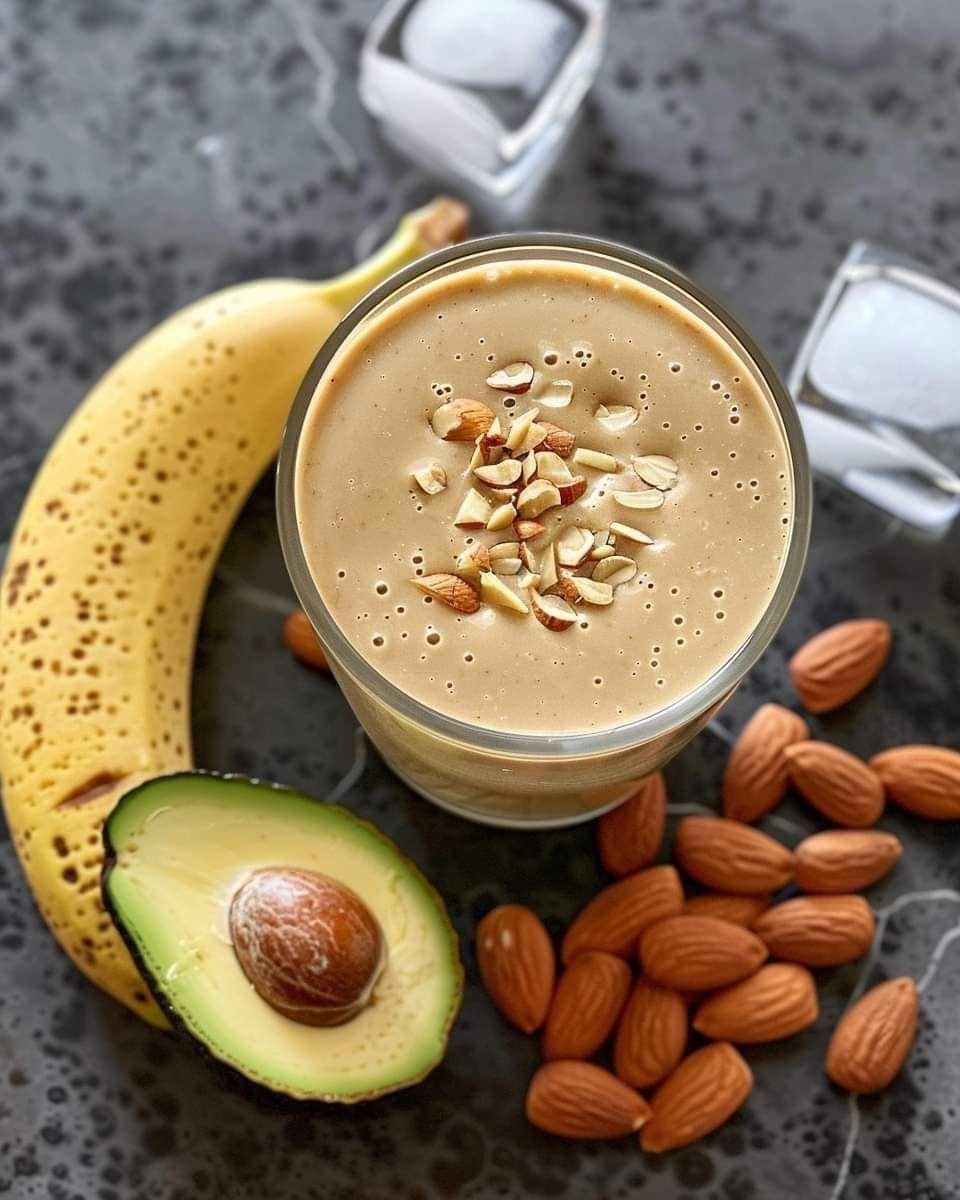
Healthy Creamy Avocado Banana Almond Smoothie

Healthy Creamy Avocado Banana Almond Smoothie

This rich and luscious Avocado Banana Almond Smoothie is a healthy, energy-boosting drink that makes a perfect quick breakfast or post-workout refresher. Packed with nutrient-dense avocado, naturally sweet bananas, and crunchy almonds, this smoothie offers a delightful blend of rich flavor and silky smooth texture that keeps you feeling satisfied for hours.

Ingredients

  • 1 ripe banana (frozen banana recommended for a thicker texture)

  • ½ ripe avocado

  • 1 cup milk (dairy milk, almond milk, or oat milk)

  • 1 to 2 tablespoons almond butter or a handful of raw almonds

  • 1 tablespoon honey or maple syrup (optional, for sweetening)

  • ½ teaspoon vanilla extract (optional)

  • 4 to 5 ice cubes

  • Chopped almonds (for topping)

Step-by-Step Instructions

  1. Prepare the Fruit: Peel the ripe banana and slice it into smaller pieces. Scoop out the fresh creamy green flesh of half an avocado.

  2. Combine Ingredients: Place the banana slices, scooped avocado, milk, almond butter, and your choice of sweetener into a high-speed blender container.

  3. Add Ice Cubes: Toss in the ice cubes to make sure your smoothie turns out refreshingly cool and nicely thick.

  4. Blend to Perfection: Blend all the ingredients together on high speed for 45 to 60 seconds until everything is completely smooth, velvety, and creamy.

  5. Garnish and Serve: Carefully pour the thick smoothie into a tall serving glass. Sprinkle finely chopped almonds on top for a beautiful crunch and serve immediately.

Useful Smoothie Tips

  • Use Naturally Sweet Bananas: Choose bananas that have brown spots on the skin. They are sweeter naturally and eliminate the need for extra sugars or sweeteners.

  • Freeze Your Bananas: Slicing and freezing bananas ahead of time creates an incredibly thick, ice-cream-like consistency without watering down the flavor.

  • Adjust the Thickness: If you prefer a thinner drink, simply add a splash of extra milk and blend for a few additional seconds.

  • Prevent Color Change: If you plan to drink your smoothie later in the day, add a tiny drop of lemon juice to prevent the avocado from darkening.

Frequently Asked Questions (FAQs)

Q: Can I prepare this smoothie ahead of time?

A: It is best enjoyed immediately for maximum freshness. However, you can store it in a sealed glass jar in the refrigerator for up to 12 hours. Shake well before drinking.

Q: How can I add extra protein to this smoothie?

A: You can easily add a scoop of your favorite vanilla protein powder, Greek yogurt, or a tablespoon of chia seeds into the blender before mixing.

Q: Is this smoothie dairy-free and vegan?

A: Yes, absolutely! Simply use plant-based milk such as unsweetened almond milk or oat milk, and opt for maple syrup instead of honey.

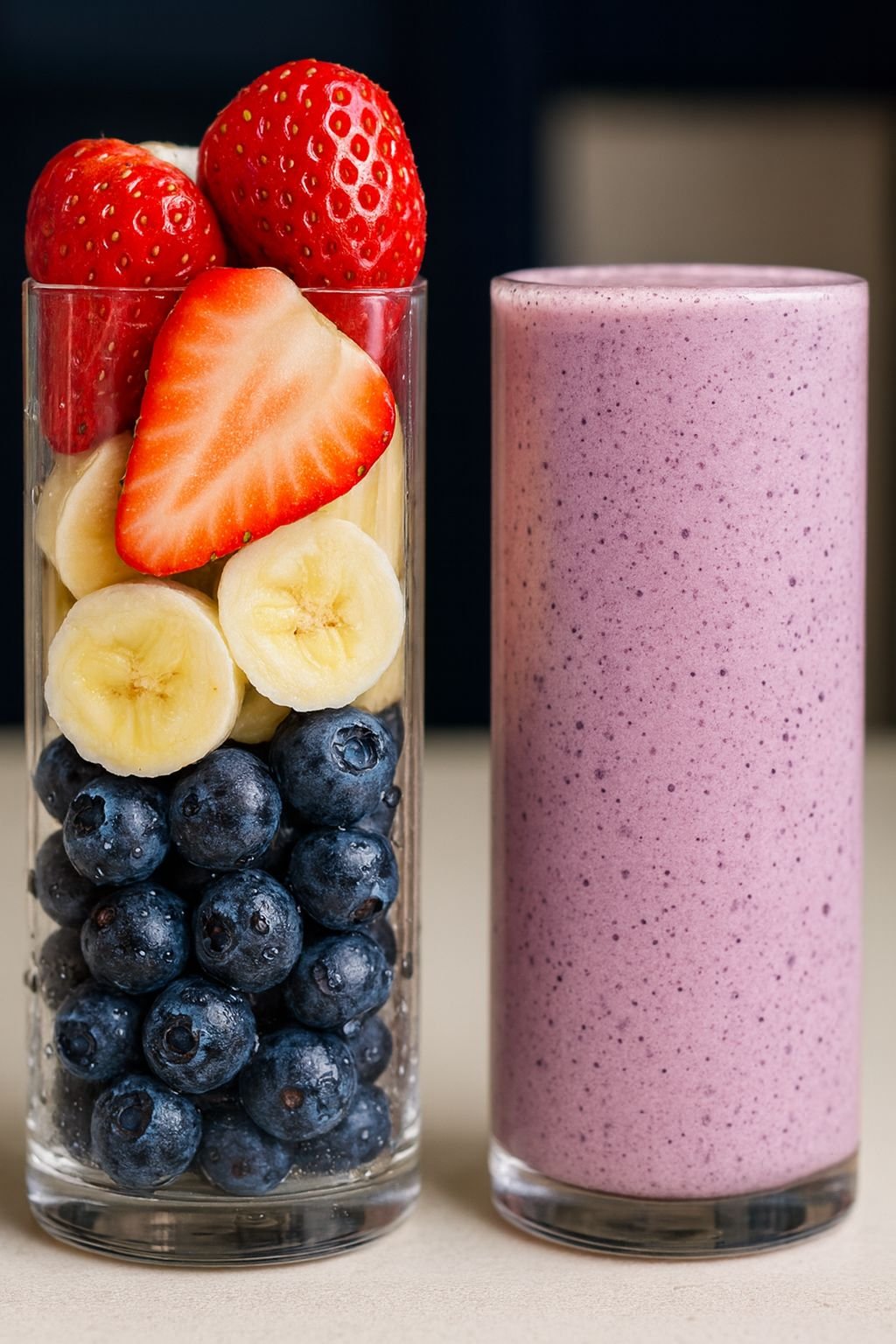
Refreshing Mixed Berry & Banana Smoothie Recipe

Refreshing Mixed Berry & Banana Smoothie Recipe

Enjoy a delicious, nutrient-packed smoothie that is naturally sweet, rich in antioxidants, and incredibly easy to make! This refreshing drink combines fresh strawberries, sliced bananas, and juicy blueberries for the perfect blend of flavor and texture.

Prep & Details

  • Prep Time: 5 minutes

  • Total Time: 5 minutes

  • Servings: 1 to 2 glasses

Ingredients

  • Fresh Strawberries: 1/2 cup (hulled and halved)

  • Fresh Bananas: 1 ripe banana (sliced)

  • Fresh or Frozen Blueberries: 1/2 cup

  • Milk or Plant-Based Milk: 1 cup (whole milk, almond milk, or oat milk)

  • Greek Yogurt: 1/4 cup (optional, for extra creaminess)

  • Honey or Maple Syrup: 1 tablespoon (optional, for sweetness)

  • Ice Cubes: 4 to 5 cubes (optional, if using fresh fruit)

Instructions

  1. Prepare the Fruit: Wash the strawberries and blueberries thoroughly. Peel and slice the ripe banana.

  2. Add to Blender: Place the fresh strawberries, banana slices, and blueberries into a high-speed blender container.

  3. Pour Liquids: Pour 1 cup of your preferred milk and add Greek yogurt if desired. Add a sweetener like honey if you prefer extra sweetness.

  4. Blend Until Smooth: Secure the blender lid and process on high speed for 45 to 60 seconds until the mixture reaches a smooth, velvety consistency.

  5. Serve Immediately: Pour the freshly blended smoothie into a tall glass. Garnish with a fresh strawberry slice on top and enjoy cold!

Helpful Tips for the Best Smoothie

  • Use Frozen Fruit: Using frozen berries or frozen sliced bananas gives the smoothie a thicker, milkshake-like texture without needing to add ice.

  • Control Liquid Ratio: If you prefer a thicker smoothie bowl consistency, start with less milk (1/2 cup) and add more gradually as you blend.

  • Boost Nutrients: Feel free to add a spoonful of chia seeds, flaxseeds, or a scoop of protein powder for extra nutritional value.

  • Sweetness Level: Use very ripe bananas with spots on the skin; they provide natural sweetness, eliminating the need for added sugar or honey.

Frequently Asked Questions (FAQ)

Q1: Can I make this smoothie ahead of time?

Answer: It is best enjoyed fresh, but you can store it in an airtight jar in the refrigerator for up to 24 hours. Give it a quick shake before drinking.

Q2: What milk works best for this recipe?

Answer: Dairy milk, almond milk, oat milk, or coconut milk all work wonderfully. Oat milk provides a creamy texture, while almond milk keeps it light.

Q3: How can I make this smoothie vegan?

Answer: Simply use plant-based milk (such as almond or oat milk) and substitute dairy yogurt with coconut yogurt or omit it completely.

GINGER WATER

GINGER WATER

INGREDIENTS

  • 2 cups water
  • 1-inch fresh ginger, thinly sliced
  • 1 tbsp lemon juice
  • 1 tsp honey (optional)
  • A few mint leaves (optional)

INSTRUCTIONS

🫚 Step 1:

Wash and peel the ginger. Slice it into thin pieces.

💧 Step 2:

Pour 2 cups of water into a saucepan and bring it to a gentle boil.

🫚 Step 3:

Add the sliced ginger to the boiling water.

⏲️ Step 4:

Reduce the heat and let it simmer for 10–15 minutes so the ginger flavor infuses into the water.

🥄 Step 5:

Remove from heat and strain the liquid into a glass or pitcher.

🍋 Step 6:

Add lemon juice and stir well.

🍯 Step 7:

Mix in honey if you prefer a slightly sweet taste.

🌿 Step 8:

Garnish with fresh mint leaves and serve warm or chilled.

Q & A

Q: Can I drink ginger water every day?
A: Yes, many people enjoy it daily in moderation.

Q: Can I make it ahead of time?
A: Yes, store it in the refrigerator for up to 2 days.

Q: Can I skip the honey?
A: Absolutely. The drink is refreshing even without sweetener.

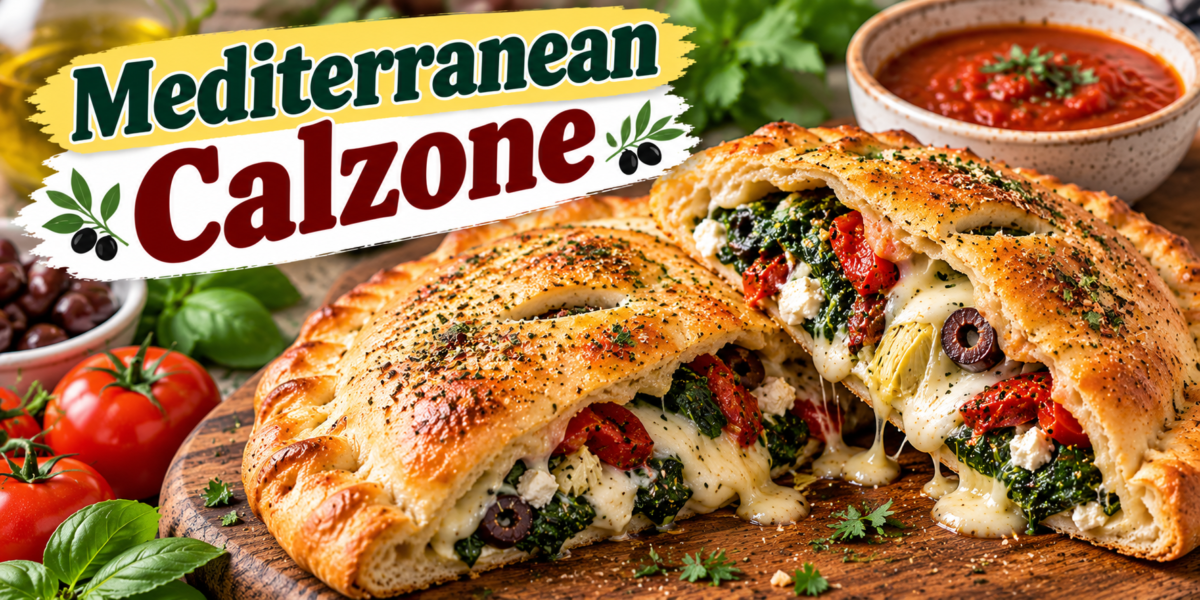
Mediterranean Style Calzone

Mediterranean Calzone filled with ricotta, mozzarella, feta, spinach, olives, roasted peppers, herbs, and golden pizza dough

Mediterranean Style Calzone

Mediterranean Calzone is a golden, oven-baked pocket filled with creamy cheese, spinach, roasted vegetables, olives, herbs, and a flavorful tomato base. It combines the comfort of classic pizza dough with bright Mediterranean-inspired ingredients, creating a satisfying meal for lunch or dinner.

This Mediterranean Calzone is especially useful when you want something hearty without making a full pizza. Each folded pocket keeps the filling warm and cheesy while the crust bakes crisp on the outside and soft inside. Serve it with marinara, salad, or roasted vegetables for a complete meal.

Prep Time: 25 minutes
Rise/Rest Time: 20 minutes
Cook Time: 20–25 minutes
Total Time: About 1 hour 10 minutes
Servings: 4

Ingredients

For the Dough

  • 1 pound pizza dough, homemade or store-bought
  • 1 tablespoon olive oil
  • 1 tablespoon all-purpose flour, for dusting

Ingredients For the Filling

  • 1 cup ricotta cheese
  • 1 cup shredded mozzarella cheese
  • 1/3 cup crumbled feta cheese
  • 2 cups baby spinach
  • 1/2 cup roasted red peppers, chopped
  • 1/3 cup Kalamata olives, sliced
  • 1/2 cup artichoke hearts, chopped
  • 1/3 cup sun-dried tomatoes, drained and chopped
  • 2 garlic cloves, minced
  • 1 teaspoon dried oregano
  • 1/2 teaspoon dried basil
  • 1/4 teaspoon black pepper
  • 1/4 teaspoon red pepper flakes, optional
  • 2 tablespoons chopped fresh parsley

For Assembly

  • 1/2 cup thick marinara sauce, plus more for serving
  • 1 egg
  • 1 tablespoon water
  • 2 tablespoons grated Parmesan cheese
  • 1 teaspoon sesame seeds or dried oregano, optional

Why You’ll Love This Recipe

Mediterranean Calzone brings together creamy cheese, savory vegetables, and a crisp golden crust in one convenient handheld meal. The combination of ricotta, mozzarella, feta, spinach, olives, and roasted vegetables gives every bite a balanced mix of richness, tang, and freshness.

Another reason to love Mediterranean Calzone is its flexibility. Change the vegetables, add cooked chicken, or use different cheeses. Prepared pizza dough also keeps it practical on busy days.

How to Make Mediterranean Calzone

Step 1: Prepare the Oven and Baking Sheet

Preheat the oven to 425°F or 220°C.

Line a baking sheet with parchment paper and lightly brush it with olive oil. If using a pizza stone, preheat it with the oven.

Let the pizza dough sit at room temperature for about 20 minutes. Slightly warm dough is easier to stretch and less likely to spring back while shaping the Mediterranean Calzone.

Step 2: Cook the Spinach

Heat a small skillet over medium heat.

Add the spinach and cook for 1 to 2 minutes, just until wilted. Transfer it to a plate and let it cool.

Once cool enough to handle, squeeze out as much liquid as possible and chop the spinach. Removing excess moisture helps prevent Mediterranean Calzone from becoming soggy inside.

Step 3: Make the Cheese Filling

In a medium bowl, combine ricotta, mozzarella, feta, spinach, roasted red peppers, olives, artichoke hearts, sun-dried tomatoes, garlic, oregano, basil, black pepper, red pepper flakes, and parsley.

Stir gently until evenly combined.

The filling for Mediterranean Calzone should be creamy but not watery. If your ricotta seems very wet, drain it briefly before mixing.

Step 4: Divide and Roll the Dough

Place the dough on a lightly floured surface and divide it into four equal pieces.

Roll each piece into a circle about 7 to 8 inches wide.

Keep the center slightly thicker so the base does not tear.

Step 5: Add Sauce and Filling

Spread about 1 tablespoon of marinara sauce over one half of each dough circle, leaving a 1-inch border around the edge.

Spoon the cheese and vegetable mixture over the sauce.

Do not overfill Mediterranean Calzone. Too much filling can make the dough difficult to seal and may cause the pocket to burst while baking.

Step 6: Fold and Seal

Fold the empty half of the dough over the filling to create a half-moon shape.

Press the edges together, then crimp with a fork or pinch for a rustic finish.

Make sure the Mediterranean Calzone is tightly sealed so the cheese stays inside as it melts.

Step 7: Add the Egg Wash

Whisk the egg with 1 tablespoon water.

Brush the tops lightly with the egg wash. Sprinkle with Parmesan and, if desired, sesame seeds or dried oregano.

Use a sharp knife to cut two or three small slits in the top of each pocket. These vents allow steam to escape while the Mediterranean Calzone bakes.

Step 8: Bake Until Golden

Transfer the prepared calzones to the baking sheet.

Bake for 20 to 25 minutes, or until the crust is puffed and deeply golden.

If one side browns faster, rotate the baking sheet halfway through cooking.

The finished crust should feel crisp on the outside and hot through the center.

Step 9: Rest Before Serving

Remove the calzones from the oven and let them rest for 5 to 10 minutes.

This rest lets the filling settle before cutting.

Step 10: Serve

Serve each Mediterranean Calzone warm with marinara sauce on the side.

Finish with parsley, basil, or Parmesan.

Serving Suggestions

Mediterranean Calzone pairs beautifully with a crisp green salad, cucumber-tomato salad, roasted vegetables, or a bowl of soup.

Serve warm marinara or tomato-basil sauce for dipping. Garlic yogurt sauce or tzatziki gives a cooler, tangier contrast.

For a larger dinner, serve Mediterranean Calzone with roasted potatoes, grilled chicken, olives, hummus, or fresh vegetables.

For a fresh and protein-packed meal, try our Tex-Mex Chopped Chicken Salad with crisp vegetables, seasoned chicken, and bold flavor.

Recipe Tips

Let the dough come to room temperature before rolling so it stretches more easily.

Drain wet ingredients such as ricotta, roasted peppers, artichokes, and sun-dried tomatoes before adding them to the filling.

Do not spread sauce all the way to the edge of the dough.

Avoid overfilling the pockets because this makes sealing difficult.

Press the edges firmly and add small vents in the top before baking.

For the crispiest Mediterranean Calzone, use a preheated pizza stone or heavy baking sheet.

Let the calzones rest briefly before slicing so the cheese stays inside.

Easy Variations

Mediterranean Calzone is easy to customize with ingredients you already have.

Add sautéed mushrooms, roasted zucchini, eggplant, or caramelized onions for extra vegetables.

For more protein, add cooked chicken, turkey sausage, or shredded rotisserie chicken.

You can replace ricotta with cottage cheese if you drain it well, or use goat cheese in place of some of the feta.

For a spicier version, add extra red pepper flakes, sliced pepperoncini, or a little harissa to the filling.

You can also make smaller mini calzones for parties, lunchboxes, or appetizers.

If you enjoy cozy Mediterranean-inspired meals, you may also like our Rustic Mediterranean Vegetable Soup.

Make-Ahead Instructions

Mediterranean Calzone can be assembled several hours before baking.

Prepare the filling, shape the pockets, seal them, and place them on a parchment-lined tray. Cover loosely and refrigerate until you are ready to bake.

Brush with egg wash just before the calzones go into the oven.

The filling can also be prepared one day ahead. Bring the dough to room temperature before shaping.

Storage and Reheating

Store leftovers in an airtight container in the refrigerator for up to 3 days.

For the best texture, reheat in a 350°F or 175°C oven for 10 to 12 minutes. An air fryer also works well for reheating because it helps restore the crisp crust.

Microwaving is faster, but the dough may become softer.

For longer storage, wrap cooled calzones individually and freeze for up to 2 months.

Nutrition Information

Approximate nutrition per serving:

Calories: 540
Protein: 24 g
Carbohydrates: 58 g
Fat: 24 g
Saturated Fat: 10 g
Fiber: 5 g
Sugar: 7 g
Sodium: 980 mg

Nutrition values are estimates and vary by ingredients and serving size.

Frequently Asked Questions

Can I use store-bought pizza dough?

Yes. Store-bought dough makes the recipe much faster. Let it come to room temperature before rolling.

Can I make this without ricotta?

Yes. Well-drained cottage cheese or a mixture of mozzarella and feta can be used instead.

How do I keep the bottom from becoming soggy?

Drain wet ingredients thoroughly, use only a small amount of sauce, and bake on a hot surface.

Can I add meat?

Yes. Cooked chicken, turkey sausage, or lean ground beef can be added to the filling.

Can I freeze the calzones?

Yes. Freeze them after baking and cooling completely, then reheat in the oven for the best texture.

Can I make mini versions?

Yes. Divide the dough into smaller pieces, reduce the filling, and begin checking them earlier because mini calzones cook faster.

What sauce is best for dipping?

Marinara is the classic choice, but tomato-basil sauce, garlic yogurt sauce, or tzatziki also pair well.

Final Thoughts

Mediterranean Calzone is a delicious way to combine crisp pizza dough with creamy cheeses, spinach, olives, roasted peppers, artichokes, herbs, and sun-dried tomatoes.

Because Mediterranean Calzone can be customized with different vegetables, cheeses, and proteins, it is an easy recipe to adapt for family dinners, meal prep, or casual entertaining.

Keep this Mediterranean Calzone recipe handy whenever you want a warm, cheesy, Mediterranean-inspired meal wrapped inside a crisp golden crust.

BANANA OATMEAL WEIGHT-LOSS SMOOTHIE

BANANA OATMEAL WEIGHT-LOSS SMOOTHIE

Description

A creamy, fiber-rich oatmeal smoothie made with oats, banana, and protein-boosting ingredients to keep you full for hours. Perfect for breakfast or a meal replacement when trying to manage calories.

 INGREDIENTS (1 SERVING)

  • ½ cup rolled oats

  • 1 medium banana

  • 1 cup unsweetened almond milk (or skim milk)

  • ½ cup Greek yogurt (plain, non-fat)

  • 1 tablespoon chia seeds

  • ½ teaspoon cinnamon

  • 1 teaspoon honey (optional)

  • ½ cup ice cubes

 INSTRUCTIONS

  1. Soften oats (optional but recommended):
    Soak oats in almond milk for 5–10 minutes for smoother texture.

  2. Add all ingredients to a blender.

  3. Blend until smooth and creamy.

  4. Pour into a glass and enjoy immediately.


💡 TIPS FOR BEST RESULTS

  • ✔ Use rolled oats, not instant flavored oats.

  • ✔ Add protein powder if using as a meal replacement.

  • ✔ For lower calories, skip honey.

  • ✔ Prep overnight oats in the fridge for quicker mornings.

  • ✔ Pair with light exercise for better results.

 SERVINGS

  • Makes: 1 serving

  • Can be doubled for 2 servings

NUTRITIONAL INFORMATION (APPROX. PER SERVING)

Nutrient Amount
Calories 350–400 kcal
Protein 18–22g
Carbohydrates 55g
Fiber 9–11g
Fat 8–10g
Sugar 18g (natural + optional honey)


(Values vary depending on ingredients used.)

 HEALTH BENEFITS

1️⃣ Keeps You Full Longer

Oats and chia seeds are high in fiber, helping reduce hunger cravings.

2️⃣ Supports Digestion

Soluble fiber improves gut health.

3️⃣ Helps Control Blood Sugar

Oats have a low glycemic index compared to refined carbs.

4️⃣ Boosts Metabolism

Protein from Greek yogurt supports muscle and fat burning.

5️⃣ Heart Healthy

Oats may help reduce LDL (bad cholesterol).

 Q & A

Q1: Can I Lose 10 Pounds In One Week With This?

Realistically, no. Safe weight loss is 1–2 pounds per week. Rapid loss is mostly water weight.

Q2: Can I Drink This Twice A Day?

Yes, but ensure you’re getting enough protein, vegetables, and healthy fats throughout the day.

Q3: Can I Use Water Instead Of Milk?

Yes, but it will be less creamy and slightly lower in protein.

Q4: Is This Good For Diabetics?

It can be, but skip honey and monitor portion size. Always consult a healthcare provider.

Q5: Can I Make It Vegan?

Yes. Use plant-based yogurt and milk.

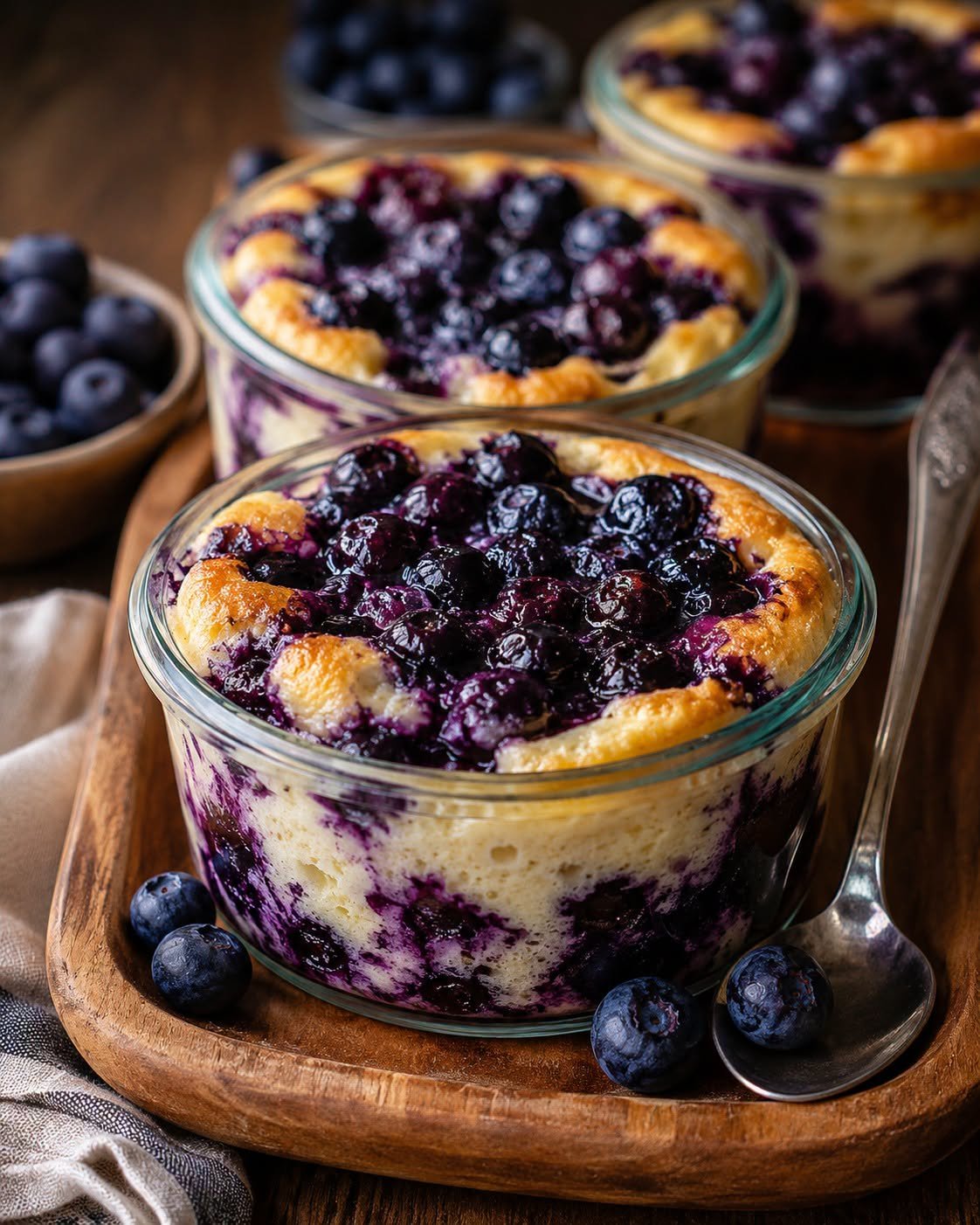
BAKED BLUEBERRY COTTAGE CHEESE BREAKFAST BOWLS

BAKED BLUEBERRY COTTAGE CHEESE BREAKFAST BOWLS

These Baked Blueberry Cottage Cheese Breakfast Bowls are soft, creamy, naturally sweet, and packed with protein. Inspired by Mediterranean-style eating, they combine wholesome oats, cottage cheese, juicy blueberries, and warm cinnamon for a nourishing breakfast that feels both cozy and satisfying. The blueberries burst while baking, creating little pockets of sweetness in every bite. Perfect for meal prep, slow mornings, or a healthy grab-and-go breakfast.

PREPARATION TIME

  • Prep Time: 10 minutes
  • Bake Time: 30–35 minutes
  • Total Time: 45 minutes

SERVINGS

  • 4 breakfast bowls

INGREDIENTS

  • 1 cup cottage cheese
  • 2 eggs
  • 1 cup rolled oats
  • 2 tablespoons honey or maple syrup
  • 1 teaspoon vanilla extract
  • 1 teaspoon cinnamon
  • ½ teaspoon baking powder
  • Pinch of salt
  • 1 cup fresh blueberries
  • ¼ cup chopped walnuts or almonds
  • 2 tablespoons chia seeds or flaxseeds
  • Zest of 1 lemon
  • Optional topping: Greek yogurt, extra berries, drizzle of honey

INSTRUCTIONS

  1. Preheat your oven to 375°F (190°C). Lightly grease 4 ramekins or a small baking dish.
  2. In a large bowl, whisk together the cottage cheese, eggs, honey, and vanilla until mostly smooth.
  3. Stir in oats, cinnamon, baking powder, salt, chia seeds, and lemon zest.
  4. Gently fold in the blueberries and nuts.
  5. Divide the mixture evenly into ramekins or pour into the baking dish.
  6. Bake for 30–35 minutes, or until the tops are lightly golden and the centers are set.
  7. Let cool for 5 minutes before serving.
  8. Top with Greek yogurt, extra blueberries, or a drizzle of honey if desired.

MEDITERRANEAN TIPS

  • Use raw honey and fresh seasonal berries for the best Mediterranean-inspired flavor.
  • Add chopped pistachios for extra crunch and healthy fats.
  • Serve with fresh fruit and mint for a bright breakfast plate.

Q & A

Q: Can I Make These Ahead Of Time?

Yes. Store them in the refrigerator for up to 4 days. Reheat in the microwave or enjoy cold.

Q: Can I Use Frozen Blueberries?

Absolutely. Add them frozen directly into the batter without thawing.

Q: Is This Recipe High In Protein?

Yes. Cottage cheese and eggs provide a great protein boost, making this breakfast filling and balanced.

Q: Can I Make It Gluten-Free?

Yes. Use certified gluten-free oats.

Q: What Can I Substitute For Cottage Cheese?

You can use ricotta cheese or thick Greek yogurt for a similar creamy texture.

Q: Can I Add More Fruit?

Definitely. Raspberries, strawberries, or diced peaches work beautifully.

Q: How Do I Know When It’s Done Baking?

The center should look set and the edges lightly golden. A toothpick inserted near the center should come out mostly clean.


SERVING IDEAS

  • Pair with herbal tea or fresh citrus juice
  • Top with almond butter for extra richness
  • Serve warm with a spoonful of Greek yogurt and toasted nuts for a café-style breakfast

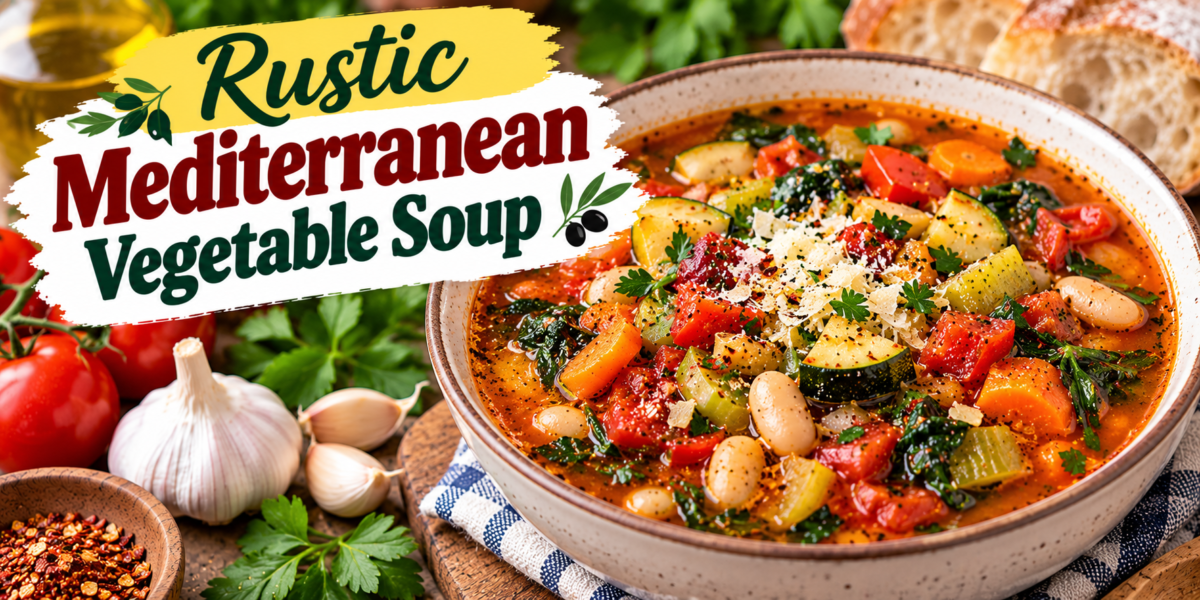
Rustic Mediterranean Vegetable Soup

Mediterranean Vegetable Soup with tomatoes, zucchini, carrots, beans, spinach, garlic, herbs, and rich vegetable broth

Rustic Mediterranean Vegetable Soup

Mediterranean Vegetable Soup is a warm, colorful, and comforting one-pot meal filled with tomatoes, zucchini, carrots, celery, beans, leafy greens, herbs, and a rich vegetable broth. It is simple enough for a weekday lunch yet hearty enough for a relaxed family dinner.

This Mediterranean Vegetable Soup combines tender vegetables, creamy beans, olive oil, garlic, and herbs in a rustic, flavorful broth. Serve it with crusty bread or a fresh salad for a satisfying meal.

Prep Time: 20 minutes
Cook Time: 40 minutes
Total Time: 1 hour
Servings: 6

Ingredients

For the Vegetables

  • 2 tablespoons extra virgin olive oil
  • 1 medium yellow onion, diced
  • 3 carrots, peeled and sliced
  • 3 celery stalks, sliced
  • 1 medium zucchini, chopped
  • 1 red bell pepper, chopped
  • 4 garlic cloves, minced
  • 1 medium potato, peeled and cubed
  • 1 cup green beans, trimmed and cut into bite-size pieces
  • 2 cups baby spinach or chopped kale

Ingredients For the Soup Base

  • 1 can diced tomatoes, 14.5 ounces
  • 1 can cannellini beans, 15 ounces, drained and rinsed
  • 5 cups low-sodium vegetable broth
  • 1 tablespoon tomato paste
  • 1 teaspoon dried oregano
  • 1 teaspoon dried basil
  • 1/2 teaspoon dried thyme
  • 1/2 teaspoon smoked paprika
  • 1 bay leaf
  • 1/2 teaspoon black pepper
  • 1/2 teaspoon salt, plus more to taste
  • 1 tablespoon fresh lemon juice

For Serving

  • 2 tablespoons chopped fresh parsley
  • Fresh basil leaves
  • Grated Parmesan, optional
  • Extra virgin olive oil
  • Red pepper flakes
  • Crusty bread or toasted sourdough

Why You’ll Love This Recipe

Mediterranean Vegetable Soup is hearty without feeling heavy. The combination of vegetables, beans, tomatoes, herbs, and broth creates a filling bowl with plenty of texture and comforting flavor.

Another reason to love this soup is its flexibility. Use seasonal vegetables, switch the beans, or add pasta or grains. Everything cooks in one pot, cleanup is simple, and leftovers taste even better the next day.

How to Make Mediterranean Vegetable Soup

Step 1: Prepare the Vegetables

Wash and chop the vegetables, keeping the pieces similar in size so they cook evenly. Dice the onion, slice the carrots and celery, chop the zucchini and pepper, cube the potato, and trim the beans.

Preparing everything first makes the recipe easy to assemble once the pot is hot.

Step 2: Sauté the Aromatics

Heat the olive oil in a large Dutch oven or soup pot over medium heat.

Add the onion, carrots, and celery. Cook for 5 to 6 minutes, stirring occasionally, until the onion becomes translucent and the vegetables begin to soften.

Add the garlic and cook for about 30 seconds, just until fragrant.

Step 3: Add the Tomato Paste and Seasonings

Stir in the tomato paste, oregano, basil, thyme, smoked paprika, black pepper, and salt. Cook for 1 minute, stirring, so the tomato paste deepens and the herbs bloom in the oil.

The seasoned base gives the soup a richer taste than simply adding everything to the broth at once.

Step 4: Add the Firm Vegetables

Add the potato, zucchini, bell pepper, and green beans. Stir for 2 to 3 minutes to coat them with the aromatic mixture. They will finish cooking in the broth.

Step 5: Add Tomatoes, Beans, and Broth

Pour in the diced tomatoes with their juices and the vegetable broth.

Add the cannellini beans and bay leaf.

Stir everything together and bring Mediterranean Vegetable Soup to a gentle boil.

Once boiling, reduce the heat to low or medium-low.

Step 6: Simmer Until Tender

Partially cover and simmer for 25 to 30 minutes. Stir occasionally and check that the potatoes and carrots are fork-tender but not falling apart.

A gentle simmer allows Mediterranean Vegetable Soup to develop flavor while keeping the vegetables intact.

Step 7: Add the Greens

Stir in the spinach or kale.

If using spinach, cook for 2 to 3 minutes until wilted. If using kale, allow 5 to 7 minutes because its leaves are firmer.

This final addition adds color and freshness without overcooking the greens.

Step 8: Brighten the Flavor

Remove the bay leaf.

Stir in the fresh lemon juice and half of the chopped parsley.

The acidity from lemon brightens Mediterranean Vegetable Soup and balances the sweetness of the tomatoes, carrots, and bell pepper.

Taste and adjust the salt, black pepper, or herbs as needed.

Step 9: Rest Before Serving

Turn off the heat and let the soup stand for about 5 minutes.

The broth will settle slightly, and the flavors will continue blending during this short rest.

Step 10: Garnish and Serve

Ladle Mediterranean Vegetable Soup into warm bowls.

Top with fresh parsley, basil, grated Parmesan, red pepper flakes, or a drizzle of extra virgin olive oil.

Serve with crusty bread, toasted sourdough, or warm pita.

Serving Suggestions

Mediterranean Vegetable Soup is satisfying enough to serve as a main course, especially because the cannellini beans add body and protein.

Serve it with garlic bread, focaccia, sourdough, or pita. For a lighter side, add cucumber-tomato salad, arugula, or mixed greens with lemon dressing.

You can also serve it alongside grilled chicken, baked fish, or turkey meatballs if you want additional protein.

A spoonful of Parmesan or a drizzle of olive oil on top gives each bowl a flavorful finishing touch.

For a light Mediterranean-inspired meal, try our Baked White Fish on a Bed of Spinach with lemon, garlic, herbs, and tender greens.

Recipe Tips

Use a heavy-bottomed pot so the vegetables cook evenly. Cut carrots, potatoes, and green beans into similar-size pieces.

Sauté the onion, carrots, and celery before adding broth to build flavor. Do not overcook the zucchini.

Rinse canned beans before using. For a thicker Mediterranean Vegetable Soup, mash some beans into the broth; for a thinner soup, add more broth.

Use low-sodium broth and add fresh lemon juice near the end for brightness.

Easy Variations

Mediterranean Vegetable Soup is easy to adjust according to the season and ingredients you have available.

Add chopped eggplant, mushrooms, yellow squash, fennel, peas, corn, or artichoke hearts.

For a heartier version, add ditalini, orzo, or small shells near the end, adding extra broth as needed. Brown rice, quinoa, or farro can also make it more substantial.

Replace cannellini beans with chickpeas, kidney beans, butter beans, or lentils.

For a slightly spicy version, add red pepper flakes or a small amount of cayenne.

If you want Mediterranean Vegetable Soup to have a deeper tomato flavor, increase the tomato paste or add crushed tomatoes.

If you enjoy hearty one-pot comfort food, you may also like our Crockpot Cabbage Roll Casserole.

Make-Ahead Instructions

Mediterranean Vegetable Soup is an excellent make-ahead recipe because the flavors improve as the ingredients rest together.

Prepare the soup completely, cool it, and refrigerate it in an airtight container. If adding pasta, cook and store it separately so it does not absorb too much broth. Vegetables can also be chopped one day ahead.

Storage and Reheating

Store leftover Mediterranean Vegetable Soup in an airtight container in the refrigerator for up to 4 days.

Reheat in a saucepan over medium heat until steaming, adding broth or water if needed. Individual servings can also be microwaved.

Freeze cooled soup in freezer-safe containers for up to 3 months. Thaw overnight in the refrigerator before reheating gently.

Nutrition Information

Approximate nutrition per serving:

Calories: 265
Protein: 10 g
Carbohydrates: 41 g
Fat: 8 g
Saturated Fat: 1 g
Fiber: 10 g
Sugar: 9 g
Sodium: 540 mg

Nutrition values are estimates and may vary depending on the broth, vegetables, beans, toppings, and serving size.

Frequently Asked Questions

Can I use different vegetables?

Yes. Eggplant, squash, mushrooms, peas, corn, or fennel can all work.

Can I use chicken broth instead?

Yes, if the soup does not need to remain vegetarian.

Can I add pasta?

Yes. Add a small shape near the end and use extra broth if needed.

Can I use frozen vegetables?

Yes. Add them during the final 10 to 15 minutes.

How can I make it thicker?

Mash some beans, add tomato paste, or simmer uncovered briefly.

Can I make it in a slow cooker?

Yes. Cook most ingredients on low for about 6 hours and add greens near the end.

Is it good for meal prep?

Yes. Mediterranean Vegetable Soup stores and reheats well for easy lunches or dinners.

Final Thoughts

Mediterranean Vegetable Soup is a simple, colorful recipe that turns everyday vegetables, tomatoes, beans, herbs, and broth into a comforting meal. The combination is rustic, nourishing, and easy to adapt to whatever vegetables are in season.

Because Mediterranean Vegetable Soup reheats beautifully and can be customized with different beans, grains, or greens, it works well for family dinners and meal prep.

Keep this Mediterranean Vegetable Soup recipe handy whenever you want a warm one-pot meal with plenty of vegetables and fresh Mediterranean-inspired flavor.

FRESH CUCUMBER LEMONADE

FRESH CUCUMBER LEMONADE

Ingredients

  • 1 large cucumber
  • 2 lemons, juiced
  • 6 cups cold water
  • 1–2 tablespoons honey (optional)
  • Ice cubes
  • Fresh mint leaves (optional)

Instructions

Step 1:
Wash the cucumber thoroughly. Slice half for garnish and chop the remaining cucumber.

Step 2:
Juice the lemons and remove any seeds.

Step 3:
Add the chopped cucumber, lemon juice, 2 cups of water, and honey to a blender. Blend until smooth.

Step 4:
Strain the mixture through a fine-mesh strainer if you prefer a smoother texture.

Step 5:
Pour into a large pitcher. Add the remaining water and stir well. Refrigerate for 30 minutes.

Step 6:
Serve over ice and garnish with cucumber slices, lemon slices, and fresh mint.

Q&A

Can I make it ahead of time?
Yes. Store in the refrigerator for up to 2 days.

Can I use sparkling water?
Yes. Replace some of the water with sparkling water for a fizzy version.

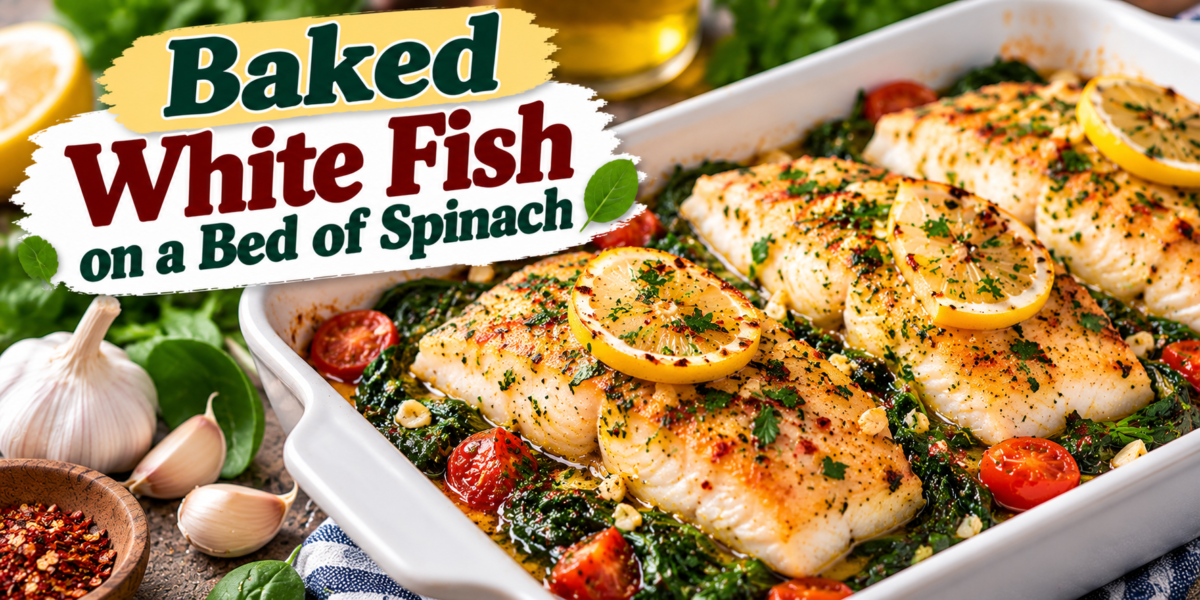
Baked White Fish on a Bed of Spinach

Baked White Fish on a bed of spinach with garlic, lemon, herbs, olive oil, and tender white fish fillets

Baked White Fish on a Bed of Spinach

Baked White Fish is a light, flavorful, and easy dinner made with tender white fish fillets, fresh spinach, garlic, lemon, olive oil, and simple herbs. The fish bakes gently over the spinach, allowing the juices to season the greens while keeping the fillets moist and delicate.

This Baked White Fish recipe works well for busy weeknights, family dinners, or weekends. It is simple for beginners yet elegant enough for guests with potatoes, rice, or crusty bread.

Prep Time: 15 minutes
Cook Time: 20–25 minutes
Total Time: 35–40 minutes
Servings: 4

Ingredients

For the Fish

  • 4 white fish fillets, about 5–6 ounces each
  • 1 tablespoon extra virgin olive oil
  • 1 tablespoon fresh lemon juice
  • 1 teaspoon lemon zest
  • 1 teaspoon garlic powder
  • 1/2 teaspoon paprika
  • 1/2 teaspoon dried oregano
  • 1/2 teaspoon salt
  • 1/4 teaspoon black pepper

For the Spinach Bed

  • 8 cups fresh baby spinach
  • 1 tablespoon extra virgin olive oil
  • 3 garlic cloves, minced
  • 1 small shallot, finely sliced
  • 1/4 teaspoon salt
  • 1/4 teaspoon black pepper
  • 2 tablespoons grated Parmesan, optional
  • 2 tablespoons chopped fresh parsley

For Serving

  • Lemon wedges
  • Fresh dill or parsley
  • Red pepper flakes
  • Extra virgin olive oil, for finishing

Why You’ll Love This Recipe

Baked White Fish is a great choice when you want something satisfying without a heavy sauce. The mild fish pairs naturally with lemon, garlic, herbs, and spinach, creating a balanced meal with bright, fresh flavor.

Another reason to love Baked White Fish is its simplicity. Everything cooks in one baking dish, cleanup is easy, and you can change the herbs, fish, or vegetables without changing the basic method.

How to Make Baked White Fish

Step 1: Preheat the Oven

Preheat the oven to 400°F or 200°C.

Lightly grease a baking dish with olive oil, large enough to hold the spinach and fish in one layer.

Step 2: Prepare the Spinach

Heat 1 tablespoon olive oil in a large skillet over medium heat.

Add the sliced shallot and cook for about 2 minutes, until slightly softened. Stir in the garlic and cook for 30 seconds.

Add the spinach in batches, tossing gently until just wilted. Season with salt and black pepper.

The spinach should remain bright green because it will continue cooking beneath the Baked White Fish in the oven.

Step 3: Arrange the Spinach Bed

Transfer the wilted spinach to the prepared baking dish and spread it evenly.

If there is a lot of liquid in the skillet, leave most of it behind so the finished dish does not become watery.

Sprinkle Parmesan over the spinach if using.

Step 4: Season the Fish

Pat the fish fillets dry with paper towels.

Brush both sides with olive oil and lemon juice. Season with lemon zest, garlic powder, paprika, oregano, salt, and black pepper.

Even seasoning helps Baked White Fish develop flavor while preserving the clean taste of the fish.

Step 5: Place the Fish Over the Spinach

Arrange the fillets directly on top of the spinach, leaving a little space between each piece.

Tuck thin ends under slightly if necessary so the fish cooks evenly.

Drizzle any remaining lemon and olive oil mixture over the top.

Step 6: Bake Until Tender

Bake uncovered for 15 to 20 minutes, depending on the thickness of the fillets.

Baked White Fish is ready when the flesh is opaque, flakes easily with a fork, and reaches an internal temperature of 145°F or 63°C at the thickest part.

Avoid overbaking because white fish can dry out quickly.

Step 7: Add Fresh Herbs

Remove the baking dish from the oven.

Sprinkle fresh parsley or dill over the fish and spinach. Add red pepper flakes if you like a little heat.

Fresh herbs give the dish a brighter finish and balance the savory garlic and spinach.

Step 8: Rest Briefly

Let the dish rest for 3 to 5 minutes before serving.

This brief rest helps the juices settle and keeps the fish moist.

Step 9: Finish with Lemon

Squeeze fresh lemon juice over the fish just before serving.

A light drizzle of olive oil adds a smooth Mediterranean-style finish.

Step 10: Serve

Divide the spinach among four plates and place one fish fillet over each portion.

Serve Baked White Fish immediately while the fillets are warm and tender.

Serving Suggestions

Baked White Fish pairs well with many simple side dishes.

Serve it with roasted baby potatoes, mashed potatoes, brown rice, quinoa, couscous, or orzo for a more filling meal.

For a lighter plate, add cucumber salad, roasted asparagus, green beans, or arugula.

Crusty bread is also excellent because it can soak up the lemony juices from the spinach and fish.

For a Mediterranean-style dinner, serve Baked White Fish with olives, hummus, pita, and tomato salad.

For a protein-rich breakfast option, try our Baked Blueberry Cottage Cheese Breakfast Bowl with cottage cheese, oats, and juicy blueberries.

Recipe Tips

Choose fish fillets of similar thickness so they finish cooking at the same time.

Pat the fish dry before seasoning. Removing surface moisture helps the seasonings cling better.

Do not fully cook the spinach before it goes into the baking dish because it will continue to soften in the oven.

Use fresh lemon juice for the best flavor.

Check the fish early if the fillets are thin.

Baked White Fish should flake easily but still look moist inside.

If the spinach releases too much water, spoon off a little liquid before serving.

A small amount of Parmesan adds savory flavor, but the dish is also delicious without cheese.

Easy Variations

You can make Baked White Fish with cod, haddock, pollock, tilapia, halibut, or another mild white fish.

For extra Mediterranean flavor, add halved cherry tomatoes, Kalamata olives, capers, or roasted red peppers around the fish before baking.

For a creamy variation, spoon a small amount of Greek yogurt mixed with lemon and dill over the fish after cooking.

You can replace part of the spinach with kale or Swiss chard; sauté tougher greens slightly longer first.

For extra crunch, sprinkle seasoned breadcrumbs or crushed whole-grain crackers over the fillets before they go into the oven.

Make-Ahead Instructions

Baked White Fish is best cooked shortly before serving, but several parts can be prepared ahead.

Wash the spinach, slice the shallot, mince the garlic, and mix the seasonings one day ahead.

You can also sauté the spinach earlier in the day. Let it cool, cover it, and refrigerate until needed.

For the best texture, season and bake the fish just before serving rather than leaving raw fish in the baking dish for many hours.

Storage and Reheating

Store leftover Baked White Fish in an airtight container in the refrigerator for up to 2 days.

Reheat gently in a 300°F or 150°C oven until warmed through. Cover the dish loosely with foil to help prevent the fish from drying out.

Individual portions can also be reheated gently in the microwave.

Avoid repeated reheating because delicate fish can become dry and tough.

Freezing is possible, but the spinach may become softer after thawing. Refrigerated leftovers usually give the best texture.

Nutrition Information

Approximate nutrition per serving:

Calories: 280
Protein: 34 g
Carbohydrates: 8 g
Fat: 13 g
Saturated Fat: 3 g
Fiber: 3 g
Sugar: 2 g
Sodium: 520 mg

Nutrition values are estimates and vary with the fish, oil, and optional Parmesan.

Frequently Asked Questions

What type of white fish works best?

Cod, haddock, pollock, tilapia, and halibut all work well. Choose fresh fillets with a mild aroma and firm texture.

Can I use frozen fish?

Yes. Thaw the fish completely in the refrigerator and pat it very dry before seasoning and baking.

Can I use frozen spinach?

Yes. Thaw it completely and squeeze out as much liquid as possible before placing it in the baking dish.

How do I know when the fish is done?

The flesh should be opaque and should separate easily into flakes with a fork. The thickest part should reach 145°F or 63°C.

Can I add tomatoes to this recipe?

Yes. Cherry tomatoes are especially good because they roast quickly and add sweet, juicy flavor.

Can I make it dairy-free?

Yes. Simply omit the optional Parmesan. The lemon, garlic, herbs, and olive oil provide plenty of flavor.

Is this recipe good for meal prep?

Yes, although fish is best within a couple of days. Prepare individual portions with rice or potatoes and refrigerate them in airtight containers.

Final Thoughts

Baked White Fish is a simple way to turn mild fish and fresh spinach into a complete, flavorful dinner. Lemon, garlic, olive oil, herbs, and tender greens complement the fish without covering its delicate flavor.

Because Baked White Fish requires minimal preparation and cooks quickly, it is especially useful for weeknight meals when you want something fresh without spending a long time in the kitchen.

Keep this Baked White Fish recipe handy whenever you want a light, comforting, Mediterranean-inspired dinner made with simple ingredients.

If you enjoy easy Mediterranean-inspired meals, you may also like our Mediterranean Baked Feta & Veggie Pasta.

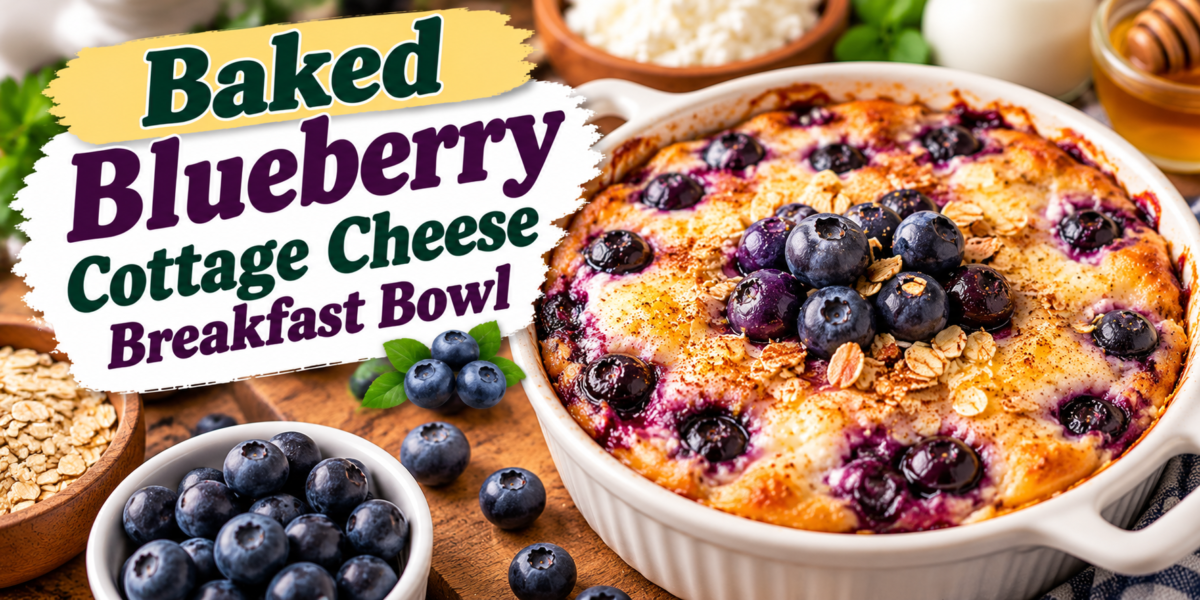
Baked Blueberry Cottage Cheese Breakfast Bowl

Blueberry Cottage Cheese Bowl with cottage cheese, blueberries, oats, eggs, vanilla, cinnamon, and fresh toppings

Baked Blueberry Cottage Cheese Breakfast Bowl

Blueberry Cottage Cheese Bowl is a warm, protein-rich breakfast made with creamy cottage cheese, juicy blueberries, eggs, oats, vanilla, and a touch of honey or maple syrup. It bakes into a soft, lightly custardy breakfast with golden edges and sweet bursts of fruit in every spoonful.

This Blueberry Cottage Cheese Bowl is especially useful on busy mornings because the ingredients are simple, the preparation takes only a few minutes, and the oven does most of the work. It feels comforting like baked oatmeal while offering extra protein from cottage cheese and eggs.

Prep Time: 10 minutes
Cook Time: 25–30 minutes
Total Time: 35–40 minutes
Servings: 

Ingredients

For the Breakfast Bowl

  • 1 cup cottage cheese
  • 2 large eggs
  • 1/2 cup rolled oats
  • 1 cup fresh or frozen blueberries
  • 2 tablespoons honey or maple syrup
  • 1 teaspoon vanilla extract
  • 1/2 teaspoon ground cinnamon
  • 1/2 teaspoon baking powder
  • Pinch of salt
  • 1 teaspoon lemon zest, optional

For Topping

  • 2 tablespoons chopped walnuts or almonds
  • 2 tablespoons Greek yogurt, optional
  • Extra blueberries
  • Small drizzle of honey or maple syrup
  • Ground cinnamon

Why You’ll Love This Recipe

Blueberry Cottage Cheese Bowl is creamy, fruity, filling, and easy to prepare with everyday ingredients. It combines the comfort of a baked breakfast with the convenience of a simple one-bowl recipe.

Another reason to love Blueberry Cottage Cheese Bowl is its balance of protein, fiber, and naturally sweet fruit. Cottage cheese and eggs provide protein, oats add satisfying texture, and blueberries bring freshness and color.

You can also change the fruit, sweetener, spices, or toppings without changing the basic method, which makes it an easy recipe to keep in your regular breakfast rotation.

How to Make Blueberry Cottage Cheese Bowl

Step 1: Preheat the Oven

Preheat the oven to 375°F or 190°C.

Lightly grease a small oven-safe baking dish or two individual ramekins. A little cooking spray or butter will help prevent sticking and make cleanup easier.

Step 2: Blend the Base

Add the cottage cheese, eggs, honey or maple syrup, vanilla, cinnamon, baking powder, and salt to a blender.

Blend until mostly smooth.

Blending gives Blueberry Cottage Cheese Bowl a softer, more custardy texture. If you prefer more cottage cheese texture, blend only briefly or whisk everything by hand.

Step 3: Add the Oats

Pour the blended mixture into a bowl and stir in the rolled oats.

Let the mixture sit for about 2 minutes so the oats begin absorbing some of the liquid.

This helps Blueberry Cottage Cheese Bowl bake with a tender center instead of becoming watery.

Step 4: Fold in the Blueberries

Reserve a small handful of blueberries for the top.

Gently fold the remaining berries into the mixture.

If using frozen blueberries, add them directly from frozen rather than thawing them first. Thawed berries can release extra juice and turn the entire mixture purple.

Step 5: Fill the Baking Dish

Pour the mixture into the prepared baking dish or divide it between two ramekins.

Smooth the top gently with a spoon.

Scatter the reserved blueberries over the surface and add chopped nuts if desired.

Step 6: Bake

Bake for 25 to 30 minutes, or until the center is set and the edges are lightly golden.

Blueberry Cottage Cheese Bowl should look puffed around the edges while remaining soft and tender in the middle.

If using two small ramekins, begin checking around 22 minutes because smaller portions may bake faster.

Step 7: Rest Before Serving

Remove the dish from the oven and let it rest for 5 minutes.

The texture will firm slightly as it cools, making Blueberry Cottage Cheese Bowl easier to spoon and giving the flavors time to settle.

Step 8: Add Toppings

Top with Greek yogurt, extra blueberries, chopped nuts, cinnamon, or a small drizzle of honey or maple syrup.

Serve warm.

Serving Suggestions

Blueberry Cottage Cheese Bowl can be enjoyed by itself because it already contains protein, fruit, and oats, but a few simple additions can turn it into a larger breakfast.

Serve it with sliced banana, strawberries, raspberries, or orange segments for more fresh fruit.

For extra crunch, add toasted walnuts, pecans, almonds, pumpkin seeds, or a spoonful of granola.

A spoonful of Greek yogurt works especially well with Blueberry Cottage Cheese Bowl because it adds cool creaminess next to the warm baked center.

For brunch, serve it alongside scrambled eggs, turkey sausage, whole-grain toast, or a fresh fruit platter.

For a sweet breakfast or brunch option, try our Strawberry Cream Cheese Loaf with a soft, creamy center and fresh strawberry flavor.

Recipe Tips

Use small-curd or smooth cottage cheese if you want the creamiest texture.

Full-fat cottage cheese creates a richer bowl, while low-fat cottage cheese also works well.

Do not overbake the mixture. The center should be set but still soft.

If your cottage cheese is very watery, drain off some excess liquid before blending.

Fresh and frozen blueberries both work.

For frozen berries, add them without thawing.

Rolled oats provide the best texture, but quick oats can be used for a softer result.

Adjust the sweetness to your taste. Some cottage cheese brands are saltier than others, so tasting the mixture before adding extra sweetener can help.

Lemon zest is optional, but it gives Blueberry Cottage Cheese Bowl a bright flavor that complements blueberries particularly well.

Easy Variations

For a strawberry version, replace the blueberries with chopped strawberries.

You can also prepare Blueberry Cottage Cheese Bowl with raspberries, blackberries, diced peaches, or chopped apples.

For a banana-blueberry variation, mash half a ripe banana into the base and slightly reduce the honey or maple syrup.

Add chia seeds or ground flaxseed for extra fiber.

For a chocolate variation, add 1 tablespoon of unsweetened cocoa powder and a few dark chocolate chips.

If you enjoy warm spices, add nutmeg or cardamom along with the cinnamon.

For extra crunch, mix chopped walnuts or almonds into the batter before baking.

You can also add a small spoonful of peanut butter or almond butter on top after baking.

Make-Ahead Instructions

Blueberry Cottage Cheese Bowl can be assembled ahead, making it helpful for busy mornings.

Blend the cottage cheese mixture and refrigerate it overnight in a covered container. Keep the blueberries separate and fold them in just before baking.

You can also bake the entire dish one day ahead, let it cool, cover it, and refrigerate it.

Reheat gently in the morning for a quick breakfast.

Storage and Reheating

Store leftover Blueberry Cottage Cheese Bowl in an airtight container in the refrigerator for up to 3 days.

Reheat individual portions in the microwave for 30 to 60 seconds, depending on the size of the serving.

You can also warm it in a 325°F or 165°C oven for about 8 to 10 minutes.

If the bowl seems dry after refrigeration, add a spoonful of yogurt, a splash of milk, or fresh berries before serving.

Freezing is possible, although the texture may become slightly softer after thawing. For best results, refrigerate and enjoy within a few days.

Nutrition Information

Approximate nutrition per serving:

Calories: 330
Protein: 24 g
Carbohydrates: 37 g
Fat: 11 g
Saturated Fat: 4 g
Fiber: 5 g
Sugar: 19 g
Sodium: 430 mg

Nutrition values are estimates and may vary depending on the cottage cheese, sweetener, toppings, and serving size.

Frequently Asked Questions

Can I use frozen blueberries?

Yes. Add them directly from the freezer. There is no need to thaw them first.

Can I make this without oats?

Yes. The texture will be softer and more custard-like. You can also substitute almond flour or a small amount of ground flaxseed.

Can I make it without a blender?

Yes. Whisk the ingredients together thoroughly. The finished texture will have more visible cottage cheese curds but will still taste delicious.

Can I use another sweetener?

Yes. Maple syrup, honey, date syrup, or your preferred granulated sweetener can work.

How do I know when it is fully baked?

The edges should look lightly golden and the center should no longer appear liquid. A slight softness in the middle is fine because it continues setting while resting.

Can I add protein powder?

Yes. Add a small scoop and include a splash of milk if the mixture becomes too thick.

Is this good for meal prep?

Yes. Blueberry Cottage Cheese Bowl reheats well and can be divided into individual portions for quick breakfasts.

Final Thoughts

Blueberry Cottage Cheese Bowl is an easy way to turn a few everyday breakfast ingredients into something warm, filling, and comforting. Cottage cheese, eggs, oats, blueberries, vanilla, and cinnamon create a soft baked breakfast with plenty of flavor and satisfying texture.

Because Blueberry Cottage Cheese Bowl is simple to customize, it works well for weekday breakfasts, weekend brunch, or meal prep.

Keep this Blueberry Cottage Cheese Bowl recipe handy whenever you want a protein-rich breakfast that feels cozy, tastes naturally sweet, and requires very little hands-on preparation.

If you enjoy hearty make-ahead meals, you may also like our Crockpot Red Beans and Chicken Sausage.

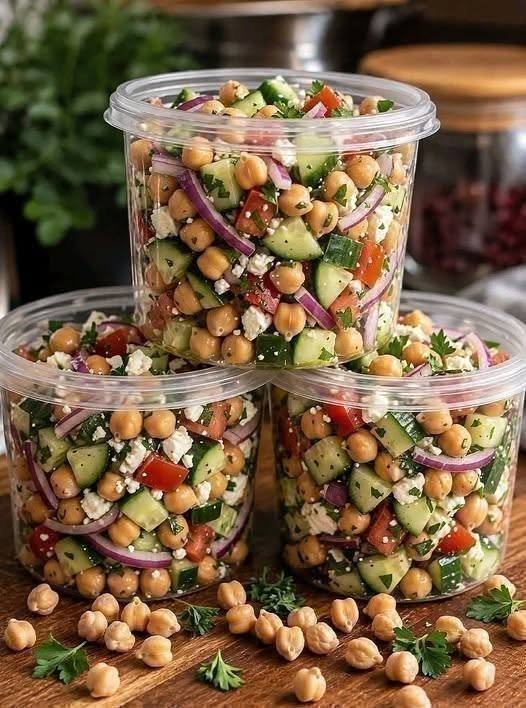
Mediterranean Chickpea Cucumber Feta Salad

Mediterranean Chickpea Salad with fresh cucumber, cherry tomatoes, crumbled feta cheese, chickpeas, parsley, and lemon olive oil dressing

Mediterranean Chickpea Cucumber Feta Salad

– Fresh, Healthy & Easy Recipe

Description

Mediterranean Chickpea Cucumber Feta Salad is a refreshing, colorful, and nutritious dish filled with fresh vegetables, protein-rich chickpeas, creamy feta cheese, and aromatic herbs. Tossed in a homemade lemon-olive oil dressing, this delicious salad delivers bright Mediterranean flavors in every bite.

The combination of crunchy cucumbers, juicy cherry tomatoes, tender chickpeas, tangy feta, and fresh parsley creates the perfect balance of flavor and texture.

This easy, no-cook recipe is ideal for quick lunches, healthy dinners, summer gatherings, and weekly meal preparation. It takes just 15 minutes to prepare and tastes even better after chilling.

Recipe Information

Prep Time: 15 minutes Chill Time: 15–30 minutes Total Time: 30–45 minutes Servings: 6 Cooking Method: No-cook Cuisine: Mediterranean

🛒 Ingredients

For the Salad

  • 2 cans (15 oz each) chickpeas, drained and rinsed

  • 1 large English cucumber, diced

  • 1 cup cherry tomatoes, halved

  • ½ small red onion, thinly sliced

  • ½ cup crumbled feta cheese

  • ¼ cup fresh parsley, chopped

  • 2 tablespoons fresh mint, chopped

  • ¼ cup Kalamata olives, sliced (optional)

For the Lemon Dressing

  • ¼ cup extra-virgin olive oil

  • 3 tablespoons fresh lemon juice

  • 1 tablespoon red wine vinegar

  • 1 garlic clove, minced

  • ½ teaspoon dried oregano

  • ½ teaspoon salt, or to taste

  • ¼ teaspoon freshly ground black pepper

Optional Garnishes

  • Extra crumbled feta cheese

  • Fresh parsley leaves

  • Lemon wedges

  • Freshly cracked black pepper

👨‍🍳 Step-by-Step Instructions

Step 1: Prepare the Chickpeas

Open both cans of chickpeas and drain them in a colander.

Rinse thoroughly under cold running water to remove excess sodium and the canned liquid.

Allow the chickpeas to drain completely before transferring them to a large mixing bowl.

For extra flavor, gently pat them dry using paper towels.

Step 2: Chop the Vegetables

Wash the cucumber, cherry tomatoes, parsley, and mint.

Dice the English cucumber into small, bite-sized pieces.

Slice the cherry tomatoes in half and thinly slice the red onion.

For a milder onion flavor, soak the sliced onion in cold water for five minutes, then drain.

Step 3: Combine the Salad Ingredients

Add the chickpeas, diced cucumber, tomatoes, red onion, parsley, mint, and Kalamata olives to a large serving bowl.

Gently mix everything using a large spoon.

Sprinkle the crumbled feta cheese over the vegetables.

Step 4: Prepare the Lemon Dressing

In a small bowl, combine extra-virgin olive oil, fresh lemon juice, red wine vinegar, minced garlic, dried oregano, salt, and black pepper.

Whisk vigorously until the ingredients are well combined.

Taste the dressing and adjust the lemon juice or seasonings according to preference.

Step 5: Toss Everything Together

Pour the lemon dressing evenly over the chickpea mixture.

Use two large spoons to gently toss the ingredients until everything is lightly coated.

Avoid vigorous stirring because it can break the chickpeas and crumble the feta excessively.

Step 6: Chill and Serve

Cover the salad and refrigerate for 15–30 minutes.

This resting period allows the Mediterranean flavors to develop.

Before serving, toss gently and garnish with extra feta, parsley, and lemon wedges.

Serve chilled or at room temperature.

Why You’ll Love This Mediterranean Salad

This recipe offers several wonderful benefits.

  • Fresh and colorful ingredients create an appetizing presentation.

  • Chickpeas provide plant-based protein and dietary fiber.

  • Cucumbers and tomatoes add refreshing crunch.

  • Feta cheese provides a creamy, tangy flavor.

  • Olive oil contributes heart-healthy unsaturated fats.

  • Lemon juice and herbs deliver brightness without complicated seasonings.

  • No cooking is required, making preparation incredibly easy.

It’s also naturally vegetarian when prepared with vegetarian-rennet feta.

Helpful Tips for the Best Results

Use Fresh Vegetables

Choose firm cucumbers and ripe cherry tomatoes for maximum freshness and flavor.

Drain Chickpeas Thoroughly

Excess moisture can dilute the dressing and make the salad watery.

Add Feta Gently

Fold the feta into the salad at the end to help preserve its texture.

Adjust the Dressing

If you enjoy tangy salads, add another teaspoon of lemon juice.

Chill Before Serving

Refrigerating briefly helps the chickpeas absorb the delicious dressing.

Avoid Over-Salting

Feta cheese and Kalamata olives are naturally salty, so taste before adding extra salt.

Delicious Recipe Variations

Avocado Chickpea Salad

Add one diced avocado immediately before serving for extra creaminess.

High-Protein Mediterranean Salad

Add grilled chicken breast or cooked shrimp for additional protein.

Mediterranean Quinoa Salad

Mix in one cup of cooked, cooled quinoa for a more substantial meal.

Vegan Chickpea Salad

Replace feta cheese with a dairy-free feta alternative or omit it entirely.

Spicy Mediterranean Salad

Add crushed red pepper flakes or finely chopped jalapeño for extra heat.

Storage and Meal Preparation

Store leftover Mediterranean Chickpea Cucumber Feta Salad in an airtight container in the refrigerator for up to three days.

For the freshest texture, keep the dressing separate until shortly before serving.

If preparing ahead, store chopped vegetables, chickpeas, and dressing in separate containers.

Add feta and fresh herbs just before serving.

Freezing is not recommended because cucumbers and tomatoes become watery after thawing.

Frequently Asked Questions

Can I make this salad ahead of time?

Yes. Prepare the ingredients several hours in advance and refrigerate. Add the dressing and feta shortly before serving for the freshest texture.

Is Mediterranean chickpea salad healthy?

Yes. Chickpeas provide fiber and protein, while vegetables contribute vitamins and minerals. Olive oil provides beneficial unsaturated fats.

Can I use dried chickpeas?

Absolutely. Cook dried chickpeas until tender, drain, and cool completely before adding them to the salad.

What can I serve with this salad?

Serve alongside grilled chicken, baked salmon, pita bread, roasted vegetables, or Mediterranean rice.

📊 Nutritional Information (Per Serving)

Approximate values for 6 servings, including optional olives; actual values depend on brands and portions.

Nutrient Amount
Calories 285 kcal
Protein 10 g
Carbohydrates 30 g
Fat 15 g
Fiber 8 g
Sugar 5 g
Sodium 620 mg

Final Thoughts

Mediterranean Chickpea Cucumber Feta Salad is a simple, fresh, and satisfying recipe that brings delicious Mediterranean flavors to your table.

With crunchy vegetables, creamy feta, tender chickpeas, and bright lemon dressing, it’s perfect for healthy lunches, family dinners, potlucks, and meal preparation.

Make a bowl today and enjoy a refreshing, flavorful salad that requires minimal effort and delivers plenty of taste!

Classic Egg Salad Recipe

Classic Egg Salad made with chopped hard-boiled eggs, creamy mayonnaise, mustard, celery, green onions, and fresh herbs

Classic Egg Salad Recipe – Easy, Creamy & Delicious Homemade Favorite

Classic Egg Salad is a creamy, flavorful, and easy-to-make recipe prepared with perfectly hard-boiled eggs, mayonnaise, tangy mustard, crunchy celery, fresh green onions, and a touch of lemon juice. This simple homemade salad combines everyday ingredients to create a satisfying dish that’s perfect for sandwiches, wraps, lettuce cups, or a quick lunch.

The beauty of this Classic Egg Salad Recipe lies in its simplicity. With just a few ingredients and minimal preparation, you can create a rich, creamy filling that tastes delicious without requiring complicated cooking techniques.

The combination of smooth egg yolks, tender egg whites, crisp vegetables, and creamy dressing creates a wonderful balance of textures. Meanwhile, mustard adds a slightly tangy flavor, and freshly squeezed lemon juice brightens the entire dish.

Whether you’re planning a family lunch, preparing sandwiches for a picnic, or looking for a convenient make-ahead meal, this easy egg salad is a reliable recipe that everyone can enjoy.

Prep Time: 10 minutes Cook Time: 12 minutes Chilling Time: 20–30 minutes Total Time: 42–52 minutes Servings: 4

Ingredients for Classic Egg Salad

For the Egg Salad

  • 6 large eggs

  • ⅓ cup mayonnaise

  • 1 tablespoon Dijon mustard or yellow mustard

  • 2 tablespoons celery, finely chopped

  • 2 tablespoons green onions, finely chopped

  • 1 tablespoon sweet pickle relish, optional

  • 1 teaspoon fresh lemon juice

  • ¼ teaspoon paprika

  • ¼ teaspoon salt, or to taste

  • ⅛ teaspoon freshly ground black pepper

For Garnishing

  • 1 tablespoon fresh chives, chopped

  • 1 tablespoon fresh parsley, chopped

  • A small pinch of paprika

Optional Additions

  • 1 tablespoon chopped fresh dill

  • 1 tablespoon finely chopped dill pickles

  • 1 tablespoon finely chopped red onion

  • ¼ teaspoon garlic powder

  • A few drops of hot sauce

  • 1 tablespoon finely diced jalapeño, for extra heat

How to Make Classic Egg Salad

Step 1: Prepare the Eggs

Place six large eggs in a medium saucepan.

Arrange them in a single layer to ensure even cooking.

Add enough cold water to cover the eggs by approximately 1 inch.

Place the saucepan over medium-high heat and bring the water to a gentle boil.

Once boiling, reduce the heat slightly and cook for approximately 10–12 minutes until the yolks are fully set.

Avoid cooking the eggs for too long because overcooking can create dry yolks and an unpleasant texture.

For the best Classic Egg Salad, the eggs should be fully cooked but still tender.

Step 2: Prepare an Ice Bath

While the eggs are cooking, fill a large bowl with cold water and ice cubes.

Once the eggs are cooked, carefully transfer them into the ice bath using a slotted spoon.

Allow the eggs to cool for approximately 5–10 minutes.

The ice bath stops the cooking process and makes the eggs easier to handle.

Cooling also helps prevent the yolks from becoming excessively firm.

Step 3: Peel the Eggs

Gently tap each cooled egg against a hard surface to crack the shell.

Roll it lightly between your hands to loosen the shell.

Carefully peel the eggs, starting from the wider end if possible.

If small pieces of shell remain attached, rinse the eggs briefly under cool running water.

Pat the peeled eggs dry with a clean paper towel.

Removing excess moisture helps prevent watery egg salad.

Step 4: Chop the Eggs

Place the peeled eggs on a clean cutting board.

Use a sharp knife to chop them into small or medium-sized pieces.

For a chunky Classic Egg Salad, leave some larger pieces of egg white.

For a smoother consistency, finely chop the eggs and lightly mash a few yolks.

Transfer the chopped eggs into a medium mixing bowl.

Avoid excessive mashing if you prefer a salad with more texture.

Step 5: Prepare the Creamy Dressing

In a separate small bowl, combine the mayonnaise, mustard, lemon juice, paprika, salt, and black pepper.

Whisk everything together until smooth and creamy.

Taste the dressing and adjust the seasoning if necessary.

For extra tanginess, add a little more mustard or lemon juice.

For a milder flavor, increase the mayonnaise slightly.

The dressing should be creamy enough to coat the eggs without making the salad runny.

Step 6: Add the Fresh Vegetables

Add the finely chopped celery and green onions to the bowl containing the eggs.

If using sweet pickle relish, add it at this stage.

Stir gently to distribute the vegetables.

Celery adds a pleasant crunch, while green onions contribute a mild savory flavor.

The pickle relish provides a subtle sweetness and tanginess that complements the creamy dressing.

Step 7: Combine Everything

Pour the prepared mayonnaise dressing over the chopped eggs and vegetables.

Using a spatula or large spoon, gently fold the ingredients together.

Mix until the eggs are evenly coated with the dressing.

Avoid stirring too aggressively because the egg pieces may break down and create a pasty texture.

A well-made Classic Egg Salad should be creamy while still retaining small pieces of egg for texture.

Step 8: Taste and Adjust

Taste the prepared salad.

Add additional salt, black pepper, or mustard according to your preference.

If the mixture appears too thick, stir in another teaspoon of mayonnaise.

If it seems slightly loose, refrigerate it before making further adjustments.

For a brighter flavor, add a few additional drops of fresh lemon juice.

Step 9: Chill the Egg Salad

Cover the mixing bowl with a lid or transfer the salad into an airtight container.

Refrigerate for approximately 20–30 minutes.

Chilling allows the flavors to blend and improves the overall texture.

Although the salad can be served immediately, a short chilling period makes it particularly delicious.

Step 10: Garnish and Serve

Remove the chilled egg salad from the refrigerator.

Sprinkle with chopped chives, fresh parsley, and a little paprika.

Serve on toasted bread, inside lettuce cups, with crackers, or in a tortilla wrap.

For a refreshing lunch, pair the salad with sliced cucumbers and cherry tomatoes.

Enjoy your homemade Classic Egg Salad while fresh and chilled.

Tips for the Best Classic Egg Salad

1. Cook the Eggs Properly

Fully cooked egg yolks create the best texture for traditional egg salad.

Cooking times may vary depending on egg size and stove temperature.

2. Use an Ice Bath

Cooling the eggs immediately after cooking helps stop the cooking process.

It also makes peeling easier in many cases.

3. Choose Good-Quality Mayonnaise

Mayonnaise is an important ingredient because it creates the signature creamy texture.

Use your favorite brand or homemade mayonnaise prepared safely.

4. Finely Chop the Vegetables

Small pieces of celery and green onion distribute evenly throughout the salad.

This ensures a balanced flavor in every bite.

5. Add Mustard Gradually

Mustard gives the dressing a pleasantly tangy flavor.

However, too much mustard can overpower the eggs.

Start with the suggested amount and adjust according to taste.

6. Avoid Overmixing

Stir gently to prevent the chopped eggs from becoming completely mashed.

Leaving some texture makes the finished salad more enjoyable.

7. Use Fresh Lemon Juice

Fresh lemon juice balances the richness of mayonnaise.

It also provides a refreshing flavor without requiring additional heavy ingredients.

8. Refrigerate Before Serving

Chilled egg salad generally tastes better because the dressing and seasonings have time to blend.

9. Add Fresh Herbs

Parsley, dill, and chives complement the creamy egg mixture beautifully.

Use fresh herbs whenever available.

10. Adjust the Creaminess

For a thicker salad, use slightly less mayonnaise.

For a creamier consistency, add mayonnaise one teaspoon at a time until you reach your preferred texture.

Delicious Classic Egg Salad Variations

Avocado Egg Salad

Replace approximately half of the mayonnaise with mashed ripe avocado.

The avocado creates a creamy texture and adds a mild, buttery flavor.

Add extra lemon juice to reduce browning.

Greek Yogurt Egg Salad

Replace half of the mayonnaise with plain Greek yogurt.

This creates a tangier dressing and can reduce the amount of fat, depending on the yogurt used.

Spicy Egg Salad

Add finely diced jalapeño, a few drops of hot sauce, or a pinch of cayenne pepper.

This variation is perfect for anyone who enjoys spicy flavors.

Dill Pickle Egg Salad

Add extra finely chopped dill pickles and fresh dill.

The tangy pickles provide extra crunch and flavor.

Mediterranean Egg Salad

Add a small amount of chopped cucumber, fresh parsley, dill, and crumbled feta cheese.

Replace part of the mayonnaise with Greek yogurt for a Mediterranean-inspired version.

Bacon Egg Salad

Stir in 2 tablespoons of finely chopped, fully cooked crispy bacon.

This adds a smoky flavor and additional crunch.

Garlic Herb Egg Salad

Add ¼ teaspoon garlic powder along with fresh chives, parsley, and dill.

This version offers a stronger herb flavor.

What to Serve with Classic Egg Salad

Classic Egg Salad is versatile enough to serve as a complete light meal or as part of a larger lunch.

Toasted Whole-Grain Bread: Spread the egg salad between slices of toasted bread with lettuce and tomato.

Lettuce Wraps: Spoon the mixture into crisp romaine or butter lettuce leaves.

Whole-Grain Crackers: Serve small portions on crackers for a quick snack or appetizer.

Avocado Slices: Fresh avocado complements the creamy eggs beautifully.

Cucumber Tomato Salad: A refreshing vegetable salad balances the richness of the mayonnaise.

Warm Pita Bread: Fill soft pita pockets with egg salad, lettuce, and cucumber.

Fresh Fruit: Serve alongside strawberries, grapes, or apple slices for a refreshing contrast.

For a satisfying lunch, pair an egg salad sandwich with a fresh garden salad or vegetable sticks.

Health Benefits of Classic Egg Salad

Provides High-Quality Protein

Eggs contain complete protein, including all nine essential amino acids.

Protein supports muscle maintenance, tissue repair, and normal body functions.

Contains Important Vitamins

Eggs provide vitamin B12, riboflavin, and other essential nutrients.

These vitamins contribute to normal energy metabolism and overall health.

Provides Choline

Egg yolks contain choline, an important nutrient involved in normal brain and nervous system function.

Includes Fresh Vegetables

Celery and green onions provide small amounts of fiber, vitamins, and minerals.

They also add flavor and texture without requiring additional heavy sauces.

Easy to Customize

Replacing part of the mayonnaise with Greek yogurt can change the protein and fat content.

You can also add extra vegetables or herbs according to your dietary preferences.

Convenient for Meal Preparation

Egg salad can be prepared ahead of time and refrigerated.

This makes it a useful option for quick lunches, sandwiches, and snacks.

How to Store Classic Egg Salad

Refrigerator Storage

Transfer the prepared egg salad into an airtight container.

Keep refrigerated at 40°F (4°C) or below.

For food safety, consume within 3–4 days.

Avoid Leaving It at Room Temperature

Do not leave egg salad unrefrigerated for longer than 2 hours.

If the temperature is above 90°F (32°C), refrigerate within 1 hour.

This is especially important during outdoor picnics and summer gatherings.

Can You Freeze Egg Salad?

Freezing is not recommended.

Mayonnaise may separate after thawing, while cooked egg whites can develop a rubbery texture.

Meal Preparation

Prepare the egg salad in advance and store it separately from bread or crackers.

Assemble sandwiches shortly before serving to prevent the bread from becoming soggy.

Frequently Asked Questions

How Long Does Homemade Egg Salad Last?

Properly refrigerated Classic Egg Salad can generally be stored for 3–4 days.

Always use clean utensils and keep the container tightly covered.

Can I Make Classic Egg Salad the Night Before?

Yes.

Preparing the salad the night before allows the flavors to blend.

Store it in an airtight container in the refrigerator until ready to serve.

Why Is My Egg Salad Watery?

Excess moisture from celery, pickle relish, or other vegetables may make the salad watery.

Drain ingredients thoroughly before mixing.

Can I Replace Mayonnaise with Greek Yogurt?

Yes.

Plain Greek yogurt can replace some or all of the mayonnaise.

However, the finished salad will have a tangier flavor and slightly different texture.

Can I Use Miracle Whip Instead of Mayonnaise?

Yes.

Miracle Whip has a sweeter, more seasoned flavor than traditional mayonnaise.

Adjust the mustard and other seasonings to taste.

How Can I Make Egg Salad Creamier?

Mash some of the egg yolks into the mayonnaise dressing.

You can also add an additional teaspoon of mayonnaise until the desired consistency is reached.

Can I Make This Recipe Without Celery?

Absolutely.

You can omit celery or replace it with finely chopped cucumber, radish, or dill pickles.

Can I Add Red Onion?

Yes.

Finely minced red onion provides a stronger savory flavor than green onion.

Start with a small amount to avoid overpowering the eggs.

Is Classic Egg Salad Gluten-Free?

The basic ingredients are generally gluten-free.

However, check the labels on mayonnaise, mustard, relish, and seasonings.

Serve with gluten-free bread or lettuce cups if needed.

Is Classic Egg Salad Suitable for Meal Prep?

Yes.

Prepare the salad in advance and keep it refrigerated.

For the best texture, add it to sandwiches or wraps shortly before eating.

Can I Use Light Mayonnaise?

Yes.

Light mayonnaise can be used to reduce fat and calories, although the texture may be slightly different.

Can I Add Cheese?

Yes.

A small amount of shredded cheddar or crumbled feta can be added for additional flavor.

Can I Make This Recipe Spicy?

Absolutely.

Add chopped jalapeños, hot sauce, or crushed red pepper flakes according to your preferred spice level.

What Is the Best Bread for Egg Salad Sandwiches?

Whole-grain bread, sourdough, white sandwich bread, and toasted rye bread all work well.

Choose bread that can hold the creamy filling without becoming soggy.

Can I Serve Egg Salad Warm?

Classic egg salad is traditionally served chilled.

For the best flavor and food safety, keep it refrigerated until serving rather than leaving it at room temperature.

Nutritional Information (Per Serving)

Approximate nutritional values based on 4 servings, without bread or optional additions. Values vary depending on the mayonnaise brand, egg size, and quantities used.

Nutrient Estimated Amount
Calories 285 kcal
Protein 10 g
Carbohydrates 3 g
Total Fat 26 g
Saturated Fat 5 g
Fiber Less than 1 g
Sugar 1 g
Sodium 420 mg
Cholesterol 295 mg

Final Thoughts

Classic Egg Salad is a timeless homemade recipe that combines tender hard-boiled eggs, creamy mayonnaise, tangy mustard, crunchy celery, and fresh herbs.

Its simple preparation, rich flavor, and versatile serving options make it an excellent choice for breakfast, lunch, sandwiches, wraps, and meal preparation.

Whether served on toasted bread, tucked into lettuce cups, or enjoyed with crackers, this creamy egg salad is easy to customize and satisfying to eat.

With proper egg cooking, balanced seasoning, and a short chilling period, you can prepare a delicious Classic Egg Salad that is perfect for everyday meals and family gatherings.

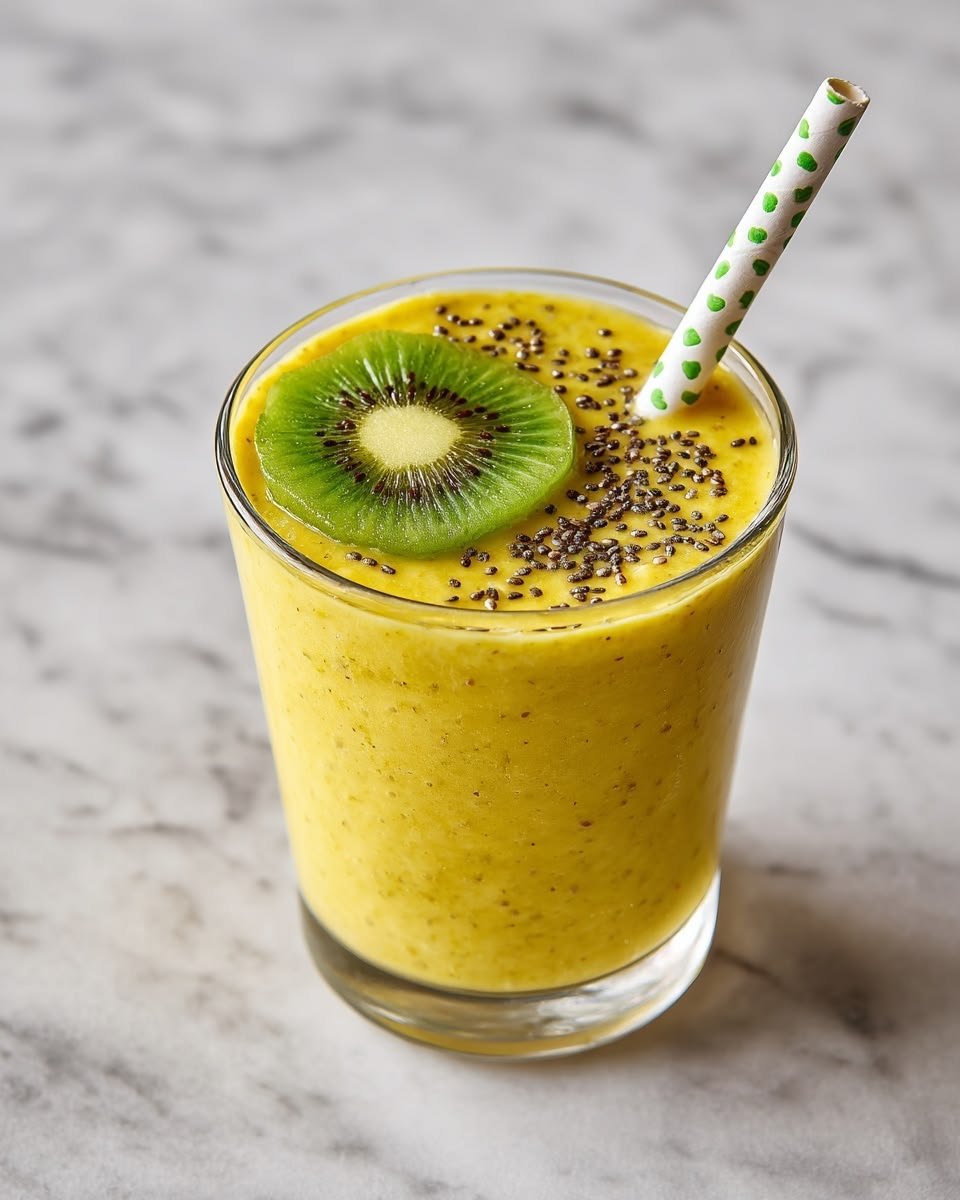
Golden Turmeric Chicken Vegetable Soup

Golden Turmeric Chicken Vegetable Soup

This recipe is perfect for cozy family dinners, chilly evenings, meal preparation, or whenever you want a wholesome bowl of homemade comfort food. It uses simple ingredients and straightforward cooking techniques, making it suitable for beginner cooks and experienced home chefs alike.

Unlike cream-based soups, this version gets its richness from chicken broth, vegetables, and a little olive oil. A squeeze of fresh lemon juice at the end brightens the flavors and balances the earthy turmeric. You can also customize it with potatoes, zucchini, spinach, or your favorite seasonal vegetables.

Recipe Overview

  • Preparation time: 15 minutes

  • Cooking time: 35–40 minutes

  • Total time: Approximately 55 minutes

  • Servings: 6

  • Cuisine: Comfort food with Mediterranean-inspired flavors

  • Difficulty: Easy

  • Cooking method: Stovetop

  • Main ingredients: Chicken, turmeric, carrots, celery, onion, garlic, and chicken broth

Ingredients

For the Chicken and Vegetables

  • 1½ pounds boneless, skinless chicken breasts or thighs

  • 2 tablespoons olive oil

  • 1 medium yellow onion, finely chopped

  • 3 medium carrots, peeled and sliced

  • 3 celery stalks, chopped

  • 1 medium zucchini, diced (optional)

  • 1 medium potato, peeled and diced (optional)

  • 4 cloves garlic, minced

  • 1 tablespoon freshly grated ginger

  • 2 cups fresh baby spinach, roughly chopped

  • ½ cup frozen peas (optional)

For the Golden Turmeric Broth

  • 8 cups low-sodium chicken broth

  • 1½ teaspoons ground turmeric

  • ½ teaspoon ground cumin

  • ½ teaspoon ground coriander

  • ½ teaspoon freshly ground black pepper

  • 1 teaspoon dried thyme

  • 1 bay leaf

  • 1 teaspoon salt, or to taste

  • 1 tablespoon fresh lemon juice

  • 2 tablespoons chopped fresh parsley

  • 1 tablespoon chopped fresh dill (optional)

Optional Additions

  • ½ cup small pasta or orzo

  • ½ cup cooked rice

  • A pinch of red pepper flakes

  • Extra lemon wedges for serving

  • A drizzle of olive oil for garnish

Instructions

Step 1: Prepare the Ingredients

Begin by preparing all your vegetables. Finely chop the onion, slice the carrots, and chop the celery into small, evenly sized pieces. Dice the zucchini and potato if you are using them.

Mince the garlic and grate the fresh ginger. Keep the turmeric, cumin, coriander, thyme, and black pepper nearby so you can add them easily during cooking.

Pat the chicken dry with paper towels. If using chicken breasts, leave them whole for poaching in the broth. If using chicken thighs, trim any excess fat.

Preparing everything before turning on the stove makes the cooking process easier and helps the vegetables cook evenly.

Step 2: Sauté the Aromatics

Place a large heavy-bottomed soup pot or Dutch oven over medium heat. Add the olive oil and allow it to warm for a few seconds.

Add the chopped onion, carrots, and celery. Cook for approximately 5–7 minutes, stirring occasionally, until the onion becomes translucent and the vegetables begin to soften.

Add the minced garlic and grated ginger. Stir continuously for about 30–60 seconds, just until fragrant.

Avoid browning the garlic too much because burnt garlic can introduce bitterness into the broth.

This first step builds the soup’s flavor. Cooking the vegetables in olive oil releases their natural sweetness and creates a savory foundation for the turmeric broth.

Step 3: Bloom the Turmeric and Spices

Add the ground turmeric, cumin, coriander, black pepper, and dried thyme to the vegetables.

Stir for approximately 30 seconds so the spices become fragrant and coat the vegetables evenly.

Turmeric provides the soup with its rich golden color and earthy flavor. Cumin adds warmth, coriander contributes a subtle citrusy note, and black pepper gives the broth a gentle peppery finish.

Cooking the spices briefly in olive oil helps distribute their flavor throughout the soup.

Do not leave the spices in the hot pot for too long without liquid, as ground spices can burn quickly.

Step 4: Add the Chicken and Broth

Pour in the chicken broth and stir well, scraping the bottom of the pot to release any flavorful bits.

Add the chicken breasts or thighs, the bay leaf, and the diced potato if using.

Increase the heat until the broth reaches a gentle boil. Then reduce the heat to low and cover the pot partially with a lid.

Simmer for approximately 18–25 minutes, depending on the thickness and cut of the chicken. Keep the broth at a gentle simmer rather than a vigorous boil to help the chicken remain tender.

Chicken must reach an internal temperature of 165°F (74°C) at its thickest point. Use a food thermometer to check for doneness.

If you are using particularly thick chicken breasts, they may require a little additional cooking time.

Step 5: Shred the Chicken

Once the chicken is cooked through, carefully remove it from the pot and place it on a clean cutting board or plate.

Allow it to rest briefly until it is cool enough to handle safely. Using two forks, shred the chicken into bite-sized pieces.

You can also chop the chicken into small cubes if you prefer a chunkier texture.

Return the shredded chicken to the pot and stir it into the golden broth.

Shredded chicken distributes evenly throughout the soup, ensuring that every serving contains a satisfying amount of protein.

If you prefer larger pieces of chicken, simply shred it into thicker strands rather than pulling it apart finely.

Step 6: Add the Remaining Vegetables

If using zucchini, add it to the soup after returning the chicken to the pot. Simmer for approximately 5–7 minutes, or until the zucchini is tender but not mushy.

Add the frozen peas during the final 3–4 minutes of cooking.

If you are adding small pasta, cook it according to the package instructions in the soup, allowing sufficient time for it to become tender. Alternatively, cook the pasta separately and add it to individual bowls before ladling in the soup.

For rice, use already-cooked rice and stir it in near the end.

These additions make the soup more substantial while allowing you to adapt it to your family’s preferences.

Step 7: Add the Spinach

Stir in the chopped baby spinach during the final 2–3 minutes of cooking.

The spinach will wilt quickly in the hot broth while retaining its fresh flavor and adding a beautiful green contrast to the golden soup.

Taste a piece of carrot or potato to make sure the vegetables are tender. Remove the bay leaf before serving.

If the broth has reduced more than expected, add a little extra chicken broth or hot water until you reach your preferred consistency.

Step 8: Finish with Lemon and Fresh Herbs

Turn the heat to low and stir in the fresh lemon juice.

Add the chopped parsley and dill, if using. Taste the soup and adjust the salt, pepper, or lemon juice as needed.

The lemon juice is particularly important because its bright acidity balances the earthy turmeric and savory chicken broth.

For a stronger peppery flavor, add a small pinch of additional black pepper. If you enjoy a little heat, a pinch of red pepper flakes works beautifully.

Avoid boiling the soup vigorously after adding the fresh herbs and lemon juice. A gentle final warming helps preserve their fresh flavors.

Step 9: Serve the Golden Soup

Ladle the hot soup into individual bowls, making sure each serving contains plenty of chicken and vegetables.

Garnish with additional fresh parsley, a few cracks of black pepper, and a light drizzle of olive oil if desired.

Serve with crusty whole-grain bread, warm pita, or a simple green salad.

For a Mediterranean-inspired meal, pair the soup with toasted bread rubbed lightly with garlic and olive oil.

The finished soup should have a clear, golden broth, tender shredded chicken, soft vegetables, and a fresh lemon-herb aroma.

Tips for the Best Golden Turmeric Chicken Vegetable Soup

1. Use fresh aromatics. Fresh garlic and ginger add a brighter flavor than dried alternatives. They complement turmeric particularly well.

2. Choose the right chicken. Chicken thighs tend to stay juicy and flavorful, while chicken breasts offer a leaner option. Both work beautifully in this recipe.

3. Bloom the spices. Briefly cooking turmeric and the other spices in olive oil enhances their aroma and helps the flavors blend throughout the broth.

4. Avoid overcooking the vegetables. Add quick-cooking vegetables, such as zucchini, peas, and spinach, toward the end so they maintain their texture.

5. Adjust the consistency. For a lighter soup, add more broth. For a heartier version, include diced potatoes, rice, or small pasta.

6. Balance the seasoning. Turmeric has a naturally earthy flavor, so lemon juice, fresh herbs, and freshly ground black pepper help keep the overall taste bright.

7. Use low-sodium broth. This allows you to control the salt level, especially if you plan to add other seasoned ingredients.

8. Make it ahead. The flavors often deepen after resting overnight. If preparing in advance, add delicate greens and fresh lemon closer to serving for the freshest flavor.

Delicious Variations

Creamy Golden Turmeric Chicken Soup

For a creamier version, stir in ½ cup of coconut milk or ¼–½ cup of heavy cream during the final few minutes of cooking. Coconut milk complements turmeric and ginger particularly well, giving the soup a slightly sweet, silky finish.

Golden Chicken and Rice Soup

Add 1–2 cups of cooked rice before serving. This creates a more filling meal and gives the broth a comforting, home-style texture. Cooked rice is best added near the end to prevent it from becoming overly soft.

Low-Carb Turmeric Chicken Soup

Skip the potatoes, rice, and pasta. Increase the zucchini, spinach, celery, and mushrooms instead. This creates a vegetable-rich soup without the traditional starches.

Spicy Golden Chicken Soup

Add a pinch of cayenne pepper or red pepper flakes with the turmeric. You can also add a little extra grated ginger for a warming flavor.

Lemon Herb Chicken Soup

Increase the lemon juice slightly and add fresh dill, parsley, and a little lemon zest just before serving. This variation is especially refreshing and pairs nicely with Mediterranean-style meals.

Golden Chicken and Lentil Soup

Add ¾ cup of rinsed red lentils and increase the broth as necessary. Red lentils soften as they cook and naturally thicken the soup, creating a heartier texture. Allow additional simmering time until the lentils are tender.

Serving Suggestions

Golden Turmeric Chicken Vegetable Soup is versatile enough to serve as a complete meal or as part of a larger dinner.

  • Crusty bread: Ideal for dipping into the flavorful golden broth.

  • Warm pita bread: A lovely option for a Mediterranean-inspired meal.

  • Fresh green salad: Adds crisp texture and freshness.

  • Roasted vegetables: Complement the soup for a vegetable-rich dinner.

  • Cooked quinoa: Serve a small portion alongside the soup for additional texture.

  • Lemon wedges: Let everyone adjust the brightness of their bowl.

For an attractive presentation, serve the soup in wide, shallow bowls and finish with green parsley, a light swirl of olive oil, and freshly ground black pepper.

Storage and Reheating

Refrigeration: Allow the soup to cool slightly, then transfer it to shallow, airtight containers. Refrigerate within two hours of cooking and consume within 3–4 days.

Freezing: Freeze the soup in freezer-safe containers for approximately 2–3 months for best quality. Leave a little space at the top because liquids expand when frozen. If possible, freeze the soup without pasta or rice, then add freshly cooked portions when serving.

Reheating on the stove: Place the desired portion in a saucepan and warm over medium-low heat, stirring occasionally, until it reaches 165°F (74°C).

Microwave reheating: Place a portion in a microwave-safe bowl, cover loosely, and heat in intervals, stirring between each interval until thoroughly hot.

If the broth thickens during storage, add a splash of chicken broth or water to restore its consistency. Add a squeeze of fresh lemon juice after reheating if the flavor needs brightening.

Nutritional Information

The following values are estimates for one of six servings, assuming the recipe uses chicken breast, olive oil, broth, and the listed vegetables without optional pasta, rice, potatoes, or cream.

Nutrient Estimated amount
Calories 280–330
Protein 32–38 g
Carbohydrates 12–18 g
Fat 9–13 g
Fiber 3–5 g
Sodium 450–750 mg

Actual nutrition will vary with the chicken cut, broth brand, vegetable quantities, and serving size. Using low-sodium broth can help reduce sodium.

Benefits of the Ingredients

Chicken: Provides complete protein, which supports muscle maintenance and normal body functions.

Turmeric: Contains curcumin, a compound studied for its antioxidant and anti-inflammatory properties. The amount of curcumin absorbed from a typical serving of soup varies, and this recipe should not be considered a treatment for disease.

Carrots: Supply beta-carotene, which the body can convert into vitamin A.

Spinach: Provides folate, vitamin K, and other useful nutrients.

Garlic and ginger: Add flavor along with naturally occurring plant compounds.

Olive oil: Supplies unsaturated fats and helps carry the flavors of the spices.

Lemon juice: Adds vitamin C and freshness, although the amount per serving depends on how much juice is used.

Together, these ingredients make a flavorful, balanced soup that can fit into a varied,
nutritious eating pattern.

Frequently Asked Questions

1. Can I use rotisserie chicken?

Yes. Replace the raw chicken with approximately 3–4 cups of shredded cooked chicken. Simmer the broth and vegetables until tender, then stir in the cooked chicken during the final 5–10 minutes to warm it through.

2. Can I prepare this soup in advance?

Absolutely. Prepare it a day ahead and refrigerate it promptly. Reheat thoroughly before serving. For the best texture, add spinach and lemon juice near the end of reheating.

3. Does turmeric make the soup taste bitter?

Turmeric has an earthy, slightly peppery flavor. Using the recommended quantity and balancing it with garlic, ginger, broth, and lemon creates a pleasant flavor without overwhelming the soup.

4. Can I make this soup dairy-free?

Yes. The basic recipe contains no dairy. Simply check that your chicken broth and any optional additions meet your dietary requirements.

5. How can I thicken the broth?

Mash a few cooked potato pieces into the broth, add cooked red lentils, or stir in a small amount of cornstarch mixed with cold water. Simmer gently until the desired consistency is reached.

6. Can I make it in a slow cooker?

Yes. Add the chicken, broth, onion, carrots, celery, garlic, ginger, and spices to the slow cooker. Cook on low for approximately 4–6 hours or high for 2–3 hours, checking that the chicken reaches 165°F (74°C). Shred the chicken, then add quick-cooking vegetables and spinach near the end.

7. Is this soup suitable for meal preparation?

Yes. Divide it into individual portions after cooking and refrigerate or freeze appropriately. Keeping rice or pasta separate helps preserve the texture when reheating.

8. What can I use instead of chicken broth?

Vegetable broth works well, although the flavor will be slightly different. Choose a well-seasoned, low-sodium variety and adjust the final seasoning to taste.

Parmesan Crusted Potatoes – Crispy, Golden, and Delicious

Parmesan Crusted Potatoes – Crispy, Golden, and Delicious

Introduction

Parmesan Crusted Potatoes are the perfect combination of crispy edges, golden crusts, and soft, fluffy centers. Coated with freshly grated Parmesan cheese, garlic, Italian herbs, and olive oil, these oven-roasted potatoes transform simple ingredients into an irresistible side dish. The Parmesan forms a beautifully browned, savory crust as the potatoes roast, creating a delicious contrast with their tender interiors.

This easy recipe is ideal for family dinners, weekend gatherings, holiday meals, or casual entertaining. Serve these potatoes alongside roasted chicken, grilled steak, baked fish, or your favorite vegetables. They are also delicious on their own with a creamy garlic dip or tangy ranch dressing.

The best part is that you do not need complicated ingredients or special equipment. With a baking sheet, a few pantry seasonings, and the right roasting technique, you can prepare restaurant-style Parmesan potatoes right in your kitchen.

Recipe Overview

  • Preparation Time: 15 minutes
  • Cooking Time: 35–45 minutes
  • Total Time: Approximately 55–60 minutes
  • Servings: 4–6
  • Course: Side Dish
  • Cuisine: American-inspired
  • Cooking Method: Oven-roasted
  • Difficulty: Easy

Ingredients

For the Potatoes

  • 2 pounds baby Yukon Gold or red potatoes
  • ½ cup freshly grated Parmesan cheese
  • 3 tablespoons olive oil
  • 3 cloves garlic, finely minced
  • 1 teaspoon Italian seasoning
  • ½ teaspoon smoked paprika
  • ½ teaspoon onion powder
  • ½ teaspoon salt, or to taste
  • ½ teaspoon freshly ground black pepper
  • 1 tablespoon chopped fresh parsley
  • 1 tablespoon melted butter, optional
  • Extra Parmesan cheese, for serving

Optional Dipping Sauce

  • ½ cup mayonnaise or Greek yogurt
  • 2 tablespoons sour cream
  • 1 small garlic clove, finely grated
  • 1 teaspoon lemon juice
  • 1 tablespoon chopped fresh parsley
  • Salt and black pepper, to taste

Instructions

Step 1: Preheat the Oven

Preheat your oven to 425°F (220°C). A properly heated oven is essential for achieving crispy potatoes with a golden Parmesan crust.

Lightly grease a large metal baking sheet with olive oil or line it with parchment paper. For the crispiest bottoms, a bare, lightly greased metal baking sheet generally provides better direct contact with the hot surface.

Make sure the baking sheet is large enough to hold the potatoes in a single layer. If necessary, use two baking sheets to prevent overcrowding.

Step 2: Prepare the Potatoes

Wash the potatoes thoroughly under running water, scrubbing away any dirt. Pat them completely dry with a clean kitchen towel.

Cut baby potatoes in half lengthwise. If they are particularly large, cut them into quarters so the pieces are approximately the same size. Uniform pieces cook more evenly and develop a consistent golden crust.

You can leave the skins on for extra texture, flavor, and convenience. If you prefer peeled potatoes, that works too, although leaving the skins intact helps the pieces hold their shape.

For especially crispy results, avoid leaving excess moisture on the potatoes after washing. Water on the surface can interfere with browning.

Step 3: Prepare the Parmesan Mixture

In a medium bowl, combine the grated Parmesan cheese, minced garlic, Italian seasoning, smoked paprika, onion powder, salt, and black pepper.

Add the olive oil and stir until the mixture is evenly moistened. The cheese and seasonings should form a flavorful coating rather than a watery sauce.

Freshly grated Parmesan is especially useful because it melts and browns beautifully. Finely grated cheese also spreads more evenly over the cut surfaces than large cheese shavings.

If you enjoy a stronger garlic flavor, add an extra clove. For a little heat, include a pinch of crushed red pepper flakes.

Step 4: Coat the Potatoes

Place the dry potato halves in a large mixing bowl. Add the Parmesan mixture and toss thoroughly until the potatoes are coated on all sides.

Pay special attention to the cut surfaces, as these will form the delicious golden crust during roasting.

For an extra-crispy presentation, you can press the flat cut side of each potato gently into any Parmesan mixture remaining in the bowl before arranging it on the baking sheet.

Try to distribute the garlic and cheese evenly so that every piece receives plenty of flavor.

Step 5: Arrange the Potatoes

Spread the coated potatoes across the prepared baking sheet in a single layer.

For the best Parmesan crust, arrange the potatoes with their flat, cut sides facing down. This allows the cheese-coated surfaces to make direct contact with the hot baking sheet and develop a crisp, golden layer.

Leave a little space between each piece. When potatoes are crowded together, steam becomes trapped, making them softer rather than crispier.

If the potatoes do not fit comfortably in one layer, divide them between two baking sheets.

Step 6: Roast Until Golden

Transfer the baking sheet to the preheated oven and roast for approximately 35–45 minutes, depending on the size of the potatoes.

Avoid moving the potatoes during the first 25–30 minutes. Allowing them to remain undisturbed helps the Parmesan crust develop properly.

After about 30 minutes, check their color. The bottoms should be golden brown, and the potatoes should be becoming tender.

If needed, continue roasting until the potatoes are easily pierced with a fork and the cheese coating looks crisp and deeply golden.

Cooking time can vary depending on your oven, potato size, and baking sheet, so use tenderness and color as your main guides.

Step 7: Finish With Butter and Herbs

Remove the potatoes from the oven once they are golden and tender.

If desired, drizzle them with a tablespoon of melted butter for extra richness. Sprinkle with chopped fresh parsley and a little additional Parmesan cheese while they are still hot.

Let the potatoes rest on the baking sheet for approximately 2–3 minutes. This brief resting period helps the crust settle and makes the potatoes easier to lift without breaking.

Use a thin spatula to release any pieces that have adhered to the baking sheet. Turn them carefully so the crispy Parmesan layer stays intact.

Step 8: Prepare the Optional Dipping Sauce

While the potatoes roast, prepare a quick creamy dipping sauce.

In a small bowl, combine mayonnaise or Greek yogurt, sour cream, grated garlic, lemon juice, chopped parsley, salt, and black pepper.

Stir until smooth. Taste and adjust the seasoning, adding a little more lemon juice if you prefer a brighter flavor.

Refrigerate the sauce until serving time. Its cool, tangy flavor complements the hot, salty Parmesan crust beautifully.

Step 9: Serve and Enjoy

Transfer the finished potatoes to a serving platter. Garnish with additional parsley and freshly grated Parmesan.

Serve immediately while the crust is crisp and the centers are fluffy. Place the dipping sauce on the side, or offer ranch dressing, garlic aioli, or spicy mayonnaise as alternatives.

These potatoes are best enjoyed fresh from the oven, when the cheese coating has its most satisfying crunch.

Tips for Perfect Parmesan Crusted Potatoes

1. Choose the Right Potatoes

Baby Yukon Gold potatoes are an excellent choice because they have a naturally creamy interior and a buttery flavor. Red potatoes also work well because they hold their shape during roasting.

Russet potatoes can be used, but their starchier texture may produce a different result. If using larger potatoes, cut them into evenly sized chunks.

2. Use Freshly Grated Parmesan

Freshly grated Parmesan generally gives the potatoes a better texture and more pronounced flavor. Pre-grated cheese can contain anti-caking ingredients that affect how it melts and browns.

Grate the cheese finely enough to coat the potatoes evenly, but avoid turning it into a powder.

3. Dry the Potatoes Thoroughly

After washing, remove as much surface moisture as possible. Dry potatoes brown more effectively and help the cheese coating become crisp instead of soggy.

This simple preparation step can make a noticeable difference.

4. Roast at a High Temperature

An oven temperature of 425°F (220°C) helps the potatoes cook through while the Parmesan becomes golden and crisp.

If your oven runs hot, check the potatoes earlier to prevent the cheese and garlic from burning.

5. Keep the Cut Sides Down

Placing the flat sides against the baking sheet encourages direct contact with the hot surface. This is one of the most effective ways to create a flavorful crust.

Avoid repeatedly turning the potatoes while they cook.

6. Do Not Overcrowd the Pan

Give each potato piece enough room for hot air to circulate. A crowded pan traps moisture and reduces browning.

Two baking sheets are better than one overcrowded sheet.

7. Watch the Garlic

Finely minced garlic adds wonderful flavor, but it can brown quickly. Keep the oven temperature controlled and avoid placing loose piles of garlic directly on the baking sheet where they may burn.

If you prefer a milder garlic flavor, use garlic powder instead of fresh garlic.

Delicious Variations

Garlic Herb Parmesan Potatoes

Add extra rosemary, thyme, and parsley to the seasoning mixture. This variation pairs especially well with roasted chicken and grilled vegetables.

Spicy Parmesan Potatoes

Add ¼–½ teaspoon of cayenne pepper or crushed red pepper flakes. The gentle heat balances the rich cheese and buttery potato centers.

Lemon Parmesan Potatoes

Add a little lemon zest to the potatoes before roasting. Finish with a small squeeze of fresh lemon juice just before serving for a bright, fresh flavor.

Cheddar Parmesan Potatoes

Combine the Parmesan with a small amount of finely grated sharp cheddar. The cheddar adds richness, although Parmesan should remain the main cheese for a crisp, savory crust.

Loaded Parmesan Potatoes

After roasting, top the potatoes with sliced green onions, a small spoonful of sour cream, and crumbled cooked bacon. Serve immediately for a loaded-potato-inspired side dish.

Dairy-Free Option

Use a suitable dairy-free Parmesan-style alternative and check that it browns well at high temperatures. The flavor and crust may differ from traditional Parmesan potatoes.

What to Serve With Parmesan Crusted Potatoes

These potatoes complement a wide range of main dishes.

  • Roasted chicken: Their crispy texture pairs beautifully with juicy chicken and pan gravy.
  • Grilled steak: Serve them alongside steak with garlic butter for a hearty dinner.
  • Baked salmon: The savory cheese crust balances the delicate flavor of fish.
  • Pork chops: Pair with roasted vegetables or a fresh green salad.
  • Burgers: Replace ordinary fries with these flavorful potato bites.
  • Vegetarian meals: Serve with roasted broccoli, sautéed mushrooms, green beans, or a crisp garden salad.

For entertaining, arrange the potatoes on a large platter with several dipping sauces so guests can help themselves.

Storage and Reheating

Refrigeration

Allow leftover potatoes to cool, then transfer them to an airtight container. Refrigerate for up to 3–4 days.

For food safety, refrigerate cooked potatoes within two hours of cooking, or sooner in very hot conditions.

Reheating in the Oven

Preheat the oven to 400°F (200°C). Spread the potatoes on a baking sheet and heat for approximately 8–12 minutes, or until warmed through and crisp again.

The exact time depends on the size and quantity of the leftovers.

Reheating in an Air Fryer

Place the potatoes in a single layer in an air fryer basket. Heat at 375°F (190°C) for approximately 4–7 minutes, shaking the basket once if necessary.

Check frequently because smaller pieces can brown quickly.

Microwave Reheating

The microwave is convenient for quick reheating, but it softens the crust. If crispiness matters, finish the potatoes in an oven or air fryer after warming them.

Can You Freeze Them?

You can freeze roasted potatoes, although the texture may become softer after thawing. For the best result, freeze them in a single layer until firm, then transfer them to a freezer-safe container.

Reheat from frozen in a hot oven or air fryer until heated through and crisp. Avoid relying on freezing if you want the same texture as freshly roasted potatoes.

Frequently Asked Questions

Can I prepare Parmesan crusted potatoes ahead of time?

You can wash, dry, and cut the potatoes a few hours in advance. Store the cut pieces submerged in cold water in the refrigerator, then drain and dry them very thoroughly before seasoning. For the best crust, coat and roast them shortly before serving.

Do I need to boil the potatoes first?

No. Small baby potatoes cook well directly in the oven when cut into halves or quarters. Boiling is optional and may shorten the roasting time, but the potatoes must be drained and dried thoroughly before coating.

Why did my Parmesan crust stick to the pan?

The cheese may stick if the baking sheet is not adequately greased, the potatoes are moved too early, or the crust has not browned enough to release naturally. Use a lightly greased metal pan and allow the potatoes to roast undisturbed before turning or removing them.

Can I use grated Parmesan from a container?

Yes, although freshly grated Parmesan usually gives the best flavor and texture. If using packaged grated cheese, check the texture and watch the potatoes closely as they roast.

How can I make the potatoes extra crispy?

Dry the potatoes thoroughly, use a hot oven, avoid overcrowding, and place the cut sides down. A metal baking sheet also helps the bottoms brown effectively.

Can I make this recipe in an air fryer?

Yes. Arrange the coated potatoes in a single layer in the air fryer basket, cut side down. Cook at approximately 380°F (193°C) for 15–22 minutes, turning only if needed and checking for tenderness and browning. Cook in batches if necessary.

Crispy Cheesy Zucchini Roll-Ups

Zucchini Roll-Ups with ricotta, mozzarella, Parmesan, garlic, herbs, marinara sauce, and crispy golden edges

Crispy Cheesy Zucchini Roll-Ups

Zucchini Roll-Ups are a crispy, cheesy, and flavorful way to turn fresh zucchini into an easy appetizer, side dish, or light meal. Thin zucchini strips are softened just enough to roll, filled with a creamy mixture of ricotta, mozzarella, Parmesan, garlic, and herbs, then baked until the cheese is hot and the edges turn golden.

These Zucchini Roll-Ups are perfect when you want something comforting without using pasta. They work well for family dinners, parties, meal prep, or as a vegetable-packed side served with marinara sauce.

Prep Time: 25 minutes
Cook Time: 25 minutes
Total Time: 50 minutes
Servings: 6

Ingredients

For the Zucchini

  • 3 large zucchini
  • 1 tablespoon olive oil
  • 1/2 teaspoon salt
  • 1/4 teaspoon black pepper
  • 1/2 teaspoon garlic powder

Cheese Filling

  • 1 cup ricotta cheese
  • 1 cup shredded mozzarella cheese, divided
  • 1/2 cup grated Parmesan cheese, divided
  • 1 large egg
  • 2 garlic cloves, minced
  • 2 tablespoons chopped fresh parsley
  • 1 tablespoon chopped fresh basil
  • 1/2 teaspoon dried oregano
  • 1/4 teaspoon red pepper flakes, optional
  • 1/4 teaspoon black pepper

For Assembly

  • 1 cup thick marinara sauce
  • 2 tablespoons breadcrumbs, optional
  • 1 tablespoon olive oil
  • Fresh basil, for garnish
  • Extra Parmesan, for serving

Why You’ll Love This Recipe

Zucchini Roll-Ups give you all the creamy, cheesy comfort of a baked Italian dish while keeping zucchini at the center of the recipe. The filling is rich and savory, but the fresh vegetable base keeps each serving balanced and light.

Another reason to love Zucchini Roll-Ups is their versatility. You can serve them as a vegetarian main dish, a party appetizer, or a side with chicken, fish, or salad.

They also look impressive on the table even though the method is simple.

How to Make Zucchini Roll-Ups

Step 1: Slice the Zucchini

Trim the ends from the zucchini.

Using a mandoline or a sharp knife, slice each zucchini lengthwise into strips about 1/8 inch thick.

Try to keep the strips similar in thickness so they soften evenly and roll without breaking.

Step 2: Remove Excess Moisture

Arrange the zucchini strips on paper towels or clean kitchen towels.

Sprinkle lightly with salt and let them sit for about 10 minutes.

Pat the surface dry.

Removing excess moisture helps Zucchini Roll-Ups stay firm instead of becoming watery during baking.

Step 3: Soften the Strips

Brush the zucchini lightly with olive oil and season with black pepper and garlic powder.

Place the strips on a parchment-lined baking sheet and bake at 400°F or 200°C for 5 to 7 minutes.

They should become flexible but not fully cooked.

Let them cool slightly before filling.

Step 4: Make the Cheese Filling

In a medium bowl, combine ricotta, half of the mozzarella, half of the Parmesan, egg, garlic, parsley, basil, oregano, red pepper flakes, and black pepper.

Mix until smooth and evenly combined.

The filling for Zucchini Roll-Ups should be thick enough to stay inside the rolls.

Step 5: Prepare the Baking Dish

Spread about 3/4 cup of marinara sauce over the bottom of a medium baking dish.

A thin layer of sauce prevents sticking and gives the Zucchini Roll-Ups extra tomato flavor without making them soggy.

Step 6: Fill and Roll

Place one zucchini strip on a clean work surface.

Add about 1 tablespoon of cheese filling near one end.

Roll gently but firmly, keeping the filling inside.

Place the roll seam-side down in the baking dish.

Repeat with the remaining strips.

Step 7: Add the Topping

Spoon the remaining marinara lightly over the tops.

Sprinkle with the reserved mozzarella and Parmesan.

For extra crunch, mix breadcrumbs with 1 tablespoon olive oil and scatter a small amount over the cheese.

This gives Zucchini Roll-Ups crisp, golden edges while keeping the center soft and creamy.

Step 8: Bake

Bake uncovered at 400°F or 200°C for 18 to 22 minutes.

The cheese should be melted and bubbling, and the zucchini should be tender.

For a more golden top, broil for 1 to 2 minutes at the end, watching closely.

Step 9: Rest Before Serving

Remove the baking dish from the oven and let it rest for about 5 minutes.

This short resting period helps Zucchini Roll-Ups hold their shape and makes them easier to serve.

Step 10: Garnish

Finish with fresh basil, extra Parmesan, and a little black pepper.

Serve warm with extra marinara on the side.

Serving Suggestions

Zucchini Roll-Ups pair beautifully with grilled chicken, roasted salmon, shrimp, or meatballs.

For a vegetarian meal, serve them with garlic bread, a green salad, roasted vegetables, or white beans.

You can also serve Zucchini Roll-Ups as an appetizer with warm marinara sauce for dipping.

For a Mediterranean-style plate, add olives, cucumber salad, hummus, and roasted peppers.

For a cozy seasonal meal, try our Crockpot Pumpkin Chili – Fall Special, packed with warm spices and comforting fall flavor.

Recipe Tips

Choose large, straight zucchini because they are easier to slice into long strips.

Use a mandoline for consistent thickness if you have one.

Do not skip the salting step because zucchini naturally contains a lot of water.

Pat the strips dry before baking.

Pre-baking makes the rolls easier to shape without cracking.

Use whole-milk ricotta for the creamiest filling.

Choose a thick marinara sauce rather than a watery one.

Do not overfill the rolls.

Place each roll seam-side down so it stays closed while baking.

Broil briefly at the end if you want extra browning.

Easy Variations

Add chopped spinach to the ricotta mixture for extra greens.

Zucchini Roll-Ups can also be filled with cooked chicken, turkey, or Italian sausage for a higher-protein version.

For Mediterranean flavor, add crumbled feta, chopped olives, and oregano.

You can also add sun-dried tomatoes or roasted red peppers to the cheese filling.

For a spicy version, stir extra red pepper flakes into the filling or use arrabbiata sauce instead of regular marinara.

If you prefer a lighter filling, replace part of the ricotta with cottage cheese.

Make-Ahead Instructions

Zucchini Roll-Ups are easy to prepare ahead.

Slice and soften the zucchini, prepare the cheese filling, assemble the rolls, and refrigerate them in the baking dish for up to 24 hours.

Keep the dish covered until you are ready to bake.

If baking directly from the refrigerator, add about 5 minutes to the cooking time.

For the best texture, wait to add breadcrumbs until just before baking.

Storage and Reheating

Store leftover Zucchini Roll-Ups in an airtight container in the refrigerator for up to 3 days.

Reheat them in a 350°F or 175°C oven for 10 to 15 minutes, or until hot.

You can also microwave individual portions in short intervals, although the zucchini will be softer.

Freezing is possible, but the zucchini may release more liquid after thawing. For the best texture, enjoy the rolls fresh or refrigerated.

Nutrition Information

Approximate nutrition per serving:

Calories: 285
Protein: 18 g
Carbohydrates: 13 g
Fat: 19 g
Saturated Fat: 9 g
Fiber: 3 g
Sugar: 6 g
Sodium: 590 mg

Nutrition values are estimates and may vary depending on the cheeses, marinara sauce, breadcrumbs, and serving size.

Frequently Asked Questions

Can I make these without ricotta?

Yes. Cottage cheese, cream cheese, or a mixture of feta and mozzarella can work as substitutes.

How do I stop the zucchini from becoming watery?

Salt the strips, let them rest, pat them dry, and pre-bake them briefly before rolling.

Can I make these low-carb?

Yes. Zucchini Roll-Ups are naturally lower in carbohydrates than pasta-based roll-ups. Use a low-sugar marinara and skip the breadcrumbs if desired.

Can I add meat to the filling?

Yes. Cooked ground turkey, chicken, beef, or sausage can be mixed with the cheese filling.

Can I use yellow squash?

Yes. Choose long, straight yellow squash and prepare it the same way.

Can I make them in the air fryer?

Yes. Arrange the rolls in a small air-fryer-safe dish and cook at 350°F or 175°C until the cheese is hot and melted.

What sauce works best?

A thick marinara, tomato-basil sauce, or arrabbiata sauce works best because it complements the cheese without adding too much moisture.

Final Thoughts

Zucchini Roll-Ups are an easy way to turn fresh zucchini into a warm, cheesy, and satisfying dish. Creamy ricotta, mozzarella, Parmesan, garlic, herbs, and tomato sauce create classic Italian-inspired flavors while the zucchini keeps the recipe fresh.

Because Zucchini Roll-Ups can be customized with different cheeses, vegetables, or proteins, they work for everything from weeknight dinners to party appetizers.

Keep this Zucchini Roll-Ups recipe in your rotation whenever you want a colorful, comforting dish that is easy to prepare and full of cheesy flavor.

If you enjoy fresh Mediterranean-inspired recipes, you may also like our Sun-Dried Tomato, Spinach & Goat Cheese Frittata.

Sun-Dried Tomato, Spinach & Goat Cheese Frittata

Goat Cheese Frittata with sun-dried tomatoes, spinach, eggs, fresh herbs, and creamy goat cheese

Sun-Dried Tomato, Spinach & Goat Cheese Frittata

Goat Cheese Frittata is a colorful, protein-rich breakfast or brunch recipe made with eggs, tangy goat cheese, tender spinach, sun-dried tomatoes, fresh herbs, and a touch of garlic. The eggs bake into a soft, custardy base while the cheese melts into creamy pockets and the tomatoes add concentrated sweet-savory flavor.

This frittata is easy enough for a weekday breakfast but elegant enough for brunch, holidays, or entertaining. It can be served warm, at room temperature, or chilled, and it pairs beautifully with toast, roasted potatoes, fruit, or a simple green salad.

Prep Time: 15 minutes
Cook Time: 25 minutes
Total Time: 40 minutes
Servings: 6

Ingredients

For the Egg Base

  • 8 large eggs
  • 1/2 cup whole milk or half-and-half
  • 1/2 teaspoon salt
  • 1/4 teaspoon black pepper
  • 1/2 teaspoon dried oregano
  • 1/4 teaspoon smoked paprika
  • 1 tablespoon chopped fresh parsley
  • 1 tablespoon chopped fresh basil

For the Filling

  • 1 tablespoon extra virgin olive oil
  • 1 small shallot or 1/2 small red onion, finely chopped
  • 2 garlic cloves, minced
  • 3 cups baby spinach
  • 1/2 cup sun-dried tomatoes, drained and sliced
  • 4 ounces goat cheese, crumbled
  • 1/4 cup grated Parmesan cheese
  • 1 tablespoon chopped fresh chives, optional

Optional Garnishes

  • Extra goat cheese
  • Fresh basil
  • Chopped parsley
  • Red pepper flakes
  • Lemon zest

Why You’ll Love This Recipe

Goat Cheese Frittata is simple, flavorful, and flexible. The combination of creamy eggs, tangy cheese, spinach, and sun-dried tomatoes creates a balanced Mediterranean-style flavor without requiring complicated ingredients.

Another reason to love this frittata is that it works well for meal prep. You can bake it ahead, slice it into portions, and reheat it during the week for a quick breakfast or light lunch.

It is also easy to customize with mushrooms, roasted peppers, asparagus, olives, zucchini, or different herbs.

How to Make Goat Cheese Frittata

Step 1: Preheat the Oven

Preheat the oven to 375°F or 190°C.

Lightly grease a 10-inch oven-safe skillet with olive oil or cooking spray.

Using an oven-safe skillet allows the Goat Cheese Frittata to start on the stovetop and finish in the oven without transferring the mixture to another dish.

Step 2: Whisk the Egg Mixture

Crack the eggs into a large bowl.

Add the milk, salt, black pepper, oregano, smoked paprika, parsley, and basil.

Whisk until the yolks and whites are fully combined and the mixture looks slightly frothy.

A well-whisked base helps Goat Cheese Frittata bake evenly and gives it a softer texture.

Step 3: Sauté the Aromatics

Heat the olive oil in the skillet over medium heat.

Add the shallot and cook for 2 to 3 minutes until softened.

Stir in the garlic and cook for about 30 seconds, just until fragrant.

Avoid browning the garlic because it can become bitter.

Step 4: Wilt the Spinach

Add the spinach to the skillet in batches.

Stir gently until the leaves wilt, which should take about 2 minutes.

If the spinach releases excess liquid, cook for another minute so most of the moisture evaporates.

Removing extra moisture helps Goat Cheese Frittata stay tender instead of watery.

Step 5: Add the Sun-Dried Tomatoes

Stir the sliced sun-dried tomatoes into the spinach mixture.

Spread the vegetables evenly across the bottom of the skillet.

The sun-dried tomatoes give Goat Cheese Frittata a concentrated tomato flavor that pairs especially well with tangy goat cheese.

Step 6: Pour in the Eggs

Reduce the heat to medium-low.

Pour the egg mixture evenly over the vegetables.

Use a spatula to gently move the ingredients so the spinach and tomatoes are distributed throughout the pan.

Let the eggs cook undisturbed for about 2 minutes, just until the edges begin to set.

Step 7: Add the Cheese

Scatter the goat cheese and Parmesan evenly over the top.

Press a few pieces of goat cheese lightly into the egg mixture while leaving some visible on the surface.

This creates creamy pockets throughout Goat Cheese Frittata while also giving the top an attractive finish.

Step 8: Bake

Transfer the skillet to the preheated oven.

Bake for 15 to 18 minutes, or until the center is just set.

The eggs should no longer look wet, but avoid baking until very firm because overcooked eggs can become rubbery.

Goat Cheese Frittata will continue to set slightly as it rests.

Step 9: Rest Before Slicing

Remove the skillet from the oven and let it rest for 5 to 10 minutes.

This gives the eggs time to settle and makes the slices cleaner.

Step 10: Garnish and Serve

Sprinkle with fresh chives, basil, parsley, or a little lemon zest.

Add extra crumbled goat cheese or red pepper flakes if desired.

Serve Goat Cheese Frittata warm or at room temperature.

Serving Suggestions

This frittata is delicious with toasted sourdough, warm pita, roasted breakfast potatoes, or a simple arugula salad.

For brunch, serve it with fresh fruit, Greek yogurt, avocado, olives, and sliced tomatoes.

You can also pair Goat Cheese Frittata with soup or a grain salad for a light lunch.

Its room-temperature appeal also makes it convenient for picnics and brunch buffets.

For another crispy and flavorful side dish, try our Air Fryer Butternut Squash Fries with Garlic Aioli.

Recipe Tips

Use room-temperature eggs if possible because they blend more smoothly with the milk.

Drain oil-packed sun-dried tomatoes well before adding them.

Cook the spinach until excess moisture evaporates.

Use an oven-safe skillet so the eggs can move directly from stovetop to oven.

Do not overbake Goat Cheese Frittata. Remove it when the center is just set.

Crumbled goat cheese works best when distributed in small and medium pieces.

Let the frittata rest before slicing.

For a richer texture, use half-and-half instead of milk.

Easy Variations

Add sautéed mushrooms for an earthy flavor.

Goat Cheese Frittata can also be made with roasted red peppers, asparagus, zucchini, or artichoke hearts.

For a stronger Mediterranean profile, add chopped Kalamata olives and a pinch of red pepper flakes.

If goat cheese is not available, feta, ricotta, or soft cream cheese can be used, although the flavor will be different.

For extra protein, add cooked chicken sausage, turkey sausage, or smoked salmon.

You can also add fresh dill, thyme, or chives for a different herb profile.

Make-Ahead Instructions

Goat Cheese Frittata is an excellent make-ahead breakfast.

Bake it one day in advance, let it cool completely, then cover and refrigerate.

You can serve it chilled, at room temperature, or gently reheated.

For meal prep, cut it into individual slices and refrigerate for quick breakfasts.

Storage and Reheating

Store leftover Goat Cheese Frittata in an airtight container in the refrigerator for up to 4 days.

Reheat slices in a 325°F or 165°C oven for about 8 to 10 minutes, or microwave in short intervals.

Avoid overheating because eggs can become dry.

Freeze individual slices for up to 2 months; thaw overnight and reheat gently.

Nutrition Information

Approximate nutrition per serving:

Calories: 260
Protein: 17 g
Carbohydrates: 7 g
Fat: 18 g
Saturated Fat: 8 g
Fiber: 2 g
Sugar: 4 g
Sodium: 520 mg

Nutrition values are estimates and may vary depending on the milk, cheese, sun-dried tomatoes, and serving size.

Frequently Asked Questions

Can I make this without an oven-safe skillet?

Yes. Cook the vegetables in a regular skillet, transfer them to a greased baking dish, pour the egg mixture over the top, add the cheese, and bake.

Can I use feta instead of goat cheese?

Yes. Feta works well, although it is firmer and saltier than goat cheese.

Can I use frozen spinach?

Yes. Thaw it completely and squeeze out as much water as possible before adding it.

How do I know when the frittata is done?

The center should look set and no longer wet. A slight jiggle is fine because it will continue cooking as it rests.

Can I make this dairy-free?

Yes. Use unsweetened dairy-free milk and replace the goat cheese and Parmesan with dairy-free alternatives.

Can I serve it cold?

Yes. Goat Cheese Frittata tastes good chilled or at room temperature, making it convenient for meal prep and brunch.

Can I add meat?

Yes. Cooked chicken sausage, turkey sausage, bacon, or smoked salmon can be added before baking.

Final Thoughts

Goat Cheese Frittata is an easy, colorful way to combine eggs, spinach, sun-dried tomatoes, herbs, and creamy cheese in one satisfying dish. It feels special enough for brunch but is simple enough for everyday cooking.

Because Goat Cheese Frittata stores well and can be served warm or at room temperature, it is also a practical choice for meal prep, holidays, and casual entertaining.

Keep this Goat Cheese Frittata recipe in your rotation whenever you want a flavorful Mediterranean-inspired breakfast or light meal that comes together with simple ingredients.

If you enjoy cheesy and comforting baked recipes, you may also like our Cheesy Garlic Pizza Bread.

Cheesy Garlic Pizza Bread

Cheesy Garlic Pizza Bread with garlic butter, pizza sauce, mozzarella, Parmesan, herbs, and crispy golden bread

Cheesy Garlic Pizza Bread

Cheesy Garlic Pizza Bread is a quick, savory bake made with crusty bread, garlic butter, pizza sauce, mozzarella, Parmesan, herbs, and your favorite toppings. It combines the crisp edges of garlic bread with the cheesy comfort of pizza, making it perfect for snacks, easy lunches, family dinners, parties, or game-day spreads.

This Cheesy Garlic Pizza Bread is simple enough for beginners and flexible enough to customize. You can keep it classic with cheese and herbs, add pepperoni or vegetables, or serve it with marinara for dipping.

Prep Time: 15 minutes
Bake Time: 12 to 15 minutes
Total Time: About 30 minutes
Servings: 6

Ingredients

For the Garlic Bread Base

  • 1 large French bread loaf or Italian bread loaf
  • 4 tablespoons unsalted butter, softened
  • 2 tablespoons extra virgin olive oil
  • 3 garlic cloves, finely minced
  • 1 tablespoon chopped fresh parsley
  • 1/2 teaspoon dried oregano
  • 1/4 teaspoon garlic powder
  • 1/4 teaspoon salt

For the Pizza Topping

  • 3/4 cup pizza sauce or thick marinara
  • 2 cups shredded mozzarella cheese
  • 1/3 cup freshly grated Parmesan cheese
  • 1/2 teaspoon Italian seasoning
  • 1/4 teaspoon red pepper flakes, optional
  • 1/3 cup sliced pepperoni, optional
  • 1/4 cup sliced black olives, optional
  • 1/4 cup diced bell pepper, optional
  • 2 tablespoons chopped fresh basil

 Serving

  • Warm marinara sauce
  • Extra Parmesan
  • Fresh basil
  • Red pepper flakes

Why You’ll Love This Recipe

Cheesy Garlic Pizza Bread gives you the best parts of pizza and garlic bread in one easy recipe. The base turns crisp around the edges while staying slightly soft in the center, and the garlic butter soaks into the bread before the sauce and cheese are added.

Another reason to love this recipe is how easy it is to adapt. Use different cheeses, vegetables, or cooked meats to suit your taste.

How to Make Cheesy Garlic Pizza Bread

Step 1: Preheat the Oven

Preheat the oven to 425°F or 220°C.

Line a large baking sheet with parchment paper or foil.

A hot oven helps Cheesy Garlic Pizza Bread develop crisp edges quickly while melting the cheese evenly.

Step 2: Prepare the Bread

Slice the loaf in half lengthwise so you have two long pieces.

Place them cut-side up on the prepared baking sheet.

If the loaf is very thick, gently press the center down slightly with your hand to create a flatter surface for the toppings.

Step 3: Make the Garlic Butter

In a small bowl, combine softened butter, olive oil, minced garlic, parsley, oregano, garlic powder, and salt.

Mix until smooth.

Spread the garlic butter evenly over the cut surfaces of the bread.

This layer is what gives Cheesy Garlic Pizza Bread its rich garlic flavor from the very first bite.

Step 4: Toast the Bread First

Bake the buttered bread for 5 minutes before adding the pizza toppings.

This short pre-bake helps the surface become slightly crisp and prevents the sauce from soaking in too deeply.

Remove the bread from the oven once the edges begin to look lightly golden.

Step 5: Add the Pizza Sauce

Spread a thin, even layer of pizza sauce over each half.

Do not use too much sauce because excess moisture can make Cheesy Garlic Pizza Bread soggy.

Leave a small border around the edges for a crisp finish.

Step 6: Add the Cheese

Sprinkle mozzarella evenly over the sauce.

Add Parmesan, Italian seasoning, and red pepper flakes if using.

For the best melt, spread the cheese all the way toward the edges without covering the crust completely.

Step 7: Add Optional Toppings

Add pepperoni, olives, bell pepper, mushrooms, cooked sausage, or any other toppings you enjoy.

Keep the toppings fairly light so Cheesy Garlic Pizza Bread stays crisp and easy to slice.

Watery vegetables should be cooked or patted dry before adding.

Step 8: Bake Until Golden

Return the bread to the oven.

Bake for 7 to 10 minutes, or until the mozzarella is fully melted and bubbling.

For extra color, broil for 1 to 2 minutes at the end, watching closely.

Cheesy Garlic Pizza Bread is ready when the cheese has golden spots and the bread edges are crisp.

Step 9: Finish with Fresh Herbs

Remove the bread from the oven and sprinkle with fresh basil, extra parsley, or more Parmesan.

Let it rest for 2 to 3 minutes before slicing.

Step 10: Slice and Serve

Cut each half into thick strips or squares.

Serve Cheesy Garlic Pizza Bread warm with marinara sauce for dipping.

Serving Suggestions

Cheesy Garlic Pizza Bread works as an appetizer, snack, or light meal.

Serve it with tomato soup, minestrone, Caesar salad, cucumber salad, or roasted vegetables.

For a party, cut Cheesy Garlic Pizza Bread into smaller squares and serve with warm marinara or garlic dip.

It also pairs well with grilled chicken, meatballs, pasta, or a large Italian-style salad.

For another crispy and flavorful air fryer recipe, try our Air Fryer Crispy Pesto Gnocchi with basil pesto and Parmesan.

Recipe Tips

Use sturdy French or Italian bread rather than very soft sandwich bread.

Do not skip the first short bake with garlic butter.

Use a thick pizza sauce so the bread stays crisp.

Freshly shredded mozzarella melts more smoothly than many pre-shredded varieties.

Cheesy Garlic Pizza Bread tastes best when served immediately after baking.

Avoid overloading the bread with toppings.

Cook mushrooms, zucchini, or other watery vegetables before adding them.

Broil briefly at the end if you want browned cheese.

Let the bread rest for a few minutes before slicing so the cheese stays in place.

Easy Variations

For a classic pepperoni version, add thin slices of pepperoni over the mozzarella.

Cheesy Garlic Pizza Bread can also be made with cooked chicken, mushrooms, spinach, roasted peppers, or olives.

For a Mediterranean variation, use feta, mozzarella, tomatoes, olives, oregano, and a little red onion.

For extra heat, add jalapeños, chili flakes, or spicy sausage.

You can also use pesto instead of pizza sauce for a basil-forward version.

For a white pizza variation, skip the tomato sauce and use ricotta, mozzarella, Parmesan, garlic, and herbs.

Make-Ahead Instructions

Cheesy Garlic Pizza Bread is best baked fresh, but you can prepare several components ahead.

Mix the garlic butter up to 3 days in advance and refrigerate it in an airtight container. Let it soften slightly before spreading.

Prepare the cheese and toppings a day ahead if needed.

For best texture, assemble and bake the bread shortly before serving rather than letting it sit with sauce for hours.

Storage and Reheating

Store leftover Cheesy Garlic Pizza Bread in an airtight container in the refrigerator for up to 3 days.

To reheat, place slices in a 375°F or 190°C oven for 5 to 8 minutes until hot and crisp.

An air fryer also works well at 350°F or 175°C for 3 to 5 minutes.

The microwave is convenient, but the bread will become softer.

You can freeze baked slices for up to 2 months and reheat them in the oven.

Nutrition Information

Approximate nutrition per serving:

Calories: 390
Protein: 16 g
Carbohydrates: 38 g
Fat: 20 g
Saturated Fat: 9 g
Fiber: 3 g
Sugar: 5 g
Sodium: 760 mg

Nutrition values are estimates and may vary depending on the bread, cheese, sauce, and toppings.

Frequently Asked Questions

Can I use baguette instead of French bread?

Yes. A baguette works well and gives the finished bread an even crispier texture.

Can I make this without pizza sauce?

Yes. Use pesto, garlic cream sauce, or a thin layer of ricotta instead.

What cheese works best?

Mozzarella is the best base cheese because it melts well, while Parmesan adds flavor. Provolone and cheddar can also be mixed in.

How do I keep the bread from getting soggy?

Pre-bake the garlic-buttered bread, use a thick sauce, and avoid adding too many wet toppings.

Can I make it vegetarian?

Yes. Skip the pepperoni and use vegetables such as peppers, olives, mushrooms, spinach, or artichokes.

Can I use an air fryer?

Yes. Cut the bread to fit the basket and air fry at 375°F or 190°C until the cheese is melted and the edges are crisp.

What can I serve with it?

Soup, salad, pasta, grilled chicken, meatballs, or a simple vegetable side all pair well.

Final Thoughts

Cheesy Garlic Pizza Bread is an easy way to turn a simple loaf of bread into a warm, cheesy, crowd-pleasing meal or snack. Garlic butter, pizza sauce, mozzarella, Parmesan, herbs, and crisp bread come together quickly with very little preparation.

Because Cheesy Garlic Pizza Bread is so customizable, you can keep it simple or add your favorite pizza toppings depending on the occasion.

Keep this Cheesy Garlic Pizza Bread recipe in your rotation whenever you want something fast, flavorful, and comforting without making pizza dough from scratch.

If you enjoy easy Mediterranean-inspired brunch recipes, you may also like our Mediterranean Turkey, Cheese & Tomato Toast Bake.

Mediterranean Turkey, Cheese & Tomato Toast Bake

Turkey Toast Bake with sliced turkey, tomatoes, eggs, mozzarella, feta, herbs, and toasted bread

Mediterranean Turkey, Cheese & Tomato Toast Bake

Turkey Toast Bake is a warm, cheesy Mediterranean-inspired breakfast or brunch dish made with toasted bread, sliced turkey, ripe tomatoes, eggs, herbs, and melted cheese. It combines the comfort of a savory breakfast casserole with the fresh flavors of tomato, oregano, parsley, and olive oil. The result is soft in the center, crisp around the edges, and full of satisfying flavor.

This recipe is a great way to use leftover bread and cooked turkey. It works well for weekend brunch, quick family breakfasts, or a simple light dinner. Because everything bakes in one dish, preparation stays easy and cleanup is minimal.

Prep Time: 20 minutes
Bake Time: 30 to 35 minutes
Total Time: About 55 minutes
Servings: 6

Ingredients

For the Toast Bake

  • 8 slices rustic bread, sourdough, or whole-grain bread
  • 2 cups cooked turkey, sliced or chopped
  • 2 medium tomatoes, thinly sliced
  • 1 1/2 cups shredded mozzarella cheese
  • 1/2 cup crumbled feta cheese
  • 1/4 cup finely chopped red onion
  • 2 tablespoons chopped fresh parsley
  • 1 tablespoon chopped fresh basil
  • 1 teaspoon dried oregano
  • 1 tablespoon extra virgin olive oil

For the Egg Mixture

  • 6 large eggs
  • 1 cup milk
  • 1/4 cup plain Greek yogurt
  • 1 teaspoon Dijon mustard
  • 1/2 teaspoon garlic powder
  • 1/2 teaspoon salt
  • 1/4 teaspoon black pepper
  • 1/4 teaspoon smoked paprika

Optional Garnishes

  • Fresh basil
  • Chopped parsley
  • Extra feta
  • Red pepper flakes
  • Sliced olives
  • Freshly cracked black pepper

Why You’ll Love This Recipe

Turkey Toast Bake is simple, filling, and easy to assemble with everyday ingredients. The bread absorbs the savory egg mixture while the turkey and cheese add plenty of richness.

Another reason to love Turkey Toast Bake is its versatility. You can switch the bread, cheese, vegetables, or herbs based on what you have available. It can also be assembled ahead, making it useful for brunches, holidays, or busy mornings.

How to Make Turkey Toast Bake

Step 1: Prepare the Baking Dish

Preheat the oven to 375°F or 190°C.

Lightly grease a 9 x 13-inch baking dish with olive oil or cooking spray.

Arrange the bread slices in a single layer or slightly overlapping, depending on the shape of your dish.

Using sturdy bread helps Turkey Toast Bake hold its structure after the egg mixture is added.

Step 2: Layer the Turkey

Arrange the cooked turkey evenly over the bread.

You can use sliced roast turkey, leftover turkey breast, or chopped deli-style turkey if that is what you have on hand.

Try to distribute it evenly so every portion of Turkey Toast Bake gets a good amount of filling.

Step 3: Add Tomatoes and Onion

Layer the tomato slices over the turkey.

Scatter the chopped red onion across the dish.

Drizzle lightly with olive oil and sprinkle with oregano, parsley, and basil.

The tomatoes add moisture and freshness while the onion adds a savory bite.

Step 4: Add the Cheese

Sprinkle mozzarella evenly over the tomatoes and turkey.

Add crumbled feta on top.

The combination of mozzarella and feta gives Turkey Toast Bake both creamy meltiness and a salty Mediterranean-style finish.

Step 5: Make the Egg Mixture

In a large bowl, whisk together the eggs, milk, Greek yogurt, Dijon mustard, garlic powder, salt, black pepper, and smoked paprika.

Whisk until smooth and evenly combined.

The yogurt gives the custard extra creaminess without making it too heavy.

Step 6: Pour Over the Bread

Slowly pour the egg mixture over the entire baking dish.

Press the bread down gently with the back of a spoon so it can absorb some of the liquid.

Let the assembled dish rest for about 10 minutes before baking.

This resting time helps Turkey Toast Bake develop a tender, cohesive texture.

Step 7: Bake Until Golden

Place the dish in the oven and bake uncovered for 30 to 35 minutes.

The eggs should be set in the center, the cheese should be melted, and the edges of the bread should look golden and crisp.

If the top browns too quickly, loosely cover the dish with foil for the final 10 minutes.

Step 8: Rest Before Slicing

Remove the dish from the oven and let it rest for 8 to 10 minutes.

Resting makes Turkey Toast Bake easier to cut into neat portions and gives the egg mixture time to settle.

Step 9: Garnish and Serve

Sprinkle with fresh basil, parsley, extra feta, or red pepper flakes.

Serve Turkey Toast Bake warm with your favorite breakfast or brunch sides.

Serving Suggestions

Turkey Toast Bake pairs beautifully with a crisp cucumber salad, fresh fruit, roasted potatoes, or a simple green salad.

For brunch, serve it with yogurt, olives, avocado, or a tomato-cucumber platter.

You can also serve Turkey Toast Bake with soup for a light lunch or dinner.

A spoonful of tzatziki or garlic yogurt sauce on the side adds even more Mediterranean flavor.

For another cheesy and satisfying dinner idea, try our Crustless Pizza Bake with seasoned beef, pizza sauce, pepperoni, and melted mozzarella.

Recipe Tips

Use bread that is slightly stale or toasted so it absorbs the egg mixture without becoming soggy.

Avoid very watery tomatoes. If needed, blot the slices with paper towels before adding them.

Use cooked turkey rather than raw turkey.

Shred your own mozzarella if possible for smoother melting.

Turkey Toast Bake tastes best when the bread is fully coated but not completely submerged in liquid.

Let the dish rest before slicing.

For extra crisp edges, place the baking dish on the center oven rack.

If you want stronger herb flavor, add extra oregano or basil just before serving.

Easy Variations

Add baby spinach between the turkey and tomato layers for extra vegetables.

Turkey Toast Bake can also be made with roasted peppers, mushrooms, olives, zucchini, or artichoke hearts.

Replace mozzarella with provolone, Gouda, or Monterey Jack if you want a different cheese profile.

For a stronger Mediterranean flavor, add Kalamata olives and a little lemon zest.

You can also replace turkey with cooked chicken, smoked salmon, or leftover roast beef.

For a vegetarian variation, leave out the turkey and add extra vegetables, chickpeas, or white beans.

Make-Ahead Instructions

Turkey Toast Bake is ideal for preparing ahead.

Assemble the complete dish the night before, cover it tightly, and refrigerate.

The next morning, remove it from the refrigerator while the oven preheats, then bake as directed. You may need to add 5 to 10 minutes to the baking time if the dish is very cold.

For the best texture, add fresh herbs after baking rather than before refrigerating overnight.

Storage and Reheating

Store leftover Turkey Toast Bake in an airtight container in the refrigerator for up to 3 days.

Reheat individual portions in a 325°F or 165°C oven until warmed through, or microwave in short intervals.

For a crisper texture, use an air fryer for 4 to 6 minutes at 350°F or 175°C.

Freezing is possible for up to 2 months. Wrap individual portions well, thaw overnight in the refrigerator, and reheat gently.

Nutrition Information

Approximate nutrition per serving:

Calories: 390
Protein: 29 g
Carbohydrates: 28 g
Fat: 19 g
Saturated Fat: 8 g
Fiber: 3 g
Sugar: 6 g
Sodium: 760 mg

Nutrition values are estimates and may vary depending on the bread, turkey, cheese, and serving size.

Frequently Asked Questions

Can I use deli turkey?

Yes. Thinly sliced deli turkey works well. Choose a lower-sodium variety if possible because feta and cheese already add salt.

Can I use whole-grain bread?

Yes. Whole-grain bread works very well and gives the dish a slightly heartier texture.

Can I make this without feta?

Yes. Replace feta with ricotta, goat cheese, or extra mozzarella.

Can I add more vegetables?

Yes. Spinach, mushrooms, peppers, olives, zucchini, or artichoke hearts all work well.

How do I keep the bake from becoming soggy?

Use sturdy bread, blot juicy tomatoes, and avoid adding too much milk. Allowing the baked dish to rest also helps the texture set.

Can I prepare it the night before?

Yes. Turkey Toast Bake is excellent for overnight preparation. Cover and refrigerate, then bake the next morning.

What can I serve with it?

Fresh fruit, cucumber salad, roasted potatoes, greens, yogurt sauce, and avocado all pair well with this dish.

Final Thoughts

Turkey Toast Bake is an easy way to turn bread, cooked turkey, tomatoes, eggs, and cheese into a warm and satisfying Mediterranean-inspired meal. The combination of crisp edges, creamy egg filling, fresh herbs, and melted cheese makes it both comforting and flavorful.

Because Turkey Toast Bake can be customized with different vegetables, cheeses, and herbs, it is easy to adapt for breakfast, brunch, lunch, or a light dinner.

Keep this Turkey Toast Bake recipe in your rotation whenever you need an easy make-ahead dish that is practical, colorful, and full of Mediterranean-inspired flavor.

If you enjoy flaky and savory baked recipes, you may also like our Mediterranean Savory Beef Pastry Roll.

Mediterranean Savory Beef Pastry Roll

Beef Pastry Roll with seasoned ground beef, spinach, feta, herbs, garlic, and golden flaky puff pastry

Mediterranean Savory Beef Pastry Roll

Beef Pastry Roll is a flaky, golden savory bake filled with seasoned ground beef, onion, garlic, spinach, feta, herbs, and warm Mediterranean spices. The buttery pastry wraps around a rich filling that stays juicy inside while the exterior bakes crisp and deeply golden.

This savory roll is easy to prepare with store-bought puff pastry, which keeps the method simple while still giving the finished dish an impressive bakery-style appearance.

Prep Time: 25 minutes
Cook Time: 35 minutes
Total Time: 1 hour
Servings: 6

Ingredients

For the Beef Filling

  • 1 pound lean ground beef
  • 1 tablespoon extra virgin olive oil
  • 1 small yellow onion, finely diced
  • 3 garlic cloves, minced
  • 1 teaspoon ground cumin
  • 1 teaspoon smoked paprika
  • 1 teaspoon dried oregano
  • 1/2 teaspoon ground coriander
  • 1/4 teaspoon cinnamon
  • 1/2 teaspoon salt
  • 1/4 teaspoon black pepper
  • 2 cups baby spinach, roughly chopped
  • 1/3 cup crumbled feta cheese
  • 2 tablespoons chopped fresh parsley
  • 1 tablespoon chopped fresh mint, optional
  • 1 tablespoon tomato paste
  • 1 teaspoon fresh lemon juice

For the Pastry

  • 1 sheet puff pastry, thawed
  • 1 large egg
  • 1 tablespoon water
  • 1 tablespoon sesame seeds
  • 1 teaspoon nigella seeds, optional

For Serving

  • Tzatziki
  • Greek yogurt sauce
  • Lemon wedges
  • Fresh parsley
  • Tomato-cucumber salad

Why You’ll Love This Recipe

Beef Pastry Roll combines crisp pastry with a flavorful Mediterranean filling, so every slice has a satisfying contrast of textures. The beef is seasoned with cumin, paprika, oregano, coriander, and a tiny touch of cinnamon, giving the filling warmth without making it overly spicy.

Another reason to love Beef Pastry Roll is how flexible it is. You can serve it as a main dish, cut it into smaller pieces for a party, or pair it with salad for an easy lunch.

How to Make Beef Pastry Roll

Step 1: Prepare the Filling

Heat olive oil in a large skillet over medium heat.

Add the onion and cook for 4 to 5 minutes until softened. Stir in the garlic and cook for another 30 seconds.

Add the ground beef and cook for 6 to 8 minutes, breaking it into small pieces with a wooden spoon.

Cook until the beef is browned and most of the excess moisture has evaporated.

A relatively dry filling helps Beef Pastry Roll stay crisp rather than becoming soggy.

Step 2: Add the Spices

Stir in cumin, smoked paprika, oregano, coriander, cinnamon, salt, and black pepper.

Add the tomato paste and cook for 1 minute.

This brief cooking step helps deepen the flavor of the spices and tomato paste.

Step 3: Add Spinach and Herbs

Add the chopped spinach to the skillet.

Cook for 1 to 2 minutes until wilted.

Remove the skillet from the heat and stir in parsley, mint, lemon juice, and feta.

Let the filling cool for 10 to 15 minutes before assembling the Beef Pastry Roll.

Step 4: Prepare the Puff Pastry

Preheat the oven to 400°F or 200°C.

Line a baking sheet with parchment paper.

Unfold the thawed puff pastry on a lightly floured surface and gently roll it into a rectangle if needed.

The pastry should remain cool so the layers puff properly in the oven.

Step 5: Add the Filling

Spoon the cooled beef mixture down the center of the pastry, leaving a border around the edges.

Keep the filling in an even line so the Beef Pastry Roll has a neat shape when sliced.

Avoid overfilling because too much filling can cause the pastry to split during baking.

Step 6: Roll and Seal

Fold the pastry over the filling and roll it gently into a log.

Place the seam side down on the prepared baking sheet.

Pinch the ends to seal, then tuck them slightly underneath.

Step 7: Add Egg Wash

Whisk the egg with 1 tablespoon water.

Brush the entire surface of the Beef Pastry Roll with the egg wash.

Sprinkle sesame seeds and nigella seeds over the top if using.

Use a sharp knife to make several shallow diagonal slashes across the pastry so steam can escape.

Step 8: Bake

Bake for 30 to 35 minutes until the pastry is puffed and deeply golden brown.

If one side browns faster, rotate the baking sheet halfway through.

Beef Pastry Roll is ready when the pastry looks crisp and the filling is hot in the center.

Step 9: Rest Before Slicing

Let the roll rest for 8 to 10 minutes after baking.

This allows the filling to settle and makes cleaner slices.

Use a serrated knife for the neatest pieces.

Step 10: Garnish and Serve

Transfer to a serving board or platter.

Sprinkle with fresh parsley and serve Beef Pastry Roll with tzatziki, yogurt sauce, or lemon wedges.

Serving Suggestions

Beef Pastry Roll pairs especially well with fresh Mediterranean sides. Serve it with Greek salad, cucumber salad, roasted peppers, hummus, or lemony potatoes.

For a lighter lunch, pair Beef Pastry Roll with arugula, tomatoes, olives, and a simple lemon dressing.

For another fresh and colorful meal, try our Tex-Mex Chopped Chicken Salad with seasoned chicken, avocado, black beans, and creamy lime dressing.

Recipe Tips

Cool the beef filling before placing it on the pastry.

Drain excess grease from the beef if necessary.

Avoid using a watery filling because moisture can soften the pastry.

Keep puff pastry cold until you are ready to assemble.

Do not overfill the roll.

Brush the entire surface with egg wash for a glossy golden crust.

Use a sharp knife to make steam vents.

Let Beef Pastry Roll rest before slicing so the filling stays inside.

Reheat leftovers in the oven or air fryer instead of the microwave for the best texture.

Easy Variations

Add chopped Kalamata olives for extra Mediterranean flavor.

Beef Pastry Roll can also be made with ground lamb, turkey, or chicken.

For more vegetables, add finely diced mushrooms, roasted red pepper, or grated zucchini. Cook watery vegetables first so the filling stays dry.

For a cheesier version, add shredded mozzarella along with the feta.

If you enjoy heat, add red pepper flakes or a little harissa to the beef mixture.

You can also replace puff pastry with phyllo dough for a thinner, extra-crisp variation.

Make-Ahead Instructions

Beef Pastry Roll can be assembled several hours ahead.

Prepare and cool the filling completely, assemble the roll, then refrigerate it on a parchment-lined baking sheet. Keep it covered and brush with egg wash just before baking.

For freezing, assemble the unbaked roll, wrap it well, and freeze. Thaw overnight in the refrigerator before baking for the most even result.

Storage and Reheating

Store leftover Beef Pastry Roll in an airtight container in the refrigerator for up to 3 days.

Reheat slices in a 350°F or 175°C oven for 8 to 10 minutes. An air fryer at 350°F also works well and helps restore crispness.

The microwave can be used, but the pastry will become softer.

You can freeze baked slices for up to 2 months. Thaw in the refrigerator before reheating.

Nutrition Information

Approximate nutrition per serving:

Calories: 430
Protein: 20 g
Carbohydrates: 28 g
Fat: 27 g
Saturated Fat: 10 g
Fiber: 3 g
Sugar: 3 g
Sodium: 620 mg

Nutrition values are estimates and may vary depending on the beef, pastry, feta, and serving size.

Frequently Asked Questions

Can I use ground lamb instead of beef?

Yes. Ground lamb is an excellent alternative and gives the dish an even stronger Mediterranean flavor.

Can I make this without feta?

Yes. Leave it out or replace it with mozzarella, ricotta, or another cheese you enjoy.

How do I keep the pastry from getting soggy?

Cool the filling, remove excess moisture, and avoid adding too much wet sauce. A dry filling is one of the most important steps for crisp pastry.

Can I make smaller individual rolls?

Yes. Cut the pastry into rectangles, divide the filling, and make smaller rolls. Reduce the baking time and check them after about 20 minutes.

Can I use phyllo dough?

Yes. Layer several sheets of phyllo with olive oil or melted butter between each layer, then add the filling and roll carefully.

What sauce goes best with it?

Tzatziki, garlic yogurt sauce, tahini-yogurt sauce, or a simple lemon-herb yogurt dip all work well.

Can I serve it cold?

It can be eaten at room temperature, but Beef Pastry Roll tastes best warm when the pastry is crisp and the cheese is soft.

Final Thoughts

Beef Pastry Roll is an easy way to combine flaky pastry, savory beef, feta, spinach, garlic, herbs, and Mediterranean spices in one impressive dish.

Because Beef Pastry Roll can be served as a main course, appetizer, or party food, it is a useful recipe to keep in your rotation.

Keep this recipe on hand whenever you want a warm, golden, satisfying savory bake that looks special but is still simple enough for everyday cooking.

If you enjoy cozy and creamy pasta dishes, you may also like our Creamy Butternut Squash Fettuccine with Walnuts & Sage.

Creamy Butternut Squash Fettuccine with Walnuts & Sage

Butternut Squash Fettuccine with creamy squash sauce, Parmesan, toasted walnuts, fresh sage, and tender pasta

Creamy Butternut Squash Fettuccine with Walnuts & Sage

Butternut Squash Fettuccine is a cozy pasta dish made with silky roasted squash, garlic, Parmesan, fresh sage, toasted walnuts, and tender ribbons of fettuccine. The sauce is naturally creamy from the squash, so you get a rich texture without needing a heavy amount of cream. Sweet squash, nutty Parmesan, earthy sage, and crunchy walnuts make every bite balanced and comforting.

This Butternut Squash Fettuccine is perfect for fall dinners, holiday meals, or any night when you want a restaurant-style pasta that still feels easy to make at home. It works beautifully as a vegetarian main dish and pairs well with salads, roasted vegetables, or simple grilled protein.

Prep Time: 20 minutes
Cook Time: 35 minutes
Total Time: 55 minutes
Servings: 4

Ingredients

For the Butternut Squash Sauce

  • 3 cups peeled and cubed butternut squash
  • 2 tablespoons extra virgin olive oil
  • 1 small yellow onion, diced
  • 3 garlic cloves, minced
  • 1 teaspoon fresh sage, finely chopped
  • 1/2 teaspoon dried thyme
  • 1/2 teaspoon salt
  • 1/4 teaspoon black pepper
  • 1/8 teaspoon ground nutmeg
  • 1 1/2 cups vegetable broth
  • 1/2 cup whole milk or half-and-half
  • 1/2 cup freshly grated Parmesan cheese

For the Pasta

  • 12 ounces fettuccine
  • 1/2 cup reserved pasta water
  • 1 tablespoon butter
  • 1/3 cup walnuts, roughly chopped
  • 6 to 8 fresh sage leaves
  • 1 tablespoon fresh lemon juice

Why You’ll Love This Recipe

Butternut Squash Fettuccine has a creamy texture without relying on a heavy cream sauce. Roasted or sautéed squash blends into a naturally smooth base, while Parmesan adds savory richness.

Another reason to love Butternut Squash Fettuccine is the contrast of textures. Tender pasta and silky sauce pair with crunchy walnuts and crisp sage for a dish that feels more interesting than a basic weeknight pasta.

How to Make Butternut Squash Fettuccine

Step 1: Cook the Butternut Squash

Heat 1 tablespoon olive oil in a large skillet or Dutch oven over medium heat.

Add the butternut squash, onion, salt, and black pepper. Cook for 8 to 10 minutes, stirring occasionally, until the onion softens and the squash begins to brown lightly.

Add the garlic, chopped sage, thyme, and nutmeg. Cook for about 30 seconds until fragrant.

This aromatic base gives Butternut Squash Fettuccine its warm, savory flavor.

Step 2: Simmer Until Tender

Pour in the vegetable broth.

Bring the mixture to a gentle simmer, cover, and cook for 10 to 12 minutes, or until the squash is very tender when pierced with a fork.

Step 3: Blend the Sauce

Carefully transfer the squash mixture to a blender, or use an immersion blender directly in the pot.

Add the milk or half-and-half and blend until completely smooth.

Return the sauce to the skillet and keep it over low heat.

The sauce for Butternut Squash Fettuccine should be silky and pourable, not overly thick.

Step 4: Cook the Fettuccine

While the sauce simmers, bring a large pot of salted water to a boil.

Cook the fettuccine until al dente according to the package directions.

Before draining, reserve about 1/2 cup of pasta water.

Drain the pasta and set it aside.

Step 5: Toast the Walnuts

In a small dry skillet over medium heat, toast the chopped walnuts for 3 to 4 minutes, stirring often.

Remove them as soon as they smell fragrant and look lightly golden.

Toasted walnuts add a deep, nutty flavor that works especially well with Butternut Squash Fettuccine.

Step 6: Crisp the Sage

Add the butter to the same skillet.

Once melted, add the whole sage leaves and cook for 30 to 60 seconds per side, until crisp.

Transfer the leaves to a paper towel.

Step 7: Finish the Sauce

Stir the Parmesan into the warm squash sauce until melted.

Add lemon juice and taste for seasoning.

If the sauce is too thick, stir in a little reserved pasta water until it reaches a smooth consistency.

Butternut Squash Fettuccine tastes best when the sauce lightly coats the noodles instead of sitting too heavily on them.

Step 8: Toss with the Pasta

Add the cooked fettuccine to the skillet.

Use tongs to toss until every strand is coated.

Cook over low heat for 1 to 2 minutes so the pasta absorbs some of the sauce.

Step 9: Add Walnuts and Sage

Fold in half of the toasted walnuts.

Transfer the pasta to serving bowls and top with the remaining walnuts and crisp sage leaves.

Serve Butternut Squash Fettuccine immediately with extra Parmesan and black pepper.

Serving Suggestions

Butternut Squash Fettuccine is satisfying enough to serve as a vegetarian main dish.

Pair it with a crisp arugula salad, roasted Brussels sprouts, green beans, or garlic bread for a complete dinner.

For extra protein, serve Butternut Squash Fettuccine with grilled chicken, roasted salmon, shrimp, or white beans.

For a sweet brunch or dessert option, try our Blueberry Cream Cheese Loaf with juicy berries and a creamy cheese center.

Recipe Tips

Cut the squash into similar-size cubes so it cooks evenly.

Cook the squash until very soft before blending.

Fresh sage gives Butternut Squash Fettuccine the best flavor, especially when some leaves are crisped for garnish.

Use freshly grated Parmesan because it melts more smoothly.

Reserve pasta water before draining the noodles.

Add pasta water gradually so the sauce does not become too thin.

Toast walnuts carefully because they can burn quickly.

Serve the pasta immediately because the sauce thickens as it cools.

Easy Variations

For extra vegetables, add baby spinach to the finished sauce and stir until wilted.

Butternut Squash Fettuccine is also delicious with sautéed mushrooms, roasted broccoli, or caramelized onions.

For a richer version, replace the milk with half-and-half or add a small splash of cream.

Pecans or hazelnuts can replace the walnuts.

For extra heat, add red pepper flakes.

You can also stir in cooked chicken sausage, grilled chicken, or crispy pancetta if you do not need the recipe to stay vegetarian.

Make-Ahead Instructions

Butternut Squash Fettuccine can be partially prepared ahead.

Make the sauce up to 3 days in advance and refrigerate it in an airtight container.

Toast the walnuts and store them separately at room temperature.

When ready to serve, cook fresh pasta, gently reheat the sauce, and add a splash of broth or milk if it has thickened.

Storage and Reheating

Store leftover Butternut Squash Fettuccine in an airtight container in the refrigerator for up to 3 days.

Reheat gently in a skillet over low heat with a splash of milk, broth, or water.

You can also microwave individual portions in short intervals, stirring between each one.

The sauce will thicken in the refrigerator, so adding a little liquid is important.

Freezing the sauce alone works better than freezing the finished pasta. Freeze the sauce for up to 2 months, then thaw overnight before reheating.

Nutrition Information

Approximate nutrition per serving:

Calories: 560
Protein: 17 g
Carbohydrates: 76 g
Fat: 22 g
Saturated Fat: 7 g
Fiber: 8 g
Sugar: 9 g
Sodium: 620 mg

Nutrition values are estimates and may vary depending on the pasta, milk, Parmesan, walnuts, and serving size.

Frequently Asked Questions

Can I use frozen butternut squash?

Yes. Frozen squash works well. Cook it until completely tender and allow excess moisture to evaporate before blending.

Can I make the sauce dairy-free?

Yes. Use unsweetened oat milk or another neutral dairy-free milk and replace Parmesan with a dairy-free alternative or nutritional yeast.

Can I use another pasta shape?

Yes. Linguine, tagliatelle, penne, rigatoni, or spaghetti can all replace fettuccine.

How do I make the sauce thinner?

Add reserved pasta water, broth, or milk a few tablespoons at a time until the sauce reaches the texture you prefer.

Can I roast the squash instead?

Yes. Roast the squash at 425°F or 220°C until tender and caramelized, then blend it with the remaining sauce ingredients.

What can I use instead of walnuts?

Pecans, hazelnuts, almonds, pumpkin seeds, or pine nuts are all good substitutes.

Can I add protein?

Yes. Chicken, shrimp, salmon, white beans, or chicken sausage pair well with the creamy squash sauce.

Final Thoughts

Butternut Squash Fettuccine is a cozy pasta that combines sweet squash, savory Parmesan, garlic, fresh sage, and crunchy walnuts in a smooth, creamy sauce.

Because Butternut Squash Fettuccine can be customized with extra vegetables, different nuts, or added protein, it is easy to adapt for both weeknight dinners and special occasions.

Keep this Butternut Squash Fettuccine recipe in your fall rotation whenever you want a comforting pasta that feels elegant but is still simple enough to make at home.

If you enjoy savory breakfast and brunch recipes, you may also like our Sun-Dried Tomato, Spinach & Goat Cheese Frittata.

Sun-Dried Tomato, Spinach & Goat Cheese Frittata

Goat Cheese Frittata with sun-dried tomatoes, spinach, eggs, fresh herbs, and creamy goat cheese

Sun-Dried Tomato, Spinach & Goat Cheese Frittata

Goat Cheese Frittata is a colorful, protein-rich breakfast or brunch dish made with eggs, tangy goat cheese, tender spinach, sun-dried tomatoes, herbs, and a touch of garlic. The eggs bake into a soft, custardy base while the goat cheese melts into creamy pockets and the sun-dried tomatoes add a sweet, savory intensity.

This Goat Cheese Frittata is easy enough for weekdays but elegant enough for brunch or entertaining. Serve it warm, at room temperature, or chilled with toast, roasted potatoes, fruit, or a simple green salad.

Prep Time: 15 minutes
Cook Time: 25 minutes
Total Time: 40 minutes
Servings: 6

Ingredients

For the Egg Base

  • 8 large eggs
  • 1/2 cup whole milk or half-and-half
  • 1/2 teaspoon salt
  • 1/4 teaspoon black pepper
  • 1/2 teaspoon dried oregano
  • 1/4 teaspoon smoked paprika
  • 1 tablespoon chopped fresh parsley
  • 1 tablespoon chopped fresh basil

For the Filling

  • 1 tablespoon extra virgin olive oil
  • 1 small shallot or 1/2 small red onion, finely chopped
  • 2 garlic cloves, minced
  • 3 cups baby spinach
  • 1/2 cup sun-dried tomatoes, drained and sliced
  • 4 ounces goat cheese, crumbled
  • 1/4 cup grated Parmesan cheese
  • 1 tablespoon chopped fresh chives, optional

Optional Garnishes

  • Extra goat cheese
  • Fresh basil
  • Chopped parsley
  • Red pepper flakes
  • Lemon zest

Why You’ll Love This Recipe

Goat Cheese Frittata is simple, flavorful, and flexible. The combination of creamy eggs, tangy cheese, spinach, and sun-dried tomatoes gives the dish a balanced Mediterranean-style flavor without needing complicated ingredients.

Another reason to love this recipe is that it works well for meal prep. You can make it ahead, slice it into portions, and reheat it during the week for a quick breakfast or light lunch.

It is easy to customize with mushrooms, roasted peppers, asparagus, olives, or different cheeses.

How to Make Goat Cheese Frittata

Step 1: Preheat the Oven

Preheat the oven to 375°F or 190°C.

Lightly grease a 10-inch oven-safe skillet with olive oil or cooking spray.

Using an oven-safe skillet allows the Goat Cheese Frittata to start on the stovetop and finish in the oven without transferring the mixture to another dish.

Step 2: Whisk the Egg Mixture

Crack the eggs into a large bowl.

Add the milk, salt, black pepper, oregano, smoked paprika, parsley, and basil.

Whisk until the yolks and whites are fully combined and the mixture looks slightly frothy.

A well-whisked base helps Goat Cheese Frittata bake evenly and gives it a softer texture.

Step 3: Sauté the Aromatics

Heat the olive oil in the skillet over medium heat.

Add the shallot and cook for 2 to 3 minutes until softened.

Stir in the garlic and cook for about 30 seconds, just until fragrant.

Avoid browning the garlic because it can become bitter.

Step 4: Wilt the Spinach

Add the spinach to the skillet in batches.

Stir gently until the leaves wilt, which should take about 2 minutes.

If the spinach releases excess liquid, cook for another minute so most of the moisture evaporates.

Removing extra moisture helps Goat Cheese Frittata stay tender instead of watery.

Step 5: Add the Sun-Dried Tomatoes

Stir the sliced sun-dried tomatoes into the spinach mixture.

Spread the vegetables evenly across the bottom of the skillet.

The sun-dried tomatoes give Goat Cheese Frittata a concentrated tomato flavor that pairs especially well with tangy goat cheese.

Step 6: Pour in the Eggs

Reduce the heat to medium-low.

Pour the egg mixture evenly over the vegetables.

Use a spatula to gently move the ingredients so the spinach and tomatoes are distributed throughout the pan.

Let the eggs cook undisturbed for about 2 minutes, just until the edges begin to set.

Step 7: Add the Cheese

Scatter the goat cheese and Parmesan evenly over the top.

Press a few pieces of goat cheese lightly into the egg mixture while leaving some visible on the surface.

This creates creamy pockets throughout Goat Cheese Frittata while also giving the top an attractive finish.

Step 8: Bake

Transfer the skillet to the preheated oven.

Bake for 15 to 18 minutes, or until the center is just set.

The eggs should no longer look wet, but avoid baking until very firm because overcooked eggs can become rubbery.

Goat Cheese Frittata will continue to set slightly as it rests.

Step 9: Rest Before Slicing

Remove the skillet from the oven and let it rest for 5 to 10 minutes.

This gives the eggs time to settle and makes the slices cleaner.

Step 10: Garnish and Serve

Sprinkle with fresh chives, basil, parsley, or a little lemon zest.

Add extra crumbled goat cheese or red pepper flakes if desired.

Serve Goat Cheese Frittata warm or at room temperature.

Serving Suggestions

It is delicious with toasted sourdough, warm pita, roasted breakfast potatoes, or a simple arugula salad.

For brunch, serve it with fresh fruit, Greek yogurt, avocado, olives, and sliced tomatoes.

You can also pair Goat Cheese Frittata with soup or a grain salad for a light lunch.

Its room-temperature appeal also makes it convenient for picnics and brunch buffets.

For another light Mediterranean-inspired dish, try our Light Baked Ricotta with Burst Cherry Tomatoes.

Recipe Tips

Use room-temperature eggs if possible because they blend more smoothly with the milk.

Drain oil-packed sun-dried tomatoes well before adding them.

Cook the spinach until excess moisture evaporates.

Use an oven-safe skillet so the eggs can move directly from stovetop to oven.

Do not overbake Goat Cheese Frittata. Remove it when the center is just set.

Crumbled goat cheese works best when distributed in small and medium pieces.

Let the frittata rest before slicing.

For a richer texture, use half-and-half instead of milk.

Easy Variations

Add sautéed mushrooms for an earthy flavor.

Goat Cheese Frittata can also be made with roasted red peppers, asparagus, zucchini, or artichoke hearts.

For a stronger Mediterranean profile, add chopped Kalamata olives and a pinch of red pepper flakes.

If goat cheese is not available, feta, ricotta, or soft cream cheese can be used, although the flavor will be different.

For extra protein, add cooked chicken sausage, turkey sausage, or smoked salmon.

You can also add fresh dill, thyme, or chives for a different herb profile.

Make-Ahead Instructions

This frittata is an excellent make-ahead breakfast.

Bake it one day in advance, let it cool completely, then cover and refrigerate.

You can serve it chilled, at room temperature, or gently reheated.

For meal prep, cut it into individual slices and refrigerate for quick breakfasts.

Storage and Reheating

Store leftover Goat Cheese Frittata in an airtight container in the refrigerator for up to 4 days.

Reheat slices in a 325°F or 165°C oven for about 8 to 10 minutes, or microwave in short intervals.

Avoid overheating because eggs can become dry.

Freeze individual slices for up to 2 months; thaw overnight and reheat gently.

Nutrition Information

Approximate nutrition per serving:

Calories: 260
Protein: 17 g
Carbohydrates: 7 g
Fat: 18 g
Saturated Fat: 8 g
Fiber: 2 g
Sugar: 4 g
Sodium: 520 mg

Nutrition values are estimates and may vary depending on the milk, cheese, sun-dried tomatoes, and serving size.

Frequently Asked Questions

Can I make this without an oven-safe skillet?

Yes. Cook the vegetables in a regular skillet, transfer them to a greased baking dish, pour the egg mixture over the top, add the cheese, and bake.

Can I use feta instead of goat cheese?

Yes. Feta works well, although it is firmer and saltier than goat cheese.

Can I use frozen spinach?

Yes. Thaw it completely and squeeze out as much water as possible before adding it.

How do I know when the frittata is done?

The center should look set and no longer wet. A slight jiggle is fine because it will continue cooking as it rests.

Can I make this dairy-free?

Yes. Use unsweetened dairy-free milk and replace the goat cheese and Parmesan with dairy-free alternatives.

Can I serve it cold?

Yes. Goat Cheese Frittata tastes good chilled or at room temperature, making it convenient for meal prep and brunch.

Can I add meat?

Yes. Cooked chicken sausage, turkey sausage, bacon, or smoked salmon can be added before baking.

Final Thoughts

Goat Cheese Frittata is an easy, colorful way to combine eggs, spinach, sun-dried tomatoes, herbs, and creamy cheese in one satisfying dish. It feels special enough for brunch but is simple enough for everyday cooking.

Because Goat Cheese Frittata stores well and can be served warm or at room temperature, it is also a practical choice for meal prep, holidays, and casual entertaining.

Keep this Goat Cheese Frittata recipe in your rotation whenever you want a flavorful Mediterranean-inspired breakfast or light meal that comes together with simple ingredients.

If you enjoy savory baked recipes, you may also like our Cheesy Chicken Puff Pastry Squares.

Cheesy Chicken Puff Pastry Squares

Chicken Puff Pastry squares with tender chicken, cream cheese, mozzarella, cheddar, herbs, and golden flaky pastry

Cheesy Chicken Puff Pastry Squares

Chicken Puff Pastry is a golden, flaky, and creamy savory bake filled with tender chicken, melted cheese, herbs, and a lightly seasoned filling. These puff pastry squares are easy to assemble but look impressive enough for brunch, lunch, parties, or a casual family dinner. The crisp pastry creates a buttery shell around a soft, cheesy center, giving you a satisfying contrast in every bite.

This Chicken Puff Pastry recipe is also a practical way to use cooked chicken. Rotisserie chicken, leftover roasted chicken, or simply poached chicken all work well. With a simple filling and ready-made puff pastry, you can have a bakery-style dish on the table without making dough from scratch.

Prep Time: 20 minutes
Bake Time: 22 to 25 minutes
Total Time: About 45 minutes
Servings: 8 squares

Ingredients

For the Chicken Filling

  • 2 cups cooked chicken, finely chopped or shredded
  • 1 cup shredded mozzarella cheese
  • 1/2 cup shredded cheddar cheese
  • 4 ounces cream cheese, softened
  • 1/4 cup sour cream or plain Greek yogurt
  • 2 green onions, finely sliced
  • 2 tablespoons chopped fresh parsley
  • 1 small garlic clove, minced
  • 1 teaspoon Dijon mustard
  • 1/2 teaspoon dried oregano
  • 1/2 teaspoon garlic powder
  • 1/4 teaspoon smoked paprika
  • 1/4 teaspoon black pepper
  • 1/4 teaspoon salt, or to taste

For the Puff Pastry

  • 2 sheets frozen puff pastry, thawed
  • 1 large egg
  • 1 tablespoon water
  • 1 tablespoon sesame seeds, optional
  • 1 tablespoon grated Parmesan, optional

Optional Garnishes

  • Fresh parsley
  • Extra green onions
  • Red pepper flakes
  • Garlic yogurt dip
  • Marinara sauce

Why You’ll Love This Recipe

Chicken Puff Pastry combines convenience with a rich, homemade flavor. The filling is creamy and cheesy, while the pastry bakes into crisp, airy layers.

Another reason to love Chicken Puff Pastry is its flexibility. You can change the cheese, add vegetables, or use different herbs without changing the basic method.

The squares are also easy to portion, making them ideal for lunchboxes, party platters, or make-ahead snacks.

How to Make Chicken Puff Pastry

Step 1: Preheat the Oven

Preheat the oven to 400°F or 200°C.

Line a large baking sheet with parchment paper.

A properly heated oven is important because high heat helps Chicken Puff Pastry rise quickly and develop crisp, flaky layers.

Step 2: Make the Filling

In a large mixing bowl, combine the cooked chicken, mozzarella, cheddar, cream cheese, sour cream, green onions, parsley, garlic, Dijon mustard, oregano, garlic powder, smoked paprika, black pepper, and salt.

Stir until the mixture is evenly combined.

The filling should be creamy enough to hold together but not watery.

Step 3: Prepare the Puff Pastry

Unfold the thawed puff pastry sheets on a lightly floured surface.

If needed, gently roll each sheet just enough to smooth the folds.

Cut each sheet into 4 equal squares so you have 8 pieces total.

Keeping the pastry cold helps Chicken Puff Pastry puff more effectively in the oven.

Step 4: Add the Filling

Place about 2 to 3 tablespoons of chicken filling in the center of each pastry square.

Leave a border around the edges so the pastry can seal properly.

Do not overfill the squares because too much filling can leak during baking.

Step 5: Shape the Squares

You can bake the squares open-faced or fold the corners slightly toward the center.

For a more enclosed shape, bring the four corners toward the middle and pinch gently, leaving a small opening in the center.

This gives Chicken Puff Pastry an attractive bakery-style appearance while still letting steam escape.

Step 6: Make the Egg Wash

Whisk the egg with 1 tablespoon water.

Brush the exposed pastry lightly with the egg wash.

Sprinkle with sesame seeds or grated Parmesan if desired.

The egg wash gives the finished pastry a shiny, golden surface.

Step 7: Bake

Arrange the squares on the prepared baking sheet, leaving space between each one.

Bake for 22 to 25 minutes, or until the pastry is deeply golden and puffed.

Chicken Puff Pastry is best when the edges are crisp and the filling is hot and melted.

Step 8: Cool Briefly

Let the squares rest on the baking sheet for about 5 minutes.

This short cooling time allows the filling to settle slightly while the pastry stays crisp.

Step 9: Garnish and Serve

Sprinkle with fresh parsley, green onions, or red pepper flakes.

Serve Chicken Puff Pastry warm with garlic yogurt dip, marinara, or a simple salad.

Serving Suggestions

Chicken Puff Pastry works beautifully as an appetizer or light meal.

Serve the squares with a crisp green salad, cucumber salad, roasted vegetables, or tomato soup.

For brunch, pair Chicken Puff Pastry with scrambled eggs, fresh fruit, or a simple yogurt bowl. When serving these squares at a party, arrange them on a platter with several dipping sauces so guests can choose their favorite. For another flavorful Mediterranean-style meal, try our Garlic Butter Shrimp Stuffed Zucchini Boats.

Recipe Tips

Use cooked chicken that is not overly wet.

Cool the chicken before mixing it with the cream cheese.

Thaw puff pastry in the refrigerator so it remains cold but flexible.

Do not leave puff pastry sitting at room temperature for too long.

Avoid overfilling the squares.

Seal or pinch the pastry gently so it does not tear.

Chicken Puff Pastry becomes crispest when baked on a preheated oven rack near the center.

Use parchment paper to prevent sticking.

Let the squares rest briefly before serving.

For extra browning, brush all exposed pastry with egg wash.

Easy Variations

Add chopped spinach for extra color and vegetables.

Chicken Puff Pastry can also be made with sautéed mushrooms, roasted red peppers, sweet corn, or finely chopped broccoli.

For a stronger cheese flavor, replace part of the mozzarella with Gouda, provolone, or Monterey Jack.

Add jalapeños or red pepper flakes if you prefer a spicy filling.

For Mediterranean flavor, mix in feta, chopped olives, and oregano.

You can also add a little pesto to the filling for a basil-garlic variation.

Make-Ahead Instructions

Chicken Puff Pastry can be assembled several hours ahead.

Prepare the filling and keep it refrigerated.

Cut and fill the pastry, then place the unbaked squares on a parchment-lined tray and refrigerate until ready to bake.

Brush with egg wash just before they go into the oven.

For longer preparation, freeze the assembled unbaked squares on a tray until firm, then transfer them to a freezer-safe container.

Storage and Reheating

Store leftover Chicken Puff Pastry in an airtight container in the refrigerator for up to 3 days.

Reheat in a 350°F or 175°C oven or air fryer for 5 to 8 minutes until the pastry is crisp again.

The microwave works, but it will soften the pastry.

You can freeze baked squares for up to 2 months. Thaw in the refrigerator, then reheat in the oven.

Nutrition Information

Approximate nutrition per square:

Calories: 360
Protein: 18 g
Carbohydrates: 24 g
Fat: 22 g
Saturated Fat: 10 g
Fiber: 1 g
Sugar: 2 g
Sodium: 520 mg

Nutrition values are estimates and may vary depending on the pastry, chicken, cheese, and serving size.

Frequently Asked Questions

Can I use rotisserie chicken?

Yes. Rotisserie chicken is one of the easiest options for Chicken Puff Pastry. Remove the skin and shred or chop the meat before mixing it into the filling.

Can I use frozen puff pastry?

Yes. Frozen puff pastry works perfectly as long as it is thawed according to package directions.

Can I make these without cream cheese?

Yes. Replace cream cheese with ricotta, thick Greek yogurt, or a little extra shredded cheese.

How do I keep the pastry from getting soggy?

Use a filling that is thick rather than watery, avoid overfilling, and bake at a high temperature until deeply golden.

Can I add vegetables?

Yes. Spinach, mushrooms, broccoli, corn, and roasted peppers all work well. Cook and drain watery vegetables before adding them.

Can I make smaller appetizer pieces?

Yes. Cut the pastry into smaller squares and use less filling. Reduce the baking time slightly and watch them closely.

What dipping sauce works best?

Garlic yogurt sauce, ranch, marinara, honey mustard, or a creamy herb dip all pair well.

Final Thoughts

Chicken Puff Pastry is an easy way to turn simple cooked chicken into a flaky, cheesy dish that works for many occasions. The combination of crisp pastry and creamy filling makes it feel special while still being simple enough for everyday cooking.

Because Chicken Puff Pastry is so easy to customize, you can change the vegetables, cheese, herbs, or dipping sauce to suit your meal.

Keep this Chicken Puff Pastry recipe in your rotation whenever you need a quick savory bake for lunch, brunch, parties, or family dinners.

If you enjoy fresh and colorful Mediterranean dishes, you may also like our Mediterranean Chickpea Cucumber Feta Salad.

Air Fryer Crispy Garlic Butter Cheese Curds

Crispy air fryer garlic butter cheese curds and mozzarella bites coated in golden breadcrumbs, sprinkled with Parmesan, and served with marinara sauce.
Air Fryer Crispy Garlic Butter Cheese Curds (or Mozzarella Bites)

If you love crispy cheese with a warm, gooey center, these Air Fryer Crispy Garlic Butter Cheese Curds are a snack worth making. Each bite has a crunchy golden coating, melted cheese inside, and a rich garlic-butter flavor that makes it hard to stop at just one.

This recipe is perfect for game days, movie nights, family gatherings, or a quick appetizer when you want something cheesy without deep frying. The air fryer helps the coating turn crisp while the cheese softens inside.

You can make this recipe with cheese curds or mozzarella bites. Cheese curds offer a mild, slightly springy texture, while mozzarella gives you the familiar stretchy cheese pull. Serve them with warm marinara, ranch dressing, or spicy garlic dip for a crowd-pleasing snack.

Why You’ll Love This Recipe

These cheesy bites are easy to prepare and bring plenty of flavor to your snack table.

  • Crunchy coating: Breadcrumbs create a crisp shell around the cheese.
  • Gooey center: Mozzarella and cheese curds soften beautifully when heated.
  • Rich garlic-butter flavor: Garlic, butter, and parsley add a savory finish.
  • Air-fried instead of deep-fried: A light coating of oil helps brown the outside.
  • Great for parties: Serve them with toothpicks and dipping sauces.
  • Easy to customize: Add Italian herbs, smoked paprika, or red pepper flakes.
  • Quick cooking: Frozen breaded cheese bites can cook in just a few minutes, depending on size and air fryer model.

Ingredients You’ll Need

For the Cheese Bites

  • 12 ounces cheese curds or mozzarella pearls, drained and patted dry
  • ½ cup all-purpose flour
  • 2 large eggs
  • 1 tablespoon water
  • 1 cup panko breadcrumbs
  • ½ cup finely grated Parmesan cheese
  • 1 teaspoon garlic powder
  • 1 teaspoon Italian seasoning
  • ¼ teaspoon paprika
  • ¼ teaspoon black pepper
  • Olive oil spray, as needed

For the most reliable results, use small cheese curds or firm mozzarella pieces that are easy to coat. If using fresh mozzarella pearls, drain and dry them thoroughly because excess moisture can cause the coating to loosen.

For the Garlic Butter

  • 3 tablespoons unsalted butter
  • 2 cloves garlic, finely minced
  • 1 tablespoon chopped fresh parsley
  • 1 teaspoon grated Parmesan cheese
  • ¼ teaspoon Italian seasoning
  • A small pinch of salt, optional

The garlic butter adds flavor after cooking. Toss the bites lightly so the coating stays crisp instead of becoming soaked in butter.

Optional Dipping Sauces

Choose one or two sauces to serve alongside the cheese bites.

  • Warm marinara sauce
  • Ranch dressing
  • Garlic aioli
  • Spicy mayo
  • Honey mustard
  • Buffalo ranch dip

How to Make Air Fryer Crispy Garlic Butter Cheese Curds

Step 1: Prepare the Cheese

Separate the cheese curds if they are stuck together. If using mozzarella, cut a firm block into bite-size cubes or use drained mozzarella pearls.

Pat the cheese dry with paper towels.

Place the cheese in the freezer for 20–30 minutes before breading. Chilled cheese is less likely to melt too quickly while the coating cooks.

Do not skip drying the cheese because surface moisture can prevent the breading from sticking.

Step 2: Set Up the Breading Station

Prepare three shallow bowls.

  • Bowl 1: Add the all-purpose flour.
  • Bowl 2: Whisk the eggs with 1 tablespoon of water.
  • Bowl 3: Mix the panko breadcrumbs, Parmesan, garlic powder, Italian seasoning, paprika, and black pepper.

Keep the bowls close together so you can coat each piece without making a mess.

Step 3: Coat the Cheese

Roll each cheese piece in flour and shake off the excess.

Dip it into the egg mixture, making sure all sides are covered.

Press it into the breadcrumb mixture until the outside is evenly coated.

For a stronger barrier against cheese leaks, dip the coated piece in egg and breadcrumbs a second time.

Place the breaded pieces on a parchment-lined tray, leaving a little space between them.

Step 4: Freeze the Breaded Bites

Place the tray in the freezer for at least 30–45 minutes, or until the coating is firm.

This step is important because cheese melts quickly at high heat. Starting with firm, frozen bites gives the breading more time to crisp before the cheese escapes.

For easier meal prep, freeze the breaded bites in a single layer before transferring them to a freezer-safe container.

Step 5: Preheat the Air Fryer

Preheat your air fryer to 375°F for about 3 minutes, if recommended by your model’s instructions.

Lightly spray the basket with an air-fryer-safe cooking spray.

Do not pour loose oil into the basket because it can collect beneath the food and affect the texture.

Step 6: Arrange the Cheese Bites

Place the frozen cheese bites in the basket in a single layer.

Leave space between each piece so hot air can circulate around the coating.

Lightly spray the tops with olive oil spray. This helps the breadcrumbs turn golden and crisp.

Avoid overcrowding the basket. Cook in batches if necessary.

Step 7: Air Fry Until Golden

Air fry the bites at 375°F for about 4–6 minutes, checking them early.

Cooking time depends on the size of the cheese, the thickness of the coating, and your air fryer.

Look for a golden coating and remove the bites before cheese begins leaking heavily.

If you are using a packaged frozen product, follow its cooking instructions first because some products need a different temperature or cooking time.

Let the bites rest for about 1 minute before handling. The melted cheese inside will be very hot.

Step 8: Make the Garlic Butter

While the cheese bites cook, melt the butter in a small saucepan over low heat.

Add the minced garlic and cook for about 30–45 seconds, stirring constantly.

Remove the pan from the heat as soon as the garlic smells fragrant. Garlic can become bitter if it browns too much.

Stir in the parsley, Parmesan, and Italian seasoning.

Step 9: Add the Garlic Butter and Serve

Transfer the cooked cheese bites to a large bowl.

Drizzle a small amount of garlic butter over them and toss gently. Use only enough butter to add flavor without soaking the crust.

Sprinkle with extra Parmesan and parsley if desired.

Serve immediately with marinara, ranch, or your favorite dipping sauce.

Tips for Extra-Crispy Cheese Bites

Follow these simple tips to reduce cheese leaks and keep the outside crunchy.

  • Dry the cheese well: Moisture makes the coating harder to attach.
  • Chill before breading: Firm cheese is easier to handle.
  • Double-coat the pieces: An extra egg-and-crumb layer creates a stronger shell.
  • Freeze before cooking: A firm, frozen center helps prevent early melting.
  • Use panko breadcrumbs: Their coarse texture gives a crunchier finish.
  • Spray lightly with oil: A thin layer helps the coating brown.
  • Avoid overcrowding: Space helps hot air reach every side.
  • Check early: Small cheese bites can burst if cooked too long.
  • Add garlic butter sparingly: Too much liquid can soften the crust.

Easy Recipe Variations

Spicy Garlic Cheese Bites

Add ¼ teaspoon of crushed red pepper flakes or cayenne pepper to the breadcrumb mixture. Serve with spicy mayo for extra heat.

Italian Herb Cheese Bites

Add extra oregano, basil, and parsley to the breadcrumbs for a stronger Italian-inspired flavor.

Extra-Parmesan Mozzarella Bites

Increase the Parmesan slightly in the coating and sprinkle a little more over the cooked bites before serving.

Buffalo Cheese Bites

Toss the cooked cheese bites lightly with a small amount of buffalo sauce instead of garlic butter. Serve with ranch dressing.

Lemon Garlic Cheese Bites

Add a little lemon zest to the garlic butter and finish with a small squeeze of lemon juice for a bright flavor.

Air Fryer Frozen Mozzarella Bites

For a quicker option, use store-bought frozen breaded mozzarella bites. Arrange them in a single layer and follow the package directions, checking early to prevent cheese leakage.

What to Serve With Garlic Butter Cheese Bites

These crispy cheese snacks pair well with simple sides and dips.

Try serving them with:

  • Marinara sauce
  • Ranch dressing
  • Garlic aioli
  • Buffalo sauce
  • Fresh vegetable sticks
  • A green salad
  • Chicken wings
  • Mini burgers or sliders
  • Potato wedges

For a game-day spread, serve the bites alongside wings, vegetables, and two dipping sauces. For a simple snack, a small bowl of warm marinara is often enough.

Storage and Reheating

These cheese bites taste best immediately after cooking because the coating is crisp and the cheese is warm.

If you have leftovers, let them cool briefly and refrigerate them in an airtight container within 2 hours.

Store cooked leftovers in the refrigerator for up to 3–4 days.

Reheat them in the air fryer at 350°F for about 2–4 minutes, checking frequently. The coating may crisp again, but the cheese can melt quickly.

Avoid the microwave when possible because it often makes the coating soft and can cause the cheese to become overly hot.

For food safety, do not leave cheese bites at room temperature for extended periods.

Common Mistakes to Avoid

Skipping the Freezing Step

Warm cheese can melt before the breading becomes crisp. Freeze the coated pieces until firm before air frying.

Using Wet Mozzarella

Excess moisture can make the coating slide off. Drain and pat fresh mozzarella dry before breading.

Applying Only One Thin Coating

A weak coating may split and allow the cheese to leak. Use a double coating for small or soft cheese pieces.

Overcooking the Bites

Cheese can escape quickly once the center becomes hot. Check the bites early and remove them when the crust is golden.

Adding Too Much Garlic Butter

A heavy drizzle can soften the breadcrumbs. Toss with a small amount just before serving.

Overcrowding the Basket

Crowded cheese bites cook unevenly. Arrange them in one layer and cook in batches.

Frequently Asked Questions

Can I use frozen cheese curds?

Yes, but follow the package directions if they are already breaded. For unbreaded curds, thaw only as needed for handling, dry them well, and coat them before freezing again.

Why did my cheese bites burst?

They may have cooked too long, started too warm, or had a weak coating. Freeze the breaded pieces and check them early during air frying.

Can I use fresh mozzarella?

Yes. Use firm mozzarella pieces or pearls, drain them thoroughly, pat them dry, and freeze them before breading.

How long should I air fry mozzarella bites?

Homemade frozen bites often take about 4–6 minutes at 375°F, but size and air fryer models vary, so check early.

Do I need to use panko breadcrumbs?

No. Regular breadcrumbs work, but panko usually gives the coating a lighter, crunchier texture.

Can I prepare the cheese bites ahead of time?

Yes. Bread the cheese, freeze the pieces in a single layer until firm, and store them in a freezer-safe container until ready to cook.

What dipping sauce goes best with cheese bites?

Marinara is a classic choice, while ranch, garlic aioli, and spicy mayo offer creamy or spicy alternatives.

Can I make these without garlic butter?

Yes. Serve the crispy cheese bites plain with dipping sauce, or sprinkle them with Parmesan and Italian herbs after cooking.

Final Thoughts

These Air Fryer Crispy Garlic Butter Cheese Curds or Mozzarella Bites are a fun way to enjoy crunchy breading, warm melted cheese, and savory garlic flavor in one snack. They work well for parties, game days, movie nights, or a quick appetizer.

For the best results, dry the cheese, use a firm double coating, freeze the breaded bites before cooking, and check them early in the air fryer. Finish with a light drizzle of garlic butter and serve immediately with marinara or ranch.

Once you master the basic method, you can change the herbs, add a little heat, or try different dipping sauces to create your own favorite version.

SPEEDY & CHEESY VEGGIE POWER DIP

INGREDIENTS

  • 1 cup cream  cheese, softened
  • 1 cup shredded cheddar cheese
  • 1 small carrot, finely grated
  • 1/2 red bell pepper, finely diced
  • 2 green onions, finely sliced
  • 1/2 tsp garlic powder
  • Salt and black pepper to taste

INSTRUCTIONS

1️⃣ Prepare The Base

  • Add the softened cream cheese to a mixing bowl.
  • Stir until smooth and creamy.

2️⃣ Add The Vegetables

  • Mix in the grated carrot, diced bell pepper, and green onions.

3️⃣ Add The Cheese

  • Stir in the shredded cheddar cheese.

4️⃣ Season

  • Add garlic powder, salt, and black pepper.
  • Mix well until everything is evenly combined.

5️⃣ Chill

  • Refrigerate for 15–20 minutes for the best flavor.

6️⃣ Serve

  • Serve with crackers, toasted bread, cucumber slices, celery sticks, or tortilla chips.

Q & A

Q: Can I make it ahead of time?
➡️ Yes, store covered in the refrigerator for up to 2 days.

Q: Can I use different cheese?
➡️ Yes, mozzarella, Monterey Jack, or Colby work well.

Q: Is it served hot or cold?
➡️ It is usually served cold, but you can warm it slightly if preferred.

Get Produce Boxes

Servings: 6–8 servings 🧀🥕🌶️🥣