Cheesy Chicken Wraps

🌯 Cheesy Chicken Wraps


Ingredients

  • 2 large flour tortillas
  • 2 cups cooked chicken, shredded or diced
  • 1 cup mozzarella cheese, shredded
  • ½ cup cheddar cheese, shredded
  • ½ bell pepper, thinly sliced
  • ½ small onion, thinly sliced
  • 2 tbsp mayonnaise
  • 2 tbsp cream cheese
  • 1 tbsp ketchup
  • 1 tsp garlic powder
  • ½ tsp paprika
  • ½ tsp black pepper
  • ½ tsp salt
  • 1 tbsp cooking oil
  • Fresh lettuce, optional


Instructions

1. Cook the chicken: Heat oil in a pan. Add onion and bell pepper and sauté for 2–3 minutes.

2. Add cooked chicken, garlic powder, paprika, black pepper, and salt. Cook for 3–4 minutes until hot and well seasoned.

3. Make the sauce: Mix mayonnaise, cream cheese, and ketchup in a small bowl.

4. Assemble: Place a tortilla on a flat surface. Spread some sauce over it, then add lettuce if using.

5.Cheesy Chicken Wraps Add the cheesy chicken mixture and sprinkle generously with mozzarella and cheddar.

6. Fold the sides inward and roll tightly into a wrap.

7. Toast: Heat a dry skillet over medium heat. Place the wraps seam-side down and cook for 2–3 minutes per side until golden and the cheese is melted.

8. Slice in half and serve hot.


🌟 Tip

For an extra crispy wrap, brush the outside lightly with melted butter before toasting.

Serving: 2 large wraps

Prep time: 10 minutes

Cook time: 10 minutes

Total: 20 minutes

Hearty Tuscan White Bean Soup

Hearty Tuscan White Bean Soup

Description

Hearty Tuscan White Bean Soup is a rustic Italian-inspired soup packed with creamy white beans, tender vegetables, leafy greens, herbs, and a flavorful tomato-infused broth. It’s comforting, filling, budget-friendly, and perfect for a cozy lunch or dinner. Serve it with crusty bread for a complete meal.

Prep Time: 15 minutes
Cook Time: 35 minutes
Total Time: 50 minutes
Servings: 6
Cuisine: Italian-inspired
Difficulty: Easy

Ingredients

  • 2 tablespoons olive oil
  • 1 medium yellow onion, diced
  • 2 medium carrots, diced
  • 2 celery stalks, diced
  • 4 cloves garlic, minced
  • 1 teaspoon dried Italian seasoning
  • ½ teaspoon dried thyme
  • ¼ teaspoon red pepper flakes, optional
  • 2 tablespoons tomato paste
  • 2 cans (15 oz/425 g each) cannellini or other white beans, drained and rinsed
  • 1 can (14.5 oz/411 g) diced tomatoes
  • 6 cups vegetable broth or chicken broth
  • 2 cups chopped kale or baby spinach
  • 1 bay leaf
  • ½ teaspoon salt, plus more to taste
  • ¼ teaspoon freshly ground black pepper
  • 1 tablespoon lemon juice
  • ¼ cup freshly grated Parmesan cheese, plus extra for serving
  • 1 tablespoon chopped fresh parsley
  • Crusty bread, for serving

Instructions

  1. Sauté the vegetables:
    Heat olive oil in a large soup pot or Dutch oven over medium heat. Add onion, carrots, and celery. Cook for 6–8 minutes, stirring occasionally, until the vegetables begin to soften.
  2. Add garlic and seasonings:
    Stir in garlic, Italian seasoning, thyme, and red pepper flakes. Cook for about 30–60 seconds, just until fragrant.
  3. Build the tomato base:
    Add tomato paste and stir continuously for 1–2 minutes. Cooking the tomato paste briefly helps develop a deeper, richer flavor.
  4. Add the beans and broth:
    Stir in white beans, diced tomatoes, broth, bay leaf, salt, and black pepper.
  5. Simmer:
    Bring the soup to a gentle boil, then reduce the heat. Cover partially and simmer for 20–25 minutes, allowing the flavors to blend and the vegetables to become tender.
  6. Make it creamy:
    For a naturally thicker soup, mash about ½–1 cup of the beans against the side of the pot with a spoon or briefly blend a small portion of the soup with an immersion blender.
  7. Add the greens:
    Stir in chopped kale and cook for 4–6 minutes, until tender. If using baby spinach, cook for only 1–2 minutes.
  8. Finish the soup:
    Remove the bay leaf. Stir in lemon juice and Parmesan. Taste and adjust the salt, pepper, or lemon juice as desired.
  9. Serve:
    Ladle into bowls and garnish with fresh parsley and additional Parmesan. Serve hot with crusty bread.

Recipe Notes

  • Beans: Cannellini beans provide a creamy texture, but Great Northern or navy beans work beautifully too.
  • Greens: Kale gives the soup a hearty texture, while spinach makes it softer and cooks faster.
  • Consistency: Mash some beans for thickness instead of adding flour or cream.
  • Vegetarian: Use vegetable broth and Parmesan suitable for your dietary preference.
  • Vegan: Replace Parmesan with nutritional yeast or a vegan Parmesan alternative.
  • Storage: Refrigerate leftovers in an airtight container for up to 4 days.
  • Freezing: Freeze in individual portions for up to about 3 months. The texture of the greens may soften slightly after thawing.

Tips for the Best Tuscan White Bean Soup

  1. Don’t rush the vegetables. Sautéing the onion, carrot, and celery first creates a flavorful foundation.
  2. Toast the tomato paste. A minute or two of cooking adds depth and reduces its raw tomato flavor.
  3. Use good-quality broth. Since broth makes up much of the soup, its flavor matters.
  4. Mash some beans. This creates a creamy, satisfying texture without heavy cream.
  5. Add lemon at the end. A small amount of acidity brightens the entire soup.
  6. Taste before serving. Beans and broth can vary considerably in saltiness, so adjust seasoning at the end.
  7. Serve with bread. Crusty sourdough, ciabatta, or rustic Italian bread is excellent for dipping.

Nutritional Information

Approximate per serving, based on 6 servings and excluding bread:

Nutrient Amount
Calories ~290 kcal
Protein ~14 g
Carbohydrates ~42 g
Fiber ~11 g
Fat ~8 g
Saturated Fat ~2 g
Sugar ~8 g
Sodium ~650 mg
Calcium ~150 mg
Iron ~4 mg

Benefits

  • Good source of plant protein: White beans make the soup satisfying and filling.
  • High in fiber: Beans and vegetables provide substantial dietary fiber, which supports digestive health.
  • Vegetable-rich: Carrots, celery, tomatoes, and leafy greens contribute vitamins, minerals, and antioxidants.
  • Comforting but not heavy: The soup gets its creamy texture primarily from blended or mashed beans rather than heavy cream.
  • Flexible and budget-friendly: Canned beans and everyday vegetables make it easy to prepare without expensive ingredients.
  • Meal-prep friendly: The flavor often becomes even better after resting overnight.

Frequently Asked Questions

Can I use dried white beans?

Yes. Cook the dried beans separately until tender before adding them to the soup. You can also prepare a larger batch and freeze the extra beans for future soups.

Can I make this soup creamy?

Absolutely. Blend 1–2 cups of the finished soup and stir it back into the pot. This gives you a creamy consistency while keeping plenty of whole beans and vegetables.

Can I add meat?

Yes. Cooked Italian sausage, pancetta, shredded chicken, or diced ham can be added. If using sausage or pancetta, sauté it before the vegetables and use the rendered fat as part of the cooking base.

What can I use instead of kale?

Baby spinach, Swiss chard, collard greens, or escarole are good alternatives. Adjust cooking time according to the green you choose.

Why is my soup too thick?

Add additional broth or water a little at a time until you reach your preferred consistency.

Why is my soup too thin?

Simmer it uncovered for several minutes, or mash/blend more of the beans to naturally thicken the broth.

Can I make it ahead of time?

Yes. This is an excellent make-ahead soup. Refrigerate it and gently reheat on the stovetop, adding a splash of broth if it has thickened.

Is this soup gluten-free?

The soup itself can be gluten-free when made with gluten-free broth and ingredients. Check packaged ingredients carefully, especially broth and seasonings, if gluten-free preparation is important.

Can I make it vegan?

Yes. Use vegetable broth and omit the Parmesan or substitute a vegan Parmesan-style topping.

What should I serve with it?

Crusty bread is the classic choice. You can also serve it with a simple green salad, roasted vegetables, or toasted garlic bread.

Can I use fresh tomatoes instead of canned?

Yes, although canned tomatoes generally provide a more concentrated tomato flavor. For the best result with fresh tomatoes, use ripe, flavorful tomatoes and adjust the cooking time as needed.

How do I reheat leftovers?

Reheat gently over medium-low heat on the stovetop, stirring occasionally. Add a little broth or water if necessary to loosen the soup.

Blueberry Cottage Cheese Oat Muffins

🫐 Blueberry Cottage Cheese Oat Muffins


These Blueberry Cottage Cheese Oat Muffins are soft, naturally sweet, protein-rich, and packed with juicy blueberries. They’re made by blending simple ingredients into a smooth batter, making them especially easy for breakfast or a quick snack.


🛒 Ingredients

  • 1 cup cottage cheese
  • 2 large eggs
  • 1½ cups rolled oats
  • 2–3 tbsp honey or maple syrup
  • 1 tsp vanilla extract
  • 1 tsp baking powder
  • ½ tsp cinnamon
  • ¼ tsp salt
  • 1 cup fresh blueberries
  • 1 tbsp lemon juice, optional
  • 1–2 tbsp milk, only if needed
  • Cooking spray or a little oil for the muffin pan


👩‍🍳 Instructions

1. Preheat the oven

Preheat your oven to 350°F (175°C). Lightly grease a mini muffin pan or line it with mini muffin liners.

2. Blend the batter

Add the cottage cheese, eggs, rolled oats, honey or maple syrup, vanilla, baking powder, cinnamon, and salt to a blender.

Blend for 30–60 seconds, scraping down the sides if necessary, until you have a mostly smooth, thick batter.

If the batter seems excessively thick, add 1–2 tablespoons of milk.

3. Add the blueberries

Transfer the batter to a bowl. Gently fold in about ¾ cup of blueberries, reserving the remaining berries for the tops.

If using lemon juice, stir it in at this stage.

4. Fill the muffin pan

Spoon the batter into the prepared mini muffin cups, filling each about ¾ full.

Press a few reserved blueberries onto the top of each muffin.

5. Bake

Bake for approximately 15–20 minutes, or until the muffins are golden on top and a toothpick inserted into the center comes out mostly clean.

For regular-size muffins, bake approximately 20–25 minutes.

6. Cool

Allow the muffins to cool in the pan for about 5–10 minutes, then transfer them to a wire rack.

They will become firmer as they cool.

⭐ Recipe Tips

Don’t over-blend after adding blueberries—fold them in gently to prevent the batter from turning purple.

Full-fat or low-fat cottage cheese both work well.

Fresh blueberries are excellent, but frozen blueberries can also be used. Add them frozen rather than thawing first.

For extra flavor, add a little lemon zest.

If you prefer sweeter muffins, increase the honey or maple syrup to ¼ cup.

For a more textured muffin, blend the oats only partially instead of making the batter completely smooth.


🫐 Optional Variations


Blueberry Lemon: Add 1 tsp lemon zest and 1 tbsp lemon juice.

Chocolate Blueberry: Add 2 tbsp mini chocolate chips.

Cinnamon Berry: Add an extra ½ tsp cinnamon and a pinch of nutmeg.

Banana Blueberry: Add ½ ripe banana and reduce the sweetener slightly.

🧊 Storage

Store cooled muffins in an airtight container in the refrigerator for up to 4 days.

They can also be frozen for up to 2 months. Thaw overnight in the refrigerator or warm briefly before serving.

Prep Time: 10 minutes

Bake Time: 15–20 minutes

Total Time: 30 minutes

Yield: About 24 mini muffins

Course: Breakfast / Snack

Cuisine: American-inspired

Cheesy Ground Beef Stuffed Bread

🧀 Cheesy Ground Beef Stuffed Bread


These Cheesy Ground Beef Stuffed Bread Boats are crispy on the outside, juicy and savory inside, and covered with plenty of melted cheese. They’re perfect for a quick dinner, party appetizer, or game-day snack.


🛒 Ingredients

For the Beef Filling

  • 1 lb (450 g) ground beef
  • 1 tbsp olive oil
  • 1 small onion, finely diced
  • 1 green bell pepper, diced
  • 3 cloves garlic, minced
  • 1 tsp salt
  • ½ tsp black pepper
  • 1 tsp paprika
  • ½ tsp Italian seasoning
  • 1 tbsp Worcestershire sauce
  • 2 tbsp ketchup
  • 1 tbsp mustard
  • ¼ cup beef broth or water

For the Bread

  • 4 small baguettes or hoagie-style roll
  • 2 tbsp melted butter
  • 1 clove garlic, minced
  • 1 tbsp fresh parsley, chopped

For the Cheese

  • 1½ cups shredded mozzarella
  • 1 cup shredded provolone or Monterey Jack
  • ¼ cup shredded Parmesan, optional

👩‍🍳 Instructions

1. Prepare the beef filling

Heat olive oil in a large skillet over medium-high heat. Add the ground beef and cook for 5–7 minutes, breaking it apart with a spoon, until browned.

Drain excess grease if necessary.

Add the diced onion and green bell pepper. Cook for another 3–4 minutes, until softened.

Add garlic, salt, black pepper, paprika, and Italian seasoning. Cook for 30 seconds.

2. Make it flavorful

Stir in Worcestershire sauce, ketchup, mustard, and beef broth. Simmer for 3–5 minutes, stirring occasionally, until the mixture is juicy but not watery.

Taste and adjust the seasoning.

3. Prepare the bread

Preheat oven to 400°F (200°C).

Slice the rolls lengthwise, but don’t cut completely through the bottom. Gently press down the center to create a pocket for the filling.

Mix melted butter with minced garlic and parsley. Brush the inside and edges of the bread with the garlic butter.

4. Add the filling

Generously spoon the seasoned beef mixture into each bread pocket.

Place the stuffed breads on a baking sheet lined with parchment paper.

5. Add lots of chees

Sprinkle mozzarella and provolone generously over the beef. Add Parmesan if desired.

For an especially cheesy result, make sure the cheese reaches the edges of the bread.

6. Bake

Bake for 8–12 minutes, until the bread is crisp and the cheese is completely melted and bubbling.

For a beautifully golden top, switch to the broiler/grill for the final 1–2 minutes. Watch carefully so the cheese doesn’t burn.

7. Serve

Remove from the oven and sprinkle with fresh parsley. Let cool for 2–3 minutes, then serve warm.

⭐ Tips for the Best Cheesy Beef Bread

Use 80/20 ground beef for a juicy filling.

Don’t make the beef mixture too wet, or the bread can become soggy.

Toasting the bread slightly before adding the filling makes it extra crispy.

Use a combination of mozzarella + provolone for excellent melting and flavor.

Add sliced jalapeños or red pepper flakes if you like a little heat.

🌶️ Optional Add-Ins

You can customize these stuffed breads with:

Mushrooms

Jalapeños

Red bell pepper

Caramelized onions

Sliced olives

Pepperoni

Crispy bacon


🥗 What to Serve With It

Serve these cheesy beef breads with a fresh green salad, coleslaw, fries, potato wedges, or a bowl of tomato soup.

Prep Time: 15 minutes

Cook Time: 20 minutes

Total Time: 35 minutes

Servings: 4

Cuisine: American-inspired

Course: Dinner / Appetizer

Chicken Shawarma Pita Wraps with Creamy Garlic Tzatziki

🌯 Chicken Shawarma Pita Wraps with Creamy Garlic Tzatziki


These juicy, warmly spiced Chicken Shawarma Pita Wraps are loaded with tender grilled chicken, fresh vegetables, and a cool, creamy garlic-herb yogurt sauce. They’re perfect for lunch, dinner, meal prep, or a casual family meal.

🛒 Ingredients

For the Chicken Shawarma

  • 1½ lbs (700 g) boneless, skinless chicken thighs
  • 3 tbsp olive oil
  • 2 tbsp lemon juice
  • 4 cloves garlic, minced
  • 1 tsp ground cumin
  • 1 tsp smoked paprika
  • 1 tsp ground coriander
  • 1 tsp paprika
  • ½ tsp turmeric
  • ½ tsp ground cinnamon
  • ½ tsp dried oregano
  • ½ tsp black pepper
  • 1 tsp salt
  • ¼ tsp cayenne pepper, optional

For the Tzatziki Sauce

  • 1 cup Greek yogurt
  • ½ cucumber, finely grated and squeezed dry
  • 2 cloves garlic, minced
  • 1 tbsp lemon juice
  • 1 tbsp olive oil
  • 1 tbsp fresh dill, chopped
  • 1 tbsp fresh parsley, chopped
  • ¼ tsp salt¼ tsp black pepper

For the Wraps

  • 6 pita breads or flatbreads
  • 1 tomato, sliced
  • ½ red onion, thinly sliced
  • ½ cucumber, sliced
  • Fresh parsley, chopped
  • Lettuce, optional
  • Pickled cucumbers or turnips, optional

—

👩‍🍳 Instructions

1. Marinate the Chicken

In a large bowl, combine olive oil, lemon juice, minced garlic, cumin, paprika, coriander, turmeric, cinnamon, oregano, black pepper, salt, and cayenne.

Add the chicken thighs and coat thoroughly with the marinade.

Cover and refrigerate for at least 30 minutes, although 2–8 hours will give you even better flavor.

2. Make the Tzatziki

Add Greek yogurt, grated cucumber, garlic, lemon juice, olive oil, dill, parsley, salt, and black pepper to a bowl.

Mix well. Taste and adjust the seasoning if needed.

Cover and refrigerate until ready to serve.

3. Cook the Chicken

Heat a large skillet or grill pan over medium-high heat.

Add the marinated chicken and cook for approximately 5–7 minutes per side, depending on thickness, until nicely browned and completely cooked through.

The chicken should reach an internal temperature of 165°F (74°C).

Transfer to a plate and rest for about 5 minutes.

4. Slice the Chicken

Slice the chicken into thin strips. For extra flavor, return the sliced chicken to the hot pan for 1–2 minutes to give the edges a little extra char.

5. Warm the Pitas

Warm the pita breads in a dry skillet for about 20–30 seconds per side, or heat them briefly in the oven.

Don’t overheat them or they may become difficult to fold.

6. Assemble the Wraps

Place a warm pita on a plate.

Spread a generous spoonful of tzatziki over the center. Add:

  • Sliced chicken shawarma
  • Tomato
  • Cucumber
  • Red onion
  • Lettuce, if using
  • Fresh parsley
  • Pickles, if desired
  • Drizzle with additional tzatziki.

Fold the bottom of the pita upward and wrap the sides around the filling.

—

⭐ Tips for the Best Chicken Shawarma

Use chicken thighs: They stay juicy and flavorful, making them ideal for shawarma-style wraps.


Don’t skip the marinade: Even 30 minutes makes a difference, but several hours develops much deeper flavor.


Get the chicken nicely charred: The browned edges provide the characteristic grilled flavor.


Squeeze the cucumber well: Removing excess water keeps the tzatziki thick and creamy.


Warm the pita: Warm pita is softer and much easier to wrap without tearing.


🥗 What to Serve With Chicken Shawarma

Serve these wraps with:

  • French fries or seasoned potato wedges
  • Hummus
  • Baba ganoush
  • Tabouli
  • Greek salad
  • Pickled vegetables
  • Extra tzatziki
  • Garlic sauce

🧊 Storage & Meal Prep


Store cooked chicken in an airtight container in the refrigerator for up to 3–4 days. Keep the vegetables, pita, and tzatziki separately so the wraps don’t become soggy.


For meal prep, reheat the chicken and assemble the pita fresh just before eating.


Prep Time: 20 minutes + marinating

Cook Time: 15 minutes

Total Time: About 35 minutes, plus marinating

Servings: 6 wraps


Pro tip: For a restaurant-style presentation, wrap each pita halfway in parchment paper and serve with extra tzatziki and sliced vegetables on the side.

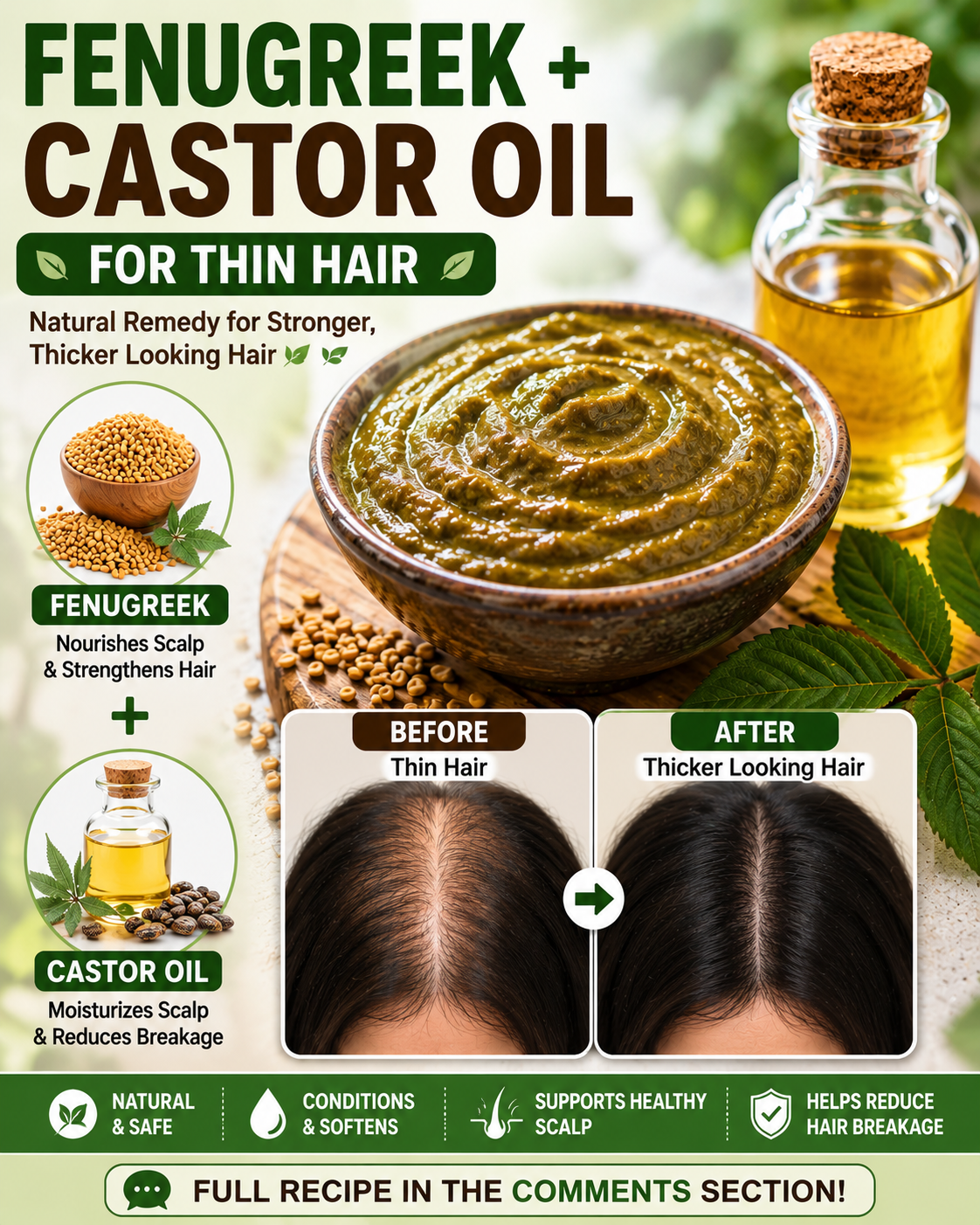
Fenugreek and Castor Oil for Thin Hair

Fenugreek + Castor Oil for Thin Hair

A Simple Natural Hair-Care Remedy

Discover how to make a fenugreek and castor oil hair treatment for thin hair, including ingredients, application steps, tips, FAQs, and safety advice.

Thin hair can be frustrating, especially when your hair starts looking less full or you notice more strands on your brush or pillow. While many commercial hair products are available, some people prefer simple, traditional ingredients as part of their regular hair-care routine.

Fenugreek seeds and castor oil:

Two popular ingredients used in homemade hair treatments. Fenugreek seeds contain plant compounds and nutrients, while castor oil is a thick vegetable oil commonly used to condition and moisturise hair.

This homemade fenugreek and castor oil treatment is easy to prepare and can be incorporated into a gentle scalp and hair-care routine. It should be viewed as a cosmetic conditioning treatment rather than a medically proven treatment for hair loss.

What Is Fenugreek and Castor Oil Hair Treatment?

Fenugreek, also known as methi, is an aromatic seed traditionally used in cooking and various beauty practices. When soaked and blended, fenugreek seeds can form a soft paste that is easy to apply to the scalp and hair.

Castor oil is a dense plant-based oil that helps provide lubrication and can make dry hair feel softer and more conditioned.

Together, fenugreek paste and castor oil create a simple homemade hair mask that may help improve the feel, moisture, and manageability of dry or brittle hair.

Benefits of Fenugreek and Castor Oil for Hair

1. Helps Condition Dry Hair

Castor oil has a rich, thick texture that can coat the hair shaft. This may make dry hair feel smoother and more moisturized.

Fenugreek paste can also add conditioning properties to a homemade hair mask.

2. Supports a Healthy-Looking Scalp

A comfortable, well-maintained scalp is an important part of a good hair-care routine. Fenugreek has traditionally been used in scalp-care preparations.

However, this treatment should not be considered a cure for scalp diseases or medical hair-loss conditions.

3. May Reduce the Appearance of Dry, Brittle Hair

Hair that lacks moisture can become rough and more prone to breakage. Regular conditioning can help improve the appearance and manageability of such hair.

Because breakage can make hair appear thinner, gentle conditioning may be useful as part of an overall hair-care routine.

4. Makes Hair Feel Softer

The combination of a fenugreek paste and oil can provide a conditioning treatment before shampooing. After washing, hair may feel softer and easier to manage.

5. Simple Homemade Hair-Care Option

One advantage of this treatment is that it uses only a few ingredients and doesn’t require complicated equipment.

How to Make Fenugreek + Castor Oil Hair Treatment

Ingredients

2 tablespoons fenugreek seeds

3 tablespoons warm water

1 tablespoon castor oil

1 tablespoon coconut oil or olive oil — optional

3–5 drops essential oil — optional and only if tolerated

Why These Ingredients?

Fenugreek seeds: Used to create the nourishing-looking herbal paste.

Castor oil: Provides a rich, conditioning oil base.

Coconut or olive oil: Can make the mixture easier to spread and provide additional conditioning.

Essential oil: Completely optional. Avoid it if you have sensitive skin or have previously reacted to essential oils.

Step-by-Step Preparation

Step 1: Soak the Fenugreek Seeds

Place 2 tablespoons of fenugreek seeds in a clean bowl.

Add approximately 3 tablespoons of warm water and leave the seeds to soak for 6–8 hours or overnight.

The seeds should become softer and easier to blend.

Step 2: Make the Fenugreek Paste

Drain any excess water.

Transfer the softened seeds to a blender and blend until you get a relatively smooth paste.

If the mixture is too thick, add a very small amount of water.

Step 3: Add Castor Oil

Place the fenugreek paste in a clean bowl.

Add 1 tablespoon of castor oil and mix thoroughly.

If you find castor oil too thick, add 1 tablespoon of coconut or olive oil to improve the texture.

Step 4: Apply the Treatment

Part your hair into sections.

Apply a small amount to the scalp and gently massage with your fingertips for a few minutes. Then distribute the remaining mixture through the lengths of your hair.

Avoid aggressive rubbing or scratching.

Step 5: Leave It On

Allow the treatment to remain on your hair for approximately 20–30 minutes.

You don’t need to leave it overnight. A shorter application can make the treatment easier to wash out and may be more comfortable for sensitive scalps.

Step 6: Wash Thoroughly

Rinse with lukewarm water and shampoo thoroughly.

Because castor oil is thick, you may need to shampoo twice to remove the residue completely.

Finish with your normal conditioner if needed.

How Often Should You Use It?

For a general hair-conditioning routine, you can try this treatment once a week.

Using larger quantities or applying it more frequently isn’t necessarily better. Hair and scalp needs vary, so stop or reduce use if you experience irritation, excessive dryness, itching, or discomfort.

Tips for Better Results

Use Fresh Ingredients

Use clean, good-quality fenugreek seeds and fresh oils.

Don’t Overuse Castor Oil

Castor oil is considerably thicker than many other oils. Using too much can make the scalp and hair greasy and difficult to wash.

Keep the Paste Smooth

A finely blended fenugreek paste is easier to distribute and rinse out.

Be Gentle With Thin Hair

Avoid tight hairstyles, aggressive brushing, excessive heat, and vigorous scalp scratching.

Follow With a Balanced Hair Routine

A homemade mask works best as one small part of overall hair care. Adequate nutrition, gentle washing, conditioning, and protection from excessive heat can all contribute to healthier-looking hair.

Important Safety Considerations

Although fenugreek and castor oil are commonly used in homemade beauty treatments, natural does not automatically mean risk-free.

Before applying the mixture to your scalp, perform a small patch test on an area of skin and wait to see whether irritation develops.

Stop using the treatment if you experience:

Burning

Severe itching

Redness

Swelling

Rash

Increased scalp irritation

Avoid applying the mixture to broken, infected, or irritated skin.

If you have significant or rapidly worsening hair loss, bald patches, scalp inflammation, or other unusual symptoms, consider speaking with a dermatologist or other qualified healthcare professional. Hair thin can have many different causes, including nutritional deficiencies, hormonal changes, medications, stress, genetics, and scalp conditions.

Nutrition Facts

Approximate topical ingredients

Ingredient Amount
Fenugreek seeds 2 tbsp
Castor oil 1 tbsp
Optional coconut/olive oil 1 tbsp
Water As needed

Important: Do not consume this hair mask. It is intended for external use only.

Frequently Asked Questions

Does fenugreek and castor oil make hair grow faster?

There isn’t enough high-quality evidence to claim that this homemade mixture makes hair grow faster. It can be used as a conditioning hair treatment, but it should not replace evidence-based treatment for hair loss.

Can I leave fenugreek and castor oil on overnight?

It’s generally unnecessary. A 20–30 minute treatment is sufficient for a simple conditioning routine. Leaving oily mixtures on the scalp overnight may be uncomfortable or irritating for some people.

Can I use this treatment every day?

Daily application isn’t recommended. Start with once a week and see how your scalp and hair respond.

Can I use castor oil alone?

Yes. Castor oil can be used as a conditioning oil, although its thick texture means that many people prefer diluting it with a lighter oil.

Can I use this remedy on colored hair?

You can, but always test a small area first. Hair that has been chemically treated or colored may be more sensitive and can require a gentler routine.

How long should I use this treatment?

You can evaluate how your hair feels after several weeks of occasional use. If you’re experiencing genuine hair loss rather than simple dryness or breakage, don’t rely on a homemade treatment alone.

Can this remedy stop hair loss?

There is no reliable basis for claiming that fenugreek and castor oil can stop all types of hair loss. Hair loss has many possible causes, and the appropriate treatment depends on the cause.

Final Thoughts

Fenugreek + castor oil for thin hair is a simple traditional-inspired hair-care treatment that can be used to condition dry hair and support a gentle scalp-care routine. Fenugreek provides the herbal component, while castor oil gives the treatment its rich, moisturizing texture.

The most important thing is to keep expectations realistic. This homemade mask may help your hair feel softer, smoother, and better conditioned, but it shouldn’t be presented as a guaranteed cure for thin hair or baldness.

For persistent, sudden, or significant hair loss, identifying the underlying cause is much more important than relying on a single home remedy. Combine gentle hair care with appropriate professional advice when needed.