I Put Baking Soda on My Feet Before Bed

I Put Baking Soda on My Feet Before Bed: A Simple Soothing Foot Soak

After a long day, your feet deserve a little extra care. A warm baking soda foot soak is an easy, inexpensive home ritual that can help you relax before bedtime while leaving your feet feeling clean and refreshed. With just a few basic ingredients and about 15–20 minutes, you can turn an ordinary evening into a calming self-care routine.This baking soda foot soak combines warm water with baking soda to create a simple soak for tired feet. While it isn’t a medical treatment or a “detox,” soaking your feet can be relaxing, and baking soda can help gently cleanse and soften the skin.

Why You’ll Love This Recipe

There are plenty of reasons to make this simple bedtime foot soak part of your routine:

Uses inexpensive ingredients

Takes only a few minutes to prepare

Creates a relaxing bedtime ritual

Helps cleanse the feet

Can leave rough skin feeling softer

Requires no complicated equipment

Easy to customize with a gentle moisturizer afterward

Perfect after a long day of standing or walking

The best part is that you probably already have the main ingredient in your kitchen.

Ingredients For baking soda foot soak 

For the Baking Soda Foot Soak

4 cups comfortably warm water

2 tablespoons baking soda

1 tablespoon plain Epsom salt, optional

1 teaspoon gentle liquid soap, optional

Clean towel

Foot basin or large bowl

After the Soak

Fragrance-free moisturizer or foot cream

Clean cotton socks, optional

Instructions For baking soda foot soak 

Prepare the Basin

Choose a clean foot basin or large bowl that gives your feet enough room to sit comfortably. Wash and rinse the container before use.

Add Warm Water

Pour about 4 cups of comfortably warm water into the basin. Test the temperature with your hand before putting your feet in.

Add Baking Soda

Add 2 tablespoons of baking soda to the water. Stir until it is mostly dissolved.

If you want, you can add a small amount of gentle liquid soap for cleansing. Epsom salt is also optional, although it isn’t necessary for the basic recipe.

Soak Your Feet

Place your clean feet into the mixture and soak for approximately 15–20 minutes.

Use this time to relax, read, listen to something calming, or simply sit quietly before bed.

Rinse

After soaking, rinse your feet with clean lukewarm water if your skin feels powdery or slippery.

Dry Thoroughly

Pat your feet dry with a clean towel. Pay special attention to the skin between your toes, where trapped moisture can cause problems.

Moisturize

Apply a fragrance-free moisturizer or foot cream to the tops, bottoms, and heels of your feet. Avoid applying thick moisturizer between the toes.

For especially dry heels, you can put on clean cotton socks afterward to help keep the moisturizer against the skin.

Tips for the Best Baking Soda Foot Soak

Keep the water comfortably warm. Hot water isn’t better and may leave your skin dry or irritated.

Don’t overdo the baking soda. More isn’t necessarily better. A couple of tablespoons in a small basin is sufficient for this simple soak.

Keep the soak short. About 15–20 minutes is plenty. Very long soaks can contribute to dry skin.

Moisturize afterward. Baking soda and repeated soaking may dry some people’s skin, so moisturizing after the soak is helpful.

Clean your basin. Wash and dry the container after every use to keep it hygienic.

Don’t scrub aggressively. If you have rough heels, gently use a washcloth or foot file after soaking. Avoid harsh scraping.

Potential Benefits For baking soda foot soak 

A warm foot soak can be a pleasant way to unwind at the end of the day. The warmth and quiet routine may help you feel more relaxed and comfortable.

Baking soda also has mild cleansing properties and may help remove sweat, dirt, and surface residue from the feet.

The soak can temporarily make dry, thickened skin feel softer, which may make gentle moisturizing easier.

However, it’s important to keep expectations realistic. A baking soda foot soak does not remove toxins from your body, burn fat, cure infections, or treat underlying medical conditions. Your liver and kidneys handle the body’s normal waste-removal processes.

If you have persistent foot odor, itching, peeling, cracking, pain, swelling, or changes in your toenails, a foot soak shouldn’t replace professional medical advice.

Serving Suggestions For baking soda foot soak 

Since this is a self-care recipe rather than food, there isn’t a traditional serving suggestion. For a relaxing bedtime routine, try pairing your foot soak with:

A glass of water

A calming book

Gentle stretching

A relaxing skincare routine

Clean cotton pajamas

A quiet, screen-free few minutes before bed

You can also make it part of a weekly at-home foot-care routine rather than using it every night.

Nutrition Facts For baking soda foot soak 

Estimated nutrition per foot soak:

Calories: 0

Protein: 0 g

Carbohydrates: 0 g

Fat: 0 g

Sugar: 0 g

Frequently Asked Questions

Can I use baking soda on my feet every night?

It’s better not to assume that daily use is necessary. Frequent soaking or baking soda exposure may dry or irritate some people’s skin. Start with occasional use and stop if your skin becomes dry, red, itchy, or uncomfortable.

Does baking soda remove foot odor?

It may help cleanse the feet and reduce some surface odors temporarily, but persistent odor can have several causes. Keeping feet dry, changing socks regularly, and wearing breathable footwear are also important.

Can baking soda cure athlete’s foot?

No. Baking soda shouldn’t be considered a treatment for athlete’s foot or other fungal infections. Persistent itching, peeling, burning, or cracking should be evaluated by a healthcare professional.

Can I use this for cracked heels?

A warm soak may temporarily soften rough skin, but it doesn’t cure severely cracked heels. Moisturizing regularly is important. Avoid aggressive filing or scrubbing, especially if cracks are deep or painful.

Can I add essential oils?

You can, but they’re not necessary. Essential oils can irritate or trigger allergic reactions in some people, particularly on sensitive or damaged skin. The simplest version with warm water and baking soda is perfectly adequate.

Is baking soda safe for everyone?

Not necessarily. People with sensitive or damaged skin may experience irritation. If you have diabetes, poor circulation, reduced sensation in your feet, open wounds, or another foot condition, it’s best to ask your healthcare professional before using foot soaks.

Should I rinse my feet afterward?

If your skin feels coated or irritated after the soak, rinse with clean lukewarm water. Always dry thoroughly, especially between your toes.

Final Thoughts For baking soda foot soak 

A baking soda foot soak before bed is a simple, budget-friendly way to turn ordinary foot care into a relaxing evening ritual. Warm water can feel comforting after a busy day, while baking soda provides gentle cleansing and can leave your feet feeling refreshed.Just remember that this is a self-care recipe, not a detox treatment or cure for medical conditions. Keep the water comfortably warm, limit the soaking time, moisturize afterward, and pay attention to how your skin responds.Sometimes the simplest routines are the easiest to maintain—and this one takes only a few minutes to prepare. So if your feet feel tired after a long day, set aside 15–20 minutes, make this easy baking soda foot soak, and enjoy a peaceful moment before bedtime.
Nutrient-Packed Vegetable Recipe for Eye

The Nutrient-Packed Vegetable Recipe for Eye, Liver & Digestive Health

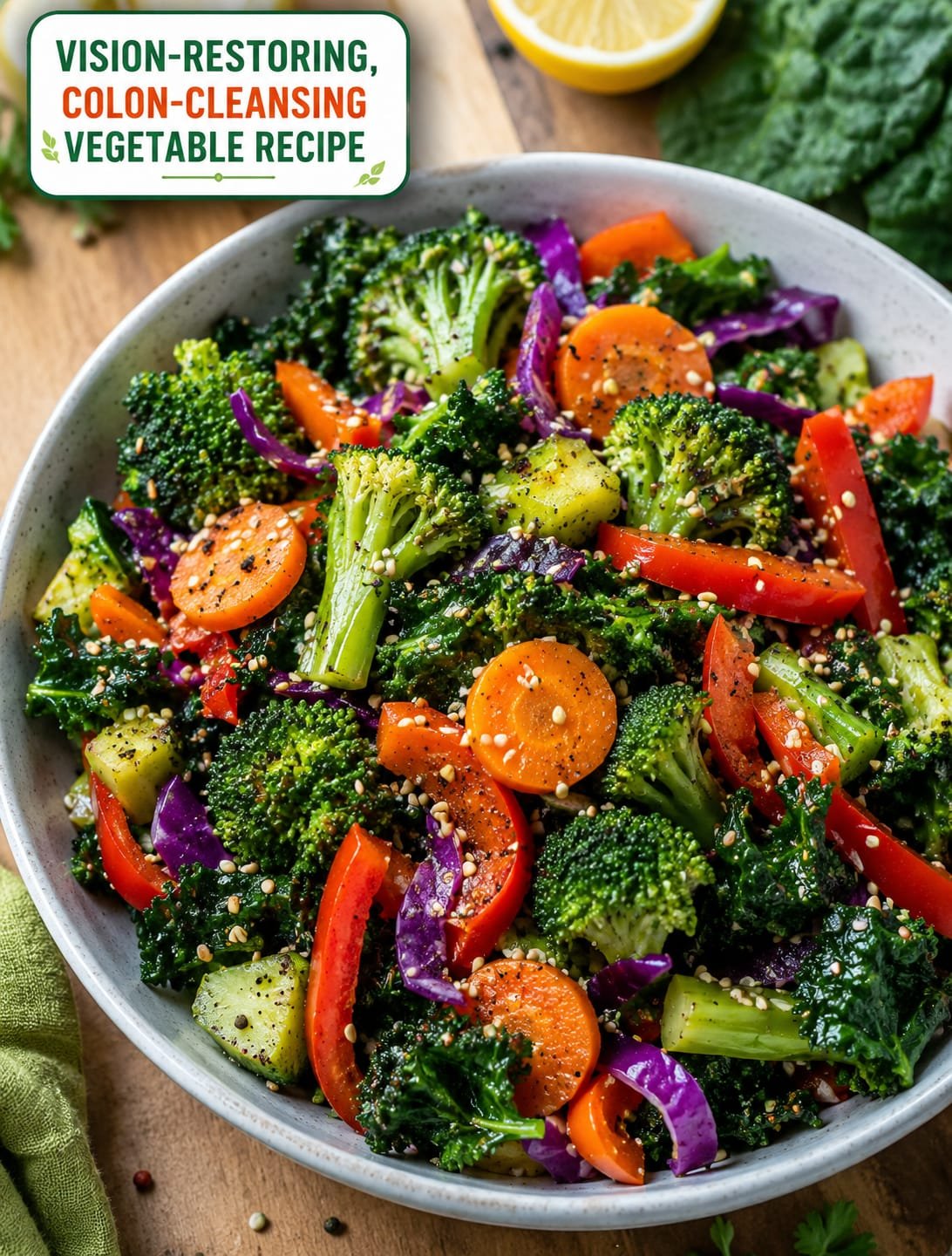
This Nutrient-Packed Vegetable Recipe is a colorful, flavorful option made with fresh vegetables and nourishing ingredients. It’s an easy dish to enjoy as a light meal or healthy side.What makes this Nutrient-Packed Vegetable Recipe so appealing is its combination of colorful vegetables, fiber, vitamins, minerals, and plant-based goodness. Every bite brings delicious flavor along with ingredients that fit beautifully into a balanced eating routine.This Nutrient-Packed Vegetable Recipe is also a great choice when you want to include more vegetables in your diet without making complicated meals. It can be prepared with simple pantry staples and customized with your favorite herbs and seasonings.Whether you’re looking for a wholesome lunch, a light dinner, or an easy vegetable side, this Nutrient-Packed Vegetable Recipe is a delicious addition to your weekly menu. It’s simple, satisfying, and packed with natural vegetable goodness.

Why You’ll Love This Recipe

Full of Colorful Vegetables

This recipe combines carrots, broccoli, spinach, bell peppers, and onion for a colorful and nutritious meal.

Great Source of Fiber

The vegetables provide dietary fiber, which supports normal digestion and bowel regularity.

Eye-Friendly Nutrients

Carrots provide beta-carotene, while spinach contains lutein and zeaxanthin. These nutrients are associated with maintaining normal eye health.

Simple and Delicious

The vegetables are roasted with olive oil, garlic, herbs, and lemon, creating a flavorful dish without complicated ingredients.

Easy to Customize

You can substitute vegetables depending on what you have in your refrigerator.

Meal-Prep Friendly

Prepare a large batch and use it throughout the week as a side dish, salad topping, or bowl ingredient.

Ingredients For Nutrient-Packed Roasted Vegetable Bowl

For the Vegetables

3 medium carrots, peeled and sliced

2 cups broccoli florets

red bell pepper, sliced

1 small red onion, sliced

fresh spinach 2 cups

extra-virgin olive oil 2 tablespoons

3 cloves garlic, minced

paprika ½ teaspoon

dried oregano ½ teaspoon

ground black pepper ¼ teaspoon

salt ¼ teaspoon

½ teaspoon ground cumin

For the Lemon Dressing

2 tablespoons fresh lemon juice

1 tablespoon extra-virgin olive oil

Dijon mustard 1 teaspoon

1 small garlic clove, minced

chopped fresh parsley 1 tablespoon

Pinch of black pepper

Optional Toppings

2 tablespoons pumpkin seeds

chopped walnuts 2 tablespoons

Fresh parsley

Crumbled feta cheese

Sliced avocado

Red pepper flakes

Instructions For Nutrient-Packed Roasted Vegetable Bowl

Prepare the Vegetables

Preheat your oven to 425°F (220°C).

Wash and dry all the vegetables thoroughly.

Peel the carrots and cut them into thin rounds or small pieces. Cut the broccoli into bite-sized florets. Slice the bell pepper and red onion.

Try to cut the vegetables into relatively similar sizes so they cook evenly.

Season the Vegetables

Add the carrots, broccoli, bell pepper, and red onion to a large mixing bowl.

Drizzle with olive oil.

Add minced garlic, paprika, oregano, cumin, salt, and black pepper.

Toss everything thoroughly until the vegetables are evenly coated.

Arrange on a Baking Sheet

Spread the vegetables across a large baking sheet.

Keep them in a relatively even layer and avoid overcrowding.

If the vegetables are packed too closely together, they may release moisture and steam rather than roast.

Roast

Place the baking sheet in the preheated oven.

Roast for 20–25 minutes, stirring or flipping the vegetables halfway through cooking.

The vegetables should become tender with lightly browned, caramelized edges.

 Add the Spinach

Remove the baking sheet from the oven.

Add the fresh spinach and gently toss it with the hot vegetables.

Return the tray to the oven for approximately 2–3 minutes, just until the spinach wilts.

You can also simply toss the spinach with the hot vegetables and allow residual heat to wilt it.

Make the Lemon Dressing

While the vegetables are roasting, combine lemon juice, olive oil, Dijon mustard, garlic, parsley, and black pepper in a small bowl.

Whisk until smooth.

Taste and adjust the seasoning according to your preference.

Combine and Serve

Transfer the roasted vegetables to a serving bowl.

Drizzle the lemon dressing over the top.

Gently toss to combine.

Sprinkle with pumpkin seeds, walnuts, parsley, feta, or another topping if desired.

Serve warm.

Tips for the Best Results

Dry Your Vegetables

After washing, dry the vegetables thoroughly. Excess water can interfere with browning.

Don’t Overcrowd the Pan

Use two baking sheets if necessary. Giving the vegetables enough room helps them roast rather than steam.

Cut Carrots Smaller

Carrots can take longer to become tender than peppers and spinach. Cutting them into smaller pieces helps everything finish at approximately the same time.

Add Spinach at the End

Spinach needs very little cooking. Adding it near the end helps preserve its texture and fresh flavor.

Use Fresh Lemon

Fresh lemon juice adds brightness and balances the sweetness of the roasted carrots.

Add Protein

For a complete meal, add grilled chicken, salmon, chickpeas, lentils, eggs, tofu, or beans.

Benefits For Nutrient-Packed Roasted Vegetable Bowl

This recipe provides a variety of vegetables, which means you get a broad range of nutrients rather than relying on one “miracle” food.

Carrots and sweet-colored vegetables provide beta-carotene, a carotenoid that the body can convert into vitamin A. Vitamin A plays an important role in normal vision.

Spinach provides lutein and zeaxanthin, carotenoids found in the retina that are associated with eye health.

Broccoli and bell peppers provide vitamin C, while the combination of vegetables supplies dietary fiber.

Fiber helps support normal bowel function and can contribute to digestive health when consumed regularly as part of a balanced diet.

The olive oil provides predominantly unsaturated fat and makes the roasted vegetables more satisfying.

It is important to remember that these benefits are part of an overall healthy eating pattern. No single food can restore damaged eyesight, remove fat from the liver, or physically cleanse the colon.

Serving Suggestions For Nutrient-Packed Roasted Vegetable Bowl

With Grilled Chicken

Serve the roasted vegetables alongside grilled chicken breast for a protein-rich dinner.

With Salmon

Pair them with baked or air-fried salmon for a flavorful, nutrient-rich meal.

With Chickpeas

Add roasted chickpeas to turn the vegetable bowl into a satisfying vegetarian meal.

Over Quinoa

Spoon the vegetables over cooked quinoa and finish with lemon dressing.

With Avocado

Add sliced avocado for creaminess and additional healthy fats.

With Greek Yogurt Sauce

Serve with a garlic-lemon Greek yogurt sauce for a creamy contrast.

As a Salad

Allow the roasted vegetables to cool slightly and serve over mixed greens with the lemon dressing.

Nutrition Facts For Nutrient-Packed Roasted Vegetable Bowl

Approximate nutrition per serving, without optional toppings:

Calories: 220

Protein: 5 g

Carbohydrates: 20 g

Fat: 14 g

Saturated Fat: 2 g

Fiber: 7 g

Sugar: 9 g

Sodium: 230 mg

Vitamin C: High

Vitamin A: High

Nutrition information is an estimate and can vary according to the exact vegetables and quantities used.

Frequently Asked Questions

Can this vegetable recipe restore eyesight?

No food can reliably restore damaged or lost vision. However, vegetables such as carrots and leafy greens contain nutrients associated with normal eye health. If you experience blurred vision, vision loss, flashes, or other persistent changes, seek evaluation from an eye-care professional.

Does this recipe clean the colon?

The colon does not need a special vegetable “cleanse.” Your digestive system naturally removes waste. Eating enough fiber from vegetables, fruits, legumes, and whole grains can support normal bowel regularity.

Can vegetables remove fat from the liver?

No single vegetable removes liver fat. Improving liver health generally involves an overall healthy eating pattern, physical activity, weight management when appropriate, and addressing any underlying medical conditions with a healthcare professional.

Can I make this recipe in an air fryer?

Yes. Place the carrots, broccoli, peppers, and onion in the air fryer and cook at approximately 375°F (190°C) for 12–18 minutes, shaking halfway through. Add the spinach during the final 1–2 minutes.

Can I use frozen vegetables?

Yes. Frozen broccoli and other vegetables can be used, although they may release more moisture. Avoid overcrowding the air fryer or baking tray.

Can I make this recipe vegan?

Yes. The recipe is vegan as written. Simply avoid adding optional feta cheese.

How long do leftovers last?

Store leftovers in an airtight container in the refrigerator for approximately 3–4 days.

Can I freeze the roasted vegetables?

You can freeze them, although the vegetables may become softer after thawing. For the best texture, prepare them fresh or refrigerate leftovers.

What other vegetables can I add?

Zucchini, cauliflower, Brussels sprouts, mushrooms, asparagus, cabbage, and green beans are all good options.

Final Thoughts For Nutrient-Packed Roasted Vegetable Bowl

This Nutrient-Packed Roasted Vegetable Bowl is a delicious way to add more colorful vegetables, fiber, and important micronutrients to your diet. Carrots provide beta-carotene, spinach contributes lutein and zeaxanthin, and broccoli and bell peppers add vitamin C and other beneficial nutrients.Rather than relying on claims about miracle foods or quick cleanses, focus on a consistent pattern of nutritious meals. Your body already has natural systems for eliminating waste, and supporting those systems with vegetables, fiber, adequate fluids, regular movement, and a balanced diet is a much more realistic approach.Serve these roasted vegetables with chicken, salmon, chickpeas, quinoa, or another protein source for a satisfying meal. The bright lemon-garlic dressing brings everything together and makes this simple vegetable recipe flavorful enough to enjoy again and again.

Doctors Reveal That Eating Bananas Causes…

Doctors Reveal That Eating Bananas Causes…

Doctors Reveal That Eating Bananas Causes…

Healthy Boost to Your Daily Diet

Bananas are one of the world’s most popular fruits, loved for their naturally sweet flavour, convenience, and impressive nutritional value. While headlines often exaggerate health claims, doctors and nutrition experts generally agree that eating bananas as part of a balanced diet can support heart health, digestion, energy production, and overall wellness. They are rich in potassium, vitamin B6, vitamin C, fibre, and natural carbohydrates that provide sustained energy.

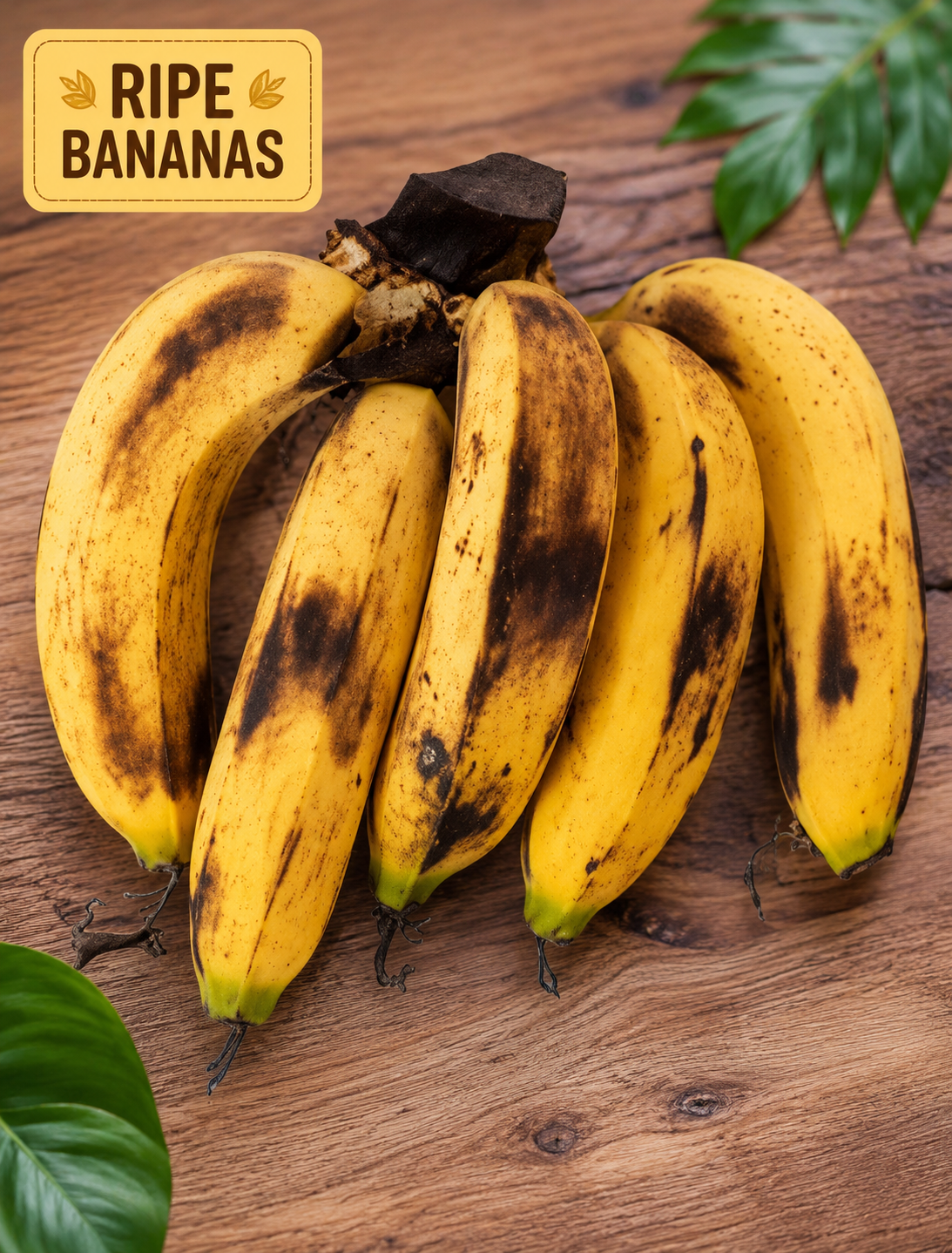
The bananas in your image appear ripe, with several dark patches on the peel. This is normal and usually indicates that the fruit inside is sweeter and softer, making it ideal for baking. As long as the bananas are not leaking, mouldy, or have an unpleasant smell, they are perfectly suitable for recipes such as banana bread.

Ultimate Moist Banana Bread Recipe

This classic banana bread transforms ripe bananas into a soft, moist, and flavourful loaf with a tender crumb. Perfect for breakfast, afternoon tea, dessert, or as a healthy snack, this recipe is easy enough for beginners while producing bakery-quality results every time.

Preparation Time
Prep Time: 15 minutes
Cooking Time: 55–65 minutes
Total Time: About 1 hour 20 minutes
Servings
Makes: 10 slices
Serves: 10 people

Ingredients

4 ripe bananas, mashed
250 g plain flour
150 g light brown sugar
100g unsalted butter, melted
2 large eggs
1 teaspoon vanilla extract
1 teaspoon baking soda
½ teaspoon baking powder
½ teaspoon salt
1 teaspoon ground cinnamon (optional)
50g chopped walnuts or pecans (optional)
50g dark chocolate chips (optional)
Equipment
Mixing bowls
Fork or potato masher
Whisk
Rubber spatula
2 lb loaf tin
Baking paper
Cooling rack

Instructions

Preheat the oven to 180°C (160°C fan) or 350°F. Grease and line a loaf tin with baking paper.

Peel the ripe bananas and mash thoroughly until smooth with only a few small lumps remaining.

In another bowl, whisk together the melted butter and brown sugar until well combined.

Add the eggs one at a time, whisking after each addition.

Mix in the vanilla extract.

In a separate bowl, combine the flour, baking soda, baking powder, salt, and cinnamon.

Gradually fold the dry ingredients into the wet ingredients.

Add the mashed bananas and stir gently until just combined.

Avoid overmixing, as this can make the bread dense.

Fold in the walnuts or chocolate chips if using.

Pour the batter into the prepared loaf tin and smooth the top.

Bake for 55–65 minutes, or until a skewer inserted into the centre comes out clean.

Allow the loaf to cool in the tin for 10 minutes before transferring to a cooling rack.

Slice and serve warm or at room temperature.

Chef’s Notes

Very ripe bananas create the sweetest bread.
Dark brown spots on the peel indicate natural sugar development.
If your bananas become too ripe, freeze them for future baking.
Room-temperature eggs mix more evenly.
A little cinnamon enhances the banana flavour without overpowering it.

Recipe Tips
Do not overmix the batter.
Measure flour accurately.
Check doneness at 55 minutes.
Cover loosely with foil if the top browns too quickly.
Let the loaf cool before slicing for cleaner pieces.

Variations
Chocolate Banana Bread

Add 100 g of chocolate chips.

Nutty Banana Bread

Use walnuts, pecans, or almonds.

Tropical Banana Bread

Add shredded coconut and chopped pineapple.

Healthy Version

Replace half the flour with wholemeal flour and reduce the sugar slightly.

Berry Banana Bread

Fold in fresh blueberries before baking.

Storage
Room Temperature:

Up to 3 days in an airtight container.

Refrigerator:

Up to 1 week.

Freezer:

Wrap tightly and freeze for up to 3 months.

Nutritional Information (Per Serving)
Approximate values

Calories: 245 kcal
Protein: 4 g
Fat: 9 g
Saturated Fat: 5 g
Carbohydrates: 38 g
Fiber: 2.5 g
Sugar: 18 g
Sodium: 190 mg
Potassium: 240 mg
Vitamin B6: 15% DV
Vitamin C: 8% DV
Calcium: 4% DV
Iron: 6% DV

Health Benefits of Bananas

1. Rich in Potassium
Potassium supports normal muscle function and nerve signalling and helps maintain healthy blood pressure.

2. Good Source of Fiber
Bananas contain dietary fibre that supports digestive health and can help promote regular bowel movements.

3. Natural Energy
Their natural carbohydrates make bananas a convenient source of energy before or after exercise.

4. Supports Heart Health
A diet that includes potassium-rich foods may contribute to cardiovascular health when combined with an overall balanced diet.

5. Contains Vitamin B6
Vitamin B6 helps with normal energy metabolism and the production of neurotransmitters.

6. Provides Antioxidants
Bananas contain natural antioxidants that help protect cells from oxidative stress.

7. Gentle on the Stomach
Ripe bananas are often easy to digest and can be a suitable food during mild digestive upset for many people.

8. Naturally Fat-Free
Bananas are naturally low in fat and contain no cholesterol.

Serving Suggestions

Serve warm with butter.
Spread with peanut butter or almond butter.
Drizzle with honey.
Top with Greek yoghurt.
Enjoy alongside coffee or tea.
Toast slices for extra flavour.
Add fresh berries on the side.
Serve with vanilla yoghurt for dessert.

Frequently Asked Questions

Q1. Can I use frozen bananas?
Yes. Thaw them completely and drain excess liquid before mashing.

Q2. Why are my bananas black?
Black patches on the peel are a normal sign of ripening. If the fruit inside is free of mould and doesn’t smell spoilt, it is usually excellent for baking.

Q3. Can I reduce the sugar?
Yes. Since ripe bananas are naturally sweet, you can reduce the sugar to suit your taste.

Q4. Can I make it dairy-free?
Yes. Replace the butter with a plant-based alternative or a neutral vegetable oil.

Q5. Can I make it gluten-free?
Yes. Use a gluten-free plain flour blend designed for baking.

Q6. Why is my banana bread dry?
Overbaking, adding too much flour, or using bananas that are not ripe enough can make the loaf dry.

Q7. Why did my loaf sink?
Opening the oven too early, underbaking, or adding too much raising agent can cause sinking.

Q8. Can children eat this?
Yes. Banana bread can be enjoyed by children as part of a balanced diet, taking into account any allergies to ingredients such as nuts.

Q9. Can I add oats?
Yes. Replace about 50g of the flour with rolled oats for a heartier texture.

Q10. How do I know when it is baked?
Insert a skewer into the centre. If it comes out clean or with only a few moist crumbs, the loaf is ready.

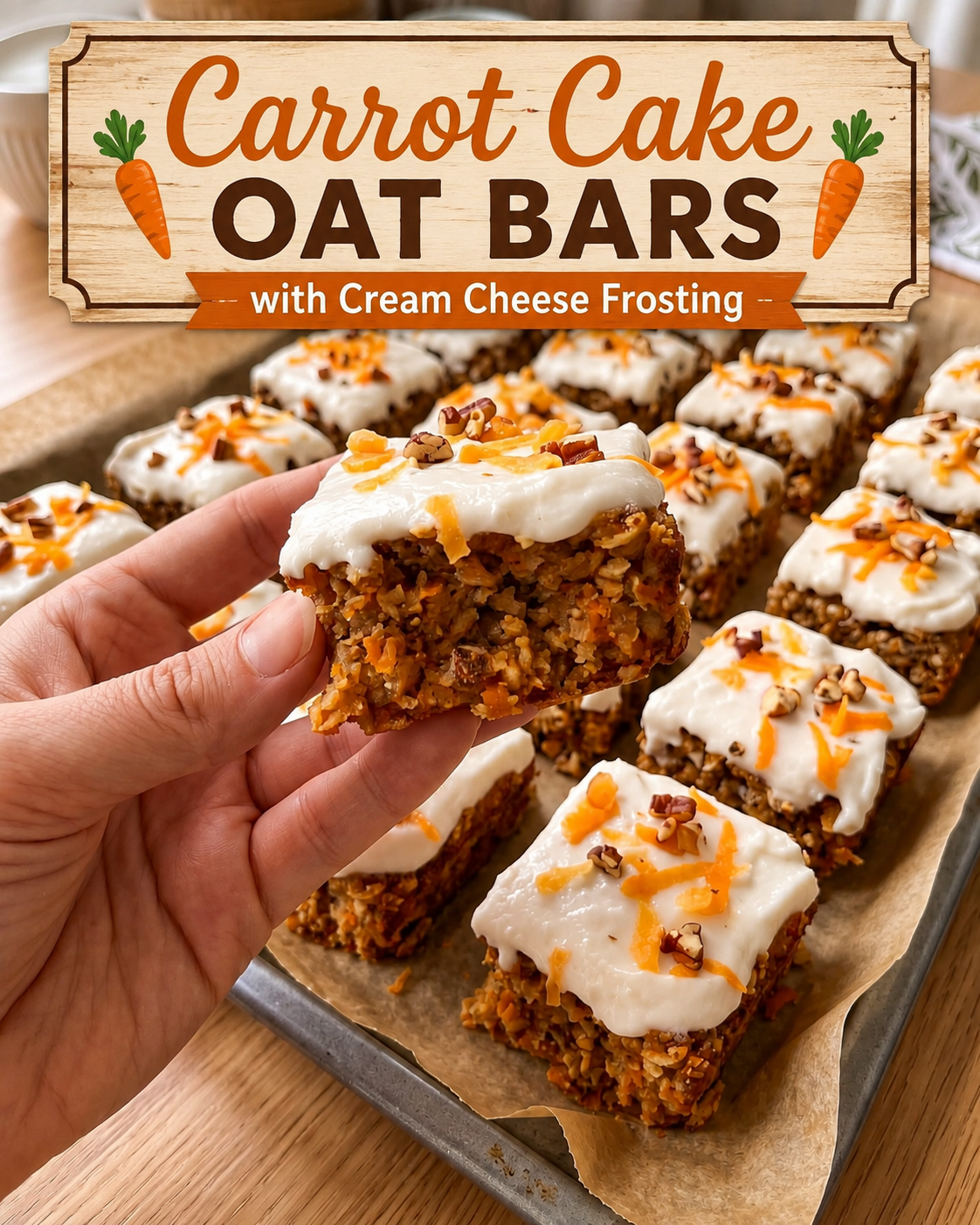
Carrot Cake Oat Bars with Cream Cheese Frosting

🥕 Carrot Cake Oat Bars with Cream Cheese Frosting


Soft, chewy, naturally sweet carrot-oat bars topped with a rich cream cheese frosting and crunchy pecans. Perfect for breakfast, snack time, or dessert.

Ingredients

For the Carrot Oat Bars

  • 2 cups rolled oats
  • 1 cup quick oats
  • 1½ cups finely grated carrots
  • ½ cup all-purpose flour
  • ½ cup brown sugar
  • ¼ cup granulated sugar
  • 2 large eggs
  • ½ cup unsweetened applesauce
  • ⅓ cup melted butter or coconut oil
  • 1 tsp vanilla extract
  • 1½ tsp ground cinnamon
  • ½ tsp ground nutmeg
  • ½ tsp baking powder
  • ¼ tsp baking soda
  • ¼ tsp salt
  • ½ cup chopped pecans or walnuts
  • ⅓ cup raisins, optional

For the Cream Cheese Frosting

  • 8 oz (225 g) cream cheese, softened
  • ¼ cup unsalted butter, softened
  • 1 cup powdered sugar
  • 1 tsp vanilla extract
  • 1–2 tbsp milk, if needed


For Topping

  • ¼ cup chopped pecans
  • ¼ cup shredded or finely grated carrot

Instructions

1. Preheat the oven to 350°F (175°C). Line a 9×13-inch baking pan with parchment paper and lightly grease it.

2. Prepare the carrots. Finely grate the carrots and gently squeeze out excess moisture. Don’t squeeze them completely dry—you want some moisture to keep the bars soft.

3. In a large bowl, combine the rolled oats, quick oats, flour, brown sugar, granulated sugar, cinnamon, nutmeg, baking powder, baking soda, and salt.

4. In another bowl, whisk together the eggs, applesauce, melted butter, and vanilla extract.

5. Pour the wet mixture into the dry ingredients. Stir until just combined.

6. Fold in the grated carrots, chopped pecans, and raisins if using.

7. Spread the mixture evenly into the prepared pan. Press it down gently with a spatula so the bars bake evenly.

8. Bake for 25–32 minutes, or until the center is set and a toothpick inserted in the middle comes out mostly clean.

9. Allow the bars to cool completely in the pan before frosting. This is important—the frosting will melt if the bars are still warm.

Cream Cheese Frosting

10. Beat the softened cream cheese and butter together until smooth and creamy.

11. Add the powdered sugar and vanilla. Beat until fluffy.

12. If the frosting is too thick, add milk 1 teaspoon at a time until you reach a smooth, spreadable consistency.

13. Spread the frosting generously over the cooled carrot oat bars.

14. Sprinkle with chopped pecans and a little grated carrot.

15. Chill for 20–30 minutes, then cut into squares.


🍰 Tips

For extra-moist bars, don’t overbake them.

Use freshly grated carrots for the best texture.

Toast the pecans for 5–7 minutes before adding them for a deeper nutty flavor.

Store frosted bars in the refrigerator for up to 4 days.

For cleaner cuts, chill the bars before slicing with a sharp knife.

Yield: 12–16 bars

Prep time: 20 minutes

Bake time: 25–32 minutes

Total time: About 1 hour

Cheesy Cauliflower Casserole

🧀 Cheesy Cauliflower Casserole


A creamy, cheesy cauliflower bake with a golden, crispy breadcrumb topping—perfect as a comforting side dish or light main course.

Ingredients

For the cauliflower

  • 1 large head cauliflower, cut into florets
  • 1 tbsp olive oil
  • ½ tsp salt
  • ¼ tsp black pepper

For the creamy cheese sauce

  • 3 tbsp butter
  • 3 tbsp all-purpose flour
  • 2 cups whole milk
  • ½ cup heavy cream
  • 1 cup shredded sharp cheddar cheese
  • ½ cup shredded mozzarella cheese
  • ½ cup grated Parmesan cheese
  • ½ tsp garlic powder
  • ½ tsp onion powder
  • ¼ tsp paprika
  • Salt and black pepper, to taste

For the crispy topping

  • ¾ cup breadcrumbs or panko
  • 2 tbsp melted butter
  • ¼ cup shredded Parmesan
  • ¼ cup shredded cheddar
  • 1 tbsp chopped fresh parsley

Instructions

1. Prepare the cauliflower:

Preheat oven to 375°F (190°C). Bring a large pot of salted water to a boil. Add cauliflower florets and cook for 4–5 minutes, just until slightly tender. Drain very well.

2. Make the sauce:

Melt butter in a saucepan over medium heat. Whisk in the flour and cook for about 1 minute.

3. Slowly whisk in the milk and heavy cream. Continue cooking for 3–5 minutes, stirring constantly, until the sauce thickens.

4. Reduce the heat to low. Add cheddar, mozzarella, and Parmesan. Stir until completely melted and smooth.

5. Season with garlic powder, onion powder, paprika, salt, and black pepper.

6. Combine:

Place the drained cauliflower in a greased baking dish. Pour the cheese sauce over it and gently toss to coat every piece.

7. Make the topping:

Mix breadcrumbs, melted butter, Parmesan, and cheddar in a small bowl. Sprinkle evenly over the cauliflower.

8. Bake:

Bake uncovered for 25–30 minutes, until bubbling and beautifully golden brown on top.

9. For an extra-crispy top, switch to broil for 1–2 minutes, watching carefully so it doesn’t burn.

10. Sprinkle with fresh parsley and let it rest for 5 minutes before serving


🍽️ Serving


Serve hot as a side with roasted chicken, steak, grilled fish, or enjoy it on its own.


Tip:

Make sure the cauliflower is drained very well. Excess water can make the cheese sauce thin and prevent the casserole from becoming rich and creamy.

Crispy Homemade Chicken Tenders

🍗 Crispy Homemade Chicken Tenders


Ingredients

For the chicken:

  • 500 g boneless, skinless chicken breast
  • 1 cup buttermilk
  • 1 egg
  • 1 tsp salt
  • 1 tsp paprika
  • ½ tsp black pepper
  • ½ tsp garlic powder
  • ½ tsp onion powder
  • ½ tsp chili powder
  • 1 tbsp hot sauce (optional)

For the crispy coating:

  • 1½ cups all-purpose flour
  • ½ cup cornstarch
  • 1 tsp paprika
  • 1 tsp garlic powder
  • 1 tsp onion powder
  • ½ tsp black pepper
  • ½ tsp salt
  • ½ tsp baking powder
  • ½ tsp chili powder
  • 1 egg
  • ½ cup cold water
  • Oil, for frying


Instructions

1. Prepare the chicken:

Cut chicken breasts into long, even strips.

2. Make the marinade:

In a large bowl, whisk together buttermilk, egg, salt, paprika, black pepper, garlic powder, onion powder, chili powder, and hot sauce.

3. Marinate:

Add chicken strips and coat well. Cover and refrigerate for at least 30 minutes, preferably 2–4 hours.

4. Prepare the coating:

Mix flour, cornstarch, paprika, garlic powder, onion powder, black pepper, salt, baking powder, and chili powder in a bowl.

5. Make the wet batter:

In another bowl, whisk 1 egg with ½ cup cold water.

6. Coat the chicken:

Remove a chicken strip from the marinade and dip it into the flour mixture. Then dip into the egg-water mixture and coat again generously with the seasoned flour. Press the flour onto the chicken with your fingers to create a rough, crispy texture.

7. Heat the oil:

Heat about 2–3 inches of oil in a deep pan to 175°C / 350°F.

8. Fry:

Carefully place the chicken strips into the hot oil in batches. Don’t overcrowd the pan. Fry for about 4–6 minutes per side, depending on thickness, until deeply golden and cooked through.

9. Drain:

Transfer to a wire rack or paper towels. Let them rest for a couple of minutes so the coating stays crispy.

🍯 Easy Dipping Sauce

Mix:

  • ½ cup mayonnaise
  • 2 tbsp ketchup
  • 1 tbsp honey
  • 1 tsp mustard
  • ½ tsp garlic powder
  • A pinch of paprika

Serving

Serve the crispy chicken tenders hot with dipping sauce, ketchup, fries, coleslaw, or lemon wedges.


Tip: For extra-crispy tenders, add 2–3 tablespoons of the buttermilk marinade into the seasoned flour and rub it in with your fingers before coating the chicken. This creates little crunchy flakes on the outside.