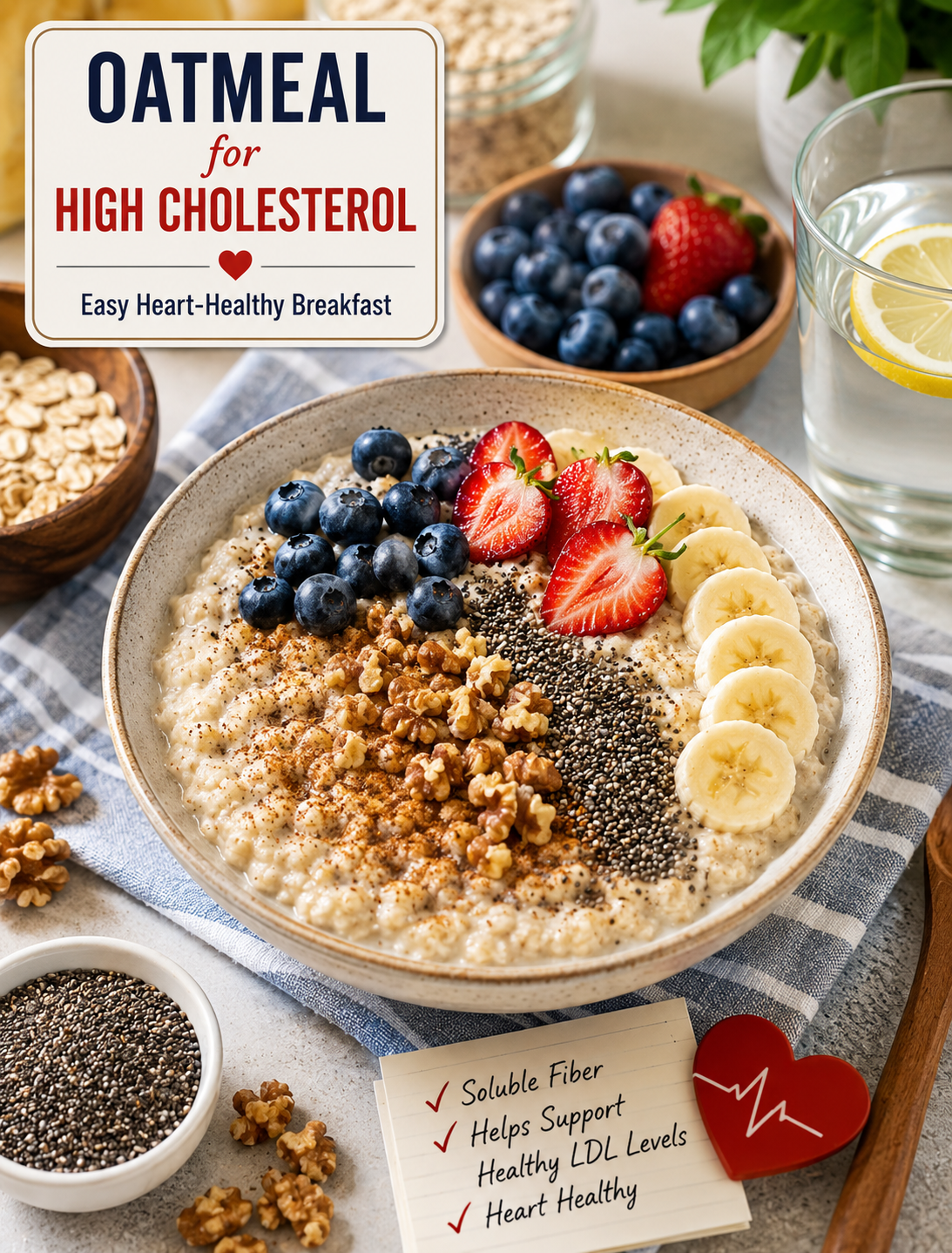
Blueberry Raspberry Oat Crumble Bars

Blueberry Raspberry Oat Crumble Bars


These Blueberry Raspberry Oat Crumble Bars are the perfect combination of buttery oat crumble, sweet-tart berries, and a soft, jammy fruit center. They’re simple enough for a weekday treat but beautiful enough to serve at brunch, afternoon tea, or a family gathering.


The bottom crust is made from a golden oat mixture that becomes tender and slightly crisp around the edges. A thick layer of blueberry and raspberry filling goes in the middle, followed by more buttery crumble on top. As the bars bake, the berries become rich and jammy while the oat topping turns beautifully golden and crunchy.


They’re delicious warm, but they become even easier to slice once completely cooled.


Ingredients

For the oat crumble

  • 1½ cups old-fashioned rolled oats
  • 1½ cups all-purpose flour
  • ¾ cup packed light brown sugar
  • ½ cup granulated sugar
  • ½ teaspoon baking powder
  • ½ teaspoon salt
  • 1 teaspoon ground cinnamon
  • ¾ cup unsalted butter, melted
  • 1 teaspoon vanilla extract

For the berry filling

  • 1½ cups fresh or frozen blueberries
  • 1½ cups fresh or frozen raspberries
  • ½ cup granulated sugar
  • 2 tablespoons cornstarch
  • 1 tablespoon fresh lemon juice
  • 1 teaspoon lemon zest
  • 1 teaspoon vanilla extract
  • Pinch of salt

Optional finishing

  • Powdered sugar, for dusting
  • Fresh blueberries and raspberries
  • A little extra rolled oats
  • Vanilla ice cream or whipped cream for serving

Instructions

1. Prepare the baking pan

Preheat your oven to 350°F (175°C).

Line an 8×8-inch or 9×9-inch baking pan with parchment paper, leaving some parchment hanging over the sides. This makes it much easier to lift the finished bars from the pan.


Lightly grease the parchment and the exposed sides of the pan.

2. Make the crumble mixture

In a large mixing bowl, combine the rolled oats, flour, brown sugar, granulated sugar, baking powder, salt, and cinnamon.

Stir everything together until evenly distributed.

Pour in the melted butter and vanilla extract. Mix with a fork or spatula until the ingredients are thoroughly combined. The mixture should look crumbly but hold together when pressed between your fingers.

Set aside about 1 cup of the crumble mixture for the topping.

3. Make the berry filling

Place the blueberries and raspberries in a medium saucepan.

Add the granulated sugar, cornstarch, lemon juice, lemon zest, vanilla extract, and a small pinch of salt.

Stir gently so the berries become coated.

Place the saucepan over medium heat and cook for approximately 5–8 minutes, stirring occasionally. The berries will begin releasing their juices and the mixture will gradually become thick and glossy.

If using frozen berries, you may need an additional couple of minutes.

You don’t want to completely break down all of the berries. A few whole or partially whole berries will give the finished bars a wonderful texture.

Once thickened, remove the filling from the heat and allow it to cool for a few minutes.

4. Form the bottom crust


Take the larger portion of the oat crumble mixture and press it firmly into the bottom of the prepared pan.


Use the back of a measuring cup or the bottom of a glass to create an even layer.


Pressing the crust firmly is important because it gives the bars a sturdy base that won’t fall apart when sliced.


Bake the crust for 10–12 minutes, just until it begins to look lightly golden around the edges.

Remove the pan from the oven.

5. Add the berry layer

Carefully spoon the warm berry mixture over the partially baked oat crust.

Spread it gently with a spatula so the berries cover the entire surface.

Try not to press too hard, as you don’t want to disturb the crust underneath.


The berry layer should be thick, glossy, and evenly distributed.

6. Add the crumble topping

Take the reserved crumble mixture and sprinkle it evenly over the berry filling.

You can leave some larger pieces of crumble intact. These create those delicious golden, crunchy pieces visible on top of the bars.

For an extra oat-filled texture, sprinkle a tablespoon or two of additional rolled oats over the top.

7. Bake

Return the pan to the oven and bake for approximately 30–38 minutes.

The bars are ready when the crumble topping is golden brown and the berry filling is bubbling around the edges.

Don’t worry if the center still looks slightly soft. The filling will continue to set as the bars cool.

If the top begins browning too quickly, loosely cover the pan with aluminum foil during the final few minutes of

Salted Caramel Pecan Cracker Bites

🍯 Salted Caramel Pecan Cracker Bites


These Salted Caramel Pecan Cracker Bites are buttery, crunchy, sweet, salty, and incredibly addictive. Buttery crackers are coated in a homemade brown-sugar caramel, topped with crunchy pecans, and finished with flaky sea salt.

Ingredients

For the bites:

  • 2 cups buttery round crackers, such as Ritz-style crackers
  • 1 cup pecans, roughly chopped
  • 1 cup unsalted butter
  • 1 cup packed light brown sugar
  • ½ cup granulated sugar
  • ¼ cup heavy cream
  • 1 teaspoon vanilla extract
  • ½ teaspoon salt
  • ½ teaspoon ground cinnamon, optional
  • ½ teaspoon baking soda
  • Flaky sea salt, for topping

Instructions

1. Prepare the oven:

Preheat your oven to 350°F (175°C). Line a large baking sheet with parchment paper or a silicone baking mat.

2. Arrange the crackers:

Place the crackers in a single layer on the prepared baking sheet. Try to keep them close together so the caramel coats them evenly.

3. Make the caramel:

Add the butter, brown sugar, granulated sugar, heavy cream, and salt to a saucepan over medium heat.

4. Boil:

Stir until the butter melts and the mixture becomes smooth. Bring it to a gentle boil and cook for 3–4 minutes, stirring frequently.

5. Finish the caramel:

Remove the saucepan from the heat. Stir in the vanilla, cinnamon if using, and baking soda. The mixture will become light and foamy.

6. Coat the crackers:

Immediately pour the hot caramel over the crackers. Use a spatula to spread it as evenly as possible.

7. Add pecans:

Sprinkle the chopped pecans generously over the caramel-coated crackers. Gently press them into the caramel.

8. Bake:

Bake for 8–10 minutes, until the caramel is bubbling and golden brown. Watch carefully toward the end so it doesn’t burn.


9. Add sea salt:

Remove from the oven and immediately sprinkle with flaky sea salt.

10. Cool completely:

Let the cracker bites cool on the baking sheet for at least 30–45 minutes, or until the caramel has completely hardened.

11. Break apart:

Once cool, break or cut the pieces apart into bite-sized clusters.

⭐ Tips for Perfect Cracker Bites

Use real butter for the best caramel flavor.

Don’t boil the caramel for too long or it can become hard and bitter.

Spread the caramel quickly because it thickens as it cools.

Toasted pecans give an especially delicious flavor.

For extra caramel flavor, add ½ teaspoon caramel extract along with the vanilla.


Storage

Store the cooled cracker bites in an airtight container at room temperature for up to 1 week. Place parchment paper between layers to prevent them from sticking together.

Yield: About 8–10 servings

Prep Time: 10 minutes

Bake Time: 8–10 minutes

Total Time: About 45 minutes

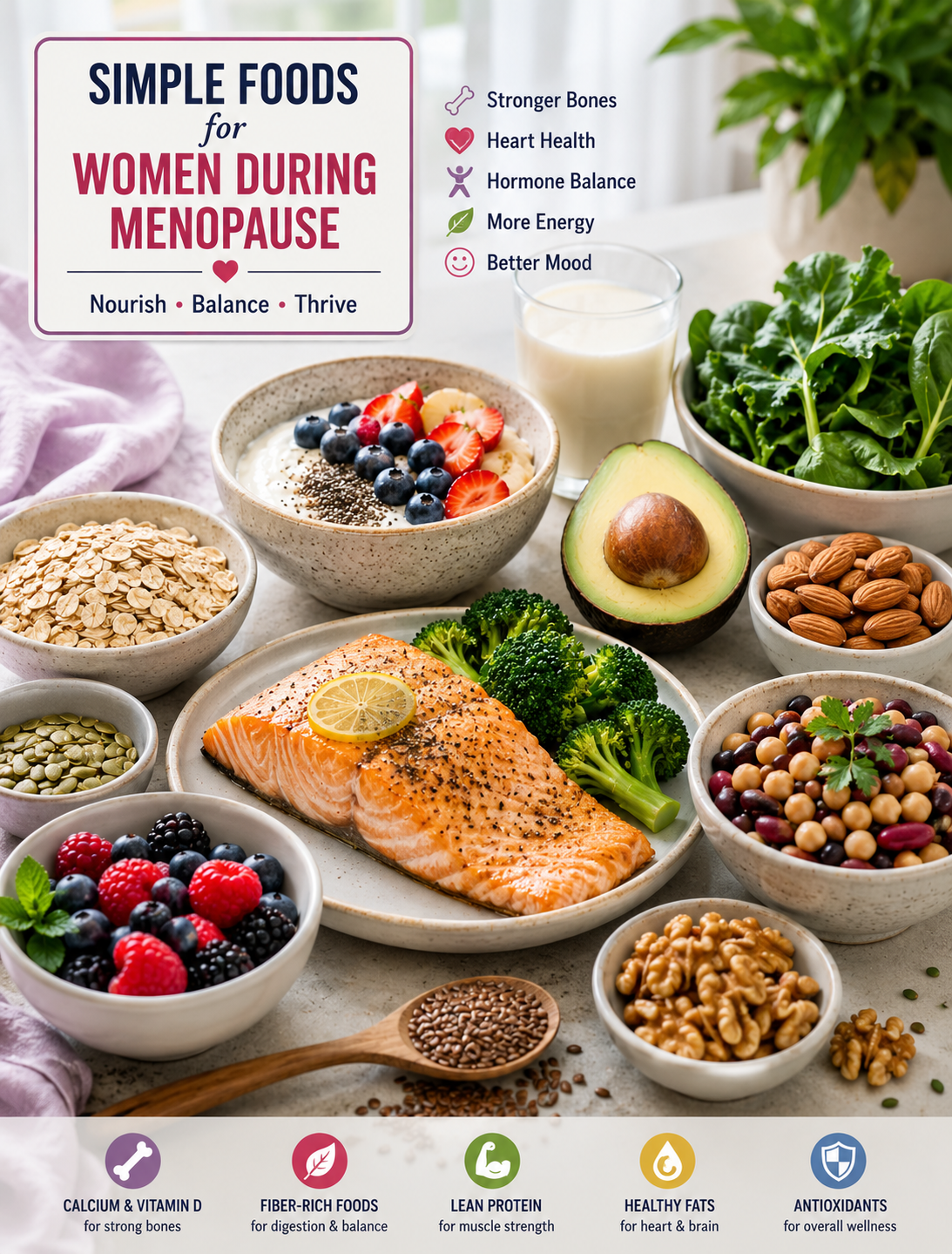
Simple Foods for Women During Menopause: 10 Healthy Choices

Simple Foods for Women During Menopause: 10 Healthy Choices

Simple Foods for Women During Menopause

10 Healthy Choices

Menopause is a normal stage of life, but the changes that come with it can affect how you feel and how your body uses energy. Hormone changes can also increase the long-term risk of conditions such as heart disease and osteoporosis. A balanced diet can help support your bones, muscles, heart, and overall health during this transition.

There is no single food that can prevent every menopause symptom. However, choosing nutrient-rich foods can help you meet your changing nutritional needs while supporting healthy aging.

The best approach is simple: eat more whole foods, include enough protein and fiber, choose healthy fats, and pay special attention to calcium and vitamin D. These habits can become part of an everyday eating pattern without requiring expensive supplements or complicated meal plans.

Why Nutrition Matters During Menopause

Estrogen levels decline during menopause, and this change can affect several areas of health. Bone loss can become a greater concern, while heart health, muscle mass, body weight, and blood sugar also deserve attention.

Women may also need fewer calories as they age because muscle mass and activity levels can change. This makes food quality especially important because each meal should provide useful nutrients without relying heavily on added sugar or highly processed foods.

A practical menopause diet does not need to be restrictive. Build meals around vegetables, fruits, whole grains, lean proteins, beans, nuts, seeds, and healthy fats.

1. Greek Yogurt for Protein and Calcium

Plain Greek yogurt is an easy food to add to breakfast or snacks. It provides protein and calcium, two nutrients that become especially important for maintaining strength and bone health.

Choose plain yogurt instead of heavily sweetened varieties to keep added sugar lower. Add berries, sliced fruit, chia seeds, or walnuts for extra fiber and healthy fats.

Greek yogurt can also replace sour cream in some recipes, making it a simple way to add more protein to everyday meals.

Women over 50 generally need more calcium than younger adult women. The Office on Women’s Health recommends 1,200 milligrams of calcium daily for women ages 51 and older.

2. Salmon for Vitamin D and Healthy Fats

Salmon provides high-quality protein and is also a source of vitamin D. It contains omega-3 fatty acids, which are part of a heart-conscious eating pattern.

Try baked or grilled salmon with roasted vegetables and a whole grain such as quinoa or brown rice. This creates a balanced meal without needing a heavy sauce.

Other seafood options can also add protein and nutrients to your diet. Choosing different types of seafood throughout the week can help keep meals varied.

Vitamin D is important because it helps the body absorb calcium and supports bone health. Fatty fish such as salmon are among the food sources of vitamin D.

3. Leafy Greens for Fiber and Minerals

Spinach, kale, collard greens, and other dark leafy vegetables can add fiber and important nutrients to meals.

Try adding spinach to scrambled eggs, kale to a grain bowl, or cooked greens to a bean-based dinner. You can also blend spinach into a smoothie with fruit and plain yogurt.

Leafy greens can contribute to your daily calcium intake, although the amount absorbed varies by the type of vegetable. They are also useful sources of fiber and other nutrients.

4. Berries for a Fiber-Rich Sweet Option

Strawberries, blueberries, raspberries, and blackberries can satisfy a sweet craving while adding fiber and nutrients.

Add berries to oatmeal, plain yogurt, or whole-grain cereal. Frozen berries are also a convenient choice when fresh fruit is expensive or unavailable.

Fiber is important for digestive health and is part of a heart-healthy eating pattern. The Office on Women’s Health notes that many women do not get enough fiber and recommends foods such as berries, beans, whole grains, vegetables, and nuts.

5. Beans and Lentils for Plant Protein

Beans and lentils are affordable sources of plant protein and fiber. They can help make meals more filling without relying on large portions of meat.

Add black beans to tacos, chickpeas to salads, or lentils to soups. You can also use beans as the base for a simple grain bowl with vegetables and avocado.

Increasing fiber gradually can help reduce digestive discomfort. Drink enough fluids as you increase high-fiber foods.

6. Nuts and Seeds for Healthy Fats

Walnuts, almonds, chia seeds, flaxseeds, and pumpkin seeds are easy additions to a menopause-friendly eating pattern.

Sprinkle chia or ground flaxseed over oatmeal and yogurt. Add walnuts or almonds to salads for crunch and flavor.

Nuts and seeds provide unsaturated fats along with other nutrients. They can also make meals more satisfying, which may help you avoid reaching for highly processed snacks between meals.

Because nuts and seeds are calorie-dense, a small serving is usually enough.

7. Oats for Fiber and a Filling Breakfast

Oats are a simple whole-grain option for breakfast. They provide fiber and can be combined with several other nutrient-rich foods.

Try oatmeal topped with berries, walnuts, chia seeds, and cinnamon. Avoid making the bowl mostly sugar by limiting large amounts of syrup, brown sugar, or sweetened creamers.

Oats can also provide soluble fiber, which is useful as part of a heart-conscious eating pattern. This makes them a practical breakfast choice for women concerned about cholesterol as they age.

8. Calcium-Fortified Foods

Milk, yogurt, cheese, calcium-fortified soy beverages, tofu made with calcium, and some fortified cereals can help women meet their calcium needs.

If you do not consume dairy, check food labels for calcium-fortified alternatives. Fortified soy beverages can provide calcium while also contributing protein.

Calcium supports bones, muscles, nerves, and several other body functions. After menopause, adequate calcium becomes particularly important because bone loss can increase.

Food is often the best place to start. If you are unsure whether your diet provides enough calcium, discuss your needs with a healthcare professional before starting a supplement.

9. Avocado for Healthy Fats

Avocado provides unsaturated fats, fiber, and several vitamins and minerals. Its creamy texture makes it easy to use in place of foods higher in saturated fat.

Spread avocado on whole-grain toast, add it to a salad, or use it as a topping for beans and vegetables.

A balanced diet should include healthy sources of fat rather than trying to eliminate dietary fat completely.

10. Water-Rich Foods and Fluids

Hydration remains important during every stage of life. Water, unsweetened beverages, fruits, and vegetables can all contribute to daily fluid intake.

Keep a reusable water bottle nearby and drink throughout the day rather than waiting until you feel very thirsty.

If hot flashes make you uncomfortable, some women find that limiting individual triggers such as caffeine or alcohol may help, but triggers vary from person to person. Menopause symptoms can differ widely between women.

Foods to Limit During Menopause

You do not need to completely remove your favorite foods. Instead, make highly processed foods and sugary drinks occasional choices.

Limit foods that are consistently high in added sugar, saturated fat, and sodium. Examples include sugary sodas, candy, pastries, heavily processed meats, and many packaged snack foods.

Alcohol is another item worth limiting. The National Institute on Aging recommends limiting or avoiding alcohol and not smoking as part of staying healthy during and after menopause.

Replacing these foods with vegetables, fruits, whole grains, beans, nuts, seeds, seafood, and lean protein can improve the overall quality of your diet.

A Simple Menopause-Friendly Day of Eating

Breakfast can be oatmeal with berries, chia seeds, and plain Greek yogurt.

Lunch can include a large salad with chickpeas, leafy greens, avocado, tomatoes, and grilled chicken.

For a snack, choose plain yogurt with berries or a small handful of walnuts and fresh fruit.

Dinner can include baked salmon, roasted broccoli, and quinoa.

This type of meal pattern provides protein, fiber, healthy fats, whole grains, fruits, vegetables, calcium, and other nutrients without requiring complicated recipes.

A Few Healthy Habits to Pair With Your Diet

Food is only one part of healthy aging. Staying physically active is also important during and after menopause.

Walking, strength training, balance exercises, and other activities can support physical function and help maintain muscle and bone health. The National Institute on Aging recommends being physically active as part of a healthy lifestyle during and after menopause.

Good sleep habits also matter. Try to keep a regular sleep schedule and make your bedroom comfortable and cool if night sweats disturb your sleep.

If menopause symptoms are severe, persistent, or affecting your daily life, speak with a healthcare professional. Diet can support overall health, but it is not a replacement for appropriate medical care.

The Bottom Line

The best foods for women during menopause are not exotic or complicated. Greek yogurt, salmon, leafy greens, berries, beans, oats, nuts, seeds, avocado, and calcium-fortified foods can all fit into a balanced eating pattern.

Focus on variety instead of searching for one “menopause superfood.” Include protein at meals, choose fiber-rich foods, use healthier fats, and make calcium and vitamin D a regular part of your nutrition plan.

Small changes can add up. A bowl of oatmeal instead of a sugary pastry, berries instead of candy, or beans instead of processed meat can make an everyday meal more nutrient-dense.

Menopause is a natural life stage, and your food choices can help support your health through the transition and beyond.

Frequently Asked Questions

What are the best foods for women during menopause?

Foods rich in protein, fiber, calcium, vitamin D, healthy fats, fruits, vegetables, and whole grains are useful choices during menopause.

What foods are good for menopause symptoms?

There is no single food that treats all symptoms, but a balanced diet with vegetables, fruits, whole grains, protein, and healthy fats supports overall health.

Should women eat more calcium after menopause?

Yes. Women age 51 and older generally need 1,200 mg of calcium daily to support bone health.

What foods contain vitamin D?

Salmon and other fatty fish, fortified milk, fortified soy beverages, some cereals, and fortified orange juice can provide vitamin D.

Are berries good during menopause?

Yes. Berries provide fiber and nutrients and can add natural sweetness to yogurt, oatmeal, and other meals.

Is Greek yogurt good for menopause?

Plain Greek yogurt can provide protein and calcium, making it a convenient option for breakfast or snacks.

Are oats good for women during menopause?

Yes. Oats provide whole-grain carbohydrates and fiber and can be paired with fruit, seeds, nuts, or yogurt.

What foods support bone health after menopause?

Calcium-rich foods, vitamin-D sources, adequate protein, and a balanced diet can help support bone health after menopause.

Should women avoid dairy during menopause?

No. Dairy can be a useful source of calcium and protein unless you have an allergy, intolerance, or another reason to avoid it.

Can diet help with menopause weight gain?

A nutrient-dense diet with appropriate portions, adequate protein, fiber-rich foods, and regular physical activity can support healthy weight management.

How much fiber do women need after age 50?

The Office on Women’s Health lists 22 grams of fiber per day for women age 51 and older.

Should I take calcium or vitamin D supplements?

Not everyone needs supplements, so discuss your diet, health history, medications, and nutritional needs with your healthcare professional before taking them.
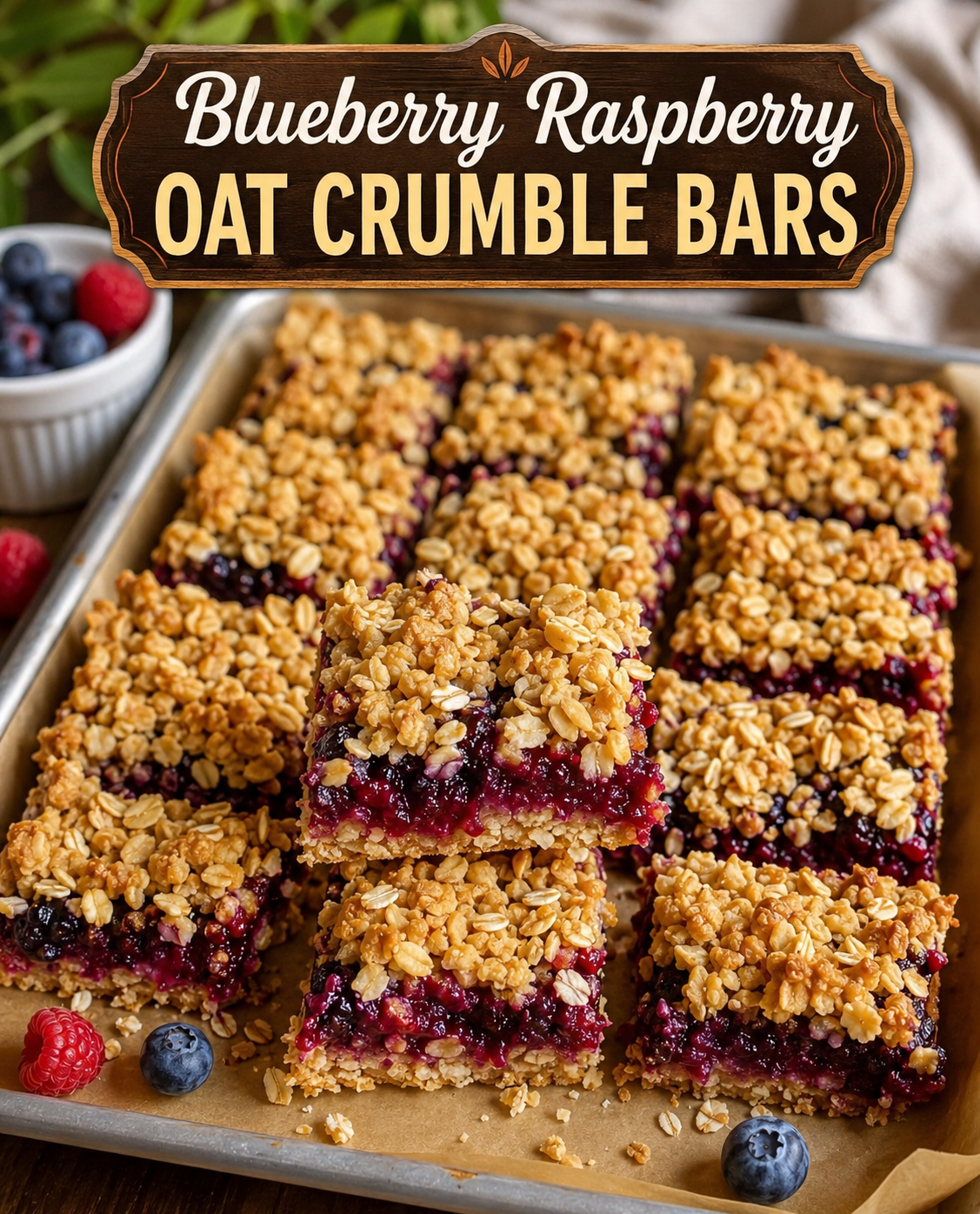

Oatmeal for high cholesterol

oatmeal for high cholesterol

Oatmeal for high cholesterol

Try This Easy Heart-Healthy Food

High cholesterol can be easy to overlook because it usually does not cause noticeable symptoms. Yet high levels of LDL cholesterol can increase the risk of heart disease and stroke over time. One simple way to improve your daily eating pattern is to choose more foods that provide soluble fiber, including oats.

Oatmeal is an affordable, filling, and versatile breakfast that can fit into a heart-conscious diet. The key ingredient is a type of soluble fiber called beta-glucan, which is naturally found in oats. Soluble fiber can help reduce the amount of cholesterol absorbed through the digestive tract.

That does not mean one bowl of oatmeal will fix high cholesterol. Your cholesterol level is influenced by your overall diet, activity level, genetics, age, and other health factors. Still, making oatmeal a regular part of a balanced eating pattern can be a practical step toward better heart health.

Why Oatmeal May Help With Cholesterol

The main reason oats stand out is their soluble fiber content. When soluble fiber mixes with water in the digestive tract, it forms a gel-like substance that can affect how cholesterol and bile acids are handled by the body.

NHLBI includes oats among the foods that can provide soluble fiber as part of its cholesterol-lowering eating approach. MedlinePlus also recommends soluble-fiber foods such as oatmeal and oat bran for people working to improve cholesterol through diet.

Oats also provide whole-grain carbohydrates, fiber, and several vitamins and minerals. A typical cup of cooked oatmeal contains about 4 grams of dietary fiber, although the exact amount varies by product and serving size.

For people concerned about LDL cholesterol, replacing less nutritious breakfast choices with plain oats can be a useful dietary change. The benefit comes from the overall food pattern rather than oatmeal acting as a medicine.

The Best Type of Oatmeal to Choose

Not all oatmeal products are equally useful for a heart-healthy breakfast. Plain rolled oats and steel-cut oats are simple choices because they contain the whole oat grain and can be prepared without large amounts of added sugar.

Old-fashioned rolled oats cook quickly and work well for everyday breakfasts. Steel-cut oats have a chewier texture and usually take longer to prepare. Both can provide soluble fiber.

Instant oats can also fit into a healthy diet. The important step is checking the Nutrition Facts label and choosing varieties with little or no added sugar and a reasonable amount of sodium.

Flavored oatmeal packets can contain added sugars that make an otherwise nutritious breakfast less balanced. If you enjoy flavored oats, compare labels and look for options with less added sugar.

Easy Heart-Healthy Oatmeal Recipe

You do not need a complicated recipe to make oatmeal more nutritious.

Ingredients

  • ½ cup dry rolled oats
  • 1 cup water or unsweetened milk
  • ½ cup fresh or frozen berries
  • 1 tablespoon chia seeds
  • 1 tablespoon chopped walnuts
  • Cinnamon for flavor
  • Optional: a small amount of sliced banana

Directions

  1. Add oats and liquid to a small saucepan.
  2. Cook according to the package directions until creamy.
  3. Transfer the oatmeal to a bowl.
  4. Add berries, chia seeds, walnuts, and cinnamon.
  5. Stir gently and serve warm.

This combination adds more fiber, plant foods, and unsaturated fats without requiring a large amount of added sugar.

Why Berries, Chia Seeds, and Walnuts Make a Good Topping

Oatmeal provides the base, but the toppings can determine whether your breakfast remains heart-conscious.

Berries add natural sweetness and fiber without requiring syrup or large amounts of added sugar. Fresh and frozen berries can both work well.

Chia seeds provide fiber and plant-based nutrients. They also add texture and can make oatmeal more filling.

Walnuts provide mostly unsaturated fats, which can be a better choice than toppings high in saturated fat. Nuts and seeds are included among foods that can fit into heart-healthy eating patterns.

If you want a creamier bowl, choose plain low-fat yogurt instead of heavy cream. Another option is unsweetened soy or almond milk fortified with calcium and vitamin D.

What to Avoid Adding to Oatmeal

A healthy bowl can become less heart-friendly when it is loaded with added sugar and saturated fat.

Try to limit large amounts of brown sugar, flavored syrups, sweetened creamers, candy pieces, and high-sugar granola.

You also do not need butter to make oatmeal taste good. Cinnamon, berries, banana, chopped nuts, vanilla, or unsweetened nut butter can provide plenty of flavor.

If you use peanut or almond butter, choose a product with minimal added sugar and no partially hydrogenated oils.

The goal is not to make breakfast completely fat-free. Instead, choose more unsaturated fats and limit saturated fat as part of an overall heart-healthy eating pattern. The American Heart Association’s 2026 dietary guidance emphasizes whole grains, vegetables, fruits, healthy protein sources, unsaturated fats, and minimally processed foods.

How Much Oatmeal Should You Eat?

A practical starting point is about ½ cup of dry oats, which produces roughly one serving after cooking. Your ideal portion depends on your calorie needs and the rest of your breakfast.

Eating more oatmeal is not automatically better. A balanced meal can include oats along with fruit, seeds, nuts, or another nutritious protein source.

If you are increasing fiber quickly, start gradually and drink enough fluids. A sudden increase in fiber can cause gas, bloating, or abdominal discomfort in some people.

Oatmeal Is Part of a Bigger Cholesterol Strategy

Eating oatmeal can support a healthier diet, but it should not be your only strategy for managing LDL cholesterol.

NHLBI recommends reducing saturated fat while increasing soluble fiber and choosing foods such as whole grains, fruits, vegetables, beans, nuts, and seeds.

Regular physical activity can also support cardiovascular health. Maintaining a healthy weight, avoiding tobacco, and following your healthcare professional’s treatment plan are important parts of managing heart disease risk.

If you have been diagnosed with high cholesterol, continue taking prescribed medication unless your healthcare professional tells you otherwise. Food choices can complement treatment but should not replace medical care.

Can Oatmeal Lower LDL Cholesterol?

Research and clinical guidance support the role of oat-based soluble fiber in helping maintain healthier cholesterol levels. The FDA has an authorized health claim connecting soluble fiber from certain whole-oat foods with reduced coronary heart disease risk when specific conditions are met.

The effect depends on the amount and overall dietary pattern. Eating a small serving occasionally is unlikely to produce the same benefit as consistently choosing fiber-rich foods as part of a balanced diet.

This is why the most useful approach is to make oats one regular part of your weekly meal plan.

A Simple Breakfast Upgrade Worth Trying

If your usual breakfast is sugary cereal, pastries, or a highly processed breakfast bar, switching to plain oatmeal can be a simple improvement.

Start with rolled or steel-cut oats and add fruit for natural sweetness. Then add chia seeds or walnuts for extra texture and nutrients.

This breakfast is inexpensive, easy to customize, and suitable for busy mornings. It can also be prepared the night before as overnight oats if you prefer a cold breakfast.

Most importantly, keep the bigger picture in mind. A heart-healthy diet is built from many small choices rather than one miracle food.

Oatmeal can provide soluble fiber, but your overall eating pattern matters more than any single ingredient. Pairing oats with fruits, vegetables, legumes, nuts, seeds, whole grains, and healthier fats creates a stronger foundation for cardiovascular health.

Frequently Asked Questions

Is oatmeal good for high cholesterol?

Yes. Oatmeal provides soluble fiber, including beta-glucan, which can support healthier LDL cholesterol levels when included in a balanced diet.

What type of oatmeal is best for cholesterol?

Plain rolled oats, steel-cut oats, and unsweetened oat products are good choices because they provide soluble fiber without requiring added sugar.

How does oatmeal help lower LDL cholesterol?

The soluble fiber in oats can reduce cholesterol absorption in the digestive tract and support healthier blood cholesterol levels.

Can I eat oatmeal every day?

Yes, oatmeal can be eaten regularly as part of a varied diet that includes other whole grains, fruits, vegetables, legumes, nuts, and seeds.

Are instant oats good for cholesterol?

Plain instant oats can fit a heart-healthy diet, but check the label for added sugar and sodium before choosing flavored varieties.

What should I add to oatmeal for heart health?

Try berries, chia seeds, walnuts, sliced fruit, cinnamon, or unsweetened nut butter instead of large amounts of sugar or syrup.

Is oatmeal better than sugary cereal?

Plain oatmeal is often a better choice because it can provide more soluble fiber and allows you to control added sugar and toppings.

Can oatmeal replace cholesterol medicine?

No. Oatmeal can support a heart-healthy diet but should not replace cholesterol medication prescribed by your healthcare professional.

How much soluble fiber should I get?

MedlinePlus recommends about 10 to 25 grams of soluble fiber daily for people trying to lower cholesterol through diet, with foods such as oats, beans, and fruit contributing to that total.

Can oatmeal cause bloating?

Increasing fiber too quickly can cause gas or bloating, so gradually increase high-fiber foods and drink enough fluids.

Is oatmeal good for heart health?

Oatmeal can support heart health because it provides whole-grain nutrients and soluble fiber that can help improve blood cholesterol levels.

Can I add honey to oatmeal?

You can use a small amount, but berries or sliced fruit can add sweetness while keeping added sugar lower.

Lemon-Ginger Morning Drink for a Heavy Stomach

Warm lemon-ginger morning drink with fresh lemon slices and ginger for a simple healthy morning routine

Lemon-Ginger Morning Drink for a Heavy Stomach

Sometimes you wake up feeling like your stomach needs a fresh start. You may feel full, sluggish, mildly bloated, or simply uncomfortable after a late dinner or a heavy meal. Before reaching for a complicated supplement or an expensive wellness drink, try something much simpler: warm water with fresh ginger and lemon.

This easy lemon-ginger morning drink combines three basic ingredients: water, fresh ginger, and lemon juice. It is quick to prepare, naturally refreshing, and easy to fit into a daily routine.

Ginger has a long history of use for digestive discomfort, and research has found that it may help with certain types of nausea. Lemon adds fresh flavor and vitamin C while making plain water easier for some people to enjoy.

This drink is not a medical treatment or a “detox” cure. Instead, think of it as a simple morning habit that can support hydration and add ginger and lemon to your diet.

Why Your Stomach May Feel Heavy in the Morning

A heavy stomach can happen for many everyday reasons. Eating a large dinner, eating close to bedtime, drinking alcohol, or choosing rich and fatty foods may leave you feeling uncomfortable the next morning.

Eating quickly can also make you swallow more air, which may contribute to gas and bloating. Constipation is another common reason for abdominal fullness.

Your morning routine can influence how you feel, too. After several hours of sleep without fluids, drinking water can help you begin replacing the fluid your body needs. Water remains the main source of hydration, whether you drink it plain or add lemon for flavor.

If stomach heaviness happens often, becomes painful, or comes with vomiting, unexplained weight loss, blood in the stool, or difficulty swallowing, do not rely on a home drink. Talk with a healthcare professional about persistent or concerning symptoms.

How to Make a Lemon-Ginger Morning Drink

You only need a few ingredients to make this simple morning drink.

Ingredients

  • 1 cup warm or room-temperature water
  • 3 to 5 thin slices of fresh ginger
  • 1 to 2 teaspoons fresh lemon juice
  • Optional: 1 teaspoon honey for taste

Directions

  1. Add the ginger slices to a cup of warm water.
  2. Let the ginger steep for 5 to 10 minutes.
  3. Remove the ginger slices if you prefer a milder drink.
  4. Add fresh lemon juice and stir.
  5. Let the drink cool to a comfortable temperature before drinking.

You do not need boiling-hot water. Warm or room-temperature water works well and may make the drink easier to enjoy.

For a stronger ginger flavor, use a few extra slices or allow the ginger to steep longer. Start with a small amount if you are not used to ginger.

How This Morning Drink May Help

The main benefit of this drink is that it gives you an easy way to drink water at the beginning of your day. Adding lemon can make water more appealing, which may help some people drink more fluids.

Ginger is the ingredient with the most relevant research behind it. Studies have examined ginger for several types of nausea and vomiting, although much of the research has used ginger supplements rather than a homemade beverage.

Lemon provides vitamin C and adds a bright flavor without needing a sugary drink. Fresh lemon juice is also low in calories when used in small amounts.

The combination can therefore be a practical alternative to sweetened morning beverages. It gives you water, fresh flavor, and small amounts of nutrients from lemon without turning the drink into a high-sugar beverage.

Best Time to Drink It

There is no special hour when lemon-ginger water suddenly becomes more effective. Morning is simply a convenient time because it can become part of an established routine.

Try drinking it after waking up or alongside your normal breakfast. If drinking acidic beverages on an empty stomach causes discomfort, have it with food instead.

You also do not need to drink it every day. Your overall eating pattern, hydration, sleep, physical activity, and medical care matter much more than one morning beverage.

If you enjoy the taste and it helps you choose water instead of a sugary drink, it can be a useful habit.

Tips to Make It Taste Better

Fresh ginger has a naturally spicy flavor, while lemon adds acidity. If the combination tastes too strong, dilute it with additional water.

You can also add a few fresh mint leaves for a cooler flavor. A small amount of honey can soften the sharp taste, but keeping added sweeteners low is a better choice if you are trying to reduce sugar.

For a chilled version, prepare the drink ahead of time, refrigerate it, and serve it over ice. You can also add cucumber slices for extra freshness.

Avoid turning the drink into a sugary lemonade. The goal is to keep the recipe simple and lightly flavored.

What This Drink Cannot Do

A lemon-ginger drink cannot “flush toxins” from your body or melt belly fat overnight. Your liver and kidneys already perform the body’s major waste-processing functions.

It also cannot cure constipation, acid reflux, ulcers, food intolerance, or other digestive conditions.

Ginger may help some forms of nausea, but research does not support treating every digestive complaint with ginger. Evidence also varies depending on the condition and the form of ginger used.

That is why it is better to view this recipe as a healthy beverage option rather than a miracle remedy.

When to Be Careful With Lemon and Ginger

Although both ingredients are common foods, they may not suit everyone.

Ginger can cause side effects such as abdominal discomfort, heartburn, diarrhea, or mouth and throat irritation in some people.

Lemon juice is acidic and may worsen heartburn, acid reflux, or stomach irritation in sensitive people.

If you take medications, especially medicines that may interact with herbal products, ask your healthcare professional before using large amounts of ginger or ginger supplements. Food amounts are different from concentrated supplements.

If lemon water is part of your regular routine, remember that frequent exposure to acidic drinks can affect tooth enamel. Diluting the lemon juice and rinsing your mouth with plain water afterward can help reduce acid exposure.

Simple Ways to Support Better Digestion

A morning drink is only one small part of digestive health.

Eat meals at a comfortable pace and chew food thoroughly. Choose fiber-rich foods such as vegetables, fruits, beans, whole grains, nuts, and seeds as part of a balanced diet.

Regular movement can also support normal bowel function. A short walk after meals may be an easy habit to add to your day.

Pay attention to foods that repeatedly make you feel uncomfortable. Keeping a simple food and symptom journal can help you identify patterns to discuss with a healthcare professional.

Most importantly, do not ignore symptoms that keep returning. Frequent abdominal pain, persistent bloating, ongoing heartburn, or major changes in bowel habits deserve proper evaluation.

A Simple Morning Habit Worth Trying

If your stomach occasionally feels heavy in the morning, this warm lemon-ginger drink is an easy option to try. It takes only a few minutes to prepare and uses ingredients that are easy to find at most U.S. grocery stores.

The biggest advantage may be its simplicity. You are starting your day with water instead of a sugary beverage while adding fresh ginger and lemon to your routine.

Just keep expectations realistic. This drink is not a cure or detox treatment. It is a refreshing beverage that can support hydration and provide small nutritional benefits while ginger may be useful for certain types of nausea.

If you enjoy it, make it part of a bigger healthy routine that includes balanced meals, regular movement, enough fluids, and good sleep.

Frequently Asked Questions

Can I drink lemon-ginger water every morning?

Yes, if it agrees with you and you use normal food amounts, but you do not need it daily to maintain good health.

Is lemon-ginger water good for digestion?

It may be a refreshing hydration choice, while ginger has been studied for certain types of nausea; evidence does not support it as a cure for digestive disorders.

Can this drink reduce bloating?

It may feel soothing for some people, but there is not enough evidence to claim that a homemade lemon-ginger drink reliably eliminates bloating.

Should I drink it on an empty stomach?

You can, but eating something first may be more comfortable if lemon or ginger causes stomach irritation or heartburn.

Can I use ground ginger instead of fresh ginger?

Yes, but start with a small amount because ground ginger has a stronger, more concentrated flavor.

Can I add honey?

Yes, a small amount can improve the taste, but honey still counts as added sugar.

Is warm water better than cold water?

There is no strong reason to believe warm water provides special digestive benefits; choose the temperature that feels comfortable to you.

How much lemon should I use?

Start with 1 to 2 teaspoons of fresh lemon juice per cup of water and adjust the flavor to your preference.

Can I drink it if I have acid reflux?

Lemon may worsen reflux symptoms in some people, so avoid it if acidic drinks consistently trigger your symptoms.

Is this drink a detox?

No. The body already has organs that process and remove waste, so lemon-ginger water should not be promoted as a detox treatment.

Does ginger help with nausea?

Research suggests ginger may help with some forms of nausea, although results vary by condition and many studies have used supplements rather than beverages.

When should I see a doctor about stomach heaviness?

Seek medical advice if symptoms are persistent, severe, worsening, or accompanied by warning signs such as vomiting, bleeding, unexplained weight loss, or trouble swallowing.

Shocking Benefits of Baking Soda

The Shocking Benefits of Baking Soda: A Simple Morning Drink

Baking soda is one of those inexpensive kitchen staples that seems to have endless uses. It is commonly used in baking, cleaning, and household care, but some people also mix a small amount with water as a homemade drink.This simple Baking Soda Water recipe takes less than a minute to prepare and uses just two ingredients. Baking soda, also known as sodium bicarbonate, is an alkaline compound that can temporarily neutralize stomach acid. Because of this, it has traditionally been used as an occasional home remedy for heartburn and indigestion.However, more is not better. Baking soda contains a significant amount of sodium, and drinking too much can be harmful. This recipe is therefore designed around a small amount for occasional use, not as a daily detox or cure-all drink.

Why I Love This Recipe

I love this recipe because it is incredibly simple. There is no blender, cooking, or special equipment required.

With just water and a small amount of baking soda, you can prepare it almost instantly.

It is also inexpensive and uses an ingredient that many people already have in their kitchen.

Most importantly, this recipe highlights an important point about homemade wellness drinks: simple doesn’t always mean you should consume more of it. Baking soda can have useful properties, but because it is high in sodium, it should be used thoughtfully.

Ingredients For Shocking Benefits of Baking Soda

½ teaspoon baking soda

8–12 ounces water

Lemon slice, optional for flavor

Important Ingredient Note

Use food-grade baking soda (sodium bicarbonate) intended for culinary use.

Do not substitute baking powder. Baking powder contains additional ingredients and is not the same product.

Instructions For Shocking Benefits of Baking Soda

Add the Water

Pour 8–12 ounces of room-temperature or cool water into a glass.

Add Baking Soda

Add ½ teaspoon or less of baking soda to the water.

For anyone trying baking soda water for the first time, using a smaller amount is a sensible approach.

Stir Well

Stir thoroughly until the baking soda dissolves.

You may notice slight bubbling if you add lemon juice. This happens because baking soda reacts with acidic ingredients.

Taste

Take a small sip. Baking soda water can have a distinctly salty or alkaline taste.

If you find the flavor unpleasant, there is no need to force yourself to drink it.

Serve

Drink it slowly rather than consuming a large quantity quickly.

Because baking soda is high in sodium, this should not be treated like ordinary drinking water.

Tips for Making Baking Soda Water

Measure carefully: Don’t estimate large amounts by eye. Baking soda is concentrated, so using too much can cause problems.

Use plain baking soda: Make sure the ingredient is food-grade sodium bicarbonate.

Room-temperature or cool water works perfectly.Don’t use hot water

Don’t make it overly concentrated: Increasing the amount does not automatically increase the benefits.

Don’t use it as your main source of hydration: Plain water remains the better everyday choice for hydration.

Skip the lemon if you want: Lemon can improve the flavor, but it also reacts chemically with baking soda.

Don’t use it as a daily detox: Your body already has organs, including the liver and kidneys, that handle normal waste removal.

Potential Benefits of Baking Soda

Baking soda has a few legitimate uses, but internet claims often go far beyond the evidence.

May Temporarily Relieve Heartburn

Sodium bicarbonate can neutralize stomach acid. This is why it has historically been used as an antacid.

However, frequent heartburn should not simply be treated with baking soda at home. Recurring symptoms may need proper evaluation.

May Help Neutralize Acidity

The alkaline nature of sodium bicarbonate allows it to react with acids. This property is useful in cooking and has medical applications under appropriate supervision.

May Have Sports-Performance Applications

Sodium bicarbonate has been studied in sports nutrition, particularly for high-intensity exercise. However, research protocols often use carefully calculated doses, and these are not equivalent to casually drinking baking soda water.

An Inexpensive Household Ingredient

One of the most “shocking” things about baking soda is how versatile and inexpensive it is. The same basic ingredient can be useful in cooking and a variety of household applications.

Important Reality Check

Baking soda does not magically detox the body, melt body fat, cure chronic disease, or permanently change your body’s overall pH.

Your body tightly regulates blood pH. Drinking alkaline substances does not simply make your entire body alkaline.

Serving Suggestions For Shocking Benefits of Baking Soda

Baking soda water has a strong flavor, so there aren’t many culinary serving options. If you’re using it occasionally as an antacid-type home remedy, plain water is the simplest preparation.

For a more pleasant drink, you can add a little lemon, but remember that lemon reacts with baking soda and produces carbon dioxide.

You can also simply use baking soda in normal cooking and baking, where it is an established culinary ingredient.

Nutrition Facts For Shocking Benefits of Baking Soda

Approximate nutrition for ½ teaspoon baking soda mixed with water:

Calories: 0

Carbohydrates: 0 g

Protein: 0 g

Fat: 0 g

Sugar: 0 g

Fiber: 0 g

Sodium: Approximately 630 mg

The sodium content is the main nutritional consideration.

Because the sodium amount is substantial compared with the amount of baking soda used, this drink is not appropriate as an everyday beverage for everyone.

Frequently Asked Questions

Can I drink baking soda water every morning?

It is not recommended to make baking soda water a routine daily drink without discussing it with a healthcare professional. Baking soda contains a considerable amount of sodium, and excessive intake can cause dangerous electrolyte and acid-base disturbances.

Does baking soda water detox the body?

No. There is no good evidence that drinking baking soda water “detoxes” the body. Your liver, kidneys, lungs, and other physiological systems already perform waste removal and pH regulation.

Can baking soda help heartburn?

Sodium bicarbonate can neutralize stomach acid and may provide temporary relief from occasional heartburn. However, it should not be relied upon for frequent or persistent symptoms.

Can I drink baking soda with lemon?

You can, but the two ingredients react. The acid in lemon juice reacts with sodium bicarbonate, producing carbon dioxide, water, and sodium citrate. This causes fizzing and changes the mixture’s composition.

Is baking soda the same as baking powder?

No. Baking soda is sodium bicarbonate. Baking powder contains sodium bicarbonate plus acidic ingredients and other components. They are not interchangeable for this drink.

Can baking soda help with weight loss?

There is no reliable evidence that drinking baking soda directly causes meaningful fat loss. It should not be used as a weight-loss drink.

Who should avoid baking soda drinks?

People who need to limit sodium, including some people with high blood pressure, heart disease, kidney disease, or other medical conditions, should speak with a healthcare professional before consuming baking soda for this purpose.

It may also interact with certain medications or affect how some medicines are absorbed.

What happens if I drink too much baking soda?

Excessive baking soda can cause nausea, vomiting, diarrhea, abdominal problems, high sodium levels, electrolyte disturbances, and metabolic alkalosis. Very large amounts can be dangerous.

If someone has consumed a large quantity and develops concerning symptoms, seek urgent medical advice or contact a poison-control service where available.

Final Thoughts For Shocking Benefits of Baking Soda

Baking soda is genuinely a fascinating kitchen ingredient, but its benefits are often exaggerated online.Its ability to neutralize acids is real, which explains its traditional use as an occasional antacid and its many culinary applications. However, that does not make baking soda water a miracle detox drink or a replacement for medical treatment.If you choose to use this recipe, keep the quantity small and occasional, and remember that plain water is the better choice for everyday hydration.For heartburn that happens frequently, unexplained digestive symptoms, or any medical condition requiring a low-sodium diet, talk with a healthcare professional rather than relying on baking soda water.Sometimes the most important wellness tip is not adding another “miracle” ingredient to your routine — it’s knowing when a simple home remedy has limits.