5 Quiet Signs You’re More Stressed Than You Think

5 quiet signs of stress including fatigue, irritability, poor concentration, low interest, and muscle tension

5 Quiet Signs You’re More Stressed Than You Think

Stress does not always feel like panic or obvious anxiety. Sometimes, it shows up in small changes that are easy to dismiss. You may sleep poorly, lose patience, forget simple things, or feel tired even after a normal night of rest. These signs can happen when your mind and body have been dealing with pressure for too long.

Everyday demands can build stress slowly. Work deadlines, family responsibilities, money concerns, relationship problems, and constant notifications can all make it harder to fully relax. Learning to notice the quieter warning signs can help you make healthy changes before stress starts affecting your daily life.

What Does Stress Feel Like?

Stress is the body’s response to demands, challenges, or situations that feel difficult to manage. A short period of stress can help you stay focused and respond to a problem. Ongoing stress, however, can leave you feeling physically and mentally drained.

Not everyone experiences stress in the same way. One person may become restless, while another may feel unusually tired or withdrawn. Some signs can look like normal parts of a busy lifestyle, which makes them easy to overlook.

The key is to notice changes from your usual mood, energy, sleep, behavior, or concentration.

1. You Feel Tired Even After Sleeping

Feeling tired after a poor night is normal, but regular fatigue can be a sign that your body is not getting enough recovery. Ongoing stress can make it harder to relax at bedtime and may lead to restless or interrupted sleep.

You might spend the night in bed but wake up feeling as if your mind never switched off. Racing thoughts, worrying about tomorrow, or checking your phone late at night can make the problem worse.

Pay attention if tiredness becomes a regular pattern rather than an occasional problem.

A simple evening routine may help. Keep a consistent bedtime, reduce bright screens before sleep, and give yourself quiet time to wind down. Morning daylight and regular daytime movement can also support a healthier sleep schedule.

2. Small Things Start Irritating You

Have you noticed yourself becoming annoyed by things that normally would not bother you?

A shorter temper can be a quiet sign of mental overload. When you are under ongoing pressure, you may have less patience for delays, noise, interruptions, or minor mistakes.

You might snap at someone, feel frustrated in traffic, or become irritated by a simple request. Afterward, you may wonder why your reaction was stronger than expected.

Instead of judging yourself, look for the pattern. Frequent irritability may be a signal that you need a break.

When tension rises, pause before responding. Take several slow breaths, step away for a few minutes, or take a short walk. Creating small breaks during the day can give your mind time to reset.

3. You Have Trouble Focusing

Stress can make it difficult to concentrate on even simple tasks. You may read the same paragraph several times, forget why you entered a room, or struggle to finish work without switching between tasks.

Mental overload can make your attention feel scattered. Constant emails, messages, social media updates, and competing responsibilities can add to that feeling.

Try reducing unnecessary distractions when you need to focus. Choose one task, silence nonessential notifications, and work for a short period before taking a brief break.

Writing down important tasks can also reduce the amount of information you are trying to hold in your mind.

If concentration problems are new, severe, or continue despite getting adequate rest, consider discussing them with a healthcare professional.

4. You Stop Enjoying Your Usual Activities

Another quiet warning sign is losing interest in activities that normally help you feel good.

You may stop meeting friends, skip hobbies, avoid exercise, or spend more time alone because everything feels like extra work. Sometimes, people assume they are simply busy when they are actually feeling emotionally drained.

Regular enjoyable activities can provide valuable mental breaks. They do not need to be complicated or expensive.

Take a walk around your neighborhood, cook a favorite meal, listen to music, read a few pages, spend time with someone you trust, or sit outside without your phone.

If loss of interest lasts for weeks or comes with persistent sadness, hopelessness, or other concerning changes, seek professional support rather than assuming it is only everyday stress.

5. Your Body Feels Constantly Tense

Stress is not only a mental experience. It can also affect how your body feels.

You may notice tight shoulders, a clenched jaw, headaches, muscle tension, stomach discomfort, or a general feeling that you cannot fully relax. Some people unconsciously tighten their muscles while working, driving, or thinking about problems.

Start checking your body during the day. Are your shoulders raised? Is your jaw tight? Are you holding your breath?

Gentle stretching, slow breathing, regular movement, and short relaxation breaks can help release physical tension.

Do not automatically blame physical symptoms on stress. New, severe, persistent, or unexplained symptoms should be evaluated by a qualified healthcare professional.

How to Manage Everyday Stress

You do not need to change your entire life to create more calm. Small habits can make daily pressure easier to manage.

Start by identifying what is causing the most stress. Separate problems you can control from situations you cannot change immediately. Focus your energy on practical actions rather than trying to solve everything at once.

Build short recovery periods into your day. A five-minute breathing break, a short walk, or a few minutes away from your screen can create space between responsibilities.

Protect your sleep schedule, eat regular balanced meals, stay physically active, and maintain supportive relationships. These basic habits can give your body and mind a stronger foundation for handling daily challenges.

It can also help to set boundaries. You do not have to answer every message immediately or accept every request. Saying no to unnecessary demands can protect time for rest and important priorities.

If stress begins interfering with sleep, work, relationships, or your ability to manage everyday responsibilities, talking with a healthcare professional or mental health professional can be a useful next step.

When Should You Take Stress Seriously?

Occasional stress is part of life, but persistent symptoms deserve attention. Take your symptoms seriously when they continue, become stronger, or interfere with normal activities.

Do not ignore severe emotional distress or thoughts of harming yourself. In the United States, you can call or text 988 to reach the Suicide & Crisis Lifeline for immediate crisis support.

For physical symptoms such as chest pain, severe shortness of breath, fainting, or other emergency warning signs, seek emergency medical care.

Frequently Asked Questions

What are the quiet signs of stress?

Common subtle signs include ongoing tiredness, irritability, poor concentration, reduced interest in activities, and persistent muscle tension.

Can stress make you tired all the time?

Yes, ongoing stress can interfere with relaxation and sleep, which may contribute to daytime fatigue and low energy.

Can stress affect concentration?

Yes. Mental pressure and constant worry can make it harder to focus, remember details, and complete everyday tasks.

Why does stress make me irritated?

Ongoing pressure can reduce your emotional patience, making ordinary interruptions or minor problems feel more frustrating than usual.

Can stress cause muscle tension?

Yes. Stress can cause your muscles to stay tense, especially around the shoulders, neck, jaw, and back.

How can I calm stress quickly?

Slow breathing, a short walk, gentle stretching, stepping away from screens, and a few minutes of quiet time may help reduce immediate tension.

When should I talk to a doctor about stress?

Consider professional help when stress symptoms persist, worsen, disrupt daily life, or are difficult to manage on your own.

Is all stress harmful?

No. Short-term stress can help you respond to challenges, but prolonged or overwhelming stress can affect sleep, mood, concentration, and overall well-being.
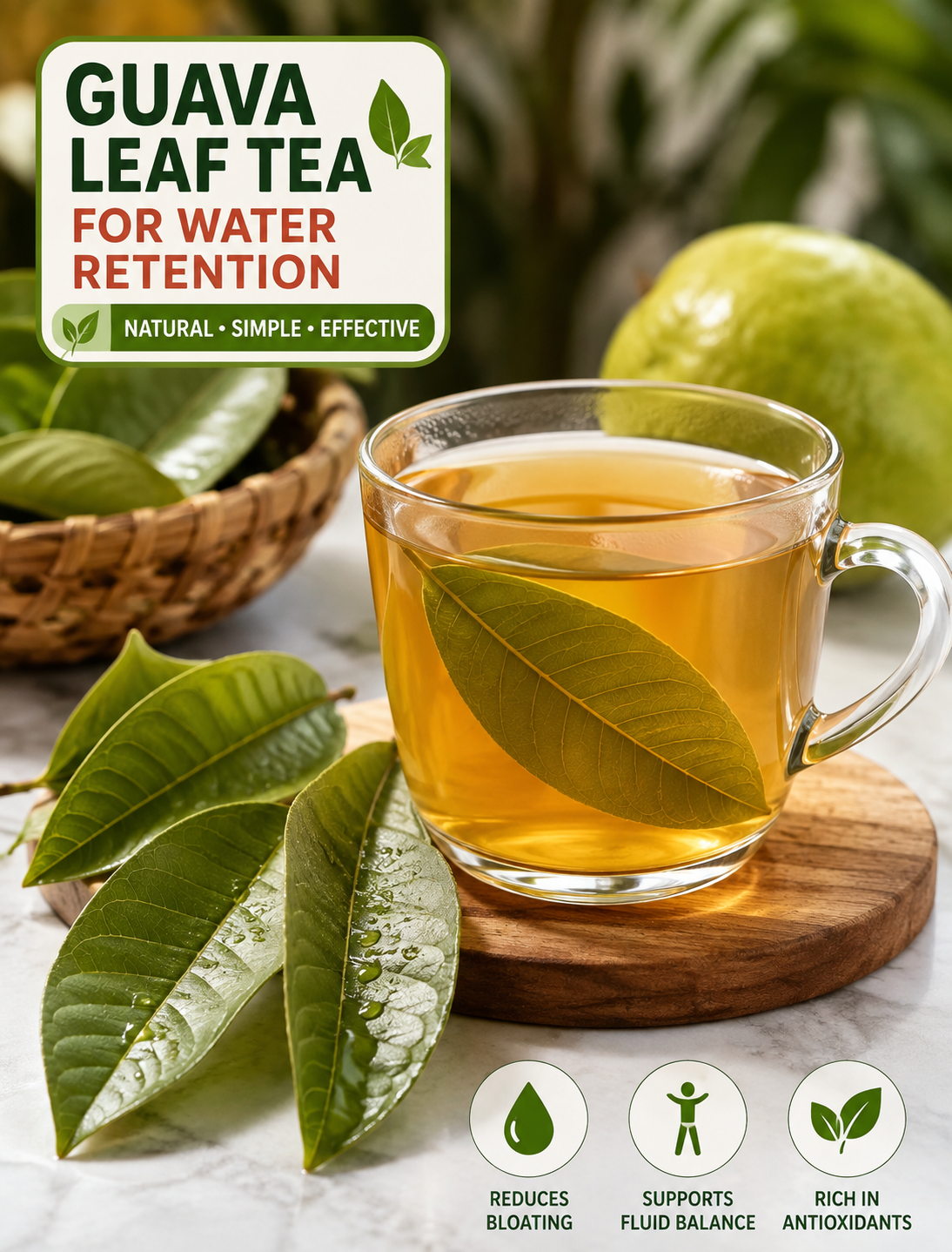
Guava Leaf Tea for Water Retention: Easy Morning Wellness Drink

Homemade guava leaf tea in a glass cup with fresh guava leaves for a healthy morning routine

Guava Leaf Tea for Water Retention

Guava leaf tea is a simple herbal drink that can fit into a healthy morning routine. Made by steeping fresh or dried guava leaves in hot water, this caffeine-free tea has a mild herbal flavor and contains naturally occurring plant compounds such as flavonoids and other antioxidants.

Many people explore guava leaf tea when they want a soothing drink to support hydration, digestion, and a balanced daily routine. It is also commonly discussed as a natural option for occasional bloating and fluid retention. However, water retention can have many causes, so tea should not be viewed as a treatment for persistent swelling.

A healthy morning routine works best when it includes enough water, nutritious foods, regular movement, and reasonable sodium intake. Guava leaf tea can be one small part of those habits.

Why Guava Leaf Tea Is Used for Water Retention

Water retention happens when extra fluid collects in body tissues. It may temporarily occur after eating salty foods, sitting for long periods, traveling, or experiencing normal changes in the body.

Guava leaves contain plant compounds with antioxidant properties, which is one reason they have been used traditionally in herbal preparations. Some people also use guava leaf tea as a light, warm beverage when they feel bloated or want an alternative to sugary drinks.

There is limited human evidence specifically showing that guava leaf tea reduces water retention. Any effect on fluid balance should therefore be considered possible rather than guaranteed.

If swelling is frequent, severe, painful, or unexplained, it is better to speak with a healthcare professional instead of relying on an herbal drink.

Guava Leaf Tea as a Morning Routine Hack

Starting the morning with a warm, unsweetened drink can make hydration easier for people who do not enjoy plain water. Guava leaf tea can be prepared in advance and enjoyed warm or allowed to cool for a refreshing alternative to sweet beverages.

A simple morning routine can include one cup of guava leaf tea, a glass of plain water, a balanced breakfast, and a few minutes of light movement. Walking or stretching after waking may also help you avoid spending the first hours of the day sitting still.

The goal is not to force your body to lose water. Instead, focus on consistent habits that support normal fluid balance.

For a lower-sugar option, drink the tea without honey. A small amount of lemon juice can add flavor, but lemon does not create a special “detox” effect. Your liver and kidneys already perform the body’s natural waste-processing functions.

How to Make Guava Leaf Tea

This homemade herbal tea requires only guava leaves and water. Fresh leaves should be cleaned carefully before preparation.

Ingredients

  • 10 fresh guava leaves or 5 dried guava leaves
  • 2 cups filtered water
  • ½ teaspoon lemon juice, optional
  • 1 teaspoon honey, optional

Instructions

  1. Rinse fresh guava leaves thoroughly under cool running water.
  2. Bring 2 cups of filtered water to a boil in a small saucepan.
  3. Add the guava leaves and reduce the heat.
  4. Simmer the leaves gently for 10 to 15 minutes.
  5. Remove the pot from the heat and strain the tea into a cup.
  6. Add a small amount of lemon juice or honey if desired.
  7. Enjoy the tea warm.

One batch makes roughly one to two servings, depending on how much liquid is used per cup.

Best Time to Drink Guava Leaf Tea

There is no established medical rule that guava leaf tea must be consumed at a particular time. Drinking it in the morning can simply make it easier to include in a consistent daily routine.

If you prefer it between meals, one cup can be a practical option. Avoid adding large amounts of honey or other sweeteners if you are trying to reduce added sugar.

Some people may prefer drinking herbal tea earlier in the day because fluids consumed close to bedtime can increase nighttime bathroom trips.

Do not assume that drinking more tea will produce better results. More fluid loss is not the same as better health.

Healthy Habits That May Help With Fluid Balance

Your overall lifestyle matters more than any single herbal drink. Several everyday habits can support normal fluid balance.

Stay Hydrated

Drinking enough water throughout the day helps your body maintain normal fluid balance. Keep water available and drink regularly instead of waiting until you feel very thirsty.

Watch Sodium Intake

High-sodium meals can contribute to temporary fluid retention in some people. Restaurant meals, packaged foods, processed meats, canned soups, and salty snacks can contain substantial amounts of sodium.

Add More Movement

Long periods of sitting may make your legs and feet feel puffy. Short walks, gentle stretching, and regular movement can help you avoid staying in one position for too long.

Choose Whole Foods

Fruits, vegetables, beans, whole grains, lean proteins, and other minimally processed foods can support a balanced eating pattern. Potassium-rich foods such as bananas, potatoes, beans, spinach, and yogurt can also be part of a healthy diet.

Tips and Safety Notes

Use clean, food-safe guava leaves and wash fresh leaves thoroughly before making tea. Store dried leaves in an airtight container away from heat, moisture, and direct sunlight.

The supplied recipe suggests limiting intake to two cups daily unless a healthcare professional advises otherwise. Because research on concentrated guava leaf preparations is limited, regular high-dose use is not recommended.

People who take prescription medicines should check with a healthcare professional before using guava leaf tea regularly. Extra caution is appropriate for people taking medicines that affect blood sugar, blood pressure, or fluid balance.

Pregnant or breastfeeding individuals should ask their healthcare provider before using guava leaf preparations.

Guava leaf tea should not replace prescribed treatment for swelling, kidney problems, heart conditions, liver disease, or other medical concerns.

Seek medical advice for sudden swelling, swelling on only one side of the body, shortness of breath, chest pain, severe pain, or rapidly worsening symptoms.

Guava Leaf Tea Nutrition

Plain guava leaf tea is naturally very low in calories because the leaves are strained out before drinking. A cup made from the recipe above may contain only a few calories.

Adding honey increases the carbohydrate and calorie content. Lemon juice adds very little energy but can provide a brighter flavor.

Nutrition values can vary depending on the amount of leaves used, preparation method, and optional ingredients.

Frequently Asked Questions

Does guava leaf tea reduce water retention?

There is not enough strong human evidence to confirm that it directly reduces water retention. It can be enjoyed as a low-calorie herbal beverage as part of healthy habits.

How often can I drink guava leaf tea?

The provided recipe recommends no more than two cups daily unless a healthcare professional recommends otherwise.

Can I drink guava leaf tea in the morning?

Yes. A morning cup can be a simple way to add a warm, unsweetened beverage to your daily hydration routine.

Does guava leaf tea have caffeine?

Plain guava leaf tea is naturally caffeine-free because it is made from guava leaves rather than traditional tea leaves such as black or green tea.

Can I add lemon to guava leaf tea?

Yes. Lemon can improve the flavor, but it should not be considered a special detox ingredient or treatment for fluid retention.

Can honey be added to guava leaf tea?

Yes, but honey adds sugar and calories. Use a small amount if you are limiting added sugars.

Who should avoid guava leaf tea?

People who are pregnant, breastfeeding, taking medicines that affect blood sugar or fluid balance, or managing a medical condition should ask a healthcare professional before using it regularly.

When should swelling be checked by a doctor?

Persistent, severe, sudden, painful, or unexplained swelling should be evaluated by a healthcare professional, especially when it occurs with breathing problems or chest pain.

Final Thoughts

Guava leaf tea can be a pleasant addition to a simple morning wellness routine. Its low-calorie, caffeine-free nature makes it an easy alternative to sugary beverages, while the leaves provide naturally occurring plant compounds.

For occasional bloating or concerns about fluid balance, focus on the bigger picture: drink enough water, moderate sodium, eat a varied diet, and stay physically active.

Most importantly, do not use herbal tea to mask ongoing or unexplained swelling. Persistent fluid retention can sometimes signal an underlying health issue that needs proper evaluation.

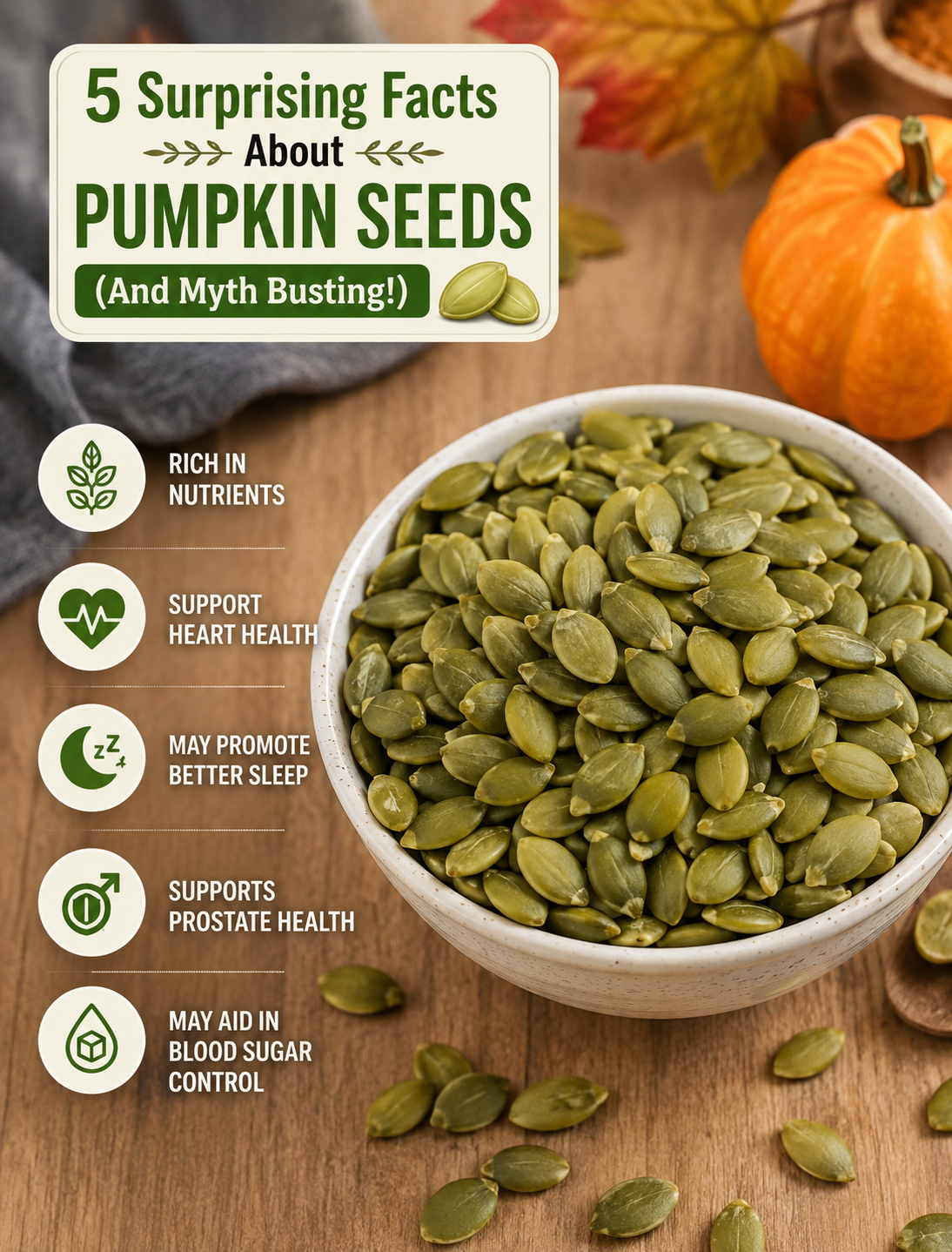
5 Surprising Facts About Pumpkin Seeds and Myth Busting

Roasted pumpkin seeds in a bowl showing their nutritious and crunchy texture

5 Surprising Facts About Pumpkin Seeds and Myth Busting

Pumpkin seeds, often called pepitas, are small but nutrient-rich foods that can fit easily into a balanced diet. They provide protein, healthy unsaturated fats, fiber, magnesium, zinc, iron, and other nutrients. Their crunchy texture also makes them an easy addition to snacks, salads, yogurt, oatmeal, and baked foods.

But some claims about pumpkin seeds go further than the available evidence supports. They are not a miracle food, and eating them does not replace medical care or a balanced diet. Still, their nutrient profile makes them a smart choice when eaten in reasonable portions.

Here are five useful facts about pumpkin seeds, along with common myths worth clearing up.

1. Rich in Nutrients

Pumpkin seeds provide several important nutrients in a relatively small serving. About 1 ounce of shelled, roasted pumpkin seeds provides roughly 160 calories, 8 grams of protein, 14 grams of fat, and about 2 grams of fiber.

Much of their fat comes from unsaturated fatty acids, which are commonly included in heart-healthy eating patterns. Pumpkin seeds also provide magnesium, zinc, iron, phosphorus, and copper.

Magnesium supports normal muscle and nerve function and helps the body maintain healthy bones and energy production. Zinc supports immune function, wound healing, and normal cell growth. Iron helps the body make hemoglobin, the protein that carries oxygen in red blood cells.

Myth: Pumpkin seeds provide every nutrient the body needs.

Reality: They are nutrient-dense, but no single food supplies all essential nutrients. Use them as part of a varied diet that includes vegetables, fruits, whole grains, legumes, dairy or fortified alternatives, and protein foods.

2. Heart Health Benefits

Pumpkin seeds can be part of a heart-conscious eating pattern because they contain unsaturated fats, fiber, minerals, and antioxidant compounds.

Replacing foods high in saturated fat with foods containing more unsaturated fat can support healthier blood cholesterol levels. Pumpkin seeds can work well in this role when they replace less nutritious snack foods rather than simply adding extra calories to the diet.

Their magnesium content is another nutritional advantage. Magnesium is involved in normal muscle function, including the heart muscle, as well as many other processes in the body.

Pumpkin seeds also contain plant compounds with antioxidant activity. However, it is important not to turn this into a promise that pumpkin seeds prevent heart disease.

Myth: Eating pumpkin seeds alone can lower cholesterol or prevent heart disease.

Reality: Heart health depends on the overall diet, physical activity, weight management, blood pressure, cholesterol levels, smoking status, and other factors.

3. Promote Better Sleep

Pumpkin seeds contain tryptophan, an amino acid involved in the body’s production of serotonin and melatonin. They also provide magnesium, which plays a role in normal nerve and muscle function.

These nutrients make pumpkin seeds an interesting food to include in an evening snack. However, evidence that eating pumpkin seeds directly improves sleep quality is limited. Sleep is influenced by many factors, including stress, caffeine intake, screen use, medications, sleep routines, and underlying health conditions.

A small serving of pumpkin seeds with another nutritious food may be a satisfying nighttime snack, but it should not be viewed as a sleep treatment.

Myth: Eating pumpkin seeds before bed guarantees better sleep.

Reality: Pumpkin seeds contain nutrients associated with normal sleep-related processes, but eating them does not guarantee longer or deeper sleep.

4. Support Prostate Health

Pumpkin seeds have a long history of use in traditional diets and wellness practices for men’s health. They contain zinc, magnesium, healthy fats, phytosterols, and other plant compounds.

Research has explored pumpkin seed products and their potential role in urinary symptoms associated with benign prostatic hyperplasia, or BPH. Some studies have reported possible benefits, but the evidence is not strong enough to say that eating pumpkin seeds can shrink an enlarged prostate or treat BPH.

Men with frequent urination, difficulty starting urination, weak urine flow, or other urinary changes should talk with a healthcare professional. These symptoms can have several causes and should not automatically be blamed on an enlarged prostate.

Myth: Pumpkin seeds can cure an enlarged prostate.

Reality: Pumpkin seeds may be a nutritious addition to the diet, but they are not a proven treatment for BPH or other prostate conditions.

5. Aid in Blood Sugar Control

Pumpkin seeds contain protein, fat, fiber, and relatively little carbohydrate per serving. These characteristics can make them a more filling snack than many refined, sugary foods.

Their magnesium content may also be relevant because magnesium is involved in glucose metabolism and insulin function. However, eating pumpkin seeds does not automatically control blood sugar.

It is also better to avoid describing pumpkin seeds as having a specific “low glycemic index” because GI values depend on the food and serving being tested, and whole pumpkin seeds contain relatively little available carbohydrate.

For people managing diabetes, portion size still matters because pumpkin seeds are calorie-dense. Unsalted or lightly salted varieties are often a practical choice.

Myth: Pumpkin seeds can replace diabetes medication or normalize blood sugar by themselves.

Reality: They can fit into a balanced diabetes-friendly eating pattern, but they should not replace prescribed treatment, monitoring, or professional medical advice.

How to Incorporate Pumpkin Seeds into Your Diet

Pumpkin seeds are easy to use in everyday meals. Choose plain, dry-roasted, or lightly salted varieties when you want to limit added sodium.

For a simple snack, enjoy a small handful of pumpkin seeds with fresh fruit or plain yogurt. The combination adds protein, healthy fats, and texture.

Sprinkle them over oatmeal, salads, soups, roasted vegetables, or grain bowls for extra crunch. You can also mix them into homemade granola or add them to whole-grain muffins and breads.

Ground pumpkin seeds can be blended into smoothies or stirred into oatmeal. Pumpkin seed butter can also be spread on whole-grain toast or paired with fruit.

When buying packaged pumpkin seeds, check the Nutrition Facts label for added sodium, sugar, and serving size. Because they are energy-dense, a measured portion can make it easier to enjoy them without unintentionally eating large amounts.

For most adults, the key is consistency and variety. Pumpkin seeds can complement a nutritious eating pattern, but they work best alongside other whole foods rather than as a standalone health solution.

Frequently Asked Questions

Are pumpkin seeds good for you?

Yes. Pumpkin seeds provide protein, unsaturated fats, fiber, magnesium, zinc, iron, and other nutrients that can support an overall balanced diet.

How many pumpkin seeds should I eat per day?

A practical serving is about 1 ounce, or roughly a small handful, depending on your calorie and nutrition needs.

Do pumpkin seeds help you sleep?

They contain tryptophan and magnesium, but there is not enough evidence to say that pumpkin seeds directly improve sleep for everyone.

Are pumpkin seeds good for men’s health?

They provide zinc and other nutrients important for normal health, but pumpkin seeds should not be considered a treatment for prostate disease or urinary problems.

Can pumpkin seeds help manage blood sugar?

Their protein, fat, fiber, and low carbohydrate content can make them a useful snack choice, but they do not replace diabetes treatment or blood sugar management plans.

Are roasted pumpkin seeds healthy?

Yes, roasted pumpkin seeds can remain nutritious, although heavily salted or flavored versions may contain more sodium, sugar, or added ingredients.

Should I eat pumpkin seeds with the shell?

Shelled pumpkin seeds are easier to eat and commonly sold as pepitas; whole seeds with tough shells contain more fiber but may be harder to digest.

Can pumpkin seeds help lower cholesterol?

They can contribute to a heart-healthy diet because they contain unsaturated fats and other beneficial nutrients, but they should not be viewed as a standalone cholesterol-lowering treatment.

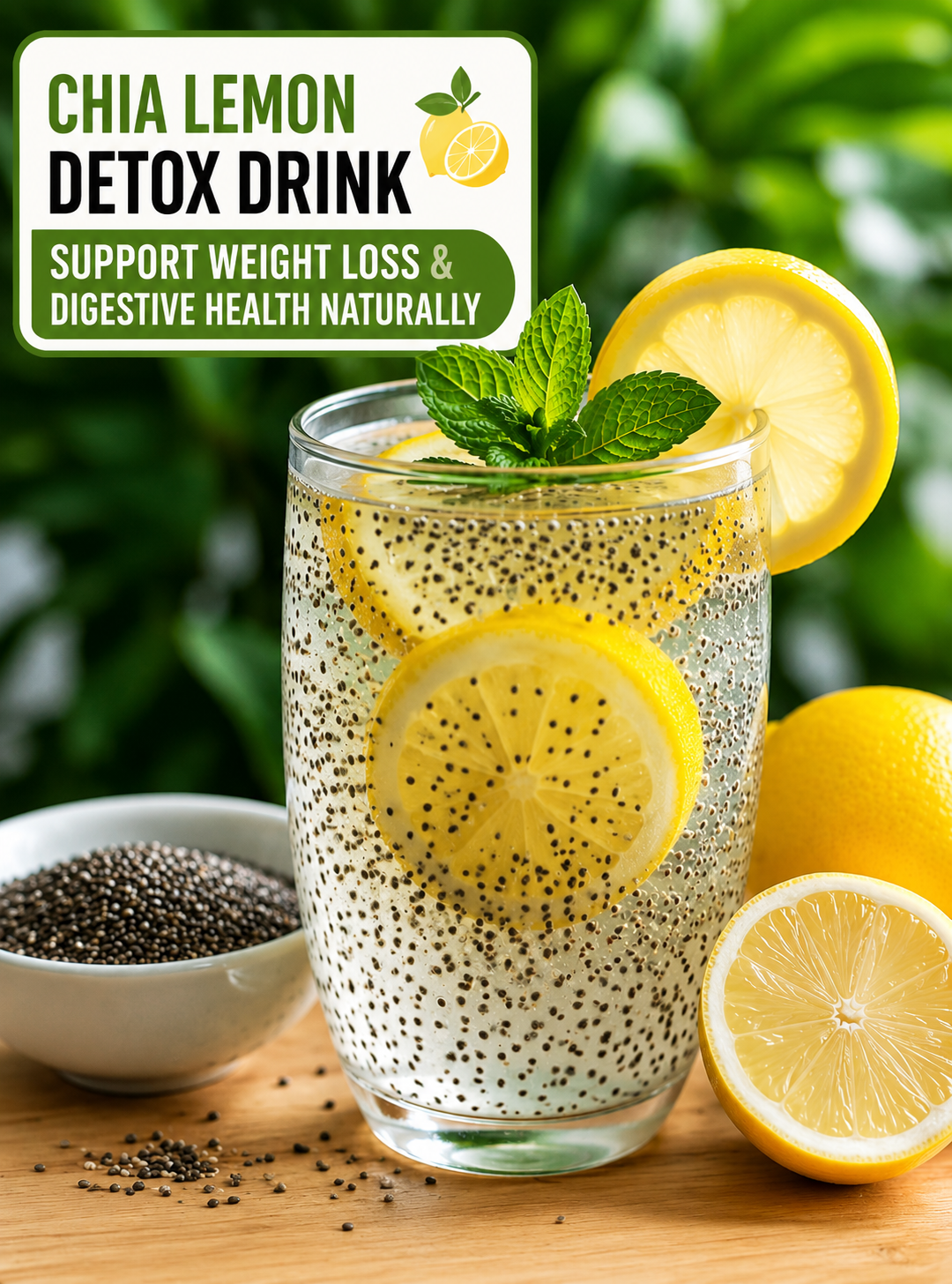
Chia Lemon Detox Drink: Support Weight Loss & Digestive Health Naturally

Start your morning with a refreshing chia lemon drink made with simple ingredients. Learn how chia seeds, lemon, hydration, and fiber can support digestion and healthy weight management.

Chia Lemon Detox Drink

A chia lemon detox drink is a simple combination of chia seeds, fresh lemon juice, and water. It has become a popular morning drink for people who want more fiber, better hydration, and support for healthy digestion. It takes only a few minutes to prepare and uses ingredients available in most U.S. grocery stores.

Chia seeds provide soluble and insoluble fiber, plant-based omega-3 fatty acids, protein, and several important minerals. Lemon adds fresh flavor and vitamin C without adding many calories. Together, these ingredients make a refreshing drink that can fit into a balanced weight-management plan.

However, chia and lemon should not be treated as a rapid weight-loss cure. They also do not literally remove toxins from your intestines. Your liver, kidneys, digestive system, and other organs already handle waste removal. The main digestive benefit of this drink comes from fiber and fluid, which can help support normal bowel function.

Why Chia Seeds and Lemon?

Chia seeds may be tiny, but they contain an impressive amount of nutrition. One of their most useful features is their fiber content. When chia seeds are mixed with water, they absorb liquid and develop a gel-like texture.

This fiber can add bulk to stool and help support regular bowel movements. Fiber also slows digestion and may help you feel satisfied after eating. That feeling of fullness can be useful when you are trying to manage portions or reduce unnecessary snacking.

Chia seeds also contain alpha-linolenic acid (ALA), a plant-based omega-3 fatty acid. They provide protein and minerals such as calcium, magnesium, phosphorus, and manganese.

Lemon makes plain chia water brighter and easier to enjoy. Fresh lemon juice supplies vitamin C, an antioxidant that supports normal immune function and helps the body absorb iron from plant foods.

Lemon water is sometimes promoted as a powerful detox beverage. There is limited evidence that lemon itself “flushes toxins” from the digestive tract. Its practical benefit is simpler: adding lemon can make water more appealing, which may encourage better hydration.

For people who struggle to drink enough plain water, this combination can be an easy addition to a healthy daily routine.

Ingredients for Your Chia Lemon Detox Drink

You only need a few basic ingredients to prepare one serving:

  • 1 tablespoon chia seeds
  • 1 cup water
  • Juice of 1/2 to 1 fresh lemon
  • 1 teaspoon honey, optional
  • Ice cubes, optional

Fresh lemon juice provides the cleanest flavor, although bottled lemon juice can work when fresh lemons are unavailable.

Honey is optional. Leaving it out keeps the drink lower in added sugar and calories. If the lemon tastes too tart, start with a smaller amount of juice rather than adding a large amount of sweetener.

Preparation

Add the chia seeds to about half a cup of water and stir thoroughly. Let them soak for 15 to 30 minutes. Stir the mixture once or twice during soaking to prevent the seeds from forming large clumps.

Once the chia seeds have expanded and developed a gel-like coating, add the remaining water.

Squeeze in the fresh lemon juice and stir until everything is evenly mixed. Add a small amount of honey if you want extra sweetness.

You can add ice for a colder drink or refrigerate the mixture before serving.

Always consume chia seeds after they have been mixed with enough liquid. Dry chia seeds absorb considerable amounts of water and expand quickly.

How It Helps

The biggest advantage of chia lemon water is that it combines hydration with dietary fiber. These two factors are important for normal digestive function.

Weight Management

Chia seeds do not directly burn body fat. Their fiber may instead support weight management by helping you feel full for longer periods.

A tablespoon of chia seeds adds fiber without requiring a large serving. Drinking the mixture before or alongside a balanced breakfast may make it easier for some people to manage hunger.

Long-term weight loss still depends mainly on overall calorie intake, food quality, physical activity, sleep, and other lifestyle factors. No single beverage can replace these habits.

Replacing a sugary soda, sweet coffee, or high-calorie juice with unsweetened chia lemon water may also reduce added sugar and calories.

Digestive and Bowel Support

Fiber is important for regular bowel movements. Chia seeds absorb water and form a soft gel, which may help support comfortable stool movement through the digestive tract.

Adequate fluid intake is also important when increasing fiber. Adding large amounts of fiber without enough water can sometimes make constipation or digestive discomfort worse.

Although people often call this an “intestinal cleanse,” the drink does not scrub or detoxify your intestines. A more accurate description is that its fiber and water can support normal digestive regularity.

People who currently eat little fiber should introduce chia seeds gradually. This can reduce the chance of gas, bloating, or stomach discomfort.

Hydration

Water is the main ingredient in this drink, making hydration one of its clearest benefits. Your body needs adequate fluid for digestion, temperature regulation, circulation, and normal physical performance.

Lemon adds flavor without the large amount of sugar found in many commercial beverages.

Chia seeds also hold water after soaking, creating a thicker drink that some people find satisfying between meals.

Nutritional Benefits

Chia seeds provide more than fiber. They contain plant protein, healthy fats, calcium, magnesium, and other nutrients.

Lemon contributes vitamin C and naturally occurring plant compounds. Combining these ingredients creates a nutrient-rich beverage, but it should complement rather than replace whole fruits, vegetables, lean proteins, whole grains, and other nutritious foods.

When Should You Drink Chia Lemon Water?

There is no scientifically proven time of day that makes chia lemon water dramatically more effective.

Many people prefer it in the morning because it provides fluid after several hours of sleep. Others drink it before breakfast or between meals because the chia fiber can make the beverage more filling.

You do not have to drink it on an empty stomach to receive its nutritional benefits.

Consistency matters more than timing. Choose a time that fits naturally into your routine and allows you to drink enough water throughout the rest of the day.

Safety and Recommendations

Start with about one tablespoon of chia seeds if you are not accustomed to eating high-fiber foods. Increasing fiber too quickly can cause gas, bloating, or abdominal discomfort.

Always soak or thoroughly mix chia seeds with sufficient liquid before consuming them. People who have difficulty swallowing should be especially cautious because dry chia seeds expand when exposed to moisture.

Lemon juice is acidic and frequent exposure may affect tooth enamel. Drinking the beverage through a straw and rinsing your mouth with plain water afterward can help limit acid exposure. Avoid brushing your teeth immediately after consuming acidic drinks.

People taking medications or managing medical conditions should discuss major dietary changes with a qualified healthcare professional.

Most importantly, avoid expecting dramatic weight loss within three to five days. Sustainable fat loss usually requires consistent eating and activity habits over a longer period.

A chia lemon drink can be a useful part of that routine because it provides water, fiber, and nutrients in a simple, refreshing form.

FAQs

Can chia lemon water help with weight loss?

It may support fullness and hydration, but sustainable weight loss depends on your overall diet, calorie intake, activity, and lifestyle.

Does chia lemon water cleanse your intestines?

It does not literally detoxify the intestines, but its fiber and water may support regular bowel movements and healthy digestion.

Can I drink chia lemon water every day?

Most healthy adults can include moderate amounts of properly hydrated chia seeds in a balanced diet.

Should I drink chia lemon water on an empty stomach?

It is not necessary. You can drink it in the morning, with breakfast, or between meals according to your preference.

How long should chia seeds soak in water?

Allow chia seeds to soak for about 15 to 30 minutes so they absorb water and develop their characteristic gel-like coating.

Can chia seeds reduce belly fat?

No food specifically targets belly fat. Chia’s fiber may support fullness, while overall fat loss requires consistent nutrition and activity habits.

Can I make chia lemon water without honey?

Yes. Honey is completely optional, and skipping it reduces the drink’s added sugar and calorie content.

How much chia should I add to lemon water?

One tablespoon per cup of water is a practical starting amount, especially if your usual diet is not high in fiber.

Cinnamon for Sleep & Digestion: A Warm Nighttime Wellness Drink

Warm cinnamon tea in a glass cup with cinnamon sticks for a relaxing nighttime wellness routine

Cinnamon The Sleep & Digestion Superhero

Cinnamon The Sleep & Digestion Superhero warm, fragrant, and naturally sweet, cinnamon is one of the most popular spices in American kitchens. It adds flavor to oatmeal, coffee, baked goods, smoothies, and warm drinks without needing much added sugar.

Cinnamon has also been used in traditional wellness practices for centuries. Today, many people enjoy cinnamon tea as part of a relaxing evening routine or after a meal.

But there is an important difference between traditional use and proven health effects. Cinnamon is not a sleeping pill, and there is not enough strong evidence to say that it treats insomnia or directly prevents bloating. Research on cinnamon and health is still developing, and results vary between studies.

That does not mean cinnamon has no value. Used as a flavorful food ingredient, it can be part of a balanced diet and a calming nighttime routine.

How Cinnamon May Support Better Sleep

Cinnamon does not directly make you fall asleep. However, a warm cinnamon drink can become part of a relaxing bedtime habit, especially when it replaces sugary drinks or late-night caffeine.

A consistent nighttime routine can help your body prepare for sleep. Drinking a warm, caffeine-free beverage, dimming bright lights, and stepping away from screens may create a calmer environment before bed.

1. Cinnamon and Blood Sugar

Cinnamon has been studied for its possible effect on blood glucose, but the findings are not strong enough to recommend it as a treatment for diabetes or blood sugar problems.

Some clinical studies have reported improvements in certain blood sugar measures, while other research has produced conflicting results. The National Center for Complementary and Integrative Health notes that more research is needed before firm conclusions can be made.

For everyday use, think of cinnamon as a spice rather than a replacement for prescribed diabetes treatment.

2. A Warm Bedtime Ritual

A cup of caffeine-free cinnamon tea can make a simple evening routine feel more comforting.

The benefit may come less from cinnamon acting as a sedative and more from creating a predictable signal that the day is winding down.

Try drinking your tea while reading, stretching gently, or preparing for bed instead of scrolling through your phone.

3. Antioxidant Compounds

Cinnamon contains naturally occurring plant compounds with antioxidant activity.

Antioxidants help protect cells from oxidative stress, but this does not mean cinnamon can treat inflammation, insomnia, or another medical condition.

Adding a small amount of cinnamon to nutritious foods is a simple way to increase flavor while keeping meals interesting.

How Cinnamon May Support Digestion

Cinnamon has traditionally been used after meals, and its warm flavor makes it a popular ingredient in digestive teas.

However, strong human evidence showing that cinnamon directly treats gas, bloating, or digestive disorders is limited. Claims that cinnamon can eliminate bloating should therefore be treated cautiously.

Supports a Comfortable After-Meal Routine

A warm, caffeine-free cinnamon drink may be a pleasant alternative to heavy desserts or sugary beverages after dinner.

Keeping evening meals moderate, eating slowly, and staying hydrated are more reliable habits for supporting comfortable digestion.

May Complement a Balanced Diet

Cinnamon can add strong flavor without requiring much sugar.

Try it with plain oatmeal, unsweetened yogurt, apples, roasted sweet potatoes, or whole-grain toast for a simple addition to a balanced meal.

Cinnamon and Gut Health

Cinnamon contains plant compounds that have shown antimicrobial activity in laboratory research, but laboratory findings do not prove that cinnamon can balance human gut bacteria or treat digestive conditions.

More human research is needed before cinnamon can be recommended for specific gut health problems.

Simple Cinnamon Sleep Tea Recipe

8-Hour Rest Cinnamon Drink

This caffeine-free drink is designed as a relaxing evening beverage, not as a treatment for insomnia.

Ingredients:

  • 1 cup hot water
  • 1 cinnamon stick or a small amount of ground cinnamon
  • 1 teaspoon honey, optional
  • Small squeeze of lemon, optional

Instructions:

  1. Heat one cup of water until hot.
  2. Add a cinnamon stick and let it steep for about 10 minutes.
  3. Remove the cinnamon stick before drinking.
  4. Add honey or lemon if desired.
  5. Enjoy the drink as part of your evening wind-down routine.

If using ground cinnamon, stir well and expect some spice particles to settle at the bottom of the cup.

For a gentler flavor, combine cinnamon with caffeine-free herbal tea such as chamomile.

Important Tips

Choose food-grade cinnamon and use it as a spice rather than taking large amounts as a supplement.

There are two common types of cinnamon: Ceylon and cassia. Cassia cinnamon, which is common in the United States, contains varying amounts of coumarin. Large or prolonged amounts of coumarin can be a concern for people who are sensitive to it, particularly those with liver disease.

Cinnamon used in normal food amounts is generally considered safe for most people. Larger amounts may cause digestive discomfort or allergic reactions in some individuals.

If you take diabetes medication, blood-thinning medication, or other prescription drugs, talk with your healthcare professional before using concentrated cinnamon supplements.

Pregnant or breastfeeding individuals should also ask a healthcare professional before using cinnamon in amounts greater than those normally found in food.

Do not use cinnamon tea as a replacement for treatment prescribed for diabetes, chronic digestive symptoms, or sleep disorders.

Final Thoughts

Cinnamon is best viewed as a flavorful food and a comforting addition to an evening routine rather than a miracle remedy.

A warm cinnamon drink may help make bedtime feel more relaxing, while cinnamon can also add flavor to nutritious foods without relying on large amounts of sugar.

For better sleep, pair your evening drink with habits that have a stronger foundation, such as keeping a consistent sleep schedule, reducing bright screens before bed, and creating a quiet, comfortable bedroom.

For digestion, focus on regular meals, adequate fluids, slower eating, and a balanced diet.

If frequent bloating, abdominal pain, or ongoing sleep problems continue, speak with a healthcare professional rather than relying on home remedies.

Frequently Asked Questions

Can cinnamon help you sleep?

Cinnamon has not been proven to treat insomnia, but caffeine-free cinnamon tea can be included in a relaxing bedtime routine.

Does cinnamon reduce bloating?

There is not enough strong human evidence to confirm that cinnamon directly reduces bloating or treats digestive disorders.

Is cinnamon tea good before bed?

Caffeine-free cinnamon tea can be a comforting nighttime beverage, especially when included in a consistent wind-down routine.

Which cinnamon is best for regular use?

Ceylon cinnamon contains much less coumarin than cassia, making it an option for people concerned about frequent cinnamon intake.

Can cinnamon lower blood sugar?

Some studies suggest cinnamon may affect certain blood sugar measures, but the evidence is inconsistent and it should not replace diabetes treatment.

Is cinnamon safe every day?

Cinnamon is generally safe in normal food amounts, while large or prolonged amounts may increase the risk of side effects, particularly with cassia cinnamon.

Can I drink cinnamon tea every night?

A modest food-level amount may be reasonable for many healthy adults, but people with liver disease or those taking medications should seek professional advice first.

Does cinnamon burn belly fat?

There is no reliable evidence that drinking cinnamon tea alone burns belly fat or produces meaningful weight loss.

How to Grow Tons of Fresh Mint in Containers: 7 Easy Secrets

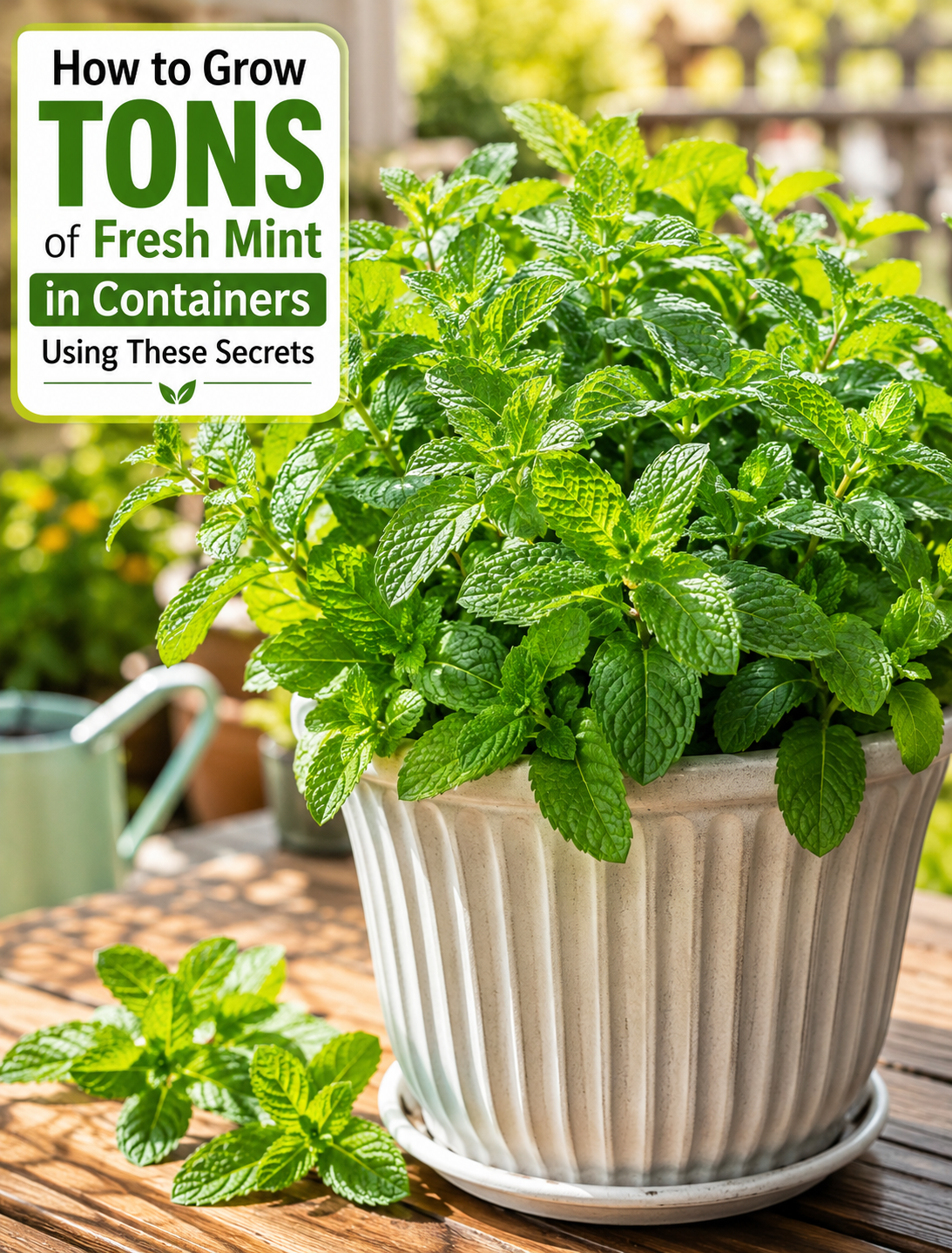
Fresh green mint growing lush and bushy in a container on a sunny home patio

How to Grow TONS of Fresh Mint in Containers Using These Secrets

Growing fresh mint in containers is one of the easiest ways to keep a steady supply of this fragrant herb at home. Mint grows quickly, produces plenty of leaves, and does well on patios, balconies, porches, and sunny windowsills.

The biggest challenge is controlling its fast-growing roots. When planted in garden beds, mint can spread quickly and become difficult to remove. A container keeps the plant contained while giving you easy access to fresh leaves for tea, desserts, salads, sauces, and summer drinks.

With the right container, soil, light, water, and harvesting routine, you can grow a thick, healthy mint plant from a small starter plant.

Choosing the Right Container

Choose a container that is at least 12 inches deep and 12 inches wide for a healthy mint plant. A larger pot gives the roots enough room to develop while allowing the plant to produce more stems and leaves.

Drainage is just as important as container size. Select a pot with several drainage holes so excess water can escape after watering. Standing water can keep the roots too wet and increase the risk of root problems.

Clay, ceramic, plastic, and fabric containers can all work well. Plastic pots hold moisture longer, while unglazed clay pots dry out faster and may need more frequent watering.

If you want to grow several mint plants, use separate containers rather than placing many plants in one small pot. This gives each plant enough space and makes watering easier.

Selecting the Ideal Location

Mint grows best with 4 to 6 hours of sunlight each day. Morning sunlight is especially useful because it provides strong light without the intense afternoon heat found in many parts of the USA.

A patio, balcony, kitchen window, or porch can work well if it receives enough light. In very hot regions, give mint some afternoon shade to protect the leaves from heat stress.

Indoor mint should be placed near a bright window. A south- or east-facing window can provide useful natural light, but rotate the pot every few days so the plant grows evenly.

If the stems become long and weak or the leaves remain small, the plant may need more light.

Using Quality Soil Mix

Use a well-draining potting mix made for containers rather than ordinary garden soil. Garden soil can become dense inside a pot and may restrict root growth and drainage.

A quality container mix should hold enough moisture for mint while still allowing excess water to drain. Adding compost can improve the soil structure and provide a gentle source of nutrients.

Avoid filling the container with heavy soil that stays wet for long periods. Mint likes moisture, but its roots still need access to air.

Before planting, loosen the potting mix and leave about an inch of space below the container rim. This makes watering easier and reduces soil runoff.

Watering Wisely

Mint prefers soil that stays evenly moist but not soggy. Check the top inch of soil with your finger before watering.

If the surface feels dry, water slowly until a little water drains through the bottom holes. This helps moisten the entire root zone instead of only wetting the surface.

During hot summer weather, container mint may dry out faster than plants growing in the ground. Check the soil more often during heat waves, especially when the pot receives direct afternoon sunlight.

Avoid keeping the container sitting in a saucer full of water. Empty excess water after watering to reduce the chance of root problems.

Fertilizing Sparingly

Mint does not require heavy feeding to produce healthy leaves. Too much fertilizer can encourage rapid, soft growth and may reduce the herb’s strong flavor.

During active growth, apply a balanced liquid fertilizer according to the product label every 4 to 6 weeks. Reduce feeding when growth slows during cooler weather.

You can also add a thin layer of compost to the surface of the potting mix. Water afterward so nutrients can gradually move into the root zone.

Healthy soil and regular harvesting are often more important than frequent fertilizer applications.

Controlling Growth

Mint is known for spreading aggressively through underground stems called runners. This is why containers are especially useful for home gardeners.

Keep the entire plant inside its container and avoid letting stems root in nearby pots or garden beds. If mint runners reach the soil around the container, remove them before they become established.

When roots completely fill the pot, move the plant into a larger container or divide the root ball. Repotting every couple of years can help maintain vigorous growth.

Pruning also keeps the plant compact. Remove weak, damaged, or overly long stems to encourage fresh shoots from the center of the plant.

Harvesting for Abundance

Regular harvesting is one of the best ways to encourage a fuller mint plant. Begin harvesting when the plant is established and has several healthy stems.

Use clean scissors to cut stems just above a pair of leaves. Avoid removing more than about one-third of the plant at one time, especially if the plant is still small.

Frequent trimming encourages new branches and helps prevent the plant from becoming tall and sparse. Harvesting before flowering usually provides tender leaves with a strong, fresh flavor.

For the best flavor, pick mint in the morning after the leaves have dried from overnight moisture. Use fresh leaves immediately or store them in the refrigerator for later use.

You can also dry extra mint for tea, seasoning, or homemade herb blends. Harvesting regularly can turn one healthy container plant into a long-lasting source of fresh leaves.

Troubleshooting Common Issues

Yellow leaves often indicate excess moisture, poor drainage, or another root-related problem. Check the drainage holes and allow the surface soil to dry slightly before watering again.

Small leaves and stretched stems can indicate insufficient sunlight. Move the container to a brighter location and monitor new growth.

Aphids, spider mites, and whiteflies may occasionally attack mint. Check the undersides of leaves and young stems for insects or sticky residue.

For a mild infestation, wash the foliage with a gentle stream of water or use insecticidal soap according to its label. Test any treatment on a small area first and follow the product directions.

Powdery mildew can appear as a white coating on leaves, especially when plants have poor airflow. Give containers more space, remove badly affected leaves, and water the soil rather than repeatedly wetting the foliage.

Frequently Asked Questions

Can mint grow well in containers?

Yes. Mint grows very well in containers because pots provide good root control while giving the plant enough space to produce fresh stems and leaves.

How much sunlight does container mint need?

Mint generally performs well with 4 to 6 hours of sunlight daily, while afternoon shade can protect it from excessive heat in hot climates.

How often should I water mint in a pot?

Water when the top inch of potting mix feels dry, then water thoroughly until excess moisture drains from the bottom.

What size pot is best for mint?

A container at least 12 inches deep and wide provides useful space for roots and helps support strong, bushy growth.

Can I grow mint indoors?

Yes. Place mint near a bright window that receives several hours of sunlight and rotate the pot regularly for balanced growth.

How do I make my mint plant bushier?

Harvest the growing tips regularly by cutting stems just above a pair of leaves to encourage new side shoots.

Why is my container mint turning yellow?

Yellow leaves can result from overwatering, poor drainage, or stressed roots, so check soil moisture and make sure the pot drains freely.

Can mint survive winter in a container?

Mint can become dormant during cold weather, but winter survival depends on the variety, container exposure, and local climate; protect the roots from severe freezing.