Can Natural Remedies Tighten a Sagging Belly?

Natural ways to support a sagging belly with balanced meals, walking, protein, hydration, and resistance training

Can Natural Remedies Tighten a Sagging Belly?

A sagging belly can happen after weight loss, pregnancy, aging, or changes in body size. It is also normal for skin and body shape to change over time.

Many online remedies promise to “tighten” loose abdominal skin with oils, drinks, herbs, or homemade mixtures. However, there is no proven natural remedy that can simply tighten loose abdominal skin or remove excess skin.

A more realistic approach focuses on healthy weight management, regular movement, resistance training, adequate protein, hydration, sleep, and patience. These habits can improve overall fitness and body composition, but they cannot guarantee that loose skin will disappear.

Can Natural Remedies Really Tighten a Sagging Belly?

Natural ingredients such as aloe vera, coconut oil, coffee, lemon, or herbal mixtures are sometimes promoted as skin-tightening remedies. Applying an oil or homemade mixture may temporarily moisturize the skin and make it feel smoother, but that is different from tightening excess skin.

Loose skin is affected by factors such as:

  • Age
  • Genetics
  • Amount of weight lost
  • How quickly weight was lost
  • Pregnancy
  • Sun exposure
  • Skin elasticity
  • How long the skin was stretched

Because these factors vary from person to person, there is no single home remedy that can predictably tighten abdominal skin.

If your goal is to improve your waistline and overall body composition, sustainable eating and physical activity are much more useful targets. The National Institute of Diabetes and Digestive and Kidney Diseases recommends combining healthy eating with regular physical activity for healthy weight management.

What Can Actually Help?

Instead of searching for one powerful remedy, build a routine that supports your whole body.

1. Focus on Gradual Weight Management

If you have excess body weight, gradual weight management can change your overall body shape and waist size.

The CDC notes that healthy weight management involves healthy eating patterns, regular physical activity, adequate sleep, and stress management. It also recommends gradual, steady weight loss rather than extreme approaches.

A sustainable approach may include:

  • Eating mostly minimally processed foods
  • Including vegetables and fruits regularly
  • Choosing whole grains more often
  • Adding protein-rich foods
  • Watching portions without extreme restriction
  • Limiting excess added sugar
  • Reducing sugary drinks
  • Building habits you can maintain

The goal is not to lose weight as quickly as possible. A routine that you can continue is more useful than a short-term crash diet.

2. Add Resistance Training

Resistance training is one of the most useful forms of exercise for improving muscle strength and maintaining muscle during weight management.

It does not directly shrink loose skin, but building muscle can improve strength and may change the way your body looks underneath the skin.

Useful options include:

  • Squats
  • Lunges
  • Glute bridges
  • Resistance-band exercises
  • Push-ups
  • Rows
  • Planks
  • Light weight training

You do not need an expensive gym membership to begin. Resistance bands, bodyweight exercises, or household items can provide resistance.

NIDDK recommends muscle-strengthening activities at least two days each week and advises working the major muscle groups, including the abdomen, legs, back, arms, chest, and shoulders.

3. Don’t Ignore Walking

Walking is simple, accessible, and easy to add to most routines.

A brisk walk can increase daily physical activity and support healthy weight management when combined with appropriate eating habits.

For generally healthy adults, U.S. physical activity guidance recommends at least 150 minutes of moderate-intensity aerobic activity each week, along with muscle-strengthening activity on at least two days.

You don’t have to complete all your activity in one session.

Try:

  1. A 10-minute walk after breakfast.
  2. Another 10-minute walk after lunch.
  3. A 10-minute evening walk.

Short sessions can add up throughout the day. NIDDK specifically notes that even 10- or 15-minute periods of activity count.

4. Eat Enough Protein

Protein is important for maintaining and building muscle.

Good food sources include:

  • Eggs
  • Greek yogurt
  • Cottage cheese
  • Fish
  • Chicken
  • Turkey
  • Beans
  • Lentils
  • Tofu
  • Tempeh
  • Nuts and seeds

Rather than relying on a protein powder or supplement, start by including a protein source in your regular meals.

For example:

Breakfast: Eggs with whole-grain toast and fruit

Lunch: Chicken or beans with vegetables and brown rice

Snack: Greek yogurt with berries

Dinner: Fish, tofu, or lean meat with vegetables and a whole grain

NIDDK recommends protein foods such as lean meats, poultry, eggs, seafood, beans, peas, lentils, nuts, seeds, and soy products as part of a healthy eating pattern.

5. Stay Hydrated

Water does not tighten loose skin, but staying hydrated is an important part of overall health.

Instead of using sugary drinks as your main source of fluids, make water a regular choice throughout the day.

Simple habits include:

  • Keep a reusable water bottle nearby.
  • Drink water with meals.
  • Have water before or after physical activity.
  • Choose water instead of sugary drinks more often.
  • Eat water-rich foods such as fruits and vegetables.

Hydration should be viewed as a basic healthy habit, not a quick solution for abdominal skin.

6. Build a Balanced Plate

You do not need a complicated diet to support healthy weight management.

A simple meal can include:

  • Protein: chicken, fish, eggs, beans, lentils, tofu, or yogurt
  • Vegetables: leafy greens, broccoli, peppers, tomatoes, carrots, or zucchini
  • Whole-food carbohydrates: oats, brown rice, potatoes, quinoa, or whole-grain bread
  • Healthy fats: avocado, nuts, seeds, or olive oil

NIDDK recommends vegetables, whole fruits, whole grains, protein foods, and appropriate dairy or fortified alternatives as part of a healthy eating plan.

This approach also gives you more flexibility than following a restrictive “belly-fat remedy” diet.

7. Give Your Body Time

One of the biggest mistakes people make is expecting visible changes within a few days.

Body composition changes gradually. Skin elasticity also differs greatly between people.

If you’ve recently lost a significant amount of weight, your skin may need time to adjust to your new body size. Some people see noticeable changes over time, while others continue to have loose skin.

Be careful with products that promise dramatic tightening in a few days or weeks.

A cream, oil, tea, or homemade drink may improve the appearance or feel of the skin temporarily, but that does not mean it has removed excess skin.

8. Don’t Rely on Abdominal Exercises Alone

Crunches, planks, and other core exercises can strengthen abdominal muscles, but they do not specifically remove loose skin from the belly.

A better exercise plan combines different types of movement.

Simple weekly structure

Monday: Strength training + short walk

Tuesday: Brisk walking

Wednesday: Strength training + easy movement

Thursday: Walking or another enjoyable aerobic activity

Friday: Strength training

Saturday: Longer walk or active hobby

Sunday: Rest or gentle movement

Adjust the routine to your fitness level and health needs.

A Simple Step-by-Step Plan

If your goal is to improve your waistline and overall fitness, start with these steps.

Step 1: Set a realistic goal

Focus on stronger muscles, better fitness, healthier eating, and sustainable weight management instead of promising yourself perfectly tight skin.

Step 2: Improve one meal at a time

Add vegetables and a protein source before making drastic dietary changes.

Step 3: Walk every day

Start with 10 minutes if you are currently inactive and gradually increase your activity.

Step 4: Strength train twice a week

Begin with basic movements such as squats, wall push-ups, glute bridges, rows, and modified planks.

Step 5: Drink more water

Replace some sugary drinks with water or another low-calorie beverage.

Step 6: Prioritize protein

Include a protein-rich food at breakfast, lunch, and dinner.

Step 7: Track progress realistically

Instead of checking your stomach every day, monitor habits, strength, walking time, energy, and changes over several weeks.

Step 8: Adjust slowly

If a routine feels impossible to maintain, make it easier rather than quitting completely.

What About Creams, Oils, and Homemade Remedies?

Moisturizing products can make dry skin feel softer and smoother, which may temporarily improve its appearance.

However, that is not the same as removing excess skin.

Be cautious with recipes that recommend applying:

  • Lemon juice
  • Undiluted essential oils
  • Baking soda
  • Strong acids
  • Irritating spice mixtures
  • Concentrated herbal extracts

These ingredients can irritate the skin and may cause burning, redness, or other reactions.

A simple moisturizer is generally a more sensible skin-care option than an aggressive homemade “tightening” mixture.

When Should You Talk With a Professional?

If you have significant loose skin after major weight loss, pregnancy, or another major body change, a healthcare professional can help you understand your options.

If you are considering substantial weight loss, it can also be useful to discuss your goal with a healthcare professional, especially if you have a chronic health condition or take medications.

For some people, loose skin remains even after reaching a stable, healthy weight. Lifestyle habits can support fitness and body composition, but they cannot guarantee that excess skin will disappear.

The Bottom Line

There is no proven natural remedy that can simply tighten a sagging belly.

Oils, herbs, drinks, and homemade mixtures may have a place in normal skin care, but they should not be promoted as solutions for loose abdominal skin.

The more realistic strategy is to build sustainable habits:

  • Eat balanced meals.
  • Get enough protein.
  • Walk regularly.
  • Perform resistance training.
  • Stay hydrated.
  • Get adequate sleep.
  • Manage stress.
  • Give your body time to adapt.

Regular physical activity and healthy eating work together to support healthy weight management, while strength training can help maintain muscle during weight changes.

Most importantly, don’t judge your progress by whether your belly becomes perfectly tight. A healthier body can still have natural skin folds, stretch marks, or loose skin.

FAQs

Can natural remedies tighten loose belly skin?

No single natural remedy has been proven to reliably tighten loose abdominal skin or remove excess skin.

Can drinking more water tighten a sagging belly?

Hydration supports normal body function, but drinking more water does not directly tighten loose abdominal skin.

Does walking help reduce belly fat?

Walking increases physical activity and can support weight management when combined with an appropriate eating pattern.

Can strength training tighten a sagging belly?

Strength training can build and maintain muscle, which may improve body composition, but it cannot directly remove loose skin.

How often should I strength train?

For generally healthy adults, U.S. guidance recommends muscle-strengthening activities on at least two days each week.

Can protein help with a sagging belly?

Adequate protein supports muscle maintenance and is useful as part of a balanced eating pattern, but it does not directly tighten loose skin.

How long does loose skin take to improve?

The timeline varies widely because age, genetics, weight change, skin elasticity, and other factors affect how skin responds.

What if I have a large amount of loose skin?

If substantial loose skin remains after major weight loss or pregnancy, discuss your concerns with a healthcare professional to understand appropriate options.
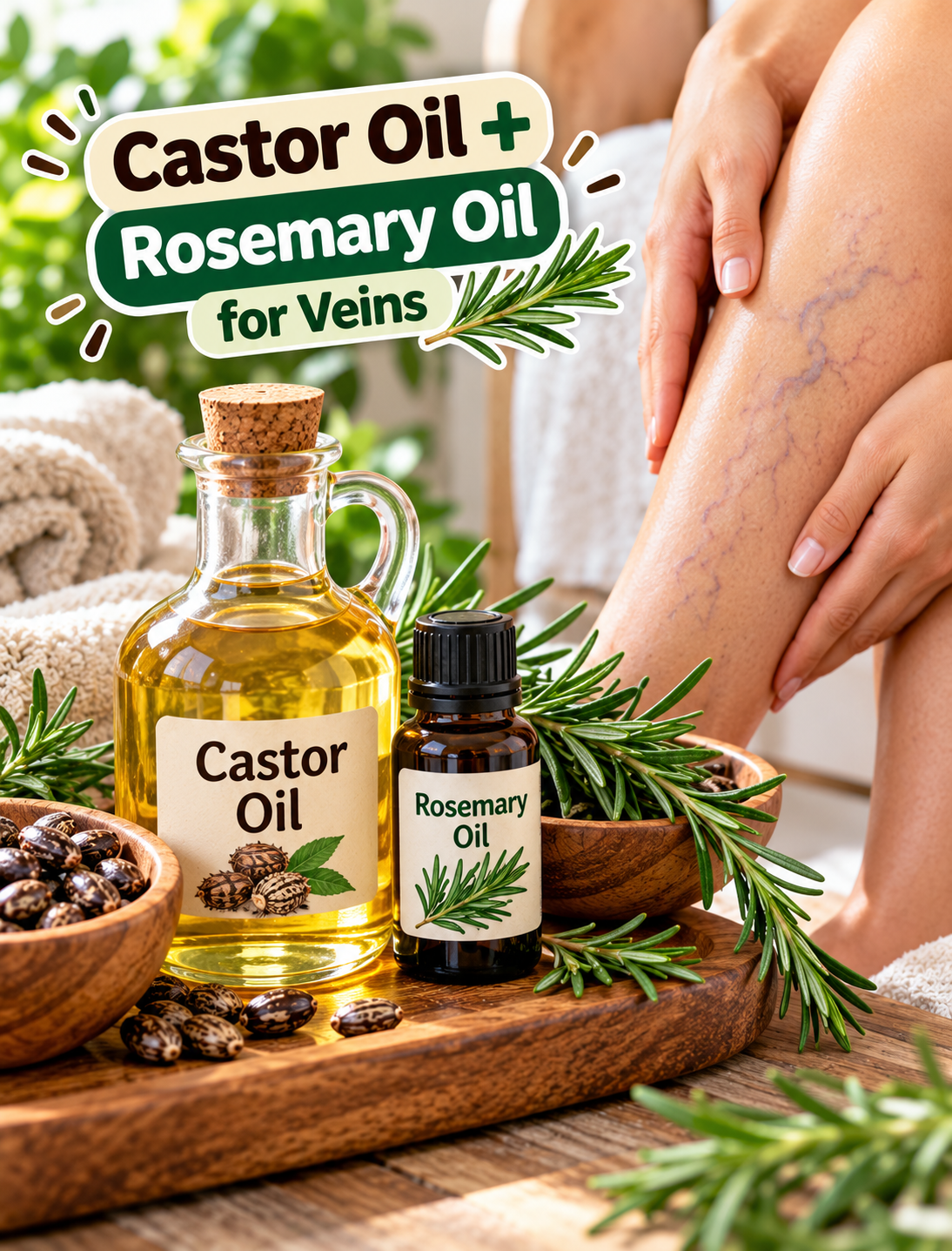
Castor Oil + Rosemary Oil for Veins: What You Should Know

Castor oil and rosemary oil for gentle leg massage with information about vein care and safety

Castor Oil + Rosemary Oil for Veins: What You Should Know

Castor oil and rosemary oil are often discussed online as natural options for leg massage and skin care. Some traditional wellness routines use plant oils to moisturize the skin or make massage feel more comfortable.

However, topical oils should not be presented as a treatment for varicose veins. Varicose veins develop when vein walls or valves become weak or damaged, allowing blood to pool in the veins. Massage oil cannot repair those underlying valves or remove an enlarged vein.

This guide explains what these oils can realistically be used for, how to approach a leg massage safely, and when visible or uncomfortable veins need medical attention.

What Are Varicose Veins?

Varicose veins are enlarged, twisted veins that commonly appear in the legs. They can look blue, purple, or close to the natural color of the skin.

They develop when valves inside the veins do not work properly. Instead of moving blood efficiently back toward the heart, some blood can flow backward and collect inside the vein. This can make the vein stretch and become more visible.

Common symptoms can include:

  • Aching or heaviness in the legs
  • Swelling around the lower legs or ankles
  • Itching or burning around affected veins
  • Muscle cramps
  • Discomfort after prolonged sitting or standing
  • Changes in the skin around a vein

Not every visible vein needs treatment, but painful or worsening symptoms deserve professional evaluation.

Why Do People Use Castor Oil and Rosemary Oil?

Castor oil is a thick plant oil commonly used in cosmetics and skin-care products. Its main fatty acid, ricinoleic acid, can help reduce moisture loss from the skin, but applying pure castor oil can also cause irritation or allergic contact dermatitis in some people.

Rosemary oil is often used as an aromatic ingredient and in massage or personal-care products. Essential oils are concentrated substances, so they should not be treated the same way as ordinary culinary herbs.

People may choose these oils for a leg massage because they:

  • Make the skin feel moisturized
  • Provide a smooth surface for gentle massage
  • Add a pleasant herbal scent
  • Fit into a relaxing self-care routine
  • Can make a simple massage feel more comfortable

These are skin-care and relaxation uses, not proven treatments for varicose veins.

What Can a Leg Massage Actually Do?

A gentle massage can feel relaxing and may temporarily make tired legs feel more comfortable.

The important distinction is that feeling more comfortable does not mean the underlying vein problem has been corrected.

For people with varicose veins, recognized self-care measures include regular physical activity, changing position frequently, elevating the legs, and, when appropriate, compression therapy recommended by a healthcare professional.

Massage oil can therefore be viewed as a personal-care product used during a gentle massage, rather than the active treatment for a vein condition.

How to Use Oils for a Simple Leg Massage

If you simply want to use an oil as part of a skin-care or relaxation routine, keep the approach gentle.

Step 1: Choose the Right Product

Use a product intended for topical use and check its ingredient label.

If using rosemary essential oil, do not apply it directly to the skin in concentrated form. Essential oils are generally used in diluted preparations, and skin irritation or allergic reactions can occur.

Step 2: Patch-Test First

Apply a small amount of the diluted product to a small area of intact skin before using it over a larger area.

Watch for:

  • Redness
  • Burning
  • Itching
  • Swelling
  • Rash

Stop using the product if a reaction develops.

Step 3: Use a Small Amount

Apply only enough oil to reduce friction between your hands and the skin.

A large amount does not provide a greater benefit and can leave the skin excessively greasy.

Step 4: Massage Gently

Use light, comfortable strokes over healthy, intact skin.

Do not press hard directly over a prominent, painful, swollen, or tender vein.

Step 5: Stop if It Hurts

Massage should not cause sharp pain, increasing swelling, burning, or significant discomfort.

If the leg already hurts because of a vein problem, it is better to have the symptoms assessed rather than repeatedly massaging the area.

Can Castor Oil Remove Varicose Veins?

There is no good basis for presenting topical castor oil as a way to remove or repair varicose veins.

Varicose veins are associated with changes in the vein walls and valves, so rubbing an oil onto the skin does not correct the underlying circulation problem. Established treatment options can include lifestyle measures, compression therapy, sclerotherapy, laser treatment, catheter-based procedures, or surgery depending on the person’s condition.

Claims such as “castor oil dissolves varicose veins” or “castor oil repairs damaged vein valves” should therefore be avoided.

Can Rosemary Oil Treat Varicose Veins?

Rosemary essential oil should not be promoted as a treatment that removes varicose veins or repairs damaged vein valves.

A diluted aromatic oil may be used as part of a massage or personal-care routine, but that is different from treating venous disease.

Essential oils can also cause skin irritation or allergic reactions, particularly when used incorrectly or on sensitive skin.

The word “natural” does not automatically mean safe or effective, especially when concentrated plant oils are involved.

What May Actually Help Varicose Vein Symptoms?

If your concern is aching, heaviness, swelling, or tired legs, several evidence-based self-care measures may help.

Keep Your Legs Moving

Walking and regular physical activity encourage the calf muscles to contract, which helps move blood back toward the heart.

Avoid Long Periods in One Position

If your routine requires sitting or standing for long periods, change position regularly and take short movement breaks.

Elevate Your Legs

Raising your legs while sitting or lying down can reduce pressure in the leg veins and may help with swelling and discomfort.

Ask About Compression

Compression stockings can help some people manage symptoms such as swelling, aching, and heaviness. The appropriate level of compression depends on the individual, so professional advice can be useful.

When Should You See a Healthcare Professional?

Don’t rely on oils alone if your leg symptoms are persistent or getting worse.

Make an appointment if you notice:

  • Increasing leg pain
  • Persistent swelling
  • Skin color changes
  • A painful or increasingly prominent vein
  • A sore or ulcer near the ankle
  • Symptoms that interfere with normal activities
  • Varicose veins that suddenly change

NHLBI advises contacting a healthcare provider for varicose veins and seeking prompt care for sudden worsening, sores, or bleeding.

Sudden leg swelling or pain can have causes other than ordinary varicose veins and may require urgent evaluation. A blood clot is one possible concern, particularly when symptoms are new or significant.

Important Safety Tips Before Using These Oils

Keep these points in mind before adding an oil massage to your routine:

  • Never put essential oils directly into an open wound.
  • Avoid applying oils to broken, infected, or irritated skin.
  • Keep essential oils away from the eyes.
  • Dilute essential oils according to appropriate product guidance.
  • Stop immediately if you develop burning, itching, rash, or swelling.
  • Do not use massage oil as a substitute for medical evaluation.
  • Don’t use strong pressure over painful or swollen veins.
  • If you are pregnant, taking medication, or managing a medical condition, ask a healthcare professional before starting a new herbal or essential-oil routine.

Cleveland Clinic notes that topical castor oil can cause irritation and contact dermatitis in some people, while NCCIH notes that essential oils can cause skin irritation or allergic reactions.

A Simple Leg Self-Care Routine

If your goal is simply to relax tired legs, you can keep the routine straightforward:

  1. Take a short walk if comfortable.
  2. Sit down and elevate your legs for a few minutes.
  3. Use a small amount of suitable moisturizer or diluted topical oil if your skin tolerates it.
  4. Massage gently over intact skin, avoiding painful or swollen areas.
  5. Stop if discomfort increases.
  6. Track recurring swelling, pain, or skin changes.
  7. Seek professional advice if symptoms persist or worsen.

This routine supports general self-care without suggesting that an oil can correct a vein disorder.

The Bottom Line

Castor oil and rosemary oil can be part of a simple skin-care or relaxation massage routine, but they should not be described as a cure for varicose veins.

Varicose veins involve changes in the veins themselves, and proven management may include movement, leg elevation, compression therapy, or medical procedures depending on the person’s symptoms and diagnosis.

The safest message is simple: use oils for what they can realistically provide—skin conditioning, aroma, and a comfortable massage—not as a replacement for proper vein care.

FAQs

Can castor oil get rid of varicose veins?

No. There is no good evidence that applying castor oil to the skin removes varicose veins or repairs damaged vein valves.

Can rosemary oil treat spider veins?

Rosemary oil should not be promoted as a treatment for spider veins or varicose veins; topical use is better viewed as a personal-care or aromatic practice.

Can I massage my legs with castor oil?

You can use a suitable topical oil for gentle skin massage if your skin tolerates it, but avoid painful, swollen, or damaged areas.

Should rosemary essential oil be used directly on the skin?

No. Essential oils are concentrated and are generally used in diluted preparations to reduce the risk of irritation or allergic reactions.

What actually helps varicose vein symptoms?

Regular movement, avoiding long periods in one position, leg elevation, and appropriate compression may help symptoms; treatment depends on the individual.

When should varicose veins be checked by a doctor?

Seek professional advice for persistent pain, swelling, skin changes, sores, or veins that suddenly worsen or begin bleeding.

Can oils make varicose veins worse?

They do not fix the underlying vein problem, and topical oils can cause skin irritation or allergic reactions in some people.

Is a natural oil automatically safer than medical treatment?

No. “Natural” does not automatically mean safe or effective, particularly when concentrated essential oils are used.

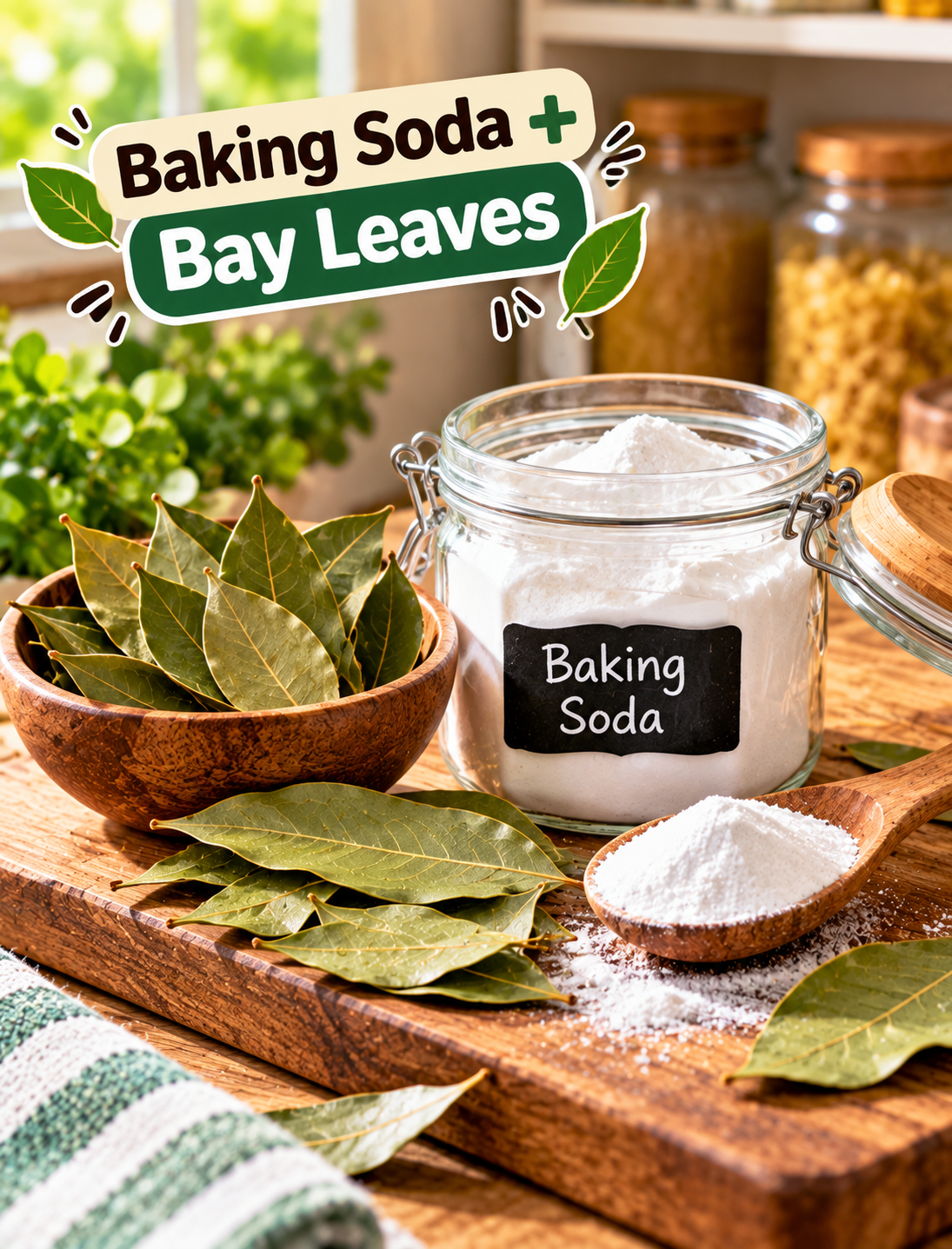
Baking Soda + Bay Leaves: Traditional Home Uses & What to Know

Baking soda and bay leaves for traditional home freshness and natural odor control

Baking Soda + Bay Leaves: Traditional Home Uses & What to Know

Both are two familiar pantry items that have long been used in everyday home routines. Baking soda is commonly used for odor control and light household cleaning, while bay leaves are valued for their distinctive natural aroma and culinary use.

Together, they can be part of a simple, old-fashioned approach to keeping certain areas of the home smelling fresher. However, they should be viewed as household ingredients, not miracle cleaners or proven pest treatments.

This guide explains practical ways to use them, how to handle them safely, and which cleaning combinations to avoid.

Why Baking Soda and Bay Leaves Are Used Around the Home

Baking soda, also called sodium bicarbonate, is a mild alkaline powder. One of its familiar household uses is helping control unpleasant odors, including in refrigerators.

Bay leaves are aromatic culinary leaves commonly used in soups, sauces, rice dishes, beans, and stews. Their pleasant herbal scent also makes them popular in traditional home-freshness routines.

The two ingredients serve different purposes:

  • Baking soda: mainly useful for odor control and gentle household cleaning.
  • Bay leaves: mainly provide a natural herbal aroma.
  • Together: they can create a simple pantry-style freshness setup.
  • Neither ingredient: should be presented as a guaranteed disinfectant, mold remover, or pest-control treatment.

This distinction is important because a pleasant smell does not necessarily mean an area has been cleaned or disinfected.

Traditional Home Uses for Baking Soda + Bay Leaves

A simple baking soda and bay leaf setup can be used in several low-risk areas of the home.

1. Freshen a Refrigerator

Baking soda is commonly used to help absorb refrigerator odors.

Simple method:

  1. Place a small open container of baking soda toward the back of the refrigerator.
  2. Keep it away from spills and moisture.
  3. Add one or two clean, dry bay leaves nearby if you enjoy their aroma.
  4. Replace the baking soda according to the product instructions or when it becomes noticeably less effective.
  5. Clean the refrigerator regularly rather than relying on odor control alone.

Bay leaves do not replace refrigerator cleaning, and they should not be placed where they can fall into food.

2. Add Freshness to a Pantry

A pantry can develop stale smells from stored grains, spices, cardboard packaging, or forgotten food.

For a simple traditional approach:

  1. Clean the shelf first.
  2. Remove expired or spoiled food.
  3. Wipe away crumbs and spills.
  4. Place a small dish of baking soda in a safe corner.
  5. Add a few dry bay leaves nearby for their natural aroma.
  6. Keep both ingredients away from direct contact with food.

A stale or unusual smell can sometimes signal spoiled food, moisture, mold, or another household problem, so masking the odor should not be the only step.

3. Freshen a Small Cabinet

Kitchen and bathroom cabinets can sometimes hold odors from moisture, cleaning products, or stored items.

Try this simple routine:

  • Empty the cabinet.
  • Wipe the interior with an appropriate cleaner.
  • Allow the surface to dry completely.
  • Place a small container of baking soda inside.
  • Add one or two dry bay leaves for aroma.
  • Keep the cabinet ventilated when possible.

Do not place loose baking soda directly onto finished wood or other surfaces where powder could collect in seams.

4. Use Bay Leaves as a Natural Aroma

Bay leaves can add a warm herbal scent to a kitchen or pantry.

Place a few dry culinary bay leaves in a small breathable sachet or dish rather than scattering them around the room.

This is mainly an aromatic use. There is not enough evidence to treat bay leaves as a reliable substitute for professional pest control.

5. Create a Simple Home-Freshness Bowl

For a basic traditional home routine, use:

  • 2–3 tablespoons baking soda
  • 2–3 dry bay leaves
  • A small shallow bowl

Steps:

  1. Pour the baking soda into the bowl.
  2. Break the bay leaves into a few large pieces if desired.
  3. Place them on top of or beside the baking soda.
  4. Set the bowl somewhere dry and out of reach of children and pets.
  5. Replace the mixture when it becomes damp, dirty, or loses its usefulness.

The baking soda provides the odor-control component, while the bay leaves contribute their characteristic aroma.

How to Use It Safely

A few simple habits make homemade freshness methods much safer.

Step 1: Start With a Clean Area

Do not use baking soda and bay leaves to hide odors caused by spoiled food, mold, sewage, dampness, or a leaking appliance.

Find and remove the source first.

Step 2: Use Small Amounts

More powder does not automatically mean better odor control.

A small open container is usually easier to manage and reduces unnecessary dust.

Step 3: Keep the Ingredients Dry

Moisture can cause baking soda to clump and can make stored bay leaves lose their quality.

Use clean, dry containers and replace damp ingredients.

Step 4: Keep Them Away From Food Contact

Although baking soda can be a food ingredient, a household deodorizing container should not be treated like a cooking ingredient.

Keep it clearly separated from food preparation areas.

Step 5: Label Homemade Mixtures

If you prepare a bowl or sachet for household use, label it clearly as “Do Not Eat.”

This is especially useful in homes with children or visitors.

What Baking Soda Can and Cannot Do

Baking soda has legitimate household uses, particularly for odor control and some gentle cleaning tasks. Poison Control identifies sodium bicarbonate as a mild alkali used in household cleaning products and notes that it is generally not caustic when used appropriately.

However, it has limits.

Baking soda can:

  • Help control some household odors.
  • Provide mild abrasive action for certain cleaning tasks.
  • Be useful around refrigerators and other household areas.
  • Serve as a simple pantry ingredient for traditional cleaning routines.

Baking soda cannot:

  • Replace a disinfectant when disinfection is required.
  • Remove the source of mold or water damage.
  • Guarantee pest elimination.
  • Make spoiled food safe.
  • Correct plumbing or drainage problems.

If an odor keeps returning, look for the underlying source instead of repeatedly adding more baking soda.

What Bay Leaves Can and Cannot Do

Bay leaves are useful primarily for cooking and aroma.

They can:

  • Add a warm herbal scent.
  • Be included in traditional pantry-freshness routines.
  • Make a simple sachet for drawers or cabinets.
  • Add flavor to soups, stews, beans, and sauces.

They should not be presented as a guaranteed solution for cockroaches, ants, fleas, mold, or other household pests.

If you have a genuine pest infestation, identify the pest and use an appropriate control method rather than depending on bay leaves alone.

What NOT to Mix With Baking Soda

This is one of the most important parts of any homemade cleaning routine.

Do not randomly combine household cleaning products.

Poison Control specifically warns that mixing household cleaners can create dangerous chemical reactions or irritating fumes.

Avoid DIY combinations with:

  • Bleach
  • Ammonia-based cleaners
  • Unknown commercial cleaners
  • Strong toilet cleaners
  • Drain cleaners
  • Other chemicals unless the product label specifically allows the combination

Never mix bleach with vinegar or other acidic cleaners because the reaction can produce chlorine gas.

Baking soda and vinegar are often shown together in homemade cleaning videos because they fizz. The fizzing reaction is not proof that the combination is a stronger cleaner, and it is better to use products according to their intended instructions.

Safe Handling Tips for Baking Soda

Baking soda is familiar and relatively mild for many household applications, but it should still be handled responsibly.

  • Keep it in its original container when possible.
  • Store it where children cannot easily access it.
  • Avoid creating clouds of powder.
  • Wash your hands after household cleaning.
  • Do not deliberately swallow large amounts.
  • Never use household baking soda as a homemade medical treatment.

Poison Control notes that excessive ingestion of sodium bicarbonate can cause serious toxicity, so household and culinary uses should not be confused with medical use.

A Simple Weekly Home-Freshness Routine

You can turn these ingredients into a small maintenance habit without making your cleaning routine complicated.

Once a week:

  1. Check the refrigerator for expired food.
  2. Wipe obvious spills.
  3. Check pantry shelves for crumbs or moisture.
  4. Inspect cabinets for unusual smells.
  5. Refresh your baking soda container when needed.
  6. Replace old or damp bay leaves.
  7. Open doors or windows when appropriate to improve ventilation.
  8. Investigate any odor that returns quickly.

This approach focuses on removing the source rather than simply covering it.

When a Bad Smell Needs More Attention

A persistent odor can be a useful warning sign.

Look for:

  • Spoiled food
  • Damp walls or cabinets
  • Mold growth
  • Dirty drains
  • Pet odors
  • Garbage buildup
  • Leaking pipes
  • Appliance problems
  • Electrical or burning smells

Poison Control notes that unpleasant household odors can come from spoiled food, mold, drains, pets, chemicals, and other sources. A burning or unusual chemical smell can require more immediate attention.

If you smell strong chemical fumes after mixing cleaning products, leave the area and get into fresh air. Breathing difficulty, significant coughing, chest discomfort, or other serious symptoms require prompt medical attention.

Baking Soda + Bay Leaves: The Simple Takeaway

Baking soda and bay leaves fit naturally into old-fashioned household routines because both are inexpensive, familiar, and easy to keep in a kitchen.

The most practical approach is simple:

  • Use baking soda for basic odor control.
  • Use bay leaves for their natural aroma and traditional household appeal.
  • Keep both dry and away from food contamination.
  • Clean the actual source of unpleasant smells.
  • Do not rely on bay leaves as proven pest control.
  • Never mix household cleaning chemicals casually.
  • Follow product labels whenever commercial cleaners are involved.

The goal is not to turn two pantry ingredients into a miracle cleaner. Instead, they can be useful parts of a simple, sensible home-maintenance routine.

FAQs

Can baking soda and bay leaves remove bad smells?

Baking soda can help control some odors, while bay leaves mainly add aroma; neither should replace cleaning the source of a persistent smell.

Can I put baking soda and bay leaves in my refrigerator?

Yes, you can keep a small container of baking soda in the refrigerator for odor control and place dry bay leaves nearby for aroma.

Do bay leaves really keep insects away?

Bay leaves are traditionally used for this purpose, but they should not be considered a proven or reliable replacement for proper pest control.

Can I mix baking soda with vinegar?

Baking soda and vinegar react and fizz; the reaction does not automatically make them a stronger cleaner, so use each product appropriately.

Can baking soda be mixed with bleach?

Do not create homemade mixtures with bleach; household chemicals can produce harmful reactions when combined incorrectly.

How often should I replace baking soda used for odors?

Replace it when it becomes damp, dirty, or no longer seems effective, and follow any storage guidance on the product packaging.

Are bay leaves safe to leave around food?

Keep loose bay leaves separate from food unless they are being used as a culinary ingredient, and remove whole leaves from cooked dishes before serving.

What should I do if a household odor keeps coming back?

Find the source first by checking food, moisture, drains, garbage, pets, and appliances instead of repeatedly masking the odor.

Source note for the article: Household safety guidance above is based primarily on Poison Control’s current information about baking soda, cleaning-product mixtures, and household fumes.

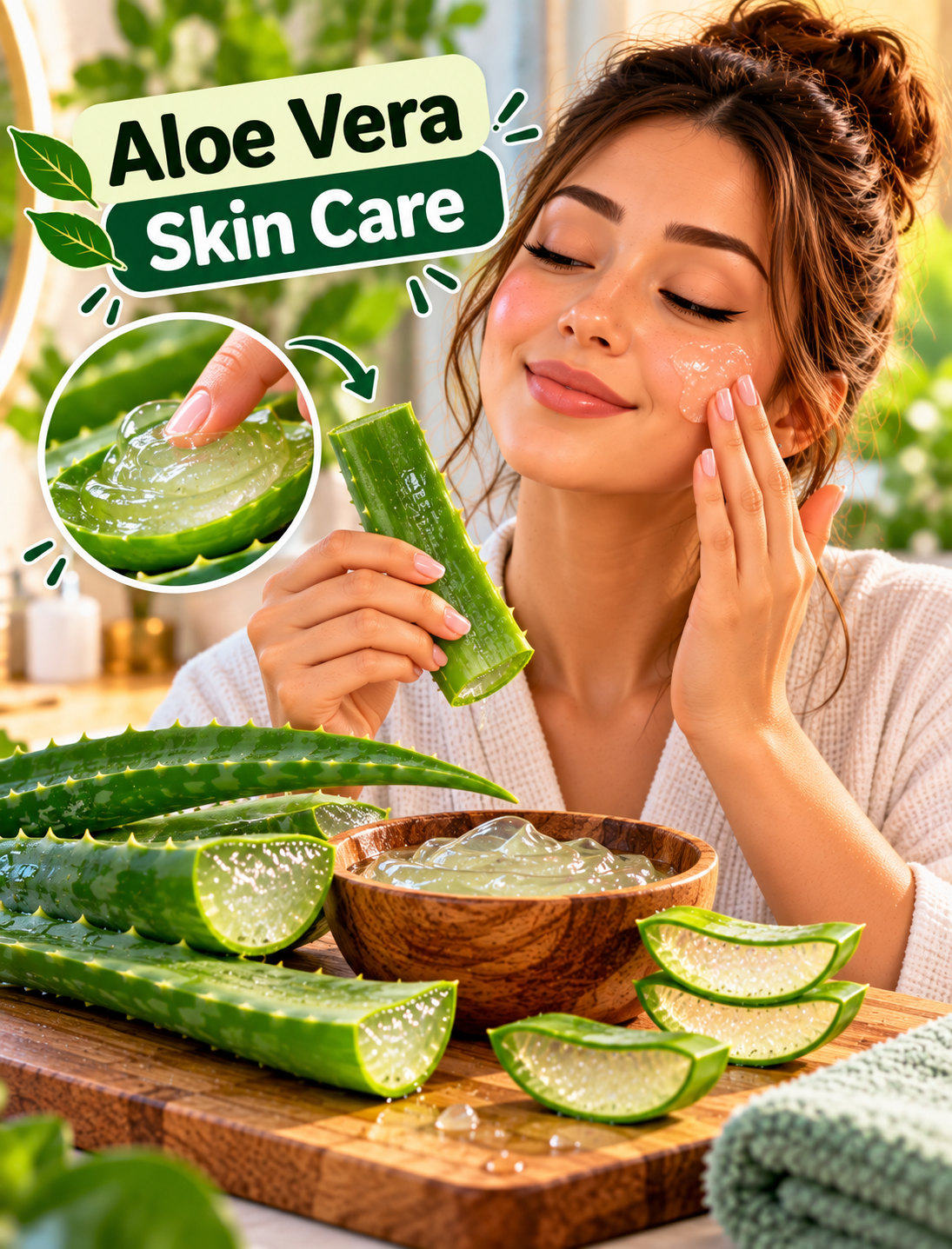
Aloe Vera: Traditional Skin-Care Uses & Safety Tips

Aloe vera gel for traditional skin care with fresh aloe leaf and safe application tips

Aloe Vera: Traditional Skin-Care Uses & Safety Tips

Aloe vera has been part of traditional skin care for generations. The clear gel inside the aloe leaf is commonly used topically as a simple plant-based skin-care ingredient. Today, aloe is also found in many commercial gels, lotions, and moisturizers.

But “natural” does not automatically mean suitable for every skin type. Aloe can feel soothing and moisturizing for some people, while others may experience burning, itching, redness, rash, or eczema.

This guide explains how aloe vera is traditionally used on the skin, how to use it more carefully, and what to do if your skin reacts.

What Is Aloe Vera Gel?

Aloe vera is a succulent plant that grows in warm, dry climates. The leaf contains different substances, including clear inner-leaf gel and yellowish latex closer to the outer part of the leaf. These are not the same thing.

For traditional skin care, the clear inner gel is the part most commonly discussed.

Aloe has a long history of topical use for skin conditions and minor skin concerns. Modern research has also studied topical aloe, although the amount and quality of evidence varies depending on the specific skin problem and aloe preparation.

The safest way to think about aloe is as a skin-care ingredient, not a universal treatment for every skin problem.

Traditional Skin-Care Uses of Aloe Vera

Aloe gel has traditionally been applied directly to the skin as a simple topical preparation.

People commonly use it as part of routines focused on:

  • Dry or tight-feeling skin
  • A cooling skin-care step
  • Simple plant-based moisturizing
  • General skin comfort
  • Traditional self-care routines

Some clinical research has investigated topical aloe for specific skin concerns, but that does not mean aloe should replace medical treatment. NCCIH reports that topical aloe is generally well tolerated, while also noting occasional reports of burning, itching, rash, and eczema.

For everyday skin care, keep expectations realistic. Aloe may be a pleasant addition to a routine, but it is not a guaranteed solution for wrinkles, loose skin, acne, or other ongoing skin conditions.

Why Patch Testing Matters

Even a plant-based ingredient can cause a skin reaction.

The American Academy of Dermatology recommends testing new skin-care products before applying them more widely because ingredients can sometimes cause irritation or allergic contact dermatitis.

A simple test can help you decide whether your skin tolerates the product.

Step 1: Choose a Small Test Area

Use a small area on the underside of your arm or another convenient area that will not be rubbed or washed frequently.

Step 2: Apply a Small Amount

Use the same amount and thickness you would normally use on your skin.

Step 3: Watch for a Reaction

Look for signs such as:

  • Redness
  • Itching
  • Burning
  • Swelling
  • New irritation
  • Rash

The AAD’s general guidance for testing skin-care products recommends applying the product to a small test area twice daily for seven to 10 days.

If you develop a reaction, gently wash the product off and stop using it.

How to Use Aloe Vera Gel on Your Skin

If your skin tolerates aloe, keep the routine simple.

Step 1: Start With Clean Skin

Wash your hands and gently cleanse the area where you plan to use aloe.

Clean skin reduces the chance of transferring dirt or other substances onto the skin.

Step 2: Choose the Right Aloe Product

If using a commercial product, check the ingredient label and choose a product designed for topical skin use.

If using fresh aloe, make sure the leaf, your hands, utensils, and container are clean.

Step 3: Use the Clear Inner Gel

When preparing fresh aloe, focus on the clear inner gel rather than treating the whole leaf as one ingredient.

Aloe leaves contain different components, including inner gel and latex, so they should not be assumed to have the same properties or safety profile.

Step 4: Apply a Thin Layer

Use a small amount and spread it gently over the intended area.

There is no need to cover the skin with a thick layer.

Step 5: Avoid Sensitive Areas

Keep aloe away from your eyes and avoid applying it to areas that are already irritated unless a healthcare professional has advised you to do so.

Step 6: Stop if Your Skin Reacts

If the area starts burning, itching, swelling, or developing a rash, wash the product off and stop using it.

Topical aloe is generally well tolerated, but skin reactions have been reported.

How to Keep Fresh Aloe Gel Clean

Fresh plant material needs more care than a sealed commercial skin-care product.

If you prepare aloe at home:

  1. Wash your hands before handling the leaf.
  2. Rinse the outside of the leaf.
  3. Use a clean knife and cutting surface.
  4. Remove only the amount you plan to use.
  5. Place unused gel in a clean, covered container if you are storing it.
  6. Avoid repeatedly touching stored gel with your fingers.
  7. Discard it if you notice an unusual smell, color, texture, or visible contamination.

Fresh homemade gel does not contain the same preservation system as many commercial skin-care products. For that reason, avoid treating homemade aloe gel as if it has an unlimited shelf life.

A commercially prepared aloe product may be a more convenient option when you want predictable ingredients and easier storage.

When Should You Use Aloe Vera?

There is no special time of day that you must use aloe.

Some people prefer using it as part of an evening routine because they have more time for skin care.

A simple routine could look like:

Morning

  1. Gentle cleanser
  2. Aloe gel if tolerated
  3. Moisturizer if needed
  4. Broad-spectrum sunscreen

Evening

  1. Gentle cleanser
  2. Aloe gel if tolerated
  3. Moisturizer if needed

Aloe does not need to be the center of your entire skin-care routine. It can simply be one optional step.

Aloe Vera and Moisturized-Looking Skin

One reason aloe remains popular in skin care is its light gel texture and fresh feel.

If your skin tolerates it, aloe can fit into a routine designed to keep skin feeling comfortable and moisturized.

However, avoid confusing temporary hydration with permanent skin tightening or wrinkle removal.

Aloe should not be marketed as a miracle anti-aging treatment.

For long-term skin care, daily sun protection is also important because ultraviolet exposure contributes to visible skin aging. A broad-spectrum sunscreen with SPF 30 or higher is a common recommendation from dermatologists for protecting skin from UV exposure.

Aloe Vera Safety Tips You Should Know

Avoid Broken or Irritated Skin

Do not automatically apply fresh plant gel to cuts, open wounds, or severely irritated skin.

Damaged skin can react differently to ingredients that seem comfortable on healthy skin.

If you have an ongoing rash, open wound, infection, or unexplained skin problem, getting professional advice is more appropriate than experimenting with home remedies.

Keep It Away From Your Eyes

Aloe intended for topical skin use should not be treated as an eye product.

Avoid applying it around the eyes, especially directly onto the eyelids or into the eyes.

If a product accidentally gets into your eyes, rinse according to appropriate first-aid guidance and seek medical advice if significant irritation continues.

Don’t Add Harsh Ingredients

You may see online recipes combining aloe with lemon juice, baking soda, vinegar, essential oils, or other strong ingredients.

Adding more ingredients does not automatically make a skin-care routine better.

For a simple routine, stick with aloe alone or a properly formulated commercial product.

Natural Does Not Mean Risk-Free

Aloe comes from a plant, but that does not guarantee that everyone will tolerate it.

The AAD also points out that skin-care products can trigger irritation or allergic contact dermatitis, which is why testing new products is useful.

When Should You Stop Using Aloe Vera?

Stop using aloe if you notice:

  • Persistent burning
  • Increasing redness
  • Itching
  • Swelling
  • A new rash
  • Blisters
  • Significant discomfort

Gently remove the product rather than applying more in an attempt to “push through” the reaction.

If the reaction is severe, spreading, or does not improve, contact a healthcare professional or dermatologist.

People with recurring unexplained rashes may need professional evaluation because many different substances can cause contact dermatitis.

Fresh Aloe vs. Commercial Aloe Gel

Both options have advantages, but they are not identical.

Fresh aloe:

  • Comes directly from the plant
  • Requires careful handling
  • Can vary in consistency
  • Needs attention to cleanliness
  • Does not have the same preservation system as many commercial products

Commercial aloe gel:

  • Is usually easier to store
  • Has a labeled ingredient list
  • May contain preservatives and other skin-care ingredients
  • Can provide more consistent texture

If you have sensitive skin, reading the ingredient label and choosing a simple product can make it easier to identify what you are putting on your skin.

A Simple Aloe Vera Skin-Care Routine

If you want to include aloe in your routine, start small.

Morning Routine

Step 1: Cleanse gently.

Step 2: Apply a small amount of aloe if your skin tolerates it.

Step 3: Use moisturizer if your skin needs additional hydration.

Step 4: Finish with broad-spectrum sunscreen.

Evening Routine

Step 1: Remove makeup or sunscreen.

Step 2: Cleanse gently.

Step 3: Apply a small amount of aloe if tolerated.

Step 4: Add moisturizer if needed.

This keeps the routine simple without relying on aloe as a treatment for every skin concern.

The Bottom Line

Aloe vera has a long history in traditional skin care, and topical aloe gel is generally well tolerated by many people. However, some users can experience burning, itching, rash, or eczema.

The safest approach is simple: use a small amount, patch-test first, keep homemade gel clean, avoid broken or irritated skin, keep it away from your eyes, and stop if your skin reacts.

Most importantly, treat aloe as an optional skin-care ingredient rather than a cure-all.

Natural skin care works best when it is simple, gentle, and realistic.

Frequently Asked Questions

1. Can I use fresh aloe vera directly on my skin?

Yes, some people use the clear inner gel topically, but patch-test first and stop if you develop irritation.

2. Is aloe vera safe for sensitive skin?

It may be tolerated, but sensitive skin can react to new ingredients, so test a small area before wider use.

3. Can aloe vera remove wrinkles?

Aloe should not be considered a proven wrinkle remover or permanent skin-tightening treatment.

4. Can I apply aloe to irritated skin?

Avoid experimenting on significantly irritated or broken skin because the area may react more easily.

5. How often can I use aloe vera on my skin?

There is no universal schedule; start with occasional use and continue only if your skin remains comfortable.

6. Should I patch-test aloe vera?

Yes. Dermatologists recommend testing new skin-care products on a small area before using them more widely.

7. What should I do if aloe causes itching or redness?

Wash it off gently and stop using it; seek professional advice if the reaction is severe or persistent.

8. Is fresh aloe better than commercial aloe gel?

Not necessarily; commercial gels can offer more consistent ingredients and preservation, while fresh aloe requires careful handling and cleanliness.

Natural Ways to Support Healthy Weight Management

Natural ways to support healthy weight management with balanced meals, protein, fiber, walking, portions, and healthy daily habits

Natural Ways to Support Healthy Weight Management

“Forget extreme diets — start with these simple everyday habits.”

Healthy weight management does not require a drastic diet, expensive supplements, or a single “magic” food. A better approach is to build everyday habits that you can maintain for months and years.

For many adults, that means eating balanced meals, choosing filling foods, watching portions, moving regularly, drinking fewer sugary beverages, getting enough sleep, and creating routines that fit real life. The CDC also notes that healthy weight management involves nutrition, physical activity, sleep, and stress management rather than one isolated strategy.

This step-by-step guide focuses on practical changes you can start at home without following an extreme plan.

1. Build Balanced Meals Instead of Cutting Out Entire Food Groups

A balanced meal gives your body a mix of nutrients while helping you feel satisfied.

Try building most meals around:

  • Vegetables: spinach, broccoli, peppers, carrots, tomatoes, or leafy greens.
  • Protein: eggs, chicken, fish, Greek yogurt, beans, lentils, tofu, or cottage cheese.
  • High-fiber carbohydrates: oats, beans, potatoes, brown rice, quinoa, or whole-grain bread.
  • Healthy fats: avocado, nuts, seeds, or a small amount of olive oil.
  • Fruit: berries, apples, oranges, bananas, or other whole fruits.

NIDDK recommends a healthy eating pattern that includes vegetables, whole fruits, whole grains, dairy or suitable alternatives, and a variety of protein foods.

Simple example:
Instead of eating a large plate of pasta alone, add grilled chicken, vegetables, and a smaller portion of pasta. You get protein, fiber, and other nutrients in the same meal.

2. Add Protein and Fiber to Keep Meals More Satisfying

Protein and fiber are useful building blocks for meals because they can make food more filling and help you create a balanced eating pattern.

Good protein choices include:

  • Eggs
  • Greek yogurt
  • Chicken
  • Fish
  • Cottage cheese
  • Beans
  • Lentils
  • Tofu
  • Nuts and seeds

Fiber-rich choices include:

  • Oatmeal
  • Berries
  • Apples
  • Beans
  • Lentils
  • Vegetables
  • Chia seeds
  • Whole grains

Easy meal idea:
Try oatmeal topped with berries, chia seeds, and Greek yogurt instead of plain oatmeal with added sugar.

Another simple option is a chicken-and-vegetable bowl with brown rice or another whole grain.

The goal is not to make every meal perfect. The goal is to make your usual meals more nutritious and satisfying.

3. Pay Attention to Portions Without Obsessing Over Calories

Healthy foods can still contribute more calories than you need when portions become very large.

Start by checking how much food you normally put on your plate.

Try this simple portion strategy:

  1. Put vegetables or fruit on a large part of the plate.
  2. Add a reasonable serving of protein.
  3. Add a moderate portion of whole grains or another carbohydrate.
  4. Include a small amount of healthy fat.
  5. Eat slowly enough to notice when you are comfortably satisfied.

NIDDK explains that portion size matters because the amount you eat affects total calorie intake. It also recommends paying attention to serving information on Nutrition Facts labels.

Helpful habit:
Instead of eating snacks directly from a large bag, place one portion in a bowl and put the package away.

This small change can make it easier to notice how much you are actually eating.

4. Make Water Your Default Drink

Sugary drinks can add substantial amounts of sugar and calories without making you feel as full as a solid meal.

Common examples include:

  • Regular soda
  • Sweetened iced tea
  • Sugary coffee drinks
  • Energy drinks
  • Sweetened fruit drinks

Try replacing one sugary drink each day with:

  • Plain water
  • Sparkling water
  • Unsweetened tea
  • Water with lemon or lime

The CDC notes that replacing sugary drinks with plain water can reduce calorie intake because water contains no calories.

You do not have to eliminate every favorite drink overnight. Start with the drink you have most often and make one practical change.

5. Walk More During the Day

You do not need to begin with an intense workout program.

Walking is a simple way to add more movement to your routine.

Start with weeks plan:

1: Walk for 10 minutes after one meal.

2: Increase the walk to 15–20 minutes when comfortable.

3: Add another short walk during the day.

Over time, work toward regular moderate physical activity. U.S. guidance recommends adults aim for at least 150 minutes of moderate-intensity aerobic activity each week, along with muscle-strengthening activity on at least two days a week.

If you are currently inactive, starting with shorter sessions is reasonable. Even 10- or 15-minute periods of activity can count toward your weekly movement.

6. Create a Consistent Sleep Routine

Sleep is often overlooked when people think about weight management.

Instead of focusing only on food and exercise, create a regular nighttime routine.

Try these simple steps:

  • Go to bed around the same time most nights.
  • Keep your bedroom comfortable and dark.
  • Reduce unnecessary screen time before bed.
  • Avoid making late-night snacking an automatic habit.
  • Give yourself enough time to sleep.

The CDC includes adequate sleep as part of a healthy lifestyle for weight management.

Better sleep will not replace healthy eating or physical activity, but it can support a healthier daily routine.

7. Make Your Habits Easier to Repeat

The biggest problem with extreme diets is that they can be difficult to maintain.

Instead of changing everything on Monday, choose one or two habits first.

A practical 7-day starting plan:

1: Replace one sugary drink with water.

2: Add a vegetable to lunch or dinner.

3: Add a protein source to breakfast.

4: Take a 10–15 minute walk.

5: Check the portion size of one regular snack.

6: Prepare a simple balanced meal at home.

7: Review what worked and repeat your easiest habits.

After that, add another small change.

This approach turns weight-related goals into daily behaviors instead of a short-term challenge.

8. Focus on Progress, Not Perfection

One restaurant meal, dessert, birthday party, or missed workout does not erase your progress.

If you eat more than planned, simply return to your normal routine at the next meal.

NIDDK notes that people do not have to completely eliminate favorite foods; smaller amounts can fit within an overall healthy eating plan.

A sustainable routine might look like:

  • Mostly nutritious meals
  • Regular movement
  • Reasonable portions
  • Occasional treats
  • Consistent sleep
  • Enough flexibility to enjoy social occasions

The goal is to create habits you can realistically continue.

9. Track the Habits That Matter

Tracking can help you identify patterns instead of relying only on the scale.

For one week, write down:

  • What you eat and drink
  • Your daily walking or activity
  • Your sleep schedule
  • How often you drink sugary beverages
  • Your usual snack portions
  • How consistently you follow your routine

The CDC recommends tracking nutrition, physical activity, and sleep as part of creating a practical weight-management plan.

After seven days, look for one habit that could be improved.

For example, if you notice that you regularly drink soda with dinner, replacing that one drink may be a more useful first step than trying to completely change your diet.

10. Avoid “Natural” Weight-Loss Shortcuts

The word natural does not automatically mean safe or effective.

Be cautious with products or social-media claims promising:

  • Rapid fat burning
  • Guaranteed belly-fat loss
  • Effortless weight loss
  • Detox drinks
  • “Fat-burning” teas
  • Extreme fasting plans
  • Unregulated weight-loss supplements

Healthy weight management is usually built from eating patterns, physical activity, sleep, and other lifestyle factors rather than one ingredient or home remedy.

If you have a medical condition, take medications, are pregnant, or are considering a major change in diet or exercise, talk with your healthcare professional about an approach that fits your situation.

A Simple Daily Routine to Start Today

You can put the ideas above into one simple routine:

Morning

  • Drink water.
  • Eat a protein-rich breakfast.
  • Add fruit or another fiber-rich food.

Lunch

  • Include vegetables.
  • Add protein.
  • Choose a reasonable portion of whole grains or another carbohydrate.

Afternoon

  • Choose fruit, yogurt, nuts, or another satisfying snack if hungry.
  • Take a short walk or movement break.

Dinner

  • Build another balanced plate.
  • Choose water or an unsweetened drink.
  • Eat slowly and pay attention to portions.

Evening

  • Avoid automatic snacking in front of the TV.
  • Prepare for tomorrow.
  • Follow a consistent bedtime routine.

Small habits become more useful when you repeat them consistently.

Frequently Asked Questions

1. What is the best natural way to manage weight?

A combination of balanced eating, reasonable portions, regular physical activity, adequate sleep, and sustainable daily habits is more useful than relying on one remedy.

2. Can walking help with healthy weight management?

Yes. Regular walking increases physical activity and can support maintaining a healthy weight when combined with an appropriate eating pattern.

3. Should I completely stop eating carbohydrates?

No. Whole grains, potatoes, beans, fruits, and other carbohydrate foods can be part of a balanced eating pattern; portion size and overall food quality matter.

4. Can drinking water help with weight management?

Replacing sugary drinks with plain water can reduce calorie intake because water contains no calories.

5. Is skipping meals a good way to manage weight?

Skipping meals is not necessary and may make some people overly hungry later, which can make portion control harder.

6. Do I need an extreme diet to lose weight?

No. Healthy weight-management plans focus on sustainable eating, activity, sleep, and behavior changes rather than extreme restrictions.

7. How much exercise should adults get each week?

A common U.S. guideline is at least 150 minutes of moderate aerobic activity weekly, plus muscle-strengthening activities on two or more days.

8. What if I cannot lose weight despite healthy habits?

Medications, medical conditions, hormones, genetics, stress, age, and environment can affect weight, so persistent concerns are worth discussing with a healthcare professional

Moist Simple Chocolate Cake* with the glossy drip

 *Moist Simple Chocolate Cake* with the glossy drip 


*Yields: 1 x 8-inch cake*


*For the Moist Chocolate Cake:*


– 1 & 3/4 cups all-purpose flour / maida (220g)

– 3/4 cup unsweetened cocoa powder (75g) – use good quality .

– 2 cups granulated sugar (400g)

– 1 & 1/2 tsp baking soda

– 1 & 1/2 tsp baking powder

– 1 tsp salt

– 2 large eggs, room temp

– 1 cup buttermilk – 1 cup milk + 1 tbsp vinegar, rest 5 mins

– 1/2 cup vegetable oil

– 2 tsp vanilla extract

– 1 cup hot coffee OR hot water – coffee makes it extra moist and dark


*For the Chocolate Ganache Frosting (that shiny drip):*


– 300g dark chocolate, chopped

– 1 & 1/2 cups heavy cream / fresh cream (360ml)

– 2 tbsp butter, soft

– 1 tbsp corn syrup / honey – optional,


*For Topping:*


– Chocolate curls / shavings


*Method:*


*1. Make the cake:*

Preheat oven to 175°C / 350°F. Grease and line two 8-inch pans.


In a large bowl, whisk flour, cocoa, sugar, baking soda, baking powder, salt.


Add eggs, buttermilk, oil, vanilla. Beat 2 minutes. Then add hot coffee/water and mix – batter will be thin, that’s correct. This thin batter is the secret for moist cake.


Divide into pans. Bake 30-35 mins until toothpick comes out with a few moist crumbs. Don’t overbake.


Cool completely. This cake gets more moist the next day.


*2. Make the ganache

Heat cream until just simmering. Pour over chopped chocolate. Let sit 2 mins. Stir until smooth. Add butter and honey/corn syrup for shine. Let it cool 15-20 mins until thick but still pourable


*3. Asemble

Place one cake layer, spread ganache. Add second layer. Pour remaining ganache on top and spread with back of spoon in swirls. Let it drip down sides naturally – use a spoon to guide the drips


*4. Top:* Pile chocolate curls and shavings in the center while ganache is still wet.


Chill 30 mins to set.


*Tip for extra moist:* Wrap warm cake layers in cling wrap and freeze 1 hour before frosting – locks in all moisture.