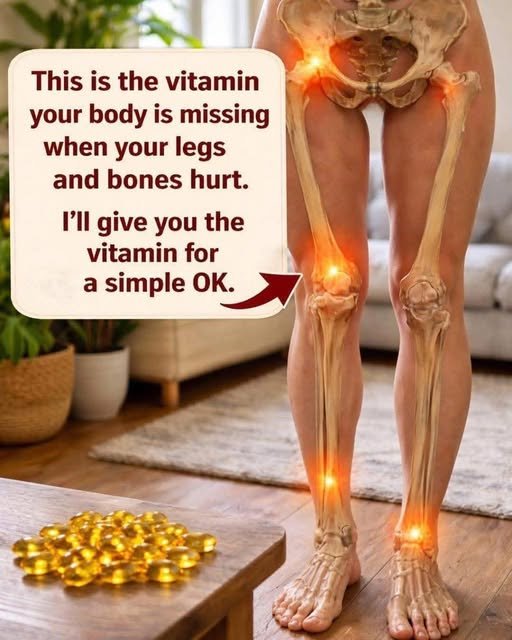
Many people experience occasional discomfort in their legs, joints, or bones, especially as they age or spend long hours sitting, standing, or engaging in physical activity. While many factors can contribute to these sensations, proper nutrition plays an important role in maintaining healthy bones, muscles, and overall mobility.
One nutrient that often receives attention for its connection to bone health is vitamin D. Known as the “sunshine vitamin,” vitamin D helps the body absorb calcium and supports normal muscle function. Maintaining adequate levels of this essential nutrient is an important part of a balanced and healthy lifestyle.
Why Vitamin D Is Important
Vitamin D is a fat-soluble vitamin that helps regulate calcium and phosphorus in the body. These minerals are essential for maintaining strong bones and teeth.
Without sufficient vitamin D, the body may struggle to absorb calcium effectively, which can affect bone strength over time.
Vitamin D also contributes to:
Normal muscle function
Bone maintenance
Immune system support
Healthy aging
Overall wellness
Common Sources of Vitamin D
Getting enough vitamin D can come from a combination of sunlight exposure, diet, and supplements when recommended by a healthcare professional.
Sunlight
The body naturally produces vitamin D when the skin is exposed to sunlight. Spending time outdoors can help support natural vitamin D production.
Fatty Fish
Certain fish are naturally rich in vitamin D, including:
Salmon
Sardines
Mackerel
Tuna
These foods can be excellent additions to a balanced diet.
Egg Yolks
Egg yolks contain small amounts of vitamin D and provide additional nutrients that support overall health.
Fortified Foods
Many foods are fortified with vitamin D, such as:
Milk
Plant-based milk alternatives
Breakfast cereals
Yogurts
Checking food labels can help identify fortified products.
Signs That May Be Associated With Low Vitamin D
Vitamin D deficiency can only be confirmed through appropriate medical testing. However, some people with low levels may experience symptoms such as:
Fatigue
Muscle weakness
Reduced physical performance
Bone discomfort
General feelings of low energy
Because these symptoms can have many different causes, it is important not to self-diagnose.
Supporting Bone Health Naturally
Maintaining strong bones involves more than a single nutrient. A healthy lifestyle often includes several important habits.
Eat Calcium-Rich Foods
Calcium works alongside vitamin D to support healthy bones.
Good sources include:
Dairy products
Leafy green vegetables
Almonds
Fortified foods
Stay Physically Active
Weight-bearing activities can help support bone strength and mobility.
Examples include:
Walking
Hiking
Dancing
Strength training
Maintain a Balanced Diet
A varied diet provides essential nutrients that contribute to overall wellness.
Stay Hydrated
Proper hydration supports many bodily functions and contributes to general health.
Foods That Pair Well With Vitamin D
Combining vitamin D-rich foods with nutritious meals can help create a balanced eating plan.
Salmon and Vegetables
A grilled salmon meal paired with vegetables provides protein, healthy fats, and vitamin D.
Eggs and Whole Grains
A breakfast containing eggs and whole-grain toast can be both satisfying and nutrient-rich.
Yogurt and Fruit
Fortified yogurt with fresh fruit offers a simple snack option.
Smoothies
Blending fortified milk with fruits can create a refreshing beverage that supports nutrient intake.
Lifestyle Habits That Support Healthy Bones
Get Regular Exercise
Physical activity encourages strength, flexibility, and mobility.
Spend Time Outdoors
Safe sunlight exposure can help the body naturally produce vitamin D.
Prioritize Sleep
Quality sleep supports recovery and overall wellness.
Avoid Excessive Smoking and Alcohol
Healthy lifestyle choices can contribute to long-term bone health.
Frequently Asked Questions
Is Vitamin D Important for Adults?
Yes. Vitamin D plays an important role throughout life and contributes to bone and muscle health in adults of all ages.
Can Food Alone Provide Enough Vitamin D?
Some people obtain sufficient vitamin D through food and sunlight, while others may need additional support. Individual needs vary.
Should Everyone Take Vitamin D Supplements?
Not necessarily. Supplement needs depend on factors such as diet, lifestyle, geographic location, and medical guidance.
How Can I Know My Vitamin D Level?
A healthcare professional can evaluate vitamin D status through appropriate testing.
Final Thoughts
Vitamin D is an essential nutrient that plays a key role in maintaining healthy bones and supporting normal muscle function. While occasional leg or bone discomfort can have many possible causes, ensuring adequate nutrition is an important part of overall wellness.
By focusing on a balanced diet, regular physical activity, healthy lifestyle habits, and appropriate vitamin D intake, you can support long-term bone health and maintain an active lifestyle. Understanding the importance of this vital nutrient is a positive step toward promoting strength, mobility, and overall well-being.