Homemade Garden Vegetable Spread

Homemade Garden Vegetable Spread

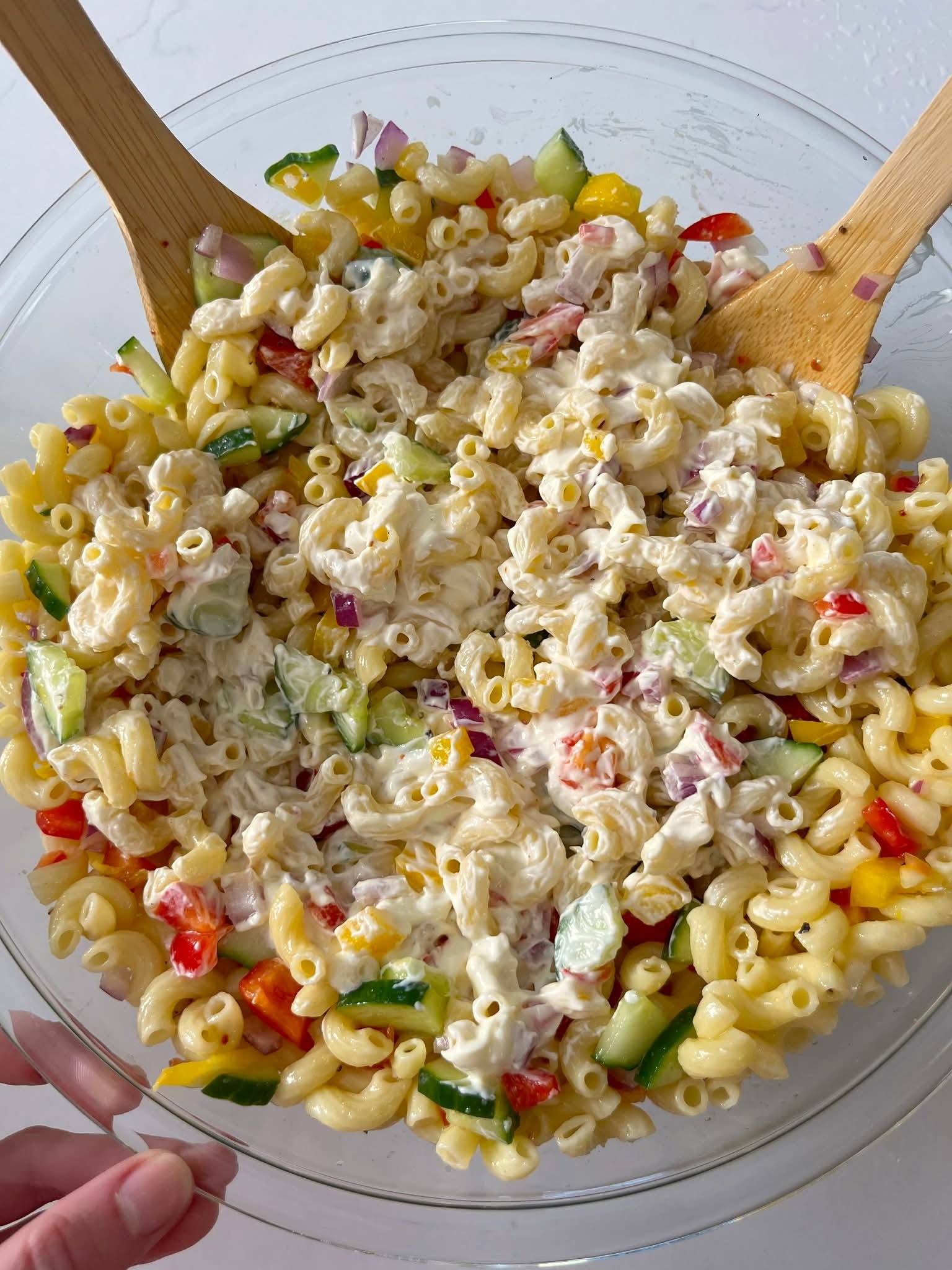
This creamy, tangy spread is packed with crunchy carrots, celery, and zesty green onions. It’s the perfect companion for toasted bagels, crackers, or even as a dip for fresh bell pepper strips.

  • Prep time: 15 minutes

  • Inactive time: 1–2 hours (chilling)

  • Yields: Serves 8

  • Dietary Info: Vegetarian, Contains Milk

Ingredients

  • 2 (8 oz) packages cream cheese, softened to room temperature

  • ¼ cup carrots, chopped

  • ½ cup celery, chopped

  • 2 green onions, chopped

  • ½ tsp salt

  • ½ tsp garlic powder

  • ¼ tsp onion powder

Preparation

  1. Prep the Veggies: Place the chopped carrots, celery, and green onions into a food processor. Pulse several times until the vegetables are broken down into very small bits.

    Tip: Be careful not to over-process; you want distinct texture, not a watery paste.

  2. Mix: In a medium-sized mixing bowl, combine the softened cream cheese, the pulsed vegetable mixture, salt, garlic powder, and onion powder. Stir vigorously until the vegetables and seasonings are evenly distributed throughout the cream cheese.

  3. Chill: Spoon the spread into an airtight container or a glass jar. Place it in the refrigerator for at least 1 to 2 hours. This allows the cream cheese to firm back up and the flavors from the onion and garlic to meld.

  4. Serve: Spread generously on toasted bagels or crusty bread.

Storage

Keep the spread refrigerated in an airtight container. It will stay fresh and delicious for 7–10 days.

Tropical Delight: Fruity Tapioca Jelly Drink

Tropical Delight: Fruity Tapioca Jelly Drink

A colorful, creamy chilled drink with fruit, jelly cubes, and soft tapioca pearls

Introduction

Tropical Delight is a vibrant and refreshing dessert-style drink made with creamy milk, tender tapioca pearls, fruity jelly cubes, and mixed fruit. It’s visually beautiful, lightly sweet, and wonderfully textured—perfect for warm days, gatherings, or as a fun treat for the whole family.


🧾 Ingredients

For the Jelly

  • 4 cups water

  • ¼ cup white sugar

  • 25 grams white unflavored jelly powder

  • Red food coloring

  • Yellow food coloring

  • Green food coloring

For the Drink Base

  • 835 grams fruit cocktail, well-drained
    (or an equal amount of chopped fresh fruits such as mango, pineapple, papaya, grapes, or strawberries)

  • 250 ml all-purpose cream or heavy cream

  • 300 ml condensed milk

  • 2 cups evaporated milk or fresh milk

  • 1 cup cooked small tapioca pearls


⏱️ Time Breakdown

  • Preparation Time: 20 minutes

  • Cooking Time: 15 minutes

  • Chilling Time: 1 hour

  • Total Time: 1 hour 35 minutes


👩‍🍳 Step-by-Step Instructions

1. Prepare the Jelly

In a medium pot, bring 4 cups of water to a full boil.
Add the ¼ cup white sugar and 25 grams jelly powder, stirring continuously until fully dissolved and clear.

Remove from heat and carefully divide the hot jelly mixture evenly into three separate heat-safe bowls.

Add:

  • Red food coloring to the first bowl

  • Yellow food coloring to the second bowl

  • Green food coloring to the third bowl

Stir each bowl until the color is evenly mixed.

Pour each colored mixture into separate shallow containers.
Allow them to cool at room temperature, then refrigerate until completely set.

Once firm, cut the jelly into small, even cubes. Set aside.


2. Prepare the Creamy Milk Base

In a large mixing bowl, combine:

  • All-purpose cream (or heavy cream)

  • Condensed milk

  • Evaporated milk (or fresh milk)

Whisk gently until smooth and well blended.


3. Assemble the Drink

Add the drained fruit cocktail (or fresh fruit mixture) into the milk base. Stir gently.

Fold in:

  • Cooked tapioca pearls

  • Colored jelly cubes

Mix carefully to avoid breaking the jelly pieces.


4. Chill and Serve

Transfer the mixture into serving glasses or a large pitcher.

Refrigerate for at least 1 hour to allow the flavors and textures to come together.

Serve well chilled.


🍹 Serving Suggestions

  • Serve as a cold dessert drink or sweet snack

  • Garnish with fresh fruit pieces or mint leaves for presentation

  • Best enjoyed cold with a spoon or wide straw


💡 Helpful Tips

  • Ensure the jelly is fully set before cutting for clean cubes

  • Drain canned fruits well to prevent excess liquid

  • Adjust sweetness by adding more or less condensed milk

  • Stir gently to keep the jelly cubes intact


🥛 Dietary Notes

  • Contains dairy

  • Can be prepared gluten-free by using certified gluten-free ingredients


🧊 Storage

Store leftovers in a covered container in the refrigerator and enjoy within 2 days. Stir gently before serving again.

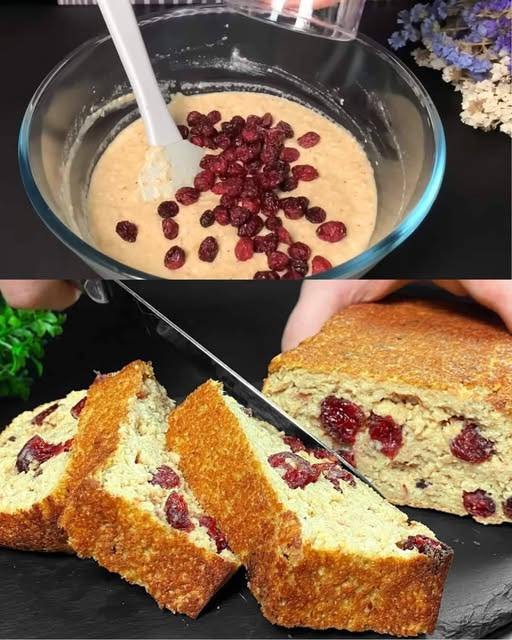
Apple & Banana Oatmeal Breakfast Loaf

Apple & Banana Oatmeal Breakfast Loaf

A moist, naturally sweet loaf perfect for breakfast or a snack

This wholesome breakfast loaf combines the fiber of oats with the natural sweetness of apples and banana. Raisins, cherries, and a crunchy nut topping make it a satisfying treat for mornings or anytime you want a nutritious snack.


Recipe Overview

  • Prep Time: 15 minutes

  • Bake Time: 45–50 minutes

  • Total Time: About 1 hour 5 minutes

  • Yield: 1 loaf


Ingredients

  • 1 cup (100 g) rolled oats or oatmeal

  • 2 medium apples, peeled and grated

  • 1 ripe banana, mashed

  • 2 large eggs

  • 100–120 ml water

  • 100 g raisins (or sultanas)

  • 100 g pitted cherries

  • 1 teaspoon baking powder

  • 50 g Brazil nuts, chopped (for topping)

  • Vegetable oil (for greasing the pan)


Step-by-Step Instructions

1. Hydrate the Oats

  • In a large mixing bowl, combine the oats with 100–120 ml of water.

  • Let the mixture sit for about 10 minutes so the oats soften and absorb moisture.


2. Prepare the Fruit

  • Peel and grate the apples.

  • In a small bowl, mash the banana with a fork until smooth.


3. Mix the Batter

  • Add the mashed banana and eggs to the soaked oatmeal. Whisk together until fully incorporated.

  • Stir in the grated apples, raisins, and cherries. Mix gently to combine.


4. Add Baking Powder

  • Sprinkle the baking powder over the mixture.

  • Fold everything together carefully with a spatula until evenly distributed. Avoid overmixing, which can make the loaf dense.


5. Prepare the Pan

  • Preheat your oven to 350°F (180°C).

  • Grease a loaf pan with vegetable oil.

  • Optional: Line a standard metal pan with parchment paper for easier removal.


6. Top and Bake

  • Pour the batter into the prepared pan and smooth the surface.

  • Evenly sprinkle the chopped Brazil nuts on top.

  • Bake for 45–50 minutes, or until the loaf is golden brown and a toothpick inserted into the center comes out clean.


7. Cool and Serve

  • Allow the loaf to cool in the pan for at least 10 minutes.

  • Remove from the pan and slice.

  • Serve warm or at room temperature.


Tips for Success

  • Smoother texture: Pulse the oats in a blender for a few seconds before hydrating to create a finer, cake-like crumb.

  • Storage: Store leftovers in an airtight container in the refrigerator for 3–4 days.

  • Nut swaps: Use walnuts, almonds, or pecans instead of Brazil nuts for a different flavor.

  • Optional additions: Add a pinch of cinnamon or nutmeg for extra warmth, or a handful of sunflower seeds for extra texture.

Baked Pasta with Minced Meat and Cheese

Baked Pasta with Minced Meat and Cheese

A comforting oven-baked pasta dish made with seasoned minced meat, a light egg-and-cream mixture, and a melted cheese topping.


Preparation Overview

  • Preparation time: 15 minutes

  • Cooking time: 30 minutes

  • Resting time: 5 minutes

  • Total time: About 50 minutes

Yield

  • Serves 4 people


Ingredients

Pasta

  • 250 g short pasta (penne, macaroni, or fusilli)

  • 1 teaspoon salt (for boiling water)

Meat Mixture

  • 300 g minced meat (beef, turkey, or chicken)

  • 1 shallot, finely chopped

  • 1–2 tablespoons vegetable oil or olive oil

  • 1 teaspoon paprika

  • 1 teaspoon dried oregano

  • Ground black pepper, to taste

Egg & Cheese Topping

  • 3 large eggs

  • 3 tablespoons cream (or half-and-half)

  • 100 g cheese (mozzarella, cheddar, or Gruyère), shredded


Step-by-Step Instructions

1. Cook the Pasta

Bring a large pot of water to a rolling boil. Add the salt, then add the pasta.

Cook according to the package instructions until just tender. Drain well and set aside.


2. Prepare the Meat Mixture

Heat the oil in a large skillet over medium heat.

Add the chopped shallot and cook for 2–3 minutes, stirring occasionally, until softened.

Add the minced meat. Cook, stirring and breaking it up, until it is evenly cooked through and no longer pink.

Sprinkle in the paprika, oregano, and black pepper. Stir well and cook for 1 minute more to blend the flavors.

Remove the pan from the heat.


3. Prepare the Egg and Cream Mixture

In a bowl, whisk together the eggs and cream until smooth.

Stir in half of the shredded cheese. This mixture helps hold the pasta together as it bakes.


4. Assemble the Dish

Preheat the oven to 190°C (375°F).

Lightly grease a medium baking dish.

Add the cooked pasta and meat mixture to the dish and mix gently until evenly combined.

Pour the egg and cream mixture evenly over the pasta.

Sprinkle the remaining cheese evenly on top.


5. Bake

Place the baking dish on the center rack of the oven.

Bake for 20–25 minutes, until the top is lightly golden and the egg mixture has set.


6. Rest and Serve

Remove from the oven and allow the dish to rest for 5 minutes before serving. This helps the layers hold together when sliced.

Serve warm with a simple green salad or cooked vegetables on the side.


Storage

  • Store leftovers covered in the refrigerator for up to 2 days

  • Reheat gently in the oven or microwave until warmed through


Optional Notes

  • You may add cooked vegetables such as peas or bell peppers

  • Cheese types can be mixed for varied flavor

  • For a softer texture, add 1–2 tablespoons of milk to the egg mixture

Oatmeal & Cocoa Breakfast Cake

Oatmeal & Cocoa Breakfast Cake

A soft, lightly sweet breakfast-style cake made with oats, banana, and cocoa. Suitable for a quick morning meal or a light snack.


Preparation Overview

  • Preparation time: 10 minutes

  • Soaking time: 10 minutes

  • Cooking time: 20–25 minutes (oven) or 2–3 minutes (microwave)

  • Total time: About 40 minutes

Yield

  • Makes 1 large serving or 2 small portions


Ingredients

  • 40 g oatmeal (about ½ cup rolled oats or quick oats)

  • 120 ml milk (dairy or plant-based)

  • 1 large egg

  • 1 ripe banana

  • 8 g cocoa powder (about 1 tablespoon, unsweetened)

  • 5 g baking powder (about 1 teaspoon)

Optional

  • A small pinch of ground cinnamon

  • A few dark chocolate chips or fresh fruit for topping


Step-by-Step Instructions

1. Soak the Oats

Place the oatmeal in a mixing bowl. Pour in the milk and stir gently.

Let the mixture rest for 10 minutes so the oats absorb the liquid and soften evenly.


2. Prepare the Banana

Peel the banana and place it in a separate bowl.

Mash thoroughly with a fork until smooth and free of large lumps.


3. Mix the Batter

Add the mashed banana and the egg to the soaked oats.

Whisk until the mixture is evenly combined.

Sift in the cocoa powder and baking powder. Add cinnamon if using.

Stir gently until the batter looks smooth and evenly colored, with no dry patches.


4. Prepare the Cooking Dish

Lightly grease two small oven-safe ramekins or one microwave-safe mug or bowl.

Pour the batter into the container(s), filling no more than three-quarters full.


5. Cook

Oven Method

  • Preheat the oven to 180°C (350°F)

  • Place the ramekins on a baking tray

  • Bake for 20–25 minutes, until the center is set

Microwave Method

  • Cook on high for 2–3 minutes

  • Let stand for 1 minute before serving


6. Serve

Enjoy warm directly from the dish or turn out onto a plate.

Optional toppings include yogurt, fruit, or a light drizzle of honey.


Storage

  • Best enjoyed fresh

  • Can be stored covered in the refrigerator for up to 24 hours

  • Reheat gently before serving


Helpful Notes

  • Riper bananas provide more natural sweetness

  • Texture will be soft and moist, similar to a baked oatmeal

  • Cooking time may vary slightly depending on dish size and appliance

Simple No-Knead Homemade Bread

Simple No-Knead Homemade Bread

A soft, everyday loaf made with basic pantry ingredients and minimal handling.


Preparation Overview

  • Preparation time: 10 minutes

  • First resting time: 1½–2 hours

  • Second resting time: 30–45 minutes

  • Baking time: 25–30 minutes

  • Cooling time: 20 minutes

  • Total time: About 3 hours

Yield

  • Makes 1 standard loaf


Ingredients

  • 200 ml warm water (comfortably warm, not hot)

  • 25 g sugar (about 2 tablespoons)

  • 3 g active dry yeast (about 1 teaspoon)

  • 300 g bread flour or all-purpose wheat flour (about 2 cups)

  • 3 g salt (about ½ teaspoon)

  • 20 g olive oil (about 2 tablespoons)


Step-by-Step Instructions

1. Prepare the Yeast Mixture

Pour the warm water into a large mixing bowl. Add the sugar and yeast, then stir gently until dissolved.

Let the mixture stand for about 5 minutes. A light foam on the surface indicates the yeast is ready to use.


2. Mix the Dough

Add the olive oil and salt to the yeast mixture and stir briefly.

Gradually add the flour, mixing with a spoon or spatula until all the flour is evenly moistened.

The dough will look soft and sticky, which is expected. Ensure there are no dry patches of flour.


3. First Resting Period

Cover the bowl with a clean kitchen towel or lid.

Place it in a warm, draft-free area and let the dough rest for 1½ to 2 hours, or until it has noticeably increased in volume.


4. Shape the Dough

Lightly coat your hands with a small amount of oil.

Gently press down the dough to release excess air.

Divide the dough into three equal portions and shape each portion into a smooth ball or short log.

Place the pieces side by side into a lightly greased loaf pan.


5. Second Resting Period

Cover the loaf pan and let the dough rest for 30–45 minutes.

During this time, the dough should rise and fill the pan evenly.


6. Bake

Preheat the oven to 180°C (350°F).

If desired, lightly brush the surface of the dough with a little milk or water for an even finish.

Bake for 25–30 minutes, until the top is lightly browned and the loaf is fully baked.


7. Cool

Remove the bread from the pan and place it on a wire rack.

For a softer surface, you may lightly brush the top with a small amount of olive oil while the bread is warm.

Allow the bread to cool for at least 20 minutes before slicing. This helps maintain the structure of the loaf.


Serving Suggestions

  • Slice and serve with butter, jam, or cheese

  • Suitable for sandwiches or toast

  • Enjoy warm or at room temperature


Storage

  • Store wrapped at room temperature for up to 2 days

  • Refrigeration is not recommended, as it may affect texture

  • Can be frozen once cooled and sliced


Helpful Notes

  • Longer resting times help improve texture

  • Avoid adding extra flour, as the dough should remain soft

  • Suitable for loaf pans or free-form shaping

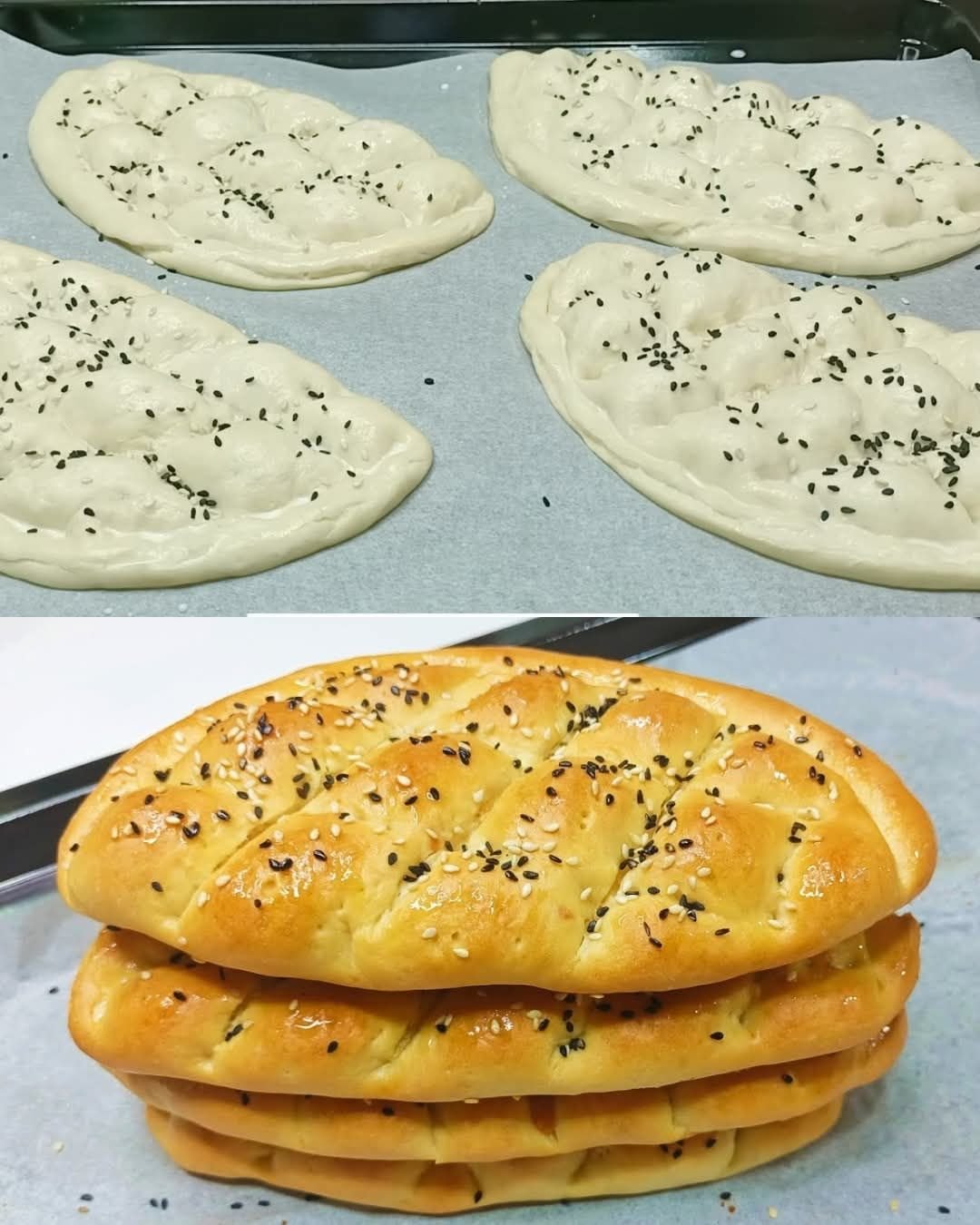
Cheese-Stuffed Flatbread (Quick Yeast Dough)

Cheese-Stuffed Flatbread (Quick Yeast Dough)

Soft baked flatbreads filled with melted cheese, prepared with a simple yeast dough and baked until lightly golden.


Preparation Overview

  • Preparation time: 15 minutes

  • Resting time: 40 minutes

  • Baking time: 15–20 minutes

  • Total time: About 1 hour 15 minutes

Yield

  • Makes 4 large flatbreads


Ingredients

For the Dough

  • 480 g wheat flour (about 4 cups)

  • 400 ml milk, warm (comfortably warm, not hot)

  • 10 g dry yeast

  • 15 g sugar

  • 20 g olive oil

  • 8 g salt

For the Filling & Topping

  • 200 g mozzarella or cheddar cheese, shredded

  • 1 egg yolk (for brushing)

  • Optional: sesame seeds or nigella seeds

For Handling

  • A small amount of vegetable oil (for greasing the bowl and hands)


Step-by-Step Instructions

1. Prepare the Yeast Mixture

Pour the warm milk into a large mixing bowl. Add the sugar and dry yeast, then stir gently to combine.

Set the bowl aside for 5–10 minutes, until the surface shows light bubbles. This indicates the yeast has activated properly.


2. Form the Dough

Add the olive oil and salt to the milk mixture. Stir briefly.

Gradually add the flour, mixing with a spoon or spatula until a rough dough forms.

Transfer the dough to a clean work surface and knead gently for about 5 minutes, until smooth and flexible.

If the dough feels sticky, lightly oil your hands instead of adding extra flour to maintain a soft texture.


3. Rest the Dough

Lightly grease a bowl with vegetable oil. Place the dough inside and turn it once so the surface is lightly coated.

Cover with a clean cloth and place in a warm, draft-free area. Let it rest for about 30 minutes, or until it has increased in volume.


4. Divide and Fill

Turn the rested dough onto a lightly floured surface and divide it into 4 equal portions. Shape each portion into a smooth ball.

Flatten each ball into a small round disc using your hands or a rolling pin.

Place a portion of shredded cheese in the center of each disc.

Bring the edges of the dough up and over the filling, pinching them together to seal completely.

Gently flatten each filled ball into a thick disc, taking care not to tear the dough.


5. Final Rest and Topping

Line a baking tray with parchment paper and place the shaped flatbreads on it.

Using your fingertips, gently press small indentations across the surface of each disc. This helps maintain an even shape during baking.

Cover and let rest for 10 minutes.

Brush the tops lightly with egg yolk and sprinkle with seeds if desired.


6. Bake

Preheat the oven to 200°C (400°F).

Bake the flatbreads for 15–20 minutes, until evenly baked and lightly golden on top.

Remove from the oven and allow them to cool slightly before serving.


Serving Suggestions

  • Serve warm as a snack or alongside soups and salads

  • Optional: lightly brush with melted butter and sprinkle with chopped parsley before serving


Storage

  • Best enjoyed fresh

  • Leftovers can be stored covered at room temperature for up to 1 day or refrigerated for 2 days

  • Reheat gently in the oven or on a pan before serving


Optional Notes

  • Cheese can be mixed (mozzarella and cheddar together) for balanced flavor

  • Dough can be divided into smaller portions for mini flatbreads

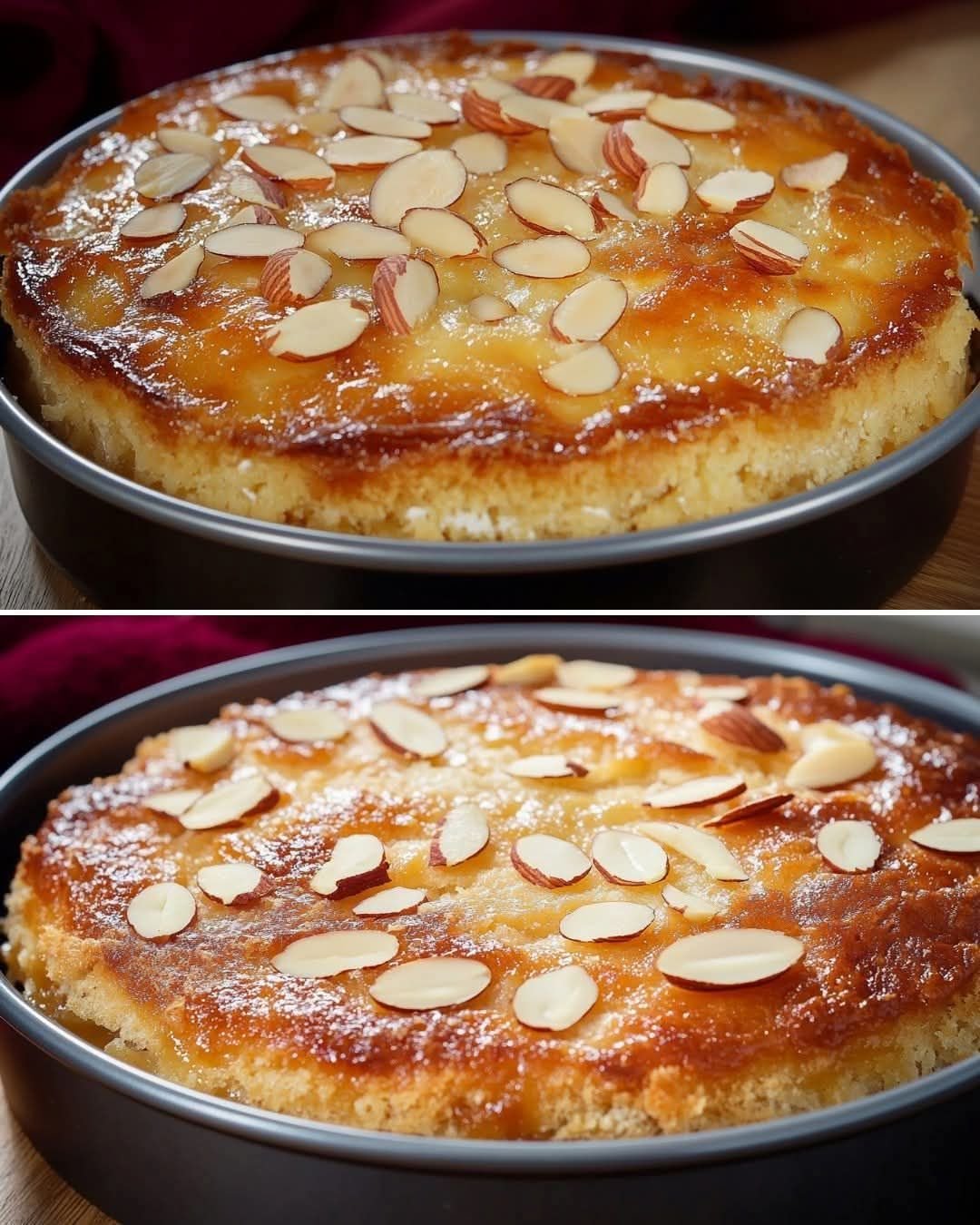
Flourless Almond Carrot Cake (Low-Carb Style)

Flourless Almond Carrot Cake (Low-Carb Style)

A naturally sweetened cake made without wheat flour, using ground almonds and fresh carrots for a moist, gently textured result.


Preparation Overview

  • Preparation time: 15 minutes

  • Baking time: 30–35 minutes

  • Cooling time: 30 minutes

  • Total time: About 1 hour 20 minutes

Yield

  • Makes 8–10 small slices


Ingredients

Base Ingredients

  • 200 g carrots, peeled and finely grated

  • 200 g ground almonds (almond flour)

Wet Ingredients

  • 2 large eggs (room temperature)

  • 2–3 tablespoons honey (adjust to taste)

Leavening & Flavoring

  • 1 teaspoon baking soda

  • 2–3 drops mild vinegar (such as wine or apple vinegar)

  • A small pinch of ground cinnamon

  • A small pinch of salt

Optional Topping

  • Low-fat Greek yogurt or cream cheese, lightly sweetened with honey

  • A light dusting of cocoa powder or finely grated dark chocolate


Step-by-Step Instructions

1. Prepare the Carrots

Peel and finely grate the carrots using a fine grater.

If the carrots release a lot of liquid, gently press them with a paper towel or clean cloth to remove excess moisture. This helps maintain a balanced texture in the finished cake.

Set aside.


2. Mix the Wet Ingredients

In a large mixing bowl, crack in the eggs. Add the honey and salt.

Whisk until the mixture looks smooth and slightly airy. This helps distribute the sweetness evenly throughout the batter.


3. Prepare the Leavening

In a small spoon or cup, combine the baking soda with the vinegar. The mixture will foam briefly.

Immediately add this mixture to the egg mixture and stir gently until combined.


4. Combine All Ingredients

Add the grated carrots and cinnamon to the bowl with the egg mixture. Stir gently.

Gradually fold in the ground almonds, mixing slowly until everything is evenly combined.

The batter should be thick but spreadable. The almonds will absorb moisture as the mixture rests.


5. Prepare for Baking

Preheat the oven to 180°C (350°F).

Line a small square or rectangular baking dish with parchment paper, or lightly grease it.

Transfer the batter into the prepared dish and smooth the surface with a spatula.


6. Bake

Place the dish on the middle rack of the oven.

Bake for 30–35 minutes, or until:

  • The top looks lightly golden

  • A wooden skewer inserted into the center comes out clean

If the top browns too quickly, loosely cover with parchment paper for the remaining baking time.


7. Cooling and Finishing

Remove the cake from the oven and allow it to cool completely in the pan.

Once cooled, spread a thin layer of sweetened Greek yogurt or cream cheese on top, if desired.

Finish with a light sprinkle of cocoa powder, cinnamon, or finely grated dark chocolate.


Serving Suggestions

  • Slice and serve at room temperature or chilled

  • Pairs well with herbal tea, coffee, or almond milk

  • Suitable as a light dessert or afternoon snack


Storage

  • Store covered in the refrigerator for up to 3 days

  • Bring to room temperature before serving for best texture


Optional Notes

  • Honey can be adjusted based on preference

  • Cinnamon may be replaced or combined with nutmeg

  • The cake has a naturally dense texture due to the almond base

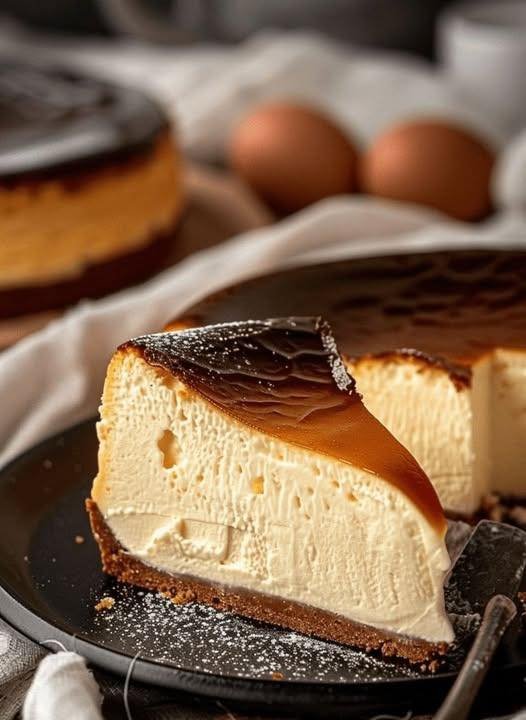
Cottage Cheese Tart with Sour Cream Filling

Cottage Cheese Tart with Sour Cream Filling

A gently baked dessert with a soft, buttery crust and a smooth cottage cheese–sour cream filling. Suitable for dessert, tea time, or light gatherings.


Preparation Overview

  • Preparation time: 20 minutes

  • Resting time (dough): 20 minutes

  • Baking time: 35–45 minutes

  • Cooling & chilling: 2 hours (recommended)

  • Total time: About 3 hours

Yield

  • Serves 8–10 slices


Ingredients

For the Crust

  • 1 large egg (room temperature)

  • 40 g sugar

  • 80 g butter, softened at room temperature

  • 200 g all-purpose flour (about 1½ cups)

  • 1 teaspoon baking powder

  • A small pinch of salt

For the Creamy Filling

  • 400 g cottage cheese (smooth or pressed through a sieve)

  • 200 g sour cream (Greek yogurt may be used as an alternative)

  • 2 large eggs

  • 60 g sugar (adjust to taste)

  • 1 teaspoon vanilla extract

  • 1 tablespoon cornstarch


Step-by-Step Instructions

1. Prepare the Crust Dough

In a medium mixing bowl, add the egg, sugar, and salt. Whisk gently until the mixture becomes pale and well combined.

Add the softened butter and mix until smooth and evenly incorporated. The mixture should look creamy without visible butter pieces.

In a separate bowl, combine the flour and baking powder. Gradually add this to the wet mixture, mixing gently with a spoon or your hands.

Knead lightly just until a soft dough forms. Avoid overmixing, as this helps keep the crust tender rather than firm.

Shape the dough into a flat disc, wrap it, and place it in the refrigerator for 20 minutes. This resting step helps the dough hold its shape during baking.


2. Prepare the Filling

If the cottage cheese has a coarse texture, blend it briefly or press it through a fine sieve until smooth. This step is important for achieving a uniform filling.

In a large bowl, combine the cottage cheese, sour cream, eggs, sugar, vanilla extract, and cornstarch.

Whisk or blend until the mixture is smooth and evenly mixed. The filling should be pourable and free of lumps.


3. Assemble the Tart

Lightly grease a 9-inch (22 cm) springform pan or tart tin.

Remove the chilled dough from the refrigerator. Press it evenly into the bottom of the pan and gently up the sides, forming an edge about 3–4 cm high.

Make sure the base and sides are even in thickness to ensure uniform baking.

Carefully pour the prepared filling into the crust and gently level the surface.


4. Bake the Tart

Preheat the oven to 180°C (350°F).

Place the tart on the center rack and bake for 35–45 minutes.

The crust should turn lightly golden, and the filling should appear set around the edges with a slight softness in the center.


5. Cooling and Setting

Once baked, remove the tart from the oven and allow it to cool completely in the pan at room temperature.

After cooling, refrigerate the tart for at least 2 hours before slicing. This step helps the filling achieve its best texture and makes cutting cleaner and easier.


Serving Suggestions

  • Serve chilled or lightly cool

  • Pairs well with fresh fruit, fruit compote, or a light dusting of powdered sugar

  • Can be served plain or with tea or coffee


Optional Variation

For added flavor, gently place a small handful of blueberries, raspberries, or sliced strawberries over the filling before baking. Press them lightly into the surface without stirring.


Storage

  • Store covered in the refrigerator for up to 3 days

  • Best enjoyed within the first 48 hours for optimal texture

Yeast-Free Savory Cheese & Herb Triangles

Yeast-Free Savory Cheese & Herb Triangles

Soft, pan-cooked or baked cheese-filled bread triangles made without yeast. Ideal for breakfast, tea time, or a light savory snack.

Preparation Time

  • Prep: 15 minutes

  • Resting: 5 minutes

  • Cooking: 10–12 minutes (pan) or 20–25 minutes (oven)

  • Total: About 30–35 minutes

Yield

  • Makes 8 medium triangles


Ingredients

Dairy & Eggs

  • 2 large eggs (room temperature)

  • 90 ml milk (about 1 tea glass)

  • 80 g feta cheese or white cheese, crumbled

  • 80 g cheddar or mozzarella cheese, grated

Fresh Herbs

  • 3 green onions, finely chopped

  • 5–6 sprigs fresh parsley, finely chopped

Dry Ingredients

  • 3 cups all-purpose flour (approximately 360 g)

  • 1 packet baking powder (10 g)

  • 1 teaspoon salt (adjust depending on cheese saltiness)

For Cooking

  • 1–2 tablespoons olive oil or vegetable oil (for greasing the pan or tray)


Step-by-Step Instructions

1. Prepare the Wet Mixture

In a large mixing bowl, crack the eggs and whisk lightly until the yolks and whites are combined. Add the milk and mix until smooth.

Add the crumbled white cheese and grated cheese. Stir gently so the cheeses are evenly distributed throughout the mixture.


2. Add Herbs and Seasoning

Add the finely chopped green onions and parsley to the bowl. Sprinkle in the salt. Mix well to ensure the herbs are spread evenly.


3. Form the Dough

Sift the baking powder into the flour. Add the flour gradually to the bowl, one cup at a time, mixing with a spoon or your hand.

Once the mixture begins to come together, knead gently until a soft, smooth dough forms.

Dough texture guide:

  • If the dough feels sticky, add 1 tablespoon of flour at a time.

  • If the dough feels dry or crumbly, add 1–2 teaspoons of milk.

The dough should be soft and easy to handle, not stiff.


4. Shape the Dough

Lightly flour your work surface. Place the dough on it and gently press or roll it into a round shape about 1 cm (½ inch) thick.

Using a knife or pizza cutter, divide the dough into 8 equal triangles, similar to slicing a pizza.


5. Cooking Options

Pan Method

  • Lightly grease a non-stick pan with oil.

  • Place the triangles in the pan, leaving a little space between them.

  • Cover with a lid and cook over medium-low heat for about 5 minutes.

  • Turn the triangles carefully and cook the other side for another 4–5 minutes until both sides are evenly cooked.

Keep the heat moderate so the inside cooks properly without browning too quickly.

Oven Method

  • Preheat the oven to 180°C (350°F).

  • Line a baking tray with parchment paper or lightly grease it.

  • Arrange the triangles on the tray.

  • Bake for 20–25 minutes, turning once if needed, until cooked through.


6. Serving

Serve warm for the best texture and flavor. These cheese and herb triangles pair well with:

  • Fresh tomatoes or cucumbers

  • Olives

  • Yogurt or labneh

  • A light salad


Helpful Tips

  • You may replace parsley with dill or cilantro if preferred.

  • A small pinch of black pepper or mild paprika can be added for extra flavor.

  • These can be prepared ahead and reheated gently in a pan or oven.


Storage

  • Store leftovers in an airtight container in the refrigerator for up to 2 days.

  • Reheat on a pan over low heat or in the oven until warm.

Nut and Date Bars

Nut and Date Bars

These bars are made from dates, nuts, and seeds. The dates provide binding and mild sweetness, while the nuts and seeds add texture. The mixture is pressed into a pan and chilled until firm before slicing.

Preparation Time

15 minutes

Cooking Time

10 minutes

Chilling Time

1 hour

Total Time

Approximately 1 hour 25 minutes

Yield

About 10–12 bars (depending on size)


Ingredients

  • 150 g dates, pitted and soaked in cold water for 15 minutes

  • 70 g cashews

  • 70 g walnuts

  • 70 g almonds

  • 70 g hazelnuts

  • 70 g pumpkin seeds

  • 40 g pine nuts


Instructions

1. Prepare the Dates

Drain the soaked dates thoroughly.
Place them in a blender or food processor and blend until a thick, smooth paste forms. Set aside.


2. Toast the Nuts and Seeds

Place the cashews, walnuts, almonds, hazelnuts, pumpkin seeds, and pine nuts into a large dry skillet.
Heat over medium heat and toast for 5–8 minutes, stirring frequently to prevent burning, until lightly browned and aromatic.

Remove from the heat and allow to cool slightly. If desired, roughly chop the larger nuts for a more even texture.


3. Combine the Mixture

Transfer the toasted nuts and seeds to a large mixing bowl.
Add the date paste and mix thoroughly using a sturdy spatula or lightly oiled hands until all components are evenly combined.


4. Press Into a Pan

Line a small rectangular pan or loaf tin with parchment paper, leaving excess paper over the edges for easy removal.

Transfer the mixture into the pan and press it down firmly using the back of a spoon or a flat-bottomed glass to create a compact, even layer.


5. Chill and Slice

Place the pan in the refrigerator for at least 1 hour, or until the mixture is firm.
Once set, lift the mixture out using the parchment paper and place it on a cutting board.

Slice into bars or squares using a sharp knife.


Storage Notes

  • Store the bars in an airtight container in the refrigerator for up to 2 weeks.

  • For longer storage, they may be frozen for up to 3 months and thawed as needed.

Lemon Crinkle Biscuits

Lemon Crinkle Biscuits

These lemon-flavored biscuits have a soft interior and a lightly crisp exterior. They are coated in powdered sugar before baking, which creates a cracked surface as they expand in the oven.

Preparation Time

15 minutes

Chilling Time (Optional)

30 minutes

Baking Time

12–15 minutes

Yield

Approximately 20–24 biscuits


Ingredients

Biscuit Dough

  • 2 large eggs, at room temperature

  • 100 g granulated sugar

  • 80 ml neutral vegetable oil (such as sunflower oil)

  • Zest of 1 lemon, finely grated

  • 50 ml freshly squeezed lemon juice

  • 380 g all-purpose flour, sifted

  • 12 g baking powder

  • A small pinch of salt

Coating

  • 80 g powdered sugar, for rolling


Instructions

1. Mix the Wet Ingredients

Place the eggs and granulated sugar in a large mixing bowl. Whisk until the mixture becomes pale and slightly thickened.
Add the oil, lemon juice, and lemon zest. Whisk again until fully combined.


2. Combine the Dry Ingredients

In a separate bowl, mix the flour, baking powder, and salt until evenly distributed.


3. Form the Dough

Gradually add the dry ingredients to the wet mixture. Stir with a spatula or wooden spoon until a soft, slightly sticky dough forms.

If the dough is difficult to handle, cover the bowl and refrigerate for 30 minutes to firm it slightly.


4. Shape and Coat

Preheat the oven to 180°C (350°F). Line a baking tray with parchment paper.

Scoop approximately 1 tablespoon of dough and roll it gently into a ball.
Roll each ball in powdered sugar until fully coated.

Arrange the coated dough balls on the prepared baking tray, leaving space between them.


5. Bake

Bake for 12–15 minutes, or until the biscuits have spread and developed a cracked surface.
The tops should remain light in color, while the bottoms may show slight browning.

Remove from the oven and allow the biscuits to cool on the tray for 5 minutes before transferring to a wire rack.


Storage Notes

  • Store cooled biscuits in an airtight container at room temperature for up to 5 days.

  • The texture remains soft as long as the container is well sealed.

Apple and Cinnamon Oat Breakfast Bake

Apple and Cinnamon Oat Breakfast Bake

This baked oat dish combines apples, cinnamon, eggs, milk, and nuts to create a soft, lightly spiced breakfast option that can be served warm or at room temperature.

Preparation Time

15 minutes

Baking Time

30–35 minutes

Servings

4–6


Ingredients

  • 1 cup (90 g) rolled oats or quick oats

  • 240 ml milk (dairy or unsweetened plant-based milk)

  • 3 medium apples (about 400 g), peeled and cored

  • 2 large eggs

  • 30 g butter, divided

  • 1 teaspoon ground cinnamon

  • 1 teaspoon vanilla extract or a small pinch of vanillin

  • 1 cup (100 g) chopped nuts (walnuts, almonds, or pecans)

  • ½ cup (75 g) blueberries (optional)

  • A small pinch of salt


Instructions

1. Soak the Oats

Place the oats in a mixing bowl and pour in the milk. Stir until evenly combined.
Allow the mixture to rest for 10 minutes so the oats absorb the liquid and soften.


2. Prepare the Apples

Cut the peeled and cored apples into small pieces.
Transfer them to a blender or food processor and pulse until a thick, slightly textured puree forms. Do not overblend; a small amount of texture is desirable.


3. Mix the Batter

Melt 1 tablespoon of the butter and allow it to cool slightly.
Add the apple puree, eggs, vanilla extract, cinnamon, salt, and melted butter to the soaked oats.
Stir until all ingredients are evenly incorporated.


4. Add Nuts and Fruit

Fold in the chopped nuts and blueberries, if using. Mix gently to distribute them evenly throughout the batter.


5. Prepare the Baking Dish

Preheat the oven to 180°C (350°F).
Use the remaining 1 tablespoon of butter to grease a medium-sized baking dish.

Pour the batter into the prepared dish and smooth the surface.


6. Bake

Bake for 30–35 minutes, or until the center is set and the top is lightly browned.
Remove from the oven and allow to rest for 5–10 minutes before serving.


Helpful Notes

  • For a smoother texture, the apples can be grated instead of blended.

  • The bake firms up as it cools, making it easier to slice.

  • Store leftovers in an airtight container in the refrigerator for up to 3 days.

Orange Oat Muffins

Orange Oat Muffins

These muffins are made with oats, fresh orange juice, and eggs, resulting in a moist and lightly citrus-flavored baked product. They are suitable for breakfast or as a small snack.

Preparation Time

10 minutes

Baking Time

20–25 minutes

Yield

6–8 muffins


Ingredients

  • 1 large orange (zest and juice)

  • 1½ cups (120 g) oat flakes (quick oats or rolled oats)

  • 1 cup (240 ml) water or unsweetened plant-based milk

  • 2 large eggs

  • 1 teaspoon baking powder

  • 1 teaspoon vanilla extract (optional)

  • A small pinch of salt

Optional Add-ins

  • Raisins

  • Chopped nuts


Instructions

1. Prepare the Orange

Wash the orange thoroughly. Finely grate approximately 1 tablespoon of the outer zest, avoiding the white pith underneath.
Cut the orange in half and squeeze out the juice. Remove any seeds.


2. Soak the Oats

Place the oat flakes in a large mixing bowl.
Add the freshly squeezed orange juice and the water (or plant-based milk).
Stir well and let the mixture rest for 10 minutes, allowing the oats to absorb liquid and soften.


3. Mix the Batter

Add the eggs, orange zest, baking powder, vanilla extract (if using), and salt to the soaked oats.
Stir until the eggs are fully incorporated and the batter is evenly mixed.
If using raisins or nuts, fold them in gently at this stage.


4. Prepare the Muffin Pan

Preheat the oven to 180°C (350°F).
Line a muffin tin with paper or silicone liners, or lightly grease the cups.

Divide the batter evenly among the muffin cups, filling them almost to the top.


5. Bake

Place the muffin tin in the preheated oven and bake for 20–25 minutes, or until the tops are set and lightly colored.
Allow the muffins to cool in the pan for a few minutes before transferring them to a wire rack.


Helpful Notes

  • For a finer texture, the oats can be blended briefly before soaking.

  • The flavor depends on the natural sweetness of the orange used.

  • Store baked muffins in an airtight container in the refrigerator for up to 3 days.

Banana Chocolate Oat Cake

Banana Chocolate Oat Cake

This baked oat-based cake combines bananas, yogurt, cocoa, and chocolate for a soft, dense texture. It is suitable for a small baking dish and can be served warm or at room temperature.

Preparation Time

10 minutes

Baking Time

35–40 minutes

Yield

1 small square or rectangular cake (8–10 slices)


Ingredients

  • 2 ripe bananas, mashed

  • ¾ cup (70 g) oat flakes

  • ½ cup (150 g) plain or Greek yogurt

  • ¼ cup (50 g) condensed milk

  • 3 tablespoons unsweetened cocoa powder

  • 1 teaspoon baking powder

  • 40 g (1.4 oz) chocolate, chopped or chocolate chips

  • Walnuts, roughly chopped (optional)


Instructions

1. Prepare the Wet Mixture

Place the bananas in a medium mixing bowl and mash thoroughly with a fork until mostly smooth.
Add the yogurt and condensed milk. Stir until the mixture is evenly combined and creamy in consistency.


2. Add the Dry Ingredients

Add the oat flakes, cocoa powder, and baking powder to the bowl.
Mix gently with a spatula until the batter is evenly blended and no dry cocoa remains.


3. Incorporate the Chocolate and Nuts

Fold in about half of the chopped chocolate and walnuts, if using.
Mix just until distributed to avoid overworking the batter.


4. Prepare the Baking Dish

Preheat the oven to 180°C (350°F).
Line a small square or rectangular baking dish with parchment paper or lightly grease it.

Pour the batter into the prepared dish and spread it evenly.
Scatter the remaining chocolate and walnuts over the surface.


5. Bake

Place the dish in the preheated oven and bake for 35–40 minutes, or until the edges are set and a toothpick inserted into the center comes out mostly clean with a few moist crumbs.


6. Cool and Serve

Remove the cake from the oven and allow it to cool in the pan for at least 15 minutes before slicing. This resting time helps the oats firm up and improves the final texture.


Helpful Notes

  • For a smoother texture, the oats can be blended briefly before mixing.

  • The cake will become firmer as it cools.

  • Store leftovers in an airtight container in the refrigerator for up to 3 days.

Chocolate Oat Banana Cake

Chocolate Oat Banana Cake

This baked chocolate oat cake uses oats, bananas, eggs, and cocoa powder to create a soft, moist texture without refined sugar. The natural sweetness comes from ripe bananas, while the oats provide structure and body.

Preparation Time

10 minutes

Soaking Time

15 minutes

Baking Time

35–40 minutes

Yield

1 small cake (8–10 slices, depending on size)


Ingredients

  • 120 g oat flakes (about ¾ cup + 1 tablespoon)

  • 200 ml hot milk (dairy milk or unsweetened plant-based milk such as almond or oat)

  • 2 large eggs

  • 2 ripe bananas, mashed

  • 40 g unsweetened cocoa powder (approximately 3–4 tablespoons)

  • 1 teaspoon baking powder

  • A small pinch of salt

Optional Toppings

  • Chopped walnuts

  • Melted dark chocolate (70% cocoa or higher)


Instructions

1. Soak the Oats

Place the oat flakes in a large heat-resistant bowl. Pour the hot milk over the oats and stir well.
Allow the mixture to rest for 15 minutes, stirring once or twice. This step softens the oats and helps create a smoother cake texture after baking.


2. Prepare the Banana and Egg Mixture

In a separate bowl, mash the bananas thoroughly using a fork until mostly smooth.
Add the eggs and whisk until the mixture is fully combined and slightly frothy.


3. Combine the Batter

Add the soaked oats (including any remaining liquid) to the banana and egg mixture.
Sift in the cocoa powder and baking powder, then add the salt.
Mix gently but thoroughly with a spatula until the batter is evenly blended and has a uniform chocolate color. Avoid overmixing.


4. Prepare the Baking Dish

Preheat the oven to 180°C (350°F).
Line a small square or rectangular baking dish with parchment paper, or lightly grease it with a small amount of oil.


5. Bake

Pour the batter into the prepared dish and spread it evenly.
If using toppings, sprinkle chopped walnuts or small pieces of dark chocolate over the surface.

Bake for 35–40 minutes, or until the center is set and a toothpick inserted into the middle comes out mostly clean with a few moist crumbs.


6. Cool and Finish

Remove the cake from the oven and allow it to cool completely in the pan.
If desired, drizzle melted dark chocolate over the cooled cake before slicing.


Helpful Notes

  • The sweetness of this cake depends on the ripeness of the bananas; bananas with brown spots provide the best flavor.

  • For a finer texture, the soaked oats can be blended briefly before mixing with the other ingredients.

  • Store leftovers in an airtight container in the refrigerator for up to 3 days.

Warm Citrus Marinated Olives

Warm Citrus Marinated Olives

Prep time: 5 mins | Cook time: 10 mins | Serves: 4–6

Ingredients

  • Olives: 2 cups mixed green olives (Castelvetrano are best for that buttery texture seen in the photo).

  • Citrus: 3 large strips of orange peel and 2 strips of lemon peel (use a vegetable peeler, avoiding the white bitter pith).

  • Oil: 1/2 cup high-quality extra virgin olive oil.

  • Aromatics: 3 cloves of garlic (thinly sliced) and 1/2 tsp red pepper flakes (adjust for heat).

  • Herbs: 4–5 sprigs of fresh thyme and 1 sprig of rosemary.

  • Finishing: A pinch of flaky sea salt and a squeeze of fresh orange juice.

Instructions

  1. Prep the Olives: Drain your olives from their brine and pat them dry with a paper towel. This ensures the oil sticks to them rather than sliding off.

  2. Infuse the Oil: In a small saucepan or skillet, combine the olive oil, orange and lemon peels, sliced garlic, thyme, and red pepper flakes.

  3. Heat Gently: Place the pan over low heat. You want the oil to shimmer and the garlic to just barely begin to sizzle (about 3–5 minutes). Do not let the garlic brown, or it will taste bitter.

  4. Marinate: Add the olives to the warm oil. Stir gently to coat. Keep them on the low heat for another 5 minutes to allow the olives to warm through and absorb the citrus oils.

  5. Serve: Remove from heat. Add a tiny squeeze of fresh orange juice and a sprinkle of flaky salt. Serve them warm in a shallow bowl, just like in your photo.


Pro Tips for the Best Flavor

  • Crush the Olives: Use the side of a knife to gently “smash” a few of the olives before marinating. This allows the flavored oil to get inside the olive.

  • Make Ahead: While great warm, these are even better the next day! If you store them in the fridge, the oil will solidify; just bring them back to room temperature or warm them slightly before serving.

  • The Leftover Oil: Do not throw away the oil once the olives are

Caramel & Chocolate Shortbread Cookies

Caramel & Chocolate Shortbread Cookies

These cookies consist of a tender shortbread-style base topped with a soft caramel layer and finished with a smooth chocolate coating. Each component is prepared separately and assembled after baking for the best texture and appearance.

Preparation Time: 20 minutes
Baking Time: 10–12 minutes
Cooling & Setting Time: 30–40 minutes
Yield: About 24 cookies
Oven Temperature: 350°F (175°C)


Ingredients

Cookie Base

  • 1 cup (226 g) unsalted butter, softened to room temperature

  • ½ cup (100 g) granulated sugar

  • 2 cups (250 g) all-purpose flour

  • 1 teaspoon vanilla extract

  • ¼ teaspoon salt

Caramel Layer

  • 11 oz (310 g) soft caramel candies, unwrapped

  • 2 tablespoons heavy cream

Chocolate Layer

  • 1½ cups milk chocolate chips

  • 1 tablespoon coconut oil or unsalted butter


Step-by-Step Instructions

1. Prepare the Oven and Baking Sheet

  • Preheat the oven to 350°F (175°C).

  • Line a large baking sheet with parchment paper or a silicone baking mat.

  • Set aside.


2. Make the Cookie Dough

  • In a large mixing bowl, combine the softened butter and granulated sugar.

  • Beat with a hand mixer or stand mixer on medium speed until smooth and well blended.

  • Add the vanilla extract and mix briefly.

  • Gradually add the flour and salt, mixing on low speed or by hand until a soft dough forms.

  • The dough should be smooth and pliable, not sticky.


3. Shape the Cookies

  • Roll the dough into balls about 1 inch (2.5 cm) in diameter.

  • Place them on the prepared baking sheet, spacing them about 2 inches apart.

  • Press a shallow indentation into the center of each cookie using your thumb or the back of a small spoon.


4. Bake

  • Bake for 10–12 minutes, or until:

    • The edges are lightly golden

    • The centers remain pale

  • Remove from the oven and allow the cookies to rest on the baking sheet for 5 minutes.

  • Transfer to a wire rack and cool completely before adding toppings.


5. Prepare the Caramel

  • Place the unwrapped caramels and heavy cream in a microwave-safe bowl.

  • Heat in 30-second intervals, stirring well after each interval.

  • Continue until the mixture is fully melted and smooth.


6. Add the Caramel Layer

  • Spoon a small amount of melted caramel into the center indentation of each cooled cookie.

  • Allow the caramel to sit at room temperature for 15–20 minutes, until slightly firm.


7. Melt the Chocolate

  • In a clean microwave-safe bowl, combine the chocolate chips and coconut oil (or butter).

  • Heat in 30-second intervals, stirring frequently, until smooth and fully melted.


8. Finish the Cookies

  • Spoon melted chocolate over the caramel layer on each cookie.

  • Gently spread to cover the caramel evenly.

  • Allow the chocolate to set at room temperature, or refrigerate for 15 minutes to speed up the process.


Helpful Tips

  • Caramel Choice: Use soft caramel candies for easy melting and a tender texture.

  • Cooling Matters: Cookies must be fully cooled before adding caramel to prevent spreading.

  • Chocolate Finish: Coconut oil or butter helps the chocolate spread smoothly and set evenly.

  • Uniform Size: Evenly sized cookies bake and assemble more consistently.


Storage

  • Store cookies in an airtight container at room temperature for up to 5 days.

  • In warmer environments, refrigeration is recommended.

  • Separate layers with parchment paper to prevent sticking.

Classic Sponge Cake

Classic Sponge Cake

A light, airy cake made with whipped eggs and minimal fat

This sponge cake relies on properly beaten eggs to create structure and volume. The result is a soft, fine-crumb cake that can be served plain or paired with fruit, cream, or light glazes.

Prep Time: 15 minutes
Bake Time: 30–35 minutes
Cooling Time: 15 minutes
Servings: 8–10
Pan Size: 8-inch (20 cm) square or round pan
Oven Temperature: 325°F (165°C)


Ingredients

  • 4 large eggs, room temperature

  • ¾ cup (150 g) granulated sugar

  • ¾ cup (90 g) cake flour, sifted

  • ¼ teaspoon salt

  • 1 teaspoon vanilla extract

  • 2 tablespoons milk, warm (optional, for extra moisture)


Step-by-Step Instructions

1. Prepare the Pan and Oven

  • Preheat the oven to 325°F (165°C).

  • Line the bottom of the baking pan with parchment paper.

  • Do not grease the sides; this helps the cake rise evenly.


2. Whip the Eggs and Sugar

  • In a large heat-safe bowl, combine the eggs and granulated sugar.

  • Place the bowl over a pot of gently simmering water.

  • Whisk constantly until the mixture is warm to the touch (about 100–105°F / 38–40°C).
    This helps the eggs whip to a higher volume.

  • Remove from heat and beat with an electric mixer on high speed for 5–7 minutes, until:

    • The mixture becomes pale

    • It triples in volume

    • It forms thick ribbons when lifted


3. Add Flavoring

  • Gently mix in the vanilla extract.

  • If using milk, stir it in carefully at this stage.


4. Fold in Dry Ingredients

  • Sift the cake flour and salt together.

  • Add the dry ingredients in 2–3 additions, folding gently with a spatula.

  • Use a light hand and a folding motion to avoid deflating the batter.


5. Transfer to Pan

  • Pour the batter into the prepared pan.

  • Smooth the top gently.

  • Tap the pan lightly once to release large air bubbles.


6. Bake

  • Bake in the center of the oven for 30–35 minutes, or until:

    • The top is lightly golden

    • The cake springs back when touched

    • A toothpick inserted in the center comes out clean


7. Cool

  • Remove the cake from the oven.

  • Let it cool in the pan for 10–15 minutes.

  • Run a knife around the edges and turn out onto a wire rack to cool completely.


Serving Suggestions

  • Slice and serve plain with tea or coffee

  • Dust lightly with powdered sugar

  • Serve with fruit and whipped cream

  • Use as a base for layered or filled cakes


Helpful Tips

  • Room-Temperature Eggs: Essential for proper volume.

  • Gentle Folding: Prevents the batter from losing air.

  • Accurate Measuring: Use spoon-and-level method for flour.

  • Pan Size: A deeper pan may require a slightly longer bake time.

Hash Brown Breakfast Casserole

Hash Brown Breakfast Casserole

A make-ahead baked dish with potatoes, sausage, eggs, and cheese

This baked breakfast casserole combines shredded potatoes, cooked sausage, eggs, and cheese into a single dish that can be assembled ahead of time and baked when needed. It works well for family breakfasts, guests, or occasions where advance preparation is helpful.

Prep Time: 20 minutes
Bake Time: 45–55 minutes
Optional Chill Time: Up to 24 hours
Servings: 8–10
Pan Size: 9 × 13 inch (23 × 33 cm)


Ingredients

Main Ingredients

  • 1 lb (450 g) frozen hash browns, thawed
    (shredded or diced both work)

  • 1 lb (450 g) breakfast sausage

  • 8 large eggs

  • 1½ cups milk (whole or 2%)

  • 2 cups shredded cheese
    (cheddar, Colby-Jack, or a blend)

Seasonings

  • 1 teaspoon salt

  • ½ teaspoon black pepper

  • ½ teaspoon garlic powder (optional)

  • ½ teaspoon onion powder (optional)

Optional Add-Ins

  • ½ cup chopped bell peppers

  • ¼ cup finely chopped onion

  • ½ cup cooked mushrooms

  • ¼ teaspoon paprika or dried herbs


Step-by-Step Instructions

1. Prepare the Pan

  • Lightly grease a 9×13 inch baking dish with oil or butter.

  • Set aside.


2. Cook the Sausage

  • Heat a skillet over medium heat.

  • Add the sausage and cook, breaking it into small pieces.

  • Cook until fully browned and no longer pink.

  • Drain excess fat and let cool slightly.


3. Layer the Hash Browns

  • Spread the thawed hash browns evenly across the bottom of the prepared baking dish.

  • Press lightly to form an even layer.


4. Add Sausage and Cheese

  • Sprinkle the cooked sausage evenly over the potatoes.

  • Spread 1½ cups of the shredded cheese over the sausage layer.


5. Mix the Egg Custard

  • In a large bowl, whisk together:

    • Eggs

    • Milk

    • Salt

    • Pepper

    • Optional seasonings

  • Whisk until fully blended and smooth.


6. Assemble the Casserole

  • Pour the egg mixture evenly over the layered ingredients.

  • Gently tap the dish on the counter to help the mixture settle.

  • Sprinkle the remaining ½ cup cheese evenly over the top.


7. Bake or Chill

To bake immediately:

  • Preheat oven to 350°F (175°C).

  • Bake uncovered for 45–55 minutes, until:

    • Center is set

    • Top is lightly golden

    • A knife inserted in the center comes out clean

To prepare ahead:

  • Cover tightly and refrigerate for up to 24 hours.

  • When ready to bake, remove from the refrigerator 15–20 minutes before baking.

  • Bake as directed, adding 5–10 minutes if needed.


8. Rest and Serve

  • Let the casserole rest for 10 minutes before slicing.

  • Cut into squares and serve warm.


Helpful Tips

  • Even Cooking: Thaw and drain hash browns well to avoid excess moisture.

  • Cheese Choices: A mix of sharp and mild cheese adds balanced flavor.

  • Clean Slices: Use a sharp knife and wipe between cuts.

  • Pan Depth: A deeper dish may need slightly longer baking time.


Storage

  • Refrigerate leftovers in a covered container for up to 3 days.

  • Reheat individual portions in the oven or microwave.

  • Freezing is possible, though texture may soften slightly after reheating.

Soft & Thick Chocolate Chip Cookies

Soft & Thick Chocolate Chip Cookies

These cookies are designed to bake up thick with soft centers and lightly crisp edges. The method of dissolving baking soda in warm water helps control spread and improves texture, while the full amount of brown sugar supports moisture and structure.

Prep Time: 15 minutes
Bake Time: 10–12 minutes
Yield: About 24 cookies
Oven Temperature: 350°F (175°C)


Ingredients

  • 1 cup (226 g) unsalted butter, softened

  • 1 cup granulated sugar

  • 1 cup packed brown sugar

  • 2 large eggs, room temperature

  • 2 teaspoons vanilla extract

  • 1 teaspoon baking soda

  • 2 teaspoons hot water

  • ½ teaspoon salt

  • 3 cups all-purpose flour, spooned and leveled

  • 2 cups semi-sweet chocolate chips

  • 1 cup chopped walnuts (optional)


Step-by-Step Instructions

1. Prepare the Oven and Pans

  • Preheat the oven to 350°F (175°C).

  • Line baking sheets with parchment paper or silicone baking mats.

  • Set aside.


2. Cream Butter and Sugars

  • In a large mixing bowl, add the softened butter, granulated sugar, and brown sugar.

  • Beat with a hand mixer or stand mixer on medium speed until the mixture is light, smooth, and evenly blended (about 2–3 minutes).


3. Add Eggs and Vanilla

  • Add the eggs one at a time, mixing well after each addition.

  • Stir in the vanilla extract until fully combined.


4. Prepare the Baking Soda Mixture

  • In a small bowl, dissolve the baking soda completely in the hot water.

  • Add this mixture to the dough along with the salt.

  • Mix gently until incorporated.


5. Add the Flour

  • Gradually add the flour to the bowl.

  • Mix on low speed or by hand just until no dry flour remains.

  • Avoid overmixing to maintain a soft texture.


6. Fold in Add-Ins

  • Gently fold in the chocolate chips and walnuts (if using) using a spatula.


7. Portion the Dough

  • Scoop dough in portions of about 2 tablespoons.

  • Place cookies about 2½ inches apart on the prepared baking sheets.


8. Bake

  • Bake for 10–12 minutes, or until:

    • Edges are lightly golden

    • Centers appear soft but set


9. Cool

  • Allow cookies to rest on the baking sheet for 5 minutes.

  • Transfer to a wire rack to cool completely.


Storage Tips

  • Store in an airtight container at room temperature for up to 4 days.

  • Dough may be refrigerated for up to 48 hours before baking.

Cherry Cheesecake Lush (No-Bake Layered Dessert)

Cherry Cheesecake Lush (No-Bake Layered Dessert)

A classic no-bake layered dessert made with a buttery graham cracker base, a smooth cream cheese filling, a fruit layer, and a light whipped topping. This dessert is easy to assemble, sets beautifully in the refrigerator, and is ideal for gatherings or make-ahead occasions.

Preparation Time: 20 minutes
Chilling Time: Minimum 4 hours (overnight recommended)
Servings: 12–15 portions
Pan Size: 9 × 13 inch (23 × 33 cm)


Ingredients

For the Crust

  • 1½ cups graham cracker crumbs (about 10–12 full sheets, finely crushed)

  • ⅓ cup granulated sugar

  • 6 tablespoons unsalted butter, melted and slightly cooled

For the Cream Cheese Layer

  • 8 oz (225 g) cream cheese, fully softened to room temperature

  • 1 cup powdered sugar, sifted

  • 1 cup whipped topping or freshly whipped cream (stiff peaks)

For the Fruit Layer

  • 21 oz (about 600 g) cherry pie filling (1 standard can)

For the Top Layer

  • 2 cups whipped topping or lightly sweetened whipped cream

Optional Garnish

  • Extra graham cracker crumbs

  • Finely chopped nuts (such as pecans or walnuts)


Step-by-Step Instructions

1. Prepare the Crust

  1. Place the graham cracker crumbs into a medium mixing bowl.

  2. Add the granulated sugar and stir until evenly mixed.

  3. Pour in the melted butter and mix until all crumbs are evenly coated and the mixture holds together when pressed.

  4. Transfer the mixture to a 9×13 inch glass or ceramic baking dish.

  5. Press firmly and evenly into the bottom of the dish using the back of a spoon or the bottom of a measuring cup.

  6. Place the dish in the freezer for 10 minutes to help the crust firm while preparing the filling.


2. Make the Cream Cheese Layer

  1. In a large bowl, add the softened cream cheese.

  2. Beat using a hand mixer or stand mixer on medium speed until completely smooth and free of lumps.

  3. Gradually add the powdered sugar and continue mixing until fully combined and creamy.

  4. Gently fold in 1 cup of whipped topping (or whipped cream) using a spatula.

    • Use slow, gentle motions to keep the mixture light and smooth.


3. Assemble the Layers

  1. Remove the crust from the freezer.

  2. Spoon the cream cheese mixture evenly over the crust.

  3. Spread carefully to the edges using an offset spatula or the back of a spoon.

  4. Add the cherry filling on top of the cream layer.

  5. Spread gently so the fruit is evenly distributed without pressing down.

  6. Add the remaining 2 cups of whipped topping over the cherry layer.

  7. Smooth the surface or create light swirls for a neat finish.


4. Chill

  1. Cover the dish tightly with plastic wrap or a lid.

  2. Refrigerate for at least 4 hours.

    • Overnight chilling is recommended for the cleanest slices and best texture.


5. Garnish and Serve

  1. Just before serving, sprinkle with extra graham cracker crumbs or chopped nuts if desired.

  2. Slice into squares using a sharp knife.

  3. For neat layers, wipe the knife clean between cuts.


Helpful Tips

  • Room-Temperature Cream Cheese: This ensures a smooth filling with no lumps.

  • Homemade Whipped Cream Option:
    Beat 1½ cups cold heavy cream with 3 tablespoons powdered sugar until stiff peaks form.

  • Even Layers: Chill briefly between layers if your kitchen is warm.

  • Serving Temperature: Serve well-chilled for best structure.

🌿 Morning Vitality Spice Tea

🌿 Morning Vitality Spice Tea

A soothing herbal infusion to support digestion, ease stiffness, and awaken the body gently.

Prep Time: 2 minutes
Cook Time: 10 minutes
Yield: 1 large mug or 2 small cups


🫖 Ingredients

  • 2 cups filtered water

  • 3–4 thin slices fresh ginger root, peeled

  • 1 whole cinnamon stick (Ceylon cinnamon recommended for regular use)

  • 4–5 whole cloves

  • 2–3 dried bay leaves

Optional (add after simmering):

  • A squeeze of fresh lemon

  • ½ teaspoon raw honey


🔥 Instructions

  1. Prepare the Spices
    Lightly bruise the ginger slices using the flat side of a knife to release their natural juices. If possible, snap the cinnamon stick in half to expose more aroma and flavor.

  2. Boil Gently
    Add the water, ginger, cinnamon, cloves, and bay leaves to a small saucepan. Bring to a gentle boil.

  3. Simmer
    Reduce the heat to low and cover the pot. Let the tea simmer for 8–10 minutes. Covering helps retain the natural aroma and flavor of the spices.

  4. Strain and Serve
    Strain the tea into your favorite mug. Allow it to cool slightly so it is comfortably warm.

  5. Morning Ritual
    Sip slowly on an empty stomach, 15–20 minutes before breakfast, to gently awaken digestion and support a calm start to the day.


🌱 Why These Spices Are Traditionally Valued

  • Ginger: Traditionally used to support digestion and reduce feelings of heaviness.

  • Cinnamon: Known for its warming nature and ability to support steady energy levels.

  • Cloves: Naturally rich in protective plant compounds and valued for overall wellness.

  • Bay Leaves: Commonly used to soothe the stomach and support digestive comfort.


⚠️ Gentle Use Note

This tea is made with warming spices. If you are sensitive to strong spices, start with a shorter simmer time or fewer spices. If you are pregnant, managing a medical condition, or taking long-term medication, enjoy in moderation and follow your healthcare provider’s guidance.


🌞 Optional Variations

  • Add fennel seeds (½ tsp) for extra digestive comfort

  • Add turmeric (a pinch) for warmth and color

  • Enjoy chilled later in the day as a light herbal infusion

Baked Oatmeal Apple Circles

Baked Oatmeal Apple Circles

Naturally Sweet • Soft-Baked • Simple Ingredients

These apple oatmeal circles are lightly sweet, tender, and satisfying. Made with oats, almonds, and fresh apples, they’re ideal as a breakfast bite, snack, or light dessert—and they store well for easy planning ahead.

Prep Time: 15 minutes
Bake Time: 20–25 minutes
Yield: 6–8 circles


Ingredients

  • 1 cup (90 g) rolled oats or quick oats

  • 50 g raw almonds (about ½ cup)

  • 2 large apples, peeled and cut into chunks

  • 50 ml water (about 3 tablespoons)

  • ½ teaspoon vanilla extract (or a small pinch of vanillin)

  • Optional: a light sprinkle of cinnamon


Step-by-Step Instructions

1. Make the Dry Base

Add the oats and almonds to a blender or food processor.

Blend until the mixture becomes fine and flour-like, with no large pieces remaining.

Transfer this dry mixture to a mixing bowl and set aside.


2. Prepare the Apple Purée

Without washing the blender, add the apple chunks, water, and vanilla extract.

Blend until the mixture becomes smooth and pourable, similar to applesauce.

This purée provides natural sweetness and moisture.


3. Combine and Rest

Pour the apple purée into the bowl with the oat–almond mixture.

Stir until a thick, soft dough forms.

Let the mixture rest for about 5 minutes.
This allows the oats to absorb moisture and makes the dough easier to shape.


4. Shape the Circles

Preheat the oven to 180°C (350°F).

Line a baking tray with parchment paper.

Scoop about 2 tablespoons of dough onto the tray for each piece.

Gently flatten into a round disc about ½ inch (1–1.5 cm) thick.

Using your finger or the handle of a wooden spoon, press a small hole into the center to form a ring shape.

If using cinnamon, lightly sprinkle it over the tops.


5. Bake

Place the tray in the preheated oven.

Bake for 20–25 minutes, until:

  • The circles feel set to the touch

  • The bottoms are lightly golden

Remove from the oven and let them cool completely on the tray.
They will become firmer as they cool.


Helpful Tips for Best Results

  • Apple Variety: Naturally sweet apples (such as Gala or Fuji) give the best flavor without added sweeteners.

  • Optional Sweetness: If you prefer a sweeter treat, add 1 tablespoon honey or maple syrup to the apple purée before mixing.

  • Texture Choice: For extra texture, sprinkle a few chopped almonds on top before baking.

  • Cooling Time: Allow full cooling for the best structure and easy handling.

Homemade Mussel-Shaped Butter Bread

Homemade Mussel-Shaped Butter Bread

Soft Crumb • Rich Buttery Flavor • Beautiful Golden Finish

This tender bread is light, fluffy, and delicately shaped to resemble a shell. It’s perfect for breakfast, sandwiches, or serving warm with butter and tea.

Prep Time: 20 minutes
Rising Time: About 1½ hours
Bake Time: 20–30 minutes
Yield: 2 small loaves or 10–12 rolls


Ingredients

  • 80 g butter, melted and slightly cooled

  • 500 g bread flour (about 4 cups)

  • 250 ml warm milk (comfortably warm to the touch)

  • 1 large egg, at room temperature

  • 2 tablespoons granulated sugar

  • 7 g dry yeast (1 standard packet)

  • 1 teaspoon salt

For the Topping

  • 1 egg yolk

  • 1 tablespoon milk


Step-by-Step Instructions

1. Activate the Yeast

Pour the warm milk into a large mixing bowl.

Add the sugar and dry yeast, then whisk gently to combine.

Let the mixture rest for 5–10 minutes, until it looks foamy and slightly bubbly.
This shows the yeast is active and ready.


2. Mix the Dough

Add the melted butter, egg, and salt to the yeast mixture. Stir until well blended.

Gradually add the bread flour, mixing with a spoon or spatula until a soft, shaggy dough forms.

Once the dough begins to come together, it’s ready for kneading.


3. Knead and First Rise

Transfer the dough to a lightly floured surface.

Knead for 8–10 minutes, pushing the dough away with the heel of your hand, then folding it back over itself.

The dough should become smooth, stretchy, and pleasant to handle.

Place the dough in a lightly greased bowl, turning once to coat the surface.

Cover with a clean cloth and let it rest in a warm place for about 1 hour, or until it has noticeably increased in size.


4. Shape the Bread

Gently press the dough to release excess air.

Divide it into 2 equal portions for small loaves, or into smaller pieces if making rolls.

For the mussel (shell) shape:

  • Roll each piece into a ball

  • Flatten gently into an oval

  • Fold one side over the other to create a layered shell look

Place the shaped dough on a lined baking tray or into greased pans.

Cover lightly and let rest for 30 minutes, allowing the shapes to puff slightly.


5. Bake

Preheat your oven to 180°C (350°F).

Mix the egg yolk with 1 tablespoon of milk.

Brush the tops of the bread gently with this mixture to give a glossy, golden finish.

Bake:

  • 25–30 minutes for loaves

  • 15–20 minutes for rolls

The bread is ready when the tops are golden and the loaf feels light when lifted.


6. Cool and Serve

Remove the bread from the pans promptly and place on a wire rack.

Allow it to cool slightly before slicing to keep the texture soft and even.


Helpful Tips for Best Results

  • Milk Temperature: Milk should feel warm but comfortable to the touch to support yeast activity.

  • Butter Choice: A good-quality butter adds extra richness and softness to the crumb.

  • Even Baking: If the top browns too quickly, loosely cover with foil for the final minutes.

  • Storage: Store at room temperature in a sealed container for up to 2 days, or freeze once fully cooled.


Serving Ideas

This bread is delicious:

  • Warm with butter or honey

  • As sandwich bread

  • Served alongside soups or stews

  • Lightly toasted the next day