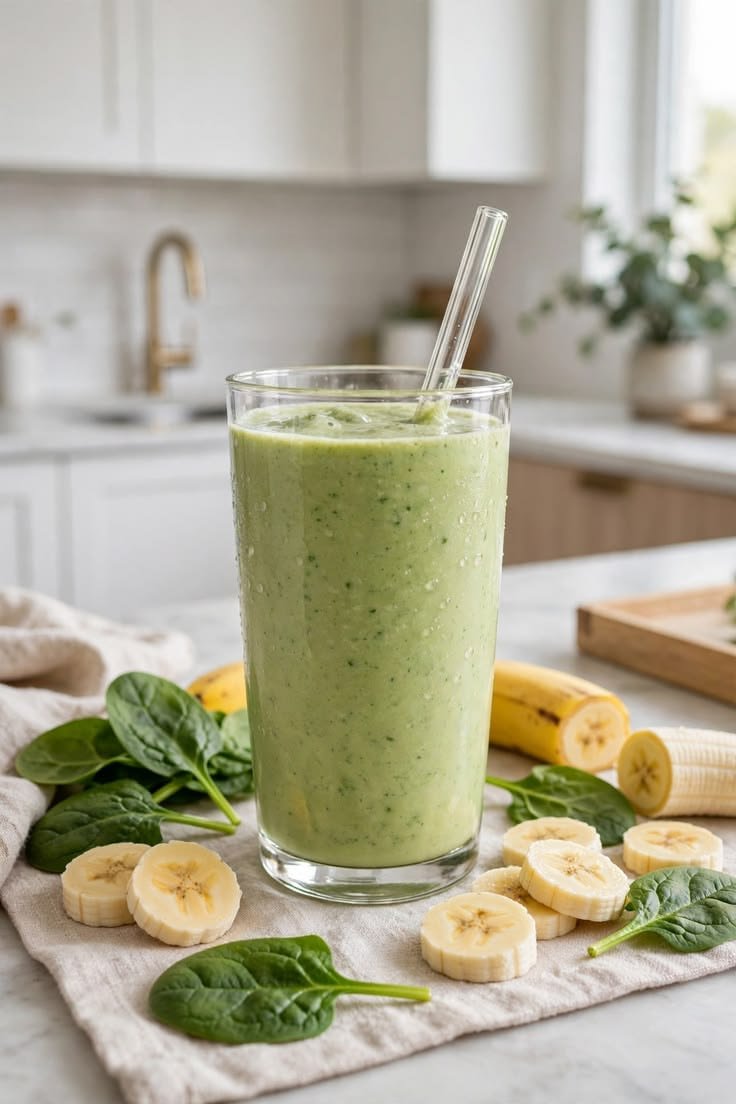
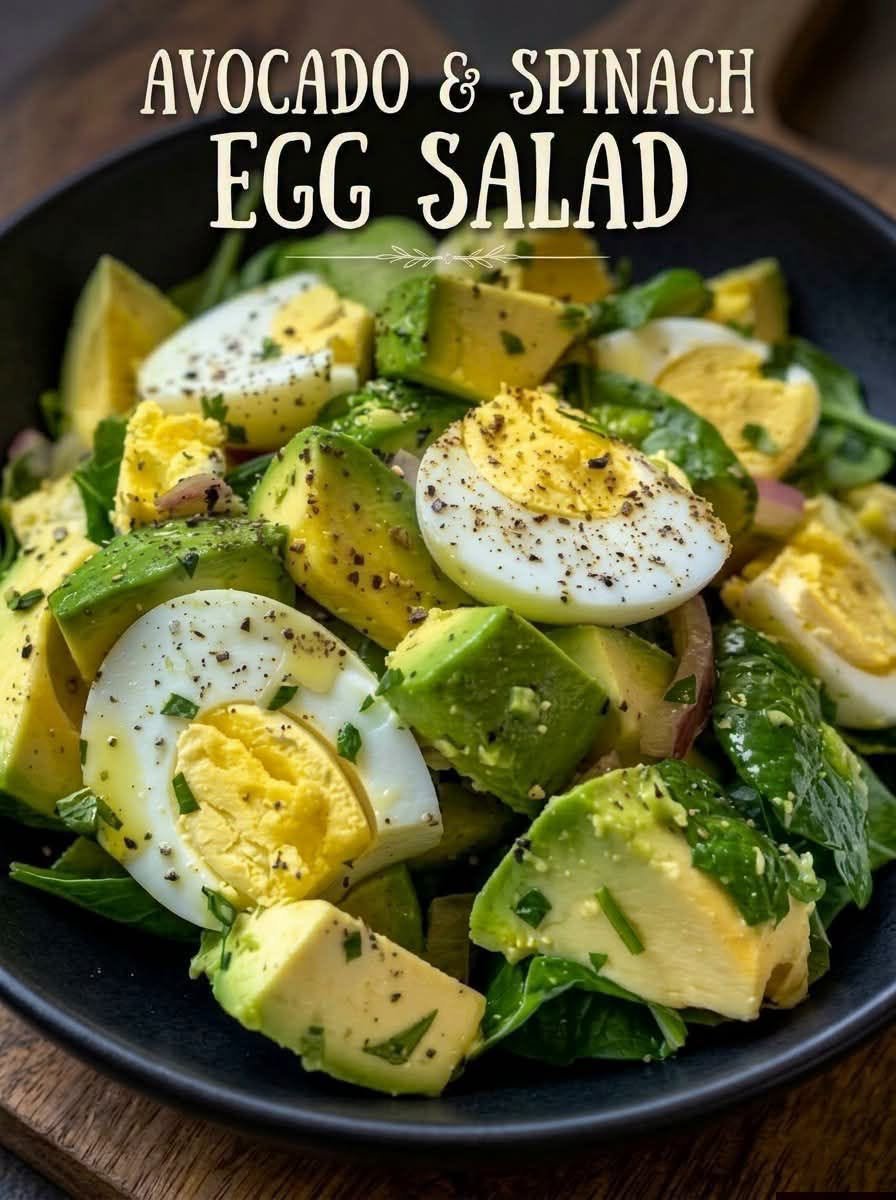
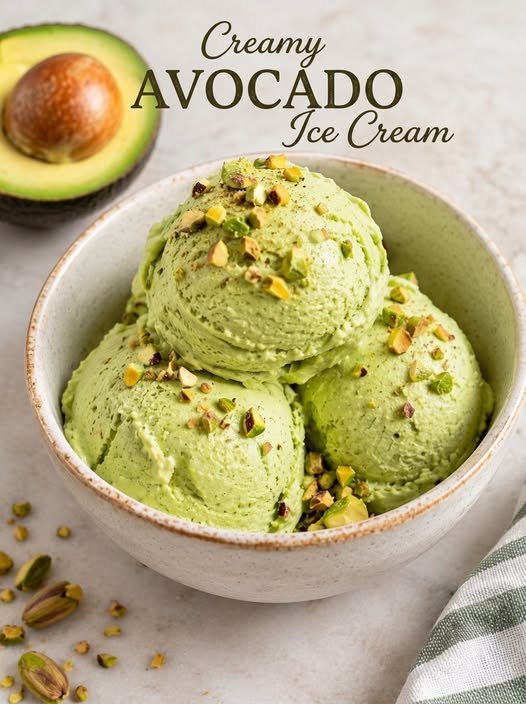
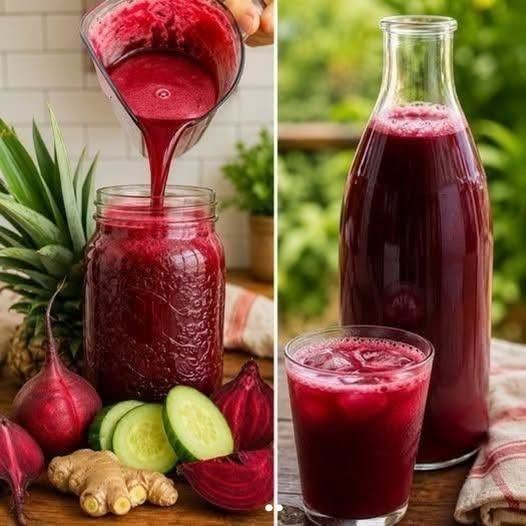
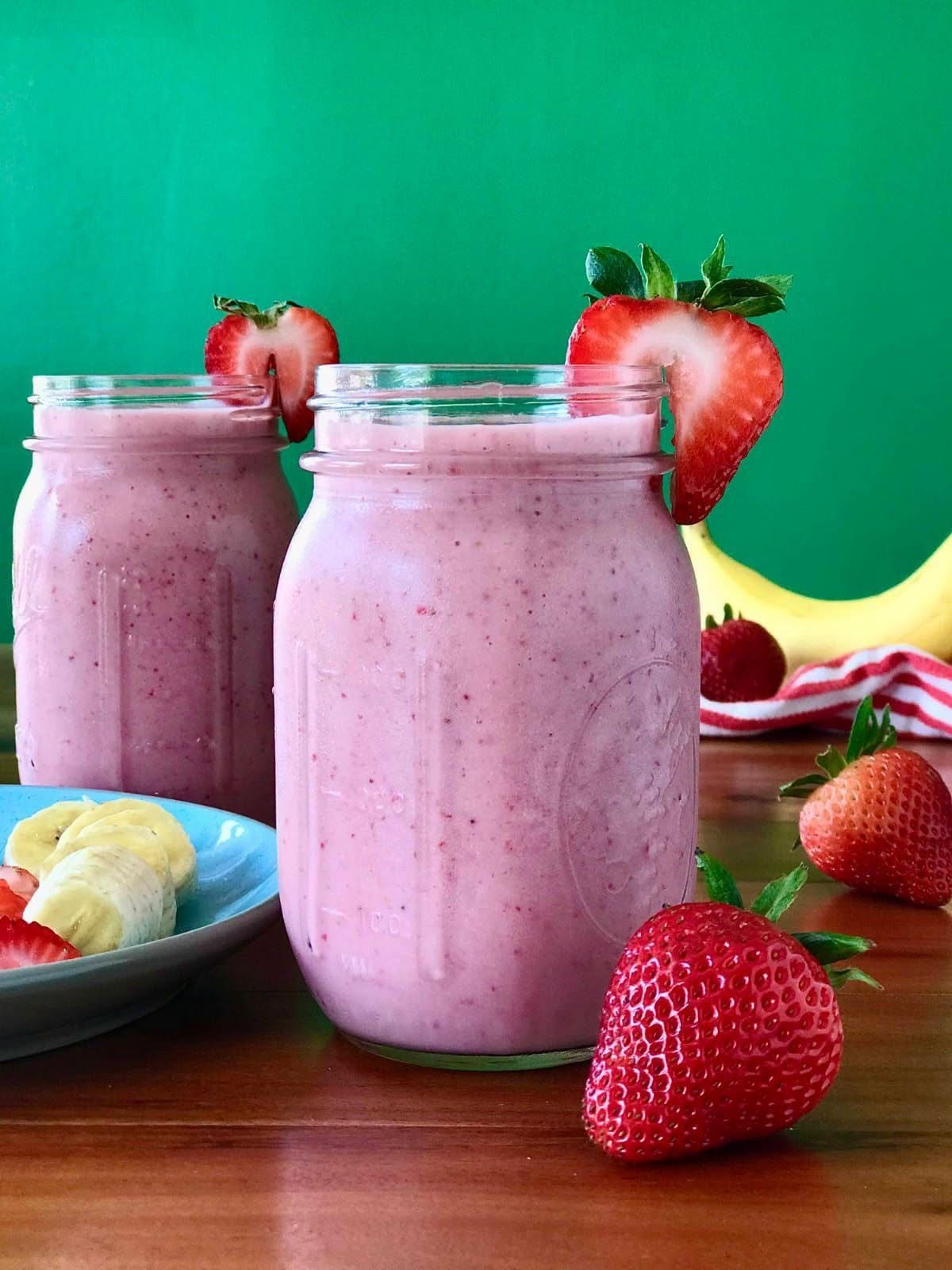
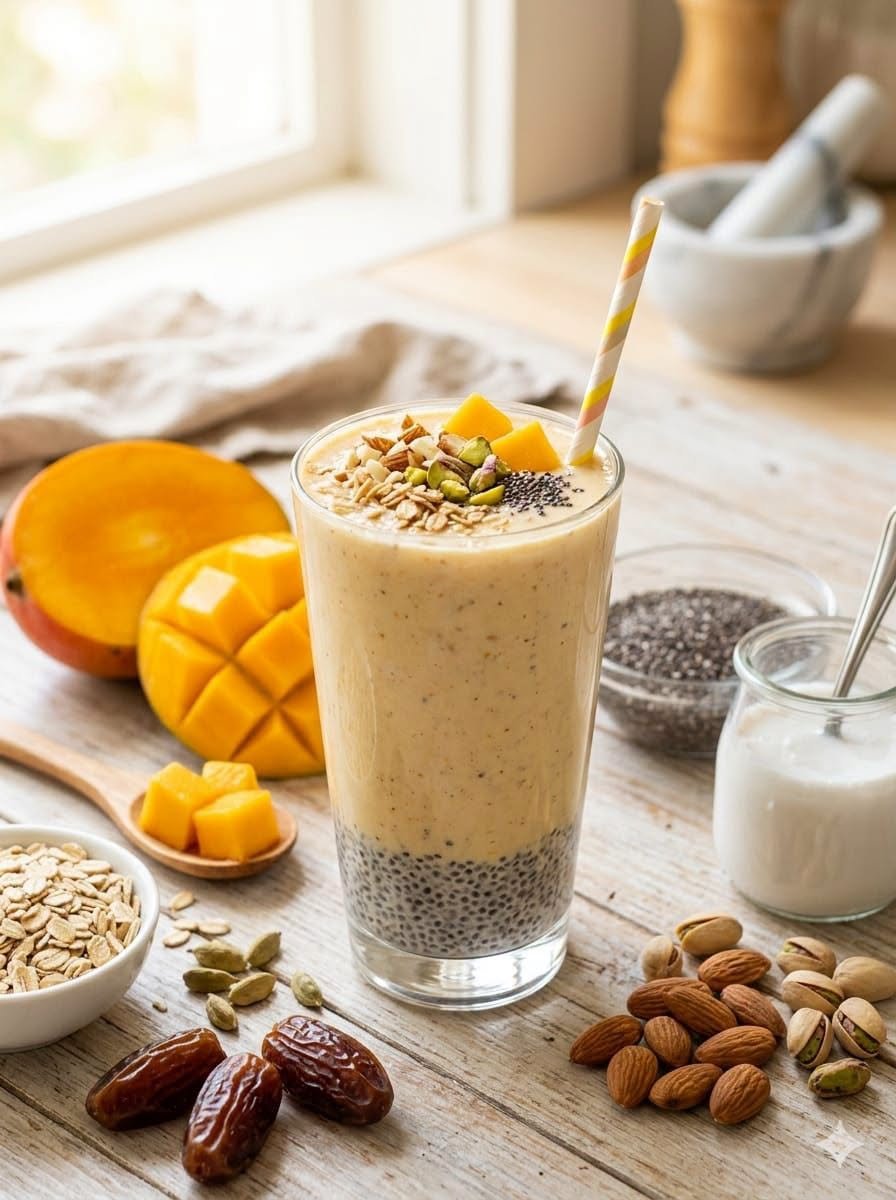
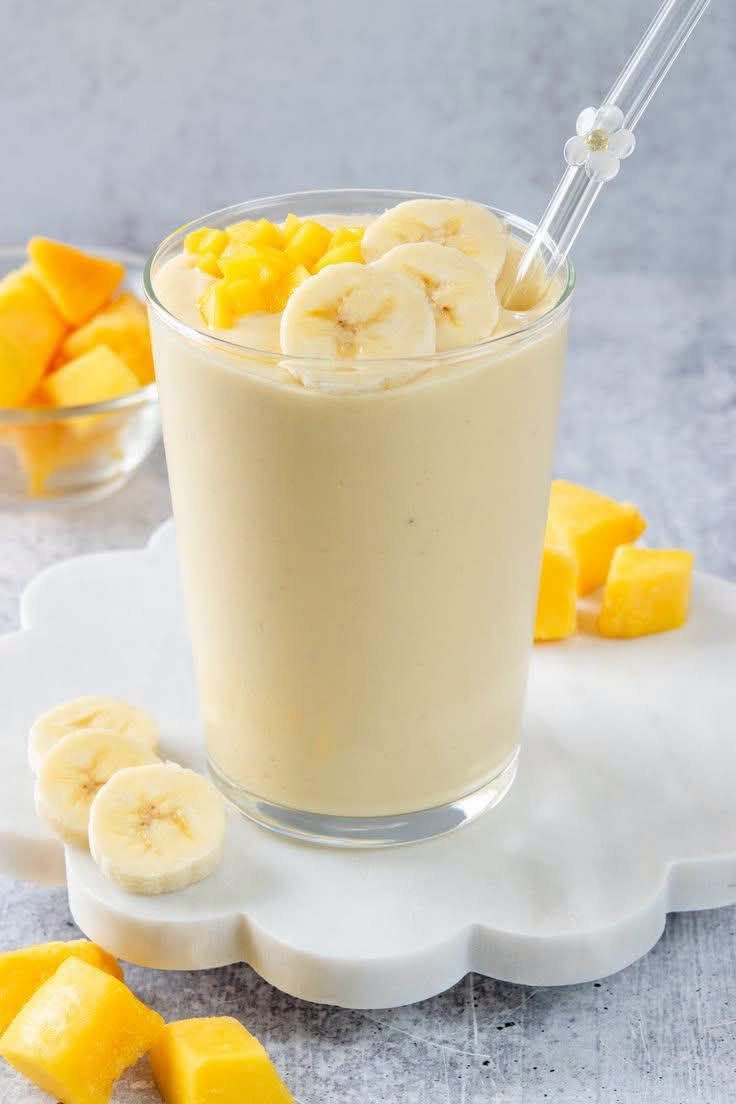
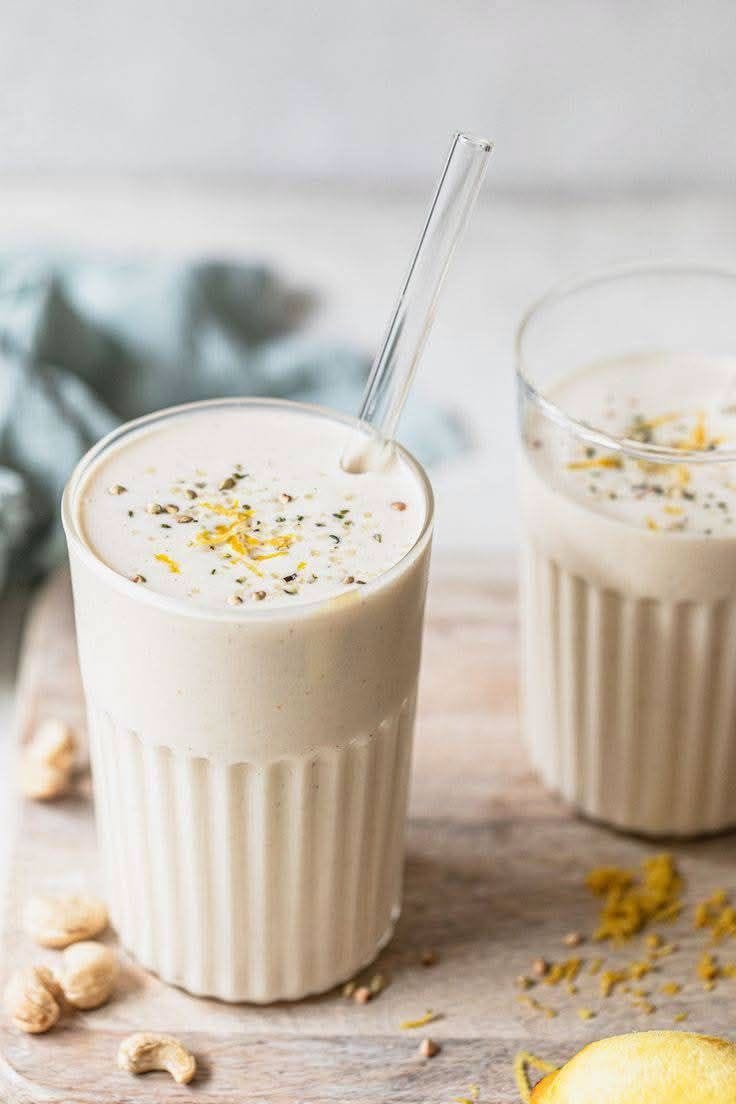
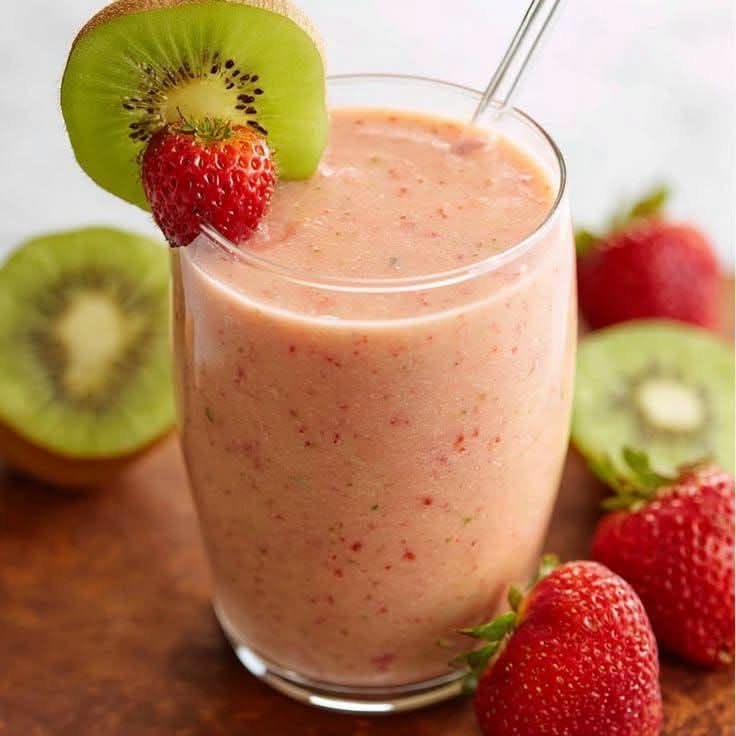
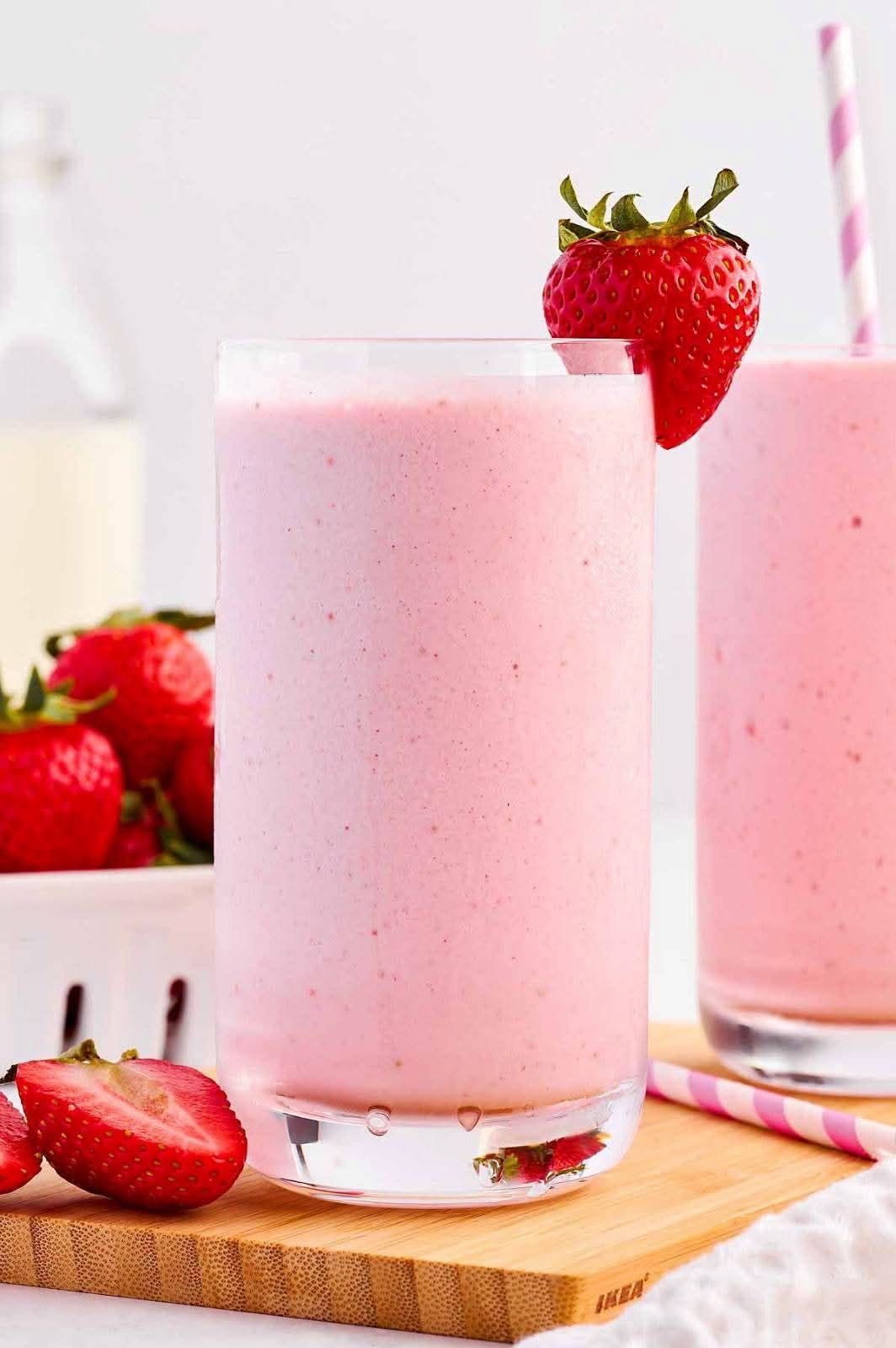
STRAWBERRY BANANA GREEN SMOOTHIE

STRAWBERRY BANANA GREEN SMOOTHIE

Prep time: 5 minutes | Servings: 1

Ingredients

  • 1 cup fresh spinach leaves (packed)

  • 1 large ripe banana (frozen works best for a thicker texture)

  • 1 cup fresh strawberries (hulled)

  • ½ cup milk of your choice (dairy, almond, or oat milk)

  • ½ cup plain low-fat yogurt (for extra creaminess)

  • 1 tbsp honey or maple syrup (optional, for sweetness)

  • 3–4 ice cubes (optional)

Instructions

  1. Layer the Blender: Pour the milk and yogurt into your blender first. Adding the liquids to the bottom helps the blades spin smoothly and prevents the ingredients from getting stuck.

  2. Add the Greens: Add the fresh spinach leaves next.

  3. Add the Fruits: Toss in the strawberries and the banana. If you want a colder, frostier smoothie, add the ice cubes at this stage.

  4. Blend Until Smooth: Secure the lid and blend on high speed for about 45 to 60 seconds. Keep blending until the spinach is completely pulverized and the mixture turns a vibrant, uniform green color with a creamy texture.

  5. Adjust and Serve: Give it a quick taste. If you prefer it sweeter, stir in the honey or maple syrup. Pour into a glass, pop in a straw, and enjoy immediately!

Tip: If the smoothie is too thick, simply splash in a little more milk and blend for another 5 seconds.

ANTI-INFLAMMATORY ORANGE TURMERIC JUICE

ANTI-INFLAMMATORY ORANGE TURMERIC JUICE

Ingredients

2 Large Oranges: Peeled and seeds removed.


1 tbsp Turmeric Powder: The star anti-inflammatory ingredient.


1-inch Ginger Root: Peeled (fresh ginger adds a nice zing).


1/4 tsp Black Pepper: Essential for turmeric absorption.


1 tbsp Honey: To balance the earthiness with a touch of sweetness.


Optional: 1/2 cup of water or coconut water if you prefer a thinner consistency.


Instructions

Prep the Produce: Peel the oranges and the ginger root. If you are using a blender rather than a juicer, roughly chop the ginger into smaller pieces to ensure it blends smoothly.


Combine: Place the oranges, ginger, turmeric powder, black pepper, and honey into a high-speed blender.


Blend: Process on high until the mixture is completely smooth. If it feels too thick, add a small splash of water and blend again.


Strain (Optional): If you prefer a clear juice rather than a “smoothie” style, pour the mixture through a fine-mesh strainer or nut milk bag into a glass.


Serve: Pour over ice and enjoy immediately for the freshest flavor.


Pro-Tip

Turmeric can stain countertops and plastic blender jars easily. It’s a good idea to rinse your equipment with warm, soapy water immediately after making this!

Chocolate Banana Smoothie

Chocolate Banana Smoothie
Ingredients
• 2 ripe bananas
• 2 cups cold milk
• 2 tbsp unsweetened cocoa powder
• 2 tbsp chocolate syrup or honey (optional)
• 1 tsp vanilla extract
• 1 cup ice cubes
• Whipped cream and chocolate shavings (optional, for topping)
Method
1. Add the bananas, milk, cocoa powder, chocolate syrup (if using), vanilla extract, and ice cubes to a blender.
2. Blend until smooth and creamy.
3. Taste and adjust the sweetness if needed.
4. Pour into serving glasses.
5. Top with whipped cream and chocolate shavings if desired.
6. Serve immediately.

REFRESHING KIWI GREEN SMOOTHIE

Refreshing Kiwi Green Smoothie

This vibrant, nutrient-packed smoothie is the perfect way to kickstart your day or enjoy a refreshing afternoon pick-me-up. It combines the tangy sweetness of fresh kiwis with creamy base ingredients for a perfectly balanced drink.


INGREDIENTS

  • 2 ripe kiwis, peeled and roughly chopped

  • 1/2 medium banana, frozen (provides a creamy texture)

  • 1/2 cup Greek yogurt (or coconut yogurt for a dairy-free option)

  • 1/2 cup unsweetened almond milk (or your preferred milk)

  • 1 teaspoon honey or maple syrup (optional, depending on sweetness preference)

  • A handful of fresh baby spinach (adds nutrients without affecting the flavor)

  • Ice cubes (optional, for extra chill)


INSTRUCTIONS

  1. Prepare the Fruit: Peel the kiwis and slice them. If you prefer a colder, thicker smoothie, use a frozen banana instead of a fresh one.

  2. Combine: Place the chopped kiwis, banana, spinach, yogurt, and milk into your blender. If you are adding a sweetener, pour it in at this stage.

  3. Blend: Start the blender on a low speed and gradually increase to high. Blend for 45–60 seconds, or until the mixture is completely smooth and no small specks of spinach remain.

  4. Adjust: If the smoothie is too thick, add a small splash of additional milk and pulse briefly. If you desire a colder consistency, add a few ice cubes and blend again until smooth.

  5. Serve: Pour the smoothie into a tall glass. For an elegant touch, garnish the rim with a thin slice of fresh kiwi. Serve immediately while chilled to enjoy the best flavor and texture.

This smoothie provides a wonderful boost of vitamin C and fiber, making it a delicious, wholesome choice for any time of day. Enjoy your homemade treat!

TROPICAL AVOCADO-PINEAPPLE SMOOTHIE

TROPICAL AVOCADO-PINEAPPLE SMOOTHIE

Prep time: 5 minutes | Servings: 1 large glass


Ingredients

1/2 ripe avocado (provides that creamy, velvet texture)


1 cup frozen pineapple chunks (for sweetness and chill)


1/2 cup Greek yogurt or Coconut milk (for extra creaminess)

1/2 cup coconut water (adjust for your preferred thickness)


1 tsp lime juice (to brighten the flavor and keep the green bright)


1 tsp honey or agave (optional, depending on pineapple sweetness)


Toppings (as seen in your photo)

Toasted coconut flakes


A fresh pineapple wedge


A squeeze of lime

Instructions

Scoop & Prep: Scoop the flesh of half an avocado into your blender.


Combine: Add the frozen pineapple, your choice of liquid (coconut water or milk), yogurt, and a squeeze of lime.


Blend: Start on a low speed and gradually increase to high. Blend until the mixture is completely smooth and there are no lumps of avocado left.


Adjust: If it’s too thick, add a splash more coconut water. If you want it colder, add a handful of ice and pulse.


Garnish: Pour into a tall glass. Sprinkle the toasted coconut on top and slide a pineapple wedge onto the rim just like in your picture.


Pro-Tip for Perfect Color

To keep that bright, “spring green” look, don’t skip the lime juice. The acidity prevents the avocado from oxidizing (turning brown), ensuring your drink stays as photogenic as the one in the photo!

Classic Creamy Vegetable Casserole

Classic Creamy Vegetable Casserole

Tender mixed vegetables baked in a creamy sauce with a golden, bubbly top. Perfect as a side dish or vegetarian main.


🛒 Ingredients (Serves 6)

🥦 Vegetables

  • 2 cups broccoli florets

  • 1 cup carrots, sliced

  • 1 cup zucchini, sliced

  • 1 cup cauliflower florets

  • 1 cup mushrooms, sliced

  • ½ small onion, diced

(You can substitute with green beans, peas, corn, or bell peppers.)


🥣 Creamy Sauce

  • 2 tbsp butter

  • 2 tbsp all-purpose flour

  • 1 ½ cups milk (whole or 2%)

  • ½ cup vegetable broth

  • ½ tsp garlic powder

  • ½ tsp dried thyme or Italian seasoning

  • ½ tsp salt (adjust to taste)

  • ¼ tsp black pepper

  • ½ cup shredded cheddar cheese

  • ¼ cup grated Parmesan cheese


🧀 Topping

  • ½ cup shredded mozzarella or cheddar

  • ¼ cup breadcrumbs (optional for crunch)

  • 1 tbsp melted butter (if using breadcrumbs)


👩‍🍳 Instructions

1️⃣ Preheat Oven

  • Preheat oven to 375°F (190°C).

  • Lightly grease a 9×13-inch baking dish.


2️⃣ Prepare Vegetables

  • Lightly steam or blanch harder vegetables (broccoli, carrots, cauliflower) for 3–4 minutes so they cook evenly.

  • Drain and set aside.


3️⃣ Make Creamy Sauce

  1. Melt butter in a saucepan over medium heat.

  2. Add diced onion and cook 2–3 minutes until soft.

  3. Stir in flour and cook 1 minute.

  4. Gradually whisk in milk and broth until smooth.

  5. Simmer 3–5 minutes until thickened.

  6. Add garlic powder, thyme, salt, pepper.

  7. Stir in cheddar and Parmesan until melted.


4️⃣ Assemble Casserole

  1. Place vegetables evenly in baking dish.

  2. Pour creamy sauce over vegetables.

  3. Sprinkle mozzarella on top.

  4. If using breadcrumbs, mix with melted butter and sprinkle over cheese.


5️⃣ Bake

  • Bake uncovered for 25–30 minutes, until bubbly and golden.

  • Optional: Broil 2–3 minutes for extra browning.


6️⃣ Serve

  • Let rest 5 minutes before serving.

  • Garnish with fresh parsley if desired.


🔥 Variations

  • Low-carb: Skip flour and thicken sauce with cream cheese.

  • Vegan: Use plant-based milk, vegan butter, and dairy-free cheese.

  • Protein boost: Add chickpeas, white beans, or shredded chicken.

  • Spicy: Add red pepper flakes or diced jalapeños.

Homemade Pickled Beets Recipe

Homemade Pickled Beets Recipe

Description

Homemade Pickled Beets are sweet, tangy, earthy, and beautifully vibrant. Tender cooked beets are preserved in a simple vinegar brine with sugar and aromatic spices. They make a delicious side dish, salad topping, sandwich addition, or snack and can be prepared ahead for easy meals.

Servings

Makes: About 4 cups
Serving size: ½ cup
Prep time: 15 minutes
Cooking time: 35–45 minutes
Pickling time: At least 24 hours
Total: About 1 hour, plus chilling/pickling time

Ingredients

  • 2 pounds fresh beets
  • 1 cup apple cider vinegar
  • 1 cup water
  • ½ cup granulated sugar
  • 1 teaspoon salt
  • ½ teaspoon whole black peppercorns
  • ½ teaspoon whole mustard seeds
  • 2–3 whole cloves
  • 1 small cinnamon stick
  • ½ small red onion, thinly sliced (optional)
  • 1 bay leaf (optional)

Instructions

  1. Prepare the beets: Wash the beets well and trim the tops, leaving a little stem attached. Don’t peel them yet.
  2. Cook: Place the beets in a large pot and cover with water. Bring to a boil, then reduce heat and simmer for about 30–45 minutes, or until a knife slides easily into the center.
  3. Cool and peel: Drain and allow the beets to cool enough to handle. Rub or peel away the skins.
  4. Slice: Cut the beets into rounds, wedges, or bite-sized pieces.
  5. Make the brine: Combine vinegar, water, sugar, salt, peppercorns, mustard seeds, cloves, cinnamon, and bay leaf in a saucepan. Bring to a gentle boil, stirring until the sugar and salt dissolve.
  6. Pack: Place the sliced beets and optional red onion into clean jars or a suitable nonreactive container.
  7. Add brine: Pour the hot pickling liquid over the beets, making sure they are completely covered.
  8. Cool: Let the jars cool to room temperature.
  9. Refrigerate: Cover tightly and refrigerate for at least 24 hours. The flavor becomes even better after 2–3 days.
  10. Serve: Enjoy chilled or bring to room temperature before serving.

Recipe Notes

  • Beets: Red beets give the classic deep-purple color, but golden or striped beets can also be used.
  • Vinegar: Apple cider vinegar provides a slightly fruity flavor. White vinegar gives a sharper, cleaner taste.
  • Sweetness: Adjust the sugar slightly according to your preference.
  • Onions: Thinly sliced red onion adds extra crunch and flavor.
  • Flavor: The longer the beets sit in the brine, the more pronounced the pickled flavor becomes.
  • Storage: This refrigerator-pickle version should be kept refrigerated. For long-term shelf-stable storage, use a tested water-bath canning recipe and follow proper canning procedures rather than simply storing these jars at room temperature.

Helpful Tips

  • Wear gloves when peeling beets if you want to avoid staining your hands.
  • Don’t overcook the beets; they should be tender but still hold their shape.
  • Cut the beets uniformly so they pickle evenly.
  • Use glass jars or another nonreactive container.
  • Make sure the vegetables remain submerged in the brine.
  • For a stronger tang, increase the vinegar slightly while maintaining a safe, tested canning formula if you intend to preserve the beets long-term.
  • For extra flavor, add a small piece of fresh ginger or a pinch of red pepper flakes.

Nutritional Information

Approximate per ½-cup serving:

  • Calories: 80–100
  • Carbohydrates: 20–23 g
  • Protein: 1–2 g
  • Fat: 0 g
  • Fiber: 2–3 g
  • Sugar: 16–19 g
  • Sodium: 250–350 mg

Nutrition varies depending on the exact amount of sugar and brine consumed.

Potential Benefits

Beets naturally provide fiber, folate, potassium, and antioxidant compounds. Their nitrate content may also support healthy blood-vessel function. The vinegar-based brine adds acidity and flavor without requiring much fat.

Keep in mind that these pickles can contain considerable added sugar and sodium, so portion size matters, particularly for people limiting either.

Frequently Asked Questions

Q: How long do homemade pickled beets last?
A: For this refrigerator-pickle recipe, keep them refrigerated and use a clean utensil when serving. For a specific long-term storage period, follow a tested refrigerator-pickle or canning recipe rather than assuming all homemade pickles have the same shelf life.

Q: Can I use canned beets?
A: Yes. Drain and rinse them, then proceed with the brine and packing steps. The texture will generally be softer than freshly cooked beets.

Q: Why did my pickled beets turn a lighter color?
A: Color can vary with beet variety, cooking, and acidity. Golden and striped varieties naturally behave differently from red beets.

Q: Can I reduce the sugar?
A: Yes, for a refrigerator pickle you can reduce the sugar to taste. Sugar mainly affects sweetness rather than providing the acidity needed for preservation.

Q: Can I add hard-boiled eggs?
A: Yes, pickled beets and eggs are a classic combination. Keep the eggs refrigerated and follow appropriate food-safety storage guidance.

Q: What can I serve with pickled beets?
A: They’re excellent with grilled meats, sandwiches, burgers, salads, cheese, boiled eggs, grain bowls, and roasted vegetables.

Q: Can I make them spicy?
A: Absolutely. Add red pepper flakes, a sliced chili pepper, or a small amount of fresh ginger to the brine.

Serving Ideas

Serve pickled beets:

  • Over green salads with goat or feta cheese
  • Alongside grilled chicken or beef
  • With sandwiches and burgers
  • With boiled eggs
  • On a cheese or charcuterie board
  • Mixed into grain or quinoa bowls
  • As a colorful side dish with roasted vegetables

Chef’s Tip: For the best balance of sweet and tangy flavor, let the beets pickle for 2–3 days before serving.

High-Protein Berry Cheesecake Protein Fluff Cups

High-Protein Berry Cheesecake Protein Fluff Cups

Description

These High-Protein Berry Cheesecake Protein Fluff Cups are a light, creamy, cheesecake-inspired dessert made with Greek yogurt, cottage cheese, protein powder, and juicy berries. They have a fluffy cheesecake texture, plenty of protein, and a naturally sweet berry flavor—making them a great option for breakfast, a post-workout snack, or a healthier dessert.

Prep Time: 15 minutes
Chill Time: 1–2 hours
Total Time: 1 hour 15 minutes
Servings: 6 cups

Ingredients

For the Cheesecake Protein Fluff

  • 1½ cups (340 g) plain Greek yogurt, preferably nonfat or low-fat
  • 1 cup (225 g) low-fat cottage cheese
  • 2 scoops (about 60 g) vanilla protein powder
  • 2 tbsp cream cheese, softened
  • 2–3 tbsp honey or maple syrup, to taste
  • 1 tsp vanilla extract
  • 1 tbsp fresh lemon juice
  • ½ tsp lemon zest
  • ½ cup (120 ml) milk of choice, as needed
  • 1 tbsp instant sugar-free cheesecake pudding mix, optional, for extra thickness

Berry Layer

  • 1 cup mixed berries—strawberries, blueberries, raspberries, or blackberries
  • 1 tbsp chia seeds
  • 1 tsp honey or maple syrup, optional

Topping

  • ½ cup fresh berries
  • 2 tbsp crushed graham crackers or granola, optional
  • A little lemon zest, optional

Instructions

  1. Prepare the berries:
    Add the mixed berries to a small bowl and lightly mash them with a fork. Stir in the chia seeds and optional honey. Let sit for about 10 minutes to thicken slightly.
  2. Blend the cheesecake mixture:
    Add Greek yogurt, cottage cheese, protein powder, cream cheese, honey or maple syrup, vanilla, lemon juice, and lemon zest to a blender or food processor.
  3. Blend until smooth:
    Process for 1–2 minutes until the cottage cheese is completely smooth and the mixture becomes creamy.
  4. Adjust the consistency:
    Add milk, 1 tablespoon at a time, if the mixture is too thick. If you’d like a firmer, more cheesecake-like texture, add the optional pudding mix and blend again.
  5. Create the cups:
    Spoon a layer of the cheesecake fluff into 6 small jars, glasses, or dessert cups.
  6. Add the berries:
    Add a spoonful of the berry mixture over the cheesecake layer.
  7. Repeat:
    Add another layer of cheesecake fluff and finish with fresh berries.
  8. Chill:
    Cover and refrigerate for 1–2 hours. This allows the mixture to become thicker and more cheesecake-like.
  9. Finish and serve:
    Top with crushed graham crackers, granola, or lemon zest just before serving.

Recipe Notes

  • For maximum fluffiness: Blend the cottage cheese thoroughly until completely smooth.
  • For a stronger cheesecake flavor: Add a little extra lemon zest or 1–2 tablespoons of softened cream cheese.
  • For a lower-sugar version: Use a zero-calorie sweetener instead of honey or maple syrup.
  • For a thicker texture: Use less milk and add the optional pudding mix.
  • For meal prep: Assemble the cups in airtight containers and refrigerate.
  • Fresh toppings such as graham crackers are best added immediately before eating so they remain crunchy.

Tips for the Best Protein Fluff

Use thick Greek yogurt.
A strained Greek yogurt produces a much thicker, creamier result than regular yogurt.

Don’t add too much liquid.
Protein powder and yogurt can vary considerably in consistency, so add milk gradually.

Blend the cottage cheese well.
This is the key to getting a smooth cheesecake-like texture without noticeable cottage-cheese curds.

Taste before chilling.
Protein powders vary in sweetness, so adjust the sweetener according to the protein powder you’re using.

Make it extra berry-forward.
Blend a handful of berries directly into the cheesecake mixture for a naturally pink berry cheesecake fluff.

Servings

Makes: 6 cups
Serving size: 1 cheesecake fluff cup

Approximate Nutrition Per Serving

Values will vary depending on the protein powder, yogurt, cottage cheese, sweetener, and milk used.

Nutrient Approx. amount
Calories 170–200 kcal
Protein 20–23 g
Carbohydrates 14–18 g
Fat 3–5 g
Fiber 2–3 g
Sugar 8–11 g

Benefits

High in Protein

Greek yogurt, cottage cheese, and protein powder make these cups substantially higher in protein than traditional cheesecake desserts. Protein can help support muscle maintenance and contribute to fullness.

Berry-Rich

Berries provide fiber and naturally occurring antioxidants, while adding sweetness and acidity that balance the creamy cheesecake base.

Convenient

The cups can be prepared ahead of time and kept refrigerated, making them convenient for breakfast, snacks, or dessert.

Portion-Friendly

Preparing individual cups makes it easier to control portions while still enjoying a cheesecake-inspired treat.

Customizable

You can easily adjust the sweetness, protein level, fruit, toppings, and fat content according to your nutritional preferences.

Frequently Asked Questions

1. Can I make these without protein powder?

Yes. Replace the protein powder with additional Greek yogurt, although the protein content will be lower. You may also need to reduce the liquid.

2. Can I use frozen berries?

Absolutely. Thaw them first and drain excess liquid. Frozen berries can also be cooked briefly into a quick berry sauce.

3. Can I use whey protein?

Yes. Whey, whey/casein blends, or many plant-based protein powders can work. Different powders absorb liquid differently, so adjust the milk as needed.

4. Can I use plant-based ingredients?

Yes. Use plant-based Greek-style yogurt, dairy-free cream cheese, plant-based protein powder, and your preferred non-dairy milk.

5. How long do the cups last?

Store them covered in the refrigerator and ideally consume them within 3 days. Add crunchy toppings just before serving.

6. Can I freeze them?

You can, although freezing changes the creamy texture. For the best cheesecake-fluff consistency, refrigeration is recommended.

7. How can I make them lower calorie?

Use nonfat Greek yogurt and cottage cheese, a low-calorie sweetener, low-fat or light cream cheese, and omit the graham-cracker topping.

8. How can I increase the protein even more?

Use a higher-protein Greek yogurt, add a little extra protein powder, or choose a protein powder with a higher protein-to-calorie ratio.

9. Can I make one large cheesecake instead of individual cups?

Yes. Layer everything in a small dish or loaf pan and refrigerate until thickened. It won’t have exactly the same structure as baked cheesecake, but it makes an excellent no-bake cheesecake-style dessert.

10. Is this suitable for breakfast?

Definitely. With its combination of protein, yogurt, fruit, and fiber, it can work well as a high-protein breakfast or snack rather than just a dessert.

Ginger Water

Ginger Water

🫚 Description

Ginger water is a simple, refreshing drink made by gently simmering fresh ginger in water. It has a naturally warm, slightly spicy flavor and can be enjoyed hot or chilled. Lemon can be added for freshness, while a little honey can provide sweetness.

🍵 Full Recipe

Prep Time: 5 minutes
Cook Time: 10–15 minutes
Total Time: 15–20 minutes
Servings: 4 cups

Ingredients

  • 2 inches (about 30–40 g) fresh ginger
  • 4 cups (1 liter) water
  • 1–2 teaspoons lemon juice, optional
  • 1–2 teaspoons honey, optional

Instructions

  1. Wash and peel the ginger if desired.
  2. Slice the ginger thinly or grate it for a stronger flavor.
  3. Add the ginger and water to a saucepan.
  4. Bring to a gentle boil, then reduce the heat and simmer for 10–15 minutes.
  5. Turn off the heat and let it steep for another 5 minutes.
  6. Strain the ginger pieces from the water.
  7. Add lemon juice and honey if desired.
  8. Serve warm, or cool and refrigerate for a refreshing chilled drink.

📝 Recipe Notes

  • Milder flavor: Use about 1 inch of ginger and simmer for 5–10 minutes.
  • Stronger flavor: Use more ginger or simmer for up to 20 minutes.
  • Honey is best added after the drink has cooled slightly.
  • Ginger water can be enjoyed plain; lemon and honey are optional.
  • For chilled ginger water, refrigerate it in a covered container and use within a few days.

💡 Tips

  • Fresh ginger generally gives better flavor than powdered ginger.
  • Thinly slicing ginger allows its flavor to infuse easily.
  • If you grate the ginger, strain the drink through a fine-mesh strainer.
  • Don’t make it excessively concentrated if you’re new to ginger drinks.
  • You can add a small amount of cinnamon or mint for a different flavor.

🍽️ Servings

This recipe makes approximately 4 servings (1 cup each).

📊 Approximate Nutritional Information

Per 1-cup serving, without honey or lemon:

Nutrient Approx. amount
Calories 5–10 kcal
Carbohydrates 1–2 g
Protein <1 g
Fat <1 g
Fiber <1 g
Sugar <1 g

Nutrition varies depending on the amount of ginger used and how much of its compounds are extracted into the water. Honey will add additional calories and sugar.

🌿 Potential Benefits

Ginger contains naturally occurring compounds such as gingerols, and ginger preparations have been studied for several potential effects.

  • May support digestion: Ginger may help with normal digestive function and stomach comfort.
  • May help with nausea: Ginger has evidence for helping certain types of nausea.
  • Refreshing way to hydrate: Since the main ingredient is water, it can be an enjoyable alternative to sugary beverages.
  • Contains antioxidant compounds: Ginger provides bioactive plant compounds with antioxidant activity.
  • May have anti-inflammatory properties: Ginger compounds have been investigated for their potential role in inflammatory processes.

Important: Ginger water isn’t a cure or treatment for disease, and the amount of active compounds in a cup of ginger water can vary considerably.

❓ Q&A

Q: Can I drink ginger water every day?
A: For most healthy adults, moderate amounts are generally well tolerated. If it causes heartburn, stomach discomfort, or other symptoms, reduce the amount or stop drinking it.

Q: Is ginger water good for weight loss?
A: Ginger water itself isn’t a proven weight-loss treatment. It can, however, be a low-calorie alternative to sugary drinks.

Q: Can I drink it on an empty stomach?
A: Some people tolerate it well, while others may experience heartburn or stomach irritation. If you’re sensitive, have it with or after food.

Q: Can I add lemon?
A: Yes. Lemon gives ginger water a bright, refreshing flavor.

Q: Can I add honey?
A: Yes, but honey adds calories and sugar. Add it according to your taste.

Q: Should ginger water be hot or cold?
A: Either is fine. It can be served warm as a soothing drink or chilled for a refreshing beverage.

Q: How long can I store ginger water?
A: Refrigerate it promptly in a covered container and use it within a few days for best quality.

Q: Can children drink ginger water?
A: Small culinary amounts of ginger are commonly used in foods, but concentrated ginger drinks aren’t necessary for children. For infants or children with medical conditions, check with a pediatrician first.

Q: Who should be cautious with ginger?
A: People taking blood-thinning medicines, those with certain medical conditions, or people who develop significant heartburn or stomach irritation should discuss regular or concentrated ginger use with a healthcare professional.

Korean-Style Spicy Fermented Shredded Carrot Salad

Korean-Style Spicy Fermented Shredded Carrot Salad

A bright, crunchy, spicy carrot salad inspired by Korean fermented and seasoned vegetable dishes. Finely shredded carrots are tossed with garlic, ginger, chili, sesame, and a lightly tangy fermentation brine. The result is crisp, aromatic, pleasantly sour, and spicy, making it excellent as a side dish, sandwich topping, rice-bowl accompaniment, or appetizer.

Fermentation note: This recipe uses lacto-fermentation, not vinegar pickling. The natural lactic-acid fermentation gives the carrots their characteristic tang while helping preserve them. Use clean equipment and follow the salt ratio carefully.

🥕 Ingredients

Servings: 6
Prep: 20 minutes
Fermentation: 2–4 days
Total: About 2–4 days

Main ingredients

  • 500 g (about 1 lb) fresh carrots, peeled
  • 10 g (about 2 tsp) non-iodized salt, preferably sea salt or pickling salt
  • 3 cloves garlic, finely minced
  • 1 tbsp fresh ginger, finely grated
  • 1–2 tbsp Korean red pepper flakes (gochugaru), to taste
  • 1 tbsp toasted sesame seeds
  • 1 tbsp thinly sliced green onion
  • 1 tsp toasted sesame oil, added after fermentation
  • 1–2 tsp sugar or honey, optional, for balance

Optional additions

  • ½ tsp ground coriander
  • ½ tsp Korean chili powder for extra heat
  • 1 small red chili, thinly sliced
  • 1 tbsp finely shredded daikon
  • 1–2 tbsp chopped cilantro

Method

1. Prepare the carrots

Wash and peel the carrots. Shred them into thin matchsticks using a julienne peeler, mandoline, or grater.

Place the carrots in a large bowl.

2. Salt the carrots

Sprinkle the carrots with the 10 g salt and massage firmly for 2–3 minutes.

Let them stand for about 15–20 minutes. The carrots should begin releasing liquid and become slightly flexible.

3. Add the Korean-style seasoning

Add the garlic, ginger, gochugaru, sesame seeds, and green onion.

Mix thoroughly until the carrots are evenly coated.

Important: Don’t add sesame oil yet; adding oil after fermentation is preferable.

4. Pack into a fermentation jar

Transfer the mixture into a clean fermentation jar.

Press the carrots down firmly with a clean fermentation weight or utensil so that their liquid rises above the vegetables.

Leave at least 2–3 cm (about 1 inch) of headspace.

The carrots should remain submerged beneath the liquid.

5. Ferment

Cover with an appropriate fermentation lid or an airlock.

Leave at approximately 18–22°C (64–72°F) away from direct sunlight.

Begin tasting after about 48 hours.

Depending on temperature and your preferred sourness, fermentation may take approximately 2–4 days.

6. Refrigerate

When the carrots have developed a pleasantly sour, lightly fermented flavor, transfer them to the refrigerator.

Stir in the sesame oil just before serving.

Taste and adjust with a little sugar, additional gochugaru, or sesame seeds if desired.

🌶️ Serving Suggestions

Serve the fermented carrot salad:

  • Alongside grilled chicken, beef, or fish
  • With steamed rice
  • In Korean-inspired rice bowls
  • Inside wraps and sandwiches
  • With noodles
  • As part of a vegetable platter
  • Alongside fried eggs or tofu
  • As a topping for burgers or tacos

📝 Recipe Notes

  • Carrot texture: Fresh, firm carrots produce the best crunch.
  • Salt: Weighing the salt is more reliable than measuring by spoon because different salts have different densities.
  • Spice: Start with 1 tablespoon gochugaru and increase if you prefer a hotter salad.
  • Fermentation speed: Warmer temperatures generally accelerate fermentation; cooler temperatures slow it down.
  • Liquid: The carrots should stay submerged. If they aren’t releasing enough liquid, press them down firmly and allow additional time.
  • Flavor: The finished salad should taste pleasantly sour, savory, garlicky, spicy, and fresh—not rotten or unpleasant.

⭐ Helpful Tips

  1. Use non-iodized salt for the most predictable fermentation.
  2. Don’t tightly seal a normal jar during active fermentation. Fermentation produces gas, so use an airlock or a suitable fermentation lid.
  3. Keep everything clean. Wash the jar, utensils, hands, and fermentation weight thoroughly.
  4. Don’t reduce the salt substantially. Salt helps create the appropriate environment for fermentation.
  5. Keep the carrots submerged. Vegetables exposed to air are more prone to mold and spoilage.
  6. Taste regularly after the second day. You can stop fermentation when the flavor reaches your preferred level of tanginess.
  7. Add sesame oil after fermentation for a fresher sesame aroma and better fermentation conditions.
  8. Refrigerate once the desired flavor is reached.

⚠️ When to discard it

Discard the batch if you see fuzzy mold, unusual colored mold, or if it develops a strongly putrid, rotten, or otherwise distinctly unpleasant smell. When in doubt, throw it out rather than tasting it.

🍽️ Approximate Nutritional Information

Per serving, assuming 6 servings and without optional ingredients:

Nutrient Approx. amount
Calories 45–55 kcal
Carbohydrates 9–10 g
Protein 1 g
Fat 1–2 g
Fiber 2–3 g
Sugars 4–5 g
Sodium ~600–700 mg*

*Most of the sodium comes from the fermentation salt, and the actual amount consumed can vary because some brine remains in the jar.

💚 Potential Benefits

  • Carrots provide beta-carotene, which the body can convert to vitamin A.
  • Carrots and ginger provide antioxidant compounds.
  • Fermented vegetables can contain live microorganisms when they have been naturally fermented and have not subsequently been heat-treated.
  • Garlic and ginger contribute flavorful plant compounds while allowing the salad to be made without a heavy sauce.
  • The dish is low in calories while providing fiber, making it a flavorful vegetable side.

Fermented foods can be part of a varied diet, but the exact microbial content and potential health effects vary considerably between recipes and batches.

❓ Frequently Asked Questions

Q: Is this the same as Korean kimchi?
No. It is Korean-style rather than traditional kimchi. Kimchi has many regional recipes and commonly uses vegetables such as napa cabbage or radish. This recipe focuses specifically on shredded carrots.

Q: Can I make it without gochugaru?
Yes. You can use another chili flake, although gochugaru gives the most characteristic Korean-style flavor.

Q: Can I use vinegar instead of fermentation?
Yes, but that would make it a vinegar-pickled carrot salad, not a naturally fermented version. The flavor and preservation method are different.

Q: Why aren’t my carrots producing much liquid?
Carrots vary in moisture. Massage them thoroughly with the salt and press them firmly into the jar. A fermentation weight can help keep them submerged.

Q: How long should I ferment it?
Usually around 2–4 days at a moderate room temperature, but fermentation is influenced by temperature and the vegetables. Taste rather than relying only on the clock.

Q: Should I rinse the carrots after fermentation?
Generally, no. Rinsing removes salt and some of the developed flavor. If it tastes excessively salty, you can lightly rinse a serving immediately before eating.

Q: Can I make it less spicy?
Absolutely. Use ½–1 tablespoon gochugaru, or reduce it further for a mild version.

Q: Can I add sesame oil before fermentation?
It’s better to add it after fermentation. Keep the ferment primarily vegetables, salt, and their liquid.

Q: Is this salad served hot or cold?
Cold or chilled is best. It can be served straight from the refrigerator.

Q: How should I store it?
Once the desired sourness is reached, refrigerate it in a clean, covered container and keep the carrots submerged in their brine. Use clean utensils when serving.

Quick flavor formula

Crunchy carrots + garlic + ginger + gochugaru + salt fermentation + sesame = spicy, tangy Korean-style carrot salad.

Hearty Lentil & Vegetable Soup

Hearty Lentil & Vegetable Soup

Description

A wholesome, comforting soup packed with protein-rich lentils, colorful vegetables, aromatic herbs, and a flavorful tomato-based broth. This easy one-pot recipe is filling enough for a complete meal while remaining light, nutritious, and budget-friendly.

Prep Time: 15 minutes
Cook Time: 40 minutes
Total Time: 55 minutes
Servings: 6
Cuisine: Healthy / Mediterranean-inspired
Difficulty: Easy

Ingredients

  • 1½ cups (300 g) dried brown or green lentils, rinsed
  • 2 tablespoons olive oil
  • 1 medium onion, diced
  • 3 cloves garlic, minced
  • 2 medium carrots, diced
  • 2 celery stalks, diced
  • 1 medium zucchini, diced
  • 1 medium potato, peeled and diced
  • 1 cup chopped tomatoes, fresh or canned
  • 6 cups (1.4 L) vegetable broth
  • 2 cups water
  • 1 teaspoon ground cumin
  • 1 teaspoon dried oregano
  • ½ teaspoon smoked paprika
  • 1 bay leaf
  • 1 teaspoon salt, or to taste
  • ½ teaspoon black pepper
  • 2 cups chopped spinach or kale
  • 1 tablespoon lemon juice
  • 2 tablespoons fresh parsley, chopped

Instructions

  1. Prepare the lentils: Rinse the lentils thoroughly under cool water and remove any debris. No soaking is required.
  2. Sauté the aromatics: Heat olive oil in a large soup pot over medium heat. Add the onion, carrots, and celery. Cook for about 5–6 minutes, stirring occasionally, until the vegetables begin to soften.
  3. Add garlic and spices: Stir in the garlic, cumin, oregano, and smoked paprika. Cook for about 30 seconds, just until fragrant.
  4. Build the soup: Add the lentils, zucchini, potato, tomatoes, vegetable broth, water, and bay leaf. Stir well.
  5. Simmer: Bring the soup to a boil, then reduce the heat to low. Cover partially and simmer for 30–35 minutes, or until the lentils and potatoes are tender.
  6. Add greens: Remove the bay leaf. Stir in the spinach or kale and cook for another 2–3 minutes, until wilted and tender.
  7. Finish: Add lemon juice and fresh parsley. Taste and adjust the salt, pepper, or lemon juice as desired.
  8. Serve: Ladle the soup into bowls and serve hot. A drizzle of olive oil or a little fresh parsley makes a nice finishing touch.

Recipe Notes

  • Lentils: Brown or green lentils work best because they hold their shape while cooking. Red lentils will create a much softer, thicker soup.
  • Consistency: Add extra broth or water if the soup becomes thicker than you prefer.
  • Vegetables: Feel free to substitute with bell peppers, green beans, peas, cabbage, or sweet potato.
  • Tomatoes: Canned diced tomatoes are convenient, but fresh ripe tomatoes work well too.
  • Make it creamy: Blend 1–2 cups of the finished soup and stir it back into the pot for a naturally creamy texture without adding cream.
  • Storage: Refrigerate leftovers in an airtight container for up to 4 days. The soup can also be frozen for about 2–3 months.

Helpful Tips

For richer flavor: Sauté the vegetables well before adding the liquid.

For tender lentils: Avoid adding acidic ingredients such as lemon juice until the lentils are fully cooked.

For meal prep: Make a large batch and portion it into individual containers for quick lunches or dinners.

For extra protein: Add cooked chickpeas, white beans, or shredded chicken if desired.

For a heartier meal: Serve with whole-grain bread, brown rice, or a simple green salad.

Nutritional Information

Approximate per serving, based on 6 servings and the ingredients listed.

Nutrient Approx. Amount
Calories 300 kcal
Protein 17 g
Carbohydrates 48 g
Dietary Fiber 17 g
Fat 7 g
Saturated Fat 1 g
Sugars 8 g
Sodium 650 mg
Iron 6 mg
Potassium 900 mg

Nutritional values vary according to the specific ingredients and vegetable broth used.

Benefits

  • High in fiber: Lentils and vegetables provide substantial dietary fiber, which supports digestive health and helps promote fullness.
  • Good source of plant protein: Lentils make the soup satisfying and provide valuable plant-based protein.
  • Rich in vegetables: Carrots, celery, zucchini, tomatoes, and leafy greens contribute a variety of vitamins, minerals, and beneficial plant compounds.
  • Naturally filling: The combination of protein, fiber, and complex carbohydrates makes this a satisfying meal.
  • Budget-friendly: Lentils are an inexpensive pantry staple that can turn simple vegetables into a substantial meal.
  • Meal-prep friendly: The flavor often improves after resting, making it particularly convenient for leftovers.

Frequently Asked Questions

Q: Do I need to soak the lentils?
A: No. Brown and green lentils generally cook well without soaking. Simply rinse them before cooking.

Q: Can I use red lentils?
A: Yes. Red lentils cook faster and break down more easily, so the soup will be thicker and creamier.

Q: Can I make this soup vegan?
A: Yes. Use vegetable broth and the recipe is naturally vegan.

Q: Can I make it gluten-free?
A: Yes. The ingredients are naturally gluten-free; just check that your vegetable broth is certified gluten-free if necessary.

Q: Why did my soup become too thick?
A: Lentils continue absorbing liquid as they sit. Simply stir in additional warm broth or water until you reach the desired consistency.

Q: Can I freeze lentil soup?
A: Absolutely. Allow it to cool, portion it into freezer-safe containers, and freeze for up to about 2–3 months.

Q: How do I reheat it?
A: Reheat gently on the stovetop or in the microwave. Add a splash of water or broth if needed.

Q: Can I make it in a slow cooker?
A: Yes. Add the ingredients except the spinach/kale and lemon juice and cook on low for about 6–7 hours or until the lentils are tender. Add the greens and lemon juice near the end.

Q: What can I serve with this soup?
A: Whole-grain bread, crusty bread, a simple salad, roasted vegetables, or brown rice all pair nicely with it.

Harvest Roast Sheet Pan

Harvest Roast Sheet Pan

Description

Harvest Roast Sheet Pan is a cozy, colorful one-pan meal featuring roasted seasonal vegetables, tender chicken, sweet apples, and a savory maple-herb glaze. The vegetables caramelize beautifully while the chicken stays juicy, creating a satisfying combination of sweet, savory, and earthy flavors. It’s an easy weeknight dinner and a great way to use autumn produce.

🍽️ Servings

4 servings

⏱️ Prep & Cook Time

  • Prep: 15 minutes
  • Cook: 35–40 minutes
  • Total: About 55 minutes

Ingredients

For the Sheet Pan

  • 1½ lb (680 g) boneless, skinless chicken thighs or breasts
  • 2 medium sweet potatoes, peeled and cut into 1-inch cubes
  • 2 cups Brussels sprouts, halved
  • 1 large apple, cored and cut into wedges
  • 1 small red onion, cut into wedges
  • 2 tablespoons olive oil
  • 1 teaspoon dried thyme
  • 1 teaspoon dried rosemary
  • ½ teaspoon garlic powder
  • ½ teaspoon salt
  • ¼ teaspoon black pepper

Maple-Herb Glaze

  • 2 tablespoons pure maple syrup
  • 1 tablespoon Dijon mustard
  • 1 tablespoon olive oil
  • 1 tablespoon apple cider vinegar
  • 1 garlic clove, minced
  • ½ teaspoon dried thyme
  • Pinch of salt and black pepper

Optional Garnishes

  • 2 tablespoons chopped fresh parsley
  • 2 tablespoons toasted pecans or walnuts
  • ¼ cup crumbled feta or goat cheese

Instructions

  1. Preheat the oven to 425°F (220°C). Line a large sheet pan with parchment paper or lightly grease it.
  2. Season the vegetables. Add the sweet potatoes, Brussels sprouts, and red onion to a large bowl. Toss with olive oil, thyme, rosemary, garlic powder, salt, and pepper.
  3. Start roasting. Spread the vegetables over the sheet pan in a single layer. Roast for 15 minutes.
  4. Prepare the glaze. Whisk together maple syrup, Dijon mustard, olive oil, apple cider vinegar, garlic, thyme, salt, and pepper.
  5. Season the chicken. Brush or toss the chicken with about half of the glaze.
  6. Add chicken and apples. Remove the pan from the oven. Push the vegetables aside and add the chicken and apple wedges. Drizzle the remaining glaze over everything.
  7. Continue roasting for another 18–25 minutes, depending on the size and thickness of the chicken. The chicken should reach an internal temperature of 165°F (74°C).
  8. Finish and rest. Let the chicken rest for about 5 minutes before slicing. Sprinkle with parsley and optional toasted nuts or cheese.
  9. Serve warm directly from the sheet pan.

Recipe Notes

  • Chicken thighs are especially juicy and forgiving, while chicken breast provides a leaner option.
  • Cut the sweet potatoes into similar-sized pieces so they cook evenly.
  • Adding the apples later prevents them from becoming overly soft.
  • Don’t overcrowd the pan. Spread ingredients into a single layer for better browning.
  • For a vegetarian version, replace the chicken with chickpeas, cubed tofu, or a plant-based protein.
  • If using very large chicken breasts, slice them horizontally or pound them to an even thickness.

Helpful Tips

🔥 For extra caramelization: Roast the vegetables for a few minutes longer if they aren’t browned enough.

🍎 Best apples: Honeycrisp, Gala, Fuji, or Pink Lady work particularly well because they hold their shape during roasting.

🥜 Add crunch: Toasted pecans or walnuts make an excellent finishing touch.

🌿 Fresh herbs: Add fresh rosemary or thyme after roasting for a brighter flavor.

🥗 Make it a complete meal: Serve with a simple green salad, quinoa, brown rice, or crusty whole-grain bread.

♻️ Meal prep: Store leftovers in an airtight container in the refrigerator for up to 3–4 days. Reheat in the oven or air fryer for better texture.

Nutritional Information

Approximate per serving, assuming chicken thighs and no optional toppings.

Nutrient Amount
Calories ~520 kcal
Protein ~35 g
Carbohydrates ~50 g
Fat ~22 g
Fiber ~8 g
Sugar ~17 g
Sodium ~650 mg

Nutrition will vary depending on the exact ingredients, chicken cut, portion size, and optional toppings.

Benefits

  • Protein-rich: Chicken provides protein to support muscle maintenance and overall satiety.
  • High in fiber: Sweet potatoes, Brussels sprouts, apples, and onions contribute dietary fiber.
  • Colorful vegetables: The combination provides a variety of vitamins, minerals, and plant compounds.
  • Healthy fats: Olive oil contributes predominantly unsaturated fat.
  • Naturally satisfying: Protein, fiber, and roasted vegetables can make this meal filling without requiring a heavy sauce.
  • One-pan convenience: Minimal dishes make it practical for busy weeknights.

Recipe Q&A

Q: Can I use chicken breast instead of thighs?
Yes. Chicken breast works very well, but keep an eye on the cooking time because it can dry out more easily than thighs.

Q: Can I make this recipe vegetarian?
Absolutely. Use chickpeas, tofu, tempeh, or your favorite plant-based protein instead of chicken.

Q: Can I use frozen vegetables?
Yes, although fresh vegetables generally roast and caramelize better. If using frozen vegetables, avoid thawing them first and give them plenty of space on the pan.

Q: What can I use instead of maple syrup?
Honey is an easy substitute. For a less-sweet version, reduce the maple syrup and add a little extra Dijon mustard.

Q: Can I prepare this ahead of time?
Yes. Chop the vegetables and prepare the glaze up to a day ahead. Refrigerate them separately until you’re ready to cook.

Q: How do I know when the chicken is done?
The safest method is to check the thickest part with an instant-read thermometer; it should reach 165°F (74°C).

Q: What should I serve with Harvest Roast Sheet Pan?
It can be served on its own, or with quinoa, rice, a green salad, roasted grains, or whole-grain bread.

Q: Can I make it dairy-free?
Yes. The basic recipe is dairy-free. Simply omit the optional feta or goat cheese.

Q: How do I store leftovers?
Place cooled leftovers in an airtight container and refrigerate for up to 3–4 days.

Q: Can I freeze it?
The chicken freezes well, but roasted apples and Brussels sprouts may become softer after thawing. For best quality, enjoy the vegetables fresh.

Garlic Mushrooms Cauliflower Skillet..

This Garlic Mushrooms & Cauliflower Skillet is one of those recipes that quickly become a regular part of your meal routine. I first learned about it from a close friend who enjoys preparing quick, healthful dinners without the need for a washbasin full of dishes afterward. “You have to try this—it tastes so much better than it looks,” she insisted repeatedly. She was entirely correct.

I finally cooked it for my family last weekend, and it was much better than I had anticipated. The delicious aroma of sizzling garlic, buttery mushrooms, and herbs flooded the kitchen, and before supper was even prepared, everyone was enquiring as to why it smelt so nice. By the conclusion of the meal, the skillet was completely empty..

Garlic Mushrooms & Cauliflower Skillet (Anti-Inflammatory Recipe)

Description

This Garlic Mushrooms & Cauliflower Skillet is a healthy, one-pan recipe packed with wholesome ingredients known for their natural anti-inflammatory benefits. Tender cauliflower florets, golden sautéed mushrooms, fresh garlic, herbs, and heart-healthy olive oil come together in a flavorful, low-carb dish that’s perfect for busy weeknights. It’s naturally gluten-free, keto-friendly, vegetarian, and rich in antioxidants, fiber, and vitamins, making it an excellent choice for clean eating and weight management.

Prep Time: 10 minutes
Cook Time: 20 minutes
Total Time: 30 minutes
Servings: 4


Ingredients

  • 1 medium head cauliflower, cut into bite-sized florets
  • 8 oz (225g) mushrooms, sliced (button or cremini)
  • 4 garlic cloves, minced
  • 2 tablespoons extra virgin olive oil
  • 1 tablespoon butter (optional for extra richness)
  • ½ teaspoon sea salt
  • ½ teaspoon black pepper
  • ½ teaspoon smoked paprika
  • ½ teaspoon onion powder
  • ½ teaspoon dried oregano
  • ¼ teaspoon crushed red pepper flakes (optional)
  • 2 teaspoons Dijon mustard (optional, adds depth)
  • 2 tablespoons fresh parsley, chopped
  • 2 tablespoons lemon juice
  • ¼ cup toasted almonds (optional for crunch)
  • Grated Parmesan cheese (optional)

Instructions

Step 1: Prepare the Cauliflower

Bring a pot of salted water to a boil. Cook cauliflower florets for 3–4 minutes until slightly tender but still crisp. Drain well and pat dry.

Step 2: Sauté the Mushrooms

Heat olive oil in a large skillet over medium-high heat. Add mushrooms and cook for 6–8 minutes until browned and the moisture has evaporated.

Step 3: Add Garlic

Reduce heat to medium. Stir in garlic and cook for about 1 minute until fragrant.

Step 4: Cook the Cauliflower

Add cauliflower to the skillet. Sprinkle with salt, pepper, paprika, onion powder, oregano, and red pepper flakes. Toss well and cook for 5–7 minutes until lightly caramelized.

Step 5: Finish the Dish

Stir in Dijon mustard (if using), butter, and lemon juice. Toss everything together.

Step 6: Garnish

Top with chopped parsley, toasted almonds, and Parmesan if desired. Serve immediately.


Why This Recipe Is Anti-Inflammatory

Several ingredients in this dish are associated with nutrients that support overall health:

  • Garlic contains sulfur compounds that have been studied for anti-inflammatory effects.
  • Cauliflower provides vitamin C, fiber, and antioxidants.
  • Mushrooms contain antioxidants and beneficial plant compounds.
  • Extra virgin olive oil is rich in monounsaturated fats and polyphenols.
  • Parsley contributes vitamins and antioxidants.
  • Lemon juice adds vitamin C and bright flavor.

While these ingredients can be part of an anti-inflammatory eating pattern, no single recipe can prevent or treat inflammation-related diseases on its own.


Serving Suggestions

Pair this skillet with:

  • Grilled chicken breast
  • Baked salmon
  • Garlic shrimp
  • Steak
  • Quinoa
  • Brown rice
  • Wild rice
  • Cauliflower rice
  • Zucchini noodles
  • Crusty sourdough bread
  • Fried or poached eggs for breakfast
  • Grilled tofu or tempeh for a vegetarian meal

Variations

Cheesy Version

Mix in mozzarella, Parmesan, or sharp cheddar during the last 2 minutes.

Vegan Version

Skip the butter and Parmesan. Add nutritional yeast for a cheesy flavor.

Spicy Version

Increase red pepper flakes or add sliced jalapeños.

Mediterranean Style

Add olives, sun-dried tomatoes, spinach, and crumbled feta.

Protein-Packed

Include grilled chicken, turkey sausage, shrimp, or chickpeas.

Creamy Version

Stir in a splash of heavy cream or coconut cream.


Storage

  • Refrigerate in an airtight container for up to 4 days.
  • Freeze for up to 2 months.
  • Reheat in a skillet over medium heat for the best texture.

Estimated Nutrition (Per Serving)

  • Calories: 180
  • Protein: 6g
  • Carbohydrates: 12g
  • Fiber: 4g
  • Sugar: 4g
  • Fat: 13g
  • Saturated Fat: 3g
  • Cholesterol: 8mg (with butter)
  • Sodium: 340mg
  • Vitamin C: 75% DV
  • Vitamin K: 18% DV
  • Potassium: 520mg

Nutrition values are approximate and vary with ingredient brands and optional additions.


Frequently Asked Questions

Can I use frozen cauliflower?

Yes. Thaw and pat it dry before cooking to avoid excess moisture.

Which mushrooms work best?

Button, cremini, baby bella, shiitake, or a mix of wild mushrooms all work well.

Is this recipe keto-friendly?

Yes. It is naturally low in carbohydrates and suitable for many keto meal plans.

Can I make it dairy-free?

Absolutely. Omit the butter and Parmesan or use plant-based alternatives.

Can I meal prep this recipe?

Yes. It reheats well and makes an excellent lunch or side dish for several days.

What herbs can I use?

Parsley, thyme, rosemary, basil, dill, or chives all pair nicely with the flavors.

Can I add more vegetables?

Yes. Broccoli, spinach, zucchini, asparagus, bell peppers, or green beans are great additions.


Final Thoughts

This Garlic Mushrooms & Cauliflower Skillet is a simple, flavorful recipe that fits a variety of eating styles, including low-carb, gluten-free, and vegetarian diets. With fresh vegetables, garlic, herbs, and olive oil, it’s an easy way to enjoy a nutrient-rich meal or side dish. Serve it on its own for a light lunch or pair it with your favorite protein for a satisfying dinner. Whether you’re meal prepping or cooking a quick weeknight meal, this versatile skillet is a delicious addition to your recipe collection.

🍋🫚 Ginger Lemon Water

🍋🫚 Ginger Lemon Water
A refreshing, zesty drink made with fresh lemon and ginger. It’s bright, naturally flavorful, and delicious served chilled or warm.
🛒 Ingredients
4 cups water
1 medium piece fresh ginger, about 2 inches, thinly sliced
1 large lemon, thinly sliced
1–2 tbsp fresh lemon juice
1–2 tsp honey, optional
Fresh mint leaves, optional
Ice, for serving
👩‍🍳 Instructions
Prepare the ginger:
Peel the ginger and slice it thinly.
Infuse the water:
Add water and ginger to a saucepan. Bring to a gentle simmer and cook for 5–10 minutes.
Add lemon:
Remove from the heat and let the water cool for a few minutes. Add the lemon slices and fresh lemon juice.
Sweeten:
Stir in honey if desired. Let the mixture steep for another 5 minutes.
Strain:
Strain out the ginger and lemon slices, or leave them in for a stronger flavor.
Chill:
Refrigerate for 1–2 hours and serve over ice with fresh lemon and mint.
🧊 Cold Quick Method
For an easy infused version, add sliced ginger and lemon to a large pitcher of cold water. Refrigerate for 2–4 hours, then serve over ice.

 Perfect Classic Hard-Boiled Eggs

Perfect Hard-Boiled Eggs

🥚 Perfect Classic Hard-Boiled Eggs

Description

Perfect Classic Hard-Boiled Eggs are a simple yet essential recipe that delivers consistently tender whites and creamy, golden yolks every time. Whether you prefer them fully firm or slightly soft in the center, mastering this method ensures easy peeling and great texture. These eggs are incredibly versatile—ideal for breakfast, snacks, salads, or meal prep—and packed with nutrition, making them a staple in any kitchen.

Ingredients Main Ingredients:

  • 4–6 large eggs
  • Water (enough to cover eggs)

Optional:

  • Salt (for taste)
  • Black pepper
  • Ice (for ice bath)

Step-by-Step Instructions

  1. Place eggs in pot:
    Arrange eggs in a single layer in a saucepan.
  2. Add water:
    Fill with cold water until eggs are covered by about 1 inch.
  3. Bring to boil:
    Place on medium-high heat and bring water to a rolling boil.
  4. Turn off heat:
    Once boiling, turn off heat, cover the pot, and let sit:
  • 9–10 minutes for fully set yolks
  • 7–8 minutes for slightly creamy centers
  1. Ice bath:
    Transfer eggs immediately into a bowl of ice water for 5–10 minutes to stop cooking.
  2. Peel and serve:
    Gently crack and peel. Serve as is or season with salt and pepper.

Notes

  • Older eggs peel more easily than fresh ones.
  • Ice bath prevents green ring around yolk.
  • Cooking time can vary slightly based on egg size.

Tips

  • Add a splash of vinegar to water to help with peeling.
  • Roll eggs gently on the counter before peeling for easier shell removal.
  • Store unpeeled eggs for better freshness.
  • For meal prep, keep eggs in the fridge for quick snacks.

Servings

  • Serves: 2–3 people (depending on quantity)

Nutritional Info (Per egg approx)

  • Calories: 70 kcal
  • Protein: 6g
  • Fat: 5g
  • Carbohydrates: 0g
  • Cholesterol: ~185mg

Health Benefits

  • High-quality protein: Supports muscle growth and repair
  • Rich in vitamins: Contains B12, D, and choline for brain health
  • Healthy fats: Helps keep you full longer
  • Low-carb & keto-friendly: Ideal for various diets

Q&A

Q: Why do my eggs have a green ring?
Overcooking causes this—use an ice bath to prevent it.

Q: How long do boiled eggs last?
Up to 1 week in the refrigerator (unpeeled).

Q: Can I reheat boiled eggs?
Yes, but gently—avoid overheating to prevent rubbery texture.

Q: What are ways to use them?

  • Salads
  • Sandwiches
  • Deviled eggs
  • Snacks with seasoning

Classic Vanilla Butter Cake

🍰 Classic Vanilla Butter Cake


A soft, moist, buttery vanilla cake with a tender crumb. Perfect for birthdays, tea time, or as a base for frosting and layered cakes.


📝 Ingredients

  • 2 cups (250 g) all-purpose flour
  • 1½ cups (300 g) granulated sugar
  • ½ cup (115 g) unsalted butter, softened
  • 2 large eggs, room temperature
  • ½ cup (120 ml) milk
  • 2 tsp vanilla extract
  • 2 tsp baking powder
  • ¼ tsp salt

👩‍🍳 Instructions

1. Prepare the oven

Preheat your oven to 350°F (175°C). Grease and lightly flour a 9-inch round cake pan. You can also line the bottom with parchment paper.

2. Cream the butter and sugar

Add softened butter and sugar to a large mixing bowl. Beat with an electric mixer for 3–5 minutes, until light, fluffy, and pale.

3. Add the eggs

Add the eggs one at a time, beating well after each addition. Mix in the vanilla extract.

4. Combine dry ingredients

In a separate bowl, whisk together the flour, baking powder, and salt.

5. Add flour and milk

Gradually add the dry ingredients to the butter mixture, alternating with the milk. Begin and end with the flour. Mix only until combined—do not overmix.

6. Fill the pan

Pour the batter into the prepared cake pan and smooth the top with a spatula.

7. Bake

Bake for 30–38 minutes, or until the top is golden and a toothpick inserted into the center comes out clean or with a few moist crumbs.

8. Cool

Let the cake cool in the pan for 10–15 minutes. Carefully remove it and transfer it to a wire rack to cool completely.

🍓 Serving Ideas


Serve plain with powdered sugar, or decorate with:


Vanilla buttercream


Whipped cream and fresh strawberries


Chocolate frosting


Caramel sauce


Fresh berries and a light glaze


Tips for a Soft Cake

Use room-temperature eggs and milk.

Don’t overmix after adding the flour.

Make sure your baking powder is fresh.

Allow the cake to cool completely before frosting.

For an extra buttery flavor, brush the warm cake lightly with melted butter.


Prep Time: 15 minutes

Bake Time: 30–38 minutes

Total Time: About 1 hour

Servings: 8–10 slices

Soft & Fluffy Pull-Apart Dinner Rolls

🥖 Soft & Fluffy Pull-Apart Dinner Rolls


These homemade dinner rolls are soft, fluffy, buttery, and golden brown, with a delicious glossy glaze. Perfect for dinner, holidays, sandwiches, or serving alongside soups and curries.


📝 Ingredients

For the Dough:

  • 4 cups (500 g) all-purpose flour
  • 1 cup (240 ml) warm milk
  • 2¼ tsp (7 g) active dry yeast
  • ¼ cup (50 g) granulated sugar
  • 1 large egg
  • 4 tbsp (56 g) unsalted butter, melted
  • 1 tsp salt

For the Glaze:

  • 2 tbsp melted butter
  • 1 tbsp honey (optional)

👩‍🍳 Instructions

1. Activate the yeast

Pour warm milk into a bowl. Add sugar and yeast. Stir gently and let it sit for 5–10 minutes, until foamy.

2. Make the dough

Add the egg, melted butter, and salt. Mix well. Gradually add the flour and stir until a soft dough forms.

3. Knead

Transfer the dough to a lightly floured surface. Knead for 8–10 minutes, until smooth, soft, and elastic. The dough should be slightly tacky but not excessively sticky.

4. First rise

Place the dough in a lightly greased bowl. Cover with plastic wrap or a clean kitchen towel. Let it rise in a warm place for 1–1½ hours, or until doubled in size.

5. Shape the rolls

Punch down the dough gently and divide it into 18–20 equal pieces. Shape each piece into a smooth ball by pulling the edges underneath.

Arrange the dough balls in a greased 9×13-inch baking dish or round baking pan, leaving a little space between them.

6. Second rise

Cover and let the rolls rise again for 30–45 minutes, until they become puffy and nearly double in size.

7. Bake

Preheat your oven to 375°F (190°C). Bake for 18–23 minutes, until the tops are beautifully golden brown.

8. Brush with glaze

Mix the melted butter with honey, if using. Immediately brush the hot rolls generously with the glaze.

9. Serve

Let them cool for about 5–10 minutes, then pull apart and serve warm. 🧈✨


Tips for Extra-Soft Rolls


Make sure the milk is warm, not hot, so you don’t kill the yeast.


Don’t add too much flour—the dough should remain soft.


Kneading well helps create a light, fluffy texture.


Don’t skip the second rise.


Brush with butter immediately after baking for a soft, flavorful crust.


Yield: 18–20 rolls

Prep time: 25 minutes + rising

Bake time: 18–23 minutes

Total time: About 2½–3 hours

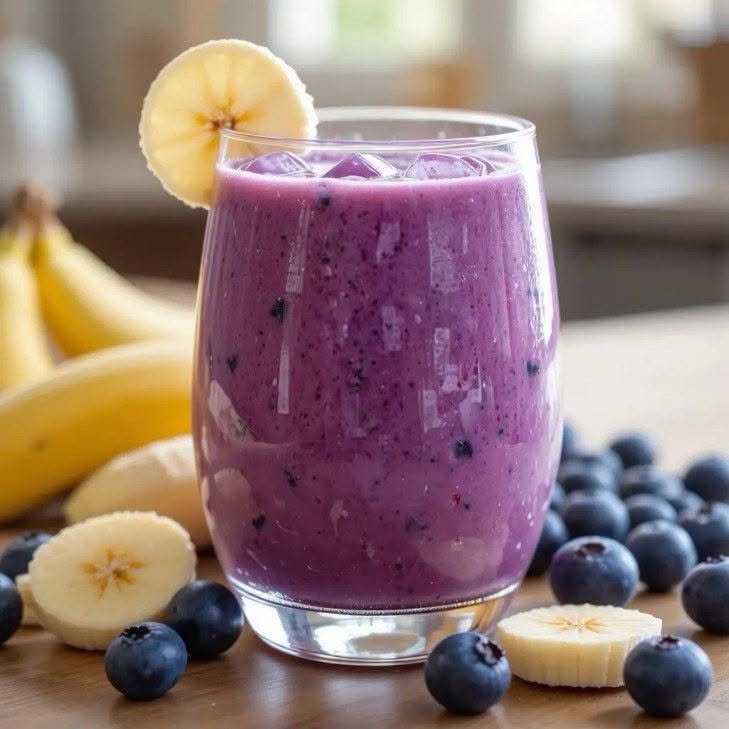
FLAT BELLY BLUEBERRY SMOOTHIE

Flat Belly Blueberry Smoothie

Ingredients

1 cup Fresh or frozen blueberries


1/2 Banana (frozen makes it creamier!)


1/2 cup Yogurt (Greek yogurt is a great choice for extra protein)

1 tbsp Chia seeds


1 tsp Cinnamon


Optional Liquid: 1/2 cup water, almond milk, or coconut water (to help with blending)


Optional Garnish: Fresh mint leaves or a few extra blueberries


Instructions

Prep: If you are using a fresh banana, you can peel and slice it beforehand.


Combine: Add the blueberries, banana, yogurt, chia seeds, and cinnamon into your blender.

Blend: Start on a low setting and gradually increase to high. Blend until the mixture is completely smooth and the chia seeds are well-incorporated.


Adjust: If the smoothie is too thick, add a splash of your preferred liquid and pulse again.


Serve: Pour into a tall glass or mason jar. Top with fresh mint or extra berries if you’re feeling fancy!


Why These Ingredients?

Blueberries: Packed with antioxidants that help fight oxidative stress.


Chia Seeds: High in fiber and Omega-3 fatty acids, which keep you feeling full.


Cinnamon: Known for its ability to help support  healthy blood sugar levels.

Yogurt: Provides probiotics that are excellent for gut health and digestion.

PEANUT BUTTER BANANA & NUTELLA LOADED SHAKE.

Peanut Butter Banana & Nutella Loaded Shake.

Ingredients

  • Base: 3 scoops vanilla bean ice cream, 1 frozen banana,  cup whole milk.

  • The “PB” Factor: 2 tbsp creamy peanut butter.

  • Toppings & Layers: Nutella (warmed), 1 fresh banana (sliced), and crushed peanut butter cookies or chopped roasted peanuts.


The Method

  1. Prep the Glass: This is the “wow” factor. Warm 2 tablespoons of Nutella in the microwave for 15 seconds until it’s drizzly. Using a spoon, swirl it around the inside rim of a chilled glass, letting it drip down the sides as seen in your photo. Set the glass in the freezer for 2 minutes to “lock” the drips.

  2. Blend the Base: In a high-speed blender, combine the ice cream, frozen banana, peanut butter, and milk.

    Pro Tip: Using a frozen banana gives it that thick, soft-serve consistency rather than a watery texture.

  3. The Layered Look: Pour the shake into your prepared glass. For the layered effect in the image, you can pour half the shake, add a thin swirl of Nutella, and then pour the rest.

  4. The Crown: Arrange your fresh banana slices in a circular mound on top. Drizzle generously with more warmed Nutella.

  5. The Crunch: Sprinkle your crushed peanuts or cookies over the top. The texture contrast against the silky shake is essential!


Quick Tips For Success

  • Consistency: If it’s too thick to sip, add milk 1 tablespoon at a time. If it’s too thin, add another half-scoop of ice cream.

  • Saltiness: If your peanut butter is unsalted, add a tiny pinch of sea  salt to the blender to make the chocolate flavors pop.

CREAMY BLUEBERRY BANANA SMOOTHIE

Creamy Blueberry Banana Smoothie.

Ingredients

  • 1 cup fresh or frozen blueberries (frozen will yield a thicker texture).

  • 1 large ripe banana (peel and slice; use frozen for extra creaminess).

  • 1/2 cup Greek yogurt or a plant-based alternative like coconut yogurt.

  • 1 cup milk of your choice (dairy, almond, or oat milk work beautifully).

  • 1 teaspoon honey or maple syrup (optional, depending on fruit ripeness).

  • 1/2 cup ice cubes (if using fresh fruit).

  • Garnish: Extra banana slices and a few whole blueberries.


Instructions

  1. Prepare the Fruit: If you are using fresh fruit, rinse the blueberries thoroughly and peel the banana. For a thicker, more “milkshake-like” consistency, use a banana that has been sliced and frozen ahead of time.

  2. Layer the Blender: To ensure a smooth blend without taxing your motor, add your liquids first. Pour the milk and yogurt into the blender base. Follow this with the blueberries, banana slices, and sweetener. Place the ice on top last.

  3. Blend: Secure the lid firmly. Start on a low speed to break up the larger pieces of fruit, then gradually increase to high. Blend for about 45–60 seconds until the color is a uniform, deep purple and the texture is velvety.

  4. Check Consistency: If the smoothie is too thick, add a splash more milk and pulse. If you prefer it thicker, add a few more ice cubes or frozen fruit pieces and blend again.

  5. Serve: Pour the smoothie into a chilled glass.

  6. Garnish: As seen in the image, take a fresh banana slice and cut a small notch into it to rest it on the rim of the glass. Drop a few whole blueberries on top for a professional finish.

Enjoy immediately while chilled!

RASPBERRY & CREAM LAYERED SMOOTHIE

Raspberry & Cream Smoothie


Yield: 1 Large Serving | Prep time: 5 minutes

INGREDIENTS


For the Creamy Base:

  • 1 Frozen Banana: Sliced before freezing for a smoother blend.

  • 1/2 cup Greek Yogurt: Plain or vanilla works best for that thick, velvety texture.

  • 1/2 cup Milk of Choice: Almond, oat, or dairy milk.

  • 1/2 tsp Vanilla Extract: To enhance the “dessert-like” flavor.

  • 1 tbsp Honey or Maple Syrup: Optional, depending on your preferred sweetness.

For the Raspberry Layer:

  • 1/2 cup Frozen Raspberries: These provide the bold color and tartness.

  • A splash of water or milk: Just enough to help the berries blend.

For the Topping:

  • 2 tbsp Granola: For a satisfying crunch.

  • Fresh Raspberries: For garnish.


Instructions

  1. Prepare the Base: In a high-speed blender, combine the frozen banana slices, Greek yogurt, milk, vanilla, and sweetener. Blend on high until the mixture is completely smooth and has a thick, soft-serve consistency.

  2. Divide the Mixture: Pour about two-thirds of this creamy white mixture into your serving glass. If you want a “swirled” look like the photo, tilt the glass slightly as you pour.

  3. Create the Berry Layer: Add the frozen raspberries and a tiny splash of liquid to the remaining one-third of the base still in the blender. Blend again until the mixture turns a deep, vibrant pink.

  4. Layer and Swirl: Carefully pour the raspberry mixture over the vanilla base. To achieve the ombre effect seen in the image, use a long spoon or a straw to gently swirl the two layers together where they meet.

  5. Garnish and Serve: Top the smoothie with a generous sprinkle of granola and a few fresh raspberries. Insert a glass straw and enjoy immediately while icy cold.


Chef’s Tips

  • Consistency is Key: If the smoothie is too thin, add more frozen fruit or a few ice cubes. If it’s too thick to blend, add liquid one tablespoon at a time.

  • Boost the Nutrition: Feel free to add a tablespoon of chia seeds or flax seeds into the vanilla base for extra fiber and Omega-3s without changing the flavor profile.


Cottage Cheese & Spinach Crustless Quiche

Cottage Cheese & Spinach Crustless Quiche

Fluffy, savory, and naturally low-carb—great for breakfast, brunch, or a light dinner.

⏱️ Time

  • Prep: 10 minutes

  • Bake: 35–40 minutes

  • Total: ~50 minutes

🍽️ Serves

6


🧺 Ingredients

  • 6 large eggs

  • 1 cup cottage cheese (full-fat or low-fat)

  • 1½ cups fresh spinach, chopped (or frozen, thawed & squeezed dry)

  • ½ cup shredded cheese (cheddar, mozzarella, or Swiss)

  • ¼ cup onion, finely diced

  • 1 clove  garlic, minced

  • 1 tbsp olive oil or butter

  • ½ tsp salt

  • ¼ tsp black pepper

  • ¼ tsp nutmeg (optional but lovely)

Optional Add-Ins

  • Mushrooms or bell peppers

  • Sun-dried tomatoes

  • Cooked bacon, ham, or sausage

  • Fresh herbs (dill, parsley, chives)


👩‍🍳 Instructions

  1. Preheat oven

    • Heat oven to 375°F (190°C).

    • Grease a pie dish or small baking dish.

  2. Sauté aromatics

    • Heat olive oil in a skillet over medium heat.

    • Add onion and cook 2–3 minutes until soft.

    • Add garlic and cook 30 seconds.

    • Add spinach and cook until just wilted.

    • Remove from heat and cool slightly.

  3. Mix the filling

    • In a bowl, whisk eggs.

    • Stir in cottage cheese, salt, pepper, and nutmeg.

    • Fold in spinach mixture and shredded cheese.

  4. Bake

    • Pour mixture into prepared dish.

    • Bake 35–40 minutes until center is set and top is lightly golden.

  5. Rest & serve

    • Let cool 5–10 minutes before slicing.


🍽️ Serving Ideas

  • With a simple green salad

  • Alongside roasted vegetables

  • With avocado slices

  • As a protein-rich meal prep breakfast


❓ Q & A

Q: Why use cottage cheese in quiche?
A: It adds protein and moisture while keeping the quiche light and fluffy.

Q: Can I blend the cottage cheese?
A: Yes! Blending gives a smoother, more traditional custard texture.

Q: Is this low-carb or keto?
A: It’s low-carb. For keto, use full-fat cheese and skip onions.

Q: Can I make it dairy-free?
A: You can use dairy-free cottage-style cheese and shredded cheese alternatives.

Q: How do I store leftovers?
A: Refrigerate in an airtight container for up to 4 days.

Q: Can I freeze crustless quiche?
A: Yes—freeze slices up to 2 months. Reheat gently.

Q: Can I make this ahead of time?
A: Absolutely. Bake fully, cool, and reheat when ready to serve.

Immune-Boosting Italian Soup for All Seasons | Easy Recipe

Immune-Boosting Italian Soup with shredded chicken, vegetables, tomatoes, herbs, and pasta served in a bowl

Immune-Boosting Italian Soup for All Seasons

When you want a warm, comforting meal that also fits into a balanced diet, this Immune-Boosting Italian Soup is an easy choice. It combines tender shredded chicken, fresh vegetables, tomatoes, herbs, pasta, and chicken broth in one flavorful pot.

This Italian-inspired chicken soup is simple enough for a busy weeknight but satisfying enough for a family dinner. Carrots, celery, onions, garlic, and tomatoes add color, flavor, fiber, and important nutrients. Chicken provides protein, while olive oil adds heart-friendly unsaturated fat.

The soup works well throughout the year. Serve it hot on a chilly winter evening, enjoy a lighter bowl during spring, or pair it with a fresh salad for a simple summer meal. Because the recipe uses everyday ingredients, it is also easy to adjust based on what you already have in your kitchen.

Why This Italian Soup Is a Nutritious Choice

A balanced soup can make it easier to include several food groups in one meal. This recipe combines lean protein, vegetables, carbohydrates, and healthy fats without requiring complicated preparation.

Chicken is a convenient source of protein, which helps support normal muscle maintenance and keeps meals satisfying. Carrots provide beta-carotene, while tomatoes contribute vitamin C and the antioxidant lycopene.

Garlic and onions add strong flavor without requiring heavy sauces. They also contain plant compounds that can contribute to an overall nutrient-rich eating pattern.

The vegetables provide fiber, and the broth helps create a warm, hydrating meal. While no single food can prevent illness or “boost” immunity on its own, eating a varied diet with vegetables, protein, whole grains, and other nutrient-rich foods supports overall health.

Ingredients for Italian Chicken Soup

You only need a short list of basic ingredients to prepare this comforting soup.

  • 2 chicken breasts, shredded: Use cooked, boneless, skinless chicken for convenient preparation.
  • 1 onion, diced: Adds a naturally sweet and savory base.
  • 2 carrots, diced: Provide color, texture, and beta-carotene.
  • 2 celery stalks, chopped: Add freshness and a light crunch.
  • 3 garlic cloves, minced: Bring bold Italian-style flavor to the broth.
  • 4 cups chicken broth: Creates the main soup base.
  • 1 cup diced tomatoes: Add acidity, color, and savory flavor.
  • 1 teaspoon dried basil: Provides a classic Italian herb flavor.
  • 1 teaspoon dried oregano: Adds earthy and slightly peppery notes.
  • ½ cup small pasta: Orzo or ditalini works especially well.
  • 2 tablespoons olive oil: Helps sauté the vegetables and adds richness.
  • Salt and black pepper: Adjust according to taste.

For extra vegetables, add mushrooms, spinach, zucchini, or diced bell peppers. Beans can also make the soup more filling while adding plant-based protein and fiber.

How to Make Immune-Boosting Italian Soup

Start by heating olive oil in a large soup pot over medium heat. Add the diced onion, carrots, celery, and minced garlic.

Cook the vegetables for about 5 minutes, stirring occasionally, until the onion becomes soft and the vegetables begin to release their aroma. Avoid browning the garlic too heavily because it can become bitter.

Pour in the chicken broth and diced tomatoes. Add the dried basil and oregano, then stir everything together.

Bring the mixture to a gentle simmer. Let it cook for about 10 minutes so the vegetables can soften and the herbs can flavor the broth.

Add the shredded chicken and small pasta. Continue cooking until the pasta reaches a tender texture, usually according to the package cooking time.

Season the soup with salt and black pepper. Taste the broth before adding more salt because prepared chicken broth can already contain sodium.

Serve the soup hot with crusty whole-grain bread, a simple green salad, or roasted vegetables for a complete meal.

Easy Ways to Customize This Soup

This recipe is flexible, so you can change it without losing its Italian-inspired character.

For more vegetables, add sliced mushrooms, zucchini, spinach, kale, or bell peppers. Leafy greens can be stirred in during the final few minutes so they remain fresh and colorful.

For additional fiber and protein, add cannellini beans, kidney beans, or chickpeas. Rinse canned beans before adding them to reduce excess liquid and sodium.

You can replace the chicken with turkey if you have leftover cooked turkey. For a vegetarian version, use vegetable broth and replace the chicken with white beans, chickpeas, or extra vegetables.

If you prefer a creamier texture, add a small amount of half-and-half near the end of cooking. Stir gently and avoid boiling the soup after adding dairy.

For a gluten-free version, choose certified gluten-free pasta or use cooked rice instead. Check the labels on packaged broth and other ingredients to make sure they meet your dietary needs.

Tips for Better Flavor and Texture

Use homemade or low-sodium chicken broth when possible so you have more control over the salt level. Freshly cooked chicken also works well, but leftover roasted chicken can save preparation time.

Cut the vegetables into similar-sized pieces so they cook evenly. Small pasta shapes are ideal because they fit easily on a spoon and cook quickly.

Add pasta close to serving time if you expect leftovers. Pasta continues absorbing broth as the soup sits, which can make the leftovers thicker than expected.

If the soup becomes too thick after refrigeration, add a little broth or water while reheating. Warm it gently on the stovetop until it reaches a safe serving temperature.

Fresh parsley, grated Parmesan, or a small squeeze of lemon can brighten the finished bowl. These simple additions can add flavor without requiring a heavy sauce.

How to Store and Reheat

Allow leftover soup to cool and place it in airtight containers. Refrigerate it promptly and use refrigerated leftovers within a few days.

For longer storage, freeze the soup in individual portions. Leave some space in each container because liquid expands as it freezes.

When reheating, warm the soup thoroughly on the stovetop or in the microwave. If the pasta has absorbed too much broth, add extra chicken broth before reheating.

For the best texture after freezing, consider cooking the pasta separately and adding it when serving. This helps prevent the pasta from becoming overly soft.

Serving Ideas for Every Season

This soup is easy to serve in every season because the basic ingredients are available year-round.

During winter, serve a steaming bowl with whole-grain bread for a cozy dinner. In spring, add spinach, peas, or fresh herbs for a lighter flavor.

For summer meals, serve smaller portions alongside a crisp salad. In fall, add extra carrots, beans, or seasonal vegetables for a hearty bowl.

The soup can also work well as a make-ahead lunch. Divide it into individual containers for convenient portions throughout the week.

Frequently Asked Questions

Is Italian chicken soup healthy?

It can be part of a balanced diet because it combines lean protein, vegetables, broth, and carbohydrates in one meal.

Can I make this soup ahead of time?

Yes, you can prepare it ahead and refrigerate the cooked soup for convenient meals during the next few days.

Can I freeze Italian chicken soup?

Yes, the soup can be frozen, although pasta may become softer after thawing and reheating.

What vegetables can I add to this soup?

Mushrooms, spinach, zucchini, bell peppers, kale, and peas are easy additions that increase vegetable variety.

Can I use leftover chicken?

Yes, cooked leftover chicken or turkey works well and can significantly reduce preparation time.

How can I make this soup gluten-free?

Replace regular pasta with certified gluten-free pasta or cooked rice and check packaged broth labels for gluten-containing ingredients.

Can I make this recipe vegetarian?

Yes, use vegetable broth and replace the chicken with beans, chickpeas, lentils, or additional vegetables.

What pasta is best for Italian soup?

Small shapes such as orzo, ditalini, small shells, or elbow macaroni work well because they cook quickly and are easy to eat with the broth.

Final Thoughts

This Immune-Boosting Italian Soup for All Seasons brings together simple ingredients, comforting flavors, and useful nutrition in one easy recipe. Tender chicken, colorful vegetables, tomatoes, garlic, herbs, and pasta create a satisfying bowl without complicated cooking techniques.

It is also easy to personalize with seasonal vegetables, beans, different proteins, or gluten-free pasta. Keep a batch in the refrigerator for quick lunches, or freeze portions for convenient future meals.

While a healthy soup cannot replace medical care or guarantee protection from illness, meals built around vegetables, protein, whole foods, and a variety of nutrients can support an overall healthy eating pattern. This recipe makes that approach delicious, practical, and easy to enjoy any time of year.

frozen blueberry Greek yogurt clusters

Frozen Blueberry Greek Yogurt Clusters

📝 Ingredients

  • 1 ½ cups Greek yogurt (plain or vanilla)
  • 1 cup fresh or frozen blueberries
  • 2–3 tbsp honey or maple syrup (adjust to taste)
  • 1 tsp vanilla extract (optional)

For coating (optional but delicious):

  • 1 cup dark chocolate chips
  • 1 tsp coconut oil

👩‍🍳 Instructions

1. Mix yogurt base

  • In a bowl, combine Greek yogurt, honey (or maple syrup), and vanilla extract
  • Stir until smooth and creamy

2. Add blueberries

  • Gently fold in blueberries
  • If using frozen blueberries, no need to thaw

3. Form clusters

  • Line a tray with parchment paper
  • Scoop small spoonfuls of the mixture onto the tray (cluster shape)

4. Freeze

  • Place in freezer for 1–2 hours or until completely firm

5. Optional chocolate coating

  • Melt chocolate chips with coconut oil (microwave in 20–30 sec intervals)
  • Dip or drizzle over frozen clusters

6. Freeze again

  • Return to freezer for 10–15 minutes until chocolate sets

🍽️ Serve

  • Enjoy straight from the freezer
  • Store in an airtight container for up to 2 weeks

💡 Tips

  • Use thick Greek yogurt for best texture
  • Don’t make clusters too big—they freeze better smaller
  • Add granola for crunch

🔄 Variations

  • Strawberry version: swap blueberries for strawberries 🍓
  • Protein boost: mix in protein powder
  • Nutty: add chopped almonds or peanut butter swirl.

Zero-Point Fatbomb Fluff

Low-Point Zero-Point Fatbomb Fluff

Ingredients:

  • 1 cup fat-free  Greek yogurt
  • 1 cup unsweetened  almond milk
  • 1 tablespoon chia seeds
  • 1 tablespoon flaxseed meal
  • 1 teaspoon vanilla extract
  • 1/2 teaspoon almond extract (optional)
  • Stevia or other zero-calorie sweetener, to taste
  • Fresh berries or other fruit for serving (optional)

Instructions:

  1. Prepare the Base:
    • In a mixing bowl, combine fat-free Greek yogurt and unsweetened almond milk. Mix until smooth and well combined.
  2. Add Seeds and Extracts:
    • Stir in chia seeds, flaxseed meal, vanilla extract, and almond extract (if using). These ingredients will add thickness and flavor to the fluff.
  3. Sweeten to Taste:
    • Sweeten the mixture with stevia or your preferred zero-calorie sweetener. Start with a small amount and adjust to your desired level of sweetness.
  4. Chill:
    • Cover the bowl and refrigerate the mixture for at least 1 hour, or overnight if possible. This allows the chia seeds and flaxseed meal to absorb moisture and thicken the fluff.
  5. Serve:
    • Before serving, stir the fluff to ensure it’s well mixed and creamy. Divide into serving bowls or glasses.
  6. Garnish:
    • Garnish with fresh berries or your favorite fruit, if desired. This adds extra flavor and texture to the dish.

Nutritional Information (per serving, without fruit):

  • Calories: Approximately 80 kcal
  • Protein: 7g
  • Carbohydrates: 7g
  • Fat: 2g
  • Fiber: 3g
  • Sugar: 3g

SmartPoints (WW):

  • Each serving of the W-W Low-Point Zero-Point Fatbomb Fluff is approximately 1 SmartPoint on the W-W (Weight W) program.