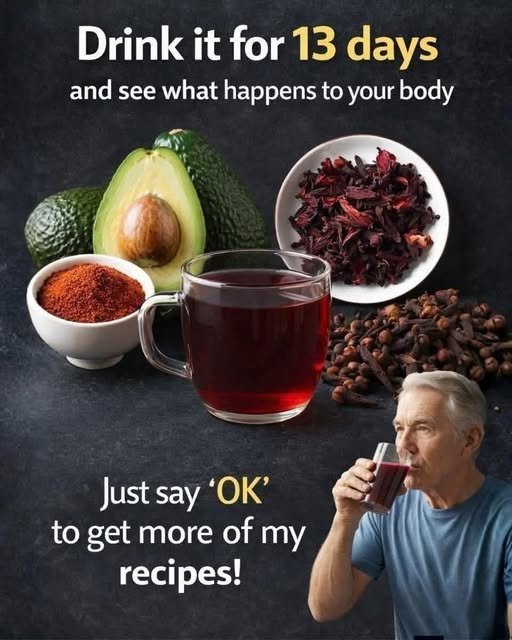
This recipe combines ingredients with high concentrations of antioxidants and bioactive compounds. While traditionally used for metabolic and circulatory support, it is important to distinguish anecdotal tradition from clinical evidence.
Ingredient Profile & Bioactive Properties
-
Avocado Seed: Contains polyphenols and catechins. While some studies suggest potential for lowering LDL cholesterol and blood pressure, most research is currently restricted to in vitro or animal models; human safety data for high-dose ingestion is limited.
-
Hibiscus (Jamaica Flower): Rich in anthocyanins. It is clinically recognized for its mild diuretic properties and its ability to inhibit angiotensin-converting enzyme (ACE), which may help manage hypertension.
-
Cloves: Contain high levels of eugenol, a potent antioxidant and anti-inflammatory agent often used to support digestive health and oral hygiene.
Traditionally Associated Benefits
In folk medicine, this specific 13-day infusion is typically associated with:
-
Metabolic Support: Often used to “cleanse” the system, specifically targeting lipids (cholesterol) and regulating blood sugar levels.
-
Cardiovascular Health: The combination is believed to improve circulation and reduce fluid retention due to the hibiscus.
-
Digestive Relief: Cloves and avocado seed tannins are traditionally used to soothe the gastrointestinal tract and reduce bloating.
Critical Considerations
-
Safety: Avocado seeds contain small amounts of persin (a fungicidal toxin). While generally safe in tiny quantities for humans, consuming a whole grated seed daily for 13 days is a high dosage that has not been thoroughly vetted by food safety authorities.
-
Interactions: Hibiscus can interact with acetaminophen and blood pressure medications (hydrochlorothiazide).
-
Pregnancy: Hibiscus is often contraindicated during pregnancy as it may affect estrogen levels.