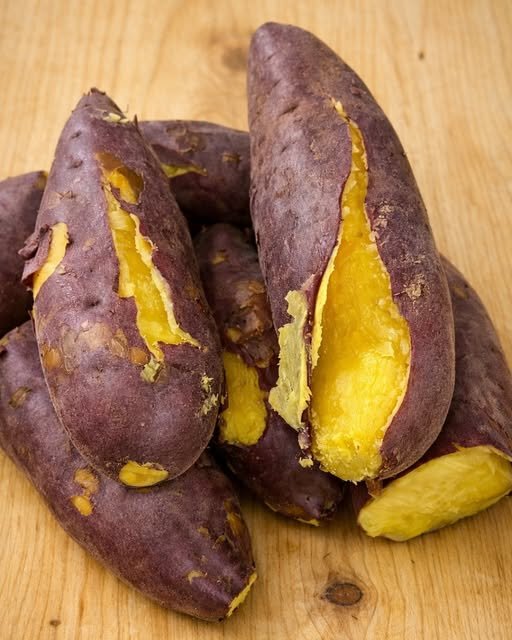
weet potatoes are everywhere – in fitness meals, weight-loss plans, baby food, and even desserts. They’re praised as a “superfood,” but the truth is more complex.
Before you add another serving to your plate, there are 13 important facts about sweet potatoes you really should know.
Some may surprise you. A few might change how you eat them forever.
Let’s get into it.

1. Sweet Potatoes Are Not the Same as Yams (and That Matters)
Despite what grocery stores label, most “yams” sold in supermarkets are actually sweet potatoes.
True yams are starchier, drier, and much less sweet. Sweet potatoes are softer, sweeter, and higher in beta-carotene.
Why this matters: their blood sugar impact, digestion, and cooking behavior are very different. If you’re managing blood sugar, confusing the two can lead to bad choices.
2. They Can Spike Blood Sugar More Than You Think
Sweet potatoes are often recommended for diabetics, but preparation method changes everything.
-
Boiled: lower glycemic impact
-
Baked or roasted: much higher glycemic index
-
Mashed: spikes fastest
If you’re insulin resistant or prediabetic, eating large baked sweet potatoes regularly can quietly push blood sugar higher than expected.
3. They Are Loaded with Vitamin A – Sometimes Too Much
Sweet potatoes are one of the richest sources of beta-carotene (vitamin A precursor) in nature. That’s great… in moderation.
Too much vitamin A over time may cause:
-
Headaches
-
Dry skin
-
Nausea
-
Liver stress (in extreme cases)
If you already take multivitamins or eat lots of carrots, pumpkin, and spinach, it’s easy to overdo it.
4. Not Always “Weight-Loss Friendly”
Sweet potatoes are often marketed as a diet food, but one medium sweet potato can contain 100–120 calories and 20–25g of carbs.
That’s not bad — but if you’re:
-
on keto
-
low-carb
-
insulin-sensitive
-
trying to lose stubborn belly fat
…they may slow progress if eaten daily.
They are clean carbs, not free carbs.
5. They Can Cause Bloating and Gas
Many people experience:
-
bloating
-
stomach pressure
-
gas
-
mild cramps
after eating sweet potatoes.
Why?
They contain raffinose and resistant starch, which ferment in the gut. If your digestion is sensitive, you’ll feel it.
Pro tip: boiling them and eating smaller portions reduces this effect.
6. The Skin Is Nutrient-Rich – But Also Risky
Sweet potato skins contain fiber and antioxidants, but they also trap:
-
pesticides
-
dirt
-
bacteria
If not thoroughly washed or organic, eating the skin may do more harm than good.
If you buy non-organic, peeling is often the safer option.
7. They May Interfere with Thyroid Function (in Large Amounts)
Sweet potatoes contain goitrogens – compounds that can interfere with iodine absorption.
For most people, this is irrelevant.
But if you have hypothyroidism or iodine deficiency, eating very large amounts regularly could worsen symptoms.
Cooking reduces goitrogen levels, but they’re not eliminated entirely.
8. They Can Trigger Migraines in Some People
Sweet potatoes are naturally high in tyramine, a compound known to trigger migraines in sensitive individuals.
If you notice headaches after eating:
-
sweet potatoes
-
aged foods
-
bananas
-
avocados
…this could be the connection.
9. Not Ideal for Kidney Stone Formers
Sweet potatoes are high in oxalates, which contribute to kidney stone formation in susceptible people.
If you’ve had calcium oxalate stones before, it’s wise to:
-
limit portions
-
avoid daily consumption
-
drink plenty of water when eating them
10. They Are Extremely High in Potassium
Potassium is essential for:
-
heart rhythm
-
muscle function
-
blood pressure control
But too much potassium can be dangerous for people with:
-
kidney disease
-
adrenal issues
-
certain heart conditions
One large sweet potato can contain over 700 mg of potassium. That adds up fast.
11. Sweet Potatoes Change Nutritionally When Stored
As sweet potatoes sit in storage, their starch converts to sugar.
That means:
-
older sweet potatoes = sweeter taste
-
higher sugar content
-
stronger blood sugar response
So that “extra sweet” potato might not be the healthiest choice.
12. Purple and White Varieties Are Not the Same
Most people only eat orange sweet potatoes, but there are:
-
Purple sweet potatoes – higher in anthocyanins (anti-inflammatory, antioxidant)
-
White sweet potatoes – lower sugar, milder impact on blood glucose
If blood sugar or inflammation is a concern, white or purple varieties are often better options.
13. They Are Healthy – But Not a “Daily Food” for Everyone
This is the biggest truth most people miss.
Sweet potatoes are:
-
nutritious
-
natural
-
full of vitamins and fiber
But they are not ideal as a daily staple for every body type.
Depending on your:
-
metabolism
-
hormones
-
digestion
-
activity level
-
health conditions
…they may be perfect, or they may quietly cause weight gain, bloating, fatigue, or blood sugar swings.
The Bottom Line
Sweet potatoes are not bad.
They are not magic.
And they are definitely not one-size-fits-all.