There is a certain comfort in knowing that the same ingredients used by previous generations are being validated by modern interest in phytochemicals.
The remedy you described—combining purple onion, garlic, and honey—is a classic example of synergistic natural ingredients. From a biological standpoint, you’re essentially creating a concentrated infusion of sulfur compounds and antioxidants.
The Science Behind the Synergy
While these shouldn’t replace a doctor’s visit for serious infections, the chemistry of this mixture explains why it feels so effective:
-
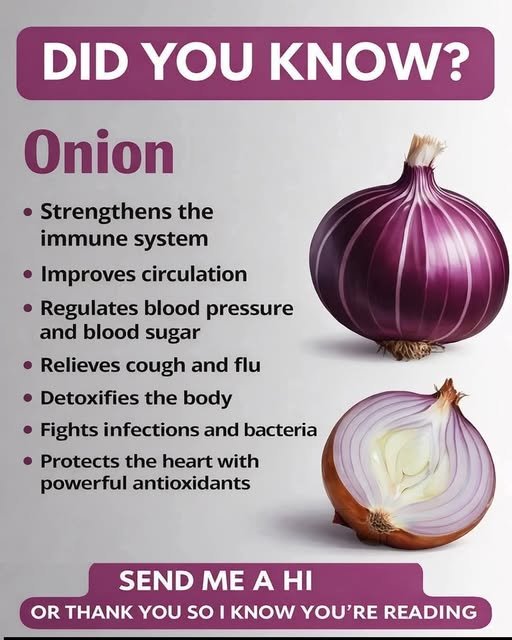
Quercetin in Purple Onions: Purple onions are particularly high in quercetin, a flavonoid that has been studied for its ability to stabilize mast cells (which release histamine), potentially helping with the “drippy” part of a cold.
-
Allicin in Garlic: When you crush garlic (as noted in Step 2 of your guide), an enzyme called alliinase converts alliin into allicin. This is the compound responsible for garlic’s antimicrobial reputation.
-
Hygroscopic Nature of Honey: Honey is “hygroscopic,” meaning it draws moisture out of its environment. In this recipe, the honey physically pulls the nutrient-rich juice out of the onion cells through osmosis, creating that syrup without needing to add water.
Quick Prep & Storage Tips
To get the most out of this traditional syrup, keep these small but important details in mind:
| Tip | Why it Matters |
| Raw Honey is Best | Processed honey is often heat-treated, which can destroy the beneficial enzymes and propolis traces that provide antibacterial support. |
| Wait 10 Minutes | After crushing the garlic, let it sit for about 10 minutes before adding the honey. This “rest” allows the maximum amount of allicin to develop. |
| Small Batches | Because this is a fresh product without chemical preservatives, it can ferment quickly. Making enough for just 48–72 hours is the safest bet. |
A Gentle Reminder on Safety
As you mentioned, the “No honey for infants” rule is the most critical safety point here. This is due to the risk of botulism spores, which a baby’s developing digestive system cannot handle, even though they are harmless to adults.
Additionally, while onions and garlic are great for humans, remember to keep this mixture far away from pets. Onions and garlic are toxic to dogs and cats, as they can cause oxidative damage to their red blood cells.